In the Age of Healthmaxxing, How Do We Manage Protein Intake?

Starting with Plant Protein, Building the Smart Kitchen for the AI Era

Last week, a16z published The State of Longevity, using a trendy term to capture where things are headed: healthmaxxing — essentially, maxing out your health. People are no longer waiting around for doctors to write prescriptions; they're proactively testing, tracking, and optimizing their own bodies. What used to be the domain of a handful of biohackers is now going mainstream.
At the same time, the report surfaced a telling contradiction: among 500 US consumers surveyed, 83% of wearable device users checked their devices daily, yet 55% said that data had never prompted them to change their behavior or see a doctor.
In health management, most smart devices today share a similar problem: the gap between data and action doesn't bridge easily. Wearables and nutrition apps can serve up data and recommendations, but struggle to convert them into action; smart kitchen appliances can cook your food, but can't tell you what's actually in it.
NUVELL wants to connect these two ends: the same machine that makes plant-based protein foods also estimates how much protein is in that serving, so you don't have to pull out your phone and log it.

From Logging to Making: Data and Action Remain Ununified
Healthmaxxing has moved from niche biohacker circles into the mainstream, with consumers now taking health management into their own hands. Previously, the people willing to pour serious effort into studying their body metrics were mostly a small group of wellness enthusiasts. Now, this mindset has entered ordinary family kitchens: 70% of respondents filter their drinking water, and 39% are swapping plastic containers for glass.
In healthcare services, a16z is bullish on companies that can carry people through to the next step. AI can explain a lab report, but the patient still needs to book a clinic appointment, schedule follow-ups, and get someone to check in on results weeks later. As the cost of getting answers drops, whoever can handle this legwork stands a better chance of winning users. The report calls this layer the "action layer."
Typically, smart devices log data passively: a watch records heart rate, sleep state, and duration while you're asleep. But at the dinner table, it's a different story. For nutrition apps to know what you ate, you usually need to snap a photo before picking up your chopsticks. By the time recommendations come through, there's another round of grocery shopping, prep, and cooking to do. For someone about to eat, both logging and execution are hassles.
Similarly, today's smart kitchen appliances can auto-heat and precisely control temperature, but mostly just focus on getting the food made; they rarely know the nutritional content of what they produce. Nutrition apps know what you should eat, but can't help you cook it. NUVELL wondered: could it borrow information that kitchen devices already generate during cooking, eliminate some of the logging burden, and let the same machine turn "dietary advice" into reality?

Starting with Plant Protein
GFI's 2025 data shows plant milk is no longer just for vegetarians — it's made its way into ordinary household shopping carts. 38% of US households have bought plant milk, and among them, 91% still buy dairy milk too.
But making plant-based protein foods at home remains a hassle. Coffee has its coffee maker, bread has its bread maker; plant milk requires soaking, grinding, and filtering, and tofu needs further steps of boiling curds, adding coagulant, and pressing — none of which can be skipped, and all of which require some feel for the process. People who want to pick their own ingredients and adjust textures often get stuck right here.
These steps share one characteristic: ingredient weight, water ratios, heating and coagulation conditions can all be quantified and controlled. They determine texture, and they also determine how much protein ends up in the final product.
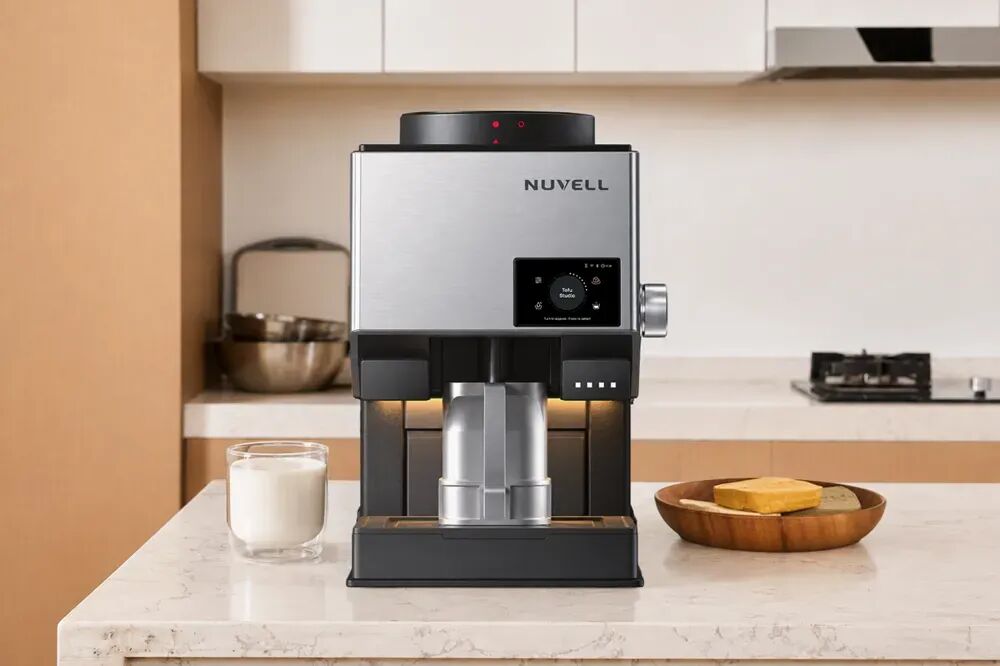
At IFA Berlin this September, NUVELL showcased Plantein. It packs grinding, heating, coagulation, and pressing into a countertop machine. According to brand director Roy Chou, speaking to Yanko Design, making plant milk from oats, almonds, or soy takes about 20 minutes; making fresh tofu from soybeans, water, and coagulant takes about 40 minutes, with adjustable firmness.
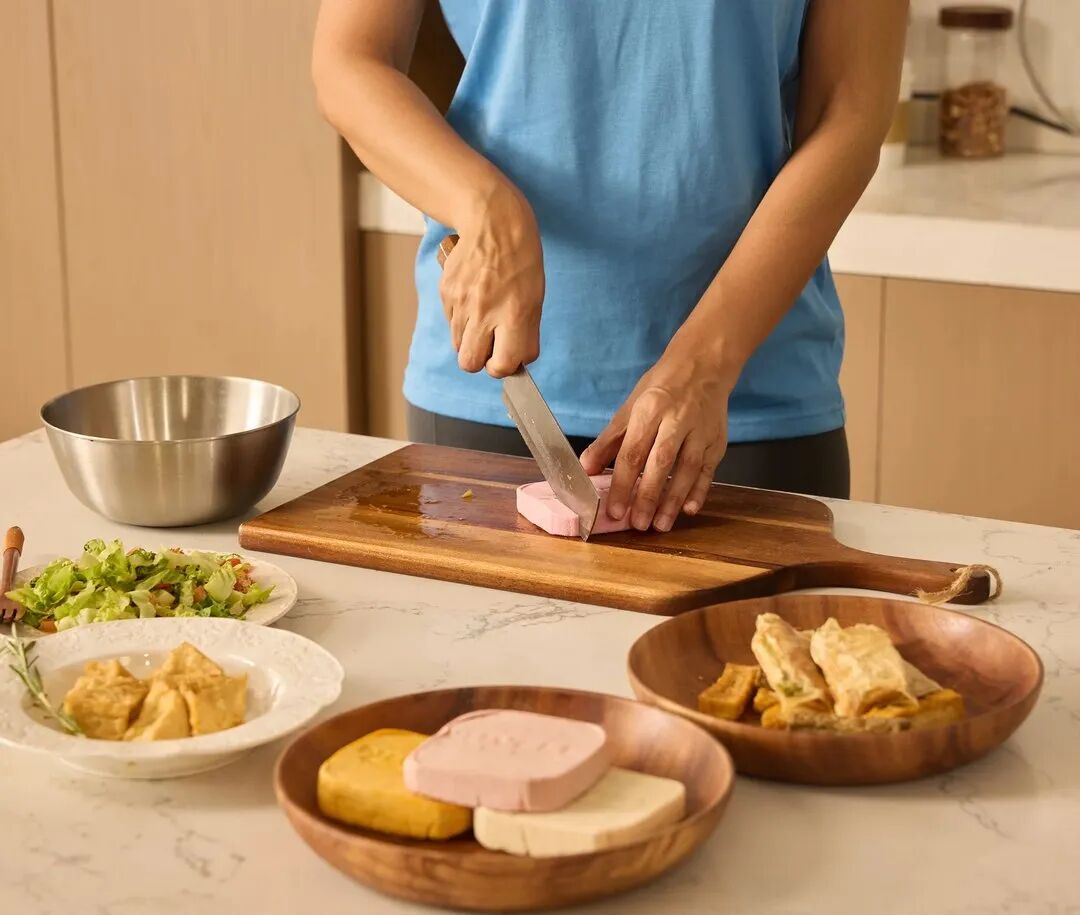
At the booth, visitors asked the team for recipes and tutorials. Yanko Design reporter Sarang Sheth had rarely thought about how tofu is actually made. But hearing Chou describe how the team had experimented with matcha flavor, he started wondering what matcha tofu on toast might taste like. A machine that makes several kinds of tofu became, in this journalist's mind, a flavor he wanted to try.

The AI-Era Smart Kitchen: More Than Just Making Food
Once a cup of plant milk or a block of tofu reaches the table, beyond taste, Plantein holds another layer of information: how much soybean was used, how much water was added, how the soy milk was filtered, how long it was pressed. NUVELL wants to start from these details, hoping people won't need to hold up their phones and upload photos — the device can estimate how much protein is in this batch.
The plant protein system is just the first step. In NUVELL's vision, every machine in the kitchen could log the part of the diet it handles. The morning coffee maker knows how many beans went into a cup and how it was extracted — information that could estimate caffeine content. The stand mixer making staple foods knows which grains went into the dough and in what amounts, allowing it to estimate carbohydrates. If users let devices share these logs, and supplement with how much they actually ate, recipes scattered across several machines could jointly inform the next meal.
For example, say you want more plant protein at breakfast, and you usually drink a cup of soy milk. In NUVELL's vision, the system could reference what ingredients you have at home and what flavors you prefer, then recommend a recipe. Once you select it, Plantein handles the making. When you pour your usual cup, the system could combine the recipe with the pour volume to estimate roughly how much protein this cup provides.
NUVELL's hopes for the future kitchen live in these everyday choices. When you want a meal with more plant protein, the kitchen can offer several options you'd actually want to eat, based on your dietary goals and what's in your pantry; once you pick, the relevant device gets to work. Come mealtime, you sit down and eat as usual. As for what was made and roughly what nutrition it provided — no need to raise your phone and snap a photo. The kitchen already logged part of that while cooking.