The World Belongs to Cute: 7 Unserious Projects and 3 Global Premieres | AI Night Hunt Takes Over Shanghai

That Night, AI Sprouted a Furry Tail: Apple's Rabbit, the Travel King of the Wild, and the Ambition to Kill Disney
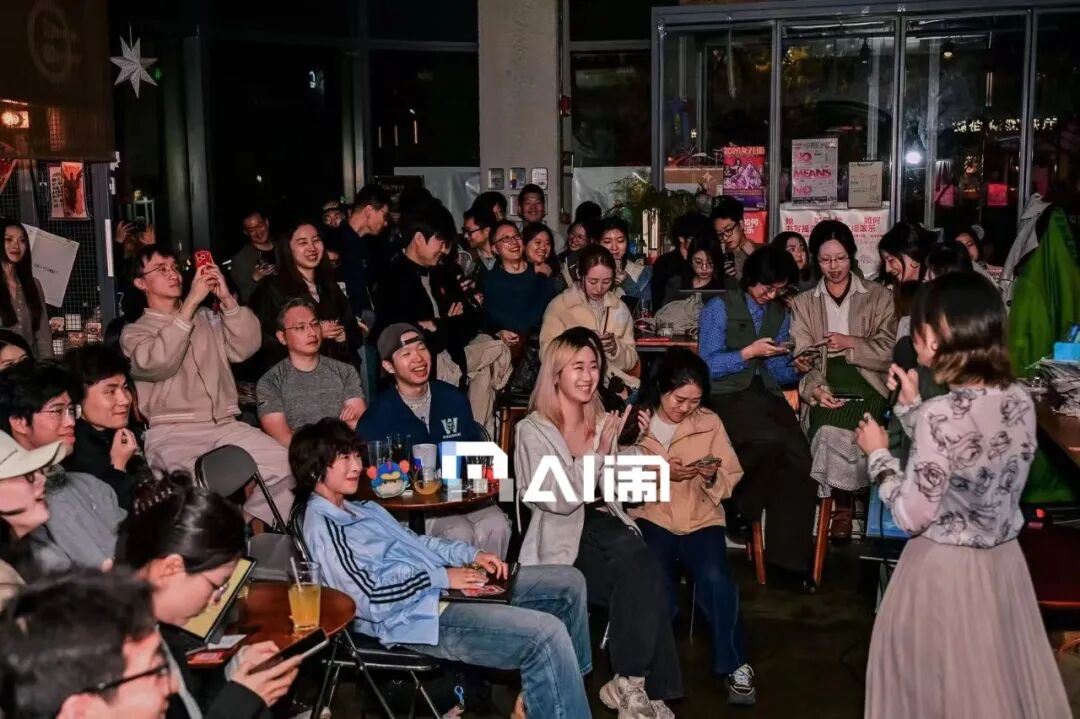
AI Night Hunt rolled into its second stop — Shanghai — and the event is starting to look like what we'd hoped for: concrete, weird, fun, and — damn it — cute.
That night, AI romantically sprouted fluffy tails, wanderlust, children's social networks, and an ambition to kill Disney.
Models, parameters, tokens — sure, they matter. But we care more about getting AI into real life: loneliness, companionship, strangers, memory, safety...
Seven ideas were shared, grilled, teased, and voted on by the room. Then... they kept growing.
PS: Seven creators brought three "world-shaking debuts" to this session. So shaking, in fact, that even the projector panicked — it malfunctioned three times.
Gen Z Icebreakers Start at the Shoulder
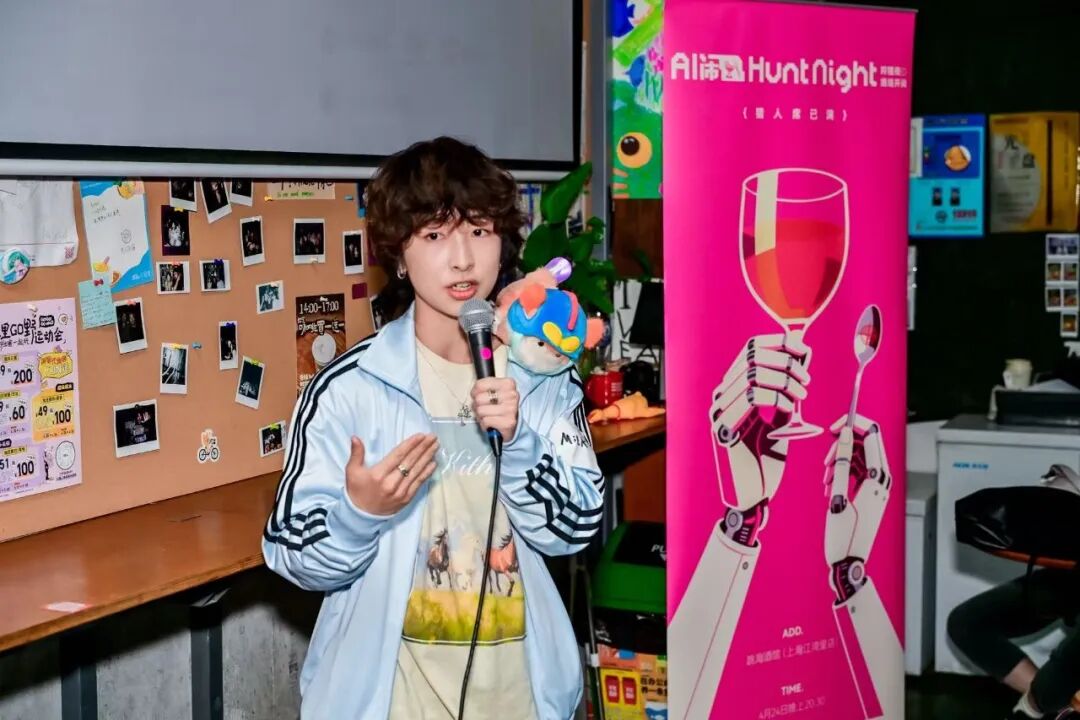
Blinkko made a perfect opener — it's practically the metaphor for this whole hunting night.
Founder Milk shared a recent story: a stranger's Yorkie suddenly climbed into her lap. She and the owner ended up chatting for half an hour. "Without that dog, we never would have met."
That's Blinkko's origin story: an AI pet that perches on your shoulder (think Kevin Tsai's signature look), tail glowing, sensing your emotions, joining you on city walks, getting excited when it spots its own kind, then bumping to exchange friend requests.
Milk, born in '99, believes Gen Z has an overlooked social need: not more tools, but real reasons to connect — visible social currency.
One hunter pressed hard: "Why does it have to be a pet? Why not a functional wearable?" The subtext: is cuteness just a gimmick?
Milk's response: traditional social apps let two people walk right past each other in the real world without ever knowing; a shoulder-mounted Blinkko is visible social currency. "Phone-based social products are already overloaded. In the future, a portable AI object that doubles as conversation starter will become a new way to socialize."
In plain English: stop staring at your phone, look at my shoulder pet.
Beyond Disney
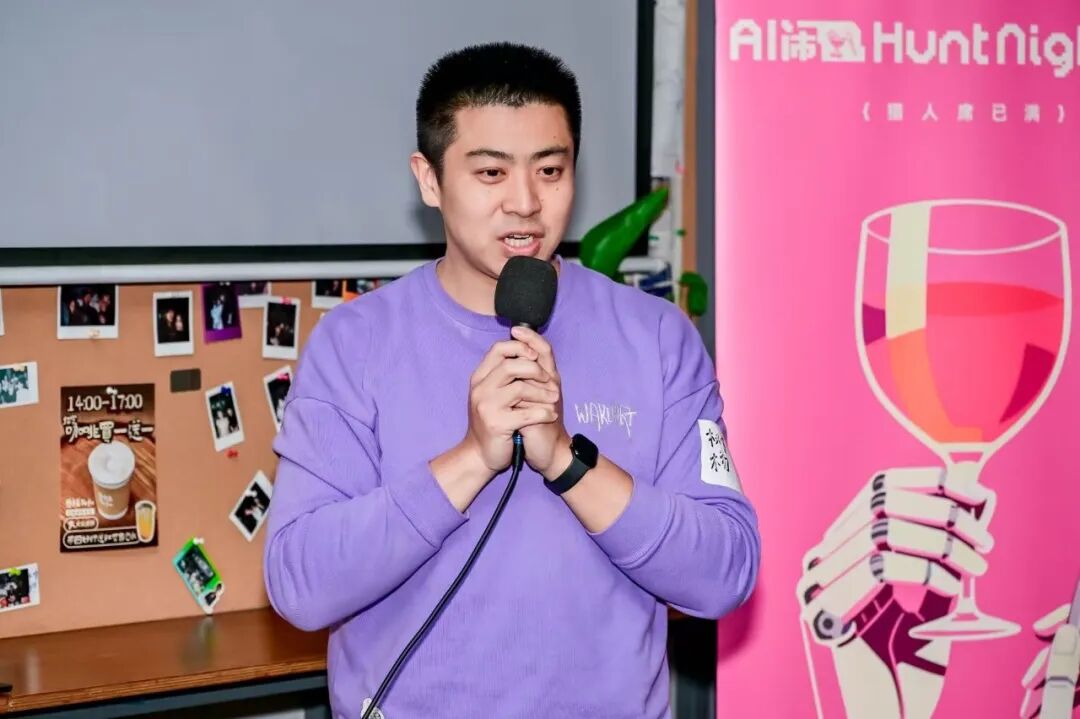
When Shuyang took the stage, the room's energy flipped straight to "how does AI become a business" — no surprise, given he's a well-known host of the China Good Business podcast.
We'd originally titled his slot "Yes, I'm Going to Challenge Disney." He changed it to "Yes, I'm Going to Surpass Disney."
The project is called "Apple Rabbit" — a ¥69 blind box where each figure unlocks a mini-game on your phone. Regular users don't know what a "skill" is, he said. "Ordinary people only care what this skin does for them." So he hid AI inside IP, blind boxes, and games.
Shuyang argued that AI is too distant from ordinary people (and from money). He'd been thinking about what vehicle could make it a mass consumer product?
The answer: IP. "First-generation IP companies started with content, then monetized through derivatives and games. Second-generation companies turned derivatives and games into content themselves. I want to do the third generation — content, derivatives, games, and AI all mixed together, done simultaneously." He predicted that IP will become the interface for Agent interaction: "Everyone might end up interacting with a character."
The room quickly devolved into chaos — questions about distribution, IP methodology, how to source inventory. Shuyang refused to get specific. "We just launched two days ago, and people are already fishing for intel, copying our format."
He considers himself among the most capable IP-plus-AI founders in all of China. He worked on Demon Slayer's China operations and has deep hardware and supply chain experience. "If I can't pull this off, then nobody in China can."
George Orwell in the AI Era
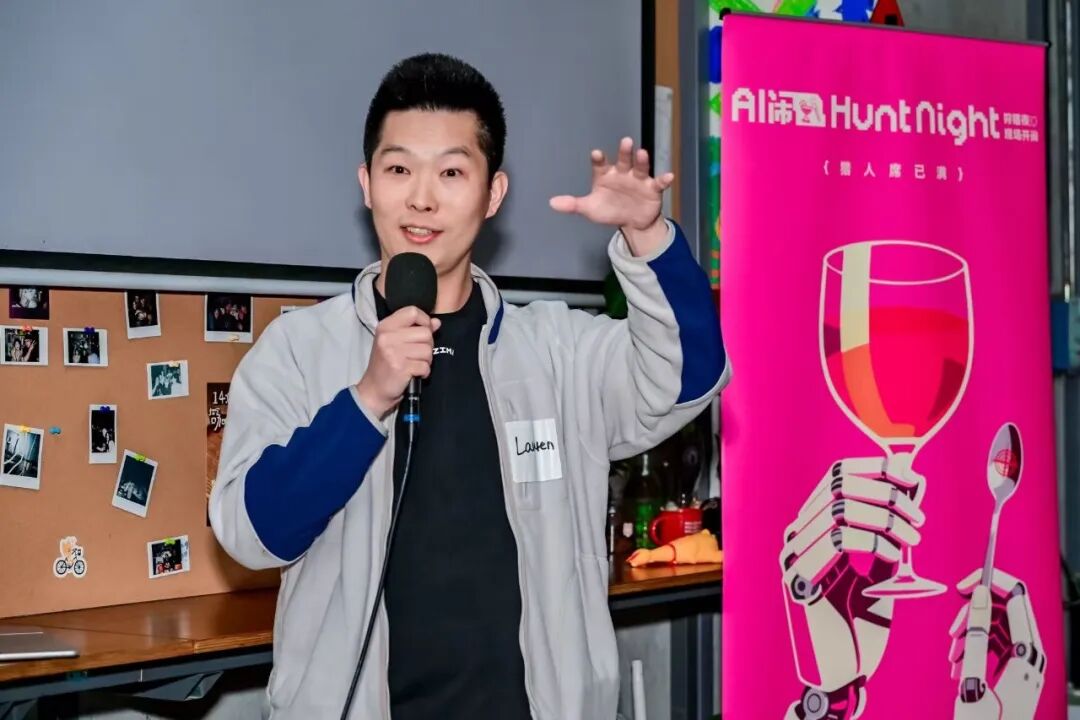
When Lauren, founder of IceWhale Technology, took the stage, the conversation suddenly lurched toward 1984, Animal Farm, and "surveillance capitalism." After laying extensive groundwork on digital security and privacy protection, he unveiled a project to "fight this twisted commercial world": let every family own their own cloud.
"If PCs were the first generation of personal computing devices, and phones the second, then the next generation might be a local hub that manages family memories, personal data, smart devices, and future AI Agents."
Don't go naked in the digital world. Lauren said, "Your learning logs, chat records, research, and AI data are scattered across more than a dozen cloud services and devices. Any vendor can block your access to memories or refuse your migration requests. They don't talk to each other, and you can't pull anything together. Change contexts, and your memory chain breaks."
The room's feedback was direct. "Didn't quite follow — what form does this actually take?" "A little box that remembers everything about you, unifying your scattered digital traces."
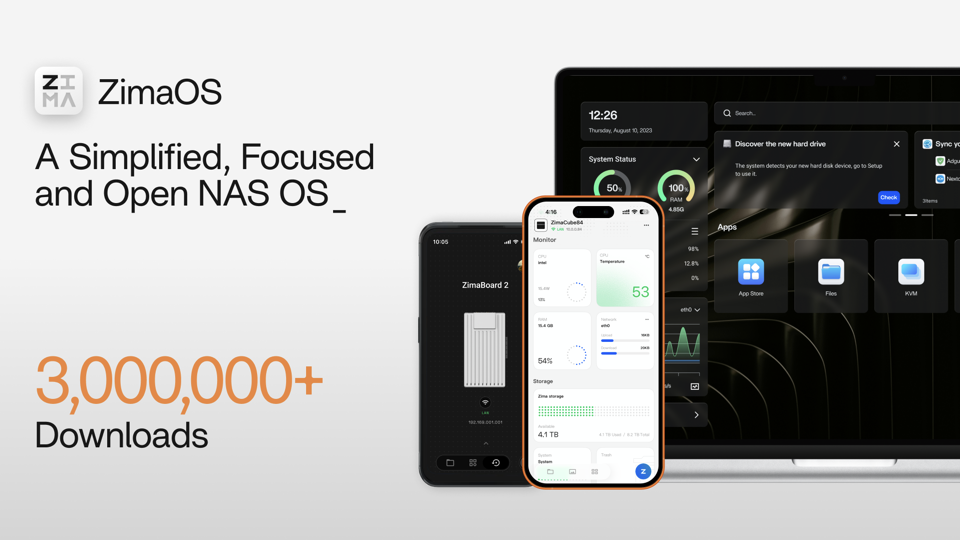
"How do you market it? Through model compression? Through NAS?"
Lauren's answer: model capabilities are already sufficient, and rapidly penetrating life and productivity value. Behind every interaction lies a need for storage, memory, continuous learning. The next generation of human-computer interaction won't be driven by new apps, but by new infrastructure.
He closed with an idealist manifesto: "If I'm going to spend one year, two years, three years engineering something, why wouldn't I build a product that might one day appear in the Computer History Museum in the United States?"
One hunter sat in silence for three seconds, then said: "Anyway, I'm sold."
The Anthropologist's Travel Plan
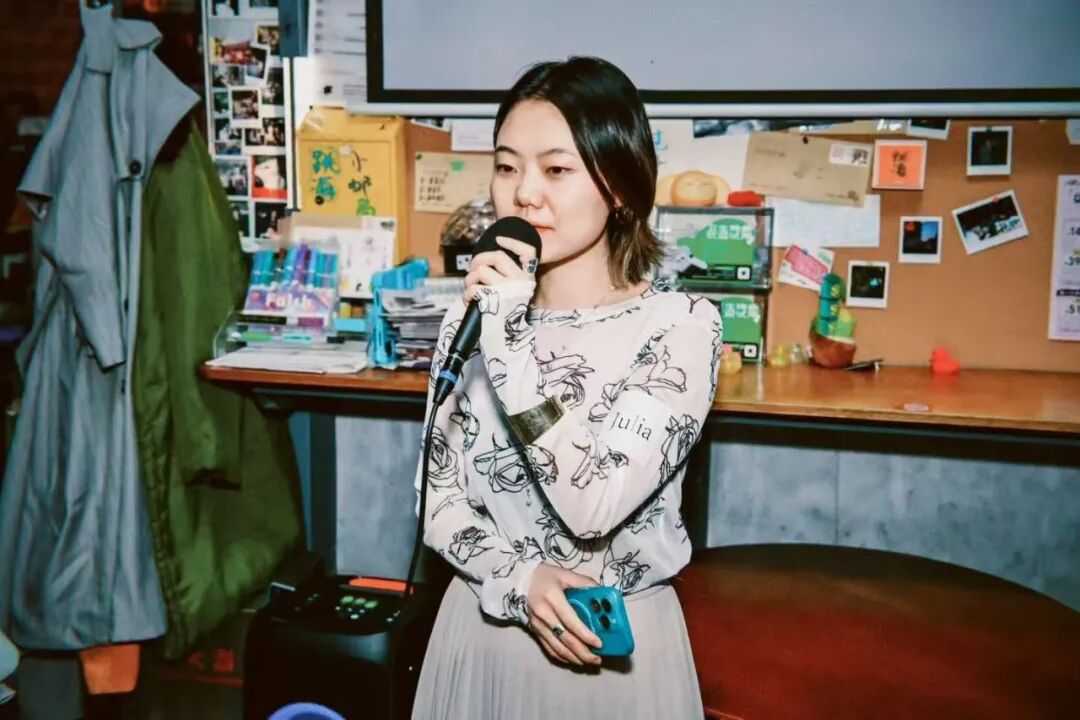
Julia is a bartender at Tiao Hai and a product manager at a major tech company. Combined, these two identities define her project's character: a travel Agent that "gets you better."
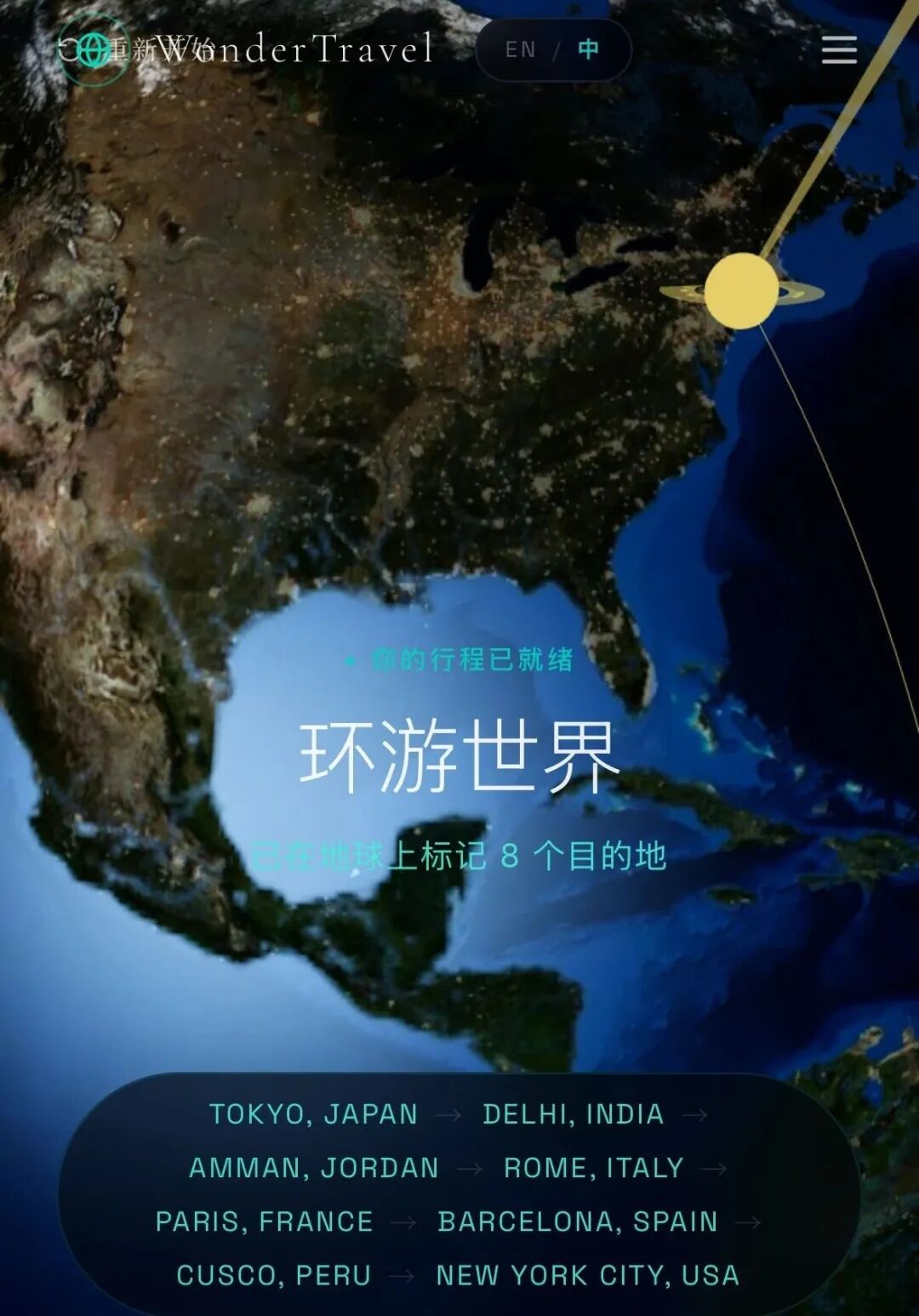
She loves travel, especially the expert-guided, fully-planned deep-dive tours — but they're too expensive. So she hand-built an Agent with an "anthropologist" vibe.
"If someone recently got into techno, the Agent won't just recommend Berlin's top 10 must-see spots. It'll explain why the electronic music cultures of Berlin, Chongqing, and Tbilisi differ, how post-Cold War history shaped Berlin's techno identity, then recommend record stores, factory spaces, even give the traveler a small observational assignment."
"AI can replace many things, but real experiences of seeing the world never will." Julia wants to build an anti-efficiency product. "Not replacing everyone, but taking everyone's needs seriously."
The room got it instantly. One hunter could barely contain himself: "When's your second Agent coming out?" "Hadn't thought about it, but off the cuff... probably something about murals."
Kids Hate Traitors and Losers

Cobe, founder of Lipo, is a professional esports player and former Wall Street quant trader — skilled at studying system mechanics, then finding the bugs to exploit.
Not exactly the résumé of a founder building products for 3-to-7-year-olds, but he leans into the contrast. "Our product has a sly quality to it — this is a kids' AI that bribes parents."
"The biggest feature of children's products is that users and buyers aren't the same person. Kids want companionship, games, and to be understood. Parents want safety, peace of mind, and educational value. So a kids' AI that only pleases children won't make it through the front door; one that only pleases parents will quickly bore the kids."
Lipo managed to score both tickets, building an Agent that's fun for kids while aligning with parents.
Lipo is a third party in the family relationship: with context on the child, context on the parent, establishing a trusted memory system between them. The child gets a plush toy; the parent gets software.
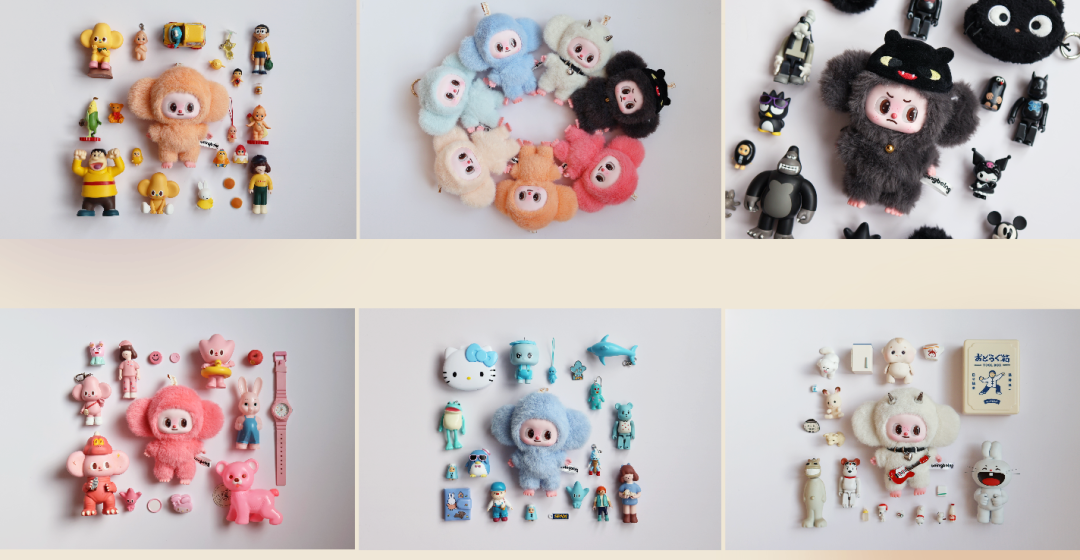
The sharpest question came from a father: "Kids today might not want to open their world to their parents. Won't you become a surveillance device?"
Cobe said Lipo must have autonomy to decide what parents don't see. "Standing on the kid's side." He also floated an interesting prediction: maybe the next generation of children won't enter the internet through phones, but through an AI that grows up with them, entering an AI-native social network wrapped in family trust.
A mother immediately pulled out her phone to take notes.
What Happens When Android and iPhone Have a Baby?
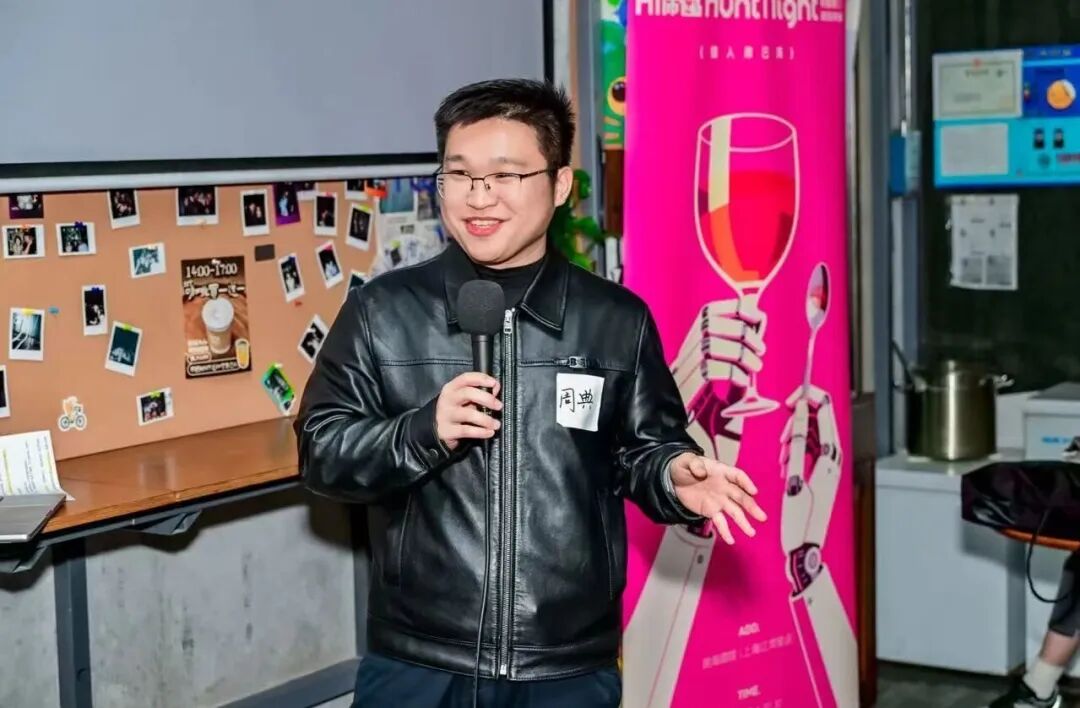
When Zhou Dian took the stage, the room was hit with a completely unexpected opening.
He's a former Tesla software engineer. His first startup project was, improbably, the world's quietest AI-powered masturbation cup. "But it failed, because I discovered users won't pay just because it has AI."
The room erupted. Someone shouted: "Bro, you already won."
So he pivoted to something more mass-market: a phone case that changes color based on your mood. Sounds like a throwback idea, but Zhou Dian gave it an AI-era twist: sensors inside the case track phone acceleration, usage posture, swipe rhythm, tap speed — then infer emotional state. "Adding MagSafe charging later, selling for just ¥299."
He reminded everyone that the real value is data independent of the tech giants. "How users swipe, when they pick up their phone, when they put it down, what they tap — this behavioral data is closer to people's real emotions and states."
The room dove into discussion — data privacy, emotion recognition — until one hunter wrapped it up: "Maybe in the future, anything that stays close to the body and the phone could become a new data entry point."
Oh, and Zhou Dian is hopelessly devoted to his wife. She was there that night, gorgeous. He admitted a small selfish motive: every photo he takes of her turns out bad. "At least this case can work as a fill light."
**Fortune Favors the Leaky
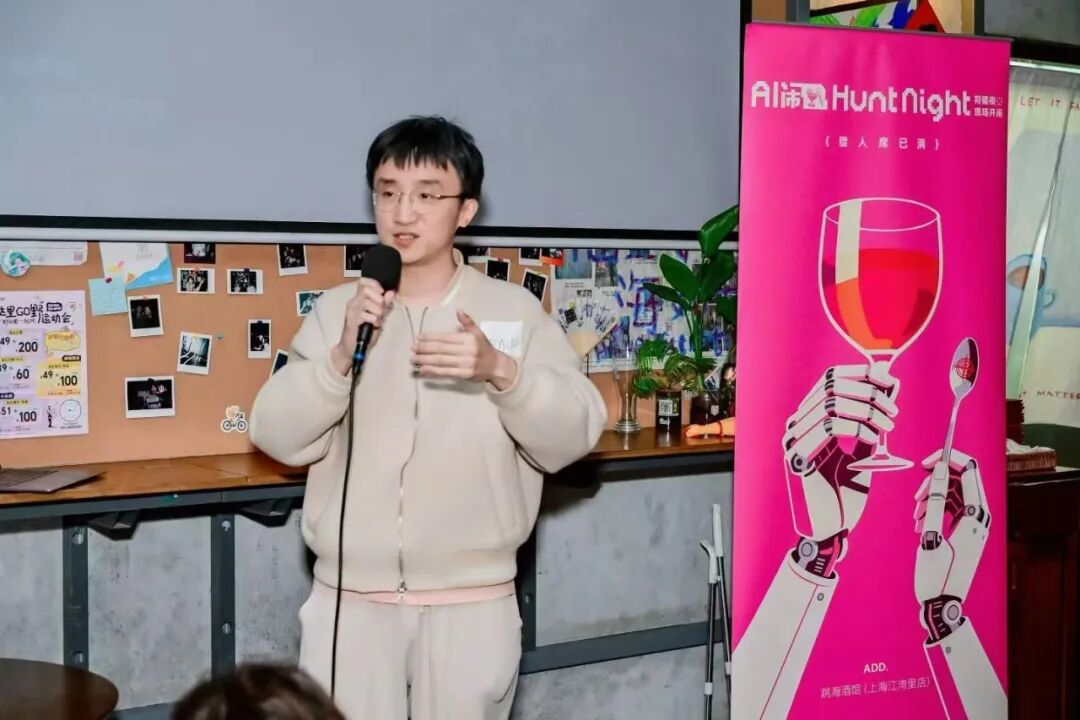
The final entry was a metaphysics product.
Founder Anthony studied physics at Peking University, actuarial science at the University of Hong Kong, and has long researched fortune-telling. So he and a friend built "Heaven's Timing Path Selection," using AI plus metaphysics.
According to him, one user pays over ¥50,000 monthly. "He had a payment stuck from March to April, getting desperate. He came for a reading. The conclusion: this money isn't coming back."
The room roared. Someone said, isn't that just adding to his misery?
Anthony explained: "What people really want isn't the right answer. They need someone to end their exhausting back-and-forth mental drain." Can't get it back? Stop thinking about it. Modern society grows ever more rational, but no matter how new the technology, human desire barely changes.
Anthony, deeply versed in human nature, announced at the close: register today for bonus points. "So after you finish calculating your Year of the Horse fortune, you can still do Year of the Goat."
**Who Won?
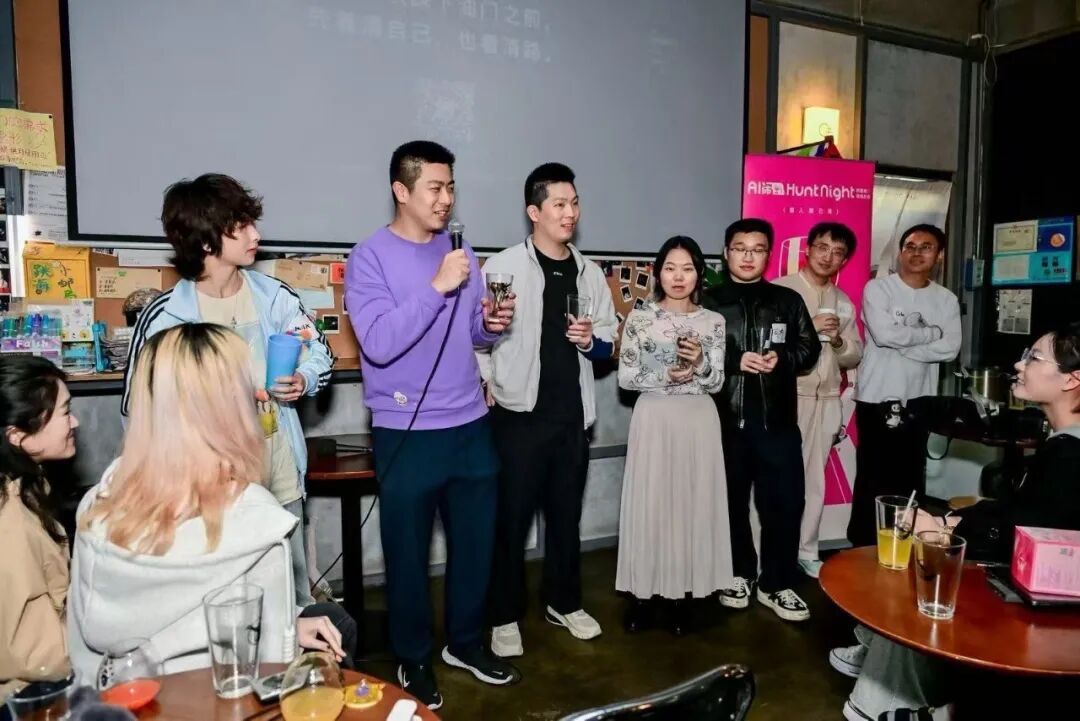
After much wrangling and scrambling, the top three:
First place: Cobe — Kids' Social
Second place: Julia — Travel Agent
Third place: Milk — Shoulder Social
PS: Upon learning she lost to Cobe by a single vote, Julia lamented: "I voted for Cobe. If I'd known, I wouldn't have."
**Small Moments of the Night
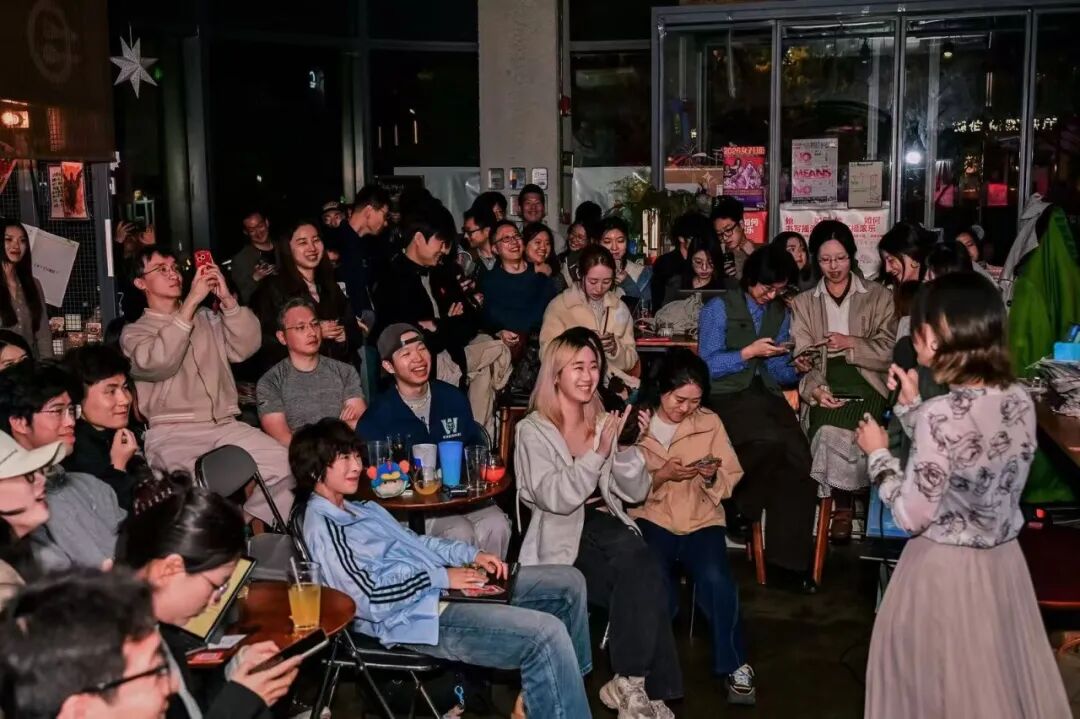
Some "little out-of-control" moments from the night.
Blinkko founder Milk was warned three times about going over time. She insisted on finishing anyway. We deemed this "deeply cute founder energy."
Shuyang kept saying AI wasn't ready yet, while shouting about beating Disney, and frantically campaigning for votes before voting was even announced.
Julia said if you voted for her with your golden spoon, she'd "slip in a little extra" when you came to Tiao Hai for a pour.
Zhou Dian decided five minutes before going on not to bring out the masturbation cup or phone case. "Wouldn't look cool enough. My mouth can still hype it up just fine."
After Anthony announced his points giveaway, Cobe decided to do a big raffle. Someone quipped: "Male competition drives social progress."
Lauren stayed quiet the whole time, like a Computer History Museum docent who'd wandered into a bar by mistake. While others hustled for votes, he remained immersed in 1984 and "surveillance capitalism."
Also: the projector failed three times, froze once, and several wine glasses got kicked over.
After it ended, a few people discovered they still had golden spoons in their pockets.
Before things kicked off, two creators strongly requested last-minute slots to "blow up the room." We talked them down due to time constraints — in retrospect, some regret.
**Hunters Holding Golden Spoons
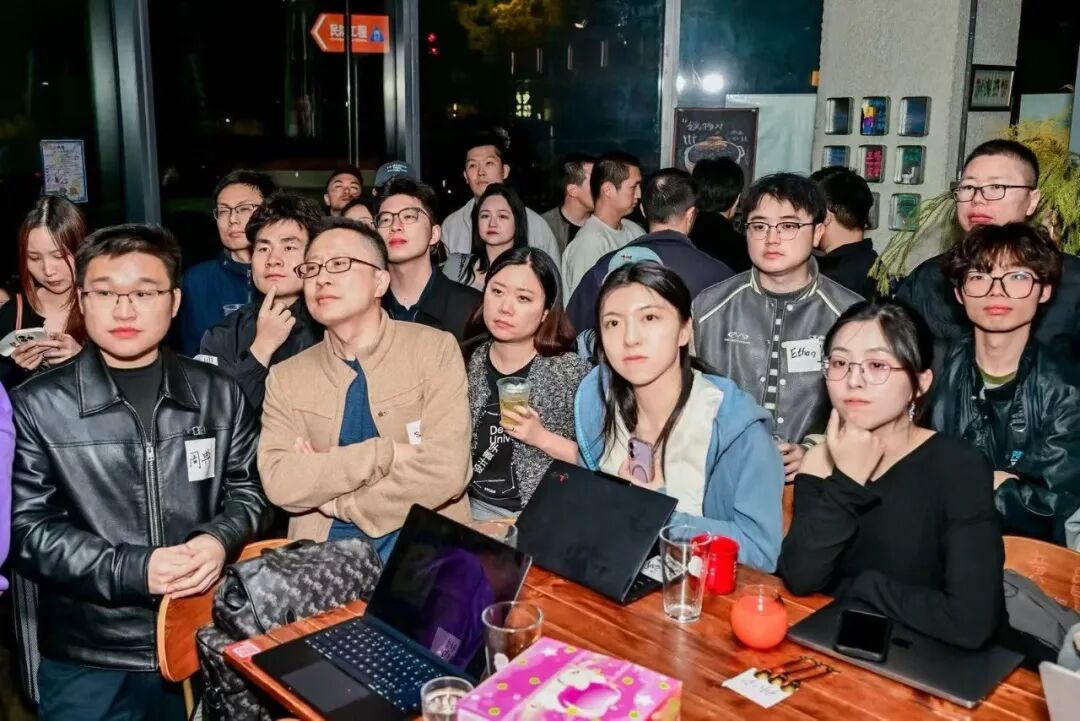
Shanghai night participants: 44% male, 56% female;
Post-00s: 20%, post-95s: 42%. Oldest was someone named Lucia, who put 100 years old on the registration form (presumably a joke/typo), works at Ant Group. Youngest was an 18-year-old high schooler who said she came to find career direction. We saw her at the event — her eyes were indeed clear and innocent.
40% from major tech companies, including product managers and developers; 10% founders, OPCs, or those who'd already built small teams; 40% from investment institutions including HSG, Capital Today, 5Y Capital, Mumu Capital, Vision Plus Capital, Alibaba investment, Ant strategic investment, Yunqi Capital, etc.
This session's hunter favorites among products: Claude, Doubao, Gemini. Plus one nomination for a self-made product called "Paid Poop Calculator" — we DM'd him, and he said he'd love to explain the new logic of calculating bathroom breaks. Your slot is reserved.
The AMA segment was designed for three hunter questions per project, but each got at least five. Two projects got "sieged" by hunters until 11:20 PM.
**"Next Stop"
The AI of this Shanghai night grew soft, warm, even a little clumsy.
And this world — yes, it ultimately belongs to the real, the cute, the recklessly bold.
In May, AI Night will set up the bar and ready the golden spoons in another city.
Sign up for the next session. Or bring your project to blow up the room.
Time, city, entry point — follow AI Night, announcement coming soon.
Next stop, waiting for you. Let's make noise.

Join the Community