Who Laid the First Mile of China's AI Innovation?

On one side are genuine human needs and diverse scenarios; on the other, a steady influx of AI creators. Xiaohongshu has become a connector for innovation.

Produced by | AI Nao
Innovation Connector
Before founding Plan Coach, developer Xiaojiang Su had been focused on building a note-taking app. To work through the full product cycle, he first shipped a lightweight HDR utility on Xiaohongshu — but got only scattered feedback.
The unexpected turn came at a random moment.
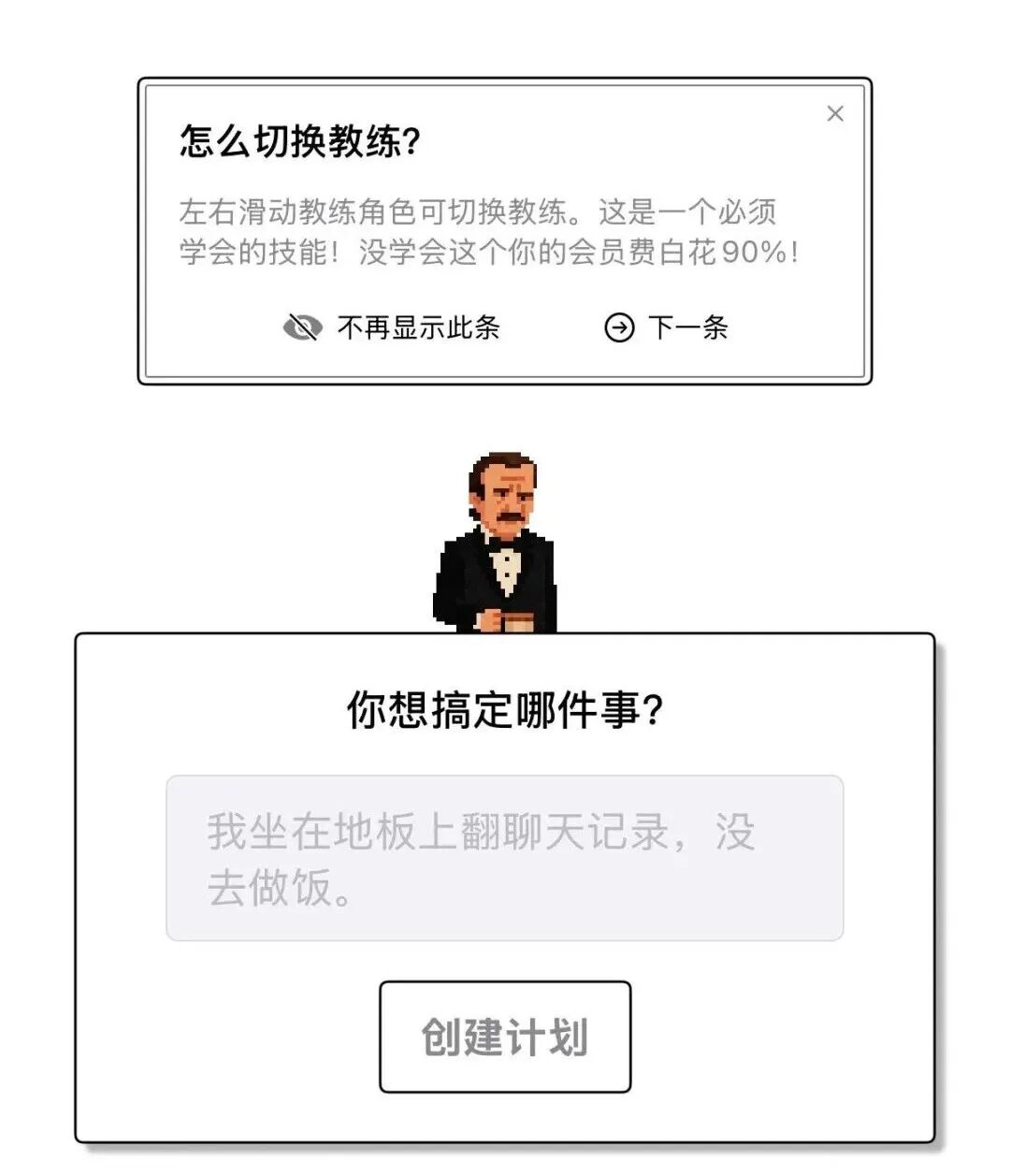
One evening after dinner, he wanted to do the dishes but couldn't get up. He remembered a method: if you break down a procrastinated task into something specific enough — just the first step — things start moving. He opened GPT, which gave him the first step: "Just stand up, and that's a win."
He stood up. Then he actually finished the dishes. Amused, he spent a day building an MVP and posted it on Xiaohongshu. The next day, the comments exploded: Can you add a take-out-the-trash mode? Can you break down tax forms for me? Can you add an interactive interface?
The post drew over 1,000 comments and eventually 3,000+ likes.
It's a classic agile product flow: fail fast, learn fast — except it happened on Xiaohongshu, where users vote with their feet and developers decide whether to invest resources.
Su ultimately decided to build out the app that uses AI to break down tasks and "kill procrastination." That's how Plan Coach was born.
"In the past, spending four or five months developing a product before unveiling a fully formed feature set was completely normal. But on Xiaohongshu, a faster validation paradigm is taking shape: MVPs can ship in days," Su said. "The product faces users from day one — after all, developers ultimately have to face the market and take the commercial path."
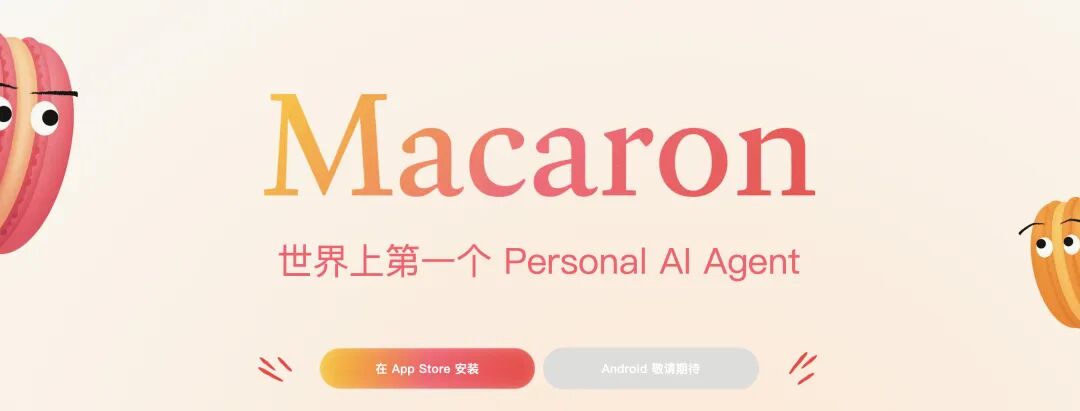
Serial entrepreneur Kaijie Chen had a simple intention when he first launched Macaron, a personal life assistant agent, on Xiaohongshu: Why can AI write essays but can't manage an ordinary person's life? Like helping you exercise, tracking your meals, recording your mood — can't ordinary people also whip up some apps of their own?
This was his third startup, and he had real concerns about user reception after posting. "Turns out, on day one, users started commenting."
Today, users have created nearly 200,000 mini-apps within Macaron. Chen believes founders need the courage to put their products on Xiaohongshu for users to see, even if they face skepticism. "Products aren't designed by founders — they grow out of real user needs."
If you ranked China's tech industry in 2025 by "signal strength," the growth of tech content on Xiaohongshu would absolutely be this year's most unexpected phenomenon.
First came discussions of DeepSeek hacks, AI romance, and AI companionship. Then AMAs broke into the mainstream. Heavyweights like Kai-Fu Lee and Qi Yin joined the platform. New demographics followed: first indie developers, then AI entrepreneurs, then investors...
Most founders AI Nao interviewed this year did their cold starts on Xiaohongshu. Many investors told us they search for deals there daily, hunting for high-potential founders.
PS: AI Nao has also discovered interesting projects on Xiaohongshu — Dialogue with Nooka's Kaixin Tang: A Post-95 Rewriting Kant with AI, How New Platforms Redefine Creators | 100 AI Creators
Today, Xiaohongshu has gathered over 50,000 developers, with tech content postings up more than 100% year-over-year. According to internal statistics, each developer receives an average of 20 pieces of genuine user feedback, with popular products getting thousands of suggestions.
This owes much to Xiaohongshu's 350 million monthly active users — a highly lifestyle-oriented demographic with strong desire to express and interact. This happens to provide AI innovation with real, specific, diverse, and long-tail demand scenarios.
Thus Xiaohongshu has been pushed into a new position in the AI era: innovation connector.
Not a tech community, yet it carries out early validation of tech innovation. Not a venture incubator, yet it becomes where many products are discovered — much like what Kickstarter meant for hardware entrepreneurs in its early days, or what Twitter meant for Silicon Valley startups at its inception.
To put it more extremely: if an AI product makes zero splash on Xiaohongshu, it's probably "not right."
New Demographics = Innovation Soil
A broad industry consensus: 2025 is the year AI technology finds its scenes.
As large model costs drop and capabilities improve, the technical gap between AI entrepreneurs is narrowing. What truly determines innovation is no longer model parameters, but whether a product can land in a specific, real scenario.
In other words, as technology costs decline, the next phase of China's AI competition comes down to who can find PMF faster.
"Mobile internet's high technical costs forced everyone to serve mass demand. This wave of AI entrepreneurship is unearthing some personalized needs and niche scenarios again," one entrepreneur told AI Nao.
Moreover, innovation fundamentally needs three things: real demand, verifiable scenarios, and instant feedback mechanisms — which happen to exist natively on Xiaohongshu.
Analyzing the reasons behind this: unlike many internet platforms, Xiaohongshu has never centered on "growth" and "traffic," but always on "people."
Xiaohongshu's tech ecosystem has a short history — just two years. Many believe the platform lacks tech DNA. But when Xiaohongshu cold-started tech content, it still followed the principle of people — real demand and real interaction.
Tech operations lead Sanbing once had his team analyze how many tech communities today have barriers too high, where everyone must output opinions and ordinary people often dare not speak, while WeChat private-domain discussions are relatively closed. "We believe ordinary people also care about AI's development. The tech circle needs a space where the public and industry heavyweights can communicate as equals."
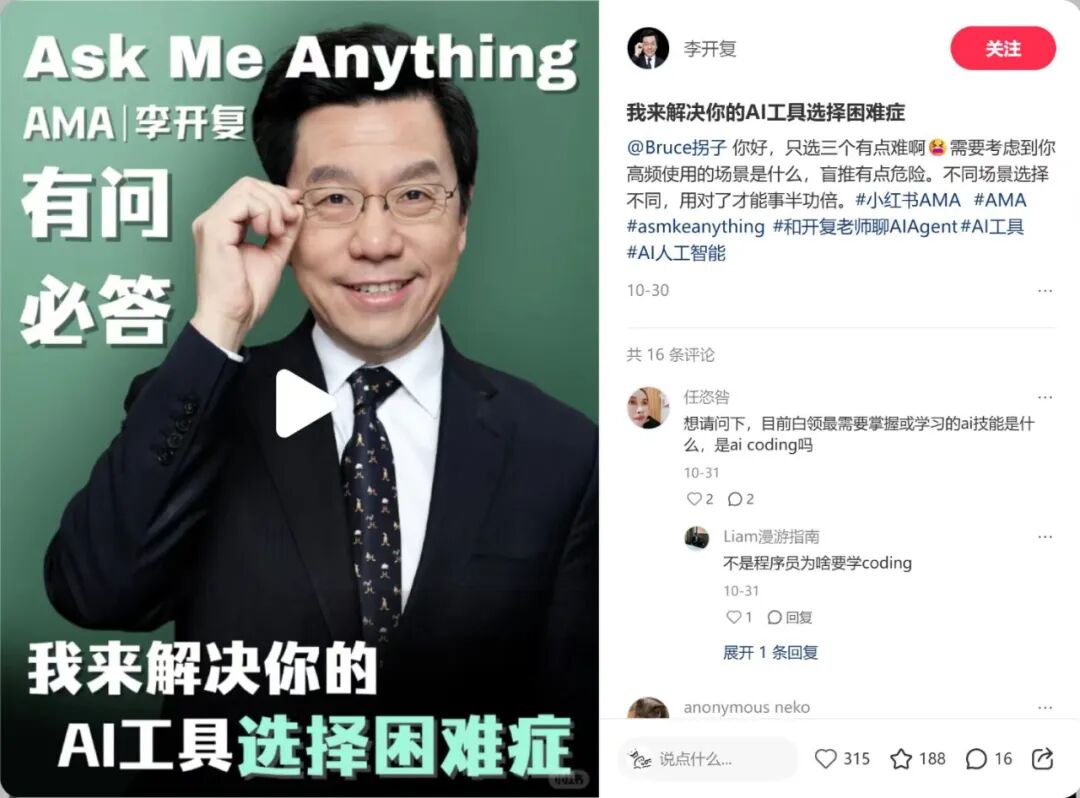
So Xiaohongshu's tech team decided to "start with one sentence" — and this year's most viral AMA was born. Top conference paper authors, AI technical experts, and AI entrepreneurs spoke with ordinary people in public for the first time.
This invisibly tore down the wall between tech and the masses, letting AI penetrate ordinary life rather than remaining industry jargon.
For new technology adoption, establishing real connections with users and forming applicable implementations matters more than technical discussion itself.
And today, rather than racing on model parameters, most ordinary people simply care: Can AI solve the practical problems I face every day?
The sense of "real people" on Xiaohongshu also constitutes AI's most scarce resource: specific problems, real pain points, feedback carrying lived experience.
Plan Coach founder Xiaojiang Su used an apt metaphor, describing Xiaohongshu users as his "spiritual shareholders." Every product iteration has user "guidance" behind it. "It's like co-creating with users."
On one hand, ordinary users are willing to share real needs on Xiaohongshu — whether life, work, or more private emotions. These needs are long-tail, so niche scene density is high, making it a natural testing ground for many AI products.
On the other hand, developers on the platform generally get rapid response: an idea might get user feedback within 24 hours, an MVP might iterate in the comments section, a startup team might quickly gain thousands of seed users, their first media exposure, and their first funding round.
Thus Xiaohongshu forms a pathway: putting AI practitioners and ordinary people on one platform.
Innovation, constantly catalyzed by everyday life.
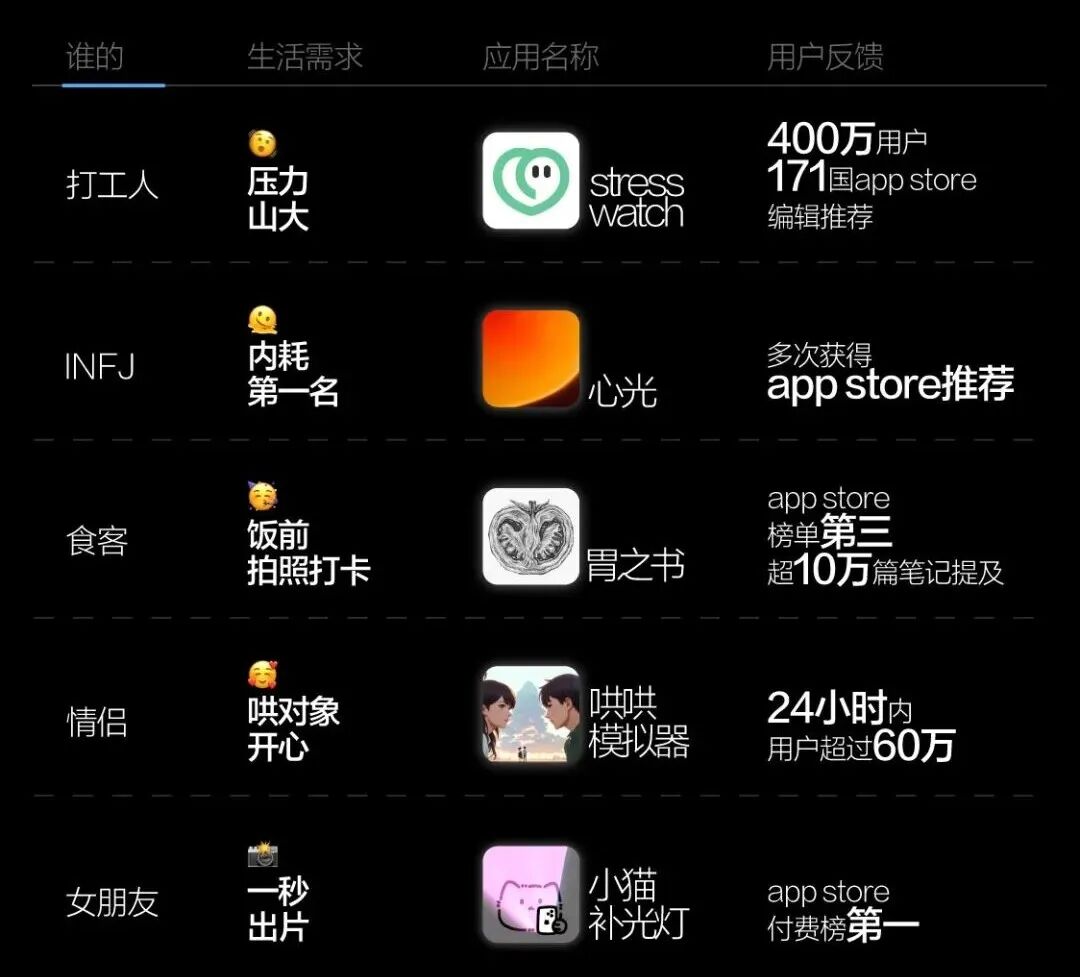
Only "People" Matter
If you pull back and observe twenty years of internet development, a stable pattern emerges:
Whenever a community gathers enough real people willing to express and interact, new demographics and new trends naturally emerge there.
In the early 2000s internet, Tianya and Douban were the most active real-person communities. Some serialized novels; others discussed films; some released singles... The earliest wave of writers, publishers, and film directors emerged from these market tides.
In 2006, I met someone on Douban called "Tajik Tank Driver" who wrote prolifically. Years later, I learned his real name was Yu Ban.
2010's Weibo was a new public sphere. Many mobile internet companies got their "first user growth" through Weibo diffusion — like Meituan's earliest food delivery red packets, or Momo's "nearby people" feature that only truly took off after widespread Weibo discussion. Xiaomi's "sense of participation" had Weibo as its main阵地.
A friend of mine, after quitting a major tech company, accumulated 20,000 Weibo followers and got seed funding from a VC.
What's interesting: Weibo's original positioning wasn't a startup incubator.
Entering the mobile internet era, Xiaohongshu became the new field, successively unearthing young people interested in beauty, trends, and lifestyle. Perfect Diary, SATURNBIRD, Genki Forest, Bananain... these new consumer brands' first users, first seeding posts, first livestreams, and even first customer complaints all happened on Xiaohongshu.
The consumer industry has a famous saying: Want to know if a brand is good? Check Xiaohongshu.
When the 2025 AI wave generalized to life scenarios, Xiaohongshu naturally assumed the "first kilometer" role again.
However, today's Xiaohongshu clearly recognizes that being merely an innovation "starting point" isn't enough. The platform is also taking on "connector" and "innovation soil" roles.
Many entrepreneurs already treat Xiaohongshu as an experimental field: product being polished? Throw it into the community and see reactions. Direction unclear? Test demand with a few screenshots. App prototype just working? Find people on Xiaohongshu to try it.
Some successfully found their first users here. Some investors followed hot posts to dig up entrepreneurs in Silicon Valley. Some indie developers earned their first income.
If crowdfunding, widgets, C2C and other functions continue to deepen, Xiaohongshu becomes a closed-loop ecosystem "from idea to monetization": users have needs, developers write demos, the community directly tries, feedbacks, and pays.
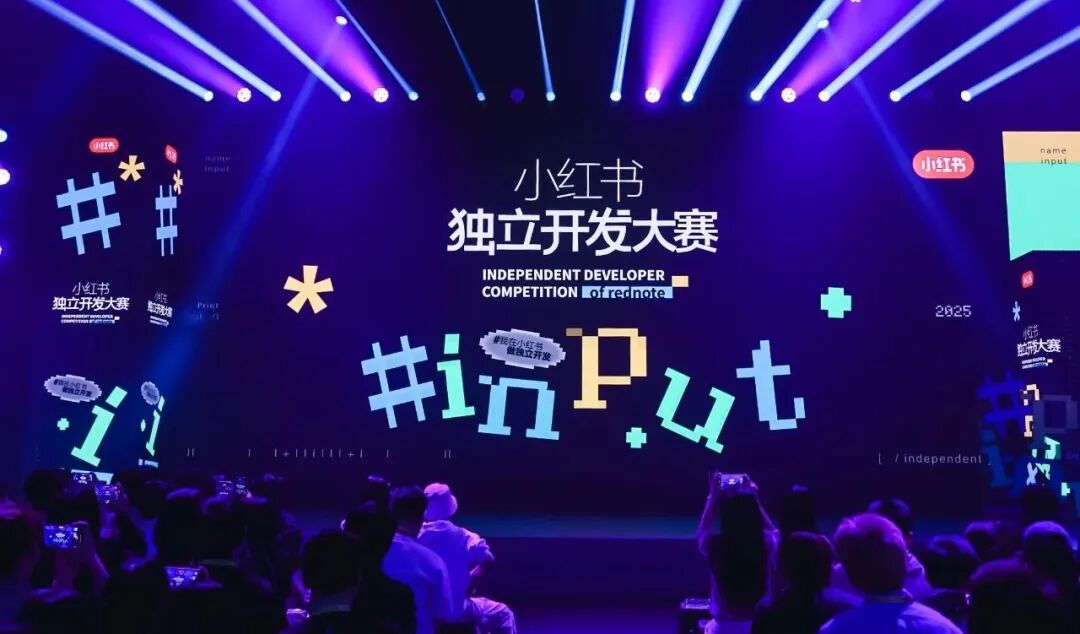
This means Xiaohongshu is no longer a content community in the traditional sense, but a platform where innovation is born. PS: Shouting out to Yonghao Luo here — your tech crowdfunding platform might as well partner with Xiaohongshu. They have the people; you have the influence.
Actually, one of the earliest things that impressed outsiders about Xiaohongshu was how executives often treated The Death and Life of Great American Cities as a canonical text for community operations.
The book gives a counterexample: the decline of some Boston neighborhoods wasn't due to economic downturn, but excessive repetition and imitation leading to the erosion of street diversity. New creativity and new demographics couldn't get better resources, so they left and were lost.
So whether the AI wave will stay on Xiaohongshu long-term isn't really the key question. What truly determines a platform's vitality is whether it can keep its eyes consistently focused on "people."
From the germination of China's new consumer brands to today's AI wave, Xiaohongshu's core advantage has never been traffic, but its perceptiveness toward "new demographics." Those still-forming needs, still-undefined trends, and freshly emerging creativity get "seen" here.
A community that can continuously stand with the most creative people has infinite possibilities — because eras are never determined by "platforms," but by "people."