Behind the Election, a Showdown Between 200 American Investors
Undercurrents are stirring.
By Muxin Xu

In the early hours of November 6 local time, Trump declared victory in the 2024 presidential election. It was arguably the closest race in history — polls had been frozen at 49% to 49%. A gamble decided only at the final hour. At either end of that bet sat not just the two candidates, but hundreds of investors behind them. The moment results came in, there would be winners and losers.
But navigating wins and losses is what VCs have specialized in for decades. Once the dust settled, we traced another thread beneath the surface: the moves Silicon Valley VCs made in this political wager often mirrored their signature investment styles.

Investors Backing Trump
Behind Trump stood several of Silicon Valley's top VC leaders, most with strategies leaning toward crypto and AI. The Biden/Democratic administration's regulatory approach to cryptocurrency drove many of their defections — some even called it "crypto's revenge with money."
Supporting Trump was once something that would "cost you friends" and "get you demonized by media," but as more Silicon Valley heavyweights jumped in, that stigma faded.
A16Z's Two Partners: Believing He's Better for Tech and Startups
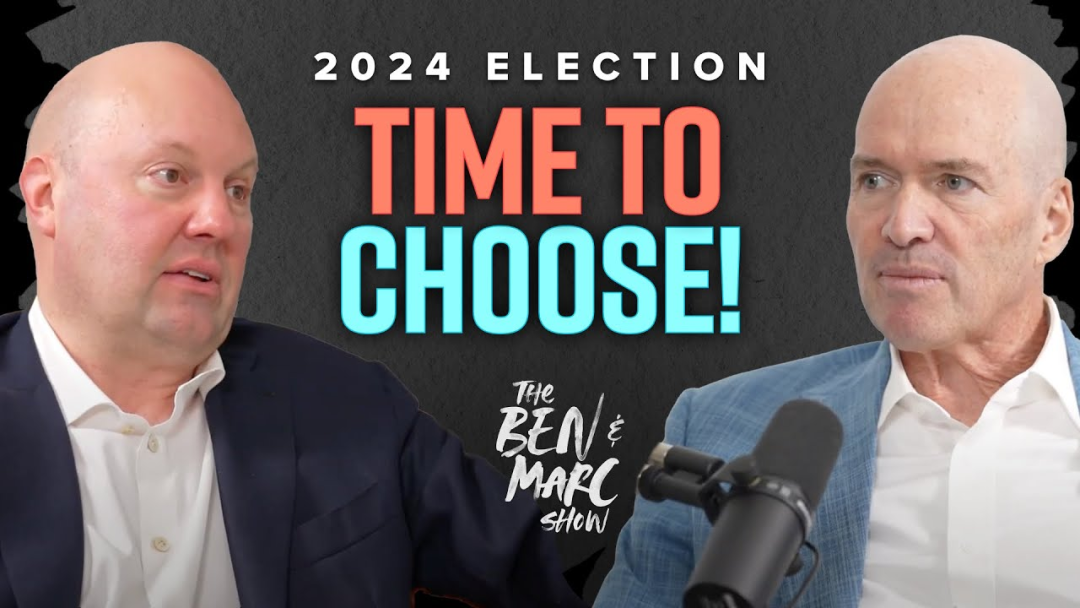 (Image source: A16Z YouTube — Trump Vs. Biden: Tech Policy)
After a bullet grazed Trump's right ear, Marc Andreessen and Ben Horowitz, the two founders of Silicon Valley's most famous venture firm A16Z, decided to switch their votes to Trump.
They announced on their podcast that they would pour millions into the election, explaining their reasoning: both believed Trump's policies would be more favorable to tech and startups compared to Biden and the Democratic administration's regulatory strategy, with particular emphasis on emerging areas like blockchain, crypto, and AI.
In fact, until the late 2010s, A16Z had tried to keep politics at arm's length. But as portfolio companies including Lyft and Airbnb clashed with government regulations, the two founders realized they had no choice. This feeling intensified after A16Z entered crypto in 2019.
Another crypto-driven Trump voter was Gemini founder Cameron Winklevoss, who publicly stated: "Anyone who supports Bitcoin, crypto, and business should vote for Trump. He will end the Biden administration's crackdown on crypto."
Another factor in A16Z's shift may have been Harris's tax-the-rich plan. According to The Information, the Horowitzes had been deeply affected by anti-wealth sentiment on social media during COVID, prompting them to move to a heavily guarded gated community.
Horowitz later expressed frustration on his podcast: "Rich people get attacked just because they donate to charity instead of paying more taxes."
Peter Thiel: I Can't Stand Him, But I Need Him
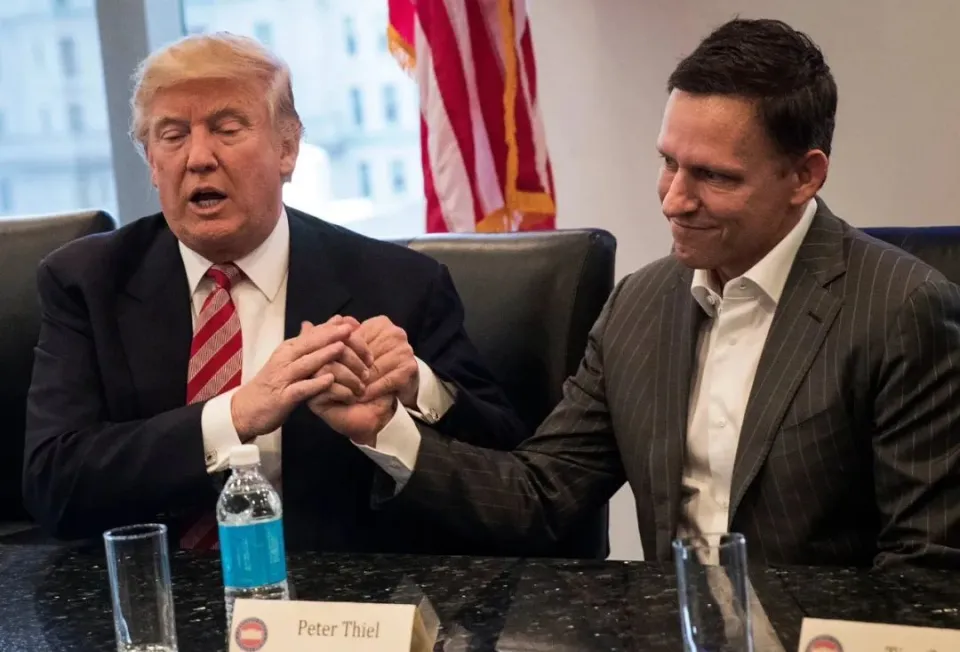 (Image source: CNBC)
As Silicon Valley's godfather of venture capital, Peter Thiel was the most "long-term" bettor in this Trump wager. He publicly backed Trump as early as 2016, drawing heavy criticism for the tension between his gay identity and Trump's positions. Yet after Trump took office, Thiel openly expressed disappointment. Then this past summer, Thiel shifted again, declaring he would vote for Trump "even with a gun to his head," while saying he wouldn't contribute financially.
Max, Thiel's biographer and arguably the person who knows him best, offered this interpretation:
If you look back at how Thiel supported Trump, you'll see it wasn't an endorsement. It was expressing "I can't stand him, but broadly speaking we need him." Thiel's engagement with Trump was clever — as an early investor, he could elevate his influence and power to new heights, then exit early, cashing out before Trump's presidency collapsed under scandal.
J.D. Vance: A Mediocre Investor, A Lucky Politician
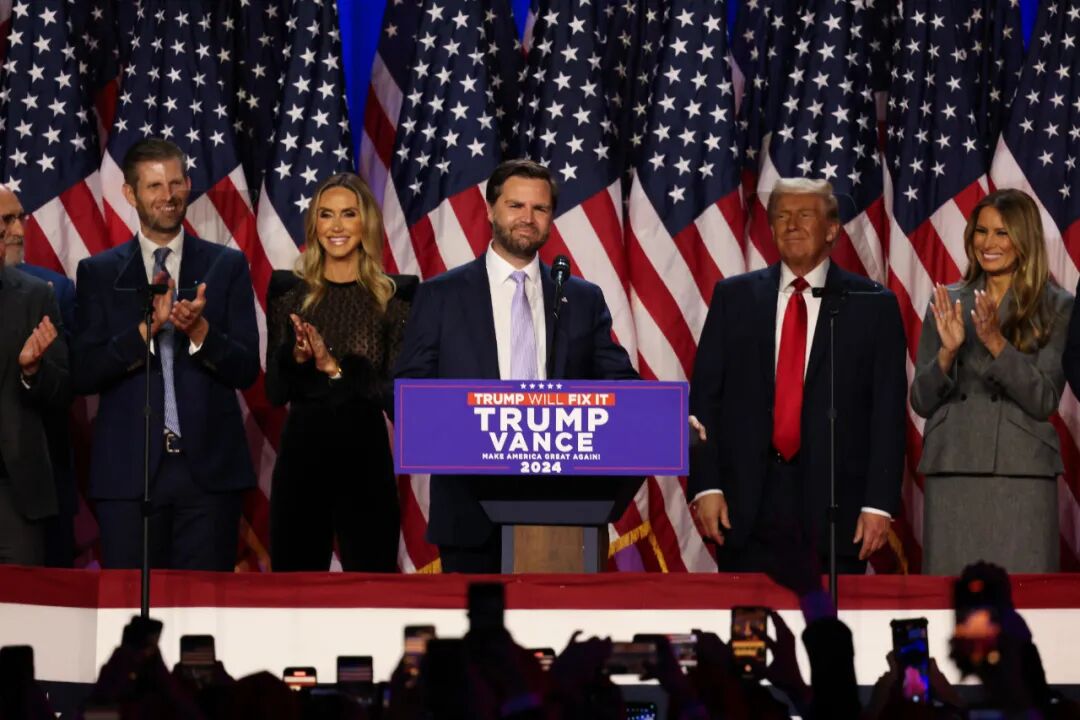 (Image source: IC photo)
As a former investor, Vance's investment track record was hardly dazzling, but luck ultimately landed on his side.
In 2016, as Hillbilly Elegy — the book that would later make him famous — was about to publish, Vance got an opportunity to work at venture firm Mithril, whose backer was none other than Peter Thiel.
Thiel had been Vance's college role model, and so Vance later founded Narya Capital, investing in a series of conservative tech companies. The only notable one was Rumble, a YouTube rival he invested in alongside Thiel — which went public in 2022.
When Vance later turned to politics, Thiel donated $15 million to support his campaign. Thiel even introduced Vance to Trump at Mar-a-Lago, ultimately helping Vance become his running mate.
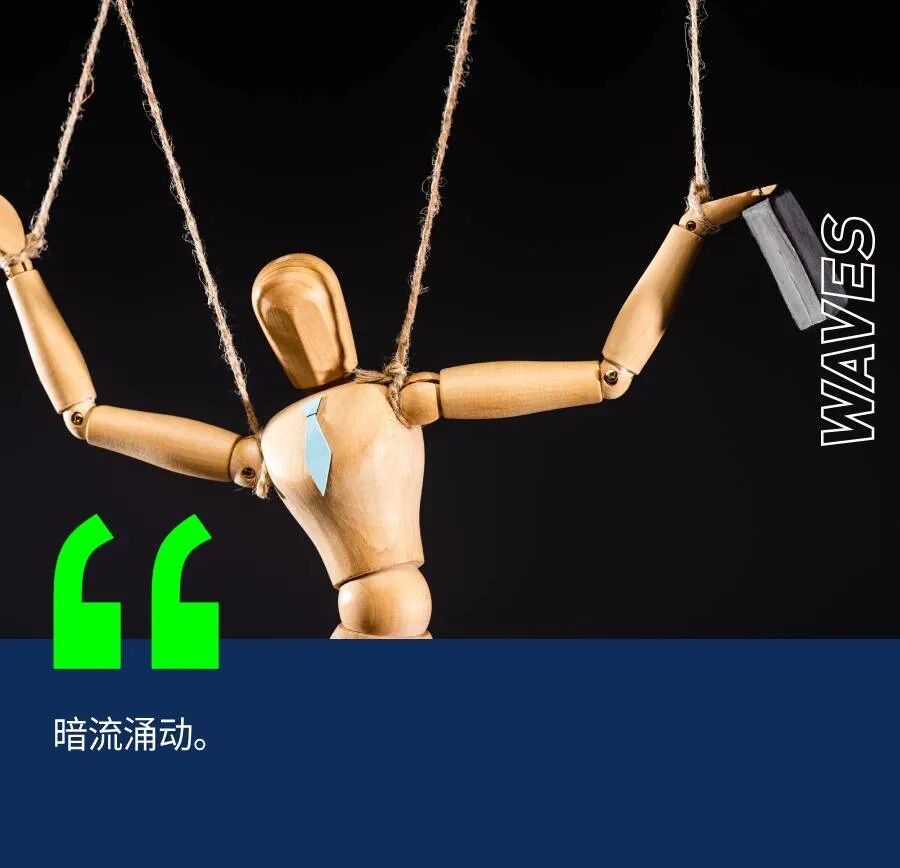
Max believes the two weren't puppeteer and puppet — rather, Thiel was more like recognizing Vance's unique strengths and becoming his Series A investor at the early stage.
Bill Ackman: Not Because I Like One Side, But Because I Hate the Other More
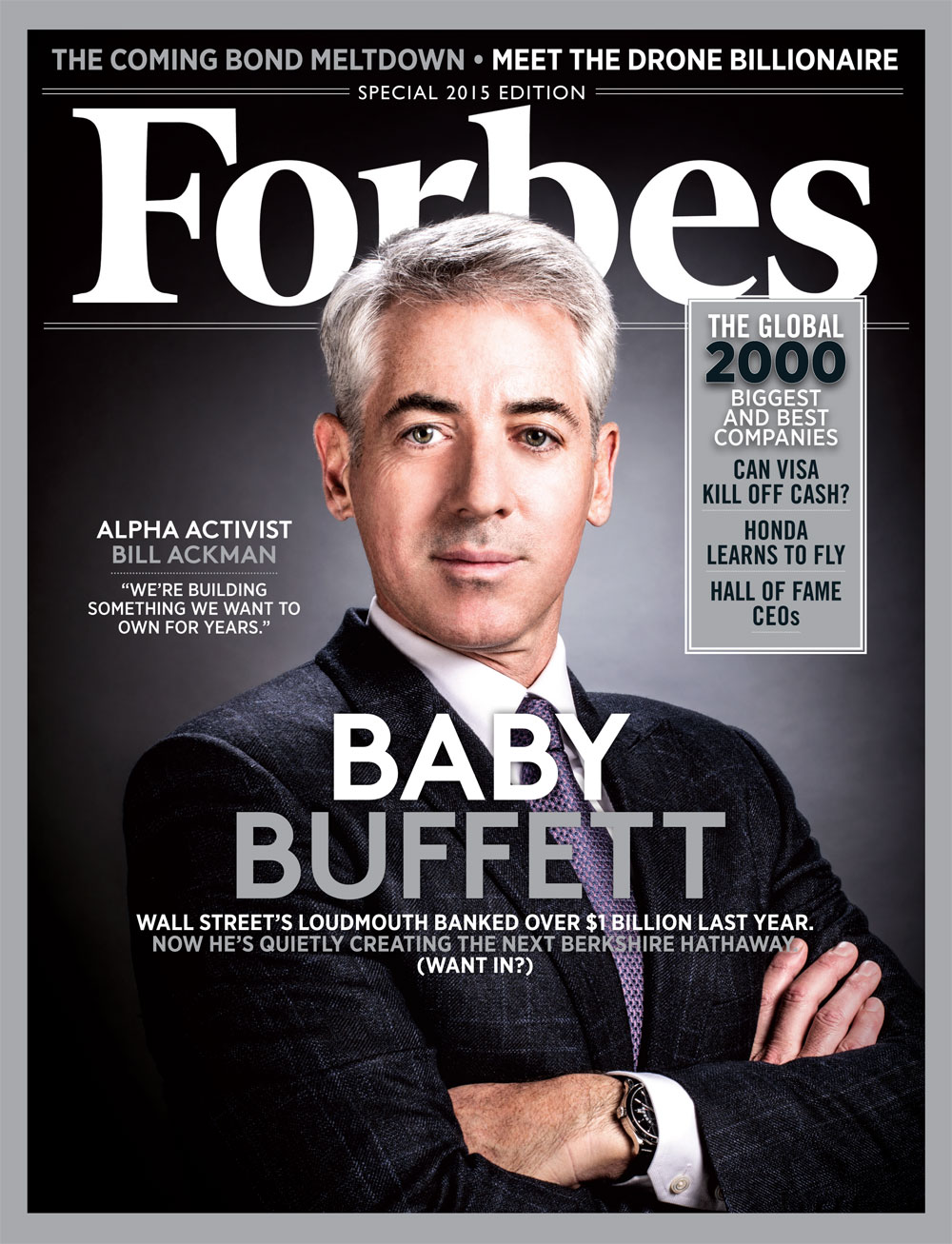 (Image source: Forbes magazine cover)
Bill Ackman — dubbed Wall Street's most profitable man, one of the real-life inspirations for Billions, who made his name shorting MBIA and later bet on COVID, the biggest black swan in the global economy, netting $4 billion.
His investment creed: "Make bold decisions that no one believes in."
A former Democratic donor who gave at least $1 million, Ackman announced on X that he was switching to Trump on the day of the assassination attempt.
Months later, he posted a lengthy explanation. Interestingly, while the headline mentioned Trump, Ackman's 33 points in the body were all indictments of the Democratic/Biden administration.
In making this choice, Ackman wasn't being as aggressive and contrarian as his investment moves — instead, he echoed the shifting mindset of most Silicon Valley VCs: they don't like Trump, they just hate the Biden administration more.
As Palantir co-founder Joe Lonsdale put it after donating $1 million to Trump: Silicon Valley has too many reasons to oppose the Biden administration — taxes on unrealized capital gains, slowing deal velocity, harming startup interests, and so on.
Sequoia Capital's Two Partners: Shaun Maguire and Doug Leone
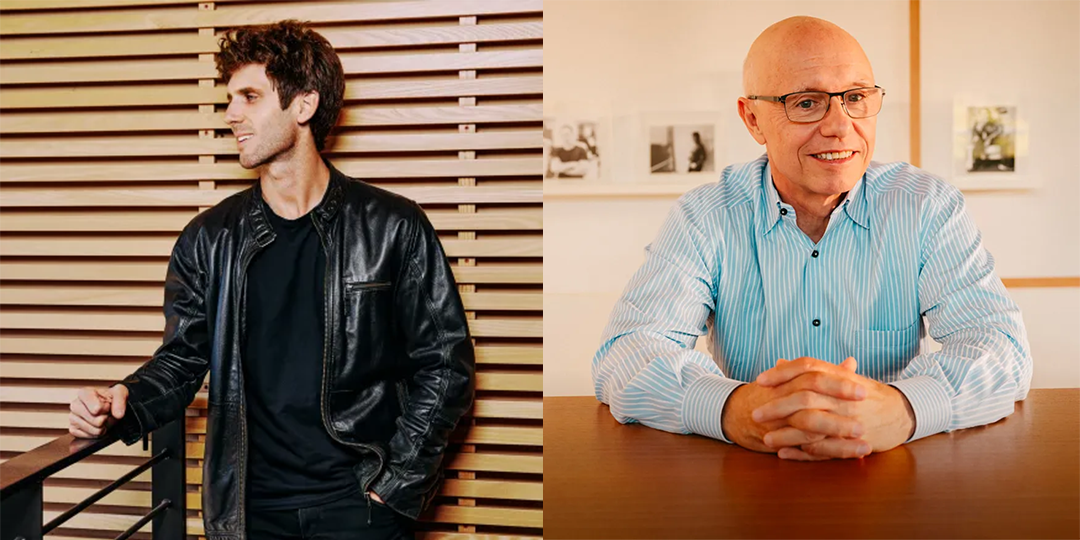
(Image source: Sequoia Capital)
Maguire is a partner at Sequoia Capital and was previously a Democratic donor — in 2016 he was "scared out of his wits by Trump" and backed Hillary. But this past May, after Trump was convicted in the "Russiagate" case, Maguire announced a $300,000 donation to Trump.
He then posted on X: "The timing is no coincidence." It was a decision made at the risk of "losing friends" and "being demonized by media."
Another Sequoia Capital backer of Trump was Doug Leone — the firm's second-generation leader who announced his retirement in 2022.
Notably, another Sequoia Capital partner, Michael Moritz, was a Harris/Democratic supporter.
Stephen A. Schwarzman: The Man Trump Calls Most Often
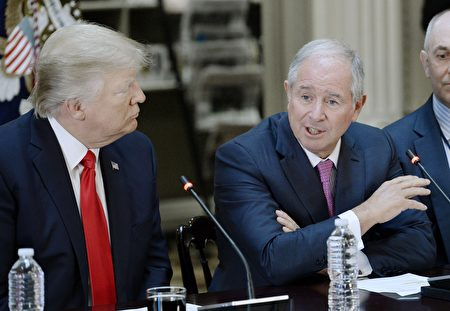 (Image source: Getty Images)
Schwarzman and Trump have known each other for over 40 years. The New York Times once reported: In business, Trump's most frequent call for help went to Blackstone — "at the top of any list, always Schwarzman."
Though in 2020, a week after Trump lost to Biden, Schwarzman issued a statement backing the Biden administration. But after this year's midterms, Blackstone高调向媒体透露了支持特朗普的消息, with Schwarzman citing the sharp rise in antisemitism as his greatest concern.
Two other Jewish hedge fund founders standing behind Trump were Nelson Peltz and John Paulson. The former's daughter married David Beckham's eldest son; the latter made $4 billion betting on the subprime collapse.

Investors Backing Harris
Behind Harris, Jewish financial groups held significant weight — one reason she fared better in public opinion than Trump. Harris had superstars like Taylor Swift in her corner, while Trump's celebrity backers (besides Musk) lacked comparable consumer recognition and "required some search skills to find." Notably, Bill Gates was among Harris's supporters. His relationship with Trump-backer Musk wasn't just former richest man versus current richest man — it represented different camps within America's tech industry.
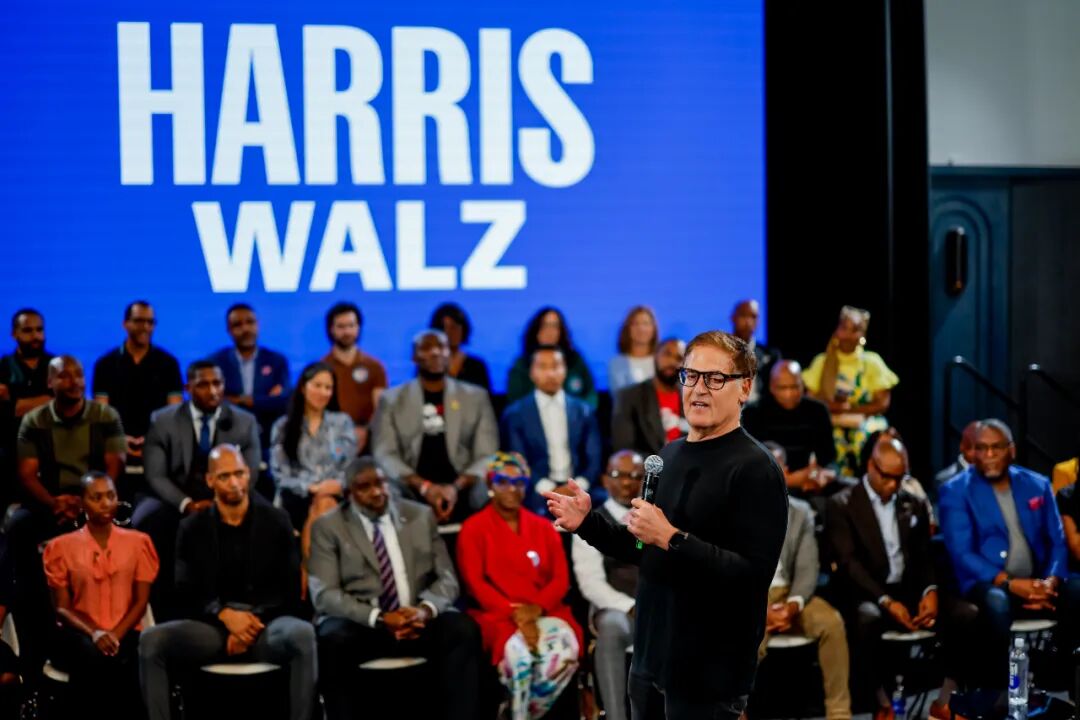
Mark Cuban: The Best Hype Man
 (Image source: IC photo)
Mark Cuban is one of America's best-known investors, spanning multiple fields — early investments in Broadcast.com, later buying the NBA's Dallas Mavericks, plus a cameo in Sharknado 3.
He founded a donor group of 100 venture entrepreneurs for Harris, including investor Chris Sacca, Katie Stanton of Moxxie Ventures, Eva Ho of Fika Ventures, and Rebecca Kaden of Union Square Ventures.
These VCs stated in a public petition: "Every day we seek out, invest in, and support entrepreneurs building the future... We also believe democracy is the pillar of our nation."
But Cuban, worth 44 billion RMB, apparently didn't donate personally.
> Reid Hoffman: The PayPal Mafia's Other Choice
 (Image source: CNN)
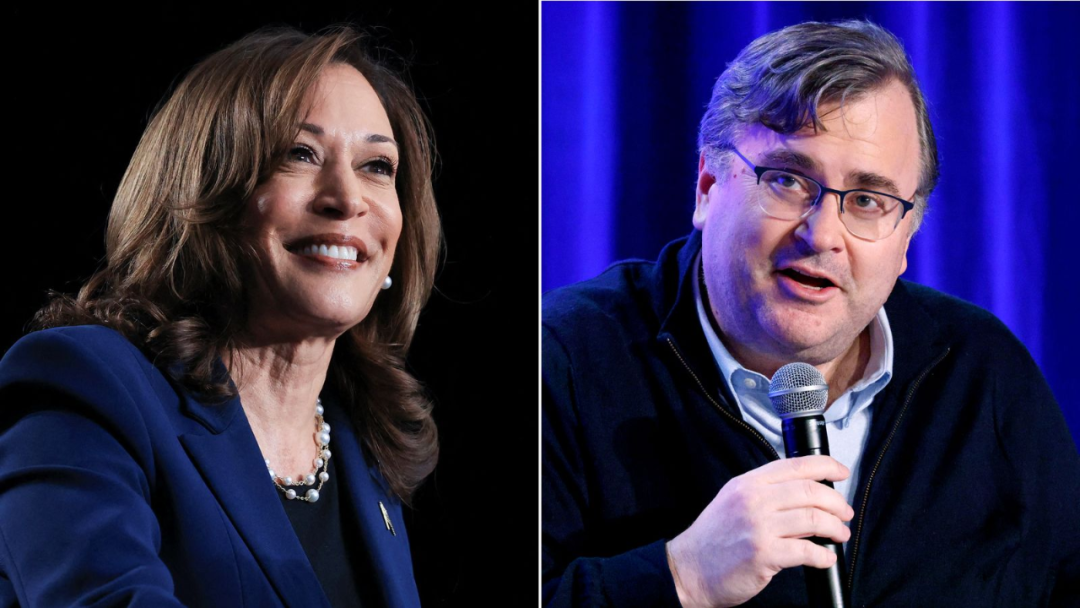
Hoffman is a famous member of the "PayPal Mafia." As PayPal's early COO, after taking the company public alongside Peter Thiel and selling to eBay, he founded LinkedIn. After stepping back, he moved into venture capital. Now worth $3 billion, he's among Silicon Valley's most influential VCs.
Hoffman and Netflix founder Reed Hastings were Harris's two biggest donors, each giving $7 million.
Hoffman had just one demand: remove current FTC Chair Lina Khan. "Antitrust is fine; declaring war on business is another matter."
The FTC is now Silicon Valley tech giants' biggest headache. Earlier this year, the FTC launched an investigation into Microsoft's investment in OpenAI, arguing it stifled AI innovation. The FTC is also considering bringing the booming AI sector under scrutiny and plans to ban non-compete agreements nationwide.
> George Soros: Another Waterloo for the "Financial Vulture"?
 (Image source: IC photo)
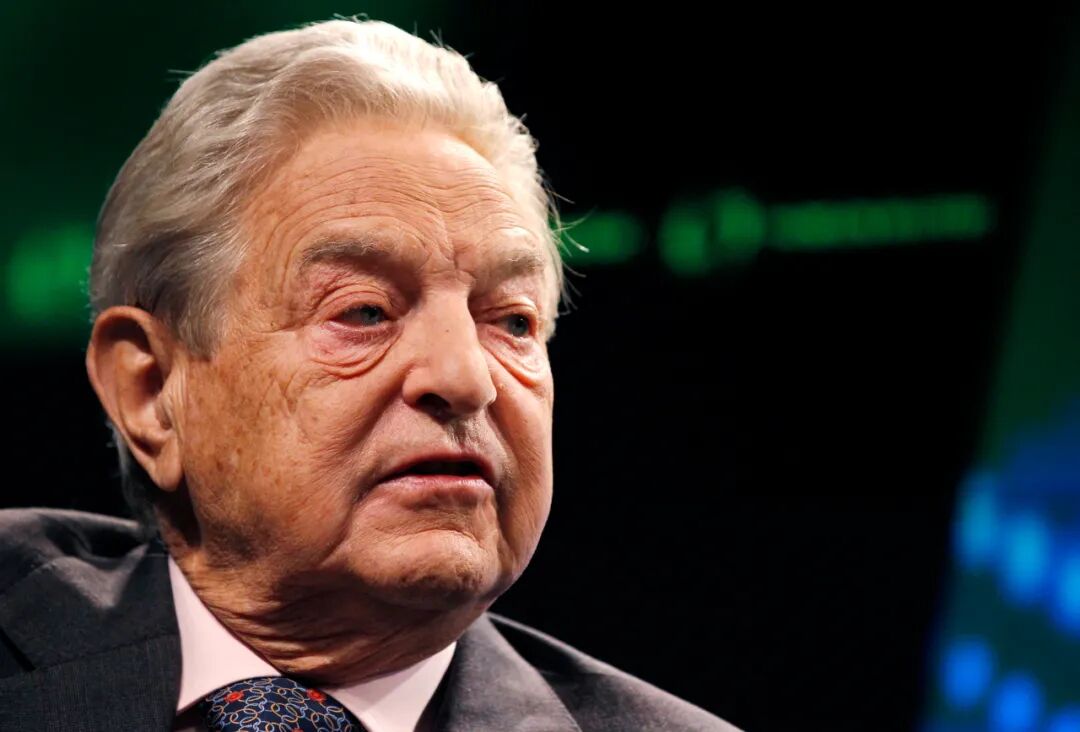
George Soros has long been a massive Democratic donor. Shortly after Biden withdrew from the race, George Soros and his son Alex Soros quickly came out for Harris. Beyond donations, the Soros family swiftly acquired bankrupt Audacy and its 227 radio stations to drum up public opinion for Harris. In response, Trump's biggest "sponsor" Musk mocked on X: "Harris is Soros's next puppet."
Protecting one's business empire is the core motive for every businessman entering this political game — hardly secret. But Soros, long known as the "financial vulture," operates so boldly that he inevitably draws attention.
Soros has mounted five currency attacks against foreign nations: shorting the pound, "defeating the Bank of England," netting $650 million. Shorting the Thai baht, and a series of emerging economies including Indonesia and Malaysia.
But in the massive battlefield of the Asian financial crisis, Soros truly took on multiple countries single-handedly — only to fall on his wrong read of Hong Kong's political situation.
It's hard to say whether this bet on Harris will be another Waterloo for Soros.
> Vinod Khosla: Support from a Fellow Indian "Compatriot"
 (Image source: Wikipedia)
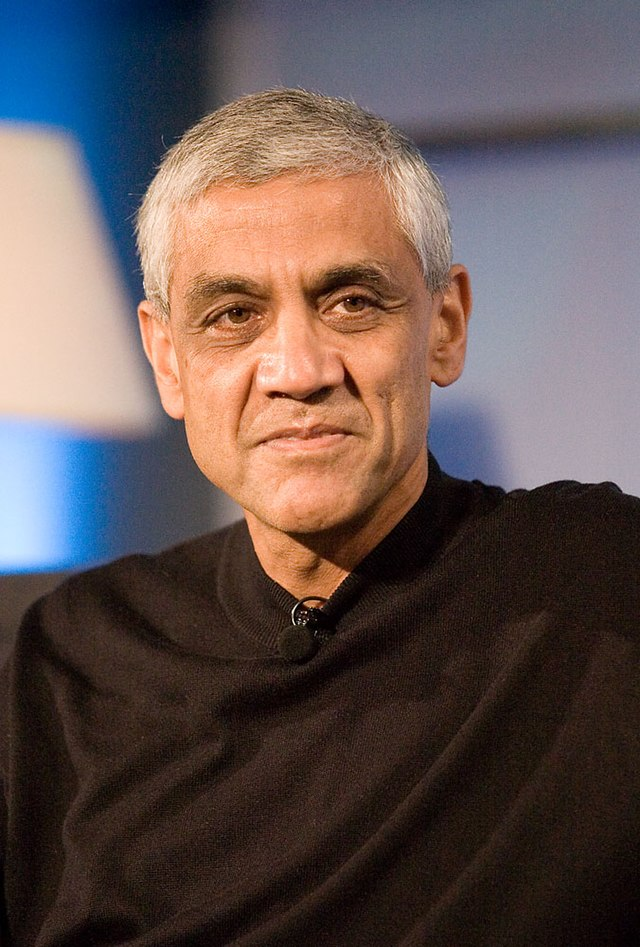
Vinod Khosla is known as the global king of "technology" investing, one of America's four venture capital giants, and founder of Sun Microsystems. He's a superfan of Musk and OpenAI's first investor. He shares Harris's Indian heritage, and after Biden withdrew, he publicly backed her. He wrote on X: "Now is the time for all 'non-MAGA' people to unite, support Harris to defeat Trump, save our democracy, reject bad values, reject Project 2025 and the dictatorship Trump loves."
Image sources: IC Photo, etc.