Huadong Wang: I read 30 books this year. Here is my annual reading list | End of 2025
Diligence, distillation, execution.

"Diligence, Distillation, Execution." Text by Huadong Wang, Matrix Partners China

In an era of transformation, "transition" has become something that everyone from nations to individuals must contemplate and practice.
Investors are no exception. And within the community of primary-market investors, one name always surfaces at the very start of any conversation about transition — Huadong Wang, Managing Partner at Matrix Partners China.
It's hard to find any sense of "discontinuity" across different sectors, industries, or disciplines in Wang. From journalist to investor, from Momo to Li Auto, Moore Threads, and Unitree, from entertainment and consumer to new energy ecosystems, and onward to advanced manufacturing and AI-related hard tech core domains — he has completed each pivot with remarkable fluidity. These choices, which appear to span vast distances, actually follow a clear logic of technological and industrial evolution rather than simple sector rotation.
We were once deeply curious about this rare "art of repositioning" in the investment world, but whenever we spoke with Wang about it, his answers were always somewhat understated.
Many know him as someone extraordinarily hard on himself, managing his life and mind with the precision of an engineering project. For years, two things have remained non-negotiable: first, waking up at 5:30 every morning; second, maintaining an intensive reading pace of over 30 books per year.
For him, reading is not leisure but a process of "cognitive gap-filling" and "pattern migration" —
Reading the biography of Alfred Sloan, the legendary CEO of General Motors, to understand the evolution of the automotive supply chain a century ago, using it as a foundational coordinate for judging new energy vehicles; he also revisits Yuval Noah Harari repeatedly, searching for inevitabilities across different eras within the grand scale of human evolution.
In Wang's view, technologies and business models may change, but the underlying logic of how industries operate, humanity's craving for efficiency, and the mechanisms by which systemic bubbles form remain no different between 100 years ago and 100 years from now.
If the core of the previous generation of GPs' success was the audacity to pioneer China's capital markets and a unique eye for people, one characteristic Wang embodies of the new generation of GPs is precise positioning under a "scientific investment philosophy." And this precision comes from the extreme extraction of cross-domain knowledge.
A 2018 conversation between Qian Yingyi and Elon Musk at Tsinghua University left a deep impression on Wang, and he has shared one exchange with us more than once —
Qian: Share your secret to learning.
Musk: Read a lot of books, and talk to a lot of people.
Qian: Can you become a rocket scientist just by reading?
Musk: Yes.
Perhaps this is how the world operates — behind much success there may indeed be no overly profound answer; it's simply that those more fortunate than you are also more hardworking. David Zhang of Matrix Partners China once assessed Wang this way: not only skilled at learning, but more rare is his extraordinary diligence, his ability to distill, and his courage to execute.
"He dares to confront his own comfort zone, and he dares to let results speak for themselves." In Zhang's view, this is one of the core reasons Wang has been able to grow into a GP.
This time, Wang has chosen to participate in Waves' "2025 Finale" through an annual book list. Below is this thoroughly "Huadong Wang" 2025 reading list, in no particular order.
"2025 Finale" is still accepting submissions. Thinkers from the business world and capital markets are welcome to reach out via our backend or chenzhiyan@36kr.com. We believe that as times change, only genuine thinking endures.
Part 01
Understanding Business
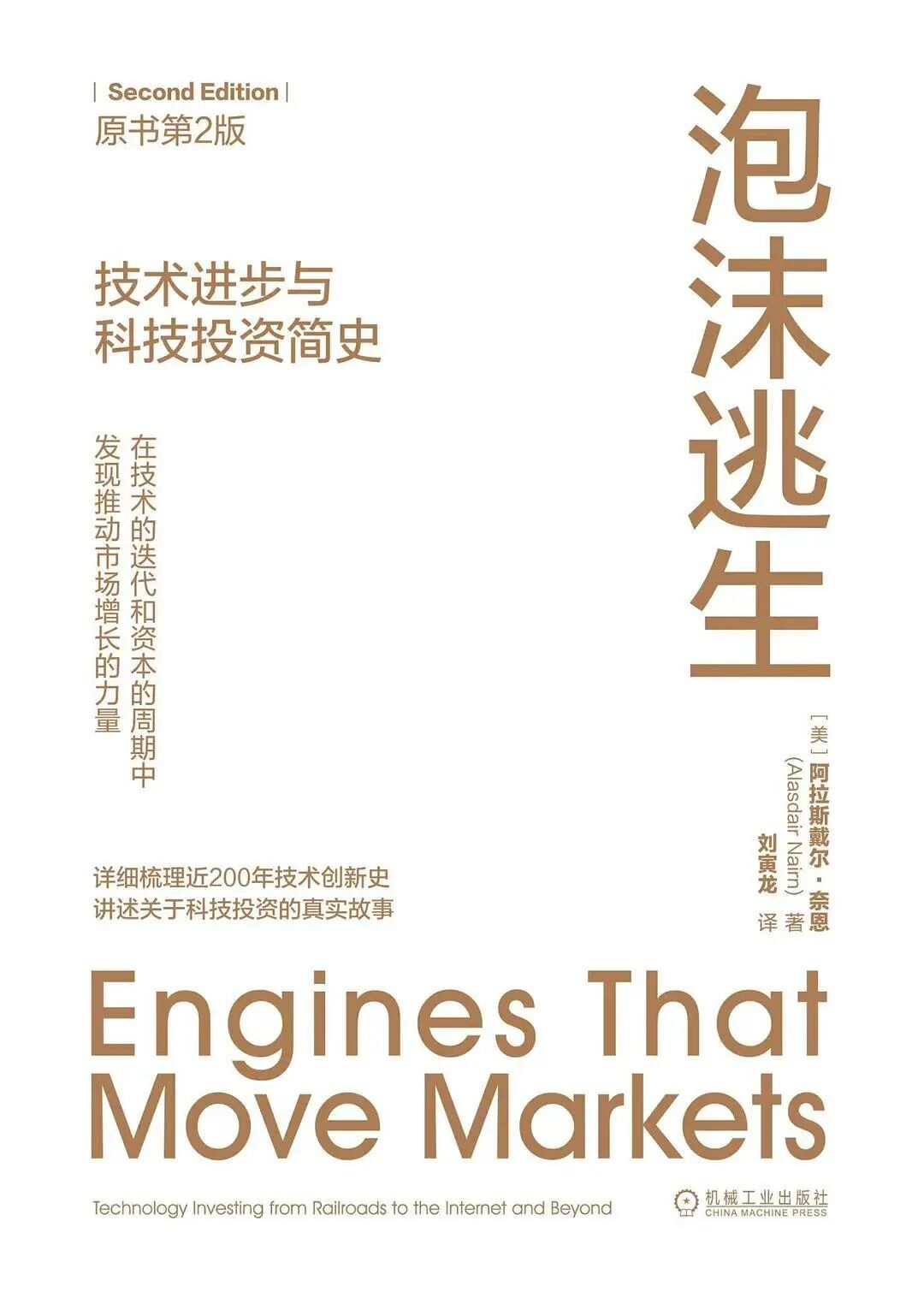
Engines That Move Markets: Technology Investing from Railroads to the Internet and Beyond Author: Alasdair Nairn
Subtitle: A Brief History of Technological Progress and Tech Investment
Original Title: Engines That Move Markets: Technology Investing from Railroads to the Internet and Beyond
Description: All manias leave traces. By reviewing five waves from canals to the internet, the author reveals how technology devolves from world-changing force to speculators' carnival. This is a 200-year "pitfall avoidance guide" that shows which astonishingly similar rhymes today's AI frenzy shares with historical bubbles in railroads and electricity.
Nothing But Net Author: Mark Mahaney
Original Title: Nothing But Net
Description: Abandoning blind faith in "concepts," this book provides a rigid framework for evaluating high-growth companies, emphasizing that long-term trends and business logic are the ballast of investing. A "mine-sweeping manual" from a top Silicon Valley analyst, teaching you how to use calm fundamental anchors to seize the true winners of the next era amid noisy trends.
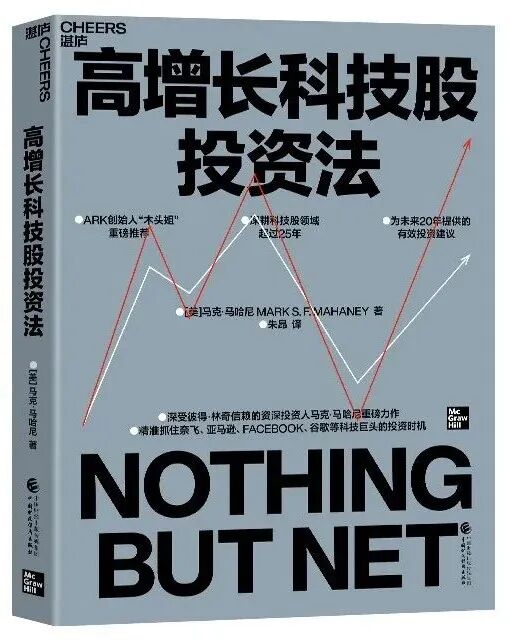
— With everyone heatedly discussing the AI bubble right now, it's worth understanding what industrial and tech bubbles in history were actually about, and also worth learning how to select tech stocks for investment.
Part 02
Examining Life
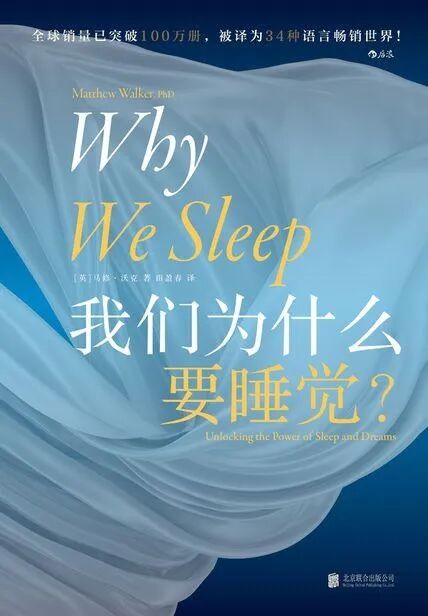
Why We Sleep: Unlocking the Power of Sleep and Dreams Author: Matthew Walker
Subtitle: New Scientific Discoveries About Sleep and Dreams
Original Title: Why We Sleep: Unlocking the Power of Sleep and Dreams
Description: Based on cutting-edge neuroscience, it systematically explains sleep's decisive role in emotion, creativity, and even cognitive ability — the cheapest yet most powerful "upgrade package" in your body.
The Sleep Revolution: Transforming Your Life, One Night at a Time Author: Arianna Huffington
Subtitle: Redefining Success, Sleep, and Happiness
Original Title: The Sleep Revolution: Transforming Your Life, One Night at a Time
Description: Drawing from personal experience and scientific research, the author critiques the culture of "trading sleep for success" and advocates making high-quality sleep the core foundation for improving efficiency, health, and long-term well-being. The book's rich scientific cases help people easily understand the relationship between sleep and happiness.

— Understanding sleep is important for everyone. These two books contain many stories that will help you easily grasp the magic of sleep.
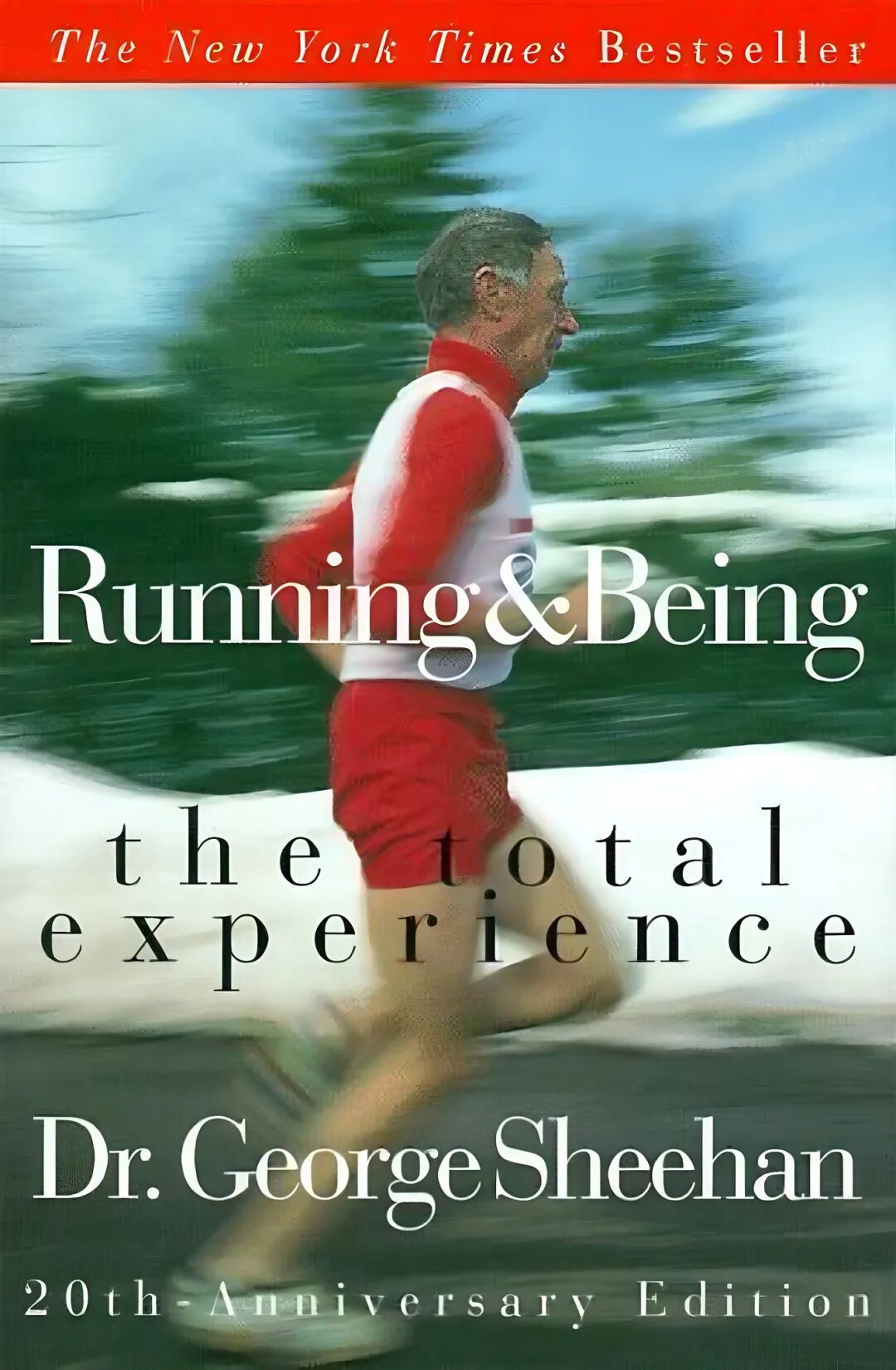
Running and Being: The Total Experience Author: George Sheehan
Original Title: Running and Being: The Total Experience
Description: Is running an ascetic's journey, or a psychological game within the runner's mind? What does a runner's world actually look like? This is a running work that fuses practice and philosophy. Through this book, you may find answers to "who you really are" and "how you should adapt to yourself."
Born to Run: A Hidden Tribe, Superathletes, and the Greatest Race the World Has Never Seen Author: Christopher McDougall
Original Title: Born to Run: A Hidden Tribe, Superathletes, and the Greatest Race the World Has Never Seen
Description: By exploring the running culture of the Tarahumara people, blending human evolution, physiology, and personal experience, the book investigates why humans are "born to run" and the primal meaning of running. This is a romantic inquiry into human evolutionary history that tells you running is not merely exercise but the most primitive survival and joy instinct etched into Homo sapiens DNA.

— I read these two books after deciding to start running. Many people think running is simple; some find it boring. When you learn more about running, you'll discover that running well isn't easy, and that running is actually quite enjoyable.
PS: My first marathon in January this year (Xiamen Marathon) was 4:10:14; by the Shanghai Marathon in November, I'd improved to 3:22:49 — a 47-minute 25-second improvement.
Part 03
Understanding the World
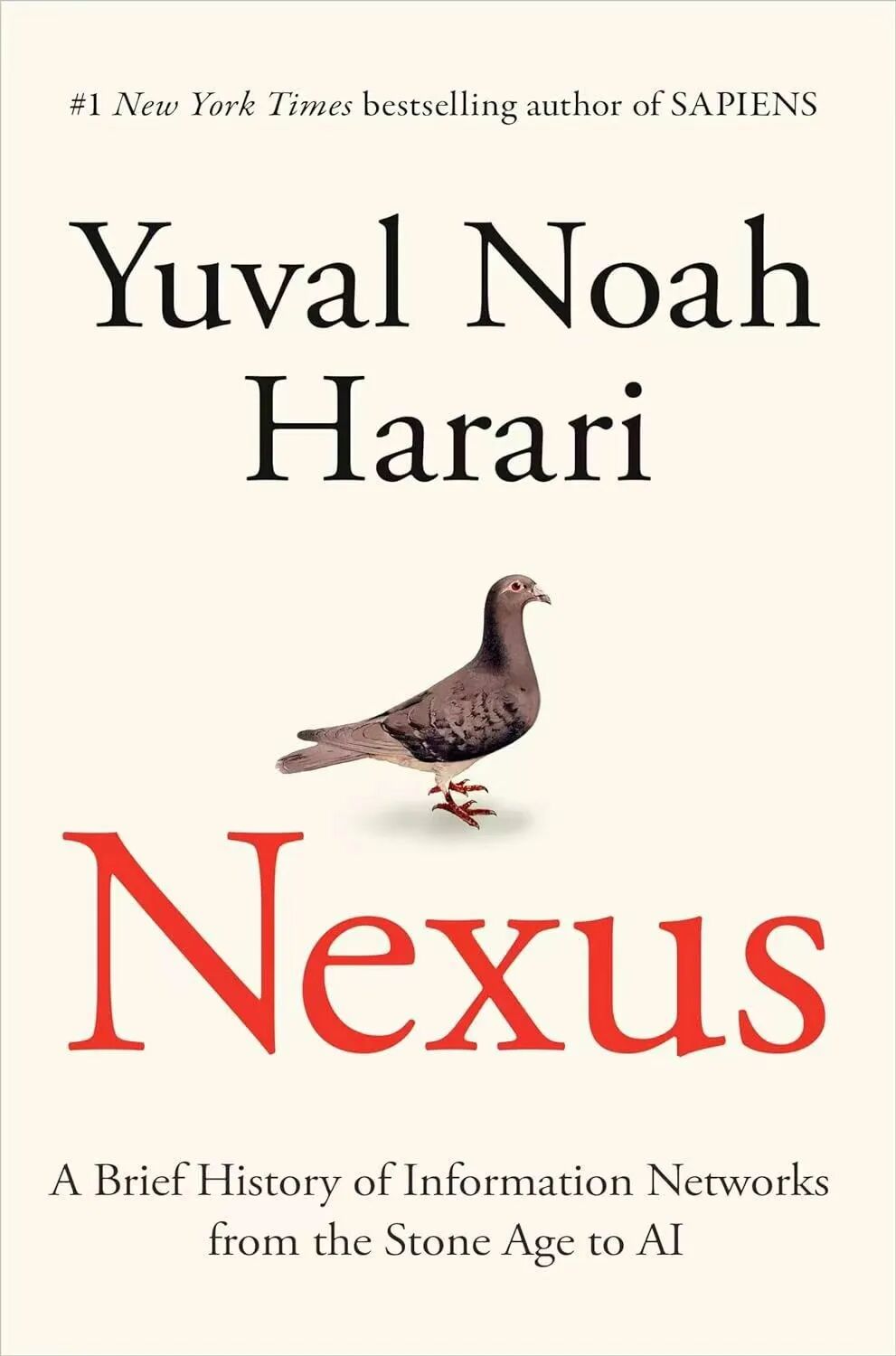
Nexus: A Brief History of Information Networks from the Stone Age to AI Author: Yuval Noah Harari
Subtitle: A Brief History of Information Networks from Homo Sapiens to AI
Original Title: Nexus: A Brief History of Information Networks from the Stone Age to AI
Description: When AI seizes the power to weave information, Harari issues another warning: this is not merely a technological revolution but a violent reshaping of the foundations of human social structures built over millennia. Using "information networks" as his thread, he traces evolution from ancient narratives to modern algorithms, revealing how information has become the core force shaping future civilization.
Harari's Sapiens Trilogy
Sapiens: A Brief History of Humankind, Homo Deus: A Brief History of Tomorrow, 21 Lessons for the 21st Century
Description: A "god's-eye view" trilogy that uses the logic of fictional orders, algorithms, and dataism to review how humanity rose from the wilderness to the pedestal. These books redefine power, politics, and individual choice.
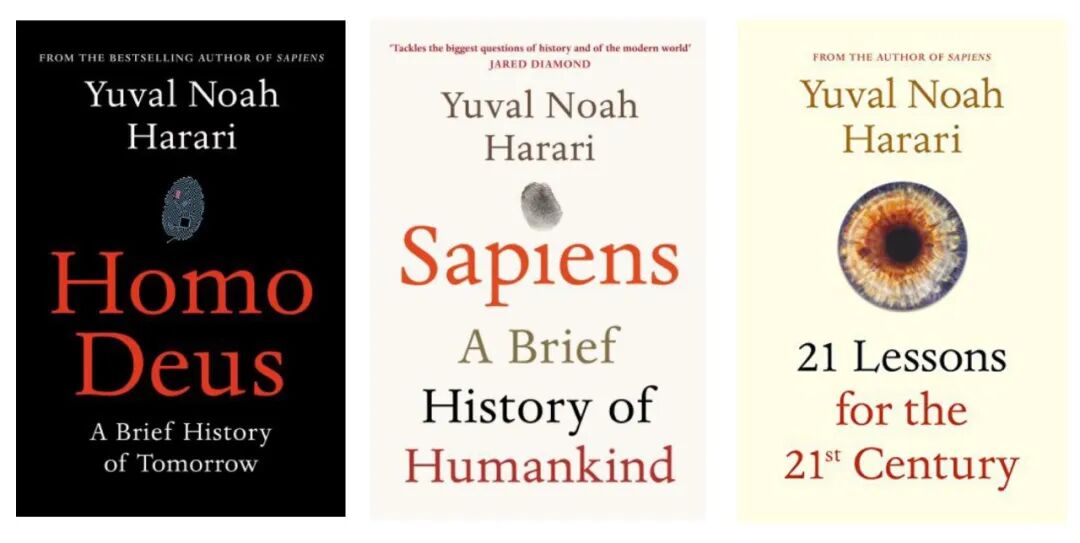
— After Nexus, I reread Harari's Sapiens trilogy. We've learned much about humanity's past; as technology, especially AI, advances, we need to spend more time thinking about humanity's future.
Part 04
Understanding People
The Autobiography of Morris Chang (2 volumes) Author: Morris Chang
Description: The solitary century-long march of the godfather of semiconductors, containing the ultimate secret of how TSMC used "integrity" and "professional specialization" to dominate the global computing power base. It is not merely an entrepreneur's chronicle but an evolutionary history of the semiconductor industry, demonstrating how long-termism has restructured the global business landscape.
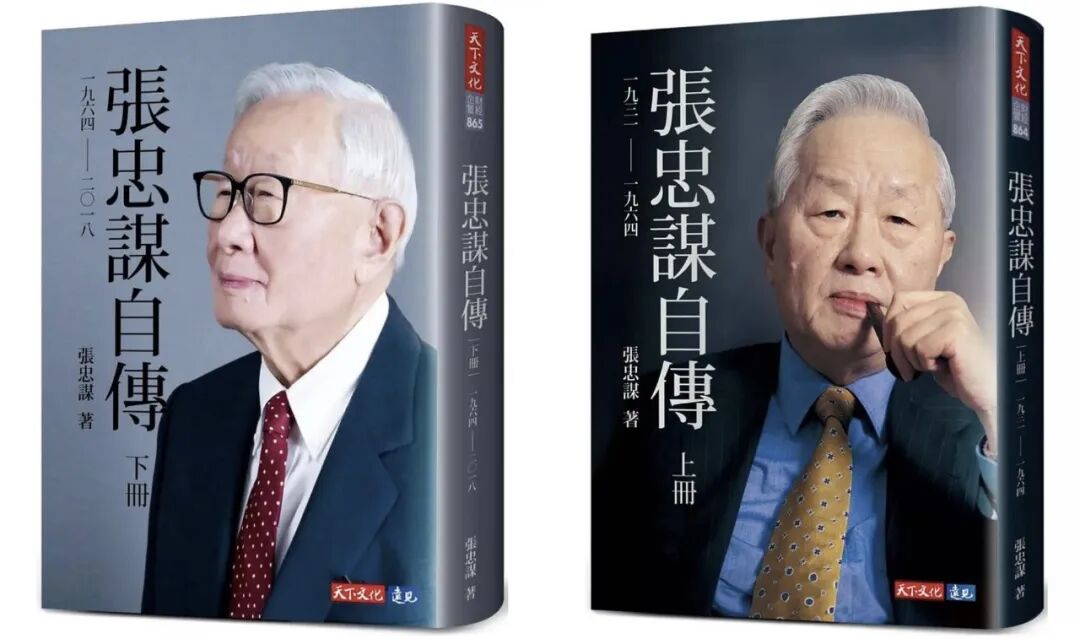
— I hope I too can become someone who never stops learning. I think TSMC's corporate culture is simply the embodiment of Morris Chang as a person.
The Man Who Solved the Market: How Jim Simons Launched the Quant Revolution Author: Gregory Zuckerman
Subtitle: The Legend of Renaissance Technologies
Original Title: The Man Who Solved the Market: How Jim Simons Launched the Quant Revolution
Description: Revealing how "quant god" Jim Simons used a team of mathematical geniuses to beat Wall Street, proving that in markets full of randomness, objective models come closer to truth than human intuition. It tells how Renaissance Technologies upended traditional investment logic and uncovers the intellectual origins of "advanced productive forces" like data-driven, model-oriented approaches.
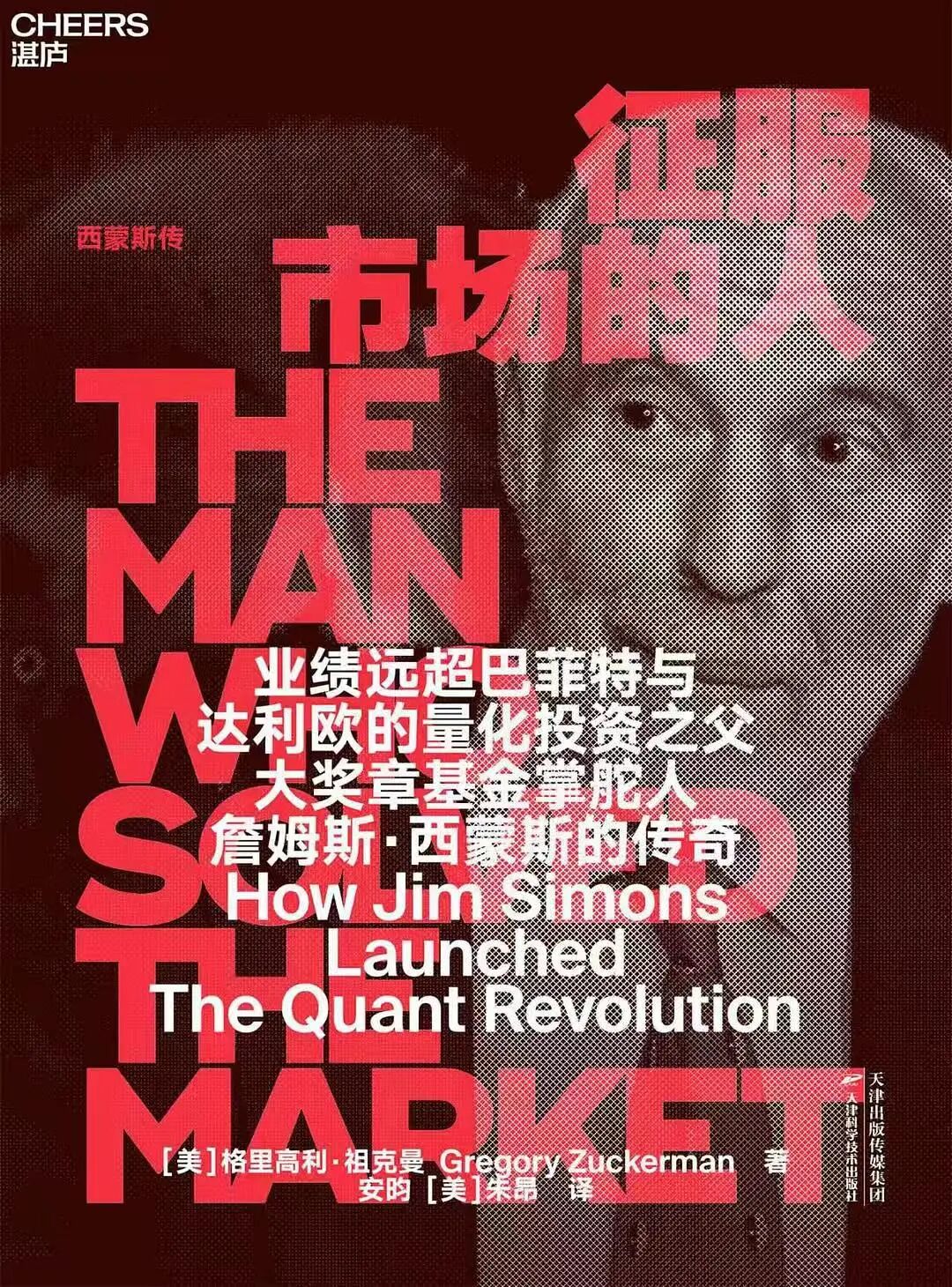
— Many people read The Man Who Solved the Market after DeepSeek exploded in popularity, because Liang Wenfeng wrote the preface. I read it for the same reason. The most important element of Simons's success was recruiting the most brilliant people and giving them a great environment.
Ask Iwata: Words of Wisdom from Satoru Iwata, Nintendo's Legendary CEO Author: Satoru Iwata (spoken), Shigesato Itoi (compiled)
Original Title: Iwata-san: Iwata Satoru Kataru
Description: Records how former Nintendo president Satoru Iwata balanced business logic with player empathy, transforming ordinary work into products that moved the world. This book is a warm confession of a technical genius turned president, interpreting how to use a "developer's" craftsmanship to solve the most complex "management" challenges.
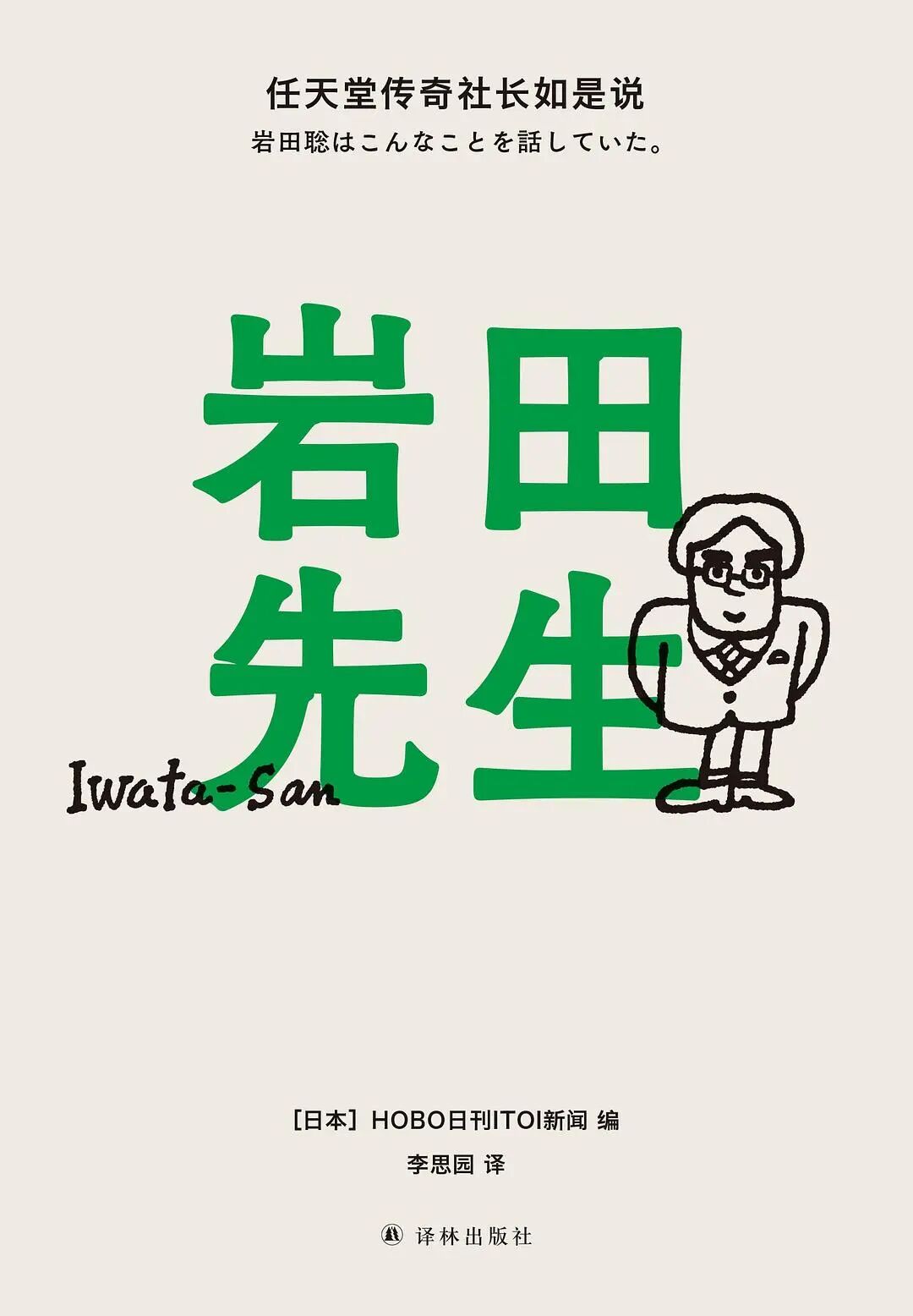
— Everyone interested in games should read this book. One of Iwata's self-summaries fully demonstrates his greatness:
"On my business card, I am a corporate president. In my mind, I am a game developer. But in my heart, I am a gamer."
Layout by Yao Nan | Images from Unsplash
Recommended Reading

The Flow of Money, The Rise and Fall of People