Three Barometers for the Primary Market, for Your Reference
The bilateral order of the primary market is being restructured on both sides.
Research | Zhuxi Huang, Yi Zhang, Yunxiao Guo, Li Niu
Text | Yi Zhang, Zhuxi Huang
Editor | Jing Liu

Let's cut to the chase. Today we're releasing three annual rosters: "Boutique Investment Banks of the Year," "Top Investors and Investment Firms Across Ten Innovation Economy Sectors," and "ESG-Practicing Investment Firms."
A quick note on why we've placed the FA roster first. We see financial advisors as the thermometer of the primary market — their survival conditions and adaptive responses to environmental shifts offer a revealing window into the broader market's evolution.
This research draws on public information and survey data from nearly 50 FA firms, with Anyong Waves conducting in-depth interviews with principals from 10 representative firms. Their interpretations of the environment and self-understanding hold considerable documentary value.
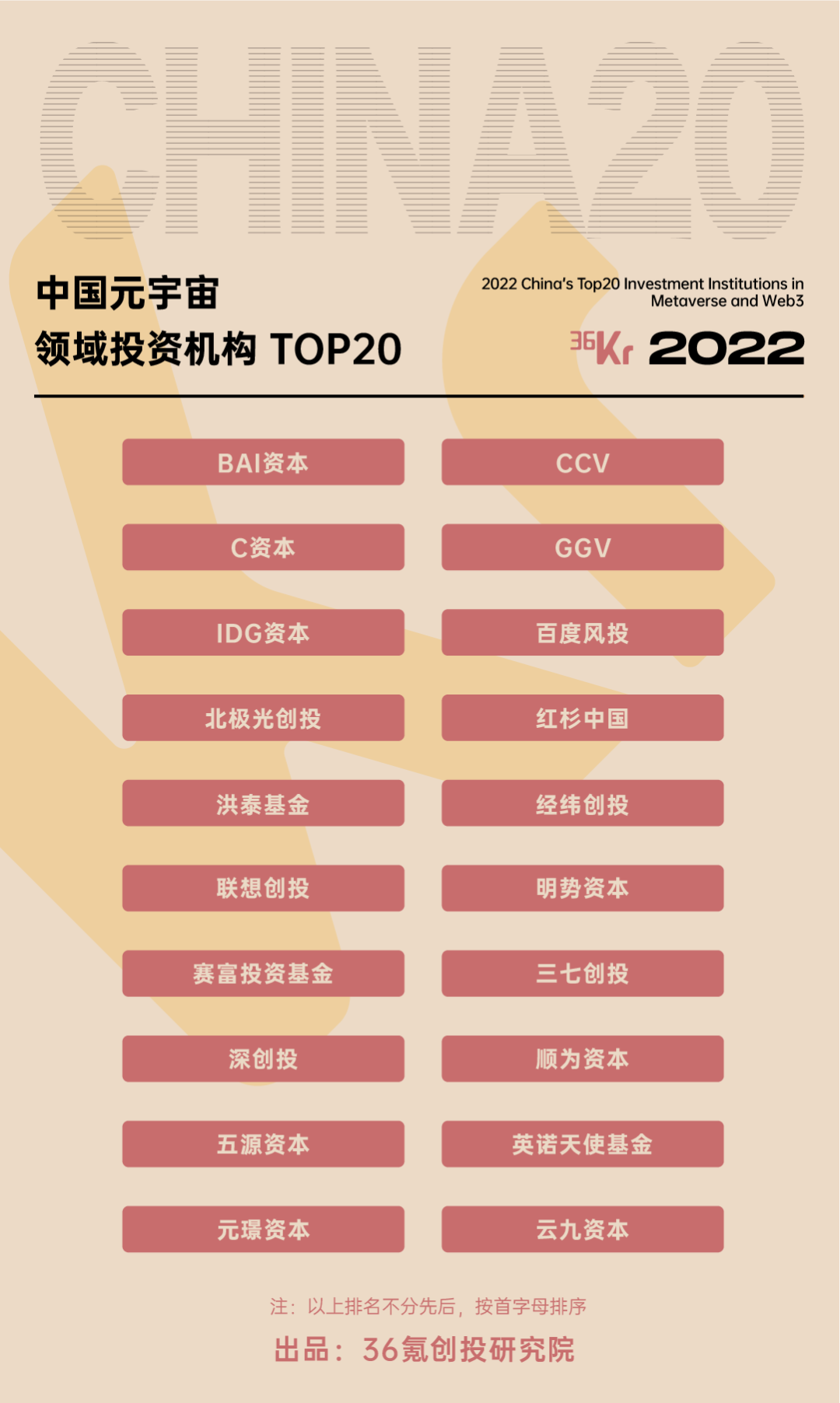
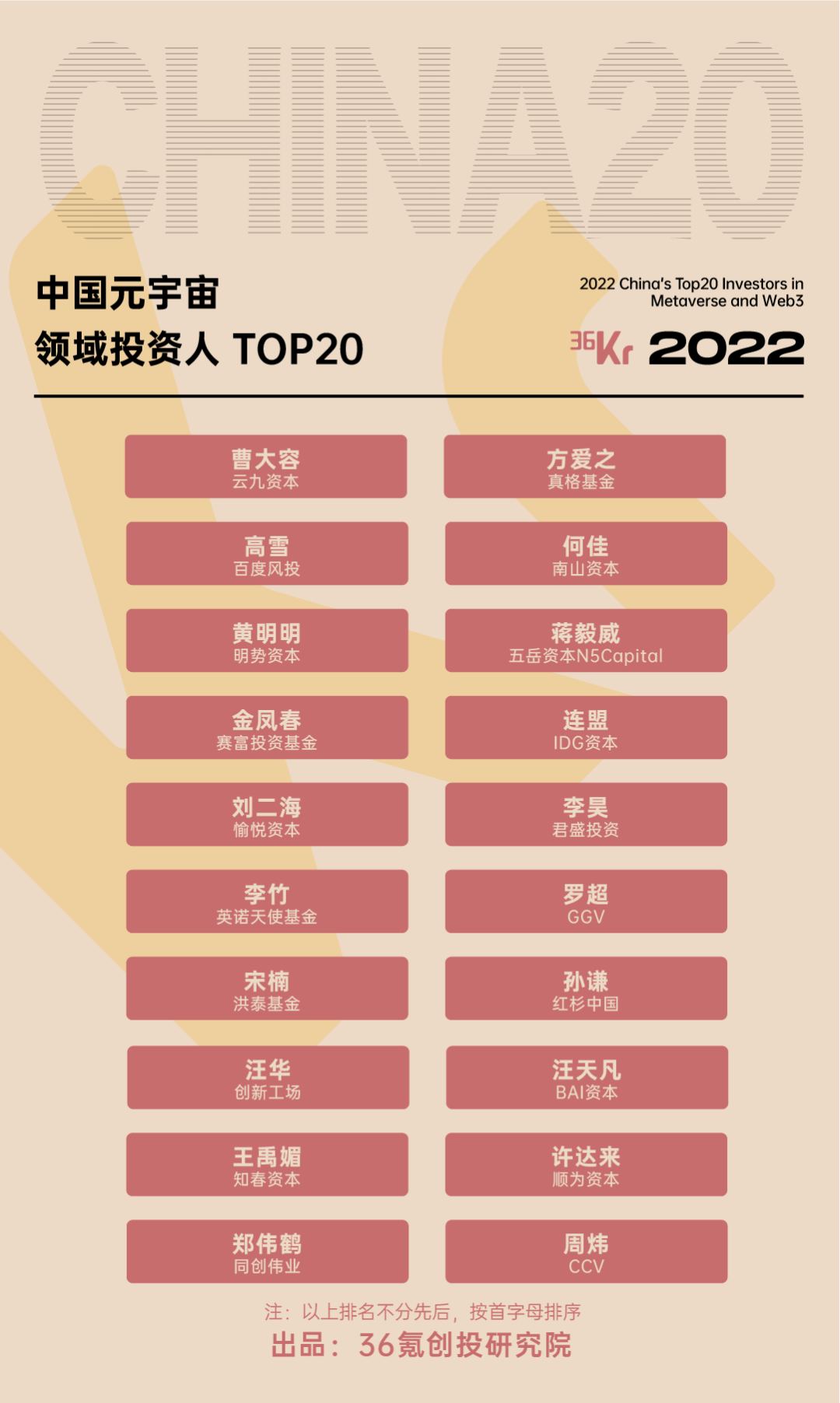
The second and third chapters cover the most critical industries in the primary market over the past year, and where institutions are placing their bets. Compared with last year, we've added coverage of dual carbon and new energy, new materials and synthetic technology, consumer and creative economy, next-generation information technology, metaverse, and digital intelligence.
Three barometers of the primary market, for your reference.

Boutique Investment Banks
Are FAs More Needed, or Less?
This is the first question we need to answer. And it determines the long-term value of the evaluation framework we've built for FAs.
The US venture capital market would seem to have proven that FAs aren't essential. Of course, the Chinese and American VC markets no longer bear comparison. But Anyong Waves has indeed heard a view that, with the disappearance of "mega-deals" (perhaps temporarily) and the aesthetic transformation of the entire primary market, FAs as third-party intermediaries could decline and even vanish.
In "The Twilight of FAs," we explored this question. The emphasis then fell more on: as commercial entities, since they can never fully escape dependence on human productivity, FAs have an insufficiently advanced business model. But more precisely, this needs to be viewed dialectically: for individual firms, building a "bulge bracket" brand from primary market origins is genuinely difficult — China Renaissance has amply demonstrated how long and hard that road is; but as an industry, market beta does exist for the next decade.
That beta comes from: the bilateral order of the primary market is being reconstructed.
Over the past two decades, Chinese primary market FAs have ridden three major waves of opportunity: the first-mover window (2000–2010), the internet and mobile internet era (2005–2019), and the broad fund expansion driven by "mass entrepreneurship and innovation." There were also some sector-specific opportunities, such as consumer in 2020, but they largely fell within these three beta waves.
The core logic of these opportunities was: large capital + star companies = mega-deals for FAs. But currently, both preconditions have changed.
We examined the 40 largest primary market financing transactions over the past year (October 2021 to October 2022; reply "transactions" on the Anyong WeChat account for the full list). Several findings: 1) 90% of projects had nothing to do with the internet, or business model innovation whatsoever; 2) only 22.5% were USD fund deals; 3) key investors were predominantly RMB funds, industry funds, or state capital.
This is sufficient to show the "bilateral" changes simultaneously underway in the primary market: the asset side is growing heavier, while the capital side exhibits RMB-ization, industrialization, and policy-orientation. The latter aligns with our repeated discussions of the repositioning of USD and RMB funds, and the cooling of pure financial investment.
"American market diversification has its own national particularities. Currently, whether from the perspective of responsibility and mission or commercial logic, we in China's innovation and entrepreneurship market should do investment and financing work more in line with the directions the country advocates," said Jiechao Hou, founding partner of Yibai Capital. "Enterprise innovation and business originate in China; going forward, they must follow a capital market path suited to our national conditions."
Another leading FA partner further noted that the state will have many new strategic orientations going forward, all of which will materialize in industries and companies. "Profit maximization may not necessarily create the greatest value. More in the industrial directions the country encourages — contributing value to national security, personnel security, food security, financial security — may also become manifestations of asset value."
And precisely because of this bilateral change, this may well be an opportunity for FAs. In a market of intense turbulence, information matching — once seen as the most basic FA function — actually still has considerable room for growth in many corners.
Another data set worth sharing: in 2022, overall market investment count and value were 8,631 deals and RMB 725.694 billion, down 9.4% and 33.9% year-over-year.
Broken down by stage, average single-investment amounts also fell from 2021 levels: seed (from RMB 79 million to RMB 52 million), early-stage (RMB 73 million to RMB 57 million), expansion (RMB 127 million to RMB 100 million), and mature-stage (RMB 243 million to RMB 155 million).
This data indicates two things: primary market temperature is indeed dropping, but the decline in project count is lower than people expected; the drop in per-project transaction value is genuinely significant — this is the "disappearance of mega-deals" described throughout. This is not unrelated to the long-standing characteristics of the RMB market.
Chao Gao, founding partner and CEO of Yunxiu Capital, noted that in the USD fund era, the primary market also had strong Matthew effects, but now both the capital and asset sides are more dispersed. "This is a more egalitarian, more decentralized market." Gao's implication: for FAs as intermediaries, there is actually more room to maneuver.
Jun Huang, founder of Potential Energy Capital, also noted that one statistic they track shows FA involvement in financing transactions rose from 10% in 2015 to over 20% in 2021. "(Hard tech companies) need FAs to identify more distinctive, valuable points and amplify their potential value in industrial and commercial domains," he said. Market information flows, but perspectives are asymmetric.
How to Forget the Past and Start Anew?
Trends don't bend to individual will. All the more so for FA, an industry born of momentum.
As noted, 2022 was a comprehensive inflection point for China's primary market. Faced with unfamiliar faces among entrepreneurs and investors, the original brands that FAs had built up are all being tested: industry gaps are being leveled.
This shows in the data too. According to public information and research statistics: the top 10 Chinese domestic FA firms facilitated over RMB 200 billion in financing in 2022, down 39.6% from 2021 (RMB 334.6 billion). In 2021, the gap between first and tenth place in facilitated financing exceeded 10x; this year it narrowed to 6.5x.
To grow large, FAs must first bet on the right industry. Just as China Renaissance seized the internet and M&A waves, Taihe Capital caught SHEIN, and Lighthouse Capital served Kuaishou and ESWIN. "All current capabilities and knowledge must be built around industrial players," summarized Xuanle Zheng, founding partner of Lighthouse Capital.
To some extent, today's primary market somewhat resembles the state around 2008 — as some have put it: everyone seems to be back at the same starting line. So for FAs, this is the moment to strategically reposition for the next two years.
What adjustments have FAs made? Based on our research, we summarize them as follows —
Filling knowledge gaps. Per Xuanle Zheng's summary at Lighthouse Capital, the new era's dividend lies in the interaction of "technology," "large markets," and "large industries," leading him to characterize the current Chinese venture stage as the "industrial investment and financing era," which imposes higher cognitive demands on both investors and FAs. In interviews, he mentioned several books he's been reading recently, such as Light Changes and Inside the Chinese State.
This year's domestic primary market hotspots have concentrated on hard tech domains: optoelectronic chips, AI, biotechnology, aerospace, and intelligent manufacturing, with new energy and new materials seeing counter-trend rises in interest. Chao Gao of Yunxiu Capital also noted that "in new energy, hard tech, and other domains with long industrial chains requiring longer accumulation of know-how, the information and knowledge gaps between investors and project teams are much larger than in TMT." He said that in any sub-sector, bridging these gaps requires doing sufficiently deep homework.
Restructuring organizations. This parallels VC/PE institutions: hiring more industry technical professionals/vertical sector PhDs and researchers; and organizationally shifting from more dispersed, free-form structures to more solid pyramidal shapes: core partners — small core mid-senior layer — junior staff.
Adjusting strategy. "Going into industry" has become the consistent direction and strategy for Chinese domestic FAs. According to several interviewed FA founders, the shift in market investment logic can be roughly summarized thus: the previous decade's TMT era followed a more market-oriented platform logic — horizontal integration around ecosystem hub companies; now, investment methodology is shifting to industrial chain logic — vertical upstream-downstream extension around core industrial chain enterprises, excavating value along the chain.
Liangxu Zheng, founder of Yiwei Capital, further noted that in industrial chain investment, the core logic is vertical integration upstream and downstream from core enterprises in different industrial chains. "Now every sub-direction in technology is vastly different; every company requires time to research, so that we can deliver value to clients from industry, strategy, financing, and multiple other angles."
Remapping investor relationship territories. Yunxiu Capital is extending coverage to more long-tail RMB funds; Potential Energy Capital is going deeper on the investor relations side with finer granularity, penetrating analysis of GPs' underlying LPs' capital commitment capacity and willingness.
Enriching peripheral skills. Traditionally, FAs were judged solely on helping founders raise more money, but now companies often need value "beyond money," which changes how we evaluate FAs. Examples: introducing industrial resources, government resources, scarce talent. Lighthouse Capital and several other FAs are helping large industrial groups' innovative businesses with capitalization. Jing Li, founder and CEO of Fanzhuo Capital, said they've added an important element this year: interfacing with local governments to find better industrial policies, "helping them find more suitable locations with industrial ecosystems."
"Simply put: remap, and restart," summarized one FA partner.
Zheng Xuanle also offered a useful framework for understanding the market: "For a boutique investment bank to survive long-term, it needs to make money in both upcycles and downcycles. In upcycles, you amplify value. In downcycles, you focus on acquiring quality resources and assets."
How Do You Evaluate an FA?
Back to the rankings: How exactly did we evaluate these firms?
In 36Kr's current ranking system, the evaluation criteria for FAs are arguably the most demanding. Compared with VC/PE institutions, whose data typically spans three years or more, we judge FAs primarily on their performance over the past year (for this edition, October 2021 to October 2022). Our reasoning: FAs should have more agile organizational capabilities than VC/PE firms, along with sharper ability to identify and respond to market shifts — and this industry evolves far more rapidly.
On the data side, two metrics matter most: total transaction volume facilitated (by deal size and count) and the number of star projects (those with post-investment valuations above 1 billion RMB). A secondary metric is project involvement — specifically, whether the FA served as exclusive financial advisor.
Across all surveyed FA firms, total financing transactions facilitated approached 300 billion RMB (note: M&A and IPO deals excluded). Over two-thirds of this volume came from the top ten FA firms. Combined, they worked on 951 deals across 1,032 funding rounds — meaning 81 projects involved "repeat business" during this period. There were 510 deals above 1 billion RMB, with an average single-round deal size of 255 million RMB.
One difference this year: beyond the baseline data, we also incorporated each firm's organizational adjustments and strategic positioning as revealed through our interviews.
One well-known FA founder suggested to us that an ideal evaluation would add a "moral" dimension — for instance, whether a firm's clients have ethical blemishes, or whether it genuinely achieves sound matching between capital and assets.
We strongly agree. As a barometer of the primary market, and by analogy as "gatekeepers" akin to investment banks in secondary markets, FAs should bear some responsibility here.
But there's an objective difficulty: at the time most deals occur — or even within a year after — it's hard to evaluate a transaction's ultimate value through a moral or long-term lens. Think of consumer deals two years ago, or new energy deals today. Valuations across the primary market have indeed reached seemingly absurd heights, but it's difficult to simply attribute blame to any particular group as the primary culprit.
For an FA merely seeking "financial freedom," this may not matter. For an FA institution aspiring to build an enduring brand, it matters enormously.
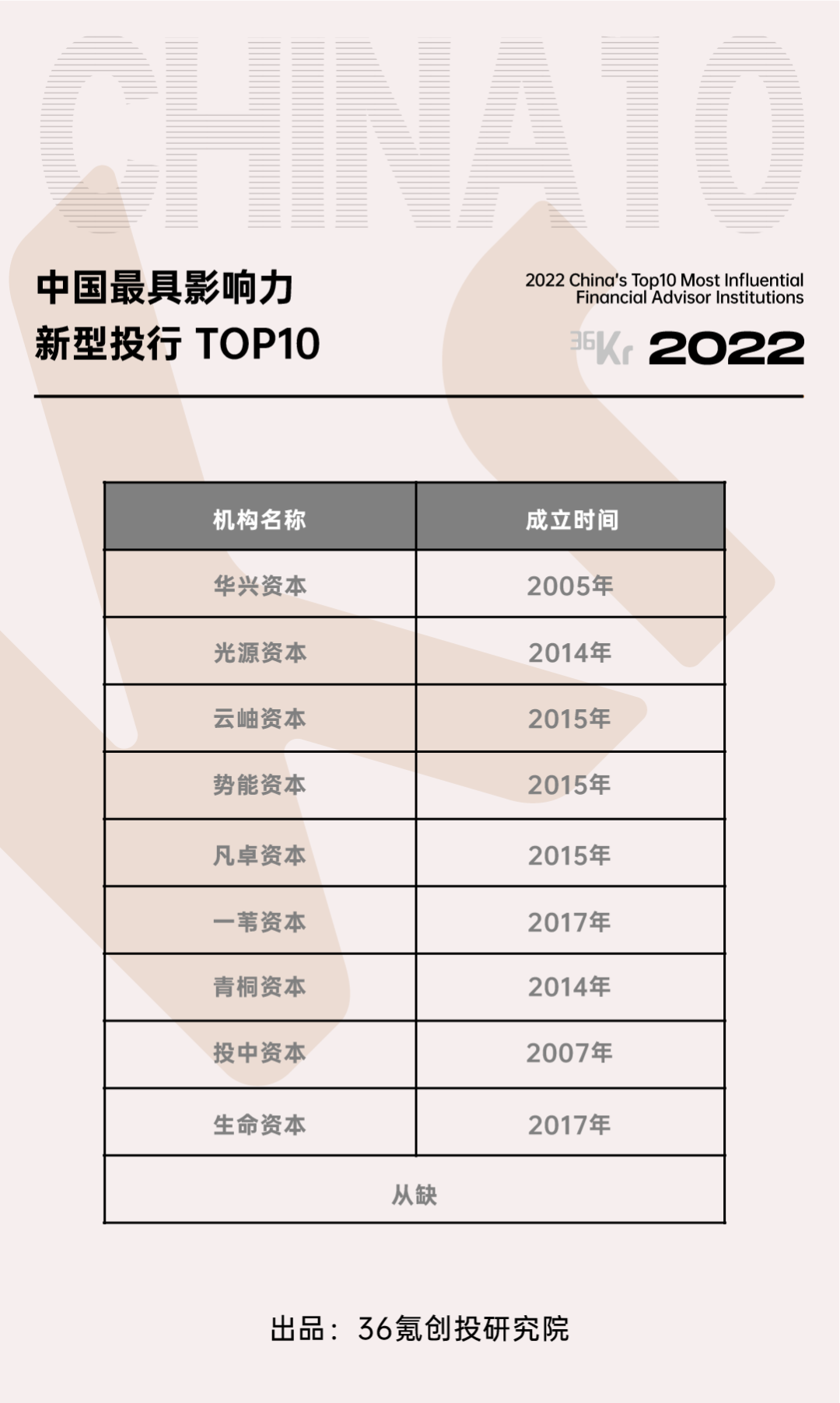
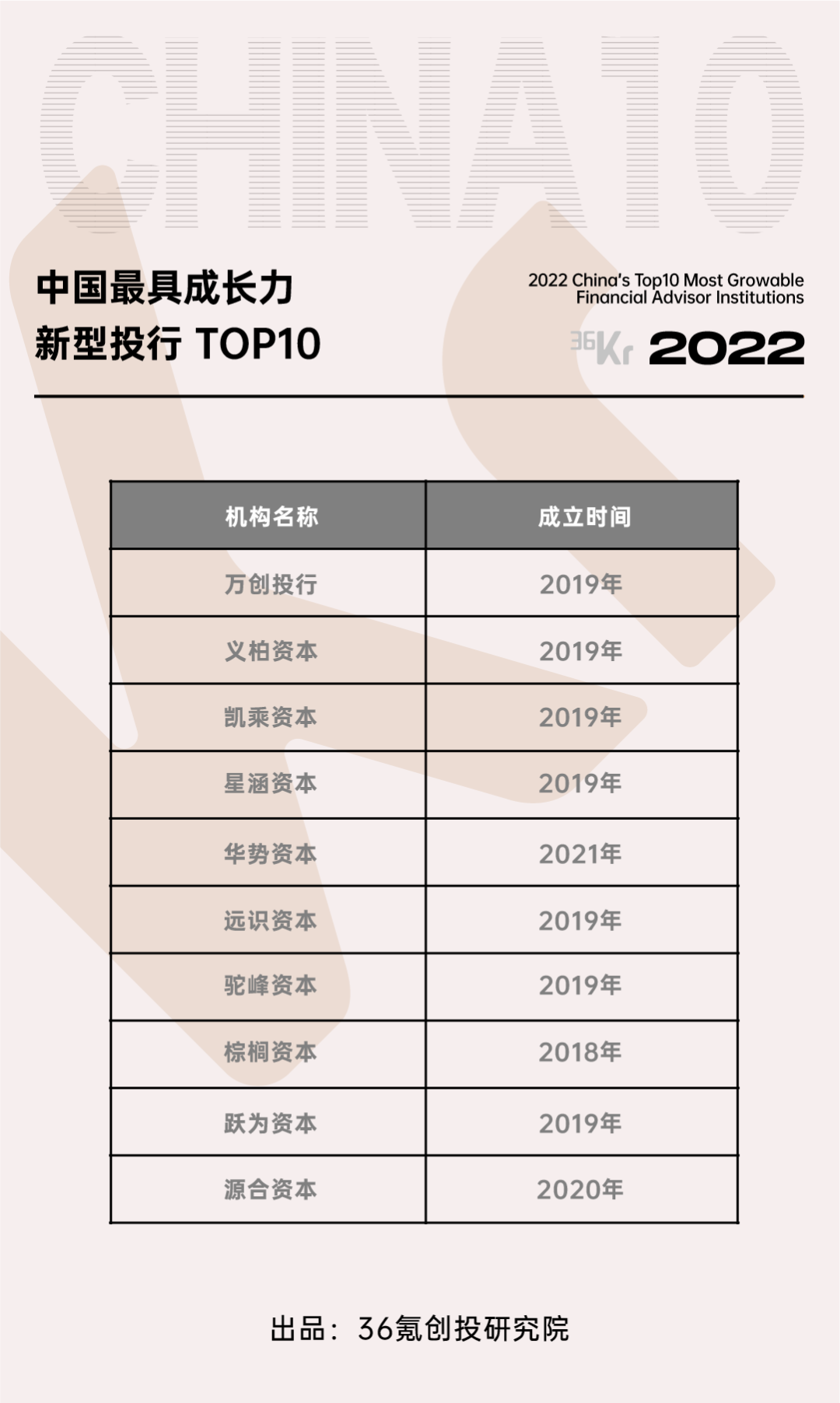
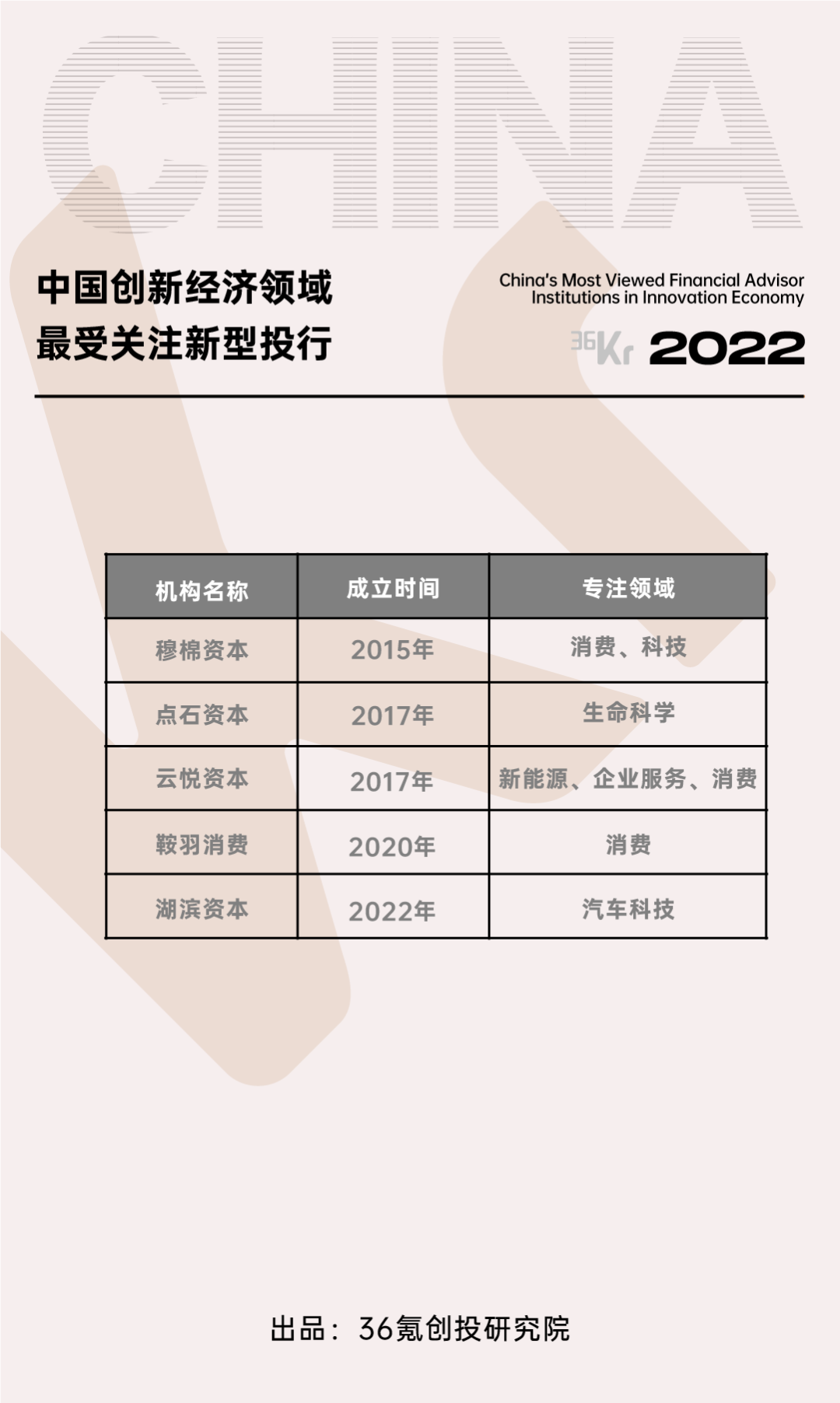
Below, the full list of 2022's "Most Influential," "Most Promising," and "Most Watched in the Innovation Economy" boutique investment banks, plus "Innovation Advisory Service Organizations" and "Tech Industry-Enabled Boutique Investment Banks":
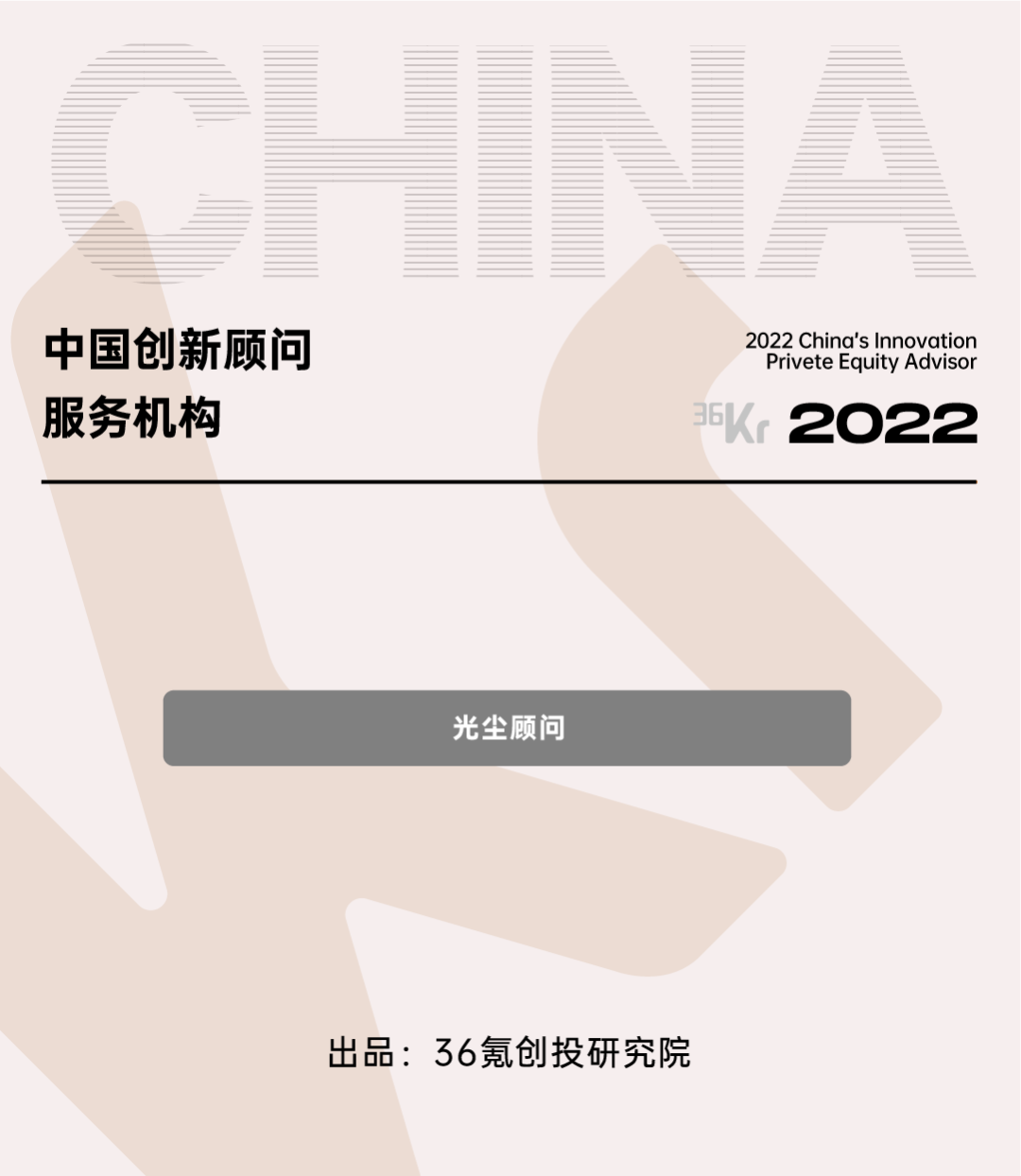
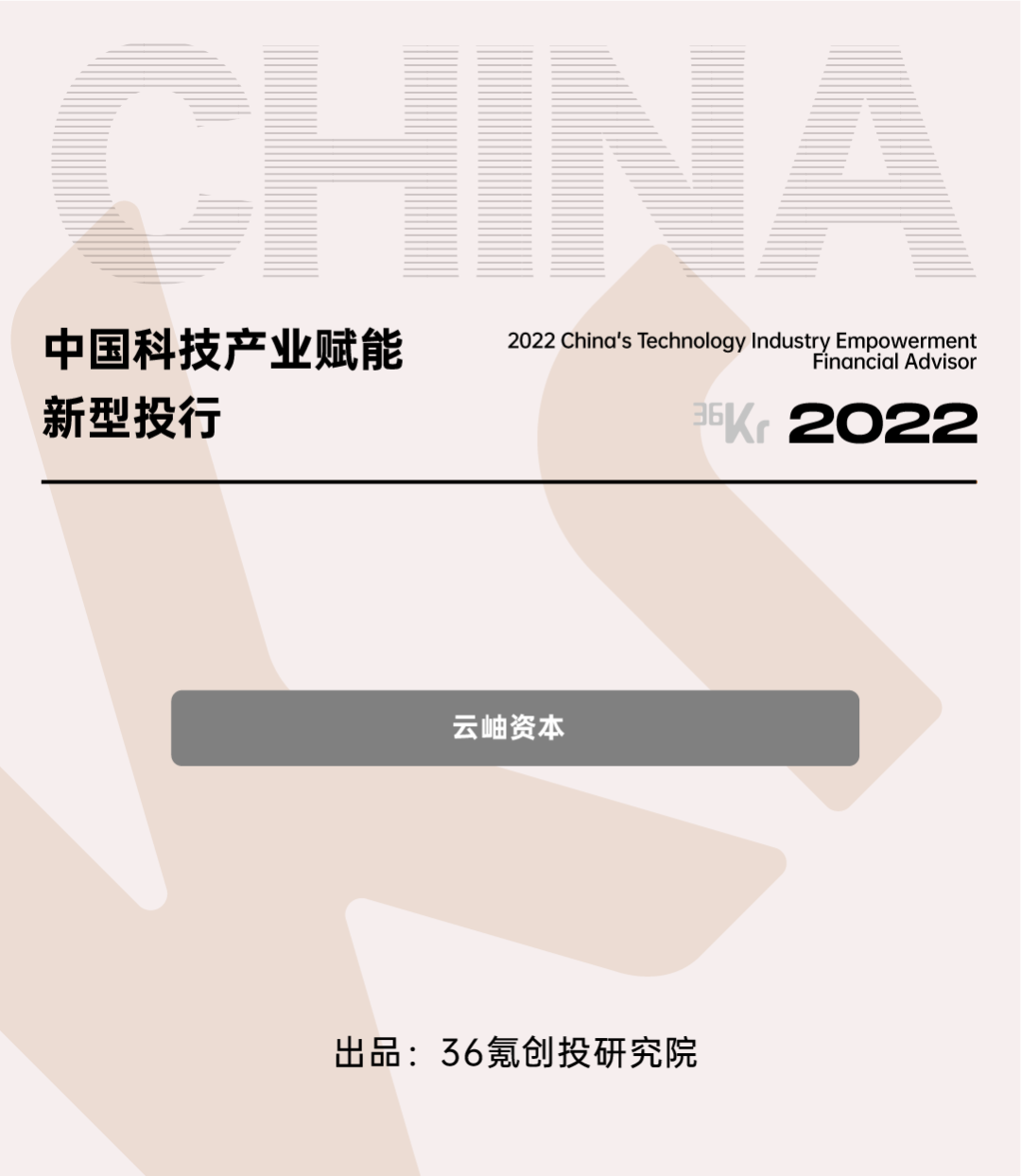

Innovation Economy Investment Institutions
2022 was undeniably difficult for China's equity investment market.
On the capital side, total funds entering the equity investment market declined overall, with foreign-currency funds — particularly USD-denominated vehicles — continuing to shrink. As of Q3 2022, completed fundraising concentrated in large policy-driven funds, infrastructure funds, and top-tier USD funds.
RMB funds became the primary source of incremental capital in the equity market, and these funds generally carry varying degrees of state-owned background, with explicit policy orientation, industrial objectives, and investment mandates. To date, completed fund raises include: China Life-Tiejian Fund (30 billion RMB), Guangzhou Financial Holdings Urban-Rural Green Development Fund (20 billion RMB), Guangzhou City Investment Urban Renewal Equity Investment Fund (20 billion RMB), Beijing Haidian District Stability and Guarantee Investment Fund (10 billion RMB), and others — together accounting for roughly 10% of total market fundraising.
On the foreign currency side, since mid-2021, blocked overseas exit channels and investment restrictions in certain sectors have successively transmitted to the domestic USD investment market, with most institutions encountering obstacles in overseas fundraising. Only top-tier USD funds announced completions of new fund raises, such as: Hongshan's full-cycle fund (9 billion USD total), Qiming Venture Partners' eighth USD fund (over 2.4 billion USD), Hillhouse Capital's real estate investment fund (2 billion USD), Gaorong Capital's sixth USD fund (1.85 billion USD), and Primavera Capital's fourth USD fund (1.172 billion USD).
With USD investment into China slowing, Southeast Asia — where foreign investment policies are relatively relaxed and the business environment favorable, with Singapore as the primary hub — has become the preferred destination for Chinese dual-currency institutions expanding overseas. GGV Capital, Sky9 Capital, Horizons Ventures, and FA firm Lighthouse Capital have all opened Singapore offices; Shunwei Capital registered a Singapore subsidiary, SWC Global.
Turning to the asset side: despite the overall cooling on the capital side, policy guidance has sustained or even increased domestic investors' attention to hard tech — particularly smart manufacturing, artificial intelligence, chips/semiconductors, and healthcare/biotech, where financing activity remained robust. New energy and new materials, meanwhile, rose against the trend, with most large financing deals appearing in these sectors.
One notable trend: cross-industry convergence on the asset side has become increasingly pronounced. More and more projects no longer belong to a single industry. Emerging fields typically emerge from the fusion of multiple industries, founders increasingly come from diverse academic backgrounds, and business narratives have become more multifaceted.
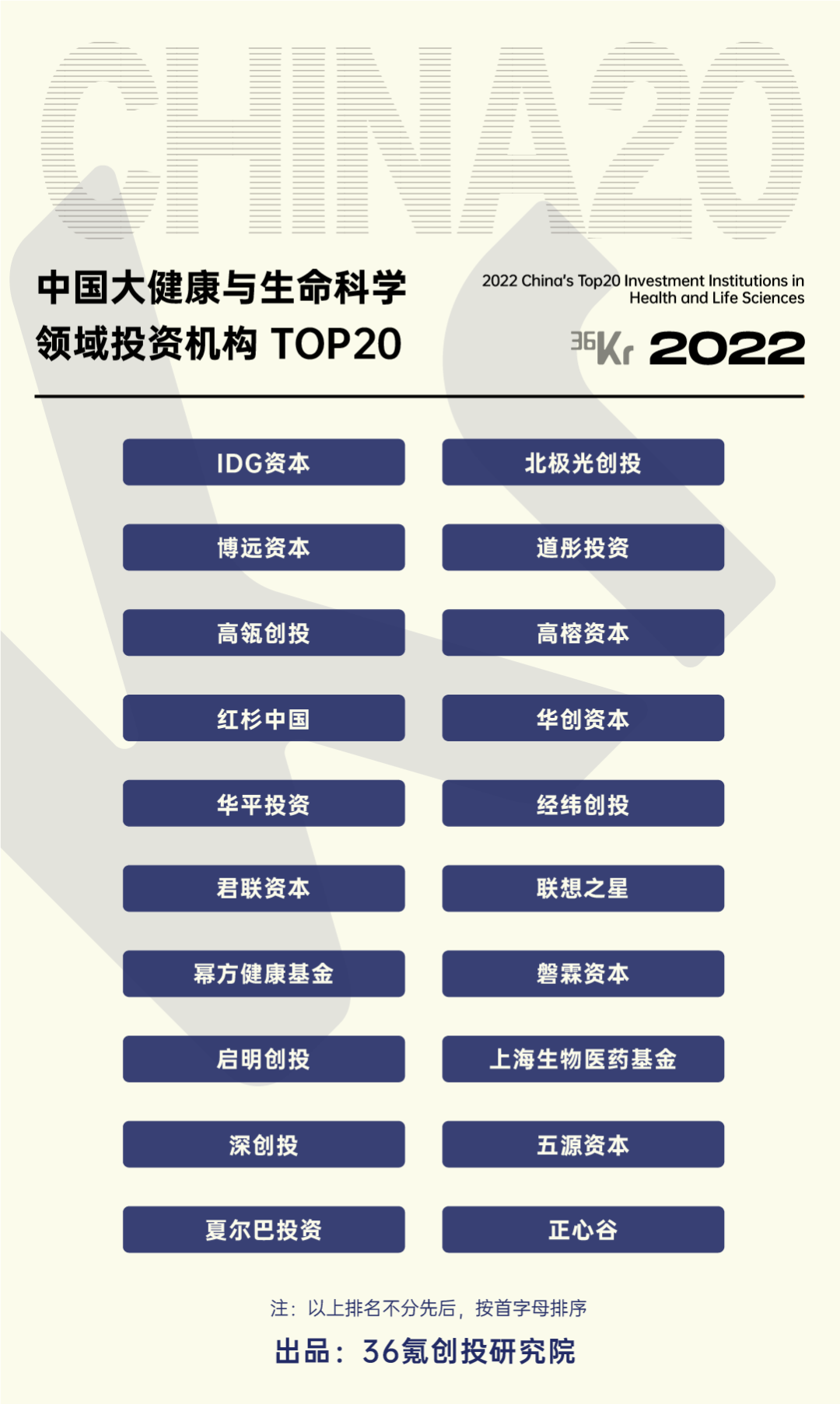
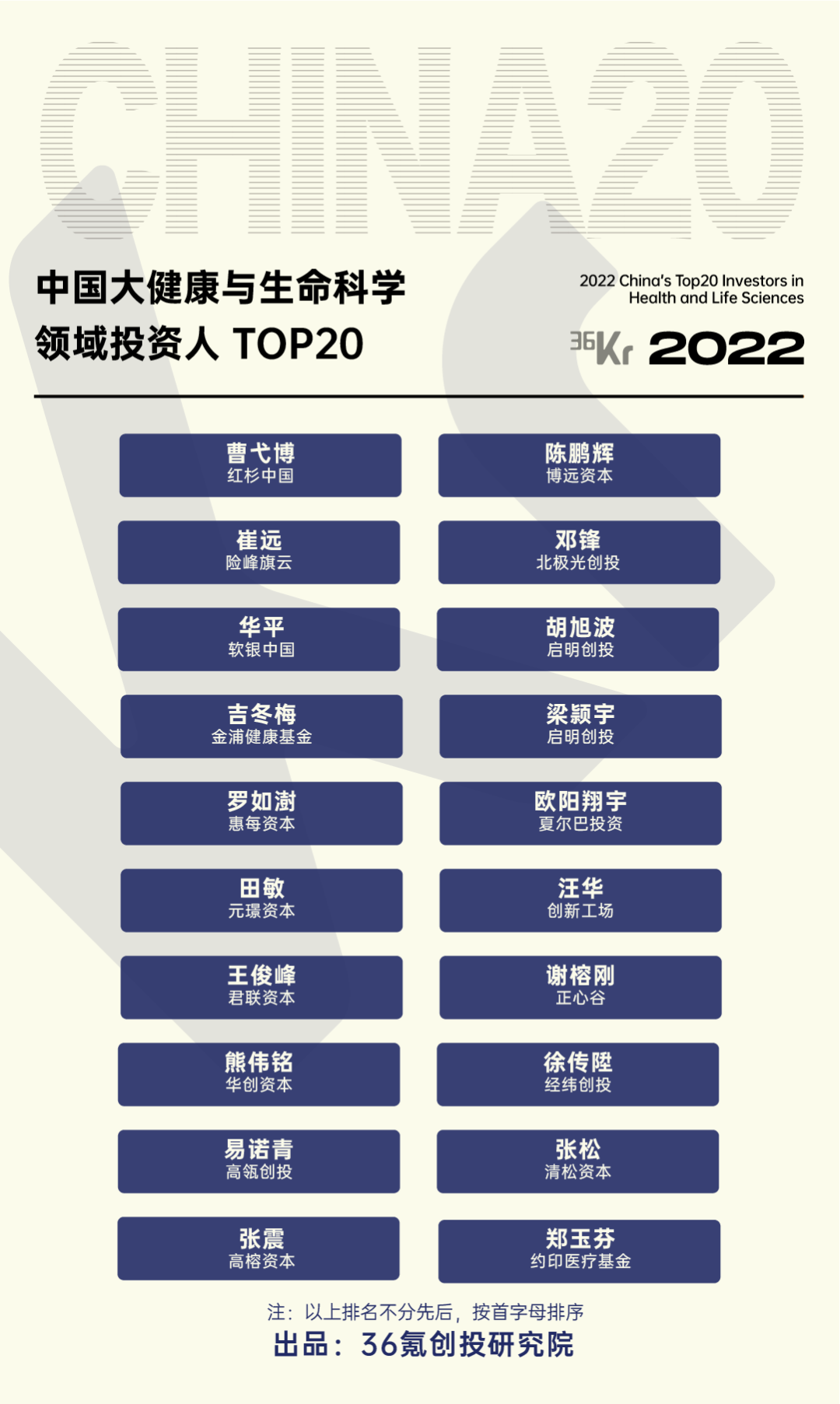
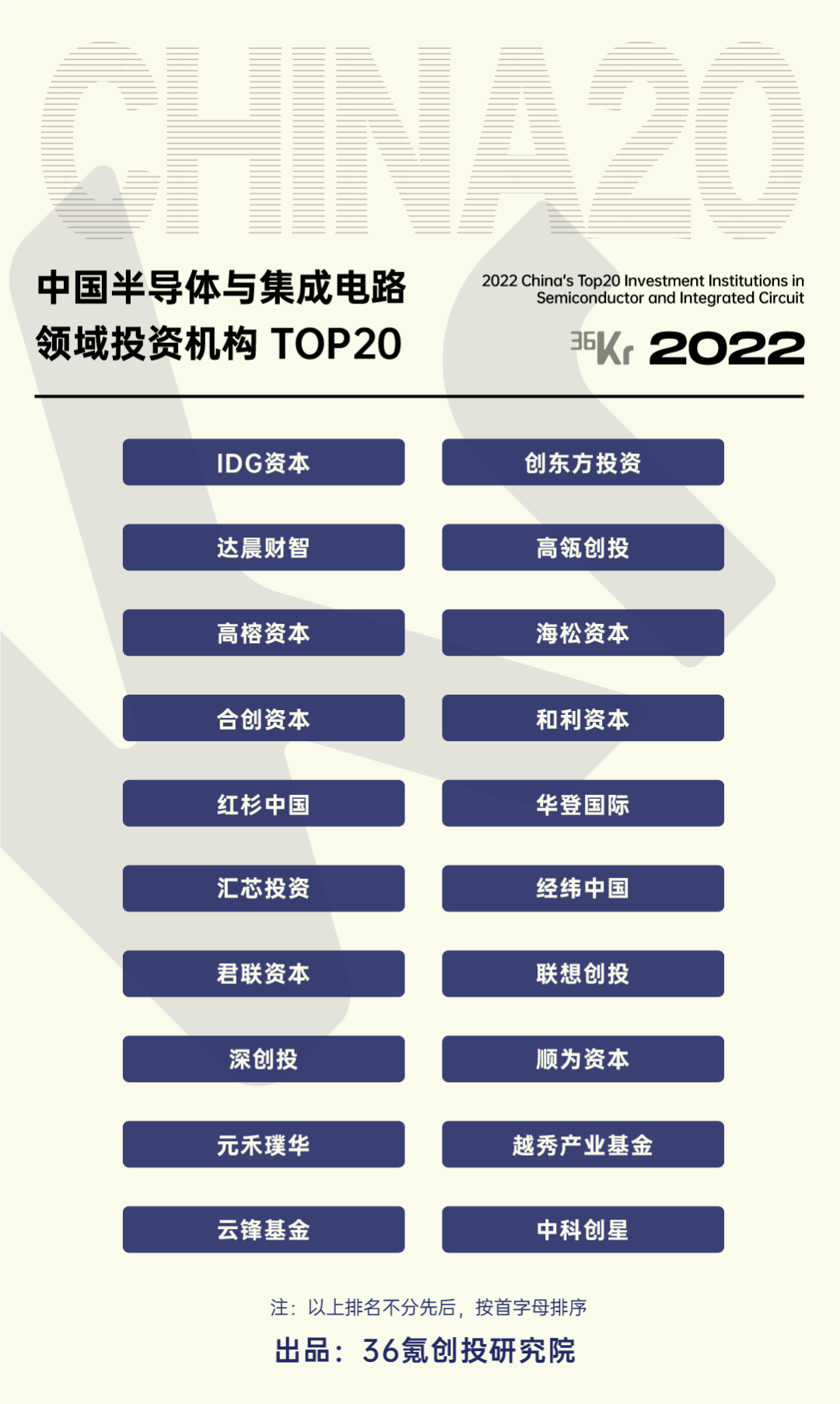
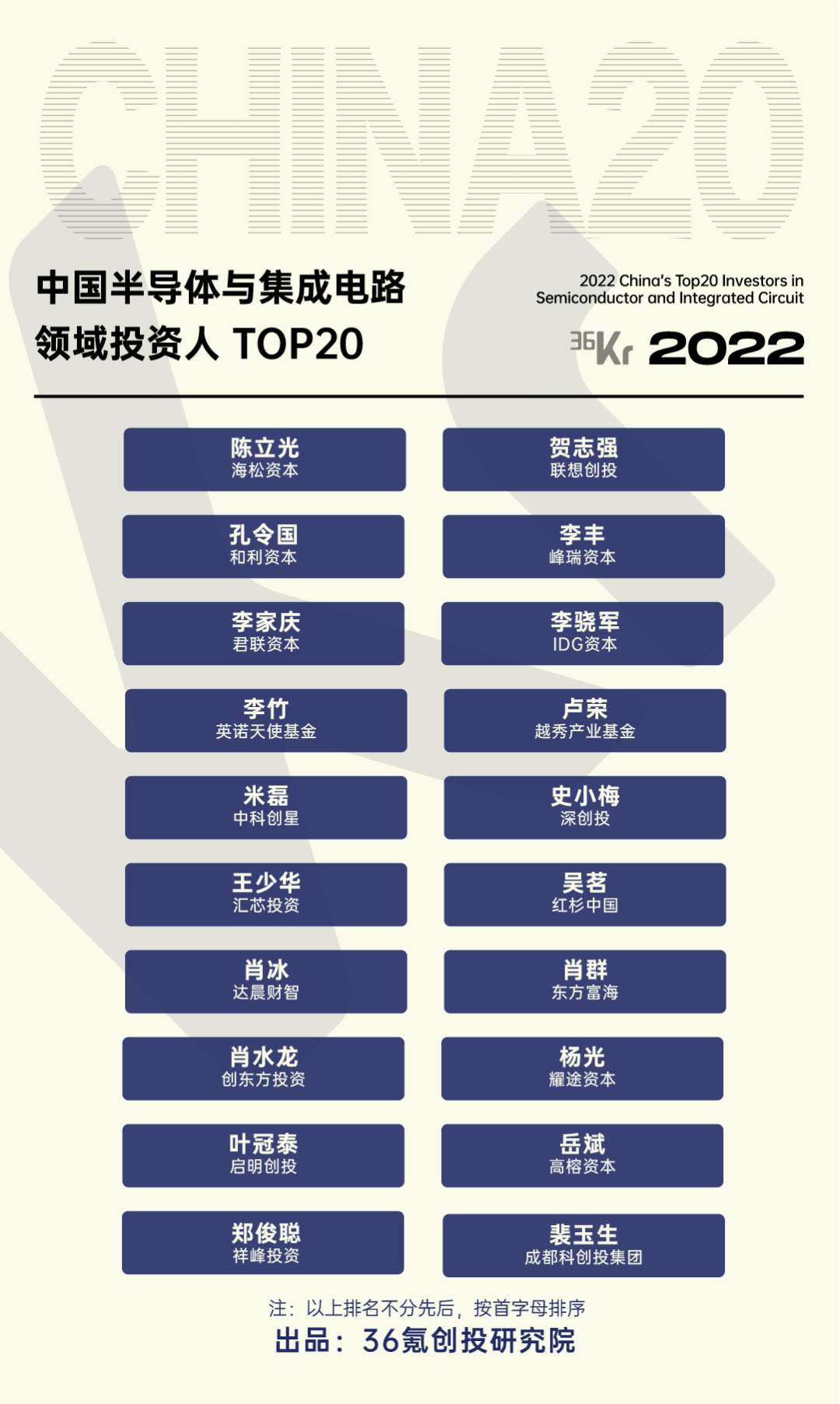
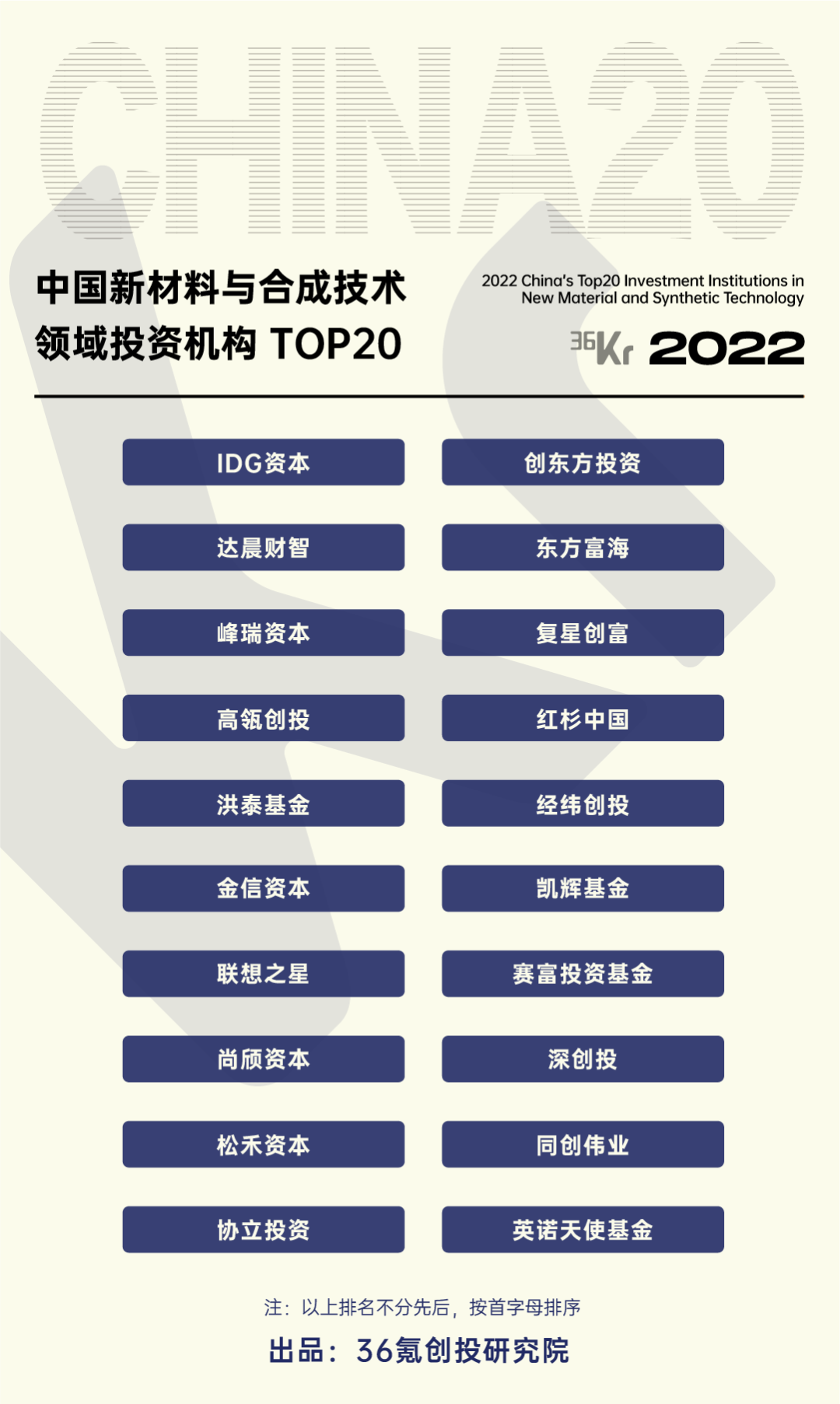
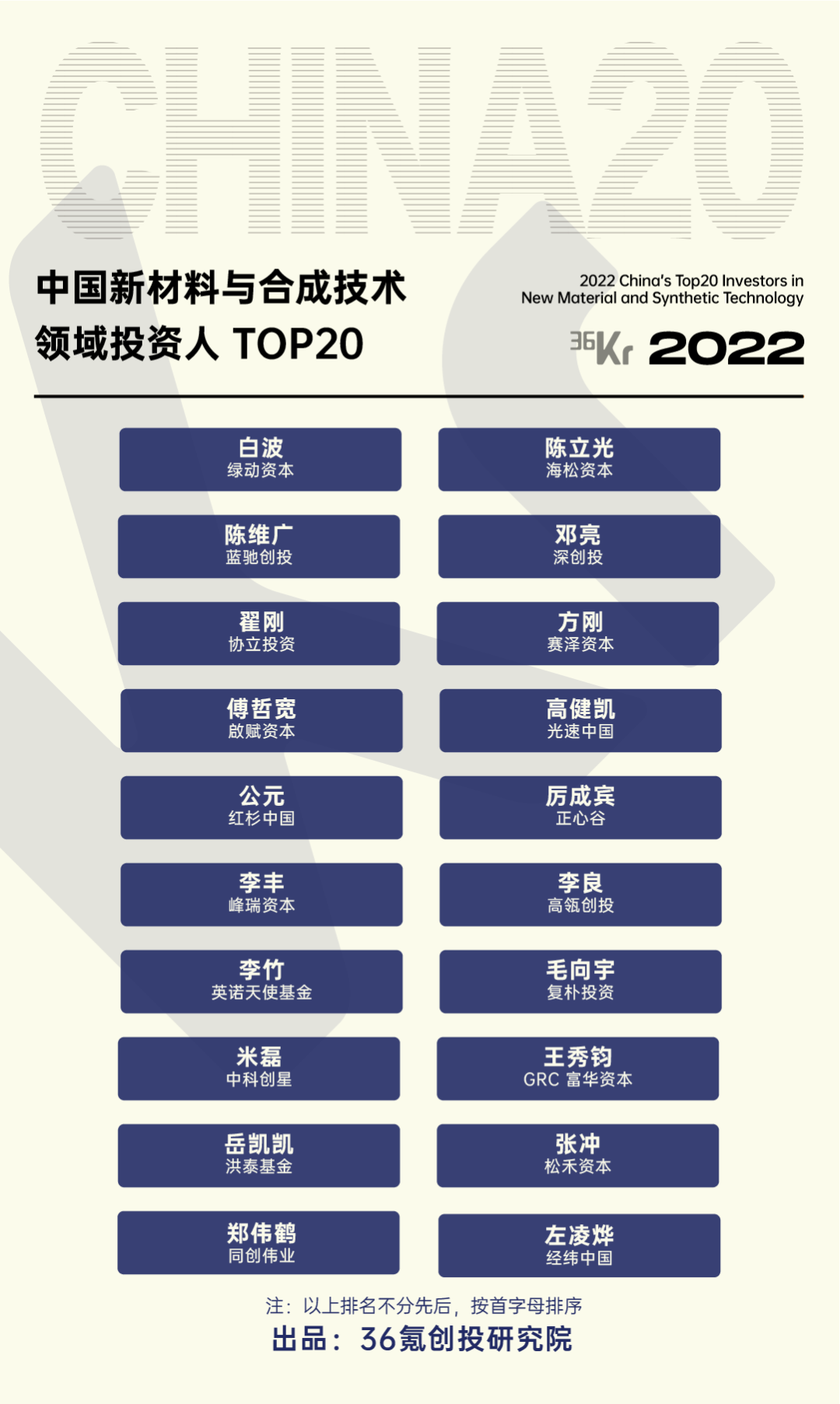
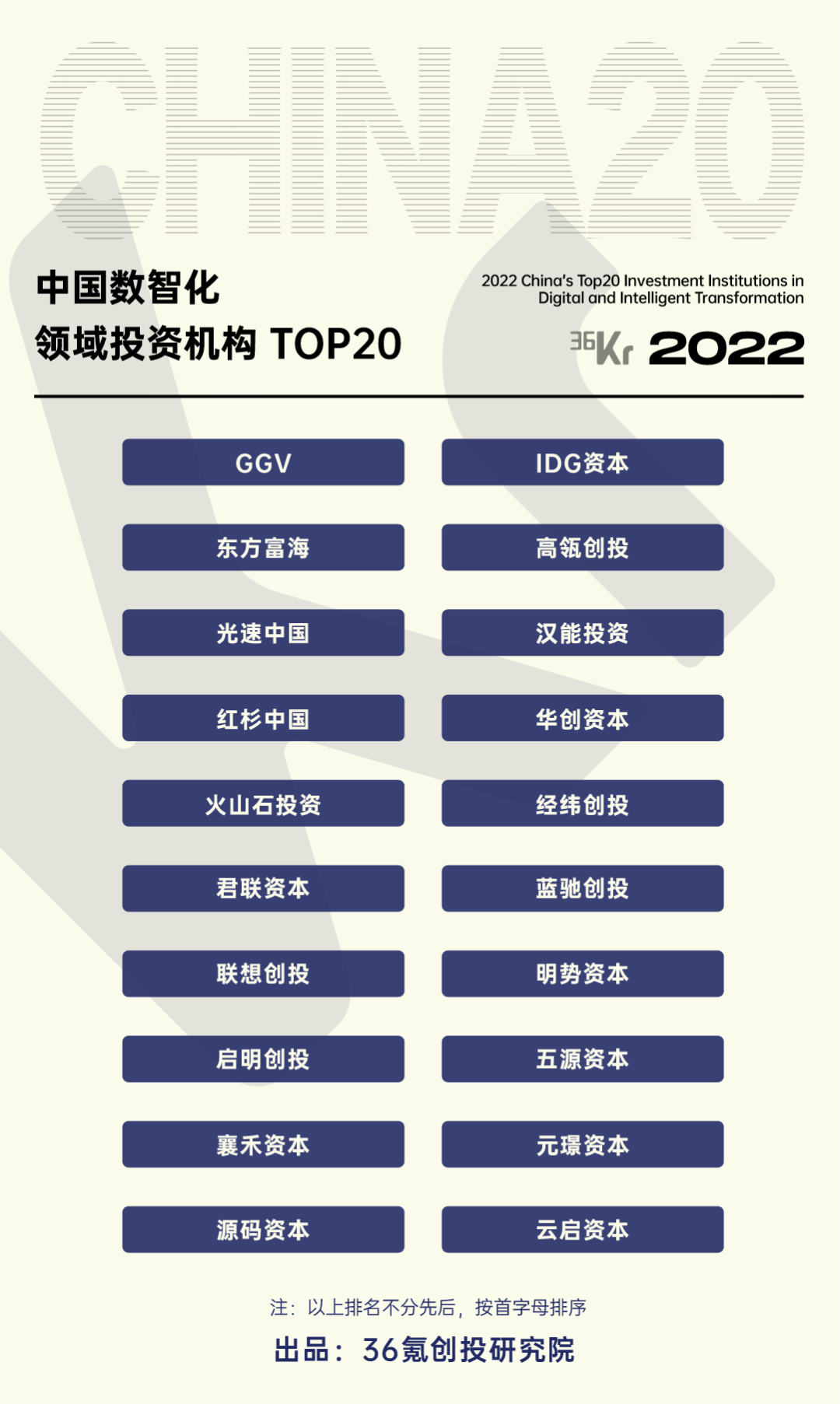
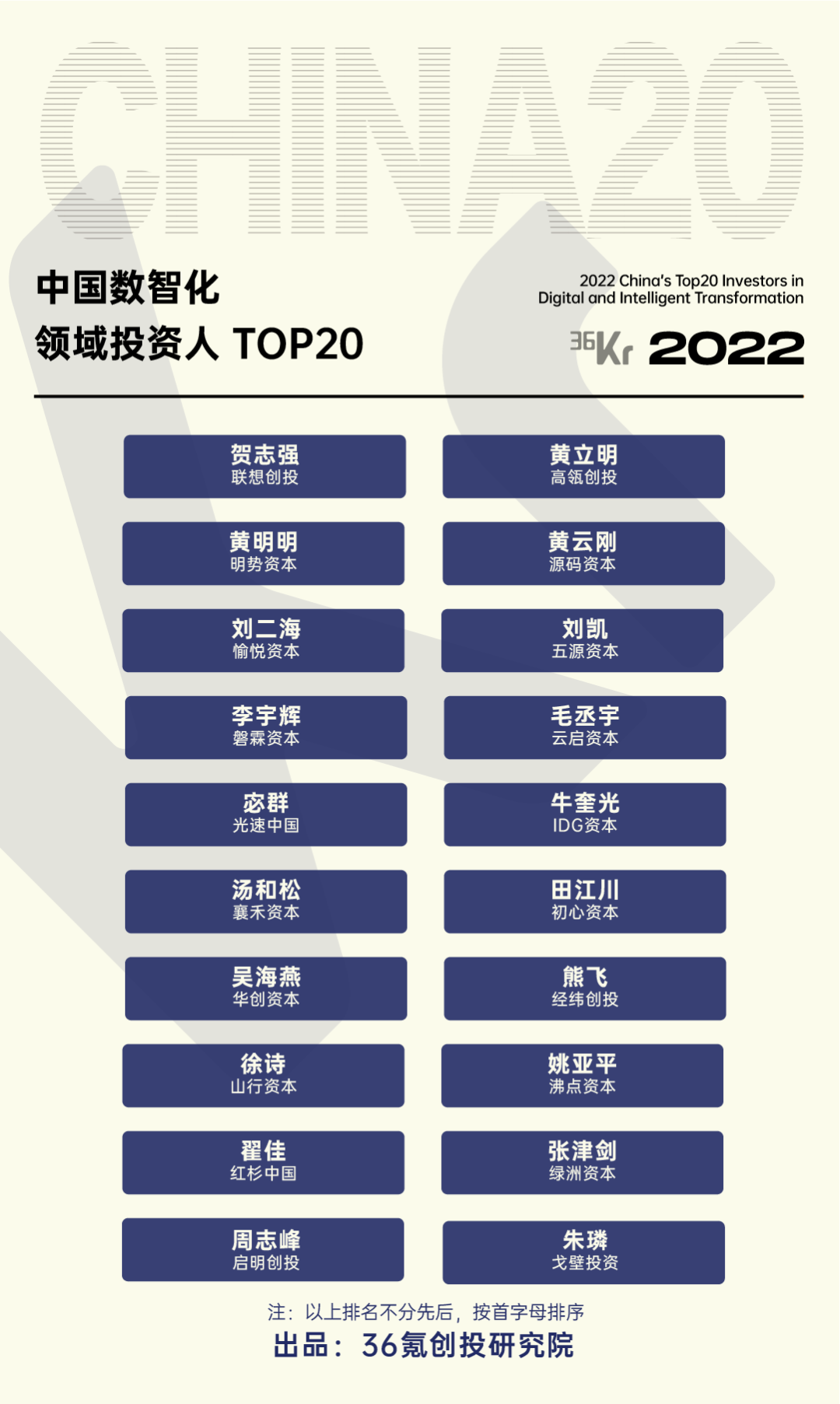
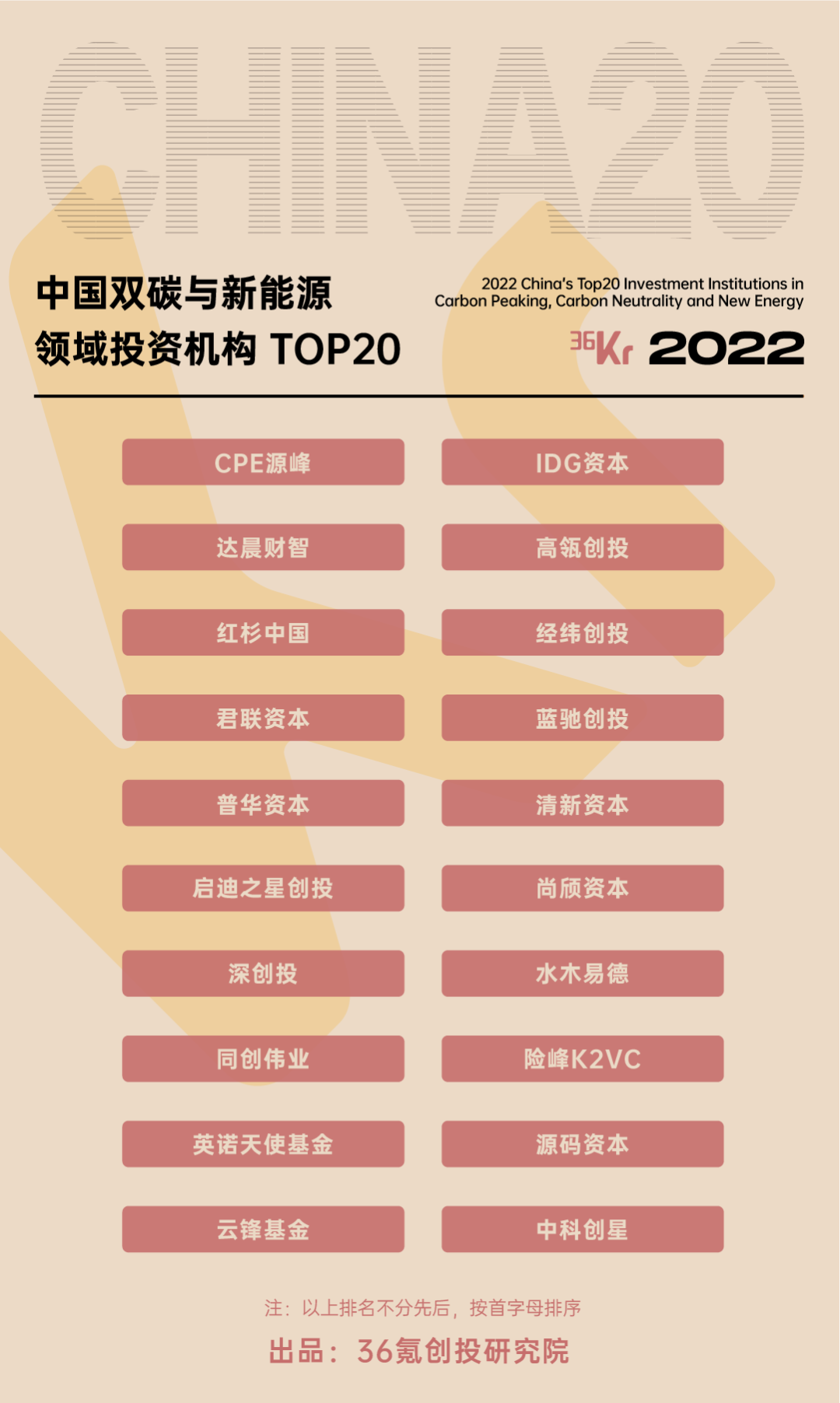
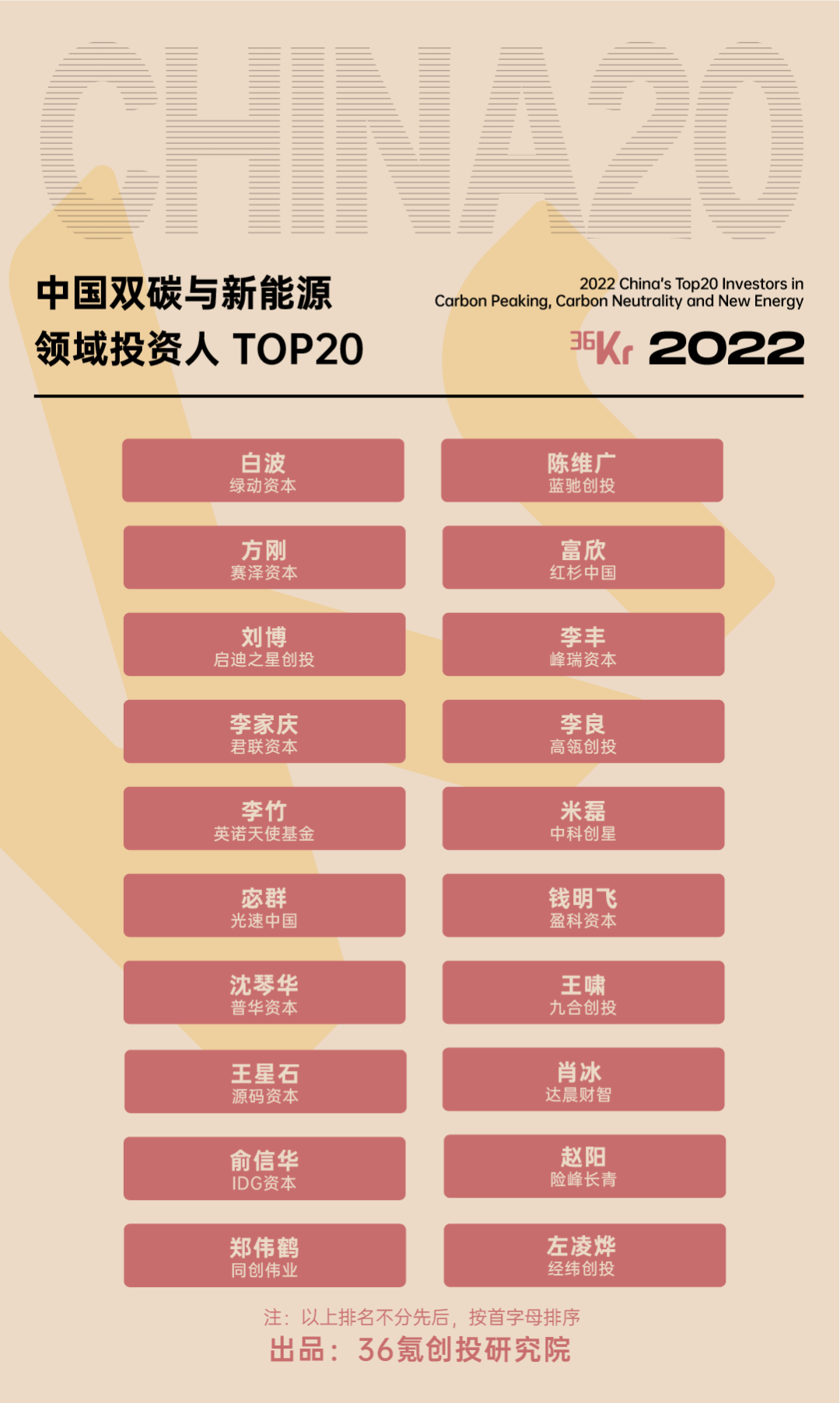
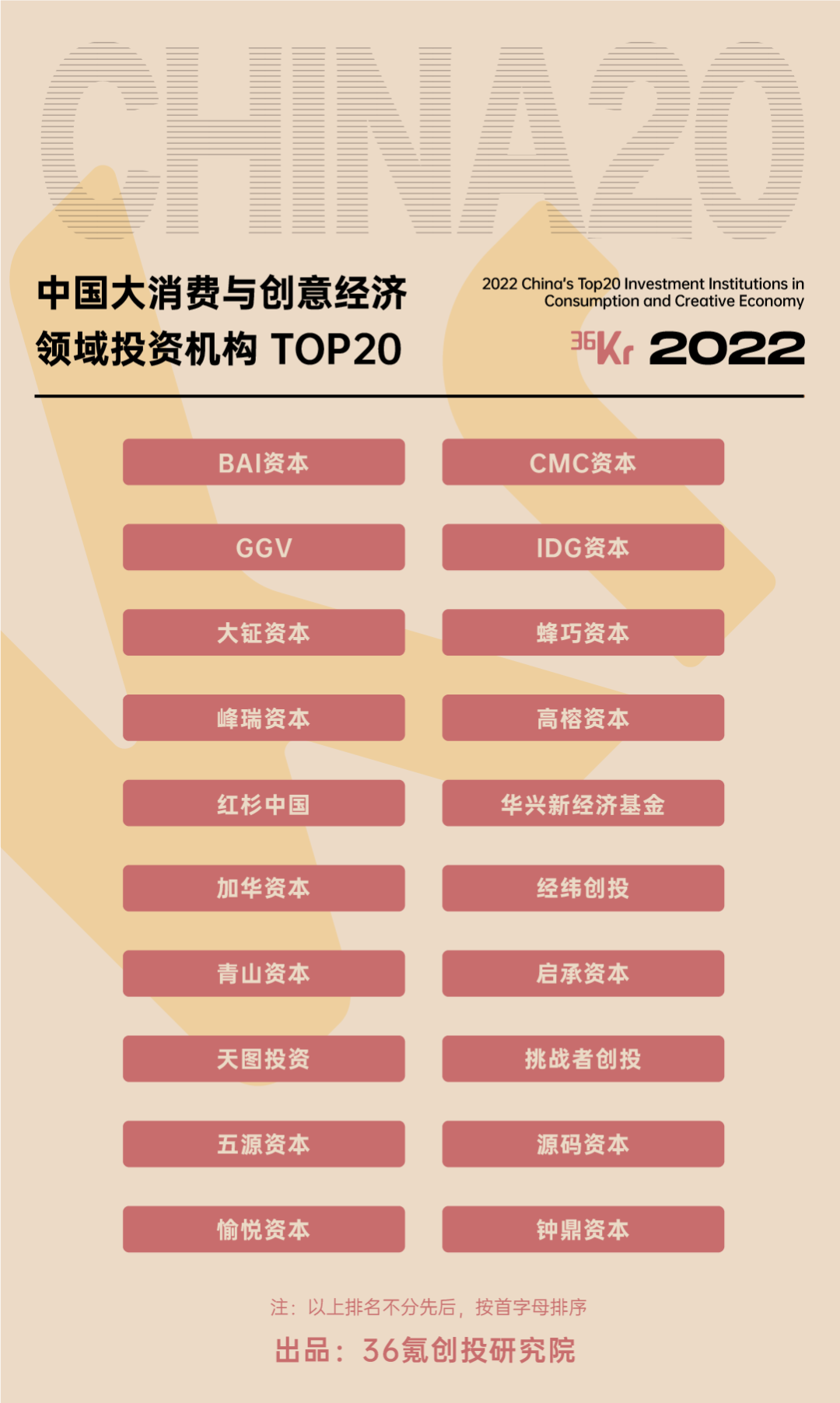
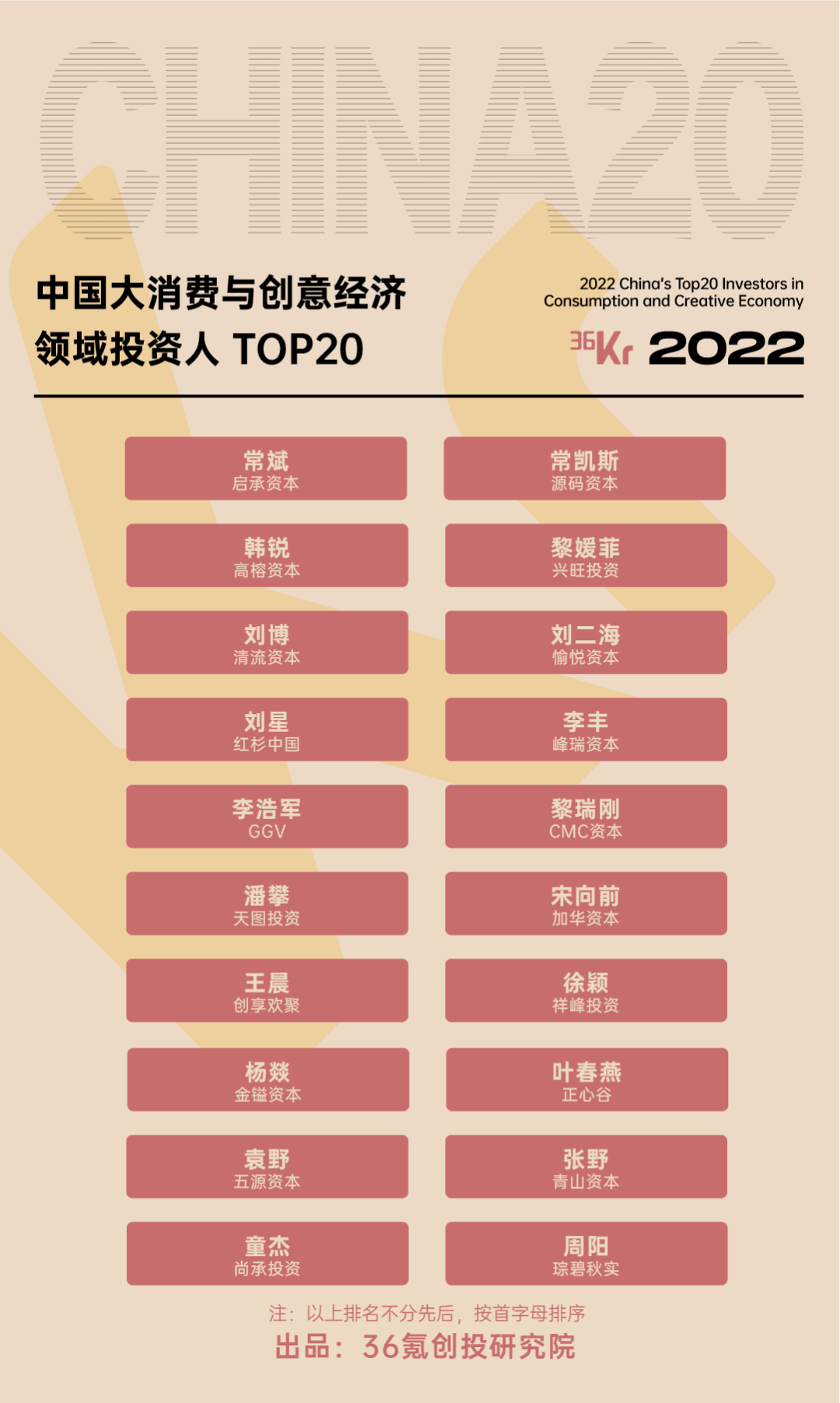
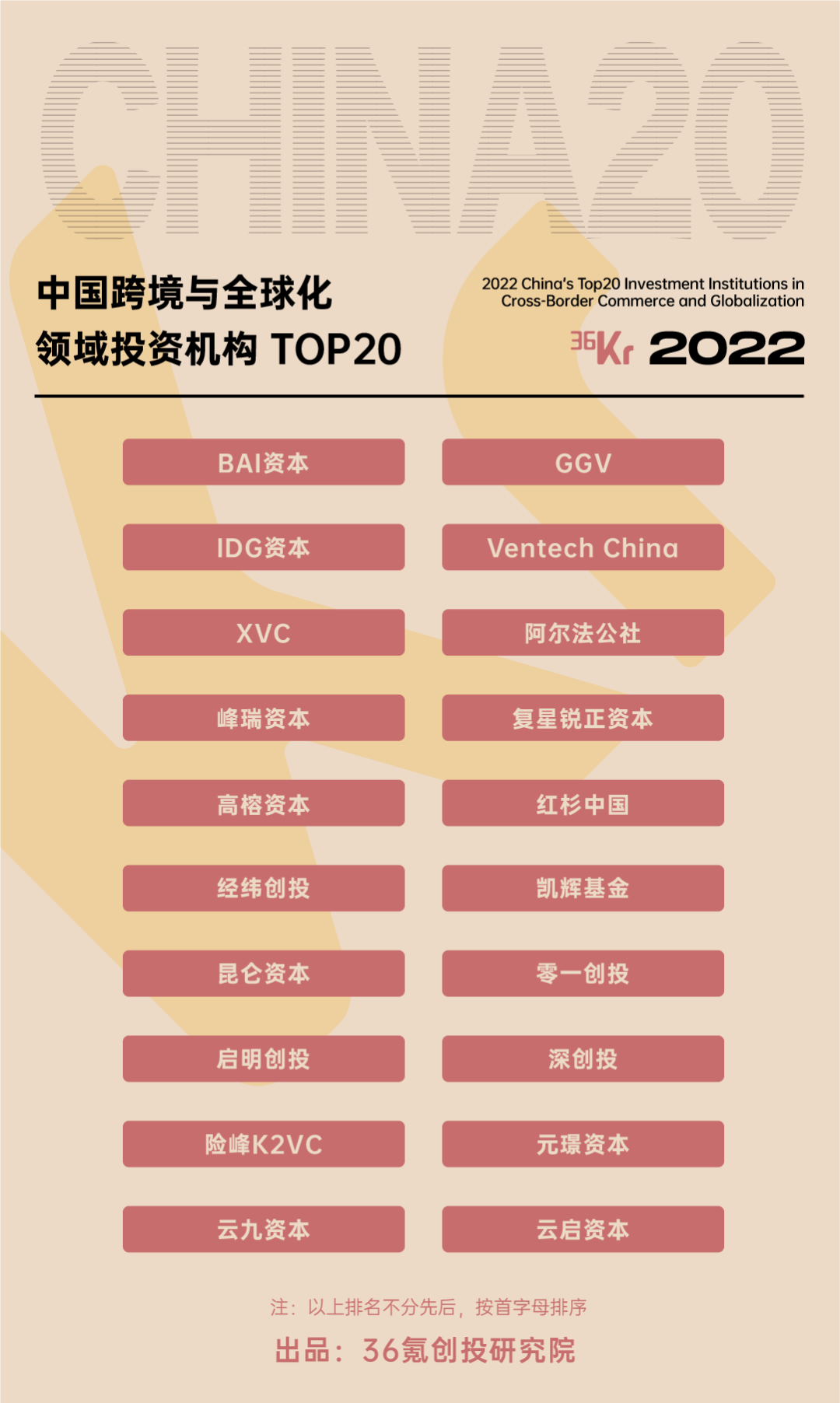
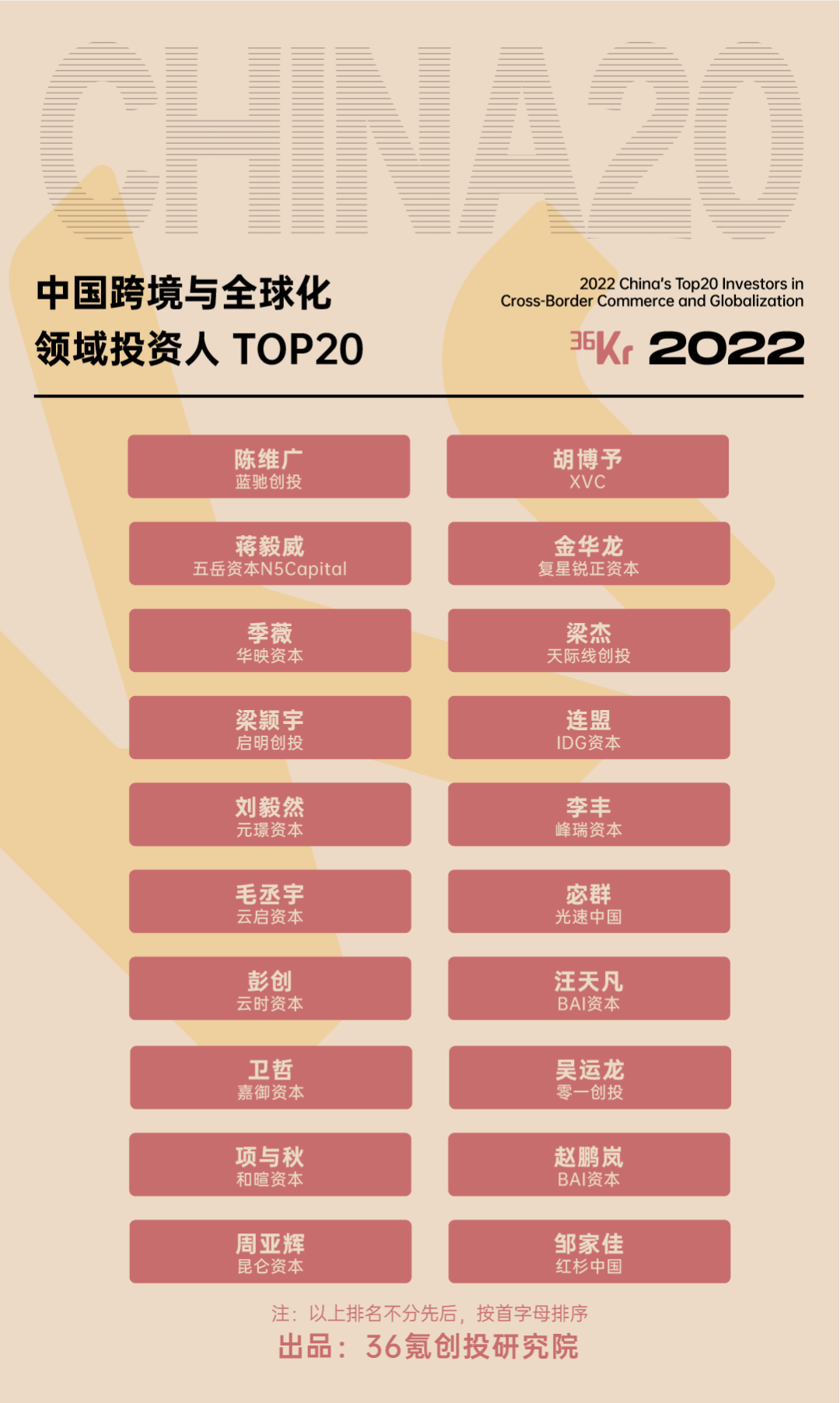
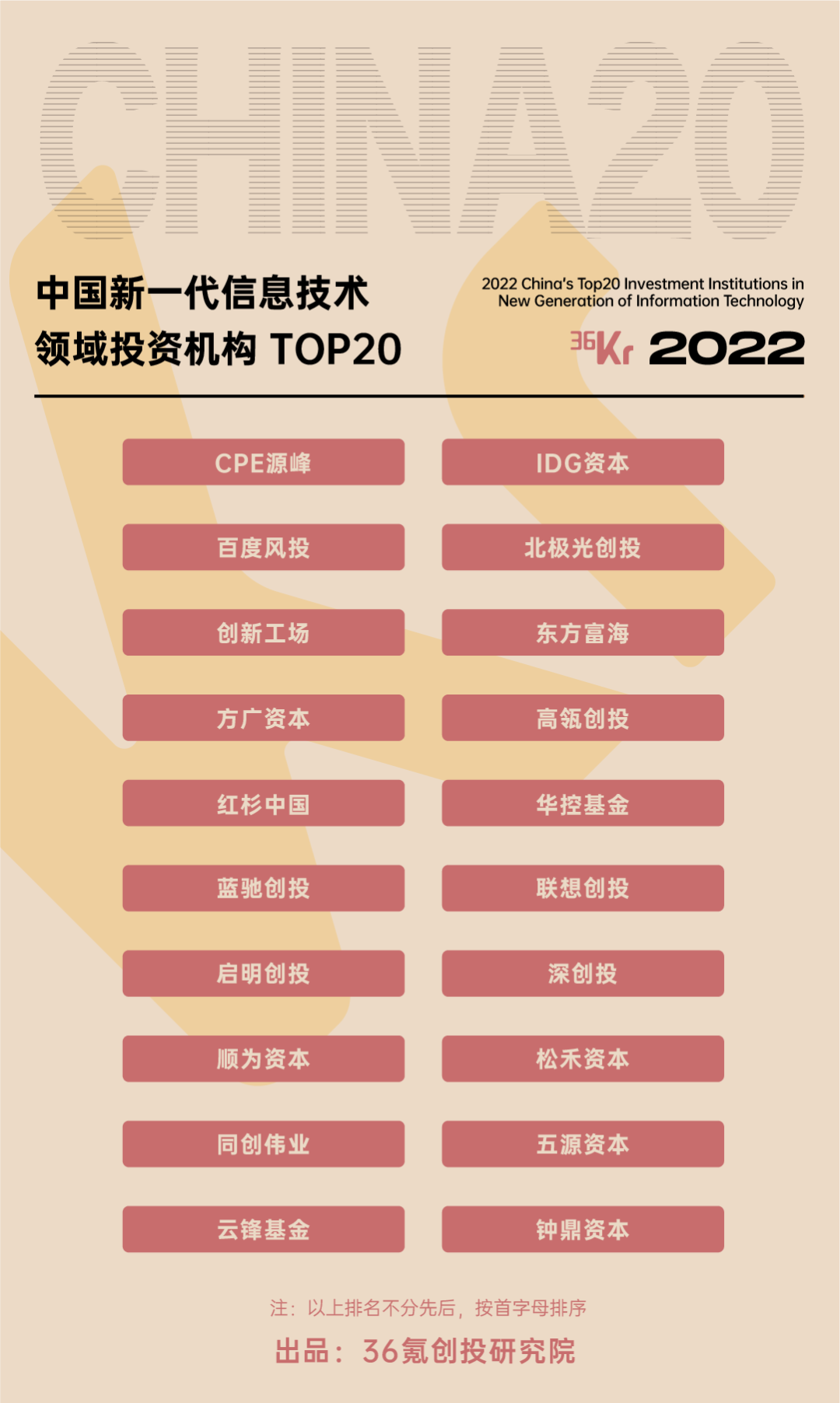
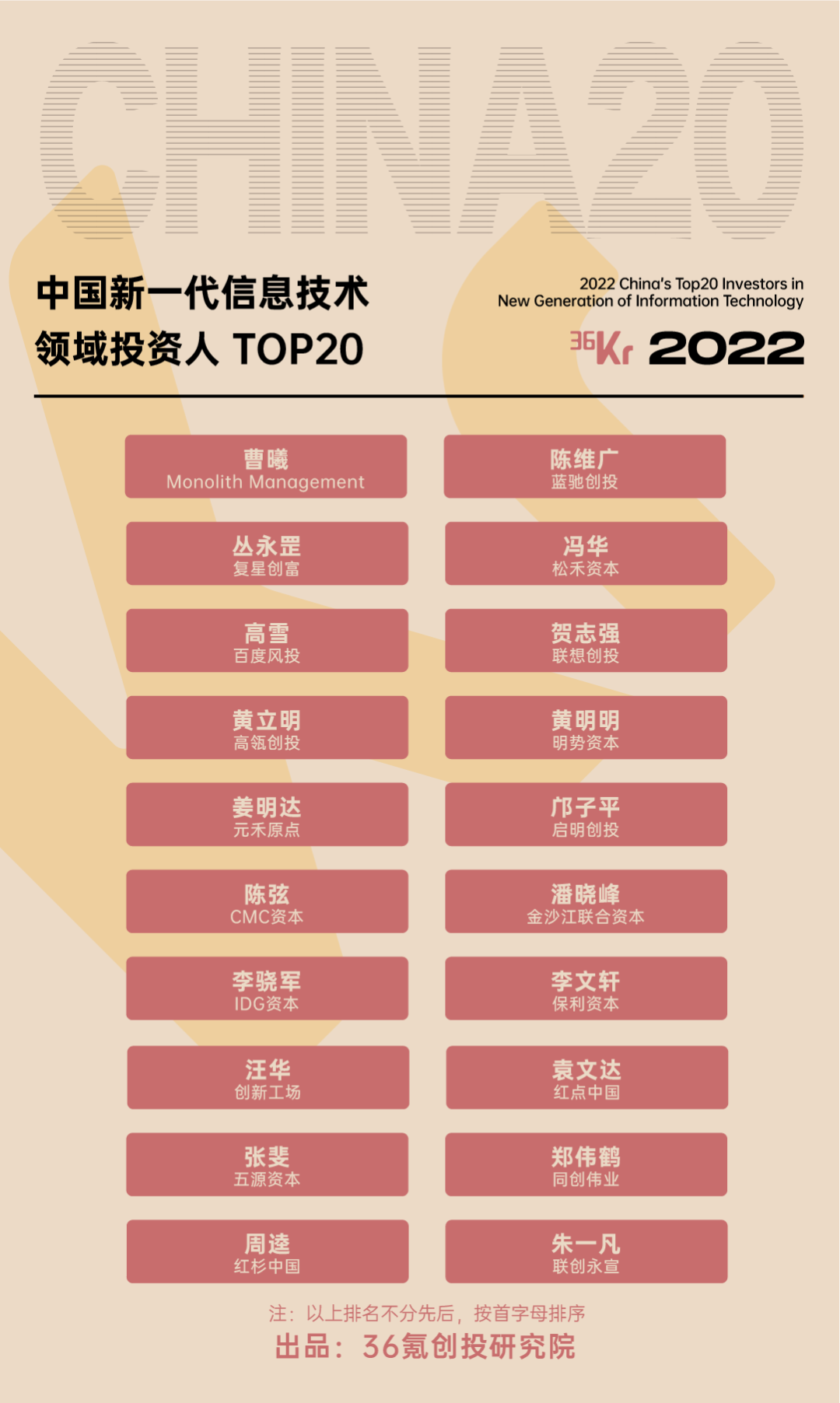
Based on this, we focused our "Innovation Economy" lens on: (1) sectors with high investor activity; (2) sectors with cross-boundary fusion attributes; (3) venture domains where new changes continue to unfold. These are: hard tech and smart manufacturing; healthcare and life sciences; semiconductors and integrated circuits; new materials and synthetic technology; digital intelligence; dual carbon and new energy; consumer and creative economy; cross-border and globalization; next-generation information technology; and metaverse.
Following our standard approach, we surveyed investment institutions and individual investors across four dimensions — fundraising, investing, portfolio management, and exits — to assess comprehensive performance in each sector. We ultimately identified those with standout performance in the above innovation economy fields, deserving of market attention.
Below, the full list of 2022's "Innovation Economy Top 10 Sector Investment Institutions/Investors":
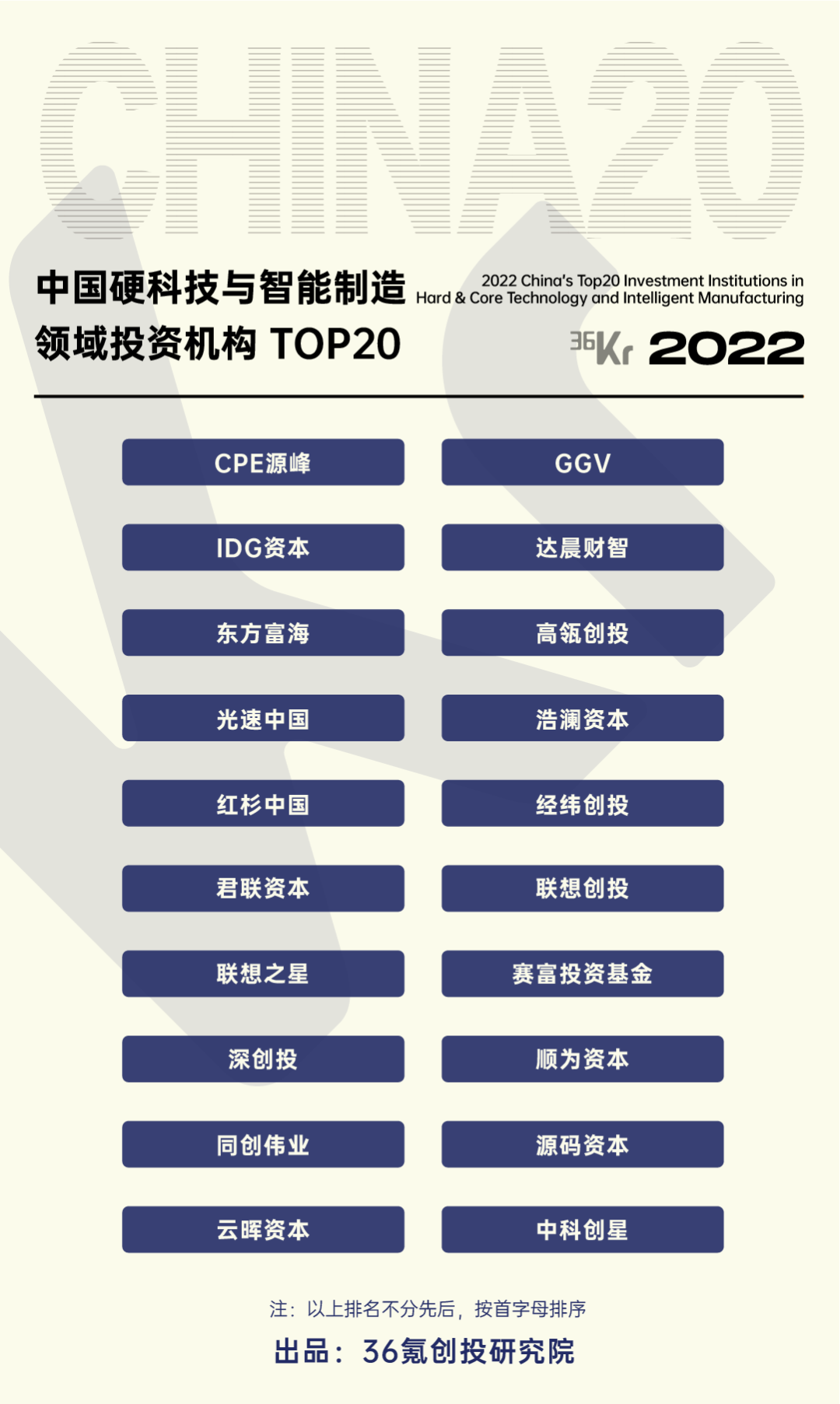
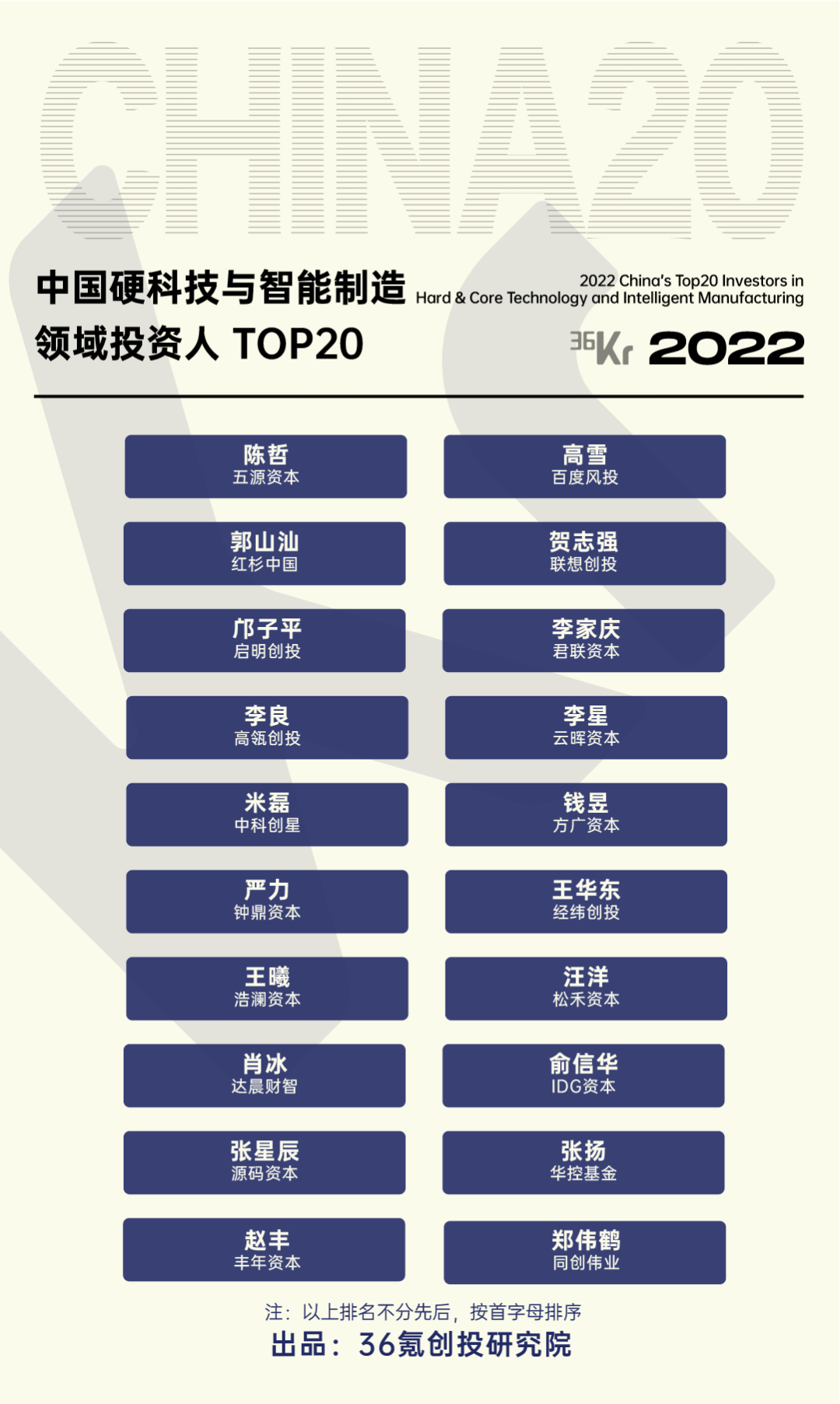

How Investment Firms Put ESG Into Practice
While the primary market has cooled overall, ESG has only gained heat — becoming one of the year's defining business keywords. On both the LP and GP sides, players are moving beyond lip service to put real weight behind ESG. To date, over 100 asset management firms in mainland China have signed on to the UN Principles for Responsible Investment (UN PRI).
On the LP side, RMB funds including the National Social Security Fund, insurance capital, and government guidance funds have all incorporated ESG into their investment criteria, using it as a key factor in screening and evaluating GPs. On the GP side, hot sectors like low-carbon/clean energy and synthetic biology — areas where green tech and ESG-aligned investing overlap heavily — have drawn increased focus. Firms like Hillhouse Capital, Hongshan, and Cathay Capital have gone further, launching dedicated carbon-neutral funds.
As observers of the primary market, we began a broad call for "ESG-Practicing Investment Firms" in September, alongside extensive research into how these firms actually implement ESG.
What we found: when firms talk about ESG, it isn't just dry sloganeering or box-checking formalism. It's genuinely shaping how they invest, how they operate, and even the day-to-day work of individual employees. Firms are elevating their ESG capabilities across the board — from internal operations (building dedicated ESG teams), to investment processes (establishing ESG evaluation frameworks), to post-investment management (deploying digital risk-control tools to actively track and manage portfolio companies' ESG performance).
Grounded in firms' track records and informed by direct interviews, we identified 30 industry standouts whose ESG practices deserve attention.
Below, the full list of 2022 "Best ESG-Practicing Investment Firms":
Image source | Visual China
Layout | Yunxiao Guo