He opened up America with a streak of blue.

Chatting with Shengle Wang About Pool Robots, the US Market, and *Hillbilly Elegy*


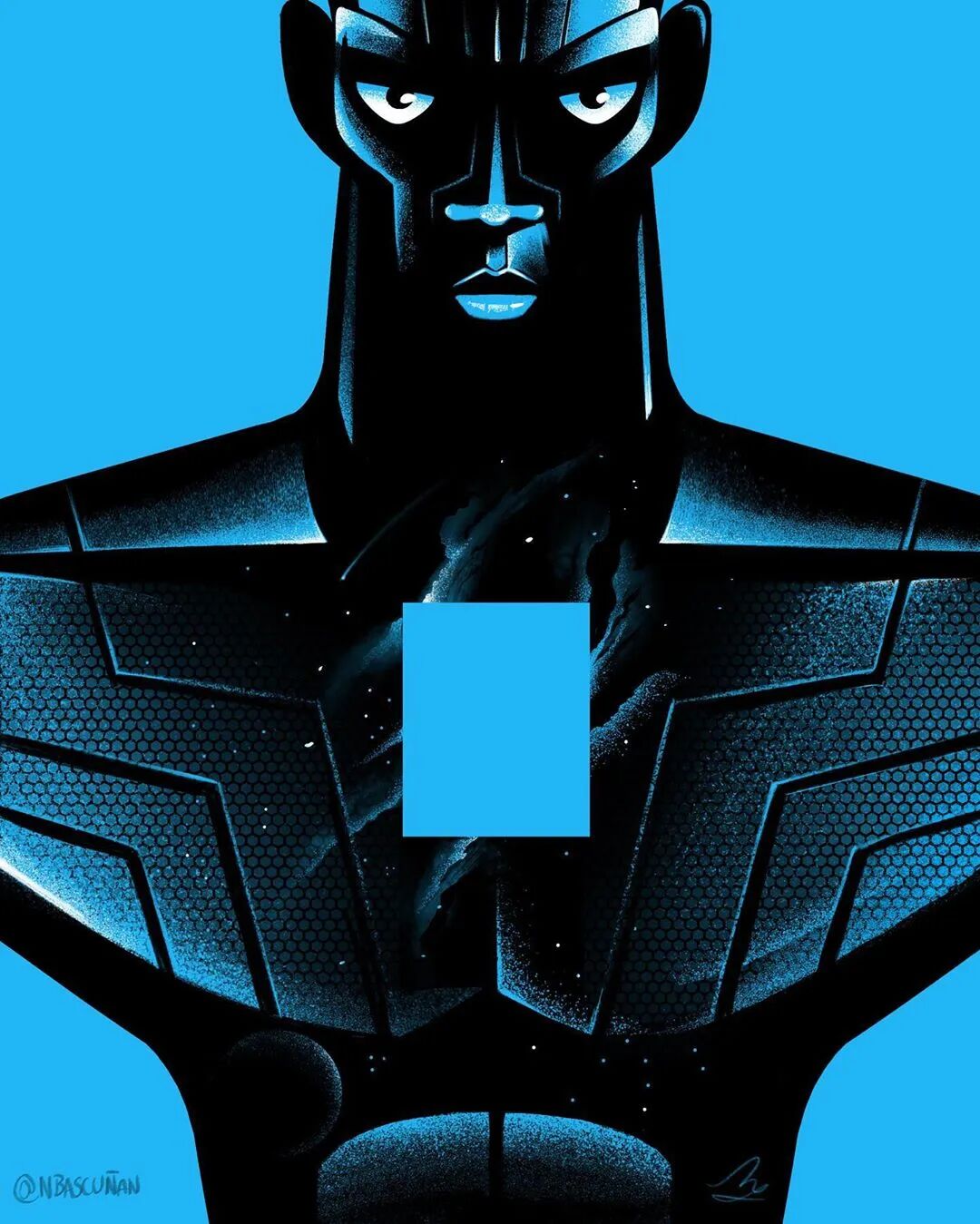
"This was my starting point: a crude little machine with barely enough intelligence to guide itself around a swimming pool. But it was my world. It was all I knew, all I needed to know."
— Zima Blue
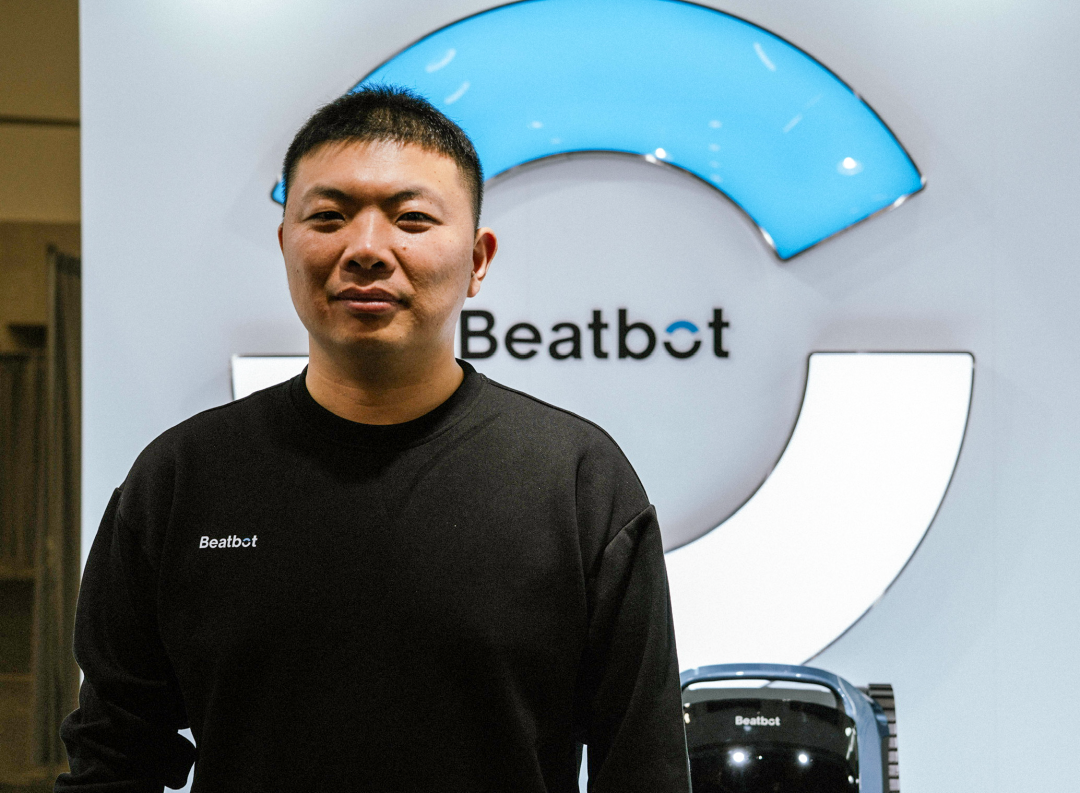
When Shengle Wang founded BeatBot, a pool-cleaning robot company, in 2022, he had never been to the United States, and hadn't even passed CET-4, China's college English proficiency test. His goal was to penetrate and serve high-end American homeowners with private pools.
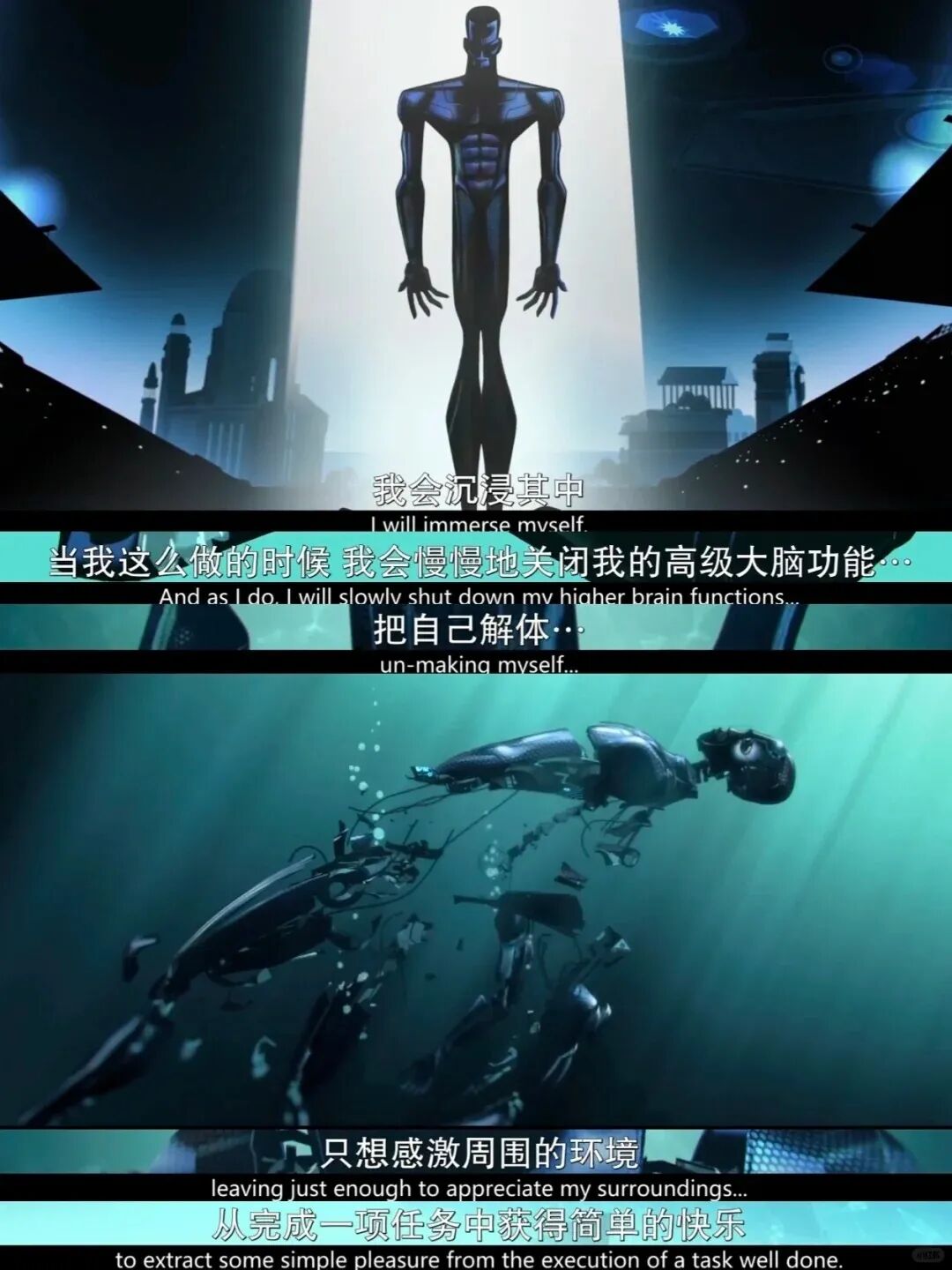
Wang first learned about pool robots from watching "Zima Blue," an episode in Netflix's 2019 anthology series Love, Death & Robots. Adapted from a short story by science fiction author Alastair Reynolds, it tells the story of an interstellar artist who spends his life chasing a shade of pale blue, ultimately leaping into a pool to disintegrate and revert to his original form — a pool-cleaning robot.
Yet this young man, born in 1990, had already accumulated substantial experience in robotics. In 2016, he joined a leading consumer robotics unicorn as co-founder and executive vice president (effectively the number-two executive), overseeing R&D, supply chain, and key account sales. Over six years, he and the founder scaled the company to several billion RMB in revenue. Before that, he was an R&D engineer at Ecovacs, where he developed a classic window-cleaning robot. "I've been building robots for 12 years, and I plan to do it for life," he told First Mover.
After the entrepreneurial itch struck, he spent nine full months thinking about what to build. It had to be robots, but not an already-defined category. Then he remembered the pool-cleaning robot from Zima Blue.

Unfamiliar as the market was, the essence of entrepreneurship remained the same — become the user, understand the user. Wang rented a villa with a pool and bought the best pool-cleaning robots available abroad. On weekends, he studied pool cleaning. He reached two conclusions: existing products weren't good enough, and surface debris cleaning was a real, unmet need. He read through 150,000 Amazon user reviews. Three mentioned wanting surface debris cleaning functionality — in that one-in-fifty-thousand signal, he saw his opportunity.
Most people considered pool cleaning too niche, even cramped, a market. Wang disagreed. There are over 30 million pools globally — a $2 billion market. Yet penetration sits at only around 20%, with annual growth of just 2-3%. And unlike robotic lawn mowers, where lawns vary enormously worldwide, pools are largely standardized. That means pool-cleaning robots have genuine scale and globalization potential. With this clarity, he founded BeatBot — the name simple in its aspiration: "innovating toward the stars and the sea."
Seven months into his venture, he set foot on American soil for the first time. Despite mental preparation, the impact was immediate. At a public area near San Francisco airport, he spotted several two-meter-tall aloe plants worth over a thousand dollars each — he felt "a tremendous shock of commerce and culture" and couldn't sleep that night. Visiting local homes, he discovered American pool water goes three years without being changed. "Any beginner's mindset I had was instantly humbled."
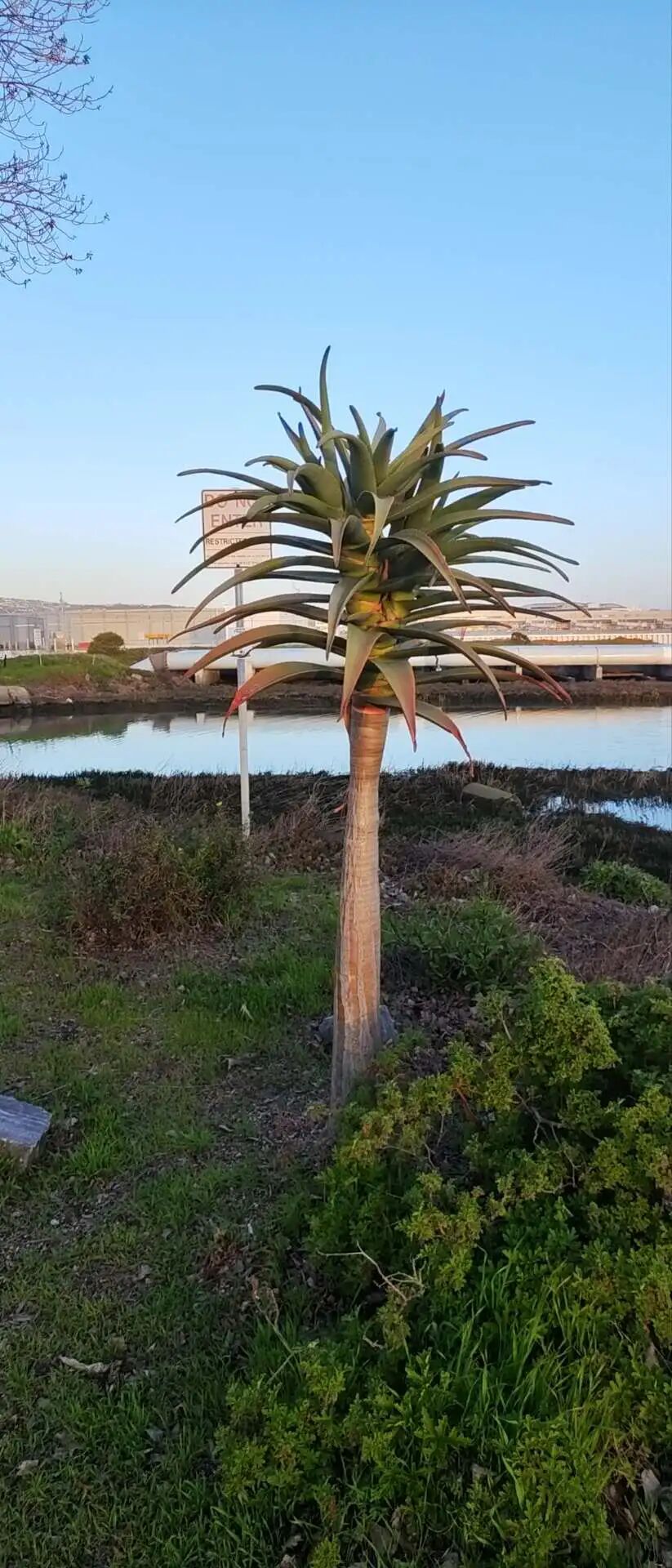
Aloe plants near San Francisco airport
These experiences shaped a distinctive understanding of American culture and markets, directly reflected in his pricing strategy. BeatBot adopted a radically aggressive pricing approach — as a brand with zero accumulated recognition, its debut product was priced above $2,000, three times higher than the industry leader and five times the industry average. The entire team opposed it, but Wang held firm. For American customers, he believed, unit price is an external manifestation of brand strength and attitude: "If you're not confident in your pricing, why should anyone buy from you?"
It appears he bet correctly. BeatBot's first product launched in January this year, opened for pre-order in February, and has since reached monthly sales of $10 million. Wang feels the company has carved out its place — because it "exceeded expectations on a single, focused user need."
This year, Monolith completed a new round of investment in BeatBot. Xi Cao, founding partner at Monolith, describes his impression of Wang as "like Yao Ming walking into a room." He admires the founder's long-term accumulation in robotics, the rigorous early-stage research and resolve, his thinking on organization and business — all reasons for their swift investment decision.
In this episode of First Mover, we discuss Wang's entrepreneurial journey, the reasoning behind key decisions, and his career history at two outstanding robot vacuum companies. But beyond business, what moved us more was how he reached his present position from such a low starting point.
Wang grew up in an extremely poor rural family in northern Jiangsu. His grandmother gave birth to his father at age 44, leaving little inheritance. Wang started hoeing fields at age ten, the hoe taller than he was. From primary school through university, much of his tuition was borrowed. Yet speaking of childhood and origins, his feelings are more warmth than bitterness: his mother gave him unconditional love, and his father constantly told him "it's better to admit defeat" — teaching him that people shouldn't be dragged down by oversized dreams, or their mental energy will deplete.
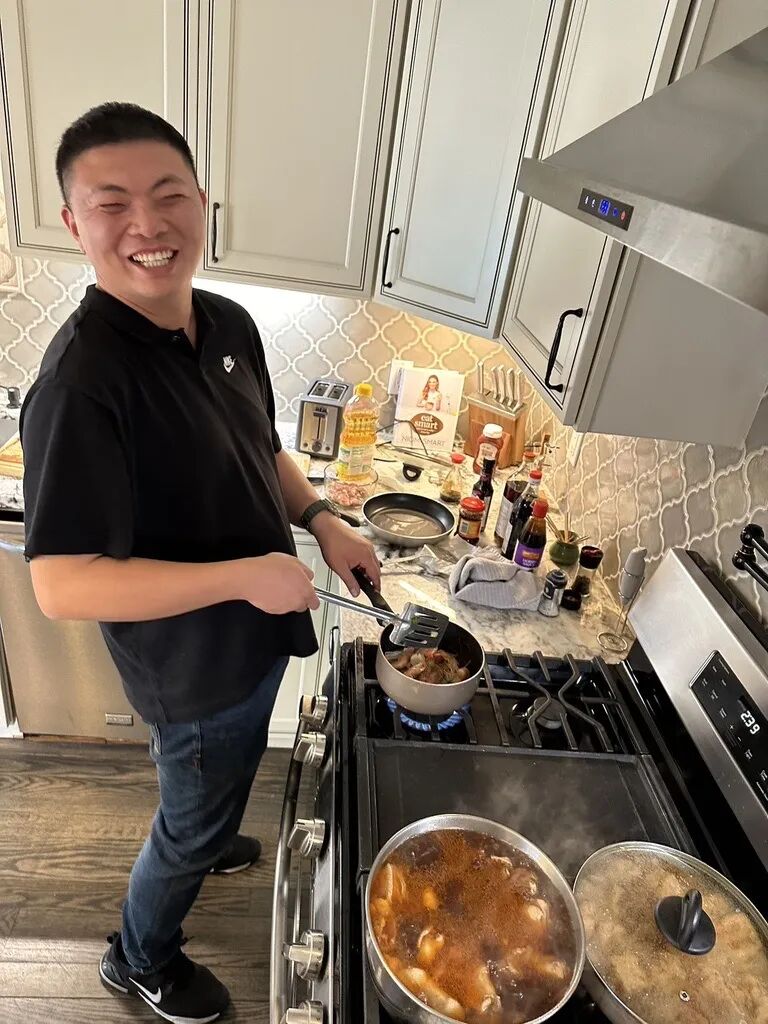
During 2023 field testing in the US, Wang cooked for his team
There was no burning desire to change his fate. His career aspiration was to become a cook. He wasn't particularly studious, but he loved reading. Reading transformed him. Though he never left a 100-kilometer radius of his hometown, hundreds of books a year made him a different person.
This brings to mind the recently popular Hillbilly Elegy, written by J.D. Vance, Trump's running mate, about his journey from America's impoverished "Rust Belt" to Yale Law School. Wang resonates deeply with the book. "There's tragedy, but first it's an elegy — the tragedy serves the song." Looking back at his starting point, he believes "an ordinary, regular person can still become an extraordinary regular person," and that "things can't get worse than they were then." This became his source of strength, and the determination that propels him forward in entrepreneurship.
Below is the podcast conversation between First Mover and Wang Shengle, edited and published:



Full text below,
organized by Monolith, with edits and abridgments:
Part One
Why Pool Robots?
"The market is nearly $2 billion,
with only 23% penetration."
MONOLITH:
Most people aren't very familiar with pool robots. How did you discover this track?
Wang Shengle:
I first learned about pool-cleaning robots from Love, Death & Robots (the Netflix series). There's a character called Zima Blue who ultimately returns to a pool, becoming an ordinary pool-cleaning robot. That scene left a deep impression on me. Human origins and evolution are intimately connected with water. People's pursuit of water, of the blue sea, is hardwired in our genes.
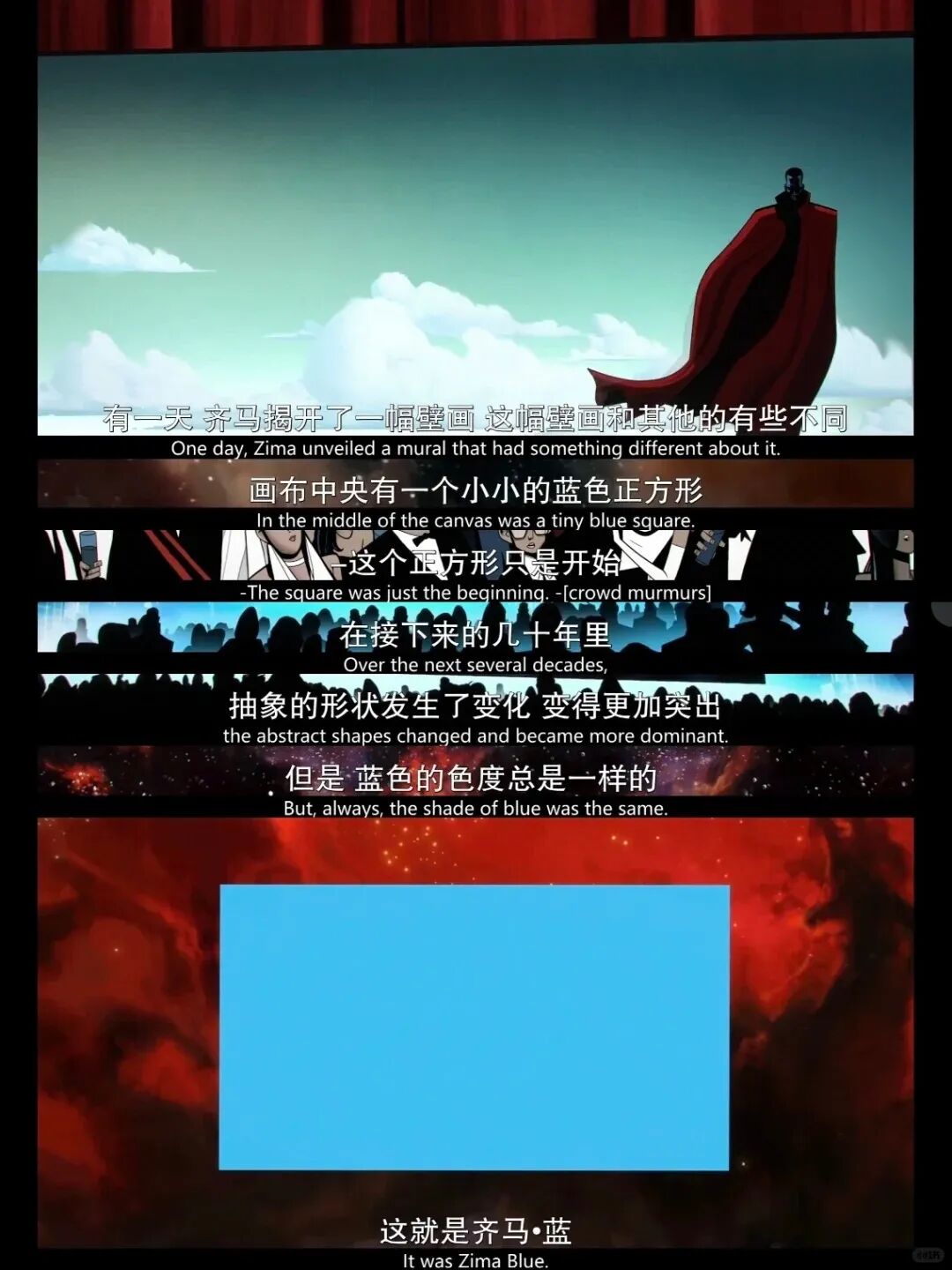
LOVE DEATH + ROBOTS
MONOLITH:
You come from a robot vacuum background. Why didn't you choose a familiar category for your new venture?
Wang Shengle:
Yes, people assumed I'd probably do robot vacuums, since I spent 10 years in that industry and had some accumulated advantages. But I kept asking myself: what is my goal in starting a company? I thought about this for nine months.
From a personal standpoint, I always hope to make the world a little better in some way. A business is a commercial organization aimed at profit — but why does it make money? Fundamentally, because it creates value. Value comes from two sources: creation and optimization.
If I did robot vacuums, I'd spent 10 years at my previous company giving it everything I had. If I did that again, I'd mostly be optimizing on top of existing foundations — clearly not what I wanted to do.
If you're going to create, it needs to check certain commercial boxes: sufficient market size, unmet user needs, and long-term viability.
After comparing options, I found the pool cleaning robot market was nearly $2 billion with only 23% penetration. And with consumer products, once penetration crosses 15%, there's a strong chance of reaching 90% — because by then, a critical mass of users has already validated the product, solution, and service.
Pool robots had another advantage over other scenarios: pools in Europe, the US, and Australia are largely similar. Compare that to robotic lawn mowers, which must adapt to different grass types — the grass in the southern versus northern US, or northern versus eastern Europe, varies enormously. It looks like a massive market, but serving different regions demands extreme adaptability.
My conclusion: First, it's genuinely a hard need. Second, the user profile is perfectly suited for building a premium brand. These two factors ultimately led me to pool cleaning robots.
MONOLITH:
This methodology is quite interesting, and I believe instructive for many founders — when a category has low penetration, there's opportunity; and when the incumbents aren't doing a great job, there's even more.
Wang Shengle:
Actually, there are two penetration thresholds: one at 3%-5%, another at 10%-15%.
Below 3%, the category might not really exist. If you're going to build in that space, you need to ask whether your insight meaningfully exceeds everyone else's, and whether you have enough resources. Some categories have existed for 50 years with 1% penetration — those deserve serious caution.
Between 3% and 15%, the explosion timeline is harder to predict. But above 15%, if the product is good enough, penetration tends to keep climbing. Take pool cleaning robots: globally, they've grown roughly 20% annually for the past five years, with penetration increasing 2-3 percentage points each year.
MONOLITH:
When you spotted this opportunity, what did you do? What moment confirmed your conviction?
Wang Shengle:
This took another nine months. To study how pool robots should work, I rented a villa with a pool. I crouched beside it, tried changing the water, adding chemicals, fishing out debris. I fell into the pool several times. This process helped me enormously — I didn't lean too heavily on abstract methodology, but instead immersed myself in the scenario and became a user.
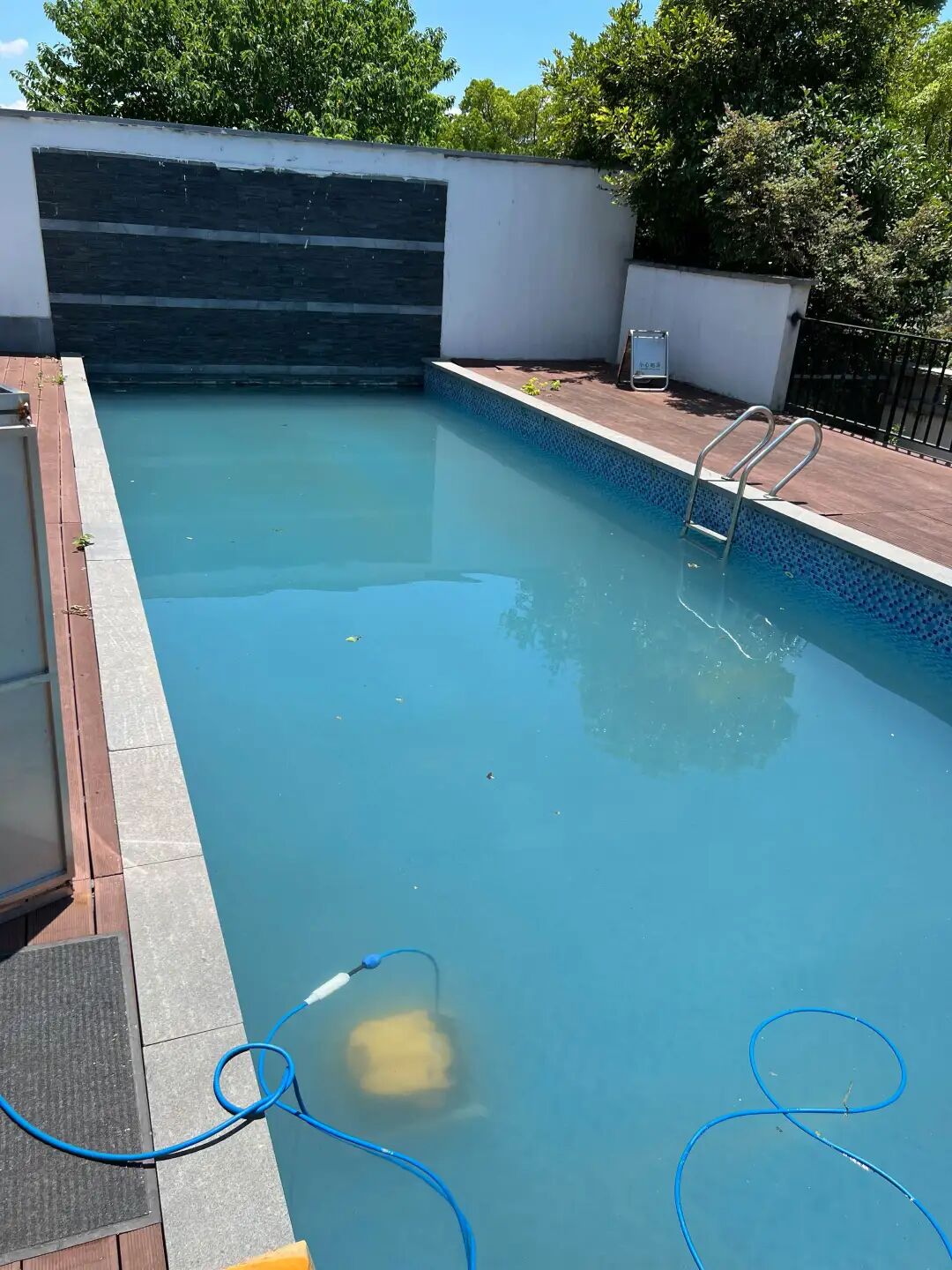
Testing competitor products in a domestic villa pool, 2022
Though I later realized my user perspective still diverged from real users — Chinese pools are all rectangular; American pools are almost never rectangular — this step was still crucial. Combined with competitive analysis, I discovered: oh, so this is the best product out there.
At the time, I bought the most expensive competitor product at $1,999. The first time I ran it, I thought it was broken — three runs, something seemed off. I contacted their customer service, sent videos. They said nothing was wrong. I bought two more units as controls, to rule out probability. The final conclusion: this top-tier product from the brand commanding ~50% market share was simply... this.
In that moment, I became absolutely certain this was a massive opportunity.
Xi Cao:
One thing that stuck with me: to research pool cleaning robots, you scraped over a hundred thousand Amazon reviews.
Wang Shengle:
Yes, we scraped over a hundred thousand reviews. They were incredibly valuable — packed with unmet needs, pain points, and things users appreciated.
Interestingly, only three reviews mentioned wanting surface cleaning. During our angel round, many investors questioned how real the surface-cleaning need was. But I'd done extensive testing myself — I'd fallen in while skimming surface debris. Water resistance is far greater than air resistance; surface cleaning demands vastly more power and poses much greater difficulty than floor cleaning. You don't feel this until you've fallen in.
MONOLITH:
Jobs once said, "A lot of times, people don't know what they want until you show it to them." Did you go through something similar?
Wang Shengle:
What I described was a phenomenon. The deeper analysis: 100% of debris in a pool enters from the surface. Existing pool robots only clean the floor and walls, leaving surface debris. If 100% of surface debris eventually sank, surface cleaning would be a false need.
But the reality: sit beside a pool for over ten hours observing, and you'll see leaves and insect corpses can float for a week without sinking. This validated surface cleaning as a real need. It was a process of combining theory with practice — one you only get by sitting poolside with a stool for ten-plus hours, otherwise you're easily deceived by a single moment's observation.
I've always believed practice is essential. In two years, our company has moved four times. We originally thought two or three pools would suffice, then built five, still not enough. Now we have 50 pools, 25 dedicated to testing. Every product is fully inspected before mass production and shipment.
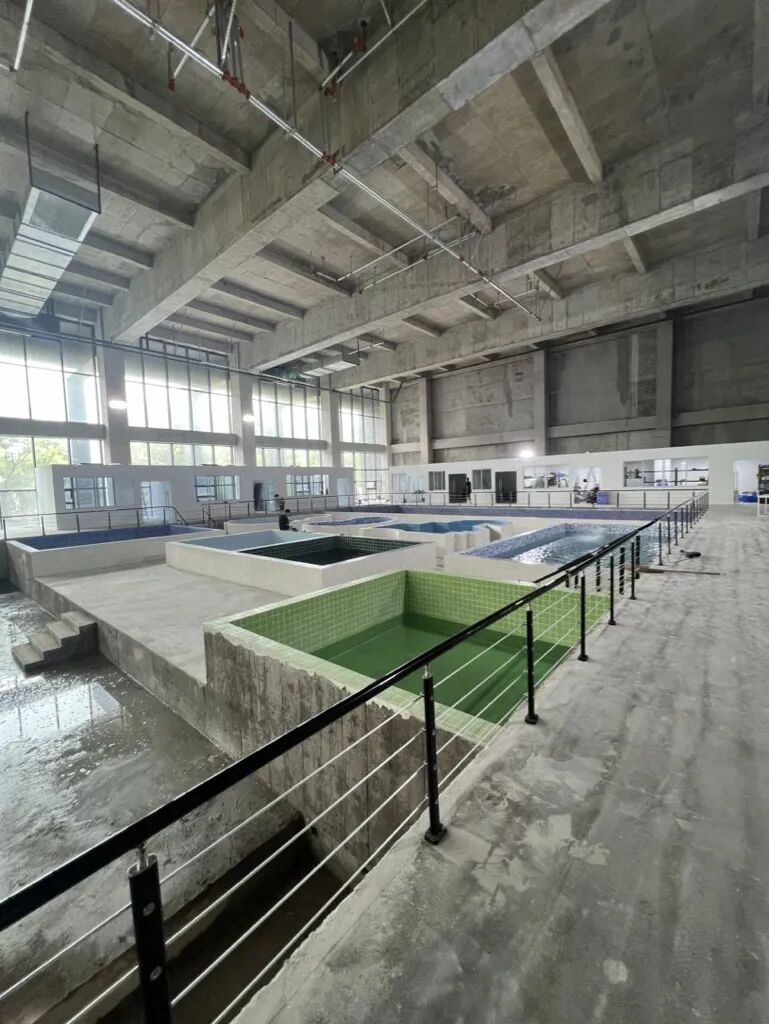
New test pools at the Beatbot testing facility, 2023
II
An Entrepreneur Who'd Never Set Foot in America
Cracked the US Market
MONOLITH:
What's interesting is you'd never been to America before building pool robots?
Wang Shengle:
Correct. February 2023 was my first time in America — actually, my first time leaving China.
MONOLITH:
What made a deep impression?
Wang Shengle:
My starting point was humble, mainly because my English is terrible, so I was especially empty-cup. I tried not to bring too many preconceptions. But America still stunned me, primarily two scenes:
First: seeing aloe plants over two meters tall beside San Francisco airport — not one or two, but three or four. In China, I'd never seen aloe over 0.5 meters, especially in public spaces, and there were no surveillance cameras. I specifically checked Home Depot and found 10cm aloe cost over ten dollars. That aloe had grown for at least 50 years, easily worth $1,000. It was devastating to my commercial and cultural assumptions — I didn't sleep at all that night.
Second: visiting the Golden Gate Bridge. I feel our national infrastructure developed extraordinarily fast over the past 30 years, but the Golden Gate Bridge was built 1936-1938, nearly 90 years old. All steel construction, using seismic rubber bearings. Meanwhile, the bridge over the 3-meter-wide river behind my home probably only got upgraded from wood to reinforced concrete around 2000.
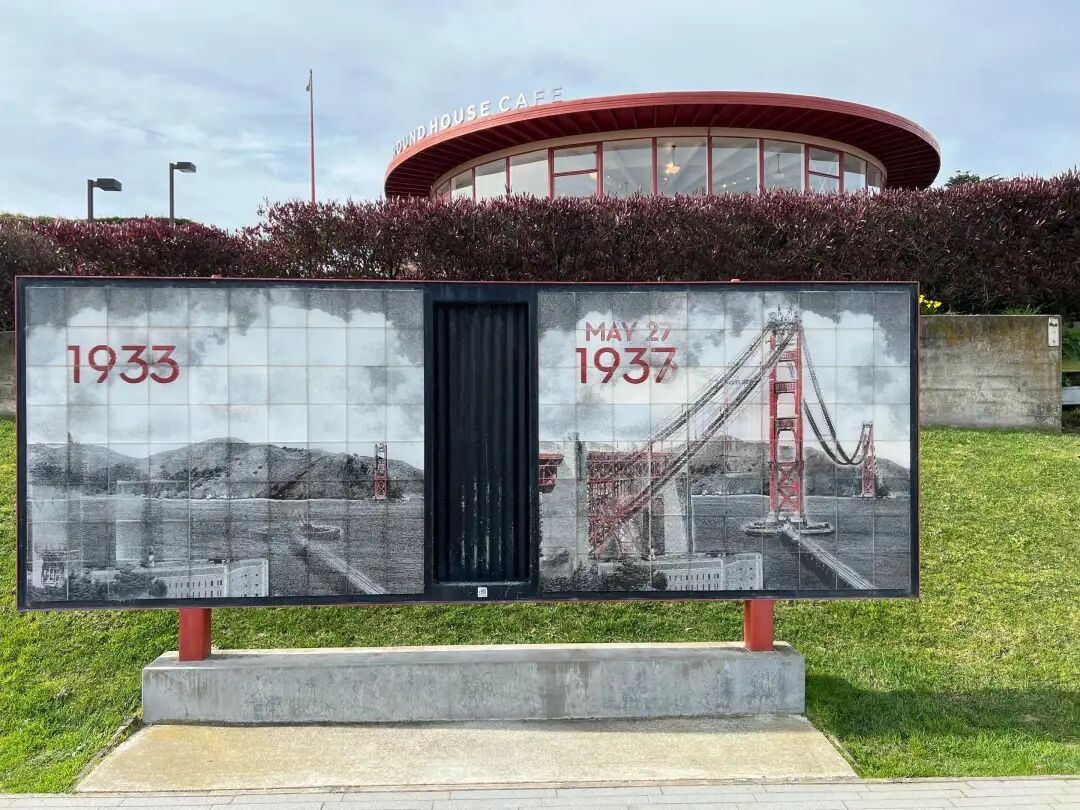
Visiting the Golden Gate Bridge, USA, 2023
MONOLITH:
So how did these two things influence your entrepreneurship?
Wang Shengle:
These examples aren't about measuring gaps between China and America. They shaped my later judgments on pricing, marketing, and more. They taught me that while human nature may be 99% similar, differences in geography, history, culture, political systems, and consumption habits can produce 150% divergence in how people ultimately behave.
For pool scenarios specifically, we paid intermediaries to visit users' homes. Not just pools — we studied American home construction overall: yards, kitchens, bedrooms, living rooms, basements. This impact made my supposedly empty-cup mindset seem laughably inadequate.
MONOLITH:
For example, what surprised you?
Wang Shengle:
There are always unexpected scenarios. Before my second US trip, I hadn't realized American pool water isn't changed for three years. I'd already spent a month in America, visited over 100 homes, yet never knew this. It actually affects our product.
The reason: Americans have mature understanding of chemical usage. They consider it normal, not particularly harmful to skin. So they don't change water — they use clarifiers, algaecides, sanitizers, pH adjusters, diatomaceous earth. But these chemicals heavily impact sensor signals, which affects our product development.
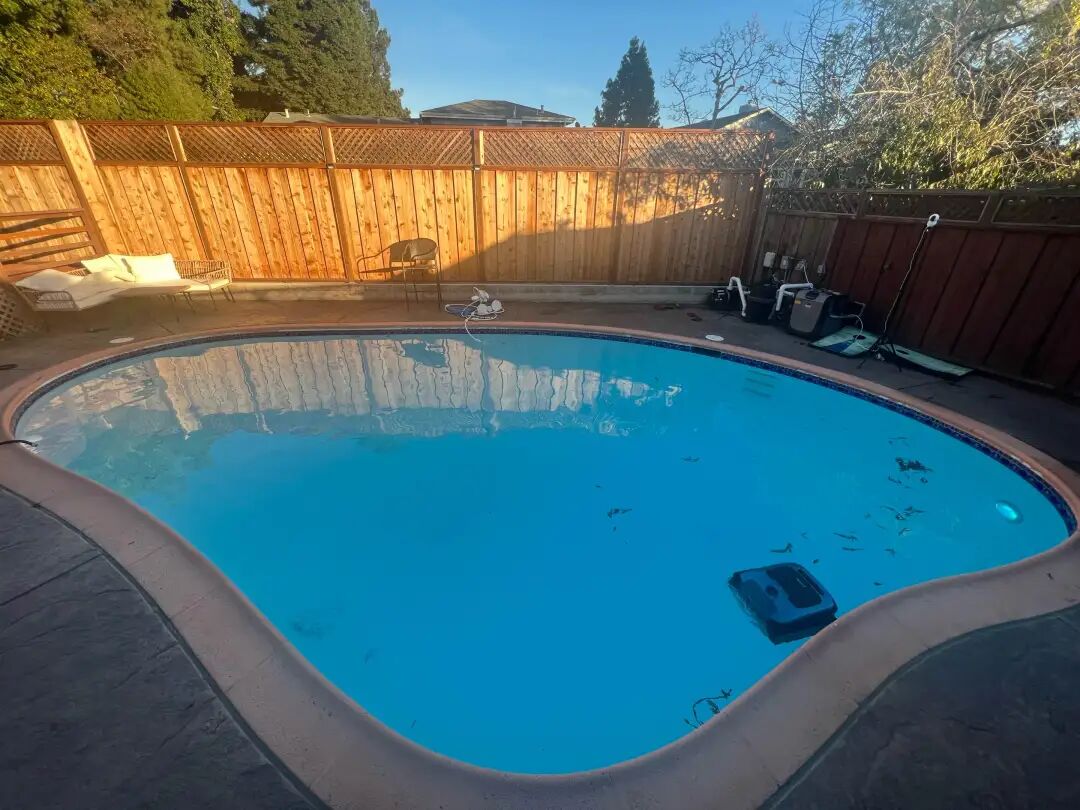
Field testing Beatbot in the US, 2023
MONOLITH:
Some might question: without actual living experience in America, what qualifies you to succeed in the US market?
Wang Shengle:
I don't believe you must have lived in America to be more user-focused. The fundamental question is whether you truly put users first, whether you genuinely care about their needs. This has little to do with being American or Chinese, or speaking English. I never even passed CET-4, though I'm studying hard now — probably need a few more years, since I genuinely have poor language aptitude.
Here's the key: whether white, Black, or Asian, 99% of human nature's foundation is similar. Surface habits differ, but most fundamentals align. Starting from this human foundation, from user needs — functional, emotional, self-actualization dimensions — the direct question is: if I were the user, would I buy this?
I believe the company will adhere to a few core principles over the long term: first, integrity and innovation; second, the pursuit of excellence; third, long-termism. If we truly live up to these, if we can move ourselves and put ourselves in our users' shoes, then we will move our users too. In fact, from day one of founding to official product launch, our team spent another full 18 months.
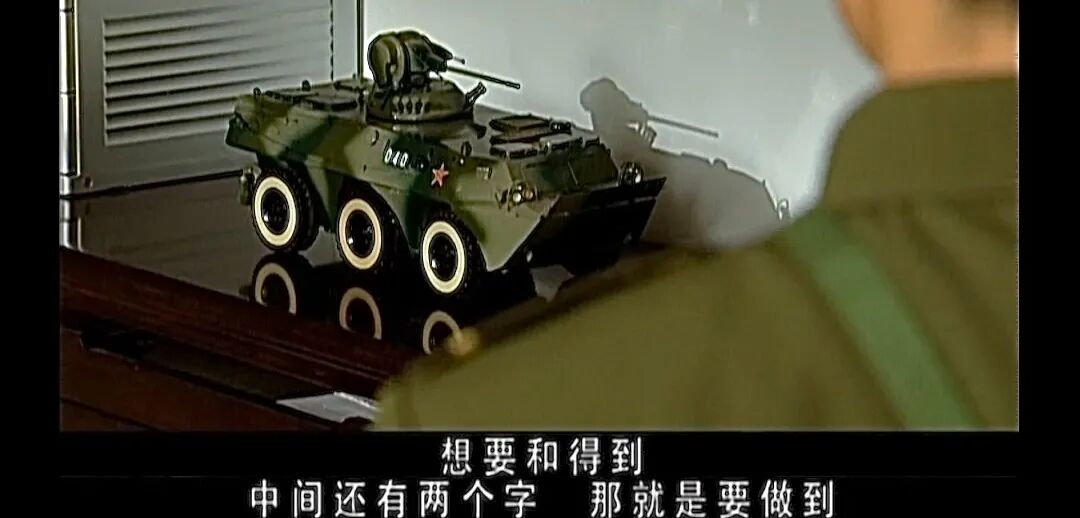
I love what the regimental commander of the 702nd Regiment told Xu Sanduo in Soldiers Sortie: between thinking and getting, there are two more words — doing.
MONOLITH:
But why did you dare to price it at over $2,000 — three times the market average — and still believe you could sell it?
Wang Shengle:
Actually, we're three times more expensive than the industry's top brand, five times above the industry average. We originally planned to price our flagship model at just $1,299, but later set it at $2,199. The logic is very simple: I kept asking, from the user's perspective, are we good enough? Are we the best? The best thing should cost the most.
This premium isn't fundamentally just about the product itself. It encompasses the purchase experience, the usage experience, the service experience — making users feel its value. Slightly higher gross margins don't necessarily mean high net margins; what matters is how you build value that users can actually perceive.
For American users, they judge a brand and whether your product is good enough largely through pricing. If your price is low, they'll think you yourself aren't confident — so why should I buy from you? Of course this is also a cultural difference between China and the US. The American consumer market has been mature for decades, it's further ahead than ours, and we have to acknowledge that.
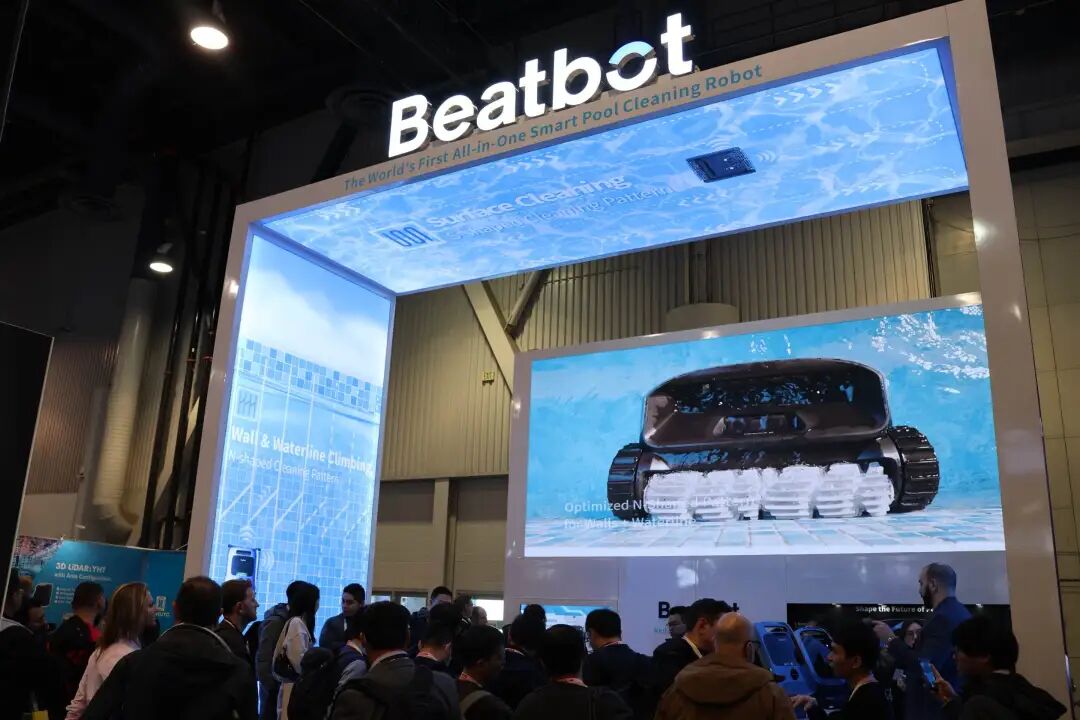
Launching Beatbot AquaSense Pro at CES in 2024
MONOLITH:
Was this pricing decision a lonely process? I imagine no one on the team supported you.
Wang Shengle:
Yes, but throughout this process I completely understood where everyone was coming from. By "everyone" I mean both our internal team and some external entrepreneur friends. Because when most people think about this question, they're mainly considering how executable it is. But as CEO, I'm considering how right it is. The starting point is simply different.
Three
"No retreat, no need to retreat —
that's what it means to be number one."
MONOLITH:
You spent many years as number two at your previous company. Now you're number one at your own startup. Was that transition difficult?
Wang Shengle:
I was at the previous company for six years. The number one was at the helm, and I worked alongside him to grow the company to several billion RMB in scale. I felt my mission at that stage was complete, so I chose to start another company.
The transition from number two to number one is difficult, and there were moments that really struck me. In the first year of founding, I hadn't fully prepared myself to be number one — I was more focused on uncovering product needs. But by the second year, when there was no market validation yet and I had to decide to commit tens of thousands of units of inventory, with my entire net worth on the line with unlimited personal liability; when I had to make the final call on pricing and marketing, a price that everyone opposed but I insisted on — in that moment, I felt the weight of responsibility. That's when I started thinking about what truly distinguishes number one from number two. No retreat, no need to retreat — that's what it means to be number one.
Xi Cao:
Being number one means being responsible for more things, essentially the person who holds the bag. You'll definitely face more considerations and pressure, but when you get these decisions right, the growth and positive feedback you receive are also greater. It's a pretty interesting process.
MONOLITH:
Even earlier, you built something from zero to one at Ecovacs. Over these years you've seen many extreme situations. Is there anything that left a particularly deep impression?
Wang Shengle:
Once the molds were ready, over ten million RMB in materials prepared, and then the client said they didn't want it. That happened relatively early in my previous startup. I cried for an hour first, rested after that hour, then thought about solutions the next day.
Another example: when I was working on window-cleaning robots at Ecovacs, we discovered the original design would run off frameless glass. That was devastating too. There was no other way — analyze whether it could theoretically be solved, and when we found that it could theoretically be solved, then it was just slowly adjusting, working on the ground.
Xi Cao:
You've worked at two fairly large companies before, and now Starry AI has grown from zero to over 100 people. Have you tried anything different in terms of organizational management?
Wang Shengle:
I think Starry AI has higher tolerance, and we respect the individual more. This is my personal preference, and it's also necessary for innovation. We keep processes and rules relatively light, because those are more for efficiency. We prioritize creation, with efficiency as a secondary consideration.
When it comes to so-called management, I don't actually like "control." I think it's more about "clarifying" — helping people clarify their logic, clarify their growth path. When the soil is fertile and the seeds aren't bad, the fruit won't turn out too bad either. But this requires strong inner resolve, because CEOs always can't resist the urge to micromanage.
To put it another way, my view on management is this: management is optimization. Optimization only makes sense when the scale is large enough. When you haven't even achieved anything, what's there to manage? Grab the cake first.
MONOLITH:
So you actually feel Starry AI hasn't achieved much yet.
Wang Shengle:
I don't think we're doing well at all. We've just barely gotten a seat at the table. Behind this is the fact that we captured differentiated functional selling points and exceeded expectations on a single user need point — not because we've done anything comprehensively or deeply. On this point, we have very clear self-awareness.
Right now, we just have a tiny bit of recognition, very small loyalty. We're still far from being an excellent brand. Going forward, to do well in the US market, European market, global market — there's still enormous challenge. Next year we also need to prove ourselves in Europe, Australia, Brazil, and Southeast Asia.
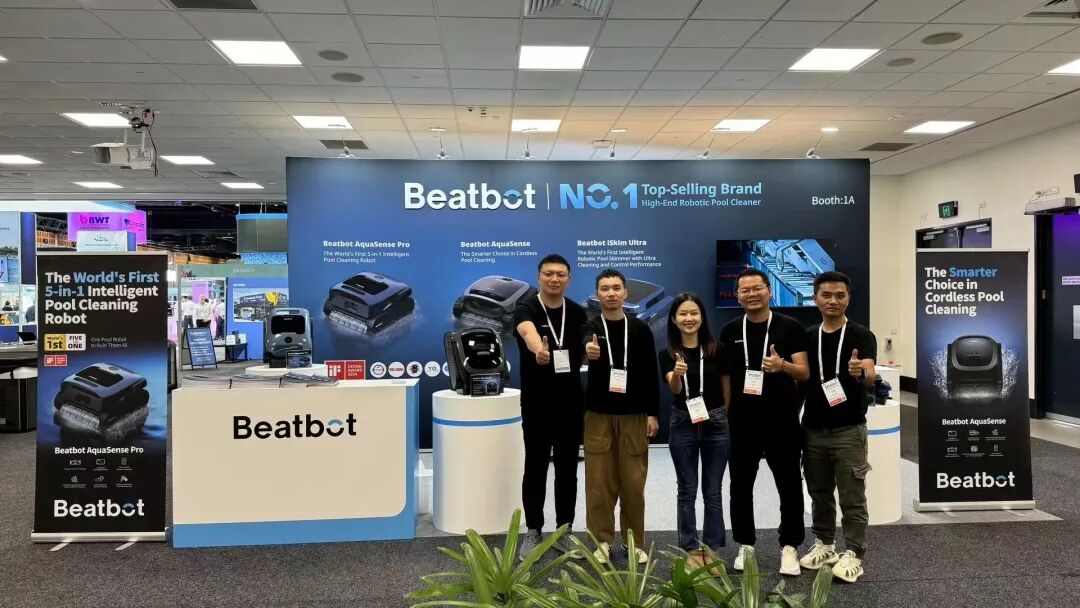
In the Australian market, 2024
Four
"In elementary school, I wanted to be a chef.
Now,
I want to be an excellent, remarkable ordinary person."
MONOLITH:
Can you talk specifically about your upbringing? How have these experiences shaped you?
Wang Shengle:
I was born in a rural village in northern Jiangsu. My father was born when my grandparents were 44. From as early as I can remember, our family was always in debt. From first grade through my four years of college, my tuition basically had to be borrowed every year. This upbringing had its pros and cons. The upside was that from a very young age, I saw both the warm side of the world and the cold, fickle side.
My parents influenced me quite a bit. My father is a very kind, hardworking person — it's just that every year expenses exceeded income. He was also relatively enlightened; starting from my high school years, he would ask my opinion on major family decisions. My mother is a very ordinary rural woman, and she gave me an extremely precious gift — unconditional love. I think in the Chinese upbringing environment, this kind of unconditional love is extremely rare. Most families have many expectations for their children, but my mother had no demands on me whatsoever. She just wanted me to be well.
MONOLITH:
"Unconditional love" is a heavy phrase. Very few people would describe it that way.
Wang Shengle:
After growing up, I've met all kinds of impressive people. But these past two years, I've suddenly started to feel that among everyone I know, my mother has the greatest wisdom. Her spiritual cultivation in life is actually very high. Most things don't affect her state of mind. If something does affect her, she reacts in the moment — she might be heartbroken right now, laughing heartily three minutes later. No internal depletion.
When people are pulled by overly grand dreams and ideals, the drain on their mental energy is enormous. This unconditional love gave me a kind of ease, and the result was no need to pretend, very authentic.
Xi Cao:
That's very fortunate. I remember you also mentioned before that your father had a saying: "The person who admits defeat lives more easily"?
Wang Shengle:
Yes, there were actually several things my father said that left deep impressions. The first was "the person who admits defeat lives more easily." Whenever I faced major challenges or felt extremely frustrated, my father would say this. What he meant was: don't be so stubborn, take a break and try again later.
When I first graduated, I actually argued with him about this. I said: "Look at our relatives who do business — they may not be as smart as you, but they dared to go out and do it. And look at our family? You always say 'the person who admits defeat lives more easily,' so we really did lose."
But I understand more and more now. Everyone has their own fate; at different junctures you make different decisions. Though his saying is a bit rustic, it's really no different from the "letting go" we talk about now.
MONOLITH:
I'm curious — your parents actually had no high demands on you. What has driven you upward all these years?
Wang Shengle:
Before my late twenties, it was mainly the desire to survive — just wanting enough food and drink, to never again suffer the childhood pain of not being able to make ends meet.
The second stage was joining a startup where I didn't negotiate any equity or title. It was simply because everyone said they wanted to do something, so I followed along. That's when I started to feel that I still had the ability to output certain things, and that these things had meaning and value for society. That was a turning point.
MONOLITH:
So the unconditional love from your parents, combined with your upbringing, actually made you more unafraid of failure?
Wang Shengle:
Twenty-five years ago, I was 10 years old, in third grade, and I was already hoeing weeds in the fields with a hoe taller than myself. I've been through that kind of extreme situation. Many people have forgotten where their lowest point was, because we've been rising continuously. I'm slightly luckier than most in that I truly look back. So how bad could the future possibly be? Could it be worse than when I was holding that hoe?
MONOLITH:
When you were holding that hoe, what was your dream?
Wang Shengle:
At the time I wanted to be a good chef, and my father thought so too. Later, under China's education system, I got into college and went out into the world — and only then did I see and believe that as an ordinary person, I could too.
In my second year on the job, I built the technical platform for a window-cleaning robot for the first time — and the company is still using it today, more than ten years later. So for quite a long period, I believed more and more because I had done it and seen it.
I've always considered myself an ordinary person, but I hope to become an excellent and extraordinary ordinary person, and I believe every ordinary person has the chance to become excellent and extraordinary. Still, I define myself as ordinary because I'm definitely not a genius — and that keeps me from having any illusions of luck.
MONOLITH:
Given that upbringing, what were your main sources of information as a child?
Wang Shengle:
Reading. Before graduating high school, I had never left the area within 100 kilometers of my hometown, so my understanding of the world came mainly from books. In middle school, I would save my allowance for two months — maybe just 50 cents or one yuan a week — to buy a few-yuan flashlight so I could read wuxia novels and all sorts of random books under the covers. It was incredibly enjoyable, and a little rebellious.
Only in high school did I start reading "proper" books — history, philosophy, religion, the so-called valuable ones. At my peak I read two or three hundred books a year. Even though my family wasn't well-off, I'd been a gold card member of Bertelsmann since middle school, back when I still had to go to the post office to send them money.
Xi Cao:
What book influenced you the most?
Wang Shengle:
It depends on the stage. At this point in my life, two books have influenced me the most — both written by Adam Smith. One is The Wealth of Nations, the other is The Theory of Moral Sentiments. One explores extreme self-interest from a business and economics perspective; the other explores extreme altruism from a human nature perspective. Both were published in the 1770s, over two hundred years ago. I read them in college but could barely understand them then. Only now do I truly feel their depth.
MONOLITH:
It sounds like there was a lot of "hardship" in your upbringing. What did that hardship mean to you?
Wang Shengle:
J.D. Vance, Trump's recent VP pick, has gotten popular, and I've been reading his book Hillbilly Elegy. I actually relate to it a lot. He grew up in the Rust Belt; I grew up in rural northern Jiangsu, which was relatively economically developed, but rural survival was still extremely difficult. I feel a strong resonance.
Though the title contains the word "elegy," it's still fundamentally a song — the elegy is there to set off the song. Pain doesn't necessarily lead to growth, but without pain there is definitely no growth.
MONOLITH:
As a post-90s generation founder, do you think your experience is representative? How do you view the opportunities this era has given you?
Wang Shengle:
On one hand, compared to the entrepreneurial environment twenty years ago, we're indeed less lucky. There were so many big opportunities then, so much unmet demand — the probability of success for those who dared to fight, dream, and act was much higher than it is now.
But on the other hand, I believe right now may be the best era of the next twenty years. If we adjust our expectations and focus more on long-term thinking, this is an excellent period. Because the global order is changing, demand is changing, and change means opportunity — this kind of uncertain opportunity has even greater potential.
Xi Cao:
Chaos is a ladder.
V
"With such amazing, lovable users,
what right do we have not to work hard?"
MONOLITH:
We have a quick-fire round with Kimi. You mentioned earlier that Apple, Tesla, and Nike influenced you greatly. What insights did each of them give you?
Wang Shengle:
These three companies are very different. But I think the most valuable lesson from all of them is that at the very top of the B2C value pyramid, it's about helping users transcend themselves.
So-called "brand" in the end isn't about how good the product is — it's about users becoming better versions of themselves by using it. That's the feeling I get from all three, and I'm a user of all three brands.
MONOLITH:
Which entrepreneur do you admire and respect the most?
Wang Shengle:
Steve Jobs. Looking at results, Apple is a great company. Looking at the process, he was an excellent human being — someone capable of continuous iteration and evolution, whether in good times or bad.
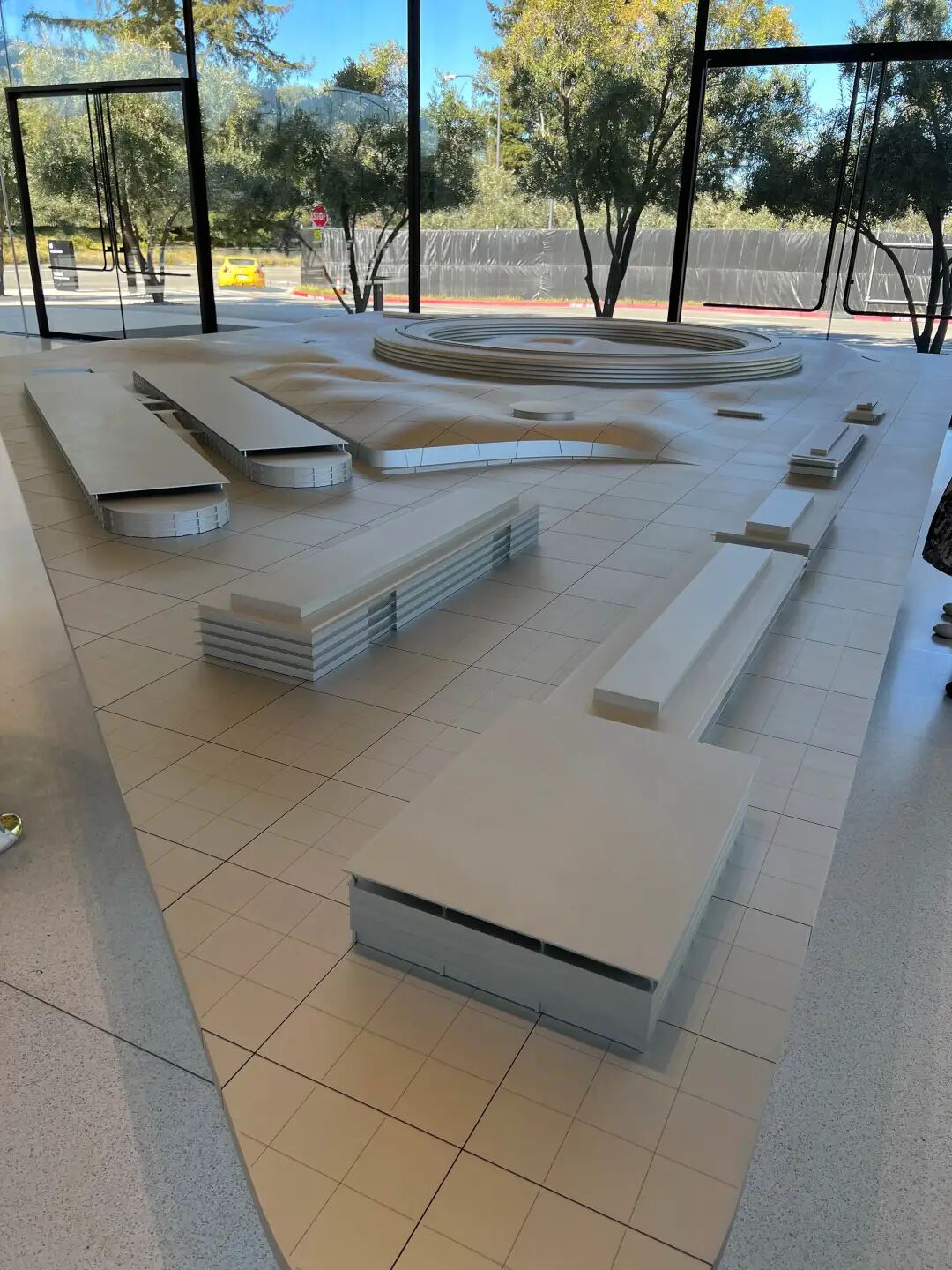
At Apple headquarters flagship store, 2023
MONOLITH:
What was the happiest moment in your entrepreneurial journey?
Wang Shengle:
The happiest moment was when an American engineer user reached out to us more than a dozen times on his own initiative, giving us extensive feedback on improvements and future innovations he saw. He would sit by his pool for three hours drawing out our robot's path, pointing out where the algorithm could be optimized. Later, unsatisfied with that, he bought a camera specifically to film key videos, edited them together, sent them to us, and then drew the path again himself. With such amazing, such lovable, such high-value users, what right do we have not to work hard?
MONOLITH:
What's the biggest setback you've encountered in your entrepreneurial journey?
Wang Shengle:
I think it was when a partner left the founding team. I could accept it from a business perspective, but on a human level, I was truly in pain — I sat in the kitchen and cried for an hour.
Xi Cao:
"Cried for an hour" — that's the second time that phrase has come up today.
Wang Shengle:
Yes, I'm still a somewhat sensitive and vulnerable person.
MONOLITH:
How do you relieve the pressure of entrepreneurship?
Wang Shengle:
My biggest hobby is cooking for my family. If there's nothing particularly urgent on Sunday, I'll spend time with my family. The night before, I have them order dishes; the next morning I buy groceries; by noon I'm making at least five dishes. At first, I really cared whether my family finished everything. Now I don't care as much — as long as I'm happy with it.
MONOLITH:
What's your most vivid childhood memory?
Wang Shengle:
This was quite a frustrating one. In my first year of middle school, my homeroom teacher told my father, "Your son probably won't get into high school. You should hurry home and borrow money to build a two-story house, so it'll be easier for him to find a wife later." That hurt me deeply at the time, but eventually I stopped caring about him.
MONOLITH:
Have you seen him since?
Wang Shengle:
I haven't seen him in about ten years. The last time was two years ago — my father ran into him on the street, and he told my father he'd heard my son turned out excellent. I thought I would care, but when my father told me, I realized I felt nothing.
MONOLITH:
A book you've read recently that left a deep impression?
Wang Shengle:
Service with a Gentleman and a Lady, written by Horst Schulze, founder of The Ritz-Carlton. It mentions the core concept of service: serving ladies and gentlemen with the attitude of ladies and gentlemen. That has influenced how I think about product.
MONOLITH:
An important question you've been thinking about recently?
Wang Shengle:
How to execute tomorrow? Entrepreneurship is about charging forward without looking back.

Monolith Interactive
After reading this article, what's your impression of the pool robot track? Did Wang Shengle's growth journey and entrepreneurial story inspire you or resonate with you? Feel free to share your observations and thoughts in the comments. We'll select five users with the most heartfelt comments and the most likes to receive special commemorative gifts prepared by MONOLITH. The event ends at 24:00 on September 22.