2022 Top 10 International Tech Stories Revealed | Yunqi Capital Science Chat

Science and technology illuminate the world.

Recently, the Top 10 International Science and Technology Stories of 2022, selected by Science and Technology Daily with input from academicians of the Chinese Academy of Sciences and Chinese Academy of Engineering alongside media professionals, was unveiled.
The top 10 stories are: a pig heart transplanted into a human marks a new level in organ transplantation; the Webb telescope captures early-universe galaxies; the "building blocks of life" confirmed to exist beyond Earth; the most definitive evidence yet for the "tetraneutron" state published; AI achieves breakthroughs from protein design to art and chatbots; fully synthetic mouse embryos grown from stem cells; spacecraft collision with asteroid helps protect Earth from threats; China's space station completes historic "assembly"; quantum computing advances from wormhole simulation to teleportation; and nuclear fusion research achieves "net energy gain" for the first time.
This edition of "Yunqi Science Chat" brings you coverage of the "Top 10 International Science and Technology Stories of 2022." Enjoy~
Source | Science and Technology Daily (kjrbwx) Author | Zhang Mengran, Science and Technology Daily
This remains a year where the century-long pandemic intertwines with transformative global shifts, and also a year where science and technology illuminate the world. We believe that where there is this light, there is hope. In 2022, biomedicine, nuclear fusion, and artificial intelligence were fields of major breakthroughs; aerospace, as a focal point of great-power competition, was white-hot; and scientific ethics and crisis response remain perpetual topics that the scientific community must confront...
#01 Pig Heart Transplanted Into Human Marks New Level in Organ Transplantation
In 2022, xenotransplantation moved forward with caution.
In organ transplantation, the chronic shortage of donor organs has long been a severe problem, so scientists have been experimenting with animal organs to help address this challenge. New gene-editing tools are steadily improving the odds of successfully transplanting animal organs into humans.
Doctors at the University of Maryland School of Medicine spent seven hours performing the first-ever transplant of a gene-edited pig heart into a patient with catastrophic heart failure. Three days after the surgery, the patient was still in good condition. This demonstrated that an animal heart could function in a human body without being immediately rejected.
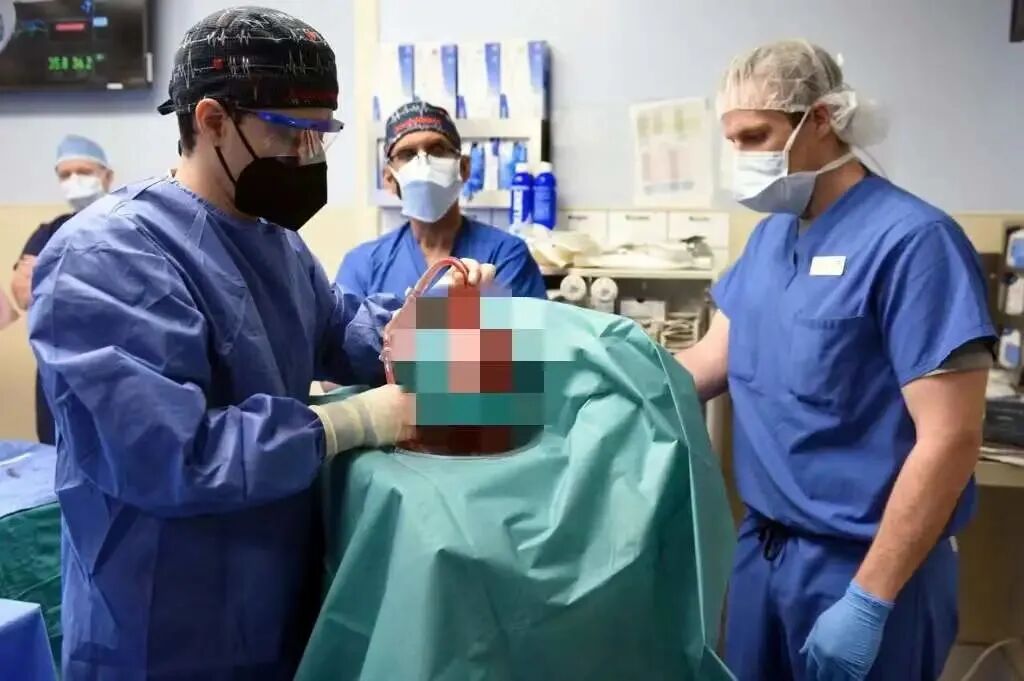
On January 7, doctors at the University of Maryland School of Medicine performed the first transplant of a gene-edited pig heart into a human patient. Image source: Phys.org
Unfortunately, despite the initial success of the surgery, the world's first recipient of a pig heart transplant died two months post-operation, with the cause of death possibly linked to a porcine virus. The virus, known as porcine cytomegalovirus, had never before been found to cause active signs of infection in such cases.
Nevertheless, the surgery successfully overcame the hyperacute (within 48 hours), accelerated (48 hours to 5 days), and acute (beyond one week) rejection reactions that had previously been inevitable in xenotransplantation.
Though the final outcome was disappointing, rapidly advancing gene-editing technology has made human organ modification far more sophisticated than in the past. It also proved that stem-cell-cultured tissue regeneration is a viable path, suggesting that future organ donors for hearts, livers, and other organs could be produced through this method.
#02 Webb Telescope Captures Early-Universe Galaxies
Following the renowned Hubble Space Telescope, the James Webb Space Telescope (JWST, hereafter Webb) has likely delivered more awe-inspiring moments than any other space telescope.
After years of delays and cost overruns, the $10 billion Webb telescope finally launched in late 2021. In 2022, this major scientific instrument encountered no problems upon entering service and quickly began collecting data and capturing spectacular images of the cosmos. With the largest reflective primary mirror ever built and its infrared-sensitive systems, Webb can obtain unprecedented observational detail and resolve nebulae. It also composites images remarkably fast — just over ten hours, compared to the hundreds of hours Hubble requires.
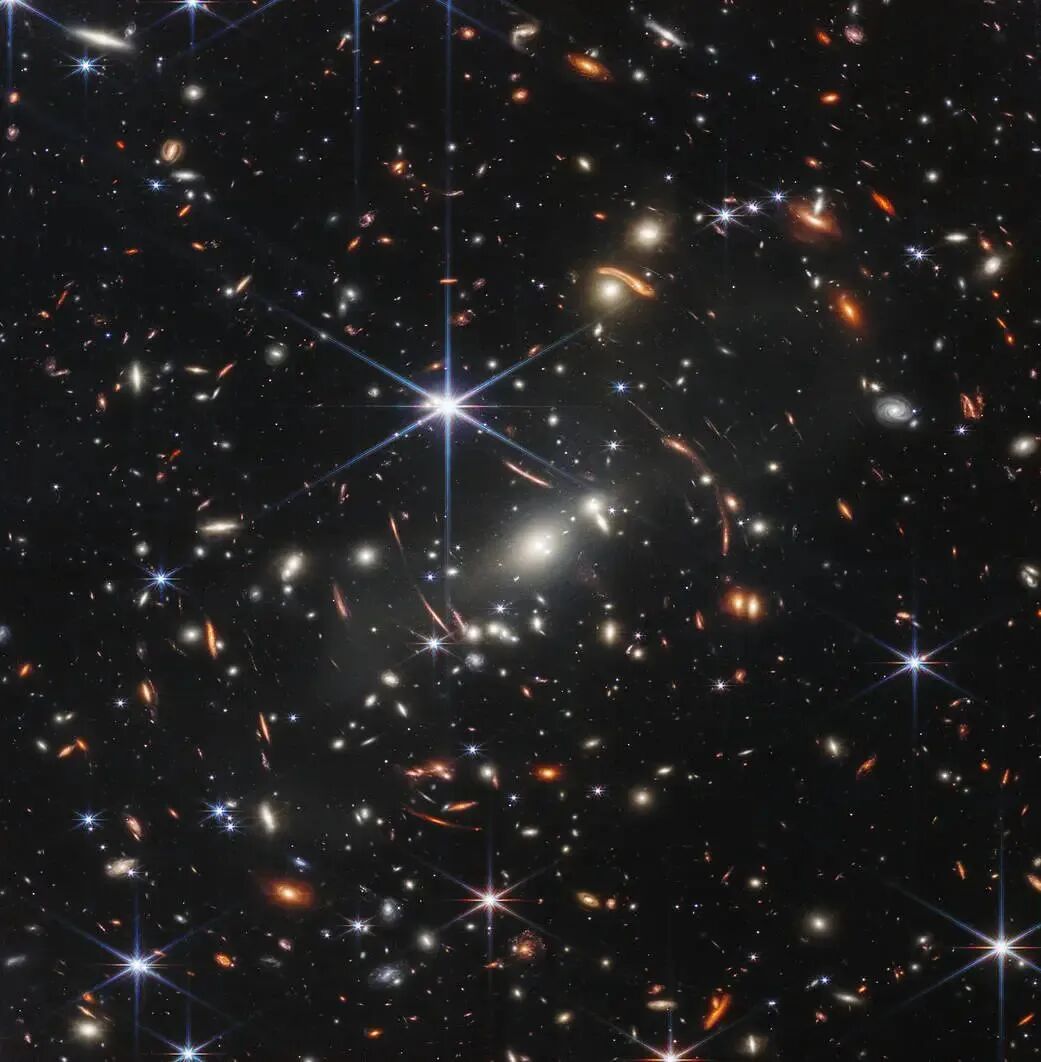
Webb telescope's first full-color image. Image source: NASA, ESA, CSA, and STScI
This year, Webb nearly sparked a race among astronomers.
On preprint servers, astronomy was practically "celebrating with fireworks" daily — analysis papers based on Webb's transmitted data kept emerging. It photographed galaxy clusters 4.6 billion light-years from Earth, an exoplanet 385 light-years away, and a red smudge over 13 billion years old, providing humanity with the oldest-ever snapshot of the "infant universe"... Webb has thus been dubbed a "time machine."
And because it has used far less fuel than anticipated, Webb will remain humanity's primary tool for obtaining deep-universe data until at least 2040. The astronomy community embarked on a new journey starting in 2022.
#03 "Building Blocks of Life" Beyond Earth Confirmed for First Time
What do amino acids on meteorites tell us? It's important to understand that organic compounds found on meteorites cannot prove that life on Earth originated extraterrestrially, but they do show that the elements of life's building blocks can exist beyond our planet. This conclusion demonstrates one thing: organic matter is widespread throughout cosmic space, and given suitable conditions, various organic compounds can form.
The entity that confirmed this for humanity is Ryugu, an asteroid over 300 million kilometers from Earth. This is a carbonaceous asteroid — the most abundant type in the universe. In December 2020, the return capsule from the Hayabusa2 probe returned from Ryugu to Earth, bringing back approximately 5.4 grams of surface samples. In 2022, Japan's Ministry of Education, Culture, Sports, Science and Technology announced that scientists had detected more than 20 types of amino acids in the Hayabusa2 samples. This marks the first evidence of amino acids existing beyond Earth, carrying significant implications for understanding how these crucial organic molecules reached our planet.
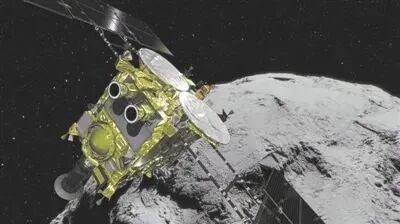
Japan Aerospace Exploration Agency's asteroid probe Hayabusa2 approaching its target asteroid Ryugu. Image source: JAXA
Also this year, scientists discovered that pyrimidine bases — essential components of DNA and RNA — may have been brought to Earth by carbon-rich meteorites. Astronomers at Hokkaido University in Japan identified for the first time the last two remaining informational units of DNA and RNA never before found in meteorite samples: cytosine and thymine. While DNA itself was unlikely to have formed within meteorites, this discovery helps illuminate the development of life's molecular precursors on early Earth.
#04 Most Definitive Evidence Yet for "Tetraneutron" State Published
How the universe formed may not be answered through macroscopic descriptions, but through the behavior of particles in the microscopic world.
In 2022, an international research team comprising scientists from Germany, Japan, the United States, and China published a paper in Nature reporting what constitutes the most definitive evidence to date confirming the existence of a substance called the "tetraneutron" state.
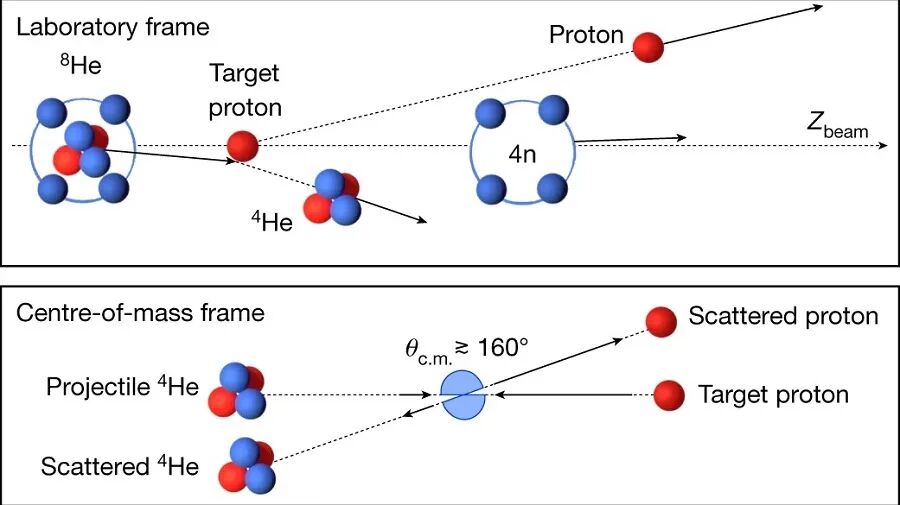
Schematic diagram of the experimental reaction in the study. Image source: Nature website
Prior to this, mounting evidence had suggested the existence of a peculiar and elusive substance — the "tetraneutron" state, formed when four neutrons briefly bind together.
Twenty years ago, scientists first caught a "glimpse" of the tetraneutron state's existence, discovering evidence that it might form from collisions between beryllium and carbon atoms, though experimental errors were substantial at the time.
In the latest research, the team created helium atoms with four extra neutrons compared to ordinary helium, then collided them with protons. These helium atoms left behind only four neutrons after collision, which then bound together to form the "tetraneutron" state. The team subsequently calculated the energy lost in forming this state and inferred that the "tetraneutron" state's "lifetime" is merely 10^-22 seconds.
This discovery helps physicists fine-tune theories about the nature of nuclear forces and deepens understanding of exotic matter states currently known to exist only inside neutron stars, thereby aiding humanity's comprehension of how the universe formed.
#05 AI Achieves Breakthroughs From Protein Design to Art and Chatbots
The explosion of generative AI technology has brought AI tools to what appears to be the outer boundary of human creativity.
In August, AI company DeepMind announced it would release the structures of over 200 million proteins. In just 18 months, using its AlphaFold algorithm, the company predicted the structures of virtually every cataloged protein known to science, cracking one of biology's most formidable challenges. Meta researchers also used AI to predict the structures of more than 600 million proteins from bacteria, viruses, and other uncharacterized microorganisms. Beyond helping overcome bottlenecks in life sciences, these achievements open new opportunities for addressing sustainability, food security, and other critical issues.
This year, generative AI also transformed content production. Last year, DALL-E's debut amazed people with an AI image generator's ability to create images directly from text descriptions. In April this year, OpenAI developed DALL-E 2, setting a new benchmark for image generation and manipulation. It produces more realistic and accurate images: synthesizing concepts, attributes, and styles from text descriptions to generate photorealistic images and artistic works, with resolution improved fourfold.

AI research organization OpenAI opened its AI software for user testing, which can generate images from text descriptions. This is a generated image. Image source: Visual China
In early December, OpenAI released a natural language generation model. Unlike previous chatbots that frequently produced irrelevant or incoherent responses, the new model called ChatGPT generates logically fluent answers and can engage in coherent, context-aware conversations. Consequently, ChatGPT rapidly captured attention upon release, surpassing one million trial users within five days of launch.
#06 Fully Synthetic Mouse Embryos Grown From Stem Cells
Can life be created in petri dishes, in laboratories, or even someday in machines and factories?
In 2022, scientists created synthetic mouse embryos for the first time without using sperm or eggs, successfully growing them outside the womb. In other words, these embryos were not the product of sperm-egg fusion; their growth didn't even require a female mouse's uterus. They were "artificially synthesized" embryos, produced from stem cells grown in petri dishes and developed in artificial bioreactors. By day 6, these embryos had grown tails; by day 8, they had developed beating hearts, and even showed the rudiments of brains.
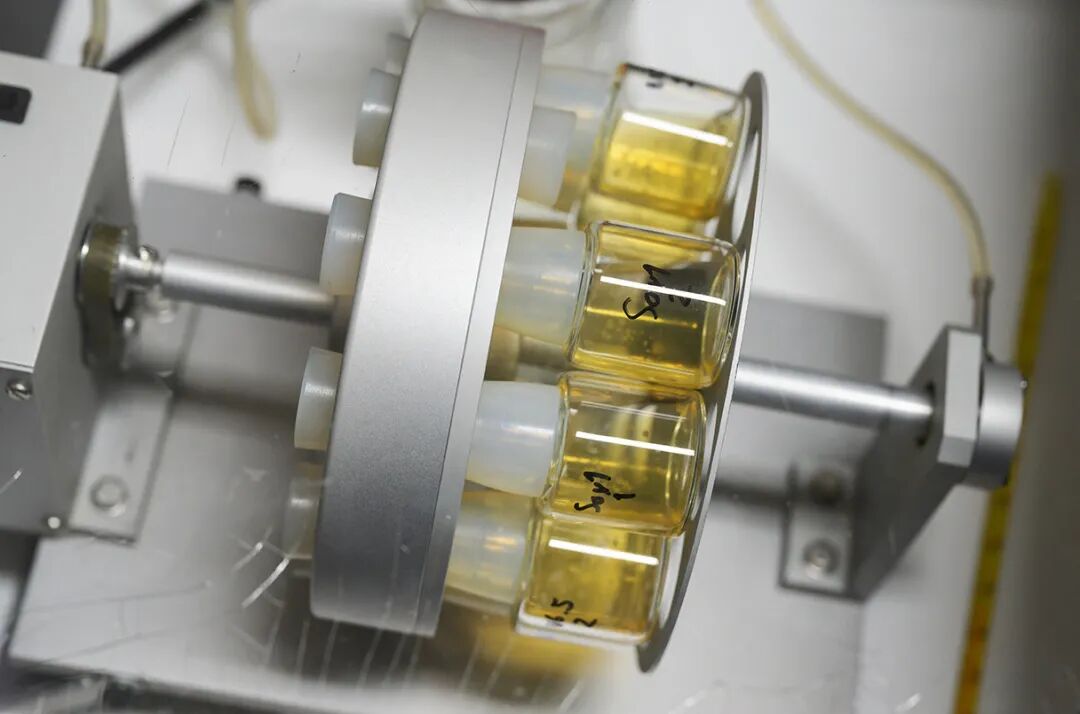
This bioreactor can help mouse embryonic stem cells simulate normal embryonic growth for up to 8 days. Image source: Jacob Hanna Lab/Weizmann Institute
This experiment was conducted at Israel's Weizmann Institute of Science, with the related paper published in Cell on August 1. The embryos survived only 8.5 days, yet this marked a stunning breakthrough while also posing legal and ethical challenges: current law permits human embryos up to 14 days old for laboratory research, beyond which it becomes illegal, but makes no stipulations regarding research timeframes for synthetic embryos. If someday, a human stem cell-synthesized embryo with a brain and heartbeat were created in a laboratory, would it be illegal?
Researchers believe this breakthrough helps understand how stem cells form various organs in developing embryos, and how mutations lead to developmental diseases. As long as the technology remains in appropriate hands, its benefits still outweigh its risks.
#07
Spacecraft Collision With Asteroid Helps Protect Earth From Threats
An asteroid is hurtling toward Earth, potentially arriving within years or even months — what can humanity do to stop it?
So far, humanity has not suffered mass-casualty disasters from asteroid impacts like Earth's former "dominators" — the dinosaurs. But astrophysicists argue that relying on luck is not a reliable long-term defense strategy; people must build appropriate infrastructure and conduct asteroid deflection tests.
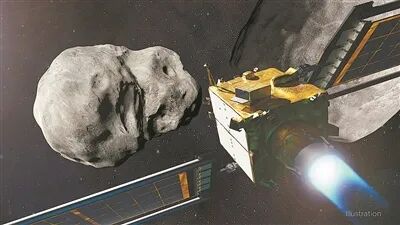
Image source: Visual China
At 7:14 a.m. Beijing time on September 27, 2022, in humanity's first planetary defense test, a spacecraft executing NASA's "Double Asteroid Redirection Test" (DART, nicknamed "hit him") mission successfully collided with an asteroid named Dimorphos. Days later, NASA confirmed that the DART spacecraft had successfully altered Dimorphos's orbital period by 32 minutes — from 11 hours 55 minutes to 11 hours 23 minutes. NASA considers the mission successful when the change in the impacted asteroid's orbital period exceeds 73 seconds. The actual result achieved was more than 25 times this threshold.
This marks NASA's first comprehensive demonstration of asteroid orbital deflection technology, aimed at establishing for all humanity that this technology could someday divert near-Earth asteroids or comets through kinetic impact by spacecraft, thereby protecting our home planet from catastrophe.
#08
China's Space Station Completes Historic "Assembly"
The launch of Mengtian represents Chinese space explorers' unceasing strides and relentless pursuit of discovery.
At 3:37 p.m. on October 31, the Long March 5B Y4 rocket carrying the Mengtian experiment module lifted off on schedule from the Wenchang Space Launch Site. Approximately eight minutes later, Mengtian accurately entered its predetermined orbit, and the launch was a complete success.
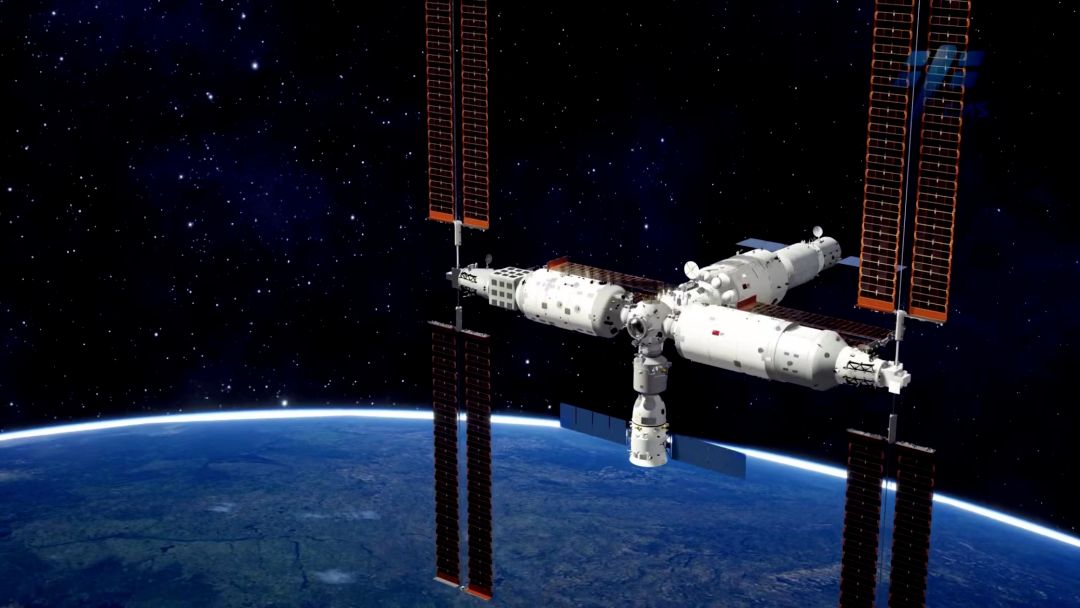
On November 3, 2022, the Mengtian experiment module completed its transposition, forming the "T" basic configuration of the space station with the Tianhe core module and Wentian experiment module. Image source: China Manned Space
Mengtian is the third module of China's space station, primarily used for space science and application experiments, participating in space station assembly management. Its cargo airlock module supports automatic cargo entry and exit, providing support for scientific experiments both inside and outside the module. The main purpose of building the Tiangong space station is to establish an advanced national space laboratory to serve scientific research and produce major scientific and technological achievements. Among the three modules, Mengtian has the strongest payload support capability, and its successful launch will further elevate China's space science capabilities.
For China's space exploration endeavors, the completion and launch of Mengtian holds not only great significance for China's aerospace industry but will also make pioneering contributions to humanity's peaceful use of space. As foreign media noted, Mengtian's launch demonstrates China's capability to assemble a space station independently, without relying on the two space powers, the United States and Russia.
#09
Quantum Computing Advances From Wormhole Simulation to Teleportation
The mutual aversion between quantum physics and general relativity has long been virtually accepted in theoretical physics circles, while quantum gravity is attempting to "reconcile" their contradictions.
This year, Nature reported for the first time on using a quantum processor to perform a quantum "simulation" of a holographic wormhole. The demonstration used Google's quantum computing prototype "Sycamore," representing a step closer to the goal of studying quantum gravity in the laboratory.
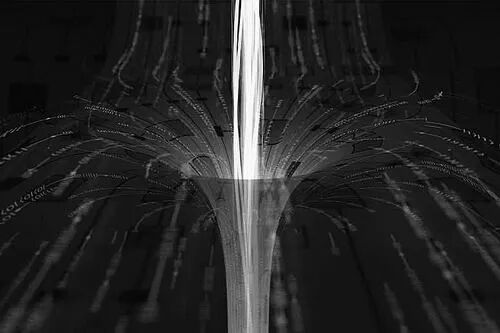
Quantum computer simulation showing how information passes through a wormhole. Image source: inqnet/A.Mueller, distributed by China Science Daily
Also this year, scientists from Amazon Web Services's Center for Quantum Networking and Harvard University developed a novel quantum memory that can operate at 4 Kelvin, which will significantly impact future large-scale implementation of quantum networks. Refrigerators that cool to 4 Kelvin are five times cheaper and ten times smaller than those reaching 0.1 Kelvin, and can be rack-mounted in server rooms.
Regarding quantum teleportation, before this year, experimental demonstrations of this effect had been limited to between two connected nodes. In a study by Delft University of Technology in the Netherlands, researchers demonstrated quantum information teleportation between two non-adjacent nodes in a three-node quantum network. This result is considered an important step toward a quantum internet.
#10
Nuclear Fusion Research Achieves "Net Energy Gain" for First Time
On the journey toward controlled nuclear fusion, every "gain" injects a ray of light into the future "artificial sun."
On December 14, Lawrence Livermore National Laboratory's National Ignition Facility (hereafter NIF) in California announced a milestone breakthrough: for the first time in human history, "net energy gain" was achieved in a nuclear fusion reaction. NIF used "inertial confinement fusion" technology, employing the world's largest lasers to strike hydrogen plasma particles, triggering nuclear fusion. The experiment input 2.05 megajoules of energy into the target, producing 3.15 megajoules of fusion energy output.
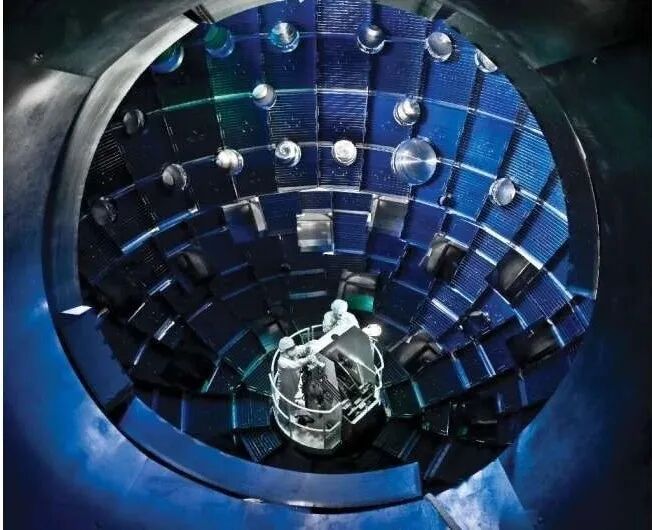
The National Ignition Facility. Image source: Phys.org
The goal of nuclear fusion research is to replicate the energy-producing nuclear reactions that occur in the sun. Since the 1950s, this has been the ultimate dream of carbon-free energy that scientists have pursued. A veteran American nuclear fusion scientist put it directly: "For most of us, [success] was just a matter of time."
However, Lawrence Livermore National Laboratory Director Kim Budil stated: "Laser fusion faces very substantial obstacles, both scientifically and technologically. Currently, we ignite one fuel pellet at a time. To achieve commercial fusion energy, we must ignite multiple times per minute, and must have a robust laser system."
In other words, for commercial power generation, lasers would need to fire as rapidly as machine guns, with each shot producing a fusion reaction — and there remain too many technical barriers to overcome before reaching that point.