Yunqi Pamir: Tracing the Millennium-Old Silk Road | 2026 Southern Xinjiang Outing Notes

Twelve years, and YQ reaches new heights
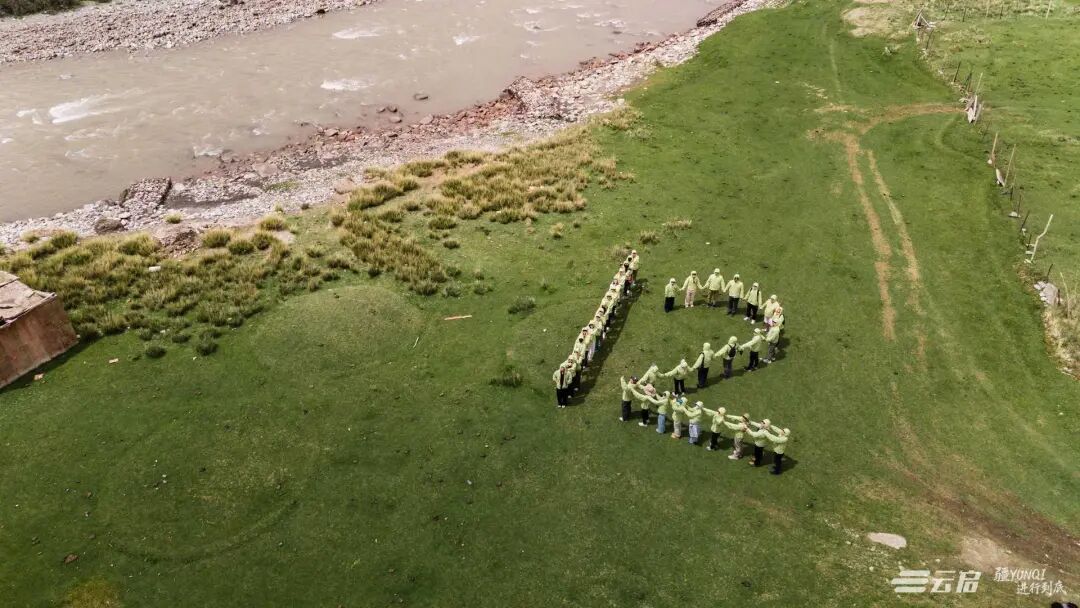
Zhang Qian, who ventured west bearing the imperial insignia; Xuanzang, who returned east with sutras in tow; the endless caravans with their camel bells... Southern Xinjiang has never been merely about majestic landscapes. For over two millennia, civilizations have converged, flowed, and settled here.
In June, Yunqi Partners' annual outing brought us to this weighty land. Led by partners and guided by historians, we traveled the southern route of the ancient Silk Road, passing through Hotan, Yarkant, and Kashgar, ascending to the Pamir Plateau.
With curiosity about history, longing for nature, and love of food, we pursued the echoes of civilization among ruins and ancient cities, endured the high-altitude challenge between snow-capped peaks and winding roads, and along the way — through shared meals and treks side by side — felt the warmth of companionship and reached new heights.

Reading a Stretch of History

Tracing Silk Road Stories
Curiosity about history was the first thread of this journey. Along the southern route of the ancient Silk Road, place names, kingdoms, trade routes, and melodies from the pages of books gradually became wind-blown sand, artifacts, songs, and the bustle of daily life before our eyes.
A history enthusiast, Michael (Founding Managing Partner of Yunqi Partners) specially invited a Silk Road scholar to travel with the team. Together they listened attentively and asked questions along the way, lending this southern Silk Road journey something of the quality of "reading history with questions in mind."
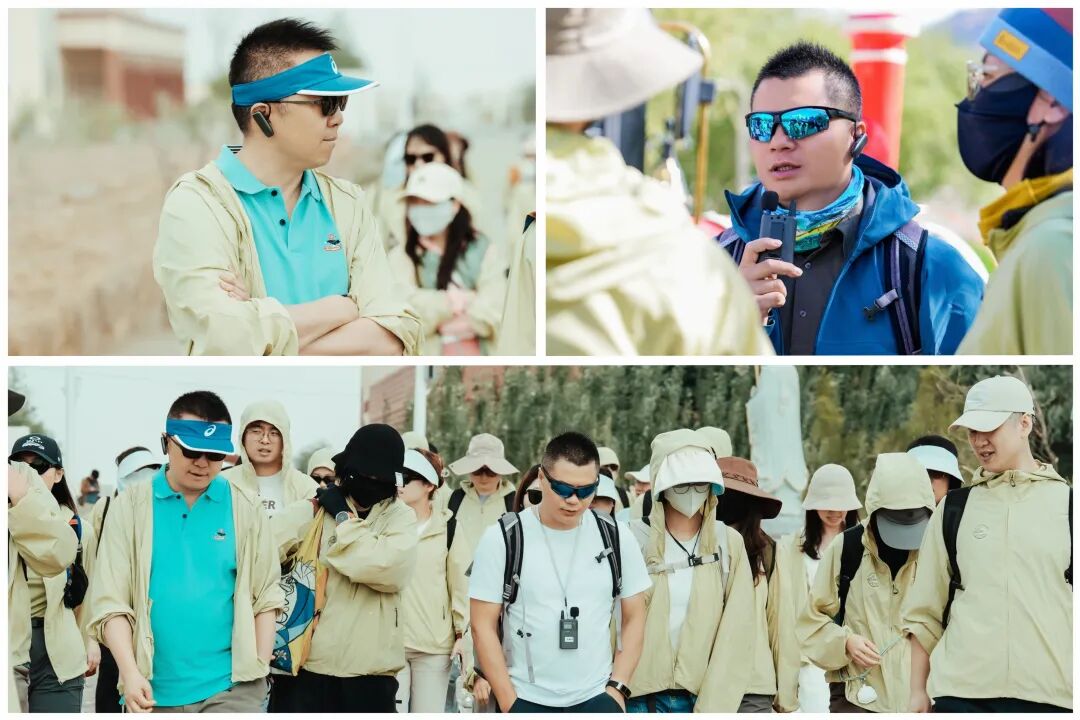
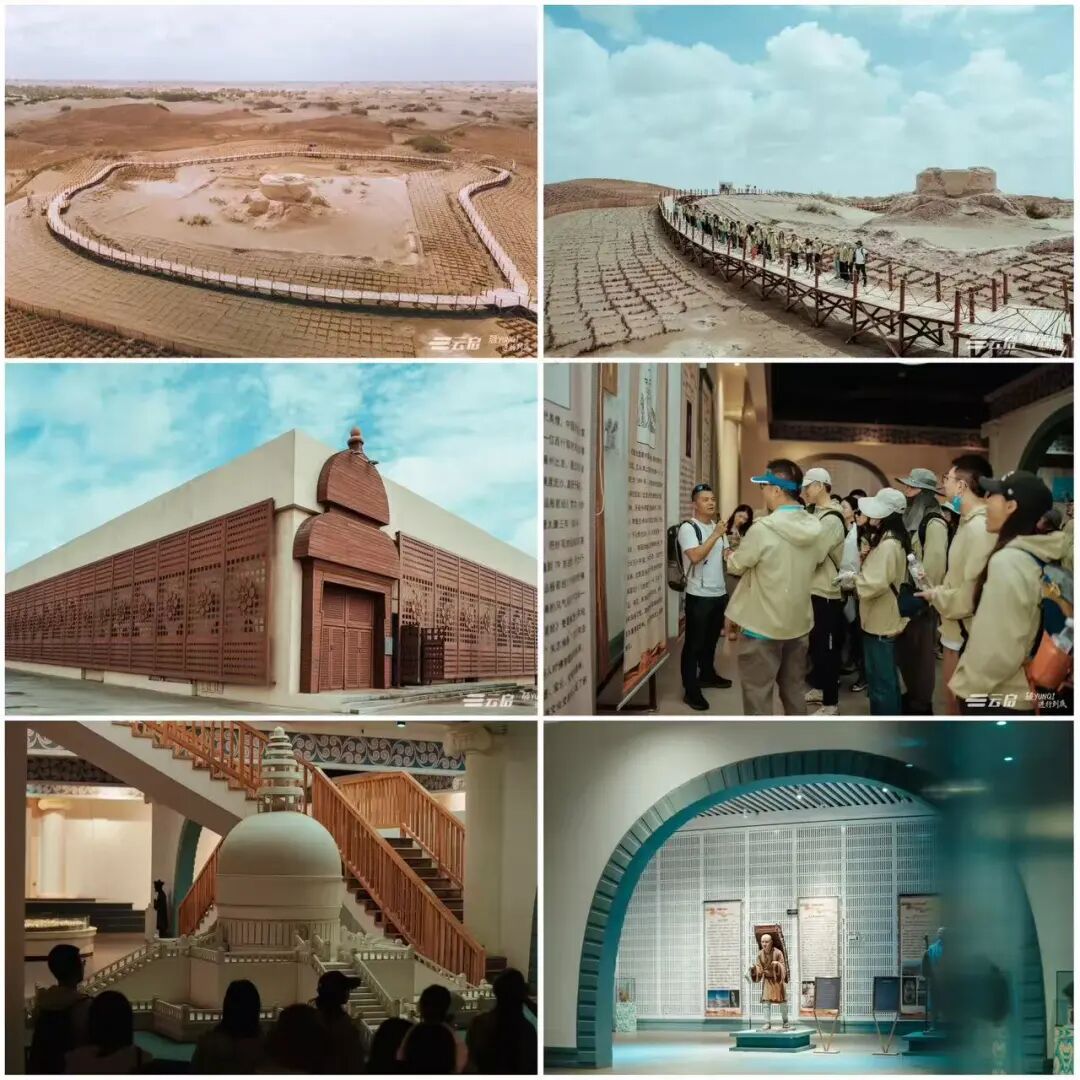
The first layer of history lies hidden deep in the wind-blown sand. Hotan, situated on the southern edge of the Taklamakan Desert, was our starting point. The Rawak Stupa stands quietly in the depths of the sand sea — once an important Buddhist sacred site of the Kingdom of Khotan, visited successively by Faxian and Xuanzang. A thousand years later, the former splendor has left only broken walls and the outline of stupas. Standing before the ruins, listening to the scholar speak of Khotan's rise and decline, names that had existed only on pages and maps suddenly took shape before our eyes.
History also continues in more everyday details. We encountered the civilizations of Southern Xinjiang at the Hotan Museum, and by the Yurungkash River we carefully selected a few stones that were "probably not jade" to take with us — as if holding a piece of the distant and some good fortune in our palms.
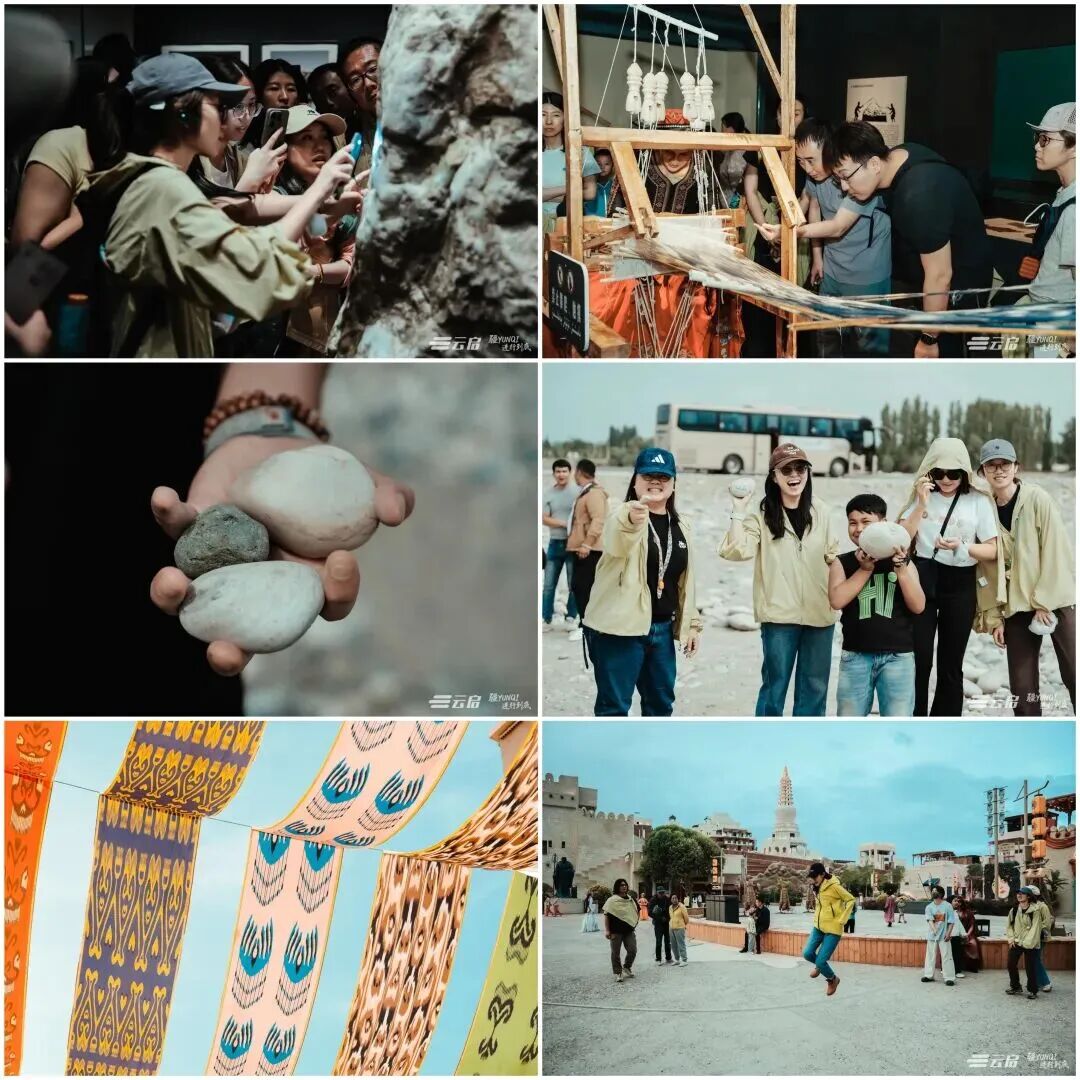
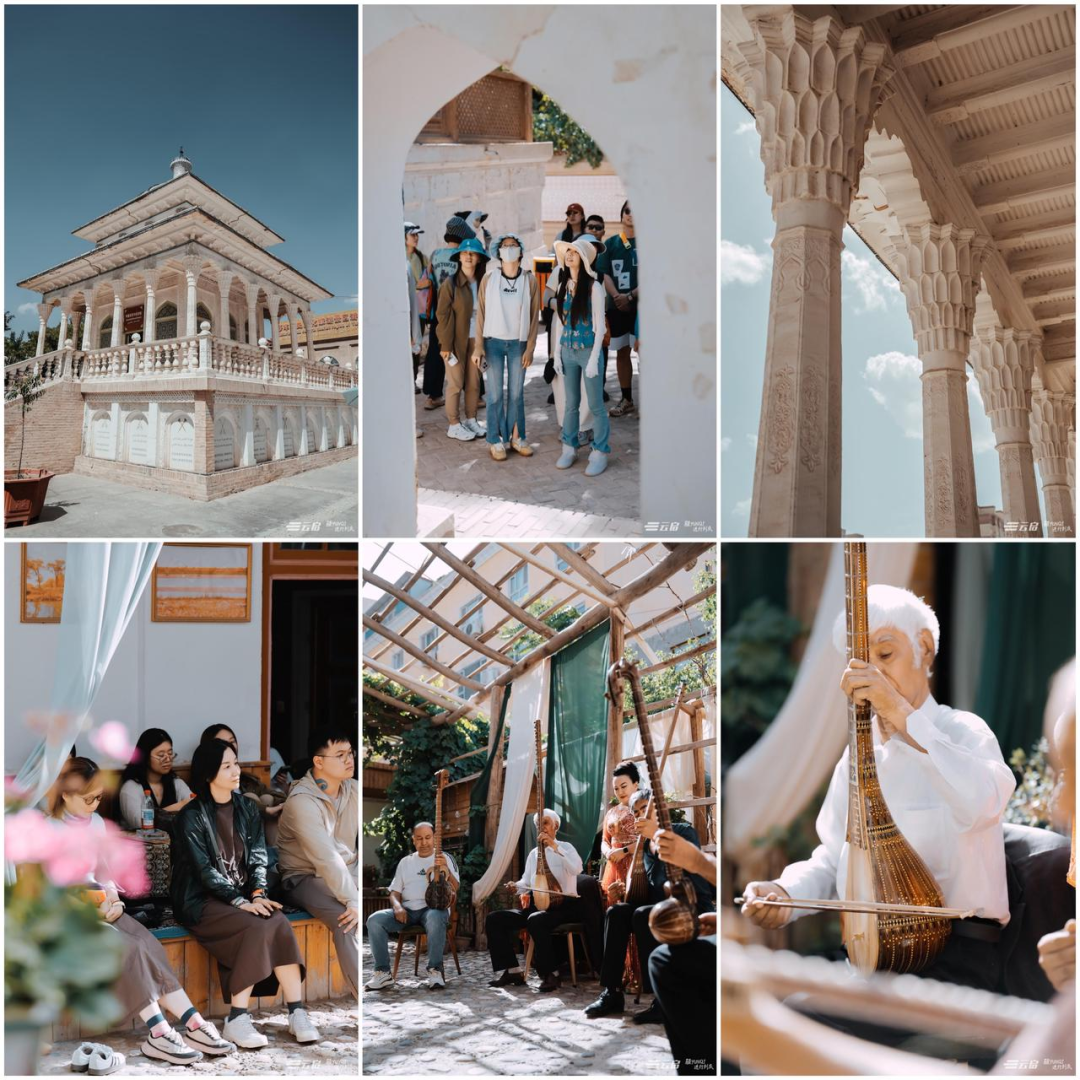
The second layer of history echoes in melodies that have circulated for five hundred years. In Yarkant, the former capital of the Yarkant Khanate, the story of Amannisa Khan and the Twelve Muqam brought the Yunqi team to pause. As a princess of the Yarkant Khanate, she once compiled and edited this musical art form that blends diverse cultures, enabling it to survive to the present day and be inscribed as a UNESCO Intangible Cultural Heritage.
The subsequent Twelve Muqam performance gave this history a more tangible voice. On stage, white-haired inheritors plucked strings, struck drums, and sang — their instruments still resonating clearly. Moments like these also resonated with us, who believe in long-term value: truly vital things tend to withstand the translation of time.
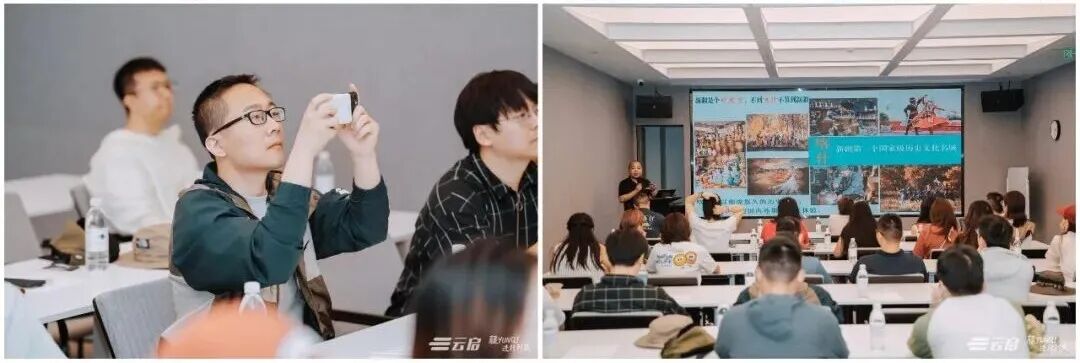
The third layer of history lives in the everyday bustle of Kashgar. As an important node of the ancient Silk Road within China's borders, Kashgar once welcomed countless merchants from East and West, leaving behind different languages, crafts, and ways of life. A specially arranged lecture on history and culture became an important entry point for us to understand Kashgar. Over two hours, from the governance of the Western Regions to the transformations of the ancient city, a historical thread spanning two thousand years was woven together.
The bright yellow gate of the Id Kah Mosque, the labyrinthine alleyways of the ancient city, the smoky aroma of samsa ovens, the unhurried figures of elders... Turning into Kashgar itself, weighty history is transformed into the most ordinary and most vivid daily life.
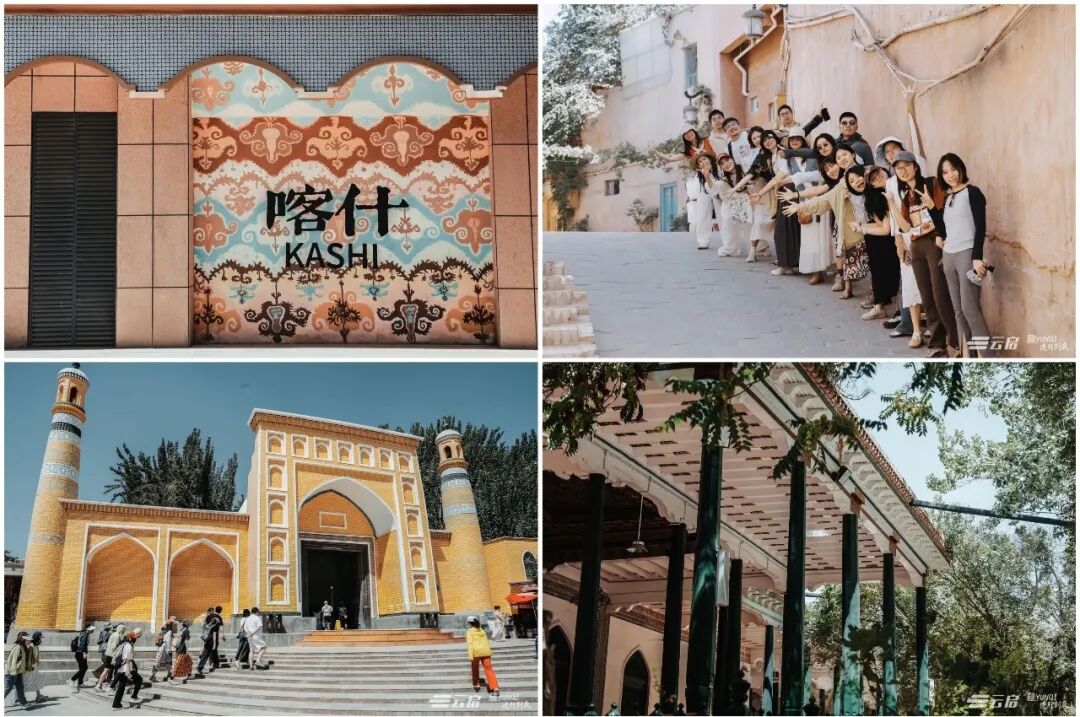
Seeing a Stretch of Mountains and Rivers
Challenging the Pamir Plateau
Love of natural scenery was the second thread of this journey. Coming to the Pamir Plateau, stretched between mountain ranges, mountains and rivers unfolded in a more expansive manner, the vastness continuing the folds of history.
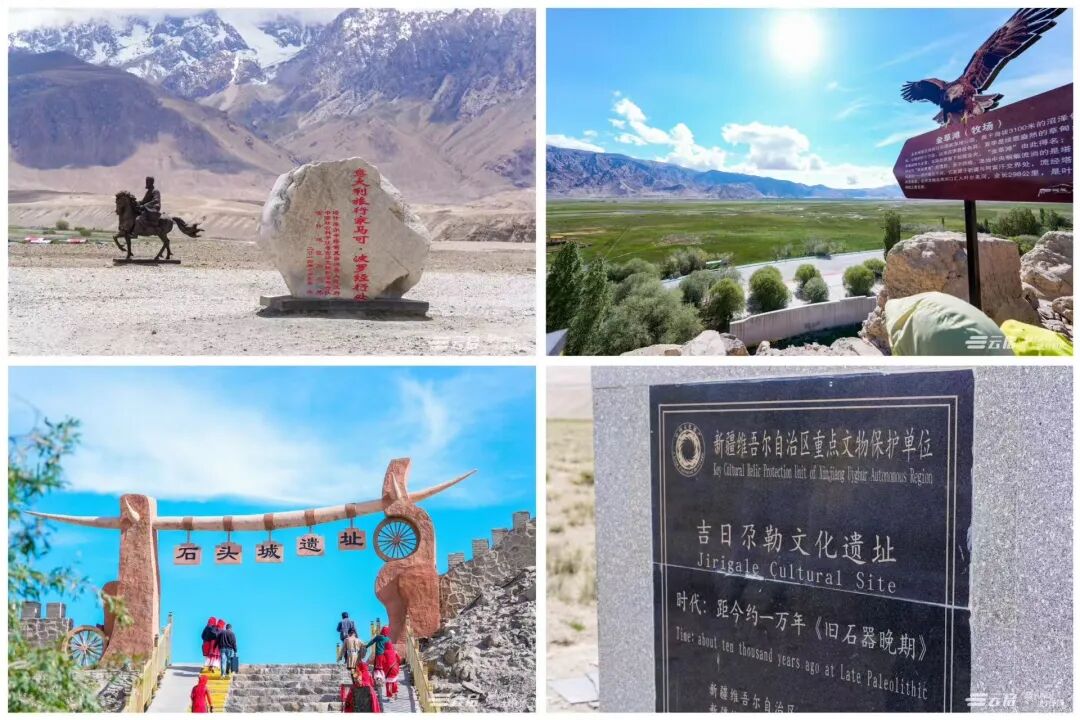
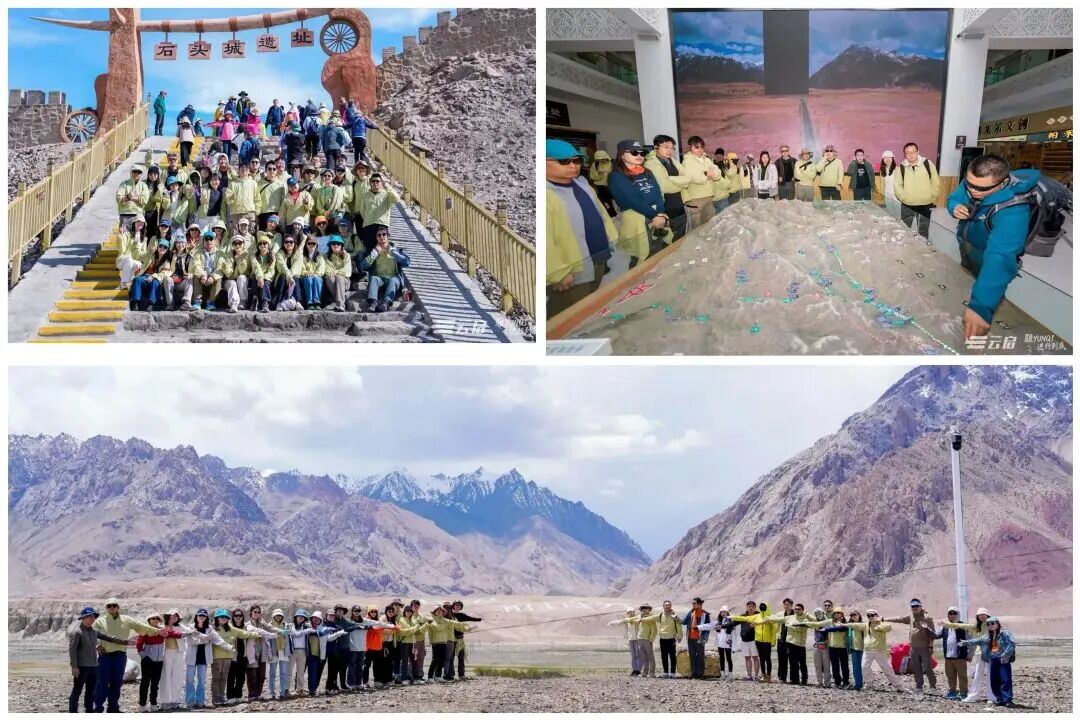
The Stone City ruins overlook the Tashkurgan basin; the Golden Grassland spreads at the foot of snow mountains. This was an important node of the ancient Silk Road, and also recorded in Xuanzang's account of his return journey from fetching scriptures. The western frontier of the motherland rises and falls with mountain ranges; the Wakhan Corridor hides among them, markers of travelers like Marco Polo and Xuanzang standing in the wind. Further into the valley depths, the ancient Silk Road post station of Jizile Ancient Cultural Site stands quietly, once witness to countless merchants coming, going, and resting.
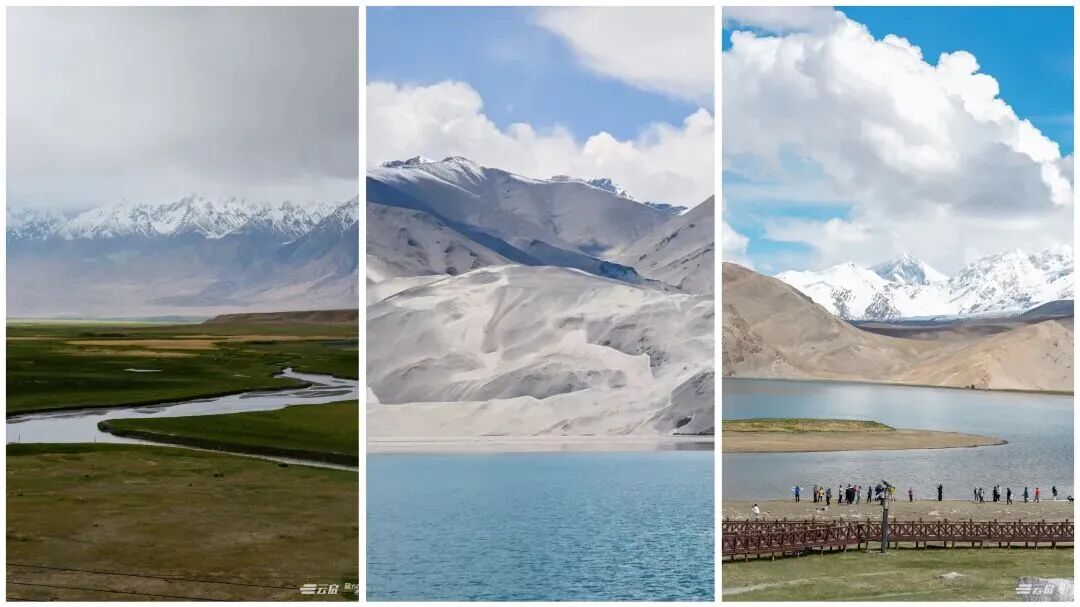
By the White Sand Lake, sand dunes and lake water lean on each other; at Tashkurgan Wetland, green grass extends all the way to the foot of snow mountains; in the twilight of Tashkurgan County, beneath the snow mountains are green grass, cattle, and sheep — the distance became more concrete than ever before.
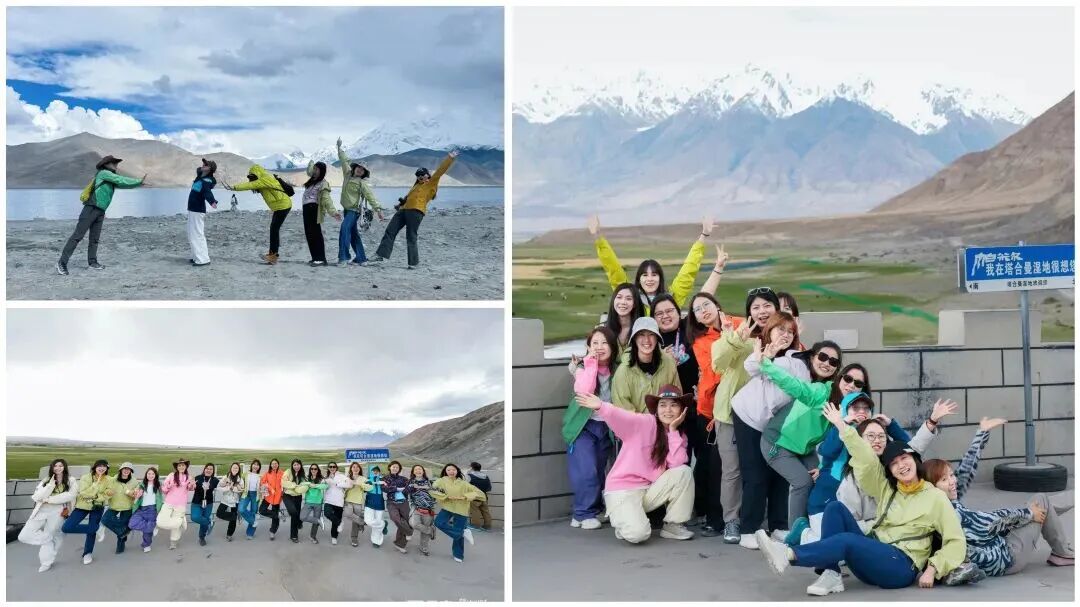
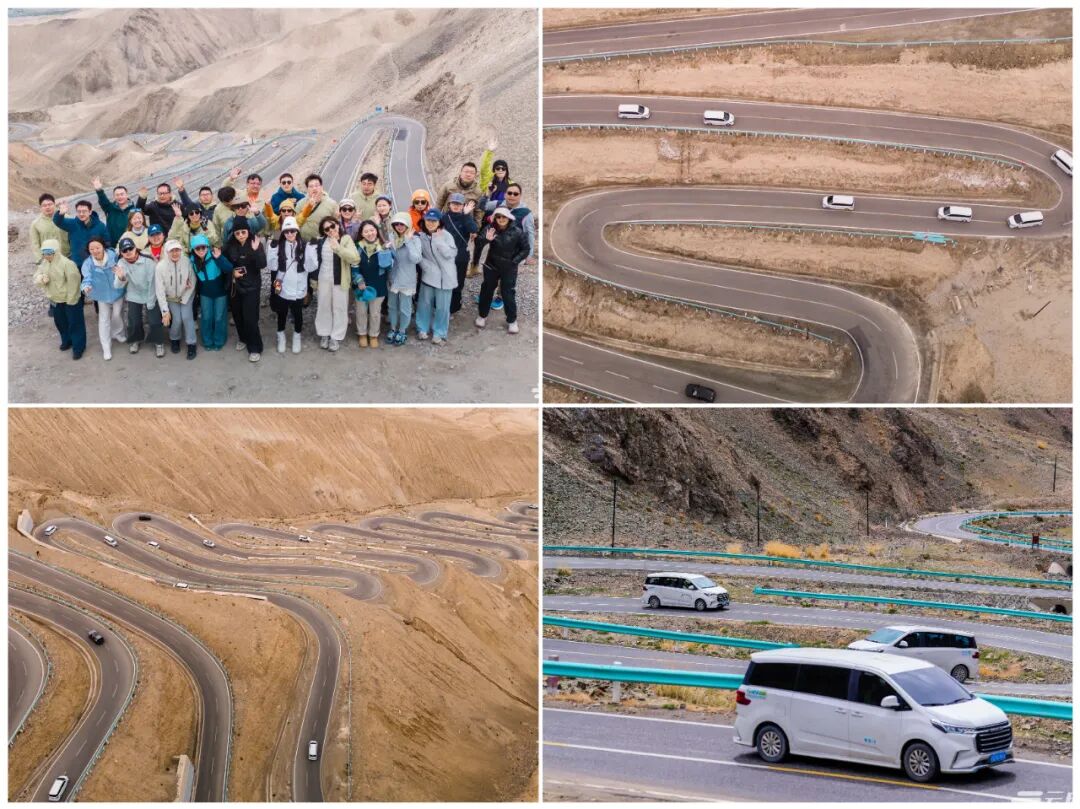
Yet reaching such vastness also requires enduring real trials. Entering road sections above 3,000 meters in altitude, altitude sickness quietly set in. Everyone unconsciously slowed their pace and looked out for one another: someone passed medicine, someone waited for companions behind, someone used jokes to dispel physical discomfort.
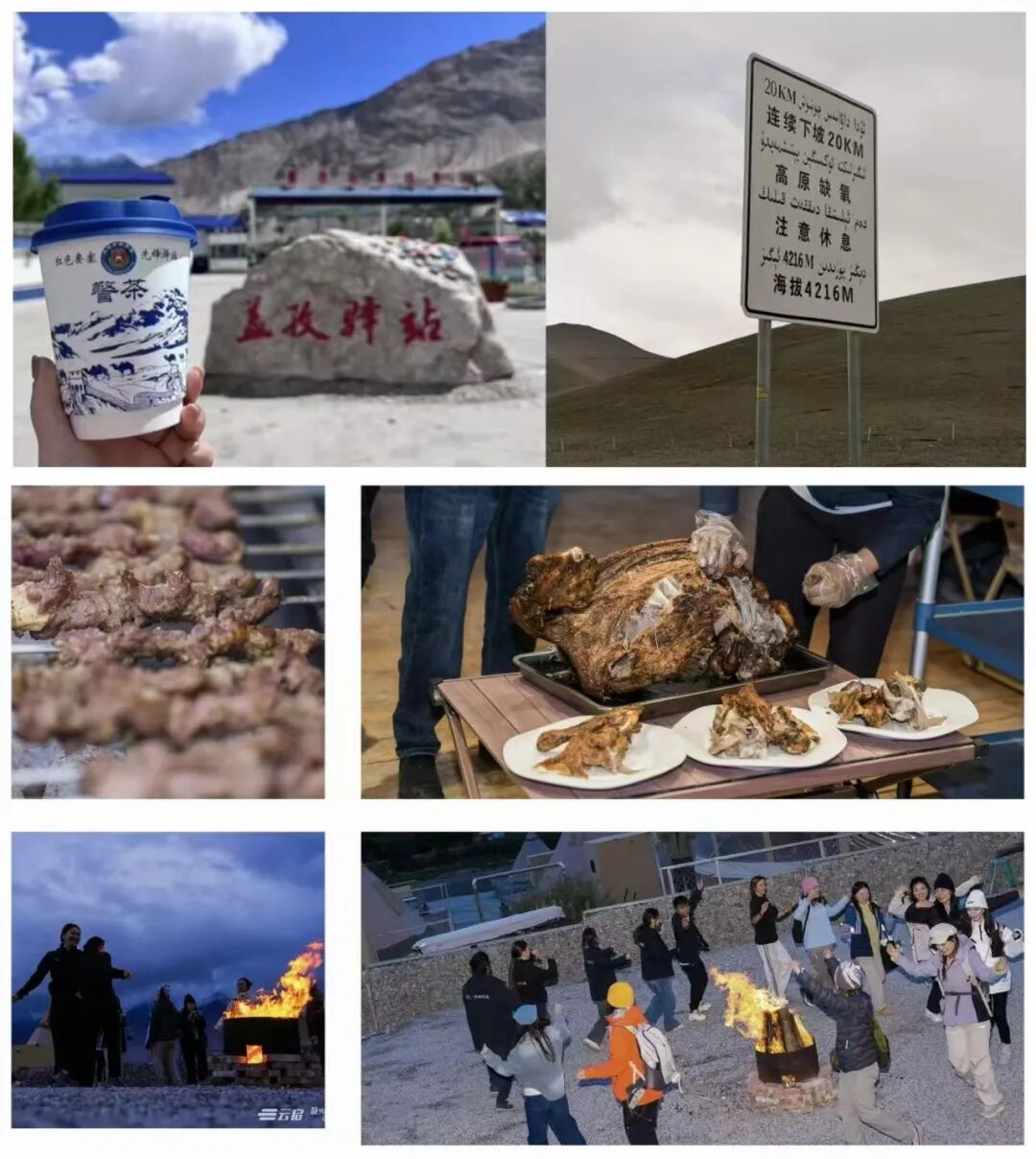
Stopping and starting along the way, we finally drove onto the Panlong Highway with its 608 bends. Exiting the ancient road, a road sign came into view: "Today you have traveled all the winding roads; from now on your life will be smooth and straight" — like a footnote written for this high-altitude journey.
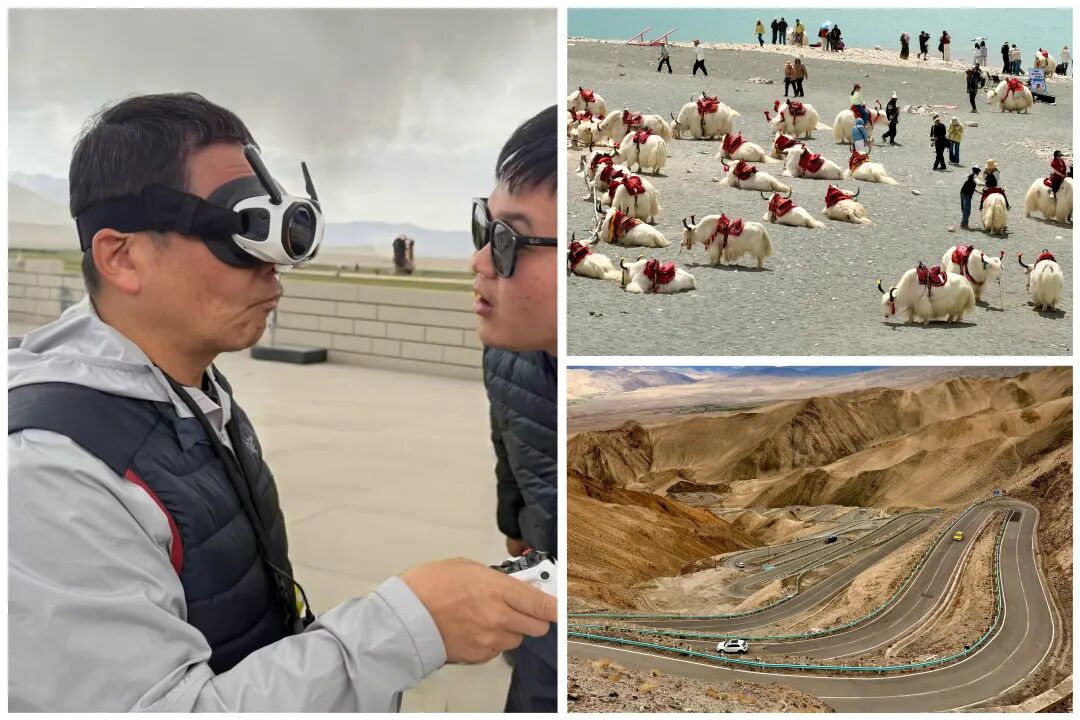
Everyone withstood the test of high altitude. Yubin (Founding Managing Partner of Yunqi Partners), whose energy seemed to grow younger with age, played the role of "vitality担当" — throughout the journey maintaining an enthusiastic interest in snow mountains, lakes, folk customs, and novel sights by the roadside. This willingness to always look once more, to ask one more question, is also the everyday底色 of the Yunqi team.
Tasting the Cuisine Along the Way
Southern Xinjiang on the Tongue
Love of food was the third thread of this journey.
Along the way, everyone looked seriously at history and scenery, and also made one joyful "we have to try this" decision after another. The team's food enthusiasts and big eaters came online one after another, and Chen Yu's (Managing Partner of Yunqi Partners) "food radar" added quite a few surprises to this route.
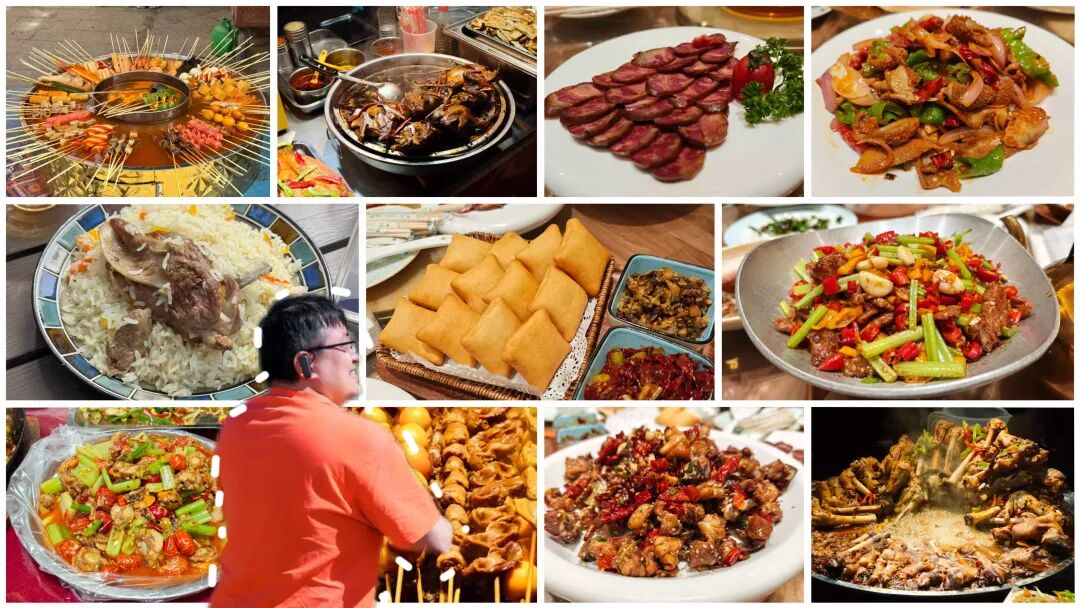
From street-side roasted naan, samsa, and gangzi meat, to cold-water fish and yak hot pot on the plateau, to snacks casually discovered along the journey — many flavors became Yunqi's exclusive memories along with this trip.
Food also made the journey more relaxed. Someone still recovering from altitude sickness would slowly come back to form after a mouthful of hot soup; someone who had only wanted a casual bite would earnestly join the "one more order" contingent. The fatigue of wind exposure, the steps slowed by high altitude, quietly dissolved in a hot meal, a bite of sweet melon, a skewer of roasted meat.
A Journey of Companionship
Walking Side by Side to New Heights
The meaning of the distance lies not only in what you see, but also in who you walk with. The final night of the collective journey fell beneath the starry sky and bonfire of the Pamir Plateau. The aroma of barbecue drifted in the high-altitude night wind, the discomfort of altitude sickness gradually receded, and everyone sat together sharing this last evening of gathering for the outing.
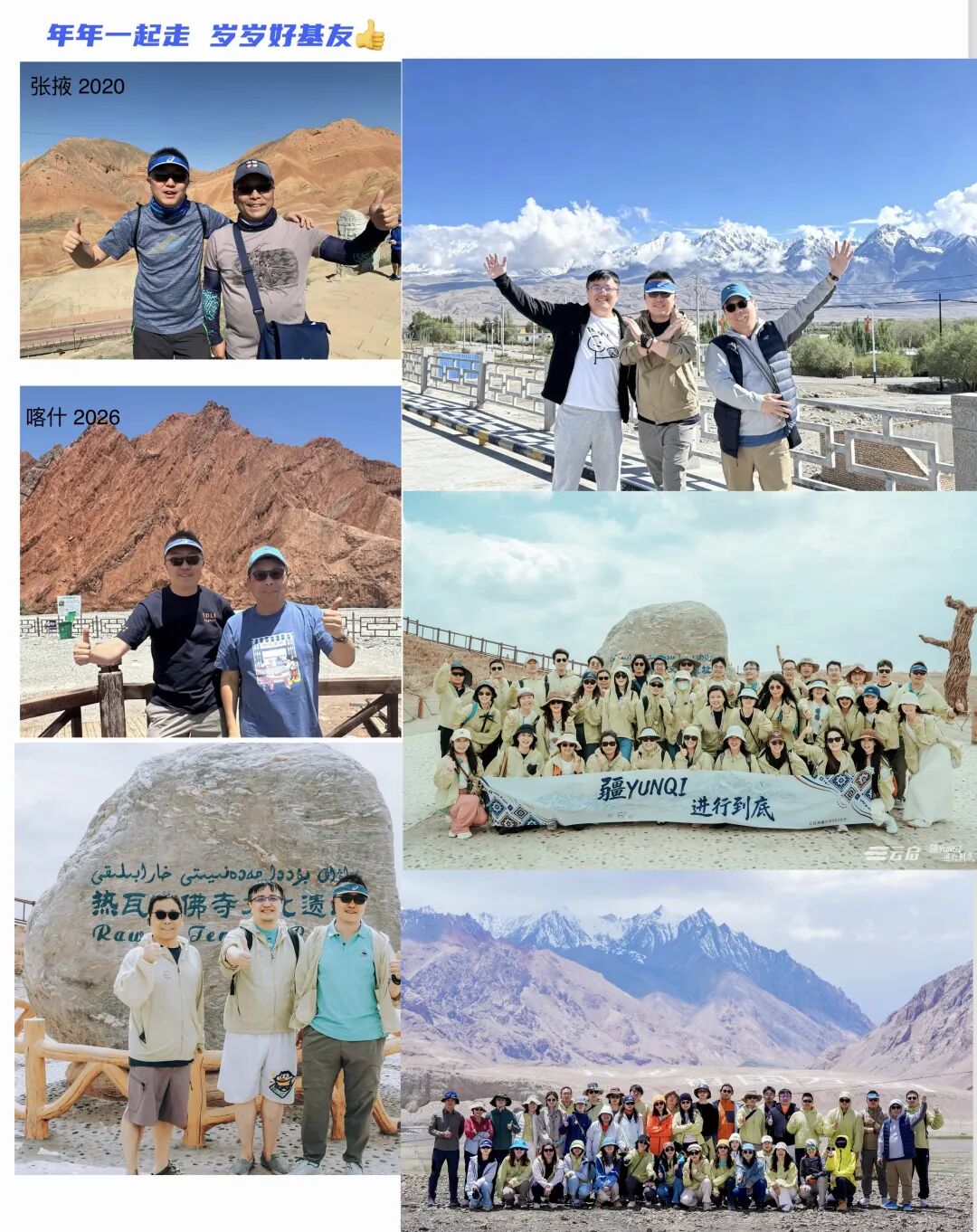
From our start in 2014 to today, walking through our 12th year, companionship has always been an important keyword for Yunqi Partners. From partners walking side by side to the entire team moving forward together, 12 years of road have been walked out step by step.
The 2026 annual outing, from pursuing Silk Road history to exploring the magnificence of the Pamirs, allowed us to see the richer layers of millennia-old civilization, and also to reach a "new height" that Yunqi has collectively attained — at 4,200 meters above sea level. With laughter and joy all along the way, we not only saw history and scenery, but also harvested deeper team bonds through companionship.

Bonus: Taking the "Jiang" Exploration to the End

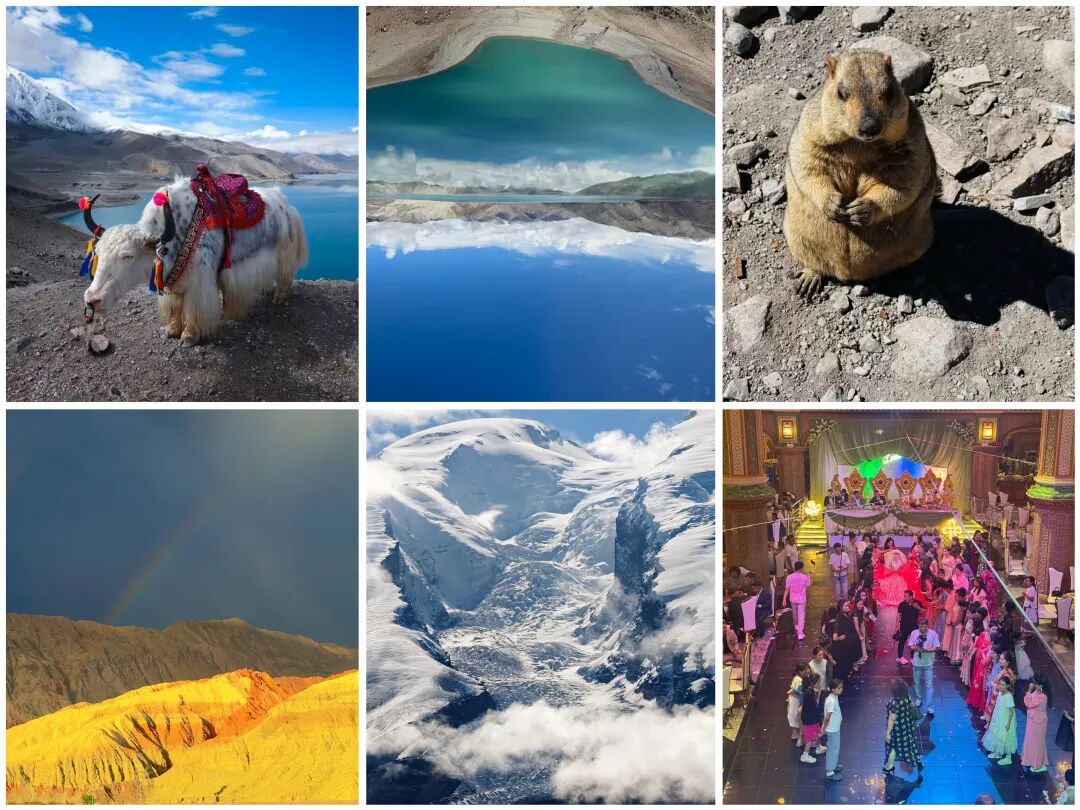
The excitement certainly didn't end with the collective itinerary. Some continued toward Muztagh Ata after the group dispersed in Tashkurgan, stepping onto glaciers to feel the measure of time upon rivers of ice; some returned to Kashgar and happened upon a lively Uyghur wedding, feeling the most vivid everyday life of the ancient city amidst a jubilant crowd.
Moving forward, the Yunqi team still hasn't stopped. Maintaining curiosity about the distance, maintaining interest in the unknown — taking the "Jiang" [Xinjiang] exploration to the end.
The outing concludes, but exploration continues. Carrying what we saw and learned along the way, and those we walked with and endured with, we continue side by side — YQ arriving at higher and farther places.