AI + Manufacturing = ? | Cloud Summit · Changzhou Recap

AI Manufacturing, Charting a Steady Course for New Beginnings
How can rapidly evolving AI technology help industries unlock greater productivity and creativity, and push manufacturing into the "AI-powered intelligent manufacturing" era?
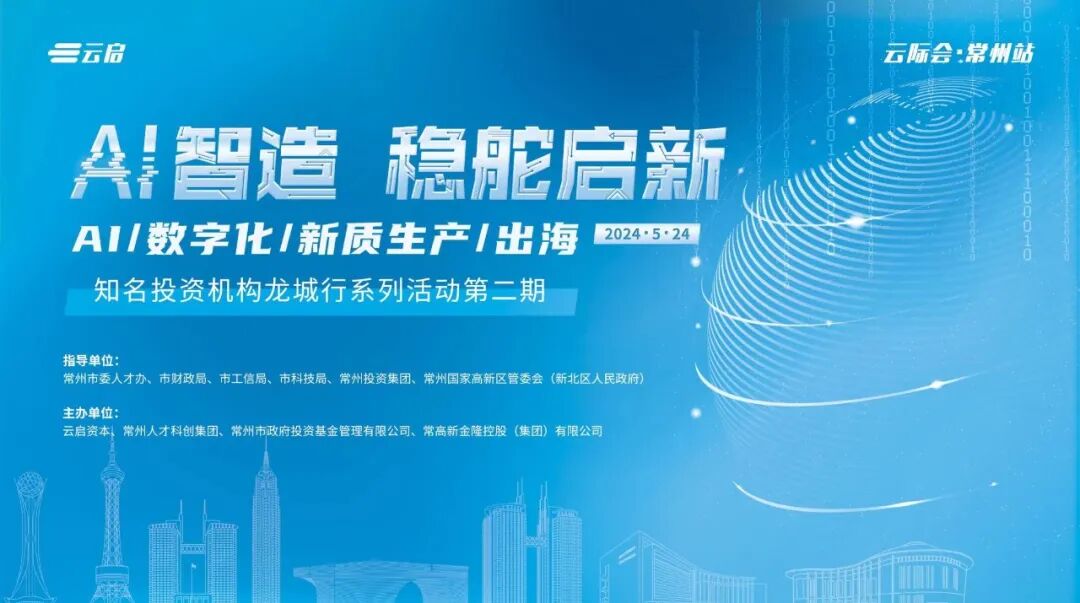
On May 24, the second edition of the "Renowned Investment Institutions Dragon City Tour" and Yunqi Gathering · Changzhou Station concluded, themed "AI-Powered Manufacturing: Steadying the Rudder, Setting Sail Anew." The event was co-hosted by Yunqi Capital, Changzhou Talent and Technology Innovation Group, Changzhou Municipal Government Investment Fund Management Co., Ltd., and Changzhou National Hi-Tech District Jinlong Holding (Group) Co., Ltd., with guidance from the Changzhou Municipal Party Committee Talent Office, Municipal Finance Bureau, Municipal Industry and Information Technology Bureau, Municipal Science and Technology Bureau, Changzhou Investment Group, and Changzhou National Hi-Tech District Management Committee.
Yunqi Capital's investment team, together with partner Shanghai Jiao Tong University Foundation Hanyuan Capital and several early-stage portfolio companies, joined Changzhou relevant government departments, local investment institutions, and local industry players for in-depth exchanges and industry-finance matchmaking around topics including AI, digitalization, new quality productive forces, and going global. This article recaps the event details.
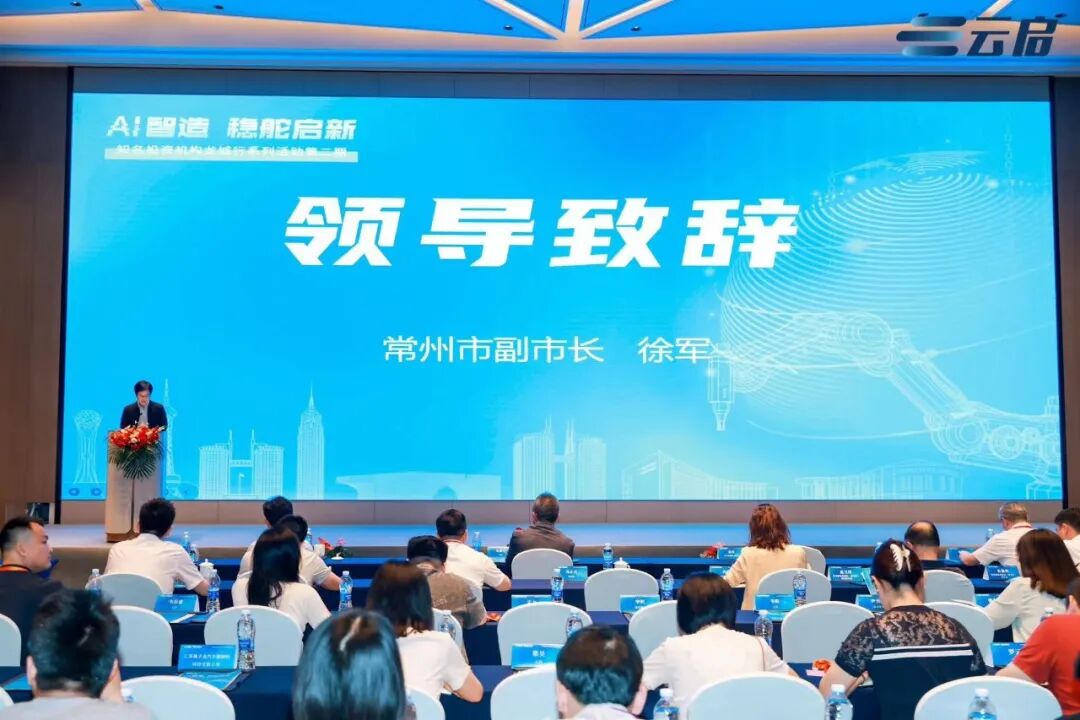
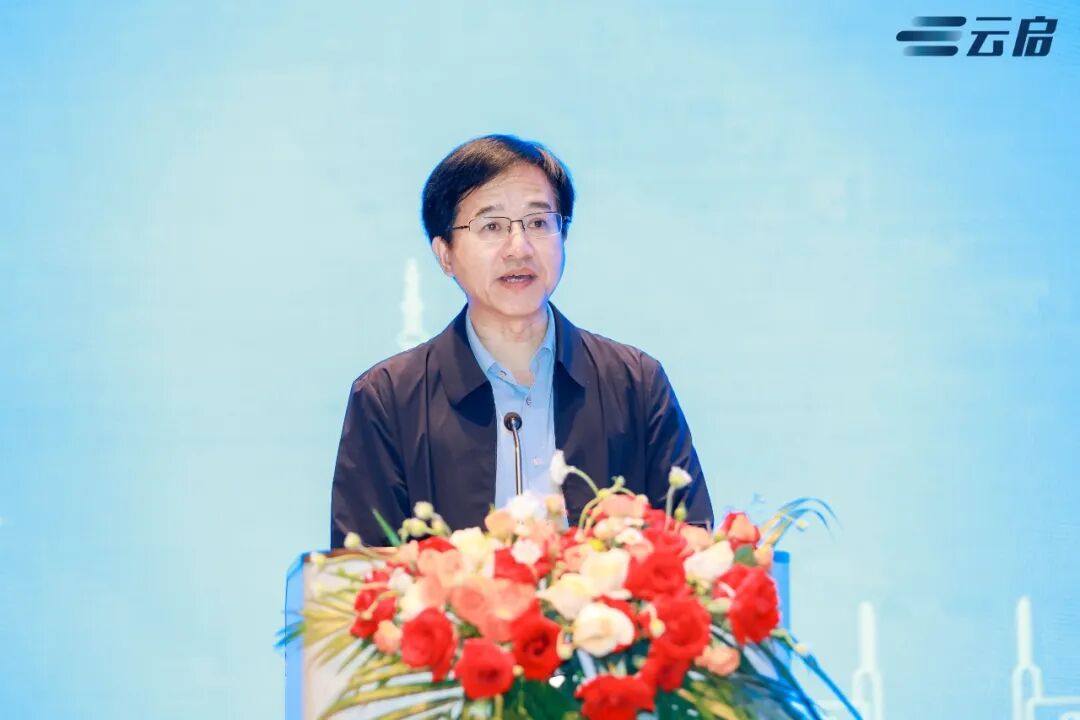
Changzhou is a "new energy capital" and "international intelligent manufacturing city" with solid manufacturing foundations. Xu Jun, Vice Mayor of Changzhou, said in his opening remarks that Changzhou's deep industrial base and favorable business environment have become fertile ground for value investing. While encouraging enterprises to embrace capital, Changzhou is also actively cultivating the equity investment ecosystem, and will introduce more long-term and patient capital going forward to better serve and empower the development of new quality productive forces.
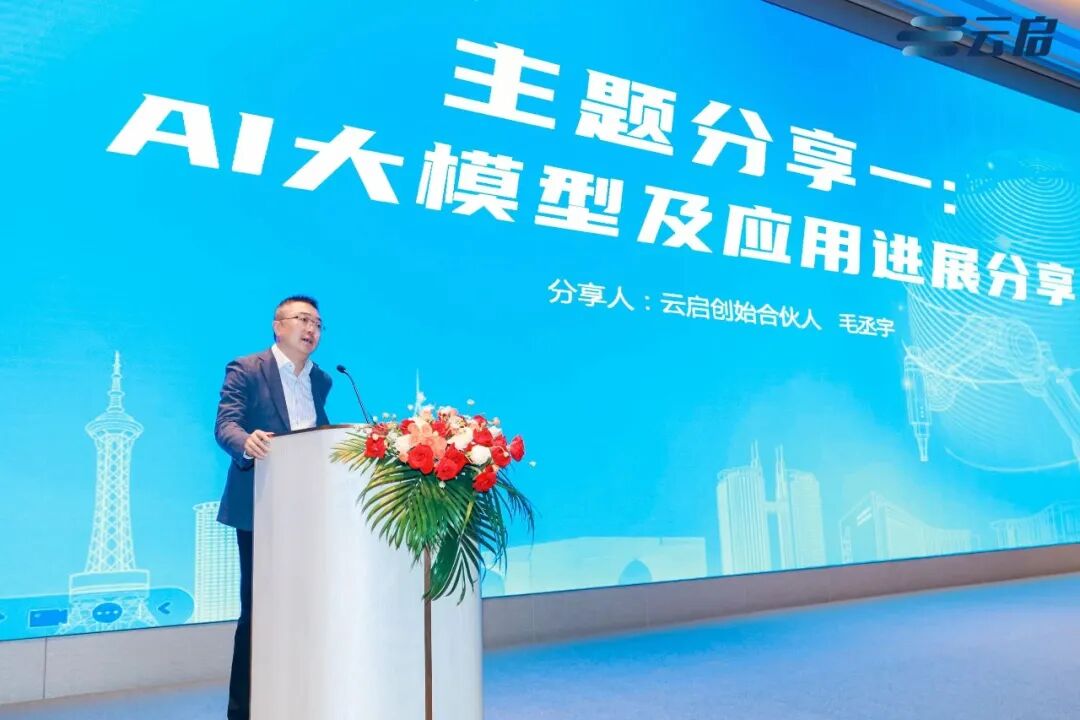
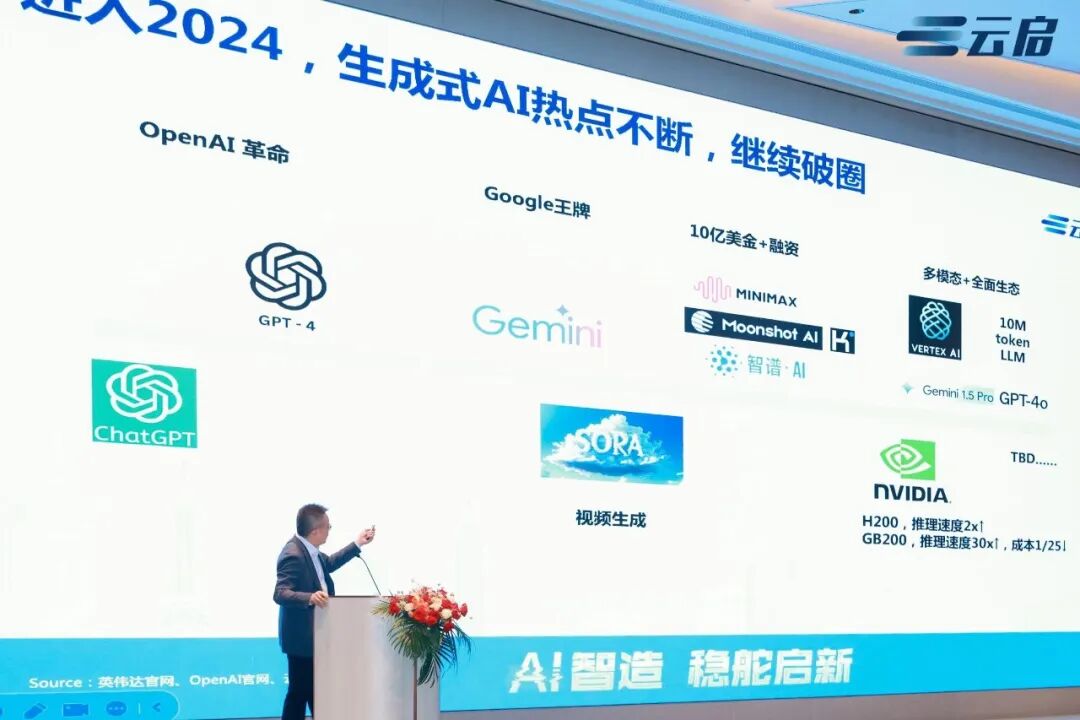
Yunqi Capital founding partner Chengyu Mao delivered a keynote speech titled "Large Models and Application Progress." He noted that Yunqi has focused on empowering industrial upgrading through digitalization and AI since its founding ten years ago. The key breakthrough of this generation of generative AI compared to traditional AI lies in models' increasingly strong learning capabilities, and significant improvements in multimodal fusion and cross-modal understanding. Looking at manufacturing sub-segments, there are numerous opportunities for AI implementation.
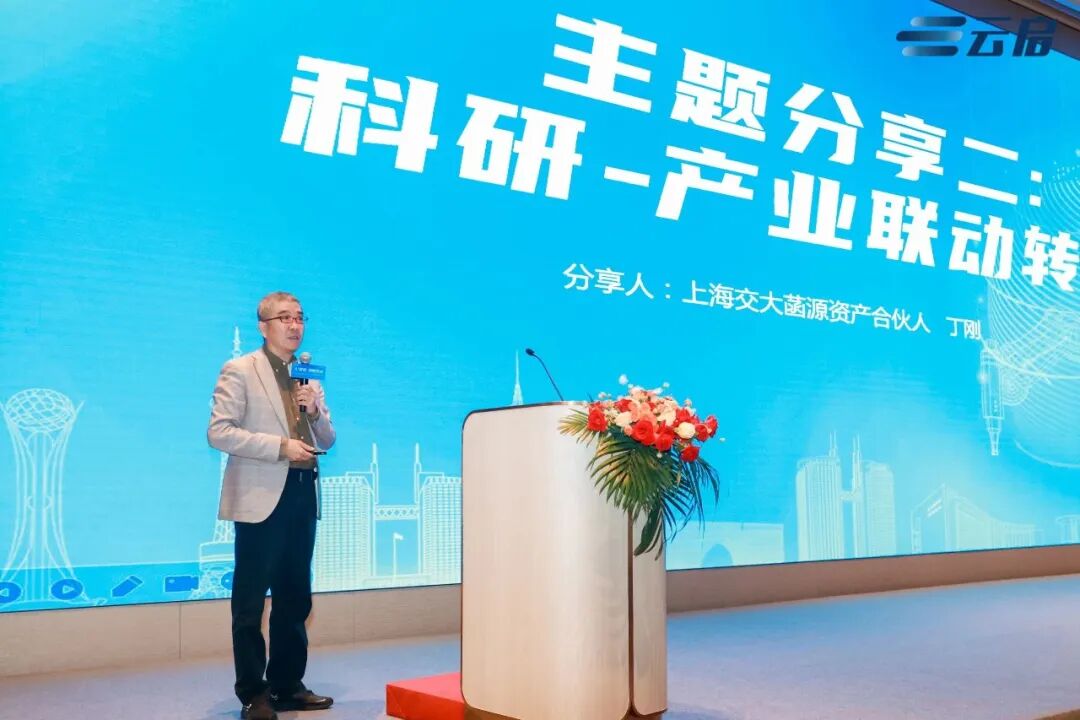
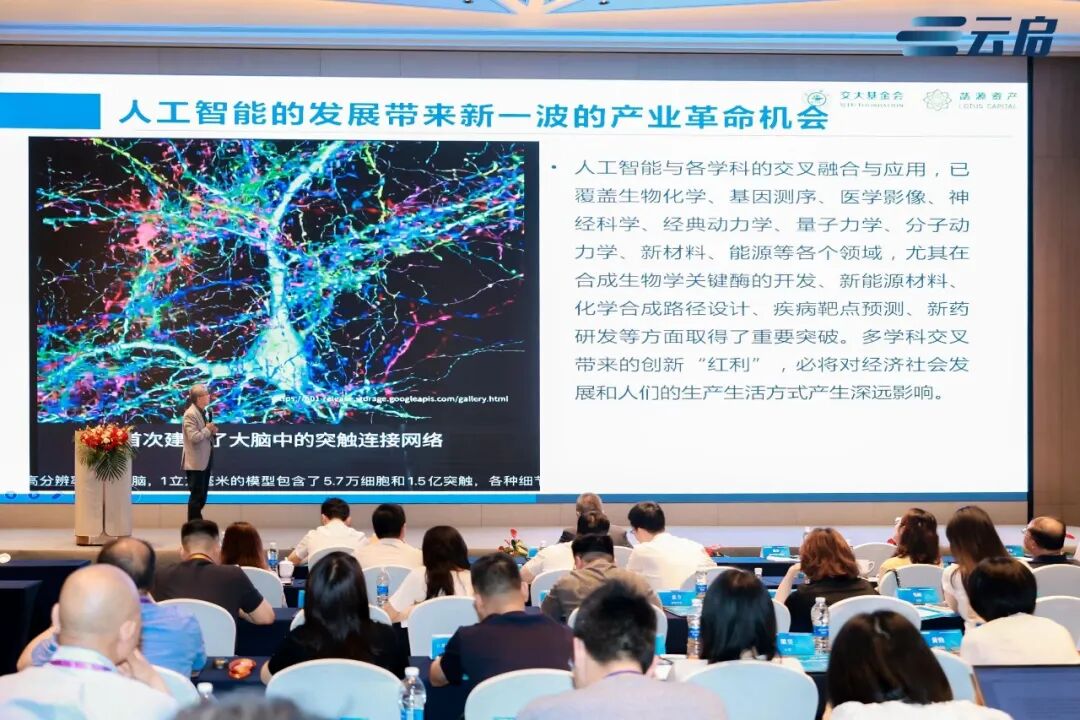
Integrating emerging technologies into industry requires coordinated resources from multiple parties. Ding Gang, partner at Yunqi Capital partner Shanghai Jiao Tong University Hanyuan Capital, introduced the university-industry collaboration model that Shanghai Jiao Tong University has practiced for many years. He stated that the innovation "dividend" brought by the intersection of artificial intelligence and multiple disciplines will profoundly impact economic development and production and lifestyle, and expressed hope to continue building a multi-party win-win ecosystem for technology, entrepreneurship, and capital.
Additionally, around the two topics of AI + manufacturing and enterprise globalization, Yunqi Capital's investment team engaged in panel discussions with Yunqi portfolio companies, partner enterprises, and representative local Changzhou enterprises. How to view this wave of AI enthusiasm? How can AI integrate with manufacturing? What new approaches are there for enterprises going global? Guest speakers brought insightful sharing around these questions during the keynote and panel sessions.
Swipe left or right to view event photos
1
AI 2.0: What Are We Expecting?
Yunqi Capital founding partner Chengyu Mao shared his observations on large models and application progress in his keynote speech:
"Looking at the history of the information revolution, alongside technological advances, a number of great companies were born with the backing of venture capital. When mobile internet technology was grafted onto China's massive market, it gave rise to platform companies worth tens of billions of dollars, such as ByteDance and Pinduoduo. So when generative AI 2.0 is grafted onto China, the world's second-largest economy, there is great anticipation.
The biggest breakthrough of this generative AI wave is that starting from large language models, models' learning capabilities are becoming increasingly strong, and breakthroughs have been achieved in multimodal fusion and cross-modal understanding across text, audio, images, video, and other modalities.
However, the combination of large models and application software requires a middleware tool layer to support data alignment and unification. So for the next two to three years, enterprise-level AI application deployment will likely require a three-layer architecture of 'underlying model — tool layer — product application', and given domestic characteristics, solution or application providers will be needed to address specific requirements such as private deployment, data security, solution + LLM, and policy compliance."
2
AI + Manufacturing: What Can It Change?
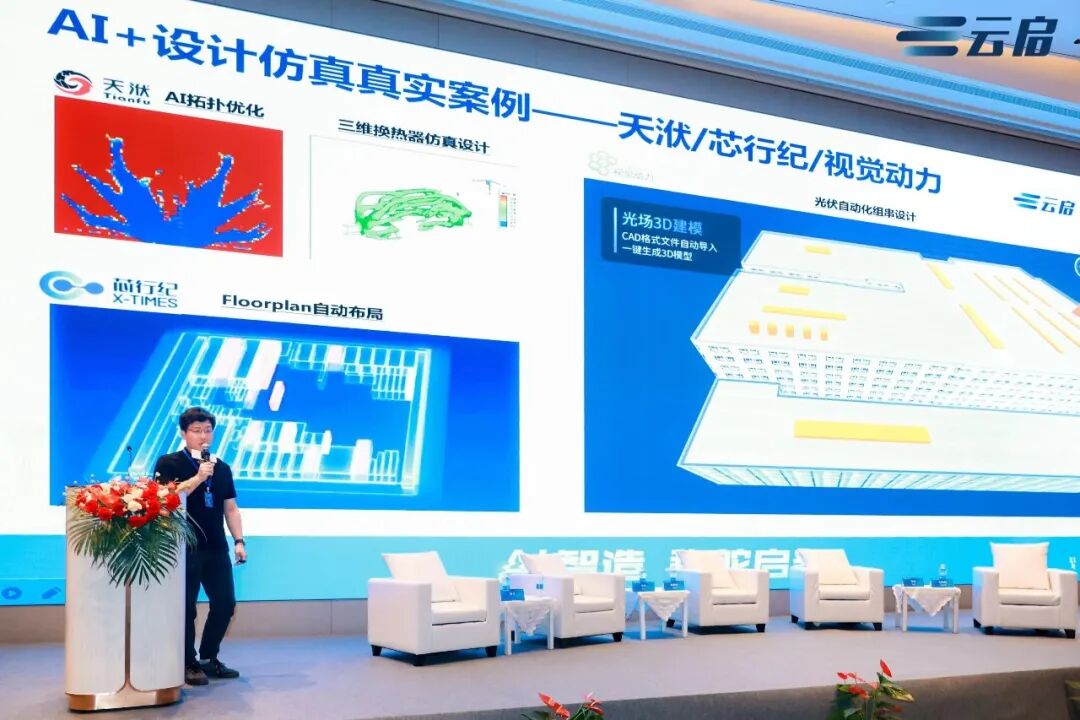
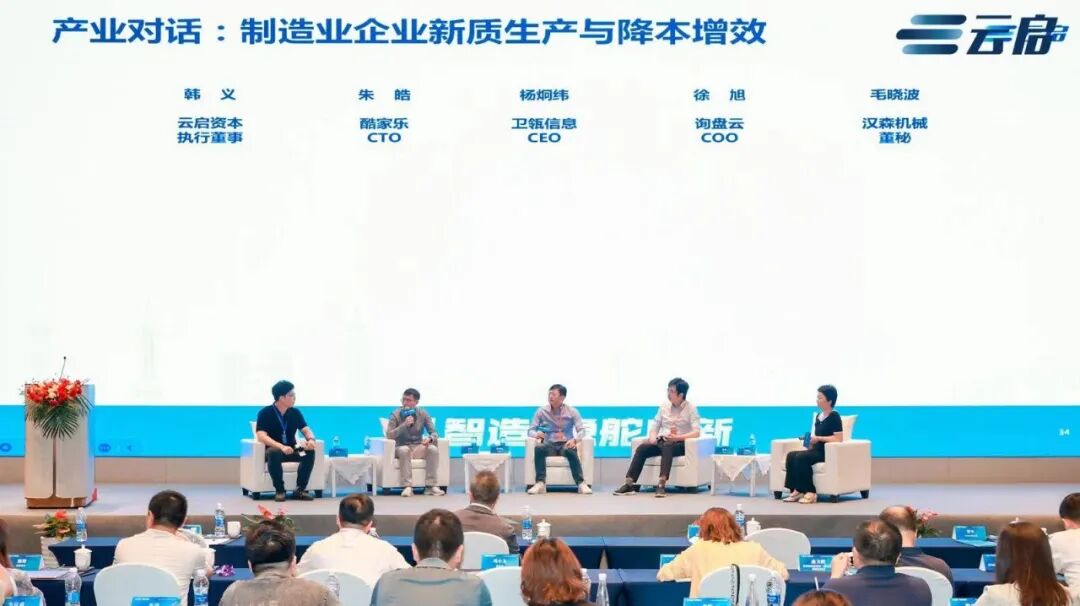
In the panel discussion on "New Quality Productive Forces and Cost Reduction & Efficiency Improvement for Manufacturing Enterprises," Yunqi Capital executive director Yi Han pointed out that manufacturing enterprises have AI integration opportunities across multiple segments including sales and marketing, design and simulation, sourcing and procurement, production processes, inventory and warehousing, and logistics and transportation. In the design and simulation category, for example, Yunqi portfolio companies including Tianfu, Xingji, and Visionary Dynamics have significantly improved efficiency through their respective products.
Yunqi portfolio companies Coohom, WeLink, and Xunpanyun shared how generative AI is helping manufacturing enterprises reduce costs and improve efficiency, drawing on their own products and businesses.
Coohom CTO Zhu Hao believes that compared to traditional AI, generative AI unlocks more algorithmic capabilities, substantially increasing the accuracy and variety of CAD drawing recognition. This creates more possibilities for products and lowers the barrier to software use for customers. "AI-native or cloud-native design tools essentially move factory processes from offline to the cloud. Through a series of extended applications, they make factory data flows smoother and error rates lower, thereby improving efficiency."
WeLink CEO Yang Jiongwei noted that there are many points of integration between AI and manufacturing enterprises' marketing processes. Through product practice, they found that using large models can help B2B enterprises identify and profile target customers, build ice-breaking scripts, and follow up on marketing processes faster and more accurately, giving enterprises better lead acquisition and management methods and effectively improving marketing conversion rates.
"A major pain point for B-end users in the past was that internal experience and knowledge within enterprises was not replicable," said Xunpanyun COO Xu Xu. One major value of AI for manufacturing enterprise operations is that it can digitize the management, sales, or other proprietary experience of enterprise leadership, and replicate this experience across the entire marketing team through knowledge bases and large models.
Local Changzhou manufacturing enterprises also analyzed their needs for "AI-powered intelligent manufacturing." Mao Xiaobo, board secretary of Hansen Machinery, expressed hope that technological advances in artificial intelligence and other fields would help enterprises better "increase revenue and reduce costs," making customer development, management operations, and other segments more efficient.
3
Going Global: What New Approaches Are There?
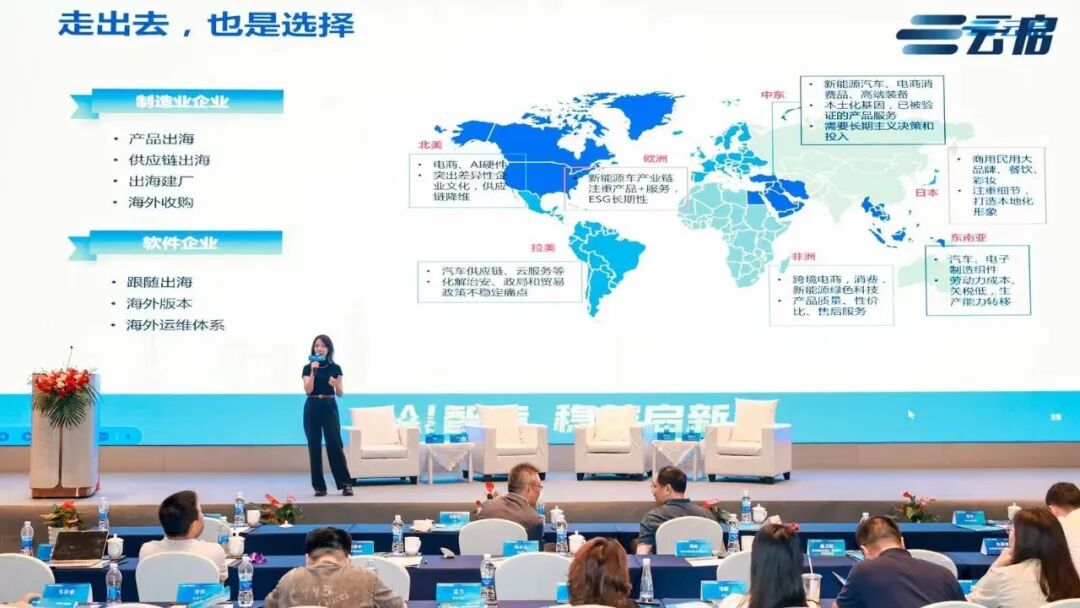
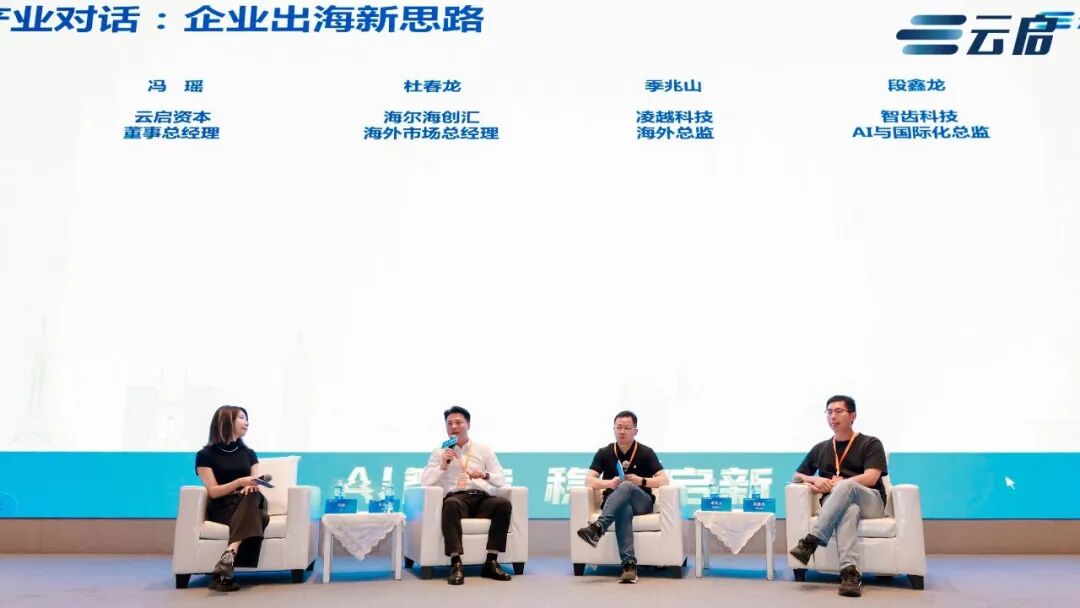
In the panel discussion on "New Approaches for Enterprises Going Global," Yunqi Capital managing director Feng Yao shared observations on the trend of Chinese enterprises expanding overseas. Over the past decade, overseas revenue as a percentage of total revenue for A-share listed companies has risen from 6%+ to 11%+, with the going-global trend deepening further. Among these, electronics, household appliances, automobiles, machinery equipment, basic chemicals, and power equipment have overseas revenue shares exceeding 20%, making them the leading industries in going global. In terms of approach, enterprises often exhibit a "light to heavy" four-step progression: "products — warehousing and distribution supply chain system — production capacity — capital integration."
Amid this outward expansion trend, seeking growth curves overseas has also become an option for some Yunqi portfolio companies. Duan Xinlong, AI and internationalization director at Yunqi portfolio company Sobot, introduced that in recent years, Sobot has used domestic clients' expansion abroad as an opportunity to adapt its products, "going global together with clients." Currently, Sobot provides customer contact center solutions for domestic enterprises, enterprises going global, and overseas local enterprises, and established its international headquarters in Singapore in 2023.
Yunqi Capital partner Haier Haichuanghui and local Changzhou manufacturing enterprise Lingyue Technology also joined discussions on product and service localization, challenges of going global, and other issues. Participating enterprises agreed that although going global requires navigating challenges including the international situation and data compliance, the advantages of Chinese products and services in international markets are beyond doubt, and the growth potential of overseas markets is worth anticipating. Building core differentiated competitiveness in light of the international situation and industry trends is key to seizing opportunities and addressing challenges in going global.
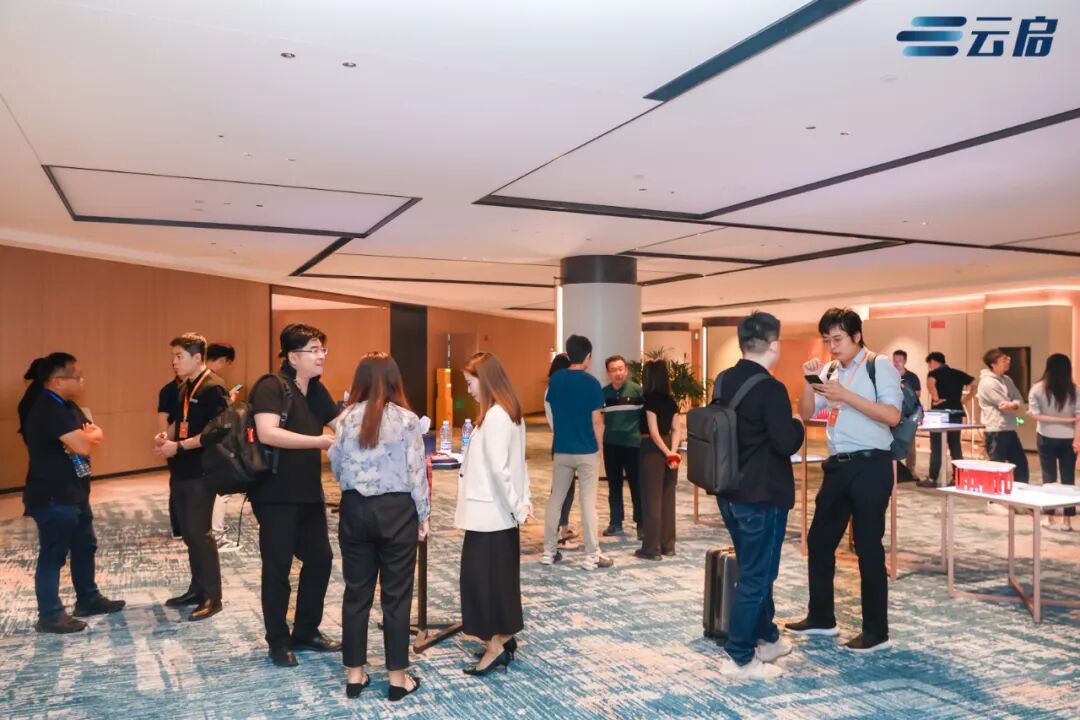
Yunqi Gathering · Changzhou Station industry-finance matchmaking scene
Yunqi Capital is the first professional venture capital institution in China fully focused on technology innovation and industrial empowerment, with innovative and forward-looking deployments in directions including artificial intelligence, new energy, digitalization, and robotics. Going forward, we will further strengthen cooperation with cities and localities that possess advantageous industrial resources, gather multi-party forces to help enterprises improve management and competitiveness, continue to actively build quality service platforms for outstanding entrepreneurs to engage in dialogue, deepen cooperation, and expand channels, support enterprises in continuous technological innovation, and actively co-create industrial ecosystems.