Are Headphones Going "Watch"? Apple's Wearable "Health Philosophy" | Yunqi Capital Tech π

Will Heart-Rate-Monitoring AirPods Pro Replace Watches?

In the early hours of September 10 Beijing time, Apple held its annual fall product launch event, unveiling the iPhone 17 series, Apple Watch, AirPods, and other new products.
Among them, the AirPods Pro 3 was singled out by some commentators as the most "sincere" product of the entire event. Beyond real-time translation, the upgraded health monitoring features were a major highlight. According to Apple's official introduction, the new heart rate sensor allows users to "ditch" their sports watches across 50 different workout scenarios.
Although the rumored body temperature monitoring feature didn't make it into the AirPods Pro 3, one trend is becoming increasingly clear: earbuds are emerging as the next health sensor after smartwatches.
Around this trend, this edition of Yunqi Tech π will analyze the physiological fit, commercial logic, and the "philosophy" behind Apple's health strategy. Let's dive in.
Author | ifanr
Source | ifanr (ID: ifanr)
Original Title | AirPods Pro 3 Can Measure Body Temperature — And That's Especially Important for Women
For reprints, please contact the original source
If you made a list of the most important Apple products after the iPhone, AirPods would easily rank in the top three. These earbuds weighing less than 10 grams have sold hundreds of millions of units worldwide. They didn't just transform how people listen to music — they redefined what "wireless earbuds" even mean.
And following recent leaks that the AirPods Pro 3 would add a heart rate sensor, 9to5Mac reported that Apple also wants to bring body temperature measurement to its earbuds.
In other words, after "wireless" and "quiet," the third keyword Apple is giving AirPods is: health.
It sounds far-fetched at first, but the more you look into it, the more it makes sense.
Why Earbuds?
The secret to making earbuds more than just earbuds lies in two tiny sensors.
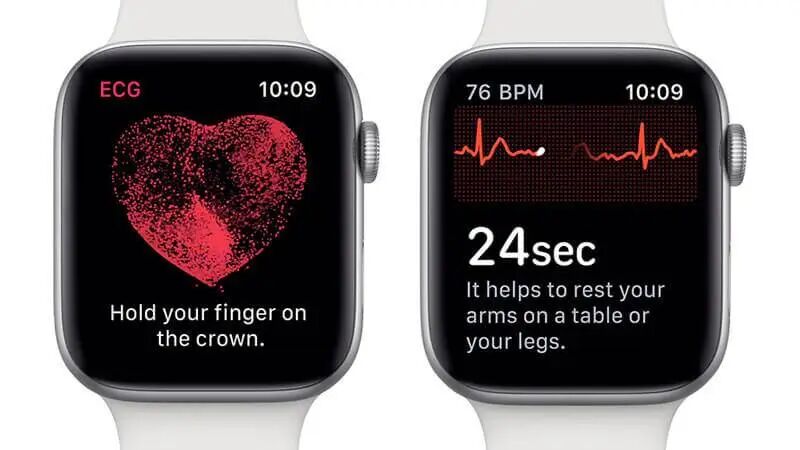
The first is an old friend — the heart rate sensor. With it, Apple Watch has already made the leap from heart rate monitoring to medical-grade ECG.
But putting heart rate detection in earbuds? Apple actually tested this before: with its own PowerBeats Pro 2.
Bringing it to the AirPods Pro, which has a much larger user base, seems like a natural next step.
The other key piece is the temperature sensor.
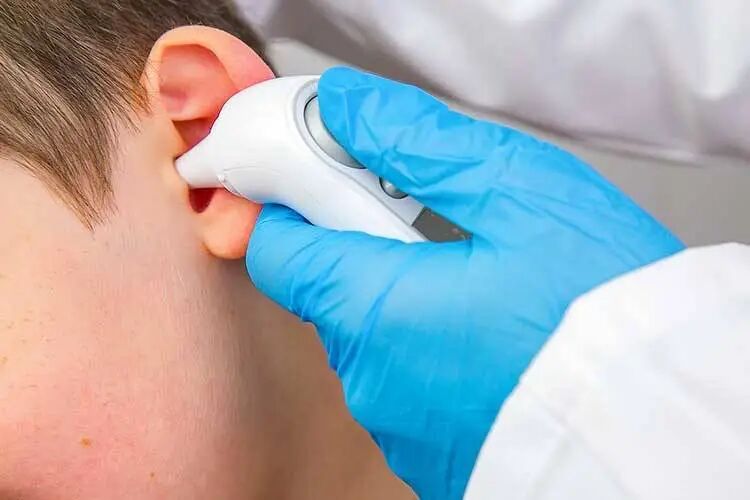
Sticking a thermometer in your ear sounds a bit offbeat, but think about it and it's actually quite reasonable:
Numerous clinical studies have shown that compared to other organs or body parts accessible by smart devices, the ear provides the most stable and accurate temperature readings.
A 2016 paper published in the authoritative journal Medical Devices: Evidence and Research systematically compared multiple common body temperature measurement methods. Researchers conducted their study in an intensive care unit (ICU), an environment with extremely stringent requirements, comparing temperature readings from the mouth, armpit, forehead, and eardrum.
The results clearly indicated that bilateral eardrum temperature measurements significantly outperformed all other sites in precision and accuracy, making it one of the most reliable non-invasive temperature measurement methods.
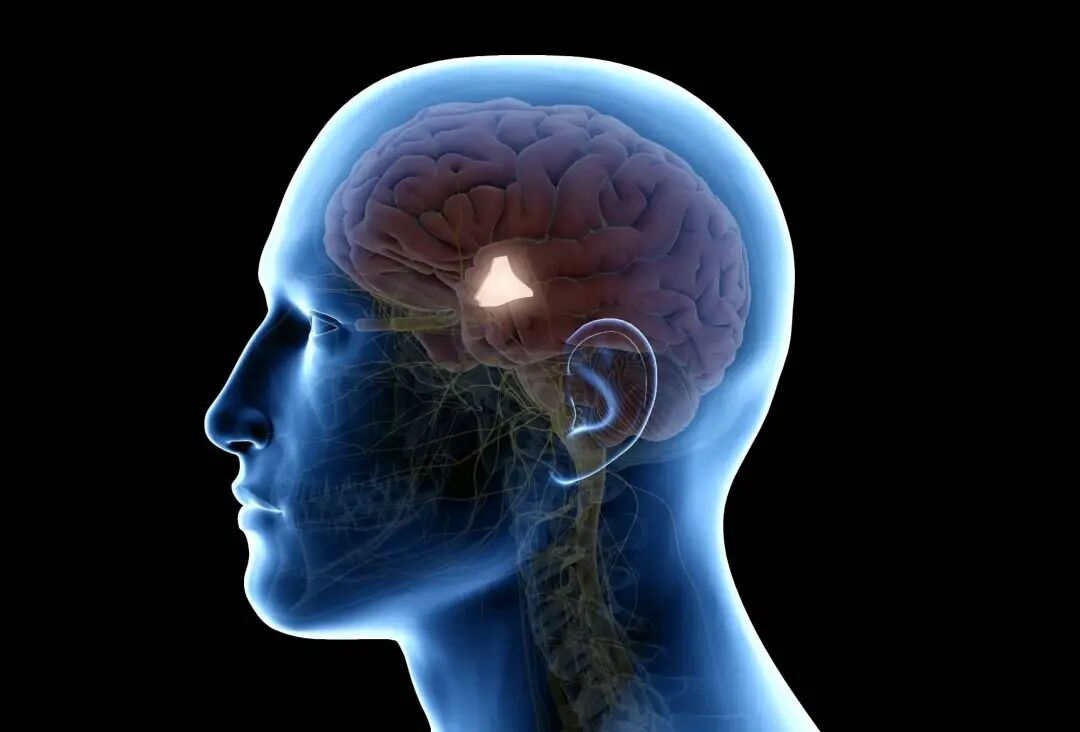
This conclusion stems from a clever aspect of human physiology: the eardrum deep in the ear canal shares the same core blood supply as the hypothalamus — the brain's temperature control center. The blood flowing there knows your body's true temperature best.
You might ask: Apple Watch can already measure temperature, so why cram another sensor into the already tight space of the AirPods Pro?
That's because the wrist is exposed to the outside world all day, making temperature readings highly susceptible to environmental influence — fluctuating hot and cold. The ear canal, by contrast, is more like an "incubator" inside our body. The environment is relatively sealed off, so the temperature measured there is closer to our core body temperature, making the data naturally more stable and accurate.
Now that we've covered the technical angle, let's talk business.
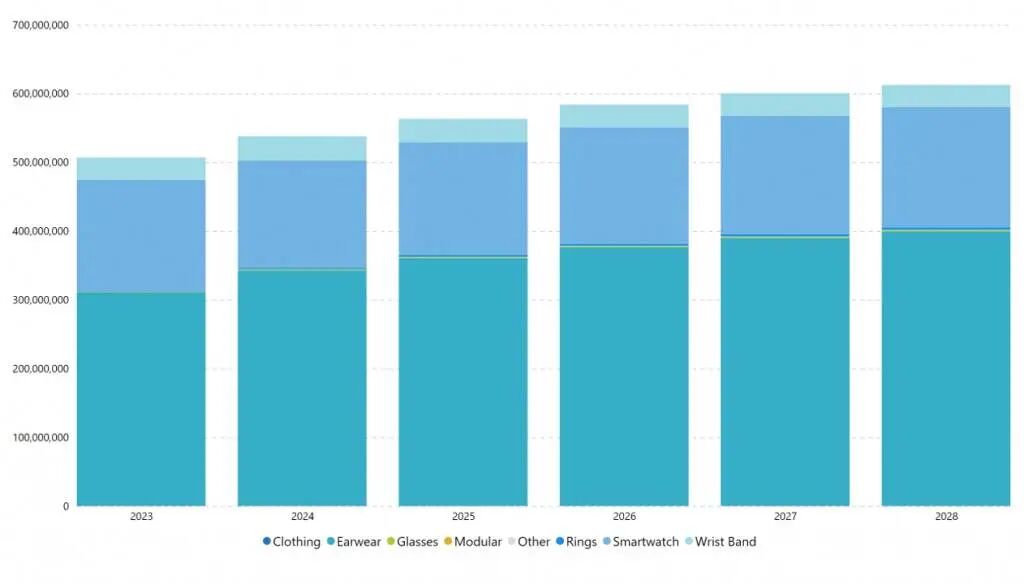
Earbuds are the undisputed king of smart wearables. According to IDC data, their shipments far exceed all other wearable devices combined — more than double that of smartwatches.
This means that once earbuds are given serious health functions, the population they can reach and influence will hit an unprecedented scale.
But the question is: why is Apple so committed to doing this? Is adding temperature measurement just about selling more AirPods?
Health Has Become Apple's DNA
Jeff Williams, Apple's former chief operating officer, once said something that gets to the core of the company's health philosophy:
The heart of healthcare will always be the relationship between doctor and patient, and technology can make health more accessible and facilitate better information exchange between users and their doctors.
"Accessibility" is the key to understanding Apple's health strategy. And the first step toward accessibility is, of course, putting powerful tools and capabilities into everyone's hands.
This isn't empty talk. In 2015, while people were still debating the Apple Watch's design and price, Apple quietly launched a software framework called ResearchKit.

What was the biggest obstacle to medical research in the past? Recruiting the right patients was incredibly difficult, and getting them to make frequent trips to the hospital was even harder.
Apple's thinking went like this: there are over a billion iPhones worldwide, and each one is a collection of sensors — gyroscopes, cameras, microphones. Could they become "mobile outposts" for medical research?
ResearchKit changed the game.
Stanford University doctors used it to develop an app called "MyHeart Counts" to study cardiovascular disease. Patients no longer needed to queue at hospitals — a 6-minute walk around their neighborhood, and the iPhone's motion sensors could complete tests that used to be cumbersome, transmitting heart rate, step count, and other data back to the research team in real time.
The study attracted over 11,000 participants within 24 hours of launch. In traditional research, such efficiency would be unthinkable.

MyHeart Counts
Researchers at the University of North Carolina used ResearchKit to develop the "PPD ACT" app to explore the secrets of postpartum depression. Researchers at Duke University used the iPhone's front-facing camera to develop "Autism & Beyond" for screening children for autism...
If ResearchKit was designed to help "researchers," then CareKit, which Apple launched shortly after, was designed to help "patients." It allowed developers to create apps that help patients better manage their own conditions — tracking medications, monitoring symptoms, and easily sharing this structured data with their doctors.
From ResearchKit to CareKit, Apple's logic was crystal clear: first, use the massive iPhone user base to help the medical community accelerate research. Then, feed those research findings back to ordinary people through apps, making them the first responsible party for their own health.
The impact of this one-two punch has been staggering. After the Apple Watch officially embarked on its health journey, Apple itself launched several unprecedented large-scale health studies:
Apple Heart Study: In collaboration with Stanford University, with over 400,000 participants. This study validated the Apple Watch's ability to detect atrial fibrillation (AFib), directly leading to the launch of the irregular rhythm notification and ECG features — both of which have saved countless lives globally;
Apple Hearing Study: In collaboration with the University of Michigan, analyzing how headphone volume and environmental noise exposure affect our long-term hearing health. The results of this study are what we now see in the "Headphone Safety" notifications on iPhone and the "Noise" app on Apple Watch;
Apple Women's Health Study: This study provided the most solid scientific foundation for the temperature sensor applications now on the AirPods Pro.
Most Worthy of Special Mention: The Women's Health Study
On social media, if you've been paying attention, you'll notice that under Apple Watch-related topics, quite a few users share how impressively accurate its cycle tracking and predictions are.
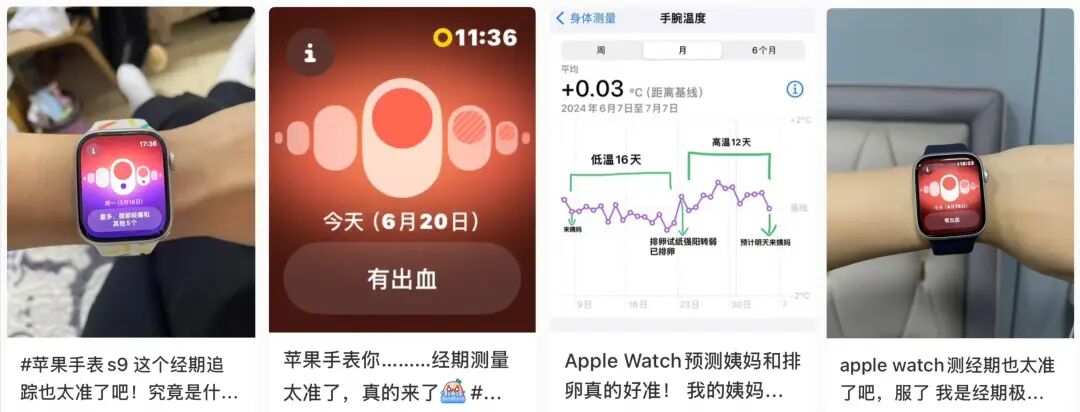
Image from social media Many doctors regard the menstrual cycle as a "vital sign" on par with heart rate and blood pressure.
And research by Apple in collaboration with the Harvard T.H. Chan School of Public Health found that women's basal body temperature and menstrual regularity are inextricably linked.
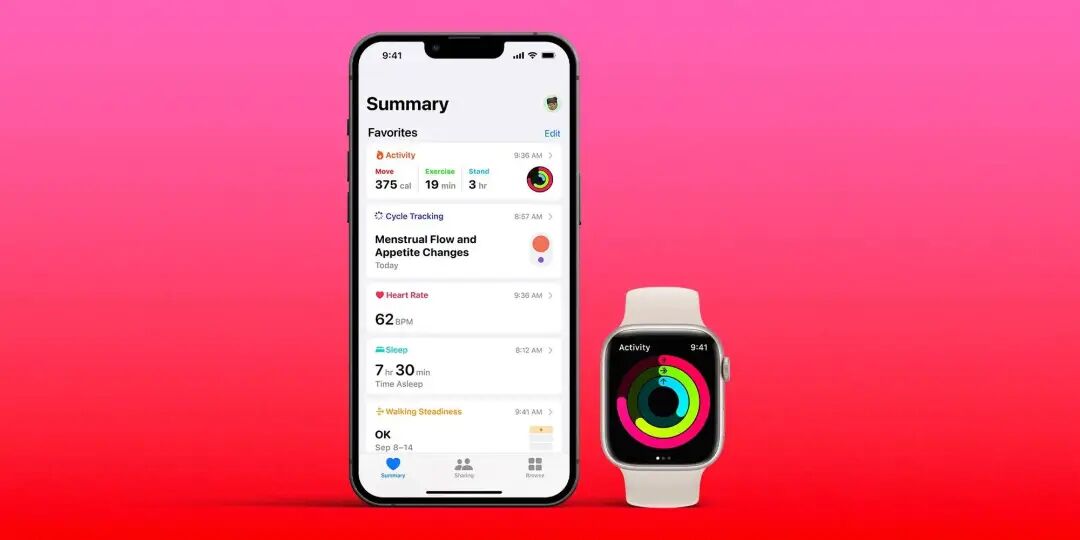
But research in this area has long been insufficient. Apple wanted to change that.
They found that over 12% of female participants had a diagnosis of PCOS (polycystic ovary syndrome), and this group had a 4x higher risk of endometrial hyperplasia and a 2.5x higher risk of uterine cancer compared to the general population;
Another finding: 5.7% of participants took more than five years after menarche to establish regular menstrual cycles. And women with irregular cycles had a two to three times higher risk of developing related diseases compared to those with regular cycles.
Like other health risk reports, behind these dense numbers are real, living people.
If a device worn daily could help people notice cycle irregularities earlier and more conveniently, they could communicate with their doctors more promptly and nip many health risks in the bud.
These examples explain the meaning behind Jeff Williams' words. Whether it's ResearchKit turning the iPhone into a research tool, or the Apple Watch using rigorous algorithms to analyze your running form, the underlying logic is the same:
Use the devices you already have on you, add algorithms, uncover more health-related insights, and ultimately deliver the power of health management into everyone's hands.
Not just "in your hands" — now also "in your ears."
Seen this way, adding a temperature sensor to the AirPods Pro isn't strange at all. Like the Apple Watch, it's another piece of Apple's health puzzle.
Now let's trace the sequence:
The iPhone was originally just a phone, but through ResearchKit it became a powerful tool for advancing medical research. The Apple Watch was originally just an iPhone accessory, but now it's a life-saving health sentinel on your wrist.
Soon, earbuds will also become our companions for observing health — and this is especially important for women. When these puzzle pieces come together, something interesting happens:
In the past, phones and earbuds were tools for exploring the external world. We used them to make calls, go online, listen to music, connect to the vast worlds of video and podcasts — this was an "outward" pursuit;
Now, Apple wants them to become tools for examining our own bodies as well. Through heart rate and body temperature, we can perceive the subtle changes and signals within our bodies — this is an "inward" pursuit.
Having both outward and inward dimensions — this is Apple's product philosophy.