The Expatriation Playbook for Europe and America: How Many Hurdles Must Electrified Products Clear? | Yunqi Attent!on · Overseas Expansion Special Recap

Let's Talk Policy Barriers, Demand Discovery, and Channel Building
Going global has become a must for Chinese electrification companies. From macro challenges shaped by the global political and economic landscape to micro fluctuations in market supply and demand, every factor deeply affects the pace and progress of their overseas expansion.
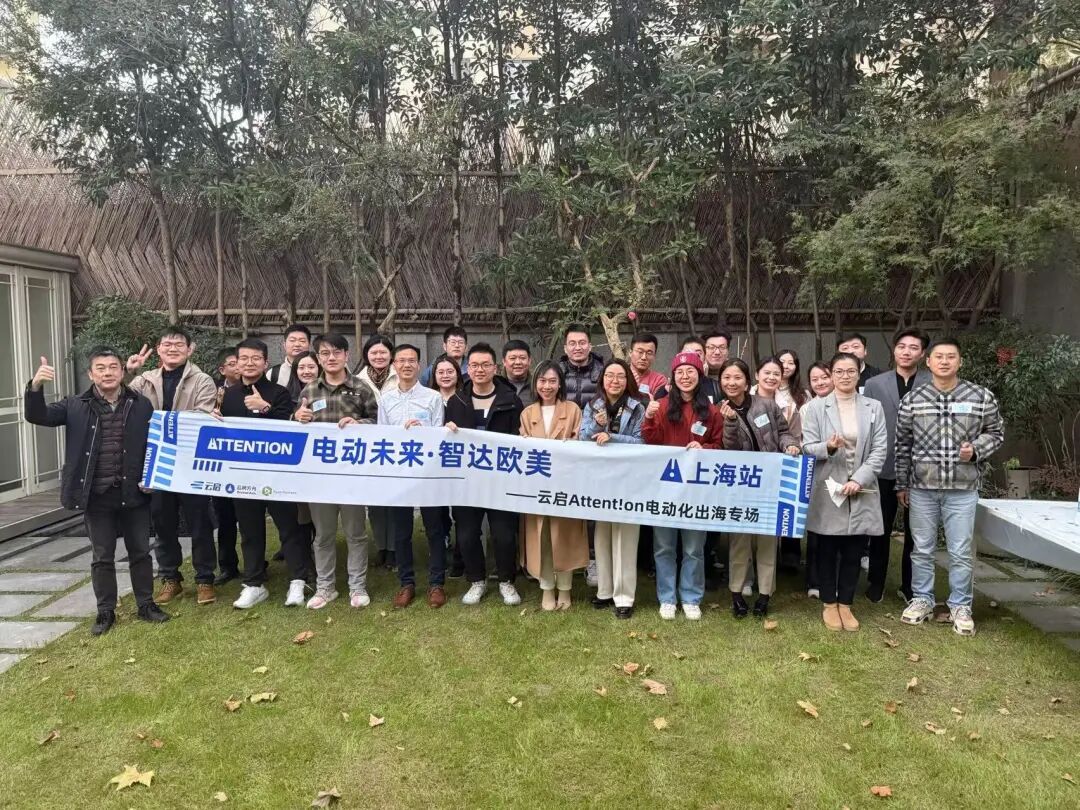
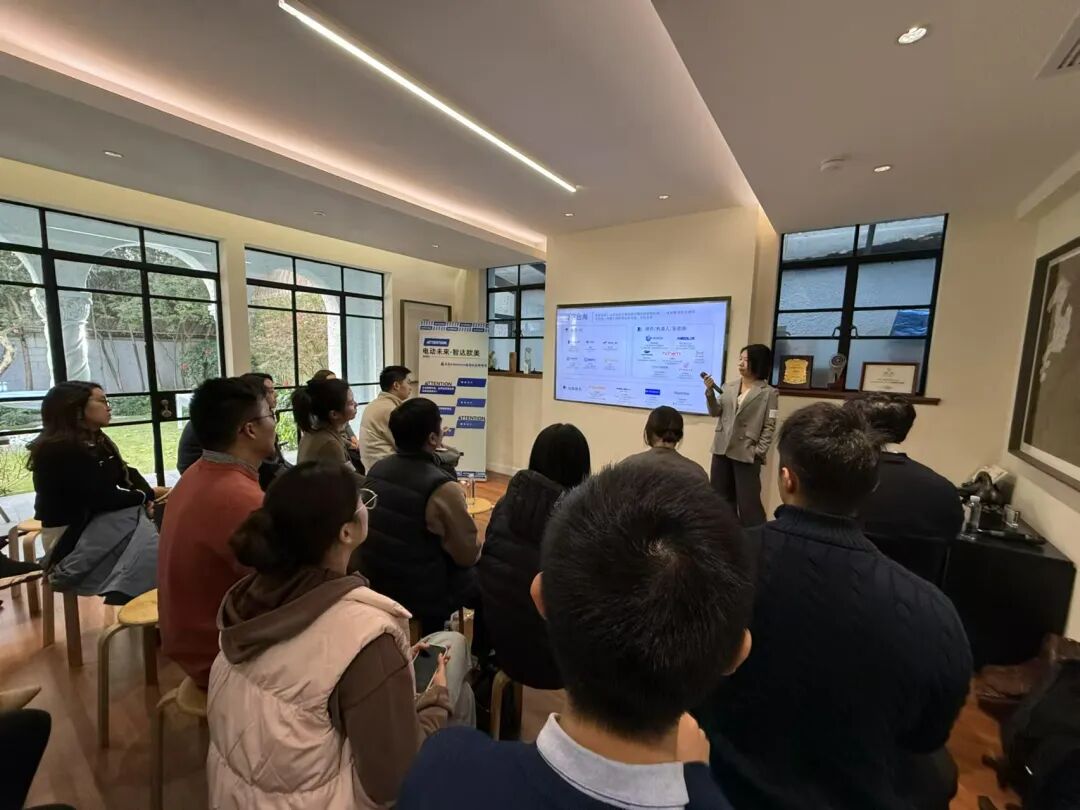
On November 28 (last Thursday), Yunqi Capital's "Attent!on · Offline Salon Series" electrification-focused session was held at Yunqi Courtyard in Shanghai. Together with community partners Brand Ark and Ruize Consulting, we brought together legal experts, seasoned practitioners, and entrepreneurs focused on electric product exports to discuss key issues affecting electrified products going to Europe and America with dozens of industry veterans.
The four-plus hours of closed-door exchange yielded a wealth of practical insights. We've selected some highlights to share in this article. The journey of going global is long, and Yunqi's "Attent!on" offline salons will continue — stay tuned for more.
➤➤➤ As an early-stage tech-focused investment firm celebrating its tenth anniversary, Yunqi Capital has been committed to supporting outstanding Chinese entrepreneurs, witnessing Chinese companies build increasingly profound technological and market influence worldwide.
"We've made extensive investments in export-oriented services spanning maritime logistics, B2B cross-border payments, and cross-border e-commerce ERP," said Yunqi Capital Director Yao Feng during the opening remarks. Past portfolio companies like WorldEx, XTransfer, Jijia ERP, and PayInOne have been standout performers in export services. Meanwhile, Yunqi's investments in AI, robotics, and new energy are also actively expanding overseas — including PingCAP, Kujiale, Keenon Robotics, and Jiguang Cloud Energy.
Today, demand for electrification applications is exploding, accompanied by multiple challenges. "These challenges include macro risks such as uncertainty in U.S.-China trade relations and fluctuations in international policy and legal environments, as well as market strategy challenges like supply chain management, demand discovery, product definition, and sales channel development," noted He Zeqing from Yunqi Capital's investment team.
Three guest speakers with rich industry experience shared their insights on critical topics for going global in Europe and America: cross-border policy, overseas demand discovery and product definition, and methodologies for building offline channels.
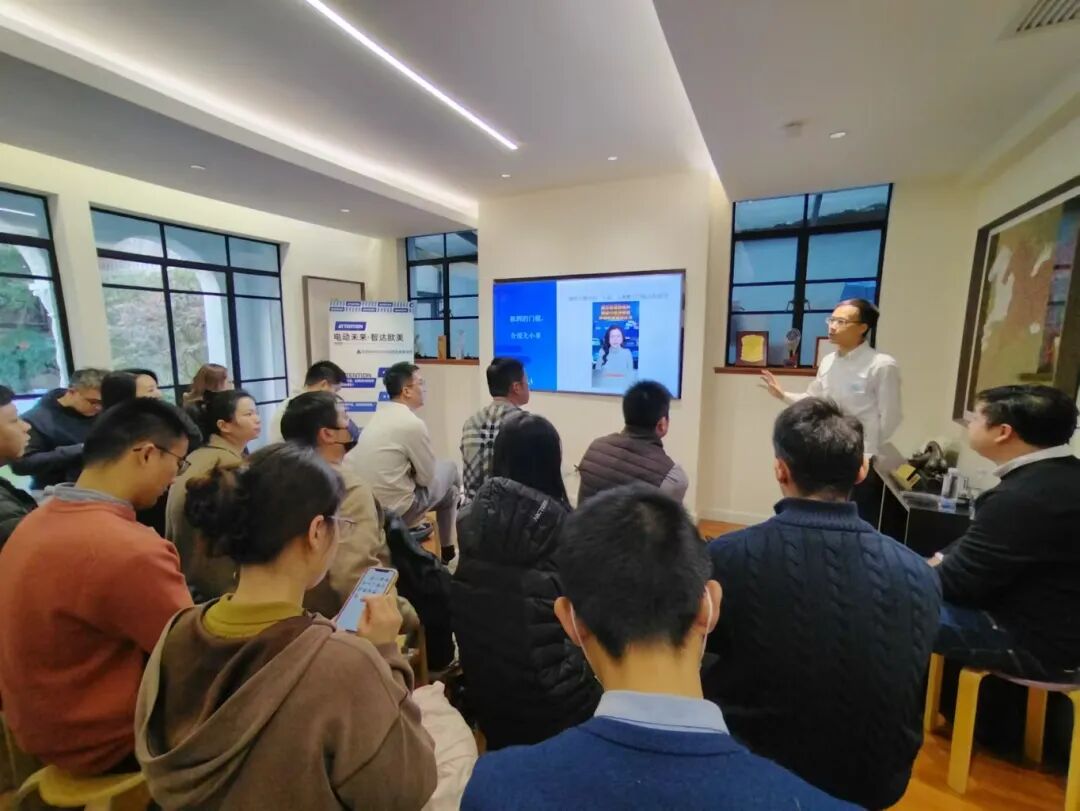
Swipe to see more from the event
01
Legal Compliance: Policy Outlook and Response Strategies for U.S.-China Cross-Border Expansion
Speaker: Dan Zhang, Co-Managing Partner and Chair of the China Practice at U.S.-based GT International Law Firm
Basic Considerations for Chinese Companies Entering the U.S.
The U.S. has historically implemented numerous measures to promote domestic investment, production, and purchasing. These include tax incentives, investment credits, and other fiscal policies; as well as legislation supporting infrastructure investment such as the Infrastructure Investment and Jobs Act of 2021 and the CHIPS and Science Act of 2022. At the same time, the U.S. imposes restrictions on certain outbound investment activities.
When exporting to the U.S., Chinese enterprises face a range of American trade policies including tariffs, trade remedy measures, non-tariff barriers (such as intellectual property protection and labor disputes), policies promoting domestic production and purchasing, export controls, and outbound investment restrictions. These policies aim to protect U.S. economic interests and domestic markets, creating complex challenges for Chinese exporters.
Assessing Policy Trends Affecting the U.S. Market
Tariff adjustments remain one of the largest uncertainties for the industry. Shortly after his election, Trump stated that on his first day in office, he would impose an additional 25% tariff on goods from Mexico and Canada, and an additional 10% tariff on goods from China.
This 10% tariff could potentially be imposed through a declaration of national economic emergency, using presidential authority directly, with congressional review afterward — if Congress does not challenge it, the tariff takes effect. Another possible route would be through Section 301 of the U.S. Trade Act of 1974, which requires the U.S. government to first investigate and verify issues such as trade discrimination before imposing tariffs, providing Chinese companies with a certain buffer period.
In the energy sector, Trump's policies favor traditional energy over new energy; corporate tax rates show a downward trend; he supports artificial intelligence while taking a hardline stance on immigration, and also restricts investment in China.
02
Product Execution: Discovering Overseas Demand and Defining Products in the Broad Electrification Space
Speaker: Ang Xiao, Founder of Squirrel Power, Former Product Line General Manager & First Product Manager at Anker
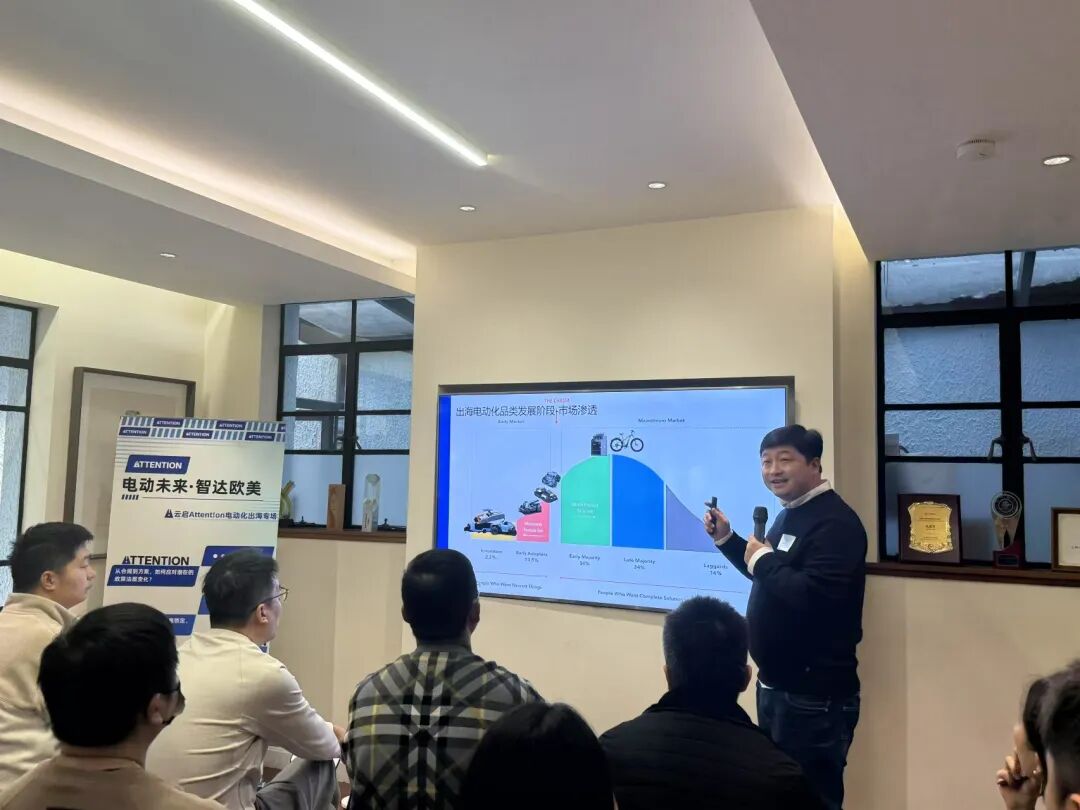
Revisiting Market Dividends Across Different Stages
2010–2014: Channel dividend and distribution dividend period. Demand exceeded supply during this time; product competition wasn't the critical factor — supply capability was. E-commerce distribution companies with the shortest supply chains rose rapidly.
2014–2018: Micro-innovation dividend period. As supply increased, demand and supply reached equilibrium. Consumers gained more choices, and competition intensified. Success hinged on product differentiation. E-commerce-native brands emerged, and supply chains lengthened.
2018–2022: Deep innovation dividend period. Competition intensified further; most categories had been covered by micro-innovations. Deep innovation and generational leaps were needed to break through.
Post-2022: New category era. Supply began exceeding demand; market landscapes in most categories were set, with established giants occupying top positions. Future opportunities lie in capturing core variables: new users and new scenarios driving new categories; breakthroughs in underlying core technology from zero to one.
Typical Electrification Tracks and Market Stages
By usage scenario, three typical tracks for electrification exports can be identified:
- Crafts/Tools — 3D printers, laser engravers, etc.
- Yard & Garden — robotic lawn mowers, pool cleaning robots, snow blowers, etc.
- Outdoor/Mobility — eBikes, eATVs (electric all-terrain vehicles), eBoats (electric boats), eRVs (electric recreational vehicles), etc.
Diffusion of Innovations divides audiences in the innovation adoption process into five categories: innovators, early adopters, early majority, late majority, and laggards.
Currently, in the outdoor/mobility track, eATVs, eBoats, and eRVs primarily attract innovators; in the yard & garden track, robotic lawn mowers, pool cleaning robots, and snow blowers mainly draw early adopters. Both are in the early market stage, where consumers crave the latest technology, and the key product strategy is emphasizing technological advantages and differentiated value.
Product Planning Methodology
- Incremental innovation (micro-innovation): Improvement-driven innovation based on VOC (Voice of Customer), e.g., Anker; extreme cost-performance ratio, e.g., Xiaomi; focused STP (Segmentation, Targeting, Positioning) for niche demographics, e.g., Bear Electric.
- Achieving generational category leaps: Multiplying productivity while slashing costs.
- Defining new categories: The key to breaking thresholds and crossing the chasm lies in truly solving problems or meeting needs, reliable and user-friendly technology, and costs/prices within mass-market acceptance.
- Three market-winning strategies: Same product at lower price; same price with better product; more expensive but with justification. Product is the "1" before all the zeros — once the product has a winning strategy, marketing, channels, branding, and everything else gain clear winning strategies too.
03
Market Channels: Building European Offline Channels from 0 to 1 and 1 to 100
Speaker: Tianyu Chen, Co-founder of Ruize Consulting, Former European Channel and Ecosystem Executive at TP-LINK, Xiaomi, and TikTok
Four Questions to Answer Before Entering Europe
- What is your brand? Clarify your brand positioning, essence, distinctive features, and represented values — the foundation for being recognized and accepted by the European market.
- Why should local partners work with you? Analyze the benefits, advantages, and growth opportunities for European local partners to attract their collaboration.
- Why should consumers buy from you? Consider from the European consumer's perspective whether product functionality, quality, price, and brand image align with their needs to strengthen competitiveness.
- How does your local team build mutual trust? Determine how to build a mutually trusting, efficiently collaborative team in Europe to ensure smooth operations.
First Step into Europe — Team Building
- Leverage agent resources and market experience, using their sales force or referrals to quickly gain traction.
- Bring on people familiar with local market competition dynamics and sales strategies to address competitive challenges.
- Rely on external professional consultants' expertise and industry experience for professional guidance, helping avoid risks and seize opportunities.
- Draw on sales backgrounds from similar industries for quick adaptation and product sales acceleration.
- Utilize funded heads for advantages in capital and resource operations to support team development.
- Support staff who ensure smooth team operations and assist across all functions.
European Offline Channel Building Tactics
- Channel analysis: ABC-tier classification for detailed analysis and grading of European offline channels, understanding each channel's importance, potential, and fit to inform subsequent work.
- Channel negotiation: Start easy, then hard — begin negotiations with channels more likely to cooperate, building experience and confidence to tackle more difficult channels later.
- Channel competition: Latecomer advantage — when facing channel competition, use the latecomer advantage to observe competitors' strategies and market reactions, then formulate targeted competitive strategies.
- Channel strengthening: Store visits and review — conduct regular store visits, identify issues, summarize experiences, and review to strengthen channel management and improve operational efficiency.
Following the three speakers' presentations, attendees connected over "Yunqi BBQ," sparking new ideas and possibilities.

Due to limited venue capacity, many friends focused on going global regrettably couldn't join this gathering. Yunqi's "Attent!on" offline salon series will continue covering hot topics in tech and venture capital — more events are on the way, stay tuned :)