Shanghai Jiao Tong University & New Energy | Yunqi Capital BBQ Vol.42

Innovation and Challenges in the New Energy Sector

On the pitches of the Qatar World Cup, Chinese manufacturing is lighting up the green fields. The Al Kharsaah solar power plant, built by a Chinese enterprise, provided robust green energy for the sporting spectacle, helping Qatar deliver on its promise of a "carbon-neutral World Cup." During the 14th Five-Year Plan period, China's renewable energy will further lead the mainstream direction of the energy production and consumption revolution, playing a dominant role in the green and low-carbon transformation of energy. As one form of green energy, photovoltaics represents a critical link in China's journey toward carbon neutrality and carbon peaking, and in the broader transformation of its energy structure.
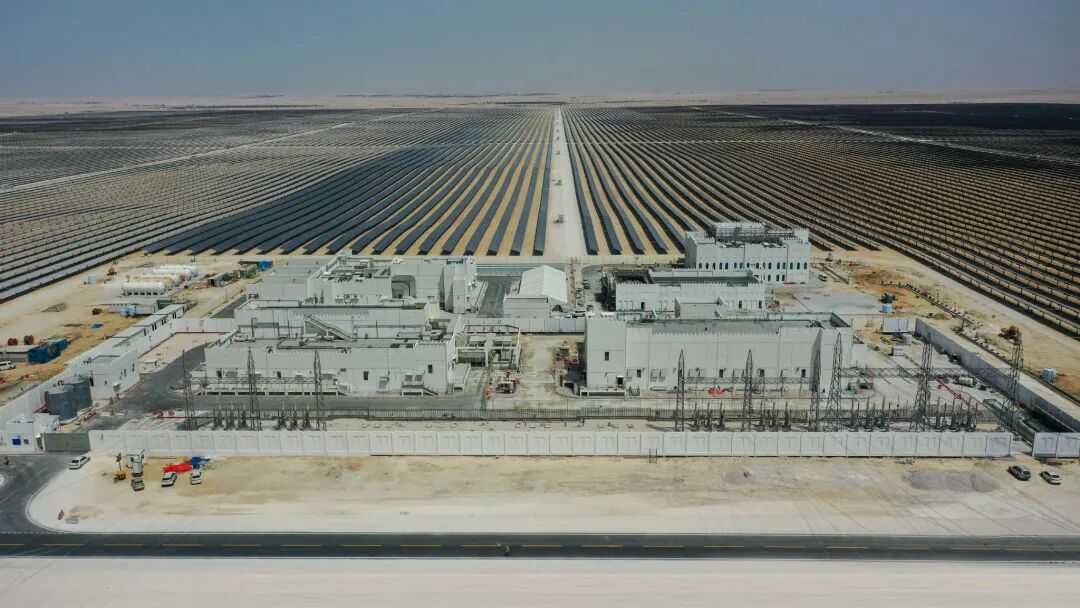
Al Kharsaah 800MW Solar Power Plant, Qatar
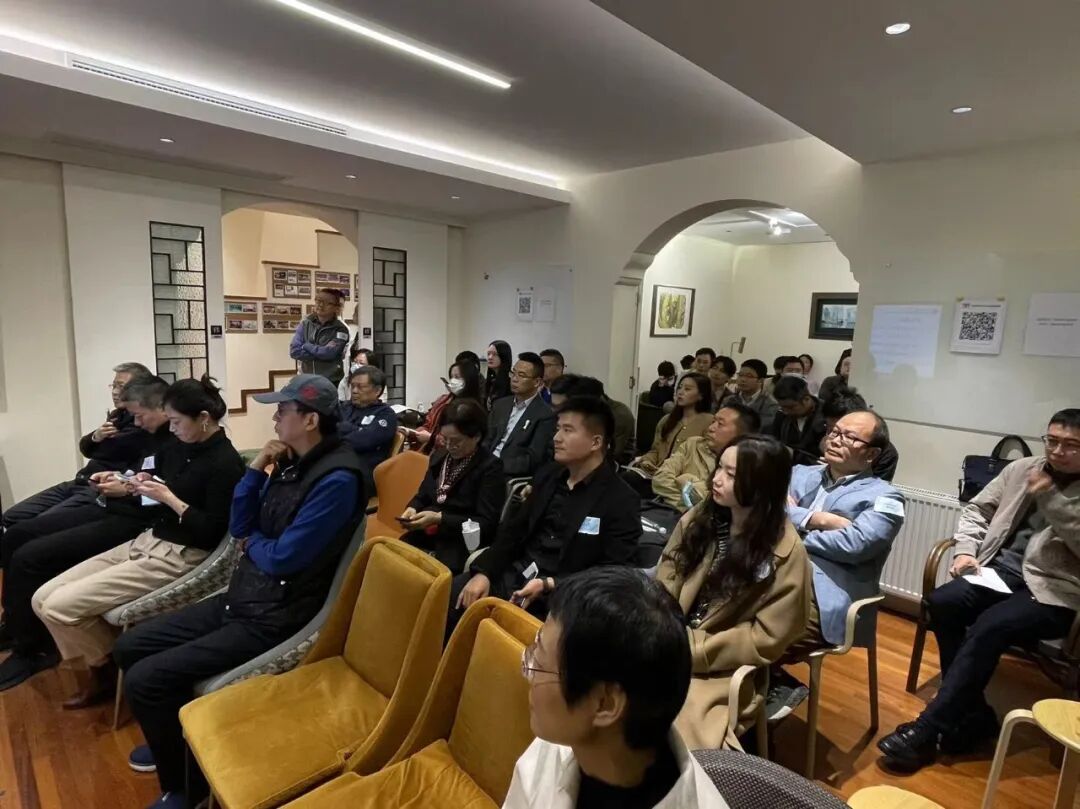
Focusing on technology trends and industry prospects in the new energy sector, Hanyuan Capital (Shanghai Jiao Tong University Endowment Fund), Guofang Capital, and Yunqi Capital recently co-hosted an in-depth exchange event at Yunqi Garden on Anfu Road. They invited SJTU professors Wenzhong Shen and Zhijian Jin, along with over 50 SJTU alumni from companies including LONGi, Shanghai Electric, SAIC, Svolt, NIO, Shanghai Superconductor, Optai, Shanghai Science and Technology Innovation, and Haitong Securities, to discuss the present and future of the new energy track.
This technical exchange BBQ was packed with insights. We've excerpted and organized some of the key perspectives below — we hope you find them enlightening. Enjoy~
Opening Remarks
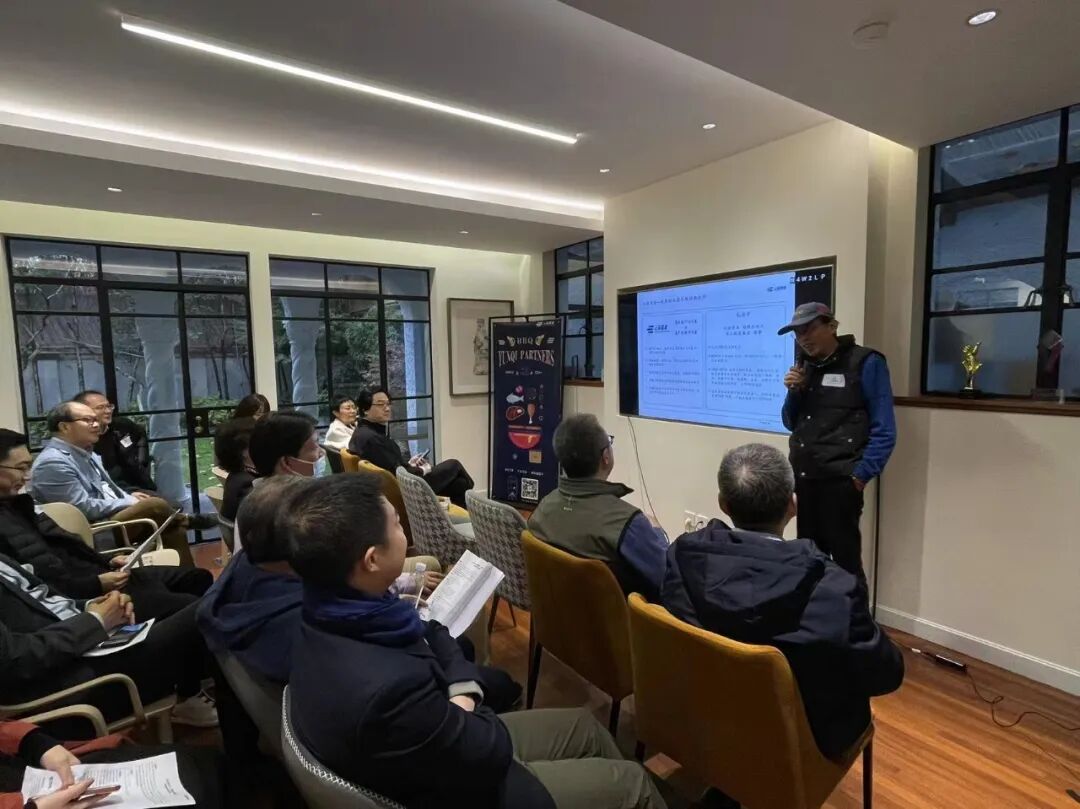
Zhenyu Yang (SJTU Class of '89)
Founding Partner, Hanyuan Capital; Council Member, Shanghai Jiao Tong University Education Development Foundation
In the new energy industry, many SJTU faculty, students, and alumni have become leading figures. Going forward, we hope more entrepreneurs can "break out" in the new energy track, better realize technology commercialization, contribute to this era in their own way, and bring honor to our alma mater.
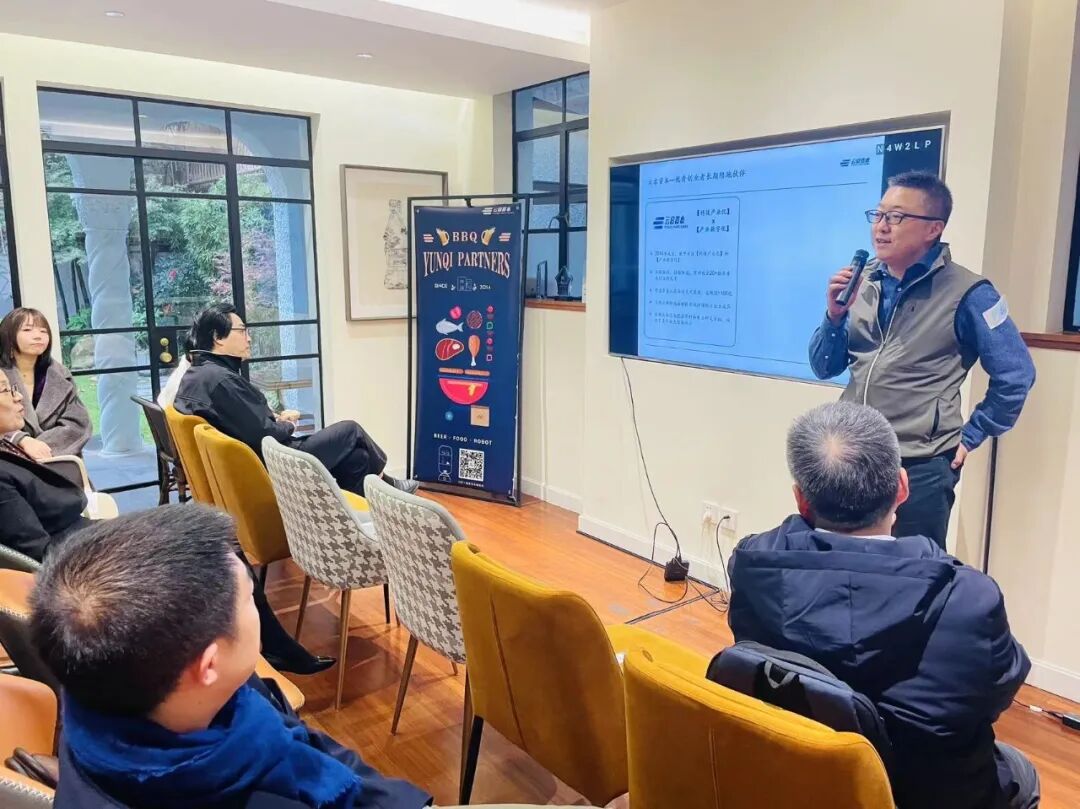
Michael Mao (SJTU Class of '93)
Founding Partner, Yunqi Capital; Council Member, Shanghai Jiao Tong University Education Development Foundation
Yunqi was founded in 2014 and is one of China's earliest specialized venture capital firms focused on industrial digitalization and technology innovation.
I still remember my first day at IDG Capital in 1999 — I went straight to a company on Nandan Road near SJTU for due diligence. That company was also founded by an SJTU alumnus: Trip.com.
In recent years, technology entrepreneurs have increasingly become the mainstream, and SJTU alumni have produced a wave of technically-minded companies like CATL, Mindray, and United Imaging. And in the past couple of years, researchers like Professor Zhijian Jin and Professor Wenzhong Shen here today have also gotten involved in entrepreneurship. Yunqi hopes to serve as a bridge, facilitating more exchange between industry and technical talent.
"When you drink water, remember the source" is SJTU's motto. We hope the university's and alumni's resources can be better integrated, that everyone can build better businesses, forming a positive cycle that gives back to our alma mater. Yunqi also hopes to generate more collaboration with Hanyuan and other alumni and alumni enterprises.
What Does Carbon Neutrality Mean?
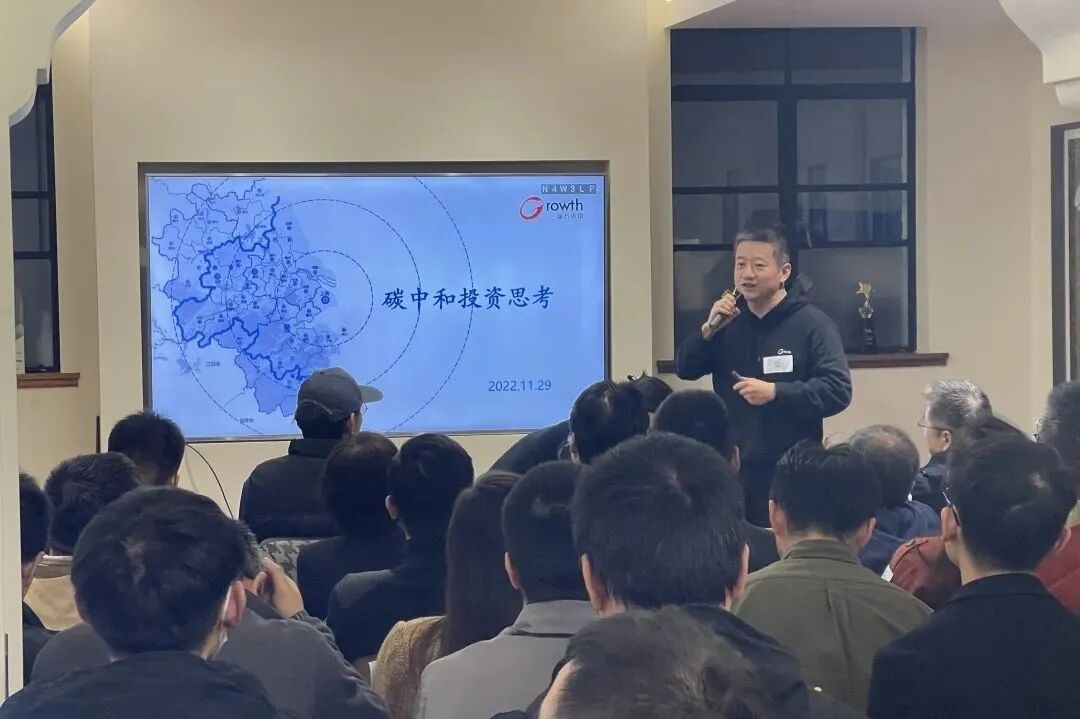
Min Sun (SJTU Class of '94)
Managing Partner, Guofang Capital
➤ Carbon Neutrality Leading an Industrial Revolution
If just one-quarter of the world's deserts were converted to photovoltaics, it could power the entire globe.
The driving forces of the carbon-neutral era are technology, demand, and policy. Energy utilization is shifting from reliance on resource endowments toward technological innovation and efficient manufacturing. Leaders in zero-carbon technology innovation will become the vanguards of the next industrial revolution.
➤ Future Investment Priorities
Carbon neutrality will drive massive transformation across all industries and society at large. The carbon-neutral era represents the convergence of the third energy revolution and the fourth technological revolution — the future is an era of low-carbon intelligence.
Future investment priorities lie in decarbonization technologies and digital technologies with strong emissions reduction impact, large market potential, and technological breakthroughs — such as advanced electronic technologies, green materials technologies, and digital intelligence applications. Among these, smart sensing will provide the data foundation for future carbon neutrality; power devices will help reduce emissions; and intelligent control will enable precise decision-making for carbon neutrality.
Low-carbon and digital technologies will jointly drive the development of energy production, energy consumption, and smart energy industries. The energy industry is also shifting from resource attributes toward manufacturing attributes. Riding this industrial wave, we may well witness a silicon-based RMB system challenging the petroleum-based dollar system. This vision gives us even more motivation to steadfastly support breakthroughs in underlying technologies.
What Are the Technology Trends in Photovoltaics?
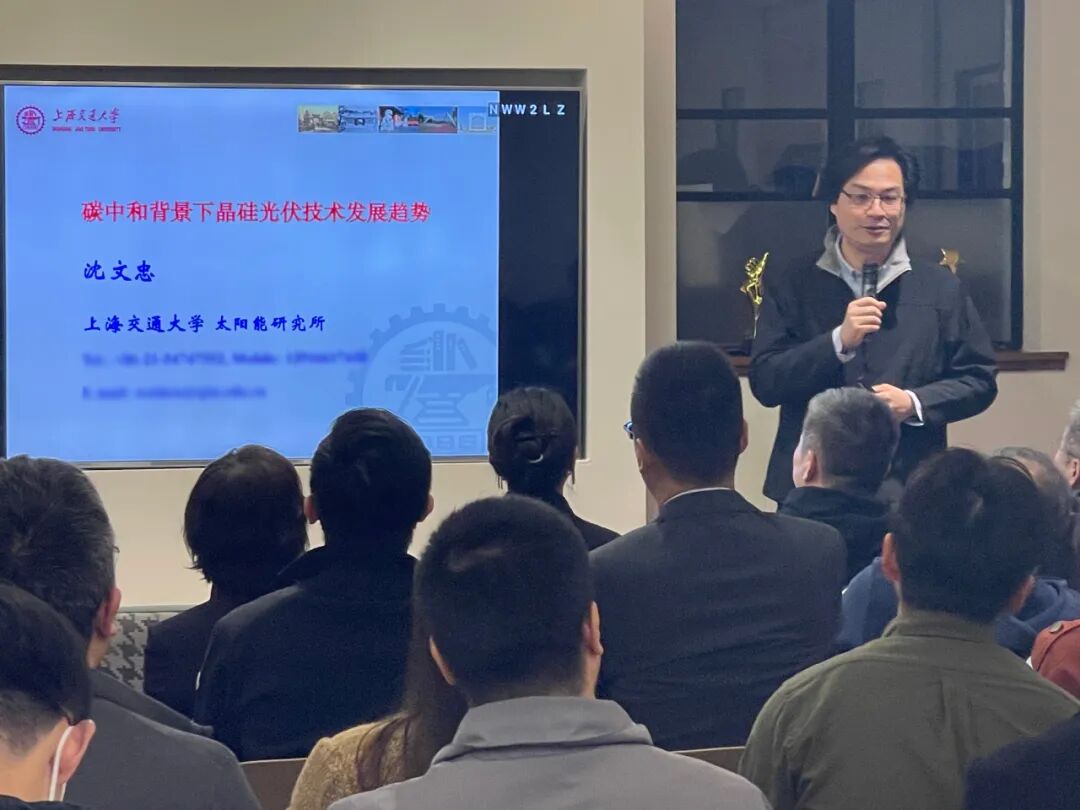
Wenzhong Shen
Professor and Doctoral Supervisor, School of Physics and Astronomy, Shanghai Jiao Tong University; Director, SJTU Solar Energy Research Institute
➤ Broad Prospects for the PV Industry
Global new PV installations have grown at a CAGR of roughly 40% over the past 20 years, and the ultra-high energy return on investment of PV systems means that increasing the share of solar power is the inexorable trend on the path to sustainable development. Currently, the cost decline of PV power generation far outpaces other energy forms, with solar expected to account for 30% of global electricity generation by 2050. Thus, the PV industry's prospects are very broad. The industry's characteristic of latecomer advantage also means more large companies will emerge in the future.
For the PV industry's development, improving efficiency is the inevitable means. Right now, our target for cell efficiency is 24% — whether perovskite, thin-film, or tandem cells, anything below this threshold has no chance. Efficiency gains matter more than cost reductions.
➤ Key Investment Factors in PV
The three investment factors in PV are talent, equipment, and raw materials. Due to the industry's low barriers to entry, only those with deep understanding of the PV industry and technology itself can more confidently execute on technology and business. Additionally, all PV technology comes from equipment, so equipment is one of the most important investment considerations. Currently, some bottleneck factors lie in raw materials such as quartz, silver powder, and encapsulant particles. Investing in novel PV technologies requires full appreciation and understanding of the crystalline silicon industry chain.
Developing novel PV technologies requires navigating the industry's intense competition.
➤ Trends in Crystalline Silicon Cells
It's a time of windfall profits for polysilicon, but that will normalize eventually. Crystalline silicon PV should reach one mao per kWh within five years. The market has proven that for crystalline silicon products to be competitive, they must achieve high efficiency, low cost, and system stability exceeding 30 years. At annual growth rates of 30-40%, crystalline silicon will account for 98-99% of the PV market in the future.
The trend for crystalline silicon cells is toward bifacial cells. Whether TOPCon, heterojunction, or PERC, due to their clear efficiency advantages, the potential of bifacial cells far exceeds that of monofacial cells.
Crystalline silicon cells still have potential for efficiency gains. Once TOPCon and heterojunction technologies mature, the future trend is to combine them with BC technology to push efficiency to 26-27%, which is basically the limit for crystalline silicon cells. To achieve higher efficiencies, perovskite tandem cells are necessary. Pure perovskite structures have limited significance; the biggest trend for perovskite is in tandems, specifically tandem technology exceeding 30% efficiency. For now, the best approach is to build on crystalline silicon's shoulders to push efficiency higher first.
➤ Directions for Industry Technology Innovation
Under the new landscape of industry technology innovation, key development opportunities lie in advanced cell and module equipment such as TOPCon, HPBC, and HJT; advantaged PV auxiliary materials; smart PV manufacturing and systems; BIPV technology; and integrated solar-storage solutions.
What Are the Prospects for the PV Industry?
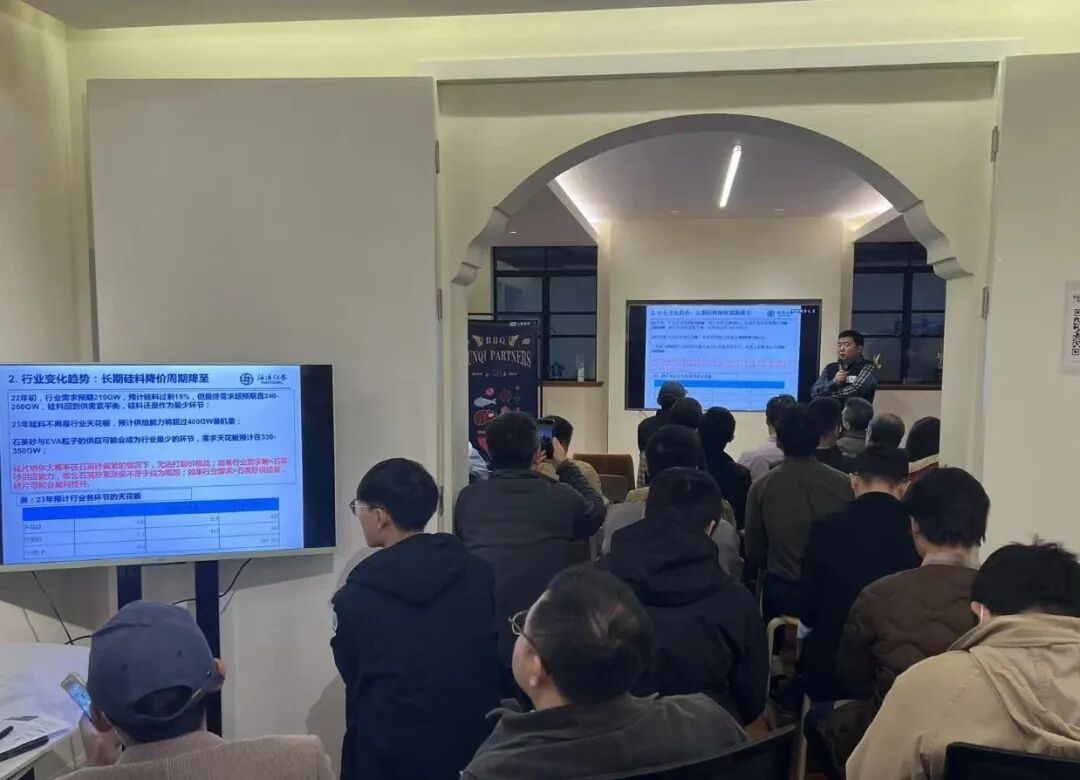
Baiqiao Xu
Co-Head of Power Equipment and New Energy Research, Haitong Securities
➤ Impressive PV Industry Growth
Before 2020, this industry existed in a subsidy era, where policy was the driving force. But after 2021, we entered a grid-parity era. Globally, demand drivers are no longer limited to a handful of countries — more nations are choosing to put their eggs in this basket.
Several major events have also accelerated industry growth. China's carbon neutrality commitment and Europe's energy crunch have driven demand growth to accelerate since last year. And we believe this growth rate will continue.
➤ High Growth Certainty, Attractive Valuation
The PV industry offers high growth certainty and attractive valuation. Solar power currently accounts for only 4% of China's electricity generation — there's substantial room for PV's share of total power to grow. We estimate the industry will reach 500GW scale by 2025, and by 2030 may approach 800-900GW, even 1,000GW.
Beyond polysilicon cost declines, improvements in polycrystalline silicon technology, wafer cost reductions, and cell-module efficiency gains have driven PV costs down over 90% in a decade — something few industries can match.
➤ The Battle of N-Type Technologies
Reducing cell costs is the key objective for future industry technology innovation. PERC cells have limited room for cost reduction and efficiency improvement. The next-generation technology path is the battle of N-type technologies, mainly divided into TOPCon, heterojunction, and IBC routes. Relatively speaking, TOPCon offers the highest maturity, lowest cost, and best value — likely the mainstream path in the near term.
Three Questions on PV Industry Trends
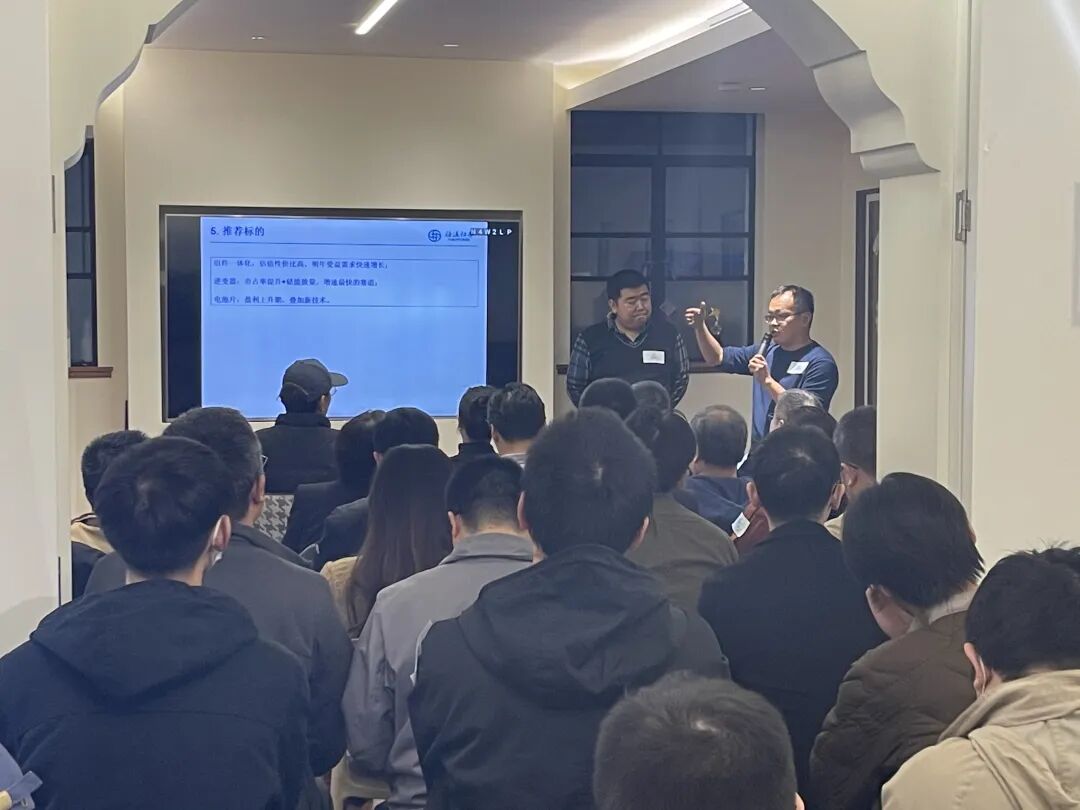
On topics of broad interest within the PV industry, Yunqi Capital Executive Director Ruiting Zheng and Haitong Securities analyst Baiqiao Xu engaged in discussion.
Ruiting Zheng: We're seeing that as profits have inverted between polysilicon, wafers, and modules, the industry chain has shifted from horizontal division of labor to vertical integration. PV companies are gradually expanding upstream and downstream. What impact will this bring?
Baiqiao Xu: Previously, division of labor in the PV industry was relatively clear, but cross-boundary trends have become increasingly pronounced. In recent years, more overseas-listed companies have returned to A-shares and expanded their industry chains, causing upstream-downstream crowding. This mutual cross-boundary expansion, on one hand, compresses the single-segment boom peaks for specialized firms; on the other hand, it nurtures more and more PV industry leaders.
Extending up and down the industry chain aims to lower the integrated cost curve and enhance competitiveness. For example, if I do cells, wafers, and polysilicon together, my cost base is just metallurgical-grade silicon. The PV industry competes on overall comprehensive strength. As leading PV companies continue extending vertically, smaller players will find it increasingly difficult.
Ruiting Zheng: In the new energy space, we've seen some rather extreme valuation systems — for instance, microinverters at hundreds of times PE. These valuations are also transmitting to the primary market, to the point where many early-stage projects can command rather extreme valuations. I'd like to ask about the valuation logic behind these high valuations and whether they're sustainable.
Baiqiao Xu: The development of distributed generation and residential energy storage markets has been the catalyst for inverter valuations doubling. When inverter market share reaches a relatively saturated state, with leaders and other players all growing larger, maintaining high-speed growth becomes difficult. While this probably won't materialize next year, it will arrive someday.
Ruiting Zheng: We've always been looking in the primary market for technology iterations with latecomer advantages. From the secondary market perspective, which directions in the industry chain offer opportunities for startup growth?
Baiqiao Xu: Polysilicon, wafers, and modules are all technologically mature, so the innovation core lies in cells. Cell technology has many niche segments worth exploring for the next promising, technology-driven company.
Areas with lower maturity have more room for improvement, hence larger opportunities. For example, bifacial microcrystalline, electroplated copper, laser dicing, and low-temperature silver paste all offer significant opportunities. Inventing a black-box technology within a major direction is very difficult — small changes within niche segments carry more disruptive potential.
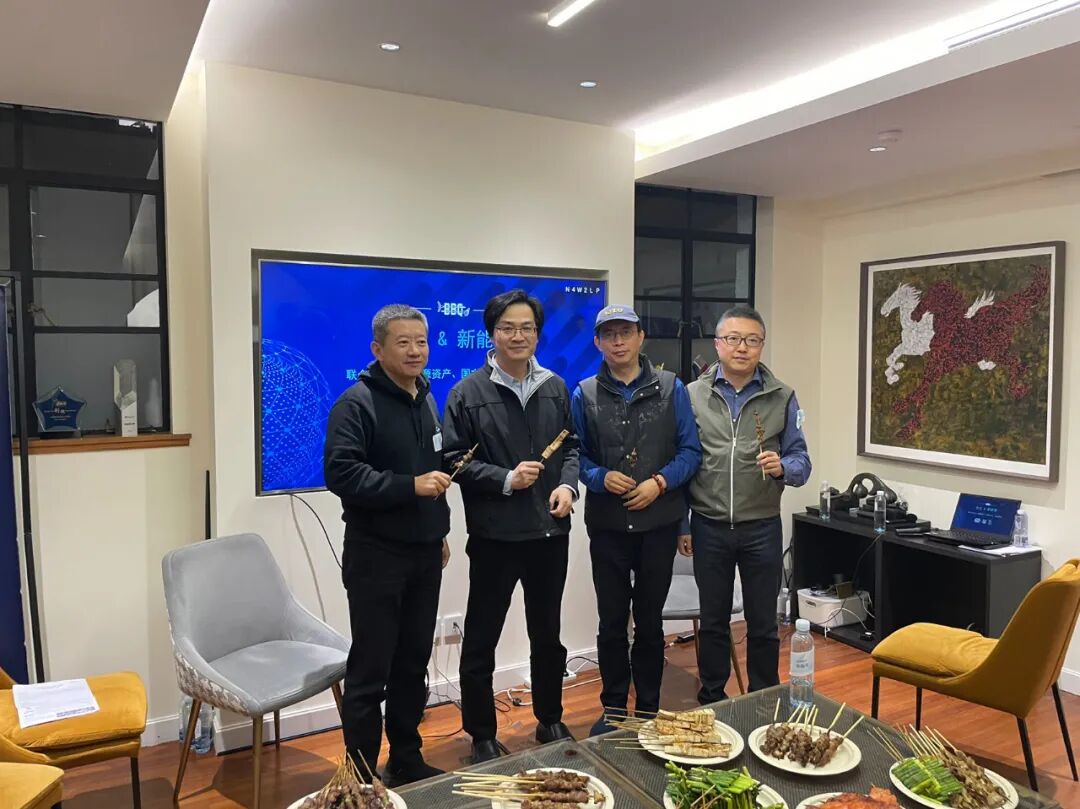
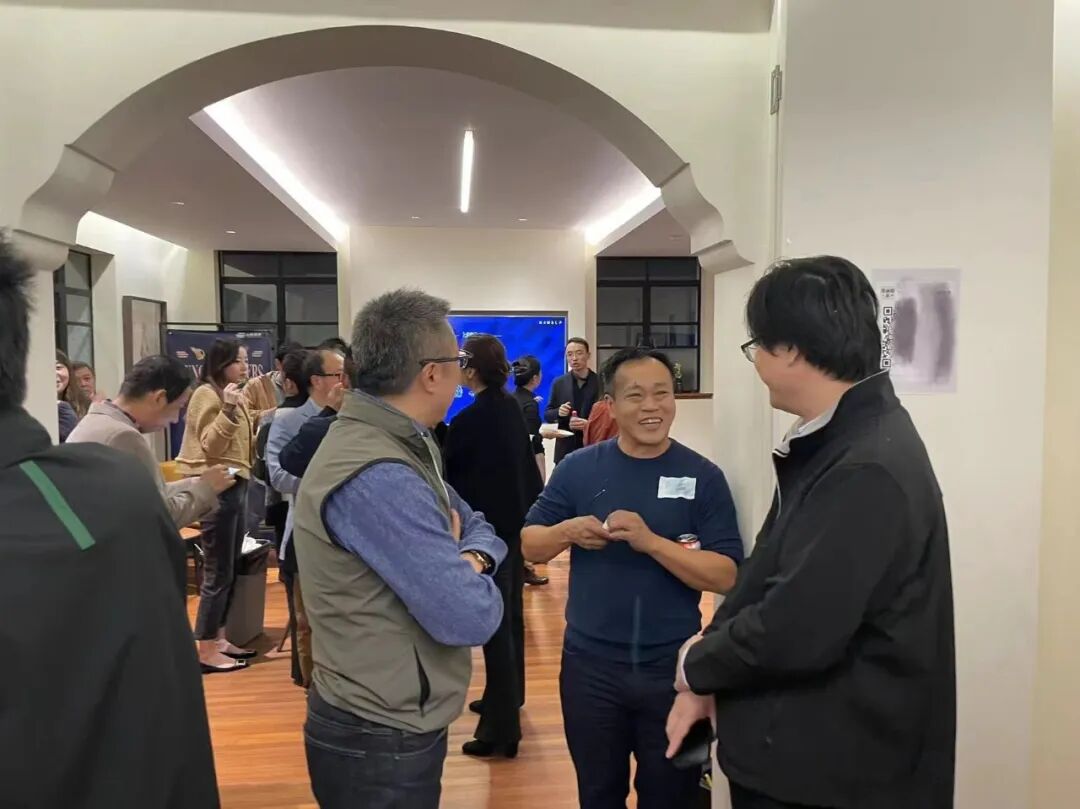
After the guest presentations, SJTU alumni from leading new energy startups, investment institutions, and research fields engaged in deep discussions on new energy entrepreneurship topics.
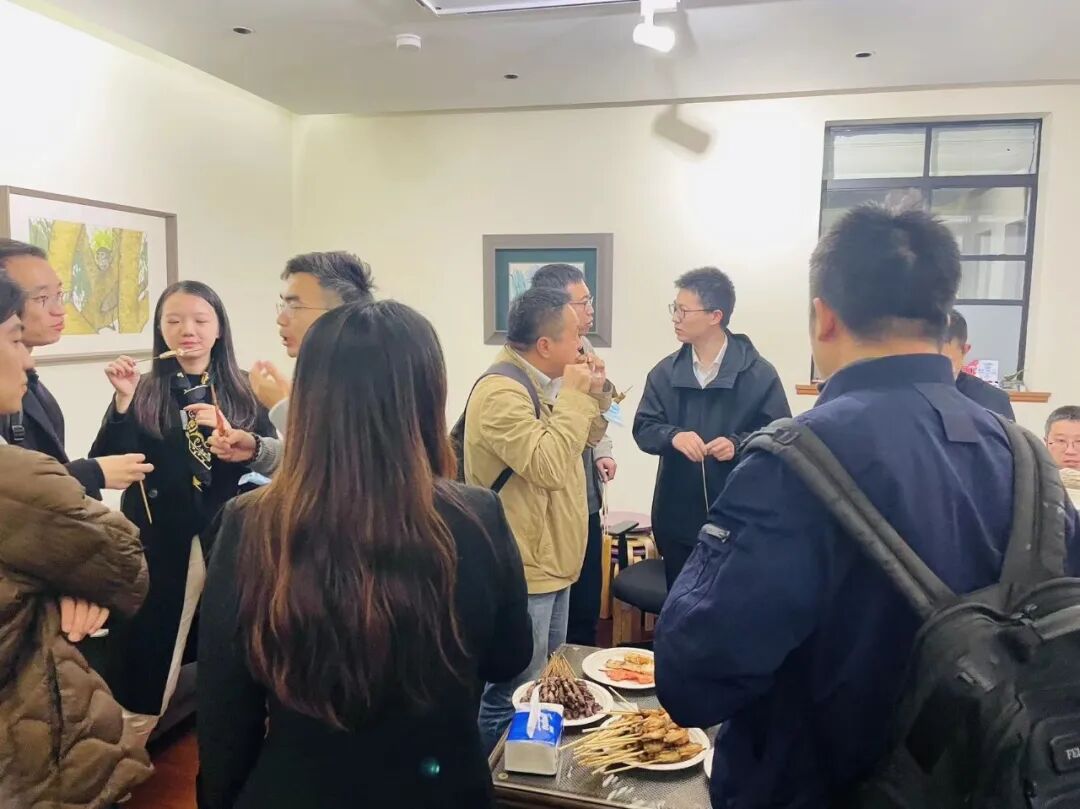
Of course, no BBQ would be complete without the essential pleasure of grilling and eating together. SJTU alumni gathered at Yunqi Garden, eating and chatting, leaving fully satisfied. We look forward to the next Yunqi BBQ, reuniting with old and new friends~


◈ About Yunqi BBQ
Yunqi BBQ is a high-quality boutique salon organized by Yunqi Capital to build an innovation and entrepreneurship ecosystem. It integrates upstream and downstream industry resources, introduces strategic partners, and collaborates with global知名企业, leading tech companies, technology communities, and top universities for in-depth discussions, building an ecological cooperation platform. To date, it has successfully hosted over 40 sessions, with over 200 guests sharing on stage and nearly 10,000 participants.

(Photos from select Yunqi BBQ events)