Second State Founder Michael Yuan: Can Red Hat's Success Be Replicated? | 2022 China Open Source Conference Commercialization Forum x Yunqi Capital

The whole point of SaaS is developer-led growth.

Recently, the most influential annual open source event in the industry — the 7th China Open Source Conference 2022 (COSCon'22) successfully concluded. As an open source supporter from Day 1, Yunqi Capital was deeply involved in this year's conference, curating the Open Source Business sub-forum. With our sights set on the new world, we hoped to share with a broader audience our thinking on the commercialization of open source software in its internationalization journey. To that end, we are launching the "COSCon'22 Open Source Commercialization Insights Series", bringing you practical lessons from industry leaders.
This installment comes from Michael Yuan, founder of Second State and maintainer of CNCF's WasmEdge, on the topic "Can Red Hat's Success Be Replicated?" The three major business models for open source software today — subscription services, open core, and SaaS cloud services — are all driven by PLG. In Michael Yuan's talk, we learn about the practice and boundaries of PLG for open source software. Enjoy!
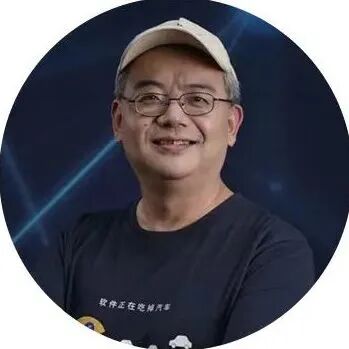
Dr. Michael Yuan is the founder and maintainer of WasmEdge. WasmEdge is a CNCF-hosted open source WebAssembly runtime for edge computing, service mesh, serverless, and embedded functions. Michael has authored six books on software engineering and is a longtime open source contributor. He is also co-founder of Second State.
Second State is an open source startup focused on developing and commercializing enterprise applications in the WebAssembly and Rust ecosystems. As an open source-based company, Second State is dedicated to bringing cloud-native and serverless development paradigms to edge clouds. Second State created WasmEdge, a lightweight, secure, high-performance, and extensible WebAssembly runtime.
WasmEdge is currently a sandbox project of CNCF (Cloud Native Computing Foundation). WasmEdge is a lightweight, secure, high-performance, and extensible WebAssembly runtime. As a CNCF sandbox project, WasmEdge is used at the edge, in microservices, SaaS APIs, user-defined functions for data, portable functions on devices, and in web3 and blockchain. WasmEdge is a fully-featured Wasm VM with extensions all supported by Rust SDKs, including TensorFlow, networking sockets, and image processing.
Hello everyone, I'm Michael Yuan, founder of Second State and founder of WasmEdge. I joined Red Hat through JBoss early in my career, working primarily on Java commercialization as a product manager, so I have a fairly good understanding of how this business model was discovered and scaled.
When it comes to open source commercialization, I believe the milestone event was Red Hat's IPO in 1999. At the time of its listing, Red Hat had only $10 million in annual revenue — and just $5 million in 1998. A company with $10 million in revenue going public on a major U.S. exchange and getting investor enthusiasm is hard to imagine today, but it actually happened over twenty years ago. In fact, from our perspective, Red Hat had virtually no real business model when it went public in 1999. Its $10 million came mainly from selling books, CDs, and training courses. Wall Street reporters covering the event described Red Hat as merely a company selling open source software — not a particularly impressive business practice.
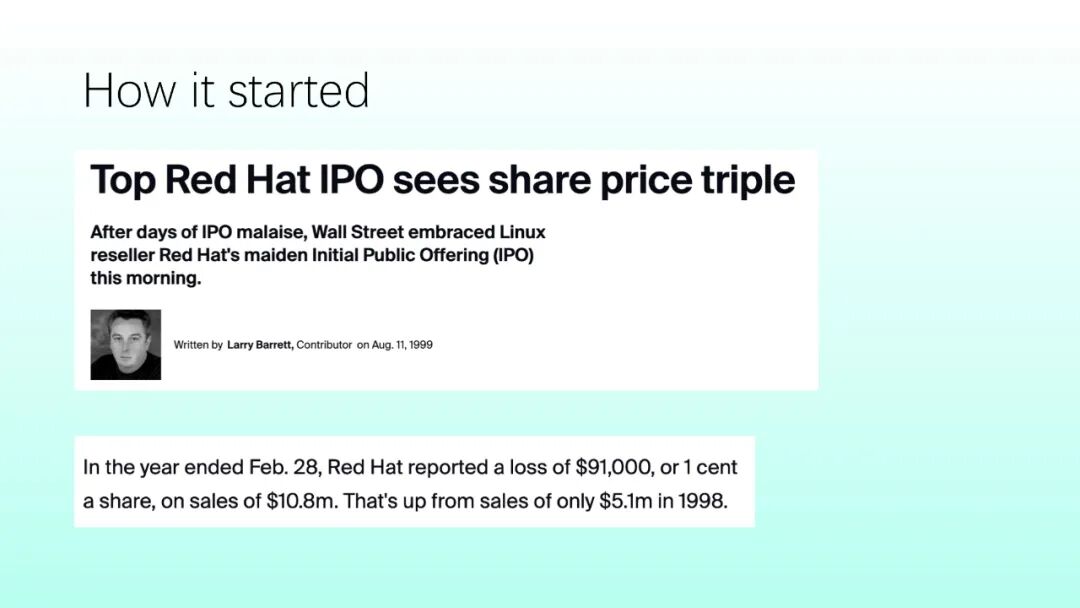
By 2019, Red Hat was acquired by IBM for $34 billion — a rarity in the software industry. At that point, Red Hat's revenue had reached $3.4 billion annually, a 300x increase in the 20 years since its IPO. By 2022, the most recent quarterly figures showed Red Hat revenue hitting $5.6 billion.
To achieve this kind of value, Red Hat must have done something right. Our questions are: first, what is Red Hat's business model? Second, can today's open source companies replicate this success? Can a new Red Hat emerge?
What exactly is the open source business model? To summarize, there are three and a half business models for open source.
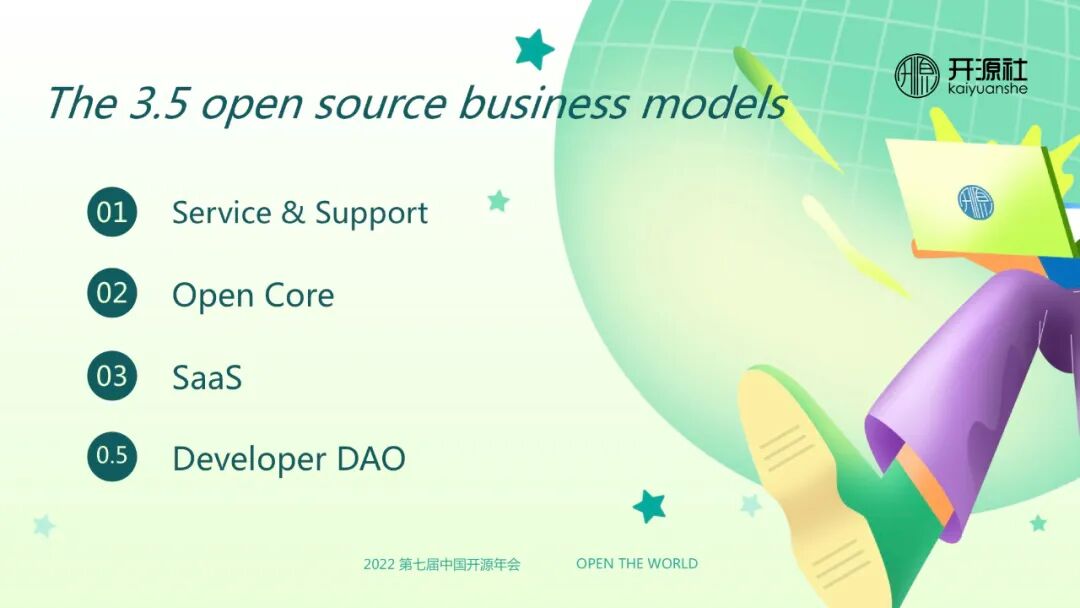
The first summary comes from an article by Peter Levine, which outlines three main open source business models. The first is Service & Support, with Red Hat as the classic example. However, this model couldn't be widely replicated by other open source projects, leading to the second model: Open Core, where software is packaged and sold with the core remaining open source while peripheral or supporting features may be proprietary. Additionally, the most successful open source commercialization model of the past decade has been SaaS, where open source software delivers applications to users through cloud services.
These are the three main models Peter Levine identified. From my perspective, there's also a "half model": doing open source DAOs in blockchain, building developer treasuries on the supply chain, and using this approach to support developers' ongoing contributions to the supply chain. But so far, the blockchain business model hasn't fully proven itself.

Service & Support
Service & Support is the originator of PLG (Product-Led Growth). The idea is to get as broad a user base as possible for the open source software. Take Linux, which came out in 1992 — the community put in tremendous effort, but Red Hat didn't pay a cent for it, essentially "powered by love." Linux used this approach to target a massive user base and get more people using the software.
If some of these users, especially developers, found it useful, that's classic product-led growth. These people would then use it as a tool within their companies, and at a certain point, the open source software would make its way into production environments. Once it reached production, revenue opportunities could emerge.
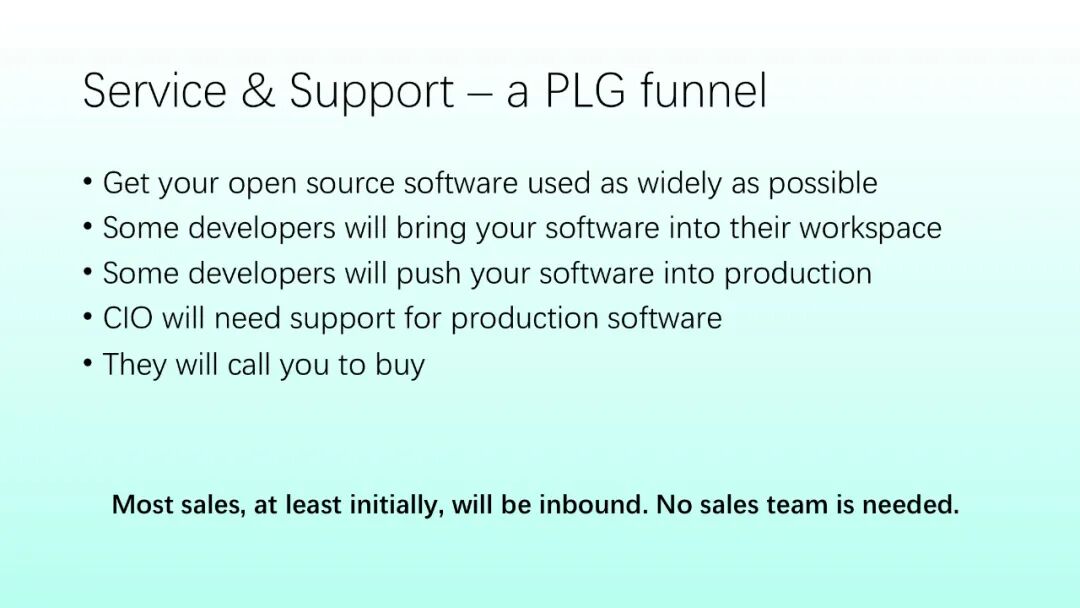
We experienced this firsthand at both JBoss and Red Hat. For a long time, we knew many people were using the software, but no one was paying. Then suddenly one day, someone would call and ask only two questions: who are you? And how do I pay? That's the monetization moment. Normally, product sales require user personas, but open source software doesn't need salespeople — you just wait for the call. When someone calls, it means they're ready to pay, and they're not price-sensitive.
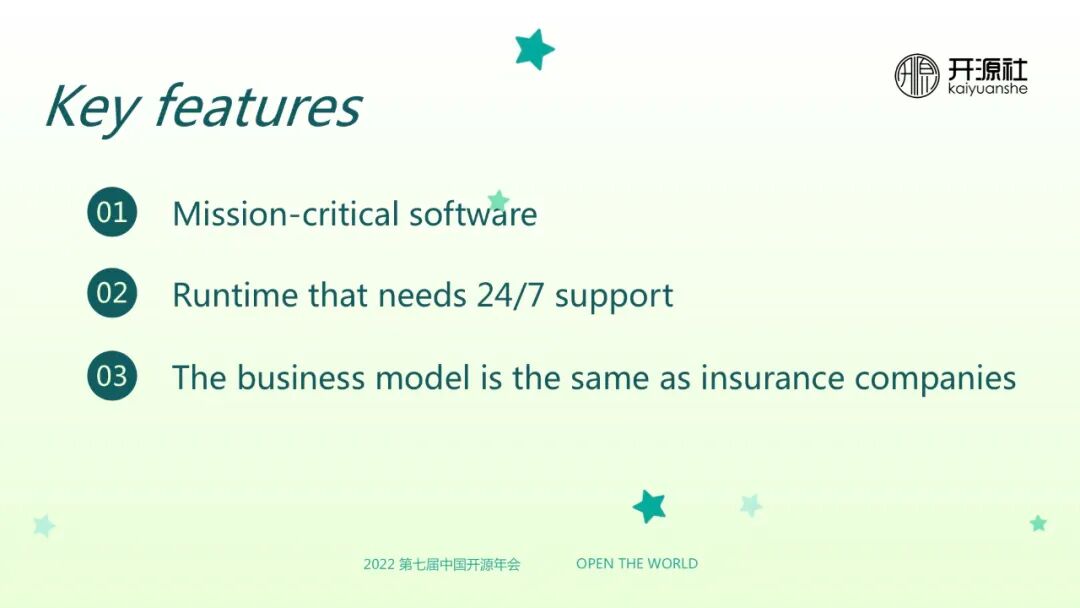
Looking at the key features of this model: first, it requires mission-critical software. Second, it demands 24/7 support — continuous, with no room for failure. Third, this business model resembles an insurance company; what you're really selling is insurance.

Open Core
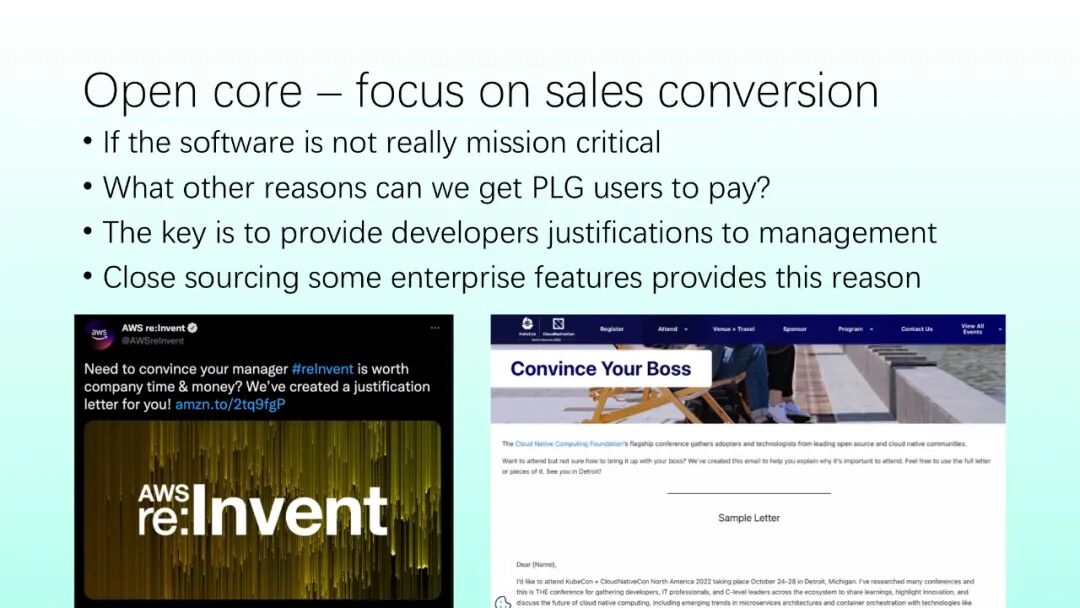
Service & Support is a great model, but not everything can be sold this way. To improve sales conversion, the Open Core model emerged. What if the software isn't particularly mission-critical — how do you still get users to buy? You need to give them a reason to pay. In this model, developers make the core open source for easy adoption, but certain features — especially enterprise-focused ones — become proprietary and paid, giving users a reason to open their wallets.

SaaS
Over the past decade, open source commercialization has shifted significantly, with the logic increasingly becoming SaaS. In the old Service & Support model, users and payers were different people — when developers put something into production, it was often the CIO who paid. If you could convert developers directly, conversion efficiency and reach would expand dramatically. SaaS lowers the barrier to payment significantly, because it's a subscription-based model that makes spending more predictable. This is a major benefit for open source commercialization, as it expands both the audience and the software's reach.
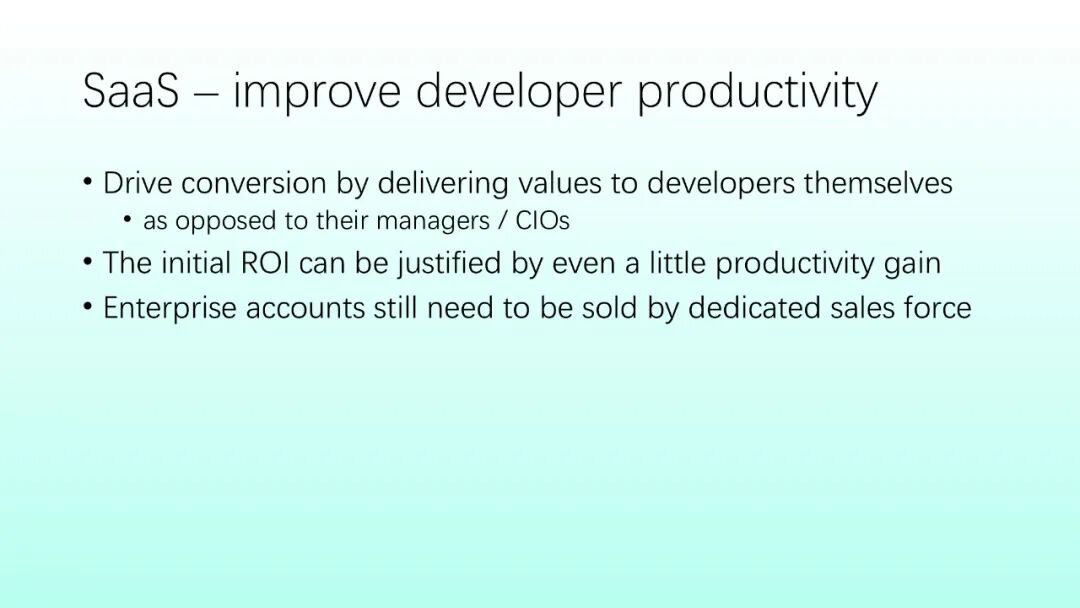
Microsoft CEO Steve Ballmer famously emphasized the importance of developers. Now there's a new term: developer-led growth rather than product-led growth — not PLG but DLG.
SaaS products need to be open source, because practically no developers will choose a product that isn't open source. Moreover, founders must spend years building an open source community before the SaaS product can become profitable. In other words, the real significance of open source in the SaaS ecosystem is developer-led growth. Open source must attract developers to achieve DLG, which then feeds into the sales funnel and paid conversion downstream.
For years, Yunqi Capital has remained focused on "technology innovation, industry enablement." Open source and infrastructure software are among our sustained investment priorities, with early-stage lead investments in multiple industry leaders. Additionally, Yunqi has repeatedly received industry recognition including the "Sci-Tech Innovation China" Open Source Innovation award, and has been invited to share commercialization perspectives at multiple world-class industry summits including the Amazon Web Services Summit, China Open Source Conference, VMware Edge & Cloud Open Source Summit, and Huawei Partner & Developer Conference.
As a deep partner of Kaiyuanshe (the Open Source Society), Yunqi also co-published the 2021 China Open Source Annual Report. From a practitioner's perspective, we analyzed commercialization paths and potential project evaluation criteria for domestic and international open source projects, and examined trends and directions for the coming Open Source 4.0 era. How to Access the Report
To read the full report,
please follow the Yunqi Capital WeChat official account and reply with "open source report".