"The China Nobel Prize" Marks Its Tenth Anniversary as Top Scientists Gather for a Future Appointment: Michael Mao of Yunqi Capital Attends the Future Science Forum

Going Deeper into Innovation
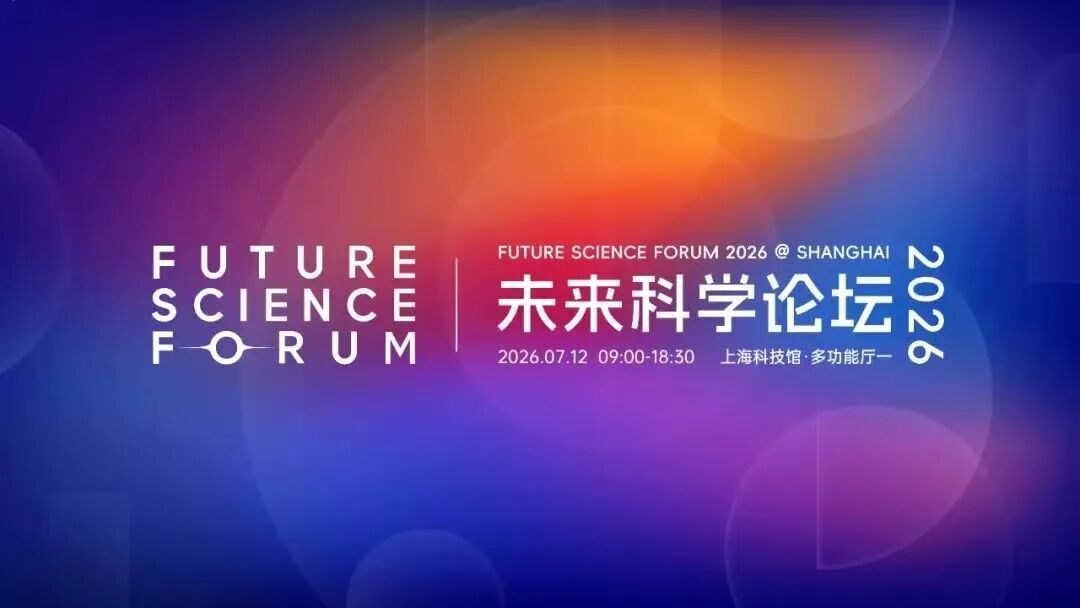
From July 11 to 13, the 2026 Future Science Forum was held in Shanghai. Over 50 top scientists, 10 academicians, and 8 Future Science Prize laureates gathered in Shanghai for interdisciplinary exchanges on basic science and future technologies. Michael Mao, founding managing partner of Yunqi Capital, participated in forum-related events in his capacity as a director of the Future Forum. This marked another deep connection between Yunqi and the scientific community.
A Ten-Year Commitment, Bringing Together Top Scientific Minds
Established in 2016, the Future Science Prize is mainland China's first private science award co-founded by scientists and entrepreneurs. It focuses on original basic scientific research and has been hailed by Nature as "China's Nobel." Over the past decade, it has recognized 46 scientists for their original research achievements.
As the Future Science Prize's flagship annual event, this year's forum brought together a stellar lineup of past laureates and academic leaders, whose intellectual exchanges reimagined the narrative of science.
The forum was co-chaired by Pan Jianwei, executive vice president and professor at the University of Science and Technology of China, academician of the Chinese Academy of Sciences, and 2017 Future Science Prize laureate in Physical Sciences; and Sun Binyong, professor at the Institute for Advanced Study in Mathematics at Zhejiang University, academician of the Chinese Academy of Sciences, and 2024 Future Science Prize laureate in Mathematics and Computer Science. They led the Program Committee in curating the agenda, assembling top scholars from the Chinese Academy of Sciences, Tsinghua University, Peking University, Shanghai Jiao Tong University, UCLA, and other research institutions at home and abroad. The forum focused on cutting-edge directions including brain-computer interfaces, quantum computing, synthetic chemistry, machine proof and mathematical formalization, and artificial intelligence, breaking down disciplinary barriers to create a platform for deep interdisciplinary exchange and bring frontier research to the public.
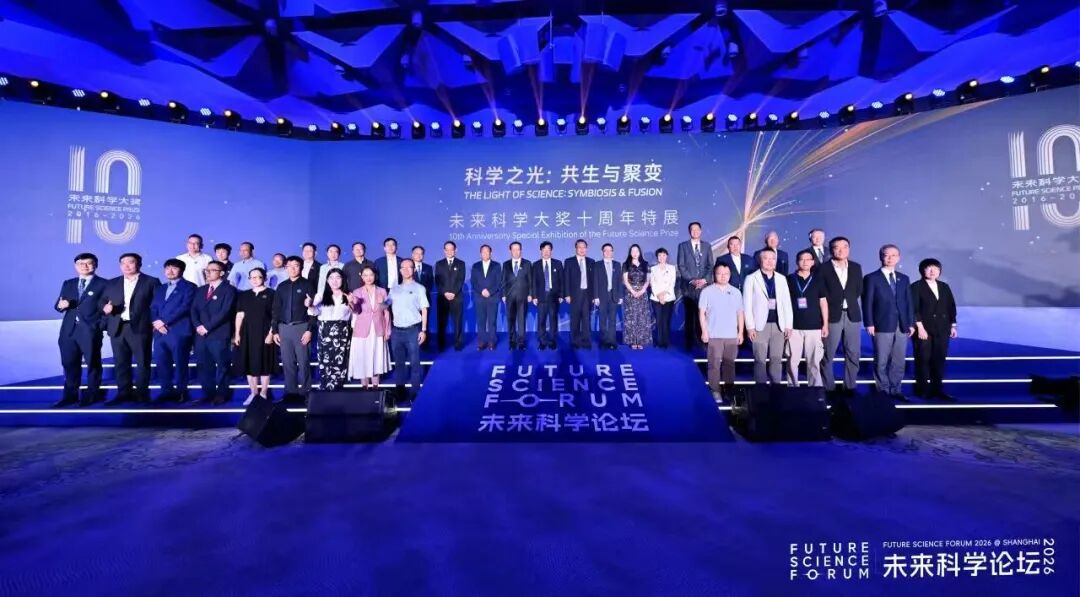
Michael Mao, founding partner of Yunqi Capital, attended as a forum director
119 Artifacts, Stringing Together a Decade of China's Basic Research
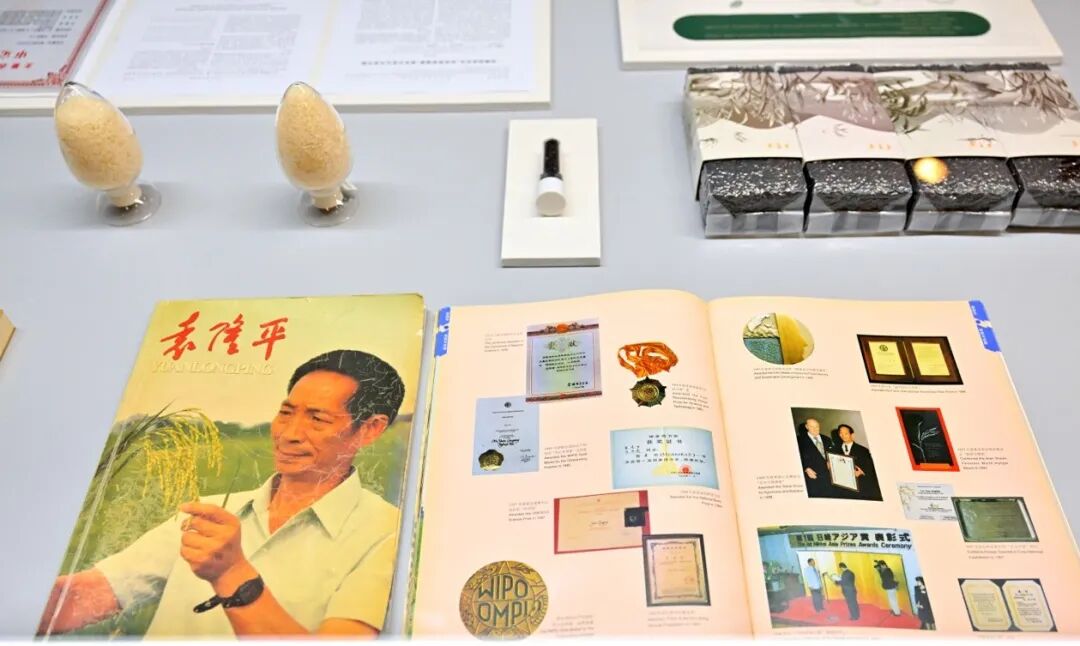
During the forum, "The Light of Science: Symbiosis and Fusion — Future Science Prize 10th Anniversary Special Exhibition" debuted at the Shanghai Science and Technology Museum. Through scientists' manuscripts, research instruments, and precious materials, the exhibition allowed the public to experience up close how Chinese scientists have explored the unknown and pursued original breakthroughs. From life sciences to physical sciences, from mathematics to computer science, each artifact connected the dots of a decade of basic scientific development in China.
Upon entering the exhibition hall, visitors were greeted by a massive group portrait of all 46 Future Science Prize laureates. The exhibits included precious physical objects witnessing major scientific discoveries — experimental instruments, paper manuscripts, scientific images — alongside personal items full of everyday warmth.
The speech by physicist and Nobel laureate Chen-Ning Yang at the founding conference of the Future Science Prize was presented anew. The exhibition also displayed the award certificate, research materials, and related scientific achievements of Yuan Longping, the "father of hybrid rice." Other items included tea and playing cards donated by Li Yadong, academician of the Chinese Academy of Sciences and professor in the Department of Chemistry at Tsinghua University, and an overcoat that international semiconductor expert Chih-Yuan Lu had purchased when he first went to study in the United States.
Leading Minds Discuss Frontier Scientific Questions
From brain-computer interfaces and quantum computing to synthetic chemistry, machine proof, and artificial intelligence, this year's Future Science Forum covered key directions in basic science and future technology, showcasing the ongoing convergence and mutual inspiration across disciplines.
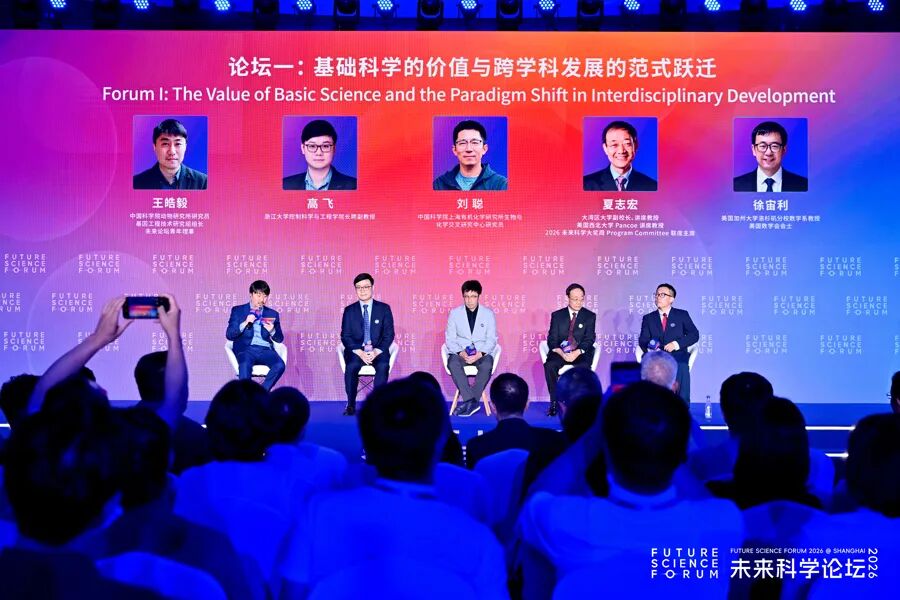
In the forum "The Value of Basic Science and Paradigm Shifts in Interdisciplinary Development," Wang Haoyi, researcher at the Institute of Zoology of the Chinese Academy of Sciences, moderated discussions among scientists including Gao Fei of Zhejiang University, Liu Cong of the Shanghai Institute of Organic Chemistry of the Chinese Academy of Sciences, Xia Zhihong of the Greater Bay Area University, and Xu Zhouli of UCLA. Together they explored how basic research can break through disciplinary boundaries to drive new paradigms of scientific inquiry. Read more
Five specialized scientific sessions focused on frontier questions in life sciences, physics, chemistry, mathematics, and computer science.
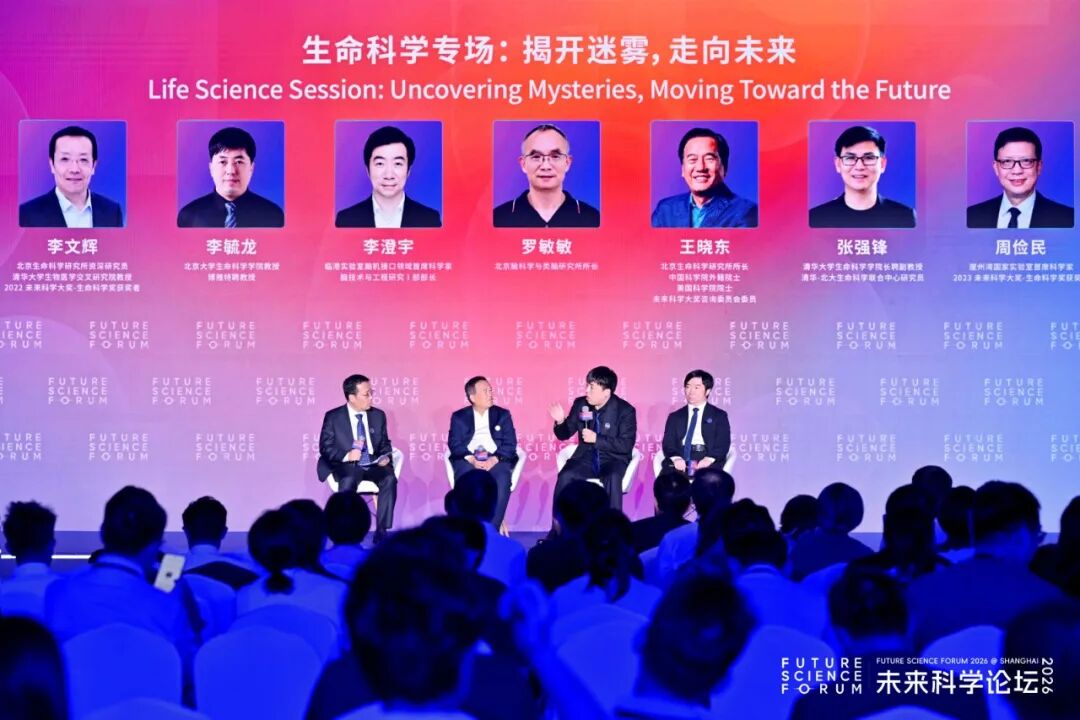
The life sciences session focused on brain-computer interfaces, cell research, and exploration of life mechanisms. Scientists including Li Wenhui, 2022 Future Science Prize laureate in Life Science, academicians Zhang Hong and Wang Xiaodong of the Chinese Academy of Sciences, and Li Yulong, professor at Peking University, discussed frontier questions in life sciences together.
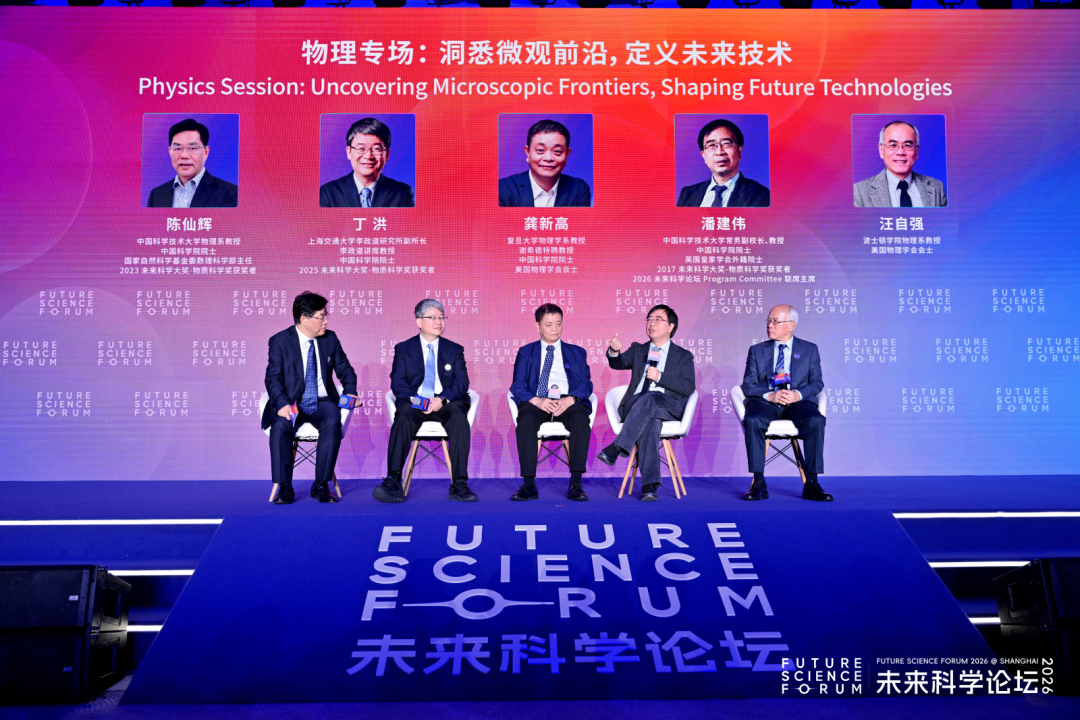
The physics session, titled "Probing the Microscopic Frontier, Defining Future Technologies," brought together academicians Chen Xianhui, Hong Ding, Gong Xingao, and Pan Jianwei of the Chinese Academy of Sciences, along with Wang Ziqiang, professor of physics at Boston College, for in-depth exchanges on quantum computing, AI-enabled physics research, and breakthroughs in fundamental physics. Read more
The chemistry session invited academicians Li Yadong and Ma Dawei of the Chinese Academy of Sciences, along with Chen Peng and Jiao Ning of Peking University, to focus on protein synthesis, live-cell chemistry, and molecular innovation.
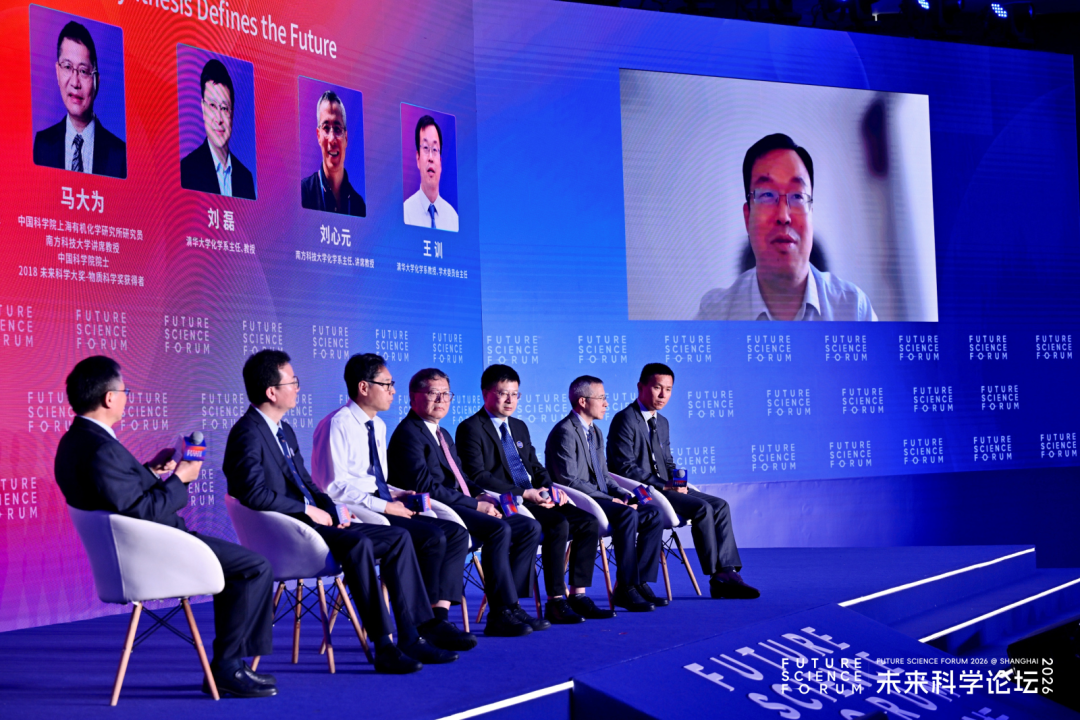
Chemistry session discussion
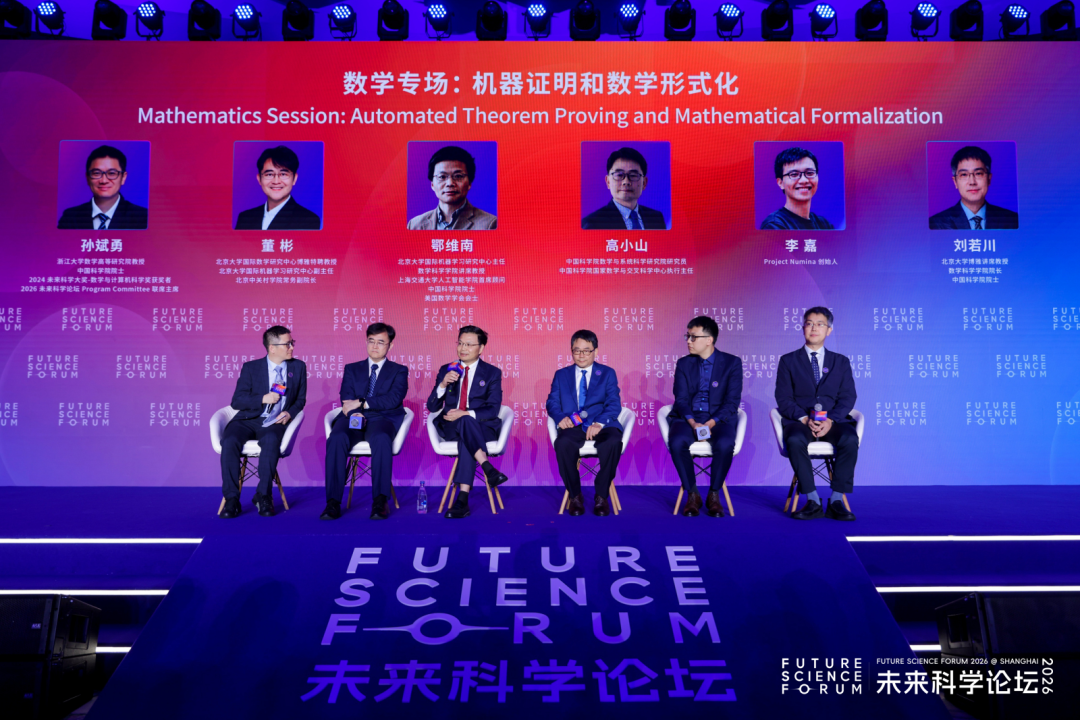
In the mathematics session, Sun Binyong, 2024 Future Science Prize laureate in Mathematics and Computer Science and academician of the Chinese Academy of Sciences, along with academicians E Weinan and Liu Ruochuan, discussed the intersection of basic mathematical research and AI development.
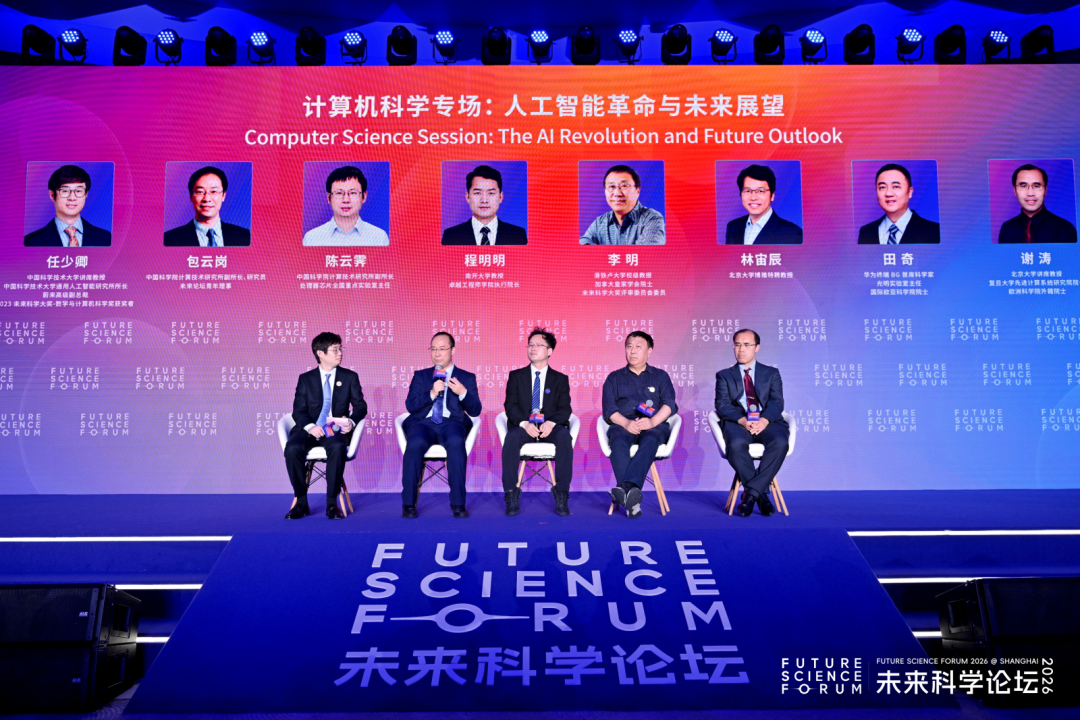
The computer science session invited Ren Shaoqing, 2023 Future Science Prize laureate in Mathematics and Computer Science, and other scientists to exchange views on cutting-edge directions including artificial intelligence, processor chips, and open-source chips.
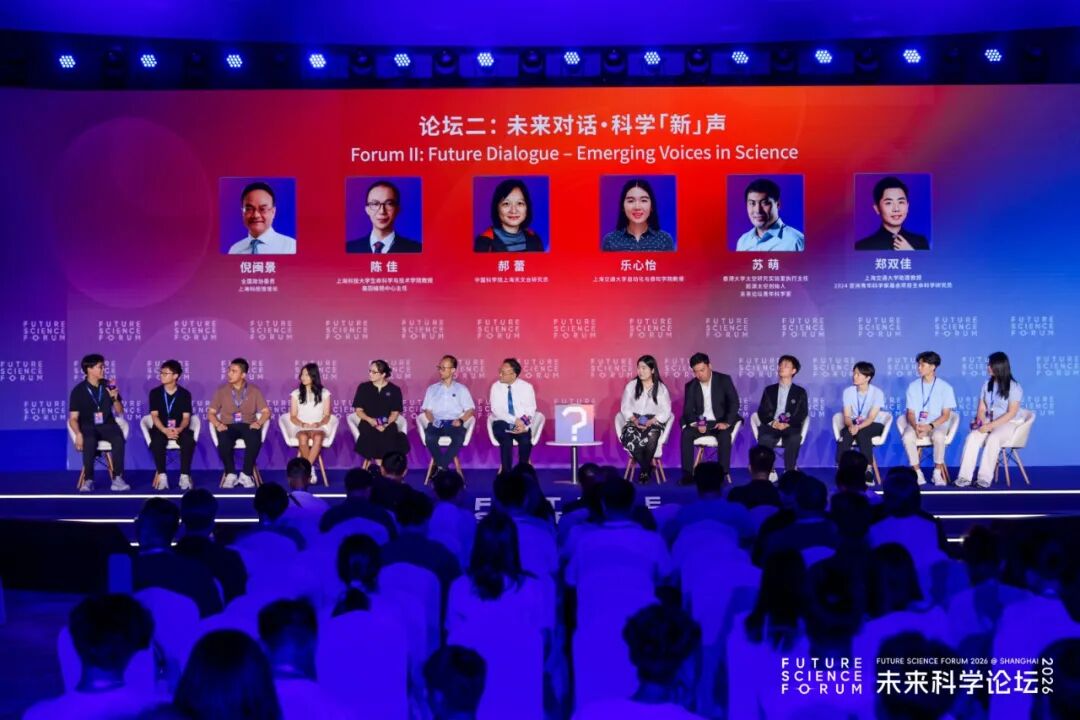
Additionally, Ni Minjing, member of the CPPCC National Committee and director of the Shanghai Science and Technology Museum, moderated the "Future Dialogue · New Voices in Science" forum, where young scientists opened "scientist truth-telling" blind boxes to reflect on their growth and thinking as scientists, and engaged with teenagers from a youthful perspective. Read more
Approaching the Source, From Technology Innovation to Science Innovation
During the forum, Michael Mao attended the special session "Science Ignites Youth: Beautiful Chemistry · Scientists in Dialogue with Teenagers" in his capacity as a Future Forum director and delivered remarks. Through science talk shows, live interactions, and other formats, the event built a platform for exchange between scientists and young people, bringing frontier science closer to the next generation in more accessible ways. Read more
Ni Minjing, member of the CPPCC National Committee and director of the Shanghai Science and Technology Museum, delivered welcoming remarks
Michael Mao, founding managing partner of Yunqi Capital, attended the event as a forum director and delivered remarks
As frontier directions such as quantum computing, brain-computer interfaces, and AI for Science accelerate, the connection between scientific research and technological innovation has grown ever closer. Yunqi's investment horizon is also extending from technology innovation further toward science innovation, with active deployment across multiple science-driven sectors.
Sustained, deep engagement with the scientific community is also our way of getting closer to the source of innovation and understanding its frontiers. The Future Science Forum is precisely such a deep connection: bringing science to a broader public, and planting the seeds of science in the hearts of the younger generation.
Going deeper into innovation, Yunqi will continue to walk alongside science, and alongside the future.