Yunqi Capital Repeats as Top 5 Early-Stage VC in China at CV Awards, Among Other Honors | Yunqi News

Technological Innovation Powers Industrial Development
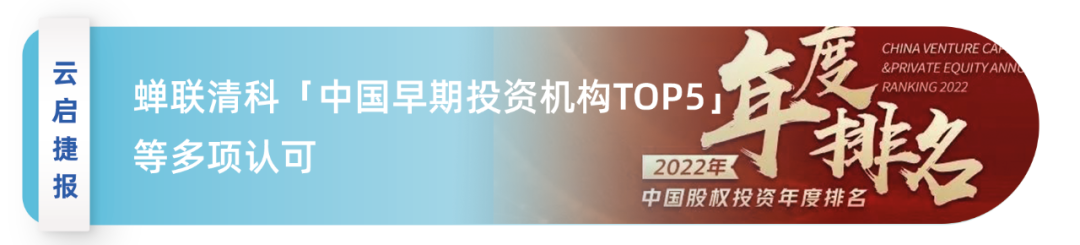
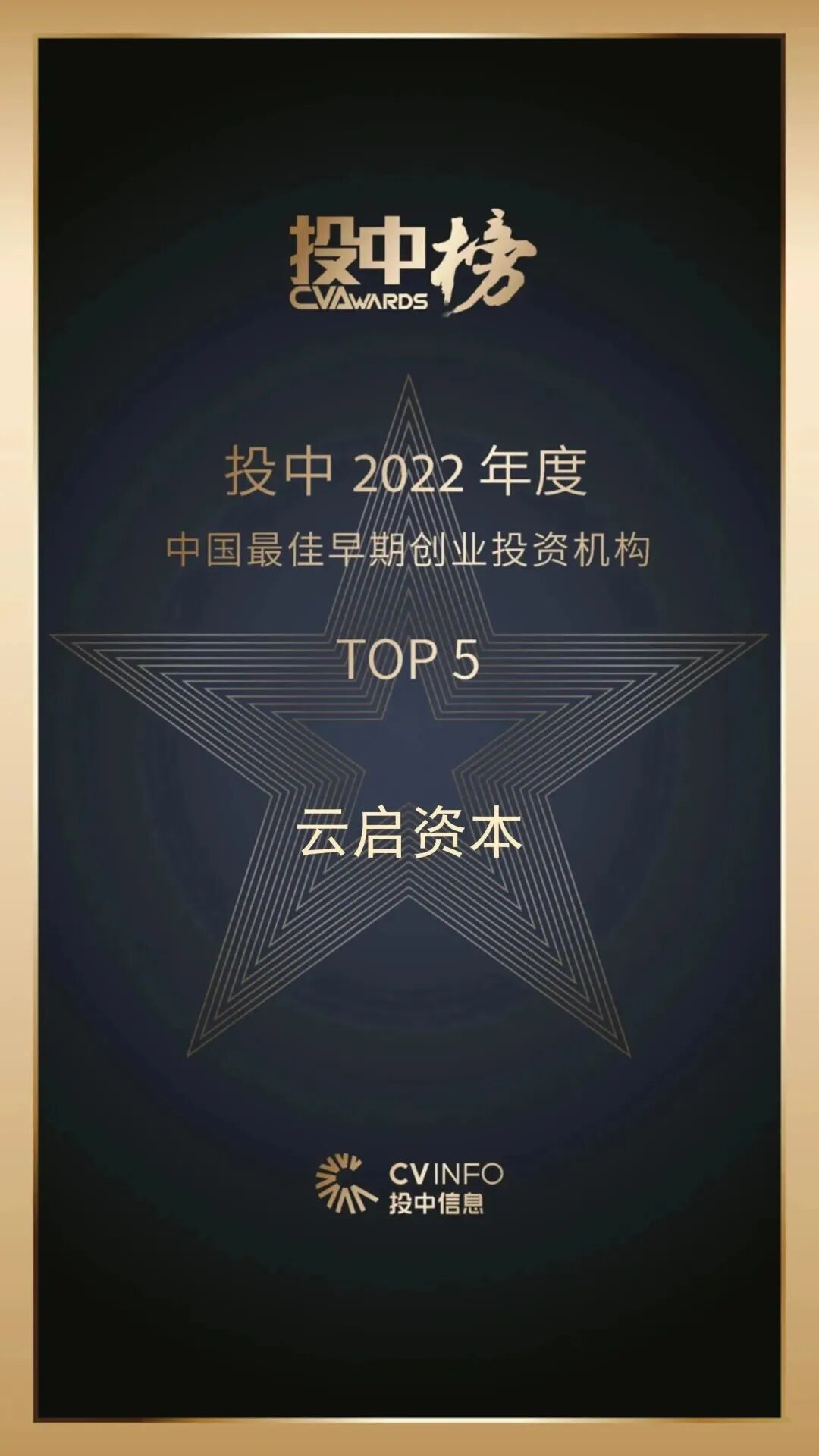
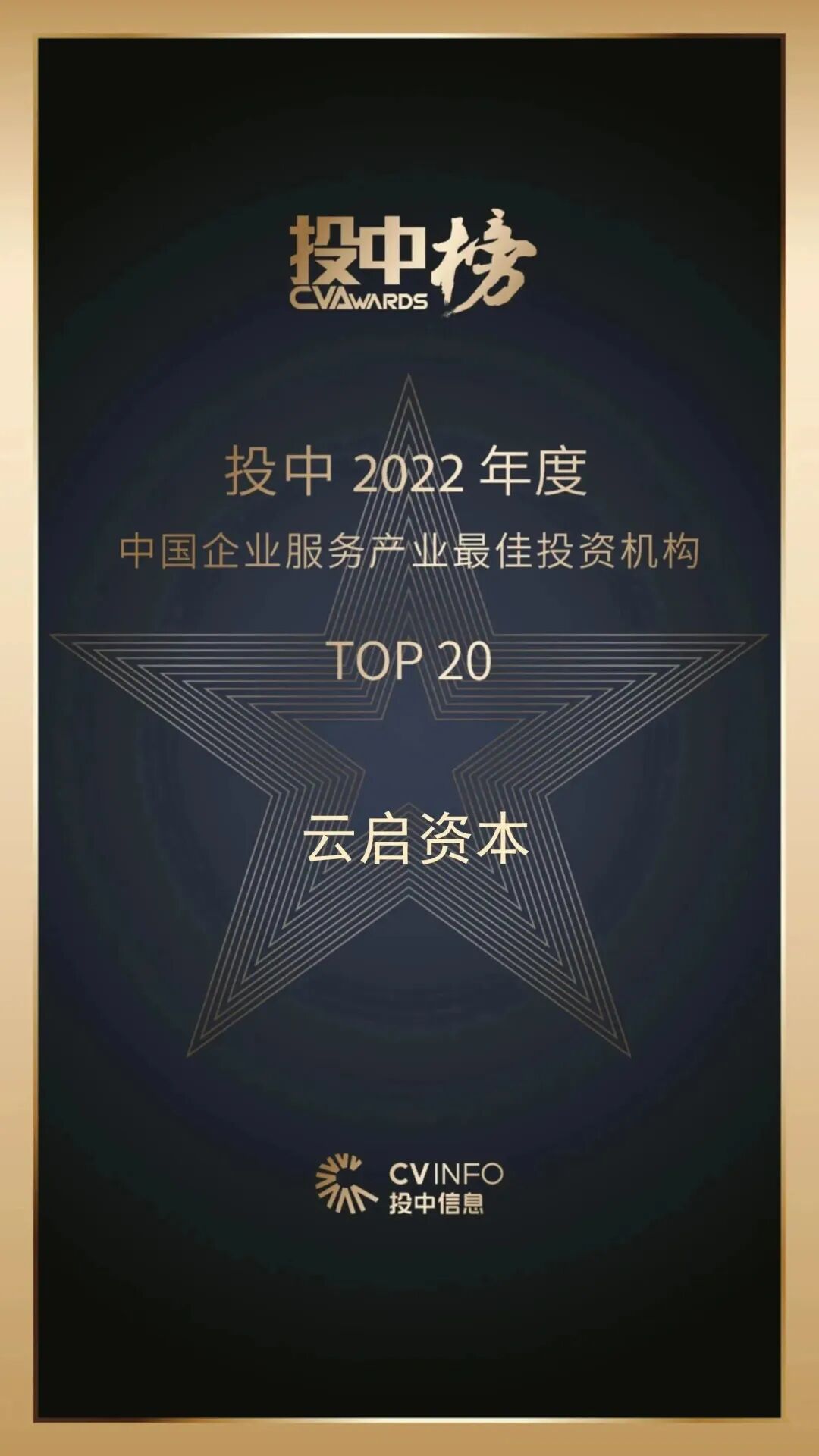
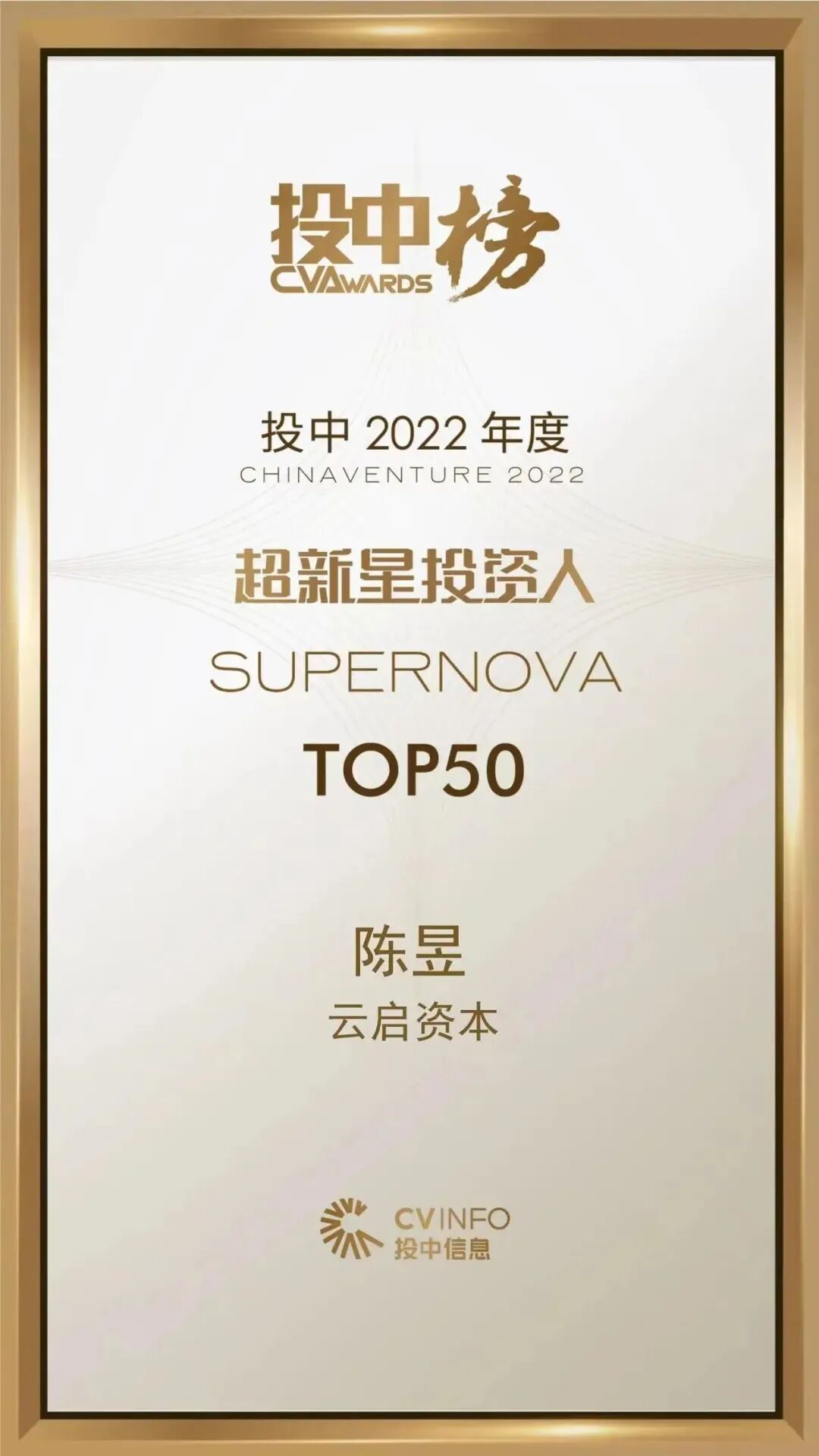
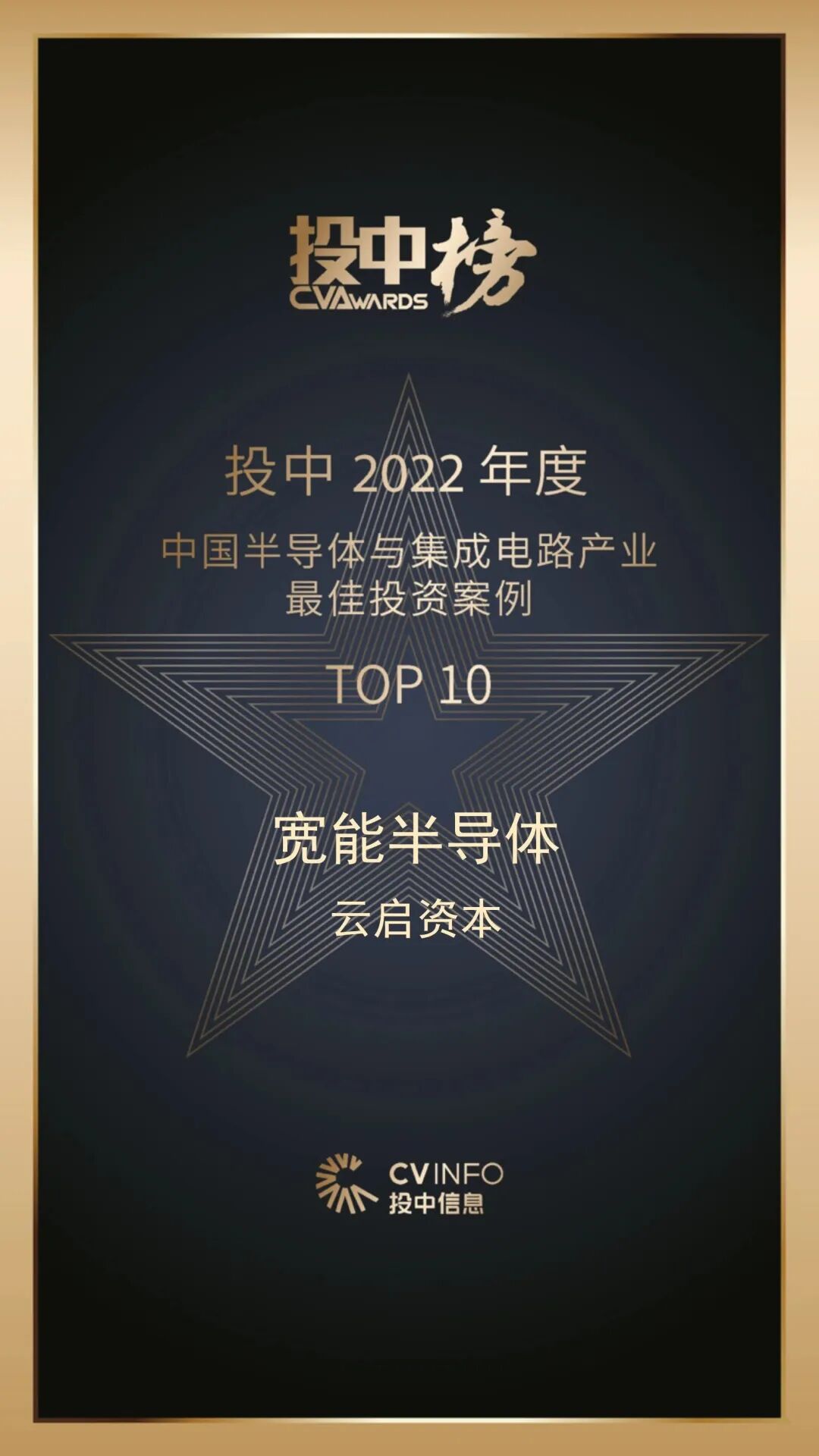
**➤➤➤ **On May 19, ChinaVenture unveiled its 2023 annual rankings, with Yunqi Capital and its portfolio companies earning multiple honors:
· "Top 5 Best Early-Stage VC Firms in China" (multiple consecutive wins) · "Top 20 Best Enterprise Service Investors in China" (multiple consecutive wins)
- "SUPERNOVA Investor" (Partner Chen Yu)
- "Top 10 Best Semiconductor Investment Deals in China"

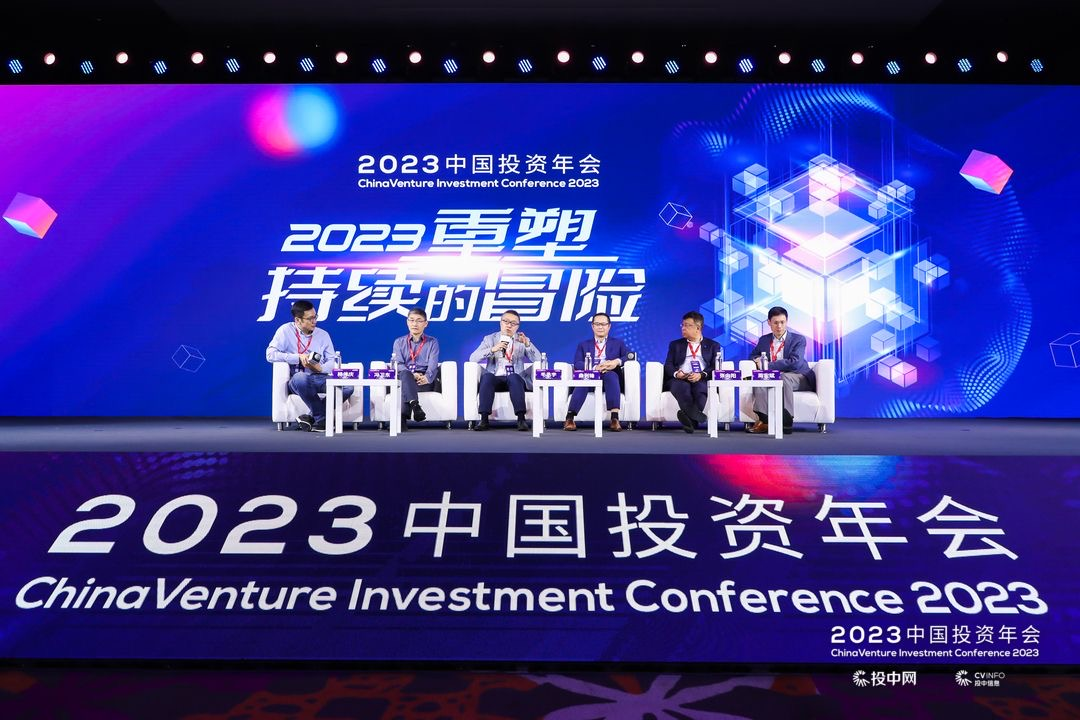
Meanwhile, Founding Partner Mao Chengyu was invited to ChinaVenture's "Peak Dialogue," where he shared his perspective on navigating cycles, adapting to change, and helping portfolio companies maintain their rhythm, sustain growth, and build core competitive moats.
01 Economies Always Have Cycles; What Matters More Is How You Adapt to Change
Q: We've noticed a significant drop in global unicorn numbers — from nearly 600 in 2021 to 300 in 2022. What's driving this phenomenon? Is this trend temporary or here to stay?
Mao Chengyu: Due to US dollar interest rate hikes, the overall scale of the US investment and financing market has contracted, which naturally leads to a corresponding decline in global unicorn numbers. So on the surface, the drop in unicorn count appears to be a tech industry phenomenon, but fundamentally it's a monetary phenomenon.
Additionally, this pattern relates to cycles. The venture capital market has a cyclical behavioral pattern: initially, a small group of people with foresight spot new concepts and technologies, the market gets enthusiastic, capital floods into one direction, rapidly pushing up valuations across the board. After two to three years, a wave of unicorns and valuation peaks emerges quickly. Once everyone calms down and starts caring about whether technologies and trends can actually be commercialized, there's naturally a pullback. Over the past two decades, this cycle repeats roughly every four to five years — this is the cyclical phenomenon underlying the monetary phenomenon. Will there be major changes now? The US has moved from past easing to rate hikes, and even if it stops, we're still at a high of 4%–5%.
Moreover, China's venture capital environment has undergone a fundamental shift — from business model-driven investment themes to innovation technology and advanced manufacturing as the dominant themes. So the market is being shaped by two overlapping trends simultaneously.
Economies and investments always have cycles. What we need to think through and discuss more is how the underlying logic of cycles has changed, and how we as investors and entrepreneurs can adapt to change so we can develop at an appropriate pace within the larger environment of the next two decades.
02 Facing Uncertainty, Investor Judgment Matters More Than Ever; The Most Important Thing Is Always Building Solid Business Fundamentals
Q: Given the external environment, Chinese unicorns are facing new challenges around IPO exits. As an investor, what advice do you have for entrepreneurs?
Mao Chengyu: First, the difference between dollar and RMB funds is quite substantial. The nature of the money differs, which determines their characteristics differ. We need RMB funds to invest in advanced manufacturing and new energy, and we need dollar funds to invest in cloud computing and sectors with relatively higher uncertainty. Of course, in today's macro environment, dollar exits do present greater challenges.
The current environment tests investors' and entrepreneurs' judgment of the broader landscape and business development. Take the recent ChatGPT wave — while the US already has clear leaders, we've also backed MiniMax in China and watched it become a unicorn in less than two years. But having witnessed many ups and downs across cycles, our focus now returns to the business itself. We're more concerned with how many standalone large models China can produce, how independent LLM platforms can grow, and whether they can ultimately succeed. What investors and entrepreneurs should always prioritize is making the business itself more solid.
03 China's Development Landscape Is More Diverse and Hybrid; What Still Matters Most Is Stable Business Growth and Building Core Moats
Q: What will your investment strategy prioritize this year? Why?
Mao Chengyu: Over the past nine years, we've invested in over 100 companies in the digitalization space. More than a dozen have grown from valuations of $20–30 million at our initial investment to unicorn status or $2–3 billion, such as MiniMax and PingCAP.
First, because Yunqi focuses on early-to-mid-stage investments, whether a company's valuation surges to $3 billion or falls back to $1 billion, we're still "above water" — meaning our paper valuations fluctuate significantly. There's a major difference between China and the US: when the US market cools, down rounds are accepted. This is because US companies have higher labor costs and relatively greater cash needs. China doesn't have the same down round culture, which creates many complications. Generally, companies avoid down rounds unless absolutely necessary. Also, with relatively lower labor costs, if a company raises $100 million, it can sustain itself for two to three years.
Many of the software companies we've backed raise every two to three years, with roughly 50% business growth each round. The advantage of B2B companies is that once they become industry leaders, revenue grows in a stable, linear fashion. This is our most important advice for most software companies in the current environment — the essence is having stable business growth.
From an investment perspective, the US is investing heavily in data and models. China's development landscape is more diverse and hybrid, with more industries — models, workflows, and data are all being invested in, and all present opportunities. We need to see US technology trends and history, while also understanding China's national conditions and various industries — combining both is how you truly find good companies. After investing, the priority is that the company's business can grow stably and build core competitive moats.