Why Do We Always Want to Build a Robot? | Y·Robot

Humanity's obsession with robots — and the fantasies they inspire — has been around for thousands of years.
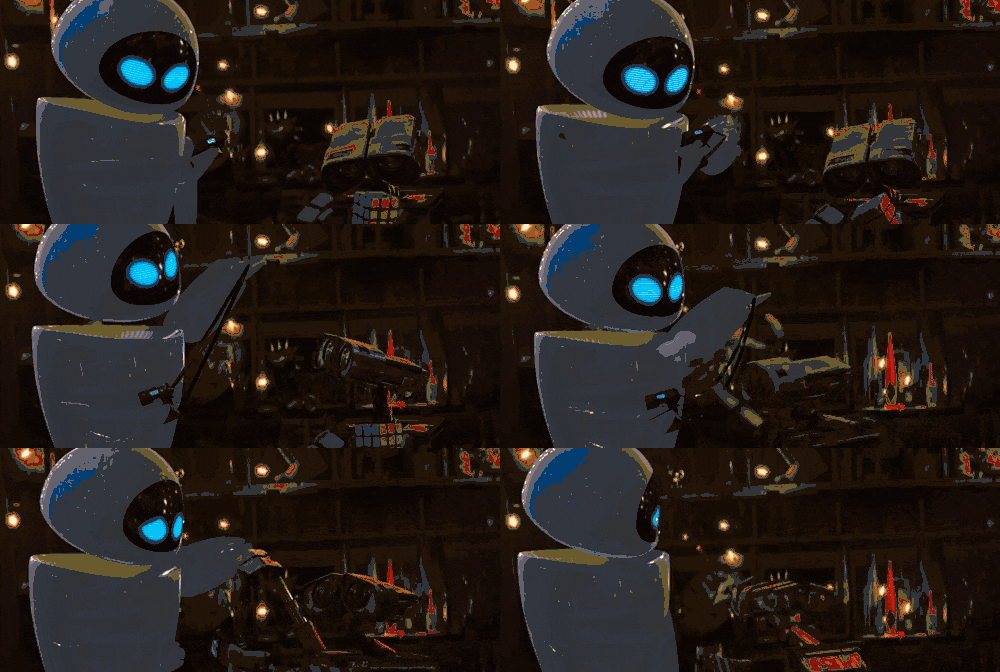

We've been obsessed with robots
for a very long time —
Humanity's fixation with and fantasies about robots have existed for millennia.
Liezi records how the craftsman Yan Shi built an artificial man from leather, wood, lacquer, and pigments of white, black, cinnabar, and azure — complete with organs, bones, and skin. The automaton moved freely, sang and danced.
In ancient Greek mythology, the smith god Hephaestus forged golden robotic assistants to fetch tools and carry materials for him.
In Mayan accounts, the wooden figures Xyom and Sotz possessed human-level intelligence and served as capable stewards of their tribes.
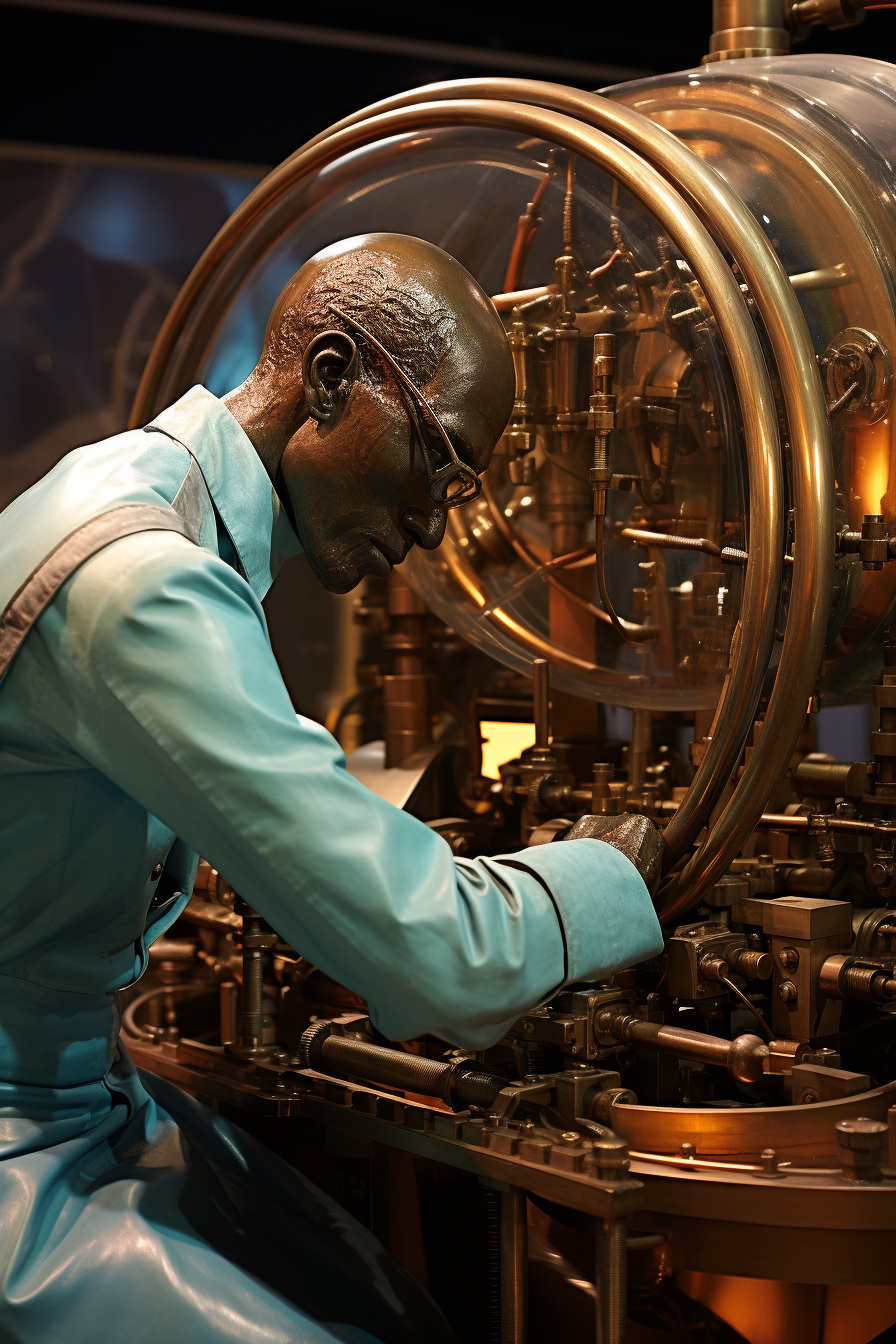
In 1920, Czech writer Karel Čapek coined the word "Robot" in his play R.U.R. (Rossum's Universal Robots) as a term for artificial workers.
"Once the word Robot existed, all science fiction could be written."
— Isaac Asimov, author of the Three Laws of Robotics
Steam, electricity, the flood of steel, the Industrial Revolution... Our grandest visions became the beacons guiding scientific progress. Technological advancement made everything possible to bring into reality.
? ➜ !
Soon enough, we built some pretty decent robots —
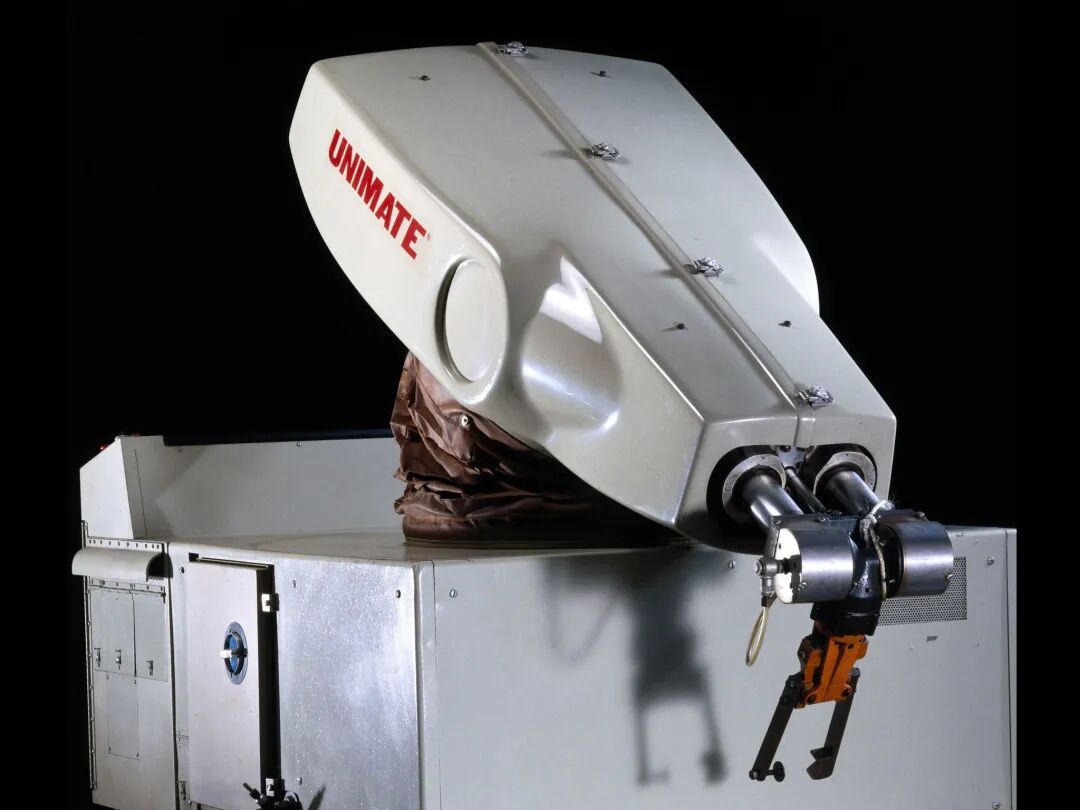
In 1961, the first industrial robot arm used for mass production, Unimate, began work on a General Motors assembly line in New Jersey.
Weighing 4,000 pounds, Unimate's job was die casting. Occasionally it was trotted out to pour coffee or play golf for human audiences.
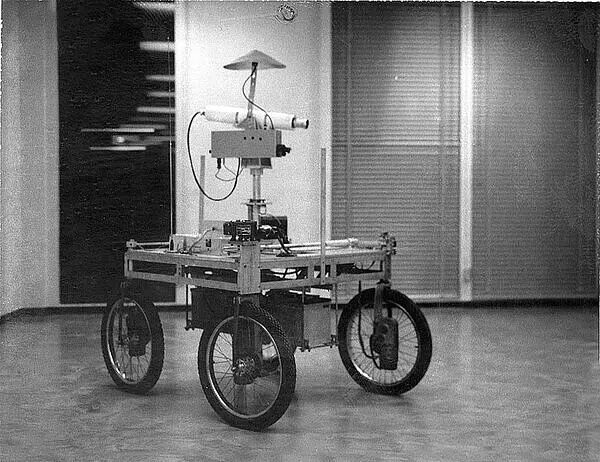
In 1978, the first "driverless" four-wheeled vehicle, the Stanford Cart, successfully navigated around obstacles on its own. Equipped with a TV camera serving as its "eyes," four small bicycle wheels, and an impossibly long cord snaking back to a monitor, it managed to weave past a chair and an open umbrella, wobbling from one side of the room to the other all by itself.
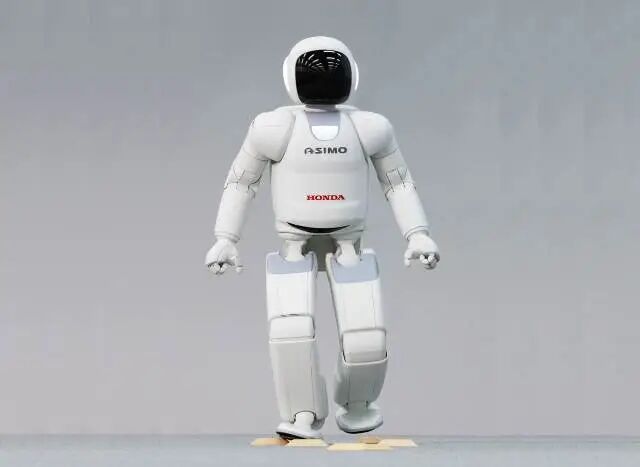
In 2000, Honda unveiled the world's first humanoid robot, ASIMO, capable of conversation, walking, unscrewing bottle caps, and — crucially — finding its own way back to the charging dock before its battery died.
This backpack-toting, space-kid-looking robot stood 130 cm tall and weighed 54 kg. It could talk, walk, twist open bottles, and autonomously return to its charging station.
That last skill mattered because ASIMO could only run for 10 minutes on a single charge.
Swipe right for more
But we always want
better robots —
For example, getting humanoid robot ASIMO's runtime from 10 minutes to 30 minutes took Honda nearly a decade.
A Complex "Systems Engineering" Challenge
A robot that can move needs, at minimum —
Mechanical engineers to provide: drive joints, structural materials, locomotion mechanisms.
Electrical engineers to provide: sensors, power systems, and motor controls.
Software engineers to provide: structural data, integrated models, programming instructions.
······
ASIMO was bottlenecked by power supply. It wasn't until 2010, with advances in lithium-ion batteries, electrode efficiency, and energy usage, that battery life finally stretched to support 30 minutes of continuous ASIMO operation.
Robot projects aborted in the lab because advances across different technical domains couldn't "perfectly align" are too numerous to count.
And regardless of the field, scientific innovation itself is a more complex undertaking than building any single robot.
Between "seems reasonable" and "proven correct in practice" lie roughly 3,000 failed attempts.
⟿ "3,000" ⟿
That's Edison's estimate of how many experiments it took to invent the lightbulb.
Most researchers may go their entire lives without ever seeing their theories materialize in reality.
But look — there are always those who refuse to be deterred by failure —
They let curiosity defeat cowardice, and the hunger for knowledge triumph over time, step by step bringing the robots of imagination into our lives.
↯
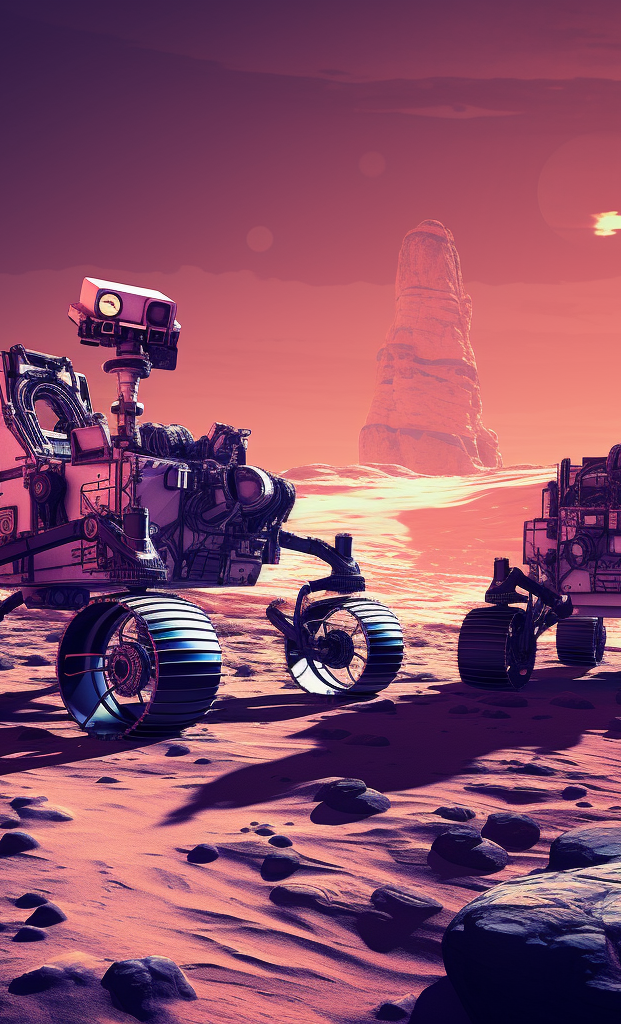
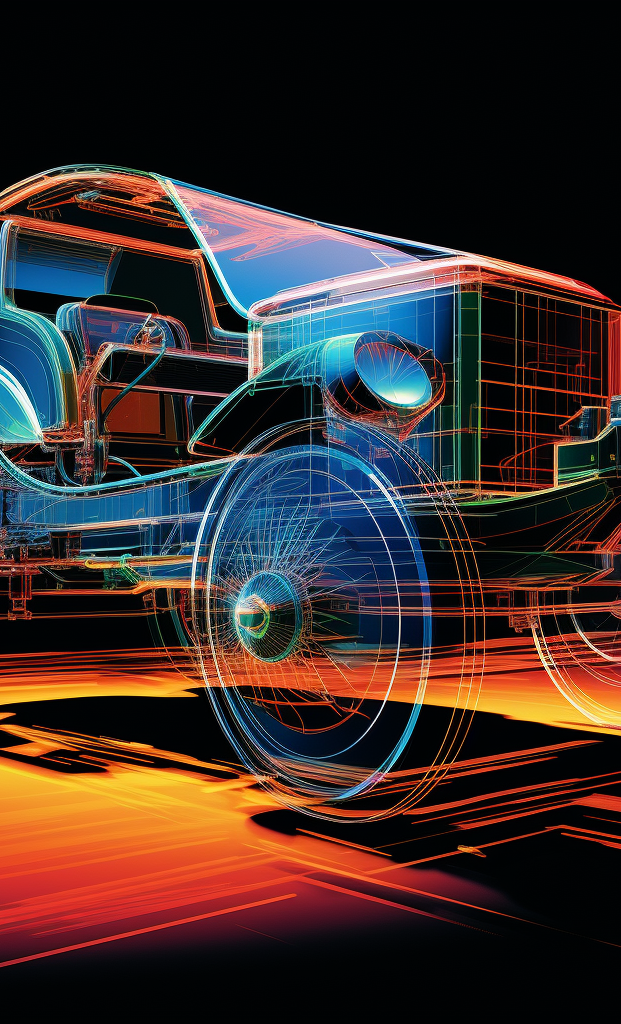
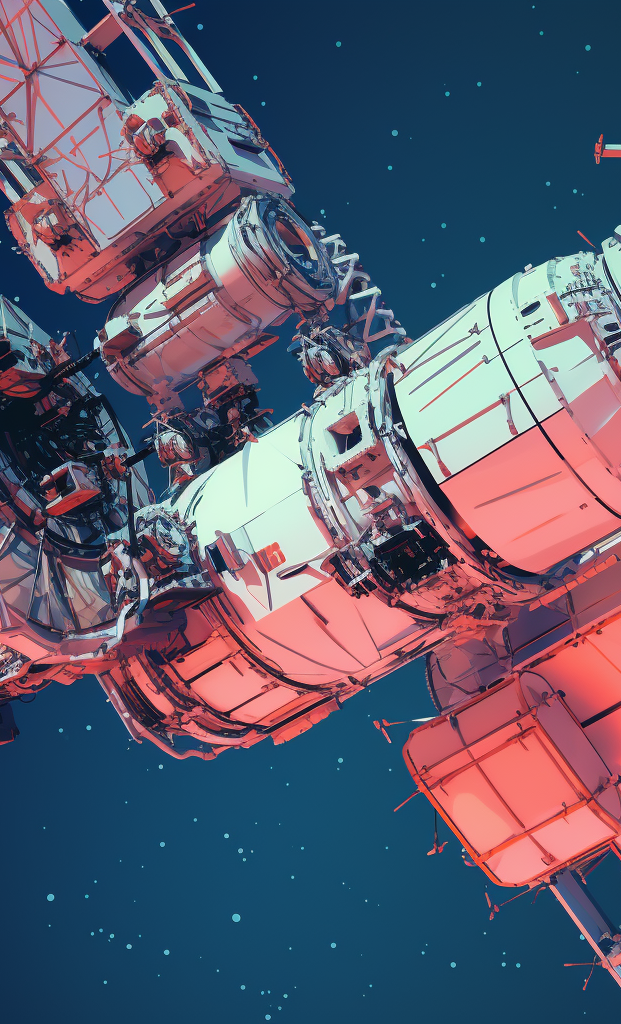
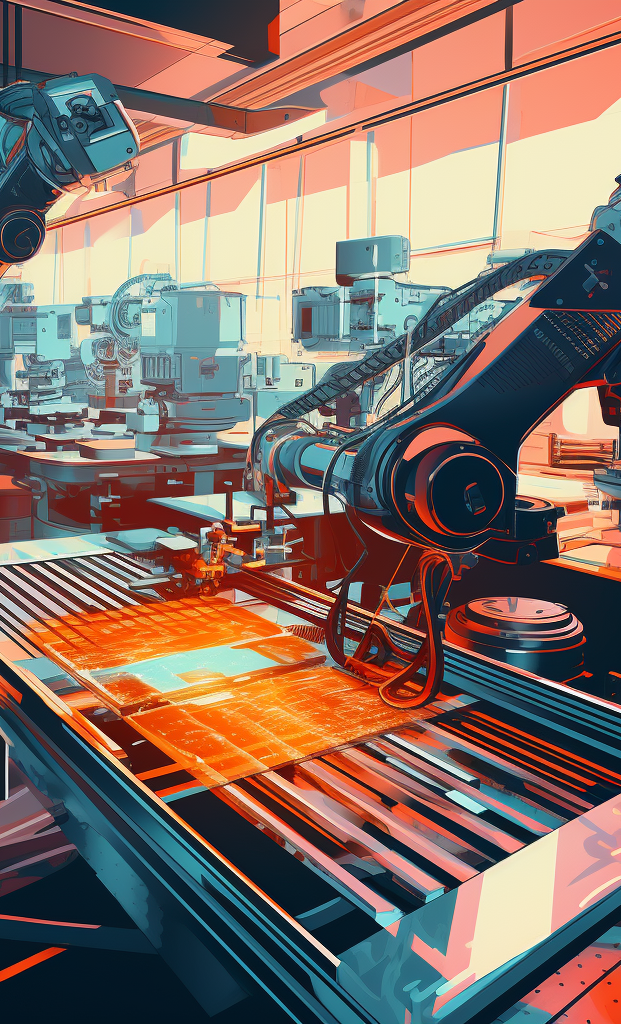
Images in this article: Midjourney
Fortunate to live in the age of "human-machine symbiosis," robots have become our companions on interstellar voyages, guardians in dangerous domains, and assistants in production and daily life.
— Having robots complete tasks and provide companionship — is that why we want them?
What made us think,
in the first place, of building a robot?
We took this question to a robot. Here's the answer from ChatBot Claude, speaking from a human perspective —
"Our robotic pursuits reveal what we most prize within ourselves.
Robotics reflects our perpetual striving to realize new potentials within ourselves and know ourselves through what we can create."
What we project onto robots is precisely what humanity believes to be good and beautiful;
The process of exploring robotic possibilities continuously unlocks new human potential.
Through creation, we see ourselves.
What would your answer be?
······The Future
New robots?
This August, our "Y Robot" column launches.
Here, we want to explore all kinds of robots with you:
In everyday life, they're delivering packages and serving plates; autonomous vending vehicles pull up precisely in front of kids craving ice cream; cleaning robots of all kinds are gradually liberating us from housework;
In factories, the "new normal" is more robots than humans; dangerous jobs are increasingly handled by machines; 24/7 inspection robots ensure operations run smoothly in extreme heat or freezing cold;
On the other side of the screen, robots are organizing drafts, writing proposals, occasionally serving as therapists;
And pulling back the lens, robots are conducting terrain surveys on Mars, collecting rock samples on the Moon, and robotic arms are pulling maintenance duty on space stations...
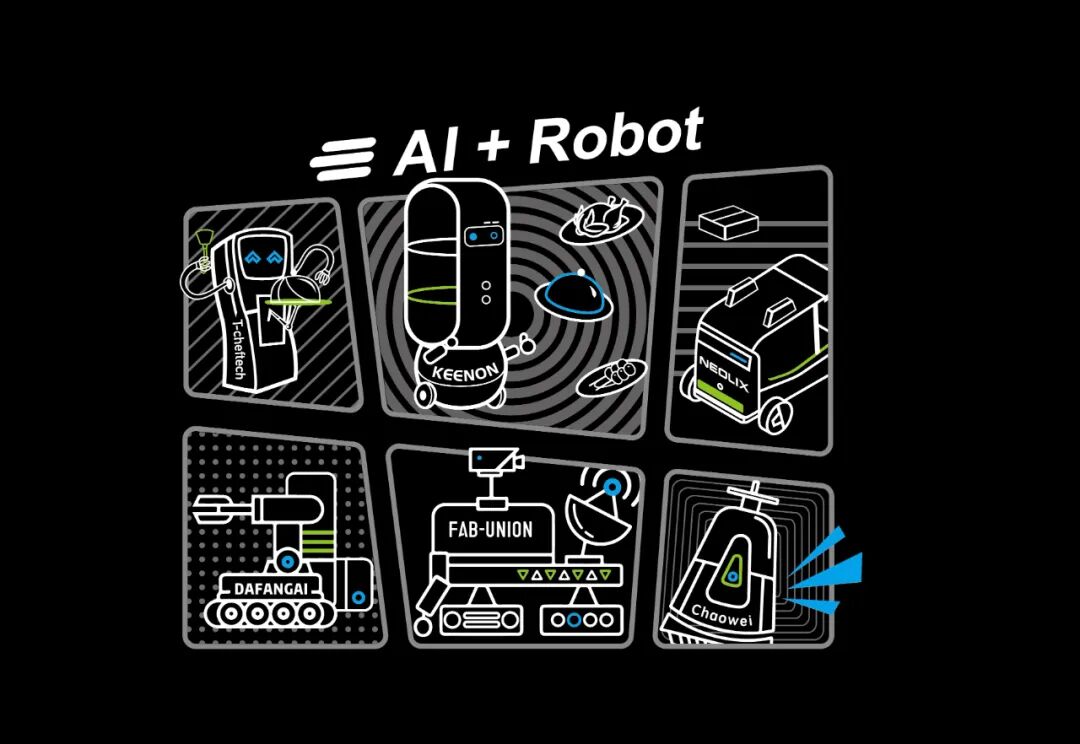
— And of course, the people behind them who believe in robots, who believe technology brings progress, and how they step by step bring beautiful visions into reality.
More to come, stay tuned......