A Rough Road Leads to the Stars | 5Y View

13 billion years ago, light emitted by galaxies in the early universe, shortly after the Big Bang.

On July 12, 2022, Eastern Time, NASA unveiled the first five images from the James Webb Space Telescope — the "king of human telescopes," a project 14 years behind schedule, 20 times over budget, and valued at $10 billion — revealing unprecedented new vistas of the vast, boundless universe.
The images span the cutting edge of astronomical research: deep-field galaxy clusters, compact galaxy groups, diffuse nebulae, and exoplanets. The five images are the SMACS 0723 galaxy cluster, the Carina Nebula, Stephan's Quintet, the Southern Ring Nebula, and exoplanet WASP-96b.
Roughly 13.8 billion years after the Big Bang, humanity is seeing into the depths of the cosmos — so far, so clearly — for the very first time.
Source: Postmodern Post (dreamingding)
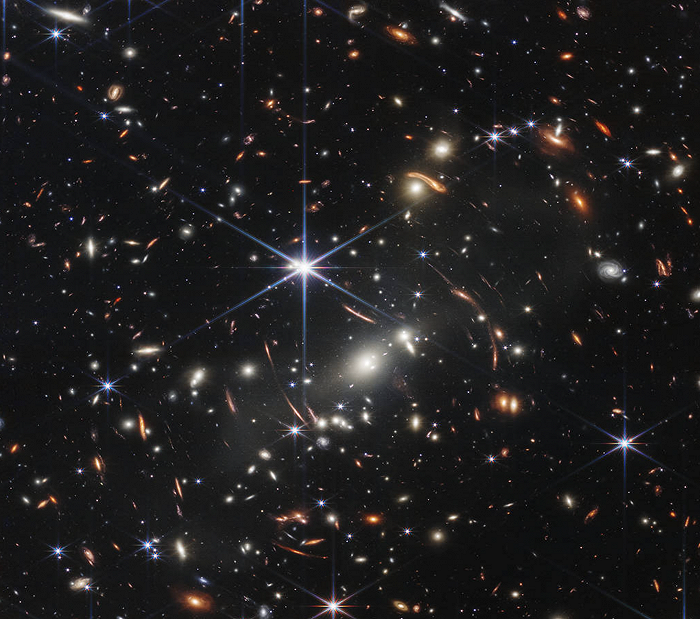
SMACS 0723 galaxy cluster. Image: NASA
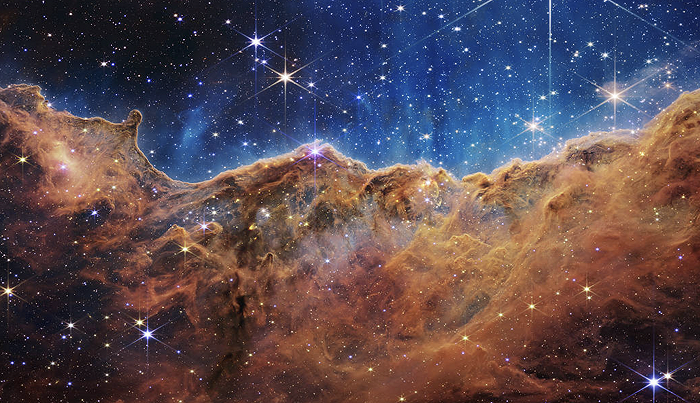
Carina Nebula. Image: NASA
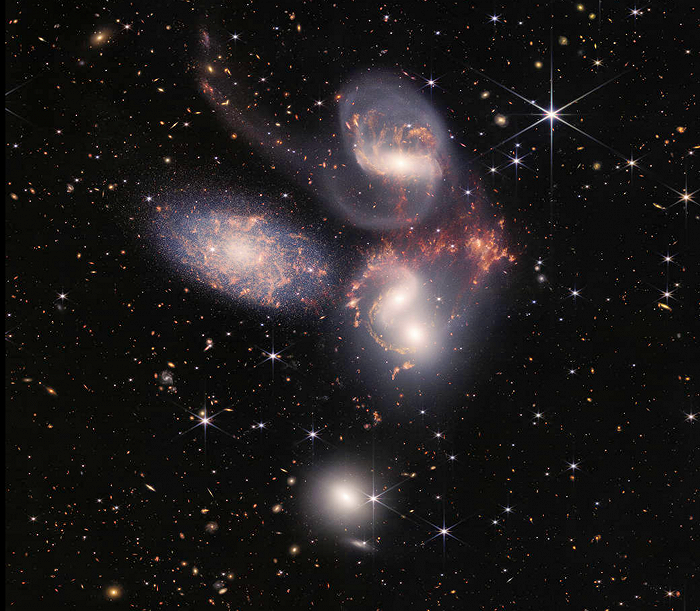
Stephan's Quintet. Image: NASA
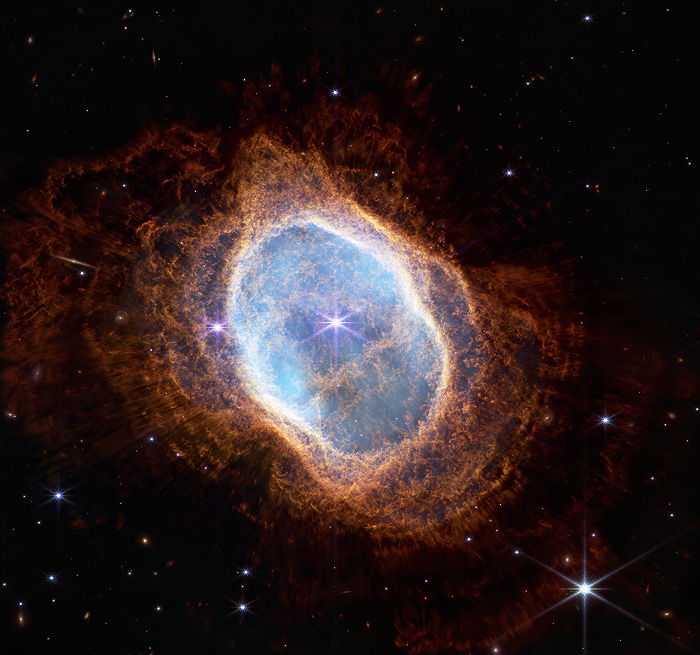
Southern Ring Nebula. Image: NASA
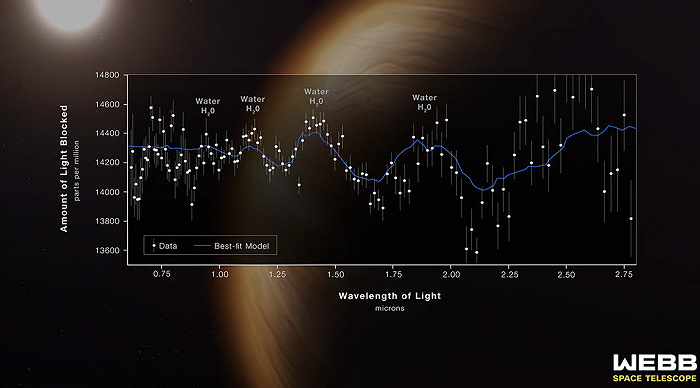
Atmospheric spectrum of WASP-96 b. Image: NASA
"Webb's First Deep Field" is breathtaking. At the time, only a few hundred million years had passed since the Big Bang; galaxies were just forming, and light was beginning to flicker from the first stars. The SMACS 0723 galaxy cluster sits 4.6 billion light-years from Earth, but the starlight behind it traveled roughly 13.5 billion years to reach us, finally captured by the James Webb Space Telescope.
This image from Webb brings humanity almost back to the beginning. Its unprecedented observations of the cosmos will enable scientists to find answers to questions that haven't even been asked yet.
According to NASA Administrator Bill Nelson, this single image alone contains thousands of galaxies, with light from some of them having spent 13 billion years traveling to the telescope's mirror.
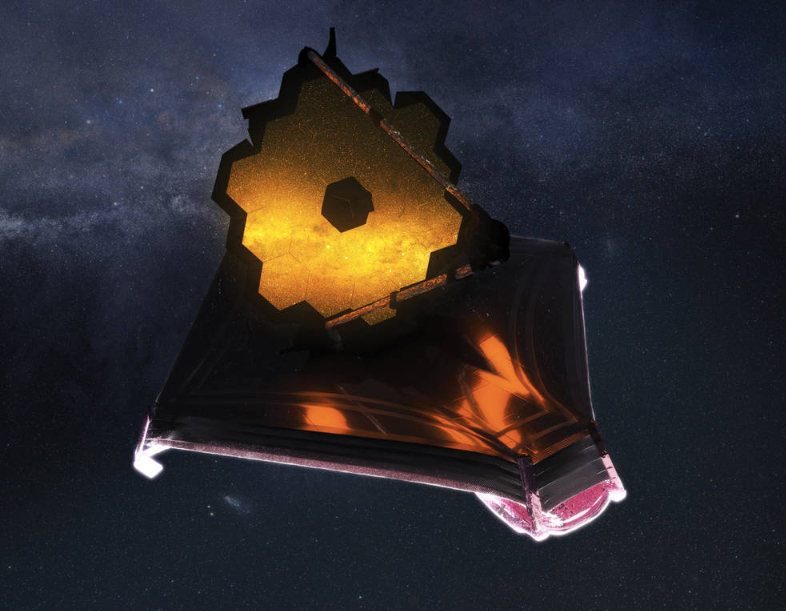
Astronomers expect that Webb will fill a mysterious blank in our known history — the first 400 million years after the Big Bang — and identify distant worlds that may harbor extraterrestrial life.
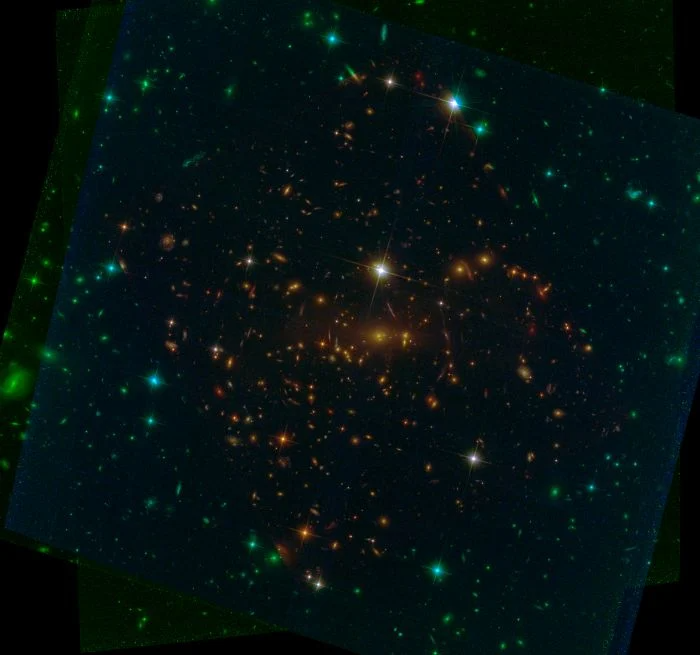
SMACS 0723 as captured by Hubble's Wide Field Camera 3 in infrared
This image, taken by Webb's Near-Infrared Camera (NIRCam), is a composite of photos at different wavelengths, captured over 12.5 hours — a task that would have taken Hubble weeks. The SMACS 0723 galaxy cluster acts like a lens, magnifying far more distant galaxies; Webb can focus on these remote galaxies and discern their fine structures.
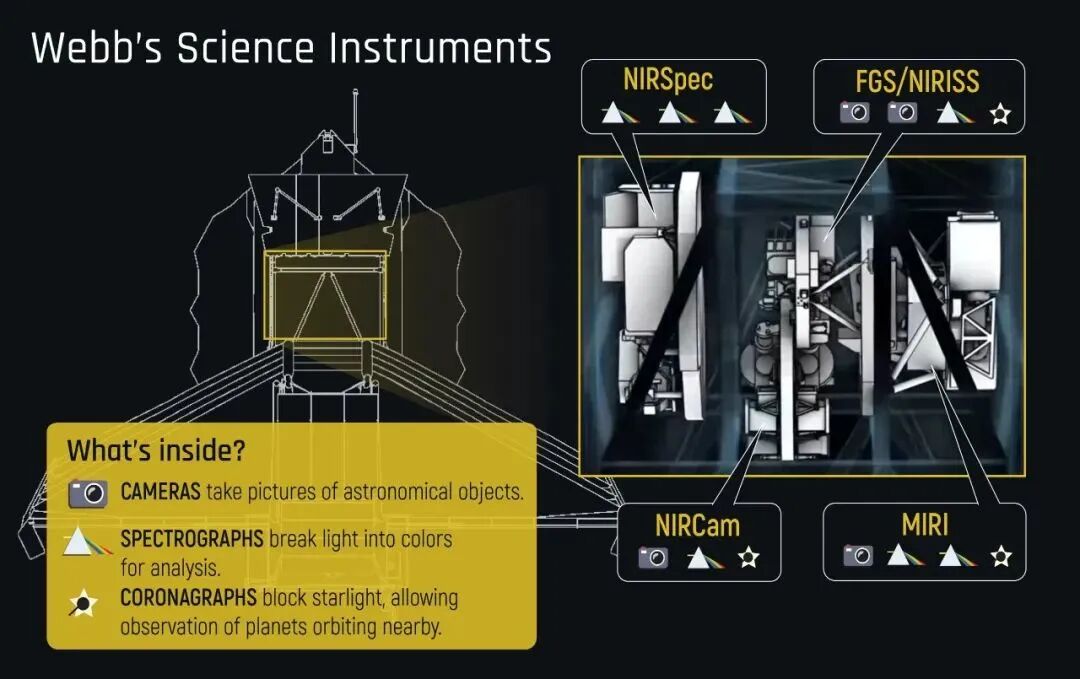
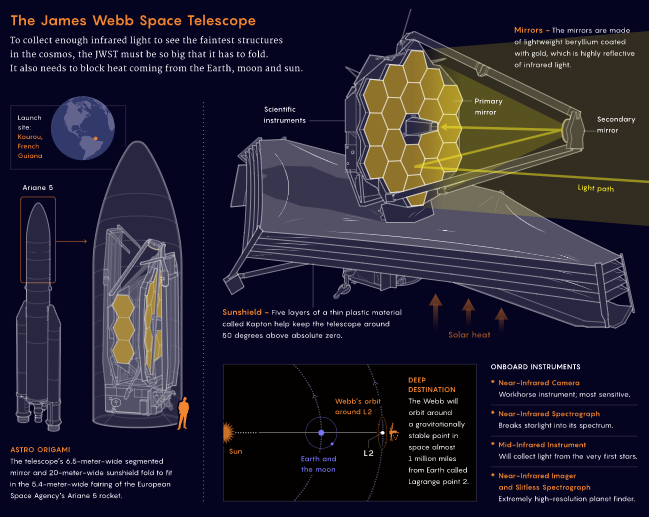
The Webb telescope carries four science instruments: the Near-Infrared Spectrograph (NIRSpec), the Mid-Infrared Instrument (MIRI), the Near-Infrared Camera (NIRCam), and the Near-Infrared Imager and Slitless Spectrograph (NIRISS). These can both image target celestial bodies and break light down into different wavelengths.
Since the project's launch in 1996, the birth of the Webb telescope has been hailed as an event comparable in significance to Galileo's first telescopic observations of the heavens centuries ago. It has been an epic journey, delayed for all manner of reasons. The $10 billion Webb launched on December 25, 2021 — NASA's largest and most powerful space science telescope — and will explore the history of the universe from the Big Bang to the formation of exoplanets and beyond.
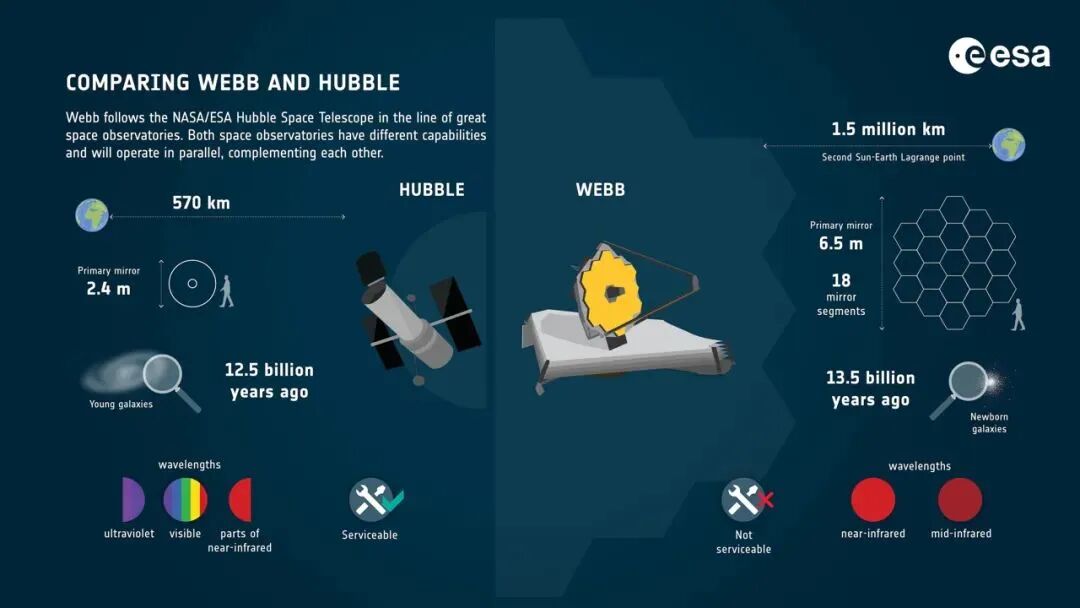
Comparison of the Webb and Hubble space telescopes
James Webb Space Telescope Basic Specifications
Launch date: December 25, 2021
Cost (at launch): $10 billion
Orbit: JWST will orbit the Sun near the second Lagrange point (L2), nearly 1 million miles (1.5 million km) from Earth
Primary mirror size: 21.3 feet (6.5 meters) across
Sunshield: 69.5 feet x 46.5 feet (22 meters x 12 meters)
Mass: 14,300 pounds (6,500 kg)
One month after launch, the Webb Space Telescope entered its operational orbit around the Sun-Earth second Lagrange point, roughly 1.5 million kilometers from Earth. L2 is a point in space near Earth opposite the Sun; this orbit keeps the telescope aligned with Earth as it orbits the Sun. It has been a popular location for several other space telescopes, including the Herschel Space Observatory and the Planck space observatory.
The Webb Space Telescope will focus on four main areas: the first light in the universe, galaxy assembly in the early universe, the birth of stars and protoplanetary systems, and planets (including signs of life). In its mission to observe the universe comprehensively, two major goals are especially important: first, to capture images of the earliest stars in the universe from 13.5 billion years ago; second, to determine whether distant exoplanets in other solar systems might be habitable.
The Webb Space Telescope is the product of international collaboration between NASA, the European Space Agency (ESA), and the Canadian Space Agency. JWST involves more than 300 universities, organizations, and companies across 29 U.S. states and 14 countries. Webb's nominal mission lifetime is five years, with a target of ten.
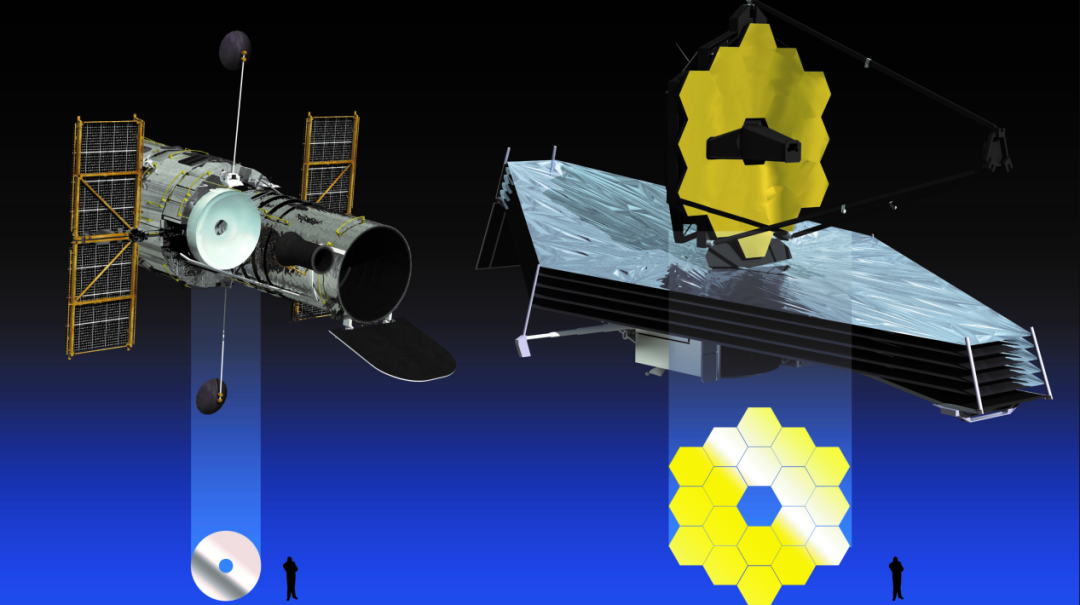
Comparison of mirrors on the Hubble and Webb space telescopes (Image: Future/Adrian Mann)
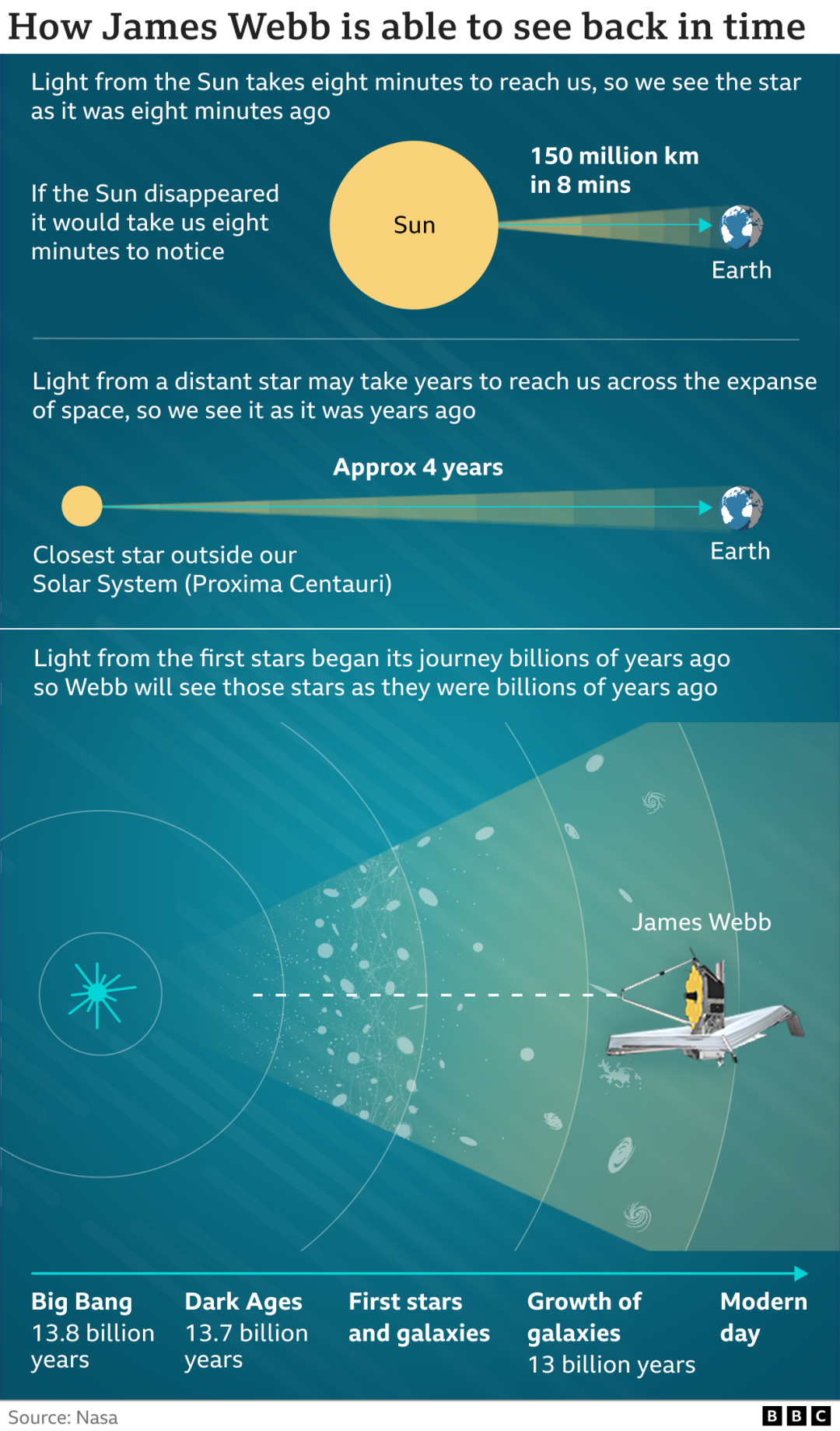
How space telescopes "see the past" (Image: NASA/BBC)
A Brief History of JWST Delays
NASA initiated development of the Webb telescope in 1996 to observe more distant, deeper regions of the cosmos.
Scientists have offered a vivid analogy: the Hubble Space Telescope can observe galaxies in their adulthood and youth. The Webb Space Telescope, by contrast, can observe galaxies in their infancy — the distant toddlers and babies of the cosmos.
JWST was originally scheduled for a 2007 test flight, and astronomers' patience was sorely tested. A mix of engineering problems, political hesitation, and project management issues led to countless delays.
In July 2011, U.S. politicians threatened to defund JWST. After months of turmoil, the spacecraft was saved in November 2011. In March 2018, JWST's launch was postponed due to spacecraft technical issues. In June, an independent review board recommended pushing the launch to March 2021.
In 2020, the COVID-19 pandemic affected JWST's progress. In July, NASA announced a new launch date of October 31, 2021. In June 2021, issues with the Ariane 5 launch vehicle pushed the date to November or possibly early December 2021. In September, NASA and ESA announced another delay: the observatory had not yet been transported from its original location in California to ESA's launch site in Kourou, French Guiana. The two agencies set a new launch date of December 18, but poor weather quickly prevented that as well.
Finally, JWST successfully launched at 7:20 a.m. Eastern Standard Time on December 25, 2021 (12:20 GMT; 9:20 a.m. local time in Kourou) from ESA's launch site in Kourou, French Guiana, aboard an Ariane 5 launch vehicle.
Twenty-five years in development, costing more than $10 billion — a powerful observatory born to explore the ultimate mysteries of the universe's origins, embodying cutting-edge human technology across multiple fields — the Webb Space Telescope had at last launched successfully.
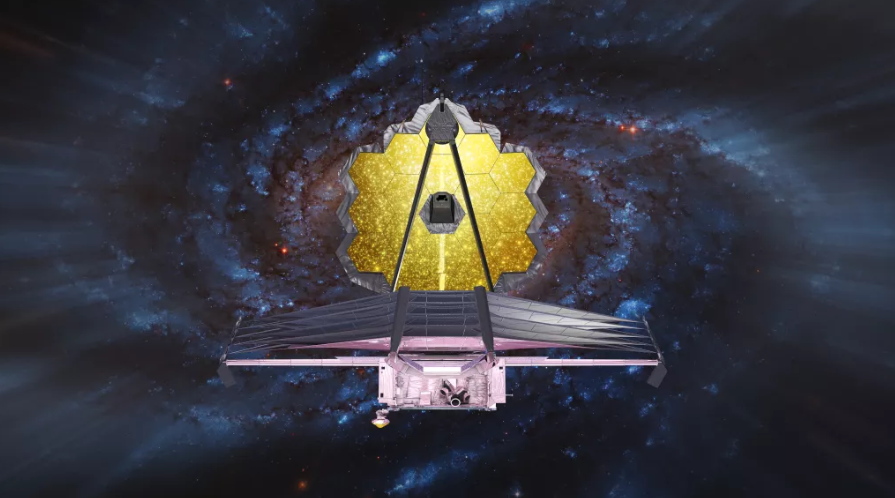
The mission of the Webb Space Telescope is to help scientists answer the following seven cosmic mysteries:
-
When and where did the first stars in the universe form?
-
What is the origin of supermassive black holes?
-
Is dark matter cold?
-
How do massive stars explode into supernovae?
-
Where did the water on planets like Earth come from?
-
Can the most promising exoplanets harbor life?
-
Is the rate of cosmic expansion breaking current cosmological models?
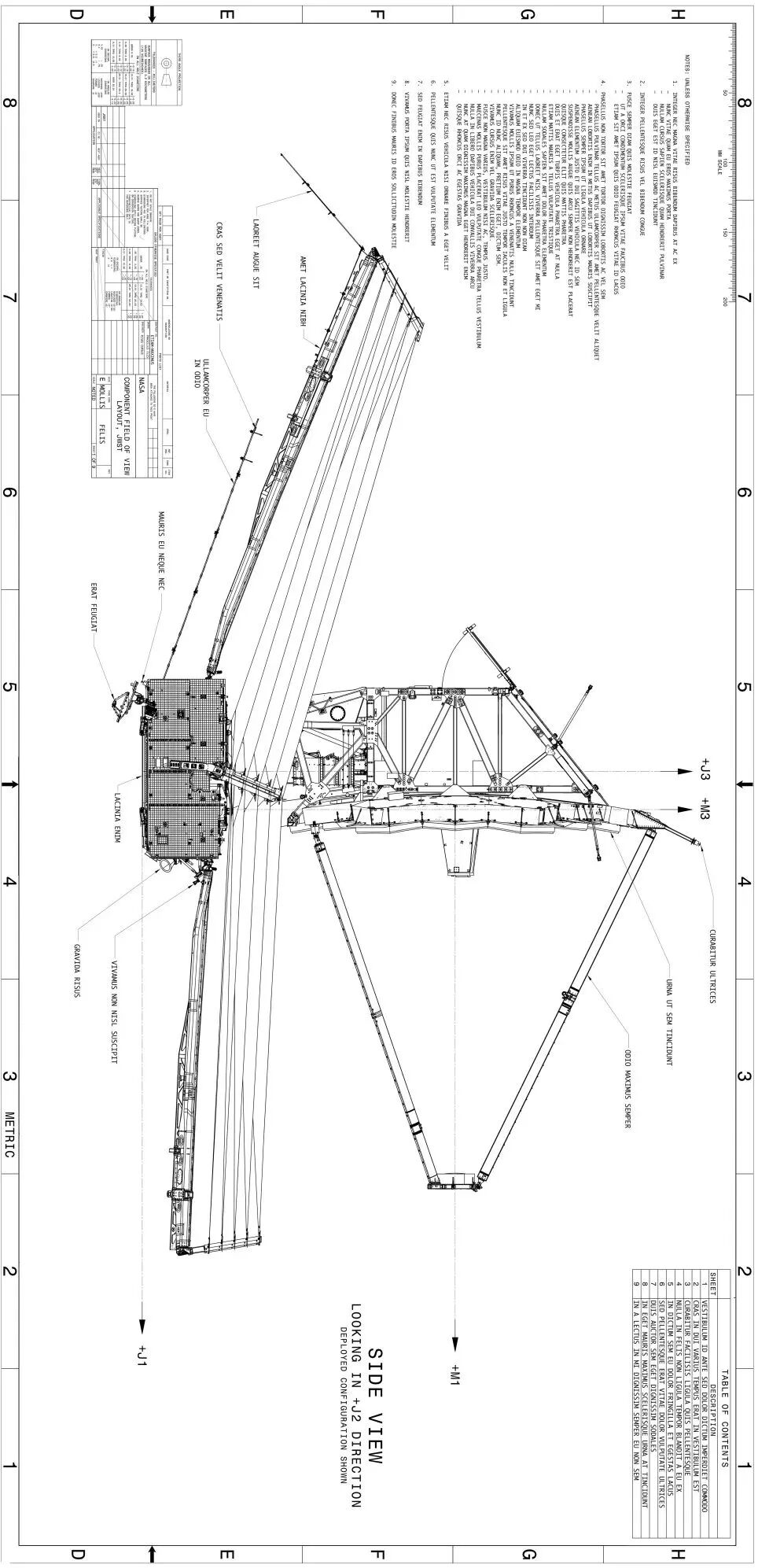
Blueprint of the Webb Space Telescope ⒸNASA
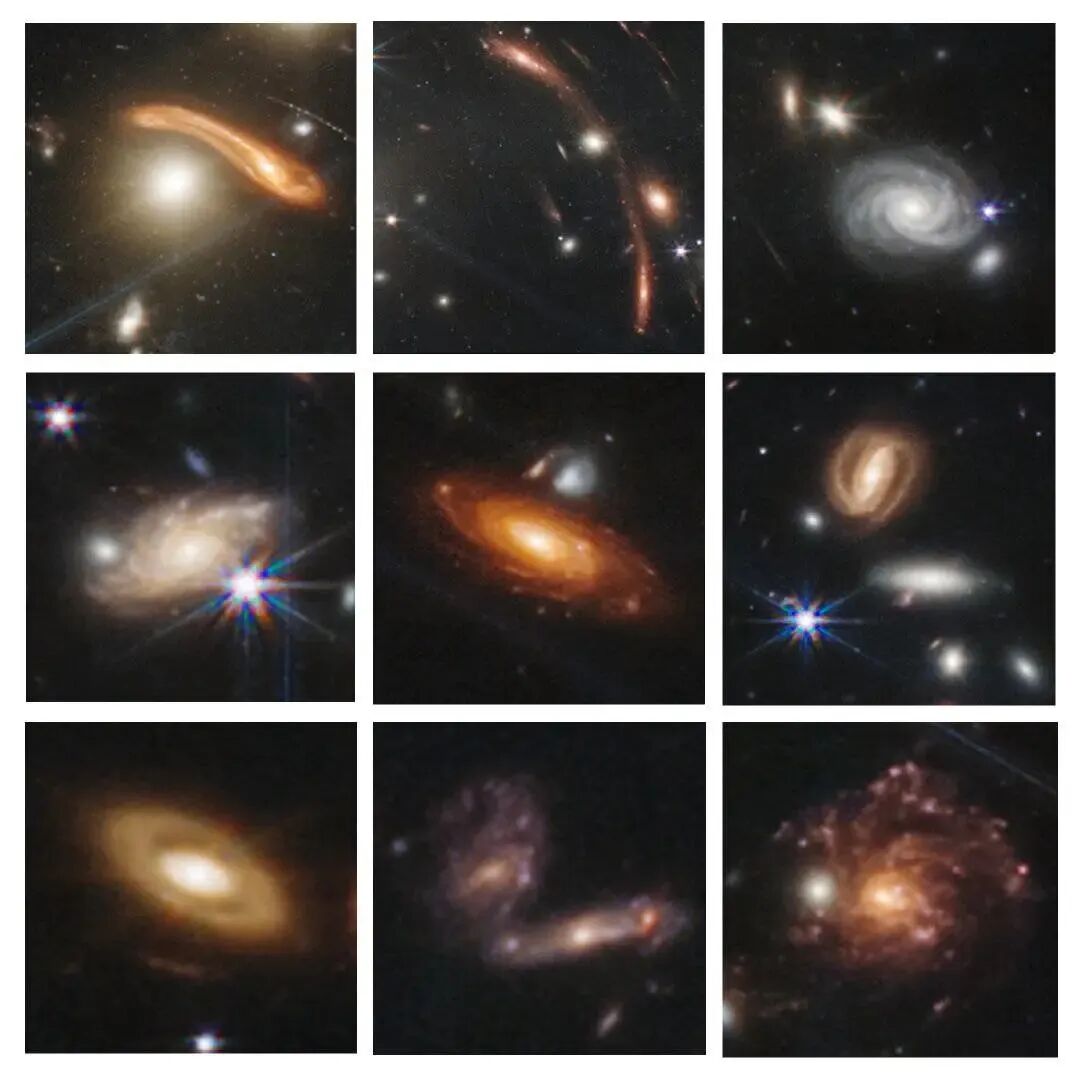
The universe is constantly expanding. The farther galaxies are from us, the faster they recede; distant galaxies shift toward the red end of the spectrum, even into infrared wavelengths invisible to the naked eye. The Webb telescope excels at infrared observation, enabling us to glimpse galaxies at the edge of the cosmos. Their light carries the infant cries of a universe only a few hundred million years old, yet by the time it appears on our screens, billions of years have passed. Never before has humanity come so close to ultimate philosophy:
Who are we? Where did we come from? Where are we going?
On a positive note, this perhaps means humanity still retains its original spacefaring spirit — to explore science, to expand the boundaries of knowledge and activity.
May this spirit burn on like a small flame in a fractured world, giving humanity hope; like galaxies billions of light-years away, seemingly tiny, yet each star a world unto itself.
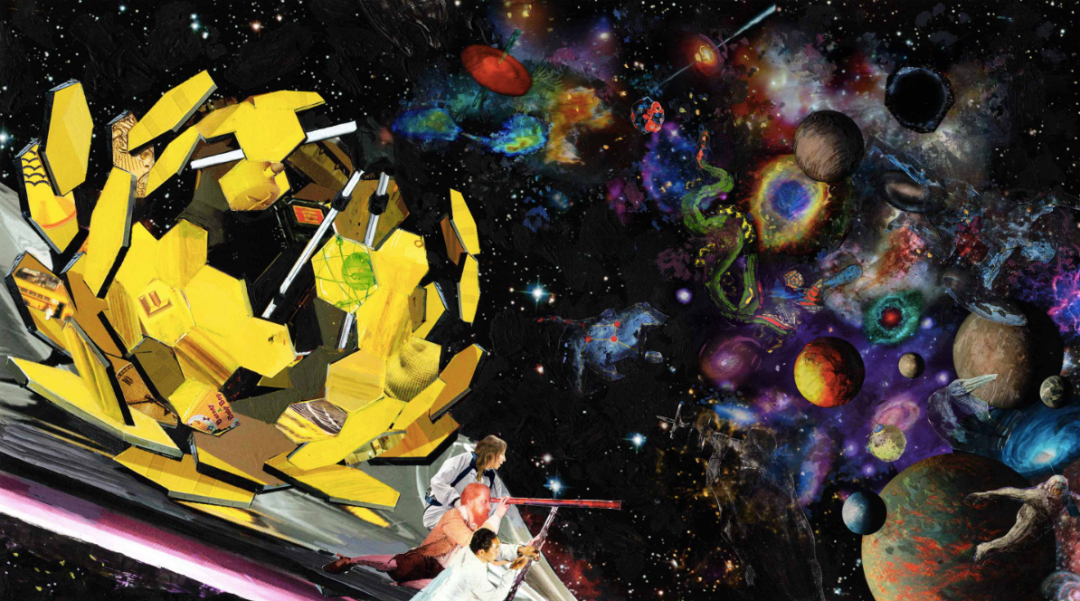
Finally, we recommend an in-depth report on the Webb telescope running nearly 17,000 words. It was originally published in Quanta Magazine in December 2021, written by Natalie Wolchover. She won the 2022 Pulitzer Prize for Explanatory Reporting for this piece.
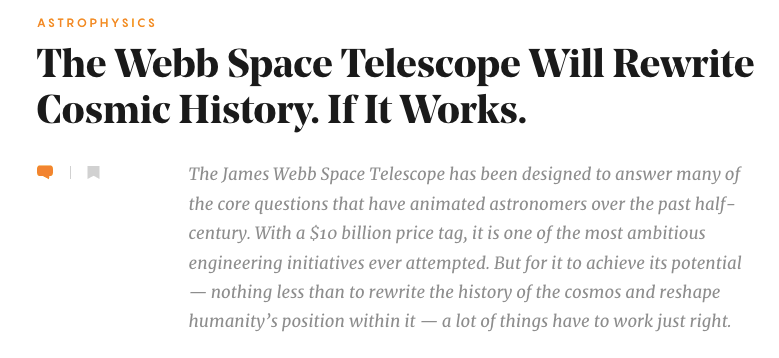
Original report: https://www.quantamagazine.org/why-nasas-james-webb-space-telescope-matters-so-much-20211203
The following translated excerpts are from Guokr columnist You Shiyou.
"To look back at the birth of the universe and see the light of the first stars, you must first grind a mirror as large as a house. Its surface must be so smooth that if the mirror were scaled up to the size of an entire continent, no peak or valley would rise above ankle height. Only a mirror this large and this flat can collect and focus the faint light from the most distant galaxies in the sky...
Even with such an extraordinary mirror, it is still far from enough.
No one has ever seen what galaxies looked like when they formed, because over billions of years, that ancient starlight has been greatly stretched as it traveled through ever-expanding space. The ultraviolet and visible light emitted by the most distant stars, by the time it reaches us, has been stretched by a factor of roughly 20, becoming infrared. But infrared is also light emitted by vibrating atoms — what we call 'heat.' The same infrared radiation pours out from our bodies, our atmosphere, and the ground beneath our feet. These local heat sources completely overwhelm the feeble glow of ancient stars. Therefore, to observe those ancient stars, the telescope's large mirror must be extremely cold. It must be launched into space.
But here arises another problem. No rocket can carry a mirror as large as a house. So the mirror must be folded.
To be folded, the mirror must first be divided into a honeycomb array of multiple segments.
To focus together and produce sharp images, after unfolding in space, these segments must be aligned to near perfection — requiring motors of extreme precision. These motors can gently push the segments, moving them distances as small as half the width of a virus, to ensure all segments are positioned correctly."
"The actuators provided by Ball Aerospace can push the mirror with 10-nanometer precision, a width merely one ten-thousandth of a human hair. These motors work by 'flexing' — that is, 'converting large motion into small motion.'"
"The entire Webb telescope weighs only about 2% as much as a large ground-based telescope."
"The mirror is made of beryllium, a material that is light, strong, and stiff, but comes as a powder, is toxic, and is generally a headache to work with — yet it was the only viable option. Beryllium powder was pressed into blocks in Ohio, then cut in Alabama. The segments were then coated with gold, because gold reflects infrared exceptionally well. Finally, a factory built specifically for this project in California polished the mirror surface."
But even this was still not enough.
"Even launched into outer space, Earth, the Moon, and the Sun would still radiate too much heat toward the telescope, preventing it from sensing the faint flickering of the most distant structures in the universe.
Unless — the telescope points to a specific point, the second Lagrange point. At that point, the Moon, Earth, and Sun all lie in the same direction, and by deploying a tennis-court-sized sunshield, the telescope can simultaneously block all three bodies. Through this method, the telescope can finally reach a state of extreme cold (-223°C), enabling it to detect the faint heat of cosmic dawn.
The sunshield is both the only hope and the fatal vulnerability of an infrared telescope.
To be large enough when deployed yet not exceed the rocket's weight capacity, the sunshield could only be made of thin fabric. Engineers knew that thin fabric is 'indeterminate' — its movement cannot be fully controlled or predicted. If the sunshield snagged or tore during deployment, the entire telescope would become a piece of space junk."
"For the sunshield material, the team chose Kapton, a smooth silver plastic that looks very much like the inner lining of a potato chip bag, as thin as a human hair. Kapton's tearing risk was not low, so multiple layers were needed for redundancy — the team decided on five layers. A system of booms, cables, and cords would fully deploy, separate, and tension these five layers."
Chief engineer Michael Menzel described how difficult this was: "If it's something rigid, like a door, you put a hinge on it and you can predict how it will move. Piece of cake. But now give me a soft blanket. Push a blanket across a bed and try to predict what shape it will take? Terrifying. The same thing happens with cords — every cord tensioning the sunshield can move in a million different ways. Worse still, in zero gravity, these things can go places you don't want them to go."
"Around 2004, two NASA engineers came to Menzel's office saying they had a solution. One picked up a piece of paper from Menzel's desk and folded it into a Z-shape. The sunshield could be folded into many such Z-shapes — an 'accordion fold.' Menzel thought this could work.
The next question was how to keep the sunshield in its accordion-folded state until it was ready to deploy. Another engineer, Andy, found the answer: 107 retention pins that could retract like cat claws.
The pins brought another thorny problem: pins create pinholes. If, after deployment, the pinholes in all five layers of Kapton happened to line up, sunlight would pass through and heat the telescope's optics.
Menzel said: 'This was a tiny detail no one could have imagined before. You only discover it once you start doing it — oh my god, five pinholes could line up. It doesn't sound like much, but it drove Andy to drink. Thank goodness he later figured it out.' Andy diligently tested for a long time and finally found a solution ensuring that no matter how the five differently-sized Kapton sunshield layers deployed, their pinholes would never align."
...
This is but a small part of the story behind that color image.
At this moment, the Webb telescope floats quietly in the dark, cold void of space, with the Sun, the Moon, and the pale blue dot of all human life behind it. The information it brings back in the future will advance — and perhaps overturn — humanity's understanding of the universe.
Per aspera ad astra — through hardships to the stars.
Giveaway
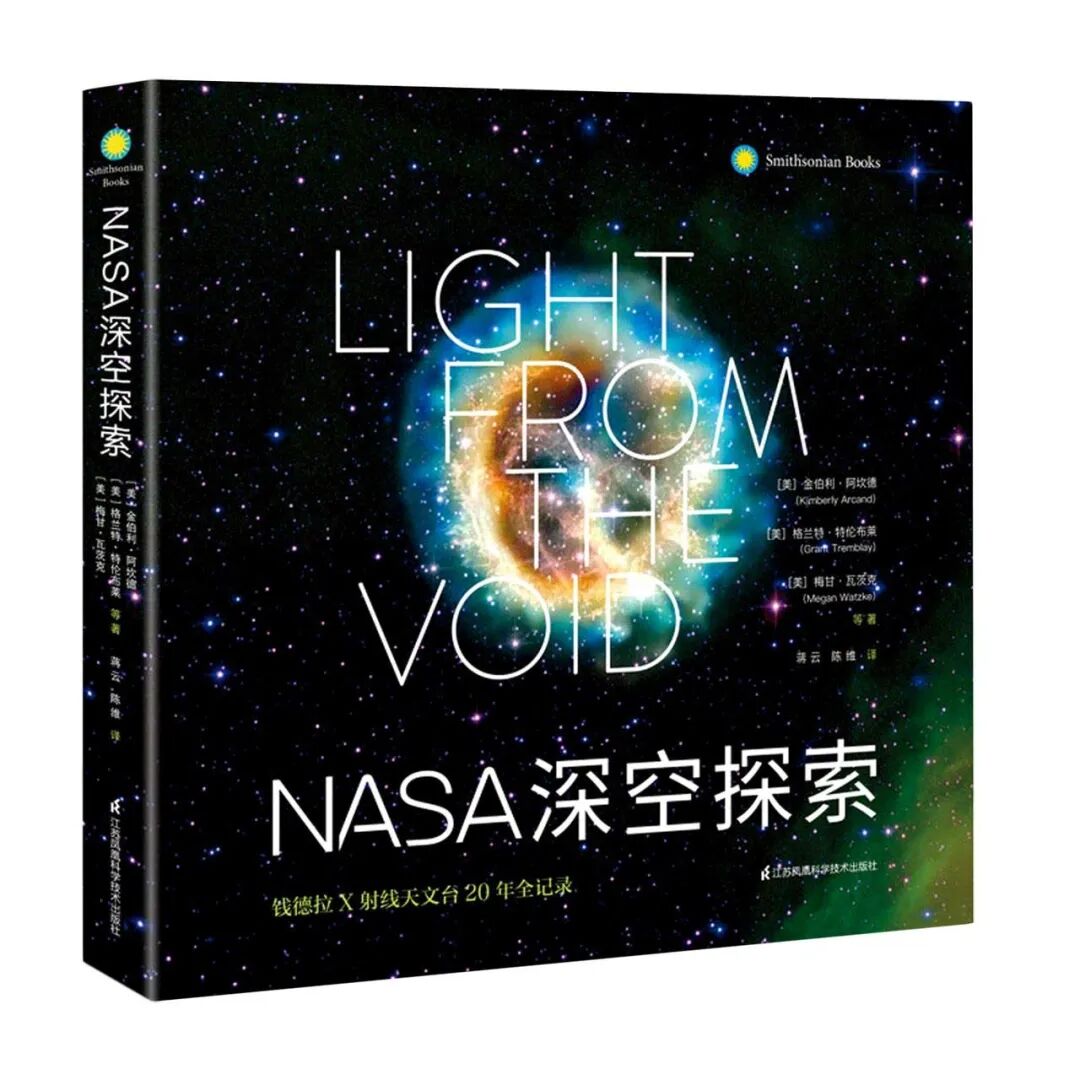
We welcome you to share your thoughts, perspectives, and reflections in the comments. We will select 1 featured comment to receive a copy of NASA Deep Space Exploration. May we all strive to gaze far into the vast starry sky, at any time. (Comments accepted until July 22; please reply with shipping information within 24 hours of receiving notification.)




5Y Capital seeks out, supports, and inspires lonely entrepreneurs, providing everything from spiritual support to operational guidance. We believe that if the world begins to believe in the 'crazy' person others see, the world will become a different place.
BEIJING · SHANGHAI · SHENZHEN · HONG KONG