Creativity is the joint product of freedom and discipline | 5Y View

Creativity is the true "superpower" that humanity possesses.
Machines and automation are taking over many of our tasks, but one skill humans can't be replaced by is creativity.
Creativity is humanity's true "superpower." It's precisely because humans never stop exploring the world that we now have such a highly developed modern civilization.
Where does creativity come from? I hope this article gives you some food for thought :)
This article is republished from the WeChat account: 36Kr
Translated from Medium, by Michael Lim
Original title: 4 Contradictory Lessons on Creativity
As automation becomes more prevalent, one skill machines cannot replace is creativity. The ability to think outside the box and bring fresh ideas to entirely new challenges is critically important.
Creativity is a superpower.
The work our parents' generation did was different from ours. Their era placed greater emphasis on standardization and production efficiency — following orders and rules from above was the safe bet. Any deviation from that path was seen as too risky; being creative equated to being "nonconformist."
In short, our predecessors didn't have much room to exercise creativity. We're different.
In our time, the gap between creativity and technology is gradually narrowing. Creators have more accessible opportunities than ever before to showcase their work and unlock its commercial value. Through emerging platform economies like YouTube, Medium, and Fiverr, the problem of distributing creative work has been solved. During the pandemic, you could find an audience and monetize it from your bedroom.
I've seen many creative entrepreneurs like Ali Abdaal running million-dollar businesses from their apartments. Through his YouTube channel, podcast, and online courses, Ali turned his hobby into a lucrative full-time career. Our economic model is shifting — personal hobbies and creativity are gaining increasing recognition, and audiences are willing to pay for them.
So what comes next? Just start creating.
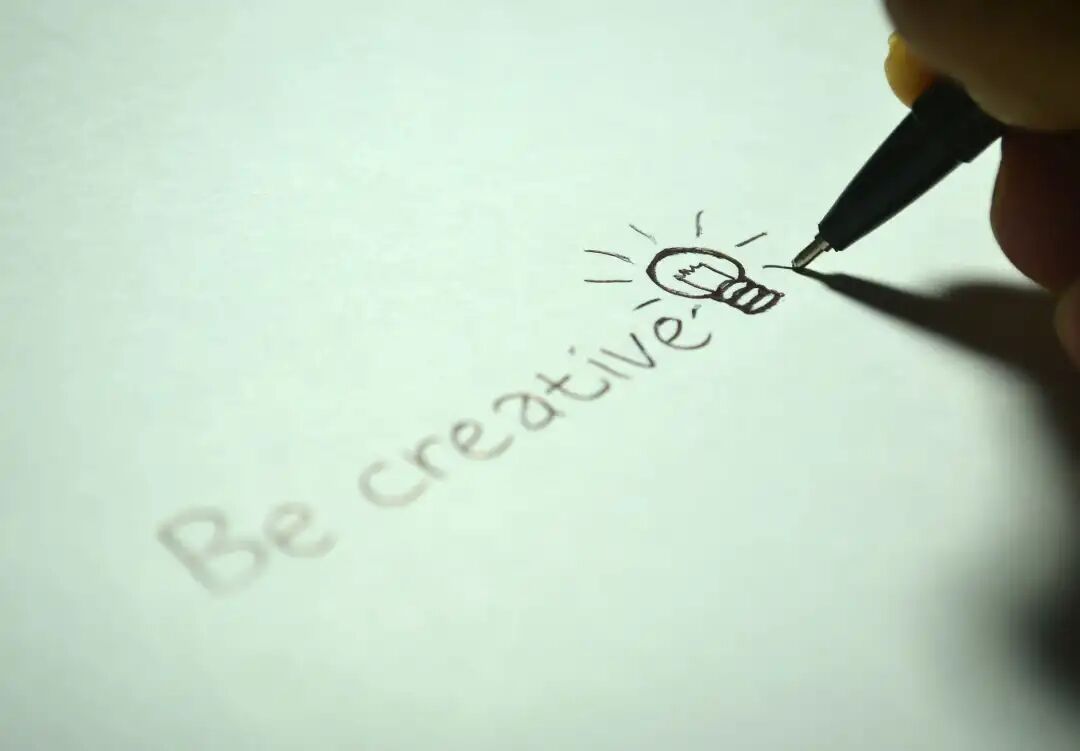
Creativity Demands Both Freedom and Discipline
Creativity is the offspring of freedom and discipline.
Without discipline to constrain the creative process, there can be no creative freedom. Habits aren't obstacles to creativity — they're what separates great artists from mediocre ones.
Think of all the great artists in the world. They devoted themselves to their art, almost to the point of obsession. They thought, felt, and immersed themselves in what they did.
Steven Pressfield called overcoming this "Resistance" the key to doing creative work. The more professional you are, the more patient you are in rigorously focusing on your craft.
Jerry Seinfeld, on a podcast with Tim Ferriss, detailed his "rules" that carried him through 30 years in comedy — helping him write seriously every single day, even if only for 10 minutes.
Discipline grants greater creative freedom. You can't always wait for inspiration to strike or for motivation to carry you.
"There was a time when writing was excruciatingly difficult and painful for me, like pushing a wheelbarrow full of bricks through mud. In the end, I got through it. Because I had to. Either get over it or fall down — there was no other choice." — Jerry Seinfeld
Creativity Needs the Individual, But Also the Team
Creativity requires the nourishment of collective intelligence. We often assume creativity is the product of genius, entrepreneurs, and visionaries having sudden flashes of insight in solitude — then willing their creations into existence through sheer force of will.
But individual initial ideas often need an entire team to synthesize them. The iPhone and iPod were originally conceived by Steve Jobs, but it took the hundreds of people behind him to bring them to market.
Find your community, your collaborators — they'll help realize your ideas. The power of the internet lies in helping you find your interest communities. Put it to use.
Creativity Demands Both Quality and Quantity
"On average, creative geniuses aren't necessarily producing work that's dramatically superior in their field. Because they also produce a large volume of work in ordinary times, which gives them more possibilities for variation and innovation." — Adam Grant
What made Shakespeare stand out from other writers of his time? Why do we still read and perform his plays in school and at work? What about Mozart and Thomas Edison?
The answer: Over extended periods, they consistently outproduced everyone else around them.
This doesn't mean we should sacrifice quality for quantity. As Srinivas Rao put it: "Without learning from mistakes and actively pursuing improvement, it's like running endlessly on a treadmill."
More ideas mean more chances for success.
Mozart composed over 600 works before his death; Beethoven composed more than 650.
When it comes to ideas, quantity is the most reliable path to quality. If you want to succeed through good ideas, you need to consistently produce more work over the long term.
Creativity Requires Confidence, Yet Practicing It Means Looking Foolish
"If we spend our time trying to avoid mistakes, we'll never do our best work. On the other hand, if we seek out opportunities to fail, learn from those failures, and try again, we increase the likelihood that our creative work will change human culture and life." — Seth Godin
There's an old philosophical question: "If a tree falls in a forest and no one is around to hear it, does it make a sound?"
The same can be asked of creativity: If you create something but fail to let others experience it, does it count as creativity?
So putting your work out there for others to evaluate is the only way to improve. Testing your ideas in a larger environment — that's exactly when they get to grow.
I often see people not creating because they fear failure — the shame or embarrassment of anything imperfect is stifling their creativity. But the truth is, not many people in this world actually care about your work. Before I published my first article, I was terrified of being mocked for my writing. Yet when I finally hit publish, nothing happened. Most people don't truly care what you wrote. Those who do care will be the ones supporting you.
As my volume of writing accumulated, my work was tested in public. I listened to feedback, accepted criticism, experienced setbacks, and kept improving. This is what's enchanting about creation: letting go of the pursuit of perfection, humbling yourself to start from small steps — that's what truly unleashes your creativity.
This article is republished from 36Kr. Translated from Medium, by Michael Lim.
Original title: 4 Contradictory Lessons on Creativity.



5Y Capital (formerly Morningside Venture Capital) currently manages approximately RMB 32 billion across USD and RMB dual-currency funds. 5Y Capital seeks out, supports, and inspires solitary entrepreneurs, providing them with support ranging from spiritual guidance to all operational aspects of running a business. We believe that if the "crazy" you — as others see it — begins to be believed in, the world will become a different place.
BEIJING · SHANGHAI · SHENZHEN · HONG KONG