A Future Unbound by Biology and Instinct | 5Y View

What science fiction has taught us.

What can science fiction teach us? It can offer an entirely new way of thinking, revealing that many social facts people take for granted are not eternal truths, and may not even exist in the future.
It shows us the possibility of human transformation, and gives us hope for the future. This is imagination on a higher dimension.
Hope this article inspires you :)
Originally published on WeChat: Neugeist (ID: Neugeist)
Author: Danya Glabau | Translator: Dora
Original: https://reallifemag.com/naturals-not-in-it/
If chemistry brought people a better life in the 20th century, then in the 21st century, it is digital technology that has raised our standard of living. Yet what we actually have today are not gravity ships, holodeck entertainment systems, tricorders (a device from Star Trek), or complete equality across genders and races. Instead, we have voice assistants that stimulate our irrational consumption, and social media platforms saturated with bias and conflict. Digital technology seems to have brought convenience along with a host of social problems, and we feel powerless to address them. This sense of helplessness is especially pronounced in the face of the now-ubiquitous phrase "tech evolution," which treats the rapidly advancing tech economy as a product of natural laws, beyond human intervention.
But in fictional worlds, we have absolute control over technology. Although science fiction has provided blueprints for real-world technologists that helped create a disappointing future, it has also served a cognitive function in the struggle against various prejudices. It prompts us to examine how contemporary society operates, and inspires us to see these mechanisms themselves as not absolutely given, but as human-made artifacts. Science fiction reveals that many social facts people take for granted — such as gender identity, biological sex, race, class, and the desire for control that some explain as "human nature" — are not eternally correct concepts, and may not even exist in the future. In some stories, technological development can also be popularized in a classless social economy; while other science fiction works imagine and depict in detail technologies that can support diverse bodies, thereby showing readers how society can develop sustainably when a person's social value is not determined by their physiological traits.
Today's science fiction productions often perpetuate narratives that summarize human nature as self-interested, violent, and greedy. In Westworld, for instance, the AI robots in a near-future theme park are fashioned as tools for releasing human instinctual desires. In Altered Carbon, swapping bodies while maintaining self-awareness and identity becomes a way to escape trauma. From "Arkangel" to "Hated in the Nation," the new technologies described in multiple Black Mirror stories seem to follow an identical script — tech companies use their newly created products to further surveil citizens and extract natural resources.
Yet the imagination of science fiction extends far beyond this. These visions of future technology are actually quite conservative: they establish existing social problems as part of human "nature," implying that regardless of whether new technology exists or not, we cannot change or escape them.
But science fiction is no longer the dystopian hodgepodge it once was. From the resurgence of Octavia Butler and Ursula K. Le Guin, to Hulu's adaptation of Margaret Atwood's novel The Handmaid's Tale, to the growing number of female and queer science fiction writers including Malka Older and Annalee Newitz, science fiction has gradually become a platform for us to freely imagine a future world no longer constrained by biology and "nature."
Today, many designers, educators, and technology experts are turning to science fiction for inspiration to redefine the concept of society and its relationship with natural reality. Speculative fiction-inspired design conferences (speculative fiction being the umbrella term for science fiction, fantasy, and horror) aim to discuss what "the future for all" might look like. Social science journals organize debates exploring "speculation" as a new research methodology applicable to fields such as anthropology. Anthropologist Elizabeth Chin's Speculative Ethnography Lab, for example, uses speculative research to demonstrate that some social "facts" people identify are not rooted in immutable natural laws, but are legacies of colonialism.
In these examples, science fiction is not merely a channel for envisioning the future, but a framework for helping people separate biological nature from social culture. Under contemporary capitalism, various frameworks and concepts classify people as if they were unshakable laws governing every aspect of our lives. In many places and situations, anyone who attempts to cross binary rules or challenge their assigned social role is immediately punished.
- Matt Chinworth -
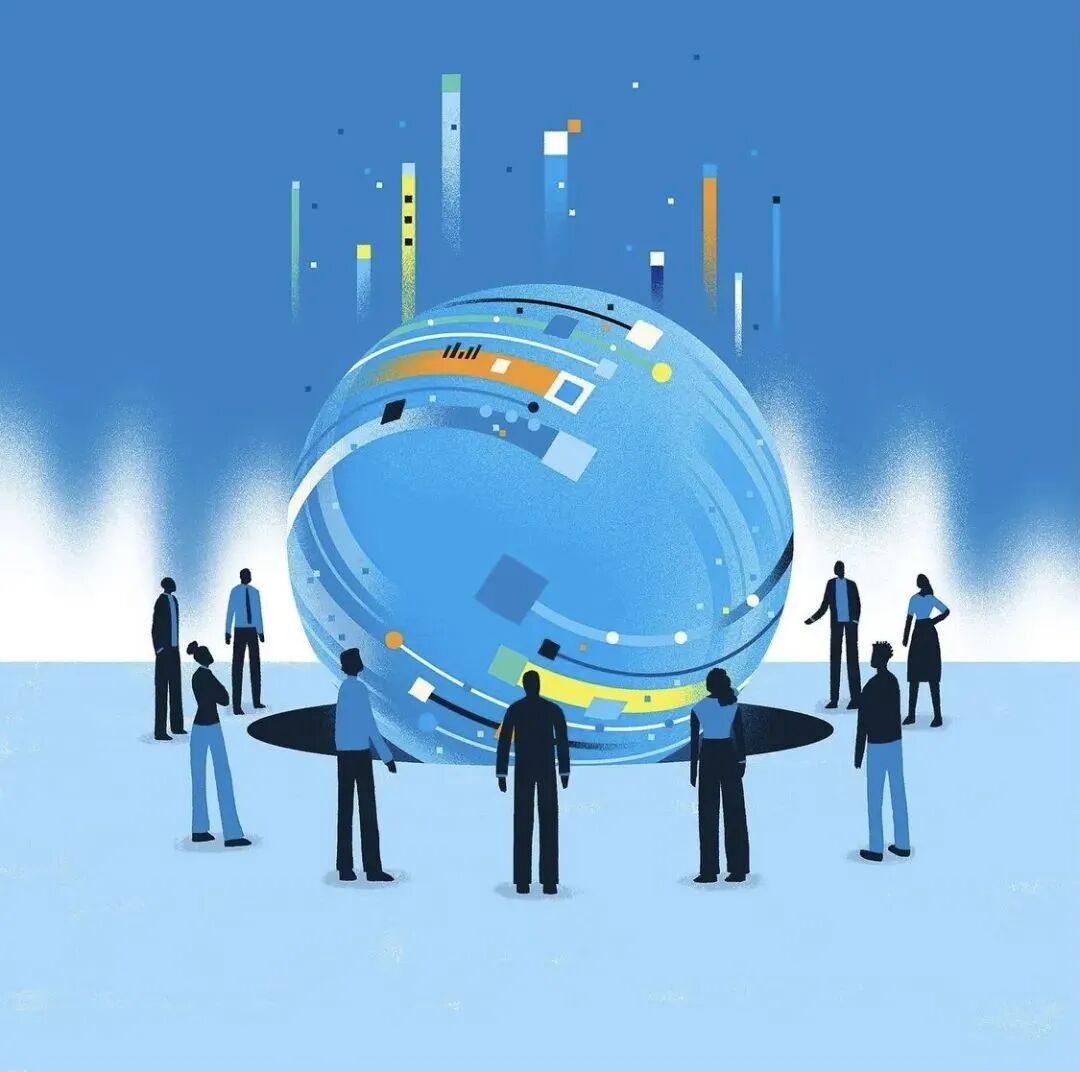
In many people's eyes, the existence of social categories is a taken-for-granted fact, even a product of nature. This perception stems from our history: for a long time, our scientific community attempted to explain various phenomena in human society through biology; much of the world has existed within capitalism for centuries; and our linguistic habits are imprinted with these social categories everywhere — all of which prompt us to internalize these definitions as natural.
Nevertheless, social scientists have long been trying to free society from the shackles of natural law. Published in 1895, The Rules of Sociological Method is a relatively early example. In this book, author Émile Durkheim defined "social facts" as: "ways of acting, thinking, and feeling, external to the individual, and endowed with a power of coercion, by reason of which they control him"; or: regularities in a particular society that exist independently while being enacted by individuals. In other words, "social facts" exist independently of humans and guide people to live in specific ways, for better or worse. They envelop people's lives in society, shaping their interactions with various public institutions and different people (such as colleagues or family members). Actions that appear to be based on individual free choice — what clothes to wear, what hairstyle to have, what to do in the morning — are in fact conditioned reflexes subtly shaped by various aspects of the social environment, including the social class, gender, and family of the actor. To those embedded within these "social facts," they appear unquestionable and inevitable, partly because most people in a country or larger environment are under their influence.
However, Durkheim viewed "social facts" as products of society, not derived from biology or other external factors. Though they appear to be "facts," they are only valid within the environments that created them. In developing his analysis of society, Durkheim repeatedly drew analogies between social facts and biological physiology, but his ultimate purpose was to completely separate the two. Even when racial science and eugenics were in full swing, promoting biology as the supreme "natural truth," what Durkheim pursued was the development of an alternative theoretical method for understanding social operation through the rules and constraints within specific social strata.
Yet Durkheim's pursuit of absolute separation between "social facts" and "biological facts" has not come to pass even today. The concept of "natural law" continues to influence people's understanding of social life and social norms. Perhaps even Durkheim himself could not have anticipated that natural law has gradually become widely accepted as the fundamental principle for explaining social facts, revered as the standard determining people's social status. In fact, even the concept of "natural law" itself is a social product. The best proof of this is the mutability of human physiological characteristics themselves, and the additional possibilities for change that technological progress has brought. Natural law does not represent predetermined outcomes, even if human society may hinder us from transcending it.
- Tishk Barzanji -
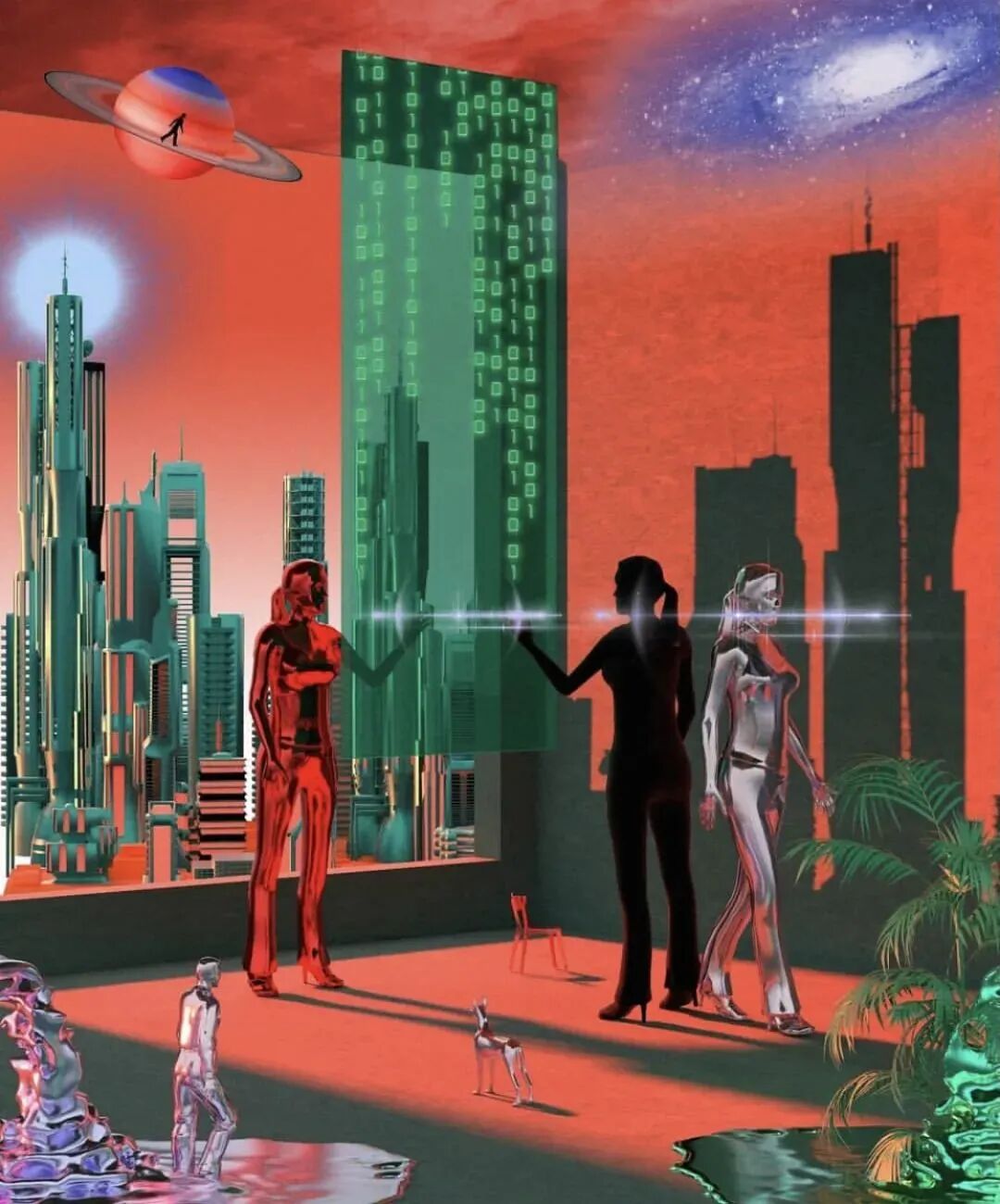
In reinterpreting our own bodies, we simultaneously create space for the innovation of social facts. New social facts, such as "biological characteristics are malleable" or "biological characteristics do not determine a person's social status," can give people more breathing room, more opportunities to liberate themselves from the oppression of social stratification. Since nature cannot determine destiny, then the various social categories that have historically served as accomplices in oppression should not determine a person's place in society. Many other social facts can also be disentangled from their naturalized states, such as occupation, education level, and physical or mental disability.
If we think further, "social facts" may increasingly come to resemble "social fictions." In other words, rather than "indisputable facts" or "natural human essence," they are more like artifacts of human culture, meaningful only within narrow preconditions. Social facts that seem self-evident to many people — even those that are key to maintaining social order — are actually mutable. With the help of technology, their mutability becomes even greater. Although social facts are often oppressively imposed upon people, recognizing their "fictional" nature allows us to more flexibly and freely envision the appearance of future societies. Rewriting these "social facts" as "social fictions" does not detach them from history, space, and environment. But recognizing the limitations of these social fictions — rather than social facts — in our lives gives us a utopian promise, making us feel that we can control our own future.
Science fiction often challenges the "facts" that people take for granted in contemporary social life, and Ursula K. Le Guin's work exemplifies this well. In her imagination, biological and economic principles are no longer eternal standards, but operate in different ways, and social facts transform accordingly.
Her novel The Left Hand of Darkness is set on a planet called Gethen, where human gender is not fixed and is not limited to male and female. For only two days each month, Gethenians' bodies exhibit pronounced sexual characteristics and become capable of reproduction. In another of her works, The Dispossessed, readers glimpse a planet called Anarres, where the economic system has transformed the concept of family. Similar to Earth, Anarres's people are biologically divided into men and women; however, a centralized planned economy without circulating currency replaces the most common family concept on Earth: children are collectively raised, and their parents are not constrained by monogamy. In such a setting, the binary concept of gender similarly loses much of its social significance, and even its economic consequences are greatly diminished.
These two novels offer alternative possibilities for conventional concepts/social facts, exploring how these concepts might change when the relationships between biology, politics, and colonialism are reset. In Le Guin's works, the transformation of the relationship between nature and human culture can become the foundation for innovating social facts, bringing about natural and logical changes in politics, emotion, technology, and other areas. Her plots are not predictions of the future, but a form of speculative resistance against the naturalized oppressive systems of today's world.
However, these speculative worlds are not simple utopias. Nor are they improved versions of the digital surveillance systems ubiquitous in Black Mirror, or the AI embedded with human violent desires in Westworld. Taking Le Guin's works as an example, their settings fundamentally alter the specific needs and traits of so-called "human nature," and build future worlds upon this foundation. Technology always develops around society; it should respond to new human needs and problems, rather than merely being used to perpetuate old and deeply flawed ways of doing things. In The Left Hand of Darkness, even though some common problems do not exist at all, the world is not perfect. Nations on Gethen are on edge, on the brink of war, arguing over resource distribution, sending spies to different regions, and fighting fiercely over the allocation of interstellar communication rights. Though the erasure of gender concepts reconstructs reproduction, love, and family structures, it cannot create a peaceful and harmonious world.
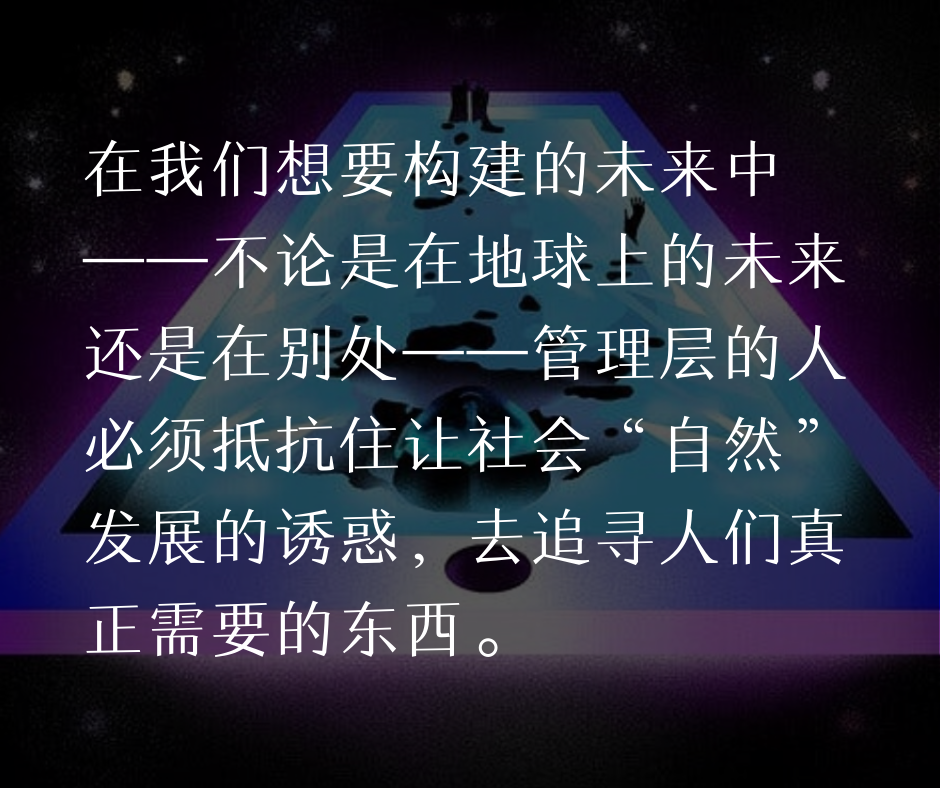
In other words, Le Guin's speculative multi-planet future tells us that to construct new social possibilities in imagination, one must be sufficiently familiar with today's real world, understanding how human thinking influences the development of technology and social structures. Technology and society can be more malleable and variable than we imagine, but at the same time, they can also be more stubborn and intractable. In the future we wish to build — whether on Earth or elsewhere — those in positions of management must resist the temptation to let society develop "naturally," and instead pursue what people truly need, especially those things that can reshape the relationship between nature and society from the bottom up.
Through revising the connection between nature and culture, the works of Le Guin and other science fiction writers guide readers to view biological characteristics as contingent historical outcomes, and social facts as things that can be changed. Science fiction imbues technological products with social meaning, and creates a sandbox world in which to explore how technology might connect biology and society in ways different from reality.
In this process, science fiction becomes a breeding ground for entirely new social concepts, using these new social concepts to displace the "social facts" revered as standards in contemporary real life. Rooted in (as yet) non-existent worlds, freed from tech enthusiasts on electric scooters, and casting aside natural determinism, the same technologies can also be used to serve completely different social systems. Therefore, at a safe distance that does not directly affect real life, science fiction shows us the possibility of "human nature" being transformed, and gives us hope for the future.
Originally published on WeChat: Neugeist (ID: Neugeist)


[
](http://mp.weixin.qq.com/s?__biz=Mzg4MTUxNjQ0Mg==&mid=2247490444&idx=1&sn=b33f817d0138c929201808c36c248c09&chksm=cf659179f812186f9174bccba8c74c10dfc7658d4c20daa9f999e94050fd386019fb9c27a74f&scene=21#wechat_redirect)[
 ](http://mp.weixin.qq.com/s?__biz=MzkwMDI2ODE0OQ==&mid=2247490989&idx=1&sn=afdf5637fdedc3ac1352497f140df47b&chksm=c047f4b7f7307da188806f45317e90397734c5c711d0587ad2999fcbadd66f80cd7c1ed15da1&scene=21#wechat_redirect) [

5Y Capital (formerly Morningside Capital), currently manages approximately RMB 32 billion in USD and RMB dual-currency funds. 5Y Capital seeks out, supports, and inspires lone entrepreneurs, providing them with support from the spiritual to all operational aspects. We believe that if the "crazy you" in others' eyes begins to be believed in, the world will become a different place.
BEIJING · SHANGHAI · SHENZHEN · HONG KONG