Event Recap | Supersonic at Slush Yangzhou Youth Science & Innovation Festival

The Supersonic Program fall cohort is now open for applications!

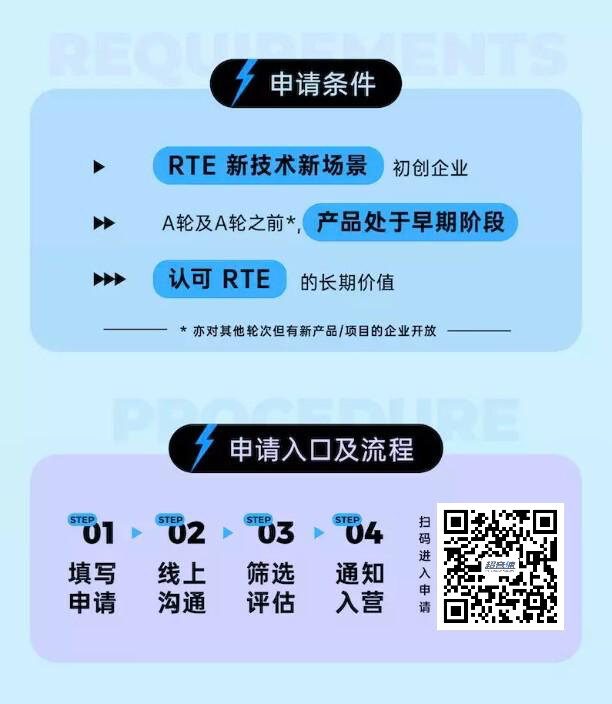
Applications are now open for the Fall 2023 cohort of the Supersonic Program — bringing together technology, partners, scenarios, and resources. If you're working in real-time engagement, we'd love to hear from you. Application details are at the end of this post — don't miss out! :)
When you think of real-time engagement (RTE), what comes to mind? For most people, it's probably social apps, live streaming, online classrooms, interactive games... Since its inaugural cohort in 2021, the Supersonic Program has kept its focus on emerging scenarios and technologies in RTE. Through connecting startup ecosystems and co-creating value, we've been continuously exploring the boundaries of what RTE can do — and along the way, we've come across plenty of fascinating, innovative, and entirely new use cases.
In May, the Supersonic Program and its partners were invited to Yangzhou for Slush Yangzhou Youth Innovation & Technology Festival, hosted by our partner S-Create China. The festival's format and content were remarkably diverse — much like how RTE applications extend far beyond serious video conferencing. Across every industry, businesses are gradually discovering new scenarios and driving new growth through real-time engagement. At this festival, Supersonic partners working in music, dance, virtual sports, VR, haptics, and 3D generation took the stage to share their work, showcasing the boundless possibilities of RTE.
Human vs. AI: RTE Holds the Answers
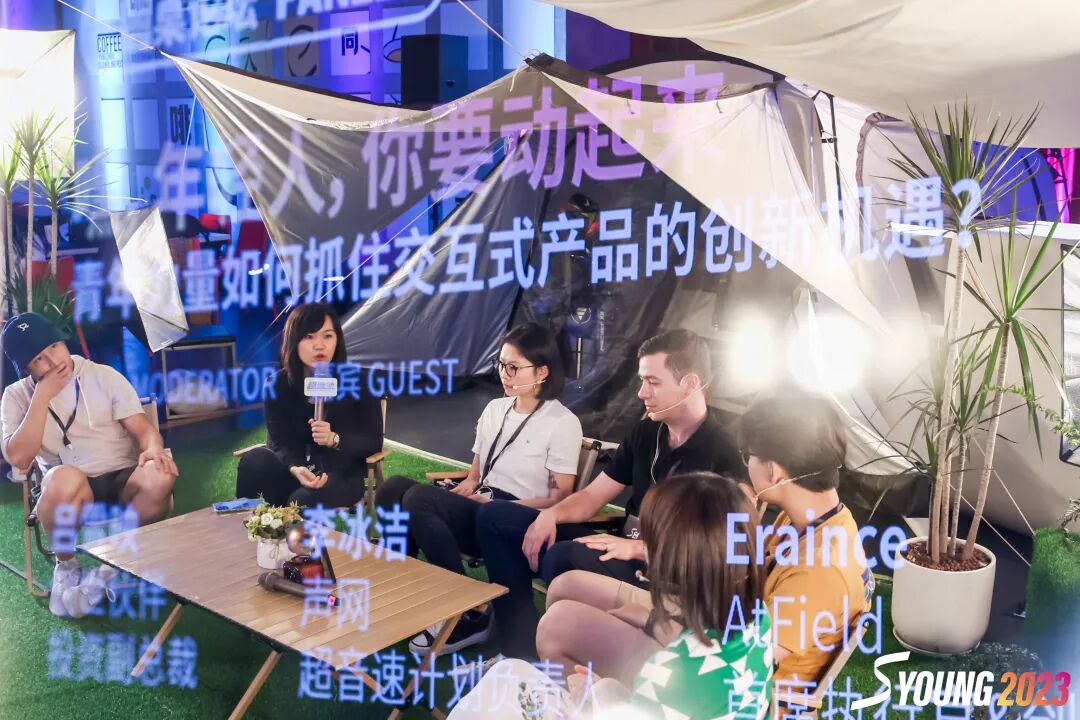
At a roundtable on "Human vs. AI" in real-time engagement, hosted by Bingjie, head of the Supersonic Program, Ru Yi (founder of AR smart glasses startup Li Weike), Liang Zikang (founder of Chuangyi Technology, the studio behind the top virtual influencer IP Liu Yexi), and Yang Weile (founder of Quanti Qili) shared their perspectives on the current state of AI development, its limitations, and what they expect AI to bring to RTE scenarios. How will existing AI technologies reshape the real-time engagement experience? And what exciting new scenarios and applications might emerge — or already be emerging — with technological advances?
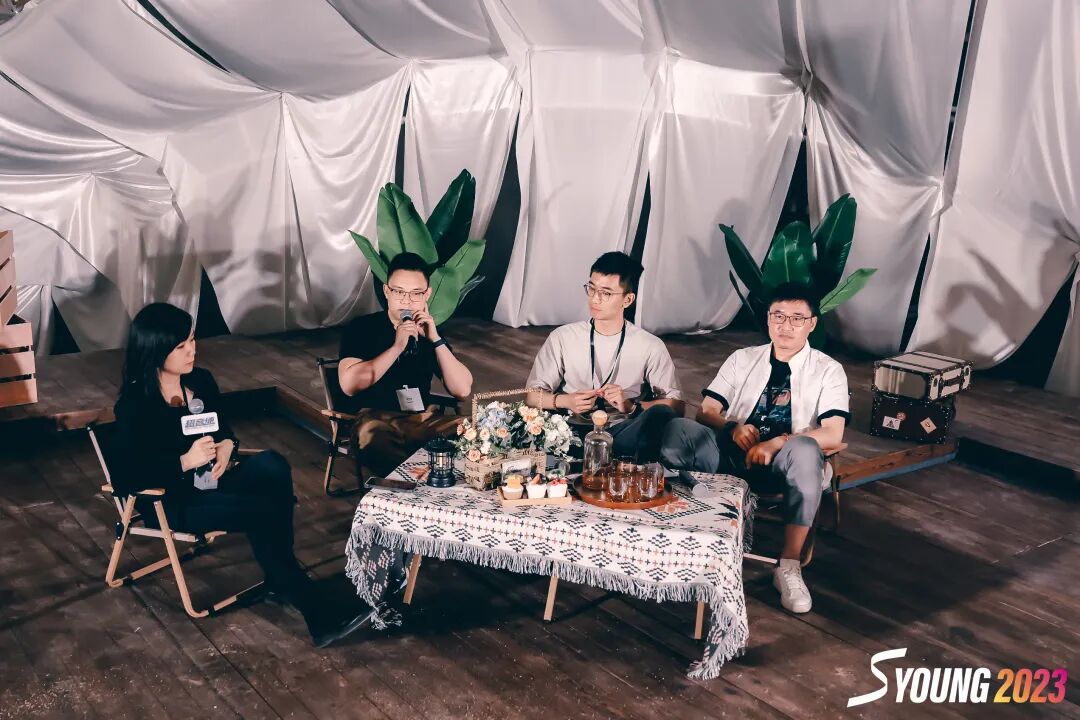
In the age of AI, creativity becomes even more valuable. Ru Yi sees AI as an efficiency tool for the current stage of technological development — one that can guide people's actions and enable richer interactions between players and AI. Chuangyi Technology noted that in combining content with technology, AI can assist in generating creative ideas and accelerating workflows, while providing emotional value during user companionship. In such scenarios, the unique advantages of human creativity become even more apparent, though true automation remains a distant goal.
How do carbon-based and silicon-based life forms coexist? This question has shadowed AI development from the start. From Quanti Qili's perspective, humans and AI should be partners — a relationship that will persist long-term, creating more value through companionship and interaction. Ru Yi believes AI should serve humanity as an efficiency tool, not imitate it. We should embrace the value AI brings us rather than worrying incessantly. Chuangyi Technology argues that AI must keep progressing to become a true human assistant, growing alongside us in real-time synchronization. Humans need to learn to better utilize and "feed" AI.
Looking twenty years ahead to human-AI real-time interaction, Quanti Qili envisions virtual worlds, virtual humans, and virtual challenges all being created with AI to serve human development — through interaction with AI, humans are gradually being cultivated into more complete versions of themselves. Chuangyi Technology believes that in two decades, everyone will be experiencing different niche life scenarios, with survival experiences and efficiency far surpassing today's standards. Ru Yi suggests that by then, humans themselves will exist within AI worlds. For the Supersonic Program, the hope is that through the combined efforts of Agora and its ecosystem partners, and through iterative advances in underlying technology, future human-AI real-time interactions will become seamlessly smooth. AI assistants and virtual companionship will feel authentically real without latency, enabling truly fluid real-time communication and collaboration between humans and AI — bringing to life all the new scenarios and experiences we imagine today.
As Long As There's Innovation, RTE Will Always Have Its Next New Scenario
With AI's support, what cool and compelling new RTE scenarios have Supersonic partners brought to the table? Let's take a look!
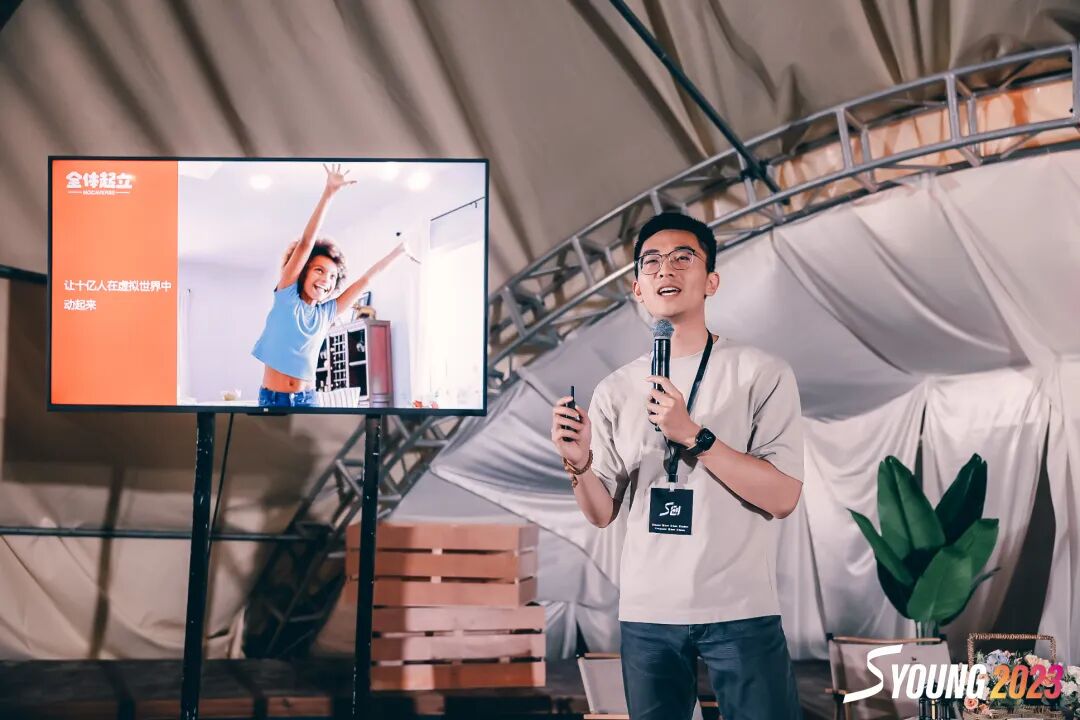
RTE Makes Virtual Sports More Liberating
S23 Supersonic partner Quanti Qili combines sports with interactive technology to create the next generation of virtual sports. Breaking from conventional wisdom that gaming-meets-sports means motion-controlled ball games or mobile esports, they use digital humans and virtual livestreaming technology to drive 3D characters in real-time. Players can explore 3D world environments in-game, delivering a far more liberating experience.
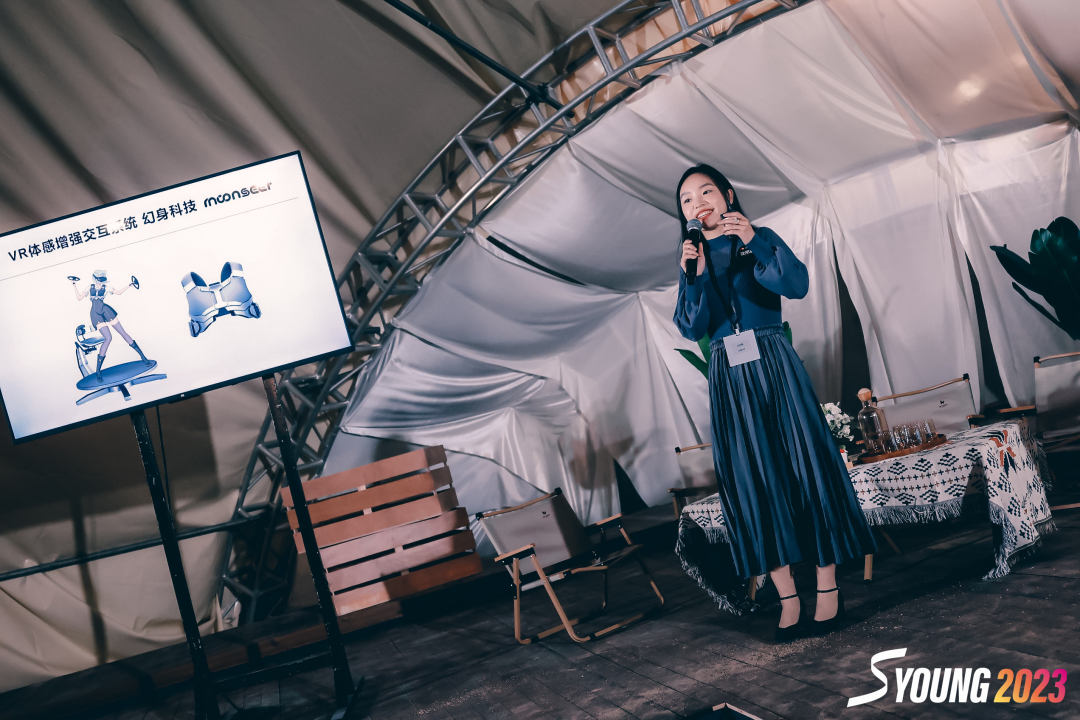
Beyond Gaming: Cost Reduction and Efficiency Gains for Future Work
VR games may not be uncommon in the real-time engagement space, but F21 Supersonic partner Huanshen Technology is building a more immersive and user-friendly VR world. Their haptic suit reduces motion sickness, while proprietary equipment solves locomotion and force feedback challenges. Beyond immersive gaming, these solutions can be applied to training in aerospace, firefighting, and military operations — fields with high costs and difficult equipment handling — by more faithfully recreating real-world scenarios and dramatically improving training efficiency.
RTE Goes Beyond Sight and Sound
In virtual worlds, users typically navigate through avatars, completing tasks and actions primarily through visual and auditory feedback. F22 Supersonic partner Yichu Technology focuses on another sense entirely: touch. Integrating haptics into interactive scenarios doesn't detract from the existing experience — instead, by rebalancing sensory channels, it makes virtual worlds healthier and more authentic, creating an interaction experience where the whole exceeds the sum of its parts. Yichu's haptic sofa, demonstrated at the event, lets users feel the sensation of racing on a track, and this immersive experience can be replicated on mobile apps through their proprietary technology.
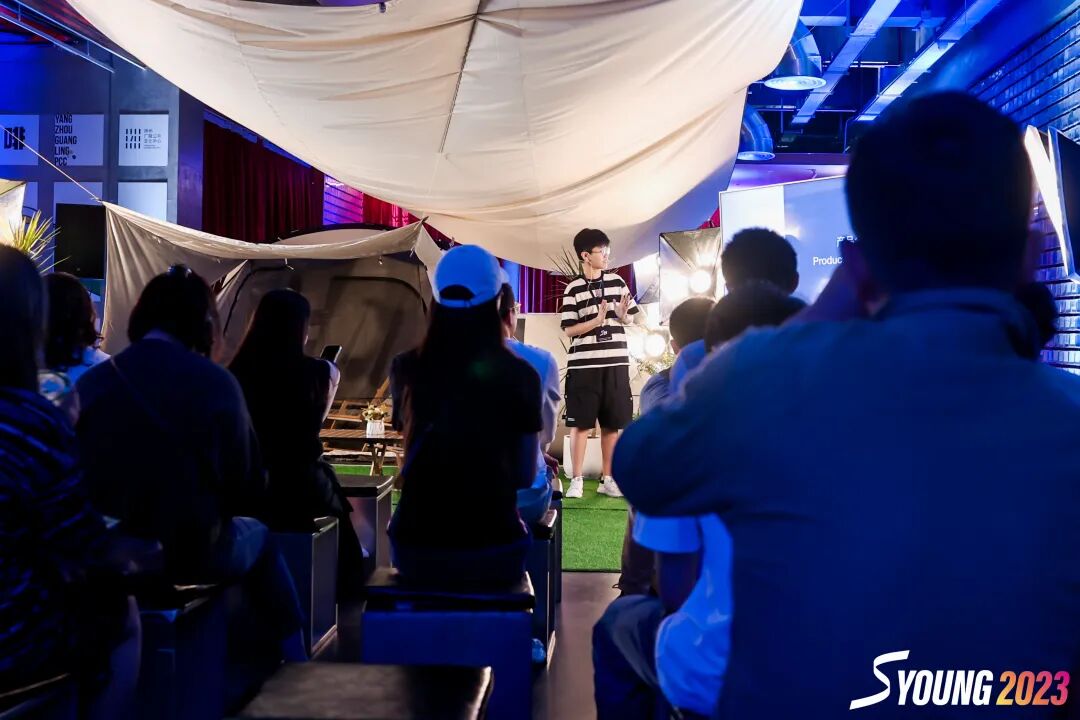
Breaking the Social Code Through Interaction
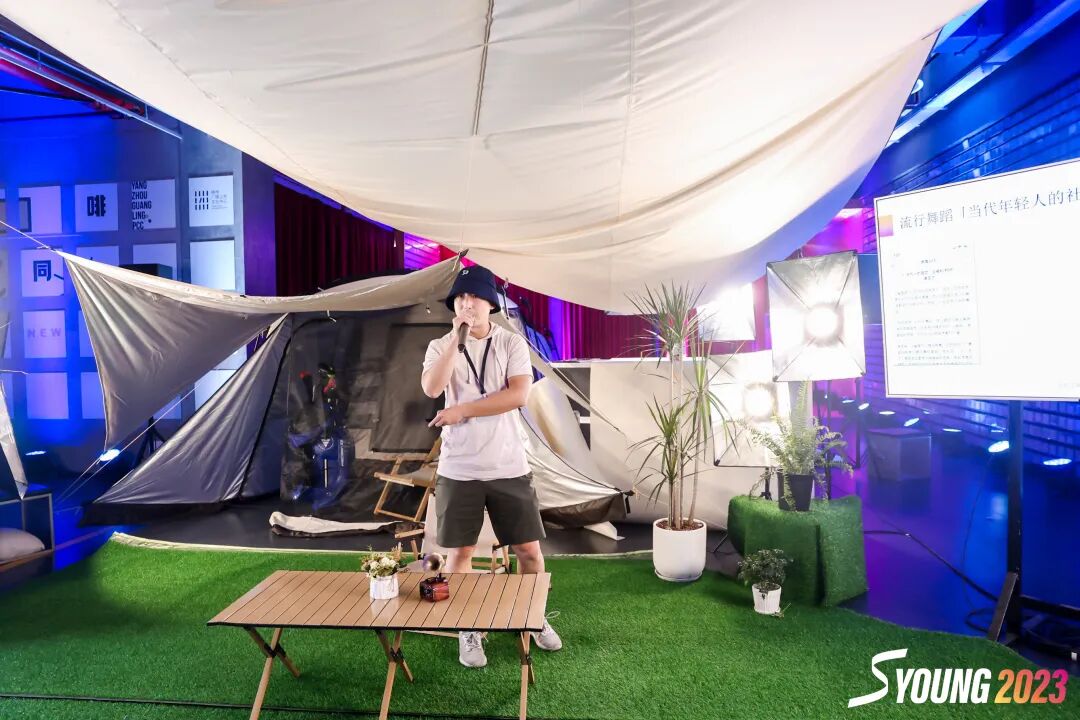
Dance has become a social currency for young people. Even as dance studios multiply, S23 Supersonic partner You Xintiao identified a new value proposition: positive feedback at low cost. Efficient content production, the viral potential of short video, and the inherent interactivity of social connection all combine to motivate users to level up their skills through sustained positive social feedback, while enabling like-minded partners to support and improve together in community.
Real-Time Power for the Next Stage of Generative AI
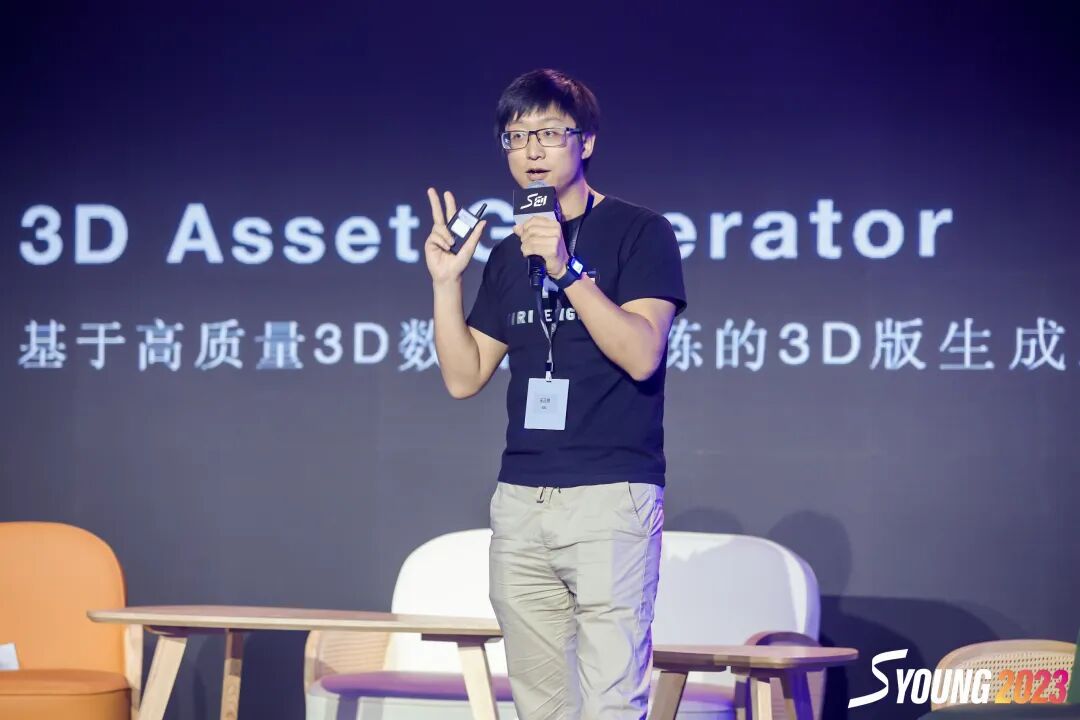
Generative AI's explosion this year has produced vast quantities of text and images. For F22 Supersonic partner KIRI Engine, AI-generated 3D represents the next major battlefield. Simple photos or videos can yield exceptionally high-quality 3D data assets — serving as efficient infrastructure for current metaverse, film, and gaming industries, while also building massive asset reserves for future AI 3D generation.
Everyone Can Be a Musician
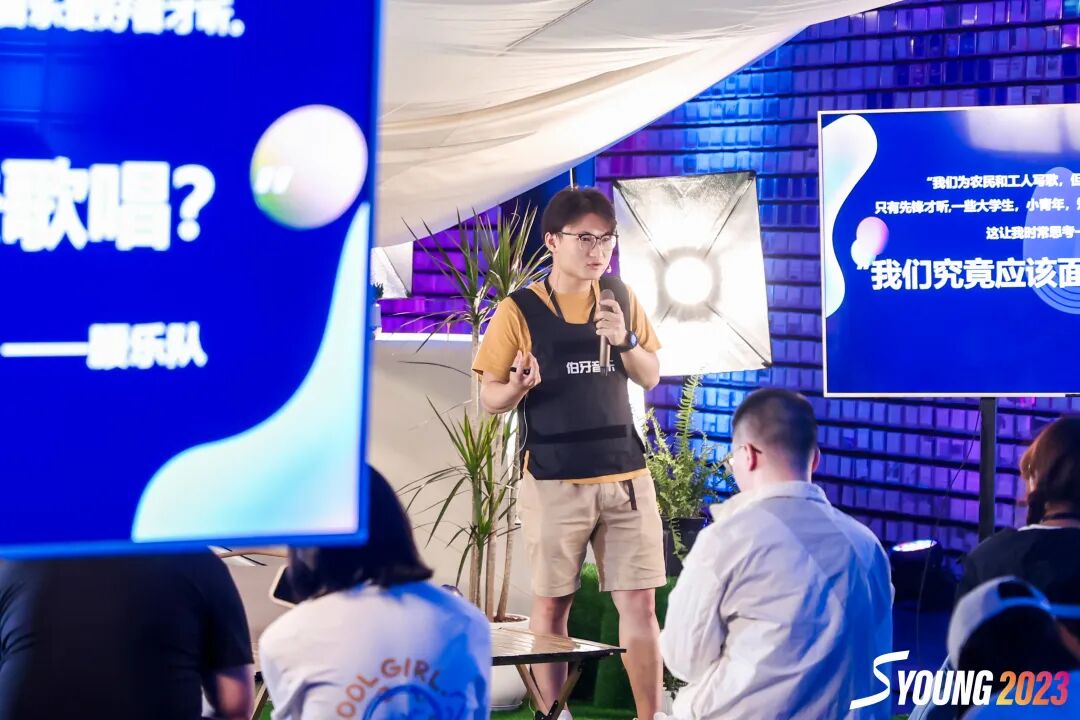
On the platform of F22 Supersonic partner Boya Intelligent Composition, ordinary people, those with visual impairments, and even those with hearing impairments can create music — expressing their own styles and emotions, and collaborating with other creators on musical works. AI assists in completing and preserving musical creation.
The Unlimited Possibilities of AIGC + RTE
As Bingjie shared, in the real-time engagement space, the Supersonic Program has seen an ever-growing array of novel applications emerge, working alongside partners to refine experiences in niche scenarios. ChatGPT can handle content generation; RTE can solve transmission latency. The two complement each other, and their future development and synergy holds tremendous promise. As new technologies continue to iterate and evolve, RTE will enable increasingly specialized innovative scenarios and more breakthrough experiences.
So! If your startup is focused on real-time engagement, innovative applications and exploration of AIGC in RTE scenarios, social and entertainment, IoT smart hardware, novel approaches to existing scenarios, or going global (including but not limited to the above), we'd love to talk. Starting today, let's imagine, explore, and build the new RTE scenarios and experiences for a future where humans and AI coexist!
The Supersonic Program is an initiative for RTE entrepreneurs, jointly launched by Agora and 5Y Capital.




5Y Capital seeks out, supports, and inspires entrepreneurs who are forging their own paths, providing support that ranges from the spiritual to every aspect of operations. We believe that if the world begins to believe in the "crazy" you that others see, things will become quite interesting.
BEIJING · SHANGHAI · SHENZHEN · HONG KONG