Women Rising: 18 Voices from the World of Entrepreneurship | FreeS Fund International Women's Day Special
The traits that lead to success know no gender. May your journey of discovery be filled with wonder.
Where do women stand in the business world?
According to research cited by Dr. Mauro F. Guillén, a global market trends expert, in 2030: How Today's Biggest Trends Will Collide and Reshape the Future of Everything: "Currently, only in China does the proportion of female CEOs exceed 5% — at 5.6%." The future looks promising: "By 2030, more than half of the world's wealth will be in women's hands. Nearly half of all new businesses worldwide will be founded by women."
On the path of innovation and entrepreneurship, women are working just as hard, and their presence deserves to be seen. We wanted to know: Why did they choose the entrepreneurial path, and how do they sketch out the business vision in their minds? How do they define their own traits, and what lesser-known sides do they have beyond work?
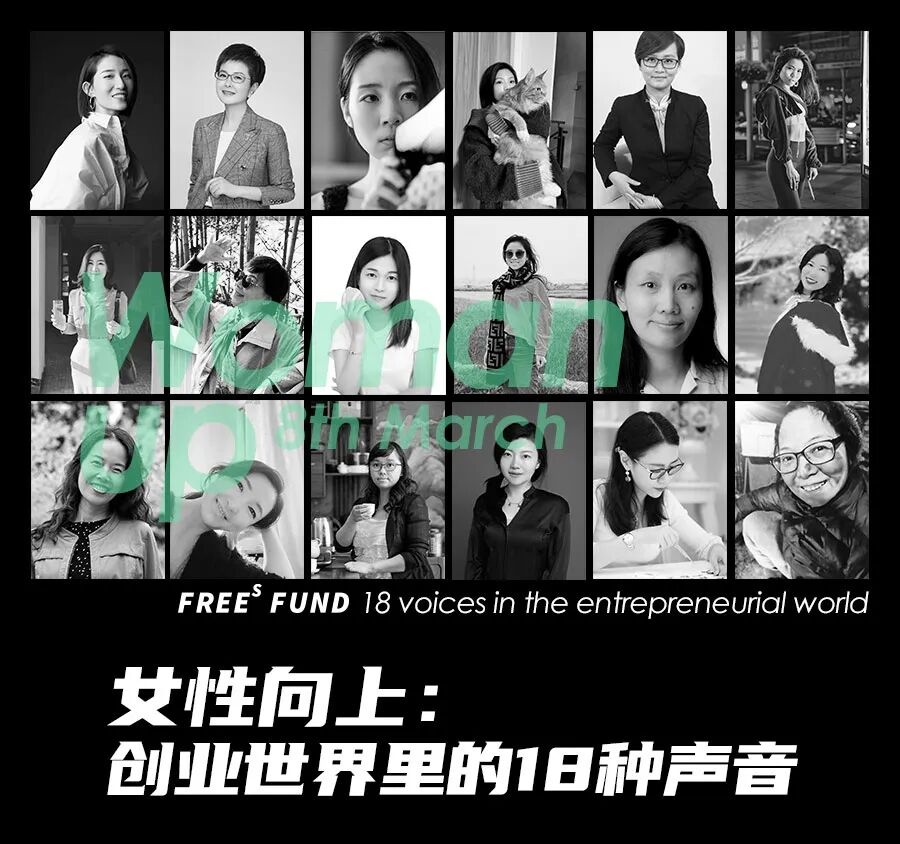
On the occasion of International Women's Day, we interviewed 17 female founders from the FreeS Fund family, plus one female partner at FreeS Fund. Through their characteristics, stories, and spirit, we hope to pay tribute to the many hardworking, shining women entrepreneurs — and to everyone pursuing their dreams.
▍Beyond consumer and TMT sectors, women entrepreneurs are also emerging in biotech and deep tech.
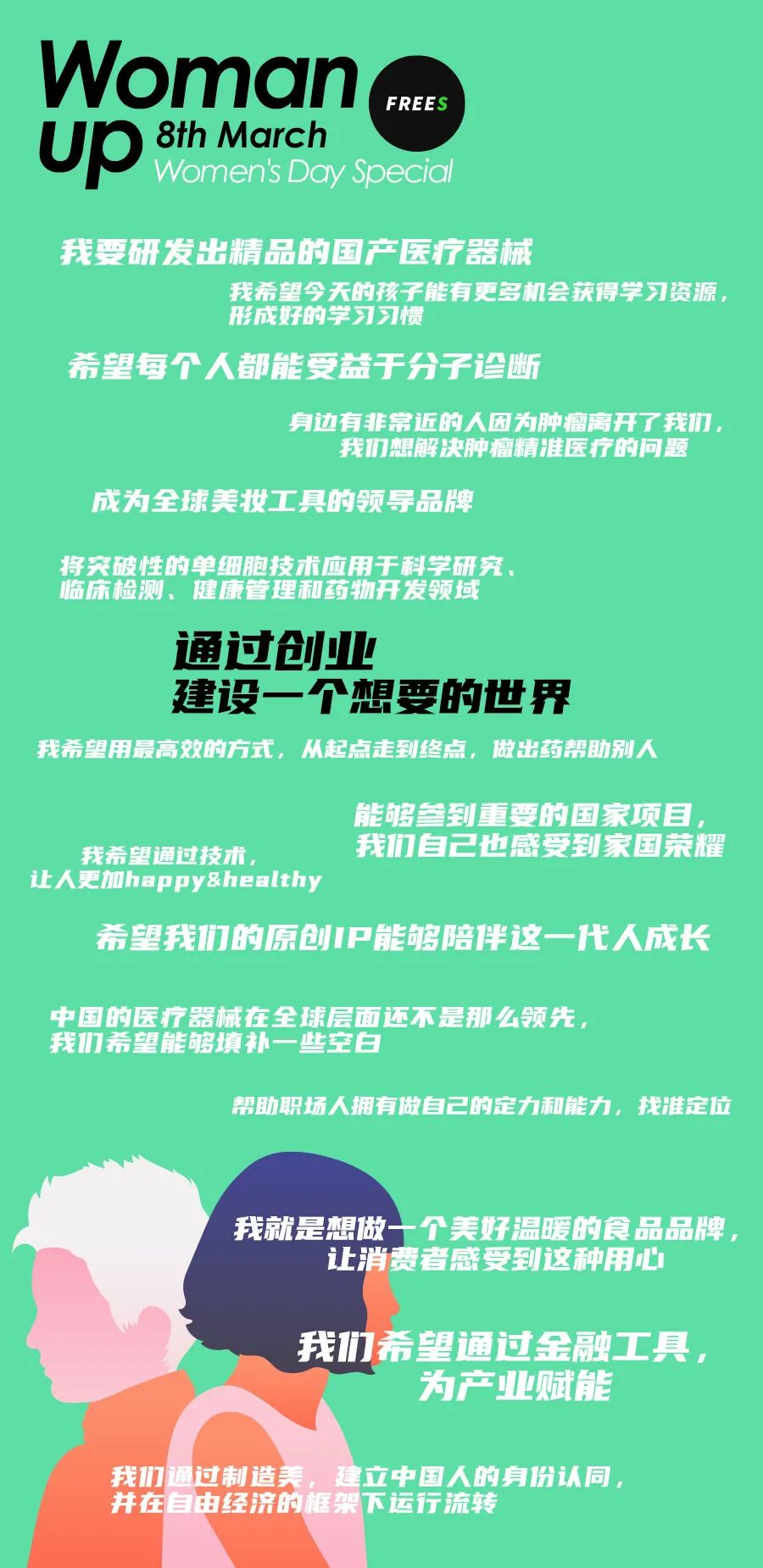
Among these 17 female founders, 7 come from biotech, 7 from consumer and TMT, and 3 from deep tech. Their motivations for starting businesses range from personal circumstances to industry dynamics to national pride. Their fields span molecular diagnostics, single-cell technology, precision oncology, medical devices, original IP, beauty, Chinese heritage bags, food, education, chips, and fintech.
The high number of women entrepreneurs in biotech aligns with observations from Lei Wang, partner at FreeS Fund: "From a statistical perspective, women have historically made up a significant share of biology and chemistry students. It follows that the proportion of women who go on to start and succeed in chemistry and biotech ventures won't be low either."
▍Curiosity, perseverance, generosity in sharing, leadership... the traits that matter for success know no gender.
In an article on the World Economic Forum website titled "You Probably Have Biases Against Female Founders," four typical claims are mentioned: "Women are more cautious and risk-averse; men are ambitious and willing to take risks. Women don't want to scale their businesses. Men have access to resources to grow big; women don't. Women-led businesses perform mediocrely; men-led businesses perform better."
These claims have proven to be more or less biased. Among the 17 companies led by the female founders interviewed for this article, 2 are valued at over 5 billion RMB, and 6 at over 1 billion RMB — most have established leading positions in their industries. Beyond commercial value, these companies are also creating social value.
In our interviews, we asked: What keywords would you use to define your own traits? The most frequently mentioned were: authenticity, perseverance, generosity in sharing, and curiosity. Some described themselves as "fearless," "never willing to turn back," and "highly adaptable." Others identified with traits like "innovative," "leadership," "logical," "tough," and "abstract."

It's hard to sketch a traditionally stereotypical woman from these keywords. Some even explicitly reject being defined: "I'm constantly evolving — I don't want to box myself in."
▍Women entrepreneurs also demonstrate strong resilience, and many have become more tolerant and patient after starting businesses.
Entrepreneurship is perpetual wartime. The responsibilities and demands need no elaboration, but we could clearly sense these women's resilience. "When pressure mounts, we just get hot pot together, and it passes." "I've grown used to coexisting with pressure these past few years — I don't need to decompress anymore." "I see every problem as part of the journey — I haven't felt the need to do anything specific to relieve stress."
Entrepreneurship is also a process of expanding from one's small world to a bigger picture. Five female founders mentioned that they've become more tolerant and patient since starting their businesses. "Products have long R&D cycles — you must have sufficient patience." "There's no retirement day for me — I'll always be on the entrepreneurial path." "I increasingly understand that everyone has it hard." "To advance a cause, you need to bring more people together."
In research on female founders' identity, the heterogeneity hypothesis emphasizes: "The differences among women entrepreneurs are no smaller than the simple gender differences between women and men." Self-exploration and understanding others is an endless journey. If you immediately sort yourself and everyone you meet through the two doors of male and female, the possibilities and diversity you experience will be greatly diminished.
The traits that matter for success know no gender. May your journey of exploration be full of wonders. We hope these 18 voices from the venture capital world offer some inspiration.

**/ 01 / ** COVID testing, cancer treatment, tackling chokepoint technologies, digital humans... entrepreneurship is worth it
First, here are shares from female founders at five companies: Coyote Bioscience, Canaria Bio, Singleron Biotechnologies, Zhiteng Technology, and Virtual Pictures. Their fields span molecular diagnostics, precision oncology, single-cell sequencing, dual-use chip technology, and virtual idols. Among them: one chose to leave her PhD program and has been entrepreneuring for over a decade; two were former foreign enterprise executives now turned founders; one loved gaming and animation so much she threw herself into digital content production; and one is raising four lively, lovely children while running her company. Here's what they shared:
▍Xiao Yun, Canaria Bio: "Starting a business actually wasn't a particularly difficult decision"

1. Why did you decide to start a business?
Entrepreneurship was an active lifestyle choice I made for myself.
When I was a student, I was in the inaugural class of Peking University's Yuanpei Program — essentially an experimental ground for educational reform at PKU. I later chose life sciences. After undergrad, I entered industry, working in marketing, sales, and especially product management. My co-founder Naizhong Zheng also has a biology background; he went deep into research while I focused on the market. He's a serial entrepreneur who decided to start again after leaving his previous project MeiYin Gene. When he invited me to join, I decided instantly.
For me, starting a business actually wasn't a particularly difficult decision. I always had this small flame inside — I just hadn't encountered an opportunity worth going all-in on before. I'd spent many years at foreign enterprises and often wondered: What I have, is it from the platform or from my own abilities? Should I follow the established upward path, or go into investing or entrepreneurship?
Through this exploration, I became increasingly certain that entrepreneurship suits me better. I prefer making things happen and gaining that sense of achievement and joy. The goal was also clear — I've always wanted to solve problems in precision oncology, because someone very close to me passed away from cancer. This time, I finally found the convergence of team, technology, and market — an opportunity I could go all-in on.
2. How have you changed before and after entrepreneurship?
Before, I lived a typical foreign enterprise life — private office, annual vacations abroad. In the early startup days, we used borrowed desks; later our rented office was quite basic, because we wanted every penny to count. Travel completely disappeared from my plans. I was quite happy about this, with no sense of loss. Having clear goals and working hard to achieve them brings such strong fulfillment that things like going out to play simply don't make it onto the want-to-do list.
My personality is somewhat sharp — I push people to hit targets and let results speak. But after starting a business, I use more flexible approaches. I'm more attuned to the emotional pressure on teammates, communicate more carefully, and buy all kinds of snacks to treat everyone. Our current team members are already highly self-driven, so I focus more on setting goals, cross-departmental collaboration, ensuring cash flow — making teamwork more harmonious.
3. Have there been particularly difficult moments in your entrepreneurial journey?
Since starting the business, I really haven't had moments of emotional breakdown. There have been genuinely difficult choices, but our goals and path are clear. Occasional small bumps are basically laughed off. When pressure mounts, we get hot pot together, have some grilled skewers, and it passes.
Emotional stability is a mark of maturity. Right after college, I often thought: How can the world be different from what I imagined? After a few years of work, I began to understand the diversity of people, the diversity of situations, the complexity of society. Now I feel nothing is unacceptable. Focus on how to solve problems, how to achieve goals, how to do things better.
4. What advantages and disadvantages do women have in entrepreneurship?
Among entrepreneurs, the proportion of women is indeed relatively low. As someone born in the 1980s, in the environment where we grew up, parents rarely encouraged women to pursue careers. Taking the step to start a business does require overcoming some social pressure.
I believe that as society progresses, women will have more and more opportunities to start businesses. Women are better at listening, more empathetic, and often less emotional — actually more calm.
Moreover, in school, many girls have always ranked at the top. I don't believe women's learning abilities are weaker than men's at all. I hope women have the courage to break their own rigid definitions of gender roles, and I hope everyone can drop the gender labels. Entrepreneurship shouldn't be divided by gender in the first place — it should be about whether this person's personality and abilities suit entrepreneurship.
5. What hobbies do you have outside work? How do you decompress and recharge?
When I had more vacation time in my previous job, I would often backpack to a country, give myself a break, and encounter a completely new lifestyle. I don't like making detailed itineraries — instead I chat with locals and ask what's fun to do.
After starting my own business, and with the pandemic, I haven't had the chance to travel abroad. But I've found other ways to decompress — petting my cat brings me real joy. My big chubby cat has been with me for years now. Whenever something's bothering me, I go home and spend time with him.
I definitely see friends much less often than before, but I still try to make time for them. People need friends, need emotional support. When you're genuine with each other, the bond stays strong even if you don't meet as frequently.
▍Xiang Li, Coyote Bioscience: "I'm an optimistic doer — I'll never retire"

1. What made you decide to start a company?
I studied physics as an undergraduate at Peking University, then went to UC San Diego for biophysics, an interdisciplinary program. I first encountered molecular biology in my sophomore year and became fascinated with it — I was among the first scholars in China to research this field.
Basic research can produce excellent publications, but it's far from real-world application. So I decided to return to China and start a company before even finishing my PhD. Back home, I used a few hundred thousand yuan to buy molecular biology lab equipment and gradually built a small team covering R&D, production, and sales.
In my first five years of entrepreneurship, a pandemic shifted our direction. When H7N9 was raging in 2012, I had just given birth to my first child. Having lived through SARS, I wondered if I could use my expertise to do something — to protect my child and reduce the pandemic's impact on people's lives.
So our company pivoted from scientific instruments to molecular diagnostics. We developed our first-generation fluorescence quantitative PCR platform — the smallest in the world — and internationally patented molecular pathogen reaction technology that could deliver results in 90 minutes.
In my second five years, the company reached new heights in molecular diagnostic POCT, and I personally faced the challenges of fundraising and team expansion. Whether during Ebola, Zika, or African swine fever, Coyote's technology gained recognition from government agencies at home and abroad, laying groundwork for our COVID-19 testing products.
When African swine fever hit, the government mandated that all pig farms and slaughterhouses conduct nucleic acid testing before pork could enter the market. It struck us — such a traditional industry as pig farming was now doing nucleic acid testing at slaughterhouses, driven by our technology.
When COVID-19 broke out, we immediately mobilized to develop our next-generation testing product: Flash20™. After launch, it was quickly adopted by over 1,000 hospitals. During the Winter Olympics and the Two Sessions, Coyote also provided rapid testing services.
In November 2021, we released a breakthrough product: a nucleic acid testing robot. After robotic sampling, a fully enclosed microfluidic cartridge is placed in Coyote's testing workstation — within 15 minutes, users can check results on their phones. This "decentralized" device works equally well in a major hospital's emergency department, a remote rural clinic, or a CBD, giving people rapid access to test results.
2. What vision did you want to realize through entrepreneurship?
Coyote's vision is for everyone to benefit from molecular diagnostics. Before COVID-19, we were among the few companies in China doing molecular diagnostics. We benchmarked ourselves against Cepheid, a leading global player that also pursued decentralization. We've always aimed to surpass them. Now our products can truly be called world-leading, representing China on the international stage. I hope the pandemic ends soon so we can return to normal life.
3. How have you changed over these ten years of entrepreneurship?
I started this company to transform my passion for molecular biology into cutting-edge R&D, to bring molecular biology into real clinical application. Molecular diagnostics was first used for HIV, hepatitis B, hepatitis C — major disease screenings — but early technology wasn't widely accessible, so people tested for antibodies instead. COVID-19 made us realize that nucleic acid testing is more precise.
I've always felt a mission to bring better technology to everyone. That I've persisted through all kinds of difficulties may be because I'm an optimistic doer with intrinsic motivation. Watching interviews with Steve Jobs or Elon Musk, I feel resonance. I think I may be a natural product manager, with empathy for life around me, wanting to help. The COVID-19 outbreak especially drove me to work harder on our products.
This sense of responsibility keeps pushing me forward. If you want to accomplish something, you'll inevitably be aggressive at times, and in that aggression there will be oversights and problems. But as long as that goal stands there, it doesn't matter if the timeline stretches longer — at least your direction stays right.
4. What hobbies do you have outside of work?
I run early every morning. We're in the health business — I have to be healthy myself. With the pandemic, work has piled up, my sleep's suffered, and I've gained weight. So now I'm losing weight, controlling my diet, exercising more. I successfully lost weight four or five years ago. I need to be healthier to go the distance. For me, there may be no retirement — I'll always be on the entrepreneurial path, so health is essential. When my body sends any warning signals, I need to adjust in time.
▍Nan Fang, Singleron: "No turning back — every attempt yields something"

1. Please introduce yourself and your company.
I studied biology as an undergraduate at USTC, then went to the US for a PhD in immunology. After that, I worked in Germany at QIAGEN for ten years before returning to China.
In 2018, I started my company. We develop platform products and technologies for single-cell sequencing. In this field, Singleron is among the few companies globally with mature products, now serving over 500 enterprises worldwide.
2. You were an executive at a foreign company before returning to start a business — how did that feel different?
I'm someone who adapts easily and isn't much affected by external circumstances. In any environment, I can find something that interests me and throw myself into it. After returning, my co-founder Jing Zhou and I built everything from scratch — setting up the lab, streamlining processes, gradually developing our technologies and products.
I never felt out of place. I love trying new things. I never think in terms of "should do" or "shouldn't do." Whether it's team-building activities or setting up our new German subsidiary, assembling IKEA furniture together — I enjoy it all.
I like seeing different things, doing different things. If I walk from a hotel to a river, I'll definitely take a different route back. I'm willing to try different approaches, different paths — and in that process, there will always be gains.
3. Many people describe you as confident and commanding. How did that develop?
I think it's both nature and nurture.
The nature part is mainly family upbringing. Growing up, my sister and I were never told that anything — in school or career — was something boys could do but girls couldn't. Our family's positive encouragement made us feel capable, that there was nothing we should do worse than others.
The nurture part also affects your state. The more you accumulate in a field, the more confident you become. Whether knowledge or experience, it all matters. The more you know, the more confidence naturally emerges.
4. How do you decompress under pressure?
My emotions aren't easily affected by external circumstances. Eating, shopping, reading, or chatting with close friends and family — these are all great ways to relieve stress.
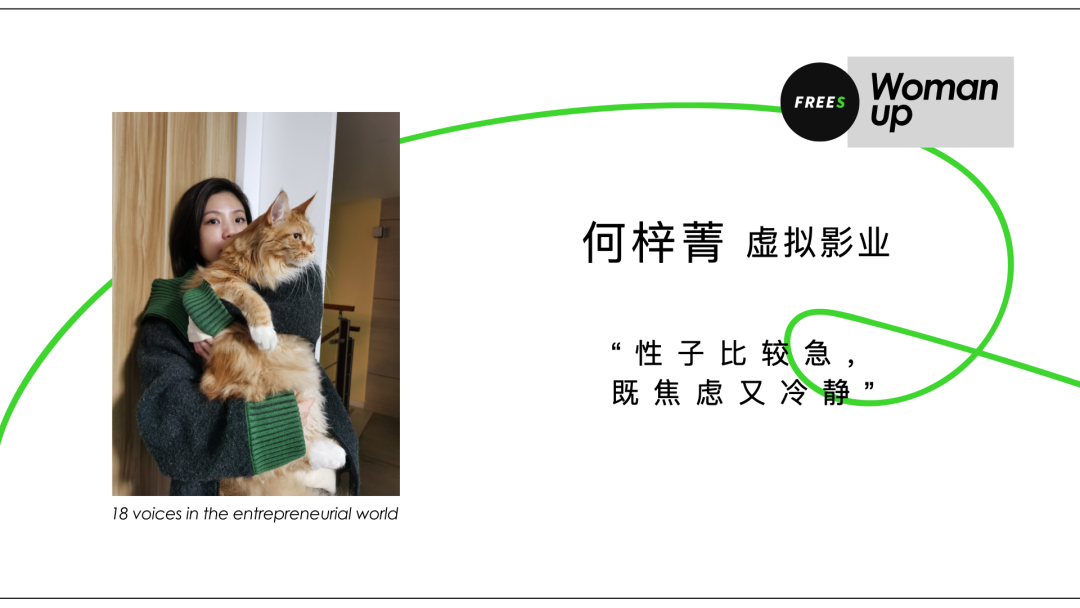
▍Zijing He, Virtual Pictures: "The appeal of villains is that they always know exactly what they want"
1. Why did you decide to start a company?
Around 2012, there was a popular fan-made animation based on League of Legends called Lalala Demacia. I've always loved games and animation. After graduating, I returned to Guangzhou and happened upon an animation company — the very studio that made Lalala Demacia. By chance, I entered the animation industry and met Director Liu Huai (Sa Dao) and Director Wei Qi.
In 2019, I founded Virtual Pictures together with Sa Dao and Director Wei Qi, producing works including Long Sword. Beyond traditional animation, we wondered: we have so many popular characters in our animations — could we operate them as virtual artists? So we opened a virtual artist business line, incubating Virtual Hezhui and Virtual Hezi, with plans to launch a full virtual actor matrix.
2. What vision do you have for Virtual Pictures?
We hope that over the coming decades, we can leave people with better original sci-fi IPs, and through these IPs incubate more virtual actors. We want these IPs to accompany this generation as they grow up, and perhaps years from now, these works will become symbols of nostalgia.
At the end of 2022, Long Sword Season 2 will meet audiences. Compared to season one, we've invested more effort in content and technology. We hope people will see our sincerity and progress.
3. Have there been times of extreme pressure or difficulty in your entrepreneurial journey?
If we're talking about major difficulties, it would be COVID-19. We have a branch office in Wuhan. All our projects stalled. Of course, we weren't the only company struggling. Animation production is a labor-intensive industry, deeply affected by the pandemic.
Long Sword was originally planned as a streaming animated feature film, but COVID-19 made that timeline impossible. We quickly reached out to Bilibili to discuss restructuring it as a series and replanning the production schedule. I'm grateful the platform was willing to weather the storm with us. After getting through the hardest period, most animation companies resumed orderly operations, and our Wuhan branch returned to normal.
We've only been at this for two or three years. Initially we wanted a light-asset model for easier management. But we grew from a team of 20-30 to over 100 people. This was a massive shift, bringing challenges in management structure, production process optimization, and cultivating new talent — we're actively working on solutions.
4. How have you changed before and after starting your company?
I'm very grateful to Director Sa. Because he wanted to devote more energy to production, he handed the CEO role to me. This was both encouraging and a heavy responsibility. A CEO plays a crucial role — compared to the sense of achievement, I probably feel more pressure. Every day I'm both anxious and restless, yet also feel full of drive.
Over two or three years of entrepreneurship, I've become more patient compared to my previously quick-tempered self. Sometimes I have disagreements with my partners, but afterward we'll calm down and reflect on why there's been more friction lately and how to adjust this state.
5. What are your ways to decompress outside of work?
I have two decompression methods: complete escapism and attention diversion.
First, complete escapism — when I encounter something particularly difficult to solve, I'll let myself completely put aside work on weekends and free myself. After resetting my mindset and returning to work, my motivation is higher and I'm more rational overall.
If my entire work schedule is packed and I really can't spare a day or two to ease my emotions, I'll find spare time to play games and shift my attention to another scenario. I play all kinds of games — Honkai Impact, Genshin Impact, League of Legends. But since starting my company, many of my beloved games have remained unopened.
As a last resort, if I don't even have time for games, the 20-minute drive home after work is my time to completely detach from work and be alone. I suddenly understand the saying "the parking lot is a resting space after work." In an enclosed space, you don't have to think about so many complex things — your mind is empty, which relieves some pressure and anxiety.
6. You've watched so many animation works — I'm curious, which anime character is your favorite?
I particularly like Liang Bing, the villain from Xiong Bing Lian. This character generates a lot of controversy because she has some rather evil behaviors. But she has her own goals and convictions, and consistently moves forward toward them.
The charm of villain characters often lies in their clarity about what they want. Of course, everyone who does wrong should pay the price for their mistakes — values must be correct.
▍Zhitec Peng Zurong: "Camellias blooming at night, the fragrance of earth after rain — life is worth it"
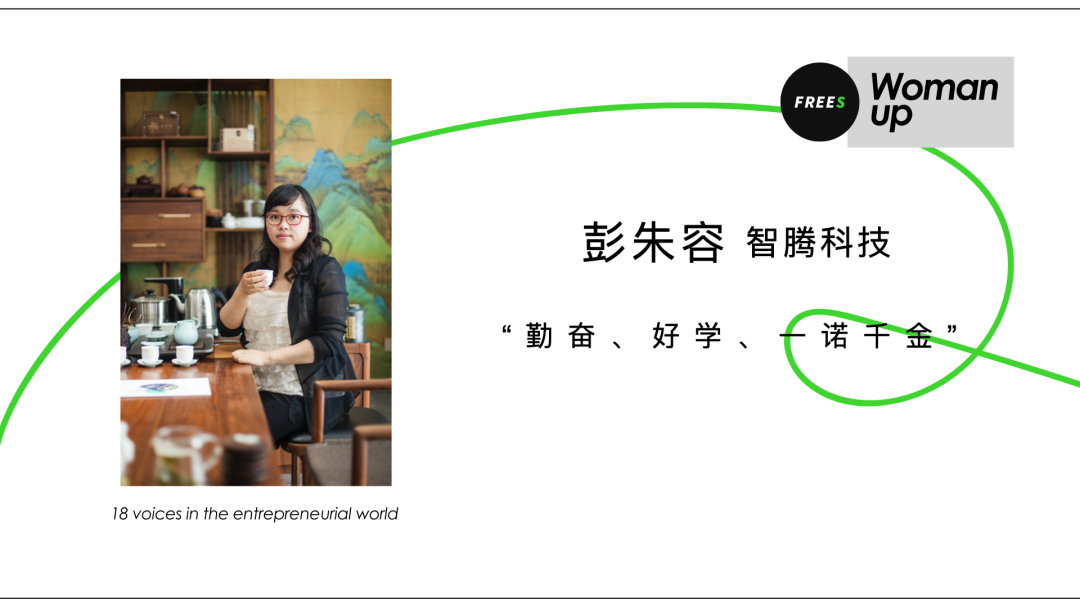
1. Why did you decide to start a company? What does your company mainly do?
I've been someone who likes to tinker since childhood. My original intention for entrepreneurship was very simple — I found it challenging and believed I could do it well.
Many friends say I'm not particularly suited for business. But every time I see people around me or clients and sense their spirit of no-regrets dedication, the patriotism and ambition behind them, I get fired up. Sometimes I'll take on projects even without profit or at a loss. Being able to participate in important national matters, I myself feel a sense of national honor.
Currently, Zhitec Technology mainly focuses on the development of high-precision sensors, forming a complete industrial chain from sensor chip design, module packaging to system software and hardware. Its main applications are in aerospace, energy exploration, and equipment intelligence.
With "R&D and domestic substitution of high-precision, high-reliability sensing technology" as its theme, and microelectronics technology at its core, the company deeply researches sensor technology and integrated circuits, developing serialized products that are high-temperature resistant, ultra-low-temperature capable, high-precision, and high-reliability. It mainly conducts R&D in three areas: various accelerometers, directional sensors, and inertial navigation systems, achieving dual military-civilian use.
2. What's the biggest change in you from starting your company until now?
My biggest change is transforming from a literary young woman who read books and drank tea into a sharp, prickly woman. I've become more confident and no longer mind others' evaluations and opinions.
3. There must be many challenges and difficulties in the entrepreneurial process. How do you solve them?
I have extremely strong resilience. Those solved difficulties, even if they once tormented me to exhaustion, are all in the past to me. I think the biggest challenges are still in the present — including how to break through my own ceiling, how to overcome team bottlenecks, and drive everyone's collective growth.
4. What do you rely on to relieve pressure outside of work? What's your biggest hobby?
Besides managing internal company matters, I frequently travel for business. Often I'm on morning flights to Shanghai or Beijing, and evening flights back to Qingdao. I've seen 1 AM in Beijing many times, 1 AM in Shanghai, 1 AM in Luoyang, 1 AM in Xi'an — and more often, 1 AM in Qingdao.
When I first started my company, I could feel the thrill of pressure release. But in recent years, I feel I've coexisted with pressure — it's integrated into my blood and bones. I don't think I need decompression anymore.
At the same time, I'm someone with rich imagination, and my biggest hobby is reading. When I find a good book, I immerse myself in it, experiencing all kinds of joys and sorrows — this kind of thorough satisfaction and pleasure is unparalleled.
I particularly like the book series The Great Qin Empire, which was later adapted into a TV drama. Although I read the books over a decade ago, I'm still deeply moved watching the drama now. I especially like the character Shang Yang — he and Duke Xiao of Qin were essentially entrepreneurial partners. Shang Yang said: "You are like the green mountain, I am like the pine and cypress. Even if our bodies are shattered and bones ground to powder, we will never betray each other."
In the end, Shang Yang sacrificed himself to uphold the law for their shared dream — there's a sense of achieving what he sought. For the first time, I cried several times over the mutual appreciation between two men. In Nirvana in Fire, Mei Changsu with his great righteousness for family and country is also a character I quite like.
I'm also moved by more delicate scenes. During the rainy season in Lijiang, walking on bluestone paths, there's a feeling of gentle drizzling rain. Around Qingming Festival, on a business trip to Hangzhou, camellias blooming at night and the fragrance of earth after rain — these all make me feel that life is worth it, that our striving and dedication are very worthwhile.
5. What kind of lifestyle do you most aspire to?
I've thought about this question seriously, and in the end I still feel that my current life is what I like and aspire to most. This may sound a bit pretentious, but it's my genuine thought. I have four elderly people in good health at home, and four lively, mischievous children. I can blend the bitterness and joy of work together, mix anger and laughter together, and incidentally blend music and fine wine together.
Most importantly, I'm quite good at finding joy in hardship — no matter how bitter or difficult things get, I can always find reasons to make myself happy. When busy, not letting down my dreams; when playing, not letting down the scenery; when alone, not letting down myself — I quite like this state of living.
Surfing, Farming, Building Lego, Raising Small Animals, Cooking... Entrepreneurs Have More Than One Side
Duomu Liangjin Li Yuanjun

I'm a co-founder, equivalent to the bassist in a band. The lead singer and musicians choose each other, sharing consistent aesthetics. We establish Chinese identity through the creation of beauty. Entrepreneurship has made me more tolerant — I understand that advancing a cause cannot rely on one person's strength alone, nor merely on a small team's passion; more people need to be brought in. I like reading history and building Lego. The former provides an abstract world; the latter replicates a parallel world. "Humans are animals suspended in webs of significance they themselves have spun." But one web is flat — I need multiple "worlds."
Guancha Xiao Guan
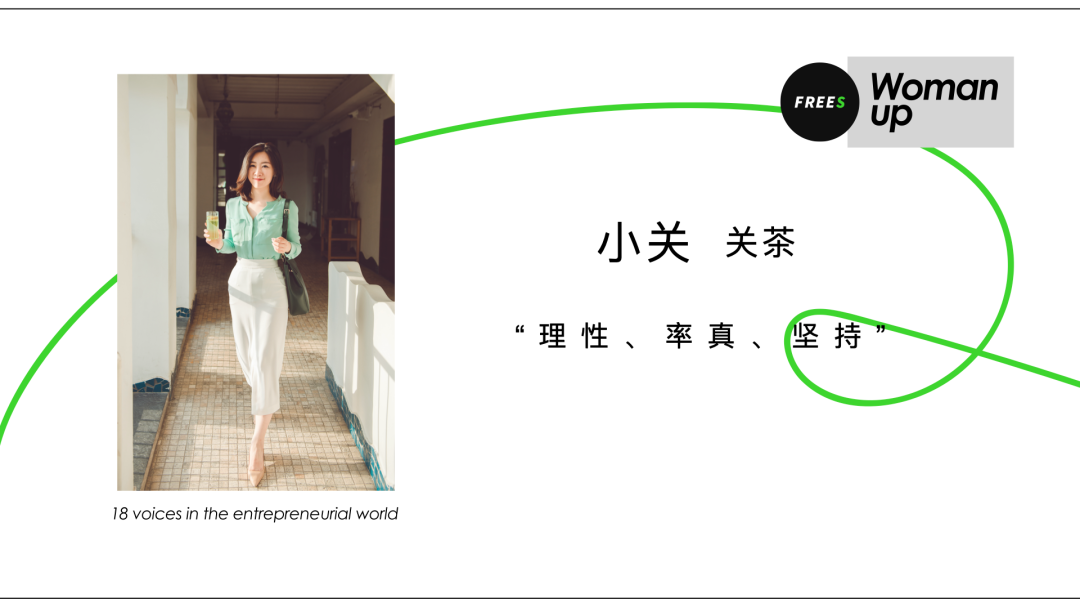
In 2016, right after graduating from college, I started my company. I simply wanted to create a beautiful, warm cultural and creative food brand, making products solidly and letting consumers feel this dedication. When I first started, I would listen to all kinds of voices and was easily influenced by others. I once thought "being purposeful" was a negative term, but now I see it as positive. You need to clarify your goals before investing resources and energy. Don't go for branches and leaves — go straight for flowers and fruits. Now I also have a baby, which is such a beautiful thing. Though you're busy with entrepreneurship, your life always has another track accumulating.
Haalthy Winnie
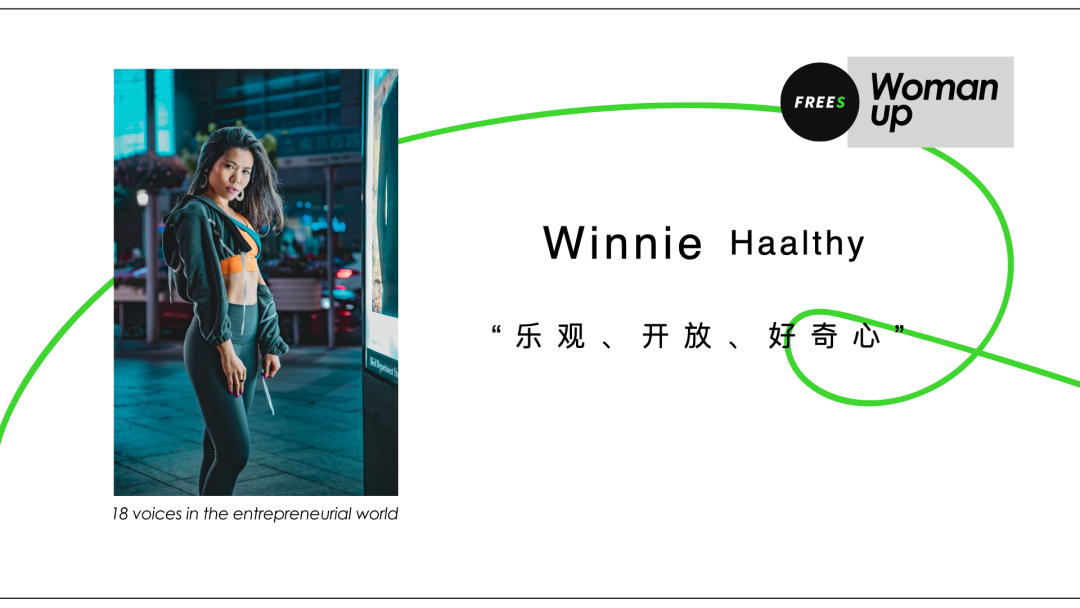
Someone in my family got sick, so I decided to start a company to provide services for more people. I named the company Haalthy, hoping to make people more happy and healthy through technology. Since returning to China to start my company, I have a clearer self-understanding and gradually realize where my gaps and strengths lie compared to domestic entrepreneurs. I mainly have three hobbies: first surfing, second meditation, third sunshine. Depending on where I am that day and what's convenient, any one of these can recharge me.
Haifeng Technology Lin Hong
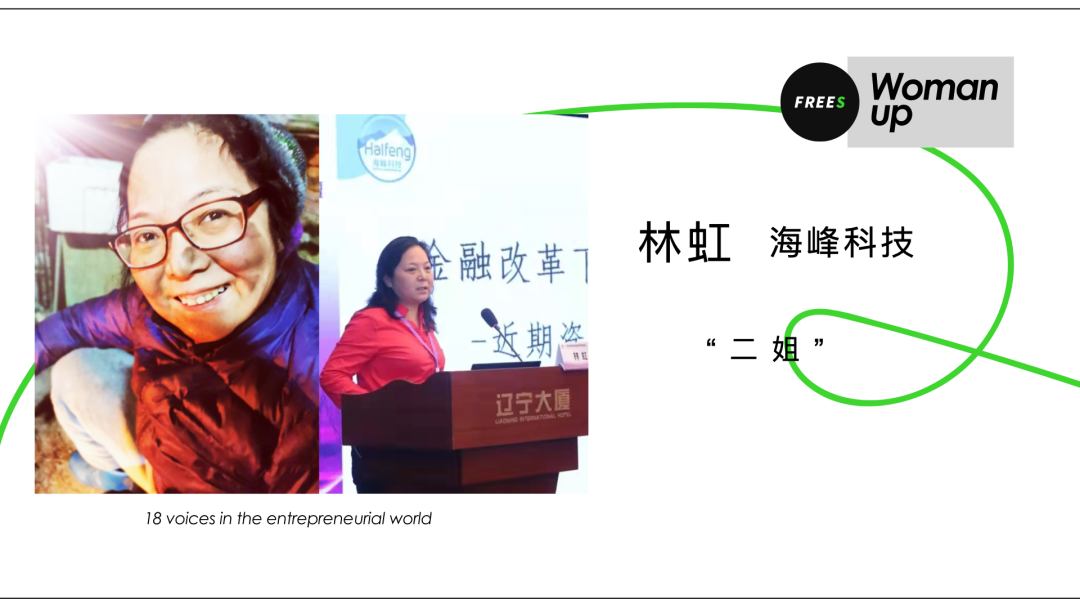
I'm a girl from rural China who later became an Executive Director at Goldman Sachs China. After eight years of honing my skills, I voluntarily left Goldman Sachs to found a private equity service firm. After starting my company, I've become increasingly down-to-earth, leading children from ordinary schools to create miracles together. Outside of work, I farm in Huairou on weekends, keeping pace with Huairou's rural rhythm. I've become more sensitive to the 24 solar terms and gained deeper understanding of market changes.
Kailala Fengbao
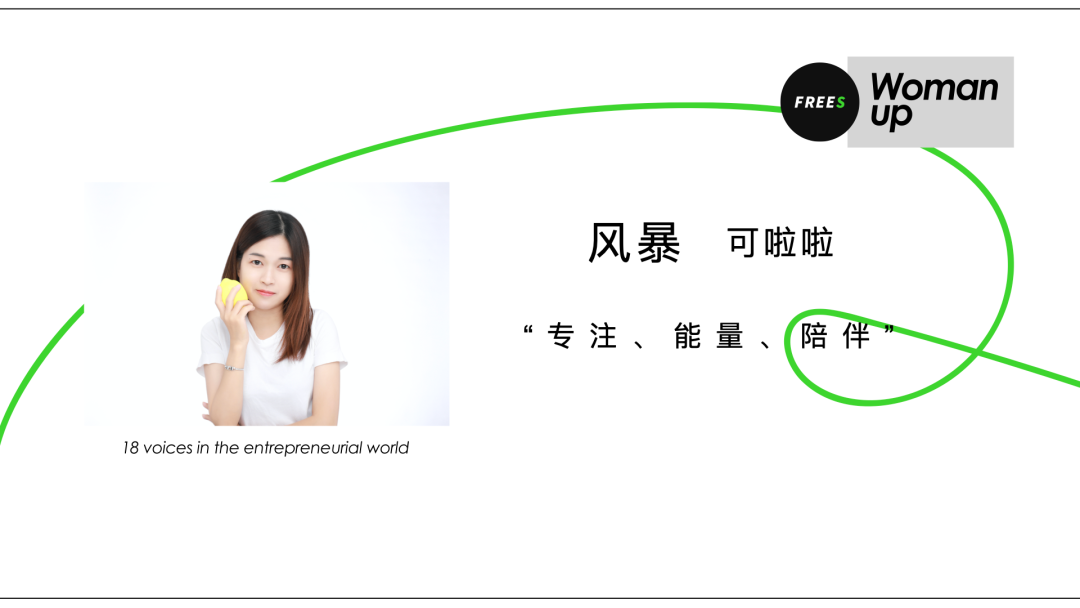
Both the founder Shandian and I started as colored contact lens users — who knew that once we entered this business, it would be over ten years. In the future, Tongxue (which owns brands including Kailala and MITATA) will continue focusing on the entire eye ecosystem, wanting to make products that make eyes more beautiful and healthier. I hope Tongxue can contribute something to society. After starting my company, I have more multi-dimensional perspectives on things and have become more composed and energized. Outside of work, I like reading and dancing — especially when dancing, I'm mostly around Gen Z, and keeping communication with them is also the closest step toward understanding users.
Leao Medical Zhang Zhongmin
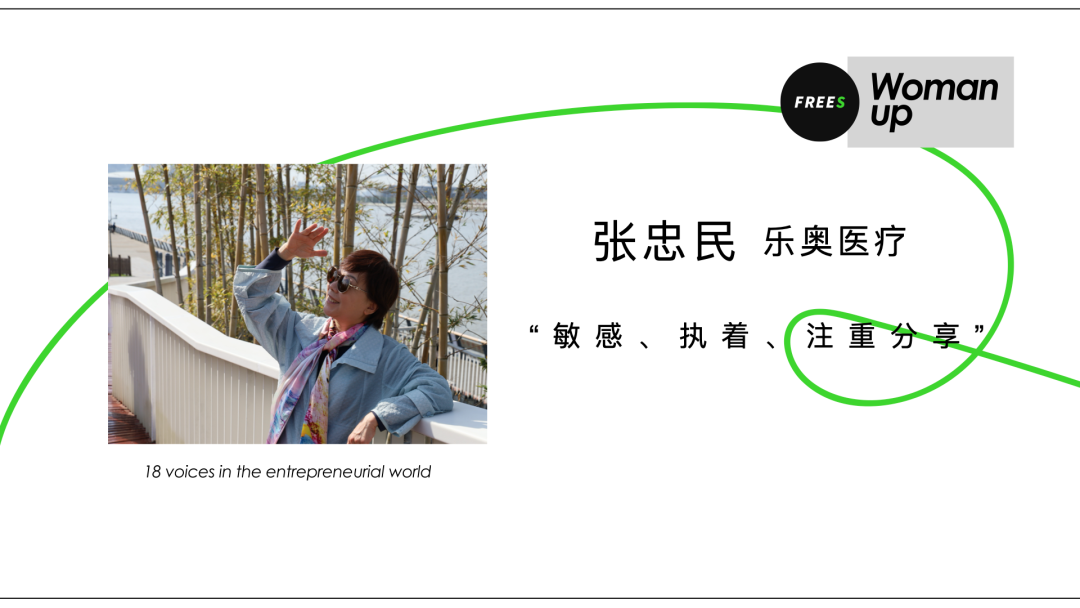
Since starting my company, I've become more patient. We're in medical devices, which require long R&D cycles. You have to be persistent and patient enough to see them through. Right now, China's medical device industry isn't exactly leading globally, and we hope to fill some of those gaps. Leao Medical is a medtech company born for innovation. We want to make lives healthier — through our products, making impossible surgeries possible and complex surgeries simple.
Lukan Medical, Wang Xiaoying
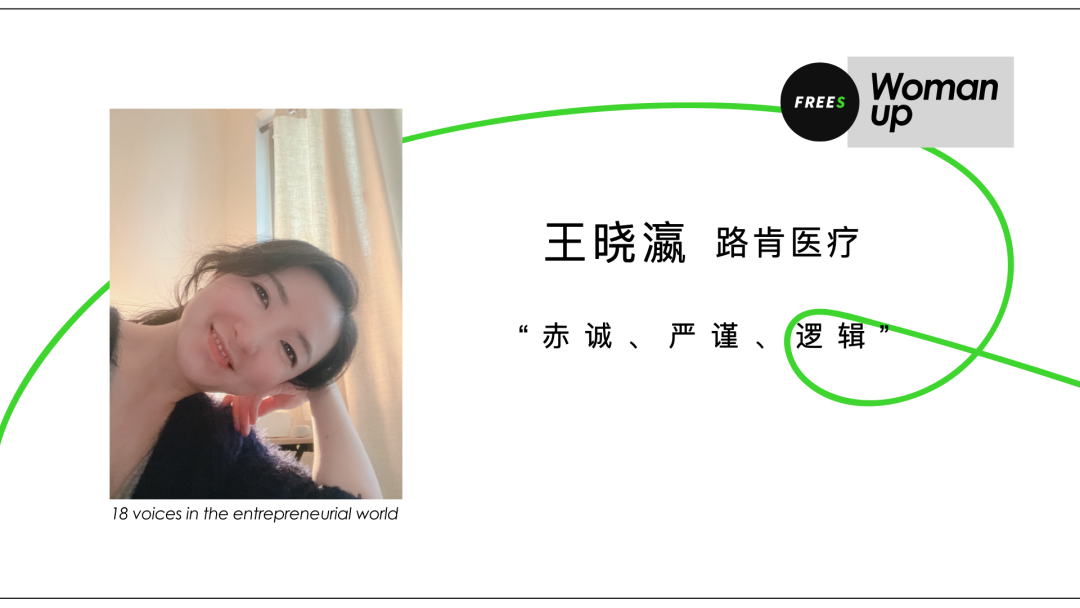
Back when I worked at a foreign company, I realized how misunderstood domestic devices were. I really wanted to develop and manufacture devices myself. When I met my co-founder, we just clicked and decided to start a company. I want everything Lukan produces to be premium quality. Now I know both what I'm capable of and what I'm not. Outside of work, I like raising small animals — I have four cats, one dog, two turtles, and two birds at home. Small animals always show you their most instinctive reactions. Being with them is stress-free. If I make more money later, I'd even want to raise horses and leopards. If I had to describe myself as a small animal, I'd say I look like a little dove, but with an eagle's heart.
Milan Diary, Wu Linyan
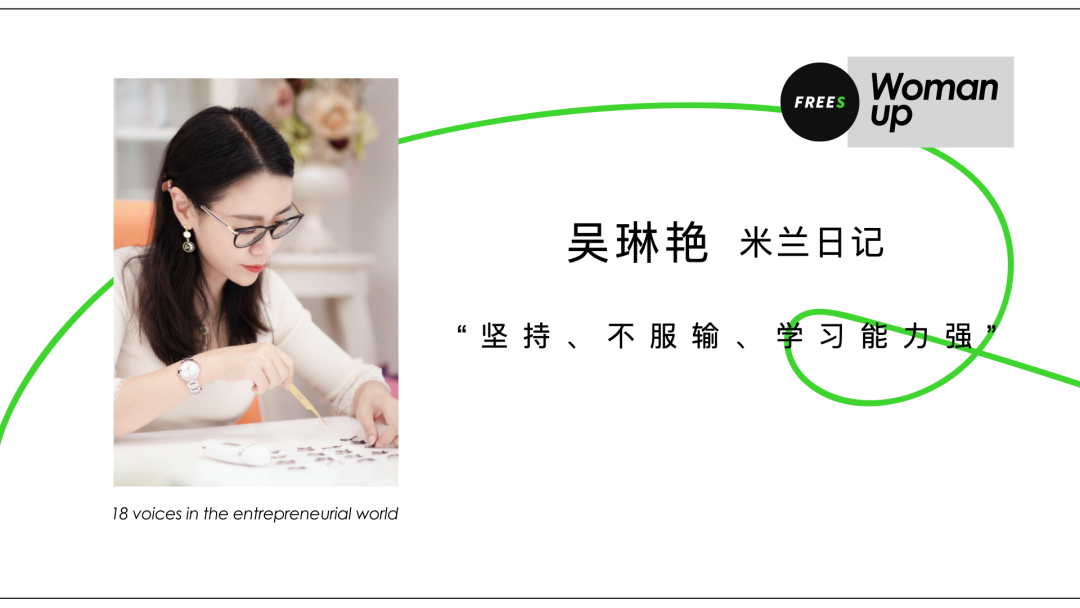
Why did I choose eyelash and nail extensions for my business? Because these categories don't require exaggerated claims — the quality is visible to the naked eye. I hope Milan Diary can become a leading global beauty tools brand. I used to be terrible at listening to other people's ideas. After working with my partner Mr. Deng for seven or eight years and taking quite a few courses, I've become more patient, more willing to listen and communicate. When I rest, I'll brew a nice-looking floral tea and do my own lashes or nails. My biggest hobby is actually work — after playing with my kids on weekends, I'll start designing new styles and writing copy.
N1 Life, Zang Xiaoyu
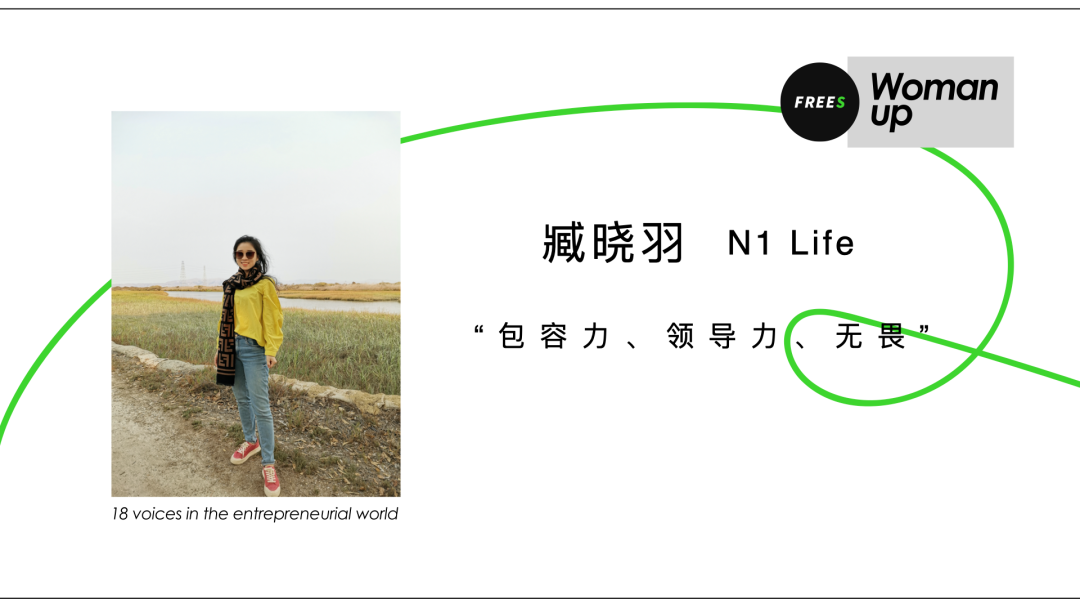
I grew up with a family legacy of medical ideals. To me, the starting point of biopharma is university research, and the endpoint is helping save more patients. I want to find the most efficient path from start to finish, helping others faster and better. Right after finishing my PhD, I started my company and built my own family. Three years in, I'm carrying more roles and facing challenges from every direction. But fortunately I can maintain a good mindset — I see any difficulty or setback as a necessary path that helps me learn new skills. I don't particularly need to do anything specific to relieve stress; I usually just like to exercise outdoors.
Qianhai Zejin, Min Wei
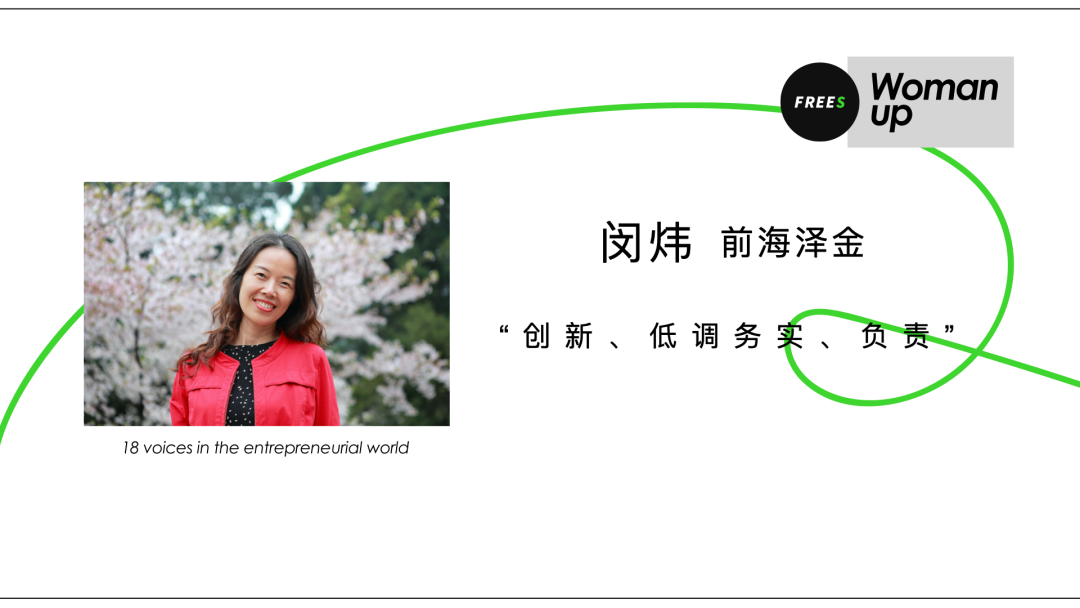
In 2015, I founded Qianhai Zejin, entering the supply chain finance space. At the time, few people were paying attention to this area. We were probably among the earliest teams combining industrial internet with fintech, creating many first-of-their-kind products. Our vision is: "Industrial finance experts, customizing your industrial finance, empowering industries." Since starting my company, I've increasingly come to appreciate that everyone has it hard, everyone has their own perspective. If we want to create value for them, we first need to think from their standpoint. Outside of work, I love reading. I've also considered that I can't just keep consuming without producing — I might write something in the future.
Shaonian Dedao, Zhang Quanling
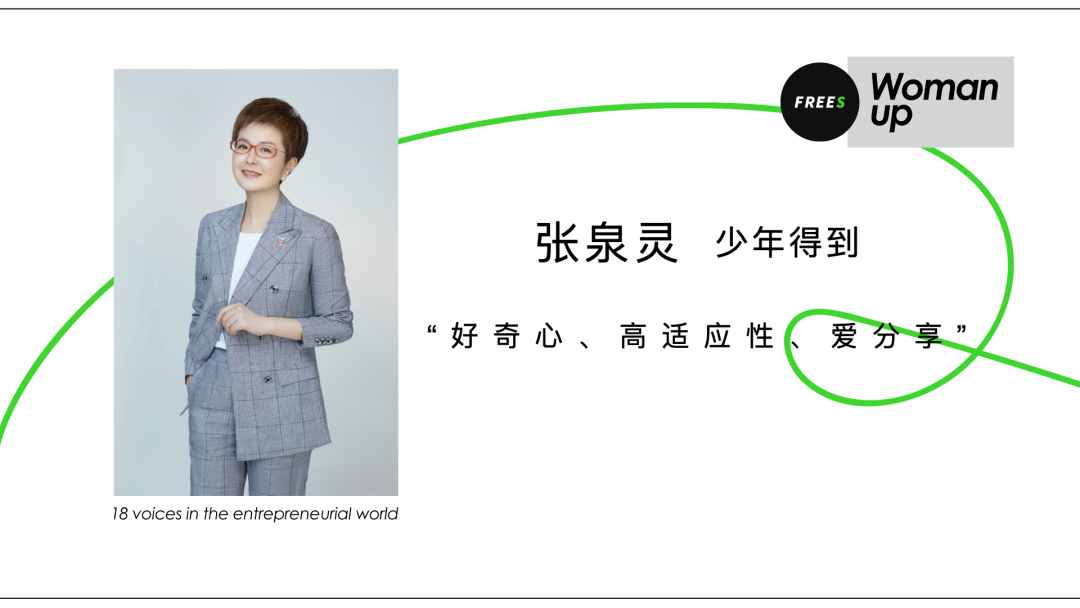
Throughout my life, through various chances, I've always benefited from good learning resources and good learning methods. I hope today's children can have more opportunities to access learning resources and develop good study habits — that's why I founded Shaonian Dedao. After starting my company, I've had to face things I'm not good at or even afraid of. That's probably the biggest difference from working on a platform before. Before entrepreneurship, I loved challenging hobbies that added excitement to life. Now entrepreneurship itself is too exciting — my hobbies are all pretty homebody-ish, like drinking tea and watching mindless shows.
Advantage Planet, Cui Cui
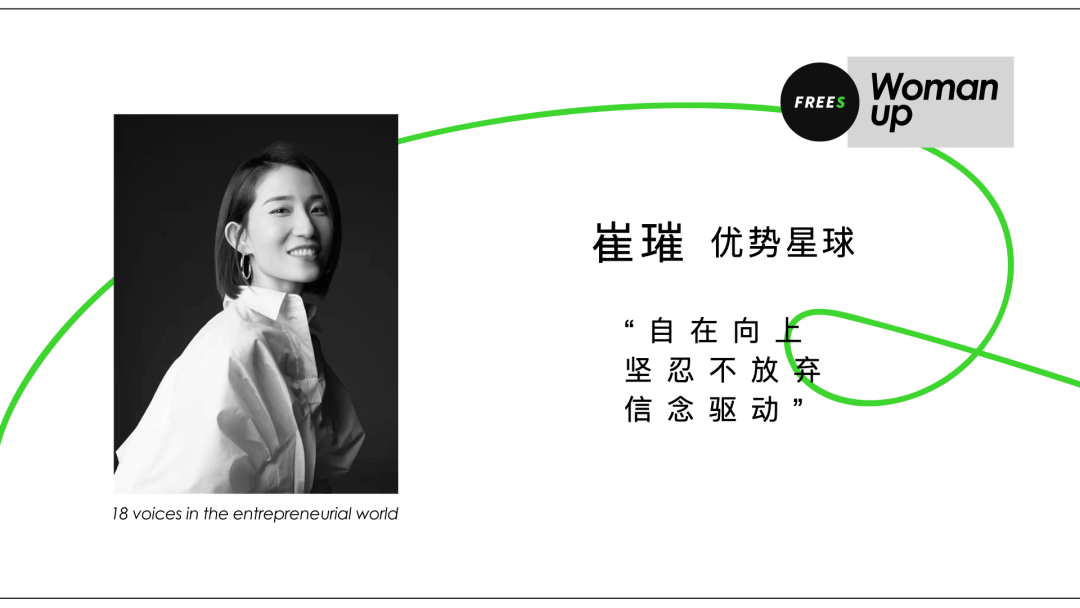
When I first started my company, I wanted to help women achieve themselves and provide solutions for women's growth. Later, as I encountered more users, I realized that in career and life development, a gender-neutral sense of agency actually helps women think more breakthrough-ly, more confidently and more comfortably. Combined with changes in the overall job market, in recent years I've shifted toward vocational education, helping working professionals develop the grounding and ability to be themselves and find their positioning. Since starting my company, my physical stamina has improved. My colleagues say I have a vibrant vitality growing from the inside out. When I'm extremely anxious, I sit down and write an article word by word — turning anxiety into concrete, accomplishable small tasks. As for hobbies, I'm passionate about "looking good" — does that count? Pilates, styling — these are my ways to zone out.
FreeS Fund's Wang Lei:
"Supporting someone to start a company, or stopping them —
both are equally valuable"
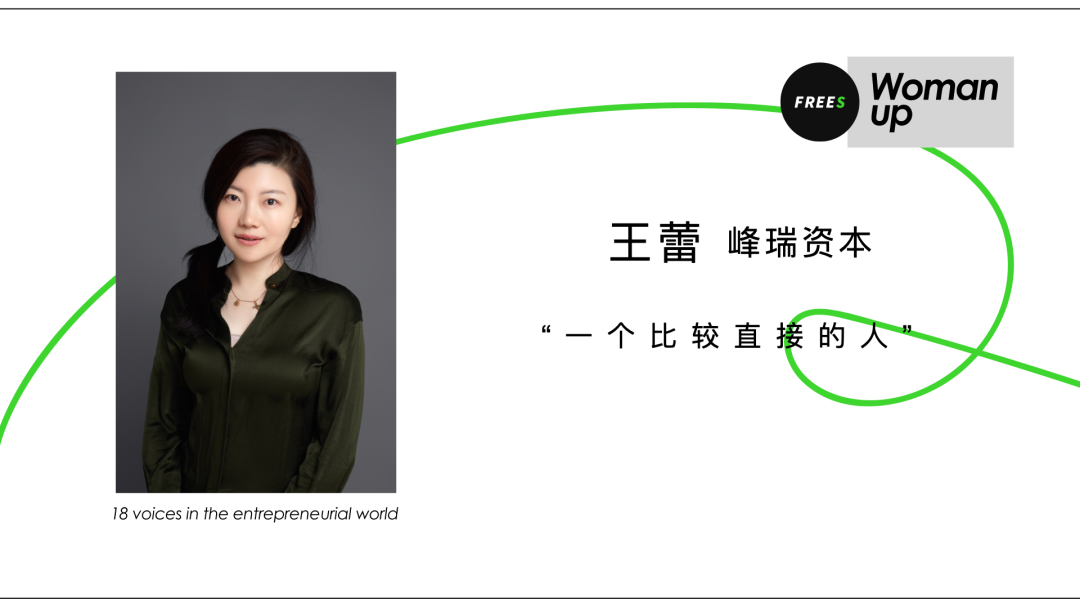
Like female founders, female investors are an important force in the venture capital world. Wang Lei, partner at FreeS Fund, is one representative. She's a professional with both business and research backgrounds, skilled at uncovering non-consensus value in frontier sectors. You'd be hard-pressed to find dramatic "decided to invest in 5 minutes" narratives in her portfolio. She always wants to understand projects more deeply and thoroughly. In her view, supporting someone to start a company or stopping them from doing so are equally valuable. This March 8th, Wang Lei was named to PEDaily's "S50 Women Investors" list.
Here are her reflections:
1. What qualities do you see in yourself?
As an early-stage investor, I'm a pretty direct person. In my eyes, supporting someone to start a company or stopping them — or at least stopping a particular direction — is equally meaningful. Basically, in my first meeting with founders, I always try to go deeper and more thorough. If I spot problems, I'll be very explicit about them.
2. In your observation, what traits or commonalities do female founders have?
Among the biotech and healthcare projects I've invested in, there are quite a lot of female founders. From a statistical perspective, historically the proportion of women studying biology and chemistry has never been low, so the subsequent proportion of women starting companies and succeeding in chemistry and biotech is correspondingly quite high.
When evaluating projects, I don't come in with a preset focus on whether the founder is male or female — I focus on the project itself. Whether male or female, everyone has to bear corresponding family responsibilities. Wanting to succeed in entrepreneurship isn't easy for anyone. Either the person really wants to make something happen, or they get tremendous support from their family.
In interacting with founders, I understand when female founders get emotional, but I don't think these so-called emotions have a direct relationship with entrepreneurial outcomes. Some female founders may express more emotion than some male founders when facing moments like fundraising difficulties. But expressing these emotions doesn't mean they have lower stress tolerance or can't get things done.
3. What's the biggest change investing has brought you?
Investing demands quite a lot from a person's comprehensive abilities. After getting into investing, I feel like I've refreshed myself. I keep exercising, hoping to at least keep pace with everyone at any time. I also maintain my habits of research and reading.
4. What do you do outside work to relieve stress?
Mainly exercising and hanging out with young people — playing murder mystery games, gaming, learning all kinds of new things.
We dedicate this article to all entrepreneurs running toward their dreams. The traits that lead to success know no gender. May your journey of exploration be full of miracles. We hope these 18 voices from the venture capital world offer some inspiration.
Giveaway
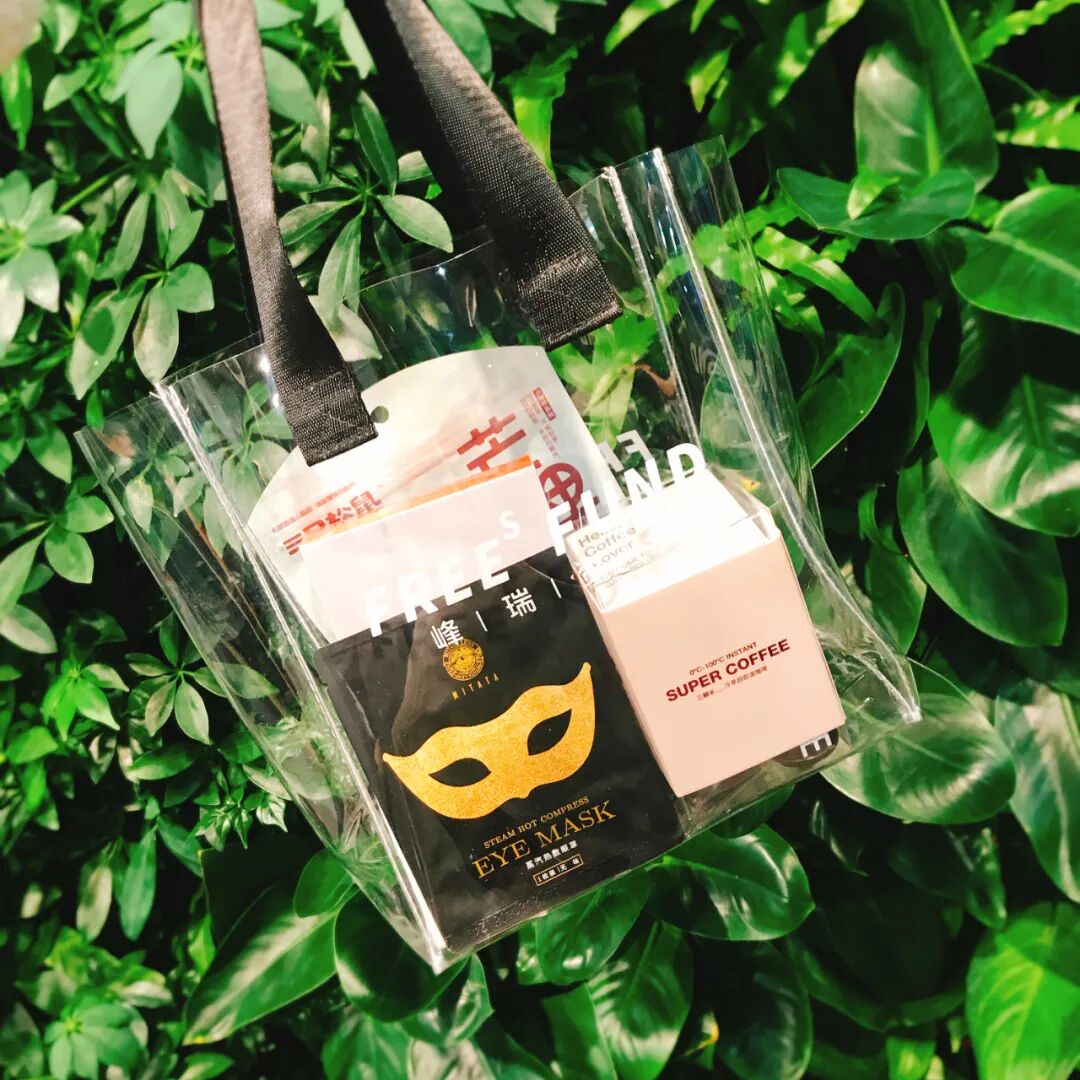
We welcome you to share your thoughts and reflections in the comments. The 5 readers with the most heartfelt comments will receive a FreeS gift package (each containing Saturnbird coffee, Kailala steam eye masks, Three Squirrels dried mango, ACC Super Accessories jewelry, and Wanwu Upward prebiotic solid drink).

▲ Building Virtual Idols: The Pitfalls and Barriers | FreeS Fund Interview
▲ What Kind of Spiritual Consumption Does Gen Z Need? | 2021 FreeS Fund Annual Investor Summit