Beyond the "Narrow Door": A Real-World Portrait of Early-Stage Frontier Biotech Entrepreneurship in China | FreeS Fund 2020 Biotech Summit Registration Now Open
Will Today’s US Biotech Become China’s Tomorrow?
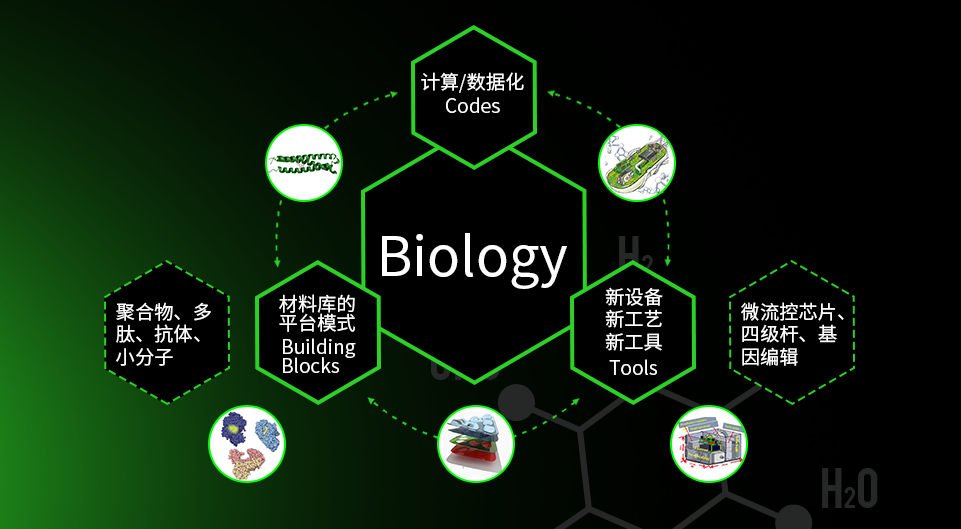
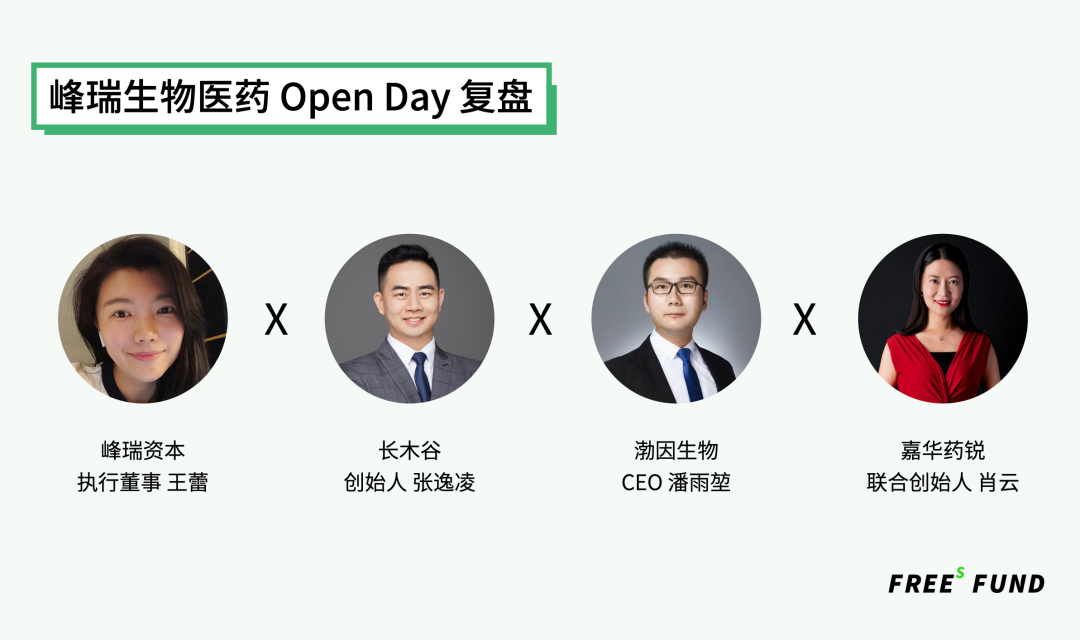
In 2020, the value of biomedical innovation became even more pronounced, making it the hottest trend in capital markets. In mid-September, we held a biotech-focused Open Day in Beijing. At this event, Li Feng, founding partner of FreeS Fund, shared his view that China's biotech innovation is at a "triple convergence" moment of opportunity. Following that, FreeS Fund executive director Lei Wang led an in-depth discussion with three biotech founders on:
- What's it like to start a company in a sector widely known for high opportunity costs, high risks, and long cycles?
- For biotech, is America's today China's tomorrow?
- If you could go back to the starting point of your entrepreneurial journey and still choose to start up, what would matter most?
These three founders are working in gene therapy, AI-enabled orthopedics and surgical robotics, and omics-based companion diagnostics. Their stories carry shades of romanticism, but also the pain and reflection that come when ideals collide with reality. These are authentic snapshots of China's current biotech entrepreneurship landscape. Today, we're sharing this 10,000-word transcript with you, hoping it offers some inspiration.
We look forward to entering the great era of biomedical innovation with more of you. This Saturday, October 24, we will launch the FreeS Fund 2020 Biotech Venture Capital Summit — three online livestreams and one deep-dive session (online livestream + offline Open Day), continuing to decode biotech entrepreneurship. Welcome to scan the QR code in the poster below to register.
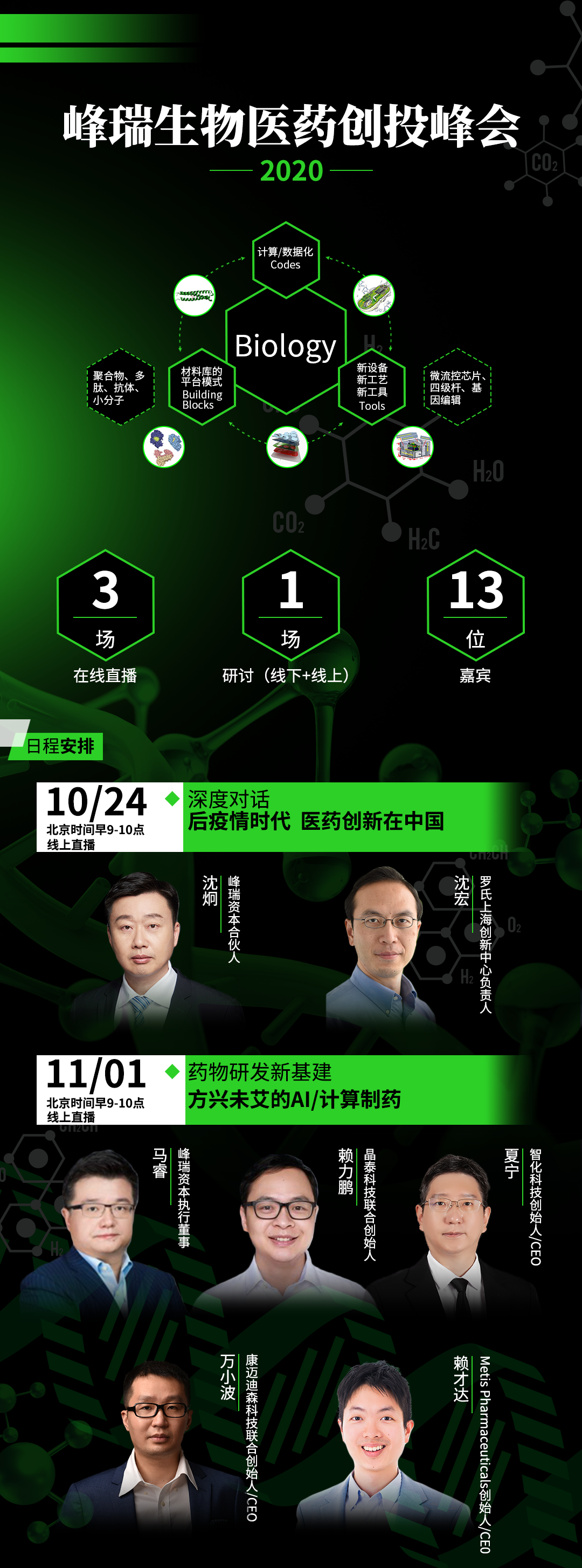
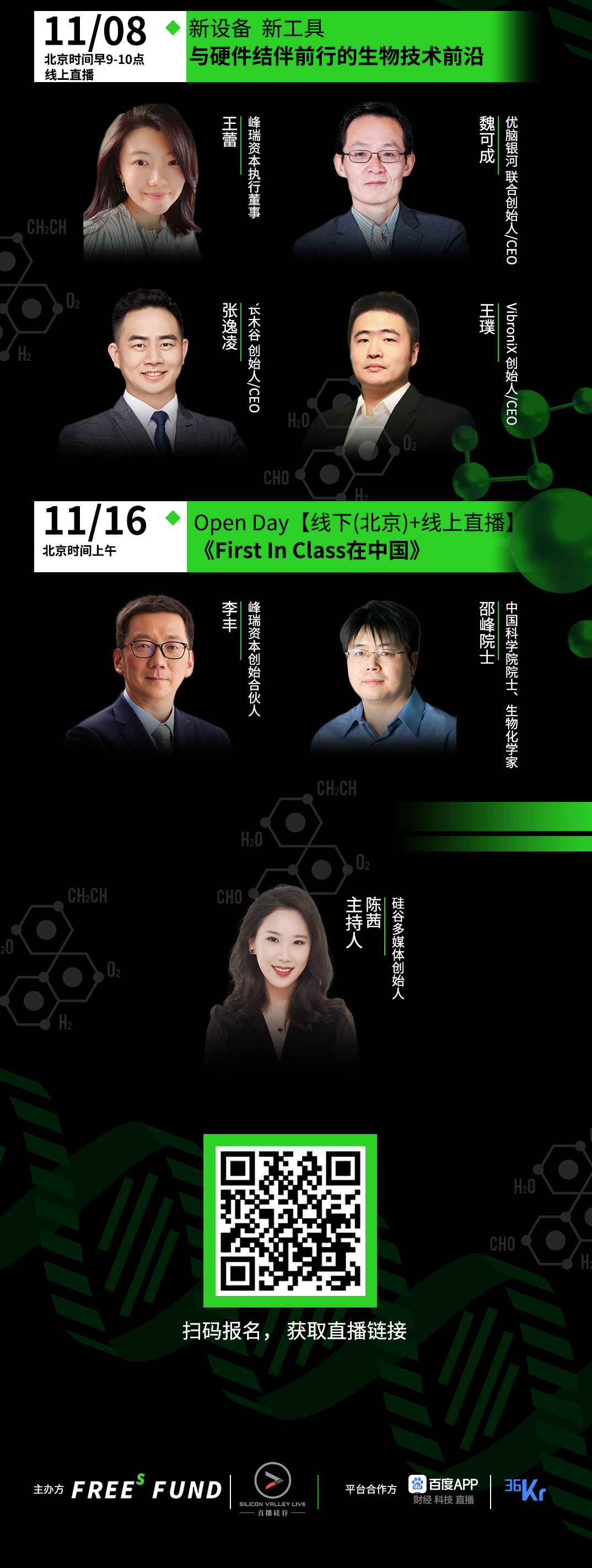
Scan the QR code in the poster above 👆
Register for the FreeS Fund 2020 Biotech Venture Capital Summit
At the summit, scientists, industry experts, early-stage investors, and frontline founders will gather together. Guests including Shao Feng, academician of the Chinese Academy of Sciences and biochemist; Shen Hong, head of Roche Shanghai Innovation Center; the FreeS Fund biotech investment team; and Lai Lipeng, founder of XtalPi, a leading AI drug screening company, will explore cutting-edge topics such as biotech forward-looking trends, COVID-19 research and vaccine development, gene editing, and pyroptosis, charting the course for the health industry's future in the post-pandemic era. Researchers, industry experts, and entrepreneurs in the healthcare sector are welcome to register and participate.

▍ Intelligent Orthopedics, Gene Therapy, Proteomics — How Did They Take Their First Entrepreneurial Steps?
Lei Wang, FreeS Fund: Over the past five-plus years, we've keenly felt technology-driven healthcare gaining increasing attention. As one of the earliest domestic early-stage investment institutions to focus on this space, we've invested in several biomedical projects based on frontier biotech and interdisciplinary approaches. Overall, in molecular diagnostics, AI-driven diagnostics, and gene therapy, China's research and translation capabilities are very close to international levels, thanks in large part to overseas-returned scholars bringing advanced technologies back to China.
We analyzed roughly 40 early-stage biomedical projects in FreeS Fund's portfolio. From the dimensions of team composition and technology, they fall into three broad categories:
- One type consists of people who were doctors or had industry backgrounds before going abroad, then pursued technical training overseas, built interdisciplinary teams, and finally returned to China to launch their ventures;
- The second type comprises teams with overseas technical backgrounds who brought technology back to China, advancing management and technology in parallel domestically;
- The third involves introducing technology from abroad and having it developed jointly by teams with domestic industry and technical backgrounds, amplifying it within China.
Today's three guests each represent one of these types. I'd like to invite the three of you to share what your mental journey looked like at the initial decision point to start your companies.
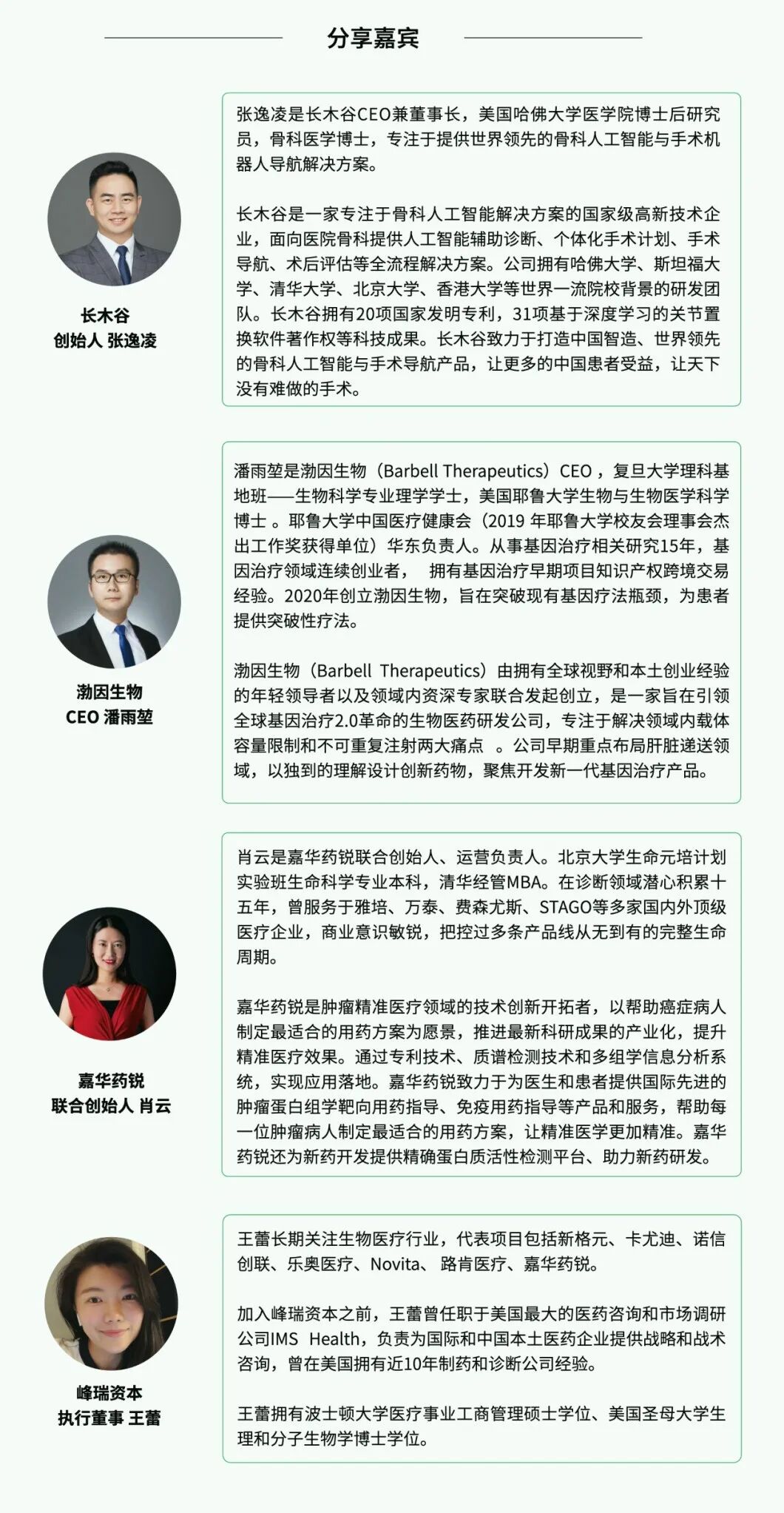
Yun Xiao, Jiahua Yaorui: My decision to start a company was deeply tied to personal experience. I did my undergraduate studies in biology at Peking University and have over a decade of experience in the in vitro diagnostics industry. By my mid-thirties, many people are forced to face painful separations — loved ones lost to illness, with a significant proportion due to cancer or cardiovascular disease.
I accompanied a close friend through the entire journey: tumor diagnosis, surgery, chemotherapy, postoperative metastasis, treatment selection, targeted therapy, drug resistance, switching regimens, searching for new effective companion diagnostic technologies to determine which drugs to use or which clinical trials to join. Throughout this process, I reviewed extensive literature, tracked recent technological advances, contacted numerous diagnostic companies and pharmaceutical manufacturers, and received help from many classmates and friends. My own biology background and IVD industry experience proved invaluable.
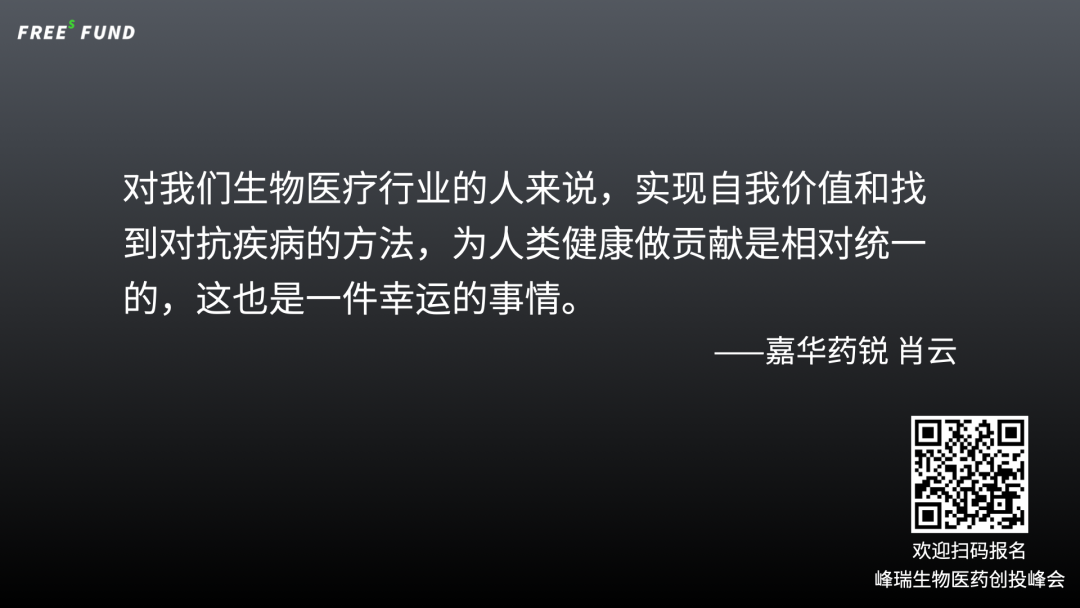
So when I started my company, I targeted precision oncology — aiming to commercialize frontier technologies and make cancer a manageable chronic disease. For those of us in the biomedical industry, realizing personal value and finding ways to combat disease and contribute to human health are relatively aligned goals. That's something fortunate.
Another important factor was finding several highly reliable co-founders. CEO Naizhong Zheng is a senior schoolmate I've known for many years; CTO Chao Liu was Zheng's dormmate and also my former colleague; our chief scientist is a senior alumnus from Peking University. The entire team is highly complementary and well-matched, with mutual trust and support, giving us confidence to move forward smoothly in this field.
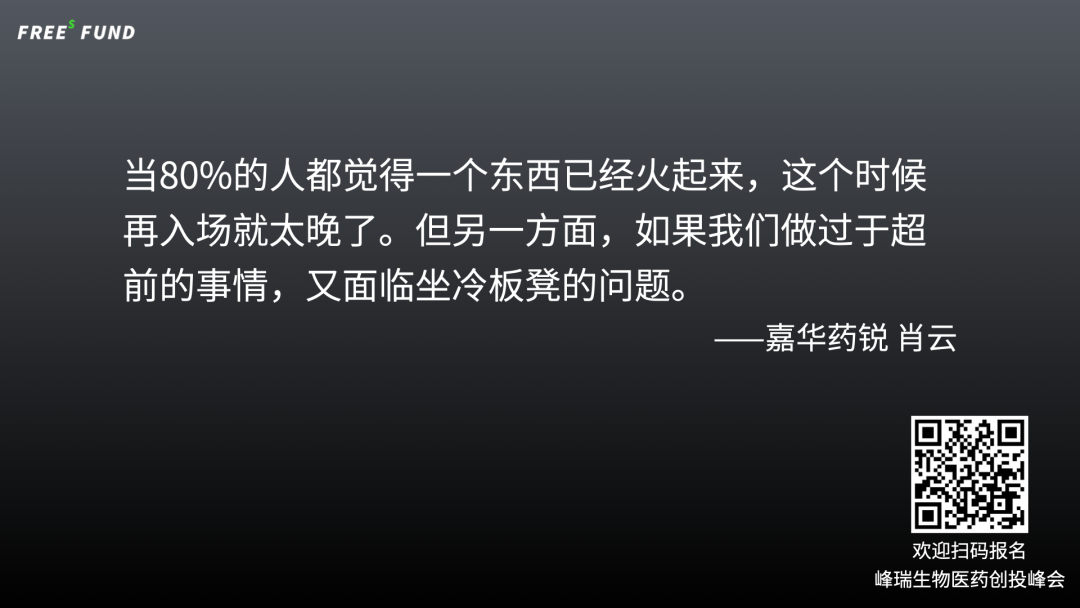
Then there's the choice of direction. Zheng had spent five or six years in the gene sequencing field and built a very successful company. When he started another venture, many assumed he would continue in the familiar territory of genetic testing. But on one hand, precisely because of our deep understanding of the technology, we more clearly recognized the limitations of existing approaches; on the other hand, having been immersed in the industry for years, we knew that when 80% of people think something is already hot, it's too late to enter. Yet if we pursued something too far ahead of its time, we risked sitting on the cold bench.
Before committing to proteomics as our technical direction, we spent several months carefully reading the major papers in the field, hoping to validate technical feasibility and market demand from the perspective of technological progress combined with frontline physicians' specific needs.
A crucial judgment for us was that doctors don't care about the detection method itself — they only care about three things: accuracy, speed, and reasonable pricing. If we used targeted proteomics approaches, we could achieve clearer clinical significance, faster turnaround, and better pricing than existing methods, fully satisfying these three core clinical needs of speed, accuracy, and affordability. That would be our advantage. This isn't simply a technical competition; ultimately it's about application scenarios. You need to evaluate a technology from the end user's perspective.
Our choice of proteomics wasn't only based on our biology background and judgment of technological trends, but also on our industry thinking. We knew there would be a cold bench, but we also knew it wouldn't last forever — we would persist until the clouds cleared.
Yukun Pan, Boin Biotech: Let me start with motivation. For me, decisions come down to two things: personal experience and educational background — both are crucial. As Xiao mentioned, witnessing a loved one's difficult battle with disease and ultimately resolving to dedicate yourself to conquering that disease is indeed a powerful driving force.
I did my undergraduate studies at Fudan from 2004 to 2008, focusing on gene therapy, then went to Yale for my PhD. Two people influenced me greatly: my doctoral advisor Tian Xu, now vice president of Westlake University, and my academic "uncle" — Jonathan Rothberg. Jonathan is a towering figure in biology who has founded multiple health and bioscience companies. Of the three second-generation sequencers, he built two, both later sold to Thermo (formerly Roche Diagnostics and Life Technologies). That made quite an impression on me, and I gradually developed entrepreneurial aspirations.
Over the past 15 years, I've witnessed the ups and downs of gene therapy, including many bubbles — such as the late 1990s when some 500 clinical trials were running simultaneously, followed by the industry's return to rationality. Then in 2015, gene therapy's popularity began rising again and has continued to the present.
Boin Biotech is my second venture since returning to China; we're currently at angel stage. Having been back for three or four years, I've stepped into plenty of pitfalls. Our team now focuses on non-viral vector gene therapy, hoping to break through the bottlenecks of traditional viral vector-based approaches.
Since returning to China, I've founded two companies. The two experiences differed quite a bit in how I built the teams and set the directions.
The first venture involved importing a project from overseas and collaborating with its core personnel. We worked on AAV gene therapy and were among the first to bring AAV vector technology from overseas institutions — this was around mid-2018, when U.S.-China relations were still relatively relaxed. We brought it to China through cross-border investment and sublicensing. During this process, we negotiated with American university professors and lawyers, conducted thorough research on U.S. law as well as China's foreign trade and NDRC policies, and learned how to handle ODI procedures, among other things. This workflow isn't actually difficult to master. As long as you have a clear direction, whether importing from the U.S. or other countries, this path can still work going forward.
The second venture came about because I identified a bottleneck in the field — specifically, the limitations in vector capacity and the inability to administer repeat injections, two major pain points in viral vector gene therapy. To break through this bottleneck as CEO, you need modular components that you can identify, piece together, and build a team around to collectively push toward your goal. On the technical side, we prioritized team members with relevant technical backgrounds abroad, then combined that with grounded management and operations within China.
So in my view, these two approaches correspond exactly to the third and second models Wang Lei just mentioned, and both are viable in the Chinese market.
Zhang Yiling, Longwood Valley: We met Feng Shu in 2018. At the time, I was a postdoctoral researcher at Harvard Medical School working on AI-powered orthopedic surgical solutions. Feng Shu was very optimistic about what we were doing and urged me not to stay in the U.S. to become a professor — I should return to China and start a company, bringing the most advanced technology back to benefit Chinese patients. Harvard has the world-famous Longwood Medical Area, and my partner was at Stanford in Silicon Valley. So we named our company "Longwood Valley," hoping to bring the most advanced technology from Harvard and Stanford back to China. Starting in September 2018, our team gradually returned.
Since coming back, we've been working on digitalization and intelligentization in orthopedics, providing hospitals with full-process solutions including AI-assisted diagnosis, personalized surgical planning, 3D-printed surgical guides, surgical robots, and postoperative evaluation — helping orthopedic surgeons perform operations with greater precision.
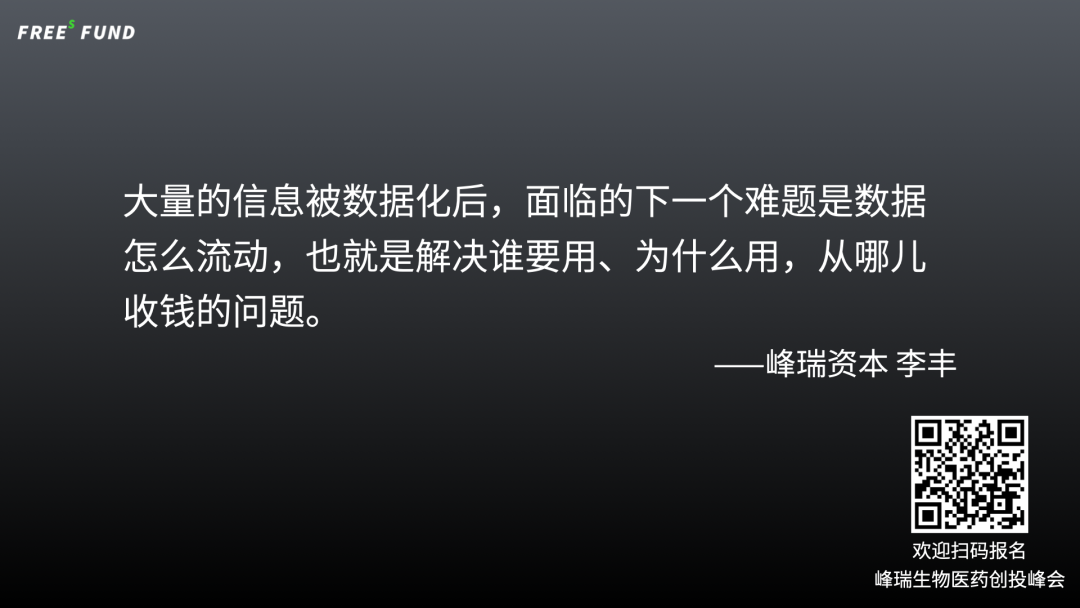
Li Feng, FreeS Fund: Longwood Valley is rather special among the AI healthcare projects we've invested in. He was originally an orthopedic specialist at a renowned top-tier hospital in China, with deep frontline medical experience. As I mentioned earlier, after massive amounts of information are digitized, the next challenge is how that data flows — solving who uses it, why they use it, and where the money comes from. Because Zhang Yiling has a medical background, approaching medical AI from a physician's perspective makes implementation easier than for someone with a computer science background. And indeed, their project progress and fundraising have gone relatively smoothly.
Zhang Yiling, Longwood Valley: Specifically, why did I start this company? From my field's perspective, orthopedics touches on major societal issues like healthcare and population aging. Before going abroad, I had been working as an orthopedic doctor in Beijing. As the population ages, more and more people develop various joint diseases. Orthopedic surgery relies heavily on experience, so patients needing joint replacements or other orthopedic procedures would overwhelmingly choose top hospitals like Beijing 301, Jishuitan, or PUMC, seeking out the best doctors.
The result is that doctors at major hospitals might perform 7-9 surgeries a day, working from dawn till dusk, while doctors at ordinary county hospitals either sit idle day after day or never get proper surgical training.
Meanwhile, quality medical resources tend to concentrate at very large hospitals. How to achieve resource下沉 (resource下沉 should be translated as "getting resources to lower-tier markets/areas" — but the user said natural English, not translationese, and this is a key China healthcare concept. Let me think... "how to get quality care to reach grassroots levels" or "how to achieve equitable distribution of medical resources") is not just a technical problem but a social one.
Originally, the national research projects we undertook at the hospital involved surgical navigation and surgical robots. The founding purpose was to encode quality medical resources and excellent physician experience into technical algorithms that could reach grassroots areas, remote regions, and even war zones — addressing the scarcity and uneven distribution of quality medical resources.
Later, during my research at Harvard Medical School, I came across some papers from Stanford in 2017 applying AI deep learning to medicine — for diagnosing diabetic retinopathy, skin cancer, and so on. I immediately thought: this technology could be applied to orthopedics too. Orthopedics is extremely imaging-dependent, whether X-ray, CT, or MRI — it's all imaging-based. We already had a background in surgical robotics research in China, so we quickly started building a team, hoping to apply deep learning to our strongest area, orthopedics.
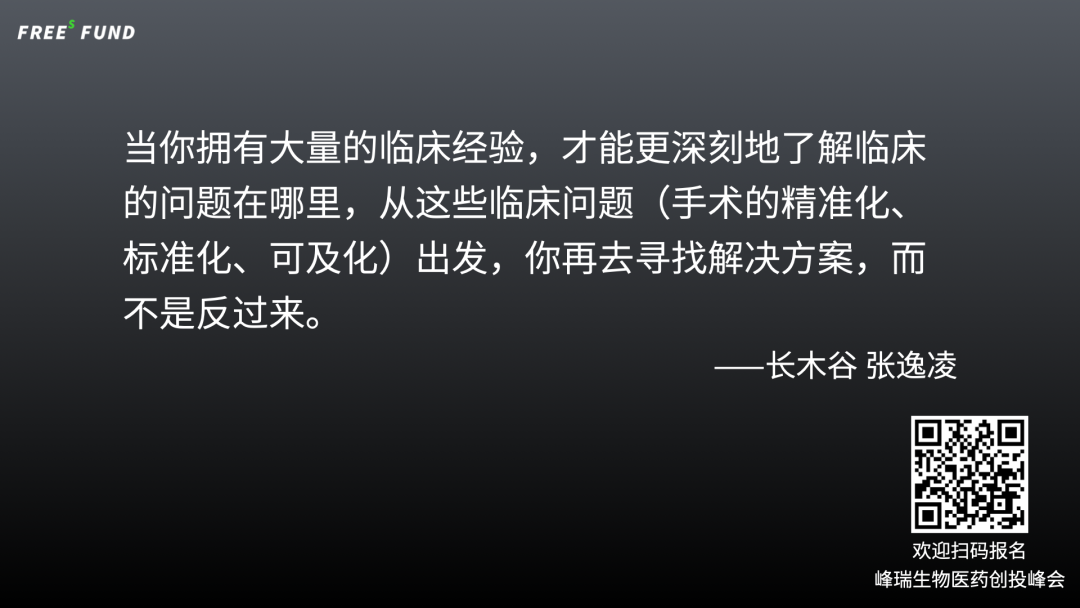
I also want to emphasize the role of industry background in entrepreneurship: only with extensive clinical experience can you deeply understand where the clinical problems lie. Starting from these clinical problems — surgical precision, standardization, accessibility — you then seek solutions, not the other way around. There are also people in the industry with backgrounds in algorithms, finance, or sales who get into AI healthcare. If they start from the technology and hope to then look for problems it can solve in clinical settings, the products they develop often face significant challenges in actual clinical use, because what doctors think and what engineers think don't necessarily align.
Second, finding partners. Many early-stage entrepreneurs start with classmates, friends, or family — there's nothing wrong with that; trust takes years to build. My suggestion is to keep the early partner team small, ideally within three people.
I made this mistake when I first returned. I thought the more impressive people, the better, and initially pulled together six or seven people, all graduates of prestigious overseas universities. Later, some were unwilling to return to China, some couldn't adapt to the domestic work environment after returning, and there were other adjustments. Eventually we settled on three — all three co-founders came back.
So a partner team isn't better just because it has more people from famous schools; shared vision matters enormously. Those earning $100,000 salaries in Silicon Valley who demand the same compensation to return and start a company aren't suitable for entrepreneurship — they're better suited for large corporations. The ones willing to come back and work for 10,000 RMB a month are the true entrepreneurial partners. It's also crucial that partners complement each other — find people with overlapping technical or industry backgrounds to co-found with.

Third, we returned with technology, but once we actually started, we realized that transforming medical technology into viable medical products is a very long process. It requires not just breakthroughs in algorithms and technology — to make a product that various grassroots physicians can use well, you need to bring in more roles: product managers, programmers. You also need to handle medical device registration, which involves applications, inspections, clinical trials — this is an extremely long road.
You need to gather people from different places with different strengths and characteristics, and at this point the CEO's capabilities become especially important. If the CEO comes from a technical background and is used to working alone, they must shift their mindset, because they need to recruit people more professional and excellent than themselves in various domains to build the entire system together — only then can the vision possibly be realized. From our return in September 2018 to now, exactly two years, we've grown from an initial 3 people to about 10 last year, and now roughly 50, gradually building out the team.
Finally, a crucial point is leveraging momentum. Early in our startup, we found that many orthopedic surgeons in China still operated based on experience and feel, while in developed medical centers in the U.S. and Europe, robotic navigation was already widely adopted. We believed that Chinese orthopedic care would inevitably move toward digitalization and intelligentization. With this conviction, our efforts had direction.
However, when we first returned, most funds couldn't understand our model. Some investors did due diligence, learned that Chinese doctors operated mainly by feel and experience without relying on any digital or intelligent solutions, and concluded there was no market for our product. Feng Shu was the exception — we didn't even know how to make PPTs back then, but after listening to us for half an hour, he decided to invest. It was quite difficult to raise funding in those early days after returning, but we firmly believed this was the future, that it would happen in ten or twenty years. So we thought: persist, work hard to recruit the best people, and believe that day would come soon.
We held on, and this year the industry landscape changed dramatically. With the launch of our AI medical products, physician feedback has been excellent, hospital adoption has been rapid, and international giants have entered China with various robotic navigation products — suddenly our direction became extremely hot. In just over the past year, we've completed four funding rounds, with several more in discussion.
When you're riding a favorable wave, and you want to push the best products into clinical use, many people will bring abundant resources to help you accomplish this. For entrepreneurs, this is incredibly fortunate.
Scan the QR code to register for the Biomedical Summit👆
Exploring the Entrepreneurial Prospects of China's Biomedical Industry
▍Differences in Application of Underlying/General-Purpose Technologies Between China and the U.S.
Wang Lei, FreeS Fund: I have a deep impression of Zhang Yiling's project. Actually, after Feng Shu talked with him for half an hour and had investment intent, our team also did extensive industry research. I even flew to Boston specifically to take Yiling out for a meal — we talked for three hours. I remember him telling me that when he was doing postdoctoral research at Harvard, he was often too busy to cook. Usually he'd pan-fry seven steaks every weekend, freeze them in the fridge, and microwave one each day for lunch in the lab — saving time to push progress. I immediately judged: this person has the ruthlessness to make entrepreneurship work.
My next question for the three of you is: from our investment experience, founding teams typically master underlying or general-purpose technologies, and the applications of these technologies differ significantly between China and abroad. For example, one project we previously invested in applied optoacoustic technology in surgery to observe whether tumors had been completely resected. But after returning from the U.S. to China, the team discovered that breast cancer surgery in China is basically total mastectomy — there's no intraoperative margin assessment step. The team then redirected this optoacoustic technology to endoscopic surgery, where it's now developing quite well. There are many such cases. Have the three of you encountered similar situations, and how did you respond?
Xiao Yun, Canopy Biosciences: Canopy Biosciences is a textbook example of a deep-tech innovation company. Our technology is globally leading, and the application scenarios are relatively clear — we chose precision oncology as our primary direction in both the U.S. and China. But the biggest challenge we faced was that the U.S. and Canada already had fairly mature awareness of proteomics value, with research in the field booming; whereas China's scientific research and clinical communities tend to accept new technologies slightly later. We had to spend far more time and energy on market education.
Because market recognition of new technology was so low, we had to "sit on the cold bench" — and that was genuinely painful. Skepticism came at us from every direction. How do you stick to your own judgment, hold the right course, work to produce results, and wait for that inflection point? That process is really difficult.
We decided to do this in 2019. Full of confidence, we reached out to many investors and kept hitting walls. The biggest problem: they couldn't understand us at all. As I just mentioned — market acceptance and market education issues. We'd often spend three or four hours giving a crash course starting from what genes are, what proteins are, and after we'd earnestly explained everything, they'd be completely lost. So we were constantly figuring out how to explain what we do in the simplest, most accessible way possible.
Second, we had to find investors who were truly right for us. The reasons investors initially rejected us boiled down to two points: first, the technology was too new, they couldn't understand it, and there weren't any strong, validated comparable companies to reference, making it hard for them to form a judgment; second, stage mismatch — some specialized biotech investors understood our technology but felt we were too early, preferring to invest around Series A.
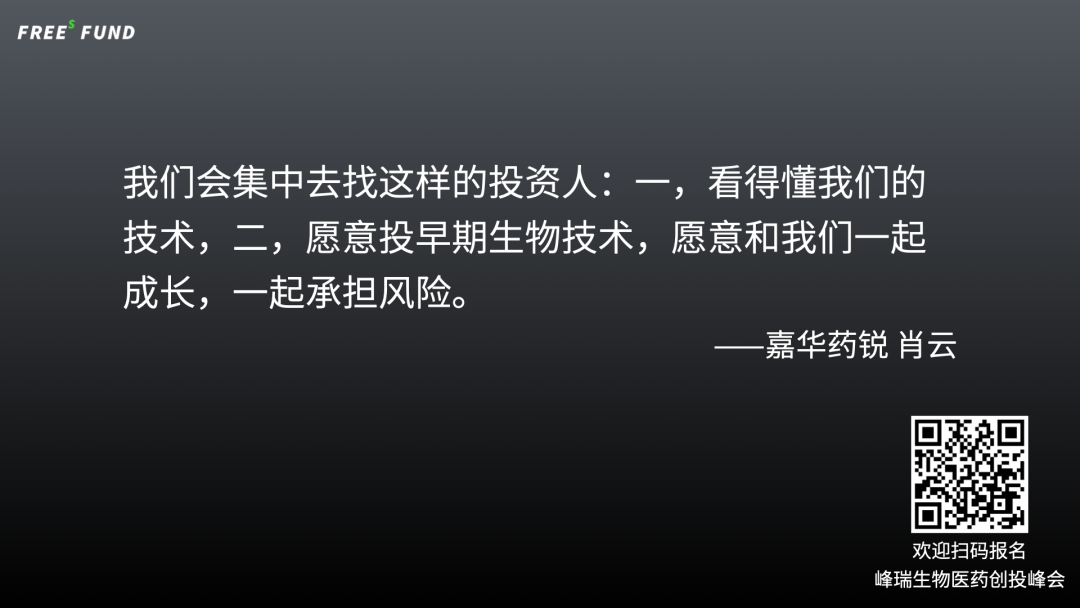
When the situation wasn't working, we adjusted our fundraising strategy. We focused on finding investors who: one, understood our technology, and two, were willing to invest in early-stage biotech, willing to grow with us and share the risk. Then we were fortunate to meet FreeS Fund. They not only understood what we were trying to do but also gave us a lot of valuable advice.
So looking back, being a deep-tech entrepreneur is quite hard. You not only have to understand the technology yourself and see clearly where it can be applied, but also keep a clear head and firm will when others don't understand the technology and question the project's prospects.
For example, if you talk to twenty people and all twenty give negative feedback, do you start doubting yourself? What if it's fifty people questioning you? A hundred? There was even an investor who kindly told me, "Xiao Yun, I really like your team — your character and backgrounds are excellent, you complement and trust each other. Have you considered pivoting? I know a professor with excellent technology who just needs a team like yours. Want to chat?" Moments like these truly test whether you've genuinely thought through your direction.
At that time, we basically had meetings every evening — sharing external information, feedback received, useful criticism and suggestions, internal thinking, each person's judgment. This process was quite agonizing. But it was precisely because of this experience that we became more firmly grounded in understanding ourselves, understanding what we wanted to do and what we could do. The pain we endured became our wealth.
Pan Yukun, Boin Biotech: The differences between China and the U.S. in certain application scenarios really do require time and thought. China is absolutely not "America 2.0," so when thinking through problems and directions, you must base it on specific scenarios — you can't assume America's today is China's tomorrow.

China's current advantages mainly include the following:
- First, talent advantage — particularly, many people who received rigorous professional training at excellent overseas institutions have chosen to return to China, and they can create tremendous value. This is something rarely seen in China over the past several decades.
- Second, biotech is currently a hot investment area, with substantial funding available for excellent projects.
- Third, policy advantages — for example, with support from the NMPA and National Health Commission, medical technology researchers can more conveniently collect large amounts of clinical data, which is very difficult to achieve in the U.S.
Of course, China also has certain disadvantages. Most typically, intellectual property for foundational industry technologies is still largely held by Europeans and Americans. From an investment and financing perspective, the winds of hype likely come fast and go fast.
When we're choosing a direction, we must consider various factors, because China will absolutely not be a second America — we can't take things for granted. For example, in the U.S., market demand for generating certain viral vectors is enormous, and startup companies might never be able to meet all the orders. But if you return to China to start a business, you have to seriously consider whether the Chinese market has that level of demand for the same product.
Take pharmaceuticals as an example — the price difference between China and the U.S. is massive, and the drug reimbursement systems are different too. There was a film, Dying to Survive, about how ordinary Chinese people couldn't afford imported drugs from major American pharmaceutical companies and had to secretly buy generics from India, going through all kinds of hardships, which eventually drove regulatory policy changes. This actually reflects China's current reality. For instance, some very high-end drugs you develop might sell for millions or even tens of millions in Europe and America, but in China, ordinary people can hardly afford to pay out of pocket for such expensive medications. So working in this space in China, you can reduce costs through technology and production innovations, localization of consumables and equipment. Of course, you can also take the high-end route — your R&D results can be sold to major Western pharmaceutical companies. Whether you list domestically or sell to Western majors, you have to find a good exit for yourself and your investors.
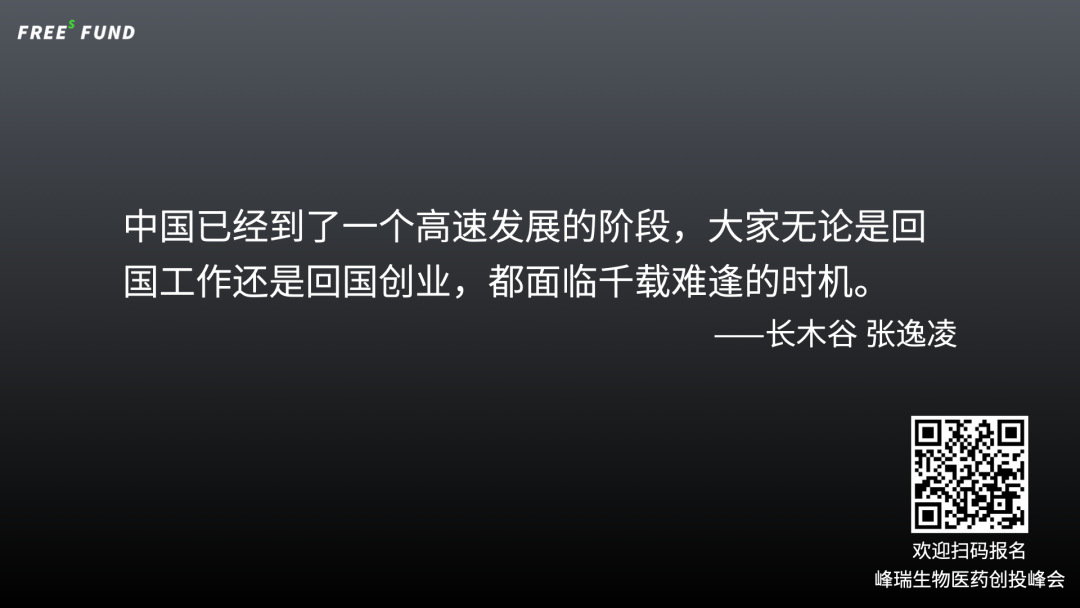
Zhang Yiling: China has reached a stage of rapid development. Whether returning to work or to start a business, everyone is facing an unprecedented opportunity. The market right in front of us is enormous. Take our orthopedic surgical solutions as an example — although Europe and America started earlier technologically and are currently absolutely leading, now that we're introducing intelligent technology into China, the speed of development will far exceed imagination.
Because as Pan Yukun mentioned, in Europe and America, if you want to develop algorithms based on certain data, you don't have that many patients, the growth rate of annotatable data is limited, and product development often takes ten or even more than ten years. But in China, with its vast territory and large population, we can access much larger data volumes, and the case information we can access is more diverse and more complex. Building neural networks on this rich data foundation yields better results.
Additionally, when America sells this kind of advanced equipment to China, a single unit easily costs 20 to 30 million RMB, and the per-patient usage fee is often 30,000 to 50,000 RMB — very high costs that not everyone can afford, with long treatment cycles, and overall very low accessibility.
Furthermore, in the U.S., to get a joint intelligence-assisted surgery, first you wait to book the doctor, then wait to schedule the surgery, because doctor resources are extremely scarce — a single surgery often requires waiting three months or half a year. And the pre-surgery CT image processing needs to be uploaded to a data center first, then transmitted back to the doctor, a cycle that often takes two to three weeks or even longer.
China's situation is completely different. Domestically, patients generally get admitted today, have surgery tomorrow, and are discharged the day after. And China has a huge patient population — American doctors work on an appointment system, seeing maybe twenty to thirty people a day; Chinese doctors might see two to three hundred patients a day. Because American hospitals have better standardization, taking joint replacement as an example, the skill level at top hospitals and ordinary hospitals is relatively balanced. But in China, the imbalance in medical resources is very severe...
Therefore, against the backdrop of promoting quality medical resource下沉 [downward extension to lower-tier markets], our technology and solutions have tremendous potential. Through various technical means, we can replicate the experience of doctors at major hospitals, forming standardized algorithms and an integrated automated solution. By training young doctors, we can help them complete very standardized and precise surgeries within one to two years. More ordinary people can enjoy high-standard medical services right in their local communities.
Scan the QR code to register for the Biomedical Summit👆
Chat with scientists, industry experts,
early-stage investors, and frontline founders
about technological innovation in biomedicine
If You Could Go Back to the Starting Point of Entrepreneurship, Would You Make Different Choices?
Wang Lei: Final question — if you could return to that moment when you decided to start a business, would you want anything to change?
Zhang Yiling, Longwood Valley: Returning to that point in time, I would still choose to start a business. Whether working as a doctor in a hospital or doing research at Harvard, my goal was to contribute something to social progress and the development of knowledge. Entrepreneurship is about taking things from the bookshelf and putting them on the shelf — turning innovation into products that serve more people. To use an analogy: a veteran orthopedic surgeon might perform 10,000 to 20,000 surgeries in a lifetime, and that's the limit. If we can apply AI and surgical robotics technology to this field and make it a generalized, standardized product, we might help doctors complete 100,000, 200,000, or even over a million surgeries in a year. That's enormous social significance.
There's no doubt that China is currently in a very good window for entrepreneurship. For example, against the backdrop of the U.S.-China trade war, it's easier for us to succeed with domestic substitution. In our orthopedic joint space, if we had returned to start a business five or six years ago, we might have run out of ammunition before securing funding.
Because back then, a set of artificial joints cost 50,000 to 60,000 RMB at the terminal price, and doctors just had to do surgeries all day — they didn't need to think about innovation. Later, the government implemented the "4+7 centralized procurement" policy. Now joints are mostly subject to centralized bidding and procurement, which suddenly dropped the price of artificial joints to 6,000 to 7,000 RMB. This means that for hospitals to pursue better returns, they need to shift their thinking — from making money simply by cranking out surgeries quickly, to now competing on better medical services and better clinical outcomes.
This is where Longwood Valley's intelligent navigation technology comes into play. I believe that in another three or four years, this industry will be crowded with competitors, and competition will intensify. So being able to step into entrepreneurship at a critical time node, right when national policy is changing, is crucial.
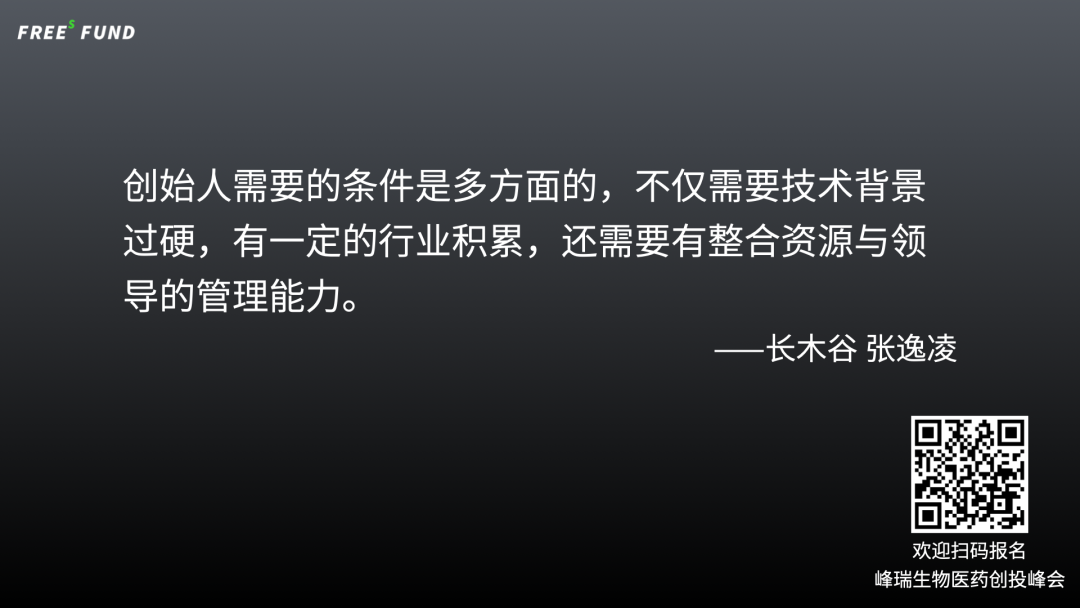
If you're also interested in entrepreneurship, there are actually many paths. You can be a founder or co-founder, or you can choose to join a startup first to learn, then start your own business later. Not everyone is suited to be a founder. Founders need to meet multiple conditions — not only solid technical background and certain industry accumulation, but also the ability to integrate resources and lead. If you've just graduated from school, you might also try joining some startups first.
Yukun Pan, Bioray Laboratories: If I could choose again, I'd still start a company — specifically a new drug venture focused on gene therapy. My research isn't basic science; it's tightly coupled with industry. Compared to running experiments in a university lab, if you want to mobilize more resources and achieve bigger breakthroughs, you have to move toward commercialization. And what we're doing addresses massive clinical needs. For instance, some traditional gene therapies are only approved for patients 18 and older. But patients under 18 suffer from genetic diseases every day too. If we can provide a treatment to help relieve their pain, that's meaningful work.
Zhang Yiling just mentioned that entrepreneurship involves every aspect of a business and demands a lot from founders — assembling the initial partner team, recruiting employees, equity distribution, option incentives, bonus structures for executives, mid-level managers, and staff. There's a very professional system to all of this, and it also requires strong communication skills from founders.
So I suggest that before going out to start your own company, you work at a startup for a while first. This lets you accumulate experience and more clearly find your future positioning. If any of you have strong backgrounds in biology and nanomedicine, you're welcome to join us at Bioray.
Yun Xiao, Jiahua Yaorui: Like the previous two speakers, if I could go back to that moment, I'd still choose to start a company. Although I personally have limited entrepreneurial experience, my partner Naizhong Zheng is already on his third venture. He told me early on: entrepreneurship is addictive. Despite all the pain I shared with you earlier, there's this constant feeling of striving toward a goal you want to achieve — completely different from my time at a multinational corporation.
Everyone just talked about team building. I'm sure you all have like-minded people around you and things you want to do. So if you can combine technology trends with your professional background, capabilities, resources, and market demand — really find something valuable to fight for — I strongly encourage you to consider entrepreneurship. As long as what you're doing has genuine value, you can monetize it through various business models.
One final emphasis: while I encourage entrepreneurship, before truly taking that step, you must prepare thoroughly and think deeply rather than simply following the crowd.
Once you've truly figured things out and made the decision, the most important thing is conviction. Persist through the pain, and your depth of thinking will improve dramatically. You'll also understand yourself better, and increasingly appreciate that saying: "Failure is never having nothing — it's lying awake at night in the same bed as your laziness, weakness, broken promises, and wasted talent, tossing and turning, unable to sleep."

Start a company. It's worth it.
Scan the QR code to register for the Biomedical Summit 👆
Talk about that "decisive moment" that made you start a company, that keeps you going
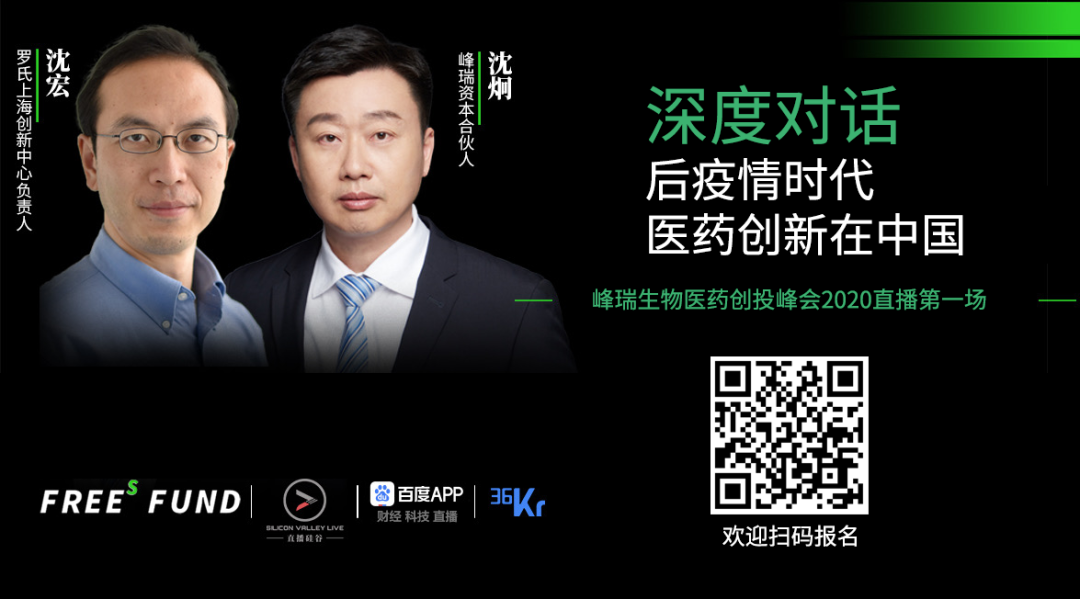
Scan the QR code in the image
This Saturday (October 24), the first livestream goes live on time
Organizers
FreeS Fund, Live Silicon Valley
Promotional Partners
Thanks to the following 24 institutions and organizations for their support:
ACE Berkeley, Peking University Northern California Alumni Association, Bio Spark, BioWorld, Boston Tsinghua Alumni Association, CEO Chinese Entrepreneurs Organization, CMU Chinese Alumni Association, CMU CSSA, Columbia University CSSA, Dartmouth CSSA, Harvard China Health Association, Harvard China Forum, Harvard CSSA, Leap, MIT CEO, MIT CHIEF, Oxford CSSA, Princeton CSSA, Renmin University California Alumni Association, UCB ACE, UCLA CSSA, UCSB CSSA, Wharton Shanghai Alumni Club, Yale Healthcare Club of China, Young Scholar Association
Platform Partners
Baidu Live, 36Kr
(Welcome to read, share, and hit "like." For reprint permission, reply "reprint" to learn the rules and contact Feng Xiaorui [ID: freesfund] for authorization. Copyright belongs to FreeS Fund.)

▲ Riding the Gene Therapy Wave | FreeS Research ▲ The Hammer and the Dance: Investment Opportunities in Healthcare's Next Wave Amid COVID-19 | FreeS Research ▲ FreeS Report 16: The Truth About Early-Stage Healthcare Investing and China's Speed | FreeS Research ▲ FreeS Report 15: Life's Gamble — The Risk-Filled Journey of Drug Development | FreeS Research ▲Why New Infrastructure Is China's Most Consequential Stimulus Policy for the Next Decade | Li Feng Column ▲ One Chart to Understand the Shifts and Opportunities in China's Industrial Chain | Li Feng Column