Where Are the Next-Generation Consumer Opportunities in 2022? | Li Feng Column

What Will the Next Generation of Consumer Innovations Look Like?

We've published two installments in our 2022 macro series so far: one on how we view shifts and volatility in capital markets, and another on why Chinese and American VC paths have diverged. In this third piece, I want to talk about consumer investment.
Consumer investment demands attention. Since 2016, consumption has gradually replaced real estate as the primary engine of "economic growth." According to National Bureau of Statistics data, China's GDP grew 8.1% year-over-year in 2021, with consumer spending contributing 5.3 percentage points of that growth — a contribution rate of 65.4%. Consumer investment also demands caution. We need to see past the hype and froth to identify what drives sustainable brand momentum and growth.
In this article, I'll share observations on how to view the current consumer investment chill, and where opportunities lie for new Chinese consumer brands going forward. A few key arguments up front:
-
Investors are increasingly focused on whether brands can sustain growth and consumer recognition after capital enthusiasm fades. Marketing-to-sales ratio and ROI will become critical metrics for brand strength.
-
Future opportunities in Chinese new consumer brands fall into several directions: tech and digital transformation of dominant industries; digitalization of emerging industries; internationalization of private enterprises; and下沉化 of private enterprises. China also has the potential to birth entirely new consumer species never before seen globally.
-
Chinese new consumer brands must both go global and sink deep.
I hope this offers some useful angles for thinking.
Reader Giveaway What are your thoughts and experiences on the next wave of opportunities for Chinese new consumer brands? Share your views in the comments. The 6 most thoughtful commenters will receive the latest installment of the Dedao In Conversation series: Li Xiang in dialogue with Wu Jun, founder of Saturnbird Coffee.


/ 01 / How to View the New Consumer Chill?
There's been no shortage of talk about industries cooling off this year. If I had to sum up the first half of 2022 for new consumer markets in one sentence: more deals, less money.
According to incomplete statistics from Lianshang.com's retail research center, the number of financing deals in new consumer sectors grew 67.5% year-over-year in H1 2022 compared to H1 2021, but total financing amount fell 18%.
At the peak of new consumer investment over the past two years, investors mainly cared about whether a new brand targeted youth-favorite categories, whether it innovated, and whether it showed early growth; companies chasing rapid early growth, in turn, poured heavy spending into marketing.
Starting in Q4 2021, the consumer track cooled across the board. Has everyone really stopped caring about new consumer brands? The H1 2022 deal numbers suggest otherwise — people are still paying attention.
Take FreeS Fund as an example. In our earlier piece "Will 2022 Be a Capital Winter?", I noted that despite all the talk of consumer investment cooling, we've actually been quite active. From Q4 2021 through June this year, FreeS made 7 new consumer investments (including closed deals and deals approved and in closing). By contrast, during the hot period from Q3 2020 to Q3 2021, we stayed cautious and only made 4 new consumer brand investments.
The focus has shifted, even if the interest remains. Put differently, people now care more about whether a brand can maintain consumer recognition and growth once capital enthusiasm and traffic subsidies fade.
Going forward, two metrics may help us evaluate a consumer brand's strength: marketing-to-sales ratio and ROI.
Marketing-to-sales ratio is essentially marketing spend divided by sales revenue. This tells us how much a brand costs to promote. Of course, this needs to be considered by category — some categories like beauty require very high marketing spend; others like bottled water need far less.
ROI helps investors assess capital efficiency. Simply put: how much actual return does each dollar invested generate? This metric also helps us judge whether a brand can maintain positive growth after traffic and capital subsidies dry up, and whether users genuinely recognize the brand.
For new consumer brands seeking long-term development, beyond riding category and traffic tailwinds, they need to work hard on product, supply chain, and channels — building competitive strength across all dimensions.
/ 02 / Future Opportunities in Chinese New Consumer Brands
So what opportunities will emerge for new consumer brands in China? I'll focus on four: tech and digital transformation of dominant industries; digitalization of emerging industries; internationalization of private enterprises; and下沉化 of private enterprises.
▎Tech and Digital Transformation of Dominant Industries
China has numerous dominant industries. They're typically massive in scale and constantly seeking growth and upgrading. To improve development efficiency and quality, these industries generally need tech and digital transformation.
Take apparel. China's apparel industry has long led the world. According to SHOPLINE's 2022 Apparel Industry Overseas Marketing Report, China accounted for 43.5% of global apparel exports among major exporting countries in 2021. This strength comes from China's long, complete manufacturing chain and large, continuously upgrading domestic demand.
In recent years, numerous outstanding cross-border e-commerce companies have emerged: PatPat, Cider, SHEIN. What these companies do, essentially, is digitize foreign trade apparel retail based on China's powerful manufacturing chain, reaching overseas users directly. And we know cross-border e-commerce has risen remarkably fast. According to BOC Research, net export trade contributed 20.9% to GDP growth by end-2021, with apparel and clothing accessories accounting for 5.1%.
Another example: consumer electronics. China is the world's largest producer, exporter, and consumer of consumer electronics, with formidable industrial strength. During my time at IDG, I invested in a panoramic camera brand: Insta360. At the time, they combined the Pearl River Delta's powerful consumer electronics manufacturing with algorithmic stitching technology to develop panoramic cameras. Insta360 later became the first panoramic camera brand to enter Apple Stores globally. This is a classic case of dominant industry + new technology.
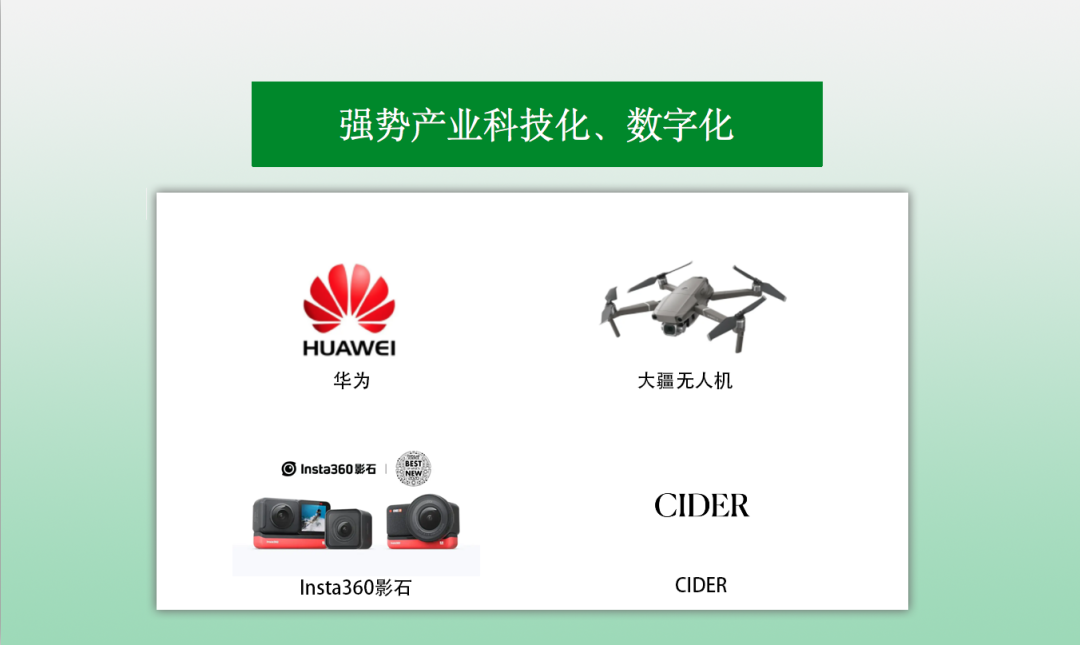
Drones are another product of dominant industry tech transformation. Drone manufacturing draws on China's consumer electronics supply chain. On this foundation, Chinese drone brands have developed numerous industry-leading technologies and demonstrated strong integration capabilities — successfully linking flight control, image processing, obstacle avoidance and environmental perception, and autonomous positioning.
Dominant industry plus technological breakthrough yields powerful commercial and consumer drone brands. DJI is the classic example. According to Qianzhan Industry Research Institute data, by 2020 DJI already held over 80% of the global drone market and over 70% domestically, firmly ranking first among global civilian drone companies.
All these examples represent new consumer brands born from China's dominant industries combined with digital upgrading or new technology.
▎Digitalization of Emerging Industries
Unlike dominant industries, where digitization or tech typically comes after the industry is established, digitalization in emerging industries is embedded from birth.
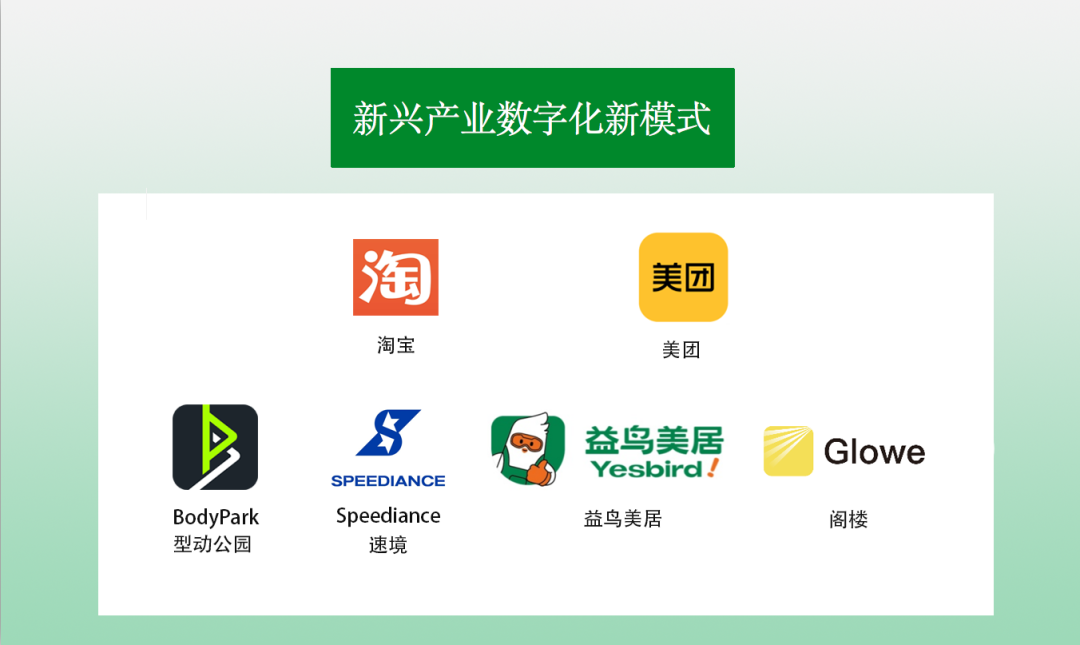
Take retail, for example. China's retail sector, dominated by state-owned and foreign capital, entered full-scale development in 2001. Taobao launched in 2003, followed by JD.com's retail platform in 2004. The emergence of e-commerce digitized retail from the start — one could even say e-commerce and retail developed in parallel. By 2021, China's online retail sales reached 10.8 trillion yuan, ranking first globally. Chinese e-commerce stands as a quintessential example of digitalization in an emerging industry.
The food and beverage industry offers another case, with Meituan as an illustration. When Meituan entered the food delivery wars, delivery itself was an emerging segment within dining. Platforms like Meituan and Ele.me digitized and brought restaurants online. In 2021, online food delivery revenue accounted for 21.4% of total dining consumption — more than one-fifth. This demonstrates how platforms like Meituan and Ele.me have become integral to the restaurant industry.
Let me add two more currently emerging industries.
One is psychological counseling. Mental health has gained increasing attention in recent years. The government has issued relevant documents such as the Mental Health Law and the "Healthy China 2030" Planning Outline, strengthening the construction of mental health service systems. According to 2021 national epidemiological survey data, 17.5% of Chinese citizens suffer from psychological disorders. During the pandemic, factors like isolation, prolonged home confinement, and reduced social interaction generated substantial demand for psychological treatment.
However, those in need often resist in-person counseling due to concerns about disclosing personal privacy and limited understanding of the industry.
From an industry perspective, fewer than 10% of people with mental disorders in China seek treatment. This has spurred numerous online psychological counseling products in recent years, digitally integrating industry resources to help users match with professionals online, enabling contactless communication with guaranteed privacy, and popularizing mental health knowledge through platforms. Glowe, which FreeS Fund invested in earlier this year, is one such product.
Another emerging industry is home repair and renovation. After the Central Economic Work Conference emphasized the "housing is for living in, not speculation" policy, revitalizing existing housing stock became a primary strategy for addressing housing challenges, and market demand for post-renovation repairs and remodeling has grown steadily.
Compared to traditional renovation, home repair and remodeling occurs with relatively higher frequency. Yet the industry struggles with standardization and professionalization, posing challenges to service quality, experience, and delivery. A major branding challenge in this industry is achieving full-process standardization, digitization, and scale. Yiniaokeji, a brand FreeS Fund invested in this year for home repair and remodeling, has built an intelligent maintenance system based on big data, artificial intelligence, and IoT technologies, while establishing standardized processes for personnel training and on-site construction — providing consumers with high-quality home repair and renovation services.
Internationalization of Private Enterprises
In 2021, mainland China accounted for 6 of the world's top 10 container ports (Shanghai, Ningbo-Zhoushan, Shenzhen, Guangzhou Nansha, Qingdao, and Tianjin). This means beyond being a manufacturing powerhouse, we have gradually become a global trade center.
The next step after becoming a trade center is likely becoming a global financial center. To attract capital from around the world requires large-scale corporate internationalization — making our enterprises visible to global capital and establishing closer ties with international markets. In other words, we must ensure two things: sufficient appeal to international markets, and the efficient deployment of capital into global markets.
China has experienced two cycles of corporate internationalization:
-
Conglomerate internationalization. Roughly 10 years ago, substantial Chinese capital flowed into overseas real estate acquisitions, primarily by large developers. Overseas land, office buildings, and hotel investments were extremely hot at the time. According to data from the China Overseas Investment Federation, from 2012 to around October 2013, mainland Chinese developers' overseas real estate projects (including those with confirmed investment plans) totaled over $10 billion. But around 2017, after relevant regulatory measures were introduced, these outbound investments faced significant restrictions.
-
State-owned enterprise internationalization. The Guiding Opinions on Deepening the Reform of State-Owned Enterprises issued in September 2015 explicitly stated "support SOEs in conducting international operations" and "accelerate the cultivation of a batch of world-class multinational corporations." At the time, SOE internationalization focused mainly on import-export trade, engineering contracting, greenfield investment, and overseas M&A, but subsequently faced considerable challenges due to shifts in the international landscape, among other factors.
With both of these somewhat constrained, who will bear responsibility for incubating a new generation of internationalized Chinese enterprises? The answer now appears to be private enterprises. In 2021, the Ministry of Commerce issued Accelerating the Deep Participation of Private Enterprises in Jointly Building the Belt and Road, encouraging private enterprises to "go global." This contains tremendous opportunity for China.
Large-scale internationalization of private enterprises is a crucial step for China to become a global financial center. When these enterprises establish global footprints, they can more easily raise capital worldwide and reinvest it into global markets.
Many American internationalized companies represent the model of global enterprises. Whether Tesla, Apple, Facebook, Walmart, or McDonald's, all are internationalized enterprises with global employment, global presence, and global investment.
In the past, "going out" largely meant foreign trade — the outward export of production capacity. Presently and going forward, private enterprise internationalization has begun shifting from "Made in China" to "Created in China," from exporting productivity to exporting high-value-added products.
A cohort of excellent private enterprises has already emerged, establishing factories globally, hiring globally, and completing production, manufacturing, and sales worldwide — creating international market value.
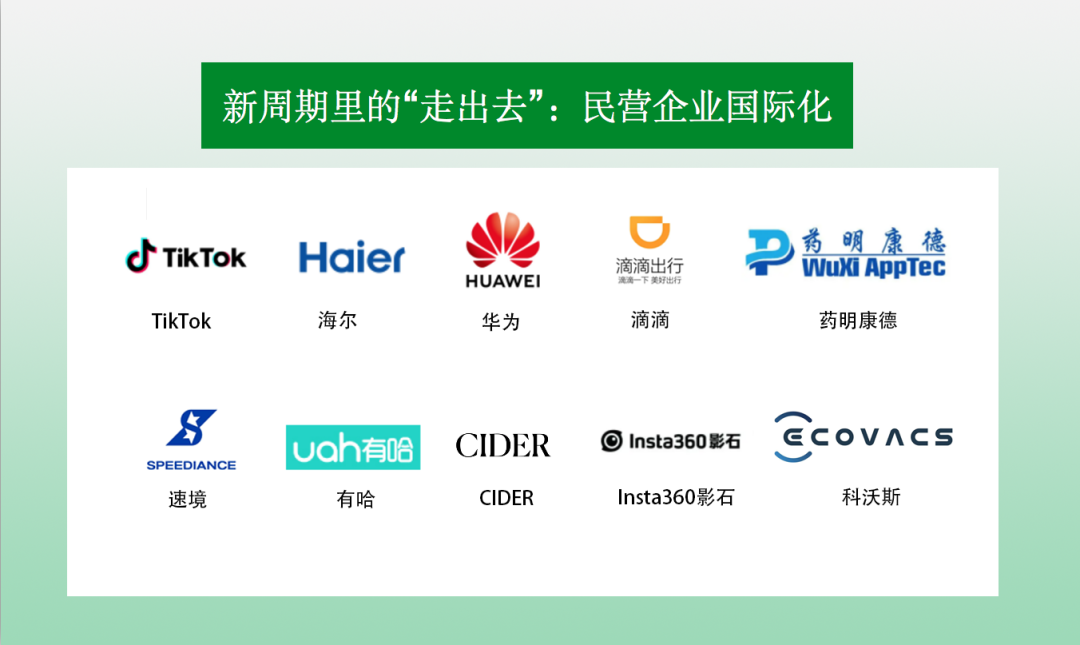
TikTok, Insta360, and Haier, for instance, all represent Chinese creations born from China's powerful consumer electronics manufacturing capabilities and vast consumer electronics market demand. They have invested sufficient effort in localization across different countries and regions, successfully capturing the minds of overseas consumers.
China's domestic robot vacuum industry has also developed remarkably well in recent years. According to data from the home appliance industry, American company iRobot once held over 60% of global market share, but in recent years Chinese robot vacuum brands such as ECOVACS have been rapidly capturing domestic and international markets. Per GfK data, in Q2 2021, ECOVACS brand robot vacuums achieved a 21.9% retail share in the global market (excluding North America), ranking first.
ECOVACS has succeeded internationally partly by leveraging China's powerful industrial manufacturing capabilities to develop many differentiated features, such as integrated sweeping, suction, and mopping, plus self-cleaning. Additionally, it developed targeted features for Western consumers' residential characteristics (typically larger floor areas), such as enhanced battery life. This quickly produced results in international markets.
Private Enterprise Penetration of Lower-Tier Markets
When brands target lower-tier markets, it doesn't mean selling different products in higher-tier versus lower-tier cities — it means reaching broader Chinese towns and cities. The significance of doing well in lower-tier markets is that residents of higher-tier and lower-tier cities alike can enjoy equally good products.
Numerous policies in recent years have created new opportunities for consumer brands to succeed in lower-tier markets, such as infrastructure policies from the past couple of years.
Why is this?
Roughly from around 2014, due to comprehensive wireless connectivity across industries, e-commerce penetration began rising substantially. As the consumer industry developed, Chinese residents' consumption concepts continuously upgraded. Lower-tier markets saw increasing consumer demand. Yet constrained by logistics delivery, product supply, and distribution networks, consumers in remote areas often encountered situations where "they couldn't buy things even with money" or "they bought things but paid too much."
In 2021, the Ministry of Commerce, National Development and Reform Commission, and 15 other ministries jointly issued Opinions on Strengthening County-Level Commercial System Construction and Promoting Rural Consumption. The document proposed that by 2025, in areas where conditions permit, China should basically achieve "county-level chain supermarkets and logistics distribution centers, township-level commercial centers, and express delivery reaching every village," while also increasing rural incomes and expanding rural consumer markets.
In May 2022, the Ministry of Commerce and Ministry of Finance jointly issued Notice on Supporting the Acceleration of Agricultural Product Supply Chain System Construction to Further Promote Cold Chain Logistics Development, aimed at promoting agricultural product cold chain logistics development and supporting accelerated agricultural product supply chain system construction. In other words, enhancing the capacity and efficiency of fresh agricultural product cold chain logistics.
Additionally, since the 18th Party Congress, China has consistently pursued common prosperity and increased urban and rural residents' incomes. In November 2020, the explanatory notes on the Central Committee's Recommendations on Formulating the 14th Five-Year Plan for National Economic and Social Development and Long-Range Objectives Through 2035 stated: "By 2035, doubling the economic aggregate or per capita income is entirely possible."
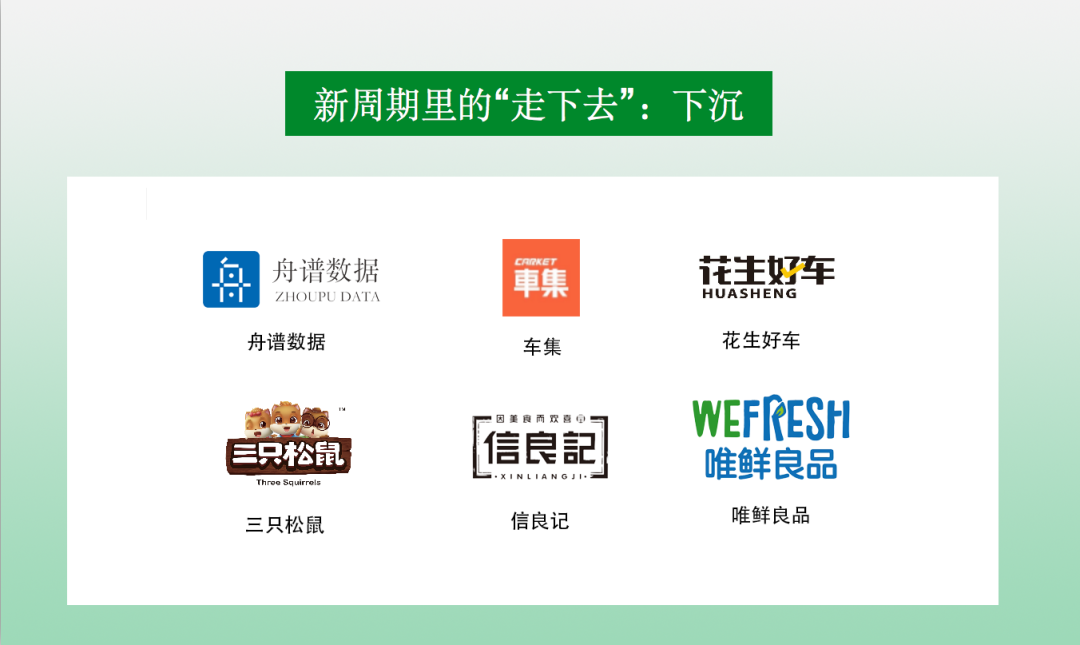
Already, numerous consumer brands have found opportunities in lower-tier markets supported by both market dynamics and policy. Take new energy vehicles as an example. To support NEV consumption, guide rural residents toward green transportation, and help achieve carbon peak and carbon neutrality goals, this year the Ministry of Industry and Information Technology, Ministry of Agriculture and Rural Affairs, Ministry of Commerce, and National Energy Administration jointly launched a new energy vehicle rural outreach program.
This policy-favorable NEV rural outreach program has substantially increased NEV penetration in lower-tier markets. According to a China Business Industry Research Institute report, among the top 10 cities for NEV penetration in May, nine were lower-tier markets. Among FreeS Fund's portfolio companies, Cheji New Energy is positioned as a new energy vehicle sales and integrated service platform targeting lower-tier markets.
We can foresee that with infrastructure policies and common prosperity policies taking effect, the consumption capacity and consumption experience of residents in county-level cities and other lower-tier markets will increasingly converge with those of so-called higher-tier and lower-tier cities. Our private enterprises, our brands, must both go out and sink down.
When a brand optimizes its logistics efficiency, product quality, distribution processes, and brand reputation, it will naturally benefit from the infrastructure measures mentioned above and capture more consumer market share.
Distinctive New Consumer Species in China
Combining the China opportunities discussed above, China will give birth to numerous distinctive new consumer species, quite likely becoming industry leaders globally. Simply put, the conditions for new consumer species to emerge can be summarized as "new technology (including digitalization and intelligence) + dominant industry + new demand."
This summary rests on three main factors. First, China has been vigorously promoting the integration of frontier technology with real-economy industries in recent years, with new technologies and cross-disciplinary innovations emerging constantly. Second, China is the only country in the world that possesses all 41 industrial categories, 207 industrial subcategories, and 666 industrial sectors in the UN's industrial classification — its manufacturing chain is both long and complete. Third, China ranks among the world's largest single markets, with ongoing consumption upgrades and narrowing consumption gaps driving rapid iteration of new demands.
Globally, any country possessing two of these three conditions would give rise to formidable consumer species. China happens to have all three.
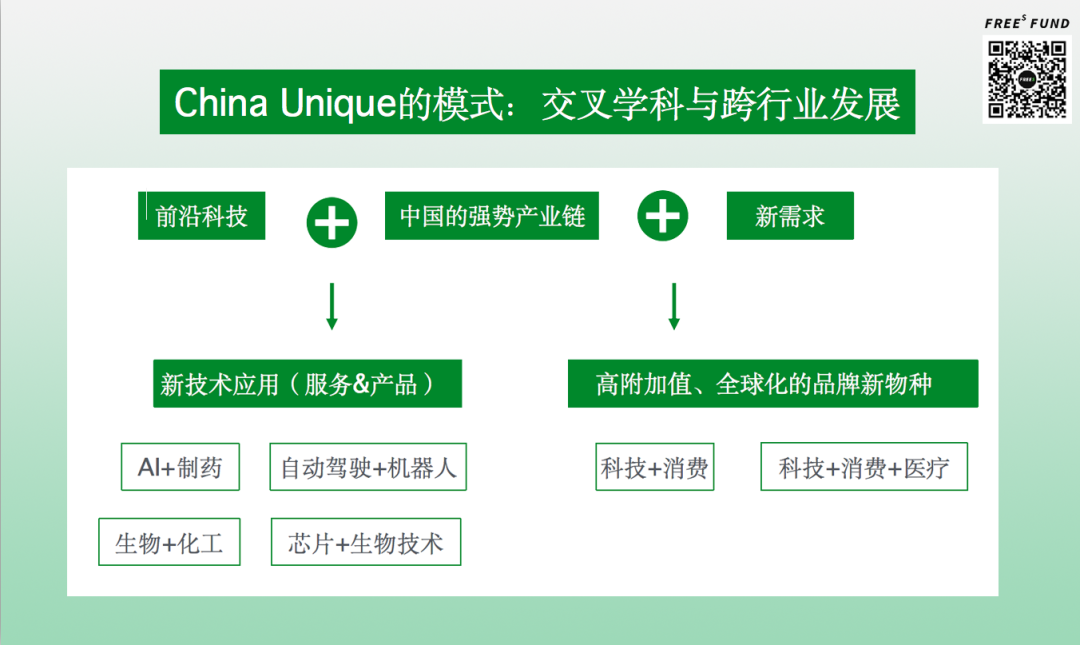
Take freeze-dried coffee, which has become enormously popular in recent years — a new consumer species born from freeze-drying technology + coffee consumption demand + manufacturing and processing capabilities.
Saturnbird (三顿半) popularized the industry by applying freeze-drying to coffee. Yet freeze-drying was hardly novel in the coffee world. As early as the twentieth century, Nestlé had developed the technology but, for various reasons, never scaled it up.
Then Saturnbird came along and began mass-producing with freeze-drying. A single capsule sells for roughly 5–8 RMB; consumers simply add water or milk for an instant cup of quality specialty coffee. Nestlé, Starbucks, and other brands had cultivated the instant and specialty coffee markets for decades and certainly possessed freeze-drying know-how. So why did a domestic newcomer succeed in scaling this technology?
First, we need to understand how freeze-drying works. In simple terms: raw materials are cooled to a certain temperature (say, -40°C), then placed in a dry vacuum environment where moisture sublimates directly. Removing water through freeze-drying rather than heat-drying means proteins are less likely to denature, organic compounds are less likely to volatilize, and the extreme cold provides sterilization and mold prevention. Hence the technology was originally used to preserve pharmaceuticals and blood plasma. Because it better preserves flavor and nutrition, it was later adopted for food preservation.
China introduced food freeze-drying relatively recently, around 2002, but the industry has grown astonishingly fast with enormous potential. According to Chinabaogao, China's freeze-dried food market exceeded 2.1 billion RMB in 2020, outpacing the global growth rate of 7.8%.
Facing China's massive demand market, freeze-drying has been widely adopted and rapidly developed. When this iteratively improved freeze-drying technology met Chinese consumers' new demand for better-tasting instant coffee, a proliferation of freeze-dried coffee products emerged. (For more on Saturnbird's story, see the latest volume in the Xiangtan series: Li Xiang's conversation with Saturnbird founder Wu Jun.)

Furthermore, we are entering a period of rapid development in the tertiary sector. At this stage, service industries have, on one side, the transformation of business models by the internet and digitalization — China's formidable technological and manufacturing capabilities — and on the other, market supply-demand contradictions arising from rapid industry growth, such as professional personnel failing to keep pace with market demand. The combination of these two forces will produce a wealth of distinct business models and products in China's service sector.
During the pandemic, for instance, dining out or ordering delivery was often restricted, yet people still wanted to eat well and conveniently. This supply-demand contradiction, combined with China's powerful food processing industry and rapidly developing cold-chain logistics system, fueled growth in a new consumer species: prepared dishes. Prepared dishes emerged from the confluence of (stay-at-home consumers') new dining demands + food processing technology + cold-chain logistics.
The recently popular prepared dishes involve fresh ingredients that are cut, processed, then frozen or vacuum-sealed; consumers simply do minimal preparation at home before eating. Prepared dishes provide a processing service while retailing to consumers — a novel species of semi-service retailization.

Another example is smart fitness. Chinese residents' fitness demand has grown substantially in recent years. According to iResearch, 64.6% of the population reported enhanced health awareness after the pandemic. Traditional fitness instruction typically involved finding professional coaches for one-on-one or small-group sessions offline — known as "hiring a personal trainer" — with high requirements for venue and coach qualifications. But affected by pandemic lockdowns, irregular personal schedules, and inconsistent coach quality, more people have turned to smart fitness options like fitness apps and indoor fitness equipment.
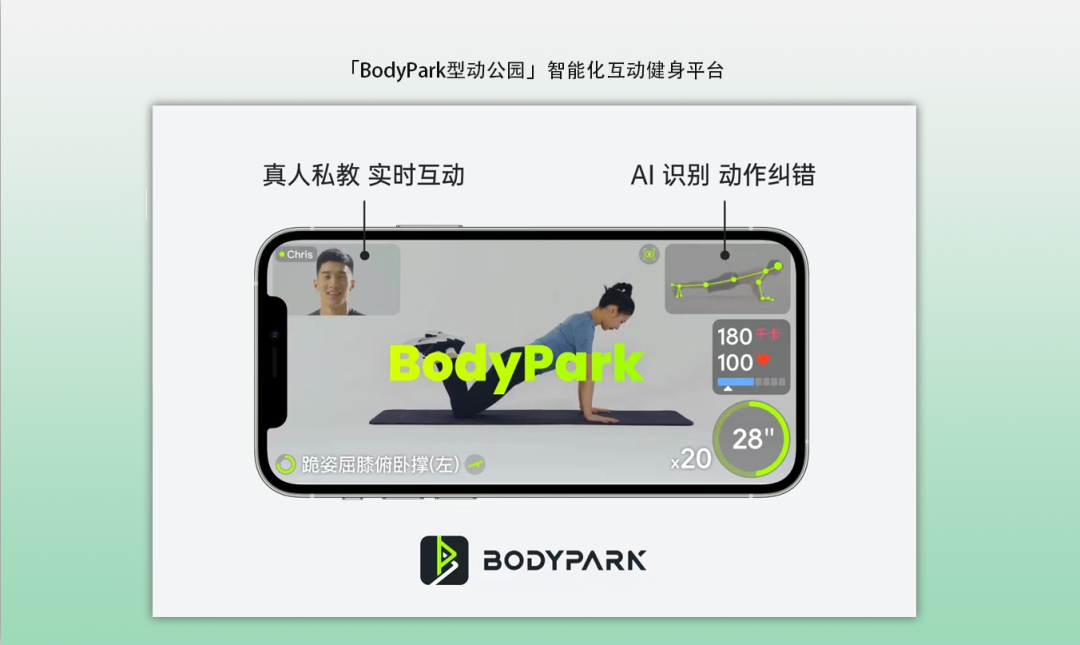
Among the consumer brands FreeS Fund invested in during the first half of this year, two specialize in smart fitness: BodyPark and Speediance.
BodyPark is an innovative "AI-powered interactive fitness platform." Beyond offering digital course content and real-time online coaching from human trainers, BodyPark differs from traditional recorded or one-way livestreamed fitness instruction by incorporating AI technology — a highly accurate human pose recognition and motion understanding engine. When users exercise, the AI engine captures skeletal keypoints through the phone's front camera in real time, providing immediate correction feedback that enhances course immersion and interactive engagement. The AI technology also dramatically improves coaching efficiency: with AI assistance, one human trainer can simultaneously guide up to 25 students, giving BodyPark a superior per-class profitability model compared to traditional online fitness courses.
Speediance focuses on developing indoor smart fitness equipment. Its products use permanent magnet motors — the most common motor type in China's new energy vehicles, whose massive market demand has made Chinese permanent magnet motors both excellent and inexpensive. Using permanent magnet motors to simulate weight output actually costs less than conventional iron and steel plates.
Why has China's permanent magnet motor manufacturing become so advanced? Because over the past six years, China has been the world's largest new energy vehicle market, with manufacturing capabilities honed by massive market demand.
When fitness equipment adopts permanent magnet motors, tension, thrust, and resistance can all be displayed digitally as percentages, enabling greater precision. On this basis, a single device can replace much strength training equipment. Coaches can also quickly establish personalized training requirements through digital readouts.

The smartening of fitness equipment and fitness pathways, amid rapidly growing demand for fitness services, partially addresses problems like irregular workout schedules, limited venue access, and inconsistent coach qualifications and service capabilities. As a new solution for the service sector, it leverages China's technological manufacturing, digitalization, and internet infrastructure — as well as rapidly growing service sector demand.
Another example: the pet sector has seen clear, sustained growth in recent years, with both market size and pet-owning populations increasing. According to the 2021 Pet Industry White Paper (Consumption Report), China's urban pet (dog and cat) consumption market reached 249 billion RMB in 2021, up 20.6% from 2020. Urban pet (dog and cat) owners numbered 68.99 million in 2021, an 8.7% increase from 2020.
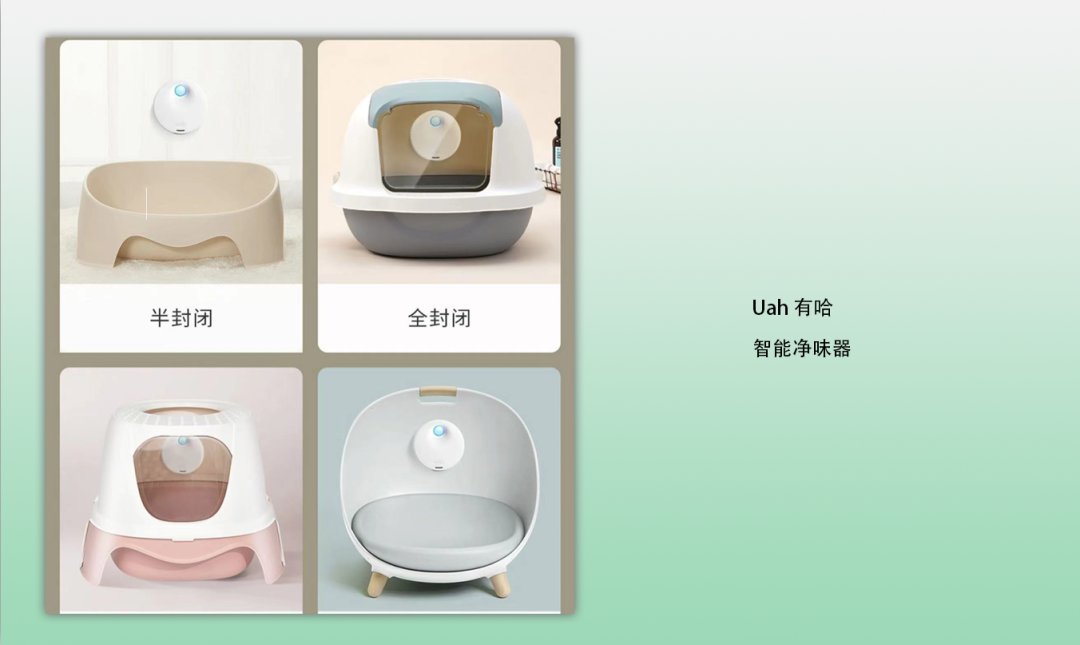
This growth in market size and pet-owning population, combined with the broader consumption upgrade environment, has generated highly diverse new consumption demands for pet products. When these new demands meet China's manufacturing chain and industry innovations, numerous new pet consumer species emerge — such as automatic water dispensers, automatic feeders, and even automatic cat teasers.
These products address common pain points for today's "poop-scooping officers" (pet owners): limited time and energy, digitizing and upgrading pet care workflows. Among the consumer brands we invested in during the first half of this year, one pet product brand — uah (有哈) — is dedicated to smart pet home products.
We can also predict new consumer species likely to emerge next, such as digital healthcare and elderly care products.
China's service sector faces a stark supply-demand contradiction in caring for its aging population — in some places, ten disabled elderly individuals may have access to just one caregiver. China's elderly care landscape is roughly 90% home-based; of the remaining 10%, most are in retirement communities, with only a small fraction in nursing homes. This raises a critical question: how do home-based elderly individuals receive professional care?
This population is enormous. The baby boom of 1965–1973 produced China's largest generational cohort, approximately 260 million people; by 2022, this group was beginning to enter old age.
Such massive industry demand, combined with China's technological manufacturing capabilities — such as chips and consumer electronics — will likely spawn numerous wearable intelligent vital signs monitoring devices, enabling these elderly individuals to receive health monitoring even when living alone. Some companies are already experimenting in this space. For example, FreeS Fund portfolio company XinYong Technology, observing the massive demand among China's hypertensive population for smart blood pressure measurement, is dedicated to developing portable, non-invasive continuous blood pressure monitoring products.
In summary, closing the loop of new technology + dominant industry + new demand — and iterating through practice and development — will give rise to uniquely Chinese innovations and drive the next wave of China's new consumption opportunities.
You're also welcome to watch my course at Hundun Academy, Seeing Clearly Through 2022: Seizing Business Opportunities in a New Cycle. In it, I try to set aside emotion and return to the facts to discuss the macro situation in 2022 and the systemic innovation opportunities in this cycle. I hope it offers you some fresh perspectives.

Join the Conversation What are your thoughts and takeaways on the next wave of opportunities in China's new consumer market? Leave a comment below. The 6 most thoughtful responses will receive the latest installment of the Dedao Xiangtan book series: Li Xiang's conversation with Wu Jun, founder of Saturnbird Coffee.

Who Can Save Young People From Hair Loss? | FreeS Fund Everyday Business Thoughts
Why Are Chinese and American VC Drifting Apart? | Li Feng Column
Will 2022 Be a Capital Winter? | Li Feng Column
What Happens When the Hottest Tech Sectors Converge? | FreeS Fund Chip Series
If You Don't Lose the Domestic Rat Race, You'll Win Globally | Li Feng's New Year Consumer Outlook
How Can Consumer Startups Capture Category Dividends? | FreeS Fund Research Institute