How Does Single-Cell Sequencing Help You Understand the 40 Trillion Cells in Your Body? | 2021 FreeS Fund Annual Investor Summit

How Single-Cell Sequencing Is Revolutionizing Biomedicine
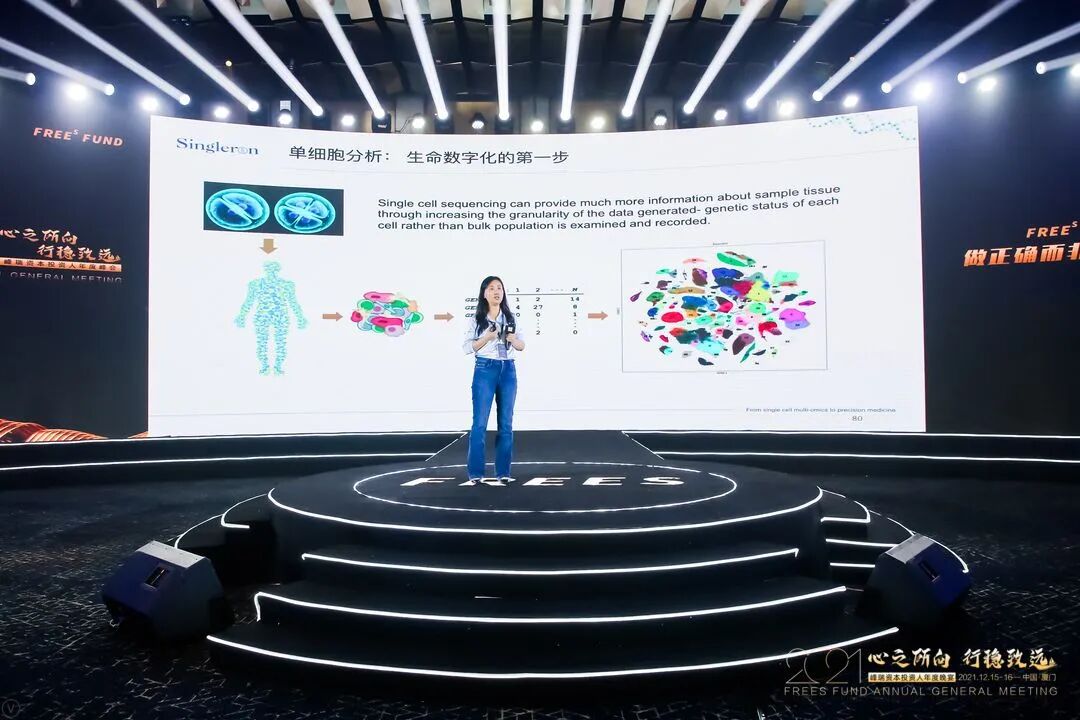
Dr. Nan Fang, founder & CEO of Singleron, speaking at the 2021 FreeS Fund Annual Investor Summit
In the mid-17th century, Dutch microscopist Antoni van Leeuwenhoek and British scientist Robert Hooke discovered the cell, lifting the veil on the fundamental unit that makes up all living things. In early 2020, medical experts on the front lines of the pandemic used single-cell sequencing to study individual cells in detail, searching for the mechanisms by which COVID-19 causes lesions in different parts of the human body.
As biomedicine advances, humanity's exploration of the microscopic world of cells has never ceased.
Through this exploration, researchers discovered that subtle differences between cells may be the key driver of disease pathology. To precisely understand how individual cells function, single-cell sequencing was born.
Single-cell sequencing technology can reveal differences and evolutionary relationships between cells. Since its debut in 2009, this technology has brought revolutionary change to basic and clinical research across oncology, microbiology, neurology, reproductive science, immunology, and digestive and urinary systems.
Breakthrough innovation often happens at the intersection of disciplines, and single-cell sequencing is no exception. FreeS Fund participated in Singleron's angel round in 2018 and Pre-A round in 2019; in 2021, Singleron completed a nearly $100 million Series B. Singleron is dedicated to applying breakthrough single-cell technology to scientific research, clinical testing, health management, and drug development. Working with leading clinical experts at top domestic hospitals, the company has brought transformative changes to precision medicine across multiple fields.
These revolutionary advances are closely tied to the interdisciplinary background of Singleron's founding team. Founder and CEO Dr. Nan Fang is a seasoned expert in genetic testing and molecular diagnostics. He previously served as Global VP of R&D at Qiagen headquarters, Head of the Universal NGS Market Program, and a member of the Life Sciences Business Unit Management Committee.
On December 16, 2021, we invited Dr. Fang to deliver an in-depth speech at the 2021 FreeS Fund Annual Investor Summit titled "How Single-Cell Sequencing Technology Is Revolutionizing Biomedicine." In his talk, he addressed the following topics:
- What is single-cell sequencing technology, and how does it differ from traditional genetic testing?
- What changes has high-throughput single-cell sequencing brought to scientific research, precision medicine, and drug development?
- What clinical exploration cases has Singleron pursued in precision medicine using single-cell analysis?
- How has single-cell sequencing saved lives in clinical cases?
- What is the overall development trajectory and strategic significance of single-cell sequencing technology?
We've transcribed and edited his speech for you below. We hope you find it illuminating.

/ 01 /
High-Throughput Single-Cell Sequencing Technology
And How It Differs from Traditional Genetic Testing
First, I'd like to thank FreeS Fund for inviting us to this beautiful summit in Xiamen. FreeS was also Singleron's earliest investor. When we had nothing but a PowerPoint, Feng Li and Lei Wang at FreeS placed enormous trust in us. That deep trust and support has accompanied Singleron for over three years. Our growth to where we are today would not have been possible without FreeS's steadfast backing.
Today, I want to introduce the high-throughput single-cell sequencing work we do and the further transformation it has brought to the biopharmaceutical industry — to help you understand why this technology, developed and applied less than seven years ago, has already driven so much revolutionary change across so many fields.
What is single-cell sequencing? As Feng Li from FreeS mentioned this morning regarding cross-disciplinary and interdisciplinary work, single-cell sequencing is a quintessential example of a field built on the interdisciplinary foundation of single-cell biology. It involves software, hardware, microfluidics, materials science, and molecular and cellular biology — bringing together cross-domain technologies from materials science, life science, and data science to perform high-precision analysis on each of the roughly 40 trillion cells in the human body.
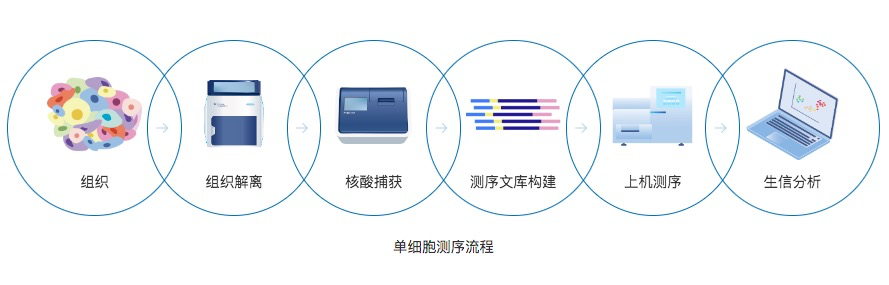
Single-cell sequencing workflow. Source: Singleronbio official website
Singleron's typical high-throughput single-cell sequencing workflow is as follows: after receiving a sample, we attach molecular barcodes to every cell in that sample, then perform genetic testing on all cells across all samples, ultimately yielding a matrix-like dataset.
The logic is to digitize the rich, multidimensional information from each individual cell in a tissue — gene expression, characteristics, and more — effectively digitizing biological information, thereby advancing research into medical treatments and health therapies.
Traditional RNA sequencing typically only reflects the heterogeneity of cell populations, not the genetic information within individual cells. Our high-throughput single-cell RNA sequencing attaches molecular barcodes to every cell in a sample and maps the resulting information back to specific individual cells.
You can think of it as a genetic microscope. Before the invention of the microscope, when people looked at cats, dogs, and other organisms, they only saw external appearances. They had no way of knowing that cats, dogs, and humans share common cells, common genes, and so on. With the microscope, people could observe that the smallest functional unit in different organisms was the individual cell. Single-cell sequencing technology takes this observation one step further — we can now observe the genetic material within individual cells.
The impact this technology has had on biology and medicine is comparable to the birth of the microscope in 1590: both are era-defining, revolutionary advances that elevate our understanding of biomedicine and drive subsequent technological development.
High-throughput single-cell RNA sequencing technology was developed and unveiled in 2015, and in just a few short years has been internationally recognized as one of the breakthrough technologies of our time. As a platform technology, it has had enormous impact on scientific research, precision medicine, and drug development.
People have begun adopting this technology across diverse studies, and we've seen the number of related research publications grow explosively. The technology can be applied across virtually all fields of bioscience — to study animals, plants, and microorganisms, and most importantly, to research every aspect of the human body, whether immunology, oncology, or neuroscience, enabling more comprehensive and clearer analytical results with higher precision and resolution.
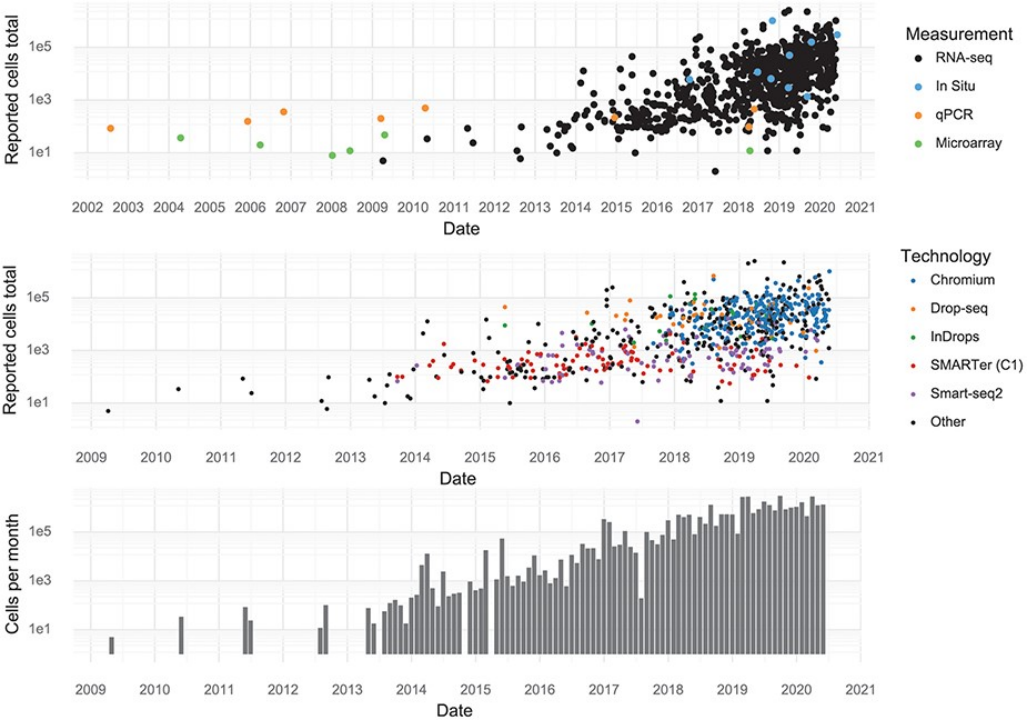
Source: https://doi.org/10.1093/database/baaa073
/ 02 /
High-Throughput Single-Cell Sequencing:
What Impact Has It Had on Precision Medicine?
With higher-precision, higher-resolution data from high-throughput single-cell sequencing, we can advance to the next stage of precision medicine.
Take tumor treatment as an example. A tumor mass may look like a single lump, but it contains tumor cells, immune cells, stromal cells, and others. In tumor treatment, giving the same drug to different patients produces very different responses. This variability in clinical outcomes is evident across chemotherapy, more precise targeted therapy, and immunotherapy.
How can we get ahead in understanding complex tumor tissue, in recognizing all the cells within that tissue? This knowledge directly affects our subsequent treatment decisions. High-throughput single-cell sequencing technology can help us obtain comprehensive information about the various cell types in tumor tissue and identify treatment options better suited to each patient's situation.
Furthermore, with more precise information, we can also discover therapeutic targets that previous treatments hadn't considered, enabling more targeted therapy. We believe this is the era of Precision Medicine 2.0, an era that will be rapidly propelled by the high-precision, high-dimensional, and multidimensional information provided by single-cell sequencing.
/ 03 /
Singleron's Clinical Exploration Cases
in Single-Cell Analysis for Precision Medicine
Since our founding, we have collaborated with numerous clinical experts. Currently, over 80 of China's top 100 hospitals have become our customers. Let me share a few clinical cases we've explored in precision medicine.
For instance, our technology was used by Shanghai Jiao Tong University School of Medicine Affiliated Sixth People's Hospital in an osteosarcoma research project published in 2020. During osteosarcoma treatment, some patients respond well to immunotherapy, while others do not, or cease responding after recurrence and metastasis. Researchers sampled and performed single-cell analysis on primary patients who responded and on patients who had already relapsed and metastasized.
We found that in samples from relapsed and metastasized patients who did not respond to immunotherapy, a molecule called TIGIT was overexpressed in certain cells — abnormally active, in plain terms. This molecule is an immunosuppressive molecule. Therefore, we believe TIGIT expression may be an important reason why these patients fail to respond to immunotherapy.
Clinical trials related to TIGIT are already underway, and we believe these patients could very likely see improvement through combined immunotherapy plus TIGIT antibody treatment.
We are also very pleased that in this case, data obtained using our tools may very well help some patients who were previously considered untreatable.
Another case is our collaboration with Shanghai Pulmonary Hospital on non-small cell lung cancer research, which has also been published. We tested tumor tissues from different non-small cell lung cancer patients and observed two interesting features in some patients who showed limited response to immunotherapy.
First, we again observed TIGIT molecule overexpression, which has emerged as a newly discovered immunosuppressive molecular target. Combined immunotherapy plus TIGIT antibody treatment could similarly benefit these patients. Just a week ago (December 10), Roche — a major player in pharmaceuticals and diagnostics — published very positive Phase 2 clinical trial results for TIGIT antibody combined with immunotherapy in non-small cell lung cancer. This further strengthens our confidence in the tremendous potential of single-cell sequencing for precisely identifying therapeutic targets and predicting tumor drug efficacy.
Another very interesting point: we identified a novel factor that may suppress the patient's immune system. Most people assume that tumor cells suppress immune system function, allowing tumors to grow unchecked in the body. But in some advanced lung cancer patient samples, we found that it wasn't just tumor cells suppressing the immune system — there was also a special type of macrophage.
Macrophages are a type of immune cell. In cancer samples, certain macrophages with particular gene expression patterns suppress the function of other immune cells. This provides us with a very interesting line of thinking: if we pursue further new drug development, perhaps we shouldn't merely target one or two molecules for targeted therapy. We could identify cell types with immunosuppressive functions and develop therapies targeting those specific cell types.
/ 04 /
The Significance of Single-Cell Sequencing
for Clinical Trials at Major Global Pharmaceutical Companies
Single-cell sequencing provides exceptionally rich, precise information at the molecular and cellular levels, enabling broader therapeutic thinking. Consequently, major pharmaceutical companies worldwide have incorporated it into numerous clinical trials.
Although relatively new, this technology had clinical translation as a clear goal from its very inception, and has already begun moving toward clinical trials and clinical applications globally. In 2021, an Israeli research institution published a clinical trial case using single-cell sequencing to stratify multiple myeloma patients and identify different precision treatment approaches.
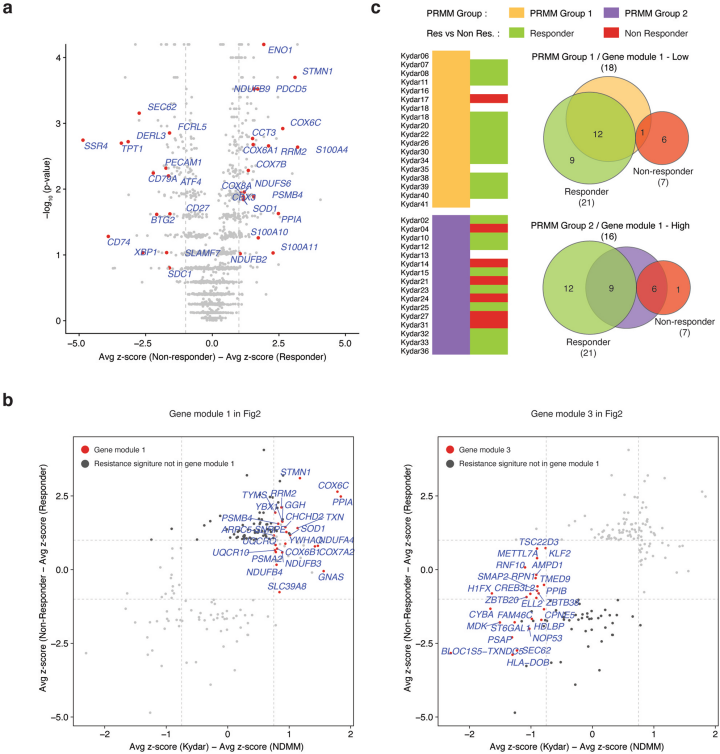
Source: https://doi.org/10.1038/s41591-021-01232-w — Identification of resistance pathways and therapeutic targets in relapsed multiple myeloma patients through single-cell sequencing
Combining published research in the market with our own collaboration cases, we are pleased to see that single-cell sequencing technology has already been substantively applied in life-saving clinical scenarios.
The image below shows NIH data published in early 2021 from a patient with acute drug-induced hypersensitivity syndrome. Generally, 20-30% of such patients die due to lack of positive response to existing treatment protocols. This patient had failed to respond to various treatments. Doctors used single-cell sequencing to examine cells and tissue from a skin sample and discovered a population of abnormally active T cells in the skin tissue, with the JAK-STAT signaling pathway aberrantly activated in these T cells.
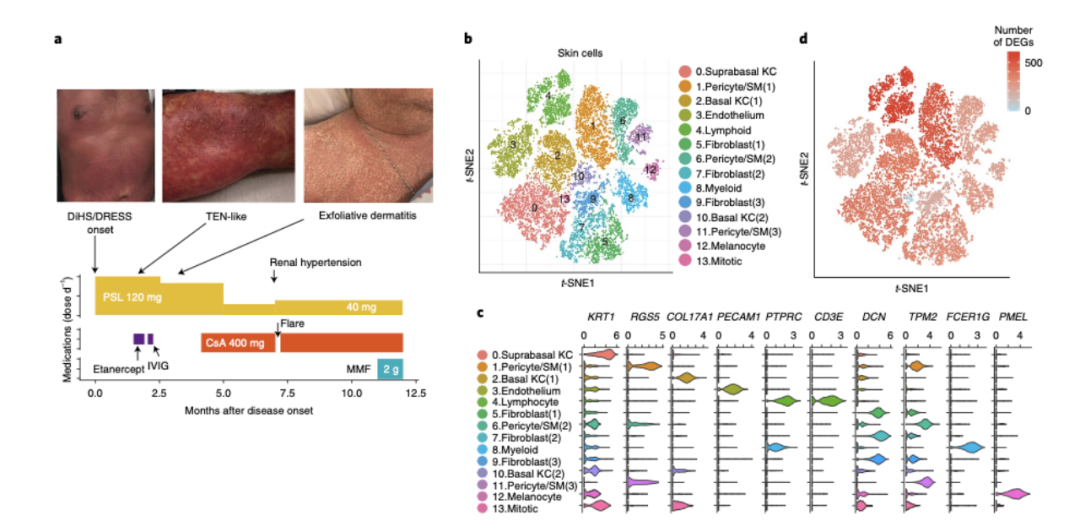
Source: https://doi.org/10.1038/s41591-019-0733-7 — Targeted therapy guided by single-cell transcriptomic analysis in drug-induced hypersensitivity syndrome: a case report
Newer rheumatoid arthritis drugs include molecular inhibitors targeting JAK-STAT. Since this patient was in critical condition, doctors administered tofacitinib — a drug for rheumatoid arthritis — and pulled this patient back from the brink of death caused by acute drug hypersensitivity.
Singleron has now also been approved by the Human Genetic Resources Administration for two clinical studies in China related to immunology and mRNA therapy. We will also be conducting more clinical studies in China and Europe.
Single-cell sequencing can generate massive, multidimensional datasets, and through data analysis and AI technology, identify potential molecules or cell types that could serve as biomarkers or targets. There is much more information worth mining, as vast amounts of single-cell sequencing-related data continue to accumulate globally.
In December 2021, Singleron launched the SynEcoSys database — the world's first single-cell database focused on clinical applications. This database contains genetic expression data from tens of millions of individual cells, integrated with relevant drug development and clinical database information. Clinical research and drug development experts, through single-cell sequencing technology combined with information retrieval and comparison in our database, can more clearly identify clinically meaningful information rather than remaining at the level of simply obtaining gene expression data.
05
The Overall Development Trajectory
and Strategic Significance of Single-Cell Sequencing Technology
Looking at the overall development trajectory of this technology, single-cell sequencing is a platform technology, similar to PCR testing or next-generation sequencing as an underlying technology that can be applied across different fields of life science.
Single-cell sequencing can serve as a research tool for life science, a tool for clinical testing, and a tool for drug development — it is a very fundamental and effective tool. All of these areas represent potential markets for this technology, and each market represents tens of billions of dollars or more. This is why the single-cell sequencing market has grown so rapidly in recent years.
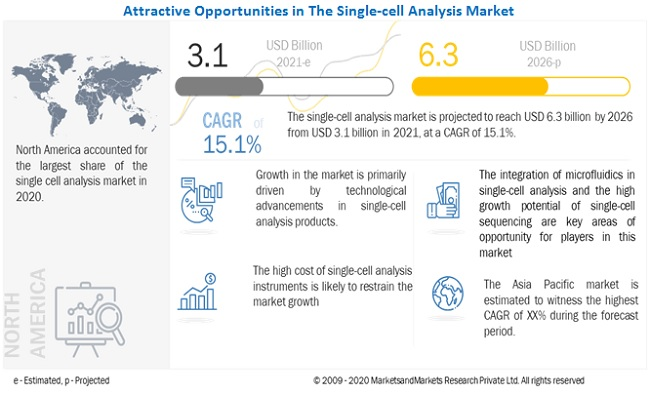
Single-Cell Analysis Market by Top Market Report. The global single-cell analysis market is projected to grow from $3.1 billion in 2021 to $6.3 billion by 2026.
We can also clearly see that governments of various countries have gradually recognized the strategic significance of single-cell sequencing and are providing research support.
Economists have calculated that in the 1990s, the United States spent nearly 13 years on the Human Genome Project, sequencing massive human genetic samples, with government investment exceeding $3 billion. While this funding appears staggering, if we examine the economic impact on the U.S. in the decade following the project's completion, we find that every dollar invested generated $141 in returns for the American economy — an astonishing conversion ratio.
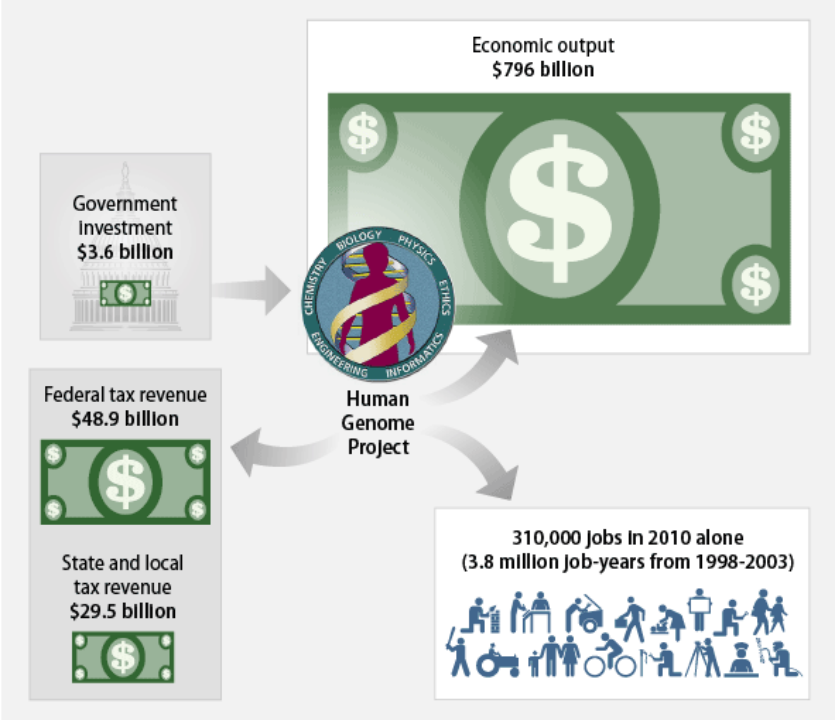
Battelle Memorial Institute, 2011. ROI = 141 for HGP
We can see that European and American countries are now investing increasingly heavily in single-cell research. Currently in the United States alone, there are three consortia comparable in scale to the original Human Genome Project, spanning from the Human Cell Atlas to the Human BioMolecular Atlas Program, and the Human Tumor Atlas Network.
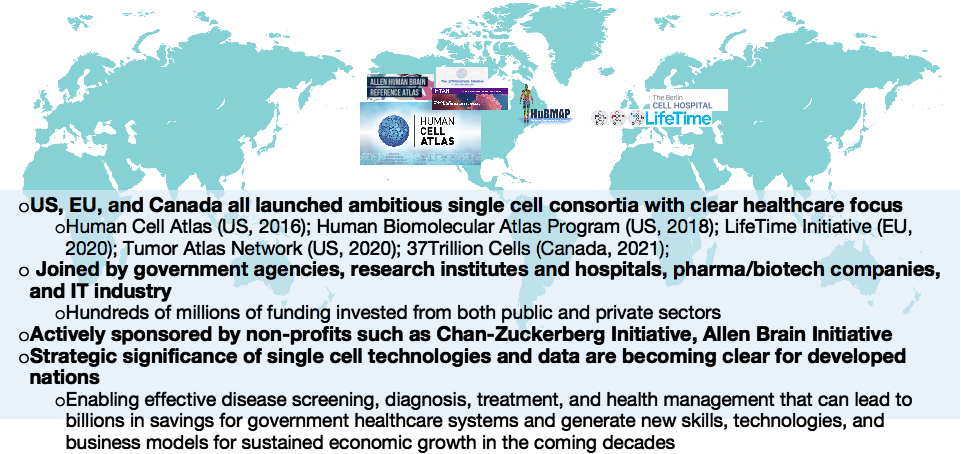
Source: Singleronbio
Europe also launched a massive initiative called LifeTime in 2020, with the EU hoping to use large-scale single-cell programs to improve precision medicine across European nations. Additionally, Canada launched a single-cell atlas program called 37 Trillion Cells in 2021. We look forward to further leaps in this industry in the coming years, driven by strong government support and investment from countries worldwide.
We have been deeply engaged in the high-throughput single-cell analysis industry for over three years, and have witnessed firsthand this industry's explosive growth from nothing in a short period. Although this technology is still very new, I believe the future of Precision Medicine 2.0 based on single-cell sequencing is not far from us.
In October 2021, Charité — Germany's top hospital, located in Berlin — established a Cell Hospital with the goal of comprehensively advancing single-cell-technology-based precision medicine. All patients admitted will receive single-cell testing, and the hospital will use these results to identify optimal treatment plans.
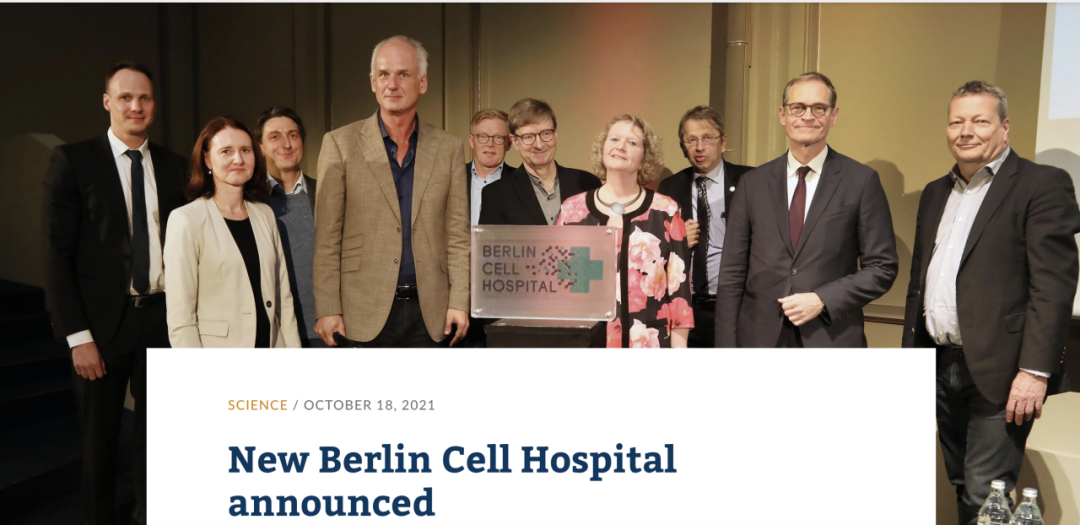
Max Delbrück Center for Molecular Medicine. https://www.mdc-berlin.de/news/news/new-berlin-cell-hospital-announced
Guided by the same conviction, Singleron's German branch maintains deep exchanges and collaboration with many of the experts behind the Cell Hospital. We very much look forward to the next three to five years, when single-cell sequencing and single-cell analysis technologies will bring revolutionary changes to basic research, clinical research, and pharmaceutical development.

What Kind of Spiritual Consumption Does Gen Z Need? | 2021 FreeS Fund Annual Investor Summit