A Conversation with Xiang Li of Shize Biotech: The Past, Present, and Future of Stem Cells

ALS in Middle Age, Parkinson's in Old Age, and 17 Years of Regenerative Medicine

We may be witnessing a quiet medical revolution. As one of the frontiers of global medical research, breakthroughs in stem cell and regenerative medicine technology could bring new possibilities for treating major and critical neurological diseases such as Parkinson's and ALS. Not long ago, Feng Shu sat down with Dr. Xiang Li, founder of Shize Bio, to discuss the past, present, and future of stem cells. Li holds a PhD in cell biology from Peking University and completed postdoctoral research at the University of Wisconsin-Madison. He has spent 14 years researching and exploring stem cell technology — from top-tier laboratories to leading companies in the field, to founding Shize Bio in 2021 upon returning to China.
Shize Bio aims to provide scalable, low-cost stem cell therapies for major diseases. The company has already achieved significant milestones, including securing China's first national clinical filing for iPS-derived cell therapy for neurological diseases and completing the country's first clinical-grade iPS-derived cell transplant for Parkinson's disease.
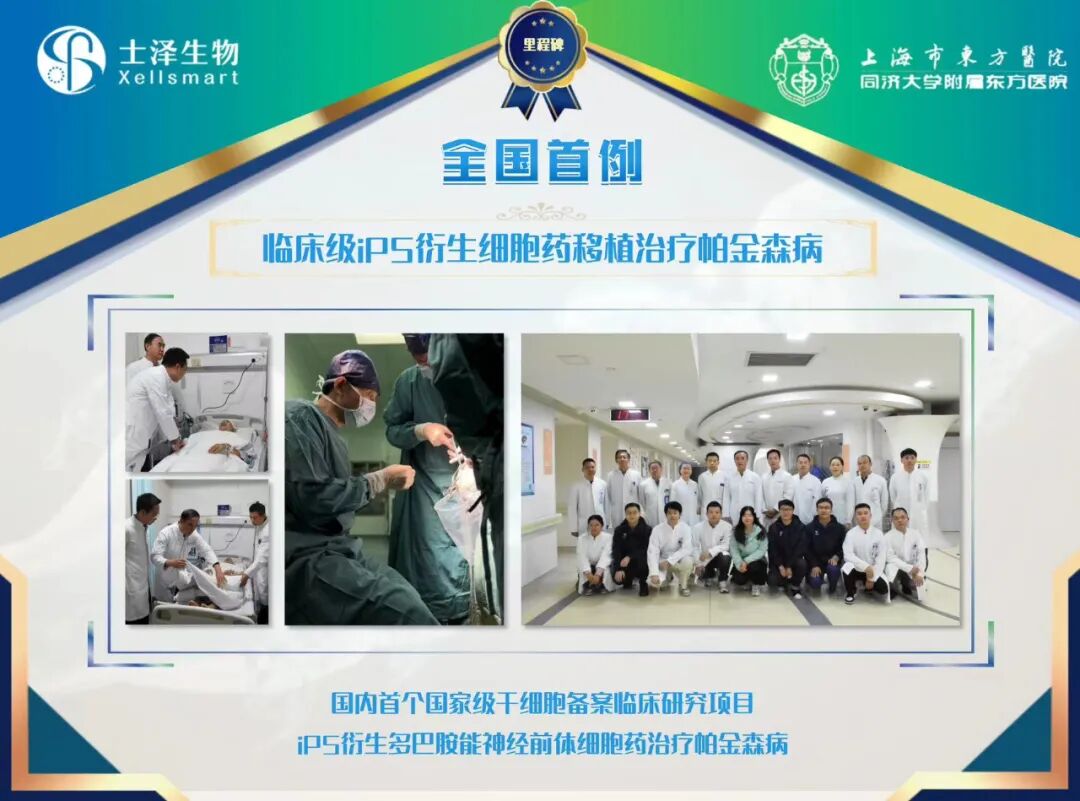
▲ Clinical-grade iPS-derived cell drug transplant for Parkinson's disease
Image source: Shize Bio
Additionally, Shize Bio's independently developed iPS cell drug for ALS received Orphan Drug Designation from the U.S. FDA — a first for China and currently the world's only iPS-derived cell drug for ALS.
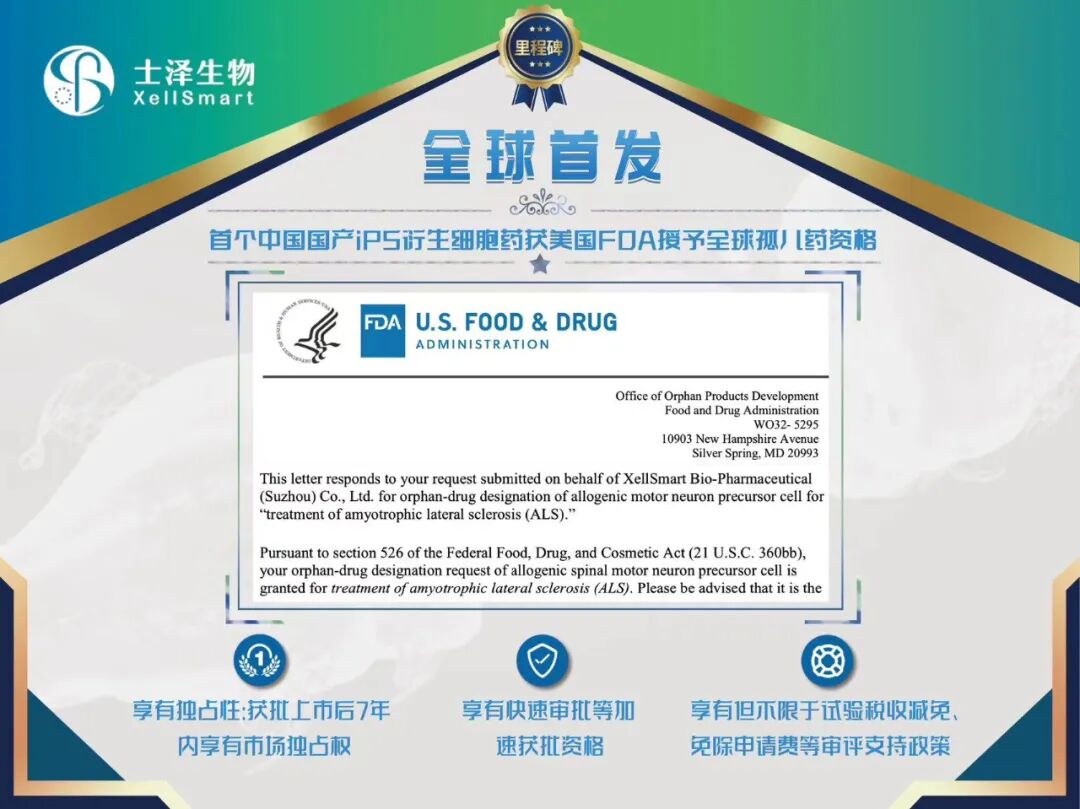 ▲ First Chinese-made iPS-derived cell drug granted global Orphan Drug Qualification by U.S. FDA
Image source: Shize Bio
The conversation between Feng Shu and Dr. Li covered, but was not limited to:
- What are stem cells? How can iPS cells be used to treat Parkinson's and ALS?
- Is there scientific basis for storing newborn umbilical cord blood or injecting sheep placenta extract to stay young?
- What stages has the stem cell therapy field gone through over the past 17 years?
- How is China progressing in stem cell therapy?
- How to view the capital downturn?
- Against the backdrop of U.S.-China competition, how can Chinese biotech companies develop?
We hope this offers fresh perspectives and food for thought. Tune in to this episode by searching for and subscribing to "Gao Neng Liang" on Xiaoyuzhou / Apple Podcasts / Ximalaya.



/ 01 /
What is stem cell therapy?
And what exactly are Parkinson's and ALS?
Li Feng: Today's guest is Dr. Xiang Li, founder of Shize Bio. His industry and work are rather unique. Li Xiang: Hello everyone, I'm Xiang Li. At Shize Bio, we primarily develop iPS (induced pluripotent stem cell)-derived neural cells for treating neurological diseases. Fourteen years ago, my uncle was diagnosed with Parkinson's disease, which first introduced me to stem cell therapy, and I've been in this field ever since. iPS cells are created through genetic engineering, reprogramming adult cells (such as skin cells or blood cells) to revert to a pluripotent state similar to embryonic stem cells.
Since its founding, Shize Bio has focused on developing new drug pipelines for Parkinson's and ALS, with current active and dedicated clinical advancement, and potential future expansion to other neurological diseases.
China has the largest Parkinson's patient population globally, with projections exceeding 5 million cases by 2030. The disease is widely recognized as the second most common neurological disorder after Alzheimer's (commonly known as senile dementia). Compared to Alzheimer's, Parkinson's has a clearer pathological mechanism — it is primarily caused by the degeneration and death of dopaminergic neurons in the substantia nigra region of the midbrain. Therefore, from first principles, we have taken a clear approach: regenerating large quantities of dopaminergic neural cells in vitro for direct replacement therapy.
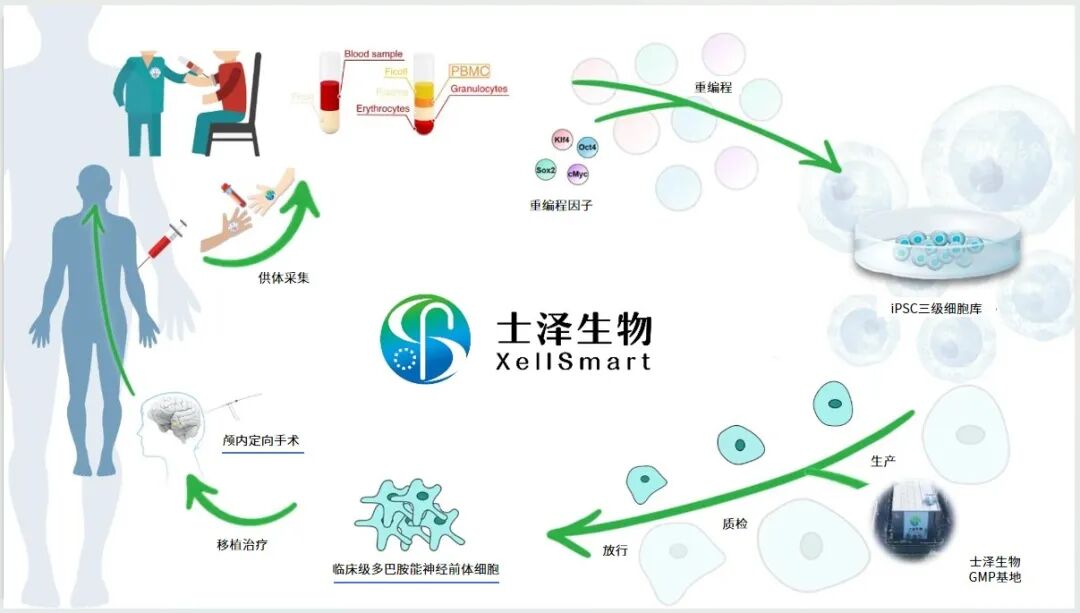
▲ Image source: Shize Bio
ALS is likely familiar to many of you. The renowned physicist Stephen Hawking was an ALS patient. This is a very severe and critical rare disease. The average survival time from diagnosis to death is just over three years. We regenerate the specific neurons that cause ALS in vitro, then conduct standardized preparation and quality-controlled release at our self-operated GMP (Good Manufacturing Practice) facility for transplant therapy.
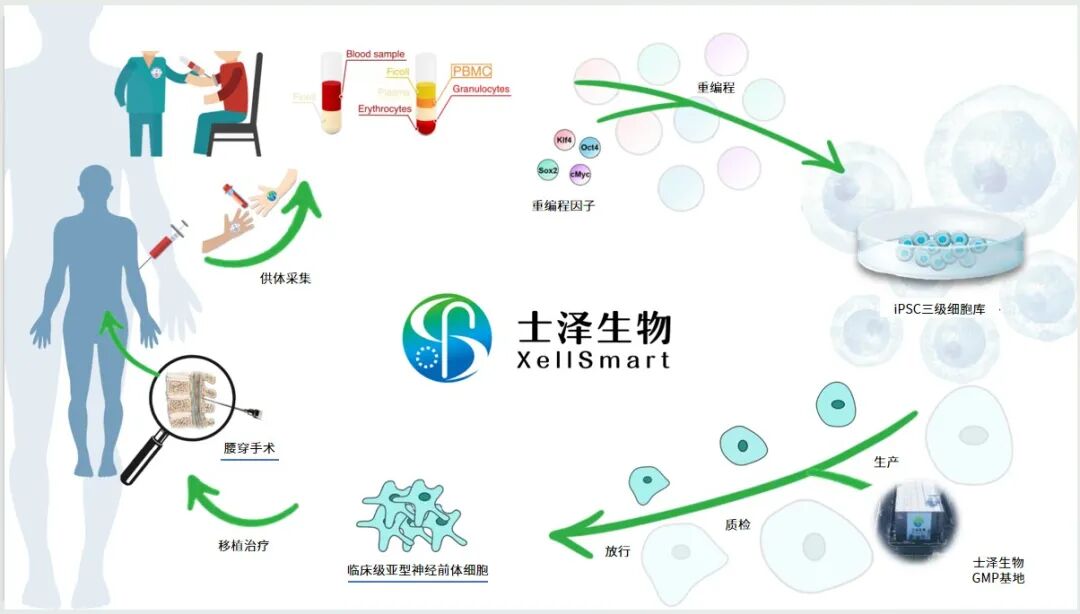
▲ Image source: Shize Bio Li Feng: That was a pretty technical introduction. I believe I first met Dr. Li during the pandemic. Starting a company at that point in time was somewhat different from your original life plan. Could you share that story and the reasons behind it? Li Xiang: Yes, I had originally planned to wait until the product line I was responsible for at my overseas company reached a later stage before starting my own venture. But due to the pandemic and the suspension of flights between China and the U.S., my entrepreneurial plans were moved up by two years. Li Feng: Though there were some chance factors involved, it seems that from stem cell therapy to the indications it targets, you happened to have spent time responsible for each step of the entire process at research or industry institutions. Li Xiang: Exactly. Entrepreneurship in biomedicine requires a very solid scientific foundation. In any field, there is no such thing as simple and easy success — this is even more true for complex and systematized new drug development. Before founding Shize Bio, I worked at three top-tier laboratories in the field, studying under world-class scientists. After entering industry, I continued to hone my skills at a U.S. biotech company and a domestic listed pharmaceutical company, before finally founding Shize Bio.
/ 02 /
Newborn umbilical cord blood storage and sheep placenta injections —
do they actually work?
Li Feng: For a long time, we've encountered two topics in the news related to the stem cell technology you described. The first is storing newborn umbilical cord blood. Many new parents choose to bank cord blood, believing it might cure diseases in the future. The second is that over a decade ago, we started hearing about celebrities getting sheep placenta injections to stay young, or going to Switzerland for so-called "youth maintenance" — these also relate to stem cells. How scientifically sound are these two things, and what impact have they had on public understanding of stem cells?
Li Xiang: These two questions are indeed of particular public concern.
First, regarding cord blood storage. In Europe and America, storing cord blood or donating it to public banks is quite common. But in China, it's still relatively niche — perhaps more a reflection of elevated health consciousness among a minority. China has certified public cord blood banks, but there are also private storage facilities of uneven quality.
In terms of cord blood cell efficacy: first, hematopoietic stem cells can be extracted from cord blood, which is internationally recognized as an effective treatment for leukemia. Second, umbilical cord mesenchymal stem cells can be extracted from the umbilical cord itself. Multiple clinical trials domestically and abroad have shown that umbilical cord mesenchymal stem cells have certain immunomodulatory and anti-aging effects. So overall, extracting stem cells from cord blood and umbilical cord does have some efficacy.
But we've also seen cases where people, motivated by commercial interests, have exaggerated their effects. So if you have needs in this area, you must carefully verify the claims.
Li Feng: So overall it should be positive, but proper and scientific extraction and storage conditions need to be ensured.
Li Xiang: Yes. From a technical perspective, rigorous testing is required, including: cryopreservation stability and post-thaw cell viability assessment. Globally, there are still very few approved indications for stem cell therapy, and the industry is still in a rapid development phase.
Li Feng: Second topic — do sheep placenta injections actually help aging populations maintain a youthful state?
Li Xiang: From numerous international clinical studies, mesenchymal stem cells do have effects on immunomodulation and anti-aging. Particularly, the human aging process may essentially be a process of internal inflammation occurring.
But one point to consider: each person's internal environment is different, and you need to find the right timing to use these stem cells. Existing stem cell infusions still primarily use allogeneic stem cells. With the second administration, the antigens from the previous stem cells often cause rapid rejection of subsequent cells, thereby reducing efficacy. So if adopting this approach, the timing selection requires scientific rigor.
Of course, these are all merely private practices. From a drug regulatory perspective, China has not approved any mesenchymal stem cell drugs for market to date.
Li Feng: Based on my understanding, these two matters show that although this is a relatively new fundamental research direction, it has already achieved certain academic results and generated some social influence.
Also, all medical treatments today are certainly for treating disease, though we sometimes see discussions about using these new therapies to become smarter or younger. I'm curious — is this theoretically possible?
Li Xiang: In fact, many scientific breakthroughs come from this kind of imagination.
From a scientific and technical standpoint, I believe it is achievable, and this is indeed a direction. However, at present, whether due to ethics or other reasons, there isn't much support for using these methods under normal circumstances — not to mention that human aging itself hasn't been defined as a disease. Of course, it can't be ruled out that people worldwide are already secretly trying. (Further reading: Decrypting Aging, Resisting Aging | FreeS Report)
/ 03 /
Some Essential Knowledge:
iPS Cells and Mesenchymal Stem Cells
Li Feng: You mentioned a special term earlier — iPS cells. From the broadest classification, what types of stem cells are there? Which type are iPS cells among them?
Li Xiang: From a broad conceptual standpoint, stem cells are a class of cells that can proliferate, self-renew, and differentiate in vitro. I tend to map them onto a developmental timeline: from fertilized egg to early embryo, to the perinatal period (the process of childbirth), then to postnatal period (infancy after birth), and finally to the adult stage. At each stage, different tissues can yield stem cells of different origins.
iPS cells come from our adult cells. By introducing what we call "reprogramming factors," they can be reversed back to the embryonic stage. This embryonic-stage cell resembles the state of embryonic stem cells — it can be massively expanded in vitro, massively differentiated downward, and regain functional human cells of different types. Theoretically, it can differentiate into more than 300 cell types in the human body, so it has broad application prospects.
Li Feng: There's another term you've mentioned several times — mesenchymal stem cells. Shize Bio's main research direction is iPS cells. Could you explain the difference between these two terms, and how they differ in treatment and application?
Li Xiang: The essential difference between mesenchymal stem cell drugs and iPS-derived cell drugs is this:
Mesenchymal stem cells themselves can be the final product — after isolation and preparation, they can be used for infusion or downstream manufacturing. iPS cells, however, are merely raw materials. We use iPS cells as raw materials to produce downstream products; the final transplanted cells are iPS-derived cells of different functional types.
So from a technical perspective, these two have major differences, and their development pathways and pharmaceutical research requirements are also different.
Human health needs are a very large proposition, and humans currently lack substantive clinical solutions for more than 90% of diseases.
Mesenchymal stem cells can be used for immune regulation, anti-inflammation, or anti-aging, mainly targeting age-related diseases like osteoarthritis, as well as autoimmune diseases.
iPS-derived cell drugs, theoretically, can specialize into more than 300 functional human cell types for replacement therapy, and can even differentiate into immune cells for cancer treatment. Currently, iPS cells mainly target very specific functional cell loss with clear disease mechanisms, such as Parkinson's disease, diabetes, and eye diseases.
So their indications are overlapping yet distinct, though both are called stem cell drugs. Of course, there are now iPS-derived mesenchymal stem cells too, and the technology is still evolving. In the future, the stem cell therapy field will be a scene of flourishing diversity.
Li Feng: Let me explain with my layman's hat on. Mesenchymal stem cells are like what we call "eat what you need, where you need it" — they're extracted from somewhere and used there, processed and then reinfused to address problems in the same area. iPS cells, though their current treatment range isn't yet broad, theoretically can address many more problems. Because iPS cells need to be regulated in vitro, then differentiated and expanded, before being reinfused. Now they can target diseases with clear pathological mechanisms, solving specific functional cell deficiency problems.
17 Years of Stem Cell Therapy: Three Phases of Twists and Turns
Li Feng: At the beginning, Dr. Li Xiang described his motivation for entering the stem cell therapy industry 14 years ago. From entering this industry 14 years ago to today, you've had study and work experience in both the US and China. During this period, there was a famous social incident — the Wei Zexi incident. Beyond that, what major turns and fluctuations has the stem cell industry experienced during these 14 years?
Li Xiang: When I entered this field in 2010, stem cell research in China was just getting started. The iPS field can be traced back to 2006, when Japanese scientist Shinya Yamanaka published his paper on iPS, and he later won the Nobel Prize in Physiology or Medicine for his contributions to stem cell research. From that first paper to today, the entire industry has only a 17-year history.
Like many other industries, this field's development has roughly gone through three stages.
In the first stage, years of basic research laid a solid foundation for its development. Stem cell therapy essentially uses human cells as a living cell drug for treatment. Its underlying principle stems from human embryonic development, because all our cells come from the embryo. So this technology simulates the in vivo embryonic development process, achieving cell recreation in vitro.
The second stage was the gradual maturation of industry. However, for the iPS-derived cell subfield, industry development was not smooth sailing.
In fact, the first batch of US iPS-derived cell drug companies are basically no longer around. Everyone was filled with optimism, but cell preparation processes were immature at the time — the cells everyone prepared in vitro still had substantial differences from cells that had evolved over millions of years in the human body.
So industry returned to square one, to figure out why cells grown in our in vitro culture media differed so much from human cells. Eventually, research breakthroughs were achieved.
So in the second stage, people first rushed forward with great enthusiasm, but discovered their internal skills were insufficient, leading to failure. They then turned back to basic research to find the real "key," thereby promoting industry renewal.
The greatest harvest of this stage was recognizing that many of our problems still come from basic science. Only when basic science reaches a certain stage and solves key problems can translation occur. When we translate, we emphasize engineering, but the foundation of engineering is that your science has already reached that position. Moreover, there's a huge gap between lab papers and actually making drugs.
Li Feng: This stage is like the internet 25 years ago. Back then, everyone was full of imagination about what the internet could do, then suddenly in 2001, the bubble burst. Many companies collapsed, but afterward, a new batch of valuable companies was reborn.
So after the first batch of stem cell-related companies fell, everyone returned to causal relationship research. What were the main scientific advances in this research process?
Li Xiang: The core was still understanding development. We returned to development itself, studying embryos and human donated samples, then retracing step by step. It was essentially going backward along the developmental timeline of the final cell, finding where it came from, and then completely simulating that process in vitro, achieving it in a petri dish.
Li Feng: From a scientific perspective, you believe we've discovered a causal relationship. This has much to do with global progress in gene and cell therapy over the past decade-plus — people's new understanding of genomics data and causal relationships between biological phenomena at different levels.
So returning to the first stage, do you think there could still be major, as-yet-unknown breakthroughs in the stem cell field's search for causal relationships?
Li Xiang: From the perspective of causality itself, it's a fixed natural phenomenon and scientific fact — the key lies in how we decipher it.
iPS cells correspond to blastocyst-stage ICM (Inner Cell Mass) cells. They can differentiate into more than 300 different cell types in vitro, but the developmental pathways we've truly figured out may only number around a dozen or so. The developmental origins of the vast majority of cell types remain unclear, so there's still massive space worth exploring.
The blastocyst stage is a critical phase in embryonic development, typically occurring around five to six days after fertilization.
ICM cells are the source of embryonic stem cells, capable of differentiating into various cell types to form all tissues and organs of the embryo.
Li Feng: This is a relatively new discipline. If we compare China and the US today, where do things stand?
Li Xiang: This brings us to the third stage we wanted to discuss. In the first stage, basic science helped us understand what cells are. In the second stage, despite some ups and downs, we figured out how to prepare cells in vitro. The third stage — where we are today — is about how to turn these cells into living cell drugs. This is an interdisciplinary field. If we compare horizontally, I can say with full confidence that at least in the direction of iPS-derived cells, we are not behind any country in the world. China has excellent engineering capabilities. Once the underlying scientific problems are solved, developing these into truly scalable, low-cost products is where Chinese companies excel. Based on China's innovation culture and engineering strengths, we can absolutely develop products that rival those of any developed nation, whether in quality attributes or clinical efficacy.
Li Feng: You've been in this research field for 14 years. Would you say roughly half that time was in China and half in the US?
Li Xiang: It's indeed about half and half. So I can really feel the differences between the two countries in both the scientific and industrial communities.
How do you develop a stem cell drug?
Li Feng: Whether it's Shize Biotech or well-known foreign stem cell companies, the ultimate goal is engineering — making it into a drug and solving problems. So in the entire process, which steps and links best reflect technical capability?
Li Xiang: Stem cell drugs, like other drugs, are a multidisciplinary, comprehensive development process. Core components include process development, quality control system construction, and regulatory and clinical aspects. Particularly for iPS-derived cell drugs, the process is the product. What kind of process development you adopt determines the final product characteristics. We've found that cells from different process sources, although their phenotypes are very close, can differ in final function. What reflects a company's core competence here is its CMC system (Chemistry, Manufacturing, and Controls) — that is, how rigorously you develop each step of cell differentiation and how strictly you control each step, so that cells can be produced in a stable manner under GMP conditions with highly controllable quality.
Li Feng: To put this in more accessible terms, it's about having a very high-standard, tightly controlled engineering system where stability and reproducibility in implementation are extremely high, with minimal batch-to-batch variation. Today, globally, at the regulatory level, what is the historical progression and current state of supervision and approval for stem cell therapy in countries like China, the US, and Japan?
Li Xiang: In the US, stem cells have always been reviewed as drugs. The FDA has a very deep understanding of products and provides very comprehensive, product-specific feedback during review. Although Japan had scientists who won Nobel Prizes for iPS-derived cell drug-related research, its regulatory pathway differs from the US — it's managed as a Class III medical technology. This means Japan's clinical pathway is mainly driven by universities or institutions, unlike the US where biotech companies are the main driving force. China's current review and promotion pathway is largely similar to the US, but with a characteristic national accelerated stem cell clinical filing program (with very high review requirements). The Wei Zexi incident that Uncle Feng mentioned was indeed a black swan event for the cell therapy field, but conversely, it also promoted industry self-regulation, leading the state to shift stem cell therapy from medical technology management to a dual-track system of registration review and national filing. National filing has clear guidelines and can directly support registration review. Last year, we received the first national filing for iPS-derived cell drug treatment of neurological diseases, approved by the National Stem Cell Expert Committee and the National Health Commission.
Why Parkinson's and ALS?
Li Feng: Shize Biotech has spent considerable time solving in vitro culture process and control issues. But beyond that, why choose Parkinson's disease and ALS as indications? Is it due to causal relationships at the research level, or other reasons?
Li Xiang: The reasons for choosing these two indications differ. Parkinson's was chosen out of personal conviction. Fourteen years ago, if my family member hadn't developed Parkinson's, I might never have entered the stem cell field. At the time, after my uncle's surgical treatment failed and he lost his speech and swallowing abilities, the clinical director mentioned stem cell therapy to me — but I had no idea what it meant at the time. I remember when I saw that Nobel Prize-winning paper from Japan on a search engine, there were only a handful of labs domestically working in the derived cell direction. iPS technology was completely obscure then. But because of this, over the past 14 years, my consistent focus has been iPS therapy for Parkinson's disease.
▲ Clinical-grade iPS-derived cell drug transplantation for Parkinson's disease
Image source: Shize Biotech
The ALS program is based on our capabilities and background. Our current GMP-based iPS-derived cell drug platform covers all key aspects of iPS-derived cell drugs. ALS is an excellent example of where we can develop a globally first-in-class iPS-derived new drug. We have the world's only iPS-derived cell orphan drug for ALS treatment, which has seven years of market exclusivity after overseas launch, granted by the FDA.
▲ First China-developed iPS-derived cell drug granted global orphan drug qualification by US FDA
Image source: Shize Biotech
So why choose iPS-derived cell drugs for ALS? First, ALS is currently an untreatable, critical neurological disease. We can differentiate very specialized types of neural cells in vitro, and we've been involved in developing some ALS-related preclinical animal models. Combining these factors, we independently developed a process engineering system at Shize Biotech that enables production of these lab-grade cells. Plus, we saw positive effects in preclinical studies — this also supports our development of a new ALS drug. Shize Biotech is actually developing a platform. Although we're currently concentrating resources on these two diseases with major or critical unmet clinical needs, we have the capability to expand to other indications.
Li Feng: Although iPS cells are broad-spectrum, they're currently mainly used to address functional cell problems, such as deficiency or degeneration. Are Parkinson's and ALS both diseases caused by degeneration or loss of a single functional cell type?
Li Xiang: Yes. At the cellular level, although the upstream pathogenic mechanisms aren't entirely clear, what can be confirmed is that these diseases are caused by degeneration and death of specific subtypes of neuronal cells. Our strategy happens to bypass the complex upstream mechanisms and directly recreate these cells to solve the problem.
Li Feng: Let's take neuronal cells as an example. Once neuronal cells have matured, they basically don't increase or decrease arbitrarily. So among all possible neuronal cells, is finding mesenchymal stem cells that can regenerate or replace them a difficult task?
Li Xiang: Finding mesenchymal stem cells mainly requires choosing the right tissue type. You also need very good isolation methods to specifically isolate and expand applicable cell types. It's basically very difficult to obtain sub-type specialized neural cells through mesenchymal stem cells. iPS differentiation to obtain neural cells also needs to correspond to development. The iPS cells we obtain through reprogramming have the potential to differentiate into various cells — how to guide them step by step to differentiate into the specific cells we need and achieve high purity still requires substantial development.
Li Feng: Another question: although both Parkinson's and ALS are caused by neural cell degeneration, there are many other neurodegenerative diseases, such as Alzheimer's and Huntington's disease. Why haven't these become your indications? Huntington's disease is a hereditary neurodegenerative disease that primarily affects movement, cognition, and mental function. It's named for its involuntary dance-like movements.
Li Xiang: From first principles, their pathogenic mechanisms are either not clear enough, or they're not caused by sudden death of specific cells. Cell therapy, iPS-derived cell drug therapy may play a role in these diseases in the future, but likely requires multi-faceted comprehensive treatment.
Take Alzheimer's as an example — it's closely related to aging, with much inflammation and mutated protein aggregation in the brain. When the "soil" is bad, even the best "seed" won't grow. So we tend to first address diseases with clear pathogenic mechanisms, and expand to other major but unmet clinical needs in the future.
The story with the first Parkinson's clinical patient
Li Feng: Last year, you began engaging with the first Parkinson's clinical case in China and observed阶段性疗效. How was your communication with the clinical patient? What was the patient's acceptance and understanding of this therapy?
Li Xiang: There is more than one patient who has participated in our treatment trial. We have some stories with the first patient. He contacted us proactively. This patient himself is a medical worker, with severe Parkinson's disease. Parkinson's has five stages — stage 0 is normal, and stage 5 is near paralysis. When this patient formally enrolled in our clinical trial, he was already at stage 4. Because he's a medical worker, he understands this disease relatively well and also knows about stem cell therapy. He has been very actively seeking new therapies. When he found us in 2021, Shize Biotech had just started and didn't yet have its own cell drug GMP facility. But over the past two to three years, he continued following our progress until we received approval. During the waiting period, he also worked hard to take care of himself, his condition didn't rapidly deteriorate, he met our clinical criteria, and became our first patient. The patient's improvement has been relatively obvious — his Parkinson's staging has reversed, and we've currently observed him for half a year and are continuing observation. There are similar examples in the US. A 79-year-old Parkinson's patient who received cell therapy has been observed for four years, and this patient has now resumed swimming, skiing, and jogging.
Parkinson's and ALS, which is more druggable?
Li Feng: Let me ask two questions that may not be easy to answer. The first is, from the perspective of cell differentiation processes, which is more difficult — Parkinson's or ALS? The second is, reaching clinical endpoints means ultimately producing a viable drug. Between proving that a therapy is effective enough to reach clinical endpoints and actually gaining regulatory approval, which is more likely?
Li Xiang: First, in terms of differentiation difficulty, dopaminergic neuron differentiation is harder than ALS differentiation because it involves a very specific, small region of the brain. Second, from a regulatory pathway perspective, ALS has a much shorter route than Parkinson's because ALS patients' limited survival time constrains the follow-up period, making the approval process relatively faster.
From the perspective of final approval and demonstrated safety and efficacy, ALS is harder to prove effective because it's a rapidly progressing, critical illness. But this has two sides — because ALS is a critical illness with few new therapies, and as an orphan drug, the review requirements are somewhat lower.
Li Feng: iPS cells are quite broad-spectrum. Assuming we already have certain process and cell differentiation screening capabilities today, in the foreseeable 5–10 years, how many additional indications do you estimate might enter your clinical pipeline and ultimately reach clinical endpoints?
Li Xiang: Theoretically, a good innovative biopharma company must rapidly advance its frontline pipeline. Our future product direction will focus on innovation around our advantaged products. Our expandable pipeline will probably not exceed five at most.
"During the pandemic, we lived at the company for 70 days"
Li Feng: In the first two or three years after identifying Parkinson's as your first indication, what were the most difficult moments and challenges in your CMC production process? When those specific situations arose, how did everyone get through them?
Li Xiang: I'll give one example from the technical side and one from the human side.
Technically, to make our cells more effective clinically, we transplant them into animals and observe long-term — not simply validating cell effects in vitro culture media, but watching how these cells perform in mice.
In 2022, I encountered the second pandemic lockdown. I lived at our Shanghai company with over 40 R&D staff for nearly 70 days. We were the only company in the park that held out until the very end. We shared an animal facility with more than a dozen other companies; all the others gave up, and only we made it through those 70 days.
If we had interrupted the animal experiments at that time, our Parkinson's disease pharmacology studies would have stopped, likely delaying the pipeline by three to four months. And once live cell culture is interrupted, restarting takes another three to four months.
We overcame many difficulties in this process to ensure that technology development didn't suffer major delays — that was extraordinarily difficult.
Li Feng: In terms of process, have you encountered situations where you felt you might not get past a certain point? How did the team respond?
Li Xiang: For example, during cell culture, sometimes cells grow too dense and their condition deteriorates; or during differentiation, the predetermined time point doesn't meet expectations. In these cases we need to step back to the previous stage, or even two stages back. Eventually we find the cleanest, most efficient path to our desired outcome.
Li Feng: Simply put, when you hit a mountain that seems impassable, you have to retreat and look at it again, find another route, try repeatedly until you climb over it. Is that right? In these situations, don't team members feel intimidated or frustrated?
Li Xiang: In any industry, a company's long-term competitiveness depends on its DNA and culture. I believe Shize Biotech has built a culture of unity from day one — everyone came here with original aspiration. Shize Biotech's culture is fiercely driven. Those who have worked here for three years or more are excellent and resilient people. They could have chosen more stable jobs at foreign or state-owned enterprises, but they chose a startup — everyone wants to do something extraordinary.
Our core culture is: patients first, cutting-edge second, shareholders third.
With this strong cultural foundation, the team doesn't easily succumb to frustration when facing difficulties. Of course, there are many technical details to handle in this process, including how to communicate, and when the team feels confused about direction, the core team needs to step up and clear the way.
New drug development is a marathon, not a sprint. Every Friday afternoon, I take the entire team running — 4 kilometers together.
How will Shize's two pipelines progress in the next two to three years?
Li Feng: In the foreseeable two to three years, how do you see Parkinson's progressing in your pipeline? Assuming everything goes smoothly, when could it reach true clinical stage? And the question everyone cares about most, also the hardest one: many people hearing "cell therapy" immediately think the price is prohibitive. What do you think will ultimately happen? These questions are very important for clinical progress and expectations.
Li Xiang: This is an excellent question because it helps us think from end to beginning.
We aim to bring a new drug to market within five years. We're already in clinical trials. While I can't disclose specific numbers, our product costs are below 1/20th of comparable overseas products — this gives us very strong international competitiveness.
Li Feng: Parkinson's is indeed a major problem, especially as China enters an aging phase. Neurodegenerative diseases place enormous burden on society and families. This isn't just medical burden — it requires family care and social resource support. This is clearly very meaningful.
Regarding ALS, you've also obtained FDA clinical approval qualification. When do you expect clinical milestones? If successful, what are the commercial expectations?
Li Xiang: To add, ALS may place an even heavier burden on families than Parkinson's. Most Parkinson's patients can maintain some degree of self-care before their condition deteriorates. In China, 50% of ALS patients are in their prime working years, playing critical roles in their families. Once the disease progresses to mild-to-moderate stage, they basically lose normal work and living capacity, bringing catastrophic consequences to families.

▲ The 2014 "Ice Bucket Challenge" that swept the globe helped more people begin to understand ALS
Currently, global pharmaceutical companies invest relatively little in developing new ALS drugs for two reasons. One, its overall market is currently not large, and conquering ALS presents major challenges. Two, because ALS upstream pathogenesis remains unclear — basic research at the upstream target level is not well defined.
Only gene mutation-type ALS patients may have specific mutation targets for targeted treatment. Unlike traditional development, we focus on damaged neurons, bypassing the complex upstream pathogenesis and treating directly at the cellular level, with potential for breakthrough progress.
Views on capital winter and US-China dynamics?
Li Feng: Finally, a few of the hardest and most realistic questions. Today, whether in primary venture capital markets or secondary stock markets, biotech and new drug R&D companies are in the coldest funding environment, with valuations also depressed. This has persisted for some time. How does your team think about and face this market environment, and how do you plan to address these challenges?
Li Xiang: On the surface it's a money problem, but fundamentally it's a cycle problem. In any industry's development, the best companies — or those that ultimately become synonymous with the industry — are those that survive cycles. Though surviving cycles certainly involves much pain.
Our country's new drug development history is not long; the entire chain and ecosystem is still maturing. The current capital market downturn impacts the industry, but in the long term, it's not bad for eliminating excess capacity and deflating bubbles. And companies that survive this cycle will emerge in a stronger position in the spring after winter.
I firmly believe Shize Biotech will be one such company.
In the short term, we've also quickly made tactical adjustments in response to current cyclical challenges. Since 2022, although we completed an over 200 million yuan Series A financing against the winter trend, we've done extensive cost-cutting and efficiency improvement work, reducing operating costs and compressing pipelines.
Li Feng: The second question relates to competition. Last year I judged that the US wouldn't affect China's biopharma or CRO companies at the competitive level, because it concerns freedom of life, a values-level issue.
However, we've all seen that in recent months, the US has taken many actions targeting Chinese biotech companies, even certain constraints and sanctions. How do you view the US-China competitive environment in biotech, and how does this environment affect you?
Li Xiang: In the short term this is a cyclical adjustment; in the long term, I believe it's a historical backdrop.
As a China-based iPS company, we aim to bring products to international markets and compete with overseas peers with international competitiveness. I believe that if a drug can bring value to overseas patients, it shouldn't be constrained by temporary geopolitical factors.
Li Feng: Understood. Thank you very much today, Dr. Li Xiang. Finally as a closing, I welcome excellent talent interested in stem cell research directions and related industry resource parties to come exchange and cooperate with Shize Biotech. We also hope that Shize Biotech in its future development path can both solve its own development and achievement challenges, while bringing more value to society.

▲ Decoding Aging, Resisting Aging | FreeS Report
▲ The Truth About Weight Loss, and Innovation Opportunities | FreeS Report
▲ The Road to Embodied Intelligence | FreeS Report
▲ Embracing the Smartest Tipping Point, Bravely Investing in Brain and Neuroscience | FreeS Report
▲ Calico Cats, Bees, the Dutch Hunger Winter — Decoding the Playbook of Gene Expression
▲ How Should We Age in the Future? | FreeS Report
▲ Congratulations on XtalPi's Successful IPO: FreeS Fund's Research-Driven Approach, Learning to Invest Through Investing
Star the FreeS Fund WeChat Official Account for timely business insights