Calico Cats, Bees, and the Dutch Hunger Winter — Unpacking the "Card-Playing Tricks" of Gene Expression | FreeS Fund Report 32

What are the startup and investment opportunities in the field of epigenetics?
All living things possess consciousness, and the complexity and wonder of life often exceed our imagination. Seemingly minor anomalies and variations in organisms can sometimes branch into flourishing frontier disciplines. The everyday phenomena below might pique your interest:
- Calico cats carry genes for both orange and black fur. According to the central dogma, when a female cat's two X chromosomes carry orange and black genes respectively, her fur should display a mixed color of black and yellow — that is, brown. So why do calico cats end up with patches of orange and black instead of brown?
- In honeybee colonies, both worker bees and queen bees develop from female larvae. Yet the queen's sole purpose is laying eggs to reproduce, while workers devote themselves entirely to labor. A queen lives for years; workers survive mere months. What "mysterious force" determines their starkly different developmental fates?
- During the final years of World War II, the Dutch endured a period known as "The Hunger Winter." The famine seems to have been recorded in genetic material itself. Children born to women pregnant during the famine were often smaller in stature. Could the effects of starvation actually be inherited?
These questions can all be explained through a somewhat niche discipline — epigenetics — which we'll analyze one by one throughout this article. When most people hear "heredity" or "genes," their first thought is likely of DNA's double-helix structure, with its sequences of bases carrying the "code" of life. But layered atop DNA sequences, another mechanism operates. It functions like an information filter, controlling which portions of DNA sequences get expressed and which remain silenced as "junk information."

In biomedicine, epigenetics research holds significant importance. It can help us tackle challenges in cancer treatment, such as delaying the development of drug resistance and enhancing tumor sensitivity to therapeutics. It also aids in studying complex diseases caused by abnormal epigenetic modifications — lupus, Alzheimer's, Parkinson's — understanding their pathological mechanisms and discovering new treatments. Compared with genomics, epigenetics as a whole remains in earlier stages of development, with progress concentrated mainly in academia and relatively little industrial translation into clinical testing and drug R&D. But we believe that as technology advances, epigenetic research methods will iterate and become more accessible, leading to more scientific breakthroughs in this field. Meanwhile, humanity's demand for treating complex and refractory diseases will drive biomedical researchers to continue exploring in related directions. In this article, you will read about:
- Why DNA sequences alone cannot fully determine an organism's phenotypic traits?
- "Same species, different fates" — why can diet also influence gene expression regulation?
- How can epigenetics help us conquer malignant tumors, Alzheimer's, and other complex diseases?
- Will the next "BGI" emerge in the field of epigenetics?
- What are the development prospects for epigenetics in academia and industry?
- What entrepreneurial and investment opportunities exist in epigenetics?
We hope this brings new perspectives. If you're an entrepreneur or practitioner in epigenetics, you're welcome to connect with the author of this article, Da Xie, Vice President at FreeS Fund (xie.da@freesvc.com).
Engagement Giveaway In the life sciences, what new trends and opportunities have you observed in life or business? Join the discussion in the comments. By 14:00 on September 6, we'll give Dedao App recharge cards worth 200 yuan to the 6 users with the most thoughtful comments.

/ 01 / Why Should We Care About Epigenetics?
Many find "epigenetics" unfamiliar. But the everyday phenomena below might spark your interest.
The first phenomenon is calico cats. All calico cats are female, with white, orange, and black coloring. What's interesting is that the genes producing black and orange fur are co-dominant alleles on the female cat's X chromosome. According to the central dogma, when a female cat's two X chromosomes carry orange and black genes respectively, her fur should display a mixed color of black and yellow — brown. Yet calico cats show distinct orange and black patches, meaning fur selectively expresses one color. How does this special coloring form?

▲ Calico cat. Image source: Unsplash
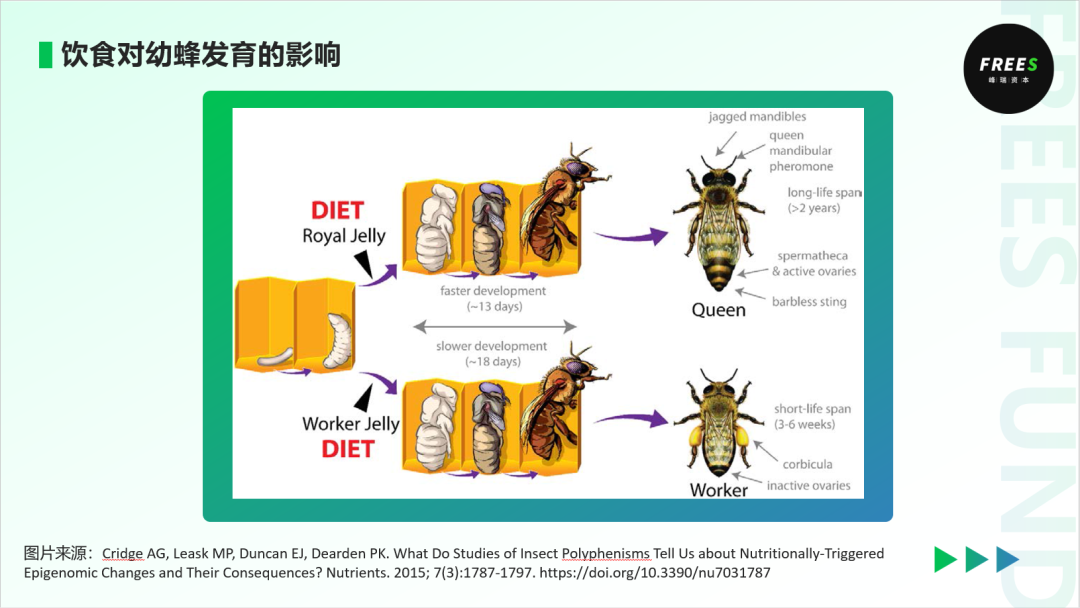
The second phenomenon is honeybees. In a colony, both worker bees and queen bees are female, yet they differ dramatically. The queen's sole role is laying eggs to reproduce, while workers lose their fertility and devote themselves to collecting food, building hives, nursing larvae, and other tasks inside and outside the colony. A queen lives for years; workers survive mere months. The main factor determining whether a female larva develops into a worker or queen is diet: continuous consumption of royal jelly produces a queen; royal jelly for the first three days followed by honey and pollen produces a worker. Why can royal jelly determine a young bee's developmental "fate"?
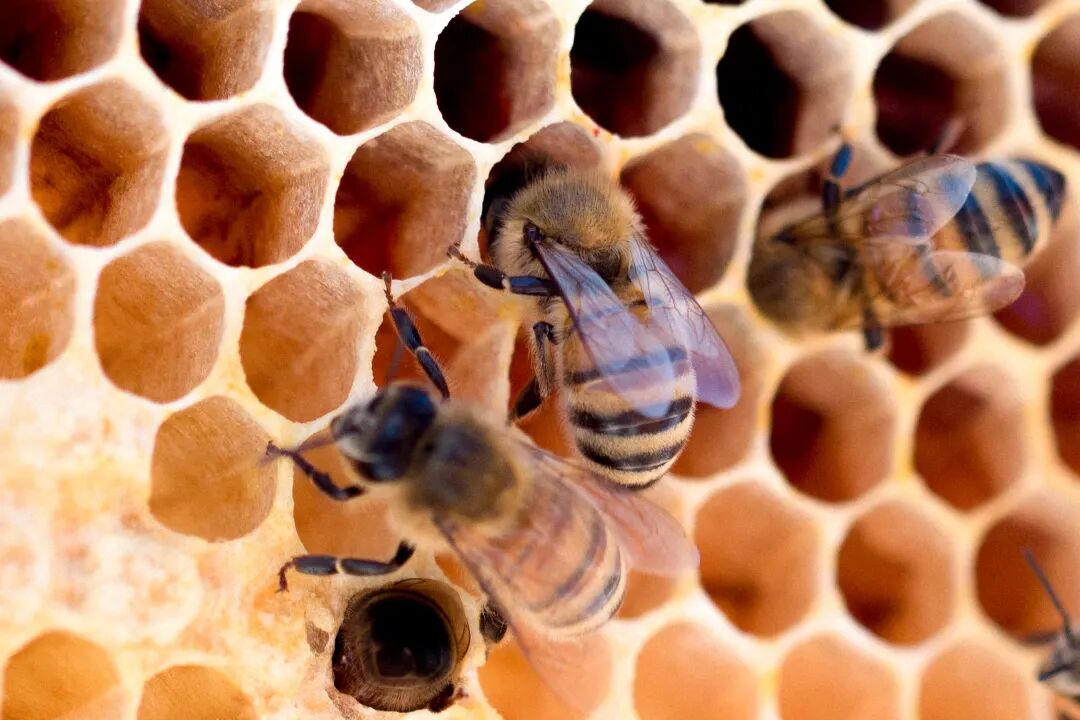
▲ Busy worker bees. Image source: Unsplash
The third phenomenon is the "Dutch famine" of WWII's final years. In the Netherlands, the government-in-exile organized strikes anticipating Germany's collapse. In retaliation, the Nazis cut off food supplies from winter 1944 through April 1945, killing twenty thousand. This period became known as "The Hunger Winter." Nearly 80 years later, the famine seems to have been recorded in genetic material — children born to women pregnant during the famine were often smaller. Could starvation's effects actually be inherited?

▲ Women and children during the 1944 Dutch famine. Image source: Columbia Magazine
These examples can all be explained through epigenetics. Epigenetics refers to regulatory mechanisms above and beyond the genome — the English term "Epigenetics" derives from epi-, meaning "above, upon." As the name suggests, epigenetics studies both "epi-" regulatory patterns and how these patterns are inherited.
So why focus on epigenetics now?
First, looking at demographic aging and changing disease profiles: China's average life expectancy has reached 78 years, and with population aging, chronic non-communicable diseases — notably neurological and psychiatric disorders, diabetes, and cancer — have become the primary diseases affecting residents' health. These diseases often arise from disrupted organism-environment interactions. As a discipline studying how gene expression interacts with external environments, epigenetics research aligns closely with the pathological mechanisms of such diseases, offering new approaches to diagnosis, treatment, and drug development.
Second, from a drug R&D perspective, developers increasingly focus on the "selectivity" of therapies at lesion sites — making drugs act more precisely at disease locations without affecting healthy organs and functions. Epigenetics' essence is regulating gene expression, a characteristic that provides new methods for enhancing this "selectivity."
For example, intervening at epigenetic targets can enhance tumor sensitivity to therapeutic drugs, overcome drug resistance and even metastasis, demonstrating advantages in drug combination. Additionally, in gene therapy drugs, incorporating epigenetic elements can enhance precision, making drug function more closely resemble human physiology. Going forward, epigenetics research's value and potential in precision medicine will continue to be realized.
Third, epigenetics remains in early development with considerable potential. Over past decades, Chinese scientists have made substantial contributions to epigenetics — from establishing and removing DNA methylation in mammals, discovering multiple histone demethylases, to RNA epigenetics. This field will continue advancing: new epigenetic mechanisms await discovery, imaging and sequencing tools will iterate toward greater efficiency and lower costs, and clinical drug varieties and formats will keep innovating.
/ 02 / Epigenetics: Different Playing Orders, Different Outcomes
Compared with epigenetics, "genetics" and the "central dogma" are probably more familiar concepts. The central dogma describes genetic information flowing from DNA to RNA to protein. Its existence leads people to assume that genomic DNA sequences determine all organismal phenotypes. And due to DNA sequence stability, these phenotypic traits can be stably inherited across multiple generations. Using gene editing and similar technologies, it may be possible to treat genetic diseases caused by single-gene mutations, such as sickle cell anemia and cystic fibrosis.
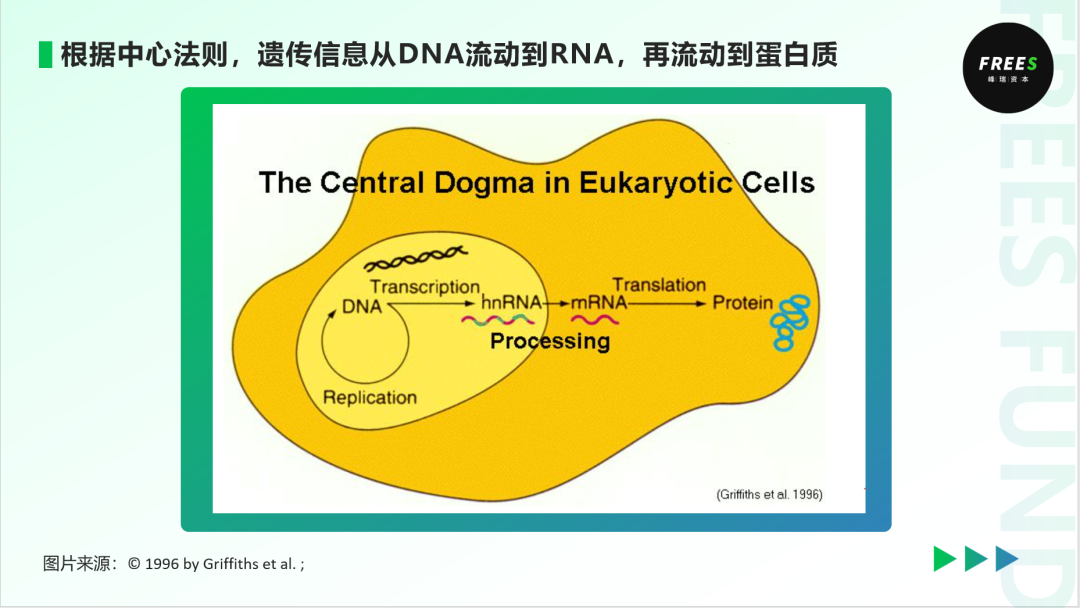
Yet in reality, certain biological properties appear to defy the traditional central dogma. Even when DNA sequences remain unchanged and the biological elements that initiate gene expression are intact, alterations in the regulation of DNA expression can produce different phenotypes among individuals and their cells. Moreover, some of these differences can be inherited by the next generation or daughter cells. It's like playing cards: the player and the cards stay the same, but changing the order in which they're played yields different outcomes.
These phenomena beyond the central dogma are precisely what epigenetics concerns itself with.
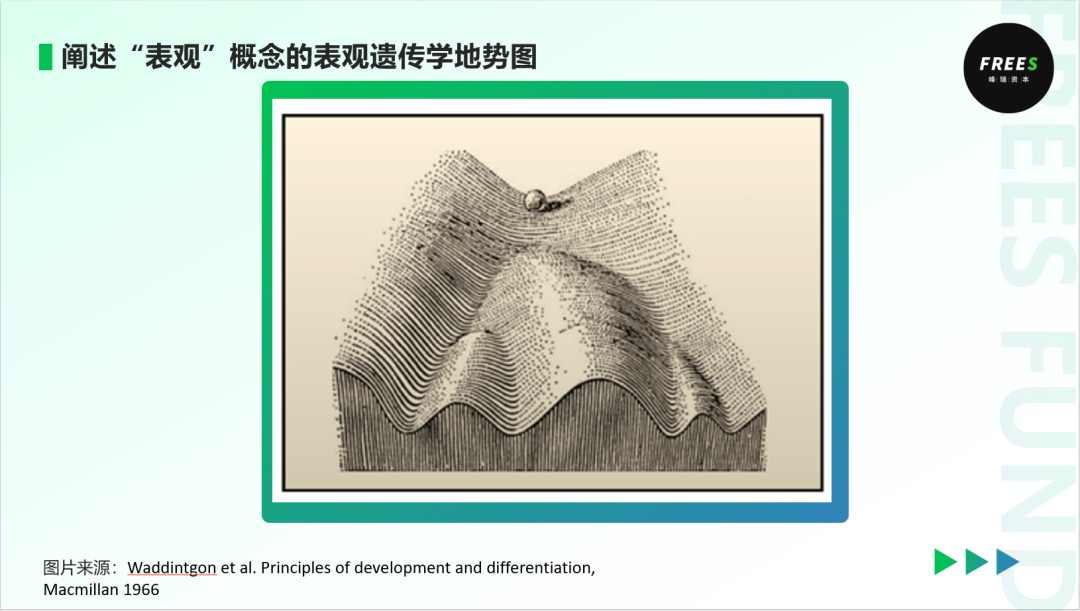
The epigenetic landscape map vividly illustrates the concept of "epi-." In the diagram, gene expression is analogized to an iron ball rolling down a hillside. Different regulatory factors correspond to different slopes, and the contours of these slopes influence which valley the ball settles into — that is, how expression unfolds.
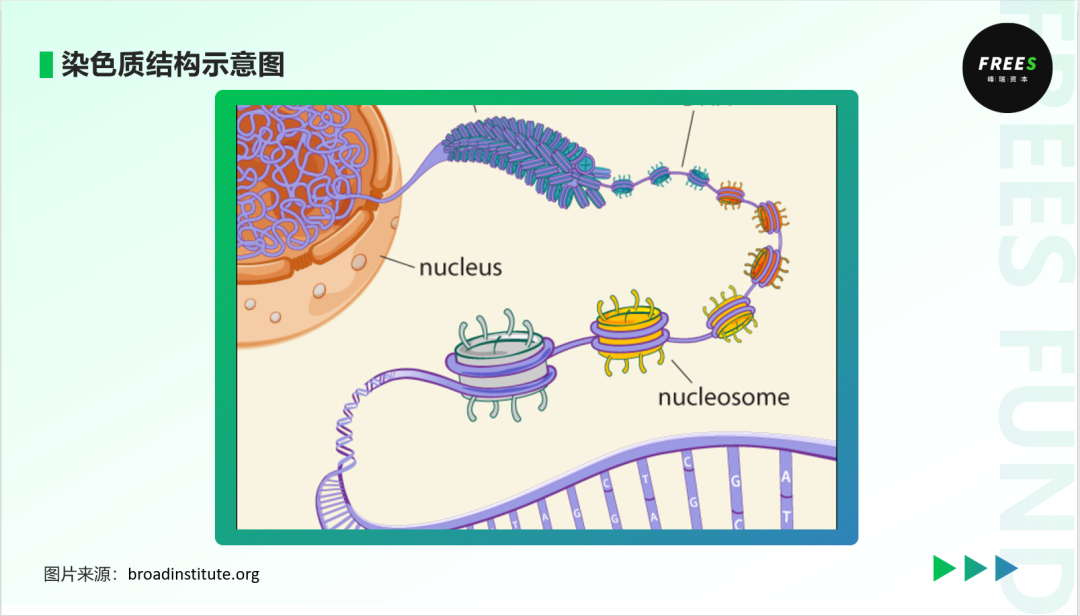
At the microscopic level, the central focus of epigenetics is chromatin — more precisely, changes in chromatin structure that occur independently of alterations to the DNA sequence.
Chromatin contains an individual's genetic information and is formed from DNA and histone proteins. The fundamental structural unit of chromatin is the nucleosome, a disc-shaped structure formed by DNA wrapping around histone proteins twice. Human DNA, if fully extended, stretches two meters in length, yet the cell nucleus is a mere six micrometers in diameter — the equivalent of stuffing 40 kilometers of thread into a tennis ball. Clearly, the path from nucleosome to chromatin involves numerous, highly ordered folding steps.
At different hierarchical levels, chromatin structure is intimately connected with the regulation of DNA expression. Chromatin structure effectively selects which genes are expressed. Where chromatin is tightly folded, gene expression elements struggle to access the DNA, restricting expression. Where folding is more relaxed, gene expression proceeds more actively.
/ 03 / ** ** Calico Cats, Honeybees, and the "Dutch Hunger Winter"... ** Deciphering the Microscopic Regulatory Mechanisms of Epigenetics
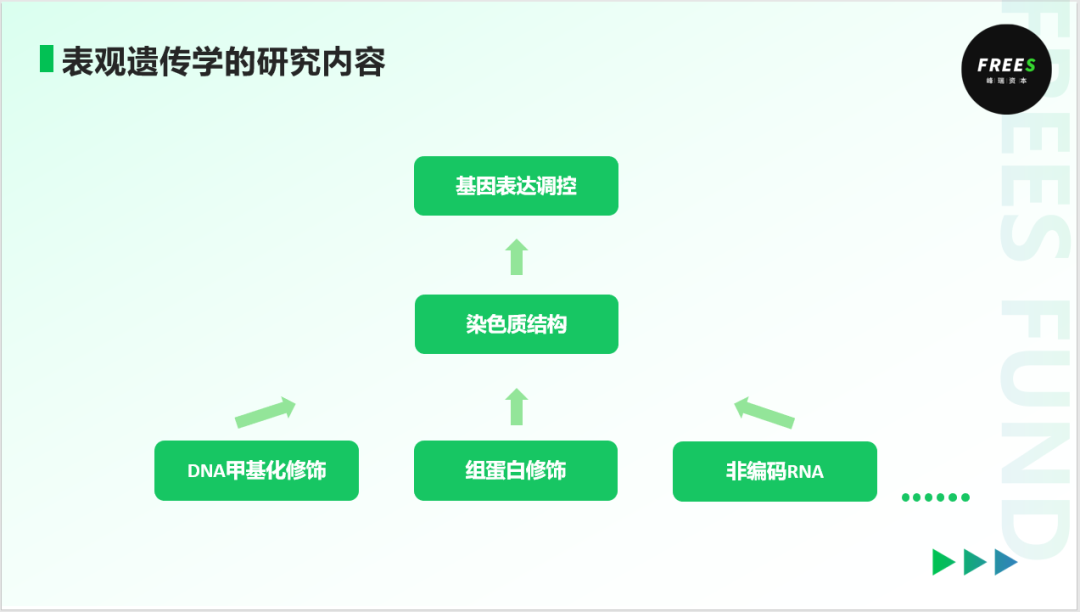
At the microscopic scale, three principal factors regulate chromatin structure and thereby alter gene expression: DNA methylation, histone modification, and non-coding RNA. These are the three most important mechanisms through which epigenetics influences individual phenotypes. Together, they determine chromatin structure and, in turn, affect gene expression.
▎DNA Methylation
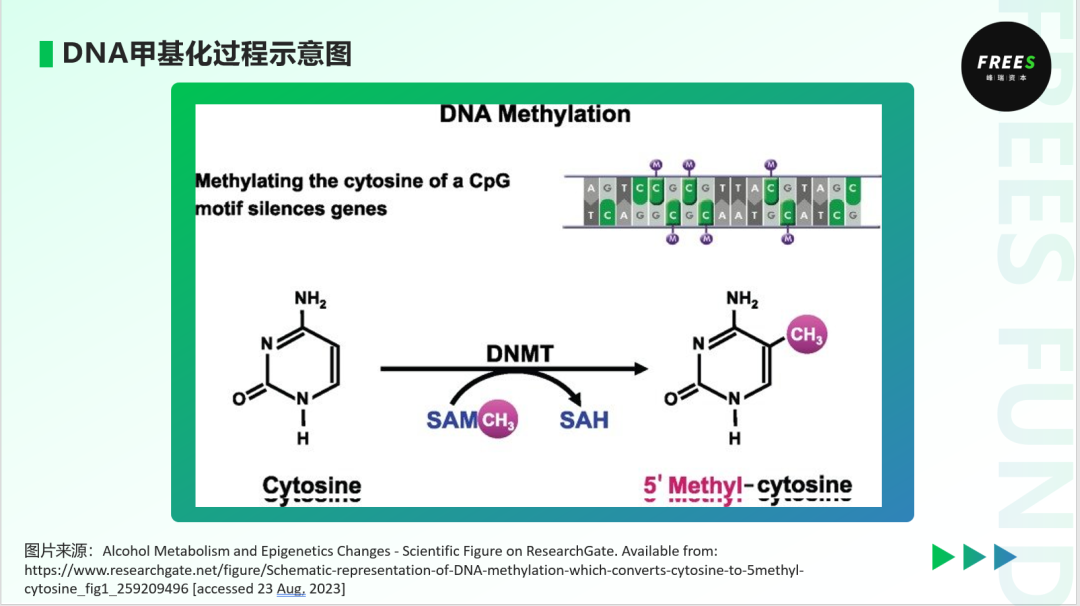
DNA methylation is the most thoroughly studied epigenetic mechanism to date. It refers to the process by which DNA methyltransferases attach a -CH3 (methyl) group to the 5' position of specific cytosine (C) bases in DNA. In mammals, this occurs primarily at cytosine-guanine (CpG) dinucleotide sites. Through a simple chemical mark, methylation provides specific molecular shape information and spatial steric hindrance, typically blocking transcription factor binding and suppressing gene expression.
In the case of honeybee development, differences in DNA methylation resulting from dietary variation may be a crucial factor in the divergent developmental outcomes of female larvae. Experiments have observed that worker bees and queen bees show different methylation states in over 550 genes. Royal jelly reduces methylation levels in female larvae, promoting the development of complete ovarian tissue and ultimately producing a queen bee. By contrast, larvae fed honey later in development maintain higher methylation levels and ultimately become worker bees. Interestingly, artificially reducing DNA methylation levels in female larvae also promotes queen-like phenotypes.
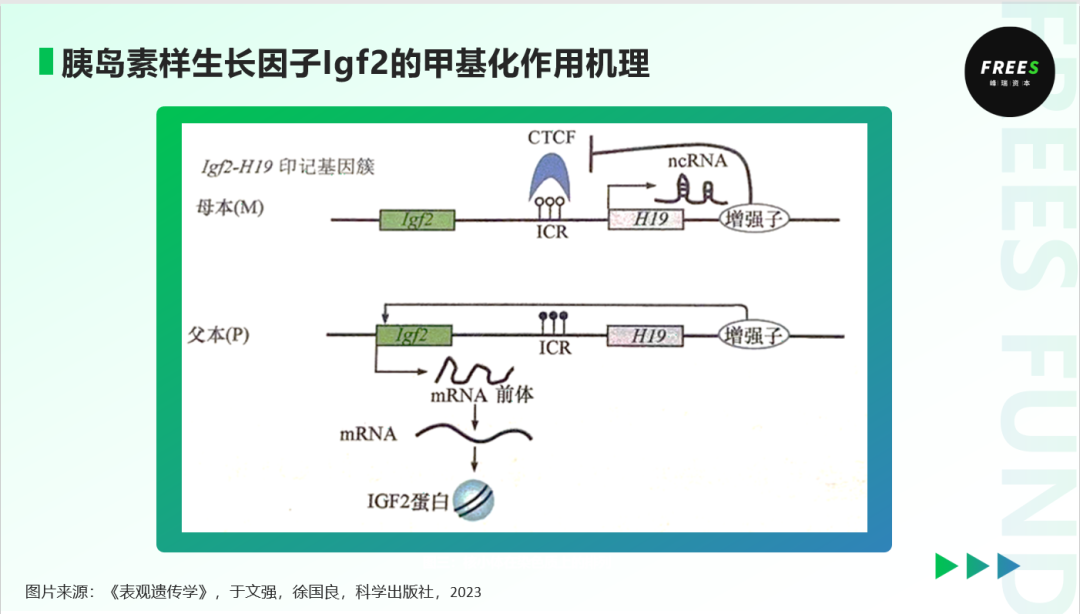
Humans carry two sets of chromosomes, one from each parent. According to Mendelian inheritance, the combined expression of paternal and maternal genes determines offspring traits. Yet in reality, a special class of genes exists in the human body — imprinted genes — that selectively express only the paternal or maternal allele. The result is that traits associated with these genes are determined by only one parent. The factor causing this expression difference lies in the divergent methylation states of the paternal and maternal imprinted gene regulatory regions, which alter gene expression. Thus, only one parent influences the offspring's trait. Consequently, researchers can infer whether a chromosome originated from the father or mother based on the expression patterns of imprinted genes. Imprinted genes are currently applied in kinship analysis and forensic investigation. Insulin-like growth factor Igf2 is among the most thoroughly studied imprinted genes, offering an explanation for the developmental deficiencies observed in the offspring of Dutch Hunger Winter survivors mentioned earlier.
Igf2 is a paternally expressed imprinted gene. As shown in the figure below, under normal physiological conditions in humans, the maternal Igf2 imprinted gene regulatory region (ICR) is unmethylated. Regulatory proteins (CTCF) can bind to the ICR region, thereby blocking downstream enhancers from approaching the Igf2 gene, preventing its expression. Conversely, the paternal regulatory region is methylated, and the spatial steric hindrance of the methyl group prevents regulatory proteins from binding to the ICR region. Thus, downstream enhancers can approach the Igf2 gene and initiate expression of growth factors necessary for promoting growth and development. In simple terms, the paternal Igf2 imprinted gene is expressed, while the maternal imprinted gene is not.
In 2008, researchers compared Igf2 regulatory region methylation levels between children born during the famine period and their siblings. Results showed that methylation levels were significantly lower in children born during the famine compared to their siblings who had not experienced the famine. It can be inferred that during the famine, the fathers of these children lacked sufficient dietary methionine — an important methyl source for DNA methylation — leading to insufficient Igf2 regulatory region methylation in sperm. When these children were conceived during the famine, fathers passed this hypomethylated state to their offspring, which then stably replicated and persisted in the children's bodies.
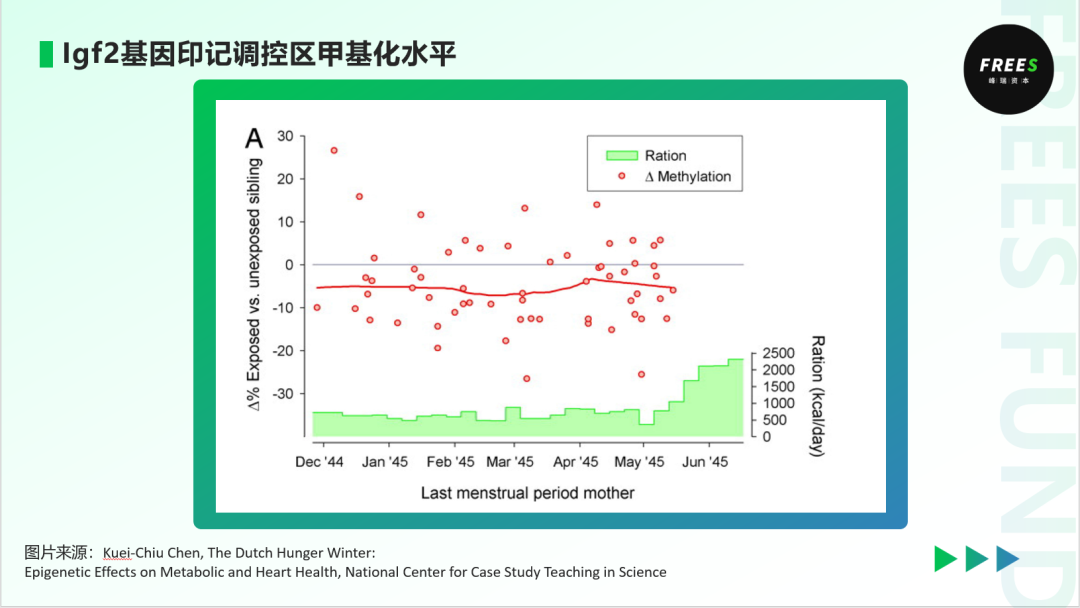
Insufficient methylation in the offspring's imprinted gene regulatory regions leads to inadequate growth factor expression, manifesting as short stature (reduced energy intake) and obesity predisposition (storing more energy) — seemingly an "adaptation" to the starvation environment their fathers faced. This also reflects an important function of epigenetics: enhancing offspring adaptability, even if this capacity may only span adjacent generations.
▎Histone Modification
Histone modification refers to post-translational modifications of side-chain groups (such as amino groups) on histone tail chains, primarily including methylation, acetylation, phosphorylation, and ubiquitination.

Histones and DNA can be understood as connected through electrostatic attraction. Histone modifications affect chromosomal three-dimensional structure and regulate gene expression by modulating histone charge, weakening nucleosome interactions with external proteins, and recruiting proteins to form complexes — all through modifications occurring at their tail regions.
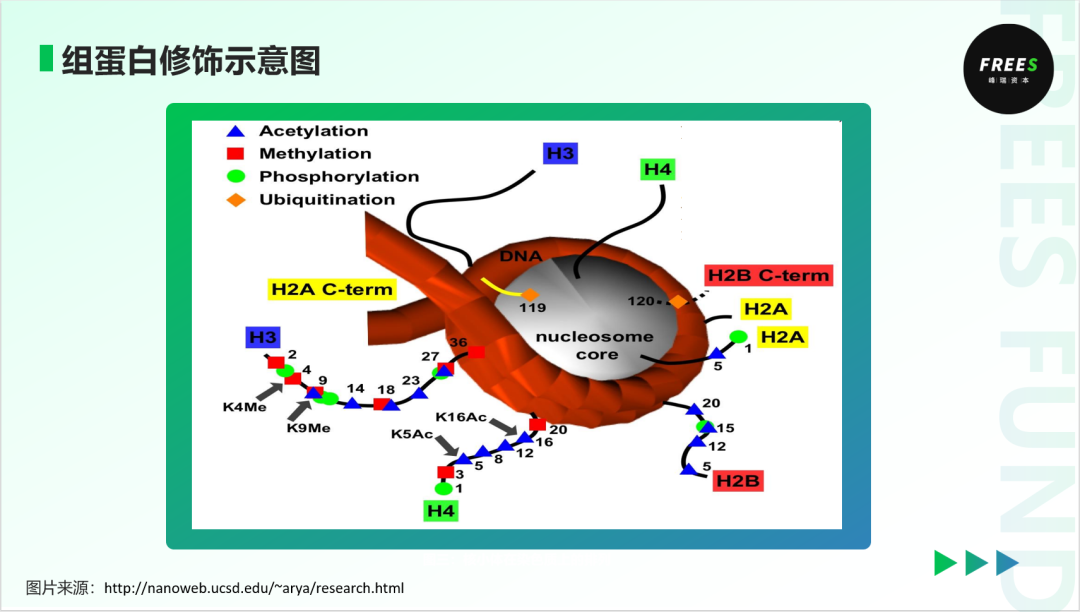
In fact, beyond transcriptional regulation, these modifications also play important roles in DNA replication and repair, and in maintaining genomic stability. Their simultaneous involvement in both epigenetic processes and DNA repair once made the associated enzymes hot targets for oncology drug development. We will continue below to explore the important role epigenetic regulation plays in understanding cancer diseases.
▎Non-coding RNA and Chromatin Interaction
Non-coding RNAs are a class of RNAs that lack the capacity to encode functional proteins or peptides. They regulate gene expression at both the DNA and mRNA levels. Compared with DNA methylation and histone modification, non-coding RNAs comprise a highly diverse group. However, through base complementary pairing, they can recognize specific DNA sequences, enabling precise, targeted regulation. Moreover, unlike DNA methylation and histone modification, which generally target one or a few gene loci, non-coding RNAs can modulate not only individual gene activity but also the activity of entire chromosomes. Currently, our understanding of non-coding RNAs lags behind that of DNA methylation and histone modification. Non-coding RNAs are generally classified into three categories: housekeeping non-coding RNAs, such as tRNA responsible for transporting amino acids during protein assembly; small RNAs, such as circular RNA and miRNA; and long non-coding RNAs, which remain relatively understudied.
The calico cat's coat color is controlled by a long non-coding RNA called Xist, the second such RNA ever discovered in humans. This RNA binds to one X chromosome in females, wrapping around it repeatedly to induce transcriptional silencing across most genes on that chromosome. The physiological rationale: males carry one X chromosome, while females carry two. Inactivating one achieves balanced gene expression dosage between the sexes.
Why do some patches of calico fur express black, others yellow, rather than an intermediate brown? Because one of the two X chromosomes—each carrying either a black or yellow gene—is randomly inactivated. The clustered appearance of black and yellow patches likely stems from X-chromosome inactivation occurring early in development, with this silenced state stably inherited through cell division. Daughter cells thus maintain the same coat-color phenotype.
**/ 04 / ** The Development of Epigenetics
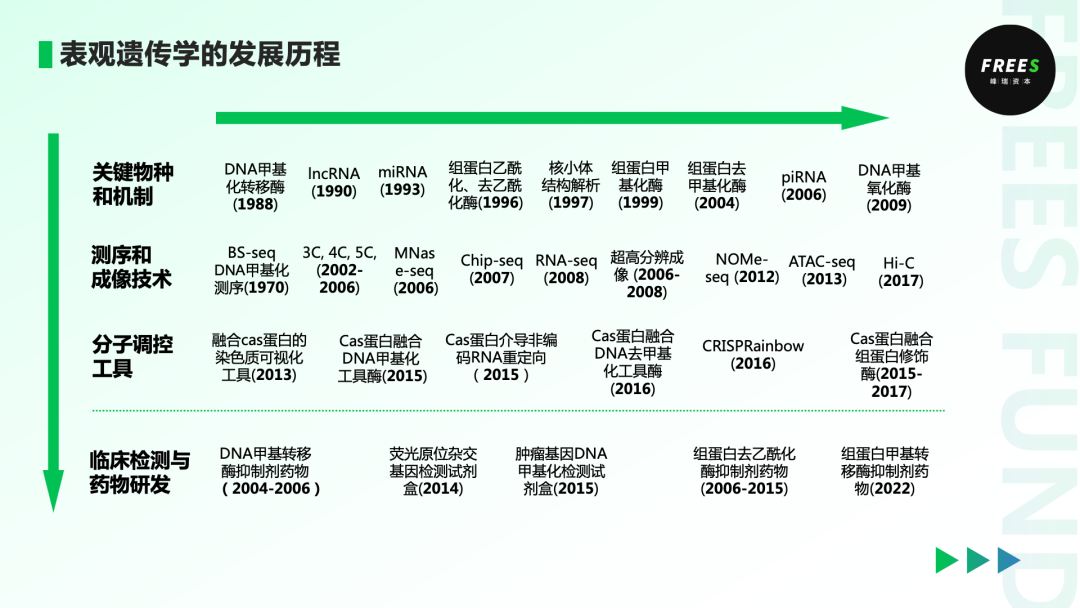
In 1942, biologist Waddington coined the term "epigenetics." Since then, the field has advanced across multiple fronts—key species and mechanisms, sequencing and imaging technologies, molecular regulatory tools, clinical diagnostics and drug development—evolving from observation and measurement toward manipulation and engineering.
From the late 20th into the early 21st century, critical epigenetic modifiers (such as DNA and histone methyltransferases) and mechanisms (such as long non-coding RNA-mediated chromosome inactivation) gradually came into focus. Researchers increasingly turned attention to how these components reshape chromatin architecture. Sequencing and imaging technologies for dissecting complex chromatin structure, sequence, and position accelerated in parallel.
These measurement-side advances accumulated vast datasets for epigenetics. They first translated into clinical applications: diagnostic products including fluorescence in situ hybridization (FISH) genetic testing and tumor DNA methylation assays, as well as therapeutics like histone deacetylase inhibitors (e.g., chidamide).
Measurement progress also drove research into causal relationships between epigenetic modifications (DNA methylation, histone modification, non-coding RNA-chromatin interactions) and cellular phenotypes. At the molecular level, CRISPR technology emerged as one effective "manipulation" tool for precise epigenetic editing. The accumulated data from these molecular tools may catalyze a new generation of epigenetic drugs and clinical diagnostics.
Overall, epigenetics rests on two foundations. On the demand side: the drive to understand complex developmental regulation, and urgent clinical needs in cancer, neurological disorders, and immune diseases. On the technology side: advances in key species characterization, high-throughput sequencing, high-resolution imaging, and molecular tools. Going forward, demand and technology will continue to propel the field.
**/ 05 / ** How to Study Epigenetics?
As noted above, DNA modification, histone modification, and non-coding RNA represent the three principal molecular regulatory mechanisms influencing epigenetics at the micro scale. At the meso scale, researchers primarily observe and manipulate epigenetics through chromatin and its nucleosome units.
Research methodology in epigenetics remains a rapidly evolving hotspot. With chromatin as the central object, analytical approaches fall into two categories: microscopy-based direct visualization of chromatin spatial structure, and high-throughput sequencing—direct or indirect—to determine chromatin sequence, modification, and conformation.
Over the past decade, building on classical methods, a suite of sequencing and microscopic techniques has advanced the field. In research, three major trends are apparent: first, developing better molecular tools to improve precision at the mechanistic level; second, moving toward single-cell/low-cell-input, high-throughput, and high-signal-to-noise-ratio platforms; third, integrating imaging with sequencing to simultaneously deliver multi-dimensional information spanning sequence and spatial localization. We have observed continuous iteration and adoption of DNA methylation sequencing tools (e.g., BS-seq, DM-seq), histone modification sequencing tools (e.g., CUT&Tag), and chromatin accessibility sequencing tools (e.g., ATAC-see).
On the industry side, the priority is cost reduction and solving practical clinical problems. In the IVD space, epigenetics-based applications remain relatively limited, concentrated mainly in FISH genetic testing and tumor DNA methylation detection.
06 How Does Epigenetics Offer New Perspectives for Treating Intractable Diseases?
An organism's environment subtly shapes gene expression, altering development and environmental adaptation—processes intimately tied to epigenetic modification. Humans similarly perceive their environment in complex ways. Dietary habits, chronic disease, long-term medication, stress and anxiety, lifestyle, and geographic location can all modify personal gene expression.
At the disease level, mechanisms underlying tumor drug resistance (as differentiation disorders), immune system dysfunction, and neurodevelopmental and neurodegenerative disease progression also connect to this machinery. Epigenetic research thus carries significant implications for diagnosis, treatment, and drug development in these conditions.
Diseases arising from abnormal epigenetic modification fall into two categories: those caused by gene mutations, and those caused by epimutations without underlying sequence changes.
First category: mutations in genes encoding epigenetic functional proteins and molecular components (such as non-coding RNAs), seen in tumors and developmental disorders. Research on these diseases must focus on the mutated genes to enable targeted drug development.
Tumors can be viewed as differentiation disorders, frequently associated with abnormal DNA methylation, histone acetylation, and other epigenetic modifications. Drugs targeting DNA methylation/demethylation enzymes and histone-modifying enzymes thus theoretically offer superior specificity. Structurally, these epigenetic targets also present greater druggability than transcription factors, attracting substantial pharmaceutical investment in chemical inhibitors over recent decades.
Per public data as of August 2023, two drugs targeting DNA methyltransferases, five targeting histone deacetylases, and one targeting histone methyltransferases have received regulatory approval. Based on FDA and National Medical Products Administration drug labels, histone-modifying enzyme-targeted drugs generally show objective response rates of 30–35% and complete response rates below 10% in non-combination registrational trials. DNA methyltransferase-targeted drugs demonstrate relatively weaker efficacy.
A major challenge in epigenetic-targeted drug development: while the biochemical mechanisms of target proteins in epigenetic modification are relatively clear, alternative cellular and disease-physiological mechanisms may operate, making off-target effects difficult to avoid. Drug optimization requires deeper biological and physiological research.
Notably, chidamide was China's first approved domestically discovered chemical innovative drug, initially indicated for peripheral T-cell lymphoma and later extended to breast cancer. It targets HDAC, a key enzyme regulating gene expression, inhibiting tumor cell division, inducing apoptosis, and reducing drug resistance development. Per clinical data from the Chinese Expert Consensus on Chidamide Treatment for Peripheral T-Cell Lymphoma (2018 Edition), patients receiving chidamide monotherapy achieved a 47% objective response rate; combination regimens showed superior efficacy, with various chidamide combination schemes demonstrating objective response rates above 60%.
Second category: epimutations, generally referring to abnormal epigenetic modification at specific genes during developmental reprogramming without sequence mutation, as seen in autoimmune and neurodegenerative diseases. Most such diseases involve complex etiologies encompassing age, natural environment, and even social environment interactions with the human body. Epigenetic research offers fresh perspectives for understanding disease mechanisms and developing novel therapeutics.
Autoimmune diseases arise when the immune system mistakenly attacks healthy tissue, causing organ damage. According to research by Glinda S. Cooper, Milele L.K. Bynum, and colleagues, over 100 autoimmune diseases have been identified, threatening the health of more than 500 million people globally. Environmental factors constitute important disease triggers, with DNA methylation epigenetic modification intimately connected to autoimmune disease onset and progression.
Systemic lupus erythematosus represents a prototypical autoimmune disease, characterized by massive autoantibody production and inflammatory damage affecting multiple organs and systems. Research evidence accumulated over recent decades indicates that pathological T-cell DNA hypomethylation plays a critical role in disease progression. In animal models, artificially induced DNA hypomethylation mimicking this pathogenic mechanism activates specific immune-related genes in normal T cells, triggering similar symptoms.
Another autoimmune disease, psoriasis, is a common chronic relapsing inflammatory skin disorder featuring hypertrophic red plaques with silvery-white scales. Research has found that compared to normal skin, patient lesion tissue shows genome-wide DNA hypermethylation. This hypermethylated state may cause extensive alterations in keratinocyte proliferation and differentiation, closely linked to patient skin lesions.
Neurodegenerative diseases involve progressive loss of function and death of neurons in the brain, spinal cord, or peripheral nervous system over time. Alzheimer's disease (AD), Parkinson's disease (PD), and amyotrophic lateral sclerosis (ALS) all fall within this category. Advancing age constitutes one important risk factor. During aging, chromosome structure changes, and this alteration serves as a significant contributor to brain functional decline.
As populations age and life expectancy rises, neurodegenerative diseases will affect significantly more people in the coming decades. Alzheimer's disease (AD) is the leading cause of dementia in people over 65, characterized by cognitive impairments in learning, memory, and other functions. Research indicates that abnormal histone modifications are linked to AD onset. Post-mortem brain samples from AD patients show elevated levels of histone deacetylase 2 (HDAC2) in the hippocampus. Mouse models simulating AD pathology confirm this: upregulated HDAC2 impairs hippocampal synaptic function, while downregulating HDAC2 increases synaptic density and alleviates memory deficits.
07 Will Epigenetics Produce the Next "BGI"?
In biomedicine, genomics is one field often compared to epigenetics. Genomics has produced highly successful companies like Illumina and BGI. By comparison, we believe epigenetics holds equivalent commercial potential.
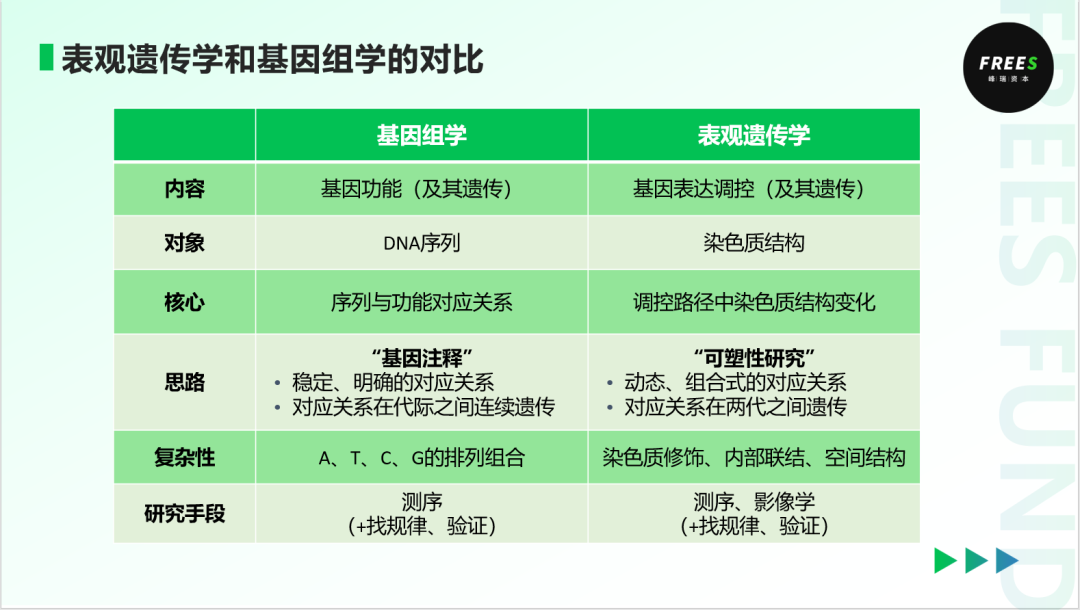
First, complexity. Genomics focuses on DNA sequence; epigenetics studies chromatin structure, a far more intricate system. If DNA research examines one-dimensional permutations, epigenetics encompasses one-dimensional modifications, two-dimensional interactions, and three-dimensional spatial architecture and intracellular localization.
Second, conceptual approach. Epigenetics emphasizes cellular plasticity. Where genomics concerns relatively stable "gene annotation," epigenetics highlights "dynamics" and "adaptation" — characteristics more aligned with the physiological nature of cancer, degenerative diseases, and similar conditions. Going forward, epigenetics may yield novel discoveries inaccessible through other approaches.
Third, richer detection modalities. Beyond sequencing, epigenetics leverages imaging methods that provide multidimensional information, enhancing the feasibility of clinical translation.
08 What Investment and Startup Opportunities Exist in Epigenetics?
What does the future hold for epigenetics?
To begin, epigenetic modifications confer cellular plasticity — an organism's capacity and speed to adapt to its environment. In this respect, epigenetics shows strong promise for diseases involving metabolic and differentiation dysregulation, including cancer, neurological disorders, and immune system diseases.
From an industry perspective, epigenetics remains in early-stage development. Progress concentrates largely in academia, with limited industrial translation. Applications currently center on research testing markets; clinical assays are restricted in both content and methodology; drug development relies primarily on correlational relationships. To avoid blind men touching an elephant — grasping only partial truths — new translational applications must adopt a more macroscopic view of how epigenetic technologies and principles affect biological systems as a whole. For instance, focusing on overall chromatin structural regulation rather than single-gene methylation status, or examining total miRNA abundance control rather than individual miRNA fluctuations.
On the research front, new tools and methods will continue emerging, advancing toward single-cell resolution and high-throughput capabilities. These innovations may substantially reduce costs. Epigenetics is an "-omics" discipline, yet it extends beyond one-dimensional sequence to include two-dimensional chromosomal contact frequencies and three-dimensional spatial conformations with intracellular positioning. Discovering patterns across higher, more numerous dimensions may become a defining research trend.
Clinically, epigenetics is intimately tied to individual adaptability. In diagnostics, promising directions include using epigenetic sequencing results to guide drug selection or combination regimens, and employing epigenetic modifications for early screening of cancers and autoimmune diseases.
In drug development, opportunities persist for epigenetic target-based therapeutics. The current challenge lies in insufficient understanding of target-disease specificity. While the biochemical actions of epigenetic modifications are relatively well characterized, the cellular functions of targets and their disease pathology remain inadequately explained. Clinically, optimizing the efficacy and safety of existing epigenetic-targeted drugs remains difficult, making continued exploration of underlying cell biological mechanisms essential.
We have identified several promising directions in epigenetics. For example, applying the concept of epigenetic regulation of individual adaptability to study how these targets critically contribute to tumor drug resistance formation — then designing combination therapies that enhance tumor sensitivity to treatment and delay resistance onset. Alternatively, we might improve epigenetic drug specificity by integrating other cellular regulatory elements, thereby facilitating development of drugs targeting intermolecular interactions such as protein-protein interactions.
Going forward, we will continue monitoring epigenetics developments across research and industry, while exploring other emerging life science subfields with substantial growth potential — choosing what is right over what is easy.
Engagement
What new trends and opportunities do you observe in life sciences, whether in daily life or business? Share your thoughts in the comments. By 14:00 on September 6, we'll award 200 RMB Dedao app gift cards to the six most thoughtful commenters.

A Trip to the US: 6 Emerging Opportunities in Consumer Subsectors | FreeS Research
3D Printing at 40: How Far From Niche Technology to Mass Adoption? | FreeS Report 31
Every Coin Has Two Sides: How "Nuclear Radiation" Becomes an Anti-Cancer Drug | FreeS Report
How Should We Age in the Future? | FreeS Report 29
After the ChatGPT Boom, Where Does AIGC Go From Here? | FreeS Report 28
What Will Humans Eat in the Future? | FreeS Report 27
Star the FreeS Fund WeChat account for timely business insights delivered to your feed.