Decoding Aging, Combating Aging | FreeS Fund Report

The Secret of "Aging Without Decline"

In 1835, Darwin set foot on the Galápagos Islands and began his voyage of discovery. He collected a vast number of precious specimens, including a particular group of finches unique to the archipelago. They shared similar beak structures, short tails, body sizes, and feather shapes. In 1839, Darwin wrote in The Voyage of the Beagle: "Seeing this gradation and diversity of structure in one small, intimately related group of birds, one might really fancy that from an original paucity of birds in this archipelago, one species had been taken and modified for different ends." Just as these finches evolved continuously to adapt to their environment, humans too are in a perpetual race against time, seeking adaptation and evolution. The scientific exploration of aging is one such endeavor.
Aging, an inevitable byproduct of human evolutionary history, has become a reality we must confront in the era of demographic aging. By 2050, people over 65 will account for one-sixth of the global population. Yet "healthspan" has not kept pace with the extension of lifespan — most people fall into the trap of living with disease and disability by their sixties or seventies. Therefore, the goal of anti-aging is not to fight death itself, but to "extend healthspan," reducing the incidence of illness and functional decline.
But how to extend healthspan is an ancient and complex question. Ancient emperors sought elixirs for immortality; today's wealthy experiment with blood transfusions to recapture youth.
From an early-stage investment perspective, we have consistently focused on diseases related to aging and demographic aging, and have continued to invest in corresponding solutions. In recent years, thanks to advances in scientific research and breakthroughs in biotechnology, many puzzles of aging have been solved. We have also shifted our attention from aging-related diseases to the aging process itself, and to innovative approaches that attempt to resist aging.
Medical aesthetics can, to some extent, help with skin anti-aging. From the traditional "eat less, move more" to injecting semaglutide, biotechnology is working wonders in weight control — and weight control helps with anti-aging. Furthermore, cell and gene therapies, though controversial, now stand at the frontier of anti-aging research.
In this article, we return to first principles in the biological world to explore aging and related concepts — birth rates, lifespan. We also systematically review scientific and medical progress on aging, as well as practical challenges, in hopes of examining aging through a scientific lens. Topics we cover include:
- What are the first principles of the biological world?
- How do we define aging? Is aging a disease?
- What are the hallmarks of aging?
- Where have science and medicine gotten us in anti-aging?
- How can we approach anti-aging scientifically?
- What new contexts and issues arise when we discuss anti-aging?
- What might the future of anti-aging look like?
We hope this brings fresh perspectives. If you are an entrepreneur, researcher, or practitioner in the anti-aging industry, please reach out to the authors Lei Wang (lei@freesvc.com) and Jiong Shen (shenjiong@freesvc.com). We have compiled a list of key books and papers on anti-aging at the end of this article for your reference.
This Week's Interactive Question: Have you tried any anti-aging interventions? What anti-aging strategies do you think would be effective? Leave a comment below — we'll randomly select 6 readers to each receive a curated anti-aging book.
Upcoming: We plan to host an offline event on anti-aging. Details will be shared on the FreeS Fund WeChat account (ID: freesvc) — follow us for updates.

/ 01 /
First Principles in the Biological World
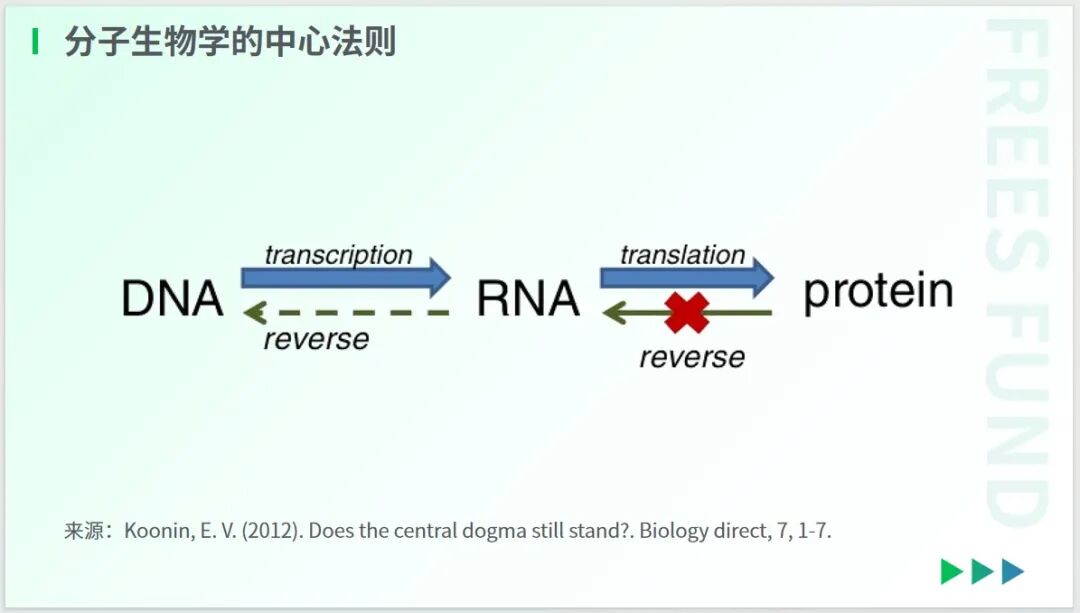
In 1958, Francis Crick proposed the central dogma of molecular biology: the transfer of genetic information between different macromolecules is unidirectional and irreversible, proceeding only from DNA to RNA (transcription), and from RNA to protein (translation). Both forms of information transfer have been confirmed in the cells of all living organisms.
Yet more than 60 years later, despite highly advanced biotechnology, our understanding of the human body remains far from adequate. Much still operates like a "black box." For instance, in innovative drug development, almost no one can predict safety and efficacy without large-scale clinical trials.
Unlike the rigorous logical laws of the physical world, in biology we struggle to use deductive reasoning to make accurate predictions about organisms. Specifically, even within the same species, discovering a particular cellular signaling pathway often does not allow us to predict or explain the operating logic of other pathways.
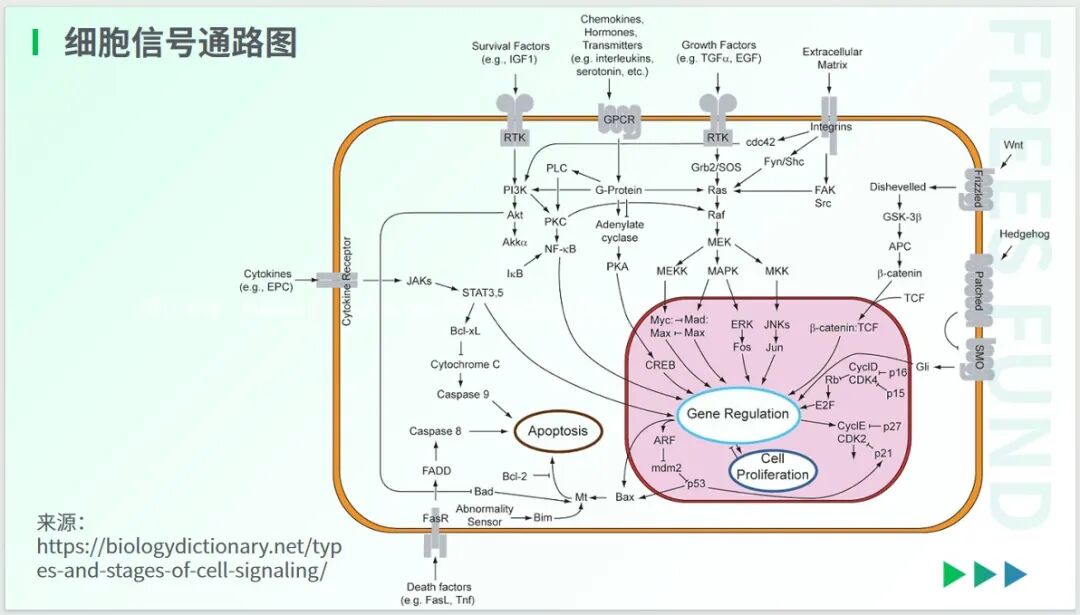
So what exactly is the first principle of the biological world?
This brings us back to a classic theory — Darwin's theory of evolution. "Survival of the fittest."
As mentioned at the outset, finch morphology was "refined" over long ages to adapt to the island's natural environment. Meanwhile, traits that helped finches survive extreme environments were passed on to subsequent generations. Thus, under the evolutionary law of "survival of the fittest," life continued generation after generation through "descent with modification."
In the course of life's evolution, death is an inevitable product, while aging is a byproduct of the evolutionary process — and it is closely tied to the trajectory of lifespan.
/ 02 /
What Determines Species Lifespan?
Species lifespan is closely related to reproductive capacity, metabolic rate, body temperature, body weight, sex, and numerous other factors.
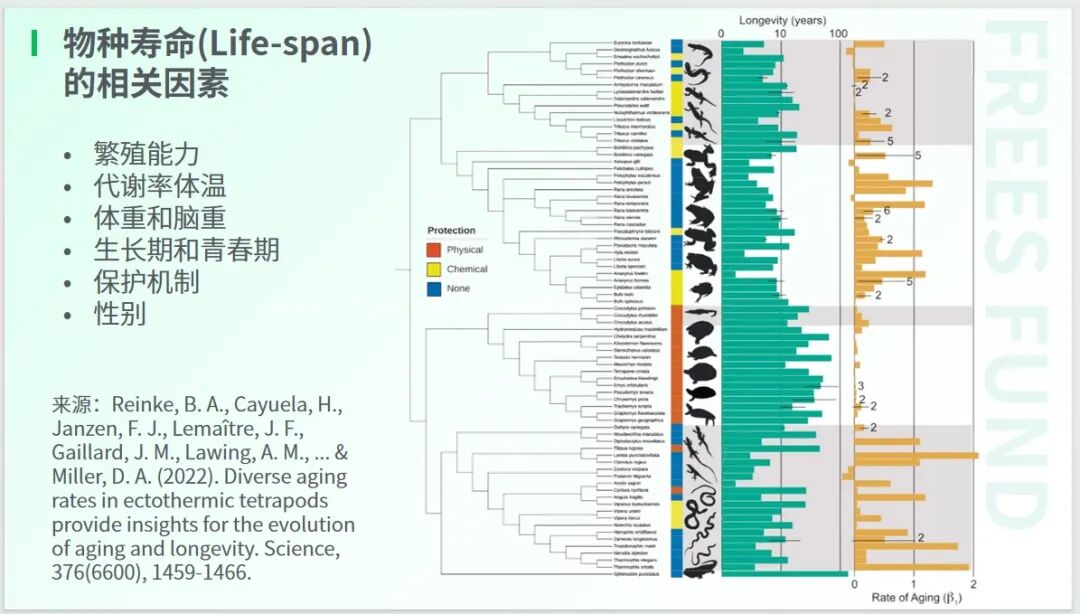
Here are some intriguing facts:
- Protective mechanisms: Reptile lifespans vary dramatically, from over a century to just a few months or a single year. Research shows that the longest-lived reptiles fall mainly into two categories: those with shells, such as turtles; and those with venom — snakes, for example, where venomous species typically outlive non-venomous ones.
- Sex factors: Unlike humans, male birds generally live longer than females. This is because birds, unlike mammals, have males with two identical sex chromosomes.
- Reproductive capacity: After natural or artificial selection, long-lived fruit flies grouped together show decreased fertility, while short-lived fruit flies grouped together show increased reproductive rates. This means the price of extended lifespan is diminished reproductive capacity.
However, these factors scientists have identified do not represent absolute causation — they are merely correlations found within a complex system.
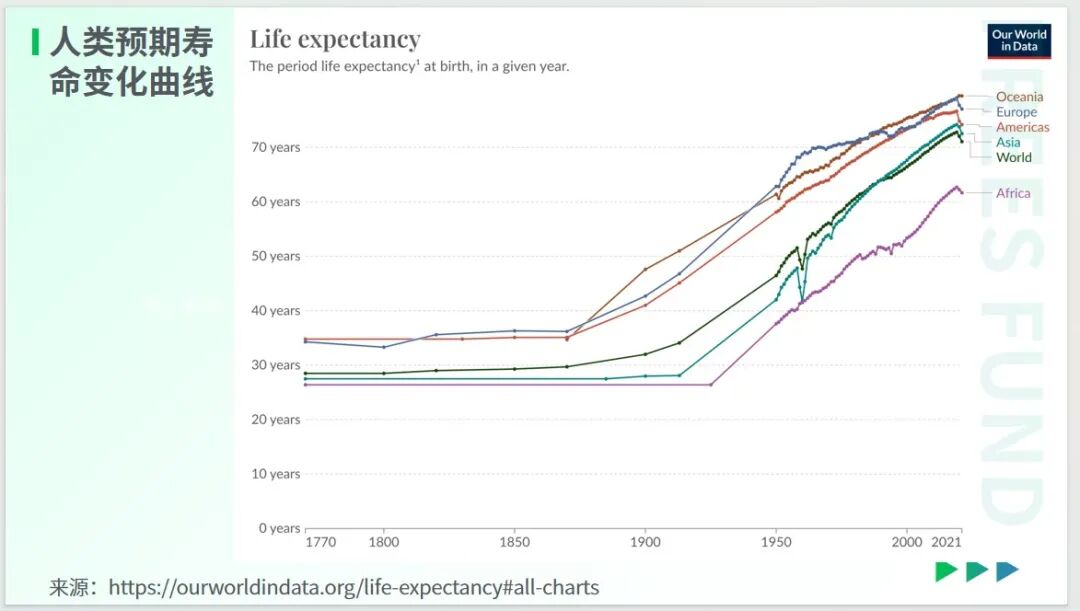
From the chart above, we can see that the significant increase in human lifespan began in the first half of the 20th century, closely tied to advances in public health. Among these, the decline in infant mortality contributed enormously to the growth in human life expectancy over the past century.
Looking at different regions, we find that European life expectancy had already surpassed other regions by the 18th century, largely thanks to transformations brought by the Industrial Revolution. In this chart, Eastern Canada appears as an outlier — before European colonizers arrived in North America, ancient peoples living in this region already had records of longevity. Even without any technological assistance, many among them lived to 80, and quite a few reached 100.
Regarding the limit of human lifespan, two main views currently prevail.
The first is the sexual maturity theory. Based on statistical inference, the limit of human lifespan is 8–10 times the age of sexual maturity. Since humans reach sexual maturity at roughly 15 years, the maximum lifespan would be 120 years.
The other is the Hayflick limit: the maximum number of cell divisions is 50. With somatic cells dividing on average every 2.4 years, 50 divisions again yields 120 years.
/ 03 /
Aging, a "Young" Concept
For the animal kingdom, reproduction and inheritance are the primary goals of evolution. Natural selection typically acts only on genes that enhance reproductive success. Many animals, including primates, quickly reach the end of life after completing reproduction, or after losing reproductive capacity.
Humans are the exception.
After the reproductive period ends, humans continue to live for a considerable stretch of time. This post-reproductive lifespan (PRLS) is what we call the aging phase.
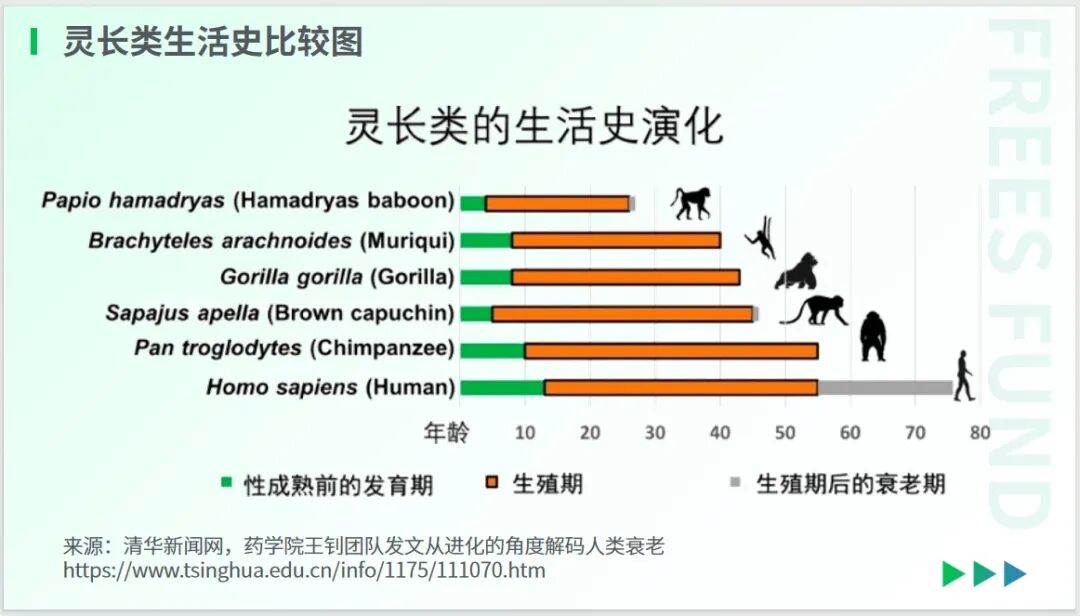
This means human aging is not the product of natural selection, but rather of social selection. Why humans made this choice remains unexplained.
One theory holds that aging is beneficial to humans in two main ways.
First, humans are social animals, and familial care contributes to community stability. Similar examples exist in the animal kingdom: queen bees live exceptionally long lives because the entire hive tends to them, and this care-taking stabilizes the colony — the queen's longevity is a byproduct of this mechanism.
Second, evolutionarily speaking, humans don't outcompete other animals through physical strength but through brainpower and intelligence. Neurons don't die; theoretically, in the absence of disease, a person's cognitive abilities continue to grow with age. In this sense, extending life as much as possible is a positive selection for humans.
"Aging," this exclusively human, social concept, is also an extremely young one.
Just over 200 years ago, in 1800, average human life expectancy was still under 40. Hunger, disease, violence, and various disasters meant that many people died before ever entering what we now consider the aging phase.
In recent decades, thanks to advances in socioeconomic conditions, public health, and medical care, alongside a relatively peaceful global environment, human life expectancy has risen significantly — giving us the opportunity to witness more and more "aging."
As population aging becomes an unavoidable trend, and "healthspan" hasn't kept pace with lifespan extension, anti-aging has become a critical issue. For a considerable time, debate has continued over whether aging itself is a disease.
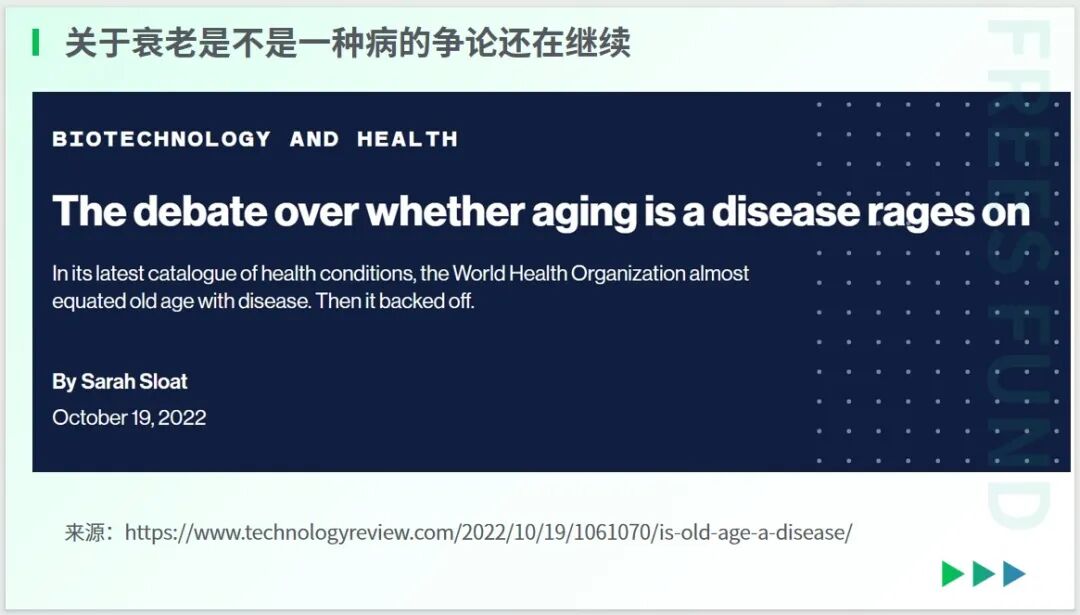
In 2018, the World Health Organization (WHO) classified aging as a disease, but in its latest International Classification of Diseases (ICD-11), aging is described as "decline in intrinsic capacity" without explicitly defining it as a disease.
WHO's description acknowledges aging as a biological process, providing a foundation for developing treatments targeting it. The current consensus is that the goal of anti-aging is not to fight death itself, but to "extend healthspan" — reducing the incidence of disease and disability.
/ 04 /
A History of Aging Research
Throughout history, humans have relentlessly sought to understand and combat aging.
Ancient civilizations invented herbal remedies and acupuncture to promote health and longevity. These stories are familiar to us all.
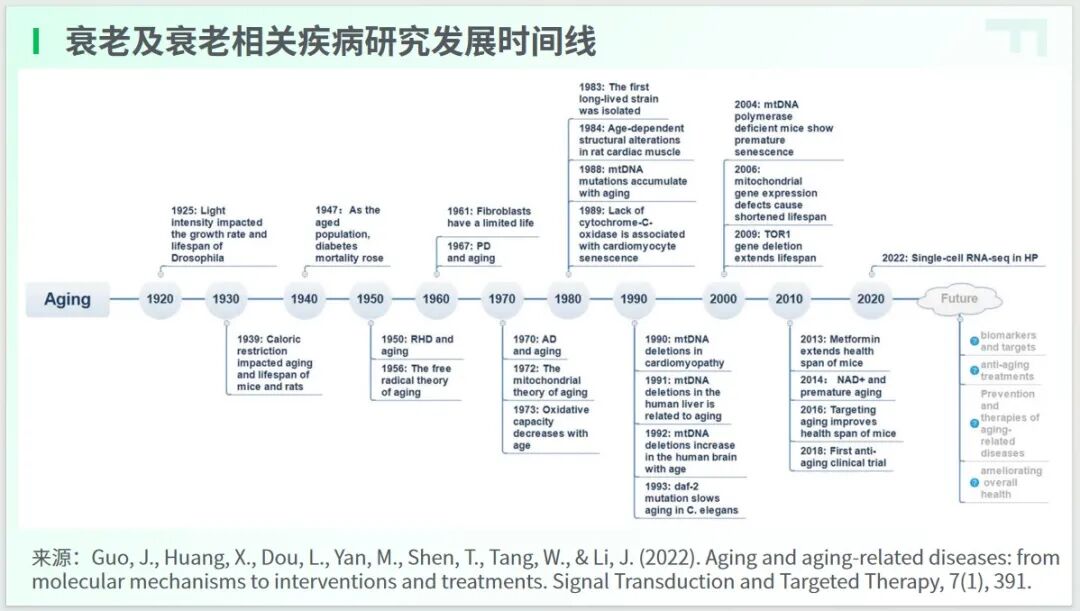
Starting in the 1920s, researchers experimentally confirmed that animal lifespan could be regulated and influenced. For instance, experiments showed that fruit flies lived significantly longer under different lighting conditions; caloric restriction extended the lives of mice and rats.
Since the 1950s, with the development of genetics and successive breakthroughs in biotechnology, human understanding of aging and anti-aging has gradually deepened. On the temporal dimension, people believe that by increasing the duration of healthspan, the "aging phase" can be compressed. On the spatial dimension, researchers hope to alter or delay "aging" characteristics by reducing disease and disability — what we call "anti-aging."
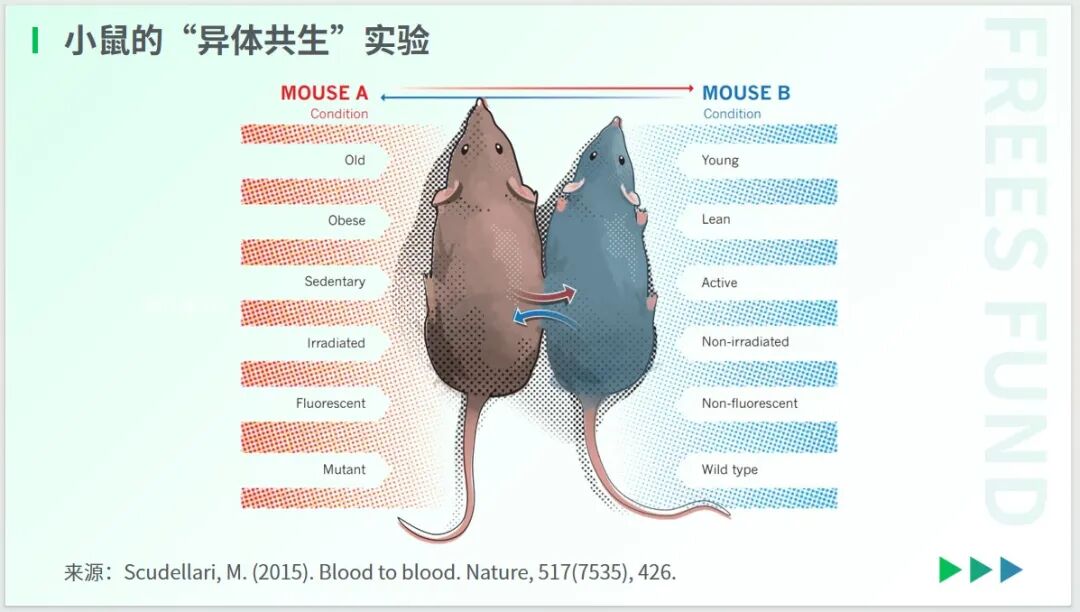
In the anti-aging field, "heterochronic parabiosis" experiments have garnered significant attention — through surgical design, two living animals (one young, one old) share blood, organs, and environment. In 2005, American researchers the Conboys published a study in Nature showing that young mouse blood could improve muscle and liver regeneration in aged mice, partially reversing signs of aging in older mice.
This experiment sparked substantial follow-up research and has been repeatedly validated. In 2015, prominent science journalist Megan Scudellari wrote in Nature: "By stitching animals together, scientists have shown that young blood can rejuvenate old tissues. Now, they are testing whether it works in humans."
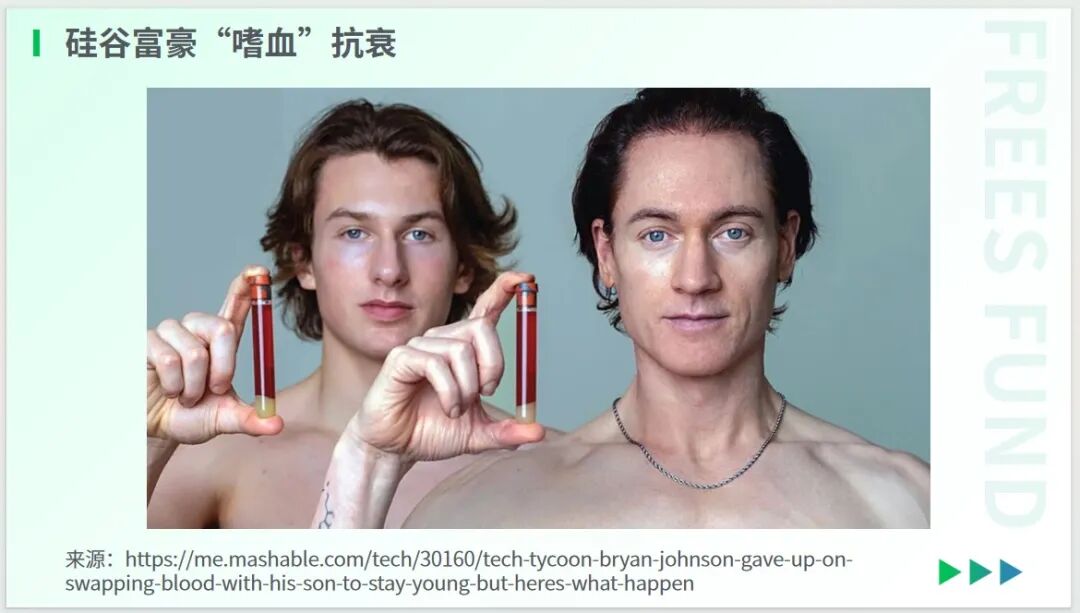
Overall, the effects of heterochronic parabiosis on human biological age and long-term health remain unclear. But for those seeking to "turn back the clock," there's always someone willing to try.
Silicon Valley billionaire Bryan Johnson's "blood-hungry" anti-aging story is widely known. For a time, in Monterey, California, a clinic run by a company called Ambrosia (meaning "immortality" in Greek) offered "young blood" anti-aging therapy for $8,000. In 2017, the HBO series Silicon Valley featured a blood-swapping anti-aging plotline in its fourth season.
In 2019, the U.S. Food and Drug Administration (FDA) shut down the therapy with a formal ban. Even so, similar research has not stopped.
In August 2022, the Conboys published a paper in GeoScience arguing that as humans age, metabolic waste accumulates in the body, and perhaps we don't need heterochronic parabiosis at all — simply diluting our own blood by half could achieve a "rejuvenation" effect.
Whether these small-sample human trial results can be replicated in larger-scale studies remains to be seen.
Overall, aging is remarkably complex. Humanity's endless pursuit of "living long without growing old" will continue to drive aging-related science and medicine forward.
/ 05 /
The Underlying Mechanisms and Theories of Aging
So how exactly does aging occur? Is aging genetically determined? When does aging begin? Next, we'll delve into the underlying mechanisms and theories of aging to help everyone better understand how the process unfolds.
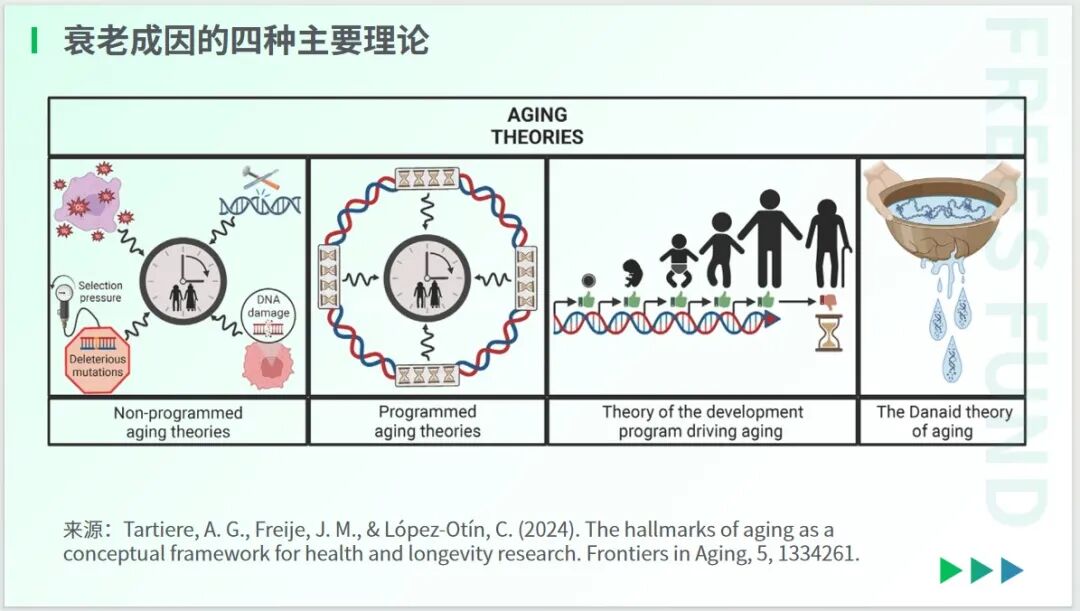
Regarding the causes of aging, four theories currently exist in academia: non-programmed aging theory, programmed aging theory, developmental program-driven aging theory, and Danaid aging theory.
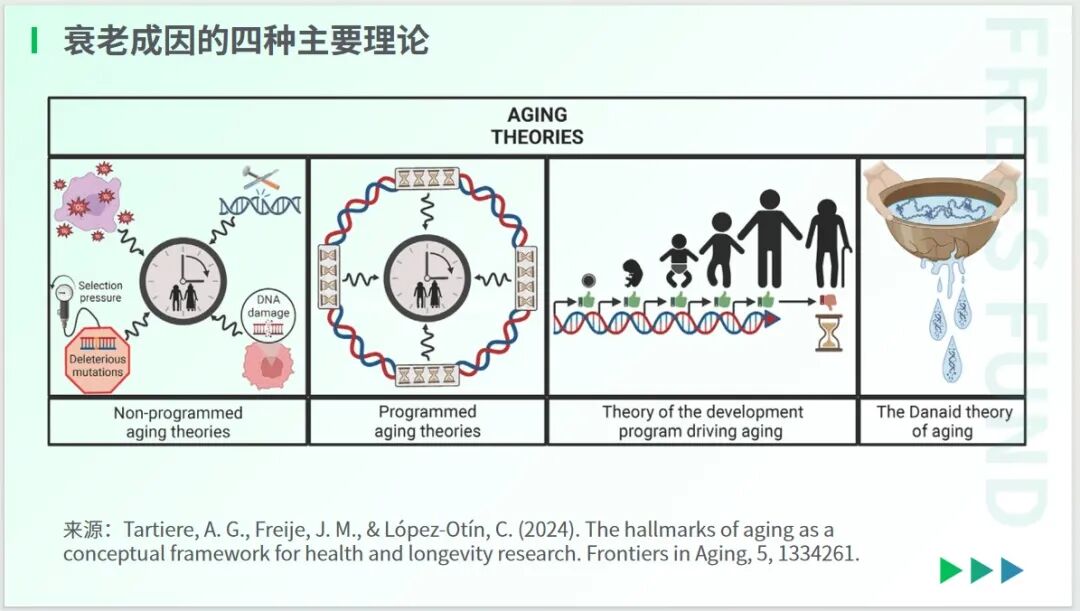
Non-programmed aging theory posits that accumulated damage over the course of life drives the aging process. Programmed aging theory argues that specific genetic programs are the key factor driving the "aging clock."
Between these two views, developmental program-driven aging theory proposes that defects in developmental programs are the primary driver of aging.
Similarly, Danaid aging theory views aging as an inherent biological outcome. The theory borrows from the Greek myth of the Danaids to metaphorically describe aging. In the myth, the Danaids were sentenced to forever carry water in perforated vessels as punishment for murdering their husbands.
From this perspective, the theory holds that organisms are like perforated containers — their biologically inherent defects (the holes) make it impossible to hold life (the water) forever. Applied to humans, when holes begin to appear at the most fundamental cellular level, these changes manifest across the body's organs — skin, nerves, bones — presenting as varying degrees of aging.
/ 06 /
The Aging Panorama
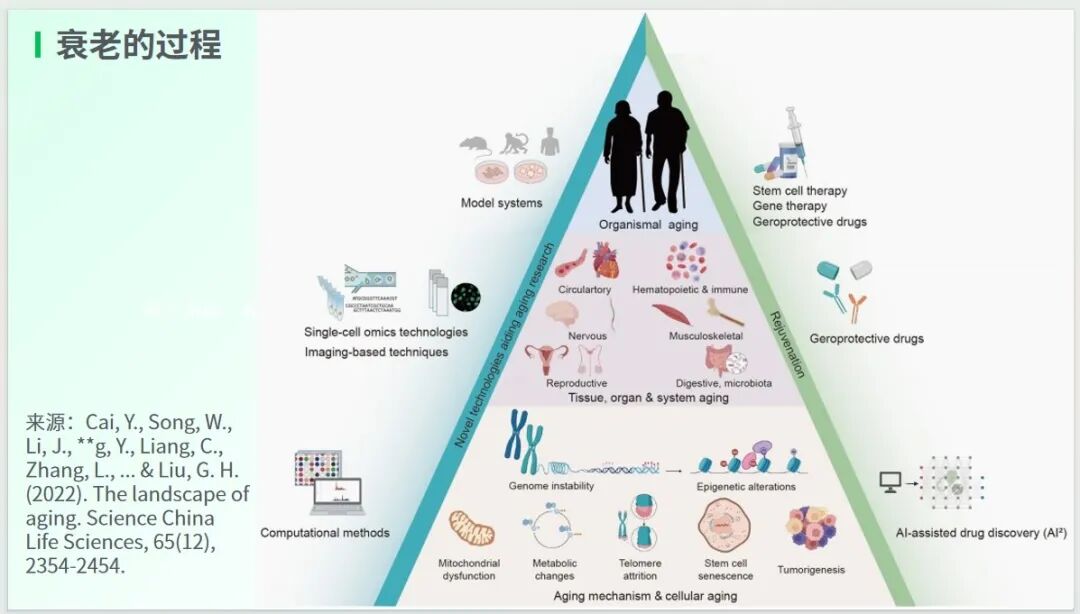
Through the "pyramid" in the figure below, we can clearly see the full picture of how aging unfolds.
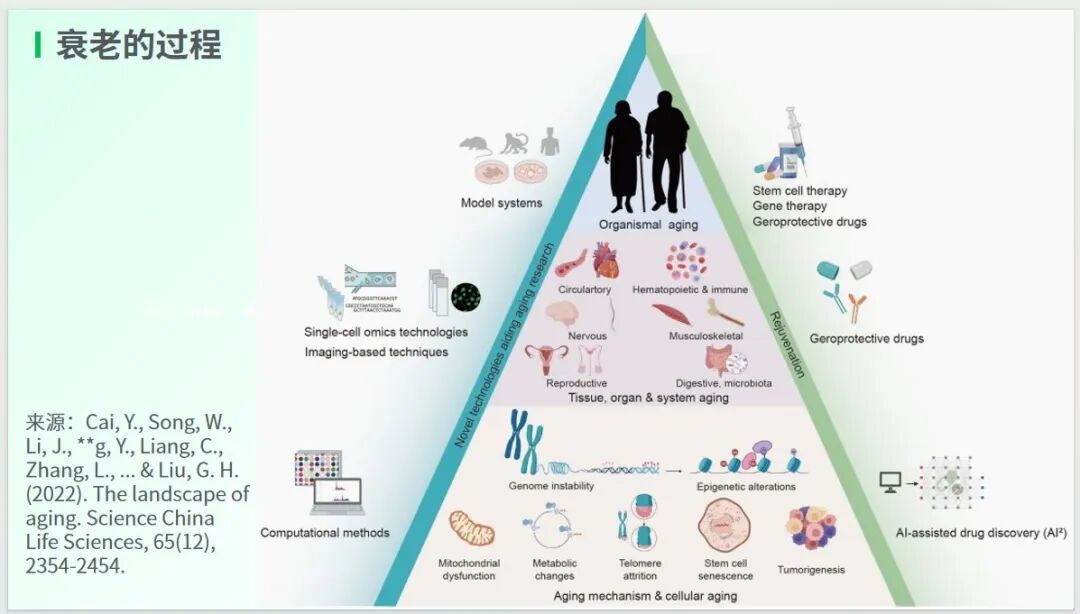
At the base of the pyramid is aging at the microscopic cellular level. The middle section covers aging at the mesoscopic level of tissues, organs, and systems. At the top is aging at the macroscopic level of the entire organism.
This aligns closely with the Danaid aging theory mentioned above. Aging is like holes (defects) appearing at the molecular and cellular foundation; these defects manifest to varying degrees across multiple organs, triggering different levels of organ aging, ultimately leading to aging of the whole person.
The left side of the pyramid shows research methods for aging, encompassing biological model systems, single-cell omics technologies, imaging-based techniques, and computational biology methods. Correspondingly, the right side of the pyramid shows therapeutic approaches, including stem cell therapy, gene therapy, anti-aging drugs, and AI-assisted drug discovery.
/ 07 /
The Twelve Hallmarks of Aging
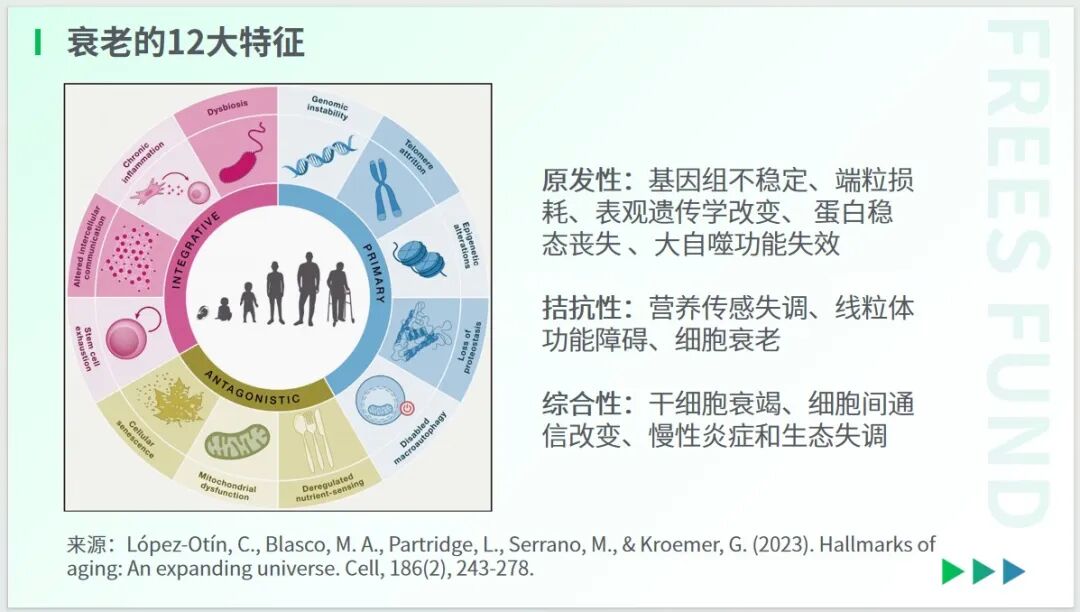
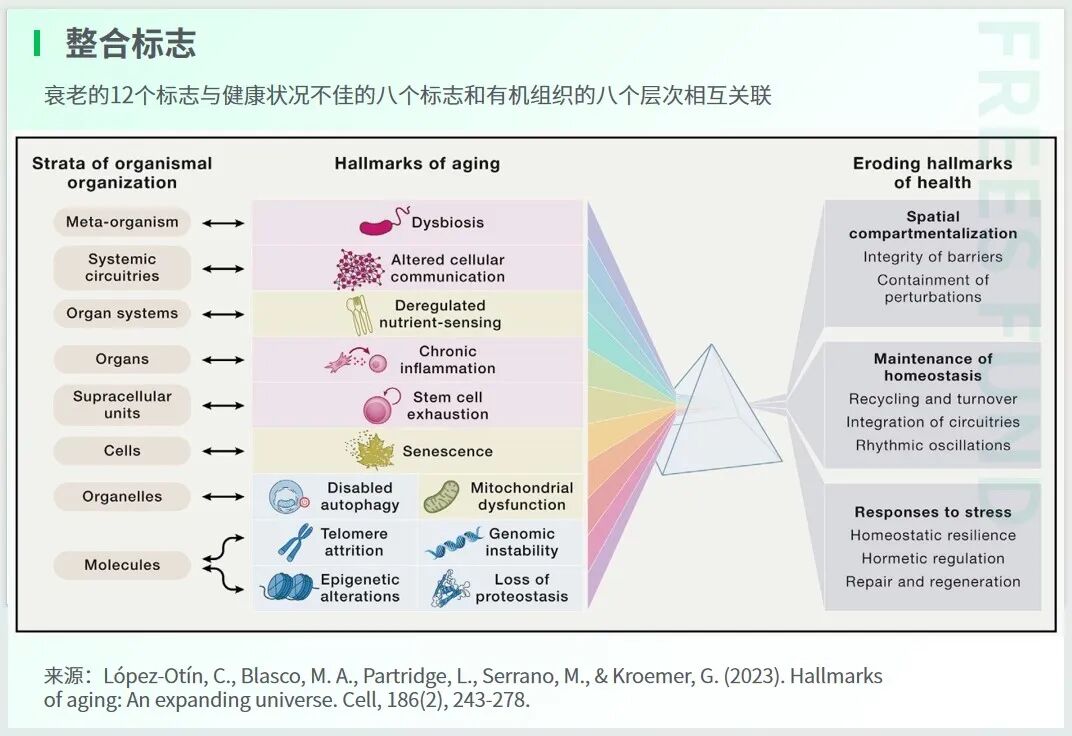
Returning to the most microscopic molecular and cellular level: in January 2023, Carlos López-Otín of Spain's University of Oviedo and Guido Kroemer of France's Gustave Roussy Institute, among others, published a review article in Cell titled "Hallmarks of aging: An expanding universe," defining and elaborating in detail on the twelve hallmarks of aging.
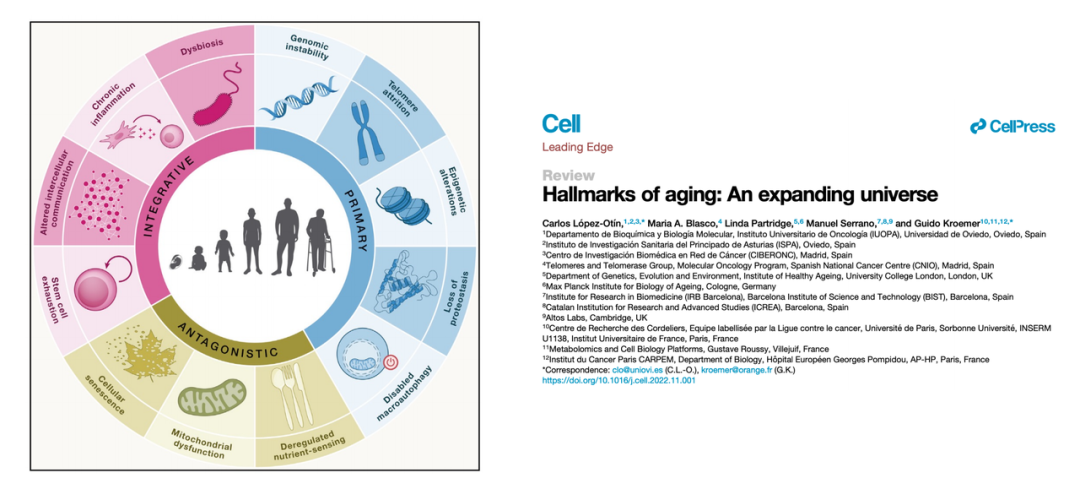
The authors note that a hallmark of aging must satisfy three criteria: (1) it changes with age; (2) experimentally enhancing the feature can accelerate aging; and most importantly, (3) therapeutic intervention against the feature can slow, halt, or even reverse aging. The twelve hallmarks are: genomic instability, telomere attrition, epigenetic alterations, loss of proteostasis, disabled macroautophagy, deregulated nutrient sensing, mitochondrial dysfunction, cellular senescence, stem cell exhaustion, altered intercellular communication, chronic inflammation, and dysbiosis.
Notably, the first nine were proposed by the authors back in 2013, while the final three are new additions this time around.
The authors also group these hallmarks into three categories: primary, antagonistic, and integrative.
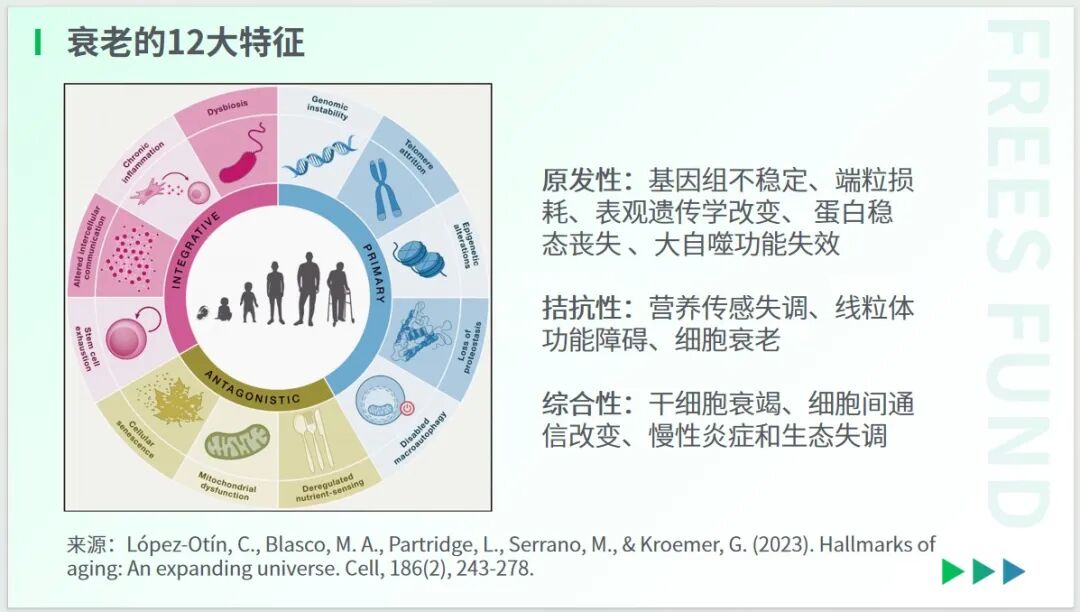
The foundational hallmarks — the primary ones — are what kick off the aging process, because the damage they produce accumulates with age.
Take telomere attrition as an example. Research shows that telomere length correlates with aging, ethnicity, tissue type, genetics, and mutation, among other factors. As mentioned earlier, by the Hayflick limit, human cells can divide roughly 50 times. With each division, human telomeres shorten by about 40–200 base pairs (bp). So before death from senescence, telomere length is typically halved, to around 5–6 kb.
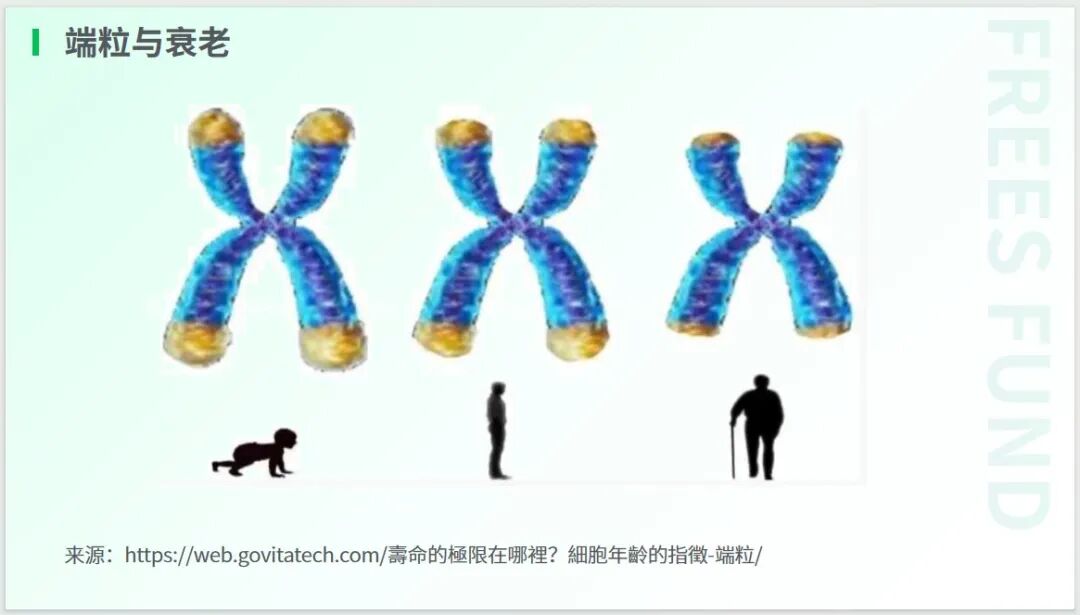
In 2009, the Nobel Prize in Physiology or Medicine was awarded to three scientists for their discoveries of how telomeres and telomerase protect chromosomes. In the anti-aging field, much research has taken the approach of increasing telomere length.
Additionally, many age-related neurodegenerative diseases — such as ALS and Alzheimer's — may be linked to impaired proteostasis. Severe disruption of protein homeostasis accelerates the body's aging process.
"Antagonistic" refers to mechanisms or pathways that initially benefit the body but gradually become harmful over time. The accumulating damage from primary factors also exacerbates this shift. Simply put, what is "honey" in youth becomes "poison" in old age.
Consider deregulated nutrient sensing. When the cellular mechanisms for detecting nutrients fail, nutrient sensing becomes dysregulated, producing harmful effects. During human development, or in extremely harsh environments, the body creates mechanisms to generate nutrients and protect cells from scarcity, enabling survival.
Some scholars have therefore proposed combating aging through caloric restriction — essentially creating an artificial environment that makes the body feel a nutrient-craving state similar to development, thereby delaying nutrient sensing dysfunction and maintaining vitality.
Similarly, other researchers have proposed mild cold exposure as an anti-aging strategy, since it can activate the protective pathways of youth in hopes of achieving anti-aging effects.
When the accumulated damage from primary and antagonistic features can no longer be suppressed or repaired, integrative hallmarks emerge, leading to stem cell exhaustion and altered intercellular communication. Together, these determine the pace of aging.
/ 08 /
Multiple Pathways for Anti-Aging Strategies
Researchers have already pursued numerous anti-aging strategies targeting these twelve hallmarks.
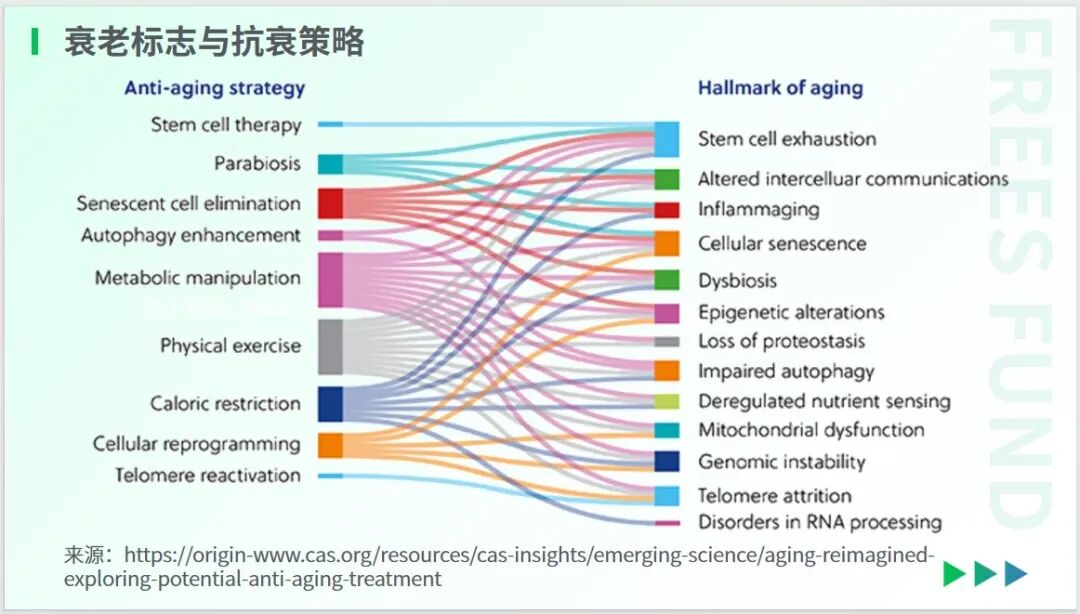
As shown above, physical exercise demonstrates strong anti-aging effects at the cellular level, connecting to nearly every hallmark. Similarly, caloric restriction is a well-studied anti-aging therapeutic strategy, with several clinical trials currently underway.
Stem cell therapy targets stem cell exhaustion. Some drug development focuses on mitochondrial dysfunction and impaired autophagy. One particularly exciting pharmacological approach uses senolytics — small molecules that selectively eliminate senescent cells.
These strategies aimed at addressing aging and age-related diseases can be grouped into three categories: behavioral interventions, supplements, and medical treatments.
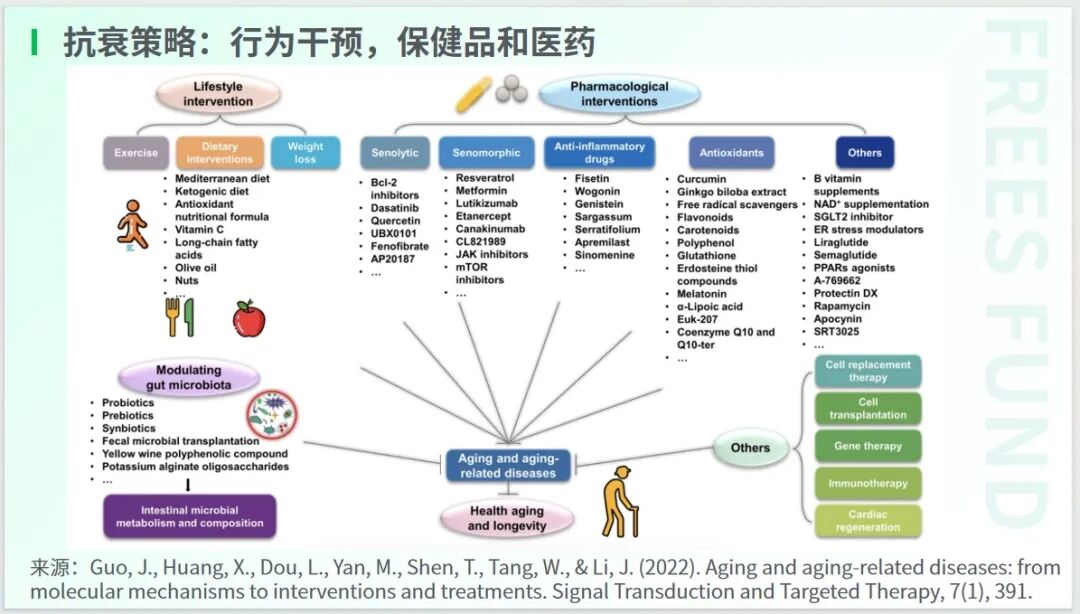
On the behavioral side, caloric restriction, dietary adjustments, consistent exercise, mild cold exposure, and supplements that modulate gut microbiota — these may sound like familiar advice, but they have all been theoretically validated as beneficial for anti-aging.
On the pharmacological side, numerous animal studies have explored various targets, and many have been validated as capable of helping mammals combat aging.
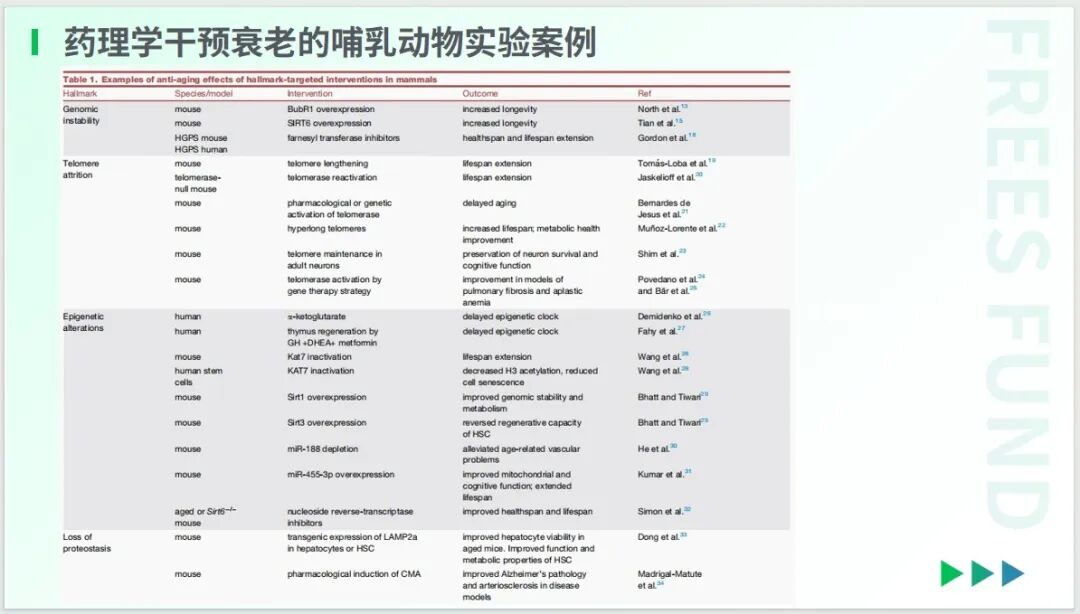
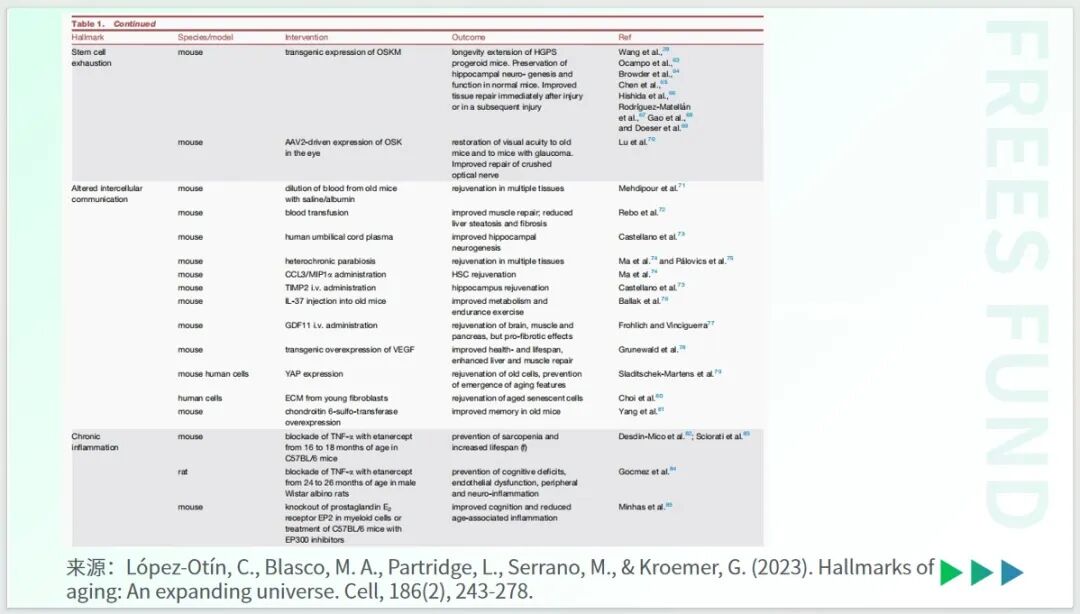
So you might wonder: why hasn't a true anti-aging drug emerged yet? Because these findings, proven potentially effective in animal studies, have yet to advance into proper human clinical trials.
Currently, aging is not recognized as a legitimate target for drug development or treatment. The first clinical trials evaluating anti-aging interventions must target the prevention or mitigation of age-related conditions — not aging itself.
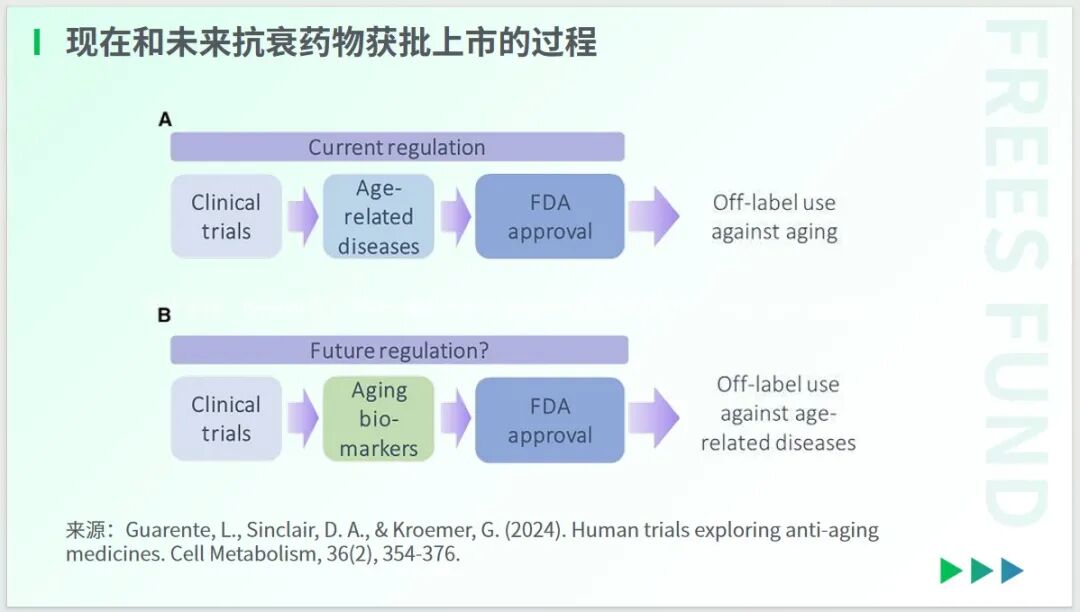
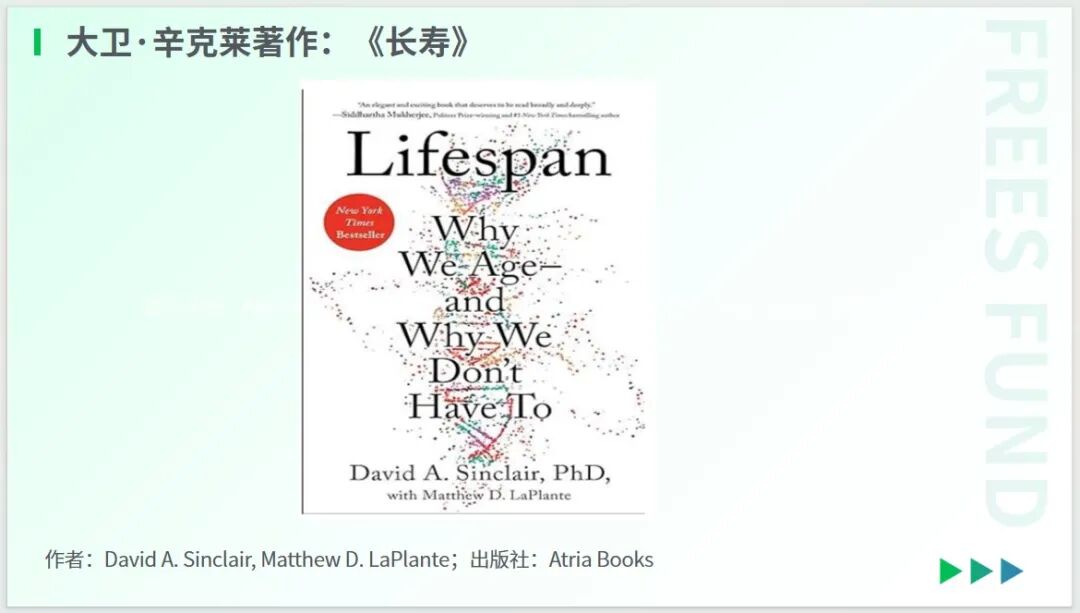
This also helps explain why David Sinclair, Harvard professor and author of bestsellers like Lifespan who has been dubbed the "godfather of anti-aging," faced criticism from the scientific community and accusations of selling fake medicine.
In the future, as "biomarkers of aging" gain acceptance, drugs targeting aging itself may be tested and approved for treating "aging."
A 2024 study by Guarente and colleagues published in Cell Metabolism identified eight representative drugs that could act by attenuating hallmarks of aging. These include the immunosuppressant rapamycin (used for tumors and neurodegenerative diseases), GLP-1 drugs (validated for blood sugar control and weight loss), and probiotics that promote beneficial gut bacteria, among others.
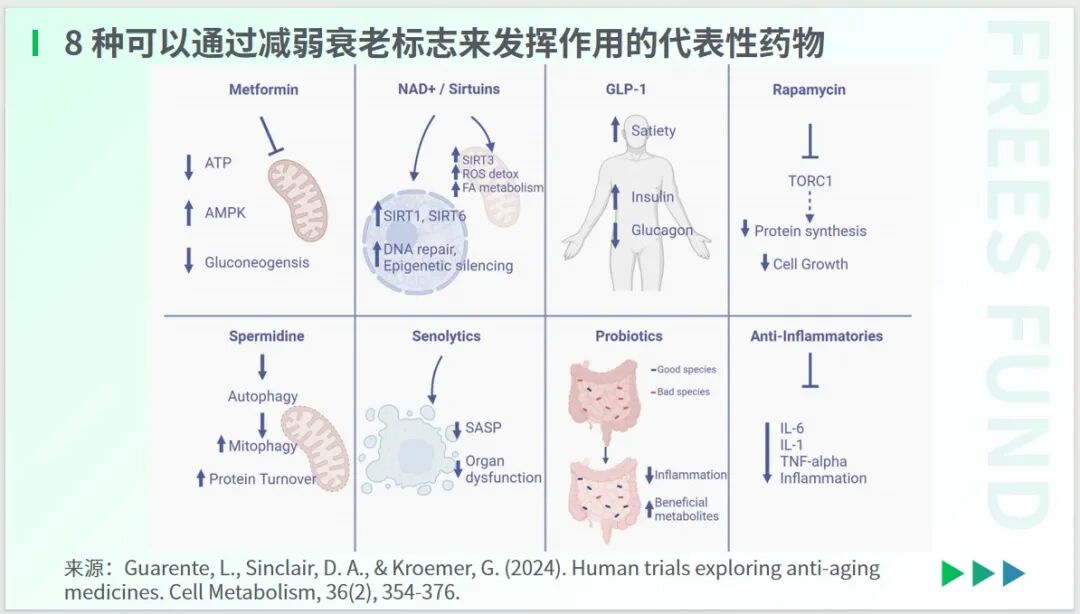
Among drugs not yet in clinical trials, metformin — used to treat type 2 diabetes — is a special case. Some animal studies and epidemiological data suggest metformin can extend lifespan and improve health.
In 2015, a trial called "Targeting Aging with Metformin" (TAME) became the first FDA-approved clinical trial to treat aging as a target.
The trial plans a double-blind study of 3,000 non-diabetic participants (ages 65–79) to investigate metformin's anti-aging effects. TAME is ongoing, with preliminary evidence suggesting metformin's potential in slowing aging.
/ 09 /
Low Birth Rates, AI, Space Exploration: The New Context for Discussing Anti-Aging
Human society has reached a point where discussions of anti-aging carry entirely new contexts. It concerns not just individual destinies, but the looming challenge of elderly care before us. And if we broaden our view further, it connects to medium- and long-term questions like human coexistence with AI and space exploration.
First, consider the social burden of elder care. By 2050, people over 65 will comprise one-sixth of the global population. The decline in physiological function, disease, and disability that accompanies aging has made "aging" a global economic and policy problem.
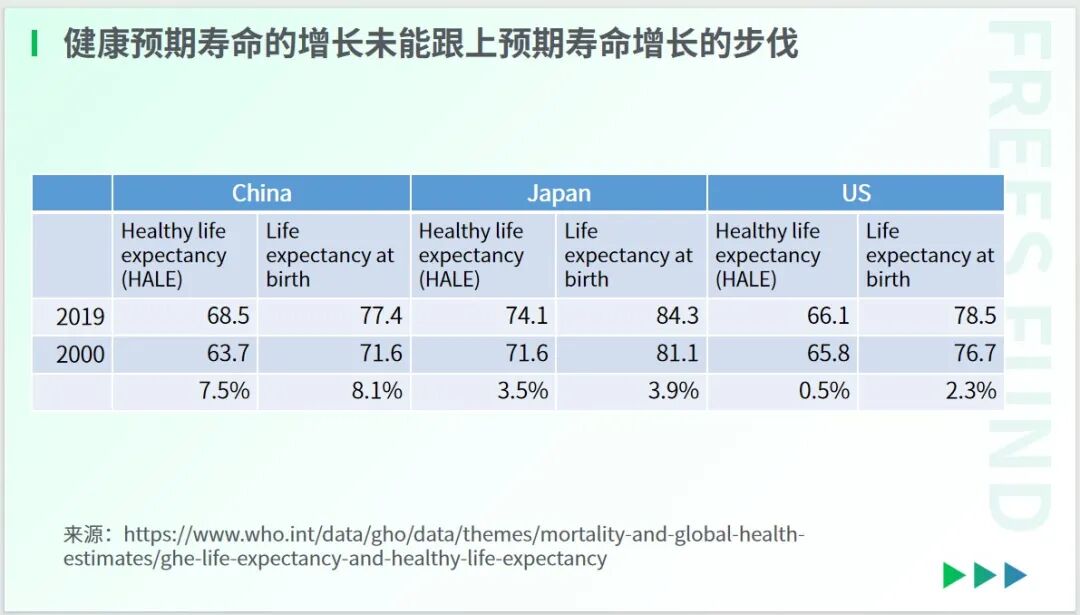
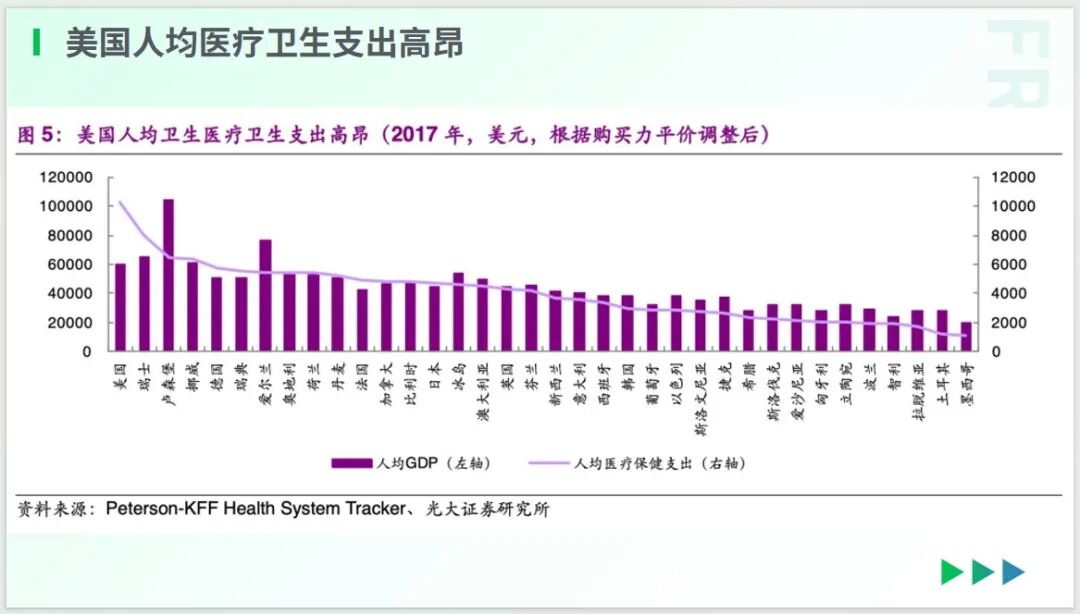
According to WHO statistics, in the United States over the past two decades, average life expectancy has increased by 2.3%, but healthy life expectancy has only grown by 0.5% — a clear indication that the extension of healthy years has failed to keep pace with overall longevity gains. Meanwhile, because most of these added years are spent in a state of decline or disability, per capita healthcare spending in the U.S. remains stubbornly high.
Some scholars argue that the way to minimize social and economic burden is to make the population survival curve more "rectangular" — that is, to concentrate mortality closer to the maximum lifespan. Of course, this remains an extreme theoretical ideal.
Once we understand the biological mechanisms behind aging and accept that human life expectancy won't suddenly contract, a pressing question emerges: Are the social problems accompanying an aging society truly intractable? When facing pension shortfalls, is boosting fertility or fighting aging the more effective approach? A May 2024 Economist cover story noted that nations and economies worldwide are deeply anxious about declining birth rates.
Conventionally, many attributed this to economic development making people less willing to have children. Yet data shows that over the past sixty years, birth rates have fallen in nearly every country on Earth, and more economically developed nations have seen faster declines. This points to a dimension we rarely consider — as human lifespan extends, birth rates necessarily fall.
Boosting fertility and combating aging appear to be two sides of the same coin. Since we can hardly defeat aging through higher birth rates, perhaps "anti-aging" is the more direct and effective path. Put differently, in an era of slowing population growth, extending healthy lifespan through anti-aging interventions can positively propel society forward.
Now consider artificial intelligence. Looking back, human progress has depended heavily on collective intelligence. Before written records, information spread through oral tradition, and the rich experience of elders held immense survival value for groups. After writing emerged, knowledge could be recorded and transmitted across generations. With large language models now accelerating rapidly, a question worth deep reflection is whether human collective intelligence can keep pace with AI's development, and how humans can realize their own value and pursue higher goals in an era of coexistence with robots and AI.
Research shows that the human brain retains plasticity and learning capacity throughout life. If effective anti-aging measures can extend healthy lifespan and reduce brain disease, they would prolong the period during which human brains remain productive, helping people stay intellectually active as they age, accumulate new knowledge and wisdom, and thereby contribute more to societal advancement. This parallels the Scaling Law in AI large models — more extensive, higher-quality data inputs yield superior performance.
Moreover, the aspiration to "live longer and live better" also positions us to better explore space. A round trip to Mars requires 969 days of flight, while Voyager 1 has traveled for 47 years without exiting the solar system. From this perspective, in our journey toward the stars, we need effective anti-aging to extend life along the dimension of time.
/ 10 /
The Future of Anti-Aging
Break down the Chinese word for aging (shuailao), and what people truly fear is the shuai (decline), not the lao (old age). When we speak of lifelong companionship, we say "grow old together" — but we avoid mentioning decline. If aging is inevitable, then what we should pursue is growing old without growing frail.
Thus, the purpose of anti-aging research, simply put, is to increase the proportion of healthy lifespan in our lives while reducing years spent sick or disabled.
In recent years, anti-aging research has begun receiving unprecedented attention, and this focus will only intensify in the foreseeable future. The scientific community now has a relatively clear definition of aging, and the markers used to assess it have grown from nine a decade ago to twelve today, with more likely to be added.
Despite the various limitations of animal experiments, they can indirectly guide certain non-therapeutic anti-aging directions — healthy diet, exercise, cell therapy, and more — all worthy of sustained attention. Furthermore, research and interventions originally targeting age-related diseases carry significant implications for anti-aging as well.
I believe that in the coming years, we will reach a turning point for the anti-aging industry. At that time, viable strategies and methods may become clearly apparent, driving broader adoption of interventions to combat aging.
Let's wait and see.
| Recommended Reading
If you're interested in aging and anti-aging, check out our curated "Anti-Aging Reading List."
Swipe right to see more
| References
-
Koonin, E. V. (2012). Does the central dogma still stand?. Biology direct, 7, 1-7.
-
Guo, J., Huang, X., Dou, L., Yan, M., Shen, T., Tang, W., & Li, J. (2022). Aging and aging-related diseases: from molecular mechanisms to interventions and treatments. Signal Transduction and Targeted Therapy, 7(1), 391.
-
Conboy, I. M., Conboy, M. J., Wagers, A. J., Girma, E. R., Weissman, I. L., & Rando, T. A. (2005). Rejuvenation of aged progenitor cells by exposure to a young systemic environment. Nature, 433(7027), 760-764.
-
Reinke, B. A., Cayuela, H., Janzen, F. J., Lemaître, J. F., Gaillard, J. M., Lawing, A. M., ... & Miller, D. A. (2022). Diverse aging rates in ectothermic tetrapods provide insights for the evolution of aging and longevity. Science, 376(6600), 1459-1466.
-
Scudellari, M. (2015). Blood to blood. Nature, 517(7535), 426.
-
Tartiere, A. G., Freije, J. M., & López-Otín, C. (2024). The hallmarks of aging as a conceptual framework for health and longevity research. Frontiers in Aging, 5, 1334261.
-
Cai, Y., Song, W., Li, J., **g, Y., Liang, C., Zhang, L., ... & Liu, G. H. (2022). The landscape of aging. Science China Life Sciences, 65(12), 2354-2454.
-
López-Otín, C., Blasco, M. A., Partridge, L., Serrano, M., & Kroemer, G. (2023). Hallmarks of aging: An expanding universe. Cell, 186(2), 243-278.
-
Guarente, L., Sinclair, D. A., & Kroemer, G. (2024). Human trials exploring anti-aging medicines. Cell Metabolism, 36(2), 354-376.
-
López-Otín, C., Pietrocola, F., Roiz-Valle, D., Galluzzi, L., & Kroemer, G. (2023). Meta-hallmarks of aging and cancer. Cell Metabolism, 35(1), 12-35.
Scroll up to read more
This Week's Discussion: Have you tried any anti-aging interventions? What strategies do you think actually work? Leave a comment below — we'll randomly select 6 readers to receive a curated anti-aging book.
Coming Soon: We're planning an in-person event on longevity. Details will be shared on the FreeS Fund WeChat account (ID: freesvc) — follow us for updates.
▲ The Truth About Weight Loss, and the Innovation Opportunities | FreeS Report
▲ The Road to Embodied Intelligence | FreeS Report
▲ Welcoming the Smartest Tailwind: Investing Boldly in Brain and Neuroscience | FreeS Report
▲ Calico Cats, Bees, and the Dutch Hunger Winter — Unpacking the Playbook of Gene Expression
▲ How Will We Age in the Future? | FreeS Report
▲ Congratulations to XtalPi on Its Successful IPO: FreeS Fund's Research-Driven Approach, Learning to Invest by Investing
Star the FreeS Fund WeChat account for timely business insights