FreeS Family Funding News · July | PatPat, Yanming Biotech, Qbit, and Innostar Secure Financing

We've also released three short videos this issue — follow us to check them out.

"FreeS Family Funding News" is a regular column where we share funding updates from FreeS Fund portfolio companies. This includes both new investments and follow-on rounds for companies we've backed from the start. We get to witness firsthand as these innovative businesses grow from 0 to 1, 1 to 10, and 10 to 100.
Quick Hits:
- FreeS Fund early-stage project Qbit completes nearly $10 million Series A
- FreeS Fund early-stage project PatPat completes $510 million in combined Series C and Series D rounds
- ICX Therapeutics completes tens of millions of RMB in angel funding, led by FreeS Fund
- Yanming Biotech announces angel round with participation from FreeS Fund
(This roundup covers only publicly disclosed funding from July, sorted by announcement date.)
We've also released three short videos this issue — follow us to check them out.


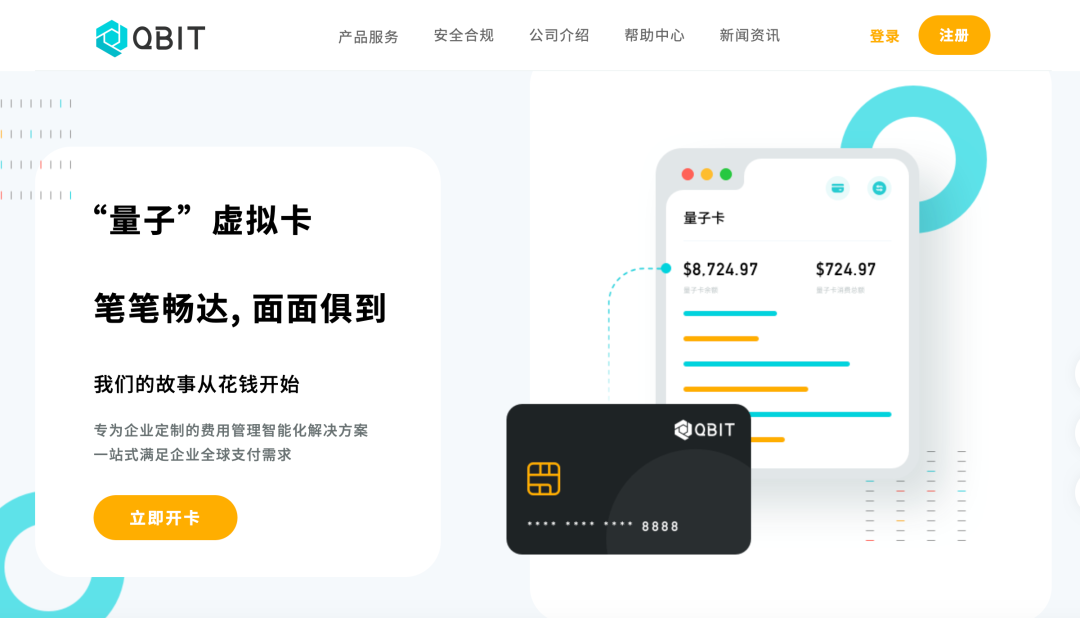
According to 36Kr, Qbit (also known as QuBiHui) has completed a nearly $10 million Series A round from ZhenFund.
/ From the Investor /

Congratulations to Qbit on this funding round. Over the past year, cross-border e-commerce for foreign trade has become an extremely hot sector and an important driver of China's economic growth. Several companies we've invested in have reached unicorn status.
As foreign trade has heated up, the services and upstream/downstream players supporting this industry have also grown rapidly. Qbit focuses on solving pain points for foreign trade e-commerce operators — including payment clearing and overseas account management — providing convenient, secure, multi-functional SaaS services built on solid technology and infrastructure.
Qbit has grown rapidly over the past year and a half. With this new funding, we believe it will become an essential link in the service chain for foreign trade e-commerce businesses going forward.
/ Company Details / Qbit founder and CEO Yujun Wu shares
the opportunities he's seeing in cross-border e-commerce
Click to watch 👆
Founded in 2019, Qbit focuses on the financial needs of Chinese internet companies going global — particularly in cross-border e-commerce — when it comes to localized operations. Starting from the "spending" side, it helps enterprise users more smoothly expand their international footprint.
Since its founding, Qbit has developed two core products: the Qbit "Quantum" virtual card and Qbit's global multi-currency local accounts (hereinafter: Global Accounts). The "Quantum" virtual card is issued in partnership with overseas card issuers and primarily targets enterprise users. Companies can issue virtual credit cards to employees and teams with no limits on number of users or cards. Cardholders can use the "Quantum" virtual credit card to pay for team procurement, overseas brand marketing, and ad spend. Currently, the "Quantum" virtual card charges only a reloading fee and card issuance fee.
Global Accounts, meanwhile, address the pain point of how difficult it is for enterprise users to open overseas accounts. Mr. Wu notes that when going-global companies try to open overseas physical bank accounts, they typically encounter extremely cumbersome processes and long timelines (roughly two weeks). To solve this, Qbit partners with overseas banks to move the entire Global Accounts process online, significantly improving bank review efficiency. Applicants simply submit materials online; after Qbit verification, the materials are forwarded to the overseas bank. Once approved, the company immediately receives its own local account in its own name. (Full report: [36Kr] Exclusive | One-stop cross-border treasury management platform Qbit completes nearly $10 million funding round, breaking boundaries in cross-border financial services)

According to 36Kr, PatPat, a leading global children's clothing DTC brand, has announced $510 million in combined Series C and Series D funding. The company stated that the Series C was co-led by Capital Today, General Atlantic, and CDH Investments, with participation from SIG Asia Investments, Ocean Link, and Zhence Capital. The Series D was led by DST Global, with participation from General Atlantic, Ocean Link, and GGV Capital.
/ From the Investor /
Feng Shu shares the untold stories and groundwork
behind PatPat becoming a unicorn
Click to watch 👆
Congratulations to cross-border e-commerce company PatPat for completing several funding rounds in less than six months, becoming a true unicorn. We're deeply grateful for the support from new shareholders — each one a well-known domestic and international PE or VC investor.
Behind PatPat's unicorn status lie many untold stories of groundwork, and many experiences of overcoming challenges.
▍The traffic dividend captured by Chinese cross-border e-commerce
When we invested in PatPat in 2015, we invested in more than one cross-border e-commerce company going global. The reasoning behind this is quite interesting. Whenever China's economy faces certain challenges or pressures, foreign trade has absorbed that pressure and become a key direction for national economic support. In 2015, China began its economic restructuring, and we foresaw that Chinese foreign trade would receive support from both policy and structural economic factors. So from 2015 to 2016, we invested in different cross-border e-commerce companies, each with different development paths. PatPat turned out to be one of the better-performing ones.
Over the past six years, beyond policy dividends, there was another major factor: traffic dividends. More than ten years ago, when Chinese goods first went global, the traffic dividend came from Google's search engine optimization abroad — SEO and SEM. But the branding from this kind of traffic was much harder to build. Of course, some foreign trade e-commerce companies did emerge during that phase.
After 2013 and 2014, the biggest traffic dividend and shift came from social networks. Facebook, Instagram, and TikTok successively brought traffic dividends. Compared to the previous phase, these different platforms all essentially enabled better user-to-user referrals and sharing, while brands had their own landing pages and official homepages. These visual expressions, social distribution, and brand landing pages created stronger brand value on top of the traffic dividend.
Six years ago, the companies we invested in were basically all of this type — brands with strong appeal that captured users and rode the dividend. Today these companies are known as independent-site cross-border e-commerce brands, and PatPat is one of them.
▍How to achieve business model innovation by riding macro trends and leveraging your own strengths?
Over the past six years, PatPat captured the traffic dividend. Both founders have excellent backgrounds in technology and data, coming from Silicon Valley companies like Oracle where they worked on data and computing. This allowed them to better digitize and build their brand while leveraging the traffic dividend.
These two founders invested the most effort and energy in apparel and children's product supply chains, and probably learned some lessons or went through painful processes. But the supply chain industry they devoted the most attention to ultimately became their competitive advantage: unlike traditional manufacturing practitioners, their manufacturing and supply chain accumulation employed data and related software capabilities, and they understood how to transform the relevant supply chain from a technology perspective.
In summary, the reason PatPat has been able to rapidly reach and surpass unicorn status today lies in combining capabilities across traffic, supply chain, logistics, and more. This encompasses front-end traffic capture, mid-platform data mastery, six years of continuous supply chain transformation, plus logistics and inventory management capabilities.
PatPat is a very typical case. It leveraged both the macro trend of Chinese manufacturing and foreign trade, while combining its own DNA and capabilities. Through the interplay of these two factors, PatPat achieved new business model innovation.
Over the past year, cross-border e-commerce going global has become very hot, because COVID-19 rapidly brought consumers in developed countries online for shopping, driving fast growth in e-commerce penetration. But stripping away the pandemic's special effect, what everyone competes on in the long run is still understanding, mining, transforming, and improving supply chain efficiency — and how to raise efficiency across the entire process.
Over the past six years, since investing in PatPat at a very early stage, we've been through a tumultuous journey of transforming supply chain efficiency together. It's been an incredibly time-consuming, labor-intensive, and deeply educational process. This also means that in the cross-border e-commerce space, PatPat has built up longer-term accumulation and greater advantages. We also hope that PatPat — which represents both China's foreign trade and the new Chinese brands emerging within it — can achieve more sustained growth, and we wish them the best in eventually becoming a company valued at tens of billions of dollars.
**/ Company Details / ** PatPat was founded in 2014, with users across more than 100 countries and regions globally. It currently has offices in Shenzhen, Guangzhou, Hangzhou, and Foshan, with branches in San Francisco, Los Angeles, Dublin, Manila, London, and other locations. According to the company, PatPat is currently the world's largest and fastest-growing children's clothing DTC brand.
When discussing competitive advantages, PatPat stated that it employs "big data + AI technology" to fully unlock management and operational efficiency. In the DTC brand space going global, its differentiation is concentrated across three dimensions.
First, supply chain. PatPat has built its own digital system to connect the entire supply chain process end-to-end, using big data and AI to capture trends in real time, aggregate and analyze data, and strengthen functions including product development, style design, and sales forecasting — achieving a closed-loop supply chain.
Second, front-end operations. PatPat has established a global consumer operations system, with dedicated consumer insights teams both overseas and domestically, rapidly capturing global consumer demand. PatPat's independent site user base has grown at annual rates exceeding 3x over the past several years.
Third, quality control. In the apparel industry, children's clothing has particularly stringent quality and safety requirements. PatPat goes further by conducting 100% inspection of product quality, committed to outperforming local manufacturers on product quality.
On the team side, the three partners — Can Wang, Can Gao, and Meng Hu — all graduated from Carnegie Mellon University (CMU) with degrees in computer-related fields, and accumulated extensive work experience at Silicon Valley high-tech companies including Oracle and Amazon. The team also includes global-level executives from Fortune 500 companies. (See full report: [36Kr Exclusive] PatPat Announces Completion of $510 Million Series C and Series D Funding, Aiming to Become a World-Class Consumer Brand)
Further Reading
- What was the catalyst for choosing entrepreneurship? How to find people and direction?
- What advantages do returnee entrepreneurs have? What challenges do they face?
- Should you start a business directly or "soft land" through employment first?
- Since starting the business, what has left the deepest impression? What has been the most rewarding?
- What opportunities exist in the cross-border e-commerce industry?

According to 36Kr, Xinsu Technology, an emerging company in the DNA synthesis space, announced the completion of a tens of millions of RMB angel round, led by FreeS Fund with participation from Jiacheng Capital.
**/ Investor Perspective / **

As new intelligent infrastructure, chip plus microfluidics can often provide biological scenarios with truly high-throughput, ultra-high-sensitivity detection capabilities and highly integrated lightweight hardware. The Xinsu Technology founding team are all MIT PhDs, with years of industrial experience and deep technical accumulation in the design and manufacturing of biochips, sensors, microfluidic systems, MEMS, and related areas. We are very optimistic about Xinsu Technology's use of new biochip and semiconductor technologies to explore high-throughput DNA synthesis in the synthetic biology field, as well as to advance single-molecule protein detection in digital immunology and other applications.
**/ Company Details / ** Xinsu Technology was founded in 2021, applying semiconductor technology to synthetic biology with a direct target of third-generation DNA synthesis technology.
Dr. Xin Zhao, CEO of Xinsu Technology, stated: "DNA synthesis technology sits at the very upstream of the biological industry, with extremely broad future application scenarios. It can be applied to synthetic biology, DNA storage, antibody drug screening, and many other fields — the DNA synthesis market radiates out to over $100 billion. On the other hand, immunological detection is developing rapidly, and clinical diagnosis and scientific research are placing higher demands on detection sensitivity, such as pushing ELISA another 1,000-fold higher. It's clear that both the DNA synthesis market and the immunological detection market have enormous expansion potential. But existing DNA synthesis technology is far from meeting the requirements for low cost, high throughput, and high accuracy."
The challenge faced internationally is bringing down the cost of long-chain DNA synthesis. Facing this problem, Xinsu Technology's solution is to use silicon chips and microfluidics to develop next-generation DNA synthesis technology. The inherent miniaturization and high integration characteristics of silicon chip and microfluidics technology can provide ultra-high throughput and ultra-high sensitivity, which will greatly reduce the cost of long-chain DNA synthesis to meet the rapidly growing needs of synthetic biology and DNA storage.
At the same time, using the same technology platform, Xinsu Technology is also developing a digital immunological detection system that is 2 to 3 orders of magnitude more sensitive than traditional detection methods, to meet the requirements for detecting low-abundance protein markers in clinical and life science research. (See full report: [36Kr Exclusive | Focusing on the Intersection of Semiconductors and Medical Technology, "Xinsu Technology" Secures Tens of Millions in Angel Round Investment)

According to Tuiyihui, Yanming Biotech announced angel round investment from MSA Capital, Lilly Asia Ventures (LAV), FreeS Fund, Life Science Park Venture Capital, Chang Development, BioTrack Capital, and Qinglan Fund.
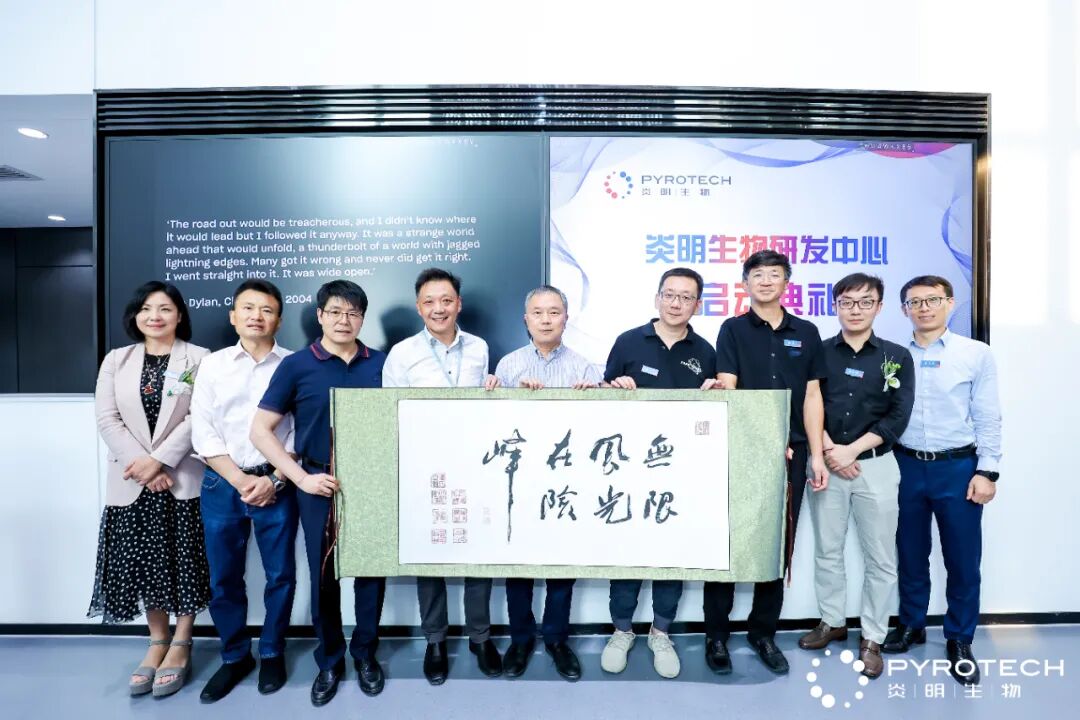
**/ Company Details / ** On July 24, Yanming Biotech Co., Ltd. announced that its R&D center located in Zhongguancun Life Science Park in Beijing was officially put into use, with an opening ceremony held.
Academician Feng Shao, Chairman of Yanming Biotech, stated: "China has reached the point where it truly needs original innovation. China's innovative pharmaceutical companies must dare to tackle difficult problems and dare to make breakthroughs. Now is the best time for new drug R&D in China, thanks to the tilt of national strategy, favorable healthcare reform policies, the development of professional talent teams and platforms, as well as ample funding support. We believe we have the capability and resources to produce original innovative drugs belonging to China." Yanming Biotech is based on the leading discoveries from the Shao laboratory in innate immunity and pyroptosis, dedicated to developing novel-mechanism small-molecule drugs in the inflammation and oncology fields to meet currently unmet clinical needs. The Yanming Biotech R&D center covers 3,400 square meters, equipped with world-class R&D facilities, capable of conducting drug chemistry, discovery biology, structural biology, pharmacodynamics, pharmacokinetics, and other new drug development experiments. Currently, more than thirty scientific researchers are conducting multiple new drug R&D projects targeting novel targets. (See full report: [Tuiyihui] Yanming Biotech's Beijing R&D Center Officially Put Into Use, Embarking on a New Journey of Original Innovative Drugs)
**/ Investor Perspective / **

Congratulations to Yanming Biotech on its successful fundraising and the official opening of its Beijing R&D center. Yanming Biotech (Pyrotech Therapeutics) was co-founded by Academician Feng Shao and Dr. Tianjing Deng. Deng was the former CEO of Bioduro, a top-tier preclinical CRO company. Based on the world-leading research from Academician Shao's laboratory on the mechanisms from inflammasomes to pyroptosis, the project has empowered a series of technology platforms to rapidly develop high-quality innate immunity and oncology-related innovative drugs. We are deeply honored to participate in this round of financing for Yanming Biotech, and look forward to continuing to support Yanming Biotech's development in the future. From our earliest conversations with Academician Shao and Dr. Deng, we realized that their vision was not just their own — it was the vision of our fund and indeed the entire country: to build in China a biotechnology company driven by original innovation, leading globally in the development of disruptive new drugs. First, this company is rooted in China — Yanming Biotech will gather China's outstanding scientists and researchers. Additionally, Yanming Biotech is based on China's original breakthrough scientific research. Academician Shao has made breakthrough progress in the fields of immune regulation and tumor therapy. Yanming Biotech's output will target the global pharmaceutical market, so its goal is global development. If any breakthrough new drugs emerge, they will also treat diseases globally that have yet to be conquered.

▍FreeS Fund Actively Deploys in Early-Stage Cross-Border Innovative Drugs
FreeS Fund has many other investments in small-molecule innovative drugs, and has also participated in some very early-stage cross-border innovative drug projects. In July, we received very exciting news from Novita, an angel-round innovative drug project we invested in in the United States.
▍Novita Licenses Novel Target Fascin Protein Inhibitor to China Resources Double-Crane
Novita was founded in New York in 2010 by Professor Xinyun Huang, a member of the American Academy of Arts and Sciences and a tenured professor at Weill Cornell Medicine.
Currently, almost no drugs on the market can directly stop cancer cells from metastasizing and thereby cure disseminated cancers. Novita is dedicated to developing innovative drugs that block cancer metastasis and enhance anti-tumor immune responses.
Novita's primary products are based on the Fascin target. These products originate from Professor Huang's lab as foundational innovations, built on his 20 years of in-depth research on this target.
Novita has now completed Phase I clinical trials in the United States and has begun Phase II trials, recruiting patients and establishing clinical sites.
On July 21, Novita announced that it had licensed the China rights for its novel target Fascin protein inhibitor NP-G2-044 to China Resources Double-Crane. China Resources Double-Crane is a top-tier Chinese pharmaceutical company, and this partnership supports Double-Crane's production and commercialization of small-molecule inhibitors in Greater China. Novita will assist China Resources Double-Crane in the rational development of Fascin-targeted innovative drugs.
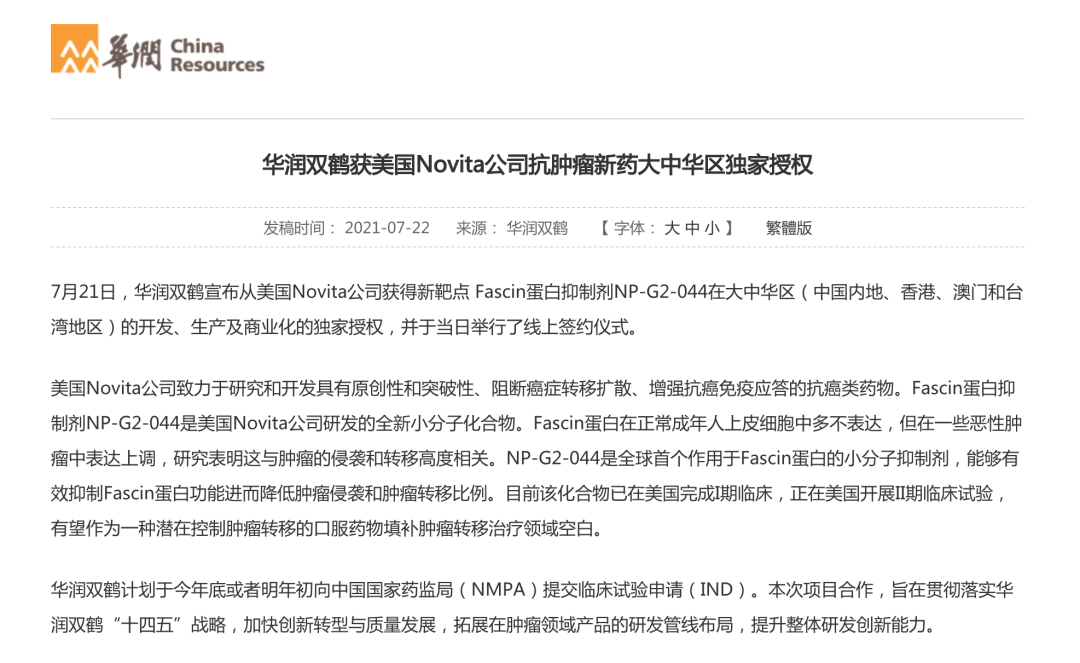
▲ Source: China Resources Group official website
If Novita's drug succeeds, it could offer all cancer patients facing metastasis a new treatment option and renewed hope — something we can all look forward to.
Further Reading
Here's a conversation between academician Shao Feng and Feng Shu (click the blue link to read the full article). The two held an in-depth, nearly two-hour discussion on "First-in-Class in China." Topics they explored include:
- From chemistry to biology: how does an academician complete such a cross-disciplinary transition?
- From the US to China: what are the advantages of doing research domestically?
- Why is biomedical research characterized as "low barrier to entry, but a very deep courtyard"? What does the depth of that courtyard mean?
- How to view the pharmaceutical industry's development over the past decade and the underlying problems behind that growth?
- From academia to industry to investment, what is most urgently needed in new drug R&D?
- How much opportunity does first-in-class have in China today?

▲ FreeS Report 22: Can New Materials Save the Footwear and Apparel Industry? | FreeS Research ▲ Metaverse Development Hypothesis: Starting with Social, Ending with Digital Immortality | FreeS Research ▲ FreeS Family Funding News · June | Saturnbird, Shize Biotech, and Qingke Travel Receive Funding ▲ FreeS Family Funding News · May | Chicecream, ACC Super Accessories, DataPipeline, and Ganyi Intelligence Receive Funding ▲ FreeS Family Funding News · April | AnchorDx, IceKredit, Duansmuliangjin, and Jiuzhou Yunjian Receive Funding ▲ Do Returnee Entrepreneurs No Longer Have an Advantage? | 2021 FreeS China-US Venture Capital Forum Transcript
Join Us
We are currently seeking investors focused on biopharma, deep tech, and consumer/TMT in Beijing, Shanghai, and Shenzhen. If you have an industry background and are interested in investing, we'd love to hear from you — and we welcome referrals to outstanding candidates as well. (For full job descriptions, please click the "Read More" link at the end of this article.) Please send your resume to hr@freesvc.com. Please include in the subject line: Application for "[Biopharma / Tech / Consumer] Investor" — "[City]"
We are also looking for interns in investment research, legal, finance, HR (portfolio direction), and video content operations. Interested students are welcome to apply. (For full job descriptions, please click the "Read More" link at the end of this article.)
Internship duration: 3-5 months, 3-5 days per week on-site. Based in Beijing preferred.
Please send your resume to hr@freesvc.com.
Please include in the subject line: Position — Name — School — Major — Minimum commitment of X months — X days per week — Earliest start date