FreeS Fund Report 25: Food Investment Through the Lens of China's Dietary Structure

What will we eat in the future?

When it comes to the future of food and drink, there's already been plenty of discussion about sugar substitutes and plant-based meat, and the new consumer startup scene around eating and drinking is lively enough. We want to focus on something more fundamental and enduring: dietary structure itself. What does China's current diet actually look like? How should we eat in the future? What needs fixing in our present dietary patterns, and how do we fix it? And behind all this dietary restructuring, where are the entrepreneurial and investment opportunities?
In exploring this topic, we examined the evolution of American dietary patterns and found some intriguing phenomena. We also came to realize that even with the same technologies, China and the US will see different outcomes due to differences in demographics, social culture, and infrastructure — all part of the broader shift from simply eating enough to eating well and eating healthy.
When it comes to applying technology specifically, we constantly need to think through how to solve for industrialization and cost-effectiveness.
Before diving in, a few framing points:
- At least three major forces drive dietary upgrading: urbanization and consumption upgrading reshape the underlying population distribution and status, boosting demand-side consumption; technological advances enrich and improve supply-side product quality; and industrialization, scale, and intensification improve infrastructure, lowering costs and increasing efficiency in connecting supply and demand. China currently sits at the intersection of all three transformations.
- Future changes in China's diet won't be about energy structure but dietary structure — the shift from "eating well" to "eating healthy."
- In searching for appropriate substitutes or transitional solutions, international experience can inform R&D and implementation, but China's specific conditions must be considered: dietary habits, industrial structure, production capacity, technology development, promotion costs, supporting infrastructure, and more.
- In areas where bottlenecks or contradictions in dietary upgrading are most pronounced, alternative technologies are likely to receive the strongest policy and industry support.
- Synthetic biology may prove key to solving China's nutrient deficiency challenges.
- The long-term supply-demand imbalance in milk, combined with numerous hard-to-overcome bottlenecks, means China has far greater incentive than other countries to advance synthetic biology or protein engineering for milk and dairy proteins. "Lab-grown milk" technology could dramatically reshape China's dairy supply landscape and offers a potential path to addressing the problems of low quality and insufficient domestic supply.
We hope this offers you a fresh perspective. We also welcome your thoughts on future food consumption trends in the comments below.


Changing Dietary Structure, Frontier Food Technology Trends, and Investment Logic
By Cai Yufei, Lu Cheng, Dong Lebin, Liu Yanlin
Unchanging Energy Structure, Changing Dietary Structure
Food is the most fundamental of the three necessities (food, clothing, and housing). National Bureau of Statistics data shows that in 2020, even as total retail sales of consumer goods fell 3.9% year-over-year, food retail sales grew 9.9%. Food consumption holds outsized weight in goods consumption. As China's food consumption scale enters a period of rapid growth, demand is moving toward health, safety, quality, personalization, and diversification. Driving the next round of dietary optimization requires at least three factors: urbanization and consumption upgrading that reshape underlying population distribution and status, boosting demand-side consumption; technological development that enriches and improves supply-side product quality; and industrialization, scale, and intensification that advance infrastructure, lowering costs and increasing efficiency in connecting supply and demand. China currently sits precisely at the intersection of these three transformations.
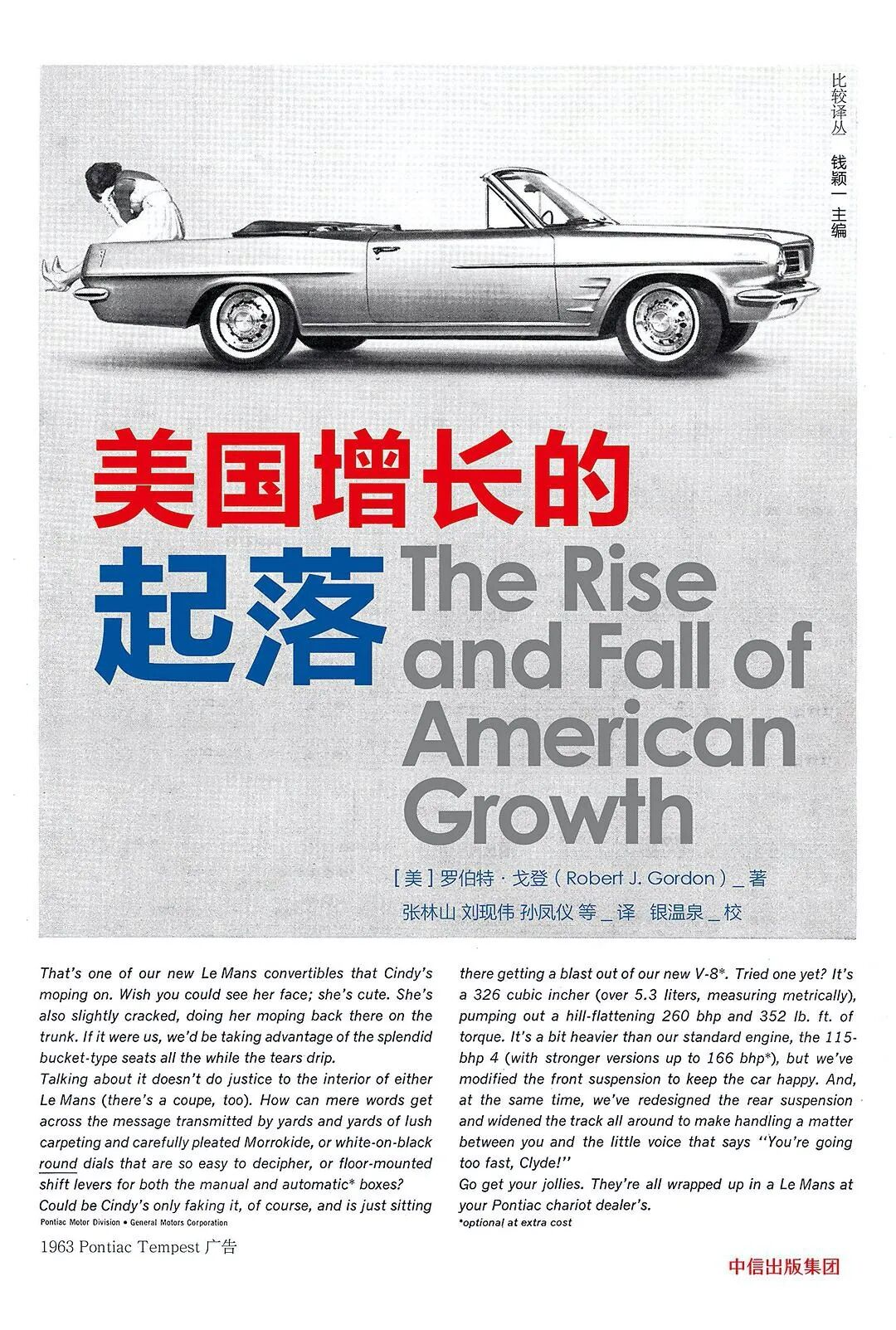
To grasp the future dynamics of China's food consumption industry, we must first answer one question: is China's dietary upgrading about energy structure or dietary structure? The US case offers some reference. In The Rise and Fall of American Growth, author Robert Gordon reached a striking conclusion by examining American food consumption records from the 19th to 20th centuries: calories consumed in food barely changed over two centuries, and from 2000 onward, per capita daily caloric intake even declined.
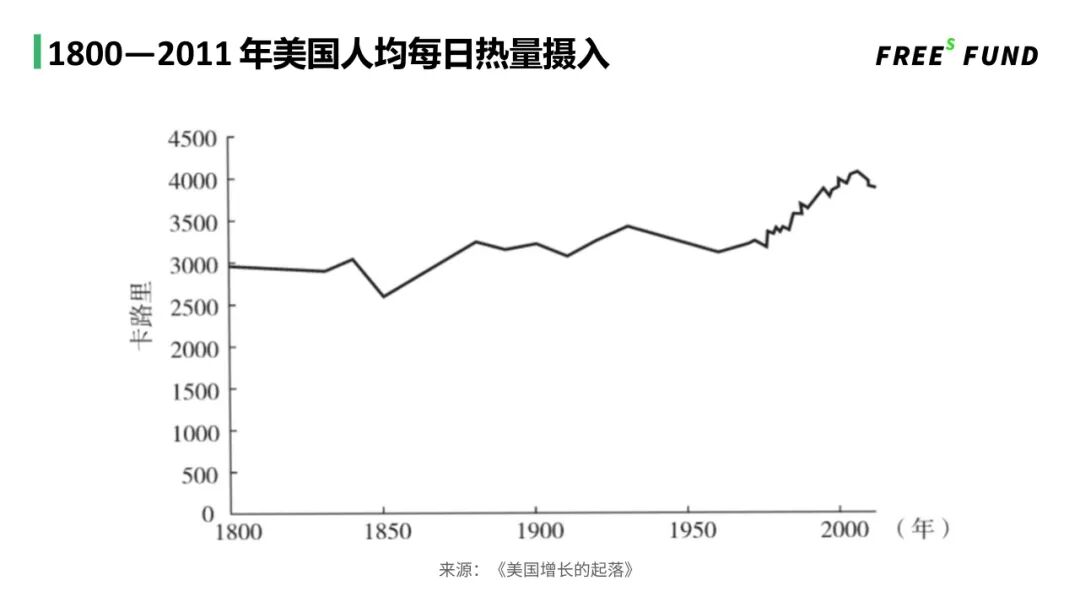
Despite relatively stable caloric intake, dietary structure changed dramatically. For example, the most common American breakfast in 1870 was pork and flour porridge; by the 1920s, typical breakfasts had become packaged cereals like cornflakes and citrus juices.
With stable caloric intake, people were eating more diversely: the proportion of meat and grains decreased, replaced by fruits, dairy, eggs, and other processed foods. China is on a similar trajectory. With adequate food no longer a problem, future food consumption upgrading will likely manifest as dietary structure optimization.
The Current State of China's Dietary Structure
"Eating Well" Is No Longer an Issue?
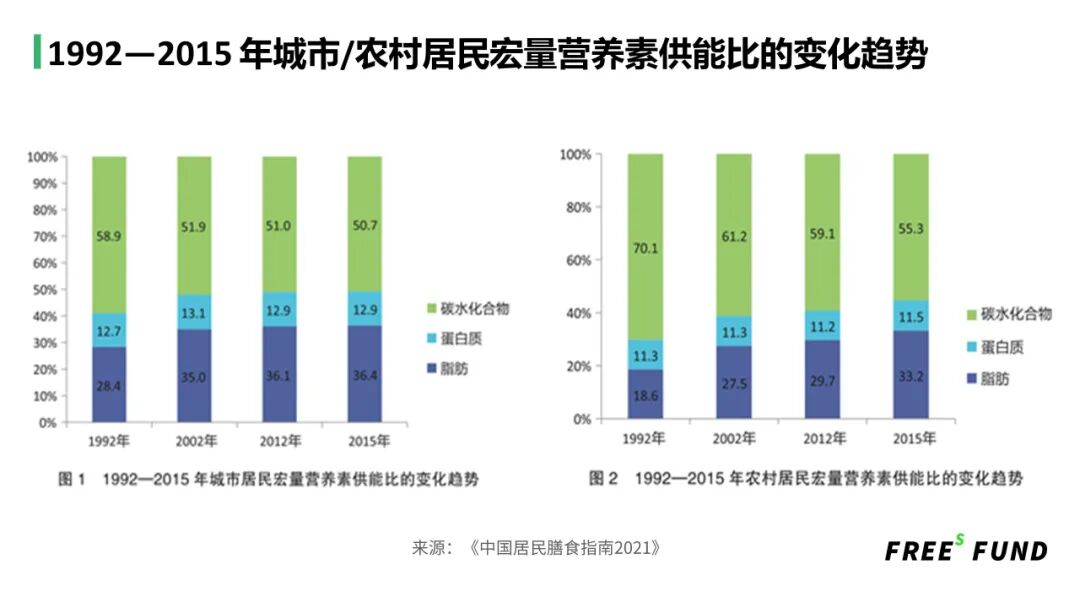
Over decades, Chinese residents' dietary quality has steadily improved, mainly shown in the gradual decrease in carbohydrates' share of energy supply and the increase in protein and fat's share.
Specifically, from 1982, grain and tuber intake has consistently declined — grains from 509.7g/day in 1982 to 337.3g/day in 2012; tubers from 179.9g/day in 1982 to 35.8g/day in 2012. Meanwhile, meat, egg, and dairy intake has steadily risen.
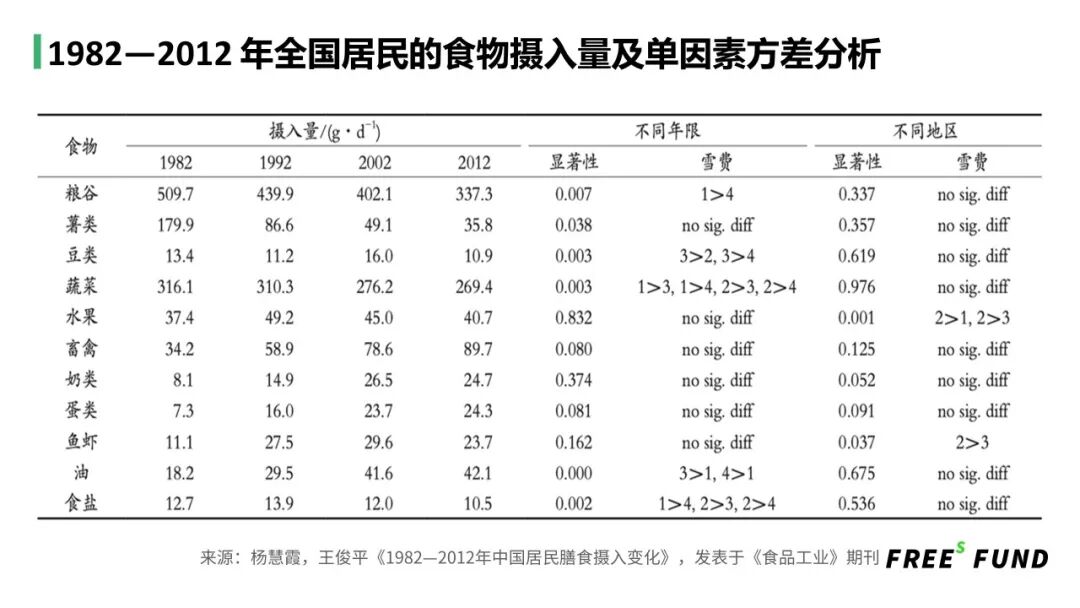
So "eating well" is no longer the problem.
Eating Well, But Not Healthy
Though people are eating better, gaps remain compared to internationally recognized healthy dietary patterns. The Global Burden of Disease study shows that unreasonable diet is the leading factor in disease occurrence and death among Chinese people. In 2017, 3.1 million deaths in China were attributable to dietary issues. While some dietary factors have improved over recent decades, most populations' dietary quality remains suboptimal.
Globally, the most widely endorsed healthy dietary pattern is the "Mediterranean Diet Pyramid." Proposed jointly in 1993 by Oldways, Harvard T.H. Chan School of Public Health, and the World Health Organization, it primarily drew on 1960s dietary patterns from Greece and southern Italy. This dietary structure is believed to reduce incidence of heart disease, depression, and dementia. Specifically, Mediterranean dietary habits feature:
- Daily consumption of whole grains, fruits, vegetables, olive oil, and nuts
- Fish and seafood at least twice weekly
- Moderate dairy, eggs, and poultry
- Limited red meat and sweets
- Water as primary beverage, moderate wine consumption
- Cooking methods: primarily low-temperature slow cooking
- Lifestyle: meals with family and friends, afternoon rest, regular exercise
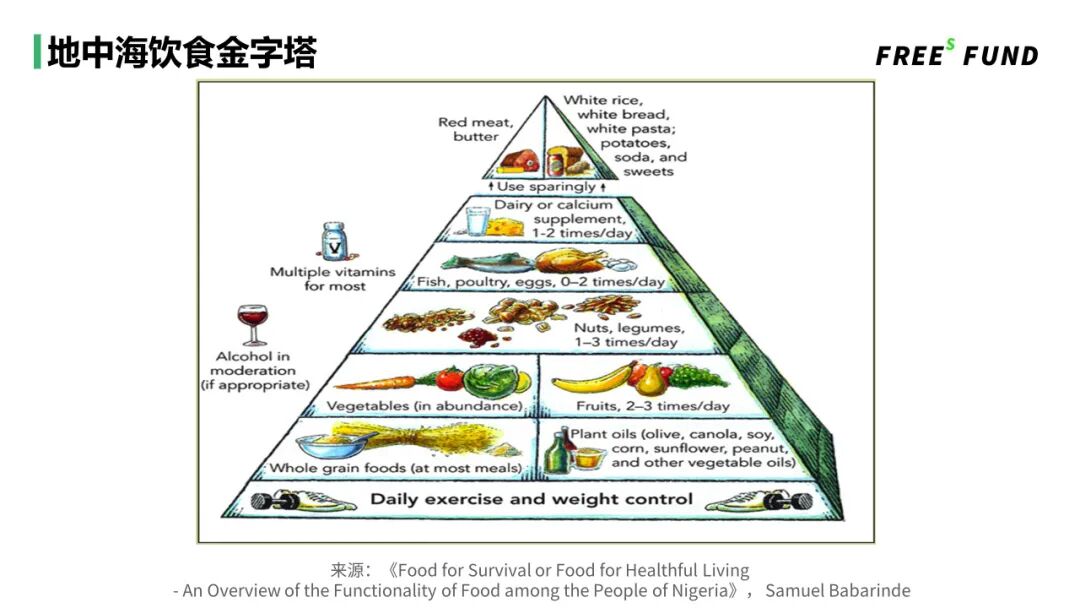
Using the Mediterranean Diet Pyramid as benchmark, China's dietary problems become clear:
- Excessive red meat and processed meat products (ham, cured meats, sausages, canned meats, etc.)
- Excessive sweets and beverages, high trans fatty acids
- Insufficient whole grains, fruits, nuts, vegetables, and fiber
- Insufficient polyunsaturated fatty acids, legumes, calcium, and milk
The Scientific Research Report on Dietary Guidelines for Chinese Residents (2021), compiled by the Chinese Nutrition Society, notes that residents underconsume whole grains, dark-colored vegetables, fruits, dairy, fish and shrimp, and legumes. Dietary factors are closely linked to immune function and chronic disease risk. Finding better dietary solutions for the population holds rich opportunities for venture capital and entrepreneurship.
Venture and Investment Opportunities from Dietary Improvement Needs
How to Judge Opportunity vs. Trap?
We want to identify the technological drivers and pathways that can push forward the next round of dietary structure upgrading. But before diving in, we need to understand which factors and variables will shape future technological opportunities and directions. Research from The Rise and Fall of American Growth shows that dietary change is never simple. Behind the shift from "eating enough" to "eating well" lay America's infrastructure upgrading and the corresponding evolution of both supply and demand. As household budgets grew, people gradually sought more variety in previously monotonous diets, generating consumption upgrading demand. On the supply side, the spread of canning and other technologies made large-scale industrial production possible. In the infrastructure connecting supply and demand, refrigeration technology, railway expansion, and the proliferation of chain department stores all enabled more efficient connection between the two sides.
The direction of dietary adjustment relates not only to residents' dietary consumption upgrading demands but also to technology development levels, manifesting in supply-side capabilities and the infrastructure connecting supply and demand. Incorporating these comprehensive factors and variables helps us judge:
- In pushing for dietary structure upgrades, and considering China's existing resource allocation and industry conditions, what adjustments can achieve self-sufficiency through structural changes alone?
- Over the longer term, if pure structural adjustment proves insufficient, what alternative technologies could break through bottlenecks and open new possibilities? Which technologies might deliver change soonest? Some technologies have received positive market feedback abroad — does that mean they're suitable for China? If so, might their on-the-ground applications differ from overseas implementations?
In searching for appropriate alternatives or transitional solutions, R&D and commercialization efforts can draw on international experience, but must also account for China's specific conditions: dietary habits, industrial structure, existing production capacity, technological development, rollout costs, supporting infrastructure, and other comprehensive factors. Moreover, in areas where bottlenecks or contradictions in dietary upgrading are most pronounced, alternative technologies are likely to receive greater policy and industrial support. What's particularly interesting is that the consumer question of "how should our diet change" has, through our investigation, become a technology topic — and to some extent, even an applied synthetic biology topic. To put it another way, synthetic biology in China may be able to address problems in dietary supplements and artificial milk.
In the synthetic biology direction, we have invested in Bluepha, a company innovating at the molecular and materials level through synthetic biology. Bluepha's products include the only plastic capable of degrading in natural environments (including seawater), industrial hemp components for combating anxiety and pain, and hangover remedies that address the alcohol metabolism gene deficiency common among East Asians. We are optimistic about synthetic biology and other interdisciplinary projects driven by computing and data science, and welcome conversations with interested parties.
Technology Directions for Advancing Dietary Structure
Below, we examine potential technological solutions to each of the four major problems in China's current dietary structure.
I. Using Synthetic Biology to Address Excess Saturated Fatty Acid Intake and Insufficient Unsaturated Fatty Acid Intake
- Existing Problem
Red meat, including pork, is the most common meat on Chinese dinner tables. As the world's largest pork producer and consumer, China produced 54.04 million tons of pork in 2018, accounting for 47.8% of global output, and consumed 55.398 million tons, representing 49.3% of global consumption.
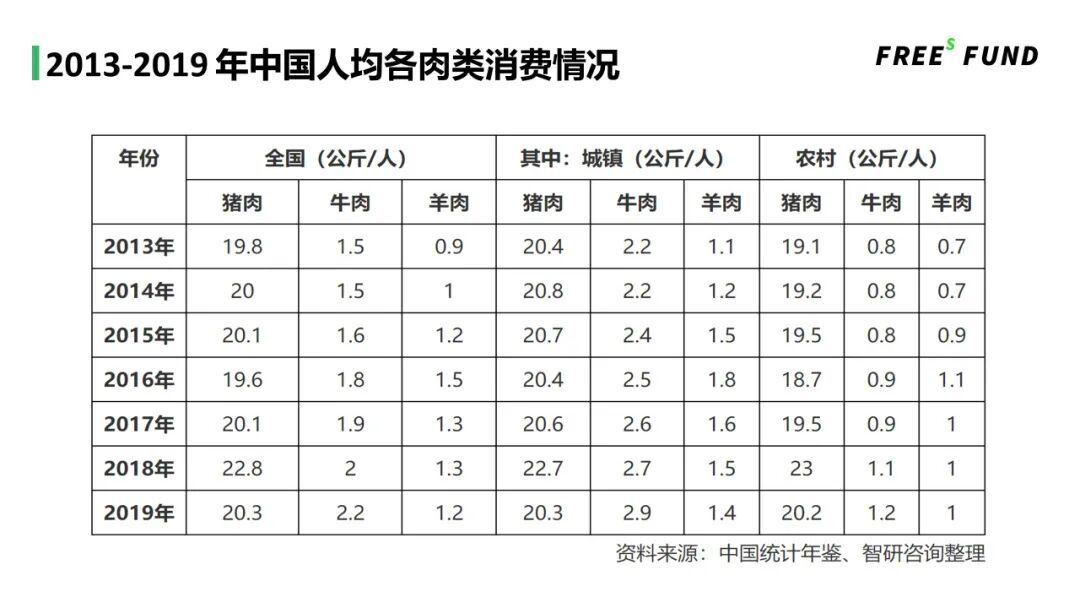
Compared to red meat (pork, beef, lamb), white meat (poultry and aquatic products, including chicken, duck, fish, etc.) is a high-quality, abundant protein source with higher unsaturated fatty acid content. Yet for a long time, China's meat consumption structure has been severely imbalanced.
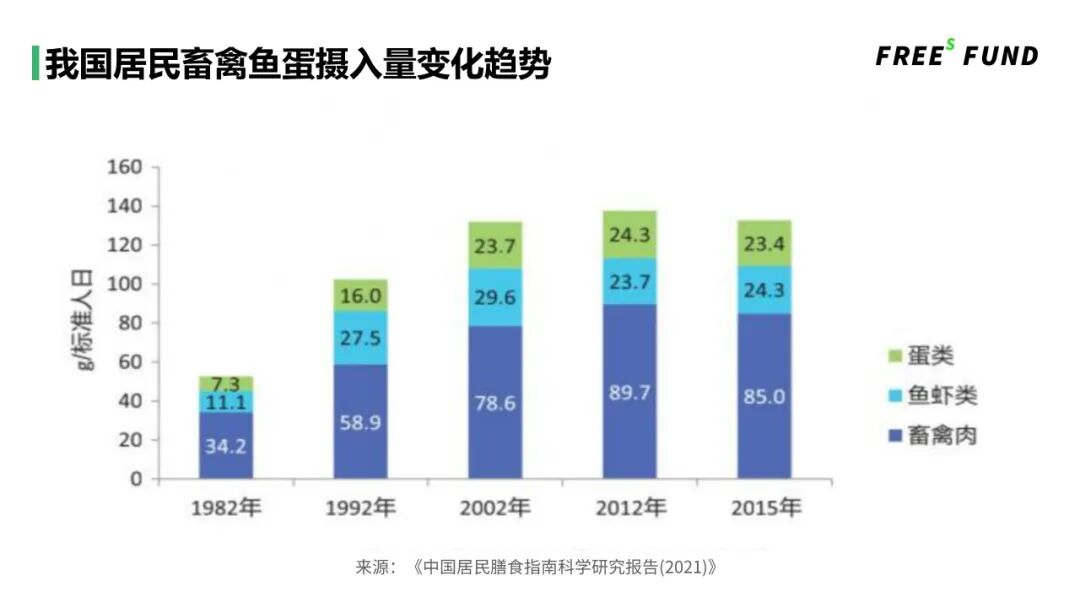
The reasons behind this are varied. Beyond history and dietary habits, pigs also offer higher yields and shorter sales cycles compared to other livestock. Over the past four decades, the pork-dominated meat production and consumption structure has created a problem: most Chinese people derive their protein from red meat and high-saturated-fat protein sources, with obesity and cardiovascular disease incidence rising year by year.
Current Approaches
Addressing excess saturated fatty acid intake and insufficient unsaturated fatty acid intake can proceed from two angles:
- Higher-quality protein sources: white-fleshed fish, Greek yogurt, legumes such as soybeans and peas, poultry, fat-reduced cheese, white tofu, lean beef, low-fat milk, frozen shrimp, egg whites
- Supplementing unsaturated fatty acids: Omega-9 mainly from olive oil and camellia oil; Omega-3 mainly from deep-sea fish oil, flaxseed oil, perilla oil, hemp seed oil, etc.
The current approach is to increase intake of these foods and take supplements. But from a market perspective, this "straight-line path" is not the only solution, and perhaps not the optimal one.
Raw Material Constraints
To obtain higher-quality protein and fatty acid sources, deep-sea fish is the best option. However, due to the special living environment of deep-sea fish, only a few countries with excellent deep-sea fishing grounds have the conditions for large-scale harvesting. At the same time, deep-sea fish cannot have their production increased through aquaculture intervention.
Compared to other countries, China faces greater difficulty and higher costs in obtaining deep-sea fish resources. Currently, the price per jin of deep-sea fish is roughly six times or more that of beef. For the vast majority of families, deep-sea fish is a costly ingredient. Going forward, as health consciousness upgrades, demand for deep-sea fish will further increase, and the supply-demand contradiction from limited production may drive prices even higher.
Crayfish represent something of an intermediate option between red meat and deep-sea fish, belonging to the upgrade path from red meat to white meat consumption. In this space, FreeS Fund invested in the food brand Xinliangji. Founded in 2016, Xinliangji entered the prepared aquatic products sector with a focus on crayfish.
Poor Absorption of Omega-3 from Vegetable Oils
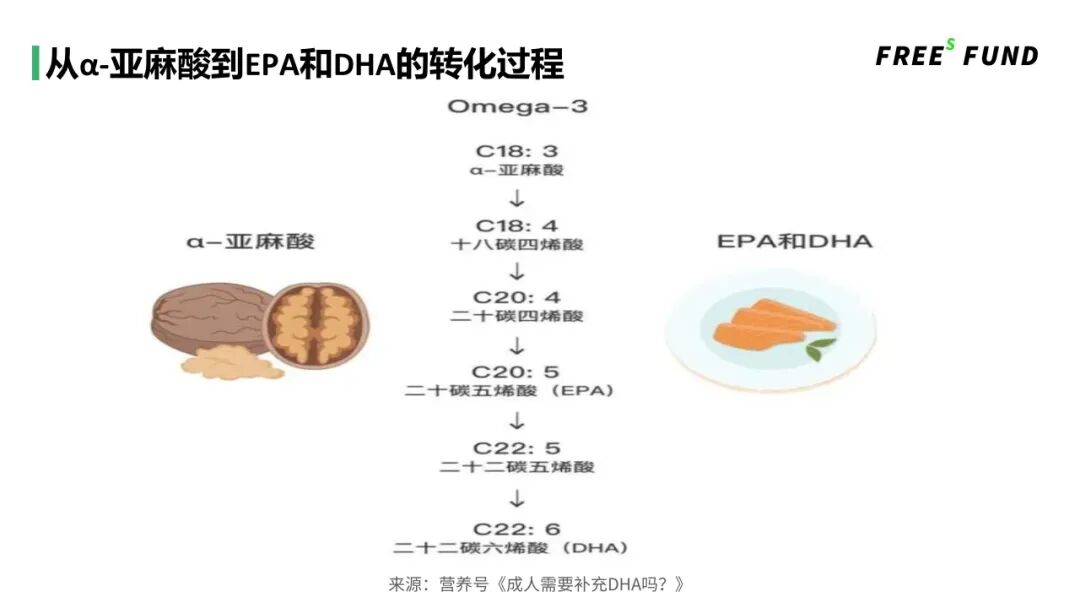
Compared to the limited production of deep-sea fish, oil crops would seem to offer enormous room for capacity expansion. But the reality is otherwise. Simply increasing intake of specific vegetable oils cannot solve the fundamental problem. This is because the Omega-3 in vegetable oils is alpha-linolenic acid (ALA), which the human body can convert to EPA and DHA, but this conversion process is inefficient and cannot meet human requirements.
Supplement Processing and Pricing
Since obtaining sufficient unsaturated fatty acids through direct consumption of fish and other seafood presents certain difficulties, dietary supplements are often seen as another possible solution path.
But the problem is that fish oil currently on the market is still extracted from the viscera of deep-sea fish, so from a raw materials perspective it remains constrained by deep-sea fish production and prices. Additionally, because Omega-3 is prone to oxidation and not heat-resistant, manufacturers mostly use molecular distillation for processing. To ensure fish oil quality, production and storage require maintaining specific temperatures, making equipment expensive and energy consumption higher, which in turn keeps processing costs and product prices high.
Future Alternative Solutions
Obtaining Omega-3 through culturing fish liver stem cells or algae could help escape the production limitations of deep-sea fish, enabling large-scale, stable supply, and also facilitate cost reduction and efficiency gains in unsaturated fatty acid supplement production. But the challenges lie in controlling culture medium costs and in more efficiently extracting Omega-3 from fish liver and algal cells.
Furthermore, synthetic biology technology can also help address the problem of excessive saturated fatty acid intake. When people try to reduce red meat consumption, finding alternative foods that combine nutritional value with taste becomes critical. Plant-based meat processed from bean protein requires complex flavoring to mask the beany taste and simulate animal meat flavor. Through synthetic biology methods, nutritional yeast and other high-quality protein sources can undergo DNA modification to satisfy consumers' different taste preferences.
Solving Low-Quality, Insufficient Domestic Dairy Supply Through Artificial Milk
Existing Problem
Milk is known as white blood, containing all the nutrients needed for human growth, development, and metabolism.
As income levels have continuously risen, China's per capita milk consumption has grown steadily. According to Wind financial data, in 2019 China's per capita milk consumption was approximately 32.66 kg, about 30% of world per capita milk consumption. Even compared to Japan, with relatively similar dietary habits, China's milk consumption is less than half.
Research generally identifies high dairy prices as an important factor suppressing demand.
Guolian Securities research shows that among major global countries, China's raw milk prices are second only to Japan's. In 2018, China's raw milk price was 3.46 yuan/kg, 32% higher than the US price of 2.36 yuan/kg at the same time. When accounting for income gaps, China's relative raw milk price is even higher.
What has caused high raw milk prices?
First, supply. National Bureau of Statistics data shows that China's milk production has not seen major growth over the past decade. After the Ministry of Agriculture and Rural Affairs introduced 18 measures to revitalize the dairy industry in 2018, milk production has increased somewhat in recent years, with raw milk output rising from 31.59 million tons in 2014 to 34 million tons in 2020.
Milk production depends mainly on cow numbers and per-cow yield. Insufficient dairy cow inventory is an important reason milk production cannot rise. According to a US Department of Agriculture report, China's dairy cow inventory fell from 8.4 million head in 2015 to 6.15 million in 2020.
Major factors in the declining cow population include feed prices, ranch resources, and the degree of scaled farming.
Feed costs are the main cost in raw milk production and have very large impact on dairy farming profitability. Dairy cow feed includes roughage, concentrate, and supplementary feed. Concentrate plays an important role in improving per-cow yield. Concentrate consists mainly of corn and soybean meal, with price fluctuations driven mainly by supply-demand changes and weather-related natural disasters.
Roughage is mainly alfalfa, which has enormous impact on raw milk quality improvement, especially high-quality alfalfa that relies heavily on imports. According to China Customs data, from January to April 2020 China imported a total of 372,000 tons of alfalfa, with total import value of approximately $135 million, average CIF price of $364/ton, up 10.83% year-on-year.
Current Approaches
According to customs data and Yicai reporting, in 2020 China's cumulative grain imports exceeded 140 million tons, with nearly 80% of agricultural imports used as or for producing feed raw materials, with greatest demand for corn and soybeans. Research and development of new feed replacement solutions to alleviate cost pressures has become an inevitable trend.
On the policy front, in September 2020 the General Office of the State Council issued "Opinions on Promoting High-Quality Development of Animal Husbandry," proposing to promote corn and soybean meal reduction and substitution.
However, advancing alternative solutions faces practical difficulties, mainly in market acceptance. Feed replacement technology research has high barriers to entry, requiring professional experimental teams, and immature technologies may lead to longer feeding cycles and product quality fluctuations.
Beyond feed replacement, China's dairy cow core germplasm self-sufficiency rate is relatively low, with external dependence still high. Domestic dairy breeding bulls mainly come from live imports and imported embryos, and high-quality frozen semen is also mainly imported. The development of core germplasm independent breeding and rapid dairy breed expansion technology, proposed by China Agricultural University professors Shengli Zhang and Dongxiao Sun, is an important direction for reducing domestic farming enterprises' production costs and rapidly increasing milk output.
Future Alternative Solution: Synthetic Biology-Driven Artificial Milk
The long-term contradiction between milk supply and demand, and numerous difficult-to-overcome bottlenecks, mean that compared to other countries, China has much greater motivation to advance synthetic biology or protein engineering for milk and milk proteins. "Artificial milk" has thus become a promising research direction.
One could even argue that China's current inability to achieve dairy self-sufficiency, combined with rising protein intake, makes the case even stronger. The surge in sales of premium yogurt, fresh pasteurized milk, milk tea, lattes, and cheese — all products that increase dairy protein consumption — along with the popularity of plant-based milks like coconut and oat milk, all point to this trend.
"Artificial milk" refers to milk developed in laboratories through various chemical and biological methods, designed to taste like ordinary milk but with higher protein content and nutritional value.
The advantages of artificial milk include a green, pollution-free production process, identical nutritional content, and the ability to meet domestic demand for high-quality dairy products at scale. It can also be used to directly produce lactose-free dairy products.
A representative example in this space is the American startup Perfect Day. Perfect Day produces "milk" without cows, instead manufacturing it through laboratory processes. Using synthetic biology principles, Perfect Day inserts milk-producing DNA into microorganisms (Flora), then employs fermentation technology to produce casein, whey, sugars, and other elements that can be used to make ice cream, butter, cheese, and other foods.
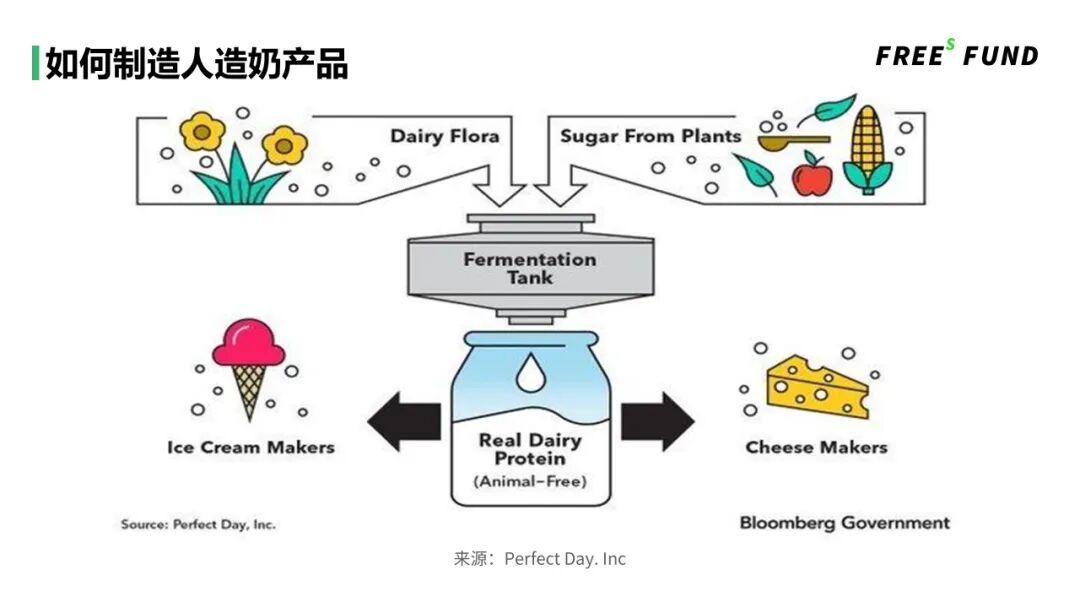
Because it doesn't rely on animals, Perfect Day avoids common supply issues and claims it can scale production up or down based on demand. Compared to traditional animal agriculture, artificial milk eliminates the need for cows, reducing land use by 91%, greenhouse gas emissions by 84% (cattle emit methane, a potent greenhouse gas), and energy consumption by 65% (from feed production).
In 2019, Perfect Day launched an artificial milk ice cream with taste and texture indistinguishable from conventional dairy ice cream. Priced at $20 per pint, it sold out within 24 hours of release. In November 2018, Perfect Day announced a strategic shift away from direct-to-consumer (DTC) sales toward a B2B model, planning to partner with more food companies to rapidly scale production.
Perfect Day's most recent Series C funding round closed in July 2020. To date, it has raised $300 million total from investors including Temasek, the Canada Pension Plan Investment Board, and Horizons Ventures, founded by Li Ka-shing, making it one of the most well-capitalized dairy alternative companies today.
However, challenges remain. Artificial milk is still in early development. Beyond meeting standards for taste, nutrition, and safety, its success depends on consumer acceptance and cost control. But if it achieves substantial progress, it could revolutionize China's future dairy supply landscape.
Phytonutrient Supplements or Dehydrated Fruits and Vegetables to Address Insufficient and Monotonous Produce Consumption
Existing Problems
Compared to the Mediterranean diet, Chinese citizens consume too few fruits and vegetables, and the variety is limited. According to the Scientific Research Report on Dietary Guidelines for Chinese Residents (2021), vegetables in the Chinese diet are predominantly light-colored, with dark vegetables accounting for only 30% of total intake — falling short of the recommended 50% or more. Per capita fruit consumption remains low; even among urban populations with relatively higher intake, the average is only 55.7g per day.
The reasons for insufficient and monotonous produce consumption lie in the climatic and soil requirements for growing fruits and vegetables, with different regions suited to different crops. Long-distance transportation of fresh produce also demands extremely robust cold chain infrastructure.
Future Alternative Solutions
Phytonutrient supplements: Different fruits and vegetables contain different nutrients with distinct functions — antioxidant, anti-cancer, cholesterol-lowering, and so on. If household produce consumption remains relatively homogeneous, phytonutrient supplements could fill nutritional gaps in the future. Similar to vitamin supplements, these could be tailored to specific dietary patterns. The challenge, however, is consumer acceptance. If supplements cannot be brought to market in a form that people can incorporate into daily routines, they won't be a sustainable solution.
Dehydrated fruits and vegetables: New food processing methods can preserve the nutritional activity of produce while enabling long-distance transport and improving taste. Freeze-dried fruit, for example, uses vacuum freeze-drying technology to first freeze the water content in fruit, then sublimate the frozen water under vacuum conditions, yielding freeze-dried fruit that retains its original nutrition.
Nut-Based Foods to Address Insufficient Nut Consumption
Existing Problems
Widespread insufficient nut consumption in China has become a major contributor to suboptimal health status among the population.
The Dietary Guidelines for Chinese Residents 2016 recommends 25–35g per day of soybeans and nuts combined, with nuts accounting for approximately 10g daily. However, research shows that Chinese adults average only 7g per day, and consumption is dominated by seed nuts like sunflower seeds and peanuts, while tree nuts such as walnuts and almonds are consumed in relatively low amounts.
Increasing nut consumption requires addressing not only price issues stemming from low domestic production and heavy reliance on imports, but also taste preferences and consumption barriers. Traditional flavor preferences favor milder-tasting nuts like sunflower seeds and peanuts. From a consumption standpoint, many nut varieties are quite chewy, making them difficult for elderly people and children to eat.
Future Alternative Solutions
New food processing technologies could be developed to create more accessible nut-based products. "Six Walnuts," a plant protein beverage, is a typical example. We believe more "Six Walnuts"-style nut-based products will emerge in the future. These products address nutritional needs while delivering taste and texture that consumers can accept — even enjoy. Recently popular plant-based yogurts follow this same logic. For instance, the food brand JOOMA (Meiren) produces an almond-based plant yogurt made from fermented almonds, preserving the nut's natural nutrients while innovative fermentation techniques make the nutrients more easily digestible and absorbable.
Discussion
In this article, we've shared research on dietary structure. We especially welcome your observations and thoughts in the comments: How do you view the food industry's development, and what opportunities do you see? The five most thoughtful commenters by 9 PM on November 11 will receive a copy of The Rise and Fall of American Growth, the book mentioned in this article.
Contact Us
We always look forward to meeting more innovators in the consumer sector. Pitch decks welcome at bp@freesvc.com. Those interested in joining our consumer investment team can reach us at hr@freesvc.com.
Livestream Preview
The second episode of the "FreeS Fund Dialogue" biopharma series, "New Opportunities Amid Transformation in Drug R&D," will go live at 10:00 AM on November 14. Xia Ning, founder and CEO of Chemical.AI, and Yikai Wang, founder and CEO of Coing Biotechnology, will join FreeS Fund partner Lei Wang for an in-depth discussion.
👇 If you're interested in joining this Zoom webinar or signing up for our future offline event "FreeS Open Day," please scan the QR code on the poster or click the "read more" link at the end of this article to register.


▲A Conversation with Larry Zhang: Two Years After IPO, How Is Three Squirrels Thinking About What's Next? | FreeS Interview ▲Hot Noodles + Hot Capital: Can They Create a "McDonald's" for Chinese Food? | FreeS Everyday Business Thoughts
▲ FreeS Fund Wins 12 Awards, Thanks to Recognition from 36Kr, ChinaVenture, FOFWEEKLY, Cyzone, and 21st Century Business Herald | FreeS Fund News ▲7 Portfolio Companies Raise Nearly 1.5 Billion Yuan, 4 Valued Above 1 Billion | FreeS Family Funding News · September
▲ "Interconnectivity" Begins: What Are the Long-Term Implications for Consumer Brands? | FreeS Everyday Business Thoughts ▲ Education Boom and Bust, Consumer Bubble, Carbon Neutrality, Commercial Aerospace... "Cool" Takes on Hot VC Topics | Li Feng Column ▲ Li Feng: Will Consumer Investment Stay Hot in 2021? | FreeS Research Institute