FreeS Report 22: Can New Materials Save the Footwear and Apparel Industry? | FreeS Research Institute

Are New Materials Really Just a Gimmick?
Tree bark, sugarcane, crab shells, spider silk, mycelium... These seemingly ancient or entirely unrelated natural substances, empowered by materials science and biotechnology, have been transformed into the secret to upgrading the footwear and apparel industry. Five-year-old brand Allbirds has risen from the fiercely competitive casual athletic market through innovative materials and a sustainability ethos; athletic brand Xtep has used new materials as a breakthrough to expand from the sports-casual market into professional running tracks like marathons; and Hongxing Erke, the brand that sparked a frenzy of "irrational consumption" from netizens, has also launched running shoes incorporating carbon fiber plates and entirely new midsole materials.
What's interesting is that this represents a typical cross-disciplinary innovation direction (new materials + biotechnology + consumer goods). We're seeing that innovation today is almost entirely boundary-crossing, with breakthrough innovations occurring at the intersection of disciplines.
Behind the revolution in footwear materials lies both brands' noble intentions and innovative capabilities, as well as emerging consumer trends. As Michael Mao (founding partner of FreeS Fund) has repeatedly emphasized: today's consumers increasingly value the spiritual added value that products can deliver — health, equality, positivity. As consumers focus on self-perception and social responsibility, environmentally sustainable, technology-driven products are gaining more favor.
According to 2020 China Sustainable Fashion Consumption Report, jointly published by Yicai, Sateri, and MSC Consulting, nearly 60% of consumers hold a positive attitude toward sustainability, and post-80s consumers with "forward-thinking ideals" and "spending power" have become the main force in sustainable consumption.
In this article, we will explore:
- Why is "functionality + sustainability" becoming an important direction for footwear and apparel innovation?
- How are brands like Allbirds, Bolt Threads, and Xtep innovating with materials?
- Why has innovation in the athletic footwear and apparel industry been so remarkable?
- What other material innovations might we see in the future of footwear and apparel?
Entrepreneurs and industry experts are welcome to continue the conversation with the author, Yingzhu Jiao (jiaoyingzhu@freesvc.com). Those with industry backgrounds interested in consumer investment are also welcome to join us (hr@freesvc.com).
New Materials in the Apparel and Footwear Industry
By Yingzhu Jiao (jiaoyingzhu@freesvc.com)
/ 01 /
Why Are New Materials the Source of Innovation in Footwear and Apparel?
Throughout history, one of the great driving forces of progress in the footwear and apparel industry has come from advances in materials.
From the fur, hides, and leather that had to be hunted in primitive societies, to the silk and hemp cultivated and woven during the Xia and Shang dynasties, to cotton during the Han dynasties. After the industrialization of the petroleum industry, we gained plastics and synthetic fibers through mass production. With each materials revolution, fabrics became more functional and accessible.
From a production perspective, materials, craftsmanship, and design are the three main stages in apparel manufacturing — and materials are an extremely critical link.
Let's first map out the footwear and apparel production supply chain to understand what materials mean for the entire industry.
The apparel production supply chain involves multiple players including material suppliers, production service providers, and trading companies. Upstream in apparel are material suppliers of natural and chemical fibers; midstream are service providers for spinning, weaving, and dyeing — after numerous processes, textile products for apparel, home furnishings, and industrial use are produced.
The footwear production chain is far more complex than apparel. Upstream in footwear are primarily material providers of leather, fabric, and rubber. Midstream are service providers for foaming, cutting, grinding, drying, and vulcanization processes; downstream are footwear brands.
To produce a pair of athletic shoes, once the directions for the upper, insole, cushioning platform, outsole, and midsole are set, the next step is deciding what materials to use. Only after materials are selected can the craftsmanship for working with those materials be determined. Because whether using hemp, cotton, leather, or rubber, what ultimately affects the performance of the entire footwear product is the material.
Overall, the footwear and apparel industry — especially the intricately interconnected footwear sector — demands a high degree of foundational innovation, requiring the integration of materials technology, biotechnology, and other accumulated expertise to achieve breakthrough progress.
/ 02 /
A Declining Footwear and Apparel Industry Needs New Growth Drivers
China is the world's largest footwear and apparel consumer market. According to data from iiMedia Research, in 2020, China's footwear and apparel market was approximately $340 billion, accounting for roughly 23% of the global market.
However, in recent years, China's apparel industry has been trending downward overall. According to data from the China National Garment Association and the National Bureau of Statistics, in 2020, the loss ratio of national规模以上 apparel enterprises (with annual main business revenue of 20 million yuan or more) reached 23.16%, expanding by 9.82 percentage points compared to the same period in 2019, with losses from loss-making enterprises increasing 62.41% year-over-year.
The development of the apparel industry is influenced by macroeconomic conditions, industry policy, industrial chain relocation, and other factors.
In 2020, affected by the pandemic, overall purchasing power in society declined. According to National Bureau of Statistics data, China's total retail sales of consumer goods in 2020 were approximately 39.2 trillion yuan, down 3.9% from the previous year; among these, apparel, footwear, hats, and knitwear categories fell 6.6%.
On the policy front: according to data from the UN's "ActNow" campaign, "the fashion industry (apparel and footwear) accounts for more than 8% of global greenhouse gas emissions annually, and 20% of global wastewater. Just to make one pair of jeans, from cotton production to final product, requires about 7,500 liters of water." China has been pushing for energy conservation and emissions reduction in the apparel industry. In 2017, the China National Textile and Apparel Council launched an online carbon emissions data reporting system to assist textile enterprises in setting science-based carbon targets.
Additionally, Southeast Asia, leveraging its demographic dividend and industrial development policies, has attracted some relocation of the footwear and apparel industrial chain. In footwear and apparel, China faces intense international competition.
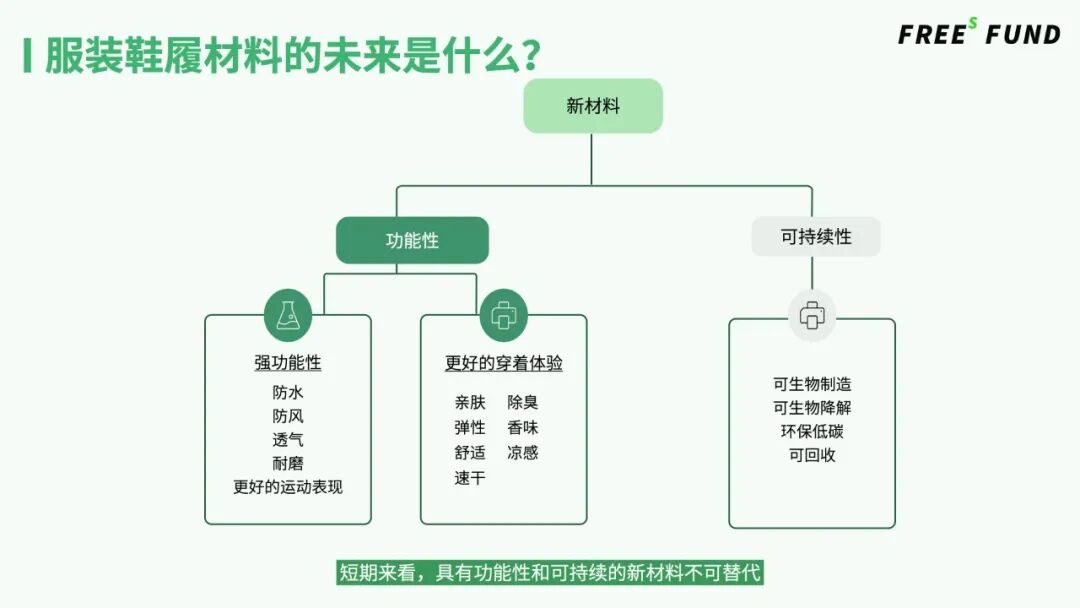
To respond to a rapidly changing market environment, materials innovation has become a path forward for the footwear and apparel industry. We're seeing that "functionality + sustainability" is becoming an important direction for footwear and apparel innovation.
Functionality includes better athletic performance and more comfortable wearing experiences. Some materials enhance windproofing, waterproofing, breathability, and abrasion resistance; others deliver deodorizing, cooling, elasticity, and other wearing experiences.
Sustainability includes bio-manufacturing, biodegradability, environmentally friendly low-carbon recyclability, and green production. For example, Everlane's Clean Silk uses safer dyes, removing over 900 chemicals from the production process.
According to McKinsey & Company's The State of Fashion 2020 report, 45% of surveyed apparel companies hoped to integrate more innovative bio-based materials; over 67% of production and sourcing executives stated that using innovative sustainable materials was very important to their companies. Most surveyed companies also believed that functional materials were important for overall business development. For instance, outdoor brands like GORE-TEX and POLARTEC, as well as companies like Uniqlo, have long been deeply engaged with functional materials.
McKinsey also estimated in its report that from 2013 to 2019, annual patent filings for innovation in textiles would increase eightfold.
/ 03 /
Material Innovation at Chinese and International Brands: Allbirds, Bolt Threads, and Xtep
Next, we'll look at three companies — Allbirds, Bolt Threads, and Xtep — as examples of innovative exploration with new materials. From the results, the comfort, functionality of new materials, and the health and environmental values they represent, have played important roles in brand rise and transformation.
Allbirds: Establishing Itself in the Competitive Casual Athletic Market Through New Materials and Sustainability
You might find it hard to imagine that Allbirds, the "darling" of the athletic consumer space, has only been around for five years.
Since its founding, the health- and eco-conscious footwear brand Allbirds has raised over $200 million in total funding. In 2019, Allbirds' sales reached $220 million. For comparison, athletic leisure brand Lululemon posted revenue of $170 million the year before its IPO.
Allbirds aims to make the most comfortable shoes in the world. In 2016, Allbirds launched on crowdfunding site Kickstarter with comfortable wool shoes as its flagship product. Today, Allbirds has won the favor of Google co-founder Larry Page, Apple CEO Tim Cook, former U.S. President Barack Obama, and other notable figures; actor Leonardo DiCaprio and NBA player Andre Iguodala have become investors.
Allbirds' ability to establish itself in the competitive casual athletic market is inseparable from its innovation and exploration of new materials. Allbirds excels at employing various innovative materials to continuously create products that are more comfortable, soft, lightweight, and environmentally friendly.
At its founding, Allbirds focused on merino wool. Wool offers breathability, temperature regulation, and moisture-wicking properties. After its first wool shoe gained widespread popularity, Allbirds launched a series of new products that similarly used new materials to further improve comfort.
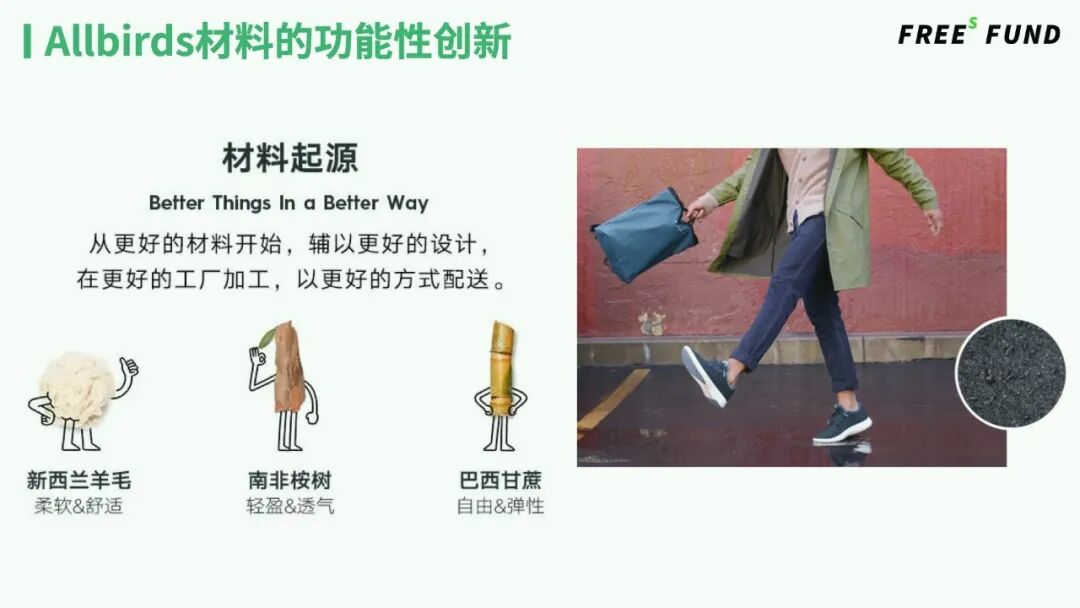
Take the Tree Runner series that Allbirds launched in March 2018. In addition to the merino wool insole, the upper material uses South African eucalyptus pulp, while the entirely new midsole material Sweet Foam™ is derived from Brazilian sugarcane. Sugarcane fiber is light and breathable; eucalyptus fiber makes the upper more comfortable, breathable, and silky smooth.
Allbirds' ambitions extend beyond footwear — it has begun expanding into socks, apparel, and other categories. What remains constant is its use of new materials.
In 2019, Allbirds launched socks made from a wool-eucalyptus blended fiber called Trino™.
In 2020, it introduced its "good" green tech series, with the Trino™-plus-chitosan Trino Crab Tee as a standout. Trino™ plus chitosan is a sustainable fiber made from chitosan in discarded crab shells. Because it doesn't rely on metal-extracted elements like zinc or silver, it makes clothing more antibacterial and durable.
Additionally, Allbirds planned to launch plant-based leather shoes (plastic-free) in December 2021.
These applications of new materials have enabled functional innovation in Allbirds products. Beyond that, the inherent sustainability of these materials forms an important part of the brand's values.
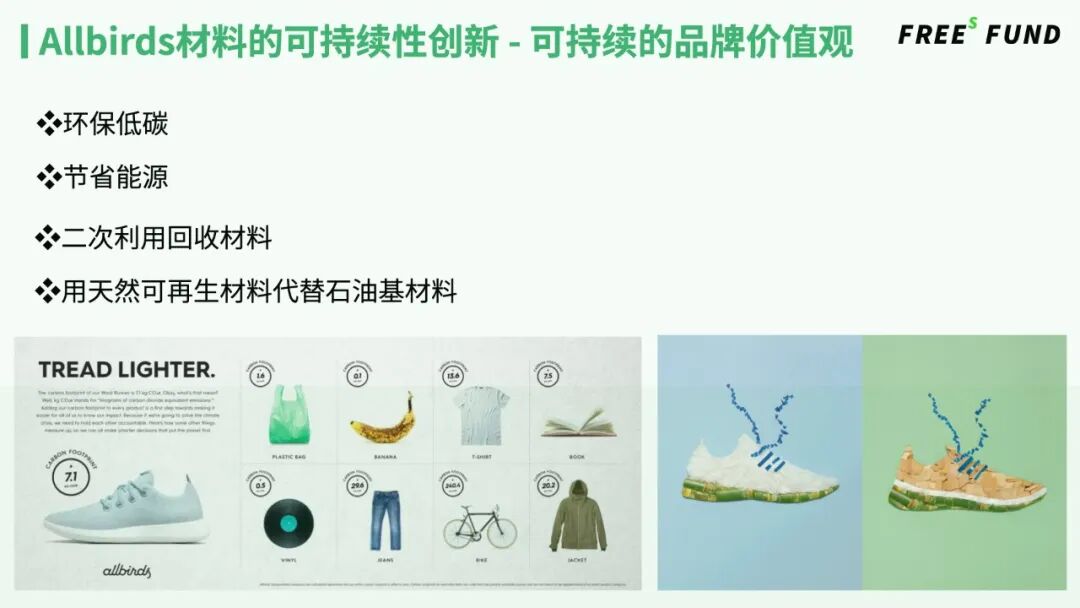
Allbirds' website shows that a typical sneaker's carbon footprint is 12.5 kg CO2e, while the average carbon footprint of Allbirds-produced footwear is 7.6 kg CO2e (carbon footprint refers to the total greenhouse gas emissions caused by an individual, event, organization, service, or product, used to measure the impact of human activities on the ecological environment).
Allbirds also clearly labels on its website exactly how much resource its eco-friendly materials save. For example, compared to traditional materials like cotton, the eucalyptus fiber used by Allbirds reduces water consumption by 95% and cuts carbon emissions in half. Additionally, Allbirds' shoelaces are made from recycled plastic bottles.
Against the backdrop of mounting carbon neutrality pressure, Allbirds' efforts are becoming increasingly significant — and earning strong recognition from consumers.
The factory behind Allbirds' ability to continuously roll out new products is Braskem.
Braskem is one of Brazil's largest petrochemical companies and the biggest producer of thermoplastic resins in the Americas. It partners with more than 150 brands and exports to North America, South America, Asia, and Europe. In 2007, Braskem launched its proprietary green polyethylene, extracting ethanol from sugarcane to achieve green ethanol production. By the time it partnered with Allbirds, Braskem had already developed a highly mature process for producing green ethanol, enabling Allbirds to create sugarcane-based sole materials.
Bolt Threads: Focused on R&D and Application of New Materials
Unlike Allbirds, Bolt Threads doesn't directly launch consumer products — it's an organization dedicated to researching and applying new materials.
Bolt Threads' founder once posed a thought-provoking question: If one day all petroleum resources are depleted, and we lose the raw materials for producing fibers, what do we do?
Bolt Threads has introduced new material products including spider silk protein and mycelium-based Mylo.
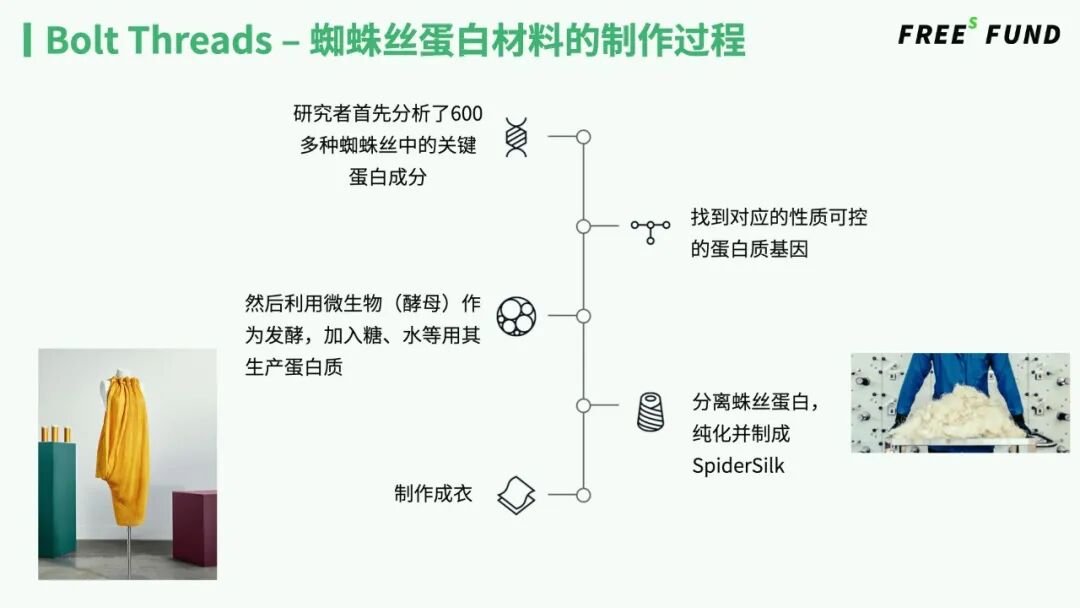
Let's start with spider silk protein. The R&D and production process is remarkably ingenious. After analyzing the key protein components in over 600 types of spider silk, researchers identified corresponding controllable protein genes. Using microbial (yeast) fermentation, they add sugar and water to produce the proteins. Finally, through separation and purification of the spider silk proteins, the material is created.
Spider silk protein is four times as tough as steel of the same diameter, with elasticity comparable to nylon, and can withstand temperatures up to 300°C. The production process is clean and harmless, and the material is ultimately biodegradable — making it an excellent choice for high-performance outdoor sports gear.
However, spider silk protein currently costs around $100 per kilogram, far beyond what consumers would accept. But in fields like apparel, wigs, and cosmetics — where material performance demands are high — spider silk protein has considerable growth potential.
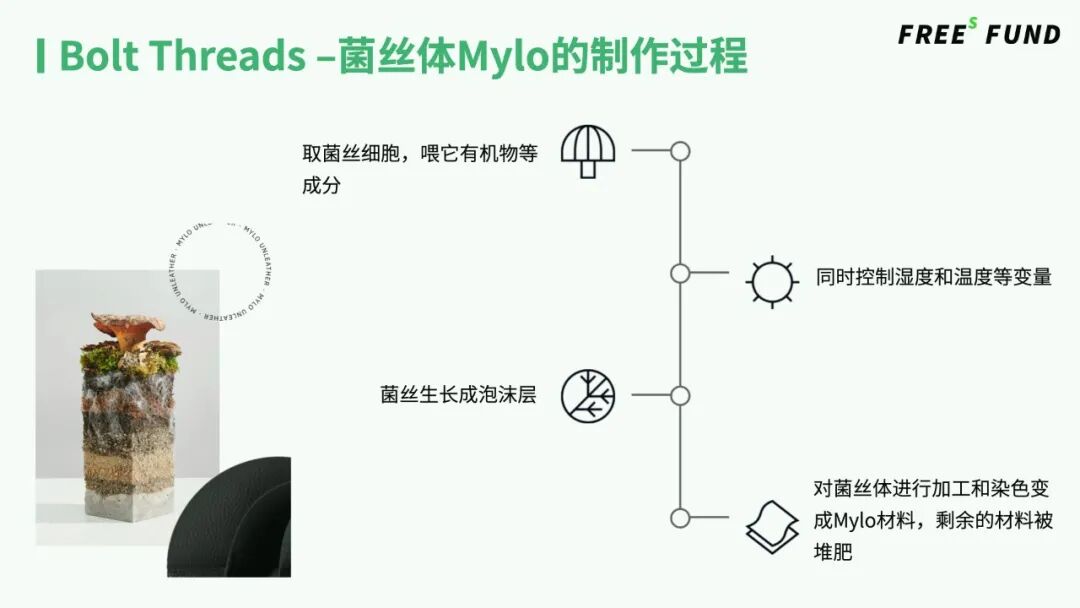
The R&D and production of mycelium-based Mylo is equally fascinating. First, mycelium cells are extracted and fed organic matter. Under controlled temperature and humidity, the mycelium grows into a foam layer. The mycelium is then processed and dyed to create Mylo, a material that feels remarkably like leather. Any leftover material from production is composted.
Mylo's biggest selling point is its short production time — just a few days to produce. By comparison, traditional leather obtained through animal husbandry typically takes years. Simply put, raising cattle takes years; growing mycelium takes days. Mylo dramatically shortens the production chain for leather-like materials and improves efficiency.
That said, Mylo's price isn't yet consumer-friendly either, and its stability, plasticity, and durability still need longer-term observation. But looking ahead, mycelium materials show promising prospects. As a high-quality alternative to leather, it has abundant commercial applications.
According to Luxe.CO, in 2021 Bolt Threads used its patented biomaterial Mylo to establish exclusive partnerships with a number of international fashion and luxury companies, including French luxury giant Kering, British designer brand Stella McCartney, Adidas, and Lululemon.
Xtep: Achieving Brand Transformation Through New Materials
In recent years, Xtep has been transforming from a brand focused on the athleisure market into a professional sports brand.
What's recently broken Xtep into new circles is the stellar performance of marathon runners wearing its shoes. At the 2021 Xiamen Marathon, over 50% of elite runners (those finishing in under 3 hours) wore Xtep running shoes. At the Xuzhou Marathon men's division, seven of the top nine athletes chose Xtep.
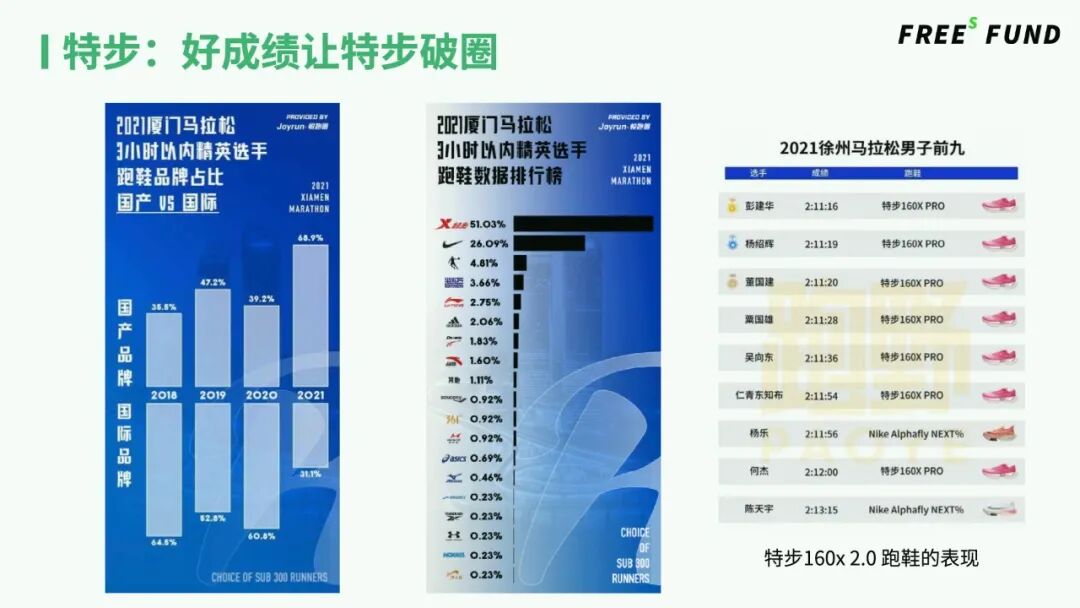
Why do marathon runners favor Xtep?
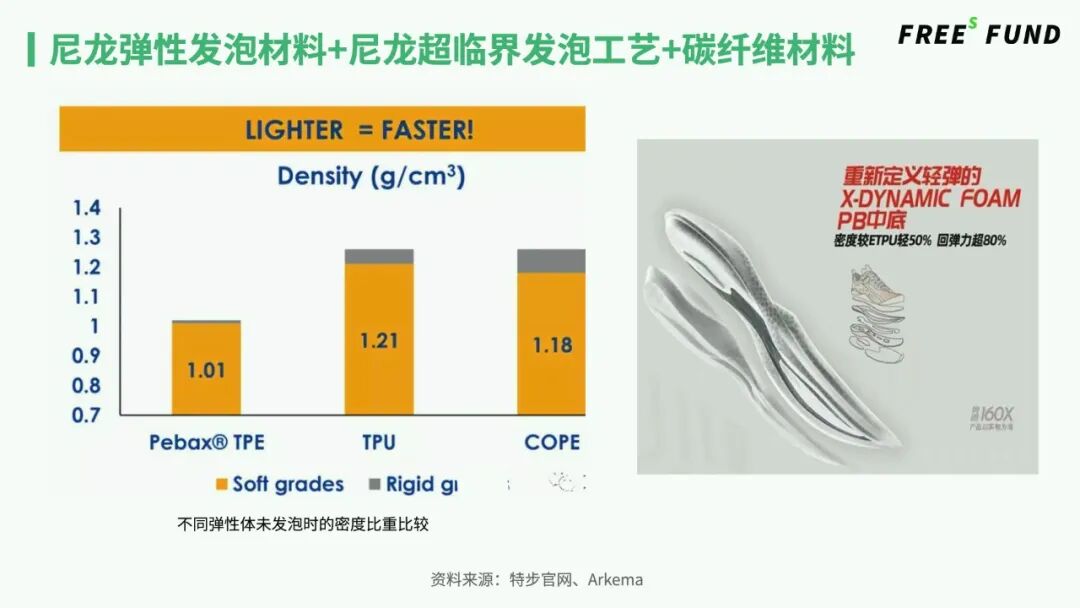
One answer: new functional materials deliver better athletic performance. Xtep has combined carbon plate technology with new midsole materials to launch ultra-low-density, lightweight, highly resilient running shoes. The midsole refers to the foam layer between the insole and outsole, providing protection, cushioning, and stability.
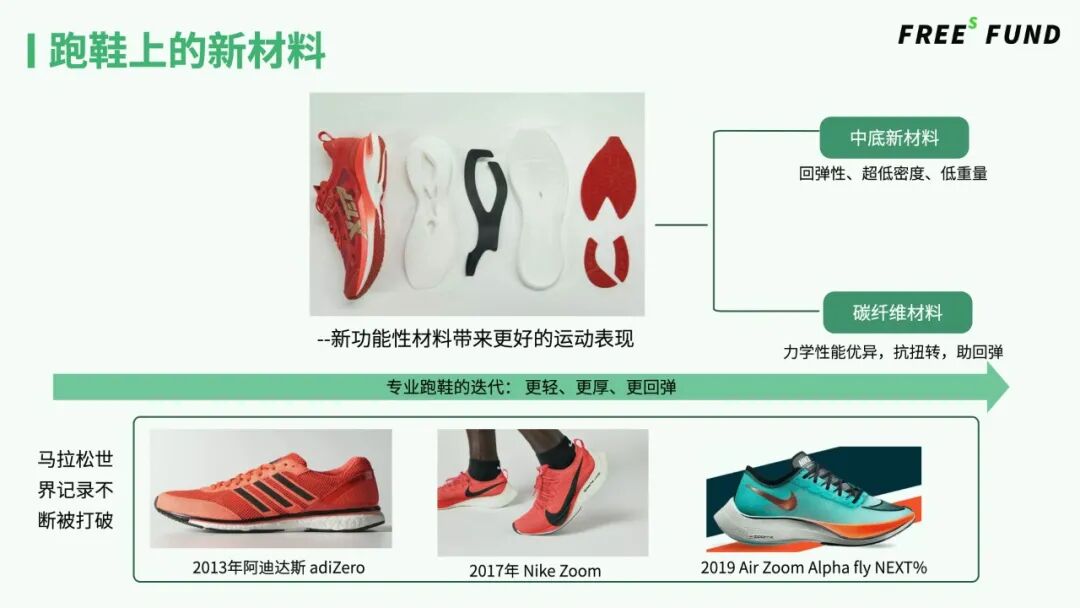
Before Xtep, Adidas and Nike had already led the way in iterating running shoe materials to boost performance. In 2013, Adidas launched its "popcorn" adiZero with a midsole using German chemical company BASF's expanded thermoplastic polyurethane (E-TPU) foam microspheres. In 2017, Nike introduced its ZoomX series in collaboration with Arkema, using new nylon elastic foam material (Pebax) combined with carbon fiber composite. In 2019, Nike released the even higher-performing Nike Air Zoom Alphafly NEXT%.
Xtep's Dynamic Foam PB is an upgrade on the "popcorn" technology — produced using a supercritical foaming process with nylon pellets. It's approximately 50% lighter than E-TPU with over 80% energy return.
As professional running shoes evolve toward lighter, thicker, more resilient designs, marathon world records keep falling.
And the reason domestic sportswear brands like Xtep have been able to quickly follow suit and iterate their midsole materials is thanks to the development of material supply chains in China.
Because nylon elastomer technology has relatively high barriers to entry, the vast majority of production capacity remains with foreign manufacturers like Arkema, Evonik, and Japan's Ube Industries. But with advances in nylon elastomer processing technology, Chinese manufacturers such as Zhejiang Xinyuan Technology and Cangzhou Xuyang Chemical are now able to produce high-performance nylon elastomer materials. The application range of nylon elastomers has also gradually expanded from professional running shoes and other high-end footwear to broader categories including home appliances, wearable devices, and medical equipment.
Why Is Innovation in the Athletic Footwear and Apparel Industry So Pronounced?
Whether it's emerging brands like Allbirds or established brands like Nike and Xtep, most companies actively driving material innovation are sportswear brands. Why has innovation and transformation in the athletic footwear and apparel industry become so significant in recent years?
Behind this transformation is consumers' preference for athleisure footwear and apparel. Data shows that athletic leisure is becoming the growth category within the stagnant broader apparel sector. According to research published in December 2020 by Spanish investment firm Comprar Acciones, the global activewear market reached $353.5 billion in 2020, showing some resistance to the economic impact of COVID-19. From 2020 to 2026, the global activewear market is projected to grow at a 3.7% compound annual growth rate (CAGR), reaching $439.17 billion by 2026.
First, athleisure represents a lifestyle attitude centered on health and fitness. Second, athletic leisure footwear and apparel offer material advantages over regular clothing — they're more breathable, form-fitting, and comfortable.
Third, the nature and methods of work have changed. Compared to decades ago, a greater proportion of young people in China now work in retail and service industries, while fewer are in financial services and other sectors requiring formal dress. Most young people wear formal attire less and casual athletic wear more — and the US shows a similar pattern. The data from Spanish investment firm Comprar Acciones mentioned earlier corroborates the robust demand for athletic apparel.
Attitudes toward athletic leisure footwear and apparel reflect broader shifts in social thought and commercial culture. In traditional society, dress and etiquette signaled rank and class, and business leaders championed professional attire. As people increasingly emphasize health, environmental protection, equality, and friendliness, clothing has become more diverse. From the gentlemanly art of European dress to American-style casual sportswear, using clothing to express oneself and showcase a healthy lifestyle has become an irreversible trend.
Moreover, the pandemic has profoundly influenced clothing attitudes. During COVID-19, people grew accustomed to the comfort and convenience of home clothing, and awareness of fitness and health grew stronger — making it hard to return to wearing suits all day.
What Further Material Innovations Await the Footwear and Apparel Industry?
The new materials we've discussed throughout this article all substitute for traditional materials. Mylo mycelium material can replace leather; spider silk protein fiber can replace silk. These new materials may vary in their maturity, but whether in functionality or sustainability, they offer clear generational advantages over traditional materials.
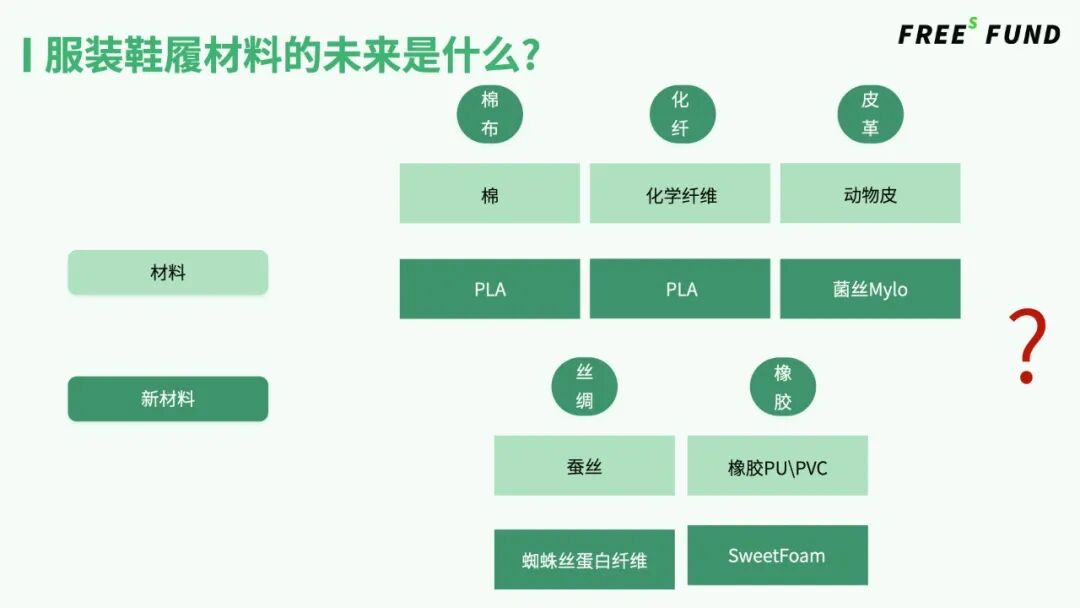
What new material innovations might emerge in the footwear and apparel industry over the next 5-10 years?
Polylactic Acid (PLA)
Polylactic acid (PLA) is currently one of the bi degradable materials with the largest production volume and widest application range. PLA is produced through fermentation of crops like wheat and corn, and can be spun into PLA fibers after molding.
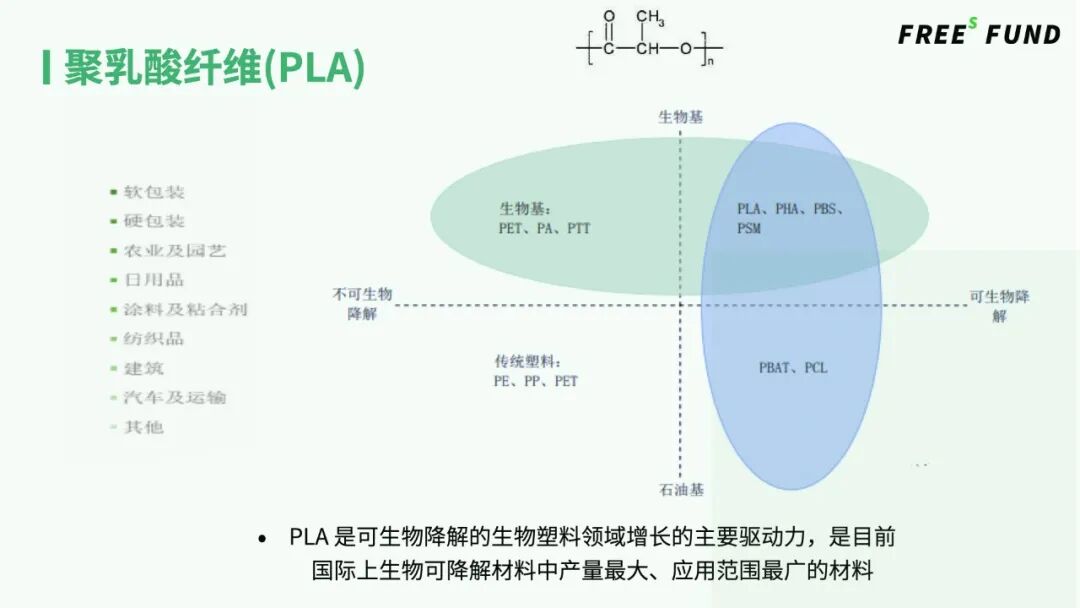
PLA is not only environmentally friendly but also has some antibacterial properties. After being widely adopted in consumer goods, cosmetics, automotive, and other industries, it has passed the test of consumer acceptance. Going forward, PLA will have opportunities to gain broader traction in the footwear and apparel sector.
Xtep, which we mentioned earlier, has launched sportswear made from PLA in addition to its performance-focused running shoes. In 2020, Xtep released a windbreaker with PLA accounting for 19% of the total material. In 2021, the PLA content in Xtep's T-shirts increased to 60%. Xtep also planned to launch knit sweatshirts with an even higher PLA percentage in Q2 2022.
Polyhydroxyalkanoate (PHA)
Polyhydroxyalkanoate (PHA) is another material worth watching. PHA is synthesized by natural microorganisms and offers good water resistance, ductility, and biocompatibility. It is widely used in agriculture, environmental protection, biochemical engineering, microelectronic materials, energy, pharmaceuticals, and medical materials — and can degrade spontaneously in natural environments like soil and seawater.
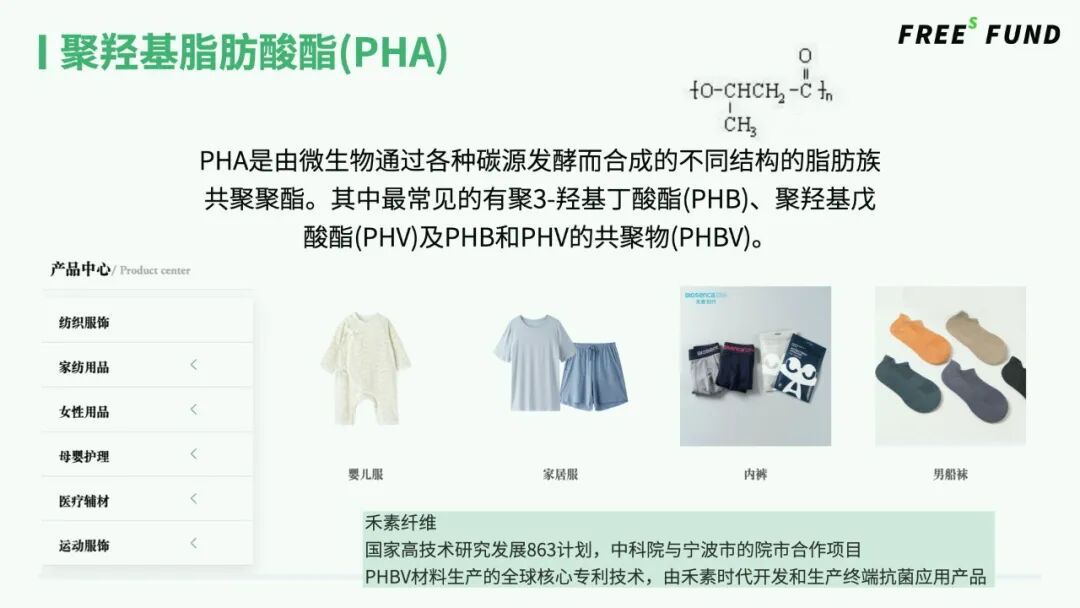
According to a research report from Southwest Securities, compared with other biomaterials like PLA, PHA has a more diverse structure. By altering the bacterial strain, feedstock, and fermentation process, its composition can be changed to yield more varied properties. Currently industrially produced PHA products include polyhydroxybutyrate (PHB), polyhydroxyvalerate (PHV), and polyhydroxybutyrate-co-valerate (PHBV), among others.
PHA also has antibacterial properties. The most common product on the market is a fiber made from PHBV and PLA through blending and copolymerization. This material outperforms pure PLA in heat resistance and softness, making it suitable for healthy, eco-friendly textiles.
In commercial applications, a company called Hesufibers holds core patented technology for PHBV material production and uses it to make home wear, socks, and other textile products. The company originated from a collaboration project between the Chinese Academy of Sciences and the city of Ningbo, and was listed under the national 863 High-Tech Research and Development Program.
According to SynBio, a content brand under DeepTech: "Constrained by high production costs, PHA has yet to achieve large-scale commercial production." FreeS Fund angel-round project Bluepha "developed industrial production technology for the biodegradable material PHA, systematically reducing its production costs."
Bluepha is a molecular and materials innovation company built on "biotechnology + industrial internet." The company is committed to creating commercially imaginative innovative products through its bio-computation and testing platform — including the only plastic on the market that can degrade in natural environments (including seawater), industrial hemp components for combating anxiety and pain relief, and hangover remedies that help address the alcohol metabolism gene deficiency common among East Asian populations.
Lyocell
Lyocell is produced by mixing and heating wood pulp (primarily from softwood trees), water, and the solvent N-methylmorpholine N-oxide, then completely dissolving the mixture, removing impurities, and spinning it into fiber. Lyocell has a simple carbohydrate molecular structure, and the dissolution process produces no derivatives or chemical reactions.
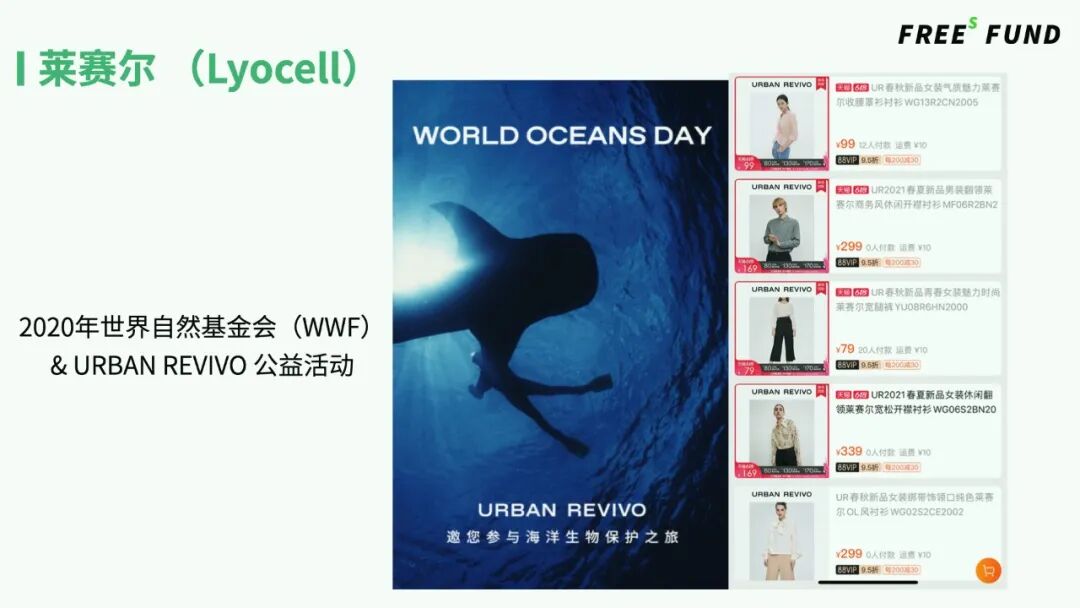
Lyocell was first introduced by the Austrian company Lenzing, which also developed Modal. Lyocell's advantages lie in its texture, pleasant hand feel, and drape, making it well-suited to replace silk and similar materials. Lyocell is already fairly widely used. For example, URBAN REVIVO collaborated with the World Wide Fund for Nature (WWF) on a product line using lyocell fabric.
Carbon Fiber
Carbon fiber consists mainly of carbon atoms. Thousands of carbon fibers bundled together form a fiber tow, which can be used alone or woven into fabric. Thanks to its high hardness, high strength, light weight, resistance to deformation, and high temperature tolerance, carbon fiber was initially used in military, aerospace, and wind power applications. As the technology has matured and prices have come down, carbon fiber is now widely used in sports equipment, medical devices, consumer electronics, automotive, construction, and freight and warehousing.
When applied to racing running shoes, carbon fiber and its composites not only reinforce the midsole structure and provide more stable arch support, but also enhance rebound and deliver powerful propulsion, saving athletes' energy. Nike, Adidas, ANTA Group, and other companies have already used carbon fiber materials in some of their performance shoes.

▲ In 2020, Kenyan athlete Peres Jepchirchir broke the women's-only half marathon world record with a time of 1:05:34 wearing the carbon fiber-equipped adizero adios Pro. (Source: Adidas official website)
FreeS Fund angel-round project Huayu New Materials has built up substantial technical expertise in carbon fiber composites, holding multiple carbon fiber-related patents and capable of designing and producing carbon fiber materials for automotive, athletic footwear and apparel, and other applications.
Beyond PLA, PHA, lyocell, and carbon fiber, the footwear and apparel industry has many other new materials to draw upon — such as seaweed fiber, soy protein fiber, and bamboo pulp regenerated fiber. While production capacity for these materials is still limited, their future application scenarios are broad.
Will New Materials Gain Wider Acceptance Among Consumers and Brands?
After reviewing these application cases of new materials in footwear and apparel, we want to explore a further question: will new materials gain wider acceptance among consumers and brands going forward?
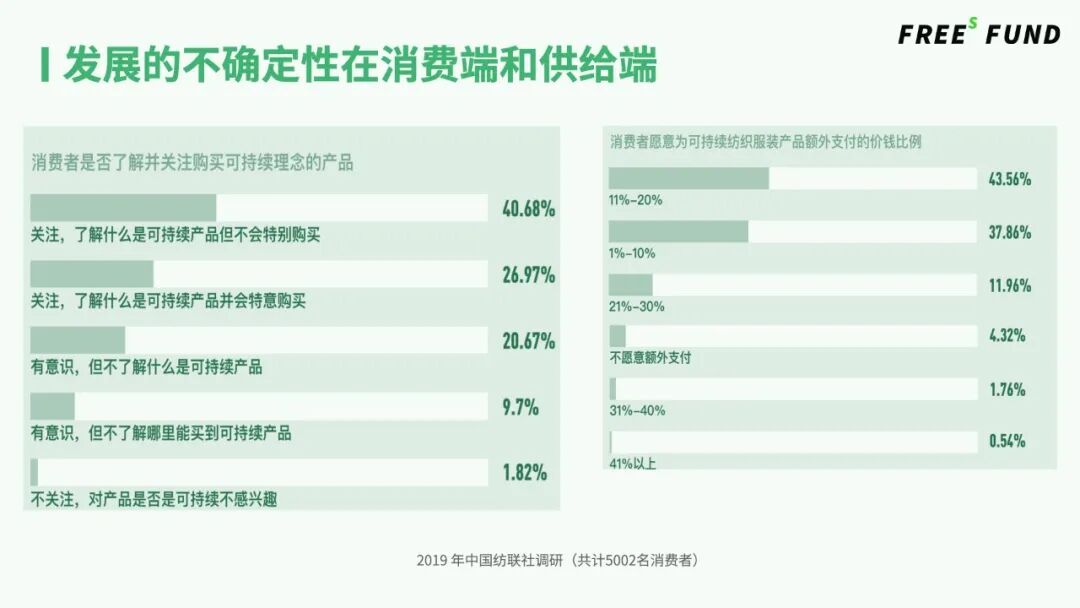
Currently, the development of new materials still faces considerable uncertainty from both the demand and supply sides.
Looking first at supply. The footwear and apparel industry's biggest ask of suppliers is to make good products at lower cost. Yet most new materials today are not cheap, and their performance is still less stable than traditional cotton and linen.
On the enterprise side, most companies likely still lack accurate, clear understanding of new materials. Apart from a few brands that have entered the space, the majority remain in a wait-and-see mode.

There is also a tension to navigate. The sustainability concepts that accompany new materials are, to some extent, advocating that consumers be more low-carbon, more environmentally conscious, and buy fewer clothes — which sits in tension with consumer brands' pursuit of high purchase frequency and high repurchase rates.
From the consumer perspective, acceptance of sustainable and environmentally conscious consumption is rising. However, overall, sustainability still carries limited weight in purchase decisions in the mass consumer market. Plenty of people still see eco-friendly new materials as mere marketing gimmicks. The popularization of new material products will require continued market education of potential users.
Despite the uncertainties on the path to widespread adoption, the positive impact of new materials on the footwear and apparel industry's development cannot be obscured.
A currently feasible, broadly applicable approach is to not make new materials the backbone of footwear and apparel, but rather a nice-to-have element for consumers. Because these new materials offer advantages in wind resistance, water resistance, comfort, and other aspects that are difficult for traditional materials to match.
Furthermore, from the perspective of industrial chain transformation, new materials are more efficient and environmentally friendly than traditional materials in both production and recycling. There remains substantial room to compress and adjust the production costs of new materials. If we extend the timeline, it becomes clearer that new materials are in fact reducing production and consumption costs for enterprises and society.

Some encouraging signs are already emerging, with more consumers willing to pay for sustainable and functional materials. According to a 2019 survey by the China Textile Information Center of 5,002 consumers, over 40% were willing to pay a 10% to 20% premium for sustainable textile and apparel products.
We have reason to believe that as the concepts and production methods associated with new materials gain broader consumer acceptance, the synthetic biology technologies behind new materials will have the opportunity to transform the entire new materials production value chain. And the lower the production costs and the higher the efficiency of new materials, the more widely they can be applied in the market — creating a virtuous cycle.
Discussion
In this article, we shared our research on new materials in the footwear and apparel industry. We'd welcome your observations and thoughts:
How do you view the development of new materials, and what opportunities do you see?
Contact Us
Entrepreneurs and industry experts are welcome to continue the conversation with the author, Yingzhu Jiao (jiaoyingzhu@freesvc.com). Thank you for reading. If you have any questions for the author or are interested in our future brand events, please take 1–2 minutes to fill out this form. We look forward to engaging with you.
(Scan the QR code to fill out the form 👆)
Metaverse Development: From Social to Digital Immortality | FreeS Research How to Understand the Differences Between Chinese and American Development Models, and Find Entrepreneurship Opportunities Rooted in China? | Li Feng Column FreeS Family Funding News · June: Saturnbird, Shize Bio, and Light Travel Raise Funding Breaking the Involution in Consumer: Is the Secret "Going Premium"? | Li Feng Column Early-Stage Medical Aesthetics Investment Turns to Underlying Technology | FreeS Research
Join Us
We are looking for investors in biotech, deep tech, and consumer/TMT across our Beijing, Shanghai, and Shenzhen offices. We welcome candidates with industry backgrounds who are interested in investing, and we also appreciate referrals of exceptional talent. (For detailed job descriptions, please click the "Read More" link at the end of this article.) Please send your resume to hr@freesvc.com. *Email subject line: Application for "[Biotech / Tech / Consumer] Investor" — "[Location]"
We are also seeking interns in investment research, legal, finance, HR (portfolio direction), and video content operations. Interested students are welcome to apply. (For detailed job descriptions, please click the "Read More" link at the end of this article.)
Internship duration: 3–5 months, 3–5 days per week on-site. Based in Beijing preferred.
Please send your resume to hr@freesvc.com.
*Email subject line: Position — Name — School — Major — Minimum internship duration (months) — Days per week on-site — Earliest start date