FreeS Report 24 | Embracing the "Smartest" Opportunity: Investing Boldly in Brain and Neuroscience

If the universe is complex, mysterious, and captivating, so is the brain.
If the universe is complex, mysterious, and captivating, so is the brain.
As the most important organ in the human body, this gelatinous mass weighing less than 1.5 kilograms is the source of all human perception, cognition, emotion, thought, and memory. In a sense, the brain is the universe. Place images of the brain and the cosmos side by side, and the resemblance is striking: the brain contains nearly 100 billion neurons, while the observable universe holds roughly 100 billion galaxies; the brain is 77% water, while the universe is 72% dark matter; the connective structure of neurons in the brain mirrors the connective structure of galaxies in the universe — equally intricate, equally awe-inspiring.
Just as the universe holds countless mysteries yet to be explored, humanity's understanding of the brain has only just begun. As the famous saying in neuroscience goes: "If the human brain were so simple that we could understand it, we would be so simple that we couldn't."
The complexity and profundity of the brain have made brain and cognitive science known as the "last frontier" of human technology. We believe the decade beginning in 2021 will be one of rapid advancement in brain and neuroscience. As cutting-edge interdisciplinary technologies continue to develop, brain and cognitive science progresses, and population aging intensifies, we expect disruptive technologies and major discoveries in this field — along with enormous commercial opportunities.
We believe that breakthrough innovations often occur at the intersection of disciplines, and brain science is no exception. In 2019, FreeS Fund led the angel round of Neuracle (优脑银河), which raised over $100 million in financing within just two years. The company's "Individual Precision Brain Mapping Platform" enables, for the first time, individual-level observation of human brain function and connectivity at the neural circuit scale. For major brain diseases including depression, Alzheimer's, Parkinson's, autism, and post-stroke aphasia, Neuracle is conducting clinical trials in collaboration with top-tier domestic hospitals, achieving breakthrough therapeutic results.
These advances are closely tied to the founding team's interdisciplinary background. Chief Scientist Professor Hesheng Liu of Harvard University has published over 100 SCI papers from his lab. CEO Kechn Wei holds dual master's degrees in electrical engineering and structural engineering from Tsinghua University and MIT. (On October 20, we invited Kechn Wei, co-founder and CEO of Neuracle, to join FreeS Fund partner Rui Ma for an in-depth online conversation — scan the QR code in this article to register.)
In this report, we share our thinking on brain and cognitive science, covering the origins of the field, new tools and therapies that have emerged, and our investment perspectives.
Before diving in, here are our key takeaways:
-
The brain is humanity's most important organ, yet our understanding of it remains extremely limited. As global aging accelerates, the unmet clinical needs for CNS (central nervous system) diseases are enormous, bringing excessive healthcare burdens and rising social costs, while targeted drugs and therapies have seen little progress for years. The fundamental reason is our limited understanding of the brain. Therefore, the core task of brain science is to understand the brain's fundamental mechanisms; key directions include brain cognition, brain disease, and brain intelligence. Brain science is becoming the next frontier in technology — also the longest and widest "snow slope."
-
Over the past decade, new tools and interdisciplinary technologies have significantly advanced brain science research. These include imaging technologies, gene sequencing, proteomics, single-cell sequencing, single-molecule detection, optogenetics, gene editing, gene therapy, nucleic acid drugs, brain-computer interfaces, neuromodulation, nanomaterials, and neural electrodes. Breakthroughs in these technologies will bring paradigm revolutions to brain science. R&D and measurement tools enable us to digitize the CNS and neurobiological processes faster and better. Neural cell regulation technologies (such as optogenetics, synthetic biology, and stem cells) allow us to shift from correlational to causal research on relationships and functions between different brain regions. As digitization gradually unfolds and deepens, computational cognitive neuroscience will become essential infrastructure for clarifying questions of consciousness and mind.
-
The next decade will be a golden period for developing innovative drugs and therapies for CNS diseases. Risk genes for most CNS diseases will likely be discovered; using gene editing and non-human primate models, human understanding of disease mechanisms will deepen continuously. More brain networks and neural circuits related to brain diseases, as well as new targets for regulating neural circuits, will be identified. New neural biomarkers will also help subtype patients with the same disease but different heterogeneity. Moreover, new therapeutic modalities represented by gene therapy, stem cells, digital therapeutics, and neuromodulation will be introduced into the brain disease field. New targets, more precise patient stratification, plus new treatment modalities will bring incremental advances to CNS disease diagnosis and treatment.
-
In the short to medium term, invasive implantation technologies face significant difficulties, with risks of scar tissue formation and immune reactions, and unknown long-term safety of electrodes implanted in gray matter — making clinical medical applications of brain-computer interfaces challenging. But in the long term, brain-computer interfaces represent one of the most important directions and platform technologies in brain science, providing a critical engineering interface for accessing the brain capable of integrating future regulation tools, measurement technologies, computational decoding methods, and the latest electrode materials and chips. Once deployed at scale, the data provided by brain-computer interfaces will undoubtedly enhance our understanding of the brain, ultimately achieving seamless human-machine connection.
-
Although investment in CNS disease drugs carries very high failure rates and risks, brain and neuroscience has quietly become a hot entrepreneurship domain. In the US, VCs are boldly deploying in brain science; in China's primary market, investment enthusiasm for brain science is also growing. FreeS Fund persists in early-stage investment in brain science, focusing on new tools, new therapies, and new computation around brain cognition, brain disease, and brain intelligence, seeking non-consensus opportunities.
Next, this article will discuss the following questions in turn:
- Why is brain science entrepreneurship and investment timely now?
- What are brain science and cognitive neuroscience, and what topics do we care about?
- Some basics about brain and cognitive science
- Opportunity: New tools bring key data, leading to new discoveries
- Opportunity: Brain-computer interfaces
- Opportunity: CNS diseases and new therapies
- Investment in brain and neuroscience by governments, pharmaceutical companies, and funds
- Analysis of investment directions
We hope to bring a different perspective. We welcome more knowledgeable individuals in brain and cognitive science to discuss with us, and we look forward to discovering more brain and neuroscience startups. Rui Ma, partner at FreeS Fund and author of this article, welcomes ongoing exchange (marui@freesvc.com). We also welcome those with industry backgrounds and interest in biopharma investment to join us (hr@freesvc.com).
👇 If you're interested in the livestream on the evening of October 20, scan the QR code in the poster to fill out the registration form:
Embracing the "Smartest" Frontier: Investing Boldly in Brain and Neuroscience
By Rui Ma | Email: marui@freesvc.com
01 Why Is Brain Science Entrepreneurship and Investment Timely Now?
▍The brain is extraordinarily important, yet our understanding remains limited.
The brain accounts for only 2% of body weight, yet receives 25% of blood flow, consumes 25% of calories, and uses 20% of oxygen. As nature's most complex organization, the human brain contains approximately 86 billion neurons and 150 trillion synaptic connections. The human brain is the product of millions of years of evolution; the brain of Homo sapiens itself has a 100,000-year history. We have studied the brain for centuries, but compared to its long evolutionary history, this is still brief. Our knowledge and understanding of the brain remain very limited. Some experts compare the current state of brain science to physics in the early 20th century: much has been figured out, but major understanding and breakthroughs have yet to emerge.
▍As aging intensifies, the medical and social burden of brain diseases grows heavier.
According to OECD data, most countries worldwide face population "aging." The Blue Book of Big Health Industry: China Big Health Industry Development Report notes that by 2050, China's population aged 60 and above will reach 483 million, accounting for 34.10% of the national population. Relevant policies have been continuously introduced in recent years, attempting to adjust and optimize population structure, but the aging trend is difficult to reverse.
With aging, the probability of developing CNS diseases increases substantially. WHO data indicates that most people begin experiencing back and neck pain, memory decline, dementia, depression, brain tumors, and degenerative diseases between ages 50-70. Without effective prevention and treatment methods, by 2050, over 100 million people worldwide will suffer from Alzheimer's disease; among those over 85, on average one in three may develop the condition. With China's large population base, the need to prevent and treat neurodegenerative diseases is increasingly urgent.
Over the past 50 years, innovative drugs and treatments for diseases such as polio, AIDS, and cancer have dramatically reduced mortality rates. Yet various brain diseases continue to grow, with almost no effective treatments available. Success rates for new CNS drug development stand at merely 8.4%. The unmet clinical needs in CNS diseases are enormous.
Moreover, many degenerative and developmental brain disease patients require long-term or even lifelong care, creating heavy economic burdens for patients and families. By 2030, as global aging intensifies, the medical burden of CNS diseases is projected to exceed the combined costs of cancer, diabetes, and respiratory diseases.
▍Interdisciplinary empowerment, with new tools constantly emerging.
The lack of effective drugs and therapies stems primarily from our shallow understanding of brain mechanisms and insufficient research methods and tools. The interdisciplinary application of new tools, therapies, materials, and algorithms is driving brain science research and development forward. These include imaging technologies, gene sequencing, proteomics, single-cell sequencing, single-molecule detection, optogenetics, gene editing, gene therapy, brain-computer interfaces, neuromodulation, nanomaterials, and neural electrodes.
From these three perspectives, we believe brain science entrepreneurship and investment are timely. Of course, before discussing specific trends and opportunities, let's briefly understand this discipline.
02 What Are Brain Science and Cognitive Neuroscience, and What Do We Care About?
Simply put, brain and cognitive neuroscience can be divided into two parts:
-
Brain and neuroscience: studies the brain's hardware. This includes the physical basis of the nervous system — brain regions, neural networks, neuronal functions, molecular foundations, and so on.
-
Psychological and cognitive science: studies the brain's software. Cognition is the process of perception and knowing; psychology studies internal representations and transformations. Thus, psychological and cognitive science researches human perception, attention, memory, language, thinking, decision-making, consciousness, and motivation. Different people's brain "hardware" differs little; different sensations, thoughts, and emotions arise from different internal (psychological) transformations or computations.
Combining these two disciplines, cognitive neuroscience, which emerged in the 1970s, explores how the human brain mobilizes components at various levels — including molecules, cells, brain tissue regions, and the whole brain — to implement various cognitive activities.
For the brain, which is cross-scale, extremely complex, and composed of massive numbers of neurons, we ultimately care about three levels of questions:
- At the macro level, we care about how the brain's structure, function, and neuronal activity integrate to produce mind, consciousness, and cognition.
- At the mesoscopic level, we care about how neurons connect into neural circuits and networks, forming different brain regions.
- At the micro scale, we care about how biological macromolecules enable neurons to transmit information through molecular biological actions, and how neurons connect informationally through synapses.
**/ 03 / ** Some Basics of Brain and Cognitive Science
Below is a brief overview of key concepts. Readers who want to go deeper can check out Liqun Luo's Principles of Neurobiology and Michael Gazzaniga's Cognitive Neuroscience: The Biology of the Mind, among other classic textbooks. (You can also skip this section and jump straight to Part 4 on opportunities in the brain industry.)
After centuries of research, we have gained some understanding of the brain. As Academician Muming Poo has noted, we have a fairly good grasp of the basic structure of the nervous system, how neurons transmit information, and how the brain perceives and cognizes. We understand relatively well how neurons encode, store, and retrieve neural information, and we have made solid progress in understanding the neural circuit mechanisms underlying sensory signal processing for vision, hearing, and olfaction. However, we still know very little about the brain's complex network structure as a whole. Our understanding of information processing in the brain remains limited, and our grasp of various sensory perceptions, emotions, and higher cognitive functions — thinking, decision-making, and even consciousness — is still rather superficial.
In 2005, Science magazine compiled "125 Questions: What Don't We Know?", 18 of which fell under cognitive neuroscience. These included the biological basis of consciousness, the storage and retrieval of memory, human cooperative behavior, the biological basis of addiction, the causes of schizophrenia, and the causes of autism. These major questions remain largely unanswered to this day.
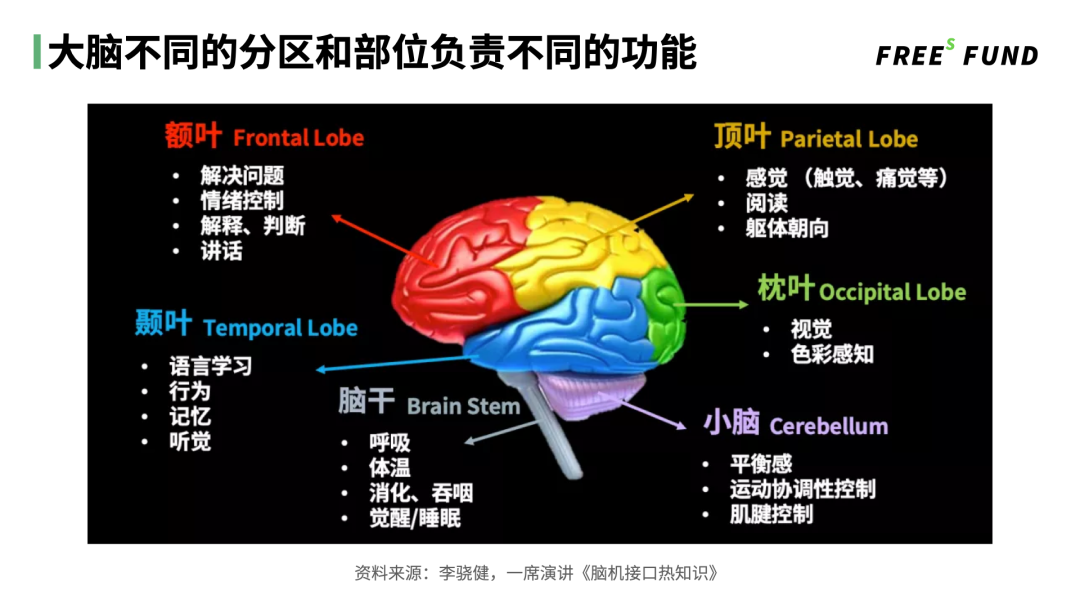
As shown in the figure, the CNS consists of the brain and spinal cord. The brain includes the cortex, limbic system, basal ganglia, brainstem, cerebellum, and other important structures. Different brain regions perform different functions. From outside to inside, the outermost layer of the brain is the cerebral cortex (average thickness of 3mm), composed of layered neurons and serving as the center of the brain's computational processing. Beyond the superficial neocortex, the complex nuclei within the cortex also have extremely important functions. Beneath the neocortex lies the limbic system (cingulate gyrus, hypothalamus, anterior thalamic nuclei, hippocampus, amygdala), which is involved in the processing of emotion, learning, and memory. Below the limbic system are the basal ganglia, a collection of subcortical neural tissues that play an important role in motor control. The thalamus is responsible for preliminary analysis of information and serves as a relay station for information transmission up and down. The brainstem controls breathing, body temperature, swallowing, and level of consciousness. The cerebellum is responsible for balance and motor coordination control.
At the cellular level, the brain is mainly composed of two types of cells: neurons and glial cells. Neurons are the core units of the nervous system. Glial cells are roughly equal in number to neurons and provide extremely important support, barrier, and protective functions for neurons. For example, astrocytes surround neurons and connect with blood vessels to form the blood-brain barrier; microglia can act as macrophages when the brain is injured; and oligodendrocytes form the myelin sheath of neurons.
Neurons provide the mechanisms for information processing and transmission. They receive information through changes in membrane potential, evaluate it, alter their own activity levels, and finally transmit information to other neurons, forming local or long-range neural circuits. A neuron has a cell body; dendrites receive signals, and axons transmit signals. Information flows from dendrites through the cell body to the axon.
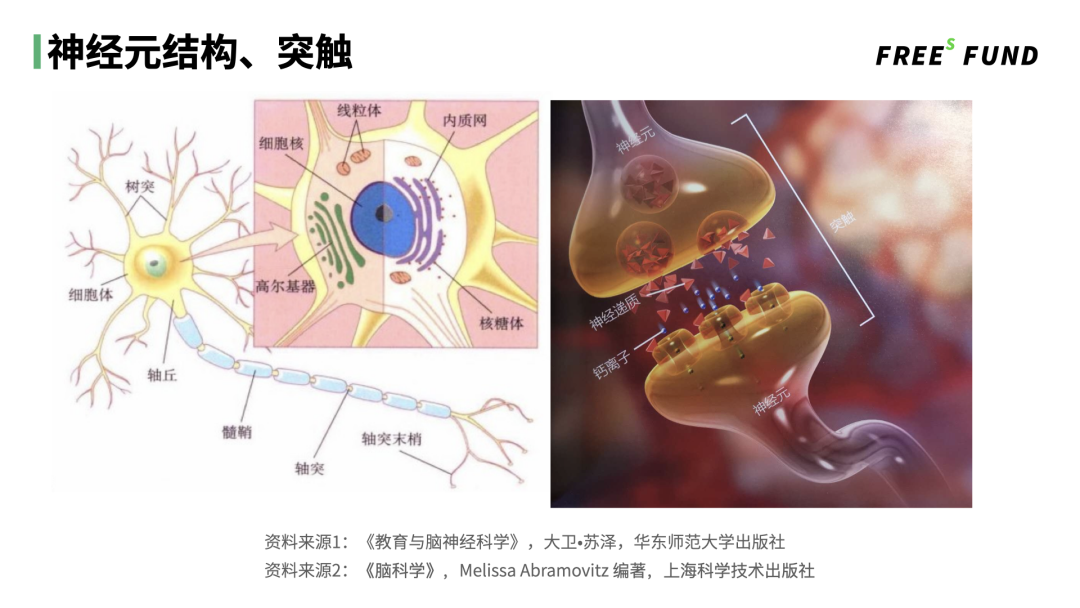
When a neuron receives synaptic potentials at its cell body or dendrites that exceed a certain threshold, an action potential is generated at the axon initial segment, enabling long-distance information transmission from the cell body to the axon and the release of neurotransmitters. Neurotransmitters act on receptors on the target neuron across the synapse to generate synaptic potentials, completing information transmission. More than 100 neurotransmitters have now been discovered, mainly including amino acids, biogenic amines, acetylcholine, and neuropeptides.
A rough conceptual model of neuronal information transmission is: long-distance information transmission within neurons relies on electrical signals, while short-distance transmission between synapses relies on chemical transmitters. Neurotransmitters (small molecules), transmembrane proteins, and electrical potentials together form an exquisite regulatory mechanism: electrical signals depend on ion influx and efflux, which are regulated by transmembrane proteins (ion channels), and the opening of these protein channels is in turn regulated by neurotransmitters or voltage. Many current CNS drugs primarily work by modulating neurotransmitter levels to restore the balance of information transmission between neurons in the brain. For example, reduced monoamine neurotransmitters related to mood and vitality can cause depression, and most antidepressants work to increase monoamine transmitter concentrations throughout the brain. One can imagine that other methods using light, electricity, or magnetism could also be used to regulate and intervene in information transmission between neurons.
Because both leverage complex systems to achieve intelligence, the brain and computers are often compared. Both have large numbers of basic units — neurons and transistors — connected into complex circuits to process important information carried by electrical signals. Both consist of input, output, central processing, and storage components.
Computers have the advantage of far surpassing the human brain in basic operational speed. A personal computer can perform calculations at 10 billion times per second; the human brain, whether in electrical transmission or chemical transmission via neurotransmitters, can execute at most about 1,000 operations per second — or 10 million times slower than a computer. Moreover, human brain signals are affected by biological noise, introducing errors.
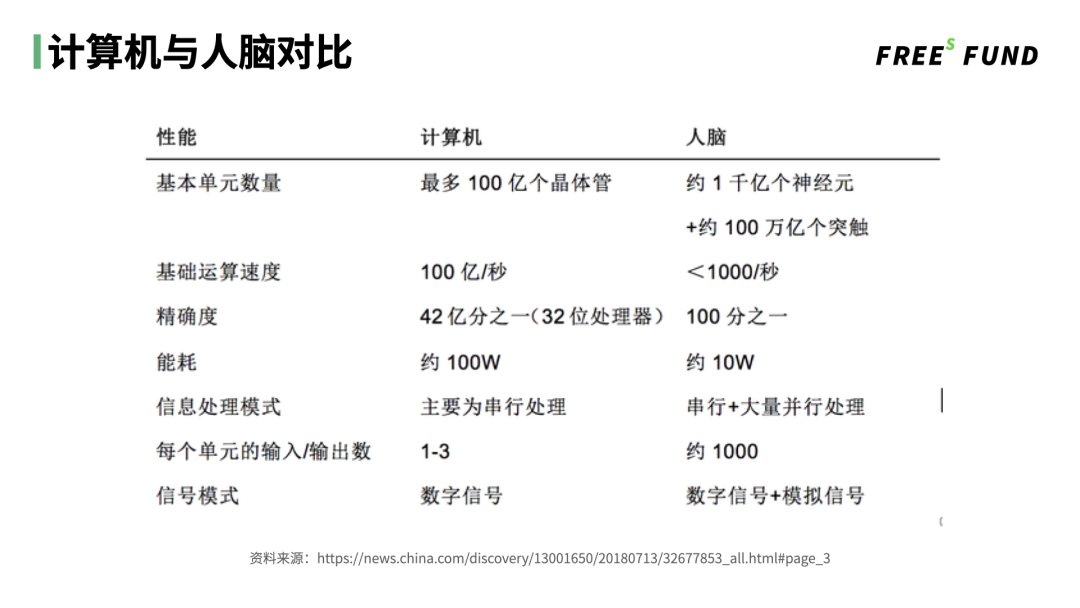
But compared to computers, the brain has its own advantages:
-
Highly parallel, hierarchical operation: Computers are modular and serial; the brain is a massively parallel machine. Each transistor has 1-3 inputs/outputs, while each neuron simultaneously has about 1,000 inputs/outputs. The human brain can thus be considered the most powerful system known to humanity. With its 86 billion neurons, the human brain can achieve high parallelism while efficiently coordinating several hundred brain regions. The brain also operates hierarchically — for example, from sensory organs to the thalamus to the cortex.
-
Synaptic plasticity: The connection strength between neurons can be adjusted and modified based on learning and experience ("neurons that fire together wire together"). Repeated training enables neural circuits to perform tasks better, with continuously improving speed and accuracy.
-
Integrated memory and computation: Computers use the CPU to process information from memory, then write the results back to memory. No such distinction exists in the brain — neurons are both the computational center and the substrate of memory. When neurons process information, they are also modifying neuronal connections (synapses). Information is stored in the connections of neural networks in the form of strengthened or weakened synapses.
Brain-inspired intelligence is also an important direction for the future, whether developing brain-inspired artificial intelligence through studying the human brain, or using computation to understand the brain's algorithms (computational cognitive neuroscience).
Brain-inspired computing has been continuously evolving: parallel computing, integrated memory and computation, and deep learning have all been introduced into the computing field. Take deep learning as an example — it drew inspiration from research on biological visual systems. The visual system consists of many "layers" of neural networks (deep networks). Neural signals are processed by the retina (first layer), then sent to the thalamus (second layer), then to the visual cortex (third layer), and finally to higher visual cortices (fourth layer). The network connections between layers are formed through learning and training (deep learning).
In the digital world, computational cognitive neuroscience serves as a bridge connecting brain information processing mechanisms and artificial intelligence. Based on neurobiological experiments, people build mathematical models and carry out computational simulations to characterize and describe the brain's neural activities, exploring the dynamical mechanisms of information processing in various complex activities and cognitive functions of the nervous system, including attention, learning, memory, emotion, decision-making, and consciousness. Simulation and analysis of cognitive function mechanisms will also play an important role in research on the mechanisms of mental disorders.
Of course, in the physical world, connecting computers and the human brain through brain-computer interfaces is another highly anticipated direction, which will be discussed later.
Livestream Preview
Episode 1 of the FreeS Fund "Dialogue" Biomedical Series — "Embracing the 'Smartest' Trend: Opportunities and Directions in the Brain Science Industry" — will go live on October 20 at 8:30 PM.

Scan the QR code to register 👆
**/ 04 / ** Opportunity: New Tools Yield Critical Data, Leading to New Discoveries
Protected by the skull, dura mater, and other tissues, obtaining samples from the human brain is undoubtedly difficult, which has hindered our research on the brain. Historically, we have measured the human brain through dissection, non-invasive imaging tools, and other observational methods, but these remain far from sufficient. Over the past two decades, significant advances have been made in optics, acoustics, electricity, magnetism, nuclear technology, genetics, molecular biology, and other fields. These technologies have been successively applied to brain and cognitive science.
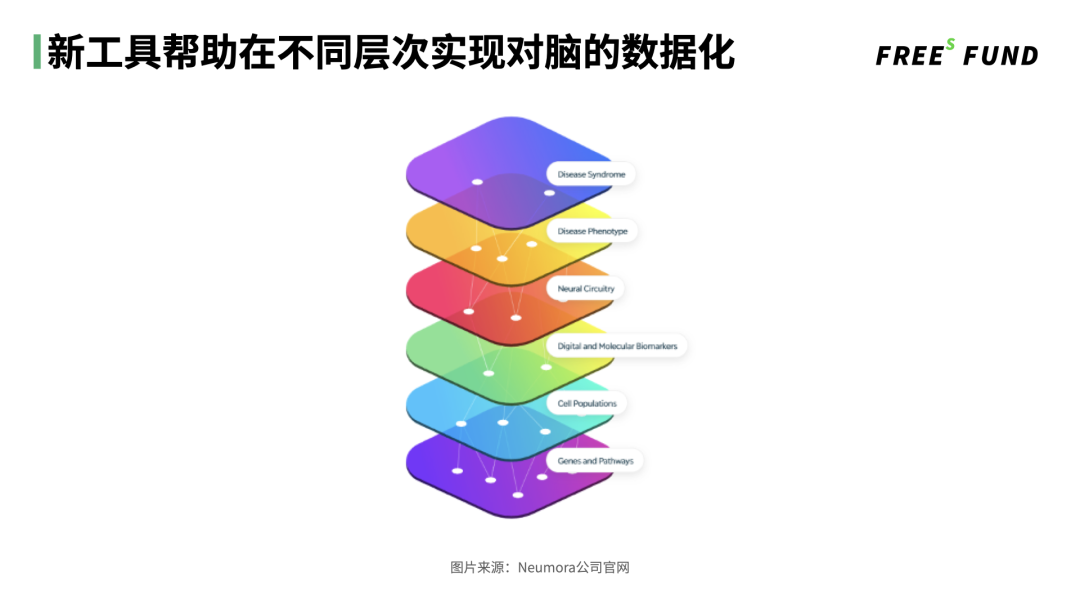
These interdisciplinary applications and R&D tools cover everything from the microscopic level (molecules, cells), to animal models, to the mesoscopic level (neural circuits, brain regions, brain atlases), to the macroscopic level (various new imaging tools). They enable better measurement and digitization across multiple levels and scales — from genes to proteins to neurons to neural circuits to animal models to living brains — triggering new mechanistic discoveries and holding promise for spawning new diagnostic and treatment methods.
For example, Neumora Therapeutics, which just completed a $500 million financing round in October 2021, is dedicated to integrating multi-scale, multi-modal data (genomics, imaging, EEG, and clinical data) to uncover the intrinsic mechanisms of brain diseases, stratify patients with depression, anxiety, sleep disorders, and neurodegenerative diseases, identify specific patient subgroups, and pair them with targeted therapies.
The following sections elaborate on specific areas:
▍Tracking and Regulating Genes (Gene Sequencing, Gene Editing, Non-Human Primate Models, Gene Therapy)
Due to the widespread application of gene sequencing, increasingly more risk genes have been discovered through genome-wide association studies (GWAS) linking genetic data from large populations (~10,000 people) with the pathology of mental disorders.
Take autism spectrum disorder (ASD) as an example. As sequencing technology has advanced, hundreds of mutated genes have been discovered, though each patient typically carries only a few of these mutations. Many of these genes were found to encode proteins in the synaptic region. In collaborative research between Professor Guoping Feng, co-founder of NeuCure, and MIT's Professor Feng Zhang, a highly associated gene, SHANK3, was identified. It encodes a scaffolding protein that supports hundreds of other proteins clustered on the postsynaptic membrane. SHANK3 is essential for synaptic function. SHANK3 mutations are present in 1–2% of ASD patients. This gene mutation also appears in schizophrenia and is the cause of Phelan-McDermid syndrome. Patients with SHANK3 mutations typically exhibit multiple comorbid features, including developmental delay, severe sleep disorders, absence of speech or severe language delay, and characteristics of autism spectrum disorder (such as social impairment and stereotypy).
SHANK3 mutations in mice lead to autism-like behaviors. Professor Feng further used CRISPR-Cas9 to edit genes in macaque embryos, then implanted the edited embryos into surrogate mothers to obtain animal models with SHANK3 mutations. The mutant monkeys displayed sleep disorders, motor deficits, increased repetitive behaviors, as well as social and learning impairments. Obtaining macaques with gene mutations holds tremendous significance for confirming disease mechanisms and developing future therapies.
In recent years, research in primate gene editing in China has seen a small-scale explosive growth. Scientists in Kunming, Shanghai, and Guangzhou have successively created model monkeys with phenotypes including Parkinson's disease, Duchenne muscular dystrophy, and autism, among others. Academician Muming Poo noted that China's unique resources in non-human primates (such as macaques) as experimental animal models represent a major advantage compared to the US and Europe.
Professor Bob Desimone of MIT's McGovern Institute believes that in the next five years, we may discover all CNS disease-related risk genes. In the future, different genes will be used to classify diseases, laying the foundation for precision medicine in brain disorders.
Although most brain diseases intimidate pharmaceutical companies, the development of therapies for single-gene mutation CNS diseases has attracted widespread interest from drugmakers. In particular, the rise of various regulatory approaches—including gene editing, gene therapy, and nucleic acid drugs (siRNA, ASO)—has brought new therapeutic ideas. For example, spinal muscular atrophy (SMA) is caused by deletion/mutation of the SMN1 gene. In 2016, two therapies from Biogen and Novartis were approved; in 2020, Roche's small-molecule drug also gained approval. Pfizer entered the Duchenne muscular dystrophy field through its acquisition of Bamboo. Roche has shown interest in Ionis's Huntington's disease project, among others. Readers interested in gene therapy and nucleic acid drugs can refer to Standing at the Forefront of Gene Therapy | FreeS Research.
Single-Molecule (Protein) Detection
Detecting the CNS proteome will provide additional information beyond gene sequencing. Take Xinsu Technology, a FreeS Fund portfolio company, as an example. Using advanced design and next-generation manufacturing processes, it produces femtoliter-level microwell chips. The small pore volume dramatically improves the signal-to-noise ratio. Xinsu Technology can increase the sensitivity of single-molecule protein detection by 1,000-fold compared to ELISA. This level of sensitivity makes it possible to detect disease-related proteins in blood rather than cerebrospinal fluid.
Using neural blood biomarkers to detect brain diseases earlier—for instance, identifying AD (Alzheimer's disease, commonly known as senile dementia) by detecting p-Tau 217/181/NfL and related proteins—can guide clinical drug development and holds significant promise. As AD drugs and therapies gradually come to market, neural blood biomarkers and detection methods for AD will see explosive growth.
Non-Invasive Modulation Tools: Optogenetics, Transcranial Magnetic Stimulation, and Transcranial Electrical Stimulation
In 2005, Stanford PhD Ed Boyden and Stanford professor Karl Deisseroth published a paper in Nature titled "Millisecond-timescale, genetically targeted optical control of neural activity," regarded as the seminal work of optogenetics.
Optogenetics uses light to precisely control neuronal activation and inhibition. Using viral vectors as delivery tools, photosensitive genes from algae (such as ChR2, eBR, NpHR3.0, Arch, or OptoXR) are introduced into neurons to express special ion channels or GPCRs. Photosensitive ion channels selectively allow the passage of cations or anions—such as Cl-, Na+, H+, K+—under stimulation by different wavelengths of light, thereby altering the membrane potential across the cell membrane to achieve selective excitation or inhibition of cells. Optogenetics can rapidly (millisecond-scale), minimally invasively, and precisely target specific cells to study the relationship between neural circuits and brain function.
In fact, non- (or semi-) invasive light, electrical, and magnetic methods can all modulate information transmission in neurons and neural circuits, as shown below. In the field of optogenetics, researchers are working to find better photosensitive proteins and minimally invasive intervention methods and devices. Professor Hesheng Liu validated in 10,000 patients that extracranial magnetic stimulation can effectively intervene with electrical signal propagation in the brain. Professor Ed Boyden uses precise calculations to place electrodes outside the skull, focusing on specific intracranial brain regions to achieve intervention.
Mesoscopic Level: Finding Neural Circuits Corresponding to Specific Functions
The mesoscopic level is the main battlefield of the paradigm revolution in neuroscience. Finding neural circuits corresponding to specific functions is the key to unlocking future brain disease treatments. Below is an example of the discovery of a pain-relief neural circuit.
Duke University neurobiology professor Fan Wang said: "People have long believed there are regions in the brain that reduce pain, but no one knew exactly where." Fan Wang and fellow researchers discovered a region in the mouse brain that turns off pain; general anesthesia can activate a specific circuit of inhibitory neurons in the amygdala, which they named CeAga neurons (CeA for central amygdala; ga for general anesthesia-activated). The findings were published in the journal Nature Neuroscience.
This research elegantly demonstrates how multiple tools and technologies—including small-molecule probes (anesthetics), capture of activated neuronal ensembles (CANE), modulation tools (optogenetics), imaging tools (in vivo calcium imaging), and animal models (mice)—can be integrated to find neural circuits for pain.
The specific technical process involved first anesthetizing mice with anesthetics (isoflurane and ketamine), using CANE to label neurons activated by the anesthetics, identifying a common region in the CeA activated by both isoflurane and ketamine, and discovering they were the same cell type. Then optogenetics was used to modulate CeA-GA: activation reduced pain, while inhibition worsened it, further confirming the mechanism. The study identified at least 16 brain centers that process pain sensation or emotional aspects of pain and receive inhibitory input from CeAga. Targeting the CeA-GA-mediated neural circuit, researchers are now searching for drugs that can activate these cells to suppress pain, as future novel analgesics.
(Macroscopic) Imaging Tools: Large-Scale Recording of Brain Structure, Brain Function, and Brain Activity
Over the past two decades, neuroimaging and functional neuroimaging technologies — EEG (electroencephalography), MEG (magnetoencephalography), MRI (magnetic resonance imaging), CT (computed tomography), PET (positron emission tomography), fMRI (functional MRI), and NIRS (near-infrared spectroscopy) — have steadily matured, with some becoming gold standards in CNS diagnosis. They typically operate at the macroscopic scale, providing spatial resolution at the centimeter or millimeter level. Different technologies offer different trade-offs between temporal and spatial resolution.
High-spatial-resolution MRI and CT can localize structures and lesions. High-temporal-resolution EEG provides precise temporal records of intrinsic neural activity. Visual evoked potentials can detect multiple sclerosis, while early auditory evoked potentials can identify at which level of the auditory neural circuit — brainstem, midbrain, thalamus, or cortex — a CNS lesion has occurred.
Beyond macroscopic imaging, cross-scale imaging technologies continue to advance.
Zooming in to the synaptic interface, SV2-radioligand-PET binding can detect synaptic density in the living human brain, helping assess synaptic loss progression in Alzheimer's disease and other degenerative conditions.
Peking University's next-generation miniaturized two-photon fluorescence microscope can dynamically record signals from dozens of neurons and thousands of synapses in real time, enabling long-term observation of multi-scale, multi-level dynamic changes across synapses, neurons, neural networks, and remotely connected brain regions.
Large-scale, multi-channel, high-resolution imaging technologies of various kinds now allow us to accurately track electrical activity across multiple brain regions, visualize the activity of tens of thousands of nerve cells across square-centimeter fields, and precisely observe and record the electrical activity of single neurons — even neurotransmitter release. This is the trajectory of future development.
Opportunity: Brain-Computer Interfaces
A brain-computer interface (BCI) is a direct connection between a human or animal brain and an external device, enabling direct brain-device interaction. It is generally used for: (1) compensating for bandwidth limitations of sensory and motor organs; (2) replacing damaged sensory and motor organs; and (3) direct communication with the external world without relying on sensory and motor organs.
Advances in neuroscience, biocompatible electrode materials, chips, and signal acquisition systems, together with the success of innovative companies such as Neuralink, have propelled BCIs into a period of rapid development.
BCIs operate through four stages: recording, decoding, control, and feedback. As Professor Li Xiaojian of the Chinese Academy of Sciences Shenzhen Institute of Advanced Technology puts it: "The essence is learning, the core is communication, the key is decoding, and the bottleneck is the interface." Current technical challenges lie in long-term safe interfacing and the accurate, rapid encoding and decoding of neuronal activity.
Since neurons communicate via electrical signals, electrodes placed near neurons pick up their firing signals for acquisition. Chips and computation then decode these signals, and the decoded instructions control actuators (such as robotic arms). Finally, feedback can be delivered to specific neural circuits and neurons in the brain.
Based on where and how electrical signals are recorded, BCIs fall into three categories: (1) non-invasive BCIs, such as EEG (scalp electroencephalography), MEG, and fMRI; (2) minimally invasive ECoG (electrocorticography); and (3) invasive BCIs. Invasive BCIs, being in close proximity to neurons, experience less signal attenuation and offer higher signal-to-noise ratios and spatial resolution.
Thus, BCIs are primarily an engineering problem — encompassing biocompatible electrode materials, electrode insertion methods and devices, electrode-neuron distance, and solutions for power supply and chips — but they also involve scientific questions: where in the brain to interface (biology), how many neurons to record from (neuroscience), and what applications to target (requiring specific R&D).
We all know BCIs have already helped paralyzed patients perform various actions through thought alone: typing, eating fried dough sticks, drinking cola. In 2019, the first brain-neural-decoding speech synthesizer was developed at UCSF. In 2021, Stanford scientists enabled a high-level paraplegic patient to write with his mind. Looking ahead, fine tactile interfacing may require hundreds to tens of thousands of electrodes; replacing vision may require millions; and truly seamless brain-machine integration would demand hundreds of millions of electrodes.
In July 2021, Neuralink completed a $205 million Series C round, bringing together prominent investors including Google Ventures, Founders Fund, and DFJ Growth, while setting the record for the largest single financing round in the BCI field. Elon Musk's "sewing machine" can already implant 3,000 electrodes into animal brains.
Regarding BCI applications, we must distinguish between medical and engineering applications. Addressing clinical challenges such as consciousness and cognitive disorder diagnosis and treatment, psychiatric disorders, epilepsy, and neurodevelopmental conditions most urgently requires deeper understanding of neurobiology — exploring disease mechanisms and targets, identifying and mapping critical human brain functional networks and disease-related neural circuits, as in the pain-suppression circuit example discussed earlier. In the short to medium term, clinical medical application of BCIs remains difficult due to the technical complexity of invasive implantation and risks of scar tissue formation and immune response. In the long term, however, BCIs should become one of the most important directions and platform technologies in neuroscience, providing a critical engineering interface to the brain that integrates future regulatory tools, measurement tools, computational decoding methods, and the latest electrode materials and chips. Once deployed at scale, the data from BCIs will unquestionably deepen our understanding of the brain, ultimately achieving seamless human-machine connection.
06 Opportunity: CNS Diseases and New Therapies
CNS diseases fall into several major categories:
- Degenerative diseases (such as Alzheimer's, Parkinson's, Huntington's, multiple sclerosis, and amyotrophic lateral sclerosis)
- Developmental disorders (such as autism spectrum disorder, attention-deficit hyperactivity disorder, and intellectual disability)
- Psychiatric disorders (schizophrenia, bipolar disorder, depression, anxiety disorders, and addiction)
- Others: cerebrovascular disease, brain infections, and brain tumors
Major brain diseases afflict humans throughout the lifespan: autism or intellectual disability in childhood; depression and addiction in midlife; and degenerative conditions such as Alzheimer's and Parkinson's in old age. Only by fully understanding their mechanisms can we find the most effective solutions. Yet our current knowledge of brain diseases remains limited, especially for psychiatric conditions such as depression, bipolar disorder (colloquially "manic depression"), and schizophrenia — we still do not know their root causes. According to statistics, brain diseases account for approximately 11% of all diseases globally, with a social burden approaching 30% of the total disease burden. In China, nearly 130 million people suffer from various brain diseases, including 9.83 million with Alzheimer's, over 2 million children under 12 with autism (with 200,000 new cases annually), and over 50 million with depression. Over the past 30 years, CNS drugs have primarily focused on symptom relief. But by the time treatment begins, attempting to repair cognitive function and neural structural damage is sometimes already too late.
New CNS therapies, from a treatment pathway perspective, will intervene 15–20 years earlier. They will likely involve combinations of drugs (for symptom relief and disease-specific modifiers) and novel therapies (to restore neuroplasticity, promote neural regeneration, and address inflammation). Over the next decade, as new tools and cross-disciplinary technologies are applied and our understanding of brain cognition advances, we believe that genetic risks will largely be identified, key gene-disease relationships will be confirmed, and gene editing technologies will enable new animal models based on these genes. More brain disease-related cells and neural circuits will be discovered, yielding new targets for neural circuit modulation. New biomarkers for CNS diseases based on individualized precision brain imaging and proteins will be developed, making early intervention possible and providing more precise targets and companion diagnostics for new drugs and therapies. Novel therapies — neural regulation, stem cells, gene therapy, digital therapeutics, and gut microbiome interventions — will flourish. Gene therapy will achieve decisive progress in human clinical applications.
Below are two examples from FreeS Fund's portfolio companies.
Neural regulation technologies such as deep brain stimulation (DBS), transcranial magnetic stimulation (TMS), and vagus nerve stimulation (VNS) have evolved over many years and received clinical approval for multiple diseases.
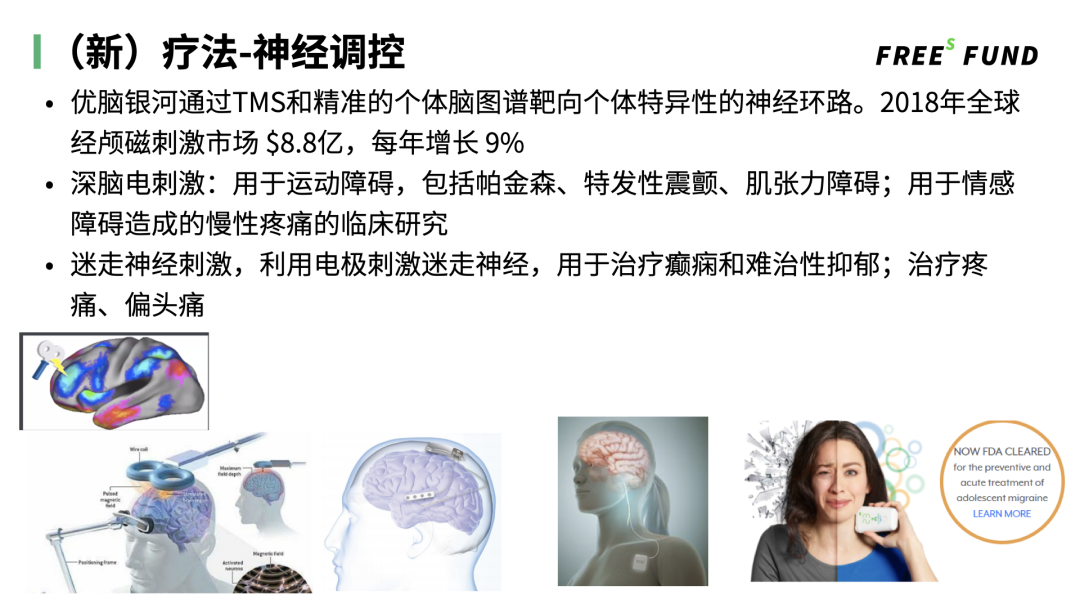
NeuroBloom, a brain technology company in which FreeS Fund led the angel round, uses fMRI to help clinicians observe human brain function and connectivity at the neural functional circuit scale for the first time at the individual clinical level. This entirely new, non-invasive, objective detection technology makes effective treatment of brain diseases possible. Through individualized precision neural circuit stimulation, NeuroBloom has achieved breakthrough clinical therapeutic effects.
Also led by FreeS Fund at the angel round, Shize Biotech is dedicated to providing scalable, low-cost stem cell treatment solutions for major CNS diseases represented by Parkinson's disease. By inducing human pluripotent stem cells to generate functional cells in vitro for transplantation to replace damaged or degenerated cells in the body, it holds promise for treating currently incurable major diseases.
07 Government, Pharmaceutical Companies, and Funds Investing in Brain and Neuroscience
Although conquering brain diseases is fraught with challenges, the field has long been a strategic priority for governments and an increasingly attractive target for investors, given massive market demand and enormous social costs. In the 1990s, the U.S. National Institutes of Health (NIH) invested $954 million in neurological research. Between 2000 and 2010, this figure surged to $8 billion — a far greater increase than in any other therapeutic area. In August 2016, "brain science and brain-inspired research" was included in China's national major science and technology innovation projects, and the "China Brain Project" was launched that same year. In early November 2020, the Ministry of Science and Technology convened the first central expert meeting for the China Brain Project, revealing that China would commit 54 billion yuan to formally advance the initiative. Beyond increased national research funding, multinational pharmaceutical companies have maintained their interest as well. Despite continued strong interest in CNS diseases, over the past decade these companies have largely withdrawn from direct R&D in the space, instead using investments and pipeline acquisitions from biotech firms to mitigate massive development risks while staying engaged. In 2018, Pfizer's venture arm, Pfizer Ventures, planned to invest $600 million in biotechnology and other emerging growth companies, announcing that approximately 25% of its existing capital ($150 million) would support emerging neuroscience companies through equity investments. That October, Pfizer also partnered with Bain Capital to launch Cerevel Therapeutics, a new biopharmaceutical company focused on developing therapies for CNS diseases. Prior to this, companies including Pfizer, Johnson & Johnson, and Roche had all encountered R&D setbacks in neurodegenerative drug development for diseases such as Alzheimer's. This is precisely why major pharmaceutical companies have generally chosen to exit independent R&D in neurological diseases and instead participate through venture capital to support innovative enterprises. But industry cycles play their role, and some experts predict that big pharma will return to the CNS field in the coming years. Roche CEO Bill Anderson has noted that neuroscience and disease could see breakthroughs over the next decade comparable to those in oncology. Venture investment in early-stage projects continues to grow. In 2018, venture capital funds invested approximately $1.5 billion in brain disease projects, second only to oncology investments. According to CB Insights data, global brain science startup financing activity rose steadily from January 2016 to April 2021: deal count in 2020 was roughly 35% higher than in 2016, with total funding reaching a five-year peak of over $5 billion. The global CNS therapeutics market is estimated to grow at a 5.9% CAGR from 2016 to 2025, reaching $129 billion — becoming a potentially transformative industry for human society. For innovative companies, this represents an excellent opportunity.
08 A Brief Analysis of Investment Directions
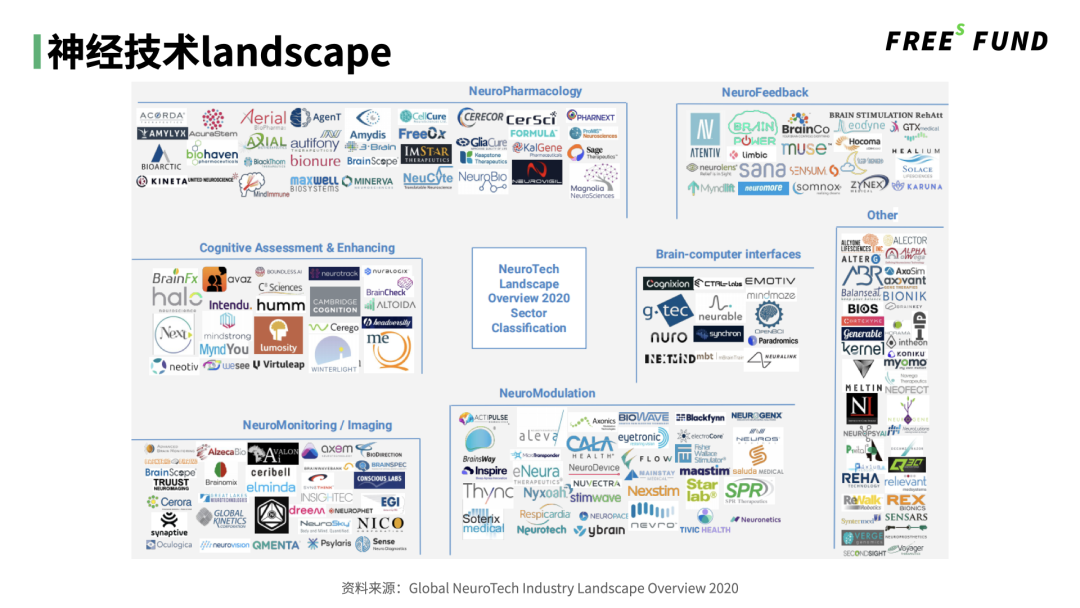
The Global NeuroTech Industry Landscape Overview 2020 report outlines the distribution of neurotechnology startups in the U.S., as shown in the figure below. American startups are concentrated in neuropharmaceuticals, neurofeedback for brain function improvement, cognitive assessment and enhancement, brain-computer interfaces, neural monitoring and brain imaging, and neuromodulation.
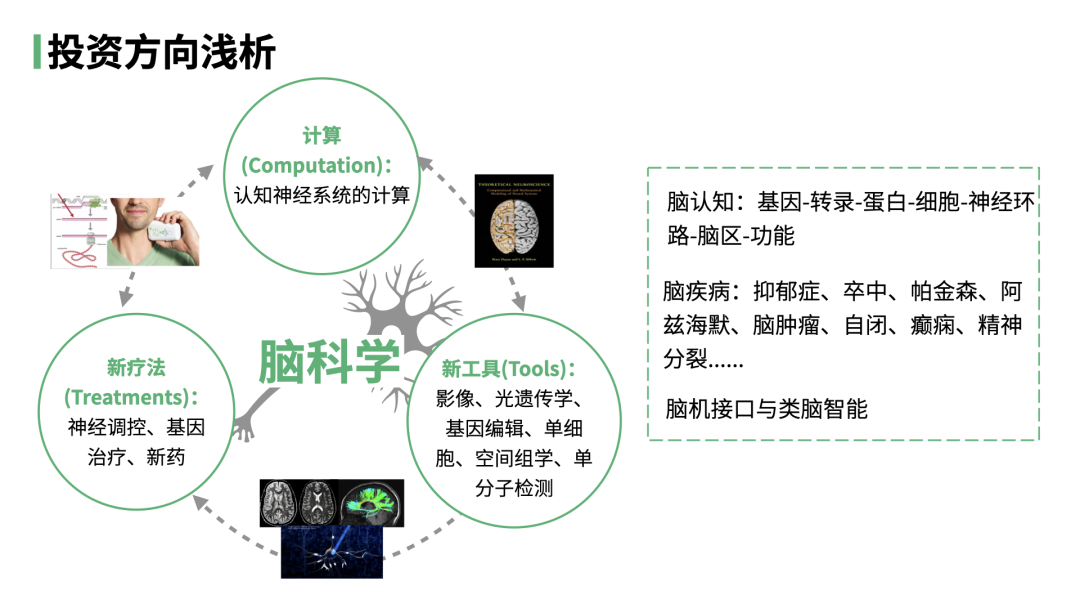
That's the broad picture in the U.S. Turning to China, brain science is gaining increasing traction in the primary market, though no widely accepted investment framework or mature investment logic has yet emerged. At FreeS Fund, our investments in brain science center on brain cognition, brain disease, and brain-computer interfaces, deploying across three directions: new therapies, new tools, and new computing. Centered on the brain, we seek disruptive platform technologies and novel therapies from the directions of new tools, new computing, and new therapies, as well as their intersections (cognitive neuroscience + frontier cross-disciplinary technologies + computing). We believe that such long-term investments in early-stage foundational platform technologies will not only support original, disruptive innovation that transforms the landscape of brain science, but also generate substantial returns.
Although brain and cognitive science remains in its early stages and faces many challenges, we firmly believe that the next decade will be a golden period for this discipline. Brain and cognitive science is entering its best era, with ever more puzzles to solve and new knowledge to discover. This is exciting, and well worth our sustained efforts.
Livestream Announcement
Episode 1 of the "FreeS Fund Dialogues" biopharma livestream series — Embracing the "Smartest" Frontier: Opportunities and Trends in the Brain Science Industry — will go live at 8:30 PM on October 20. Kechuan Wei, co-founder and CEO of NeuraMatrix, will join FreeS Fund partner Rui Ma for an in-depth conversation online.
If you're interested in joining the Zoom webinar or registering for our subsequent offline event "FreeS Open Day," please scan the QR code below.
Welcome to scan and register 👆

Investment Opportunities in the Pharmaceutical and Chemical Industry Upgrade | FreeS Research
Why Is AI Drug Discovery So Hot, and Why Now? | FreeS Biopharma VC Summit Transcript
Early-Stage Medical Aesthetics Investment Turns to Underlying Technology | FreeS Research
