The Secret Behind Instant Food's Explosive Popularity, Explained in 4 Minutes | FreeS Fund Daily Business Insights

Follow FreeS Fund's video channel for the latest observations from the world of venture capital.

Welcome to FreeS Fund Daily Business Musings, a new series we've created for FreeS Fund's video channel. In 1 to 3 minutes, we'll break down everyday business phenomena for you.
In our first episode, we explored two instant-food blockbusters — luosifen (river snail rice noodles) and self-heating hot pot — across three short videos (4 minutes 12 seconds total).
We're sharing the transcript and videos with you, hoping they spark some insights.

Watch FreeS Fund's original video
Scan the QR code to follow FreeS Fund's video channel 👆

/ 01 /
Instant Noodles: Made and Unmade by Food Delivery
Click to watch the original short video 👆
Follow FreeS Fund's video channel
How did instant foods rise to prominence? Simply put: they were killed by food delivery, then resurrected by it.
It may sound hard to believe, but WeChat caused chewing gum sales to drop 30%. Similarly, food delivery caused instant noodle sales to fall for three straight years. When one scenario expands, others shrink. What defeats you is rarely who you think it is.
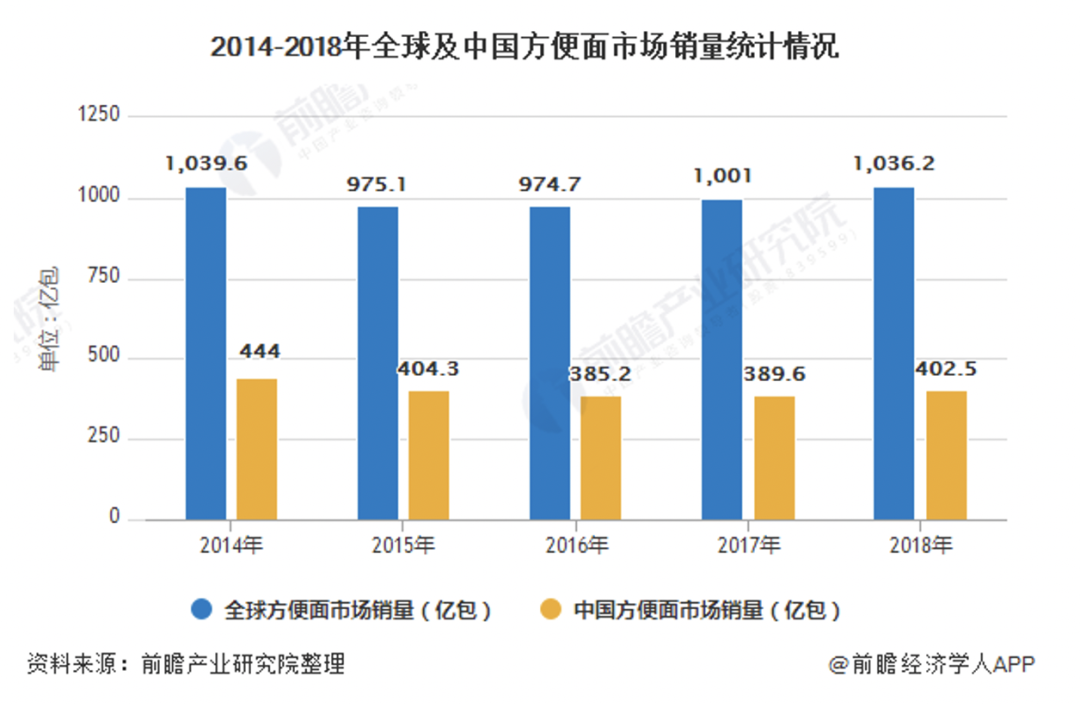
Back in 2015–2016, as China's mobile internet developed and consumption upgraded, food delivery platforms surged. They fought for market share through aggressive "cash burn" subsidies, letting users get a hot meal for just over ten yuan. Naturally, no one wanted "junk food" instant noodles anymore. Instant noodle sales fell for three consecutive years, and a saying circulated at the time: "Ele.me killed Master Kong."
But by 2017, the food delivery market had matured into an oligopoly. Meituan and Ele.me dominated, subsidies gradually disappeared, and the average delivery order climbed to 25 or even 30 yuan. This opened up a 10–20 yuan price gap for a filling meal. Consumers, already trained by delivery to eat convenient ready-made food, now sought alternatives in that price range.
Quietly, the instant noodle market rebounded. Many noticed that noodles started getting more expensive around then. Major brands launched mid-to-high-end products — Uni's Soup Daren series, for instance. And it wasn't just instant noodles. The entire instant food supply side was transforming, pushing into the 10–20 yuan premium segment, shifting the selling point from "convenient and filling" to "healthy and delicious."
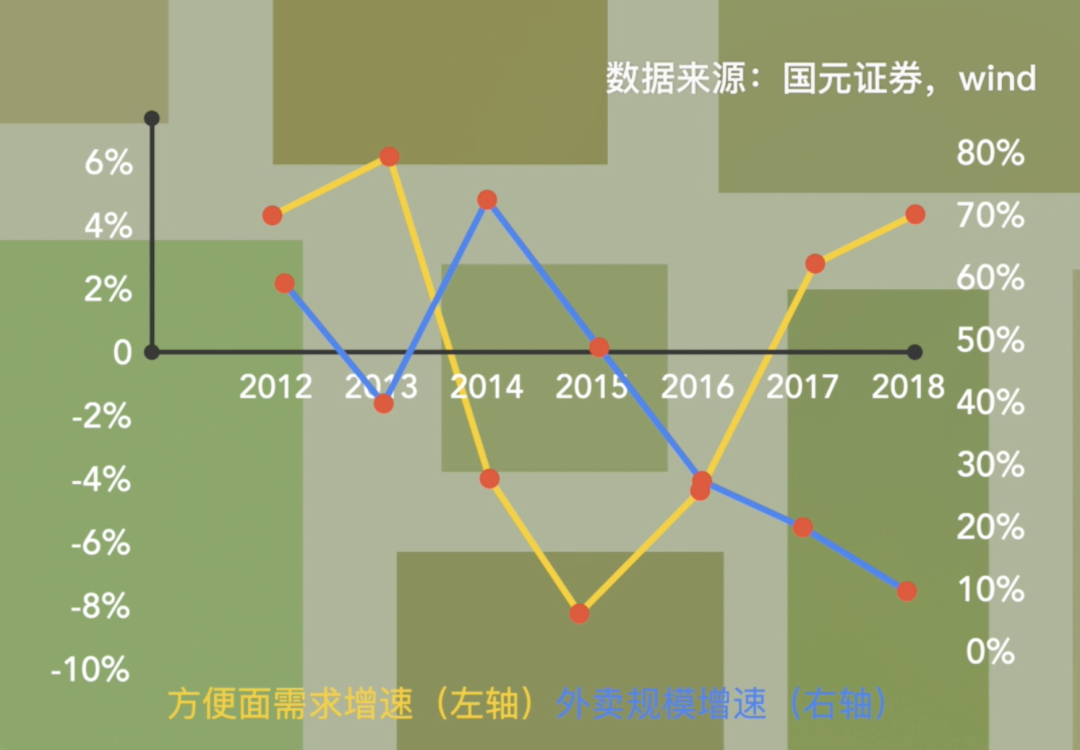
Data source: Guoyuan Securities, Wind
Giveaway
As the pandemic subsides and normal life resumes, will users stick with new instant foods as a replacement for delivery, or revert to ordering out? Share your thoughts in the comments.
We welcome your observations and reflections in the comments section. By 21:00 on November 30, the 10 most thoughtful commenters will each receive Three Squirrels' new product, "Tiegongji Luosifen" (340g × 3 boxes).
/ 02 /
How Luosifen Became a "Super Viral Sensation"
Explore the rise of luosifen — follow FreeS Fund's video channel 👆
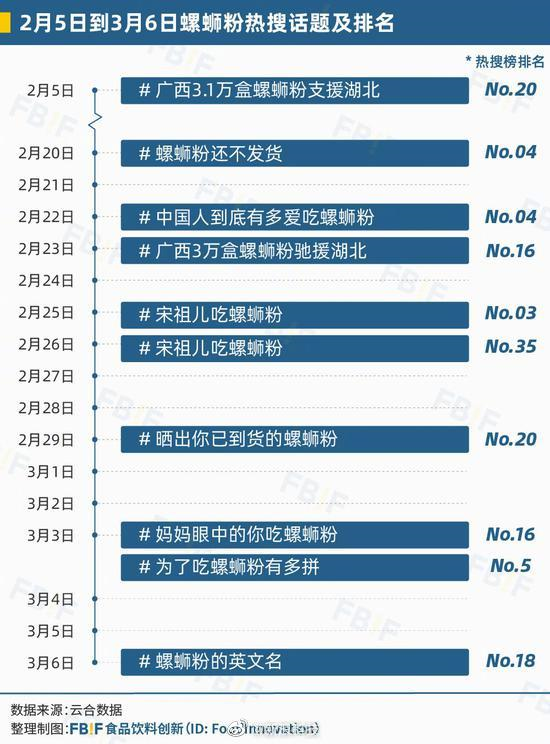
By 2020, the pandemic had supercharged the instant food industry. On the instant food track, if luosifen ranked second, no one dared claim first. In just one month — February 5 to March 6 — luosifen trended on Weibo ten times. Sixty million people called for "luosifen freedom," discussing when their orders would arrive.
A few years earlier, when even instant noodles had to caveat "image for reference only, actual product may vary," turning luosifen into a packaged food seemed absurd. The reason was simple: luosifen was extraordinarily difficult to make convenient.
Behind its indescribable aroma lies a complex blend of sour, spicy, and pungent seasonings, plus ingredients like pickled bamboo shoots, tofu skin, cowpeas, wood ear mushrooms, peanuts — easily eight or nine components. Costs added up. And food technology at the time couldn't support long-distance transport and preservation. For years, the luosifen beloved by Liuzhou locals remained stubbornly local, unable to break out.
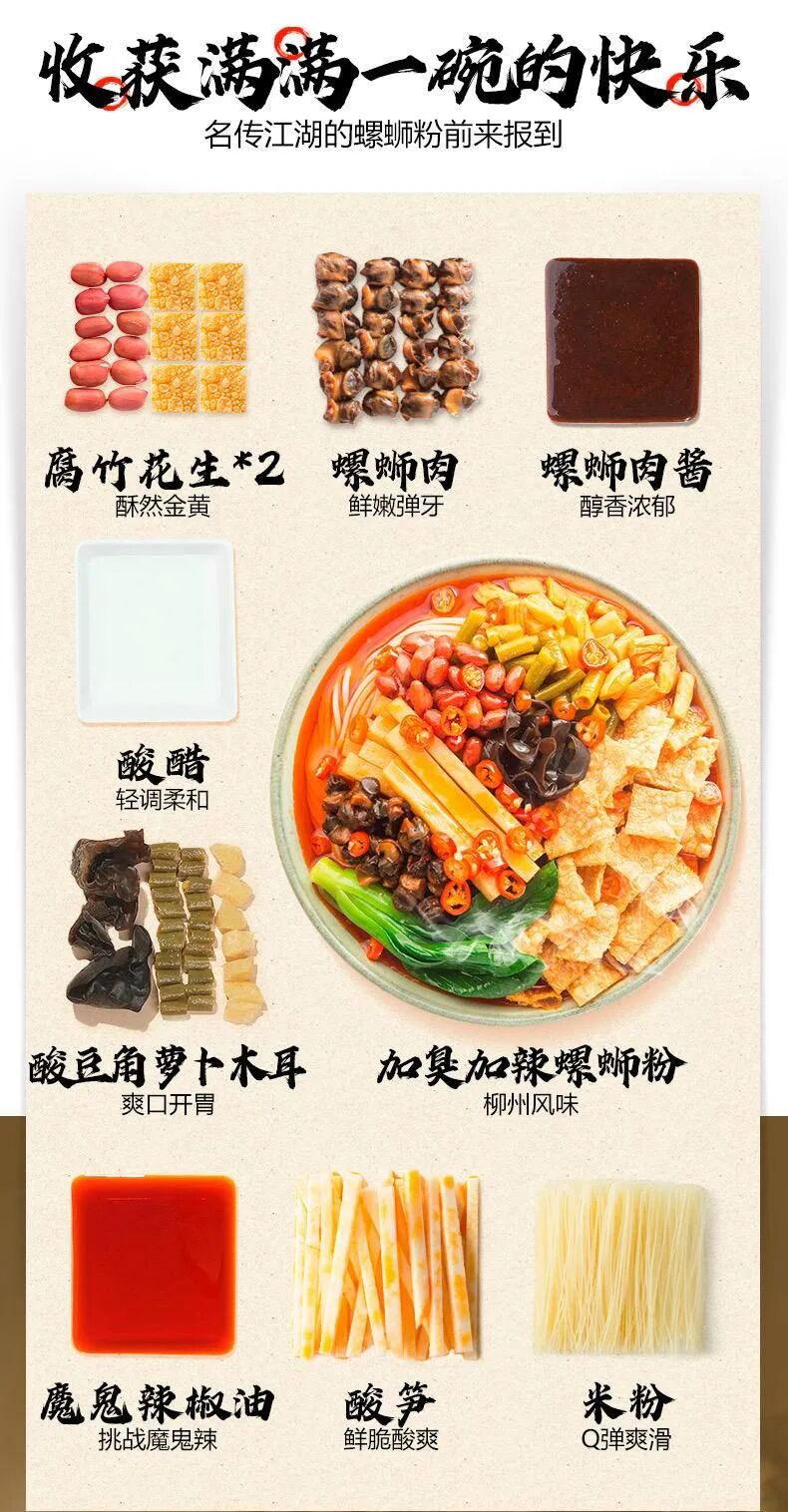
Image source: Three Squirrels official store
So what finally brought this regional snack into ordinary households?
First, technological advances. Luosifen's "breakout" depended on mature pre-packaging technology — pre-measured, pre-packaged products sold directly to consumers, like instant noodles. What seems unremarkable now — dried rice noodles, physical sterilization, vacuum packaging — only reached luosifen around 2014. That was the breakthrough that unlocked scalable sales, freeing luosifen from dependence on physical restaurants and letting it leave Liuzhou for the world.
Second, reduced delivery subsidies opened the 10–20 yuan price gap — a boon for instant foods. At roughly ten-plus yuan per bag, luosifen had few rivals in this range. Compared to instant noodles, it could include more genuine, substantial ingredient packets: sauces, vegetables, meat. Compared to delivery, it offered comparable taste at lower prices.
Third, people are naturally curious about regional cuisines, especially one as "notoriously stinky" as luosifen — terrifying to some, irresistible to others. The result: there's no such thing as eating luosifen just once. It's zero times or infinite times.
Additionally, pandemic-fueled "stay-at-home economy" helped luosifen transition from viral internet sensation to everyday household staple.
/ 03 /
Self-Heating Hot Pot: Why Are You So Popular?
Click to watch the original short video 👆 — decoding the viral success of self-heating hot pot
After covering luosifen, the most complex noodle dish, self-heating hot pot follows much the same logic.
As everyone knows, noodles and hot pot have always been delivery's toughest challenges. Noodles absorb water and turn soggy during transport. Hot pot requires too much equipment and isn't convenient to eat.
Hot pot is even more complex to prepare than luosifen. But with more price room and technological progress, people can now have a hot pot meal at home for 20–30 yuan.
First, the price factor. As delivery prices rose, instant foods gained pricing flexibility to include more quality ingredients. Compared to hot pot delivery often costing over 100 yuan, a 20–30 yuan self-heating version lets you spend normal delivery money for a reasonably authentic hot pot experience.
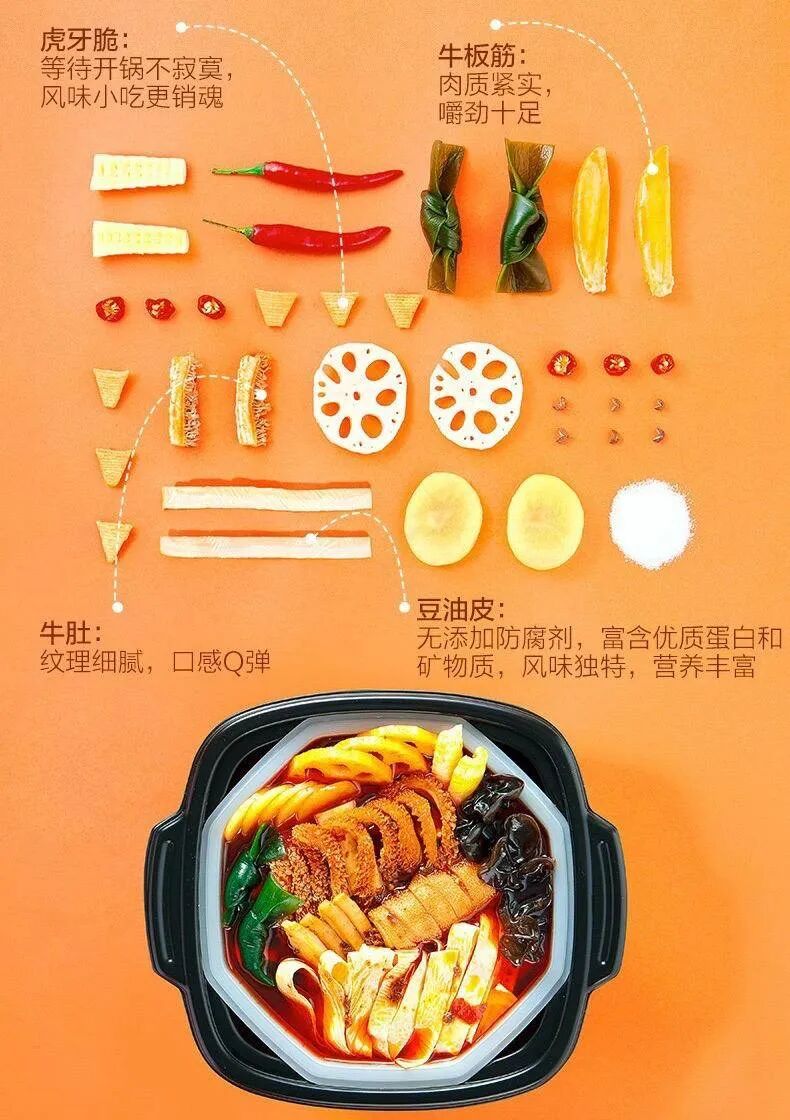
Image source: Haidilao Seasonings flagship store
Second, the technology factor. Self-heating hot pot is even more complex than luosifen. Beyond various ingredients, it needs a heating pack and more elaborate packaging. Only through iterations and wider adoption of multiple food technologies — freeze-drying among them — did this become possible, allowing self-heating hot pot to achieve near-delivery quality in taste.
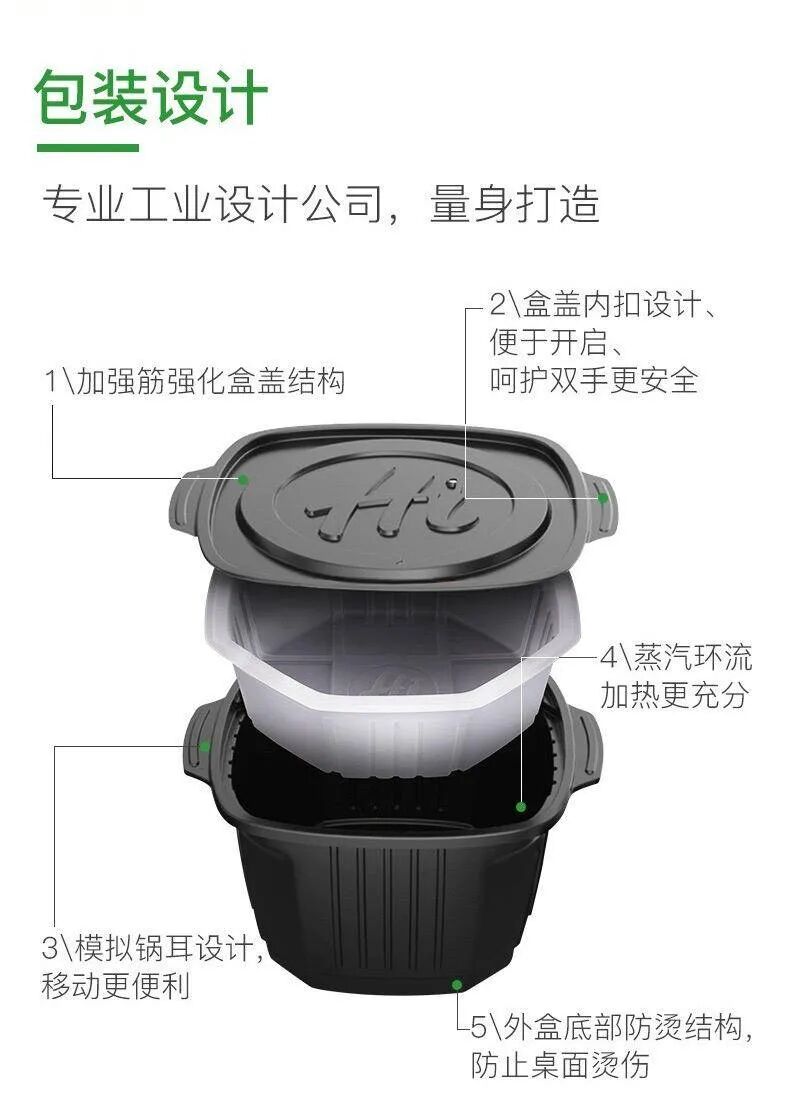
Image source: Haidilao Seasonings flagship store
Undeniably, the pandemic gave short-term stimulus to rapid growth in luosifen, self-heating hot pot, and other instant foods. But looking long-term, is this trend sustainable?
Giveaway
As the pandemic subsides and normal life resumes, will users stick with new instant foods as a replacement for delivery, or revert to ordering out? Share your thoughts in the comments.
We welcome your observations and reflections in the comments section. By 21:00 on November 30, the 10 most thoughtful commenters will each receive Three Squirrels' new product, "Tiegongji Luosifen" (340g × 3 boxes).
Contact Us
We hope this offers fresh perspectives. We look forward to ongoing exchanges with consumer sector entrepreneurs. Pitch decks welcome at: bp@freesvc.com

▲ Galaxies in Your Eyes: Understanding the Colored Contact Lens Boom in One Chart | FreeS Research
▲ Zhang Liaoyuan of Three Squirrels: A Once-in-20-Years Brand Opportunity — How to Win in Three Steps | FreeS Fund 2020 CEO Annual Meeting
▲ FreeS Report 17: What New Opportunities Emerge in the Ancient Jewelry and Accessories Industry? | FreeS Research ▲ Beating Nestlé and Starbucks to Top the 618 Instant Drink Category: What Did Saturnbird Do Right? | FreeS Research — Learning from Investment ▲ 2020: Consumer Entrepreneurship Enters an Era of Multiple Simultaneous Drivers | FreeS Research