What Will Humans Eat in the Future | FreeS Fund Report 27

The Future of Food Innovation

In our era, something as simple as "eating" has gradually become more complex.
On a micro level, during the pandemic lockdowns, we cooked more frequently at home, gradually reduced our intake of sugar, oil, and salt, and became increasingly aware of the importance of healthy eating — shifting our focus from eating enough to eating well to eating healthy. On a macro level, this past summer, extreme weather hit multiple regions worldwide, and the unprecedented heat waves have raised concerns about crop yields.
As more people demand new things from their daily meals, we realize that the food and beverage industry may be on the verge of a new transformation. Looking back at the history of the global food and beverage industry, we found that technological innovation has been the fundamental driver of the sector's development. Refrigeration and canning technologies dramatically extended food storage and transportation cycles, weakened seasonal price fluctuations for perishable goods, and gave rise to America's first national food brands. Technologies like Tetra Pak aseptic packaging and UHT sterilization enabled safer, fresher dairy products, shifting the focus from eating abundantly to eating nutritiously.
The recent development of Chinese food and beverage companies similarly points toward technological innovation. Premium coffee brand Saturnbird popularized freeze-drying technology; beverage brand Genki Forest advanced research and application of sugar substitutes in the industry; and ready-to-cook brand Xinliangji adopted liquid nitrogen quick-freezing to achieve flavor-preserving frozen storage.
Meanwhile, in the mid- and upstream segments of the food and beverage industry — from seed breeding and aquaculture to raw materials, manufacturing, and packaging — evolution is happening at varying degrees, and the trend of multidisciplinary integration is strengthening. All these forces are accelerating innovation in food and beverage R&D.
We previously explored dietary structure in FreeS Report 25: Food Investment Through the Lens of China's Dietary Structure, tracing the evolution of American dietary patterns and observing China's current food structure. Today's article, while still attending to history, focuses more on the long-term proposition of future food, analyzing several core questions:
- Where is China's food industry headed in the future?
- In the food sector, what new applications are emerging from interdisciplinary fields like synthetic biology, foodomics, and food sensory science?
- What global challenges does the food industry need to address?
- Behind technological innovation, what entrepreneurial and investment opportunities exist?
We welcome you to read on, and hope this brings fresh perspectives. If you're interested in food-related topics or are building a startup in this direction, you're welcome to contact this article's author, Mingwang Fan, at kikofan@freesvc.com.

Reader Giveaway
What food or beverage have you been obsessed with lately, and why? Share with us in the comments below. The 5 most thoughtful commenters will each receive a gift package from Methuselah, including DGI bread, DGI chicken breast sausages, and DGI soda crackers.



/ 01 /
Refrigeration, Canning, Pasteurization...
Technological Innovation in Food Industry History
To grasp the future direction of the food and beverage industry, we must first answer one question: what is the driving force behind the birth of new categories in the food industry? The answer might be entirely new consumer demographics, or perhaps diversified consumer demands. But when we trace the history of the food and beverage industry, the answer becomes clear — technological innovation.
In what follows, we'll analyze how technological innovation drives the emergence of new categories and, in turn, the birth of new brands, by reviewing industry history and examining typical cases.
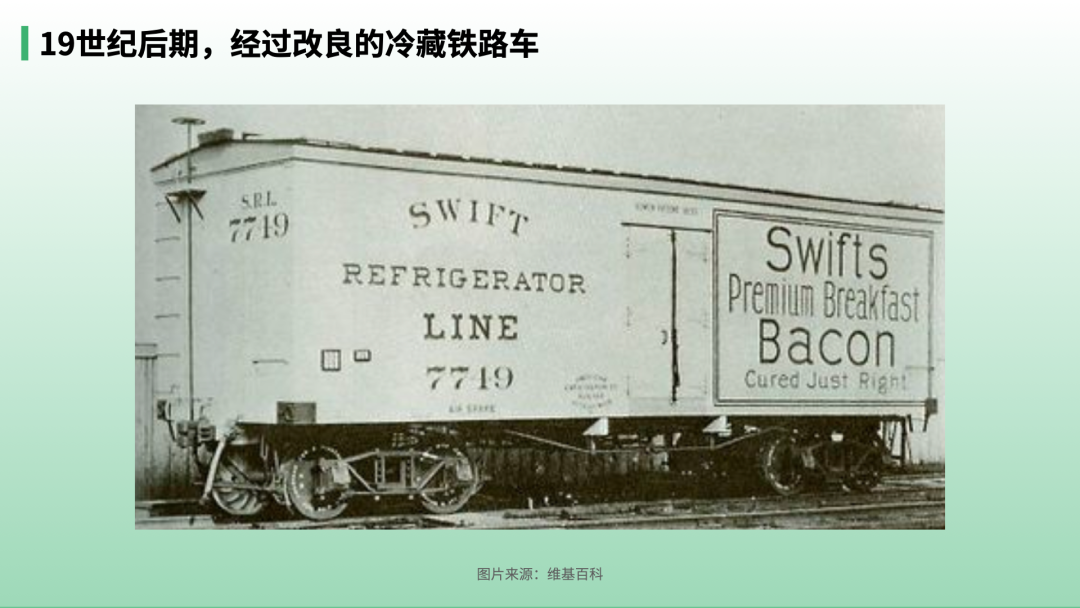
Looking across the history of the food and beverage industry, one of the earliest technologies with profound impact was "refrigeration." As far back as the late 19th century (1870-1890), before refrigerators were formally invented, Americans had already begun loading ice into boxes to cool train cars, creating the earliest form of "cold storage."
Don't underestimate this method. It dramatically extended food storage and transportation cycles, weakened seasonal price fluctuations for perishable goods, and enriched the food choices on American consumers' tables. The Rise and Fall of American Growth speaks highly of this technology, attributing half of the improvement in human nutrition during the 1890s to "refrigeration."
Almost simultaneously, another era-defining technology emerged in America — canning.
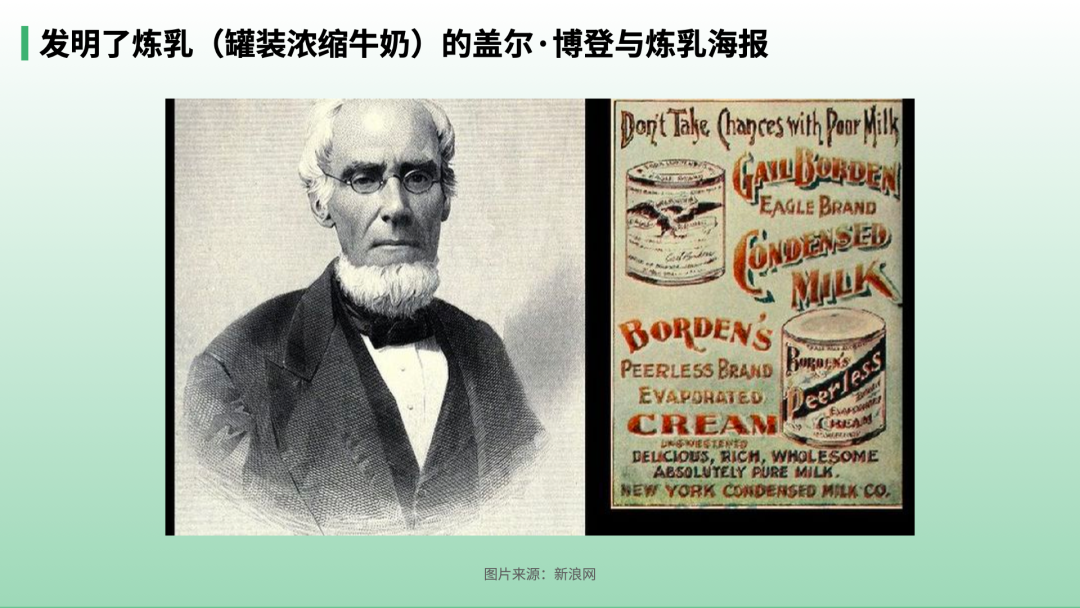
America's history includes a famous western gold rush. During this period, a party led by a man named George Donner became trapped by snowstorms in 1846. To survive, the members resorted to cannibalism — the shocking "Donner Party" incident. Entrepreneur Gail Borden, grieved by this tragedy, resolved to invent a technology that could compress food volume and extend storage life.
Building on predecessors' work, he invented condensed milk (canned concentrated milk) and patented it in 1856. With the outbreak of the American Civil War, canned foods found a vast new market. By 1900, American canned food consumption had reached the astonishing level of 33 cans per person per year.
Thanks to the combined development of refrigeration and canning technologies, batch-produced foods were sold nationwide in America for the first time. Between 1860 and 1900, the first generation of national American brands emerged, including the later world-renowned General Mills and Quaker Oats.
Around 1900, another food technology quietly changed the world. At the time, contaminated milk sources had driven infant mortality rates in America to roughly 20%. Safe, healthy milk became one of American consumers' most urgent demands. In 1907, the first pasteurized milk was introduced in Pittsburgh. Treated by this method, milk shelf life extended to 7-10 days at around 4°C. That same year, government standards for testing and regulating milk quality were established, and thereafter all milk products had to be pasteurized before entering the market.

After the invention of pasteurization, Nestlé acquired the Norwegian company Anglo-Swiss in 1905, obtaining the latter's "spray-drying process patent" and achieving the first commercial production of skim milk powder. The skim milk powder category, represented by "Nestlé Milk," officially entered the commercial stage.
From 1929 through roughly 1950, the global economy entered a recessionary period. The Great Depression and World War II caused prolonged mass unemployment, while also generating consumer demand for inexpensive, quick-to-prepare foods. The famous fast food brands KFC and McDonald's were both born during this historical period.

The twenty years after 1950 were a period of rapid American economic growth, with the emergence of a large middle-class consumer base. During this phase, many representative food technologies were born, including Tetra Pak aseptic packaging and UHT sterilization. Meanwhile, the spread of automated production lines and freezers enabled the rapid rise of new categories like frozen foods and shelf-stable milk. During the same period, Coca-Cola and PepsiCo achieved rapid growth in brand recognition and profits through global expansion and multi-category business development.
From 1970 to 2000, decades of consuming fast food began to take its toll on the American people. Around 1970, approximately one-third of adults and one-fifth of children were overweight. Consumers began shifting from "eating conveniently" to "eating healthily." During this period, the U.S. Food and Drug Administration (FDA) introduced the Nutrition Labeling and Education Act, further pushing the industry toward healthier development. Representative technologies of this era included low-calorie food additives and food preservation and storage technologies.
Meanwhile, the Chinese market followed a different trajectory. Following the launch of Reform and Opening-Up in 1978, regional dairy players led by Yili Group and China Mengniu Dairy Company Limited were among the first to seize emerging opportunities, introducing Tetra Pak production lines around 1997. Within a short span, both companies had distributed carton-packaged milk nationwide, transforming from local enterprises into national dairy giants.
The turn of the millennium marked a new chapter. After 2000, the United States entered its longest period of quantitative easing in history. Food companies ramped up R&D investment, and organic, natural, and functional food categories expanded rapidly — giving rise to brands like Chobani in healthy yogurt, Monster in functional beverages, and Upside Foods in cultivated meat.
Chinese companies of the same era chose to apply technology to entirely new product categories. For instance, by adapting pasteurization techniques to yogurt production, they created the ambient-temperature yogurt segment, producing household names like Ambrosial (Anmuxi) and Momchilovtsi. Zhou Hei Ya, the braised duck brand, borrowed Modified Atmosphere Packaging (MAP) — previously used in American ready-to-eat salads — for the marinated snacks category, launching its "fresh-locked" packaging line and unlocking a new growth curve. Saturnbird Coffee, a portfolio company of FreeS Fund, innovatively transferred freeze-drying technology from the medical field to coffee, effectively defining the freeze-dried coffee category.
This comparative overview of China and America's food industries reveals a clear pattern: food technology innovation typically begins with storage and preservation, then progressively advances toward nutritional composition. New categories and major brands alike emerge from specific historical contexts, leverage particular technological breakthroughs, and respond to distinctive challenges of their era. The food brands that ultimately endure are those that seized their moment, continuously iterated products through technological innovation, and successfully met the demands of their time — earning lasting places in consumers' minds.
/ 02 /
What Challenges Will Future Food Face?
From today's vantage point, the food industry must address three major challenges going forward. Yet within these challenges lie considerable market opportunities.
The foremost challenge stems from demographic shifts — both in population size and structure.
"2022: An unprecedented hunger crisis is spreading across the world." This was the warning issued by the UN World Food Programme in April of that year. Climate shocks, the Russia-Ukraine conflict, COVID-19, and spiraling food and fuel costs had created a cascade of effects, pushing at least 47 million people in 81 countries to the brink of famine.
According to the UN Population Fund, global population is projected to surpass 10 billion by 2100, further increasing food demand. Consumption patterns are also shifting in accordance with "Bennett's Law": as incomes rise, people gradually reduce their consumption of starchy staples like rice and wheat, replacing them with fruits, vegetables, and meat. UN Food and Agriculture Organization projections indicate that by 2050, global demand for vegetables will increase by 60–100%, while demand for meat products will rise by 70%.
At a 2022 symposium on China's macroeconomic hot topics, experts shared data on national food security: China's peak food demand is expected between 2025 and 2030, potentially reaching 920–940 million tons. In 2019, self-sufficiency rates for China's three major grains — rice, wheat, and corn — exceeded 98%. However, the growth rate of per-unit crop yields is slowing, approaching theoretical limits. Meanwhile, consumption of oil, dairy, and meat continues to climb, and the share of imported food is rising rapidly. Food self-sufficiency has dropped from 94% in 2000 to 66% in 2020. If China aims to balance food supply with consumption upgrading, cultivated land would need to expand to 4.2–4.3 billion mu. Given that China's total arable land stood at just 1.918 billion mu at the end of 2019, food self-sufficiency would fall further to 59% without technological advances.
Demographic structural changes present equally severe challenges. In 2022, Wang Haidong, Director of the National Health Commission's Department of Aging, noted that by around 2035, China's population aged 60 and above is projected to exceed 400 million, accounting for over 30% of the total population — marking entry into a stage of severe aging. This phenomenon is global: according to the UN's World Population Prospects 2019 Revision, by 2050, one in six people worldwide (16%) will be aged 65 or older, up from one in eleven (9%) in 2019. An accelerating aging society will generate substantial demand for elderly-focused food products.
Japan's experience offers relevant lessons. A 2012 study by the Japan Geriatrics Society's elderly health promotion program found that over 70% of Japanese seniors aged 65 and above living at home could be classified as "malnourished" or "at risk of malnutrition." A major contributing factor was the widespread prevalence of chewing and swallowing difficulties — 30% of elderly individuals had varying degrees of chewing problems, while over 50% experienced swallowing issues. This survey significantly catalyzed Japan's care food industry. According to data from CCTV Finance's Global Economic Connection, Japan's care food market now exceeds 160 billion yen.
China's elderly food market may see similar growth trajectories in the coming years.
Second, the future food industry must confront environmental and climate change challenges.
During the summer of 2022, extreme heat waves struck numerous countries worldwide. As noted in Future Food Science and Technology by Liu Yuanfa and Chen Jian, if global warming continues through 2030, world food production could decline by 5%, worsening to 10% by 2050 — potentially putting 100–400 million people at risk of hunger.
China's agriculture relies heavily on intensive farming practices, which have caused large-scale soil erosion. According to data from the Ministry of Water Resources, in 2019, soil erosion affected 2.71 million square kilometers, accounting for 28.34% of China's total land area. This erosion will exacerbate risks of food production decline.
Excessive fertilizer use also demands attention for its contamination of water sources and soil. Lin Weilun, academician of the Chinese Academy of Engineering and professor at Beijing Forestry University, noted in a 2017 Economic Daily interview that China accounts for 16% of global grain production but 31% of global fertilizer consumption — with per-hectare usage four times the world average. Excess fertilizer is rapidly leached into groundwater, disrupting soil nutrient balance. Meanwhile, China's annual pesticide usage of 1.8 million tons has an effective utilization rate below 30%; multiple pesticides have contaminated soil and even strengthened pest resistance. To address this, the Ministry of Agriculture issued the Action Plan for Zero Growth of Chemical Fertilizer Use by 2020 and Action Plan for Zero Growth of Chemical Pesticide Use by 2020 in 2015. The transition toward green, sustainable pesticides and fertilizers represents an irreversible trend.
A third challenge facing future food is the need to shift dietary patterns from unbalanced toward healthy.
As economic levels have risen, both urban and rural Chinese residents have seen substantial improvements in dietary structure, with narrowing gaps in animal protein consumption between city and countryside. Yet despite eating better, Chinese diets still fall short of internationally recognized healthy standards.
Compared with developed countries such as Japan and South Korea, Chinese protein consumption remains dominated by plant-based and pork proteins, with considerable room for growth in aquatic protein, dairy protein, and other animal proteins.
Moreover, the Global Burden of Disease study published in The Lancet identified unbalanced diet as one of the leading factors contributing to illness and death in China. Chinese sodium intake is excessive, while consumption of whole grains, fruits, and vegetables falls far below optimal levels. Making Chinese nutritional patterns more scientific and controlling chronic disease incidence at the source presents enormous potential for the functional food sector, particularly medical nutrition products.
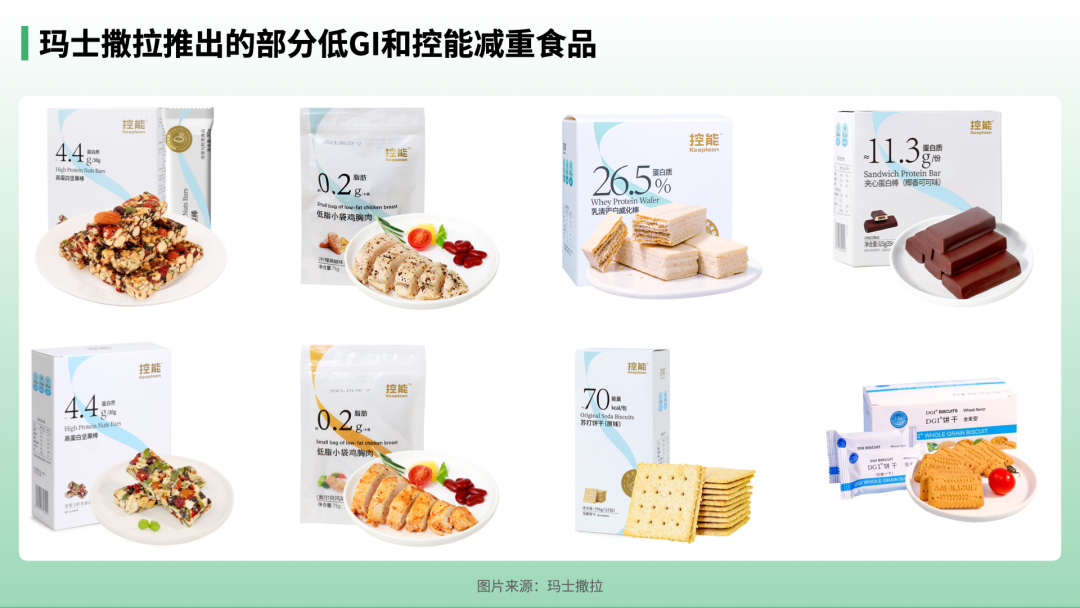
Methuselah, a portfolio company of FreeS Fund, is a leading brand that has long focused on medical nutrition. Since its founding, it has been dedicated to helping health-conscious populations more effectively prevent and manage long-cycle chronic diseases through medical nutrition — focusing not only on "how to recover" but also on "how to prevent." Methuselah has developed a rare comprehensive medical nutrition product portfolio spanning foods for special medical purposes, low-GI products, and energy-controlled weight management solutions. The company has entered over 500 tertiary hospitals and served more than 10 million patients, while also bringing medical nutrition-guided scientific blood sugar and energy control products to broader consumers — making it a representative brand in the food industry's ongoing wave of professionalization and technological upgrading.
Food Industry Technology Roadmap: Moving Toward Mid- and Upstream Sectors, Embracing Multidisciplinary Approaches
Over the past decade, innovation in China's food and beverage industry has concentrated primarily on downstream distribution and circulation — driven by two key factors. First, rapid development of warehousing and logistics infrastructure enabled China to achieve world-leading efficiency and cost control in ground transportation, fostering a distinctive fresh e-commerce sector. Second, the rise of internet e-commerce platforms created online migration opportunities for a food and beverage industry previously dominated by offline channels.
However, as downstream competition — in areas such as warehousing logistics and online operations — approaches saturation, future technological evolution in food and beverage will likely shift progressively toward mid- and upstream segments.
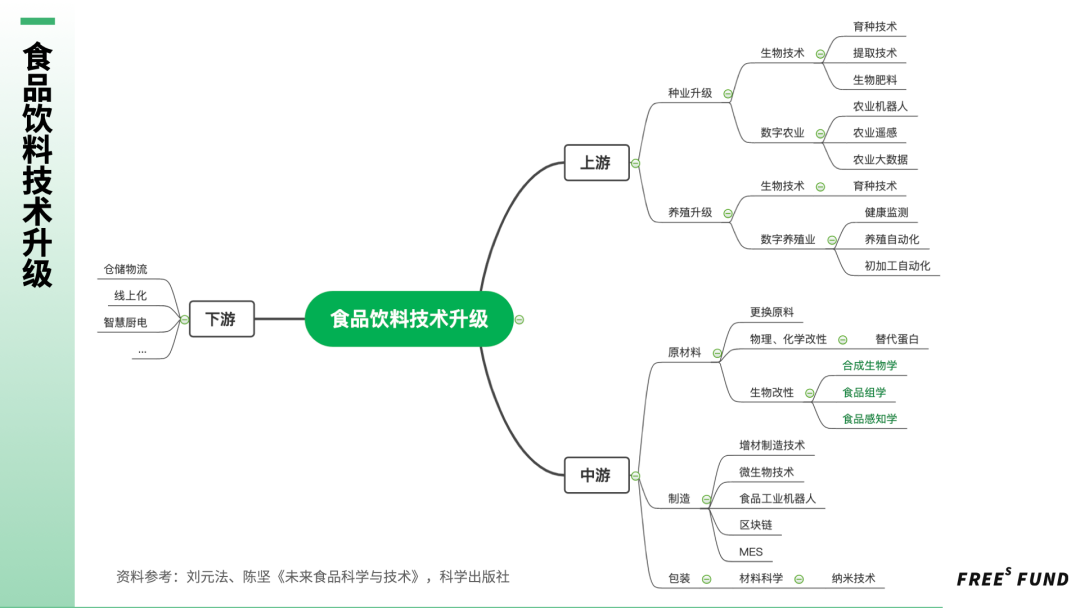
Upstream technology iteration directions include seed industry upgrading and livestock breeding upgrading.
Seeds have been called "the chips of agriculture." China currently needs to reduce its dependence on foreign seeds. According to Farmers' Daily: "In 2021, China's crop seed industry imports exceeded exports. Imports reached $680 million, mostly horticultural crop seeds; exports were $330 million, with rice seeds holding advantage. For certain vegetable varieties — including carrots, spinach, onions, high-end tomatoes, as well as sugar beets and ryegrass — import dependence exceeds 90%."
In agriculture, we are optimistic about using computational tools and gene editing to improve breeding efficiency, and have invested in Heliogenomics, a company focused on AI-driven breeding. Through gene sequencing, AI can predict phenotypes corresponding to different genetic sequences — for instance, whether a particular seed will grow into a high-protein or stress-resistant crop. We can use computation for prediction, then employ gene editing guided by those predictions to modify the seed.
Beyond this, FreeS Fund is also optimistic about digital agriculture — empowering the sector through agricultural remote sensing, big data, and other digital means to enhance production efficiency.
In livestock breeding upgrading, our research into functional dairy products revealed that China faces severe "chokepoint" constraints in dairy cow breed supply, particularly for high-quality breeds, with over 80% dependence on foreign imports. A breakthrough in dairy cow breeding could disrupt the long-static structure of China's dairy industry.
Beyond vertical integration toward mid- and upstream segments, the food industry must also emphasize horizontal cross-disciplinary expansion. We observe strengthening trends in interdisciplinary convergence within food science. The following three fields merit particular attention:
Applications of Synthetic Biology in Food
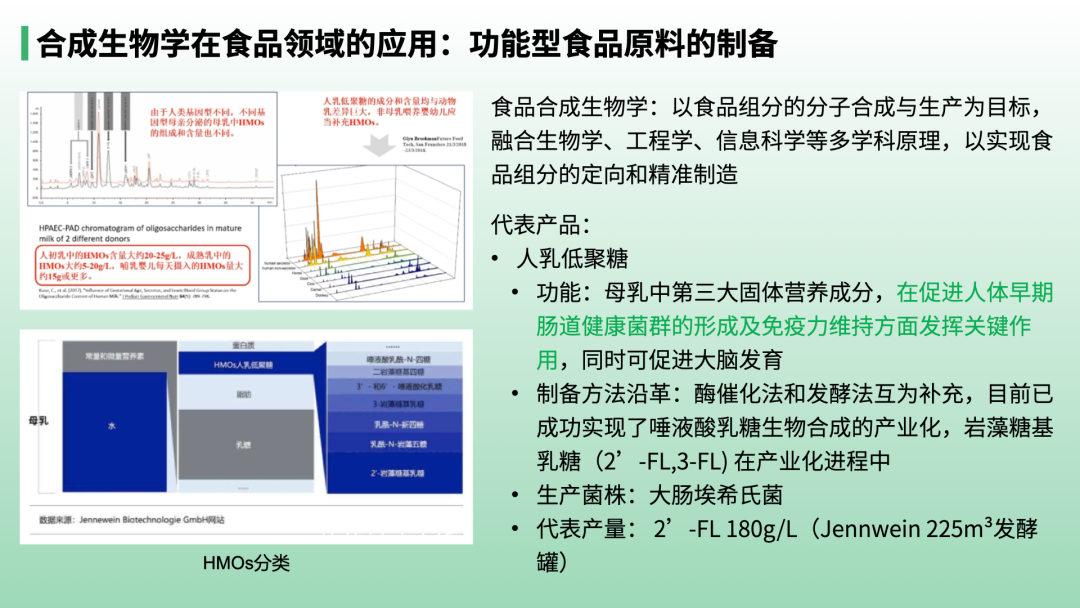
At present, most companies focused on synthetic biology are essentially holding a "hammer" and looking for as many "nails" as possible. We believe one particularly good "nail" is human milk oligosaccharides (HMOs).
To this day, breastfeeding remains widely recommended precisely because breast milk contains unique nutritional components — human milk oligosaccharides — that play a critical role in promoting early gut microbiome formation, immune maintenance, and brain development.
HMOs consist of five main monosaccharides: D-glucose, D-galactose, N-acetylglucosamine, L-fucose, and sialic acid.
In terms of HMO production, enzymatic catalysis and fermentation methods complement each other. Scientists have already achieved industrial-scale biosynthesis of sialyllactose, while 2'-fucosyllactose — the most common HMO in the human milk oligosaccharide spectrum — is also progressing toward commercialization. If HMOs can be produced at scale through mature processes, the nutritional value of infant formula will edge infinitely closer to breast milk, significantly easing the nursing burden on mothers everywhere.
Another functional food ingredient worth watching is allulose. Why might allulose be the next sugar substitute with the greatest potential for large-scale application? Because every existing alternative sweetener on the market has its own flaws: high-intensity artificial sweeteners like acesulfame potassium, sucralose, and aspartame are cheap and abundant, but their taste diverges considerably from sucrose and they carry safety concerns; natural alternatives like steviol glycosides, thaumatin, and monk fruit extract remain prohibitively expensive due to extraction difficulties; sugar alcohols such as xylitol, maltitol, and erythritol are low in calories but readily ferment in the gut, causing diarrhea, and their distinctive cooling sensation limits application scenarios.
So is there a near-perfect sugar substitute? Allulose seems to offer an answer. As a rare monosaccharide that exists in nature, allulose is an epimer of fructose, meaning its physicochemical properties and taste profile closely resemble sucrose. Yet its sweetness is only 70% that of sucrose, its caloric content merely one-tenth, and it can undergo Maillard reactions — making it one of the few major sugar substitutes suitable for baking applications.
Regarding safety and health benefits, allulose does not cause diarrhea, inhibits starch and disaccharide metabolism in the gastrointestinal tract, and thus helps reduce the risk of Type 2 diabetes. Research indicates that allulose also enhances satiety through GLP-1 (glucagon-like peptide-1) release, and competes with glucose and fructose for transport proteins on cell membrane surfaces, slowing intestinal absorption of these sugars and ultimately reducing fat accumulation in the body.
In the alternative sweetener race, allulose represents a noteworthy new milestone. Despite these outstanding health properties, allulose has not yet seen widespread use because for a long time its production required chemical synthesis at prohibitive cost. This changed when a professor at Japan's Kagawa University proposed using epimerase to convert fructose to allulose, dramatically lowering production costs. Leading domestic sugar substitute companies Baolingbao and Bailong Chuangyuan have both made early moves into this space: Baolingbao is raising funds to build a 30,000-ton-per-year allulose (dry basis) production facility, while Bailong Chuangyuan is constructing a 5,000-ton-per-year allulose project.
Of course, no discussion of synthetic biology applications in food would be complete without mentioning another emerging category: cell-cultured meat. The high hopes for this technology stem from its extraordinary production efficiency. A cow's average lifecycle from birth to slaughter is 46 months; a chicken's is roughly 30–60 days. With cell-cultured meat, 0.15 kg of living bovine tissue can yield 2,000 kg of beef in just two weeks.
The concept of cell-cultured meat was first proposed in 1931 by former British Prime Minister Winston Churchill, yet research progressed slowly until 2013, when Dutch biologist Mark Post produced the first complete cultured meat patty. Post subsequently founded Mosa Meat to advance commercialization of the technology.
The cell-cultured meat industry remains in an early stage of development overall. Challenges persist across multiple fronts: obtaining and culturing stem cells that can proliferate and differentiate efficiently while approaching the Hayflick limit (the maximum number of times cells can divide); finding safer, cheaper culture systems; and designing and optimizing large-scale bioreactors for cell cultivation.
Applications of Foodomics in the Food Sector

Foodomics is an emerging research science born from the need to clarify the close relationship between food composition and the human body. In recent years, fueled by highly sensitive, high-throughput, comprehensive research methods and advanced instrumentation, foodomics has achieved increasingly significant breakthroughs. The four most commonly used tools in foodomics are genomics, transcriptomics, proteomics, and metabolomics, each with its own application domains. Currently, the area attracting the most market attention is the development of probiotics and prebiotics, which leverages these tools to design and improve the flavor and nutritional profile of fermented dairy products.
FreeS Fund has invested in Wanwu Xiangshang, a company targeting women's health with a dual-berry prebiotic product that improves gut microbiome health through scientifically balanced ratios of six proprietary prebiotics. Another portfolio company is WonderLab, which in recent years has actively expanded its product line from meal replacements to probiotics, dietary fiber powders, and other health and body-sculpting products — a typical example of a company that has seen notable growth since the 2020 pandemic and warrants attention.
As foodomics advances, we believe the day will come when we can develop truly personalized food solutions based on an individual's genetic background, consumption habits, and health status. Future functional foods will evolve toward greater balance, precision, scientific rigor, and diversity.
Applications of Food Perception Science in the Food Sector
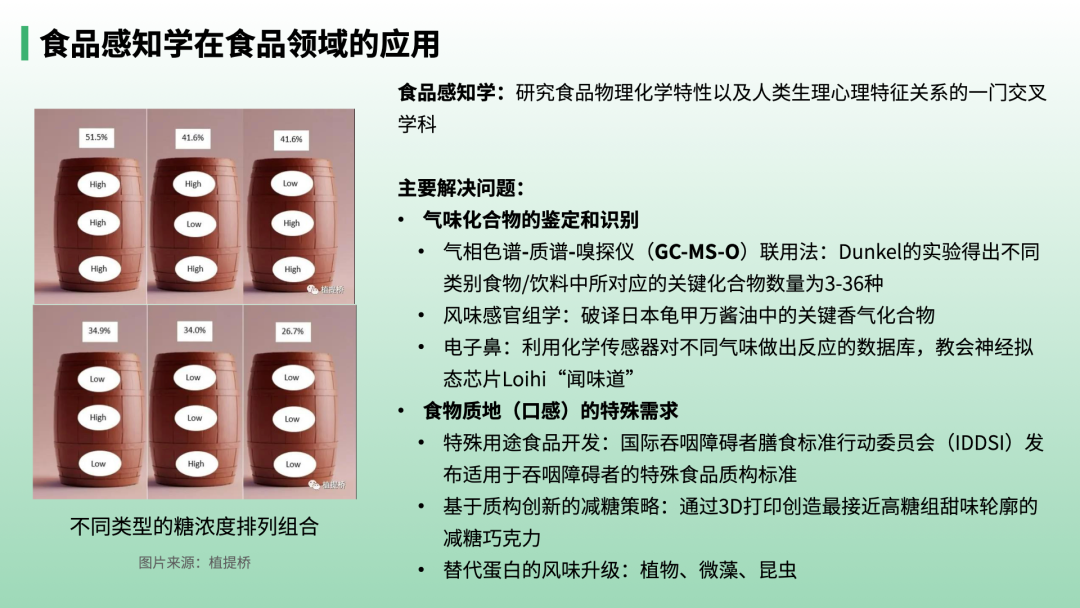
Food perception science studies how humans perceive food. This process may sound straightforward at first, but it actually involves at least three triggered stages. When we encounter a food, the first step activates our eyes, nose, mouth, and hands to gather sensory information and form an initial prediction. The second step sends this prediction to central perceptual regions for further processing, where it is either confirmed or rejected. Finally, all this information is transmitted to emotional areas, ultimately forming our overall impression of the food. Thus, food perception science is a remarkably complex, interdisciplinary field. Current applications in the consumer sector focus primarily on two dimensions: smell and texture.
Human research on smell remains as impoverished as human language for describing it. To this day, the primary identification method is still gas chromatography-mass spectrometry-olfactometry (GC-MS-O). Representative research comes from flavor chemistry leader Professor Dunkel, who measured that 227 different categories of foods and beverages contain between 3 and 36 key odor compounds each.
In his experiments, beer had the lowest odor compound richness among alcoholic beverages with just 18, while French brandy topped the category with 36. Dunkel's work creatively quantified and compared odor richness across common foods, providing valuable reference for today's aroma research. Yet the method has its limitations: the experimental process largely involves simple stacking of individual odors. New-generation flavor sensory scientists have proposed flavor perception omics as an extension of the GC-MS-O approach. Using this method, they have successfully decoded the key aroma compounds in Japanese Kikkoman soy sauce.
As smell research tools and methods continue to expand, humanity may one day crack the "code" of scent and customize odor products for specific needs.
Beyond smell innovation, texture innovation in food has also found diverse applications in the consumer sector.
As mentioned earlier, elderly individuals commonly experience varying degrees of chewing and swallowing difficulties. The International Dysphagia Diet Standardisation Committee (IDDSI) established and published in 2016–2017 a dietary framework for patients with swallowing disorders. It categorizes foods and beverages into eight levels, helping elderly individuals identify appropriate products matched to their specific needs and swallowing impairment severity. Today, similar applications appear in Japan's care food labeling and claims systems, assisting more elderly people and their families in selecting texture-modified foods suited to individual circumstances.
Building on texture innovation, a novel sugar reduction strategy has recently emerged.
Researchers designed an experiment purchasing high-sugar and low-sugar chocolates, then using 3D printing to layer them into six different combinations generating various sugar concentration profiles. Seventy-two participants then conducted sensory evaluations of the different combinations. The results showed that high-low-high and low-high-high sugar concentration combinations received sweetness ratings very close to the uniformly high-sugar group, despite having nearly 20% less total sugar content.
This occurs because the 3D-printed layered chocolates with high-sugar layers at top and bottom most closely resemble the profile of uniformly high-sugar chocolate, simulating the structural outline of taste perception so that sweet stimulation in the oral cavity approximates the full-sugar structure. Through this research, 3D printing technology may in the future be used to generate varying numbers of food layers, concentration gradients, and layering sequences to achieve sugar reduction targets imperceptible to consumers.
Conclusion: New Visions for the Future of Food
Driving China to Become a Global Innovation Hub for Food Technology
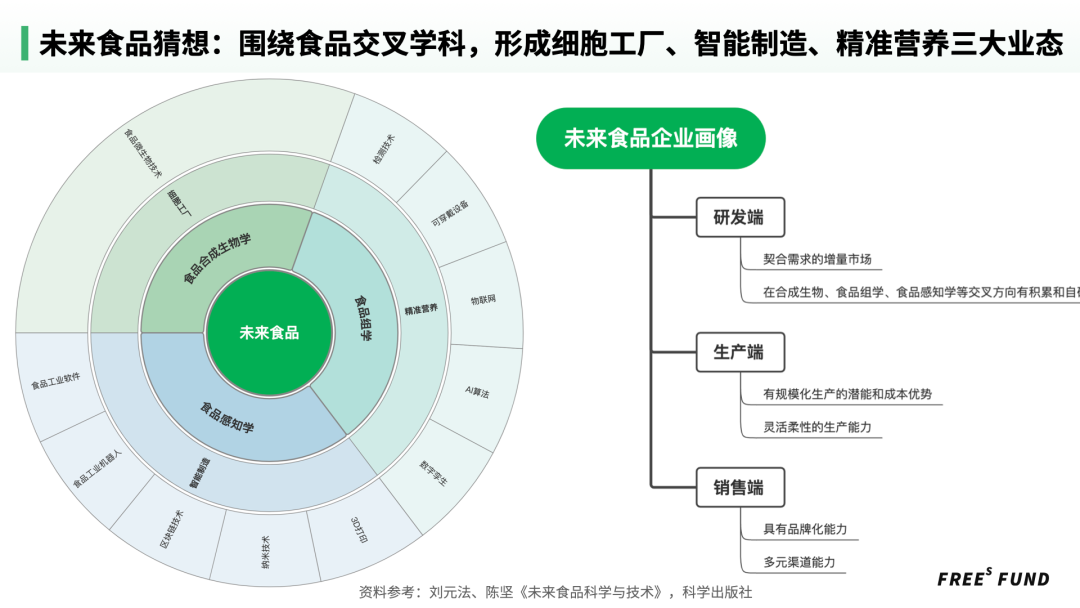
We believe the future food industry will coalesce around food-related interdisciplinary fields, ultimately forming diverse business models encompassing cell factories, intelligent manufacturing, and precision nutrition. From this foundation, a series of new technologies will find applications in the food sector, including 3D printing, digital twins, industrial robotics, and microbiome technologies.
To meet the novel challenges of this era, the ideal future food enterprise might look something like this: on the R&D front, accumulating self-developed capabilities across interdisciplinary domains to capture incremental markets created by new demands; on the production front, leveraging new technologies to unlock the potential for scaled manufacturing and cost advantages; and on the sales front, possessing the brand capacity to tell China's food innovation story to the world.
Standing at the close of 2022, we look ahead to the future of the food industry. In its "Vision 2035" plan, China's Ministry of Science and Technology laid out a clear ambition — for China to become a global innovation hub for food technology. With this new goal in sight, FreeS Fund remains as confident as ever in the food sector, committed to discovering companies that persist in food technology innovation and helping more Chinese food brands go the distance.
Join the Conversation
What's a food or drink you've been obsessed with lately, and why? Share with us in the comments below. The 5 most thoughtful responses will each receive a gift package from Methuselah, including DGI bread, DGI chicken breast sausage, and DGI soda crackers.

▲ Can Short-Video Be the Shortcut for Chinese Animation to Surpass Disney? | FreeS Fund Dialogue
▲ Food Investment Through the Lens of China's Dietary Structure | FreeS Report 25
▲ How Will Humans Work in the Future? | FreeS Report 26
▲ FreeS Report 24 | Embracing the "Smartest" Opportunity: Investing Boldly in Brain and Neuroscience
▲ ESG's Past and Future: From Dividing the Pie to Growing It | FreeS Research
▲ Slow Is Fast: Why Insurtech Is a Bet Worth Making | FreeS Interview
▲ Li Xiang × Li Feng: The Dollar's "Monopolistic Success" and "Gradual Dilemma" | Li Feng Column