World Book Day | The Books That Give Us "High Energy"

Crossover Book Recommendations from Investors and Business Writers

"Reading is always worthwhile" is something we've heard since childhood.
Fortunately, at an early-stage investment firm that champions research-driven decision-making, reading, learning, thinking, and hunting for opportunities armed with our own convictions is simply our daily routine.
Today is World Book Day. We've invited several investment colleagues from FreeS Fund, along with business writer Li Xiang — who co-hosts the podcast "High Energy" with Feng Shu — to recommend books that have meant something to them.
They've also taken care to share why these books matter to them. We hope their picks offer you some inspiration and help.
You're also welcome to check out this episode on Xiaoyuzhou, Apple Podcasts, or Ximalaya by searching for and subscribing to "High Energy."

Giveaway Share in the comments a book that gives you "high energy" and tell us why.
By 17:00 on May 6, 2024, we'll select the three most thoughtful responses and send each a special World Book Day gift box containing two books from this issue's recommended list.

01
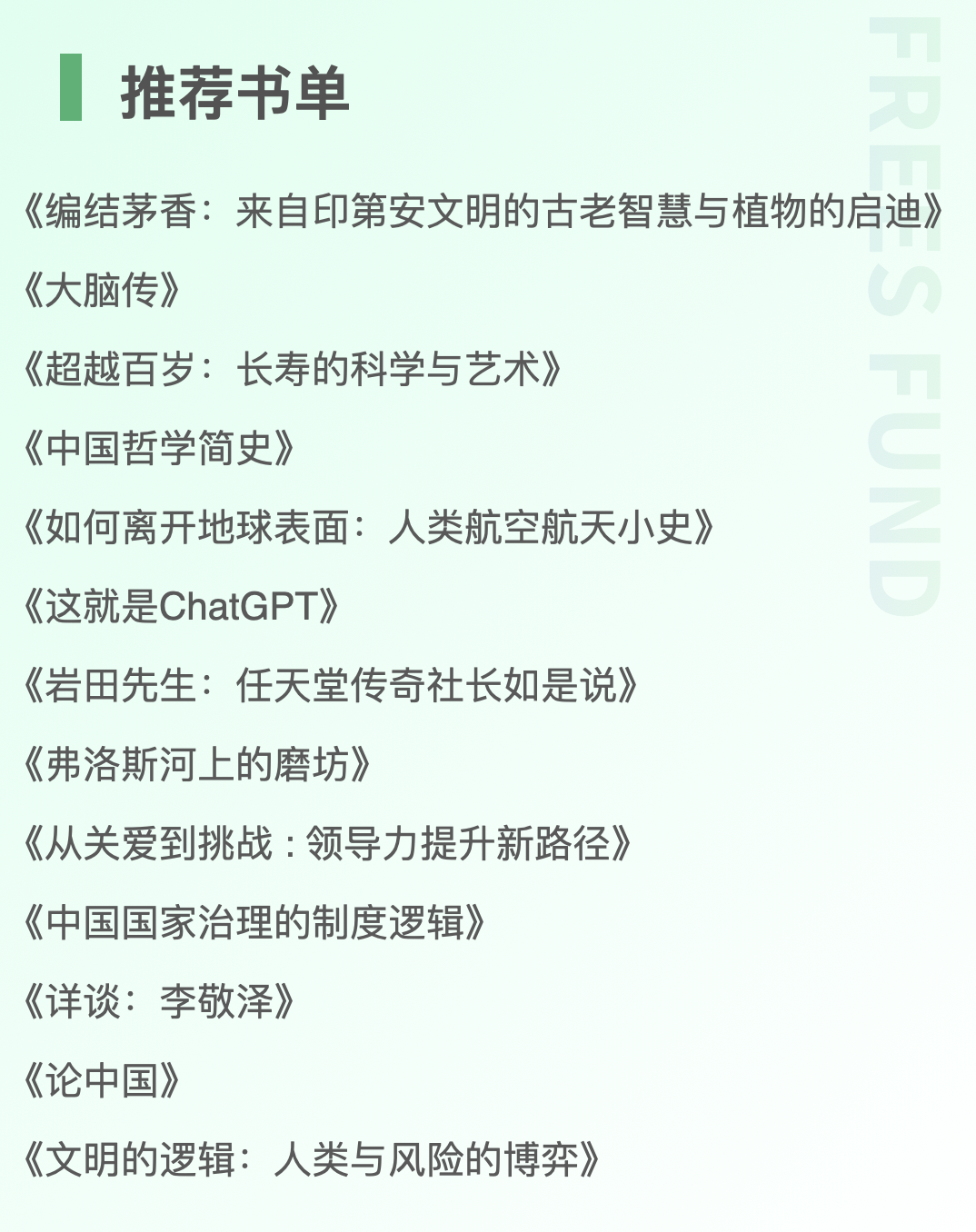
▎Wang Lei, FreeS Fund
I'm Wang Lei, an investor on the biotech and healthcare team, focused on innovation in diagnostics and novel therapeutics driven by biotechnology. The book I'd like to recommend is Braiding Sweetgrass: Indigenous Wisdom, Scientific Knowledge and the Teachings of Plants.
The author, Robin Wall Kimmerer, is an Indigenous woman scientist. She blends scientific knowledge with traditional Native American wisdom to explore the importance of plants to human life, calling on humanity to re-examine its relationship with nature. In this book, she shares her unique perspective on the connections between plants, ecology, and culture, and discusses how we might learn from the natural world to build more sustainable ways of living. It's an undeniably distinctive angle.
What draws me to this book is its fusion of multiple perspectives. Perhaps because of the author's rich background, she weaves together personal experience, Indigenous wisdom, and modern botanical science to vividly portray the relationship between humans and nature from many dimensions. Notably, while her identity as a scientist might sound serious, her writing is deeply emotional. I can feel her love for nature, her reverence for life, and her hope for the future — emotions that are contagious, stirring in me a sense of gratitude and awe.
Beyond that, the book moved me to consider how, outside the rigid boundaries between science and non-science, we can re-examine our way of life through understanding and respecting the natural world, and seek a more balanced, free, and beautiful existence.
If I had to capture this book in one word, it would be "symbiosis." It helped me better appreciate that as we take, we should also give back — the path of equal and mutual exchange between humans and all other living things, indeed all things in the world.
02
▎Xie Da, FreeS Fund
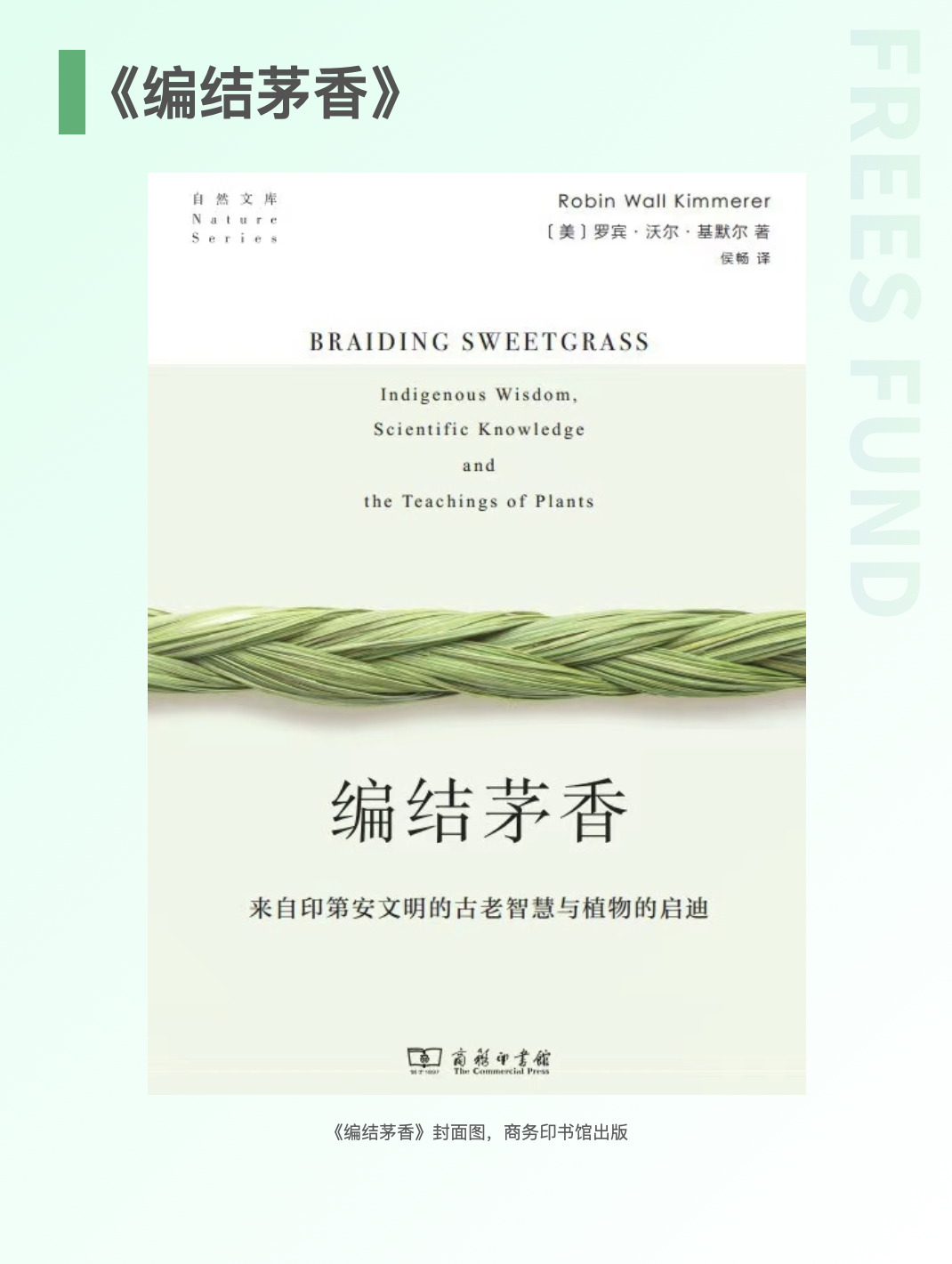
I'm Xie Da from FreeS Fund, an investor in biotech and healthcare, focused on innovative technologies with clinical benefit potential and competitive advantages, particularly at the frontier and in cross-disciplinary areas. The book I recommend is The Idea of the Brain, by Professor Matthew Cobb of the University of Manchester — a zoologist, neuroscientist, and science writer.
The book is organized into past, present, and future, tracing how human understanding of the brain has evolved through collisions between different viewpoints and schools of thought. As a cross-disciplinary field spanning biology, chemistry, physics, information technology, and psychology, neuroscience has continually grappled with three fundamental questions: the brain's role in the human body, its functions, and how it achieves those functions. What makes this book invaluable is how the author recounts the research and inferences of numerous scholars, clearly explaining that progress in neuroscience is essentially an iterative deepening of understanding of brain structure, function, and mechanisms — providing evidence to answer those three foundational questions.
This process has been full of conceptual battles. For centuries, for instance: heart or brain — which is the origin of sensation and thought? Is neural signaling electrical or chemical? Does the brain rely on specific regions for particular functions, or does it require collaboration across multiple areas?
The most marvelous thing about the brain is that we cannot define it by any single characteristic. None of these debates has been conclusively resolved even today. Take the heart-brain controversy: while people generally accept that the brain is the source of thought, recent research shows that heart rate can directly influence emotions by controlling the brain. What strikes me as particularly important is that these conceptual battles have shaped the frontier of human brain cognition, and these advances in understanding have depended deeply on the co-development of society, culture, science, and technology.
The book also presents a thought-provoking insight: answering neuroscience's three fundamental questions requires a top-down approach, yet brain research can only proceed bottom-up — progress in the near term can only be incremental. This is evident in analogies for the brain: people have compared it to hydraulic presses, clockwork mechanisms, telegraph networks, telephone exchanges, and computers. Each analogy corresponded to advances in human cognitive models of the brain driven by innovations in science, culture, and technology. Each may more accurately describe the brain from some angle, but the essence lies in approximating the truth of neuroscience.
Interestingly, von Neumann's original computer architecture modeled computers after neurons. Today, viewing the brain as a computer seems to foreshadow that future understanding of the brain may depend on external approaches — forming more multidimensional abstractions through analysis of brain data, rather than analogies to specific objects like telephones or computers. This may be partly because no better mechanical or electronic structures remain to analogize brain models to; even the latest computers lack substances analogous to neurotransmitters. It may also be because the speed at which we acquire brain data has increased dramatically.
If I had to choose one keyword for this book, it would be "unknown." One way the human brain surpasses other species is in its imagination, creativity, and empirical capacity for the unknown. We believe that from innovations in neuroscience research tools, to shifts in research paradigms, to abstraction from phenomena to essence — in this continual approach toward the truth of neuroscience — there exist opportunities for value creation and investment.
03
▎Liu Pengqi, FreeS Fund
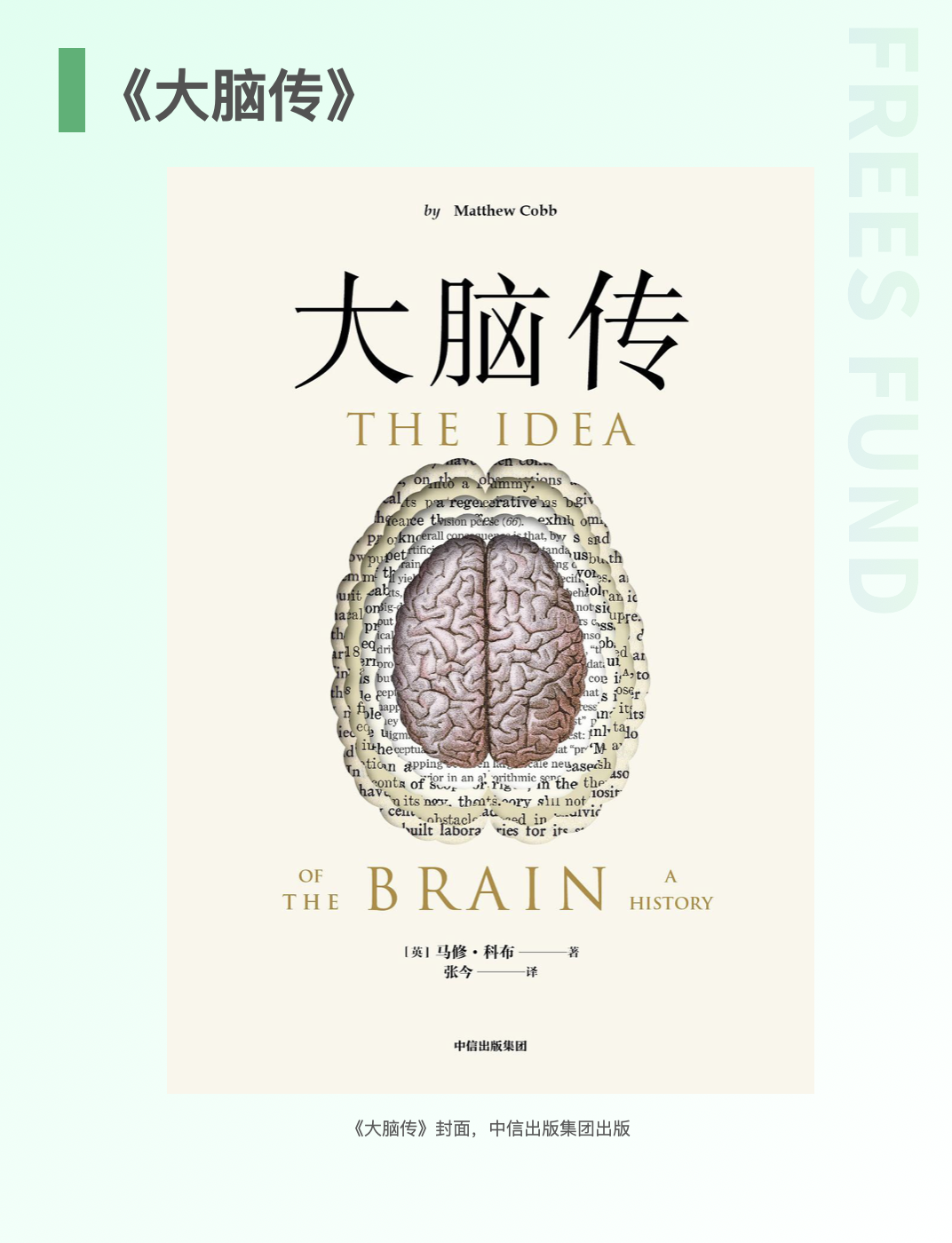
I'm Liu Pengqi at FreeS Fund, mainly involved in pan-technology investing. The book I want to recommend isn't closely related to tech investing itself — it's very much about everyday life. It's called Outlive: The Science and Art of Longevity. Many of you have probably heard of it, since it's something of a bestseller, but I still want to give it a strong recommendation.
The book is about how we can all live healthier, higher-quality lives. The author discusses this at both strategic and tactical levels. Strategically, he helps us understand the potential causes of various metabolic diseases, cancer, cardiovascular and cerebrovascular conditions, and even neurodegenerative diseases. Tactically, he examines how exercise, diet, sleep, emotions, and medications affect these disease-causing factors.
My recommendation also connects to personal interests. In recent years, I've become quite enthusiastic about various sports — technique-oriented ones like rock climbing and skiing, and endurance-oriented ones like marathons, triathlons, and trail running. Through this, I've grown increasingly attentive to my body and have painstakingly learned a great deal about athletic performance, diet, and sleep. But online content is mostly too fragmented or unsystematic, not to mention riddled with unverified misinformation.
Two things particularly attracted me to this book.
First, the author's starting point. Trained as a clinician, he saw how traditional Western medicine focuses only on treating disease and extending lifespan, which creates problems — so he shifted his research to disease prevention, or how to maximize the prevention of illness and thereby extend our years of high-quality life.
Second, the book is full of dialectical thinking. Especially in discussions of disease causes, exercise methods, and dietary approaches, the author doesn't simply offer seemingly straightforward but potentially unsuitable conclusions, as much other content does. Instead, after analyzing various pros and cons, he returns the choice to readers, letting us find what works best through practice.
So while much of the content wasn't new to me, I immediately bought two copies for my parents after finishing it — because they need it so much more. Finally, if I had to choose one keyword for this book, it would be "exercise," because this is also the point the author most wants to convey — exercise is currently the only lifestyle factor with proven benefits for health. So when you finish this book and set it down, don't hesitate: it's time to get out and move.
04
▎Li Gang, FreeS Fund
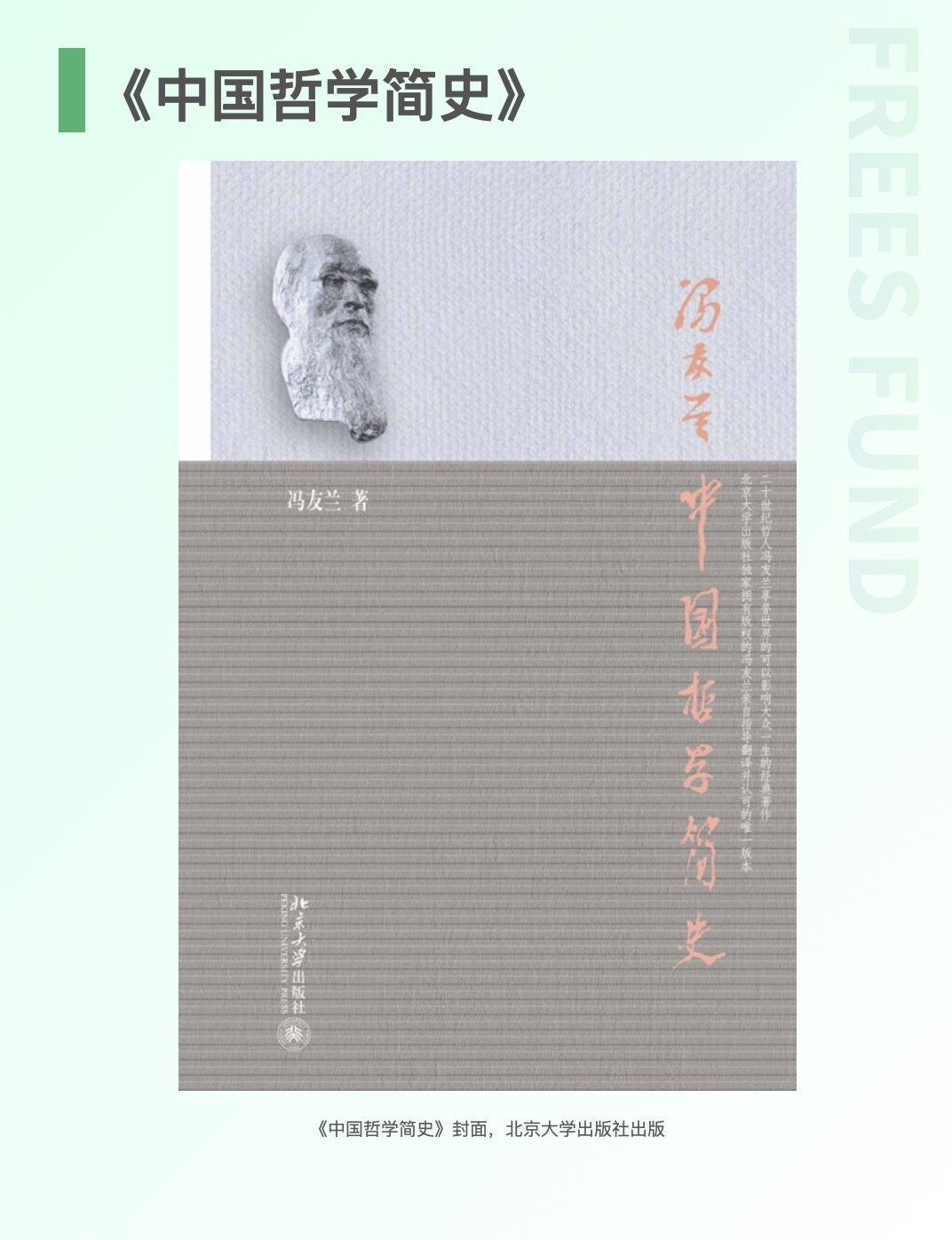
I'm Li Gang, focused on technology-driven innovation including optics, AI, and robotics. Today I recommend Feng Youlan's A Short History of Chinese Philosophy. This book covers the evolution of Chinese philosophy from ancient times to the present, the origins and development of various schools, and their mutual influences. It not only details the core ideas and representative figures of each philosophical school, but also explores how philosophical thought has influenced Chinese politics, culture, and social life.
Speaking of philosophy, perhaps your first thought is of Western philosophy. After reading this book, you'll discover that behind Buddhism, Taoism, and Confucianism lie ordinary Chinese people's understanding of the world and a distinctive worldview. These understandings and worldviews formed gradually over a long history, rooted in our deep love for this land and our objective understanding of the world. It is these beliefs that shape our faith in our ancestors — those we worship are real people, the sages who contributed throughout history.
If I had to choose one keyword for this book, it would be "conviction." We can see not only the sources of Chinese philosophy, or the philosophy of Chinese people, but also our respect and trust for the world and for people. This can guide not just life, but investing too — fundamentally, both are acts of imagination about the world and modeling of people.
05
▎Yan Qianhang, FreeS Fund
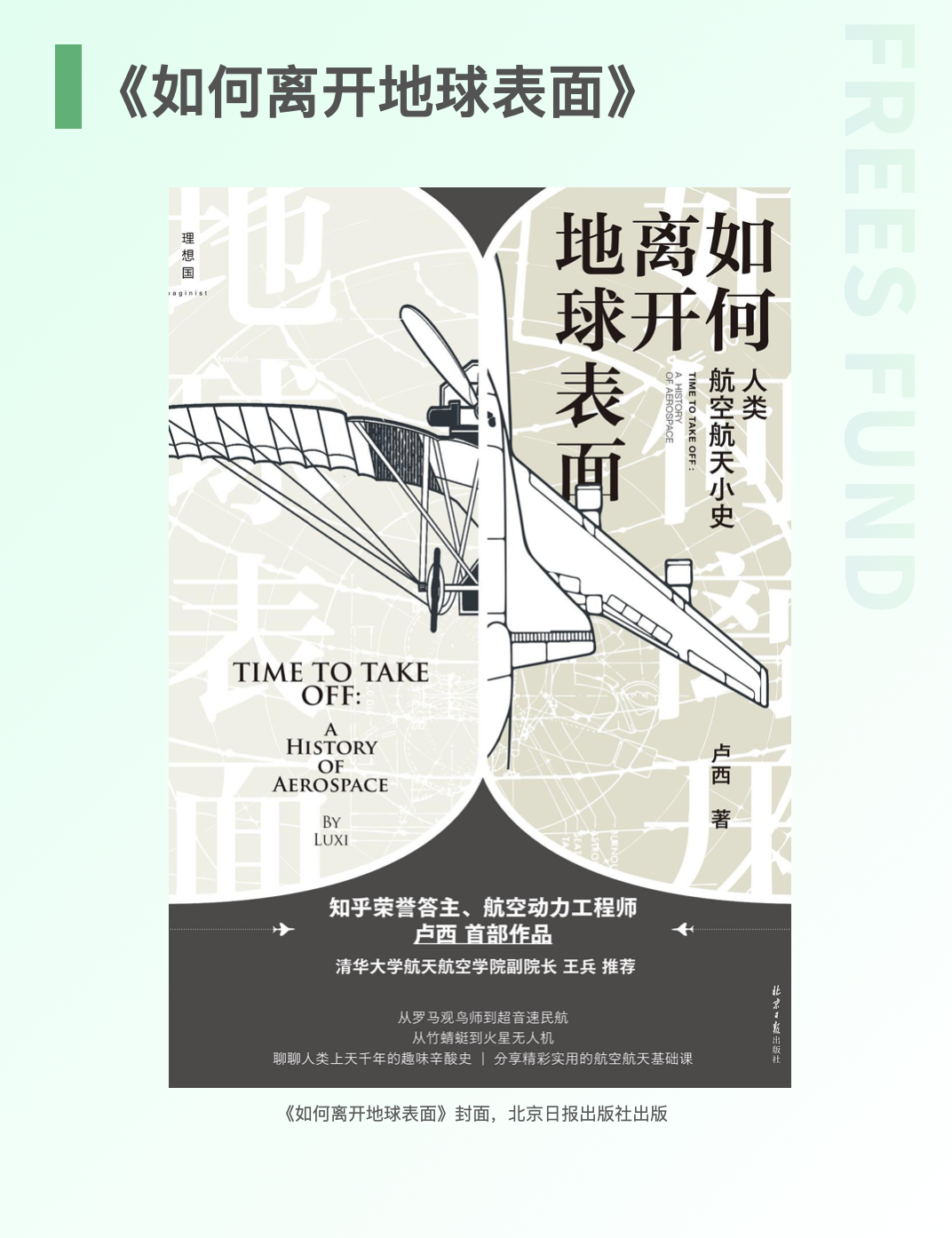
I'm Yan Qianhang from the technology team at FreeS Fund, investing in frontier technology and cross-disciplinary tech applications. I focus closely on intelligent manufacturing, robotics, low-altitude economy, and semiconductors. Today I want to recommend a book called How to Leave the Earth's Surface: A Brief History of Human Aerospace.
This book covers humanity's millennia-long quest to fly beyond Earth's surface. Human exploration wasn't limited to airplanes — it included airships, rockets, and all manner of derivative attempts and explorations, spanning both aviation and spaceflight.
Over the past century, we have not only achieved aircraft takeoff and global coverage, but also humanity's first steps beyond Earth into space. The entire process is deeply inspiring. Because humanity's most primal desire is to step out of our cradle, out of Earth, to see the world — to fly free like birds, and to imagine achieving interstellar travel.
What most attracts me to this book is how, in recounting this history of technology, it uses very accessible and popular science language to help us feel how hard-won each advance was, and to understand how aerospace engineering evolved from traditional simple engineering to incorporate various theoretical breakthroughs, achieving rockets, supersonic aircraft, spacecraft, space capsules, space shuttles, and all manner of latest accomplishments.
This book serves as a good entry point for me to understand the entire history of aerospace. For our investing, we can also draw lessons from past patterns of change to help us think through and judge: what direction will the aerospace industry develop in the future? What new sub-sectors within aerospace might give rise to new commercial opportunities?
If I had to capture this book in one word, it would be "inspiring." I recall that ten years ago, when I was still a student, the chief designer of the Chang'e lunar exploration program came to our university for a lecture. At that time, all the mechanical engineering students were deeply excited. We longed for the day when we could help humanity leave Earth, set foot in the cosmos, and venture toward more distant worlds and spaces. So as I read this book, I grew more and more inspired, more and more excited — witnessing humanity's step-by-step journey from the trees to the ground, to upright walking, and the enduring drive to reach for the sky.
**/ 06/ **
▎Chen Shi, FreeS Fund
I'm Chen Shi. For the past three years, my main investment directions have been AI, software, and going global. As a tech investor and former programmer and CTO, like everyone else I suddenly entered the era of generative AI's rise, represented by large language models, in 2022. ChatGPT in particular finally had the opportunity to surpass human intelligence on a relatively broad scale. The industry said we were seeing the sparks of artificial general intelligence.
As a diligent tech investor, over the past year and a half, most of my time has been spent looking at projects, reading papers, tracking the latest AI and related developments at home and abroad, and being invited to various conferences, discussions, and sharing sessions.
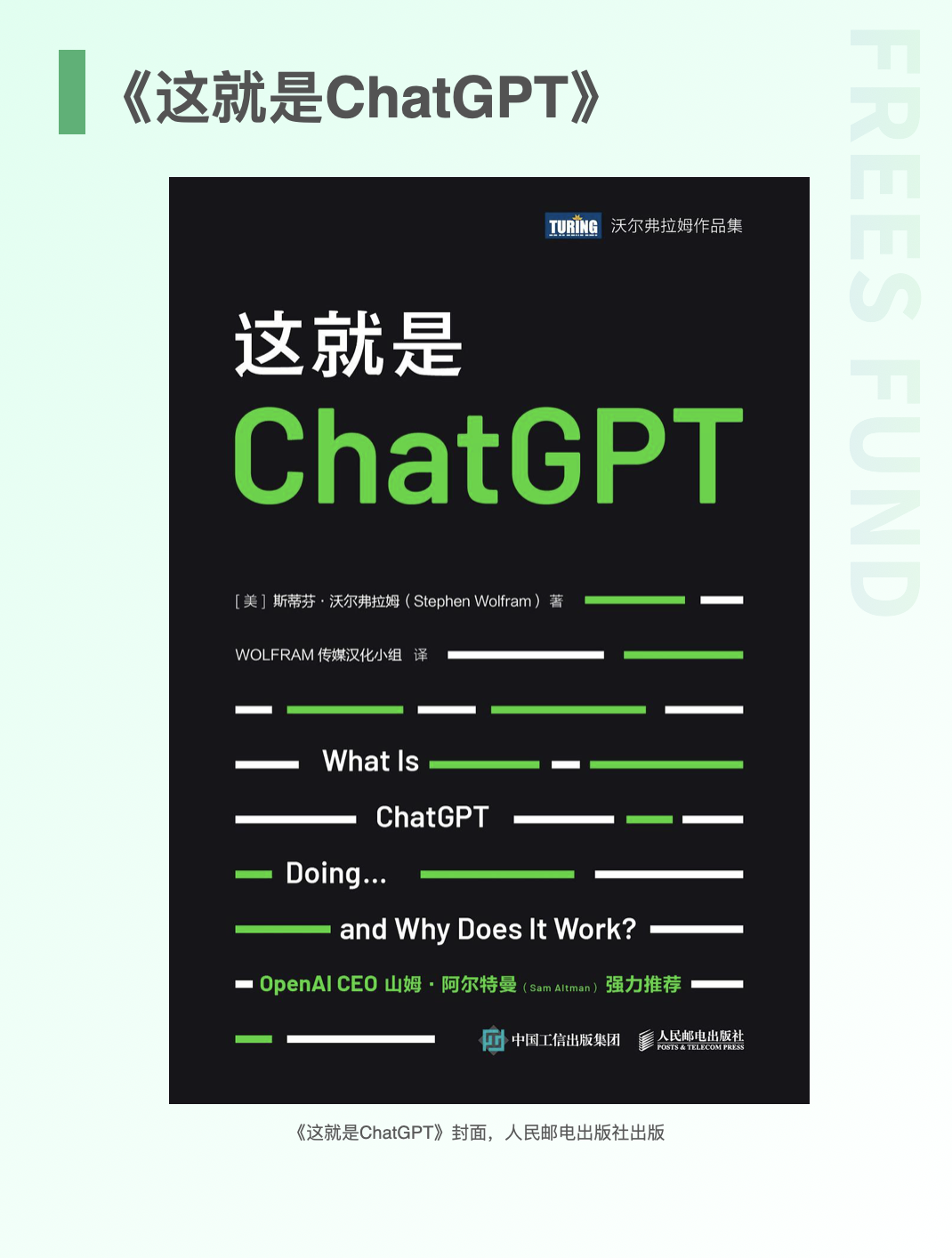
Some friends ask me: I'm a tech novice, I'm really curious about the principles behind GPT, can you recommend a book I can understand? Well, here's my chance. The book I recommend today is What Is ChatGPT Doing... and Why Does It Work?
This is a very thin book, only 134 pages, mainly introducing the technical principles behind ChatGPT. Its author is the renowned American computer scientist, mathematician, and physicist Stephen Wolfram, also a successful entrepreneur. The book contains no abstruse theories or mathematical formulas — it truly achieves depth through simplicity. Even OpenAI CEO Sam Altman said it's the best explanation of ChatGPT's principles he's ever seen.
The book has only two chapters, with the first being the most important. Its theme is "What Is ChatGPT Doing, and Why Does It Work?" The content covers next-word prediction, probability, models, neural networks, scaling laws, embeddings, ChatGPT's principles, semantic space, semantic laws of motion, and more. I read this content in early 2023, and in articles and public talks since, I've cited portions of it to positive reception — which gives me the confidence to recommend it to you.
**/ 07/ **

▎Fan Mingwang, FreeS Fund
I'm Fan Mingwang from the consumer team, focused on how technology translates at the consumer endpoint and AI applications on the To C side. Today I want to recommend a book called Ask Iwata: Words of Wisdom from Nintendo's Legendary CEO. This is a very light, compact book, perfect for finishing during a journey.
I first learned about Iwata Satoru, the legendary figure in gaming, through The Legend of Zelda: Breath of the Wild. When you reach Satori Mountain, you can see cherry blossom trees and the Lord of the Mountain — "Satori" being a homophone for Iwata's name in Japanese. This is Nintendo's memorial Easter egg for its late president. A president worthy of such respect and remembrance must have had unique personal charisma. That's what made me open this book.
The book is compiled from extensive interviews with Iwata Satoru, telling in first-person perspective how a boy from Hokkaido fell in love with programming, became a genius programmer, turned around HAL Laboratory as its president at just 34, and finally became leader of Nintendo, one of the world's top gaming companies. As a developer, he created classic works like "Kirby" and "Super Smash Bros." As Nintendo's president, he planned and launched revolutionary consoles like the Nintendo DS and Wii, putting into practice his advocacy for expanding the population of gamers.
I'll use "joy" as my keyword for this book — not only because it's a light and pleasant read, but more importantly because you'll see how Iwata, as the ultimate player of the game of life, spent his life persisting in his passion, continually breaking through and innovating at the boundaries of rules, and deeply embedding the spreading of joy in Nintendo's core principles and values, ultimately influencing the entire world.
I hope after reading this book, you too can gain some joy and inspiration. As Iwata himself said: "On my business card, I am a corporate president. In my mind, I am a game developer. But in my heart, I am a gamer."
**/ 08/ **

▎Meng Changjie, FreeS Fund
I'm Meng Changjie, an investor at FreeS Fund, mainly focused on consumer products and consumer internet. I want to recommend a novel — The Mill on the Floss, a novel by English writer George Eliot from 1860.
The plot is actually quite simple: the protagonist Maggie's lifelong struggle against social constraints and her own emotions. The first half is very plain, chronicling Maggie's childhood with her brother Tom. The second half follows them into adulthood, where Maggie meets several people she loves, but due to the social and family constraints of the time, must continually give up her love. Tom, seeking to restore the family's fortune, sacrifices his sister's future while also binding himself, and finally, after redeeming their father's mill, encounters a flood on the Floss. Maggie rows out alone to save him, and together they are drowned in the floodwaters.
This novel is a classic tragedy, and many later works of art used it as a blueprint. It is notable in literary history for the rise of feminist literature, as it depicts extensive social oppression of women and the rise and pursuit of women's self-spirit.
George Eliot is one of the most famous feminist writers in history. She is often compared to Jane Austen, whom more people are familiar with — her Pride and Prejudice, Persuasion, and Emma are widely known. The difference between George Eliot and Jane Austen is quite clear. Austen's stories are mostly sunny, with more dramatic plots and happy endings. George Eliot is the opposite — her plots tend to be more plain. But it is precisely this plainness, combined with her extraordinarily deep psychological characterization, that makes her tragic endings more piercing to the soul.
If I may make an imperfect analogy, I find The Mill on the Floss somewhat reminiscent of Wong Kar-wai's early films. I recommend this book mainly for its portrayal of love. I first read it as a sophomore, a young adult who really lacked understanding of love. I was quite impatient reading the first half, but in the second half, seeing these people struggle against fate, experiencing all manner of pain in pursuit of love — combined with George Eliot's great skill at depicting subtle psychology — that pain and struggle gave me enormous shock. I still remember the final sentence vividly: "In their death, they were not divided."
Throughout the book, everyone is losing and saying goodbye; only death allows them to reunite. This book formed my earliest understanding of love. The price of love is grief and loss. Traditional education often neglects emotional understanding, but as human beings, love may be the most important thing. Without understanding of emotions, one easily becomes numb over a long life.
Perhaps this book I recommend will be hard-pressed to give you knowledge. But if it can touch your heart, whether it makes you feel joy or sorrow, that is enough.
**/ 09/ **
▎Shen Ying, FreeS Fund
I'm Shen Ying, an investor at FreeS Fund, focused on consumer, going global, and cross-disciplinary investing. I want to recommend a book I personally love and have greatly benefited from, about psychology and leadership. It was jointly published in 2012 by two psychologists and a leadership management scholar from business school, called Care To Dare.
I recommend this book mainly because unlike traditional management books focused on improving KPIs and OKRs — relatively efficiency-oriented — it approaches more from the psychological level, from human emotions and the self, focusing on how to improve each individual's performance in an organization or group to yield greater collective results.
As investors, we often participate in companies' discussions and decisions, hoping to help enterprises improve overall performance. I've found that all too often, people's performance and state of mind within a team are actually the most important determinants of how far a company can ultimately go.
One insight this book gave me: much of what we see in management may be like a house — it has a rigorous framework, scientific quantitative assessment mechanisms, all visible to the eye. But the foundation of the house lies where we cannot see.
I believe this book truly reaches the core of company management and leadership: in an organization, how to enable every member to obtain a secure psychological foundation, thereby experiencing a sense of safety within the organization. From underlying psychological theory, people can only improve their overall performance when they feel secure. The book details in depth how leaders should build a secure, caring organization, and based on 100% care, inspire 100% challenging spirit from every group member.
A second important core theory is that the leadership it describes is strictly distinguished from management as discussed in many management books. Management is often a methodology, a means — behavioral or institutional requirements made to achieve certain goals, externally imposed. Leadership, by contrast, is a very internal concept.
This book not only shares methodologies for leading a group, but also tells us as individuals how to lead and motivate ourselves in life — finding our own secure bases in life. Each person's secure base is highly varied: it may be family, friends, pets, or some religious sustenance, etc. For each individual facing uncertain environments and adversity, these secure bases provide great help. So this book is not only a theoretical exploration for the business world, but also offers significant guidance for personal growth at the psychological level.
My keyword for this book is "endogenous drive." Whether for individuals or organizations, development depends on external opportunities, but ultimately relies on internal strength. From both psychological and management perspectives, this book gives us clear direction on how to find the endogenous power belonging to ourselves and our organizations.
**/ 10/ **
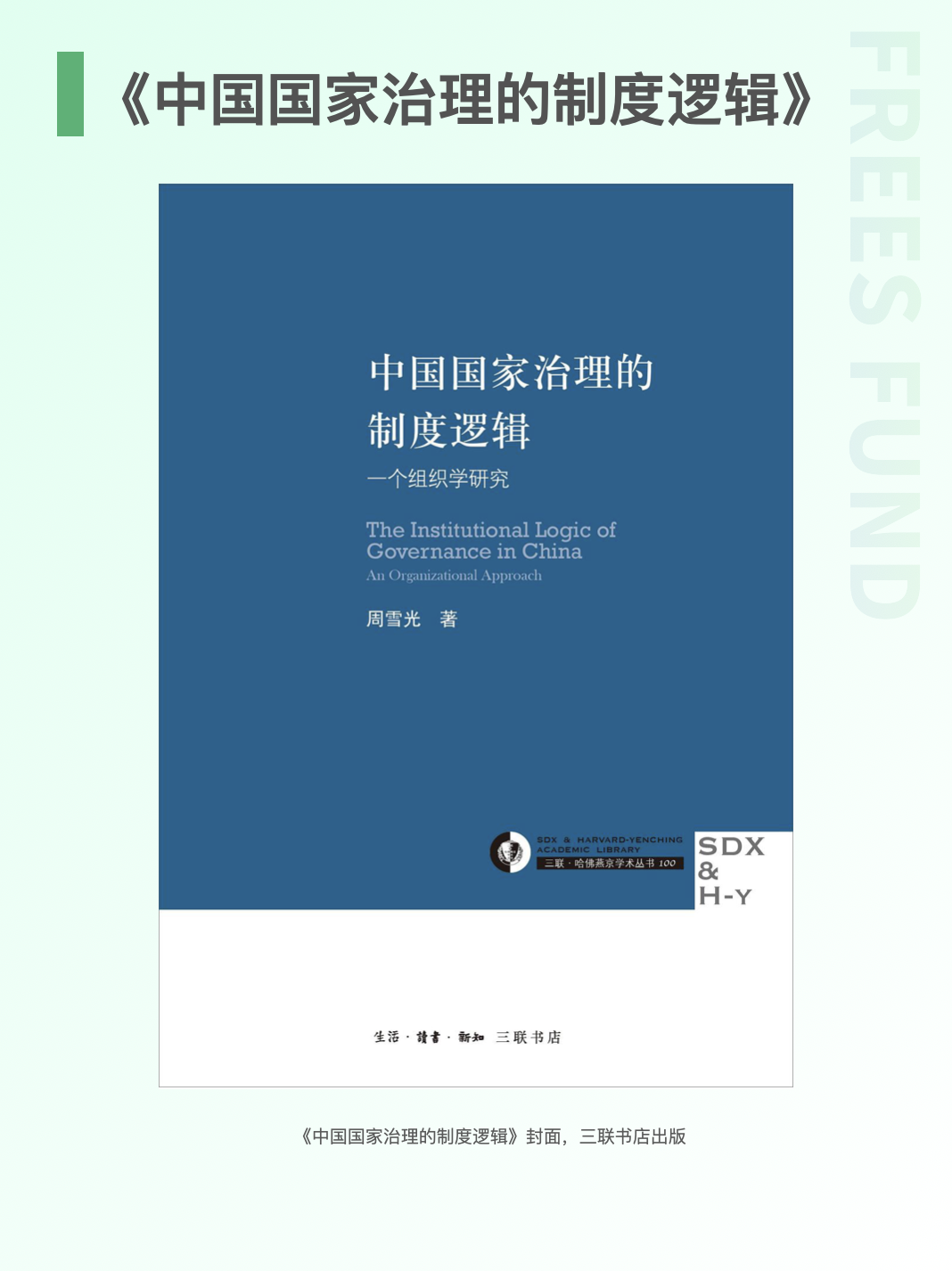
▎Li Xiang, Business Writer
I'm Li Xiang. I co-host the podcast "High Energy" with Feng Shu, I'm writing a book series called Detailed Talks (Xiang Tan), and I'm also involved in filming the documentary series The Turbulent Times. Basically my work is also my hobby: reading, writing, meeting people. The book I recommend is The Institutional Logic of Governance in China by sociologist Zhou Xueguang. It's one of the most impressive books I've read this year.
The content is the author's organizational sociology perspective on the complete set of institutional logic behind Chinese state governance. Let me briefly summarize. Because China is a super-large-scale country, and throughout most of its history has had a unified polity, this scale and this history mean that Chinese state governance has always faced a core issue: the tension between the unified system and effective governance.
The unified system means the central government must have overwhelming authority — it must have the final say. Effective governance means that because of the country's vast scale and great regional variation, the central government needs to delegate certain flexibility and initiative to localities. The result is: the more centralized and rigid the system, the more it weakens local capacity, and effective governance suffers. But if local power expands, it brings fragmentation and may affect central authority.
In Professor Zhou's view, to address this core problem, three main response mechanisms have emerged in China's governance system: first, the逐级代理制度 (tiered agency system). Second, strengthening unified values through教化 (moral education). Third, the occasional emergence of运动型治理 (campaign-style governance). This book helped me understand much state governance behavior in recent years.
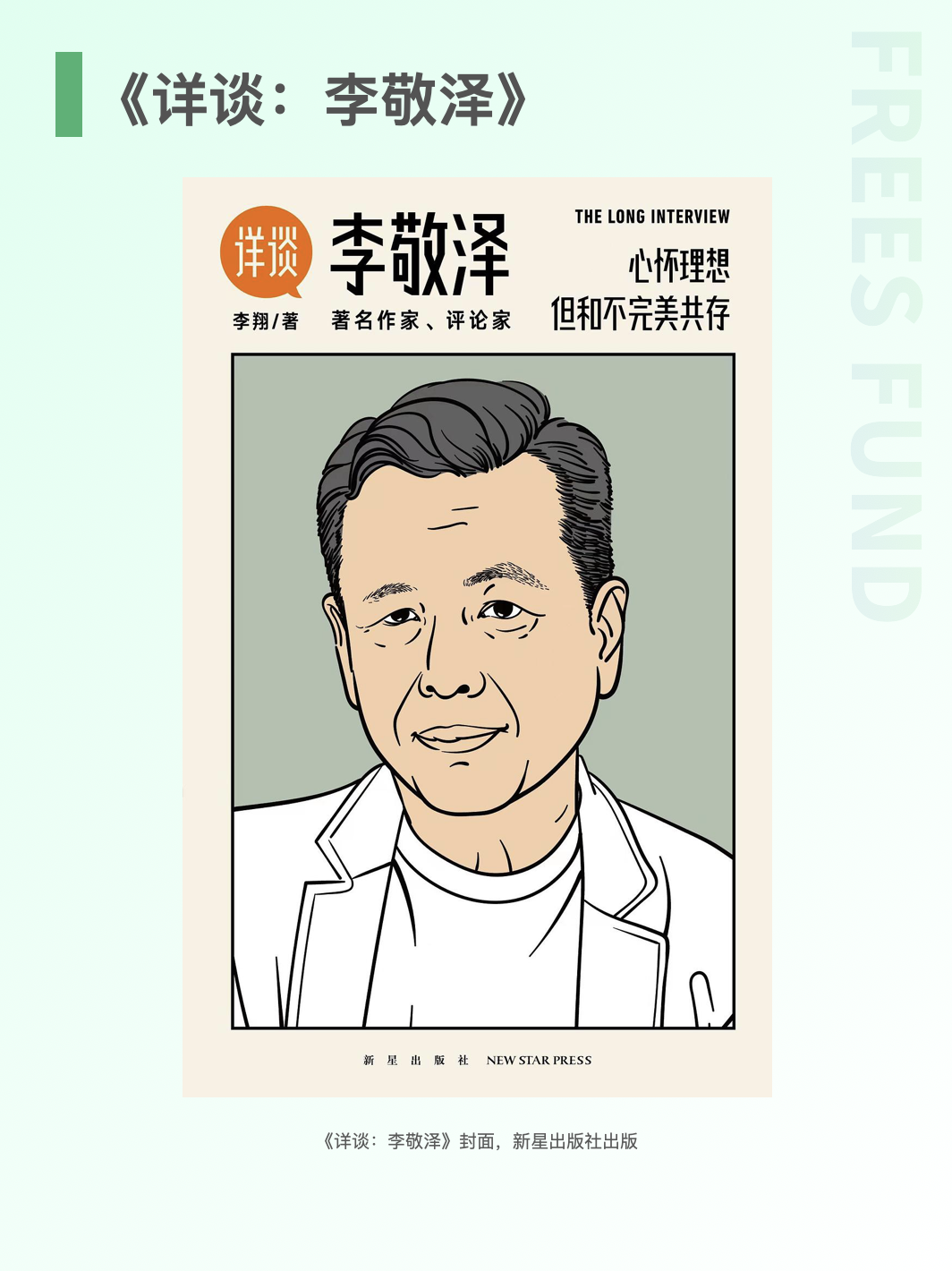
Combined with one of my own books, Detailed Talks: Li Jingze, it helps me better understand real-world China and China's set of governance logic. Because Li Jingze is both a literary scholar and a vice-ministerial-level national official, he helped me understand many angles of thinking from within the system, which I found very rewarding. If I had to recommend this book in one sentence: it is deeply insightful and perceptive, and can help people understand real-world China.
▎Li Feng, FreeS Fund
I'm Li Feng from FreeS Fund. The two books I recommend today were actually already recommended on our podcast "High Energy." Among books I've read recently, both are interesting in terms of breadth of content, abstract logic, and knowledge.
One is the new edition of Kissinger's On China, with its added preface. This book records numerous behind-the-scenes stories of Kissinger's dealings with Chinese leaders, his own reflections and assessments throughout this process, and of course how to understand and observe China's foreign policy from an American and his perspective.
Current international affairs are complex and multifaceted, and China's diplomatic and international relations moves receive enormous attention, with all manner of voices in the market. I suspect reading this book may make many of today's Chinese diplomatic actions more comprehensible, even though Kissinger writes from a foreigner's perspective.
After China-US relations entered a period of clear competition and, to some degree, rivalry, Kissinger added to the new preface his reflections on China-US relations — a portion that may have even more reference value today.
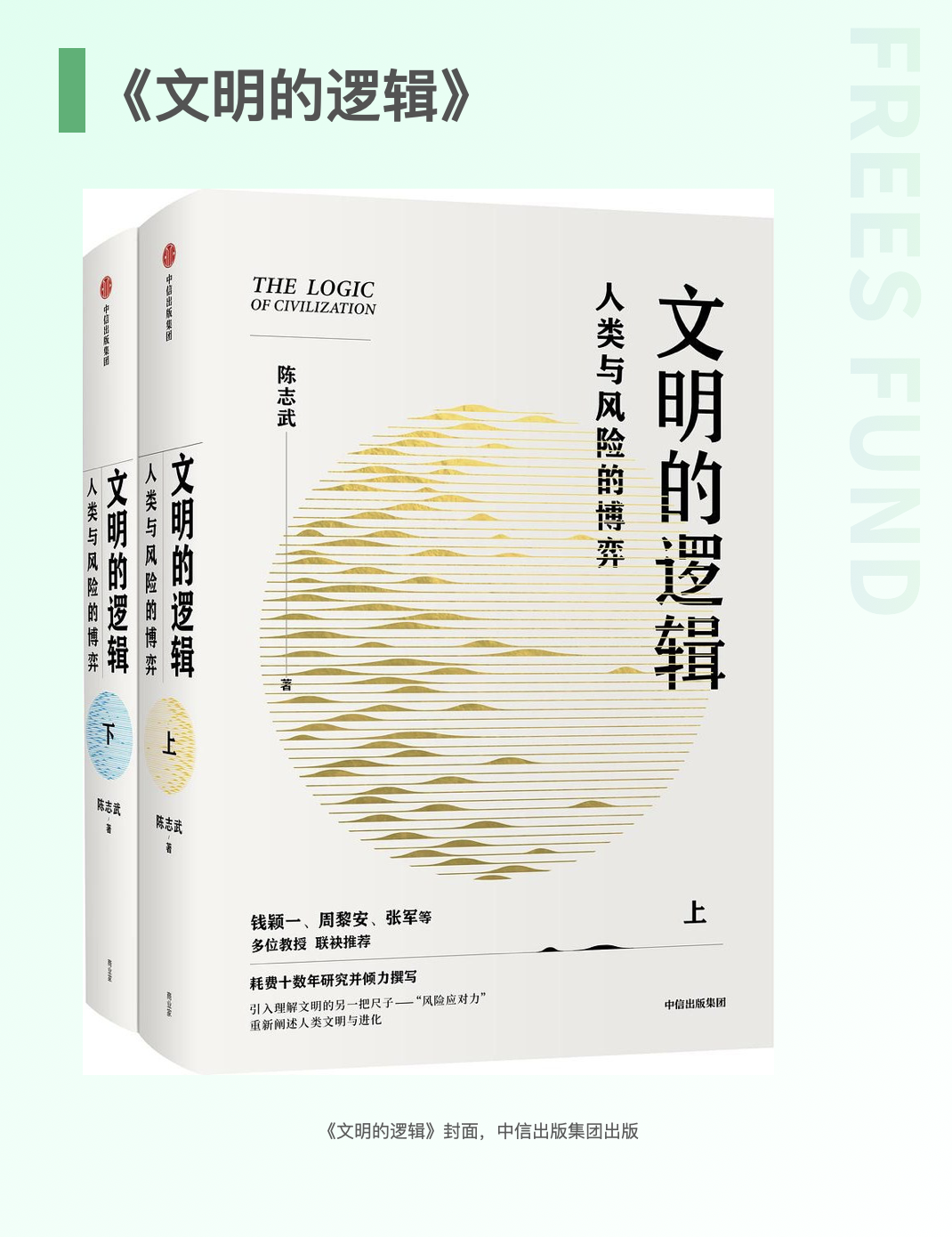
Beyond that, I also recommend Chen Zhiwu's The Logic of Civilizations. This book uses the patterns of risk and return, and the various behavioral manifestations of humans within risk-return frameworks, as a thread to re-examine the origins and evolution of marriage, family, society, economy, consumption, and everything else. I find this a very interesting and meaningful method of analyzing things, offering a different way of viewing the world and today's global landscape.
Giveaway
Share in the comments a book that gives you "high energy" and tell us why.
By 17:00 on May 6, 2024, we'll select the three most thoughtful responses and send each a special World Book Day gift box containing two books from this issue's recommended list.
Star the FreeS Fund WeChat Official Account for timely business insights delivered to your feed.