BlueRun Ventures Headlines | AI Designs a Product in Half a Day, Shíyànshì Launches 5 SKUs at Once

Shiyan Lab's "AI Experiment"
A week ago, FoodTalks reported that the startup snack brand Shiyanshi was about to officially launch its AI-designed products. Now, they've arrived.
On the evening of April 1, Shiyanshi founder Sida Sun announced on WeChat Moments that using AI design, they had "unveiled five packaging designs at once," with the new product "Garden Veggie Crackers" quietly going live on multiple e-commerce platforms.
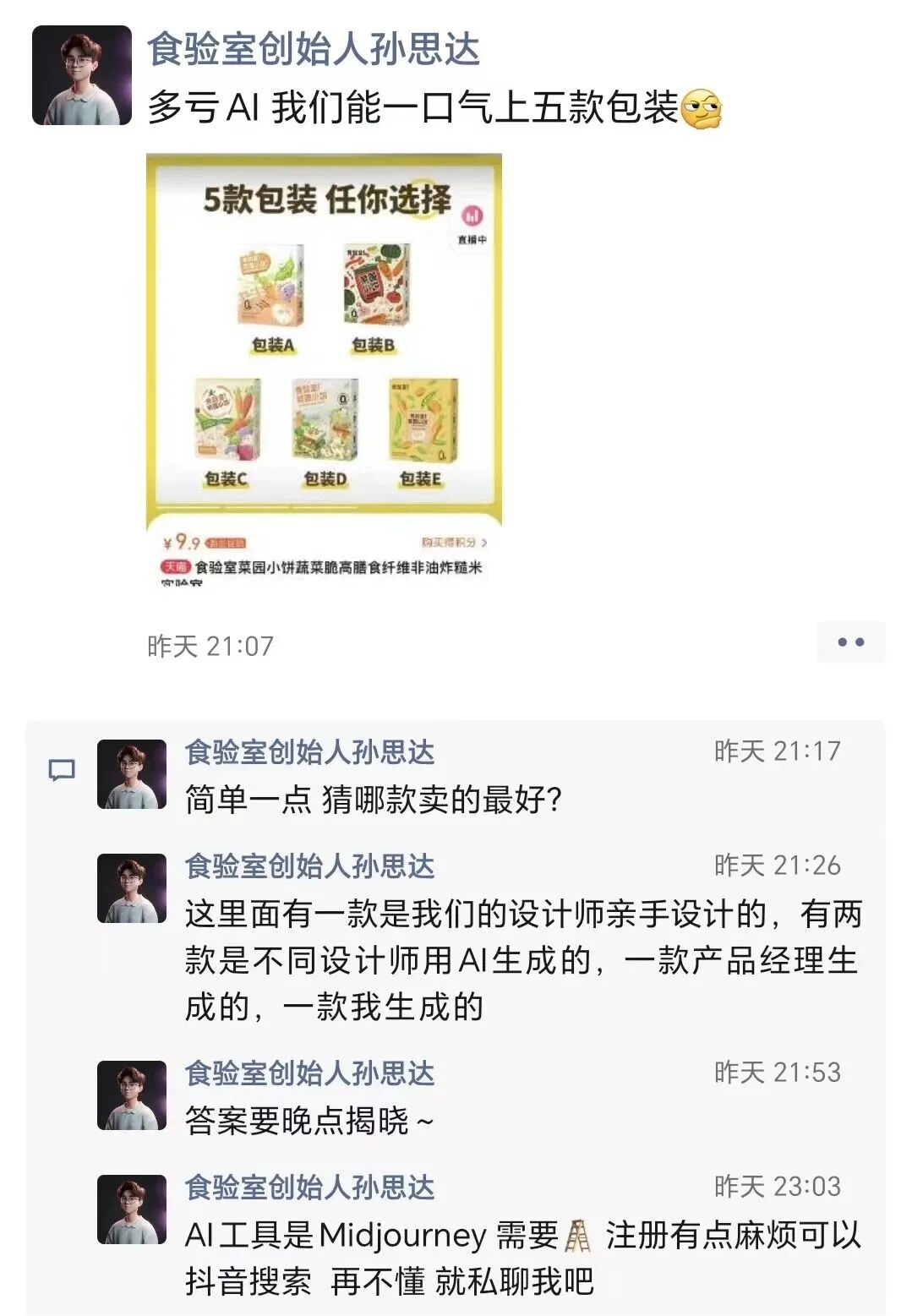
Screenshot of Shiyanshi founder Sida Sun's WeChat Moments post
FoodTalks also interviewed Sida Sun immediately to understand the story behind this "AI experiment."
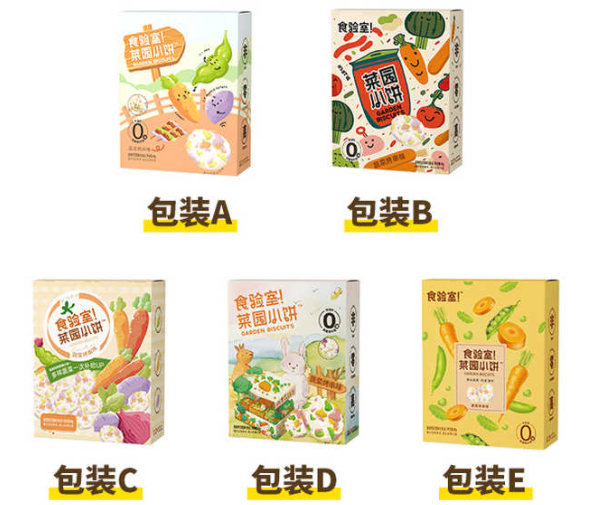
Shiyanshi's AI-designed new product "Garden Veggie Crackers"
01
Shiyanshi's "Testing Ground"
What happens when you hand design over to AI and minimize human involvement?
The entirely post-95s Shiyanshi team decided to have some fun, launching a time-limited challenge to find out. According to Sida, after the challenge was issued, one designer came back with a proposal that same evening, having spent just two to three hours.
The challengers weren't limited to designers either. Of the five products going live, two packaging designs came from a product manager and from Sida himself. The product manager treated AI as a real designer to communicate with, while Sida chose to let "AI train AI" — having ChatGPT provide style prompts for Midjourney. But since he started with zero expectations, he found it difficult to pick a single best design. "It was like opening blind boxes," he said.
Designers, on the other hand, treated AI as an execution tool, using it to realize specific ideas already in their heads. Sida noted that compared to ordinary people, designers' style prompts were more professional and precise, leading to higher design efficiency.
The post-design workflow was equally impressive this time around. Sida said the graphic designer needed only one hour to replicate the design, after which it went straight to sampling and production.
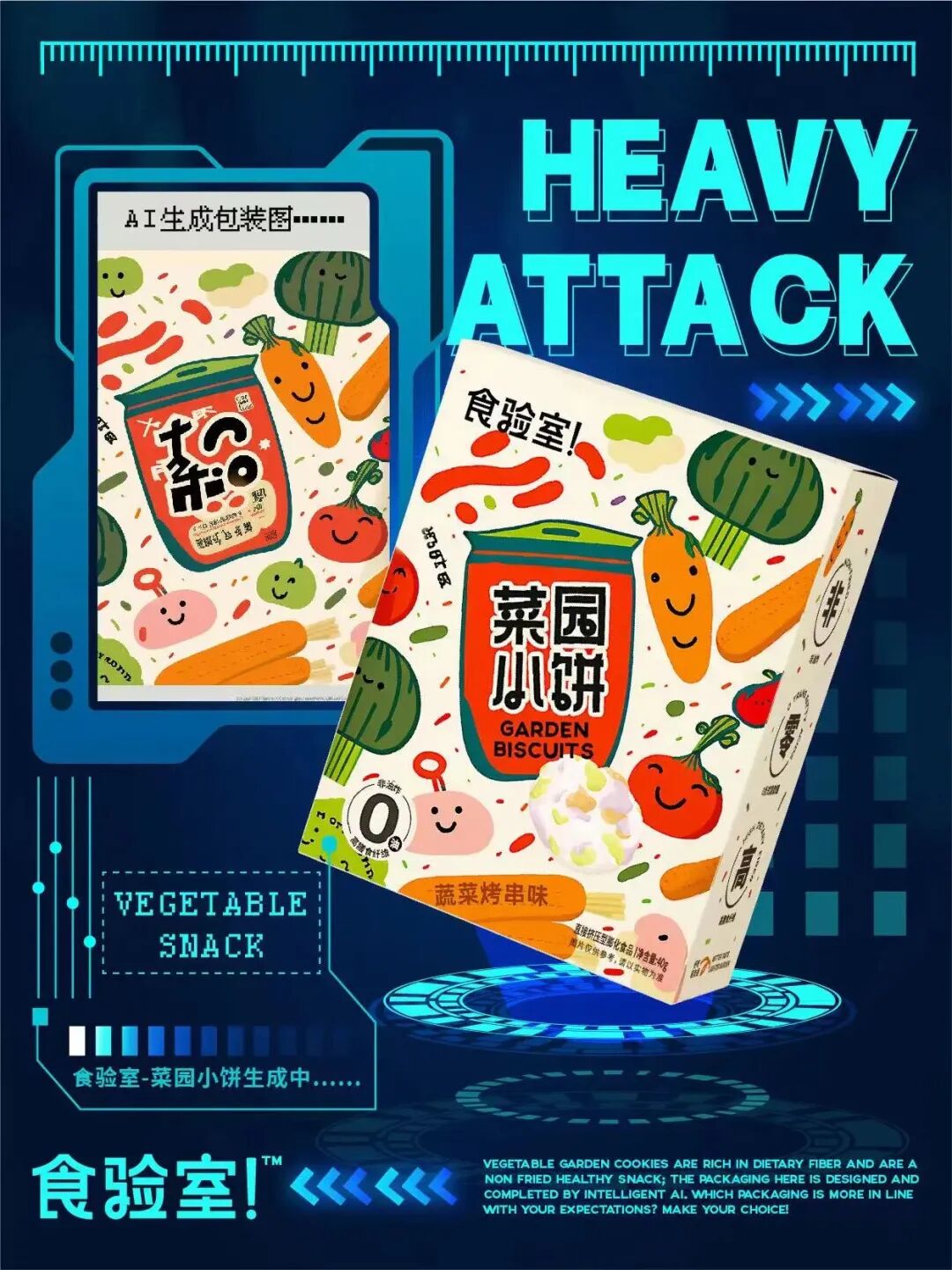
Shiyanshi Garden Veggie Crackers packaging. Left: AI-designed version. Right: Adjusted official release version.
02
AI as Gimmick? Solving Real Problems?
In this challenge, after becoming proficient with AI, participants had just three hours to finalize their design proposals. They could only use simple text inputs for generation, couldn't use Photoshop, and afterward had to describe any adjustments and layout needs to the graphic designer in 100 words or less.
"Humans could only do layout and input information," Sida joked.
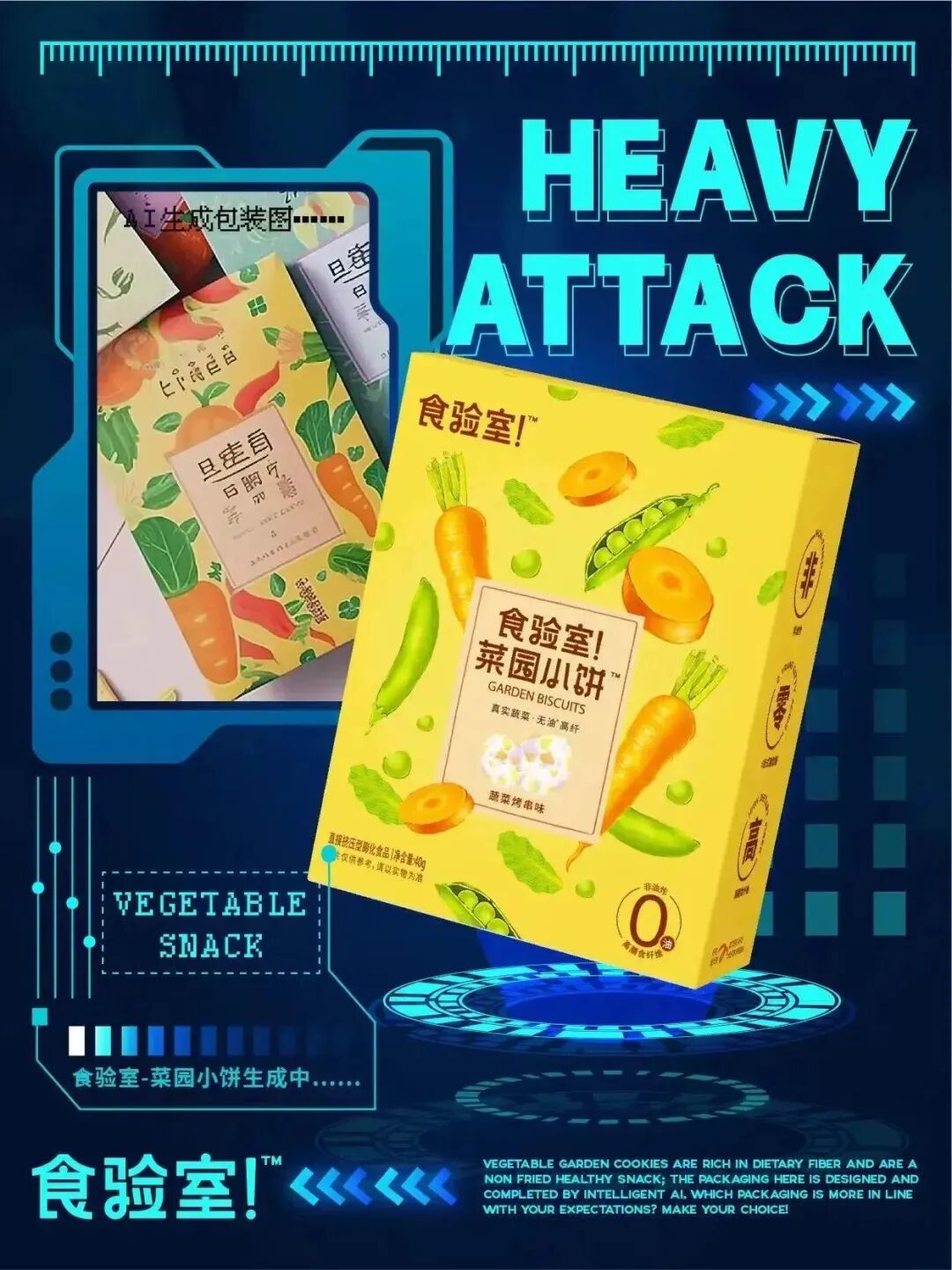
Shiyanshi Garden Veggie Crackers packaging. Left: AI-designed version. Right: Adjusted official release version.
Why set such challenging rules? To make humans work for AI?
Sida explained the intention behind the rules: they wanted to know whether AI design could actually solve real-world problems.
One veteran industry practitioner observed that "AI may have solved the art problem first, but it might not yet have solved the design problem."
"Making a package with AI is easy, but can this package actually sell? Compared to packages made by humans in the same timeframe, how would AI packages perform? What different market results would come from different prompting approaches?"
Behind the playful spirit, this young team wanted to use AI to explore solutions to more practical questions. Hence the time constraints to simulate real-world conditions, and the limits on human involvement to ensure AI's participation.
They also deliberately didn't mention on product detail pages whether the designs were AI-generated, hoping to collect market feedback data from consumers in a natural state.
Interestingly, they also found that the best-designed packaging wasn't the best-selling. And "here, 'best-designed' only means relatively more scientific prompting," Sida noted.
"We'll also do a systematic data analysis, including internal conclusions and final direct sales results," he added.
03
Breaking Through Imagination Bottlenecks
During the interview, he repeatedly mentioned taking a "developmental perspective" on AI design, believing it has unlimited potential. For instance, this time they gave a concrete prompt — "Japanese cup noodles" — and were pleasantly surprised to find AI could understand it quite well. They also believe AI capabilities will continue growing, including more precise Chinese character recognition and better integration with mass consumer goods.
When asked about concerns regarding AI design, Sida also expressed that whether AI design has soul depends on the prompter. "Relying on AI to open blind boxes, the packaging has no soul. If the prompter has clear needs and the ability to prompt well, then AI becomes a tool that helps you realize your imagination."
He also shared his vision for what brand VI systems might look like with AI support. He suggested that a company's VI manual might become a proprietary style model — future designers would simply feed keywords or other materials into this AI model to obtain a complete packaging design.
Beyond packaging design, Shiyanshi's Douyin short video scripts, WeChat official account posts, Zhihu and Xiaohongshu copy for this product launch were all AI-modified and generated. In a WeChat Moments video, Sida jokingly remarked, "I'm relying on AI for life."
Shiyanshi founder Sida Sun on AI-assisted copywriting
Shiyanshi also expressed hope to let AI participate in the entire product decision-making process. They once experimented with having AI simulate consumers and make systematic analyses of product selling point appeal. Sida noted that AI's conclusions were roughly in line with expectations they had previously validated.
Additionally, a flexible production line through deep factory partnership enabled them to complete this rapid product launch. "If necessary, I could produce one of each packaging design and have it on shelves the next day," Sida told us.
To control costs, production runs need to reach 100 units. It's revealed that each of the five packaging designs for this new Shiyanshi product was produced in a run of 2,000 units.
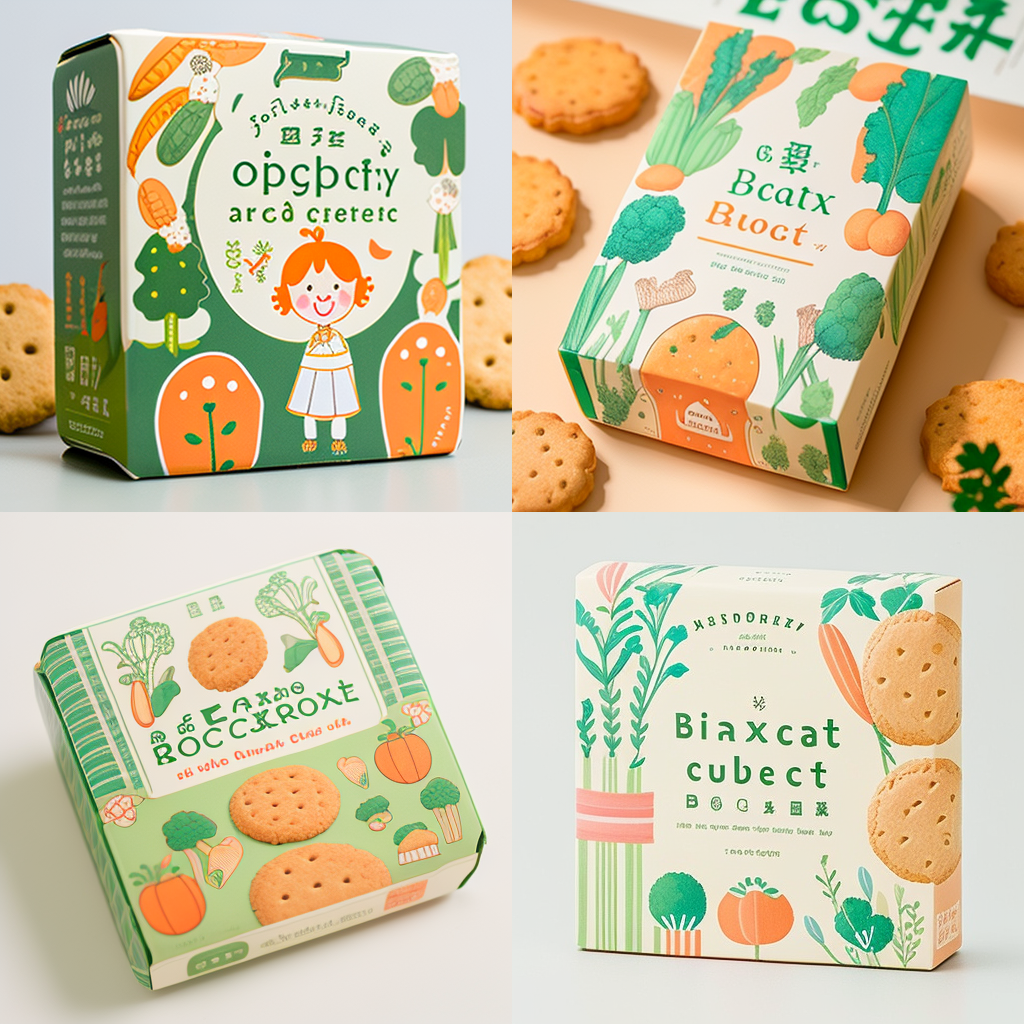
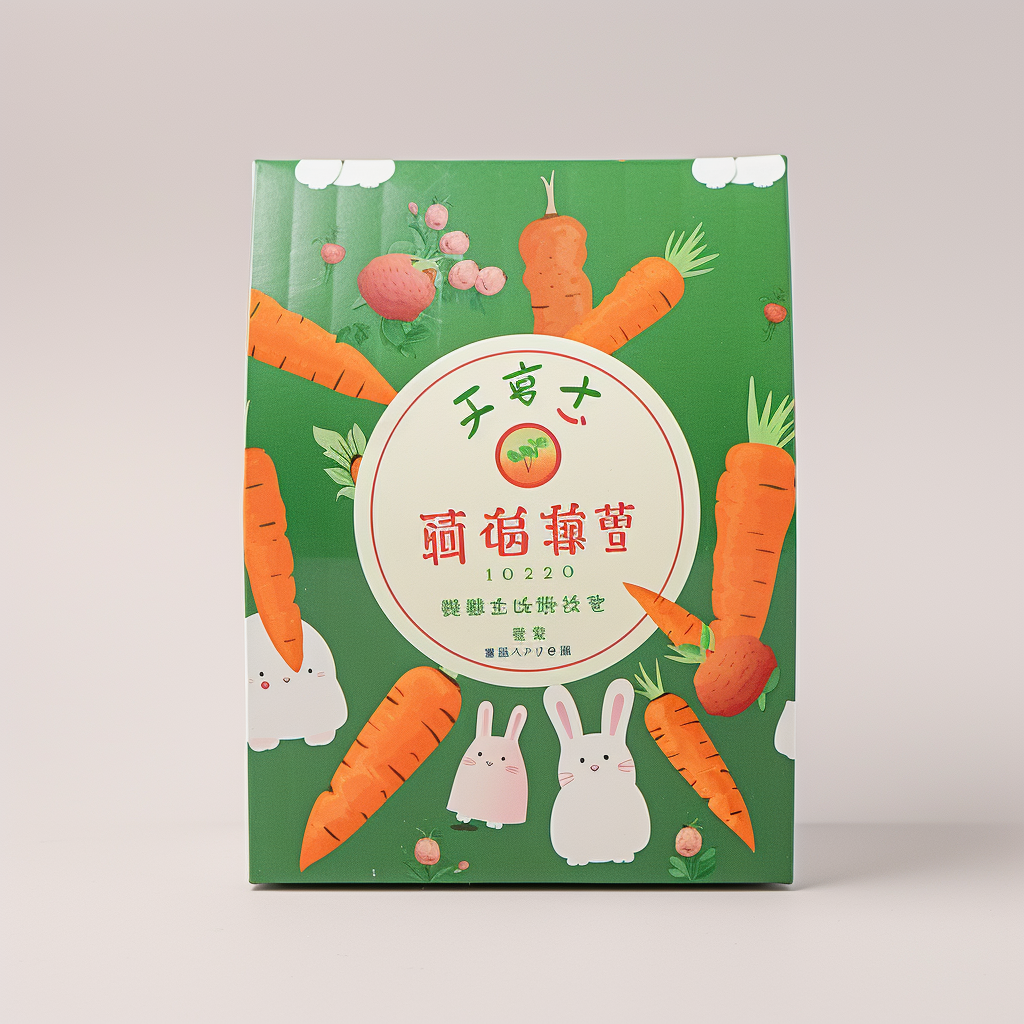
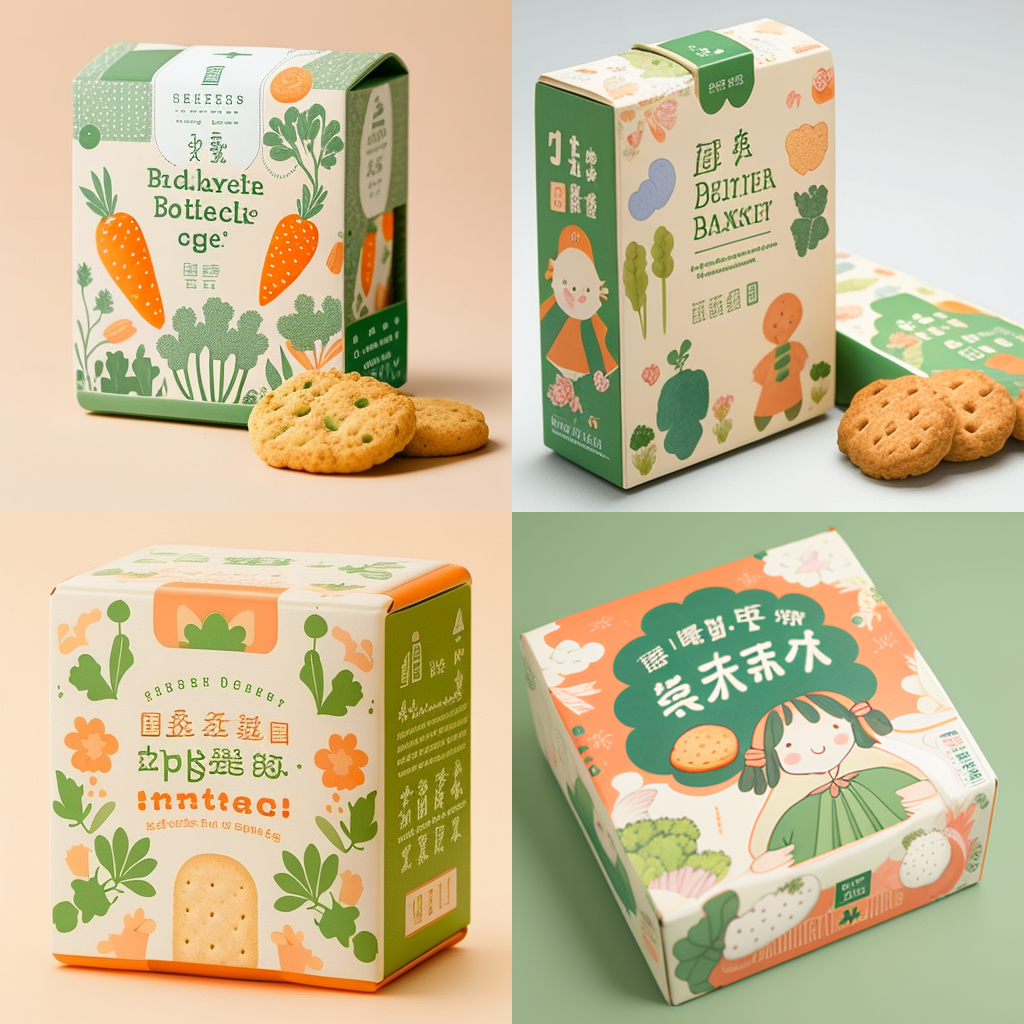
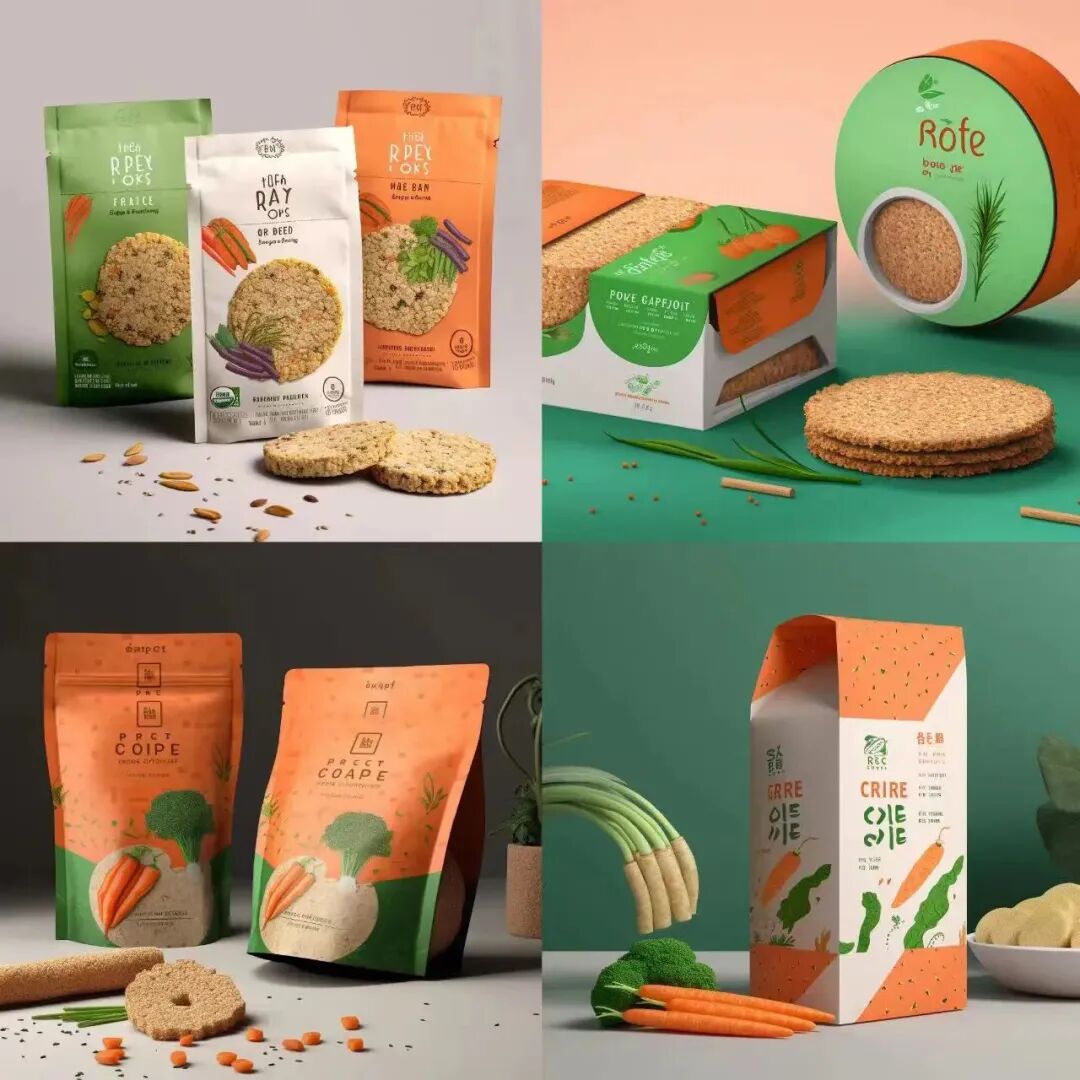
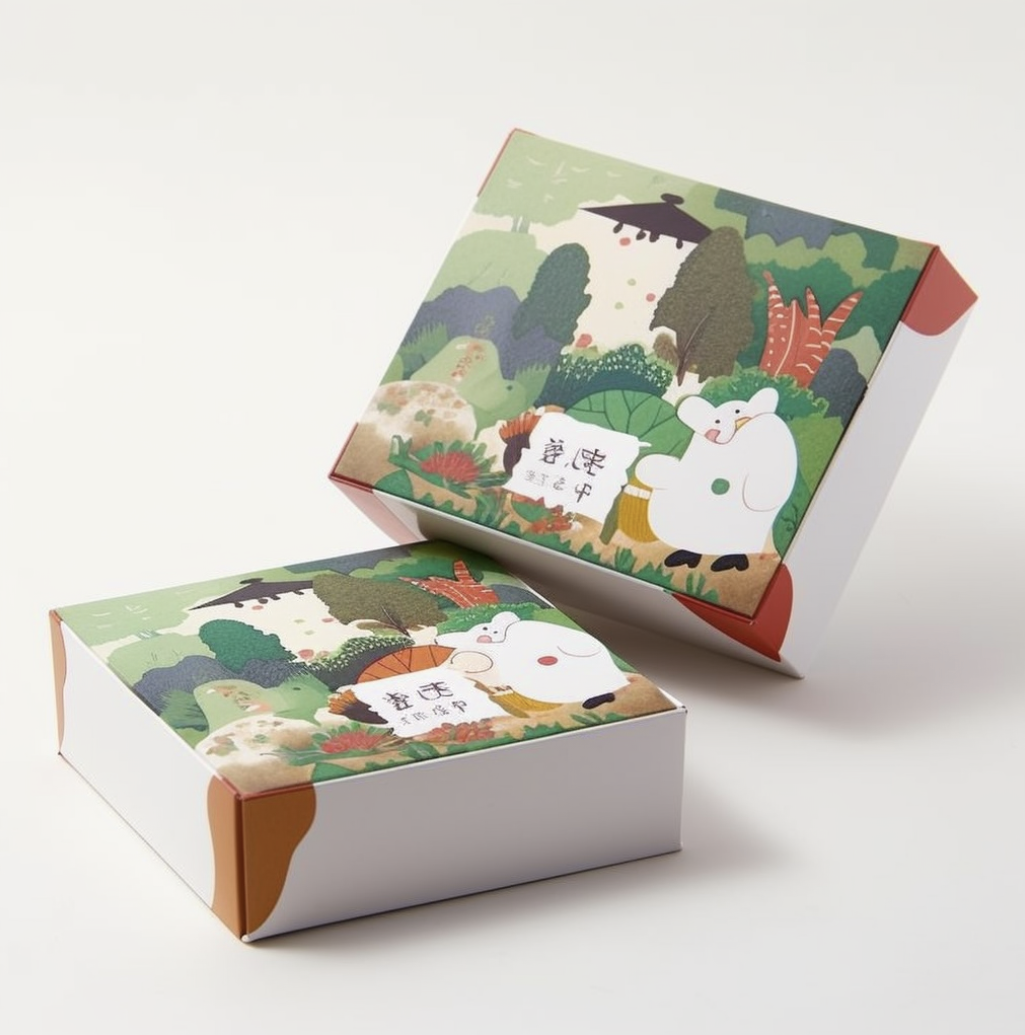
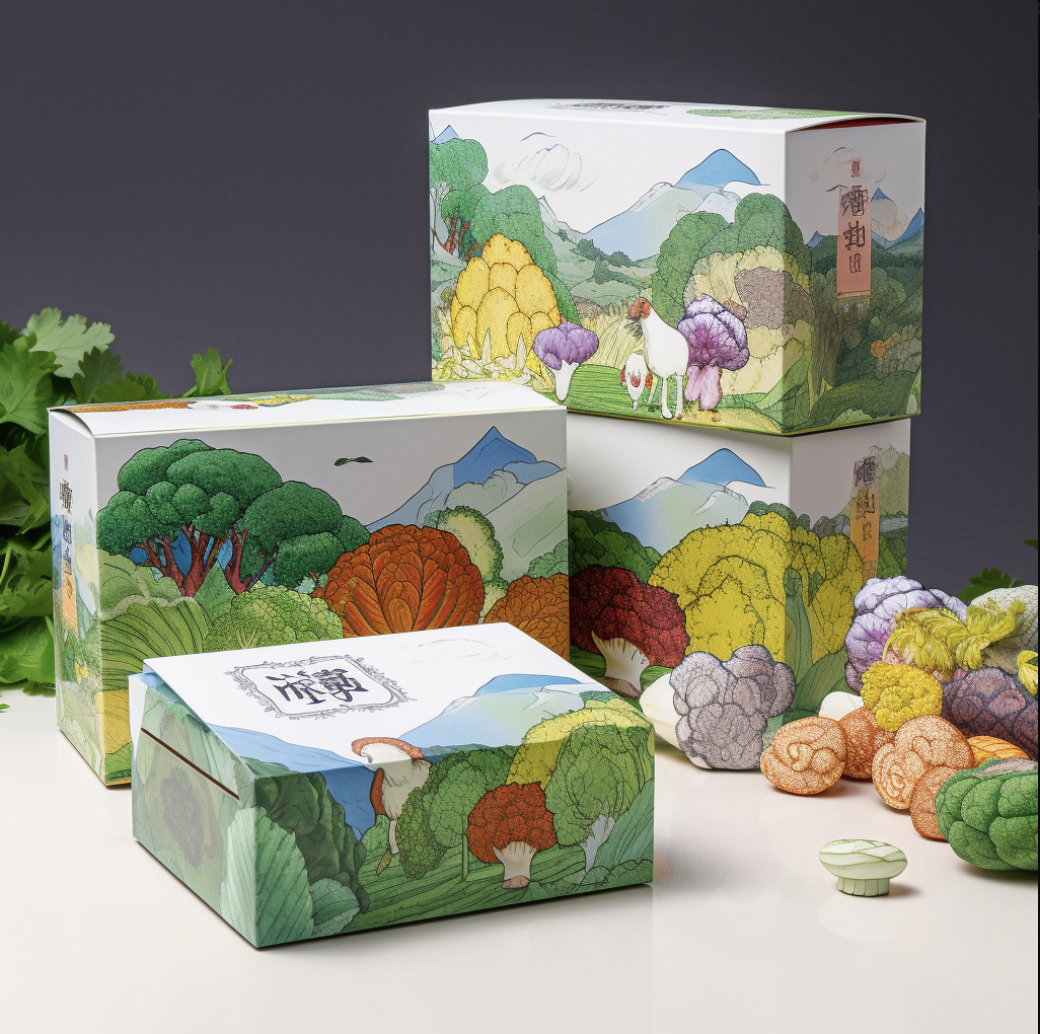
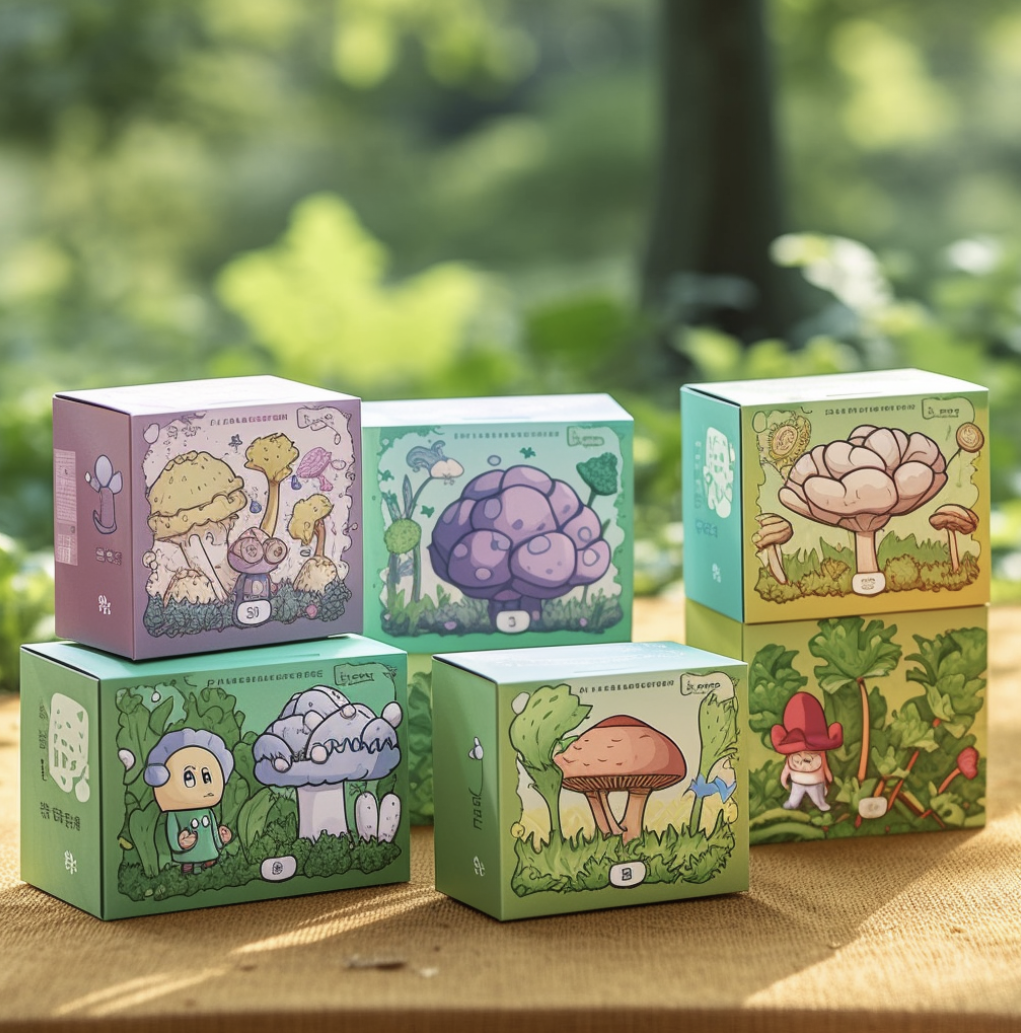
Below are the five new products from this Shiyanshi design exercise. One was designed by a human designer. Can you guess which?
Some AI-generated packaging designs from this design process:
▶ More Content ◀




Originating in Silicon Valley, BlueRun Ventures was established in 2005 as a venture capital firm focused on early-stage startups.
Currently, BlueRun Ventures manages multiple USD and RMB dual-currency funds in China, with assets under management exceeding RMB 15 billion, making it one of the largest early-stage funds domestically. Its investment stage focuses on Pre-A and Series A, covering hard tech and innovative interaction, enterprise technology, new consumer, and healthcare sectors. It has cumulatively invested in over 150 startups, including Li Auto, Waterdrop, QingCloud, Guazi.com, Qudian, Songguo Mobility, Ganji.com, Energy Monster, Yuntu Semiconductor, Machenike, Cloudsaint Intelligence, Anxin Network Shield, and BioMap.
BlueRun Ventures has been ranked #1 on Zero2IPO's "China's Top 30 Early-Stage Investment Institutions," #1 on ChinaVenture's "China's Best Early-Stage Venture Capital Institutions TOP30," and was named to Preqin's Top 10 Global VC Fund Managers for Sustained High Returns.
Additionally, BlueRun Ventures has received consecutive year honors from Forbes China, 36Kr, Cyzone, Caixin Media, CBNweekly, Jiemian, and other media institutions for titles including "China's Best Early-Stage Institution of the Year," "China's Top Venture Capital Firm," "Most Entrepreneur-Friendly Early-Stage Institution of the Year," and "Most Influential Early-Stage Institution of the Year."