Here's what they were saying at last week's hottest AI hardware meetup in Shenzhen | Booming Hub Recap

We made some noise.
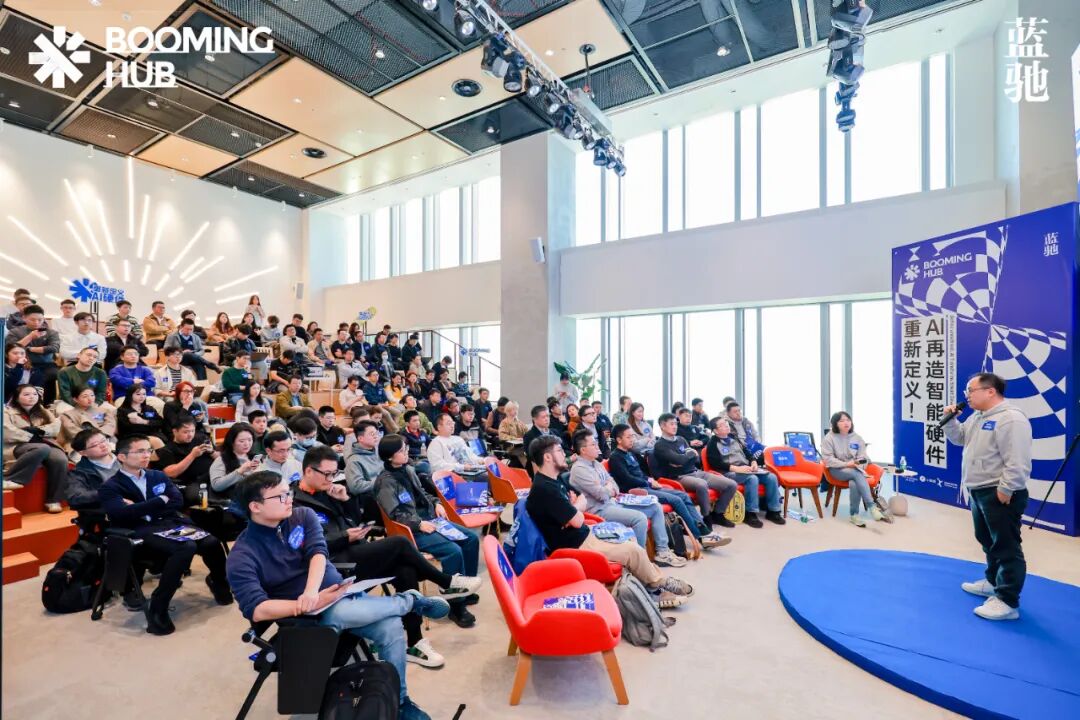
On December 20, BlueRun Ventures hosted its Booming Hub event in Shenzhen, themed "Redefining AI-Powered Hardware." Eight leading AI hardware entrepreneurs and observers shared their contrarian views with nearly a hundred industry attendees. This was a packed house with Shenzhen's founders — here are the highlights from that electric afternoon.
The First Booming Hub
A Tribute to Shenzhen and the Entrepreneurial Spirit
Booming Hub is a salon series spun out of BlueRun's founder ecosystem brand "Booming." It will serve as a gathering space for BlueRun, entrepreneurs, and industry partners going forward. This was the inaugural edition, and our first AI hardware event in Shenzhen — but that first taste was enough to show us the intensity of this city's founders.
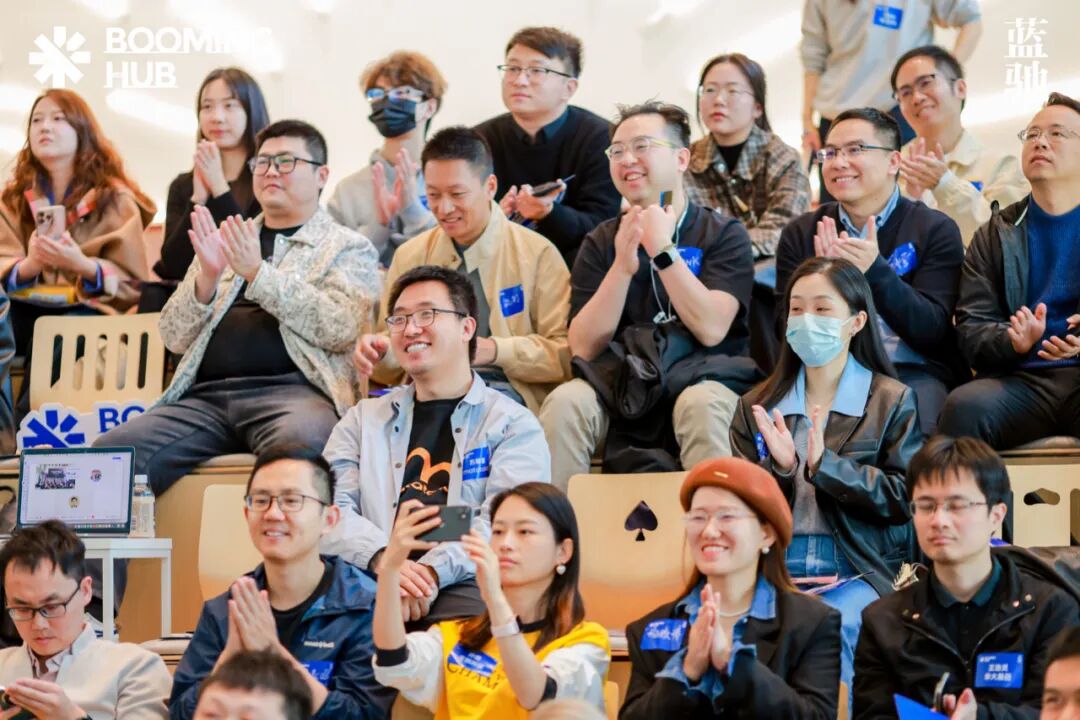
The venue, originally designed for 80 people, was packed with over 130 attendees, many sitting on steps for the entire session. 75% of the founders present were CEOs or founders themselves. Audience members from major tech companies came from DJI, Huawei, ByteDance, Xiaomi, Meituan, MEIZU, OPPO, vivo, Ant Group, and more. Our thanks to everyone who helped make this such a vibrant, high-quality closed-door gathering.
Flying Action Cameras & Smart Lawn Mowers: How to Win Overseas?
Going global is a critical challenge for AI hardware startups. The companies in this session have turned in impressive results: Zero Zero Robotics' Hover flying camera raised over $5 million on crowdfunding platforms and challenged major players' dominance in consumer drones. Synature Innovation's OASA R1 intelligent boundary-free lawn mower pulled in $2.3 million on Kickstarter. Here's what they shared:
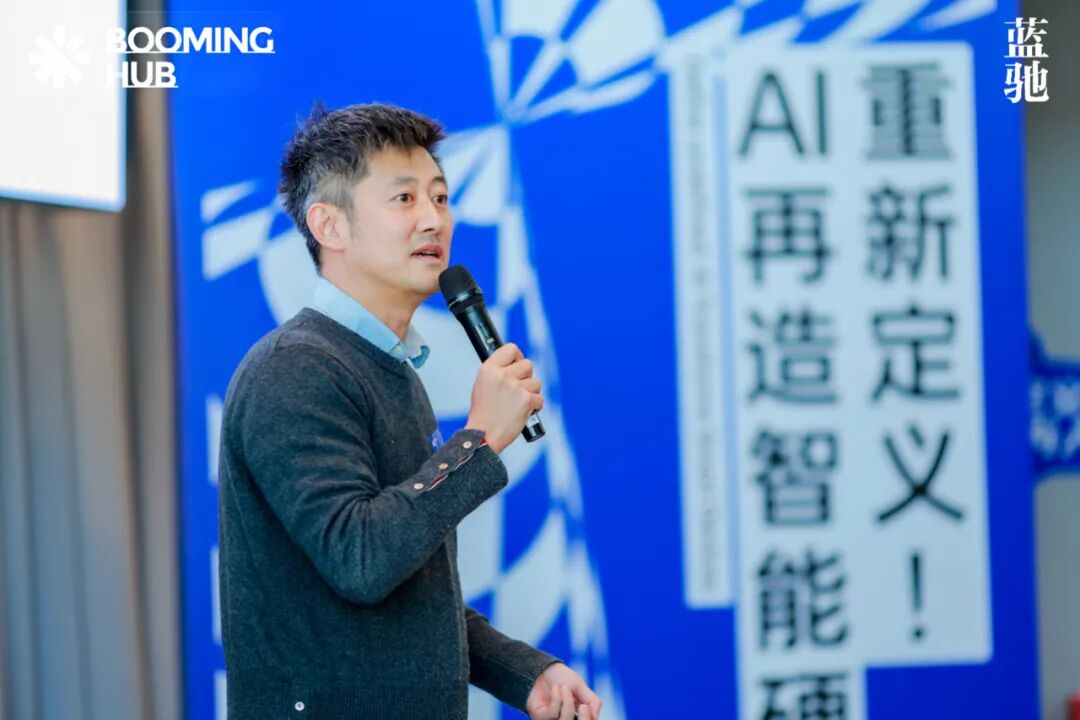
Mengqiu Wang, Founder of Zero Zero Robotics
Driven by AI and computer vision, cameras are evolving from passive devices into active shooting robots. Embedded with intelligent algorithms, these devices can perceive their surroundings in real time and track subjects automatically — breaking free from ground-based constraints to fly and shoot efficiently in three-dimensional space, opening entirely new dimensions for content creation.

Aerial robots face uniquely strict demands on power consumption, size, volume, and weight because they must fly and fight gravity. Intelligence density — the ratio of computing power to weight — directly determines how smart a device can be. Hardware design and computational capability must strike a balance within severe weight constraints.
Today's entrepreneurs must do more than build cost-competitive products. They carry the mission of redefining categories and creating new ones. Through continuous innovation, there's an opportunity to launch genuinely first-of-their-kind products worldwide and lead technological and market transformation.
Swipe to see more
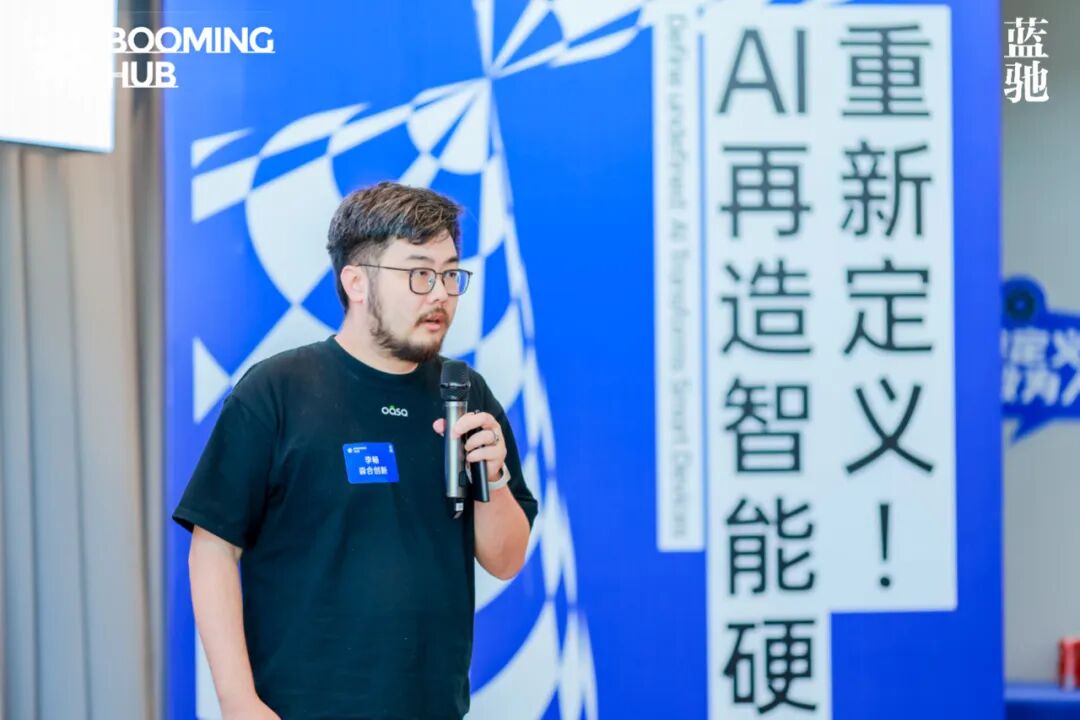
Chang Li, Founder of Synature Innovation
The real value discovery for innovative products happens during problem discovery. The key is immersing yourself in user scenarios to precisely identify and define genuine pain points. In the early product definition phase, teams need to stay in listening mode rather than presetting directions or making assumptions.
Once early risk assessment and validation are complete, the signal for mass production means the product is ready for market. At this stage, the marketing team needs to actively prepare sales plans while remaining flexible to adjust strategy during development.
Facing language barriers and cultural divides, how do you ensure information authenticity? Befriend your users. Express your ideas honestly. Focus on solving their real needs rather than selling from the start. Understand the value of the labor users put into your product. Stay humble, apologize promptly for shortcomings, and keep improving.
Swipe to see more
Shanji & Light Intelligence: How Do Large Models Find New Hardware Scenarios?
How can large models find practical applications in hardware? We invited two friends with years of experience at major tech companies who are now exploring this question through their own ventures: Pan Xin, partner at Shanji Technology, was previously co-founder of 01.AI and led ByteDance's AIGC and visual large-model AI platform. His recent splashy launch of Shanji's AI glasses reflects his thinking since joining the company. Liu Bocong, founder of Light Intelligence, previously led autonomous driving algorithms at Meituan's self-driving vehicle division and helped found Pony.ai. He's now exploring new AI hardware form factors.
Pan Xin, Partner at Shanji Technology
With billions of users wearing them all day, every day, glasses have the potential to become a new vehicle for real-time data collection and AI applications. Through multimodal signals and active sensing, glasses can gather richer data and deliver proactive services based on that data — driving new application scenarios and ecosystems.
One core technology for AI glasses is the proactive agent with "memory." By understanding user needs, such agents can actively sense the environment, think through decisions, and deliver personalized services at the right moment — significantly elevating the user experience.
AI glasses aren't just about a single intelligent agent — they require building an ecosystem where multiple agents collaborate. This ecosystem resembles the Internet of Everything in the mobile internet era, but with a crucial difference: these agents possess autonomous collaboration capabilities, jointly supporting a more intelligent and thriving AI ecosystem.
Swipe left or right to see more
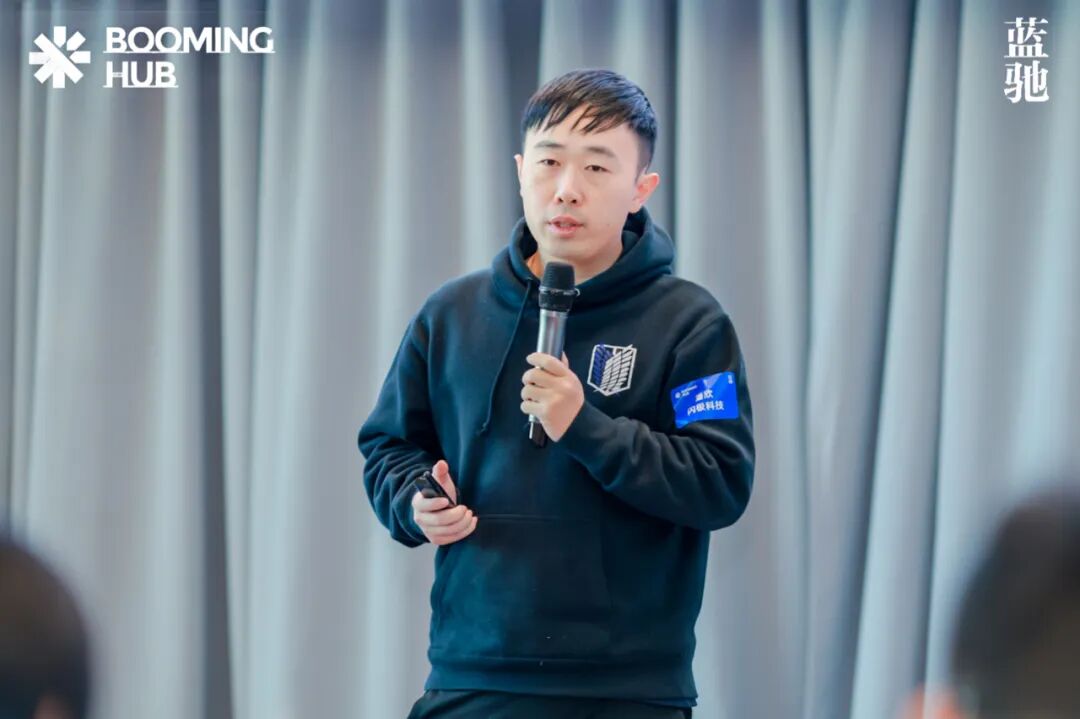
@Bocong Liu, Founder of Light Intelligence Space-Time
The complexity of the physical world often leaves AI models facing the "open-set problem" — struggling to make effective decisions when encountering novel, unseen situations. AI systems therefore need human-like continuous learning capabilities to constantly adapt and tackle new, unknown challenges in real-world applications.
When tackling complex problems in the physical world, relying on compute power and data often proves more efficient than depending solely on human experience. Meta Learning offers a more promising path forward, enabling models to adaptively learn and handle complex scenarios.
The Tesla model offers valuable insights: optimize hardware first, then create a closed loop using user data to continuously iterate the AI system, while having users collaborate with AI to reduce its decision-making burden — demonstrating an effective approach to system evolution.
Bubble Pal & Loona:
How AI Toy Hits Are Made
In the AI hardware space, the first vertical to achieve product-market fit was toys. Why? We found two breakout AI toy products — Bubble Pal, a small ball that attaches to plush toys to make them talk, which sold tens of thousands of units within three months of launch; and Loona, an AI pet robot that raised $3 million on Kickstarter in its first month. The creators of these two toys shared their perspectives on the AI toy market:
@Yong Li, Founder of Haivivi
Why this product form?
Plush toys naturally convey warmth and companionship, making them the ideal match for emotionally valuable AI; the simple form factor keeps the focus on validating market demand through AI hardware without overcomplicating things, maximizing emotional fulfillment for users; Bubble Pal concentrates on voice interaction, pushing large model capabilities to their limit through a simple hardware form that delivers the core experience while keeping costs down and ensuring stability and reliability.
The subtractions Haivivi made:
- Rather than building complete plush toys, focus on the core voice interaction function to reduce costs and simplify product design.
- Initially target children as the core user group, fully leveraging large models' strengths in emotional companionship to deliver genuine value to users.
@Jianbo Yang, Founder of Keyi Tech
The characteristic differences between hardware and software: hardware has long lifecycles and slow iteration cycles, with the emphasis on covering multi-layered needs through a product matrix. Once PMF is achieved, update frequency is relatively low, but the lifecycle is long; software offers flexibility, fast iteration, and continuous version updates (from 1.0 to 10.0) to optimize user experience, enabling quicker response to user feedback.
Hardware products' long lifecycles and low update frequency pose a core challenge: how to amortize R&D costs while ensuring each product line can turn a profit; software focuses on recurring revenue and feature iteration, enabling profits to scale continuously as the user base grows.
Hardware Integrating Large Models:
How Do the Giants See It?
Heard that hardware makers are lining up to integrate large models? How do people at the big tech companies view this? We invited Xiaoci Xing, senior architect for large models at ByteDance, to share his perspective on the competitive landscape of AI hardware and where differentiation opportunities might lie for startups:
For the tech giants, the significance of AI hardware extends far beyond the hardware itself. Its real value lies in supporting large model services and building a complete "AI hardware–large model" ecosystem, thereby creating a seamless, intelligent service experience. Moreover, hardware products provide giants with valuable traffic entry points for direct user engagement. This not only facilitates data collection but also feeds data back into large models, improving service quality across the entire ecosystem.
The trend of hardware integrating with large models: products like earbuds and toys are gradually incorporating large model technology, transforming them from mere physical devices into carriers of intelligent, personalized services. Hardware products equipped with AI large models will command higher market premiums and appeal in the future, while products without large model integration may gradually fall behind in competition.
Future directions for hardware:
- Wearables: earbuds, watches, glasses, and similar devices that carry real-time data and AI services.
- Emotional companionship hardware: plush toys and pet robots that fulfill users' emotional needs.
- Productivity tools: smart keyboards, mice, and smart home devices that optimize daily work and life.
- AI-native hardware: entirely new hardware forms completely reshaped by AI technology, with revolutionary potential.
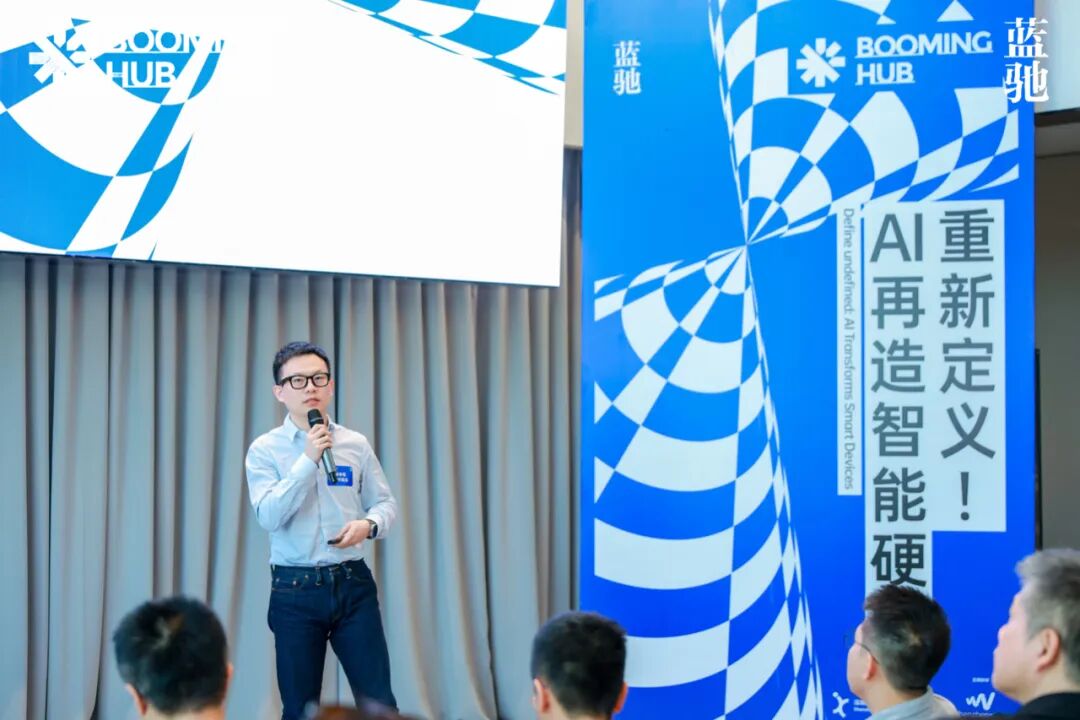
Co-Create With Us 💣
Open Mic & Challenging Questions
At this event, we introduced an open mic session available to all registrants. Co-creation is the core philosophy of Booming — we believe that non-consensus insights don't just come from our guests, but from every persistent thinker in our community who deserves to be heard and to share. In this session, we welcomed back an old friend — Thomas Luo, founder and CEO of Silicon Star, who successfully grabbed the mic to share the latest developments in AI hardware on the ground in Silicon Valley.
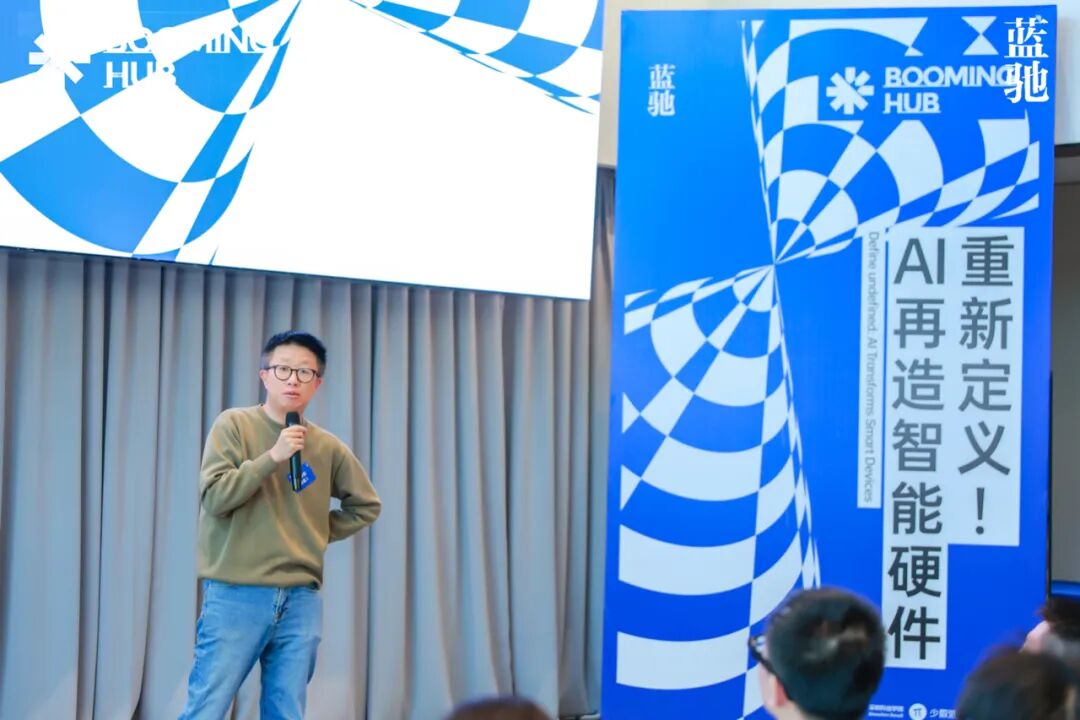
After each talk, we also ran a challenging question segment. Terry Zhu, managing partner at BlueRun Ventures, served as the "challenge referee," encouraging everyone to push back on one another and spark real debate rather than one-way broadcasting.
Current hardware intelligence mostly comes from hardcoded rules. Does adding AI actually deliver a noticeably better user experience?
Pan Xin: Hardware falls into two categories — platform and non-platform. Platform hardware prioritizes openness, building a platform that attracts developers to add new features and keep the device alive. Non-platform hardware is more about fixed-function implementations for specific scenarios. The intelligence boost from AI shows up in the collaboration between hardware and software, enhancing the user experience through AI rather than relying on a single fixed function.
What scenarios deserve dedicated hardware rather than a phone app? Does smart hardware have to break free from the phone?
Pan Xin: Phones were designed for the mobile internet era. Their touchscreens and battery constraints mean they can't perform optimally in every scenario. Dedicated hardware has clear advantages when users' hands are occupied or when quick recall is needed — its portability and specialization make it an effective complement to the phone. So in scenarios requiring focused functionality, dedicated hardware carries more value, though it doesn't necessarily have to fully detach from the phone; it serves a supplementary role.
Improving context awareness: hardware vs. software
Liu Bocong: Hardware plays a critical role in environmental perception by adding multimodal sensors or optimizing existing devices like high-precision cameras, delivering more granular and accurate sensing data. Software then uses AI models to deeply parse this data, unlocking higher-level understanding. The combination works like this: hardware captures rich environmental data (such as 3D reconstruction and spatial information), which models then refine to achieve stronger context awareness and more practical solutions.
How much room is there to improve environmental perception?
Liu Bocong: The upside comes from adding more sensor types — motion sensors, spatial awareness sensors — that deliver finer-grained perception. Combined with techniques like 3D reconstruction, we can extract multidimensional environmental information from hardware data. This not only gives AI a solid foundation but also reduces reliance on the models themselves, improving overall perception efficiency and accuracy.
Swipe to see more
The novelty of toys fades. How do you build long-term value and user stickiness?
Li Yong: Traditional toys lose appeal as children grow and their developmental stages change. But AI toys, powered by large models with memory and adaptability, can continuously record a child's growth data and grow alongside them — boosting long-term stickiness and user value.
Does AI companionship just mean chatting? What's the real source of emotional value?
Yang Jianbo: Companionship isn't limited to conversation. More emotional value comes from non-verbal interaction — observing user habits, proactive reminders, personalized service. Personalized reasoning and diverse interaction modalities are key.
Li Yong: AI toys can deliver companionship value through the fusion of language and vision, but multimodal tech isn't fully mature yet. For now, the approach mainly combines voice with plush toy form factors to strengthen emotional connection.
What's your framework for defining product value and feature sets from 0 to 1?
Yang Jianbo: The first step is trend judgment. For example, AI's development is driving a shift toward character-based agents, and physical form factors deepen the emotional bond between people and AI. Next comes form selection — for instance, using ground-based mobility to cover diverse in-home scenarios, addressing both emotional interaction and technical implementation challenges.
When launching a first version, focus on creating a "wow moment." A toy can win user goodwill and purchase intent by being cute and fun at its core, without prematurely chasing long-term high-frequency usage.
Swipe to see more
It was a booming afternoon — we created fierce intellectual collisions and witnessed bold visions for the future of AI hardware. We believe it's these non-consensus ideas that make the world a little different. Maybe we never have the "most" perfect piece of hardware, but only iteration carries us through the ages. Standing at this historic inflection point that AI has unleashed, BlueRun Ventures welcomes more AI hardware founders to reach out and explore infinite possibilities for the future together.


BlueRun Ventures and portfolio companies win multiple awards including Most Influential Investment Institution of the Year
 Sinorythm closes Series A+ round | BlueRun Ventures
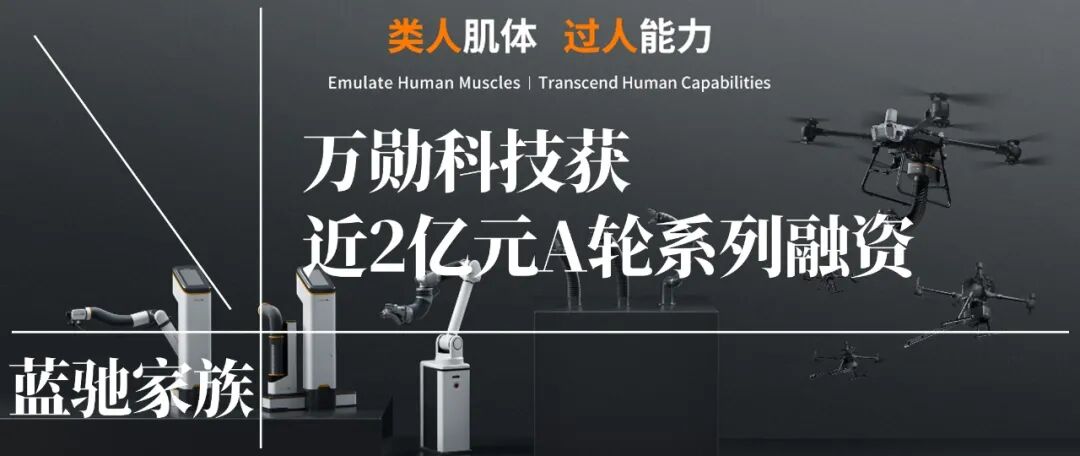 Wanwin Technology raises nearly RMB 200 million in Series A | BlueRun Ventures