BlueRun Ventures Portfolio Company Penglai Data Unveils "Silicon-Based Employees," Tackling Hospital Operations Intelligence Pain Points | BlueRun Family Headlines

Rebuilding Hospital Organizational Capacity for the AI Era
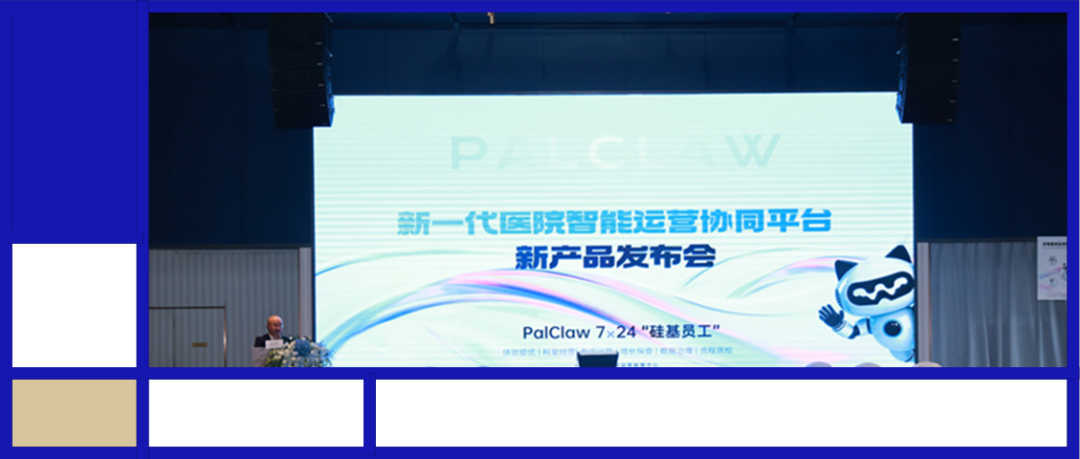
Recently, Shanghai-based Penglai Data unveiled its dedicated "silicon-based employee" product, purpose-built for hospital operations management, through an immersive launch event structured as an on-site job interview for the AI worker. The product, delivered as an AI agent, targets two core pain points in healthcare: large language models that sit idle after localized deployment, and the severe shortage of hybrid talent capable of both operational data analysis and hospital management. The goal is to move artificial intelligence beyond tech demos and embed it directly into the front lines of hospital administration to create tangible value. The launch drew nearly a hundred attendees from top-tier tertiary hospitals and primary care institutions across China, healthcare digitalization specialists, and mainstream industry media, all gathered to witness the debut of this implementation-focused AI product and explore new approaches to refined hospital operations and digital transformation. BlueRun Ventures led Penglai Data's Series A round and looks forward to the company further leveraging its strengths in data, AI technology, and hospital management to empower the digital intelligence transformation of China's healthcare industry.
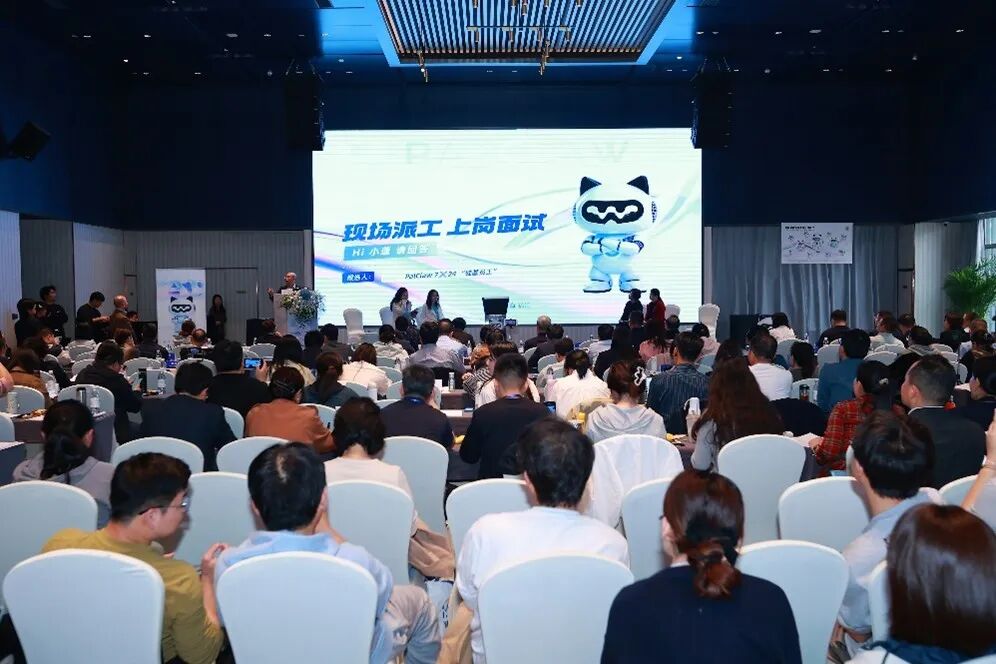
The launch abandoned conventional product presentations and pre-recorded software demos in favor of an immersive "silicon-based employee job interview" format that vividly demonstrated the AI worker's practical capabilities. On stage, a panel of interviewers composed of hospital operations leaders and industry experts simulated real-world daily scenarios, throwing complex challenges at the AI: scenario analysis, data structuring, performance management, departmental operations target-setting, specialized disease operations analysis, and needs assessment — all high-frequency, hands-on tasks. This multi-dimensional, high-difficulty assessment tested the "silicon-based employee's" professional fit, response speed, and solution deliverability. Drawing on its intelligent engine deeply integrated with medical operations knowledge bases, the AI rapidly completed data integration, analytical assessment, and solution output. Throughout the process, it performed with high efficiency, precision, and clear logic, producing outputs fully aligned with actual hospital management needs. Attendees and media on-site widely recognized its practical value as a genuine replacement for human staff, thoroughly shattering the public's entrenched perception of medical AI as disconnected from ground realities.
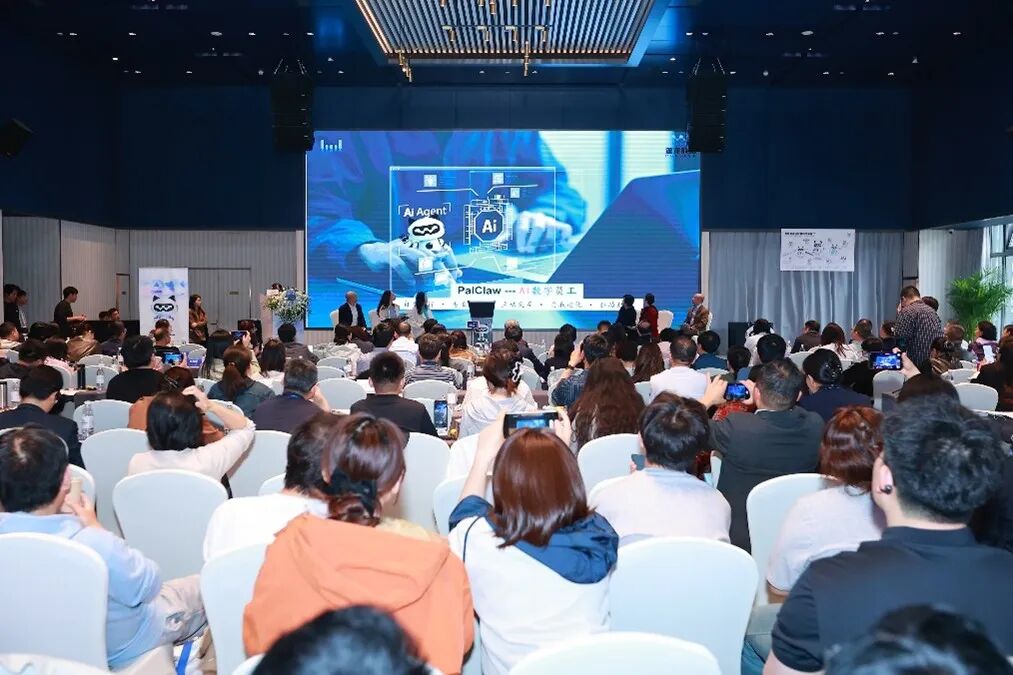
After years of deep engagement in medical operations management, Shanghai Penglai Data has consistently adhered to its mission of "academic leadership, data-driven approaches, and value creation," with sustained focus on research into hospital operations management methodologies. Combining this with its profound technical and data capabilities, the company has developed systematic thinking around organizational restructuring in the AI era and embedded these insights deeply into the product development of its "silicon-based employee," making the product not merely a tool for "replacing talent" but a vehicle for "reconstructing organizational capabilities."
According to Penglai Data's product lead, who introduced the solution on-site, the core strengths of this hospital operations "silicon-based employee" lie in "native scenario fit, immediate deployment, and multi-layer internal controls." Unlike traditional large models with their complex deployment and high maintenance costs, and addressing data security concerns around OpenCL-related technologies in hospital settings, the product requires no substantial additional computing investment from hospitals. It can rapidly interface with existing core systems such as HIS, LIS, and SPD, ensuring data security through robust data desensitization and controlled access to callable software modules. It breaks down data silos and achieves seamless integration; the product is deeply adapted to the full hospital operations workflow, fully leveraging existing information systems and data assets without requiring repeated manual tuning or training. Once deployed, it can independently assume core data insight responsibilities, dramatically lowering the barrier to AI adoption for hospitals. Meanwhile, the "silicon-based employee" can operate 24/7 without interruption, eliminating human error and talent turnover issues, comprehensively filling talent gaps in hospital operations management, and unlocking data value.
The hospital operations "silicon-based employee" has reportedly completed pilot deployments at over a dozen medical institutions across multiple tiers nationwide. Pilot data shows a 92% improvement in hospital operations data insight efficiency, reduction of manual operations workload by over 70%, substantially faster operational decision response times, and significant decreases in labor and management costs — all while effectively mitigating data security risks. The pilot hospitals have given high marks to the solution. Moving forward, Shanghai Penglai Data will continue iterating on scenario capabilities, optimizing features for specialized hospital operations segments, further strengthening data security safeguards, and driving scaled deployment of "silicon-based employees" across medical institutions at all levels. The company aims to empower high-quality development in healthcare through AI innovation and contribute to the realization of the Healthy China strategy.

BlueRun Ventures Leads Round as Penglai Data Closes Two Series A Raisings Totaling Hundreds of Millions Within Six Months | BlueRun Family
BlueRun Ventures Co-Leads Nearly RMB 200 Million Series A Round in Penglai Data | BlueRun Family
BlueRun Ventures Closes New RMB 3.9 Billion Dual-Currency Fund