Can You Embrace Uncertainty Like a Herder? | BlueRun Ventures Book Club

Be a shepherd: don't try to control, but open yourself to uncertainty.
In modern society, pastoralists stand out as distinctly unique: they maintain "ancient" ways of living, keep close ties with nature, and live with all the uncertainties it brings. They believe that a life full of uncertainty is the only certainty there is.
Like pastoralists, rather than trying to control, we should open ourselves to uncertainty, embracing the opportunities, diversity, and hope it brings — this is what it truly means to face the future.
Photos | Ian Scoones, Palden, Wad, Tso Edited and compiled | Tazhe (他者others)
The past year has made one thing clear: we live in an uncertain, volatile world, and we need a better way to respond, to constantly engage with uncertainty that is everywhere and ever-present. Yet modern people, who always try to control everything, may not know how to face this — simple crisis management is not enough. The crises that could occur cannot be measured in the first place, and their consequences are even harder to predict. PASTRES (Pastoralism, Uncertainty and Resilience: Global Lessons from the Margins) is a global project where anthropologists, economists, agronomists, ecologists, and pastoralists from the Amdo Tibetan region of China, India, Ethiopia, Kenya, Tunisia, and Sardinia work together to study how pastoralists in different geographies, markets, and state systems respond to the world. The PASTRES team believes that pastoralist wisdom is immensely beneficial to today's fragile modern society.
In pastoral regions around the world, skilled herders roam across diverse landscapes, raising camels, cattle, yaks, sheep, and more. Pastoralists inhabit vast grasslands covering 25% of the Earth's surface, mastering distinctive and precise ways of production and living, and excelling at responding to change. They have no choice — they live in the most hostile environments on the planet: the African savannas, alpine meadows, or the South American highlands. For millennia, pastoralists have long accepted that uncertainty is life itself, unavoidable. Sudden droughts, floods, or snow disasters can destroy grazing lands, forcing them to seek new grounds. Each season brings different challenges. In Kenya's northern Isiolo region, pastoralists in 2020 faced drought, locusts, and mobility restrictions due to pandemic control measures — for herders who rely on moving with their livestock to follow the grass and seasonally migrate, being unable to move was more devastating than getting sick.
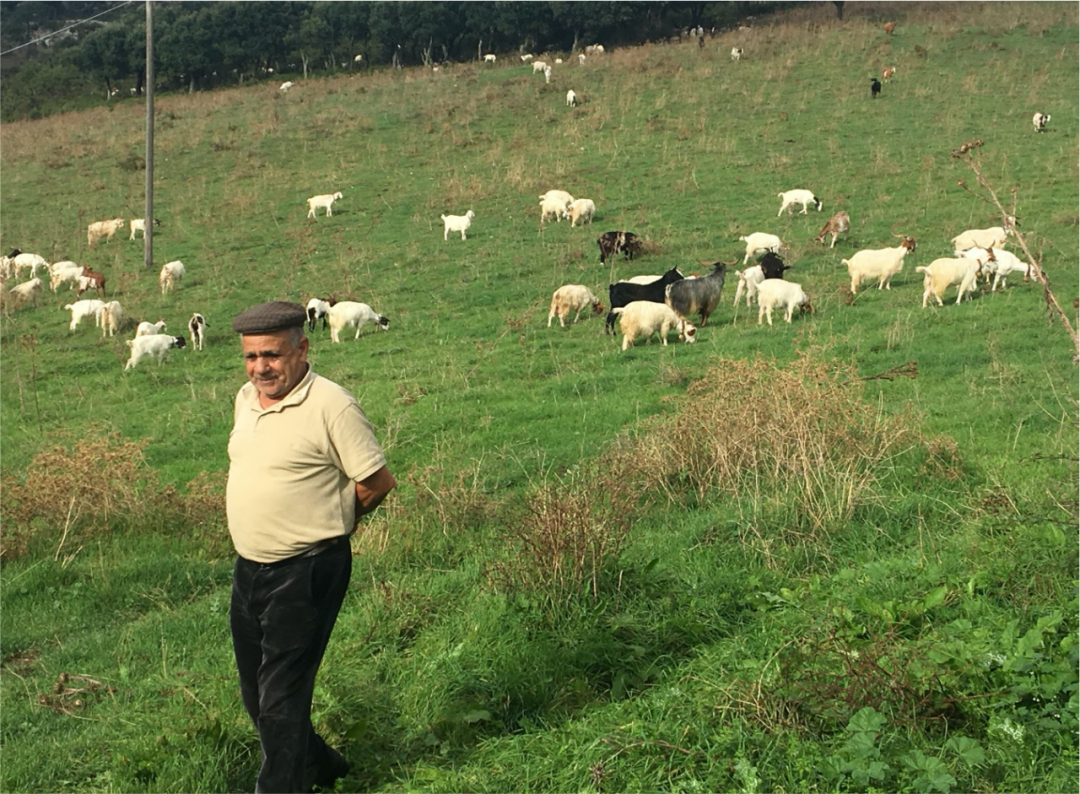
Pastoralists in Sardinia
But even when rain finally comes, they cannot relax. Rupa Boru, a 39-year-old pastoralist living near Kinna, Kenya, told PASTRES researchers: "It rained here not long ago, but now we must be careful of diseases brought by seasonal changes. We live in a cycle of recurring fear, never certain how a brief dry spell will affect the livestock, and then, with the rain, drought may return. When we migrate with our animals, we may be attacked or encounter thieves. Our state is one of continuously coexisting with an unknown future." Lasi Diida, a pastoralist from Merti, Kenya, described his life: "Despite the rain, we must be careful of Somalis coming to raid livestock. At night we light fires and keep watch to prevent wild animal attacks. We must always stay vigilant of everything around us." Loba, who lives by Qinghai Lake in Amdo, lost his winter pasture and winter camp in 2019. "We are Tsokawa, the lakeside herders. Many think we should be happy about the rising lake level and try to convince me this is a blessing from the sacred lake. But I don't entirely think so, though I am a devout Buddhist. The sacred lake has been expanding since 2015, caused by rising temperatures in recent years. It's getting hotter here, and the Gangri Shöli snow mountains are melting faster, causing the water level to rise. We should indeed be glad the sacred lake is growing rather than drying up, but when it grows large enough to affect our lives, it becomes worrisome, and we must make new changes. We cannot always use the Buddhist concept of absolute non-resistance to face life itself."
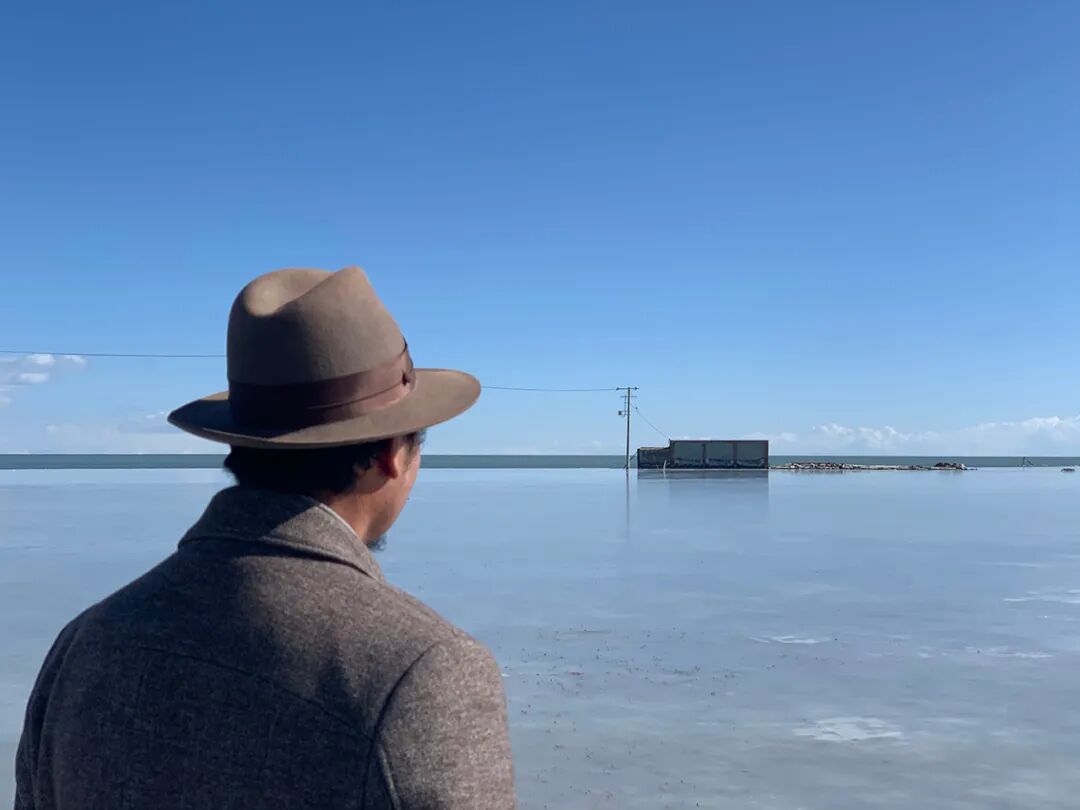
Rising lake waters swallowing winter pastures
PASTRES doctoral researcher Palden conducted a Photovoice experiment between 2019 and 2020 in two pastoral areas of Amdo, inviting pastoralists to use photos to document the uncertainties they face in life and how they respond to them, with "uncertainty" as the theme. This research method not only helps better understand nomadic lifestyles and harvest wisdom from different fields, but also allows pastoralists to identify the uncertainties they encounter through images. At the same time, by sharing and discussing uncertainty within their communities, it builds collective strength to negotiate shared ways of responding to this uncertainty. Teja, a musician of some renown in his village in Golog, participated in the project. In Golog, as urbanization and infrastructure development rapidly advance, many young pastoralists have chosen to abandon nomadism and seek new opportunities and stable lives in cities. The older generation of pastoralists in the village calls them "Jiaguo" — those who have turned toward the city. Elderly pastoralists still believe that herding is the only certain thing in this world. "Herding is the only thing we are good at, and we still believe in this way of life. Many pastoralists who originally lived here have moved to towns, but the farther you are from the grasslands, the more uncertainty there is in life. For example, when you move to the city, you cannot be certain about the quality of meat you buy, or the quality of milk from the supermarket. You also cannot guarantee your own health, because you no longer have that environment where you laugh and share stories with others, and you have no monasteries or stupas to circumambulate," two elderly pastoralists told Teja. These themes also appear in his Photovoice work. In a sense, pastoralists believe that a life full of uncertainty is the only certainty in life. ETH Zurich professor Helga Nowotny agrees with this view, as she summarized in her book The Cunning of Uncertainty: uncertainty is "inscribed in life."
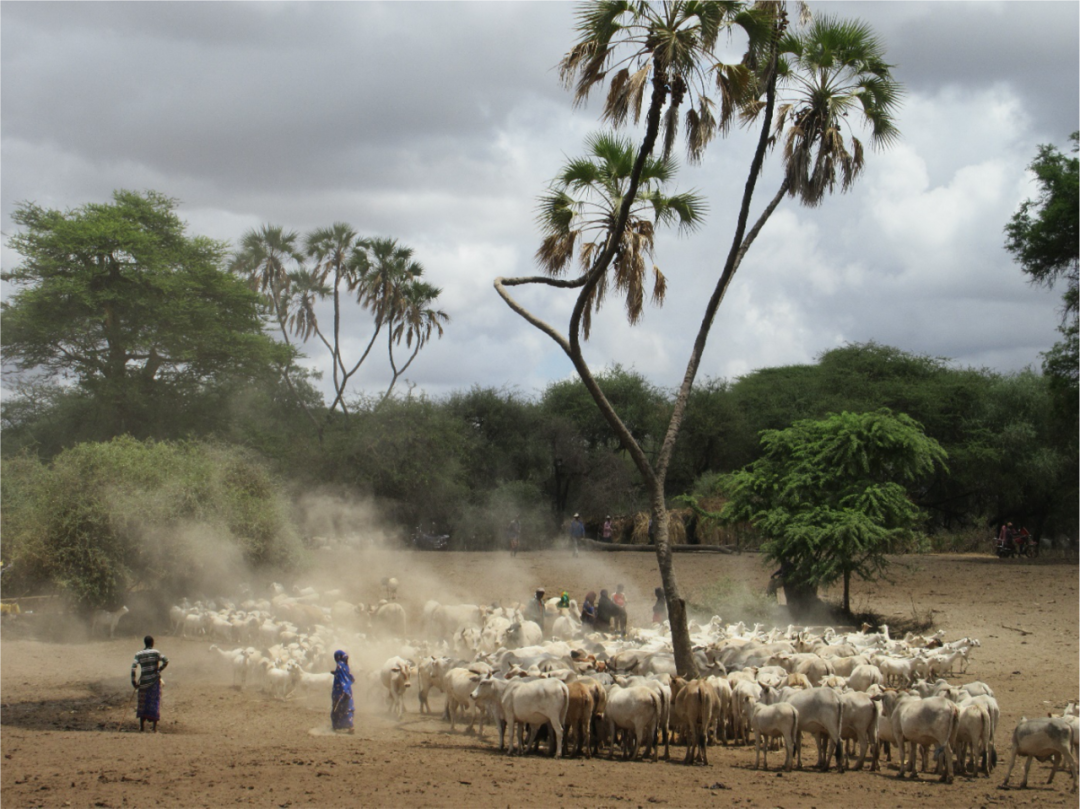
Kenya during the dry season
The key to pastoralist survival and cultural flourishing is actively embracing uncertainty, not passively responding or merely minimizing losses — which is often how modern people approach it. We build scientific models and crisis response mechanisms, obsessively trying to control and predict uncertainty, attempting to turn all uncertainty into measurable certainty. But controlling uncertainty is always futile. Many plans to "modernize" pastoralists have failed precisely because these plans fundamentally fail to understand the core of pastoralist culture, proposing fixed, "scientific" solutions that may be completely useless when dealing with changing realities. Outsiders have many misconceptions about pastoralist systems. Early European travelers and colonial-era anthropologists viewed pastoralist lifestyles as strange, wild, and untamed, with little appreciation for their wisdom. Some even believed that reserving large areas for livestock movement was unnecessary, that grazing degraded grasslands and caused desertification, and so on. For decades, Westerners considered pastoralist life backward, believing they should settle in one place, build fences for their livestock, feed them according to plan, and breed better varieties. It was not until the late 1970s that ecologists realized the dynamic harmony between pastoralists and ecosystems, praising the resilience of nomadic life and their sustainable ways of living. Unlike people in industrial societies, pastoralists never try to eliminate diversity and variability — instead, they try to harness change. Doing so requires experience and practice to maximize grassland use, a practice most difficult at the end of the dry season and during seasonal transitions.
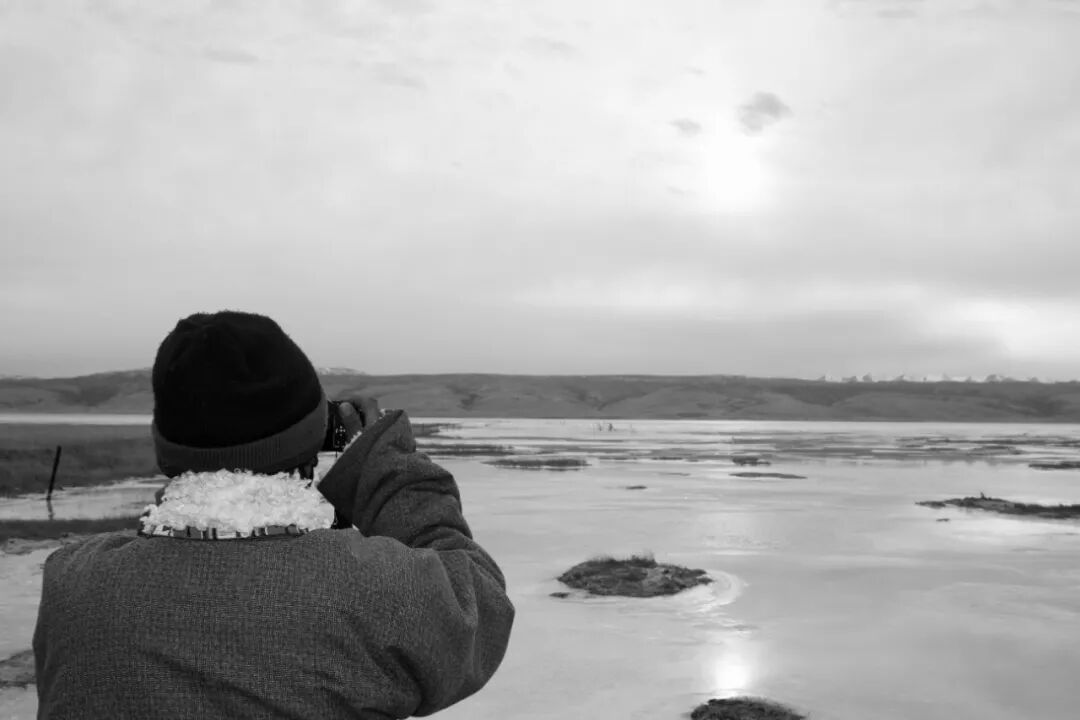
Pastoralists documenting uncertainty in their lives
They have never known stability — there is always change, one natural disaster or several, plus human-caused calamities. Predicting and then controlling is impossible, and the current climate crisis brings even more variables. Their fundamental understanding of uncertainty differs from ours. Pastoralists do not see uncertainty as bad or hopeless; they do not define it as good or bad, but simply embrace its omnipresence. "Usually, modern people tend to think of uncertainty as negative, closely tied to anxiety, distress, and fear," says Ian Scoones, a core researcher at PASTRES. "But it doesn't have to be this way — it also has a positive side. Uncertainty contains opportunities, and it compels us to think and create different, better ways of handling things, to build entirely new situations. It can even bring hope and create space for experimentation — trying new social, business, and life models." Modern people actually don't know how to face uncertainty psychologically, and urgently need this lesson from nomadism and pastoralists. Beyond this, in daily life, pastoralist social relationships also play an important role in responding to uncertain lives. "The vast majority of modern people see themselves as independent individuals, not connected to one another," Ian says. "But in the pastoralist world, kinship is paramount — East African pastoralists have well-developed clan systems, and the same is true in the Amdo region." People respond to uncertainty through mutual help and collaborative benefit. For example, after Loba lost his winter pasture, his father provided him with a place to stay, cousins rented him grassland at very low prices to get through the harsh winter, and neighbors helped him care for 50 sheep on their own pasture that year. These close, reliable social relationships give pastoralists a sense of security amid uncertainty.
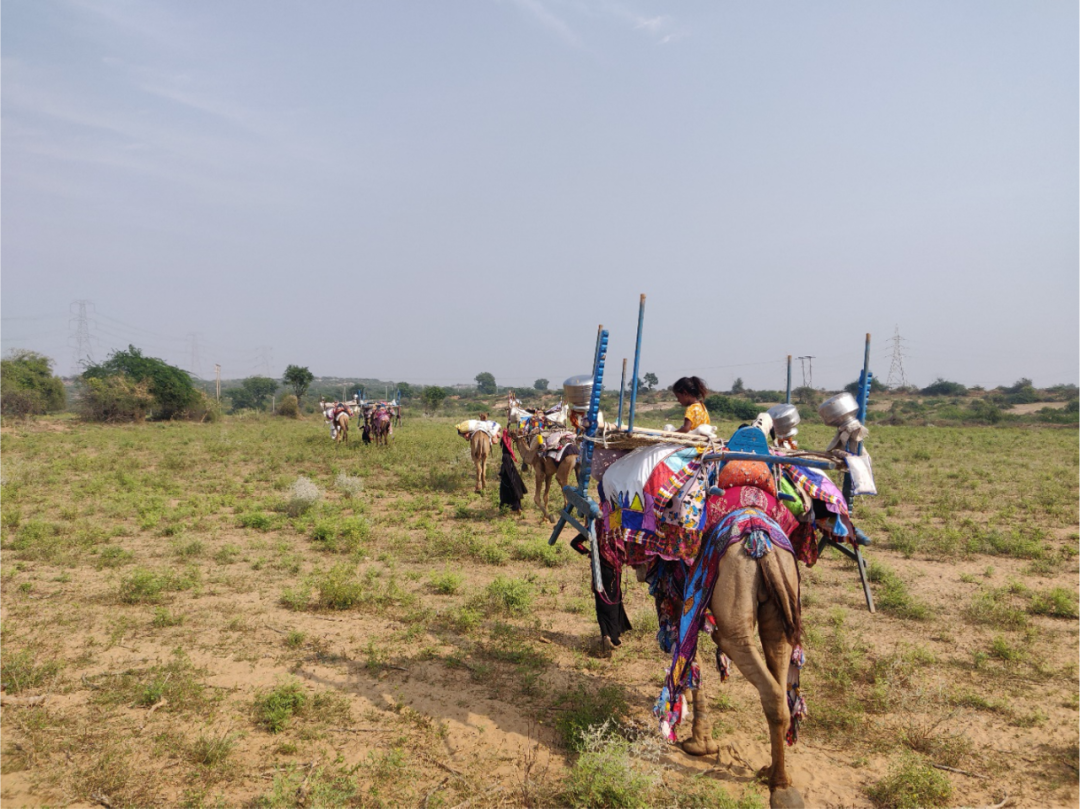
Migrating Rabari pastoralists in India
The primary way to respond to drought or other natural disasters is mobility, but this practice now faces many obstacles: much land has been privatized, vast territories have been fenced; some environmental protection and nature reserve projects are established where pastoralists live, but exclude people, preventing them from grazing or even living there, and so on. Access to dry-season pastures that once saved everything is no longer possible, yet mobility remains crucial for livestock. Faced with this change, pastoralists have shown remarkable resourcefulness, utilizing technologies they did not have in the past. In Kenya's northern Isiolo, Borana pastoralists use mobile phones to contact each other, telling one another where there is grass and water, rather than walking for days to find pasture as in the past. When locusts struck early last year, they also organized to ride motorcycles and drive the pests away from precious grasslands. In Kachchh district of Gujarat, India, Rabari pastoralists travel between summer pastures and villages, so their livestock can still feed on crop residues after the harvest. This practice means pastoralists must build interpersonal relationships with settled farmers to obtain their consent. In fact, regardless of differences in lifestyle, language, or cultural and social background, communication and relationships between people are fundamental to responding to an uncertain world. For pastoralists, each day unfolds gradually and fluidly, not as a series of discrete events. Their experience of each day differs from that of people who make plans and schedules. Memories of past droughts, snow disasters, or epidemics, combined with hopes for the future, constitute how they respond to the present moment. "The concept of control that modern society pursues through technology doesn't actually work in real life — livelihoods, spiritual beliefs, connections with nature, and one's emotional state are all immeasurable, yet they constantly influence and shape our lives, determining how various things happen, when they happen, and how they are perceived, responded to, and resolved," Ian notes.
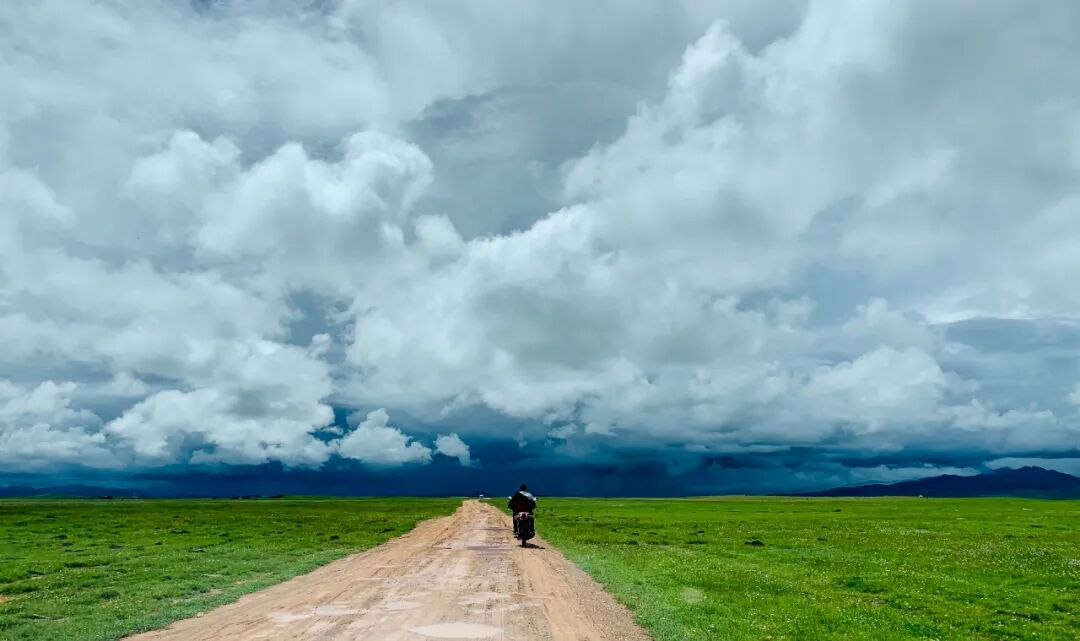
Motorcycles, technology, and other tools pastoralists use to respond to uncertainty
Pastoralists must use their profound understanding of people, livestock, and nature as an integrated whole to formulate response plans — trying new things while also drawing on stable, enduring resources, and combining everyone's different experiences to work together. They must keep their eyes on the horizon at every moment, to spot potential threats at the first opportunity, always remembering past experiences and historical lessons to face current, immediate challenges. "Pastoralist culture may seem disorderly and unstructured, but like urban construction, it achieves dynamic stability through different networks and different individuals contributing different things," Ian summarizes. "Each of them has different experiences and knowledge in different fields. Whether this pastoralist is a Tibetan monk or a small trader in an East African market, they all have a broader and deeper understanding of their environment, good network connections, and can build rapid, effective, and highly adaptive communication patterns across ethnic groups. They are trustworthy." This complex system requires exchanging and sharing experiences, emotions, and wisdom, and also learning new wisdom together. Technology also has its role in this system — as communication tools, but they cannot replace human connections. Stability is dynamic and can only come from social interaction and negotiation, not from external management systems, because "stability is negotiated from the different worldviews, cultures, and ways of life of different people, shaped by different experiences and memories. All these variables operate in the pastoralist world, maintaining stability amid change," Ian says. Attempts to achieve stability through total control ultimately fail. For centuries, pastoralists have learned how to collaborate with each other, with nature, and with their livestock, using diverse wisdom to mediate crises and respond flexibly to problems, ensuring everything remains safe and they can survive. As Saro, a pastoralist from Amdo, put it: "Up high, we are the lion; down low, we become stray dogs."
Further Reading BlueRun Ventures Completes RMB 5.5 Billion New Dual-Currency Fund Raise
What Does a Career Defined by Yourself Look Like? | BlueRun Ventures Talent Philosophy
BlueRun Ventures Leads Angel Round of Several Tens of Millions of RMB in Yimo Intelligent | BlueRun Ventures
BlueRun Ventures Solely Invests in eVTOL Company ZeroG Aircraft Industrial, Completing Nearly Ten Million RMB Seed Round | BlueRun Ventures

BlueRun Ventures was established in 1998 in Silicon Valley. BlueRun Ventures China was founded in 2005 and is a venture capital firm focused on early-stage startups.
Currently, BlueRun Ventures manages multiple USD and RMB dual-currency funds in China, with assets under management exceeding RMB 15 billion. Its investment stage focuses on Pre-A and Series A, covering hard tech and innovative interaction, enterprise technology, new consumption, and healthcare. It has cumulatively invested in over 150 startups, including Li Auto, Waterdrop, QingCloud, Guazi.com, Qudian, Songguo Chuxing, Ganji.com, Energy Monster, Yuntu Semiconductor, Machenike, Yunsheng Intelligent, Anxin Wangdun, BioMap, and others.
BlueRun Ventures has been ranked first in Zero2IPO's "China Top 30 Early-Stage Investment Institutions," first in ChinaVenture's "China Best Early-Stage Venture Capital Institutions TOP30," and named among Preqin's Top 10 Global VC Fund Managers with Sustained High Returns.
Additionally, BlueRun Ventures has received consecutive recognition from Forbes China, 36Kr, Cyzone, Caixin Media, CBNweekly, Jiemian, and other media organizations as "China's Best Early-Stage Institution of the Year," "China's Top Venture Capital Firm," "Most Founder-Friendly Early-Stage Institution of the Year," and "Most Influential Early-Stage Institution of the Year."