Recreating a Kickstarter Hit, Xbot's New Product "Loona" Wants to Be Humanity's Best Friend | BlueRun Ventures Headline

A Robot That's Hard to Describe with Adjectives
What kind of household robot can truly keep humans company? Since the day the concept of "robot" was born, humanity has never stopped imagining. Yet whether it's Boston Dynamics' heavy, cold mechanical dogs or Amazon's Astro, which feels more like a home security guard, none can fulfill our need for companionship and emotional connection. A real-life Doraemon still seems a long way off.
Recently, however, Loona — a new product from Keyi Tech, a BlueRun Ventures portfolio company — offers an intriguing answer. Through programming, this biomimetic robot, small enough to fit in two hands, can act like a dog or a cat, cheer up its owner, and even has its own temper — precisely what sets it apart from other household robots. Through exceptional motion fluidity, character interactivity, and emotional engagement, it achieves something rare: a sense of life. In September, Loona launched on Kickstarter and crowdfunded over 1,000 units in just three hours.
Keyi Tech is a company BlueRun Ventures invested in from the very first round and has supported over the long term. We have witnessed Keyi Tech's growth and continue to explore the possibilities of robots coexisting and interacting with humans. Entrepreneurs in the robotics space are welcome to join us in creating something extraordinary.
Starting in August, the robotics sector suddenly heated up.
Xiaomi beat Tesla to the punch by releasing CyberOne, its first full-size bipedal humanoid robot.
Shortly after Amazon's $1.7 billion acquisition of iRobot, the pioneer of robot vacuums, it finally launched Astro, a two-wheeled robot that roams the home — with a hefty price tag of $1,450.
Tesla's Optimus prototype made its scheduled debut. Though it fell somewhat short of inflated expectations, it was at least cheaper than a car; as for its actual uses, those remain to be validated over the long term.
Robotics seems to have entered another Warring States period.
On September 16, Keyi Tech, a BlueRun Ventures portfolio company, quietly launched Loona on Kickstarter. In just three hours, it crowdfunded over 1,000 units.
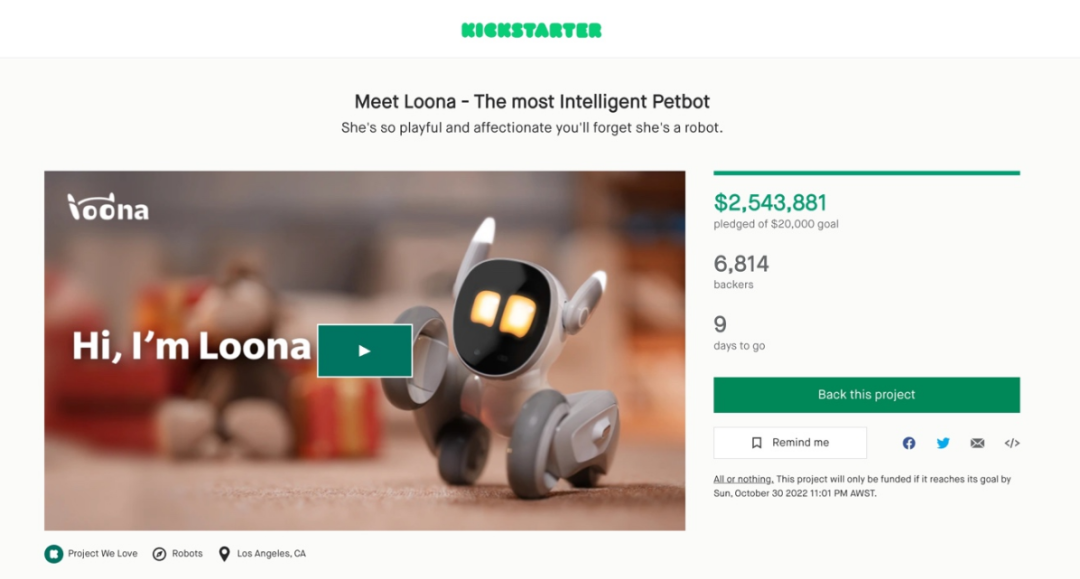
As of October 21, Loona's crowdfunding had surpassed $2.5 million
Subsequently, Loona broke $2 million in sales on Kickstarter in just half a month, becoming the platform's second-biggest hit of Q3. Loona is now on track to exceed $3 million in total crowdfunding, potentially making it the most-funded consumer robot in Kickstarter history.
Loona is a robot that's hard to pin down with modifiers.
It packs 5 TOPS of local computing power, so even completely offline, it can wander around and act cute at will. For context, mainstream L2+ advanced driver-assistance systems in passenger vehicles last year required only 2.2 TOPS.
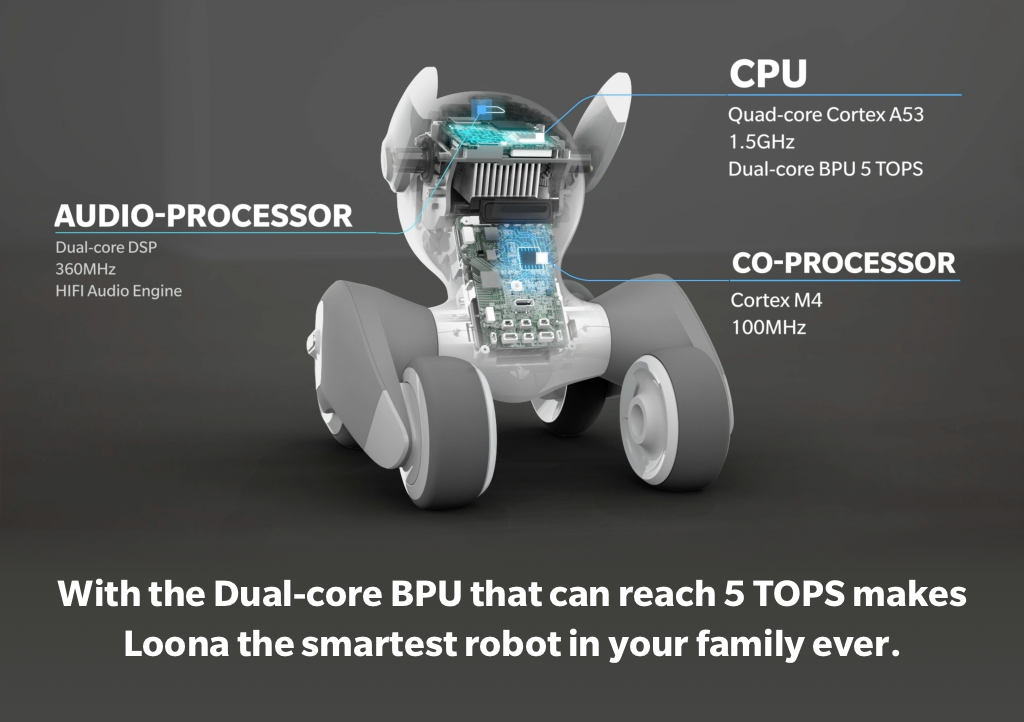
Powerful CPU performance
It really does resemble an ultra-miniature puppy, and through software-defined configuration, it could presumably become a temperamental little cat as well.
Because through subtle movements of its ears, eyes, and limbs, along with gaze and expression, it can convey over 700 emotions — with more likely to come, since Loona has an open community where owners can not only share but also create new traits through simple programming.
In fact, in terms of motion fluidity, character interactivity, and emotional engagement, Loona outperforms Boston Dynamics' quadruped dogs, given its compact size and nimble movements.
Of course, when it comes to functionality, Loona may lag behind the $1,450 Astro, which can at least deliver a Xinhua Dictionary around the house. But then again, Loona's early-bird crowdfunding price was just $299 (regular price $449).
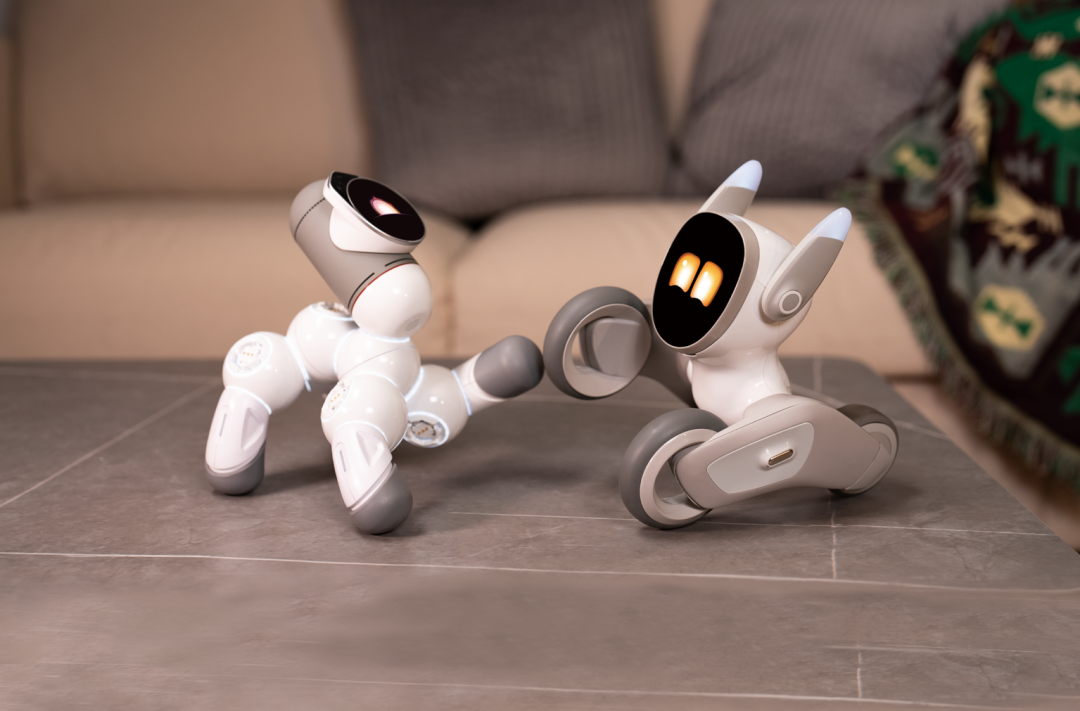
Clicbot and Loona
Last year, 36Kr also reported on ClicBot, another hit modular robot product from Keyi Tech.
Loona and ClicBot aspire to be so clever that their owners can forget they're robots.
Robots Need Character Design
Otherwise They're Just a Collection of Motors and Chips
"Loona has over 1,000 distinct movements. Fusing these organically requires a complex software architecture," Keyi Tech founder and CEO Jianbo Yang told 36Kr. "And we feel that Loona's sense of life doesn't come from how many degrees of freedom it has, but from continuous fusion — a very subtle process where designers and animators collaborate to achieve delicate coordination of expression, sound, and movement."
Loona is equipped with substantial hardware: a Cortex-A53 CPU, Cortex-M4 co-processor, and dual-core DSP audio processor, enabling it to react quickly. Through 3D-ToF cameras and other sensors, plus algorithmic support, Loona can perform face recognition, body detection, gesture recognition, 3D motion capture, object recognition, emotion perception, and marker recognition.
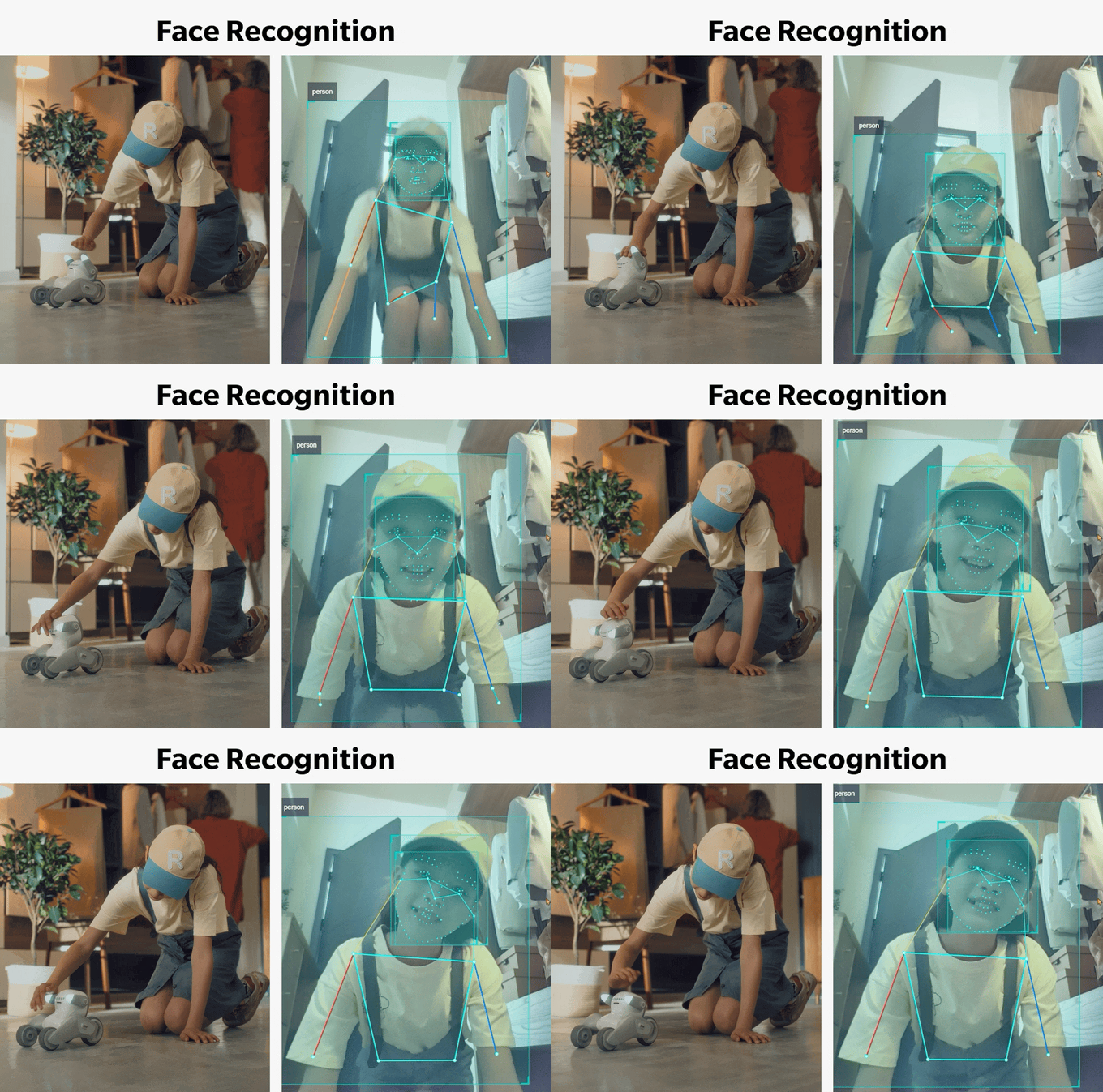
Face recognition
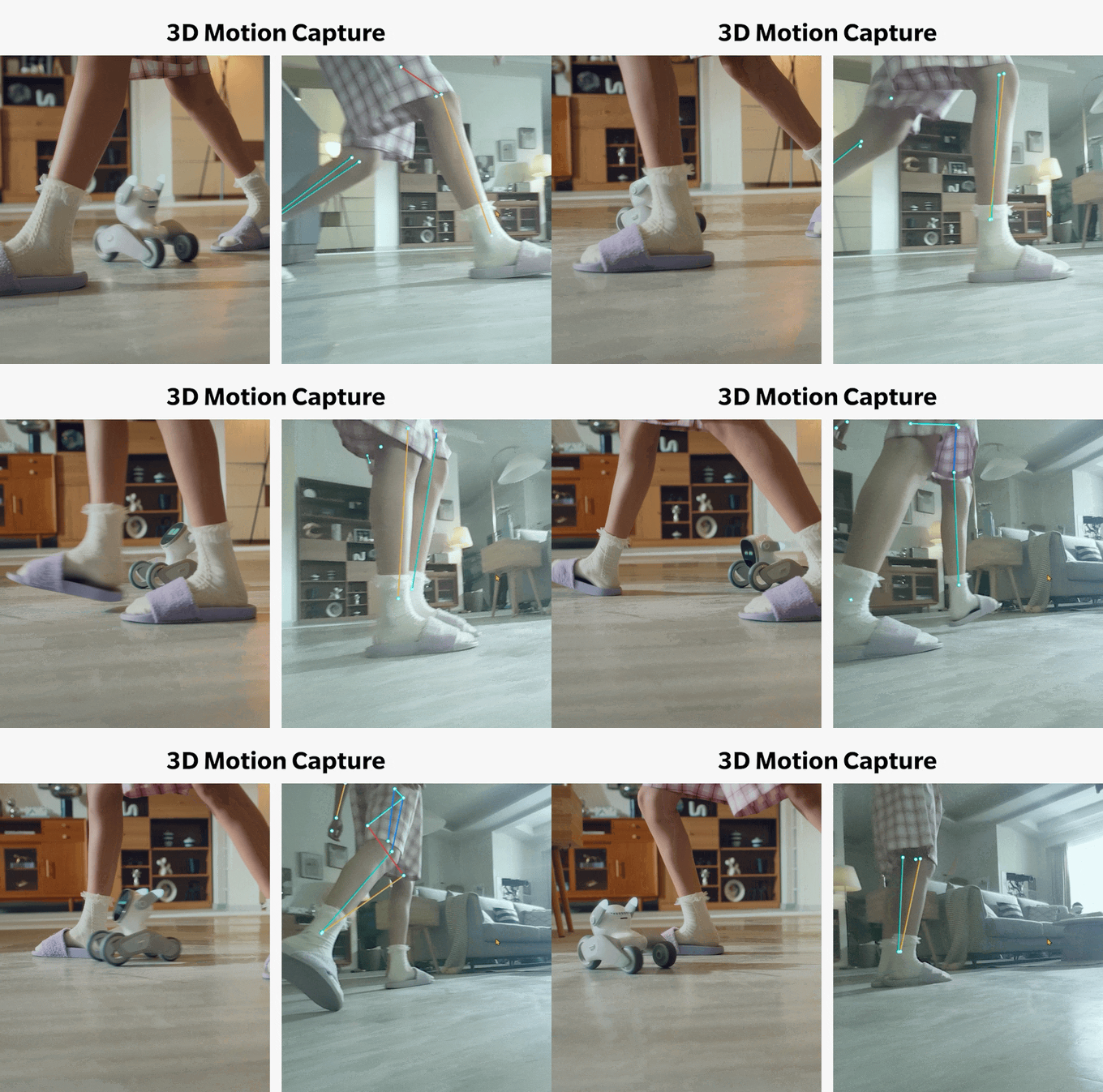
Skeleton recognition
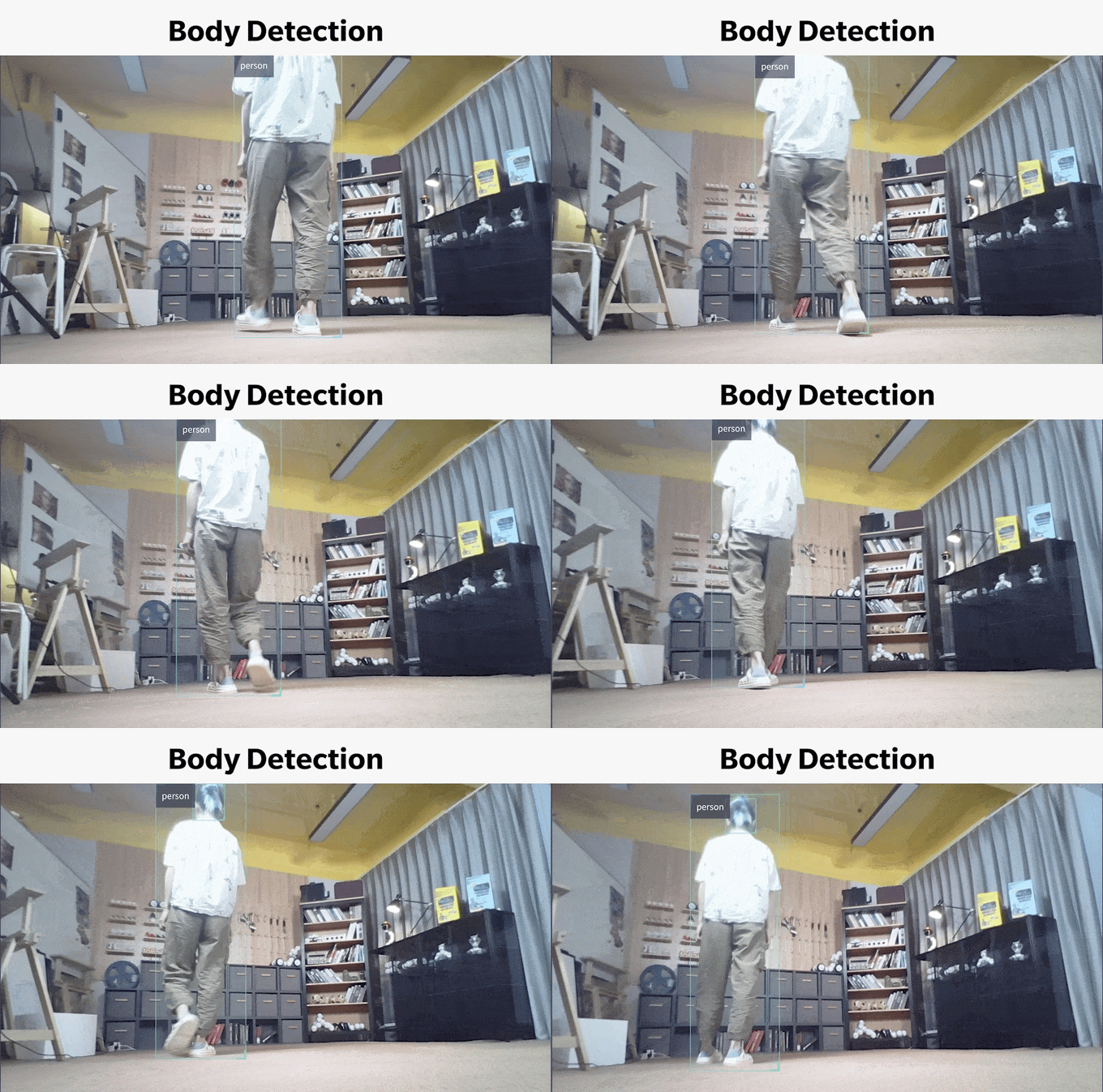
Human following
Jianbo Yang elaborated: Loona's R&D team includes over 15 character designers who regularly watch extensive nature documentaries to extract various expressions, movements, and emotional cues from animals, then infuse that soul into Loona. We didn't simply copy daily dog or cat behavior. Though it took enormous effort, this approach was actually quite clever — it keeps Loona lighter, smaller, and more agile.
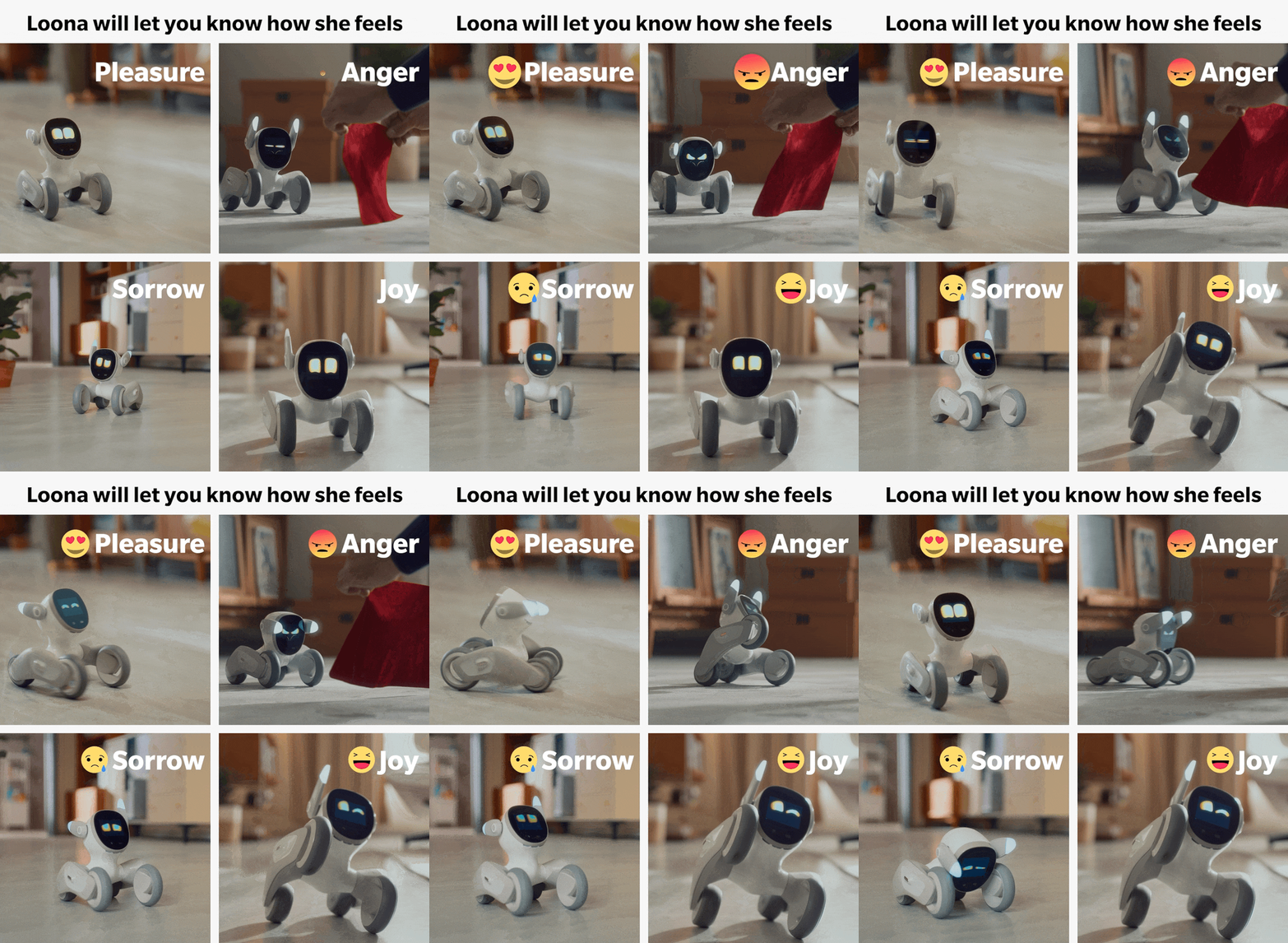
Rich expressions
Loona can walk to a table's edge and pause to observe, cat-like; it can recognize its owner and follow them, dog-like; and it automatically avoids obstacles while moving.
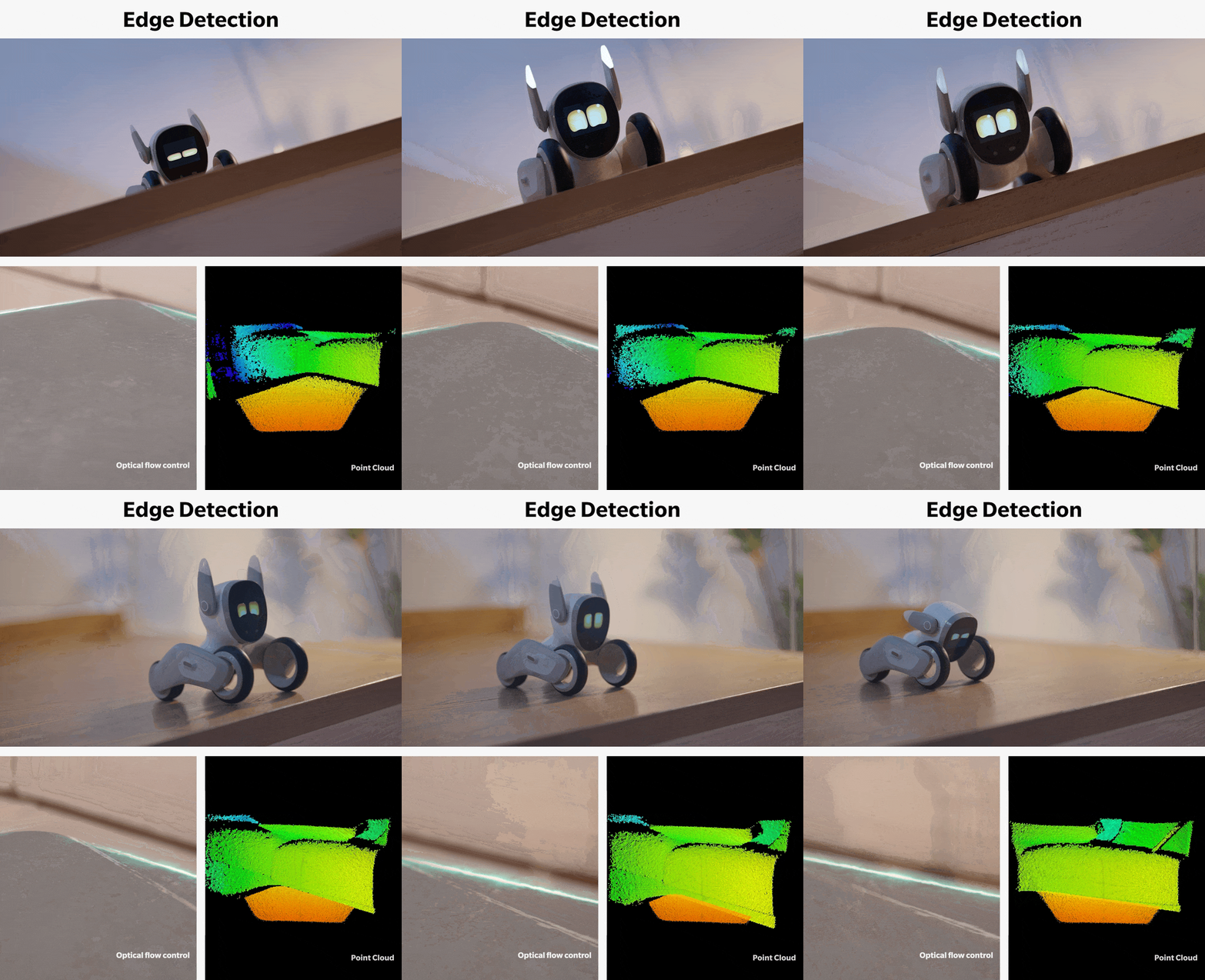
Edge detection
Call out "Hi, Loona" from any direction, and she'll quickly come to you.
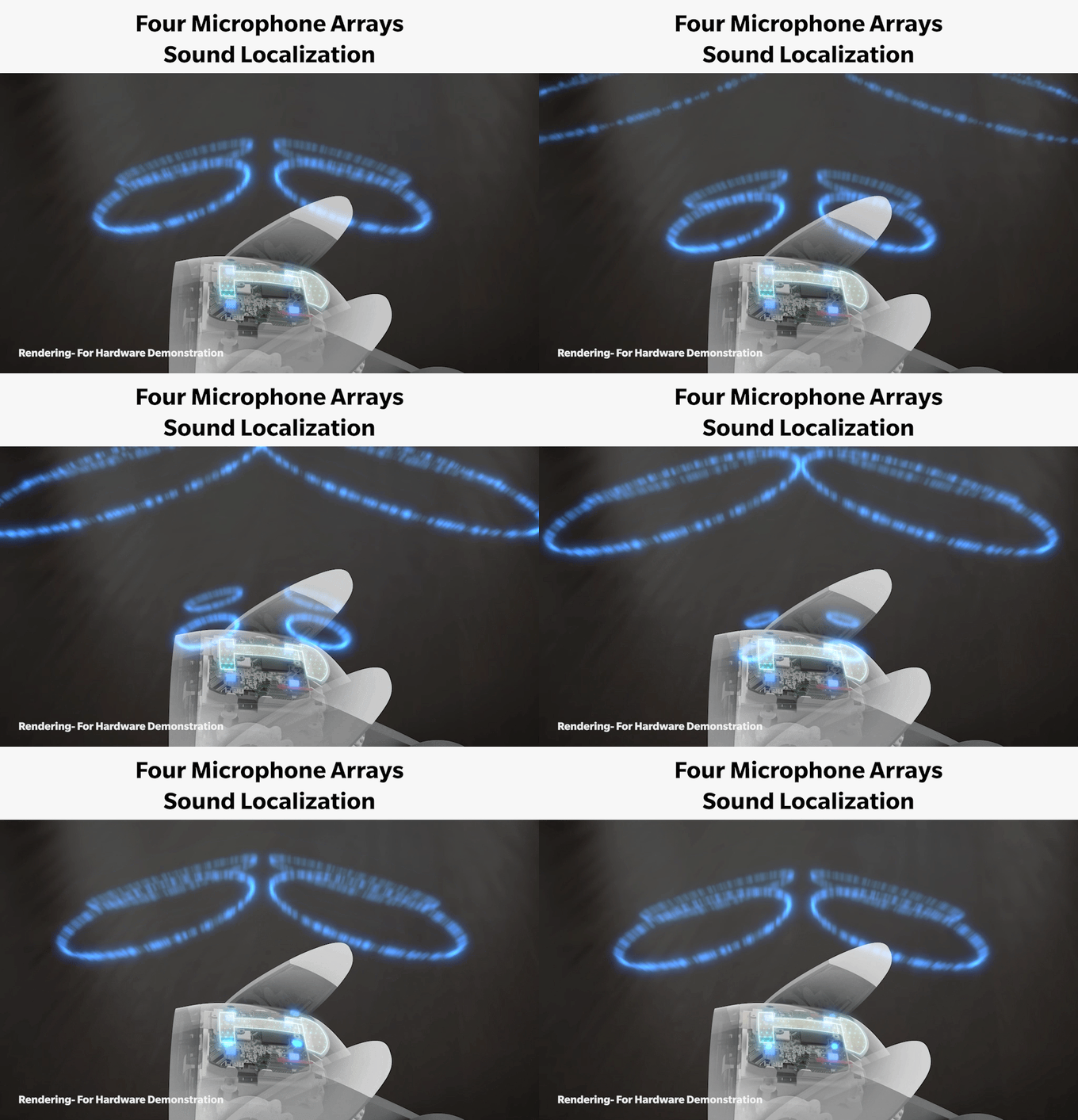
Built-in circular microphone array can identify sound direction
Loona can also understand owner commands, like spinning around or dancing.
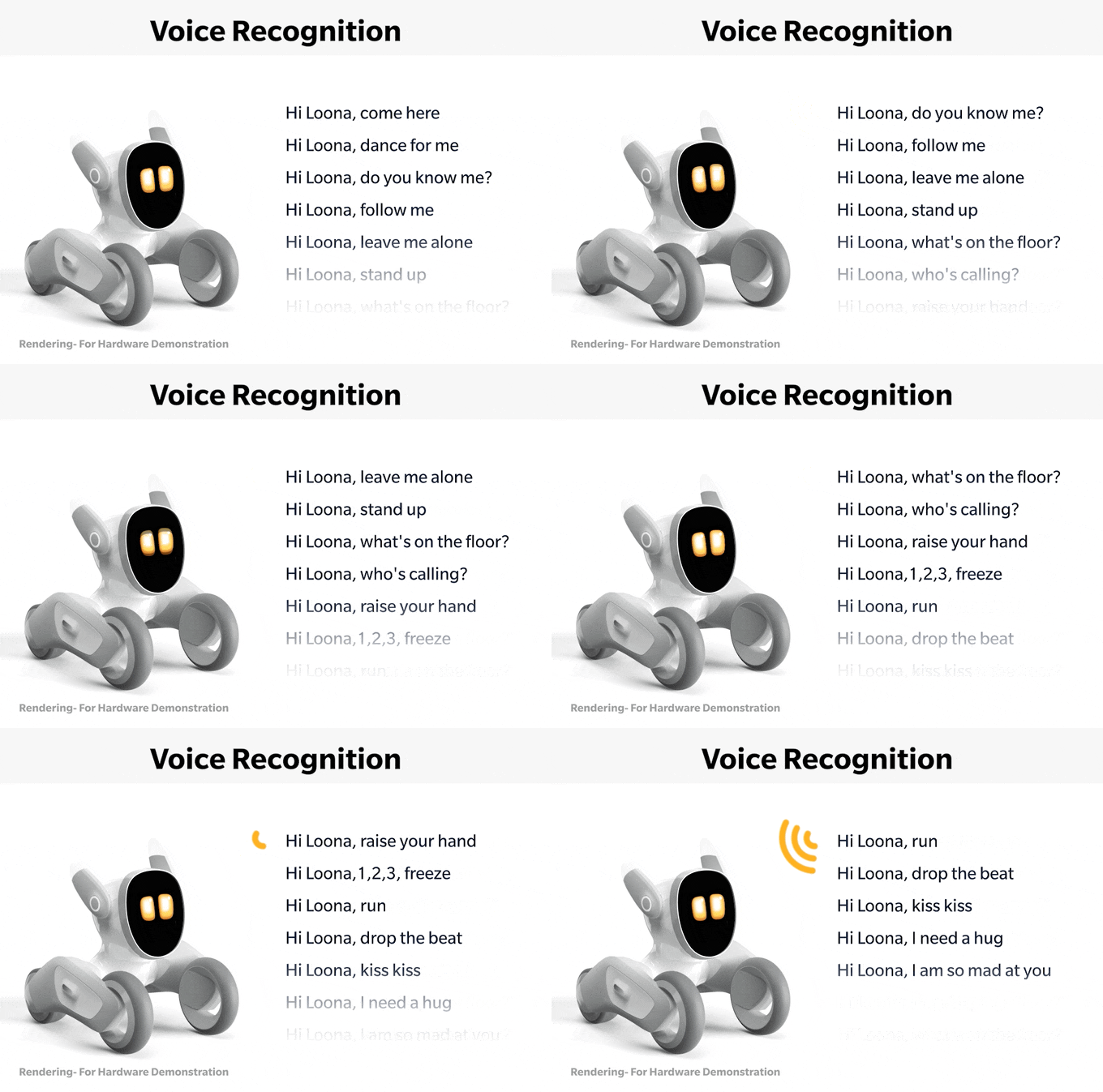
Voice command support
Beyond that, Loona can chase laser pointer dots like a cat, and you can throw a ball for her to fetch like a dog.
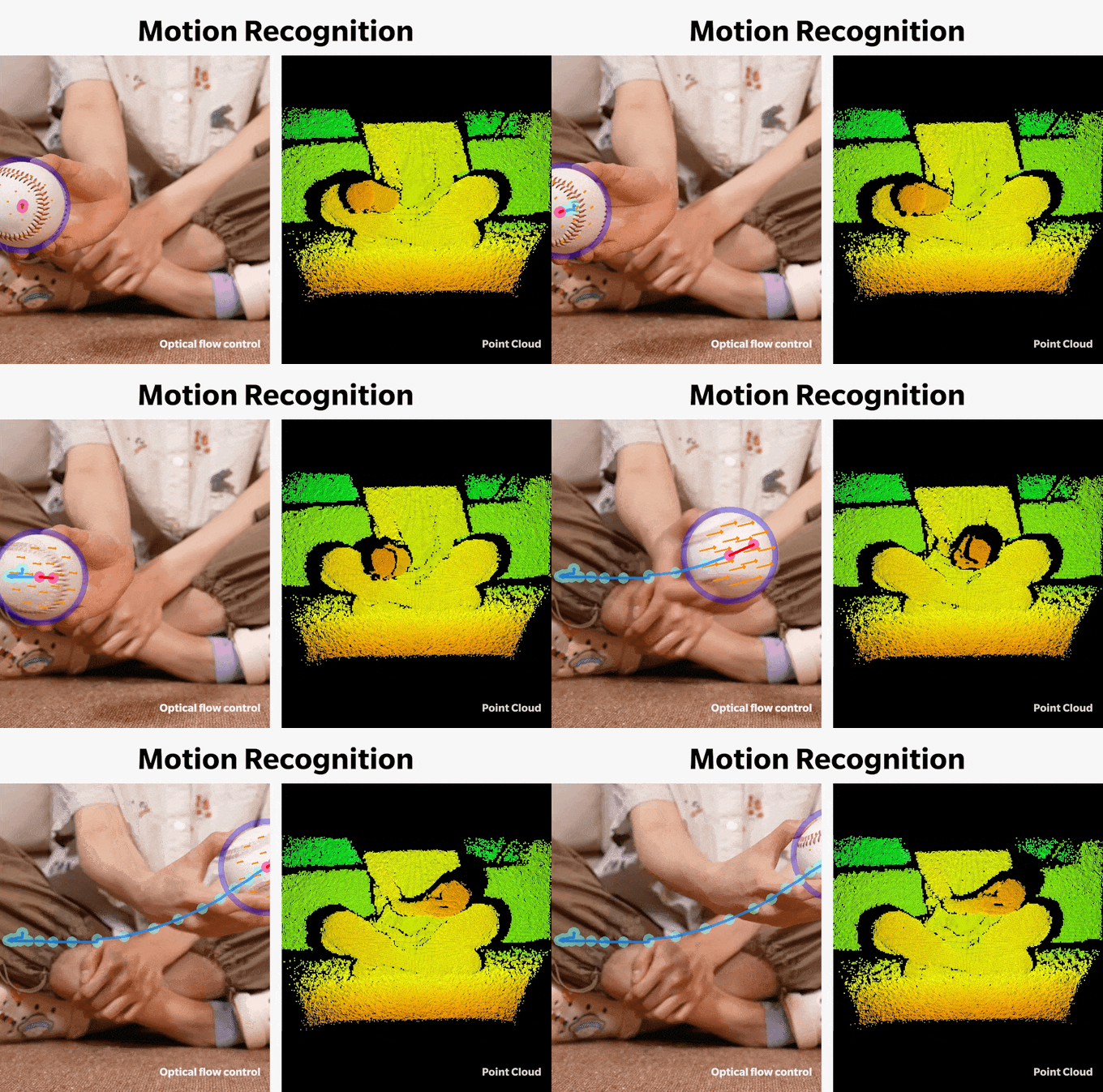
Ball trajectory tracking
In appearance and behavior, Loona aligns more closely with consumer expectations of a "pet."
But Loona is far more than just an electronic pet.
Distinct Positioning
Keyi Tech's Differentiated Competition Across Multiple Tracks
When initially defining Loona, Keyi Tech conducted thorough consumer research.
The company believes companion robots must appeal to the whole family, especially children, and that a pet-like design better suits the role of a new family member. Companion robots should also sense user behavior and movements, and through rich, engaging interactions and healing expressions, meet the needs of more people craving companionship.
From a month of crowdfunding comments, it's clear that Loona fulfills consumer desire for companion robots — people with Alzheimer's, depression, autism, PTSD, and other conditions with psychological companionship needs particularly love pet robots. Loona can keep them company like a real pet, without the burden of pet care.
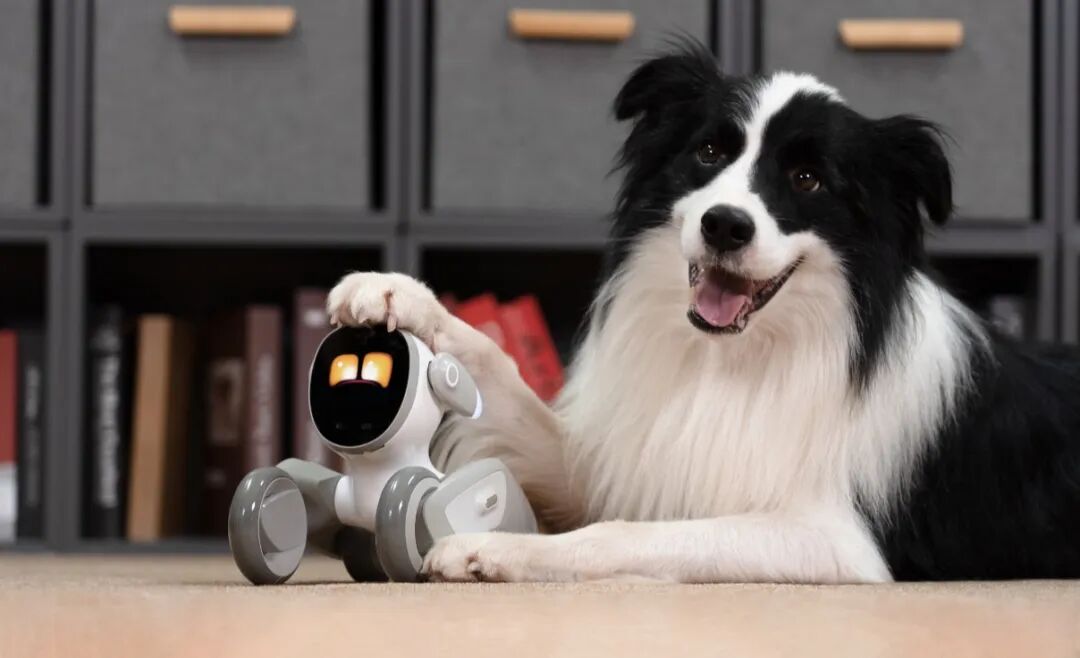
As the "loneliness economy" era arrives, younger consumer demographics show increasingly diverse demands for companionship. According to iResearch's 2021 China Pet Consumption Trends White Paper, the pet industry already approached 300 billion yuan in 2020 and is projected to reach 445.6 billion yuan by 2023. The downsides of real pet ownership are becoming market opportunities for companion robots, and both surveys and crowdfunding feedback suggest Loona will be a preferred choice for this segment.
Amazon has long coveted the home robot market, and with its new product launch, hopes Astro can maximally integrate home monitoring, mobile voice assistant, and family companionship functions.
Looking at the home monitoring sub-segment alone: in the first half of 2022, domestic home security camera sales reached 9.45 million units with revenue exceeding 2 billion yuan, already surpassing AI speakers as the new favorite smart device.
Loona can serve as an upgraded monitoring camera. Compared to current mainstream products, Loona not only enables video interaction but can also move freely — one Loona can achieve full home coverage with no blind spots.
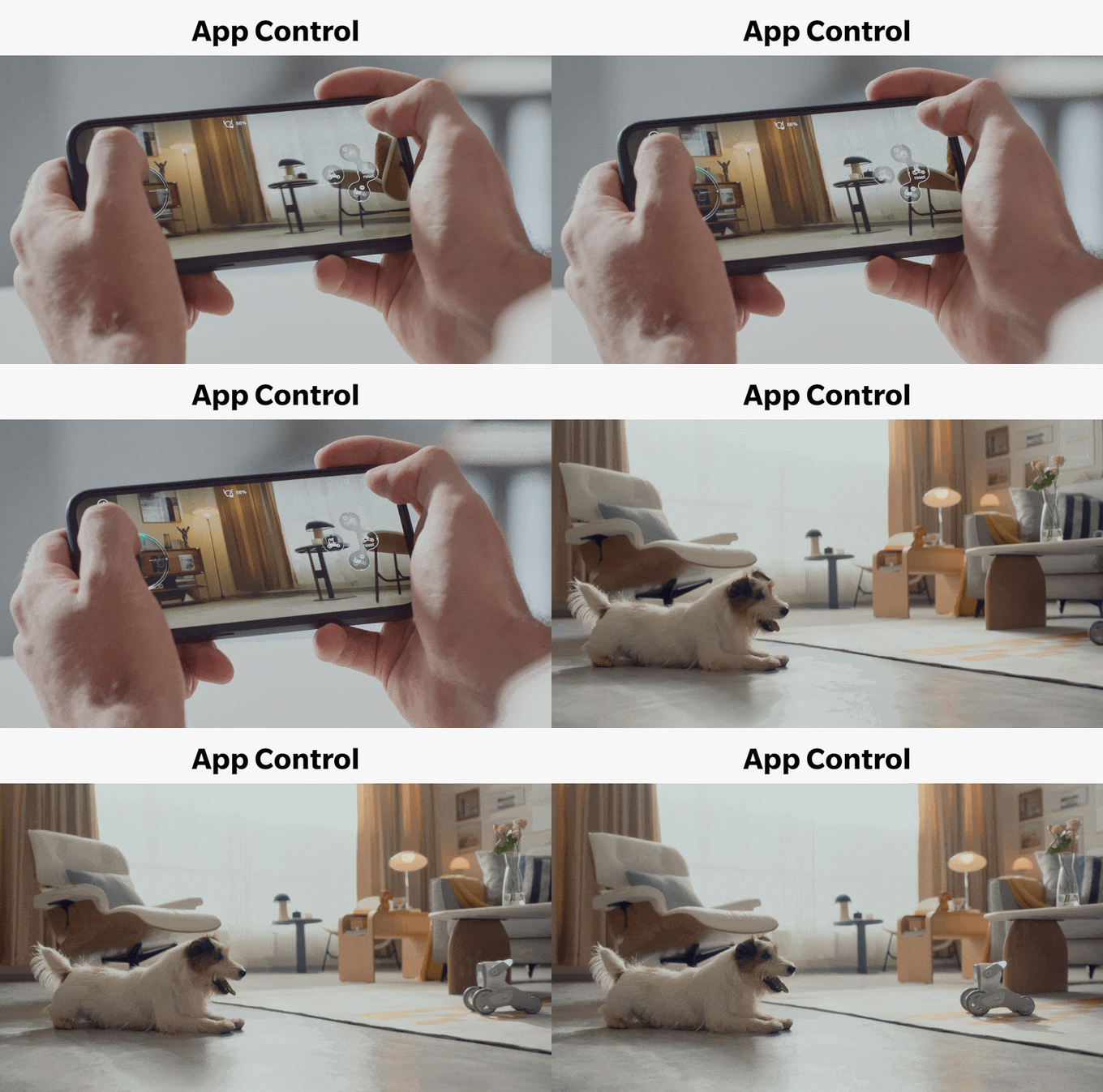
Remote control
In fact, with its compact form factor, multiple sensor configurations, and strong computing power, Loona can also replace smart speakers, respiratory sleep monitors, and other devices, even becoming the hub of a smart home system.
Loona plans to support Home Assistant by April 2023, enabling control of other smart home devices through Loona in the future.
Moreover, Loona is an open platform capable of hosting content and gameplay, meeting STEAM learning needs and enabling continuous innovation by content developers. A character editor is planned for June 2023, allowing users to edit Loona's movements, expressions, sounds, and interactions through various sensors.
Not Relying on Hit Products
Hoping Every Product Can Sell for Ten Years or More
In March 2022, Keyi Tech opened the world's first ClicBot flagship store at Beijing's CBD Guomao Mall. The store design, by a Finnish designer team, cleverly fuses technology, art, and environmental consciousness, becoming a space for young ClicBot users to exchange ideas and compete.
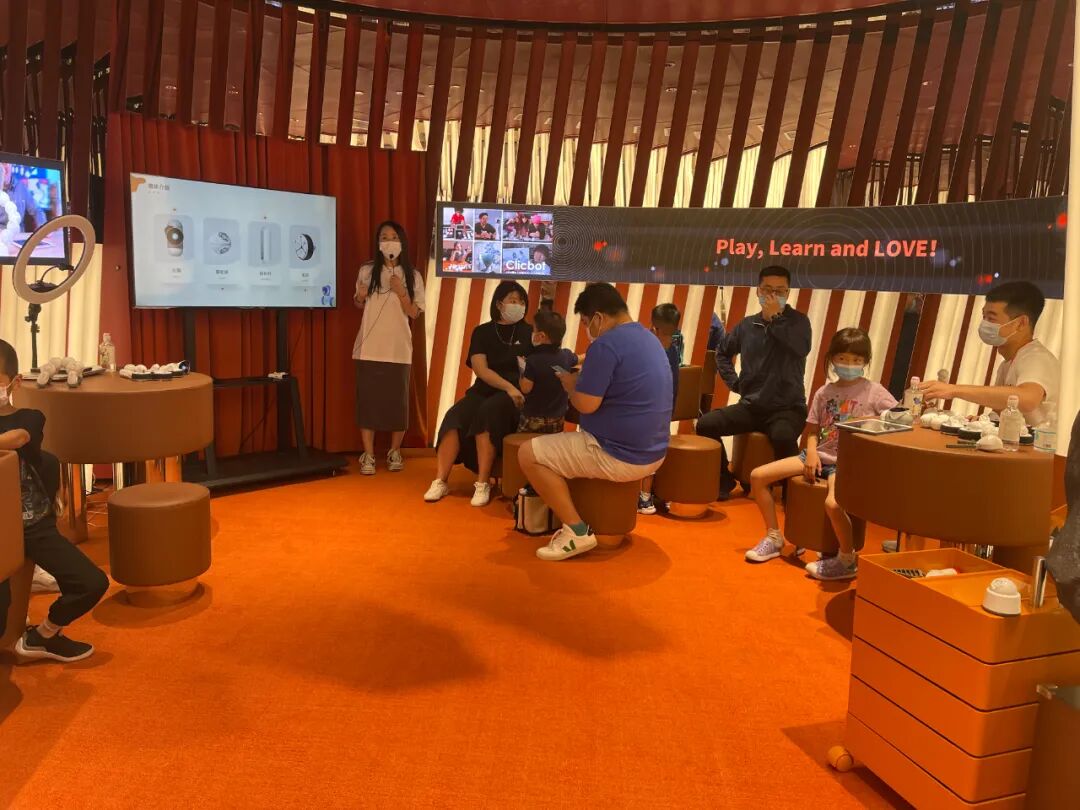
ClicBot flagship store competition event

ClicBot flagship store weekend salon
According to Jianbo Yang, the store achieved break-even in just three months.
Regarding product strategy, he noted: Both Loona and ClicBot will have very long lifecycles, so they'll follow a controlled iteration process and gradual household adoption. After all, these products are primarily about fostering children's creativity, and users' understanding of creativity will continue to deepen over time. Keyi Tech isn't in a rush — it won't sacrifice product experience for rapid user growth by pursuing extreme cost-performance ratios. Moreover, Loona and ClicBot have sufficiently high technological and ecosystem barriers. Especially on the ecosystem side, both have independent global communities, and from community operations to UGC to user experience, they've already built comprehensive moats.
In September 2022, at the Xiaomi Civi 2 launch event, the Mijia Modular Robot designed by Keyi Tech made its debut. Also featuring modular design with perception, movement, and graphical programming capabilities, it opened new market channels for Keyi Tech.
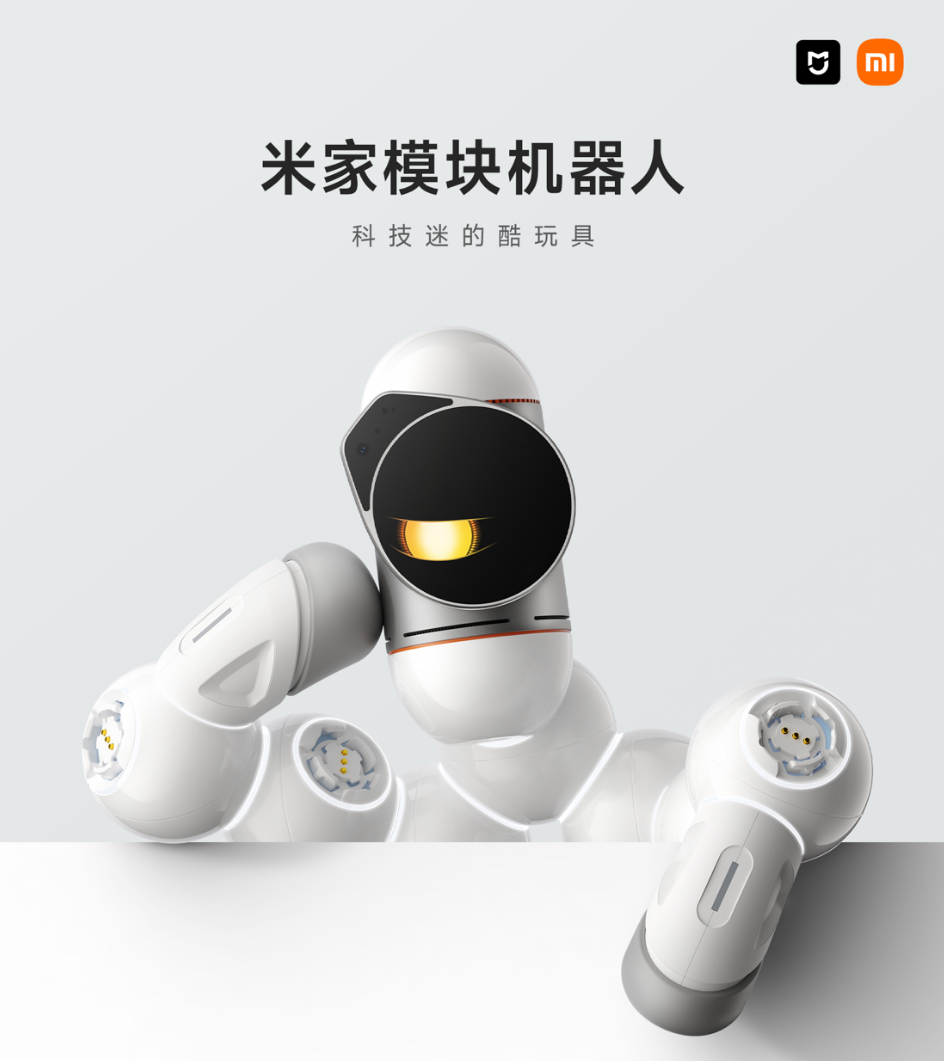
Keyi Tech collaborates with Mijia on new product launch
Further Reading
BlueRun Ventures' Cao Wei: Tesla Humanoid Optimus Is Not a New Concept; the Robotics Sector's Extensibility Exceeds Imagination
BlueRun Ventures' Jui Chan: Investment Volume Won't Decrease This Year; Concentrating on Advantaged Projects
BlueRun Ventures: The Golden Age of Tech Investment Has Arrived; Being Composed Pioneers Amidst Era Transformation and Industrial Innovation
Missed BlueRun Demo Day with 4,000+ Project Connections? What's the Remedy?

BlueRun Ventures was established in Silicon Valley in 1998. BlueRun Ventures China was founded in 2005 and is a venture capital firm focused on early-stage startups.
Currently, BlueRun Ventures China manages multiple USD and RMB dual-currency funds, with assets under management exceeding 15 billion RMB, making it one of the largest early-stage funds domestically. Its investment stage concentrates on Pre-A and Series A, covering hard tech and innovative interaction, enterprise technology, new consumption, and healthcare. It has cumulatively invested in over 150 startups, including Li Auto, Waterdrop, QingCloud, Guazi.com, Qudian, Songguo Mobility, Ganji.com, Energy Monster, Yuntu Semiconductor, Machenike, Yunsheng Intelligence, Anxin Wangdun, BioMap, and others.
BlueRun Ventures has been ranked #1 on Zero2IPO's "China Top 30 Early-Stage Investment Institutions" and ChinaVenture's "China Best Early-Stage Venture Capital Institutions TOP30," and was named among Preqin's Top 10 consistently high-performing VC fund managers globally.
Additionally, BlueRun Ventures has repeatedly received honors from Forbes China, 36Kr, Cyzone, Caixin Media, CBNweekly, Jiemian, and other media institutions, including "China Best Early-Stage Institution of the Year," "China Top Venture Capital Firm," "Most Entrepreneur-Friendly Early-Stage Institution of the Year," and "Most Influential Early-Stage Institution of the Year."