The Trillion-Yuan Blueprint for Peptide Drugs: From Diabetes Medication to Weight-Loss Wonder | BlueRun Ventures Biotech Forum Recap

From Pharmaceuticals to Consumer Goods: A Wave of Value Creation
On May 8, BlueRun Ventures co-hosted the Peptide Drug and Industry Chain Innovation Development Forum in Beijing with Arterial Network, VB100, Eggshell Research Institute, and Arterial Orange, bringing together over ten guests from listed companies, industry leaders, and star startups, alongside BlueRun's investment team, to focus on development trends, industrial ecosystems, innovative products, and collaborative opportunities in peptide drugs and their supply chains — exploring the boundless possibilities and future horizons of the peptide drug industry.
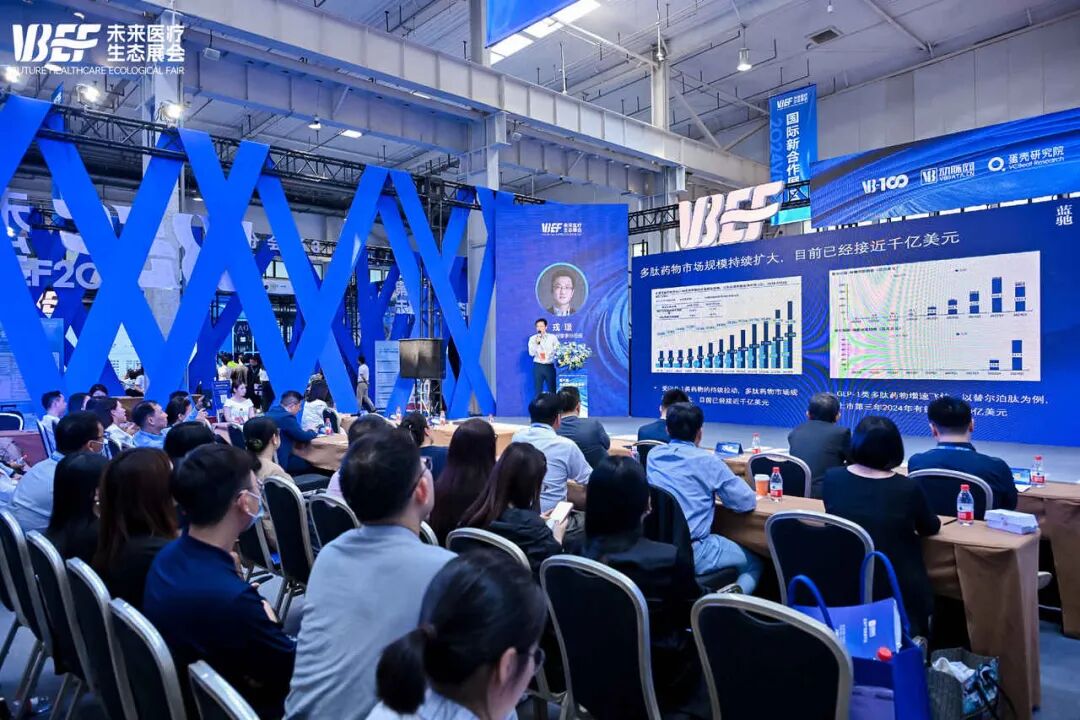
Peptide drugs, with their well-defined targets and strong druggability, have become one of the hottest areas in new drug research. GLP-1 drugs in particular have sparked widespread public discussion and rapid growth: in 2023, Novo Nordisk's semaglutide generated over $20 billion in sales, while Eli Lilly's tirzepatide surpassed $5 billion. These stellar performances created two giants each valued at over $500 billion. BlueRun has long kept a close watch on cutting-edge trends in biotech, and we've been asking: In a market worth hundreds of billions, when will peptide drugs become the new "blockbuster king"? Amid intense competition, how can companies build differentiated GLP-1 products with global competitiveness? And what cross-disciplinary innovation possibilities remain for peptide drug technology? At this event, guests' insightful discussions tackled these questions from multiple angles.
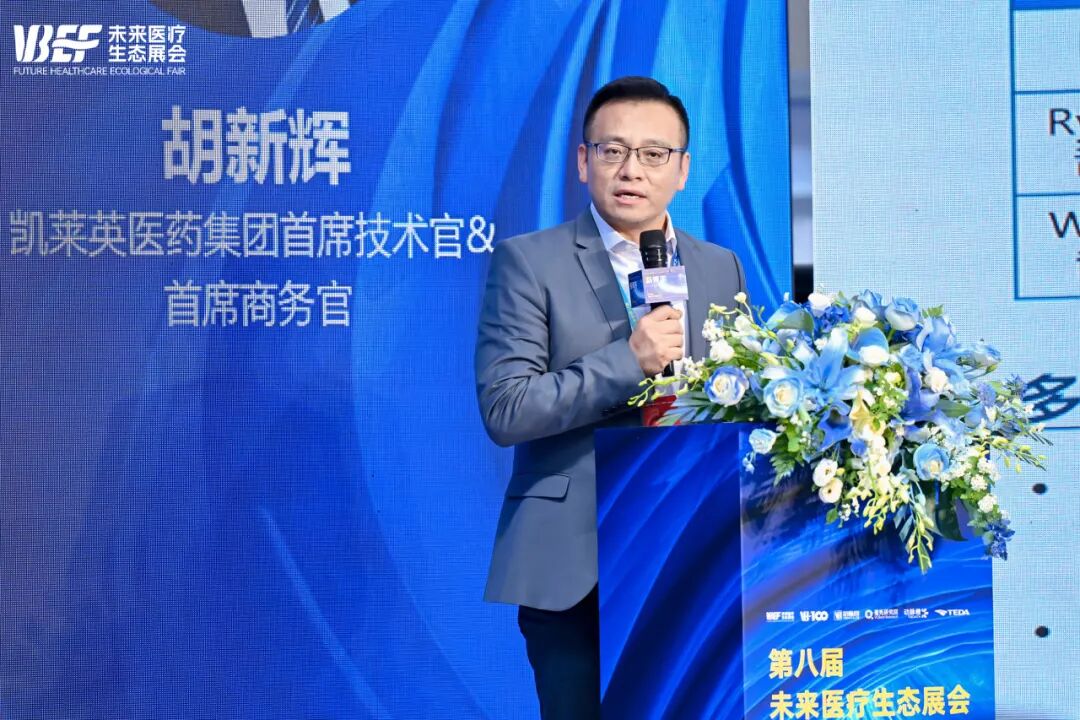
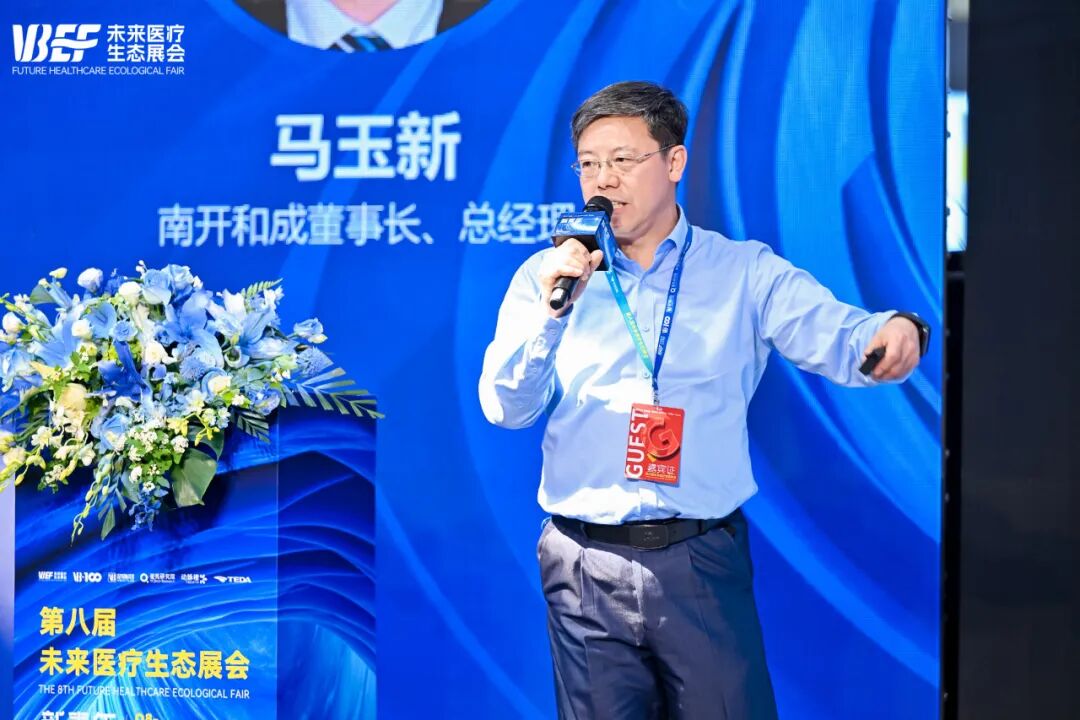
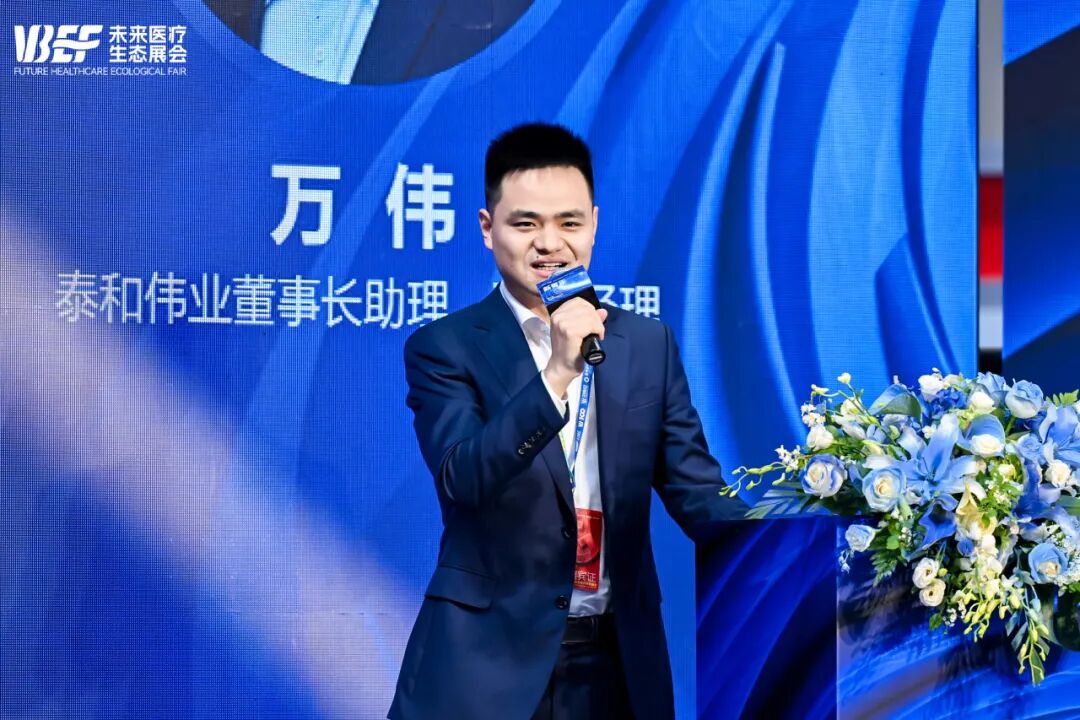
At the forum, Rong Jing, Managing Director at BlueRun Ventures, first analyzed investment opportunities in the peptide industry. He noted that the peptide sector stands at an inflection point driven by both supply and demand, yet continues to face ongoing production and technological challenges. Current investment opportunities cluster around four areas: systematic opportunities in the GLP-1 supply chain that could alleviate capacity constraints; next-generation blockbuster peptide drugs; forward-looking peptide R&D technologies; and cross-disciplinary applications of peptides beyond pharmaceuticals. The explosive popularity of GLP-1 drugs has kicked off an upward cycle for the global peptide drug supply chain, with a wave of CDMO, raw material, and consumables companies thriving. Hu Xinhui, Chief Technology Officer and Chief Business Officer at Asymchem Laboratories; Ma Yuxin, Chairman and General Manager of Nankai Hecheng; and Wan Wei, Assistant to the Chairman and Deputy General Manager at Taihe Weiye, shared frontline industry perspectives. Guests noted that GLP-1 drugs currently face challenges primarily from rapidly scaling downstream demand and the highly fragmented nature of technology R&D. Companies specializing in CDMO, solid-phase synthesis, and upstream core materials are rolling out more aggressive solutions, including building new facilities, increasing R&D investment, and establishing industry standards — hoping to address supply shortages through the discovery of new technologies and methods.
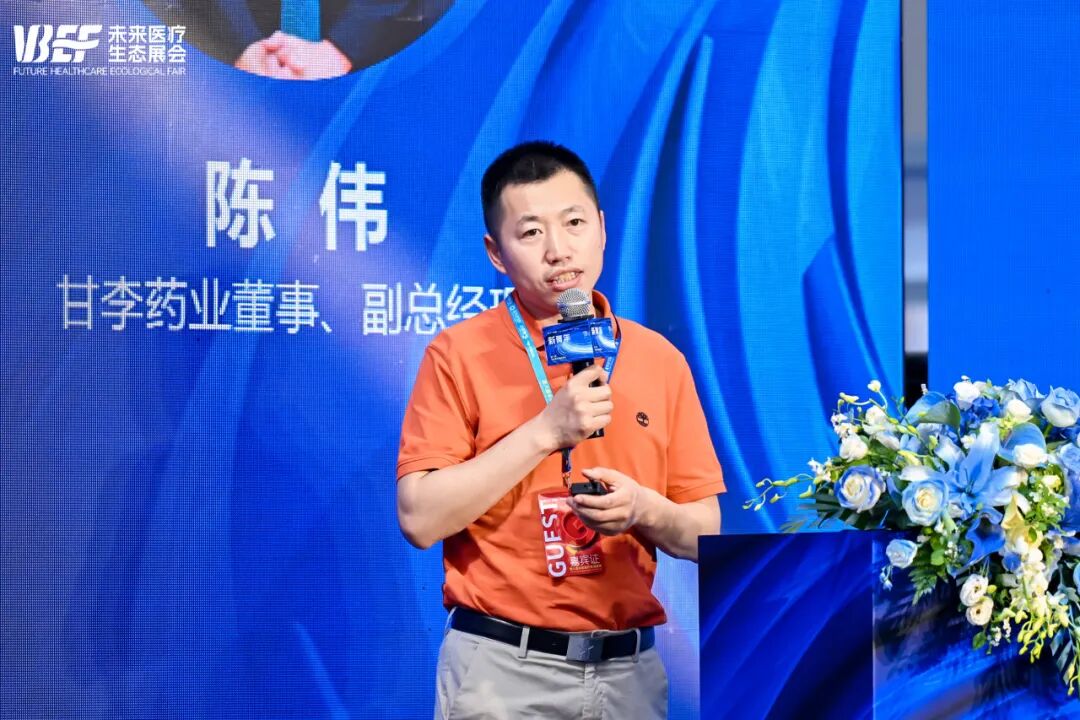
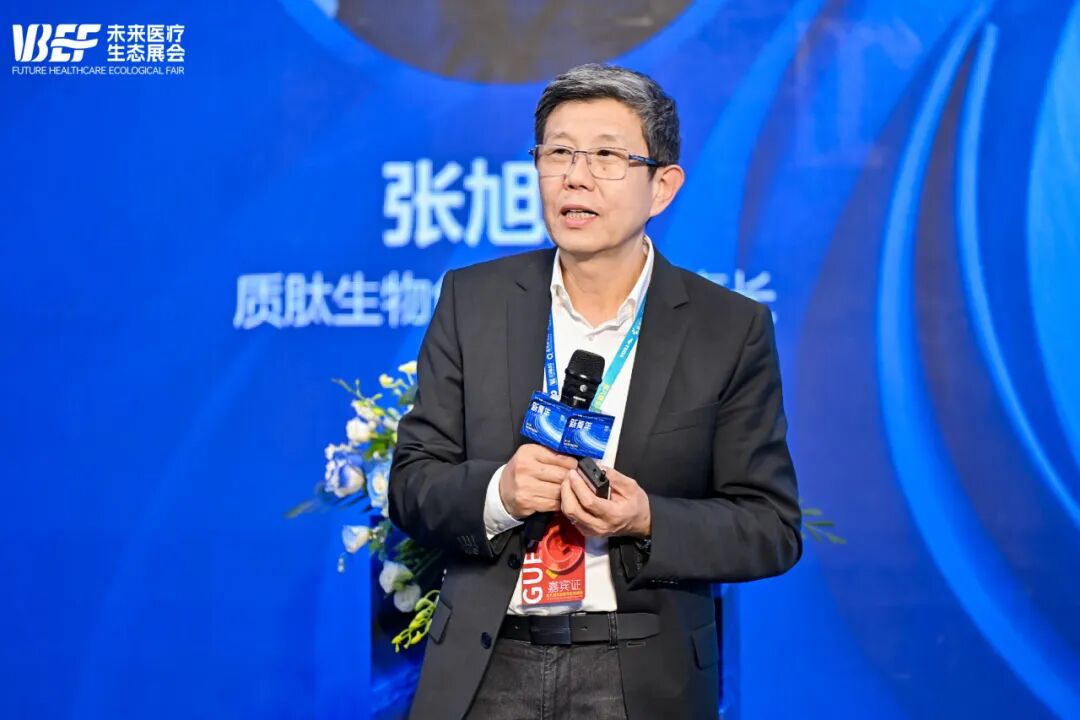
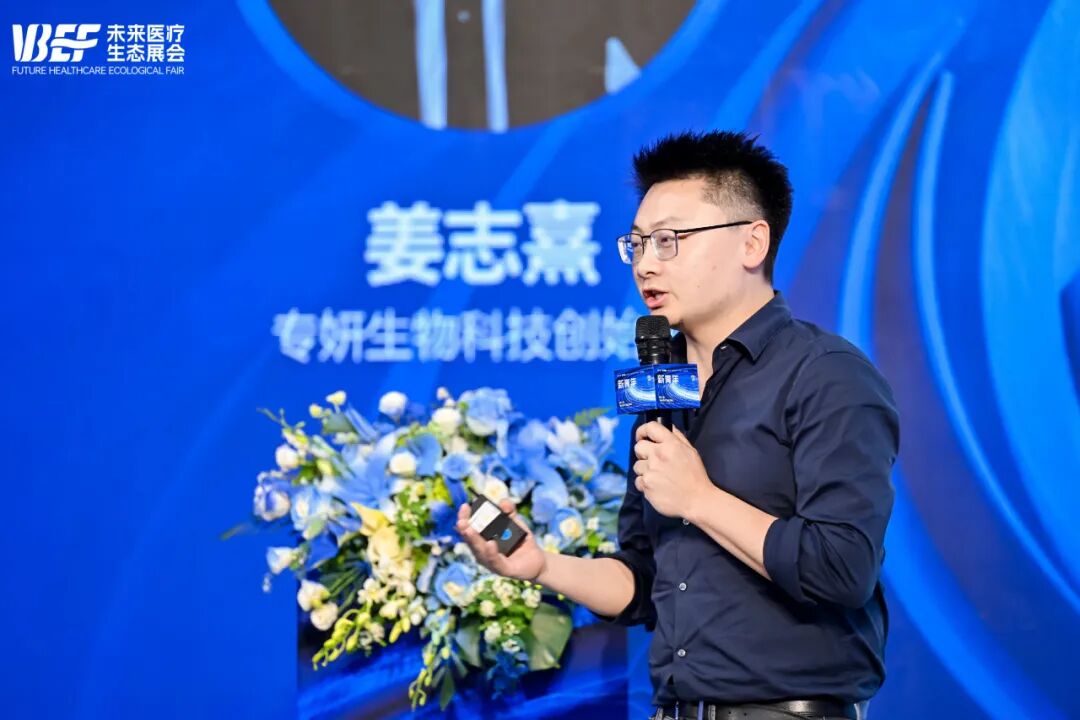
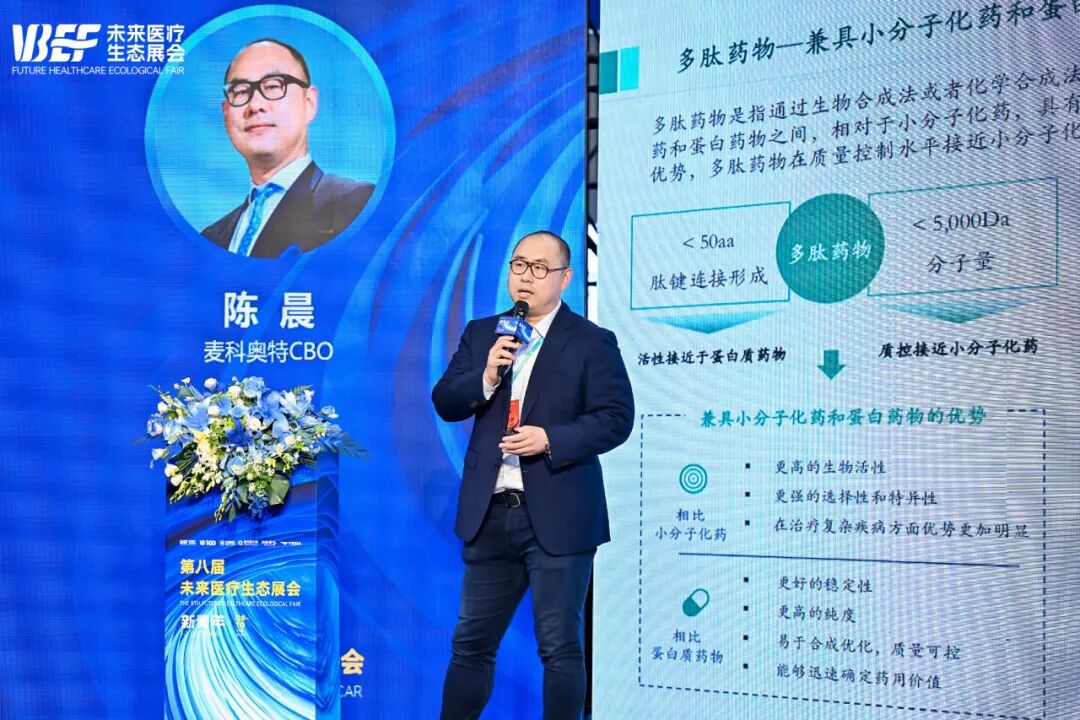
In the red-ocean competition of peptide drugs, differentiation is the lever, and cross-disciplinary moves are the surprise tactic. Chen Wei, Director and Deputy General Manager at Gan & Lee Pharmaceuticals; Zhang Xujia, Founder and Chairman of Zhitai Biotech; Jiang Zhixi, Founder of Zhuanyan Biotechnology; and Chen Chen, CBO at Macrotech, shared their strategic thinking.
The guests agreed that as peptide drugs evolve into products and even consumer goods, companies must pay close attention to patient and consumer experience. In the cutthroat red ocean, breakthrough requires cutting-edge technology and precise insight into user needs to create products that deliver exponential value improvement. Next-generation GLP-1 drugs need to reach higher dimensions in efficacy, compliance, pricing, and production capacity.
In a roundtable discussion, Rong Jing, Managing Director at BlueRun Ventures, joined Shao Jun, CTO at Tongyi Pharma; Wu Yinsong, Founder and Chairman of Xiushi Biotech; Ye Xiangsheng, CSO at Perpetual Biotech; and Zhou Li, Director and General Manager of Kescend Peptide, to discuss the future of the booming peptide sector. Guests noted that while peptides have a long history as drugs, blockbuster indications remain highly concentrated — mostly in metabolic diseases like insulin, GLP-1, and growth hormone — with many technical constraints still limiting progress on other targets. Over the next five years, GLP-1 drugs will remain a major industry opportunity, but AI-driven drug discovery also deserves attention for the additional possibilities it could unlock for peptides.
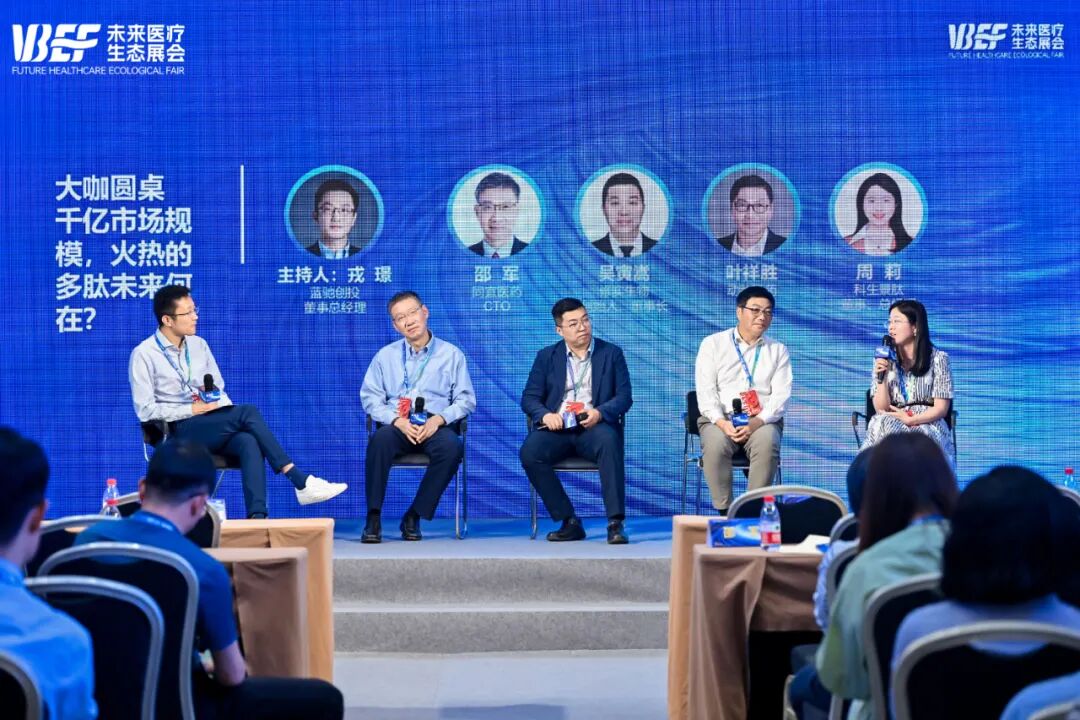
Currently, the biopharma industry faces challenges in going public, but also opportunities in expanding overseas. Guests mentioned that domestic and international markets each offer opportunities in different scenarios and segments, but for innovative drugs and more vertical niche tracks, partnerships with world-class healthcare companies are essential for market expansion. In the process of going global, companies need to focus on commercialization costs and keeping pace with the most advanced technologies overseas.
Among BlueRun Ventures' portfolio companies, Nankai Hecheng, Zhitai Biotech, and Zhuanyan Biotech are all pioneering innovators in the peptide space.
Nankai Hecheng originated from the Institute of Polymer Chemistry at Nankai University, with products successfully applied in solid-phase synthesis of peptide and DNA drugs, separation and purification of peptides and proteins, and semi-synthesis of antibiotic drugs, among many other fields.
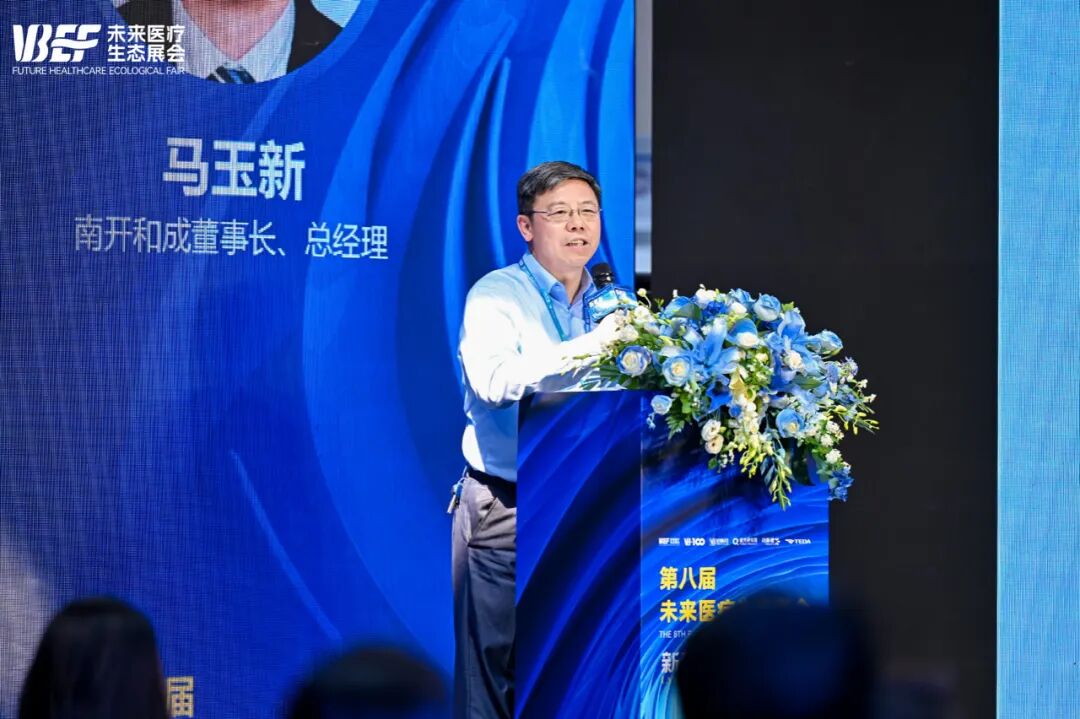 Ma Yuxin, Chairman and General Manager of Nankai Hecheng, delivers keynote speech
Zhitai Biotech is dedicated to developing differentiated peptide drugs for metabolic diseases with global competitiveness. Its ultra-long-acting GLP-1 drug candidate aims to enable once-monthly dosing and is about to enter Phase II clinical trials. Recently, Zhitai Biotech signed a commercialization licensing and MAH partnership with Tonghua Dongbao for its semaglutide biosimilar injection — an important foundation for the company's transition from R&D to commercialization.
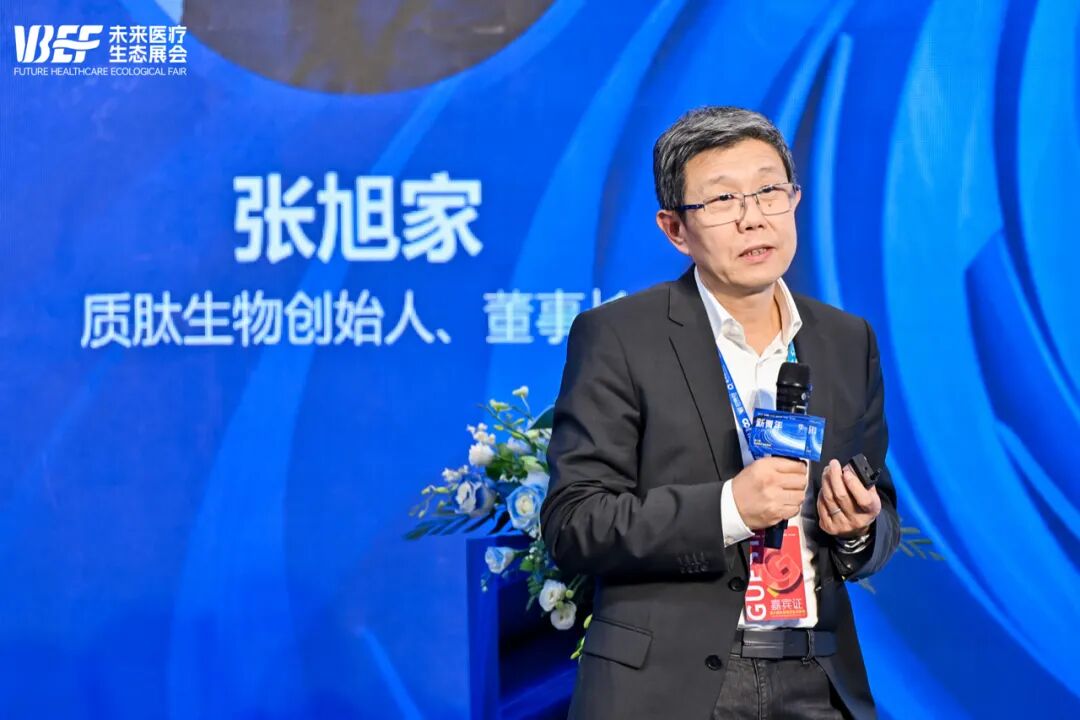 Founder and Chairman of Zhitai Biotech delivers keynote speech
Zhuanyan Technology stays true to its founding mission that "consumers shouldn't pay an intelligence tax for meaningless skincare," focusing on peptide-based anti-aging research and product development to accelerate the transformation of scientific achievements into market-ready products.
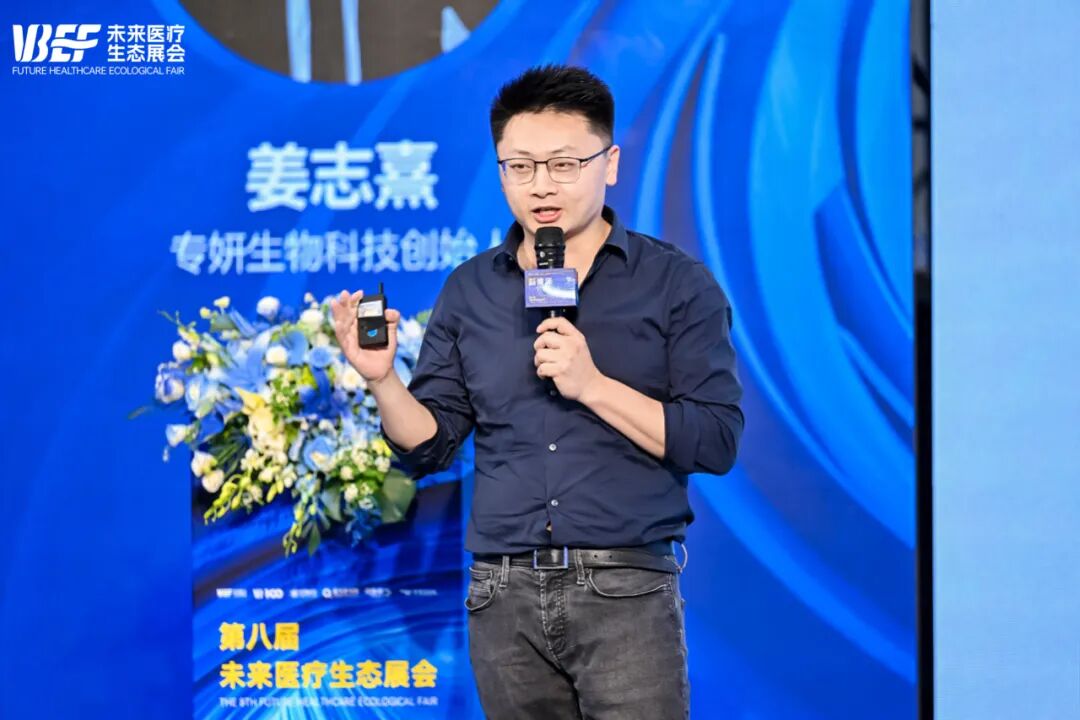 Jiang Zhixi, Founder of Zhuanyan Biotechnology, delivers keynote speech
BlueRun Ventures will continue to closely track developments in the peptide industry. We welcome more industry explorers to join us on this journey of discovery.
▶ More Exciting Content ◀




Founded in 2005, BlueRun Ventures is a venture capital firm focused on early-stage startups.
Currently managing over RMB 15 billion in assets, BlueRun Ventures is one of China's largest early-stage funds. It invests primarily at Pre-A and Series A stages across technology, consumer, and healthcare sectors, with more than 200 portfolio companies including Li Auto, Waterdrop, QingCloud, Guazi.com, Qudian, Ganji.com, Energy Monster, Gaussian Robotics, Songguo Mobility, Yuntu Semiconductor, Machenike, Cloud Saint Intelligence, Anxin Network Shield, and BioMap.
BlueRun Ventures has been ranked #1 on Zero2IPO's "China Top 30 Early-Stage Investment Institutions," #1 on ChinaVenture's "China Best Early-Stage Venture Capital Institutions TOP30," and named to Preqin's Top 10 globally consistent high-return VC fund managers.
The firm has also received consecutive honors from Forbes China, 36Kr, Cyzone, Caixin Media, CBNweekly, Jiemian, and other media organizations as "China's Best Early-Stage Institution of the Year," "China's Top Venture Capital Firm," "Most Entrepreneur-Friendly Early-Stage Institution of the Year," and "Most Influential Early-Stage Institution of the Year."