Tian Cheng Technology Closes Nearly 100 Million RMB Series B Round to Accelerate Global Expansion of Embodied Intelligence Exoskeletons | BlueRun Family

Technology should serve everyone.
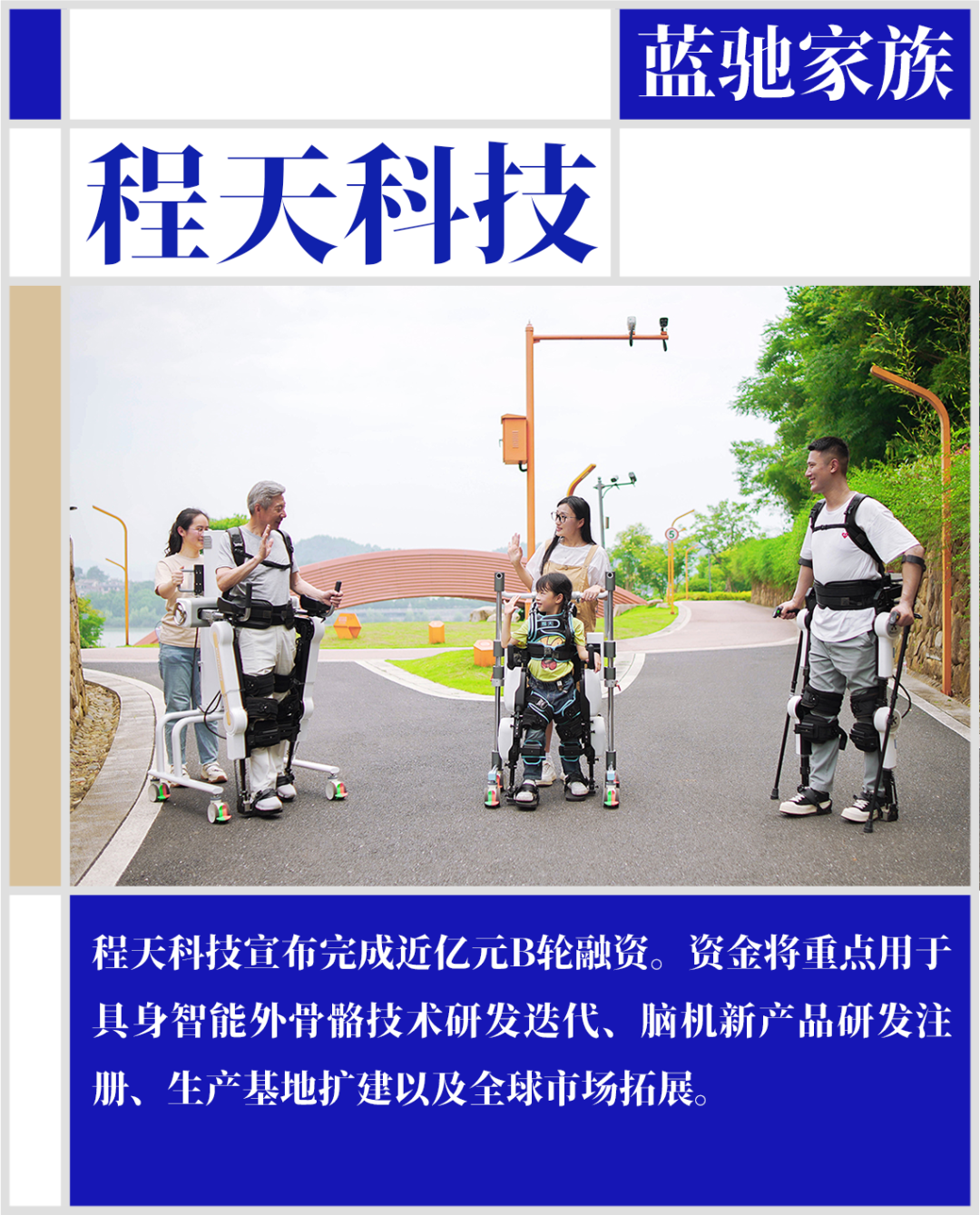
Recently, Tian Cheng's company announced the completion of a nearly 100 million yuan Series B funding round. Led by Xi Chuang Tou, the round will focus on R&D iteration of embodied-intelligence exoskeleton technology, new brain-computer interface product development and registration, production facility expansion, and global market expansion — further advancing the application of embodied-intelligence exoskeleton wearables in rehabilitation, eldercare, and consumer markets, accelerating the build-out of domestic and overseas distribution channels, and establishing the company as a global leader in exoskeleton technology. BlueRun Ventures was the sole investor in Tian Cheng's Series A round and also participated in its Series A+ round.

Addressing the dual challenges of "supply-demand imbalance" and "technology barriers" in China's rehabilitation market, Tian Cheng's company has introduced innovative solutions through the deep integration of embodied-intelligence exoskeleton robotics with large AI models. Its self-developed rehabilitation exoskeleton products and solutions use multimodal biosignal fusion algorithms — integrating electromyography, electroencephalography, spinal cord signals, and motion posture data, among others — to generate dynamic rehabilitation pathways for users, pushing exoskeleton technology toward more precise applications at a higher level. With intent-recognition accuracy reaching 98.7%, the technology not only triples daily service efficiency but also improves gait-training efficiency for stroke patients by approximately 53%.
The company has now established a comprehensive medical-grade product matrix covering neurological rehabilitation, musculoskeletal rehabilitation, and mobility compensation, having served over 623,000 users to date — with total walking distance equivalent to circling the Earth twice. Its new generation of rehabilitation exoskeleton products featuring brain-computer interfaces, spinal cord electrical stimulation, and "brain-spine fusion" technology has partnered with top-tier institutions including Xuanwu Hospital of Capital Medical University and Huashan Hospital of Fudan University. The company has successfully performed multiple cases of coordinated "spinal cord stimulation + exoskeleton" therapy: in one case, a patient unable to walk for a year after a car accident underwent surgery and achieved unassisted standing within 14 days post-operation and completed a 5-meter independent walk within 28 days. Expanded trials are now underway nationwide, with successful implementations in over 14 cities — from Hainan in the south to Xinjiang in the west and Heilongjiang in the north. This marks another step forward for Tian Cheng's company on its path toward human-machine fusion, making exoskeleton robots a new human organ and advancing human evolution.
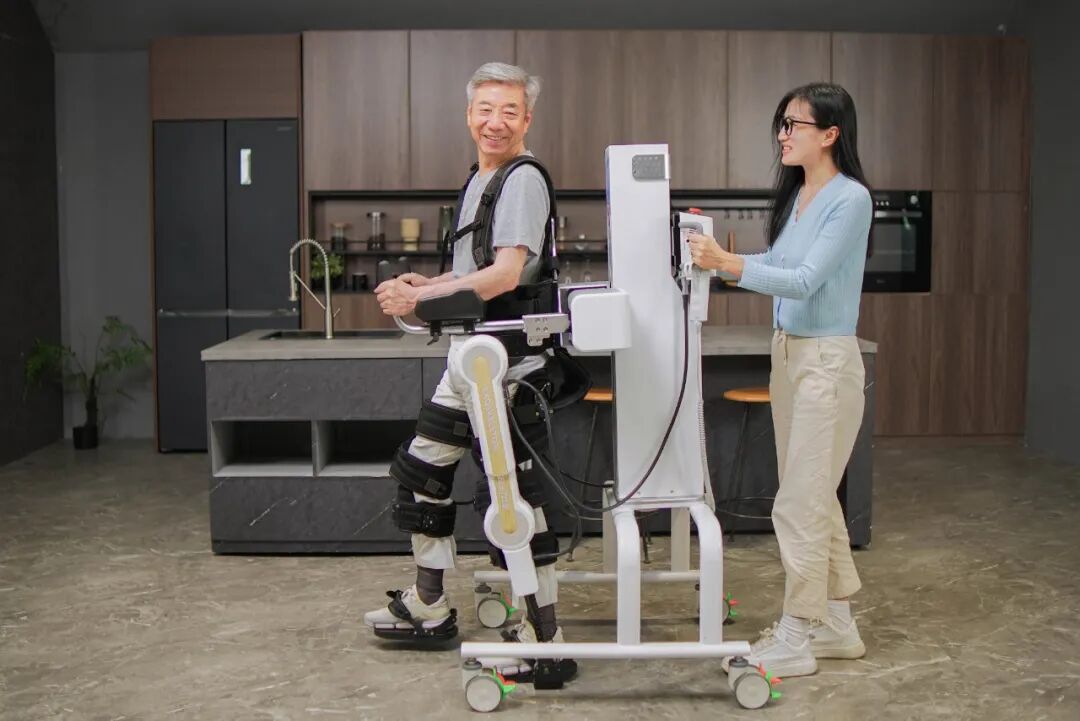

Tian Cheng's founding and R&D teams have spent over a decade in the exoskeleton robotics field, with "self-developed technology + cost restructuring" as their core competitive advantage. They have achieved 100% domestic production of core components, with module costs at just one-tenth of industry averages and gross margins more than double the industry mean. The company is also a key supplier of core hardware components for embodied-intelligence technology, serving robotics technology companies across 40 countries and regions. More importantly, Tian Cheng's company is breaking the entrenched "medical device" label for exoskeletons, accelerating penetration into consumer markets and global scenarios, reinforcing its core position in embodied-intelligence hardware solutions.
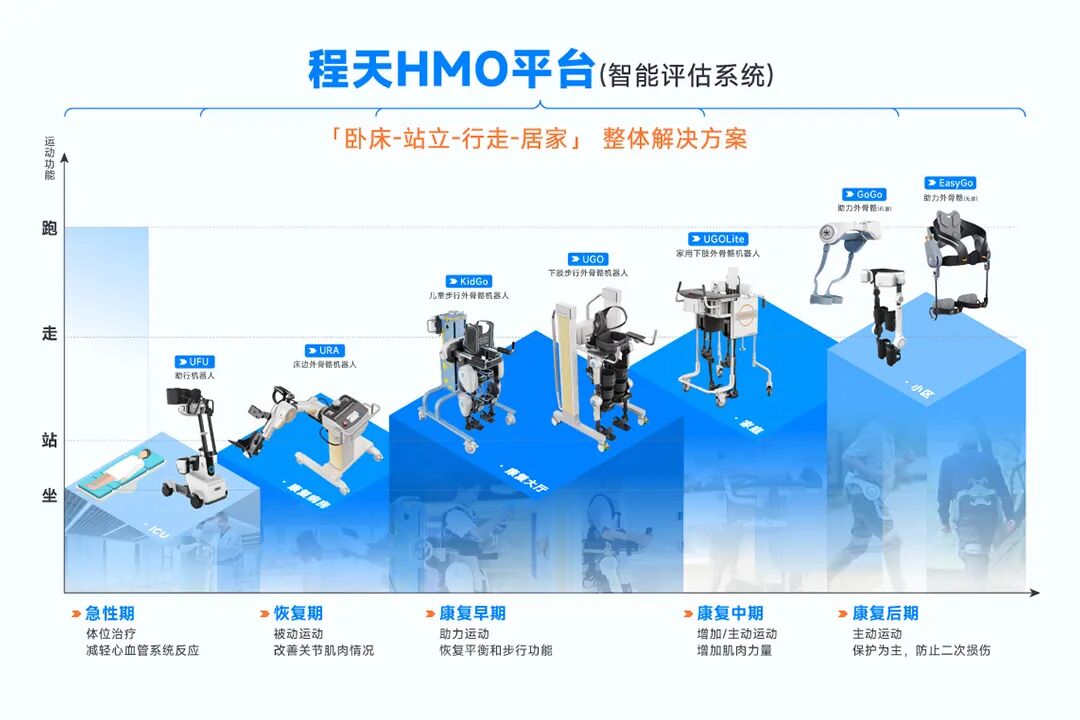
With iterative upgrades to its new series of powered exoskeleton products, the company is extending exoskeleton applications from medical rehabilitation to home, community, and outdoor leisure settings. The EasyGo powered exoskeleton series, launching in 2025, targets consumer scenarios including elderly mobility assistance and outdoor sports. Using lightweight carbon fiber materials and biomimetic structures, the product provides walking assistance without requiring a power source, priced at approximately 2,500 yuan. When thousand-yuan exoskeletons enter households, they will effectively drive the evolution of embodied-intelligence exoskeleton robots from "medical devices" to "human capability extensions," redefining human-machine interaction concepts while unlocking broader commercial possibilities.

In 2023, the 14th Five-Year Plan for Robotics Industry Development explicitly designated rehabilitation robots as a priority direction; eleven provinces and municipalities including Beijing, Jiangsu, and Hebei have incorporated exoskeleton therapy into medical insurance, reducing patient out-of-pocket costs by over 60%. Meanwhile, the convergence of "silver economy" and "robotics+" policies has propelled the industry into an explosive growth phase, with China's rehabilitation robot market expected to exceed 20 billion yuan in 2025, representing a 47.3% compound annual growth rate.

Chinese government support for the health and wellness industry has put exoskeleton technology on the fast track. With the dual boost of policy and capital, Tian Cheng's company continues expanding its global footprint. Its classic UGO series rehabilitation exoskeleton received EU CE certification in late 2024, accelerating market development in Southeast Asia, the Middle East, Australia, and Europe — a new milestone in the globalization of rehabilitation exoskeleton products. Meanwhile, the powered GoGo series, expected to launch in the second half of 2025, will be offered to consumers through overseas crowdfunding, further expanding the effective global reach of embodied-intelligence products. The new production facility made possible by this funding round will effectively ensure exoskeleton equipment manufacturing and global supply.

Against the backdrop of accelerating global aging and surging health and wellness demand, embodied-intelligence wearable exoskeleton technology is rapidly moving from "science fiction" toward "universal reality." In this process, the founding team's original vision and the power of capital create resonance: technological breakthroughs require the persistence of long-termists, and industrial transformation cannot happen without the vision of strategic investors. Dr. Wang Tian, founder of Tian Cheng's company, believes: "Technology should serve everyone, especially those who cannot live independently due to physical limitations — because robotics technology exists to make people's lives easier, more dignified, and more respectful. This conviction drives our continuous exploration and innovation in exoskeleton robotics. Exoskeleton robots are not merely rehabilitation and eldercare products; they represent an independent category of robots. You will also see Tian Cheng's exoskeleton robots applied more broadly in entertainment, industry, safety, transportation, and other fields."
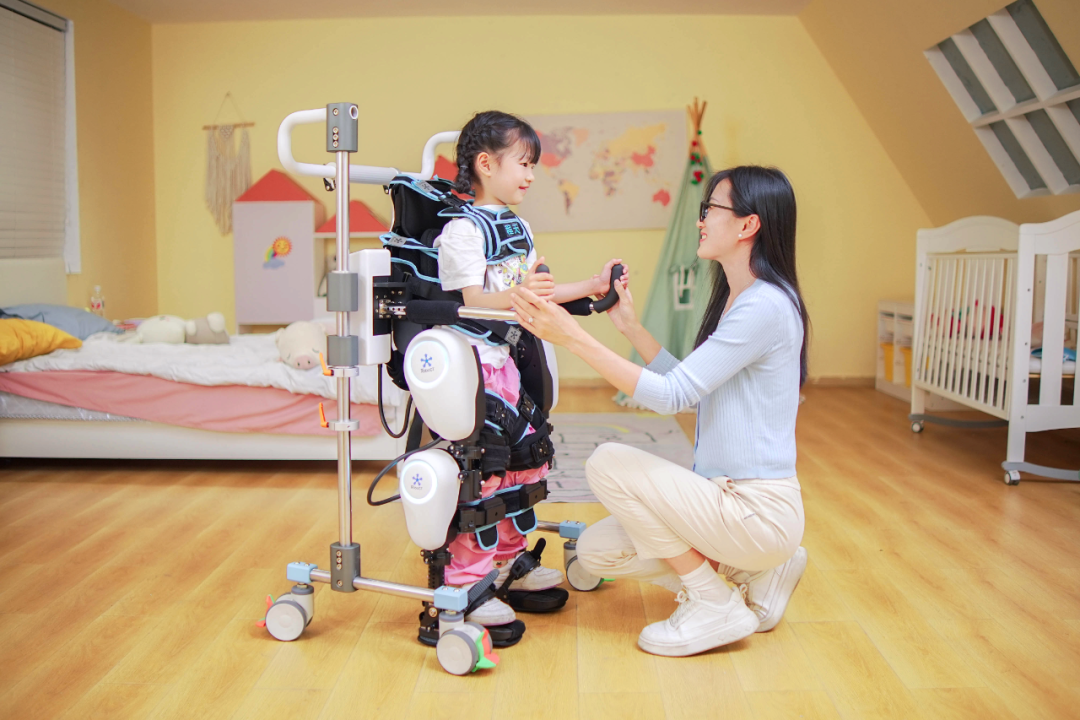
In the trillion-yuan blue ocean of the silver economy, Tian Cheng's company is using technology for universal benefit and global positioning, reshaping the value of life with the warmth of technology and putting embodied-intelligence technology into scenarios.


Tian Cheng Secures Investment from Pappas Capital, Focusing on Exoskeleton Robotics for Tech-Enabled Elder Care | BlueRun Portfolio

Hongsong Integrates DeepSeek AI, Silver-Tech Innovation Breaks the "Dimensional Wall" | BlueRun Portfolio Headlines

Making Cars Intelligent Agents: Li Auto Unveils Next-Gen Autonomous Driving Architecture MindVLA | BlueRun Portfolio Headlines
When Embodied Intelligence Meets Reality | The Path to AG