New Order, New Positioning, New Engine | Dalton Venture 2023 Annual Partners Meeting Successfully Held

One gathering closes, another horizon opens. Keep exploring the boundless frontier of innovation!
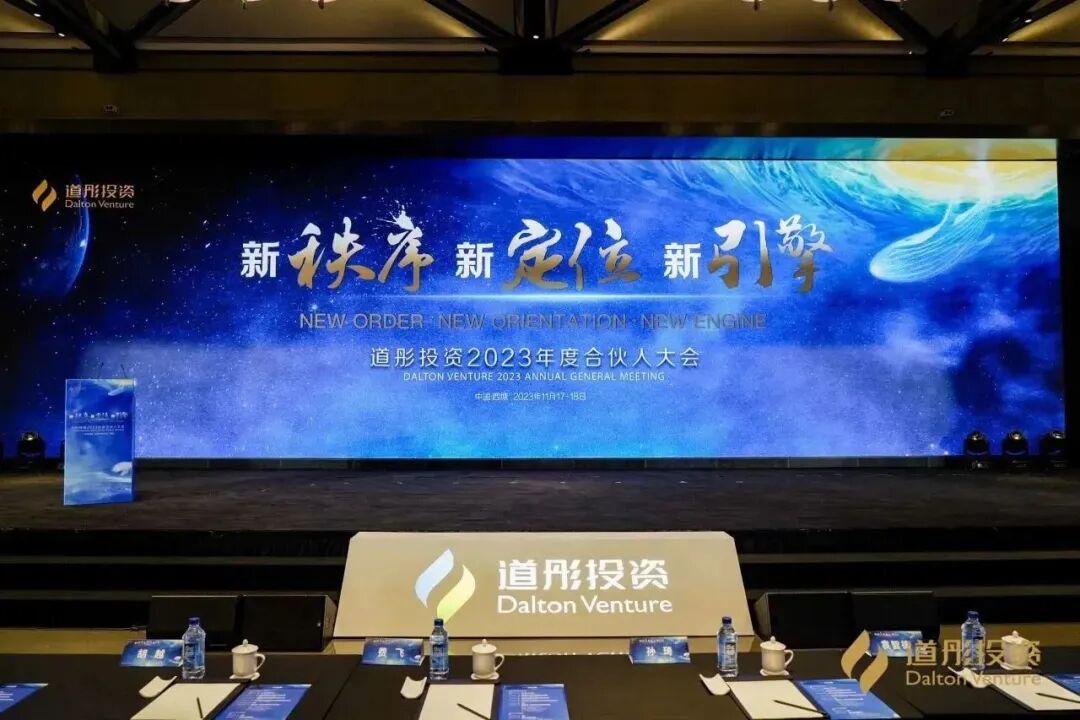
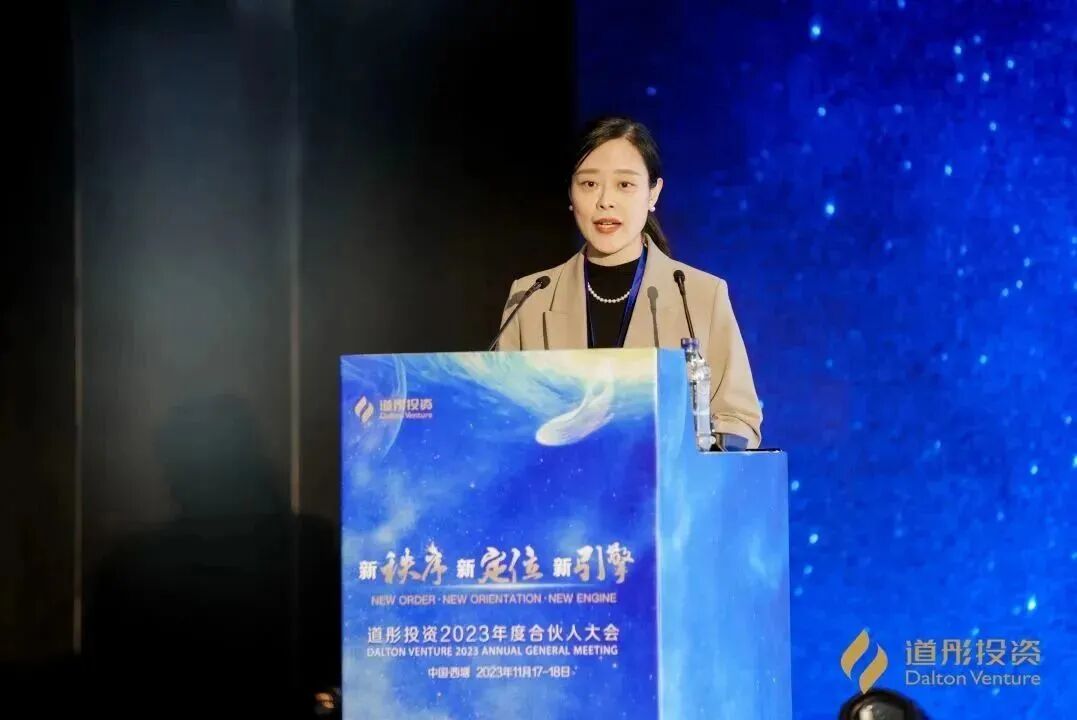
From November 17 to 18, Dalton Venture successfully held its 2023 Annual Partners Meeting. Themed "New Order, New Positioning, New Engine," the gathering brought together over a hundred industry guests at the forefront of healthcare innovation — research institute experts, listed companies, government guidance funds, fund-of-funds, industrial capital, family offices, insurance capital and other limited partners (LPs), investors, and Dalton ecosystem family entrepreneurs — to exchange ideas on emerging industry trends, explore new opportunities for growth, and engage in spirited discussions about breakthroughs and transformation on the horizon.
Staying Bullish for the Long Term, Grasping the Industry Pulse
In 2023, as dollar interest rate hikes and geopolitical factors reshaped the global economy and domestic policy landscape, the equity investment market faced a challenge of "survival and breakthrough." Compounded by the cyclical downturn in biopharma, healthcare entered a correction phase, cooling from peak enthusiasm back toward rationality. "Life science and healthcare investment may rise and fall with cycles, but it will never become obsolete or fade away," declared Sun Qi, Founding Managing Partner of Dalton Venture, in his opening address, expressing unwavering confidence in healthcare innovation investment.
Opening Remarks from Partners
01
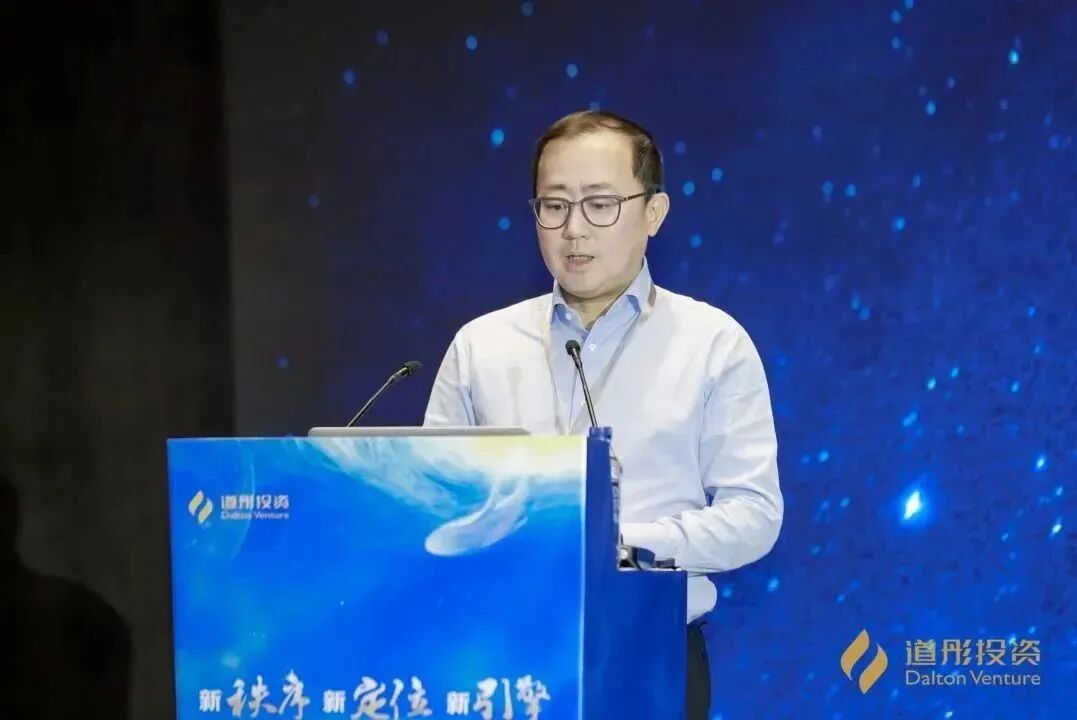
Speaker: Sun Qi, Founding Managing Partner, Dalton Venture
(Key Takeaways)
As the global pandemic winds down, healthcare investment has returned to its perennial themes, with life science research refocusing on oncology, anti-aging, and related fields. Regrettably, due to dollar rate hikes, geopolitical tensions, and the cyclical downturn in biopharma, investment enthusiasm has dropped noticeably and rapidly compared to previous years. Capital flows may well operate at subdued levels for a considerable time to come.
Markets follow their own logic. Once adjustments run their course, or when breakthrough technologies emerge, fresh capital will naturally flow back in. Life science and healthcare investment sees only cyclical ups and downs — it never goes out of style or reaches an end.
The international political environment has changed, and all underlying logic and rules will gradually be reshaped. Under this new order, nostalgia for the past is understandable, but what matters more is finding new positioning, catching the right rhythm, and identifying that new engine. The bigger the waves, the more valuable the catch. Nations and enterprises that can firmly grasp the industry pulse and build globally win-win frameworks will be the true trailblazers of the next era.
Going against the cycle, choosing non-consensus paths is difficult yet precious. Dalton still hopes to serve as an industry pathfinder, embracing the new order and seeking to identify and expand certainty amid uncertainty.

Dalton has earned sustained attention and recognition from institutional LPs through its outstanding investment capabilities and fund performance. Representatives from several Dalton portfolio LPs attended the meeting and participated in discussions. Lu Shanshan, General Manager of Taiping Innovation, and Hu Yue, Executive Director of Guotai Junan Innovation Investment, delivered remarks on-site.
As a repeat investor in Dalton, Hu Yue, Executive Director of Guotai Junan Innovation Investment, shared his perspective on "What makes a GP truly excellent."
LP Representative Remarks
02
Speaker: Hu Yue, Executive Director, Guotai Junan Innovation Investment
(Key Takeaways)
As a fund-of-funds investor, I often get questions from friends in the investment circle: What makes a GP excellent? Here are my thoughts for your reference:
First, genuine passion for one's craft. Healthcare investment concerns improving human survival quality and health outcomes — it is a great and mission-driven endeavor. Focus on investing and hands-on engagement are the concrete expressions of this passion.
Second, from a fund-of-funds perspective, performance is the ultimate measure. The macro environment has shifted. Compared to the boom two years ago, returns across industries now look somewhat different. Maintaining high performance standards in the current climate is no easy feat. Dalton has demonstrated a notably high level here.
Third, from the GP perspective, interaction with LPs matters enormously. This means deeper industry exchange and exploration at the fund level, joint research on projects, investment collaboration, and combining strengths across multiple dimensions.
Dalton has shown strong performance across all these areas, and we look forward to further collaboration going forward.
Ecosystem Integration Gains Traction, Accelerating Innovation Commercialization
In recent years, clinically oriented medical innovation translation and medtech-industry integration have gradually become industry consensus, driving ecosystem convergence among "industry, academia, research, medicine, and capital." As a market-driven investment institution with roots deep in the industry, Dalton consistently practices its mission of "building out the industrial ecosystem for entrepreneurs," forging deep partnerships with research institutions and industry players to cultivate a "scientist-entrepreneur" community in healthcare innovation.
Shanghai, as a hub for innovative talent and a cradle of original innovation, hosts numerous top-tier universities that provide fertile ground for "university-industry collaboration and mutual success." Wu Jinglei, President of the Shanghai Medical Association and former Director of the Shanghai Municipal Health Commission, shared his observations and reflections on healthcare innovation and the health industry's development during his remarks.
Special Guest Remarks
03
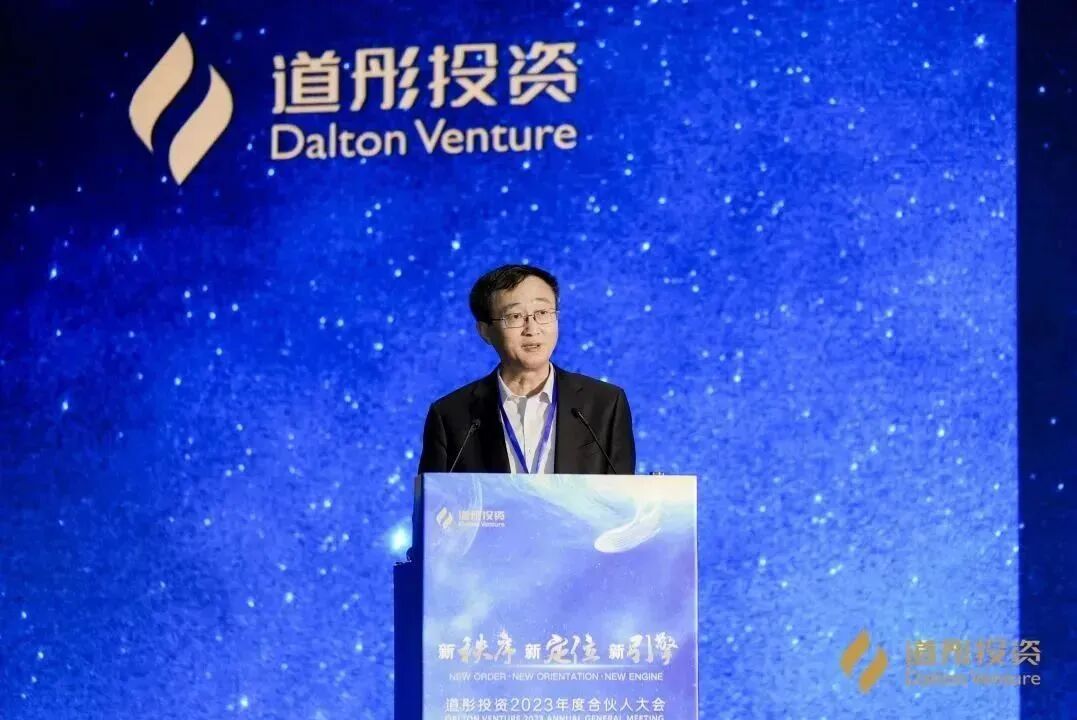
Speaker: Wu Jinglei, President, Shanghai Medical Association Former Director, Shanghai Municipal Health Commission
(Key Takeaways)
Today is Dalton's LP meeting. Throughout the development of the biopharma industry, particularly for China, capital investment and guarantees remain indispensable. Dalton has numerous investments and success cases across pharmaceuticals, materials, devices, artificial intelligence, and even healthcare services. As a professional society, the Medical Association looks forward to more collaborative exchange with professional investors and entrepreneurial enterprises — jointly researching and evaluating new clinical products, technologies, and equipment, empowering medical professionals to understand genuine market needs, and helping achieve commercialization.
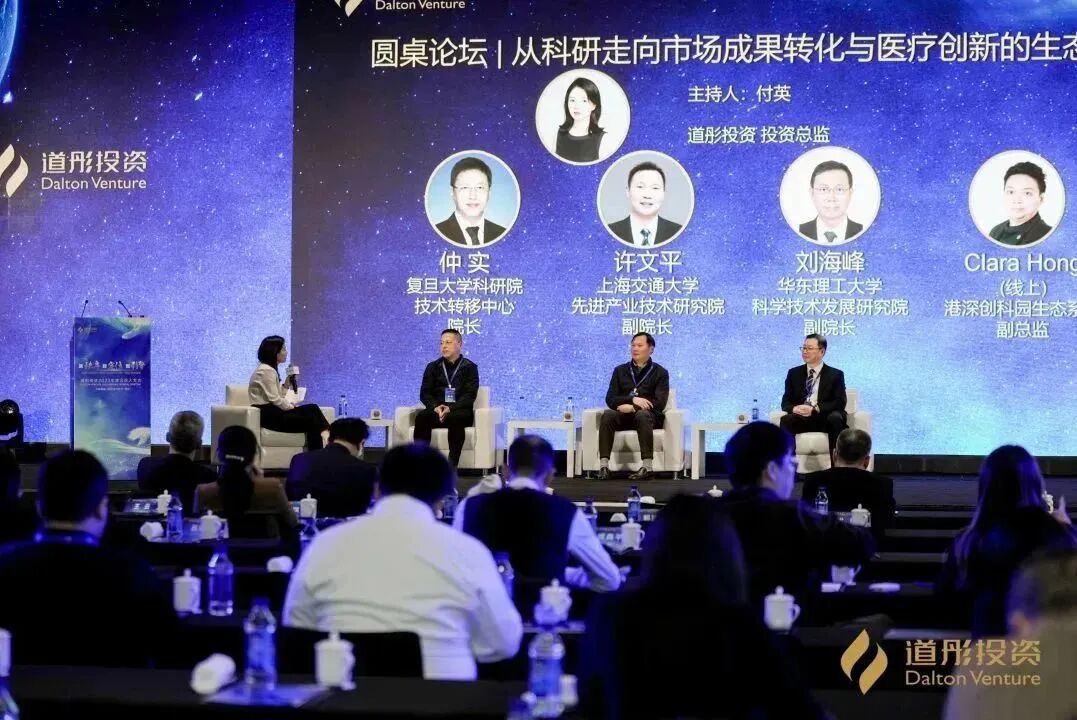
Fundamental research innovation depends on market patience and capital support. With the vision of "supporting original innovation and focusing on non-consensus, frontier research areas," Dalton established an angel fund this year. In the roundtable discussion From Lab to Market: Commercialization and Ecosystem Building in Healthcare Innovation, Dalton joined Zhong Shi, Director of Fudan University's Office of Technology Transfer; Xu Wenping, Deputy Director of Shanghai Jiao Tong University's Advanced Industrial Technology Research Institute; Liu Haifeng, Deputy Director of East China University of Science and Technology's Science and Technology Development Research Institute; and Clara Hong, Deputy Director of Ecosystem at the Hong Kong-Shenzhen Innovation and Technology Park, for an in-depth exchange on topics including "translation and application of medical technology innovations" and "multi-party collaboration among academia, industry, and capital."
Roundtable Discussion
From Lab to Market: Commercialization and Ecosystem Building in Healthcare Innovation
04
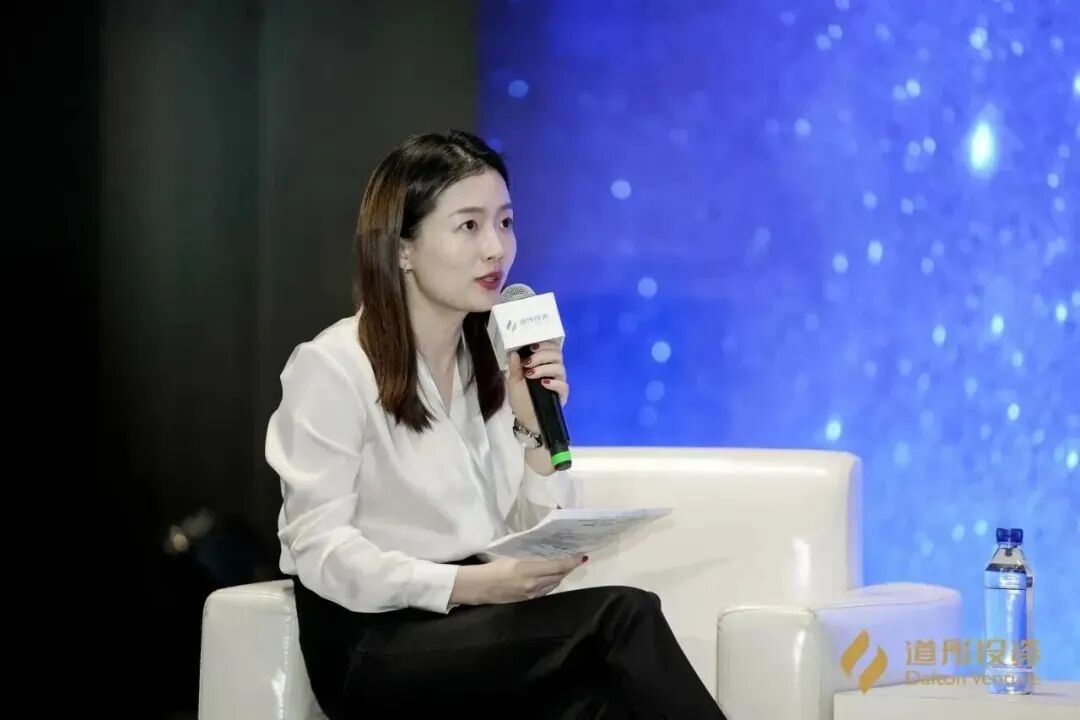
Swipe left for more
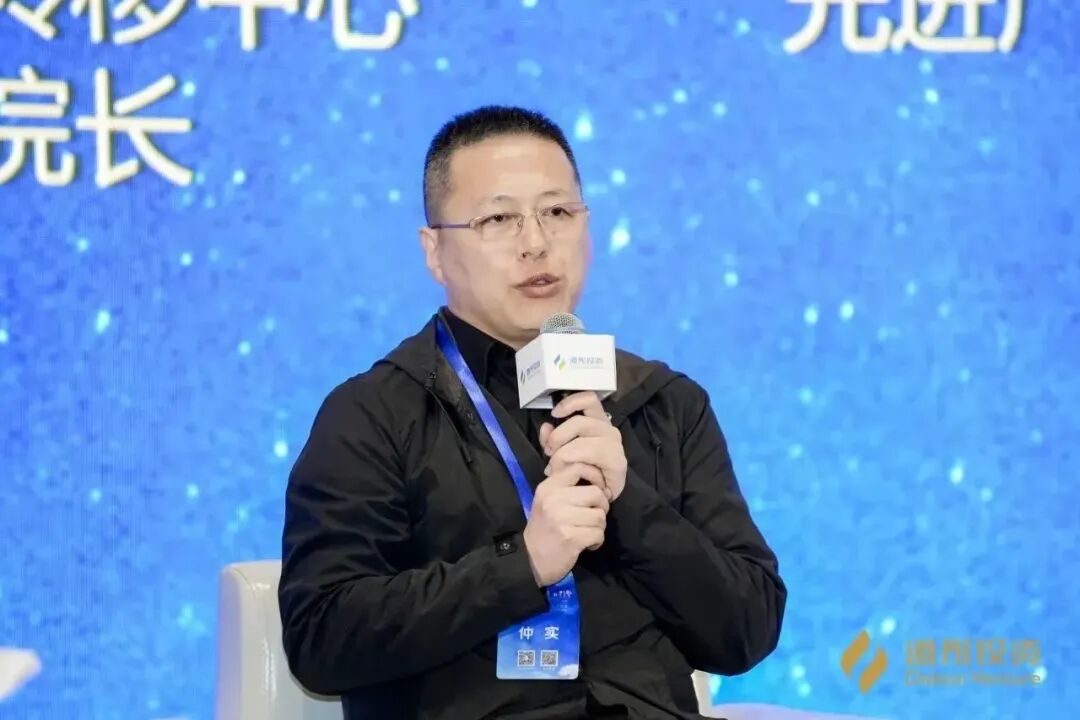
Zhong Shi, Director, Office of Technology Transfer, Fudan University
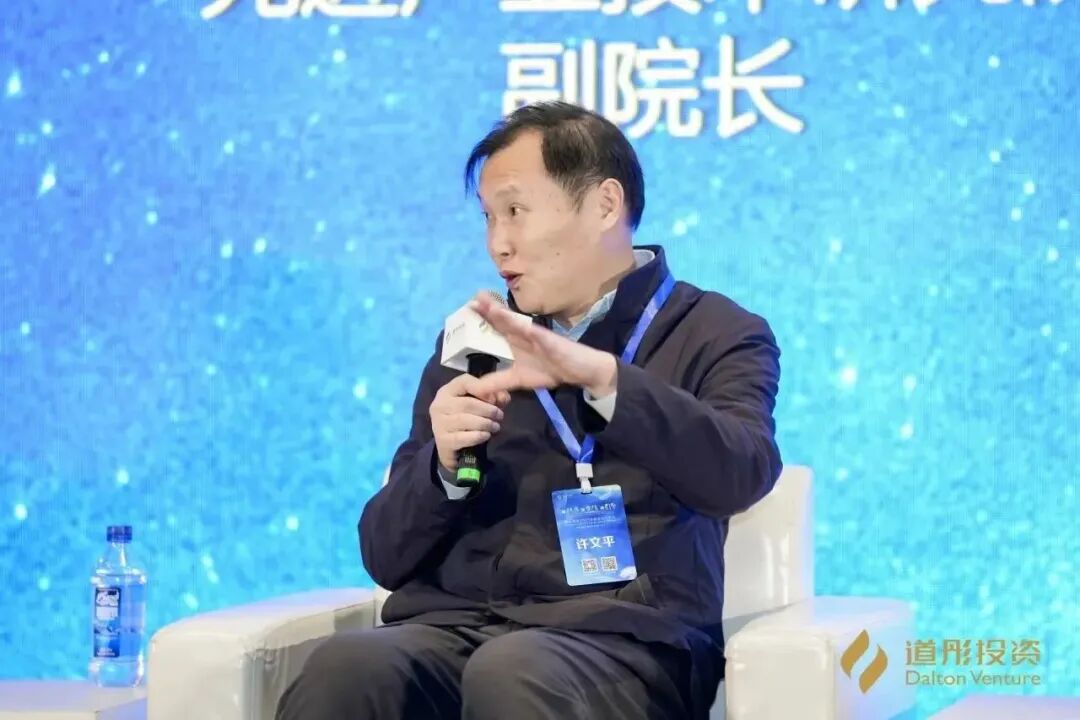
Xu Wenping, Deputy Director, Advanced Industrial Technology Research Institute, Shanghai Jiao Tong University
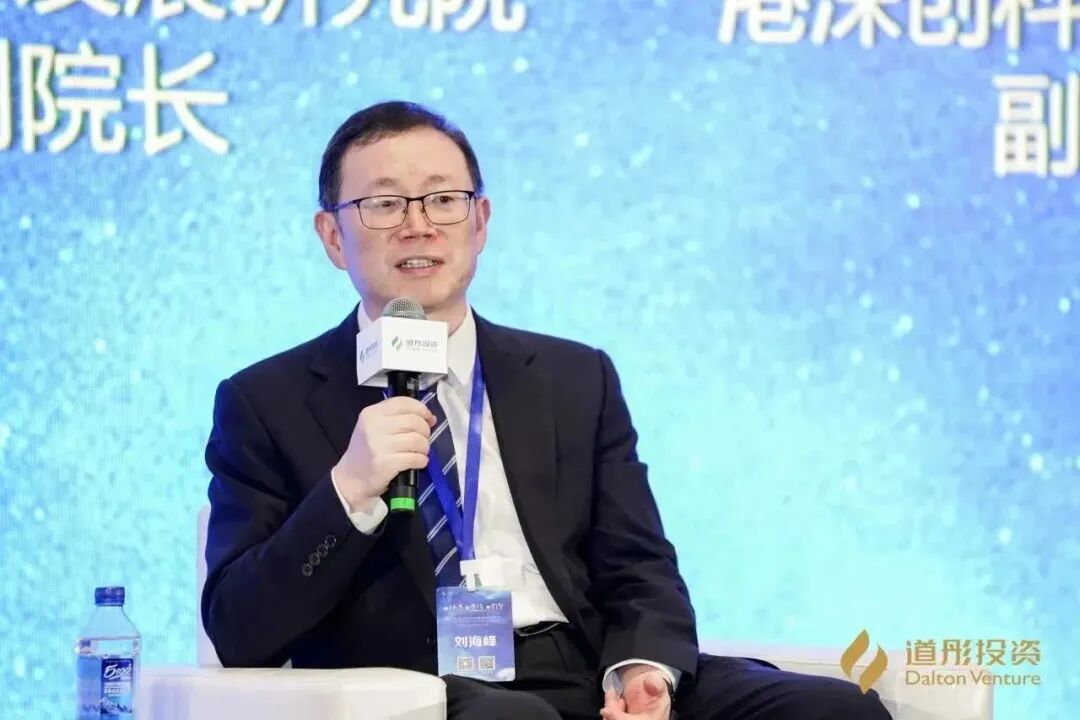
Haifeng Liu, Vice Dean, Institute of Science and Technology Development, East China University of Science and Technology
Clara Hong, Deputy Director of Ecosystem, Hong Kong-Shenzhen Innovation and Technology Park
(Key Insights)
Zhong Shi: For projects involving source innovation — those disruptive technologies that are difficult to commercialize — there's often a gap at this stage between the technology and what enterprises can absorb. Relying entirely on market forces makes progress difficult, which is why we encourage professors to initiate entrepreneurship and innovation from within the university. In these situations, only the professor truly understands their own achievements and will seek out resources in society to support them.
Xu Wenping: When scientists start companies, they need to balance their roles in research and business management. In reality, people who can be both scientist and entrepreneur are exceedingly rare. My advice is that scientists can be shareholders, but it's best to avoid being the controlling shareholder, because there will be many areas where they lack expertise. Society has very fine-grained, well-defined division of labor. It's best to do what you're good at. Entrepreneurship is indeed a nine-deaths-one-survival proposition. Scientists should focus more on their technology, find partners, and work together to advance the industrialization process.
Haifeng Liu: Another prerequisite for research reaching the market is transformation toward practical application. Universities also hope to help scientists collaborate with industry and clinical needs earlier and more efficiently throughout this process. Beyond policy support, universities are now actively introducing incentive policies for faculty. Beyond material and financial incentives, we're exploring how to motivate from institutional and spiritual perspectives.
Clara Hong: In Hong Kong, technology transfer is mainly led by the Hong Kong government, working together with universities and industry. The five research centers we've established also focus on supporting scientific research and technology transfer. Recently, the Hong Kong government's policy address introduced the "Industry-University-Research 1+ Program," which specifically emphasizes incentivizing successful industry-university-research commercialization. I believe this is just the beginning. Universities at home and abroad will continue strengthening exchanges to actively support the transformation of R&D achievements into industries.
Riding the Wind and Breaking the Waves Across the Vast Sea, Innovation Knows No Bounds, Igniting the Engine
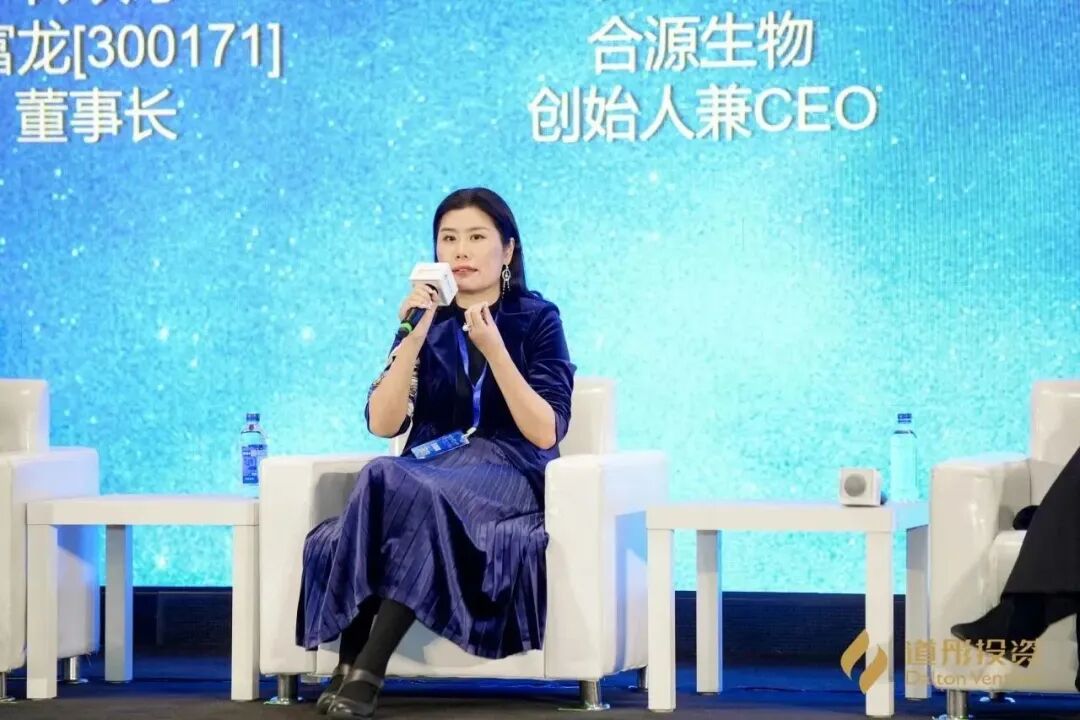
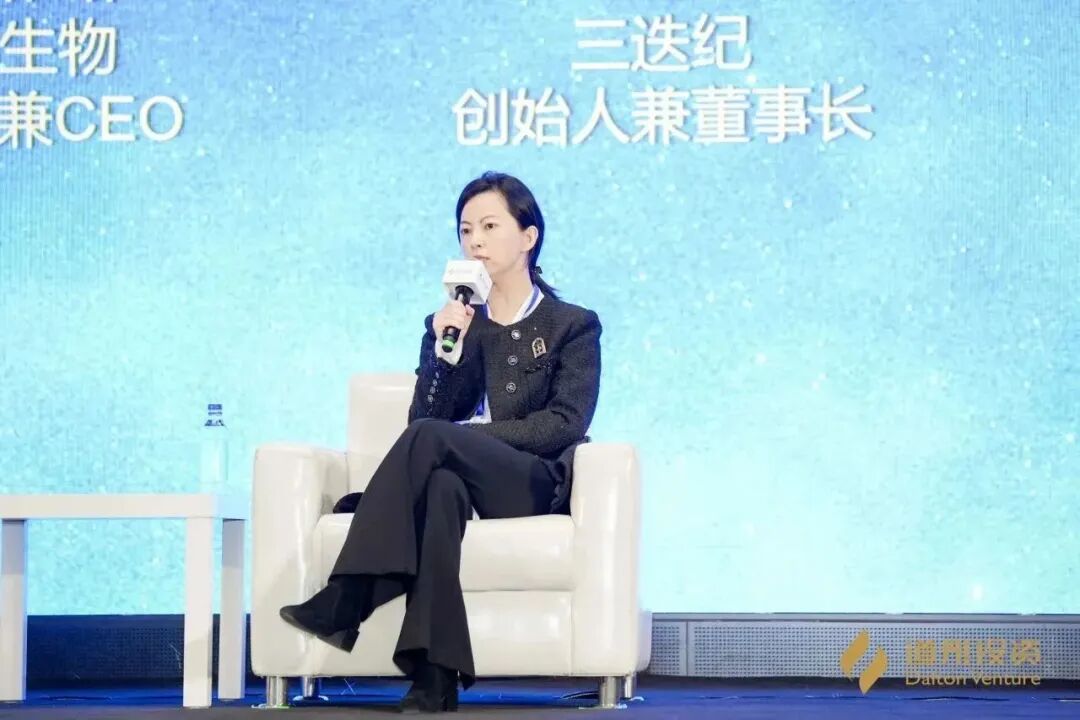
As China's innovative drug sector develops, the trend toward domestic substitution for pharmaceutical equipment has become increasingly apparent. New biotech technologies have also generated more demand for upstream industries, with various sub-sectors flourishing and divergent development logics emerging among enterprises. In the roundtable forum "Trends in How Pharmaceutical Technology and Process Development Affect the Industry Chain," Dalton Venture held in-depth discussions with four guests: Nianfeng Ju, Chairman of Porton Pharma Solutions; Xiaodong Zheng, Chairman of Tofflon; Lulu Lü, Founder and CEO of CytoNirvana; and Senping Cheng, Founder and Chairman of Triastek.
Roundtable Forum
Trends in How Pharmaceutical Technology and Process Development Affect the Industry Chain
05
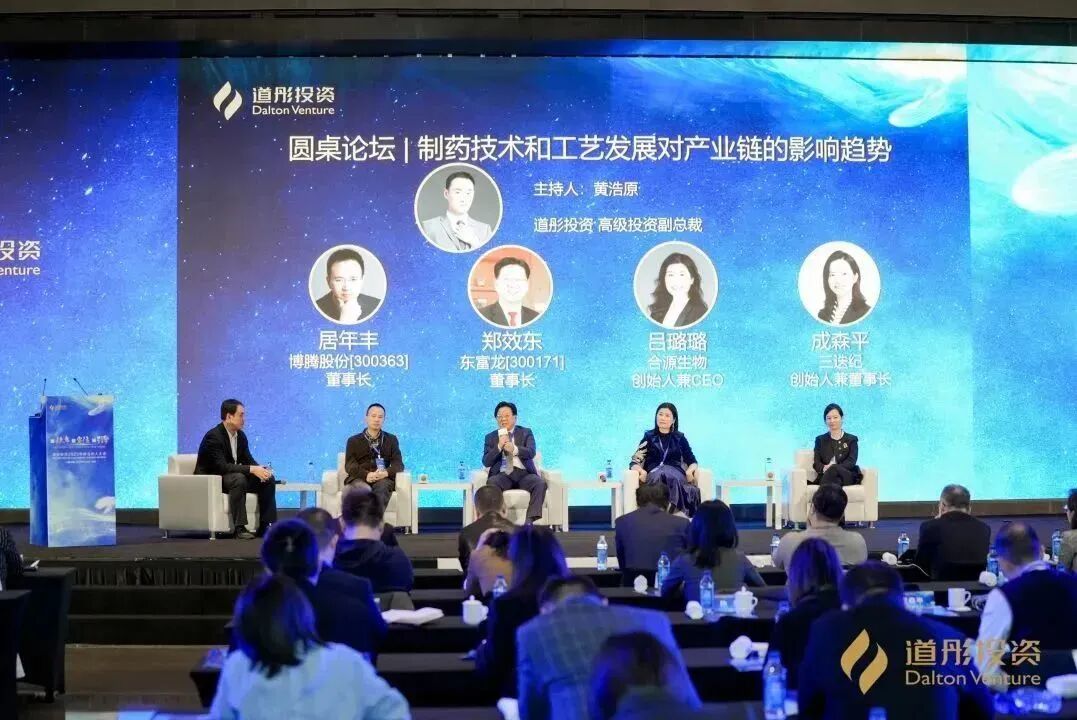
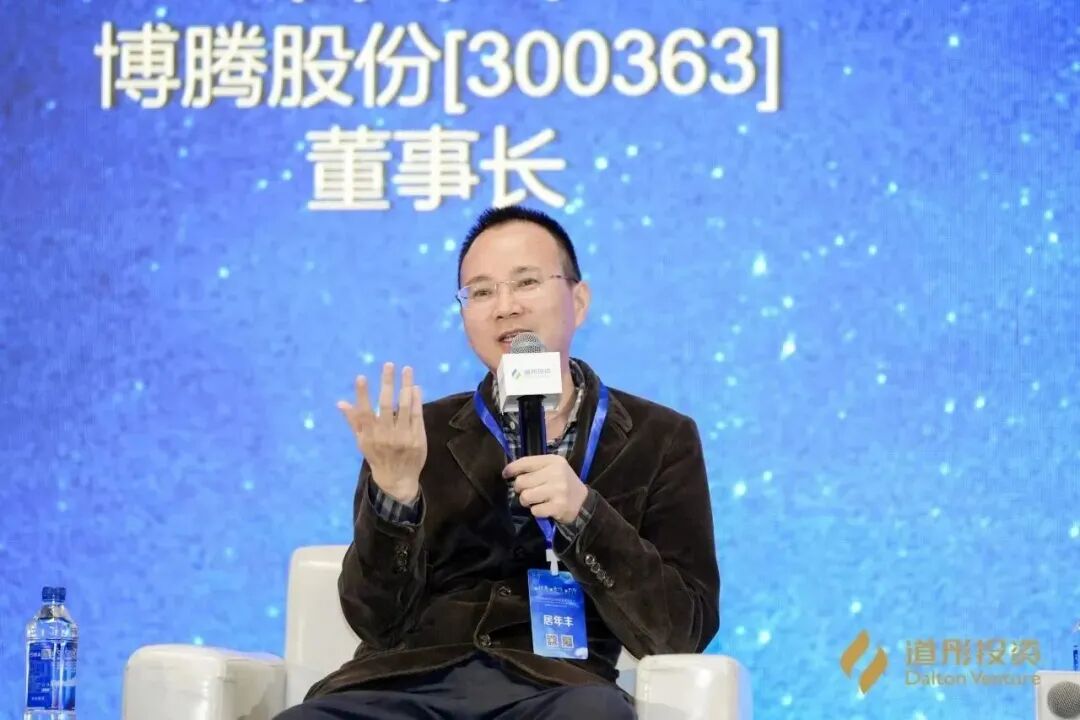
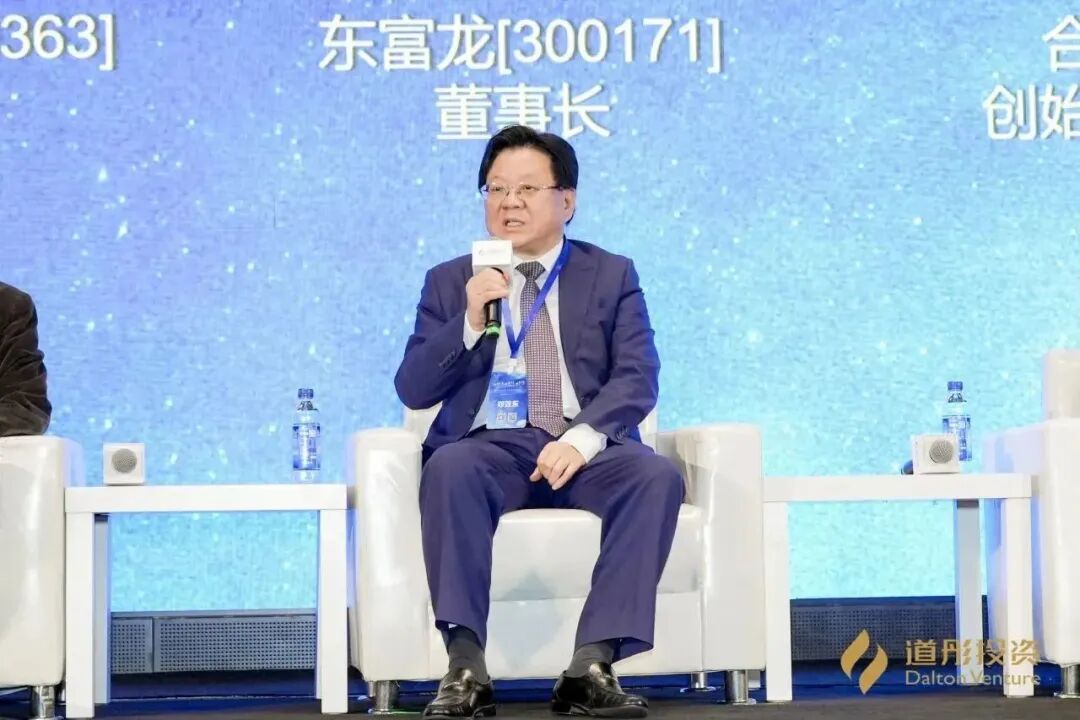
Swipe left for more
Guests: Nianfeng Ju, Chairman of Porton Pharma Solutions
Xiaodong Zheng, Chairman of Tofflon
Lulu Lü, Founder and CEO of CytoNirvana
Senping Cheng, Founder and Chairman of Triastek
(Key Insights)
Nianfeng Ju: For enterprises, being able to see and grasp trends in value migration within the industry is crucial. Across the entire pharmaceutical supply chain, we're seeing a very clear trend of reshoring to Europe and America. These changes don't necessarily mean threats — any change can be an opportunity. Chinese companies have historically done sales and service overseas while keeping R&D and production domestic. Going forward, they must practice global operations. This is an entirely new stage of development requiring entirely new organizational capabilities and substantial transformation.
Xiaodong Zheng: Alongside the biopharmaceutical industry's growth, the shift from traditional pharmaceuticals to innovative drugs has created many opportunities for equipment, instruments, and related areas. Globally, the equipment, instrument, and consumables market is roughly $50 billion. Tofflon has now entered the bioprocessing field, an even broader market (China accounts for only about 12% of that $50 billion consumer market). We need to do well in the domestic market while looking globally, going out, and learning new things.
Lulu Lü: Everyone talks about a capital winter, but I tend to see it as a baptism. Through this process, CGT has actually been on an upward trajectory. Some commercial enterprises that were purely R&D-focused are now advancing steadily toward domestic commercialization. Second, while people used to say CGT was a hundred flowers blooming — some might call it false prosperity — after this baptism, the companies that have survived have become more rational and will now more practically address real-world application scenarios and needs. So the CGT field is in a situation of steady upward movement.
Senping Cheng: When we talk about developments in pharmaceutical technology and processes, we often mention "cost reduction and efficiency improvement." I think maybe it's not necessarily about reducing costs, but definitely about improving efficiency. The underlying logic ultimately comes down to deeply thinking about where exactly our innovation is new. This has great value for the healthy development of our industry in the next phase. It will push founders to truly focus on what the market needs, putting very precious, limited money, people, time, and resources where they will generate output.
FueMed focuses on microsurgery above the neck, building a product matrix of fully intelligent, high-precision, humanoid surgical robots. With significant advantages in underlying original technology and fully autonomous core technology, the company has achieved comprehensive breakthroughs in hardware, processes, algorithms, and software. Wanni Cai, FueMed's Chief Operating Officer and Acting CEO, delivered a keynote presentation on site: "Next-Generation Minimally Invasive Surgical Robots."
Portfolio Company Keynote
Next-Generation Minimally Invasive Surgical Robots
06
Guest: Wanni Cai, Chief Operating Officer and Acting CEO, FueMed
(Key Insights)
Technological innovation in surgical robotics is driven by innovations across all underlying medical, clinical, and technological domains. From the medical and clinical dimension, we need to pay attention to transformations in surgical approaches themselves. For example, laparoscopic surgical robots emerged from the trend of open surgery shifting to minimally invasive laparoscopic procedures — surgeries that once required opening the abdomen can now be performed through a few small incisions. Flexible robots, meanwhile, follow the clinical trend of using the body's natural lumens to create non-invasive channels for internal procedures.
The other dimension is technological transformation within surgical robots themselves, such as iterations driven by innovations in robot control, AI algorithms, sensors, imaging, and materials. As precision manufacturing, micro-nano processing, and materials advance, surgical robots are becoming increasingly compact. The integration of machine learning and AI will enable automatic extraction of relevant information and knowledge, contributing to better decision-making and intervention guidance. Current navigation and mapping technologies will continue developing, paving the way for autonomous execution of medical tasks — robots will be able to make medical decisions under human supervision, or autonomously execute certain tasks or portions of procedures.
What FueMed aims to do is establish itself in next-generation microsurgical robots that can build both technological and commercial moats.
As the market develops, intracardiac interventional ultrasound, with its clinical advantages of high-definition visualization of cardiac structure and blood flow information, is being increasingly applied in various cardiac electrophysiology and structural heart interventional procedures. IceCrystal Medical is dedicated to empowering the full-scenario, full-process diagnosis and treatment of cardiovascular diseases through digitalization, with a focus on cardiovascular interventional imaging. Jihong Zhang, Founder and CEO of IceCrystal Medical, shared industry developments and company progress in his keynote "Intelligent Cardiac Interventional Ultrasound Imaging."
Portfolio Company Keynote
Intelligent Cardiac Interventional Ultrasound Imaging
07
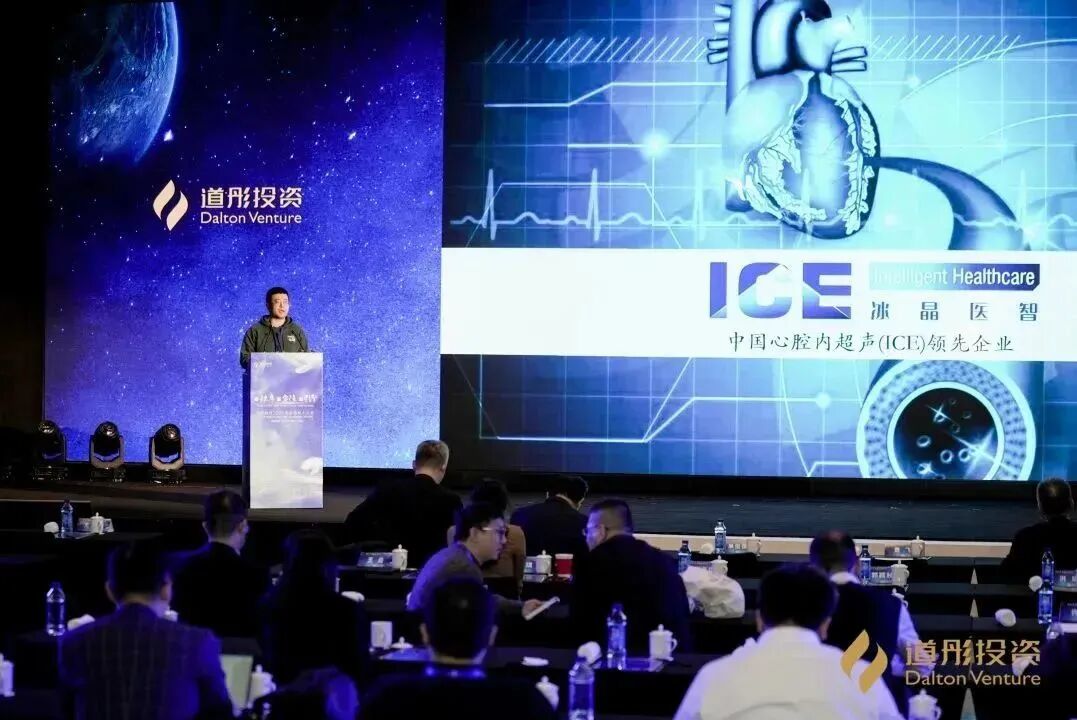
Guest: Jihong Zhang, Founder and CEO, IceCrystal Medical
(Highlights)
IceCrystal Medical focuses on intelligent cardiac interventional ultrasound. The company has developed next-generation HD-ICE (high-definition intracardiac echocardiography) better suited to structural heart disease, with major improvements in signal acquisition, transmission efficiency, and image clarity. The HD-ICE system uses China's first domestically developed high-definition cardiac image processing system, delivering faster imaging speeds to meet broader clinical needs. The company is steadily advancing its product pipeline, with its first and second products expected to launch next year.
China's digital technology and artificial intelligence are accelerating their integration with healthcare services. RuiAnXing is dedicated to using robotics, monitoring sensors, and AI to deliver precision surgical anesthesia, addressing the shortage and uneven distribution of anesthesia medical resources in China. RuiAnXing Founder and CEO Bin Xu shared a detailed presentation on AI applications and value in surgical robotics in his keynote "AI-Driven Surgical Anesthesia Robots."
Portfolio Company Keynote
AI-Driven Surgical Anesthesia Robots
08
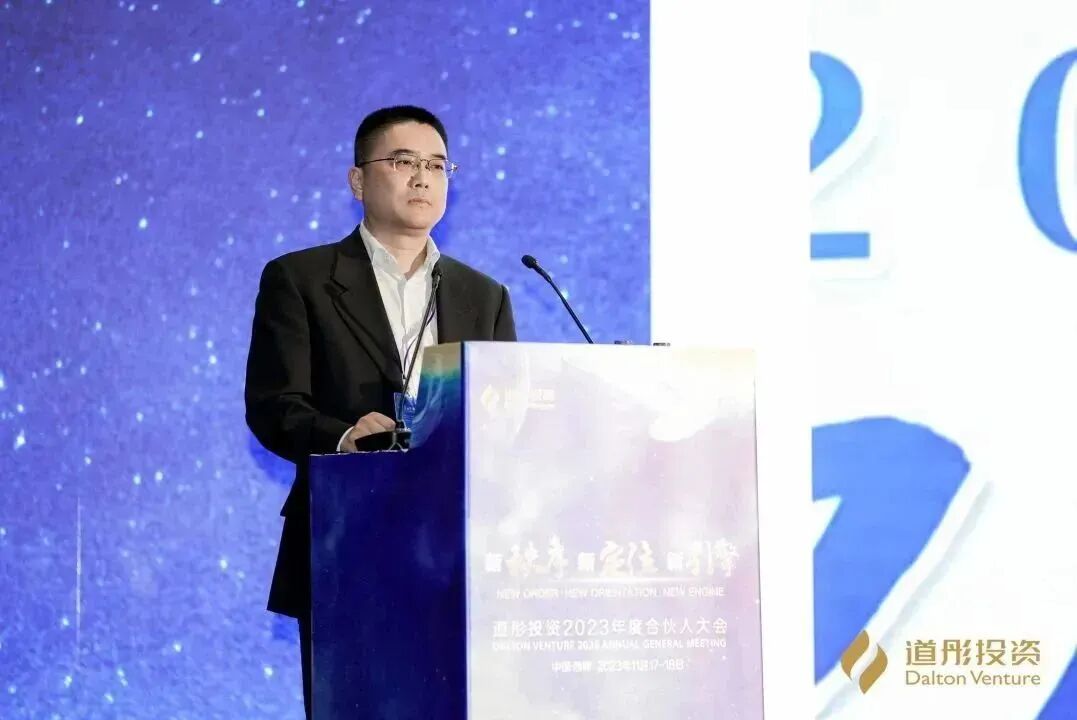
Guest: Bin Xu, Founder and CEO, RuiAnXing
(Highlights)
In direct comparison with human anesthesiologists, surgical anesthesia robots have demonstrated strong results in safety and precision. In our early simulations, under identical anesthesia conditions, procedures performed by the machine reduced sedative drug use by more than one-third while achieving the same outcomes as manually administered general anesthesia. Through this efficiency gain, we can significantly reduce anesthesiologists' workload, improve overall efficiency, lower healthcare costs, and make anesthesia and surgical services feasible in settings where they previously weren't possible.
Since the 18th Party Congress, local and central government departments have deeply implemented the strategy of "storing grain in land and storing grain in technology," accelerating innovation in China's seed industry. As a leading platform enterprise in life science intelligent automation, HanChen GuangYi has adhered to self-developed core foundational technologies since its founding, successfully breaking foreign equipment monopolies. HanChen GuangYi Chairman and General Manager Han Zhang shared perspectives on the transformation of seed biotechnology and market applications in his keynote "The Intelligent Automation Revolution in Life Sciences."
Portfolio Company Keynote
The Intelligent Automation Revolution in Life Sciences
09
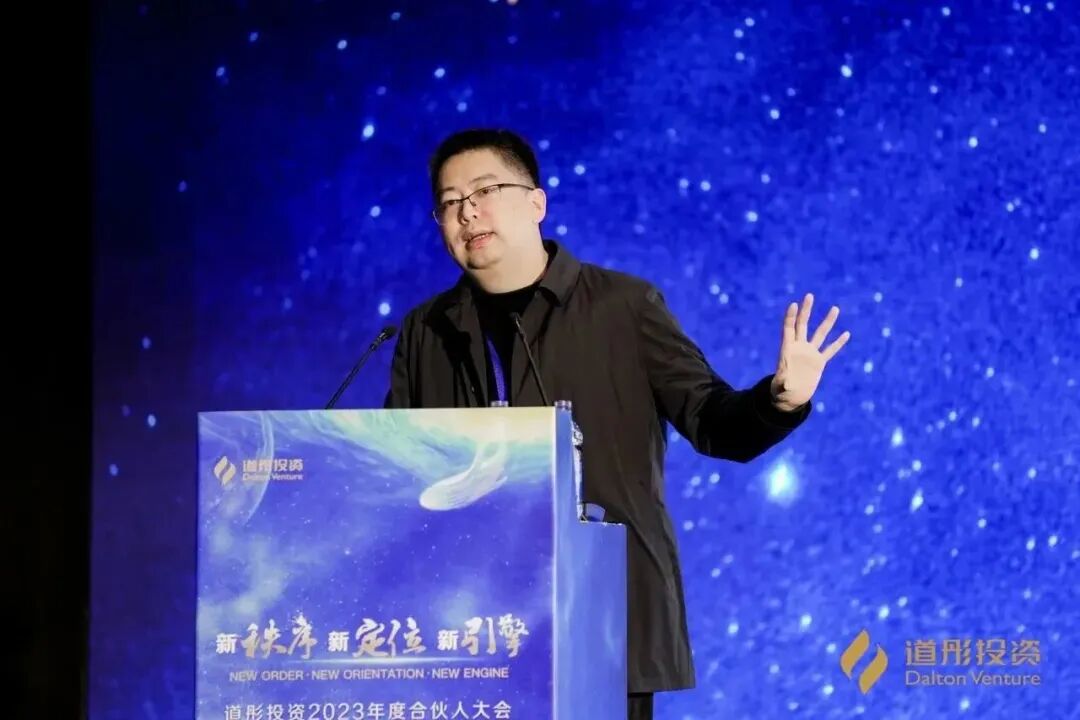
Guest: Han Zhang, Chairman and General Manager, HanChen GuangYi
(Highlights)
As China's economy develops, traditional manufacturing is gradually transitioning toward life sciences. China's seed industry development can be broadly divided into four stages: 1.0 is traditional domestication breeding; 2.0 is hybrid breeding; 3.0 is molecular breeding; and 4.0 is intelligent breeding. China is still largely in the 2.0 era, but the convergence of gene editing and transgenic technologies has created an excellent opportunity to leapfrog ahead — this is the core reason why HanChen GuangYi is strategically positioned in this赛道.
Using microbial flora to reshape ecosystems and treat diseases has emerged as a promising new direction in innovative drug R&D. Founded by Dr. Lei Cheng, a researcher and doctoral advisor at the Biogas Institute of the Ministry of Agriculture and Rural Affairs, Anaerobic Bio has achieved multi-directional technology commercialization based on China's largest anaerobic microorganism research platform. Anaerobic Bio Chairman and General Manager Lei Cheng presented the keynote "Live Biotherapeutic Product R&D: Challenges and Opportunities."
Portfolio Company Keynote
Live Biotherapeutic Product R&D: Challenges and Opportunities
10
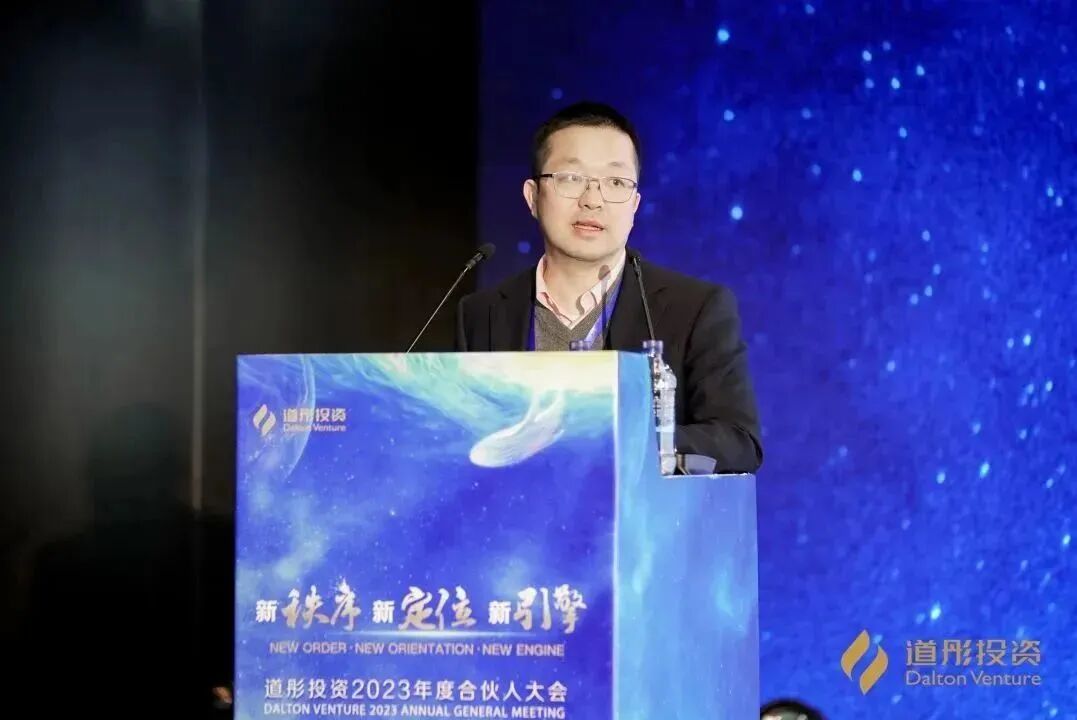
Guest: Lei Cheng, Chairman and General Manager, Anaerobic Bio
(Highlights)
Driven by advances in fundamental research and close collaboration with clinical medicine, the human microbiome has opened an entirely new direction for biopharmaceutical innovation. Anaerobic Bio has established a strain resource bank of over 1,000 diverse human microorganisms, providing an excellent foundation for our subsequent product development and for offering potential therapeutic strains to industry peers. Our products for treating female vaginal inflammatory diseases and senile vaginitis have entered Phase II clinical trials; two indications for treating radiochemotherapy-induced diarrhea have submitted INDs; and a third pipeline application is in preparation.
Population aging is a major social trend. As this process accelerates, the "silver economy" industry is opening new opportunities in elderly products and services. ZhiTing Technology focuses on the smart hearing aid market, with its pioneering self-developed "intelligent fitting" hearing aid signaling the end of the "amplifier era." ZhiTing Technology Founder and Chairman Fei Chen presented the keynote "Pioneer of Intelligent Medical-Grade Hearing Aids," detailing the domestic hearing aid market landscape and future trends.
Portfolio Company Keynote
Focused on Hearing Aids: The World's First Intelligent Medical-Grade Hearing Aid
11
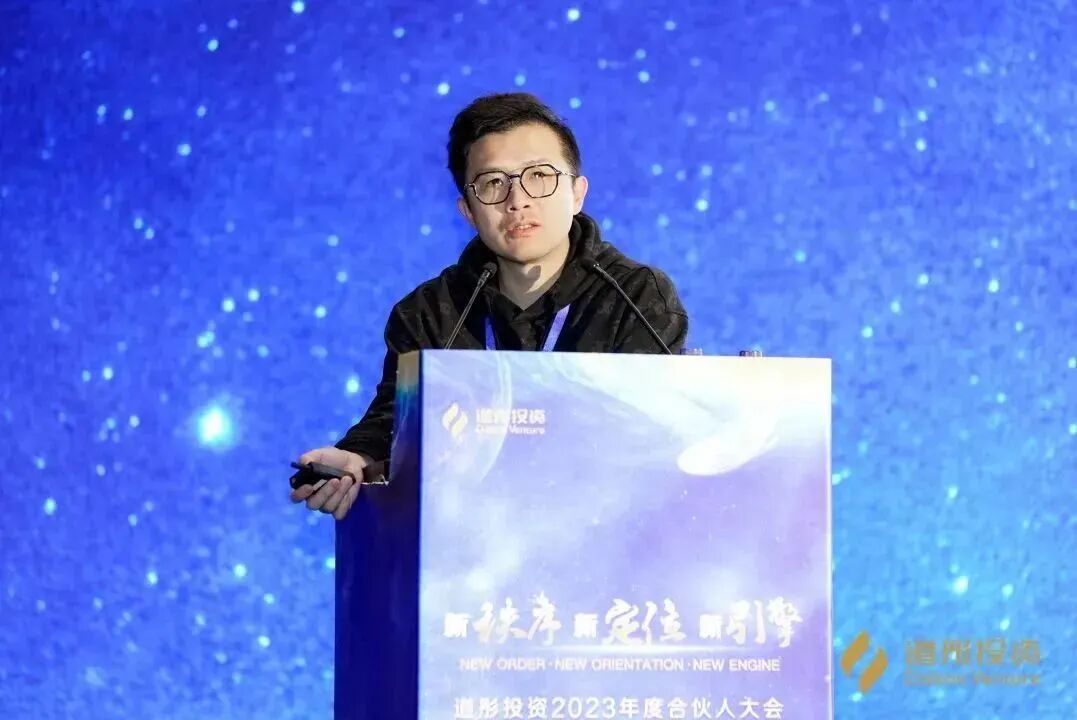
Guest: Fei Chen, Founder and Chairman, ZhiTing Technology
(Highlights)
ZhiTing Technology aims to bring hearing aid products to market that users can both hear clearly with and afford. "Hear clearly" involves adhering to audiological principles of adaptive matching to each ear's specific degree of hearing loss. ZhiTing was the world's earliest company to apply intelligent technology — with cloud-based training and edge inference via ear-side chip embedding — to hearing aids, and is currently the only company capable of delivering adaptive intelligent medical-grade hearing aids. Additionally, on the component side, we are developing proprietary chips.
Rooted in the upstream biopharmaceutical and blood filtration purification markets, KangYuan Medical has spent over a decade developing its "nanobody" platform technology, creating innovative products including specific affinity chromatography media and precision blood purification adsorption columns. KangYuan Medical Founder and Chairman Yumeng Wang presented the keynote "Precision Adsorption Material R&D: Small Antibodies Solving Big Problems," detailing nanobody technology applications.
Portfolio Company Keynote
Precision Adsorption Material R&D: Small Antibodies Solving Big Problems
12
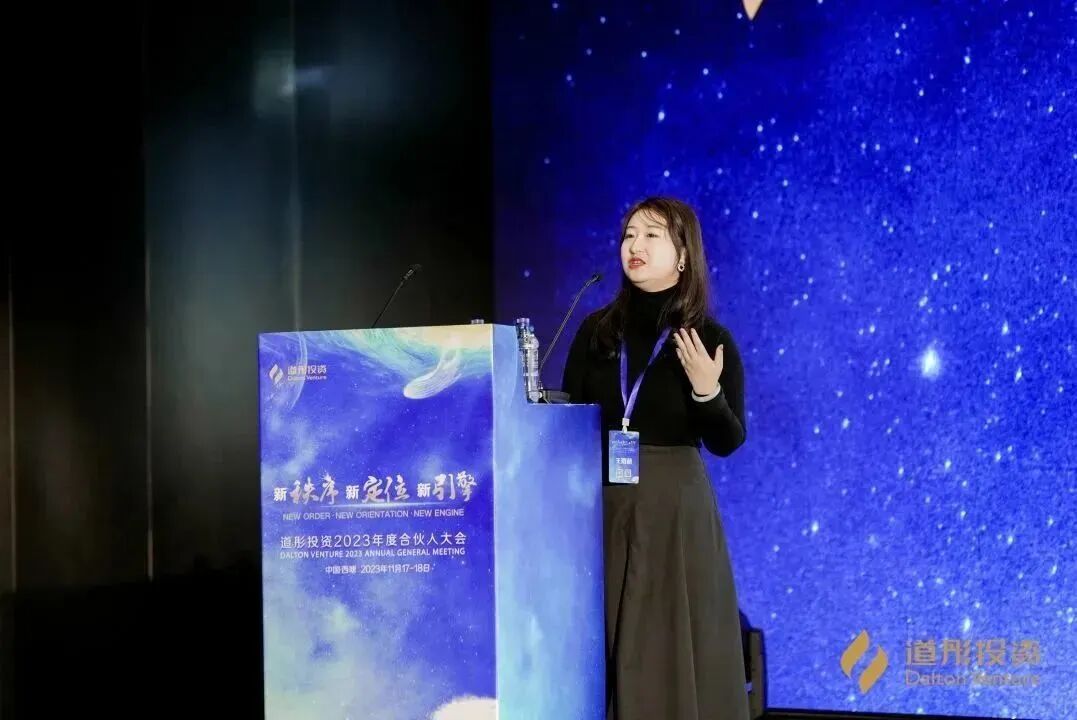
Guest: Yumeng Wang, Founder and Chairman, KangYuan Medical
(Highlights)
Nanobodies, small antibodies found in camelids, offer superior performance with high stability, ease of production, and low manufacturing costs. Our research in this area dates back to 2007. For the long term, we have focused on exploring precision medical adsorption columns. Going forward, we will continue concentrating on product R&D and affinity chromatography media development to address domestic bottlenecks in core consumables.
Peixin Luo delivered a special guest keynote at the conference: "Business Environment: Value Judgment and Technical Rationality." Peixin Luo is a Standing Committee Member and Vice President of East China University of Political Science and Law, Vice Chairman of the China Securities Law Research Association, a member of the inaugural STAR Market Listing Committee, and former Deputy Director of the Shanghai Municipal Bureau of Justice.
Special Guest Keynote
Business Environment: Value Judgment and Technical Rationality
13
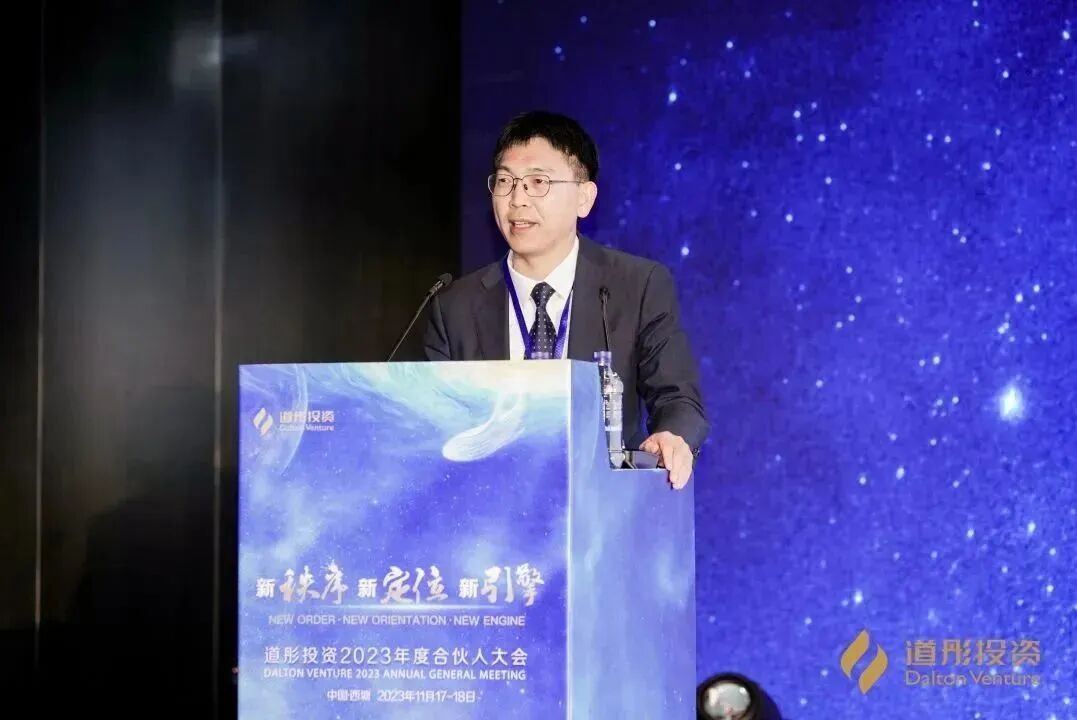
Speaker: Peixin Luo, Standing Committee Member and Vice President, East China University of Political Science and Law
Vice Chairman, China Securities Law Research Association
Member, Inaugural STAR Market Listing Committee
Former Deputy Director, Shanghai Municipal Bureau of Justice
(Key Insights)
In this world of infinite things and countless technologies, everything boils down to two kinds. One is value-neutral — technology without values. This kind of technology doesn't redistribute any benefits, so it raises no questions of value preference. Its opposite is technology that distributes value. And the underlying logic of the rule of law often involves value judgment. Value judgments cannot be examined by scientific methods; they are simply expressions of what the judge personally believes. If we extend these two concepts to our lives and work, the simple takeaway is this: in everything we do, we must lean more toward value judgments of "should we do this?" rather than settling for purely technical judgments of "can we do this?" This is something worth keeping in mind whether you're investing or building a company.
Be a Driver. Be a Leader.
Thanks to the certainty of market demand, healthcare innovation and entrepreneurship have shown greater stability and continuity compared to other sectors. That said, the healthcare industry isn't entirely immune to volatility. Policy shifts, technological advances, and market changes all create cyclical fluctuations that affect startups and the industry as a whole. Because of this cyclical nature, primary-market investing takes on deeper meaning. "We are not merely investors — we are drivers and leaders of the industry," said Ning Huang, Founding Partner of Dalton Venture, in his closing remarks, sharing his philosophy on healthcare venture investing.
Partner's Closing Remarks
14
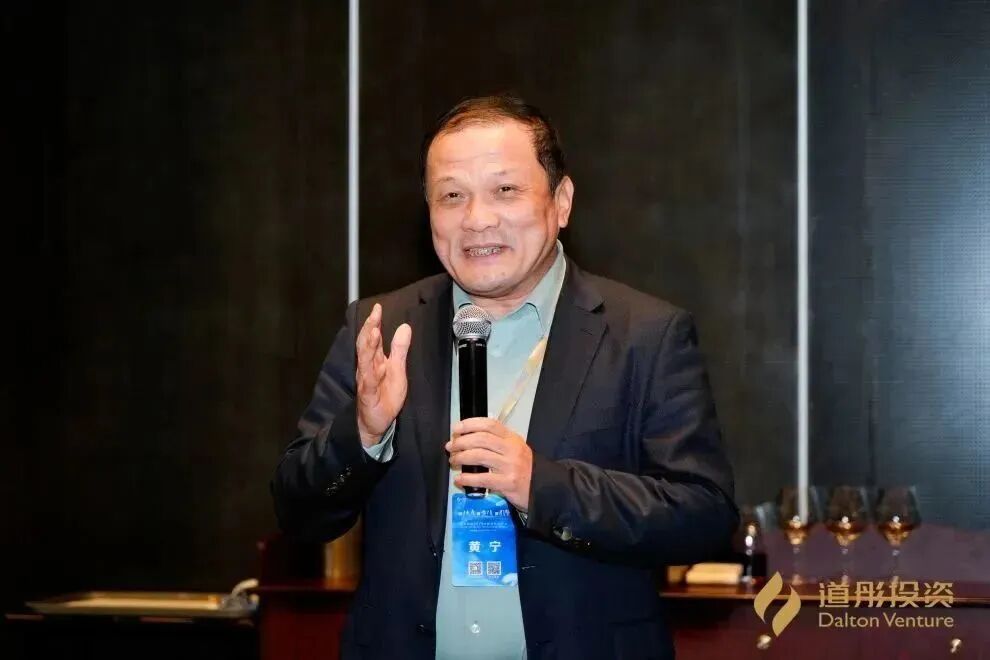
Speaker: Ning Huang, Founding Partner, Dalton Venture
(Key Insights)
Harvest, reflection, and gratitude — these are the three words that mattered most to me at this year's partner conference.
Whether in investing or entrepreneurship, we may all experience life's highs and lows. What matters is that like-minded people can come together to build something, to strive for a meaningful life — and along the way, to accompany, support, and appreciate one another.
What is the meaning of life? I'd like to share a line with you all: Make a magnificent ruckus, then slip away quietly.
On the entrepreneurial path, on the investment path, I hope we can all carry this mindset — to experience the value of life, and to earnestly do things that matter to society and to humanity.
Let's agree to make that magnificent ruckus together — for Dalton, for all our family members and investors, and to contribute everything we can.
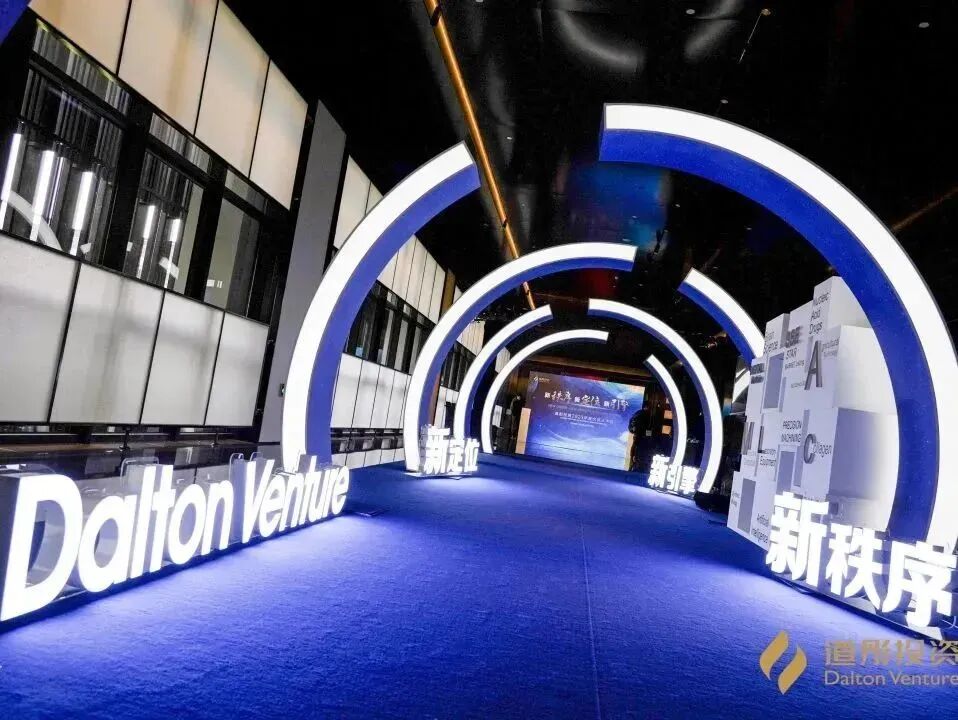
One gathering, one horizon.
An era of transformation — a baptism for industries, a feast for innovation.
In this new cycle,
let's join hands and gather our strength,
to rise against the tide and keep exploring the boundless frontiers of innovation!

ID: daltonventure
Long press to follow
Recommended Reading