Rooted in Reality, Driven by Innovation, Moving Forward Without Pause | Dalton Venture's 2024 Annual Partners Meeting Successfully Concludes

Pressing forward into the real, advancing toward the new — the resolve to push ahead undimmed.
From November 22 to 23, Dalton Venture's 2024 Annual Partners Conference was held. Themed "Rooted in Reality, Driven by Innovation, Persevering Without Rest," the conference brought together nearly 150 limited partners (LPs) including government guidance funds, industrial capital, market-oriented fund-of-funds, family offices, and insurance capital, as well as entrepreneurs from the Dalton family and industry leaders from research institutions. The program unfolded through late-night deep dives, industry insights, keynote speeches, roundtable forums, and exhibition networking, with in-depth discussions on cutting-edge trends in life sciences, CVC cooperation models, and internationalization and overseas expansion strategies for Chinese enterprises.
Distinguished speakers and guests included: Liu Changsheng, Academician of the Chinese Academy of Sciences, President of Shanghai University, and former Chairman of the Chinese Society for Biomaterials (online); Shen Yi, Professor at the School of International Relations and Public Affairs, Fudan University; Gu Qingyang, Director of the Senior Master of Public Administration and Management Program at the Lee Kuan Yew School of Public Policy, National University of Singapore; Yang Sen, Deputy Secretary of the Shushan District Committee and District Mayor of Hefei, Anhui Province; and Lyu Yu, General Manager of the Investment Department at Shenzhen Capital Group.
PART 1
Guest Addresses
In a market environment where the industry has been tilled many times over and low-hanging fruit is scarce, only by "rooting in reality" can we fully unearth investment value in the life sciences sector, only by "driving toward innovation" can we target new quality productive forces, and only by "maintaining strategic resolve" can we seize market opportunities and persevere without rest. "In this great era, individual atoms can hardly seek outward; most dividends have vanished. We must seek inward, break ourselves apart to become new atoms, leave our comfort zones, and rebuild our organizations in a new environment." In his opening address, Sun Qi, Founding Managing Partner of Dalton Venture, shared his reflections on self-iteration and value realization for investors and entrepreneurs in the new era.
Partners' Opening Address
01
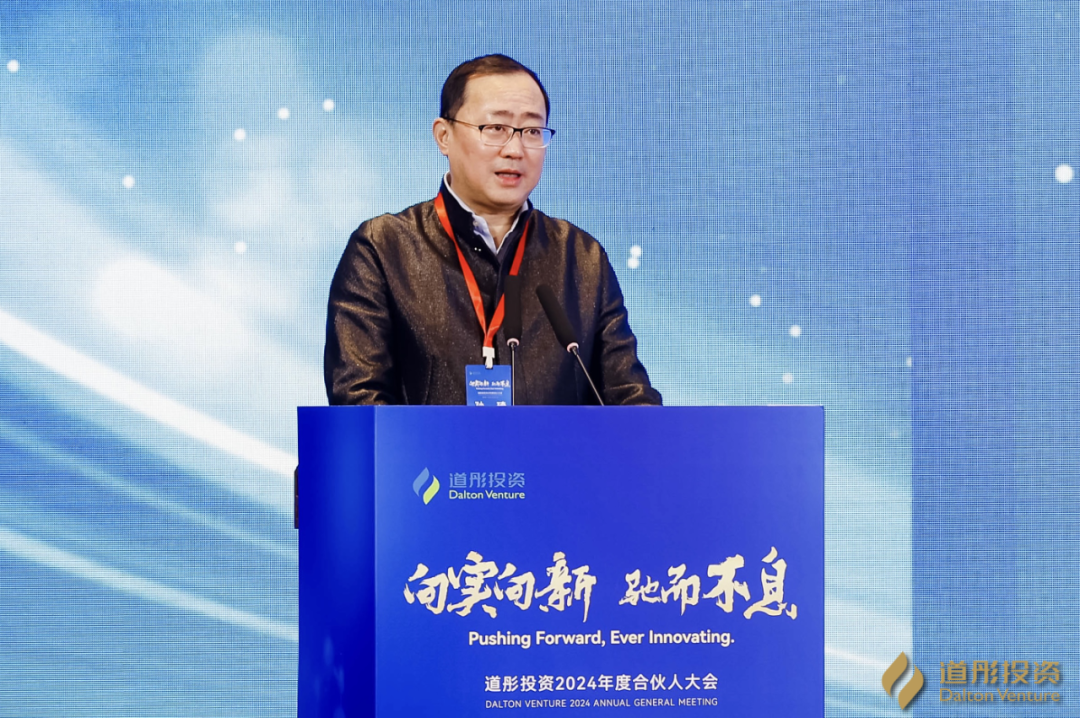
Guest: Sun Qi, Founding Managing Partner of Dalton Venture
(Highlights)
First, a warm welcome to all our friends, old and new, who have traveled far to attend Dalton's Partners Conference. Looking back to April this year, when Dalton's CEO Summit was held in Hefei — from curiosity about the Hefei model and Anhui model to actually setting foot in Anhui — what Anhui conveyed to us was not only an atmosphere of upward momentum, but also the "Huizhou camel spirit" of Huizhou merchants: enduring hardship with fortitude, delivering on mission — long-termism, extreme survival, and mission accomplished. Today, we are honored to have Yang Sen, Deputy Secretary of the Shushan District Committee and District Mayor of Hefei, at our conference. Mayor Yang will take the stage shortly.
What lies beneath the "Huizhou camel spirit"? Trust, confidence, and faith. The road has indeed grown harder in recent years. As entrusted managers, long-termism is our faith, extreme survival is our confidence, and mission accomplished is our unwavering goal — and the key to earning trust.
The story Bill and Melinda Gates told in their Stanford commencement address about big waves and small waves reaching the shore conveys the same truth as the Chinese saying "the gentleman is not a vessel." In this great era, individual atoms can hardly seek outward; most dividends have vanished. We must seek inward, break ourselves apart to become new atoms, forget the paths that once brought us success, and rebuild our organizations in a new environment.
In these difficult times, please stay resolute and optimistic. May the prosperous age be as we all wish, but a prosperous age is never won by lying flat. Cross the Gobi, and two hundred li ahead lies the oasis.

Yang Sen, Deputy Secretary of the Shushan District Committee and District Mayor of Hefei, Anhui Province, attended the conference and delivered an address, expressing his hopes for building cooperation with Dalton, synergistic industrial innovation, and mutual business development.
Government Address
02
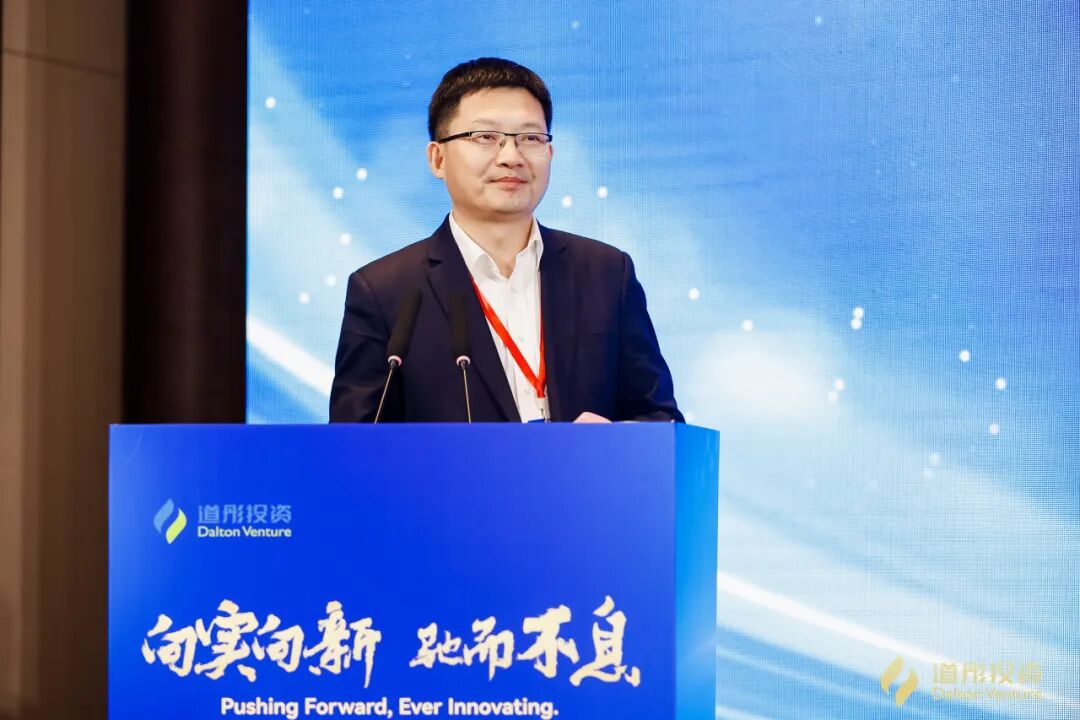
Guest: Yang Sen, Deputy Secretary of the Shushan District Committee and District Mayor of Hefei, Anhui Province
(Highlights)
First, on behalf of the Shushan District Committee and District Government of Hefei, I would like to extend my warmest congratulations on the convening of this conference. Anhui Province connects the Yangtze River to the sea and bridges east and west. It is the only province covered by multiple national strategies including Yangtze River Delta integration, the Yangtze River Economic Belt, and the rise of central China. As the provincial capital, Hefei has rapidly emerged in recent years as a city of technological innovation and industry.
Since the 18th National Congress of the Communist Party, General Secretary Xi Jinping has inspected Anhui three times and visited Hefei personally, with his gaze always fixed on technological innovation. He emphasized, "To advance Chinese modernization, science and technology must take the lead, and technological innovation is the only path." Therefore, Hefei has cultivated a fertile ecosystem for innovation, attracting talent from across the world, and is committed to becoming an innovation city with dense resources, vibrant dynamism, and active institutions and mechanisms.
In our understanding, Dalton means "the great way is simple, the red court shines with glory," while Hefei means "united it thrives, together we win." Shushan District is honored to be a partner of Dalton Venture. Today, we sincerely invite all our "partners" to explore Anhui, choose Hefei, and put down roots in Shushan — to invest more new projects and businesses in Hefei, to land more new technologies and products in Shushan, and to join hands with us in building an innovation highland and industrial destination, achieving mutual promotion and win-win outcomes.
This year, Shenzhen Capital Group invested in Dalton Tenghui Fund and facilitated the establishment of Dalton's Party branch early in the year. Together they organized the unveiling ceremony and Party-building activities, during which a "continuation fund special sharing session" provided important support for the successful launch of Dalton's first continuation fund this year. As a representative of Dalton's contributing institutions, Lyu Yu, General Manager of the Investment Department at Shenzhen Capital Group, delivered an address at the conference.
LP Representative Address
03
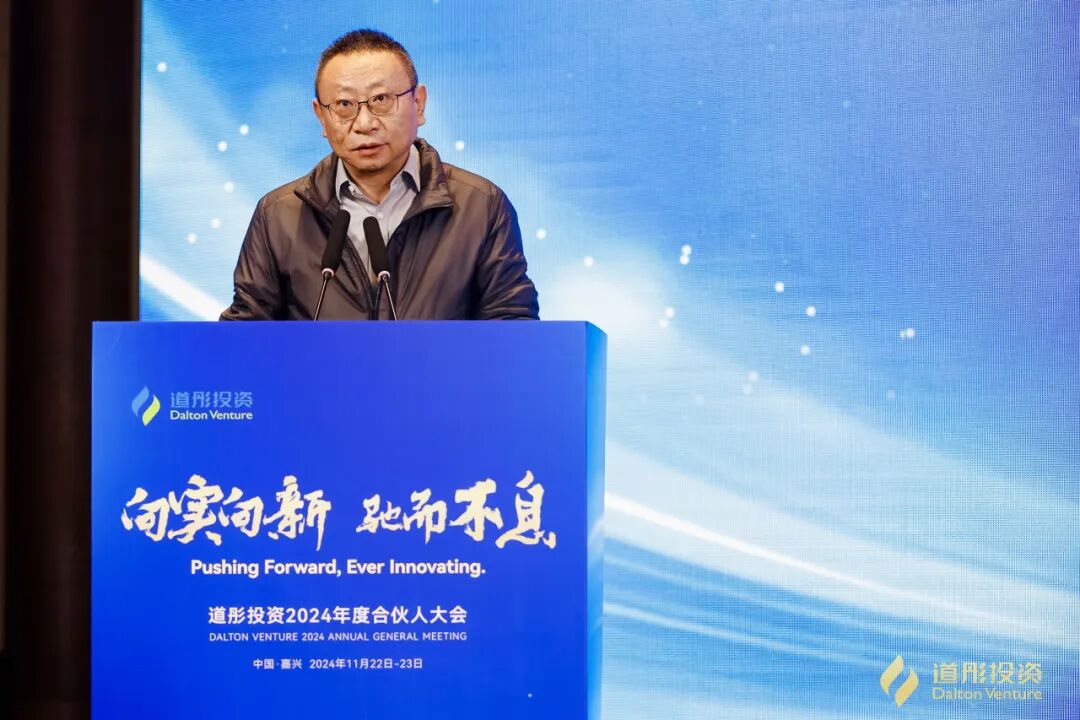
Guest: Lyu Yu, General Manager of the Investment Department at Shenzhen Capital Group
(Highlights)
Thank you, Mr. Sun, and thank you to the Dalton management team and our fellow LPs for your support and trust, which have made us part of this family. During our due diligence, the Dalton team's diligence and pragmatism, professional caliber, and responsible attitude toward investors left a deep impression on us — this is the solid foundation for our successful cooperation and future collaboration.
2024 has been an unusual year. Despite the contraction in both investment and exits, national support for venture capital has been unprecedented. More long-term capital and patient capital will enter this industry, and high-quality productive forces enterprises aligned with national strategy will receive greater support.
Since its inception, Shenzhen Capital Group's S Fund has consistently pursued fund-ization, productization, and securitization. We remain steadfast in maintaining long-term, sustained cooperation with high-quality professional GPs. Given the current overall exit difficulties, having an S strategy and building exit channels may become one of the core competencies for GPs going forward. We look forward to broader and deeper cooperation with Dalton.
Next year marks Dalton's tenth anniversary. We believe that under the leadership of Mr. Sun and Mr. Huang, Dalton will reach new heights, bring greater returns to investors, and make new contributions to the industry's development.
Technological innovation is the core element of developing new quality productive forces, especially in frontier technologies and critical technology domains. And basic research, as the source and forerunner of technological innovation, becomes the foundation and prerequisite for achieving high-level technological self-reliance and safeguarding national security. Academician Liu Changsheng, of the Chinese Academy of Sciences, President of Shanghai University, and former Chairman of the Chinese Society for Biomaterials, shared with the audience the opportunities and challenges facing the commercialization of China's biomaterials research achievements.
Distinguished Guest Address
04
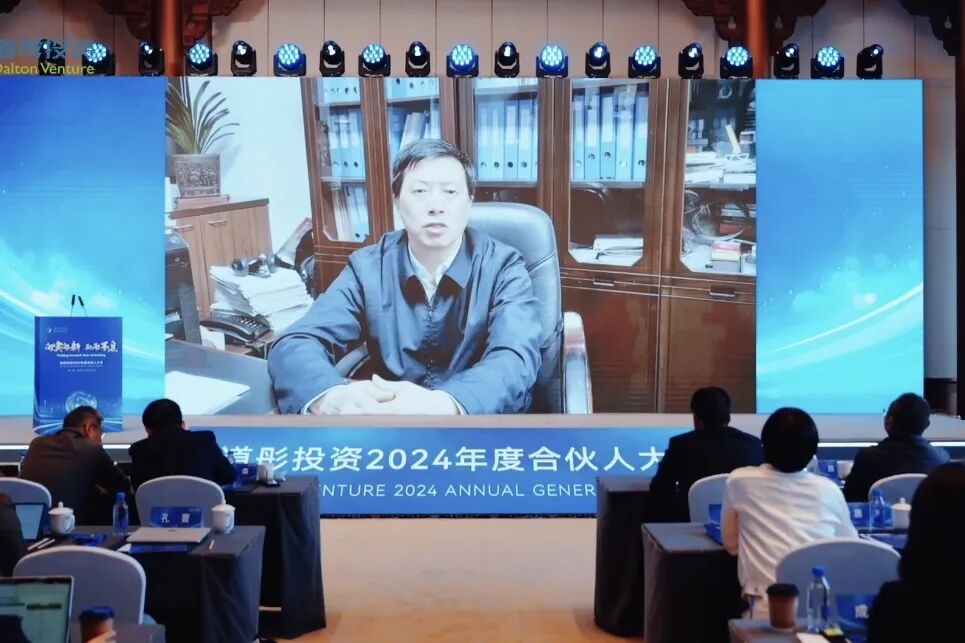
Guest: Liu Changsheng, Academician of the Chinese Academy of Sciences President of Shanghai University, former Chairman of the Chinese Society for Biomaterials
(Highlights)
Biomaterials play a vital role in disease diagnosis, rehabilitation therapy, drug delivery, and tissue engineering, with applications essential for improving quality of life and health security. Currently, China's biomaterials market has exceeded 400 billion yuan, and with population aging and upgrading medical demands, it is expected to maintain annual growth exceeding 10%.
Driven by both policy and market forces, China's biomedical materials industry has made significant progress, yet it still faces challenges in achieving domestic substitution of high-end materials, ensuring autonomous control of raw materials, and accelerating the translation of research achievements to clinical applications. The commercialization cycle for biomaterials technology is relatively long, requiring substantial capital investment with extended return periods. Many disruptive technologies struggle to move from laboratory to market due to funding shortages.
Encouragingly, an increasing number of professional investment institutions are providing support for biomaterials research and entrepreneurial teams, helping research achievements achieve market translation. Dalton Venture, as an investment institution focused on early-to-mid-stage life sciences, has already deployed in the biomaterials field, using capital and resources to drive the industrialization of multiple research projects. I hope that more professional capital will pay attention to the biomaterials field, support the commercialization of China's independently developed materials and technologies, and make greater contributions to advancing the biomaterials industry and medical technology progress.
PART 2
Keynote Presentations
AI has become one of the most systemic opportunities for development and innovation in healthcare over the next decade. Dalton Venture has been closely tracking the AI space and has already made deep deployments there. Portfolio companies including Landing Med, Brain Doctor, Deepwise, Ruian Star, and Shuimu Molecular have all achieved notable progress in R&D and commercialization. The "hundred-model war" focused on foundation large language models has now subsided, and competition in vertical multimodal AI large models has begun.Zaiqing Nie, Guoqiang Chair Professor at Tsinghua University, Chief Researcher at the Institute for AI Industry Research (AIR), and Chief Scientist at Shuimu Molecular, delivered a keynote presentation on site titled ChatDD: A New Generation of Conversational Drug Discovery Assistants, providing a detailed overview of advances and achievements in pharmaceutical large models.
Portfolio Company Keynote Presentations
ChatDD: A New Generation of Conversational Drug Discovery Assistants
05
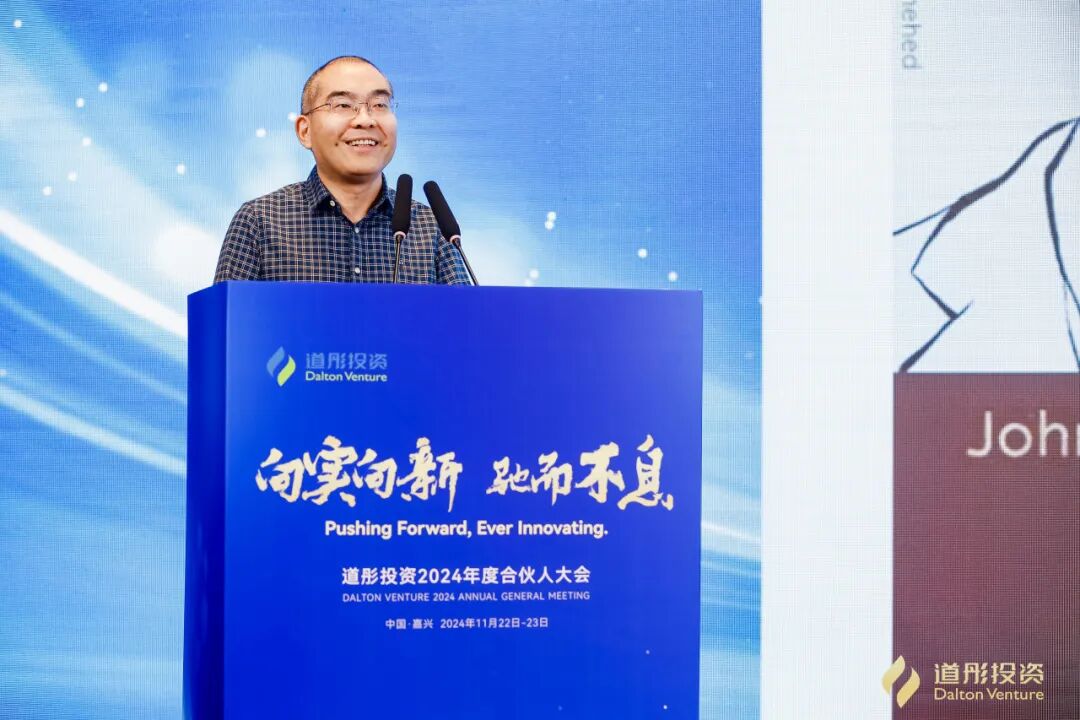
Speaker: Zaiqing Nie, Guoqiang Chair Professor at Tsinghua University
Chief Researcher, Institute for AI Industry Research (AIR)
Chief Scientist, Shuimu Molecular
(Key Insights)
What are the core technologies behind biomedical large models?
The first is text modality technology. The biomedical industry contains vast amounts of papers, patents, and structured knowledge, which can be leveraged to enhance the reasoning and planning capabilities of biomedical AI agents.
The second is cross-modal translation technology, encompassing translation between small molecules and text, proteins and text, and single cells and text.
The third is biological modality technology. Biological modality data includes representation learning for small molecules, proteins, and single cells — for example, the work of a recent Nobel laureate focused on biological modality.
Shuimu Molecular has demonstrated strong performance across all three areas, with publications at top-tier conferences. Taking single-cell and natural language multimodal translation as an example: based on any single-cell sequencing data, we can use natural language to express its cell type and disease subtype, enabling a wide range of human-comprehensible tasks to be performed naturally without any additional training, achieving very high precision.
Humanoid robots are undoubtedly the hottest topic globally. Dalton Venture portfolio company Astribot released its self-developed S1 humanoid robot in August this year, featuring the strongest manipulation performance in its class. Positioned as a "new generation AI robot assistant," it demonstrated numerous household applications including tea preparation, cat feeding, and cleaning. The public is eagerly anticipating its future deployment in home care, eldercare, and other scenarios.Fang Ke, Co-founder and CFO of Astribot, delivered a keynote presentation on site titled Building World Models Together: Accelerating the Deployment of Embodied Intelligence.
Portfolio Company Keynote Presentation
Building World Models Together: Accelerating the Deployment of Embodied Intelligence
06
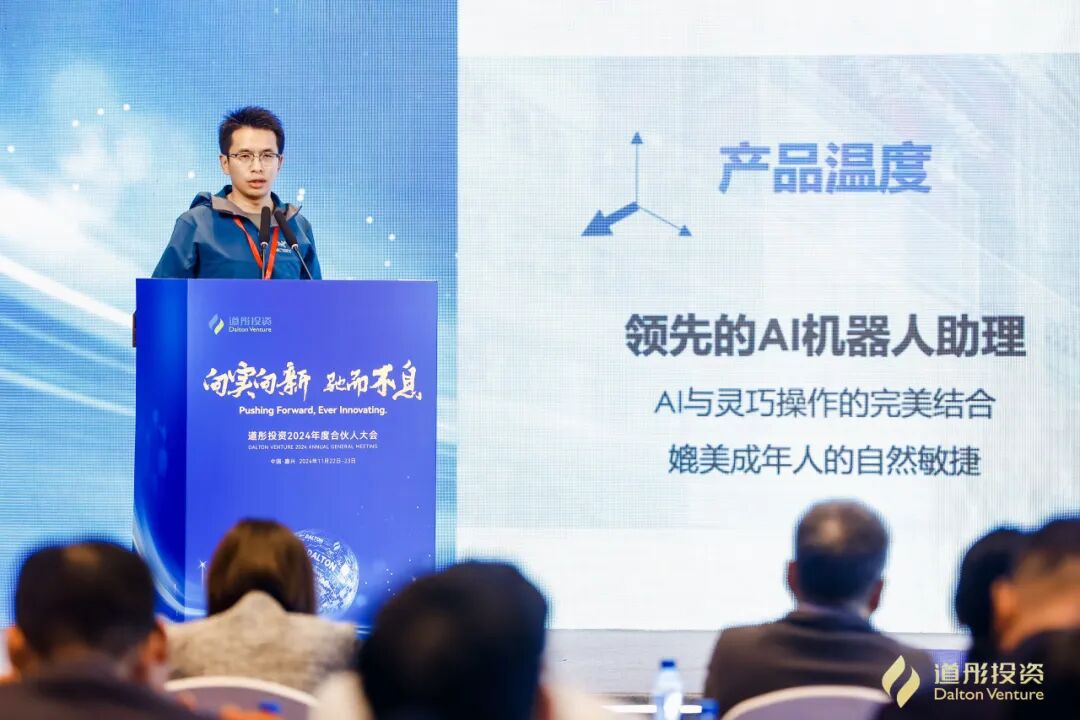
Speaker: Fang Ke, Co-founder and CFO, Astribot
(Key Insights)
Our latest product, developed in collaboration with Physical Intelligence, is entirely based on human data. Through imitation learning, the robot can now autonomously complete tasks with smooth, human-like movements that cover all scenarios without external control, demonstrating excellent generalization and anti-interference capabilities throughout the process.
Astribot's self-developed integrated software-hardware system architecture strongly couples "AI intelligence" with "strongest manipulation," making the robot highly human-like — capable of learning, thinking, and working like a person, and interacting with humans smoothly and intelligently, laying the technical foundation and core competitive advantages for embodied intelligence. Our AI continues to iterate, focusing on perception and control, and will explore connections with world models. Astribot's powerful manipulation capabilities are precisely why PI chose to partner with us.
We believe AI should not be confined to the virtual world, but should understand and experience the real physical world. Our goal is to make robots the vehicle for world models, enabling AI to achieve broader applications through robotics.
We look forward to making robots an extension of human capabilities, particularly in consumer scenarios like eldercare, providing companionship and assistance. As world models advance, we believe robotic applications in vertical scenarios are poised to accelerate and achieve industrial-scale deployment.
As society ages, acute episodes of heart failure are becoming increasingly common, with over 60 million patients worldwide. However, China faces significant challenges in heart failure treatment: difficulty accessing care at major hospitals, poor prognosis, and substandard diagnosis, treatment, and management practices. Against this backdrop of massive market demand and severe clinical challenges, what opportunities for medical device innovation should we explore and seize?Dr. Wang, Founder, Chairman, and CEO of a heart failure-focused company, delivered a keynote presentation on site titled Heart Failure Device Therapy: Building on the Past, Looking to the Future.
Portfolio Company Keynote Presentation
Heart Failure Device Therapy: Building on the Past, Looking to the Future
07
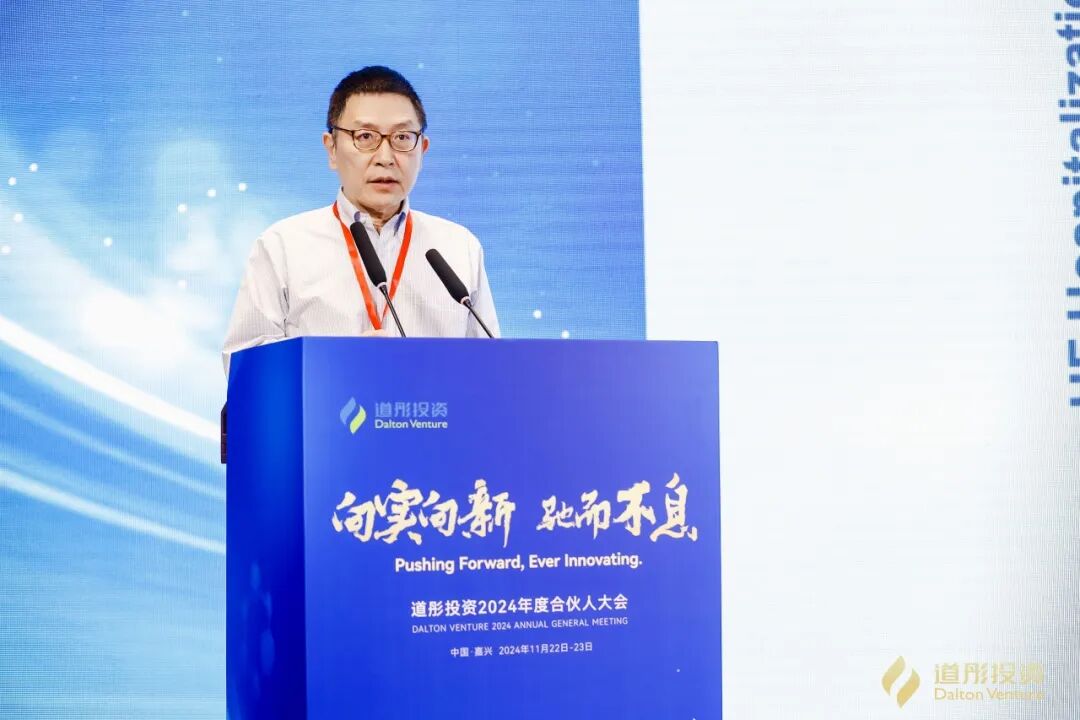
Speaker: Dr. Wang, Founder, Chairman, and CEO, heart failure-focused company
(Key Insights)
Heart failure is not a single pathological diagnosis but a clinical syndrome, typically characterized by abnormal cardiac structure and/or function leading to insufficient cardiac output to meet the body's needs during exercise or even at rest. Currently, heart failure treatment relies primarily on pharmacotherapy, but with limited efficacy — particularly for acute heart failure and HFpEF patients, where even the latest quadruple therapy yields only a 50% five-year survival rate.
In China, heart failure treatment faces numerous challenges, including poor treatment outcomes, unfavorable prognosis, non-standardized diagnosis and treatment, and inadequate prevention.Patients average 9.7 days of hospitalization per year, with annual treatment costs approaching RMB 30,000, while access to major hospitals remains difficult. Heart failure treatment modalities are diverse but applicable to limited patient populations, whereas chronic disease management applies to a broader patient base (regardless of ejection fraction) and can effectively reduce hospitalization rates. Despite recent therapeutic advances, heart failure management still focuses on single treatments or monitoring, lacking cost-effective integrated solutions.
Diagnostic/monitoring and therapeutic approaches complement each other, and the diabetes chronic disease management model and market development offer important reference points for promoting heart failure chronic disease management.Future heart failure chronic disease management will likely rely on the integration of monitoring and treatment, accumulating large-scale patient data to better support physician decision-making and insurance reimbursement, achieving ecosystem synergies in heart failure care.
Seed industry is the "chip" of agriculture. Strengthening biological breeding and industrialization efforts, and breaking through critical core technology bottlenecks are essential pathways to ensuring national food security and promoting high-quality agricultural development. While foreign countries hold significant advantages in technological maturity, market application, and innovation, domestic molecular breeding technology has made remarkable progress in recent years, demonstrating strong momentum in independent R&D, domestic substitution, and market growth, driving the globalization of China's seed industry.Lv Ziyue, CFO of Bioruida, delivered a keynote presentation on site titled Advancing Molecular Breeding for the Benefit of Modern Agriculture.
Portfolio Company Keynote Presentation
Advancing Molecular Breeding for the Benefit of Modern Agriculture
08
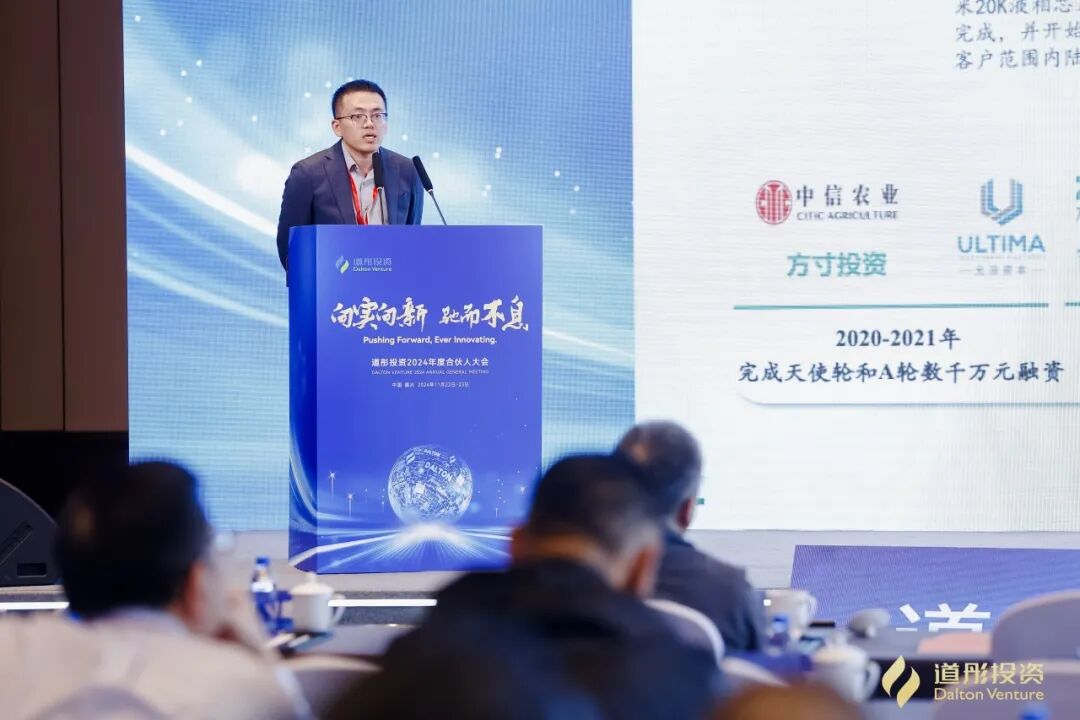
Speaker: Lv Ziyue, CFO, Bioruida
(Key Insights)
Significant gaps persist between domestic and international development in the seed industry. On the supply side, China relies heavily on imports, with critical chokepoints prominently exposed. On the demand side, China has become the second-largest market after the United States and continues to grow rapidly.Given the seed industry's substantial share of agriculture, resolving the fundamental constraints at the germplasm source is the only way to truly improve agriculture and achieve revitalization.
Since 2020, the government has elevated agriculture and biological breeding to strategic priority status, enacting seed industry laws and advancing transgenic and gene editing technologies, creating opportunities for biological breeding. Currently, domestic breeding technology sits between the 2.0 and 3.0 stages, while developed countries have already entered the 4.0 intelligent breeding stage.
Over the past six years, Bioruida has continuously built its system around cost, cycle time, and species coverage, achieving high-throughput, low-cost, short-detection-cycle, full-species-coverage capabilities.This has successfully resolved a core bottleneck for molecular breeding deployment in China, accelerating the country's transition from traditional breeding to modern molecular breeding.
Since 2023, the company has been building a CRO platform system tailored to agriculture's long development cycles, high costs, and significant uncertainty, providing services adapted to different species and client needs to address a wide range of application scenarios.
The accelerating aging of the population has become a defining demographic shift, creating enormous market potential for nutritional supplements and dietary health products tailored to this group. Past scandals and a persistent trust deficit have left China's health supplement market chaotic, which is why Taiyi Health — a Dalton Venture portfolio company — has won broad recognition from leading domestic and international health industry clients with its philosophy of "producing health products consumers can trust using pharmaceutical-grade management systems." Li Weijun, founder and CEO of Taiyi Health, delivered a keynote at the conference titled New Opportunities in the Health Product Supply Chain: A Full-Service Perspective.
Portfolio Company Keynote
New Opportunities in the Health Product Supply Chain: A Full-Service Perspective
09
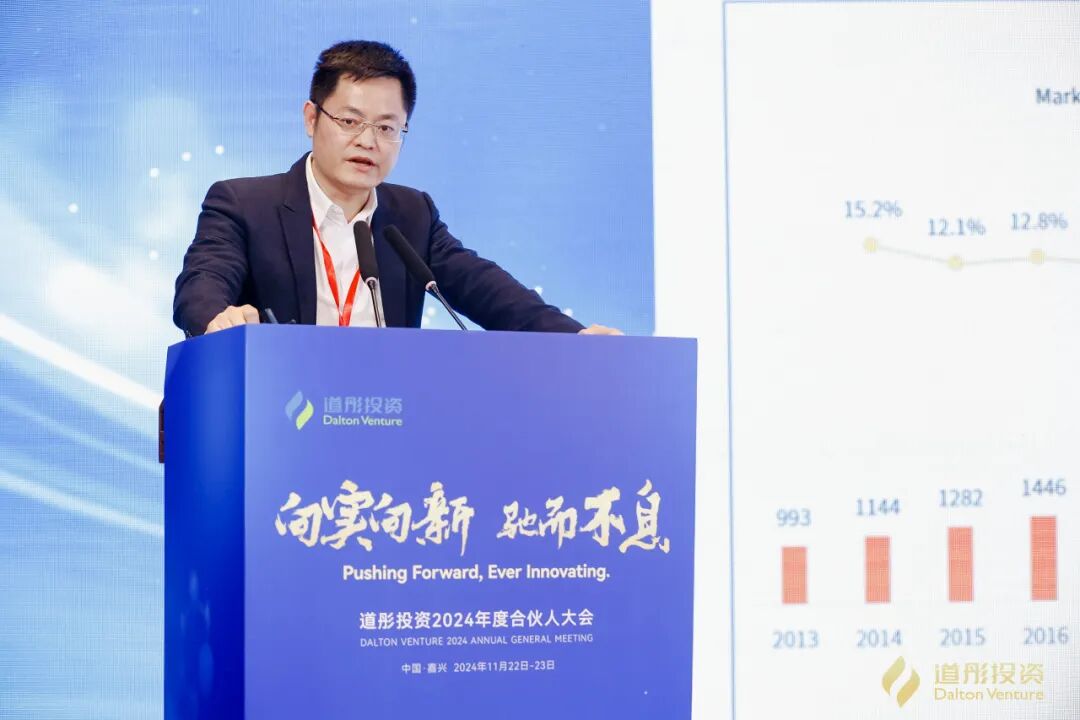
Speaker: Li Weijun, Founder and CEO, Taiyi Health
(Key Takeaways)
According to industry data, China's health supplement market reached 355.4 billion RMB in 2023, up 8.3% year-over-year. By segment, weight management, herbal/traditional tonics, functional foods and beverages (notably fast-growing), and medical health categories all showed sustained, stable growth.
As a data- and intelligence-driven full-service provider for the broader health industry, Taiyi operates on a model of "big health + big clients + big categories + big data — a closed-loop, full-service approach," building an integrated natural health product supply chain encompassing customized cultivation, raw material supply, technical support, scientific validation, health supplement development and manufacturing, functional food ODM, AI-powered industry and market big data, and marketing strategy support.
The company drives innovation through R&D platforms for raw materials, technologies, and finished products; sources premium, differentiated global ingredients through an overseas procurement and sales platform; ensures product safety via pharmaceutical GMP-standard manufacturing; builds marketing strategy modules to provide channel promotion strategies, consumer insights, and product-market strategy for brand clients; and has developed a full-chain commercial data platform for the health industry to accumulate and consolidate diverse industry data and aggregate external differentiated resources.
To date, Taiyi has delivered over 1,000 actionable, comprehensive product solutions tailored to various market segments, efficacy directions, and differentiated channels.
Dalton Venture has built positions across ophthalmic devices, gene therapy drugs, and ophthalmic chain services. Domestic phacoemulsification and vitrectomy surgical equipment and consumables have long been monopolized by foreign manufacturers at high prices, creating strong demand for domestic alternatives. Xiran Medical, a Dalton portfolio company, has developed China's first and only proprietary phaco-vitrectomy integrated system with leading product performance. Its in-development laser vitrectomy system and fiber-optic ophthalmic OCT system are both global firsts, filling domestic gaps in their respective fields. Zhang Chi, founder and CEO of Xiran Medical, delivered a keynote at the conference titled Better to Weave Your Net Than Envy the Fish by the Water.
Portfolio Company Keynote
Better to Weave Your Net Than Envy the Fish by the Water
10
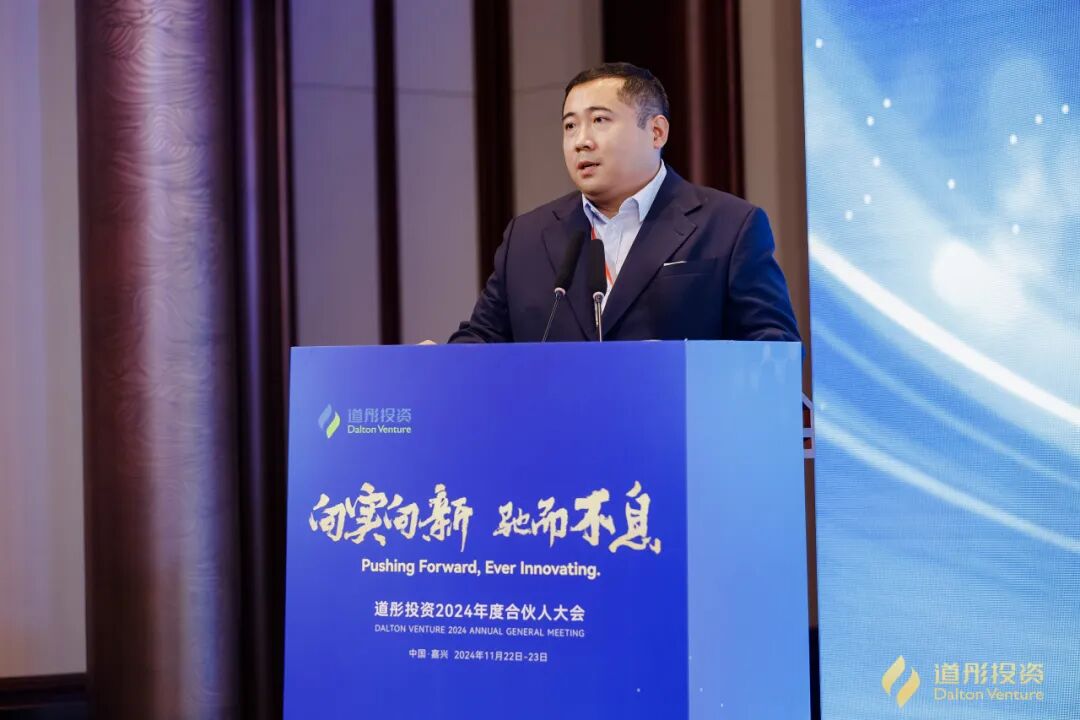
Speaker: Zhang Chi, Founder and CEO, Xiran Medical
(Key Takeaways)
There's a saying in medical circles: "Gold in ophthalmology, silver in surgery." Globally, cataract and vitrectomy procedure volumes have been remarkably stable, and with aging populations, they're on a steady growth trajectory. Yet to this day, Alcon and Bausch & Lomb control over 80% of the ophthalmology market. Currently, domestic phacoemulsification and vitrectomy equipment remains import-dependent, with Alcon and Bausch & Lomb holding over 90% of the China market.
Thanks to the academic investment by foreign companies like Alcon and Bausch & Lomb, phaco and vitrectomy procedures spread quickly in China. So why hadn't Chinese companies broken into this space? One phrase captures the predicament of China's ophthalmic device manufacturing: "rose before dawn, arrived after the crowd." The reasons mainly include insufficient machining precision, weak R&D foundations, immature clinician-engineer collaboration, incomplete supply chains, and the relatively small size of the ophthalmology segment.
My view: better to weave your net than envy the fish by the water. When we founded the company in 2020, we assembled top-tier clinical experts and advisors from ophthalmology, established deep communication and cooperation with multiple Chinese and American research institutions, and have now built out an experienced industry and channel sales team. Patent approvals and product development are both on track. So far, our net is woven. We're now looking to accelerate our R&D progress and new product registration, making this net ever larger.
Every breakthrough in new materials not only expands clinical accessibility but also spawns new application scenarios, directly driving industry transformation. At last year's LP conference, the Dalton Venture team dissected the evolution of biomedical materials in a thematic share — from bio-inert to bioactive to biodegradable and absorbable — highlighting how Dalton portfolio company Juhuan Technology leverages rich absorbable biomaterials to develop high-performance implantable medical devices for tissue repair applications. Tan Bin, founder and chairman of Juhuan Technology, delivered a keynote at the conference titled High-Performance Absorbable Medical Devices and Regenerative Medicine Materials.
Portfolio Company Keynote
High-Performance Absorbable Medical Devices and Regenerative Medicine Materials
11
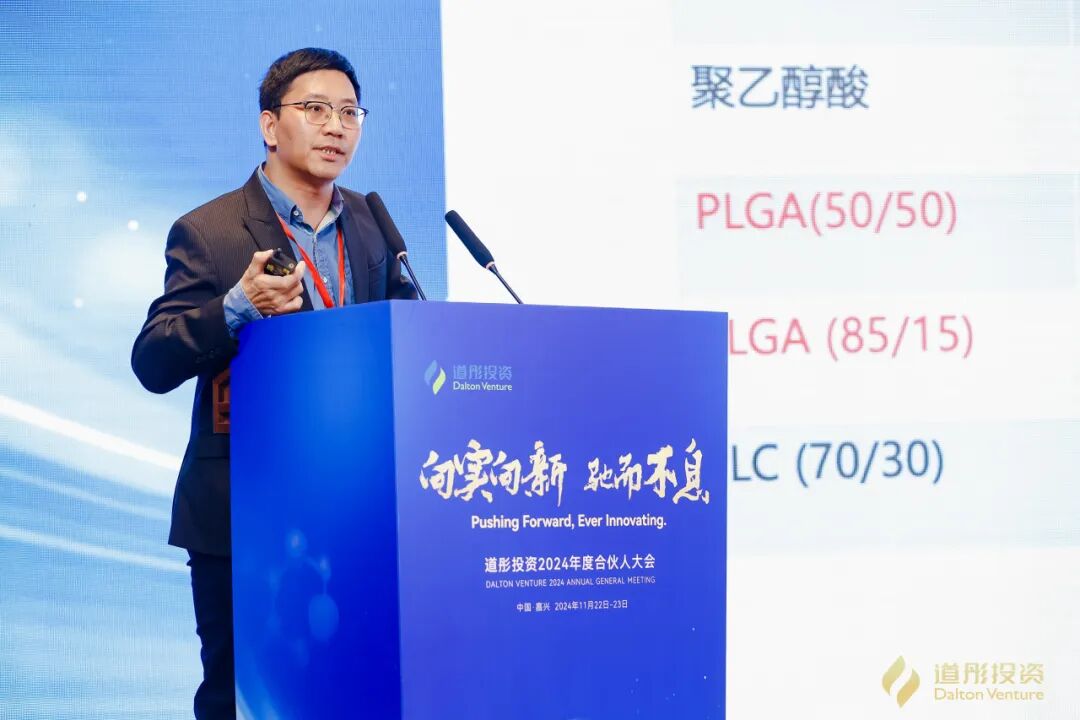
Speaker: Tan Bin, Founder and Chairman, Juhuan Technology
(Key Takeaways)
Regenerative medicine materials are those that can induce the body's own tissue repair and regeneration capabilities, ultimately replacing diseased tissues or organs with regenerated natural healthy tissue. Major categories include metallic materials, inorganic materials, natural polymer materials, and synthetic polymer materials.
Juhuan Technology focuses primarily on synthetic polymer materials. In applying these materials, we evaluate three dimensions: first, mechanical properties and strength — whether they meet our device application requirements. Second, degradation cycle — whether it matches tissue regeneration timelines. Third, safety during degradation — whether degradation products are safe.
Regenerative medicine polymer materials have broad applications. They can serve as scaffold materials in tissue engineering, providing sites for cell adhesion, growth, proliferation, metabolism, and new tissue formation. In the booming medical aesthetics space, they're used in implantable devices that promote collagen regeneration through regenerative medicine principles, such as injection microspheres and lifting threads. Other applications include drug delivery systems, drug-device combinations, and medical devices (Class III-managed absorbable devices such as cardiovascular stents, lumen stents, orthopedic implants, and surgical sutures).
PART 3
Roundtable Forum
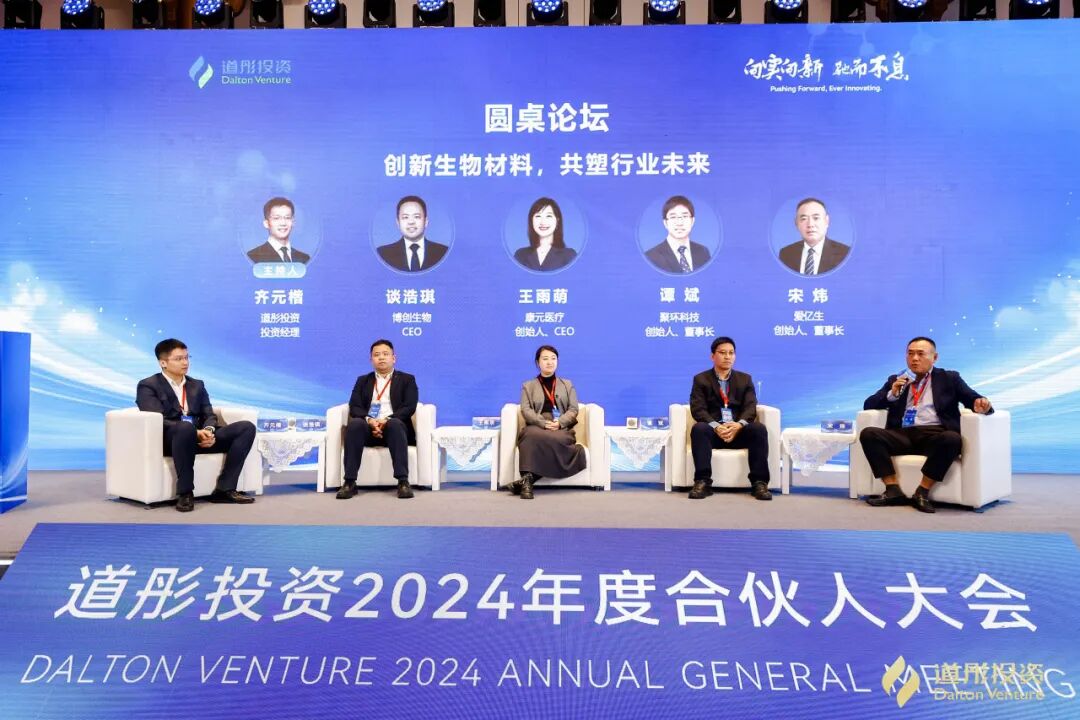
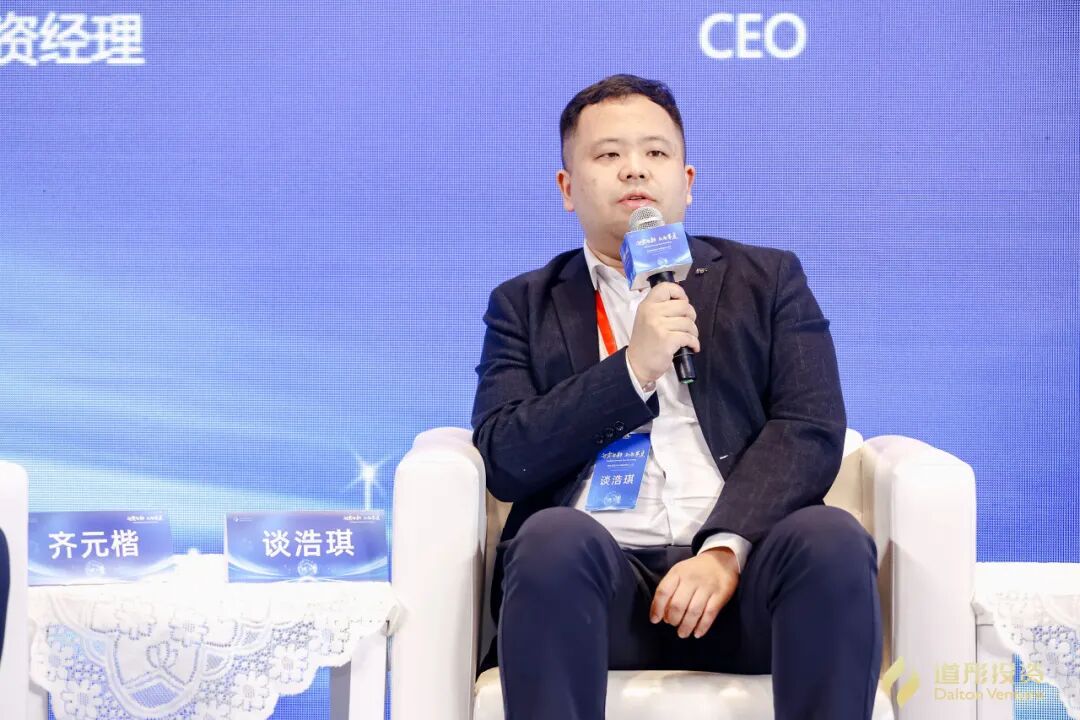
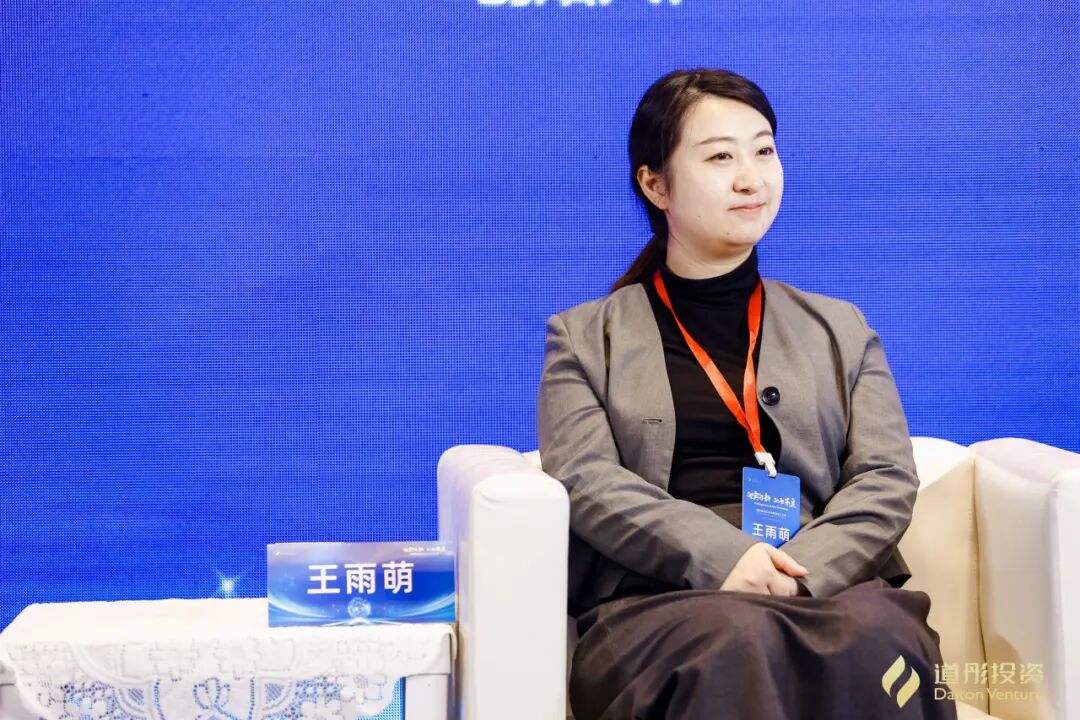
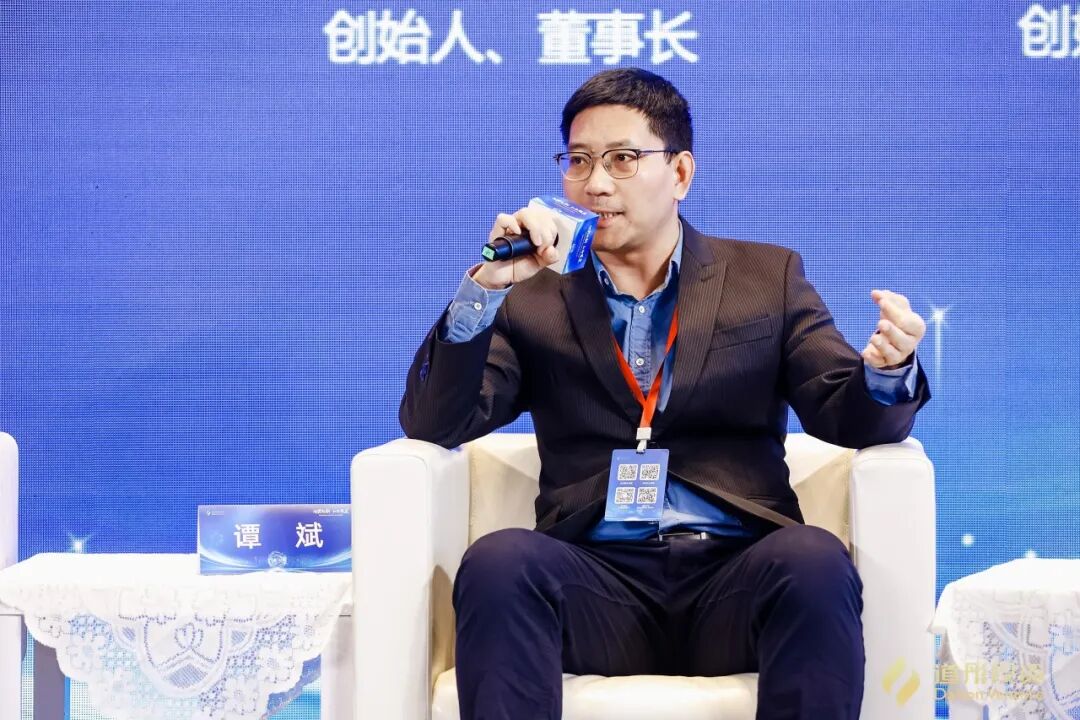
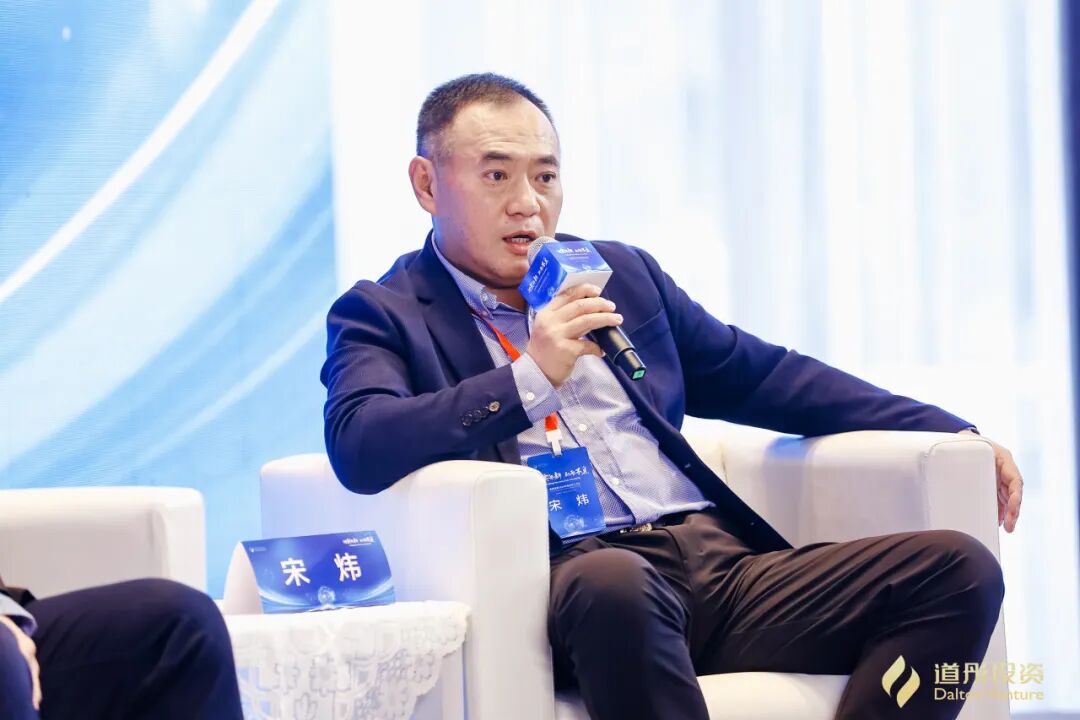
For over a century, materials innovation has permeated every aspect of our lives. Specialty plastics brought economy and lightweight products; silicon-based semiconductor materials drove microprocessor development and the explosion of information technology. What about materials innovation in life sciences and healthcare? In the roundtable Innovative Biomaterials: Shaping the Future of the Industry, Dalton Venture engaged in deep discussion with Tan Haoqi, CEO of BioChuang Bio; Wang Yumeng, founder and CEO of Kangyuan Medical; Tan Bin, founder and chairman of Juhuan Technology; and Song Wei, founder and chairman of Aisheng.
Roundtable Forum
Innovative Biomaterials: Shaping the Future of the Industry
12
Swipe left for more
Tan Haoqi, CEO, BioChuang Bio
Wang Yumeng, Founder and CEO, Kangyuan Medical
Tan Bin, Founder and Chairman, Juhuan Technology
Song Wei, Founder and Chairman, Aisheng
(Key Takeaways)
Tan Haoqi: BioChuang Bio is a biomaterials company focused on the innovative development and production of collagen and downstream medical devices. Our current pipeline includes tissue repair products such as artificial corneas and guided bone regeneration membranes. We've also developed a proprietary electrochemical deposition and assembly technology that enables nanometer- and micrometer-scale control over materials, giving them special properties. We remain committed to driving the upgrade and replacement of tissue repair products in China.
Wang Yumeng: Kangyuan Medical develops next-generation specific bio-adsorption materials based on nanobodies, sitting at the intersection of bioengineering and polymer materials. The company has two main pipelines: one in blood purification, featuring next-generation specific adsorption columns primarily for renal failure and other indications; and another serving the upstream biopharmaceutical industry, producing affinity chromatography media for gene therapy, bispecific antibodies, and other applications requiring specificity. Our first product has already entered multi-center GCP clinical trials nationwide, and we've essentially established a clear path to commercialization.
Tan Bin: Juhuan Technology focuses on absorbable, high-performance biopolymer materials. Our business spans upstream raw materials — custom-providing polymer materials that clients need — as well as our own products such as bone adhesives, soft tissue sealants, and absorbable medical materials. Our advantage in raw materials lies in import substitution: we procure domestic raw materials and upstream inputs, then refine and optimize them internally. Once they meet our internal quality standards, we synthesize customized products for clients or downstream applications. The core of this is our own control over raw materials and processes. We've now essentially achieved import substitution and can compete with foreign products.
Song Wei: Aisheng is a new company developing artificial blood vessels, founded in 2023. Our team has over 20 years of deep experience in trauma repair and tissue reconstruction. We've already completed animal experiments for our product. Because the artificial blood vessel market is relatively niche, and high-precision artificial vessels are almost entirely dominated by imported manufacturers, we're very much looking forward to being the first to bring industrialization and application to the industry. Based on our current R&D progress and anticipated regulatory timeline, we hope to initiate clinical trials by year-end and bring the product to market within two years.
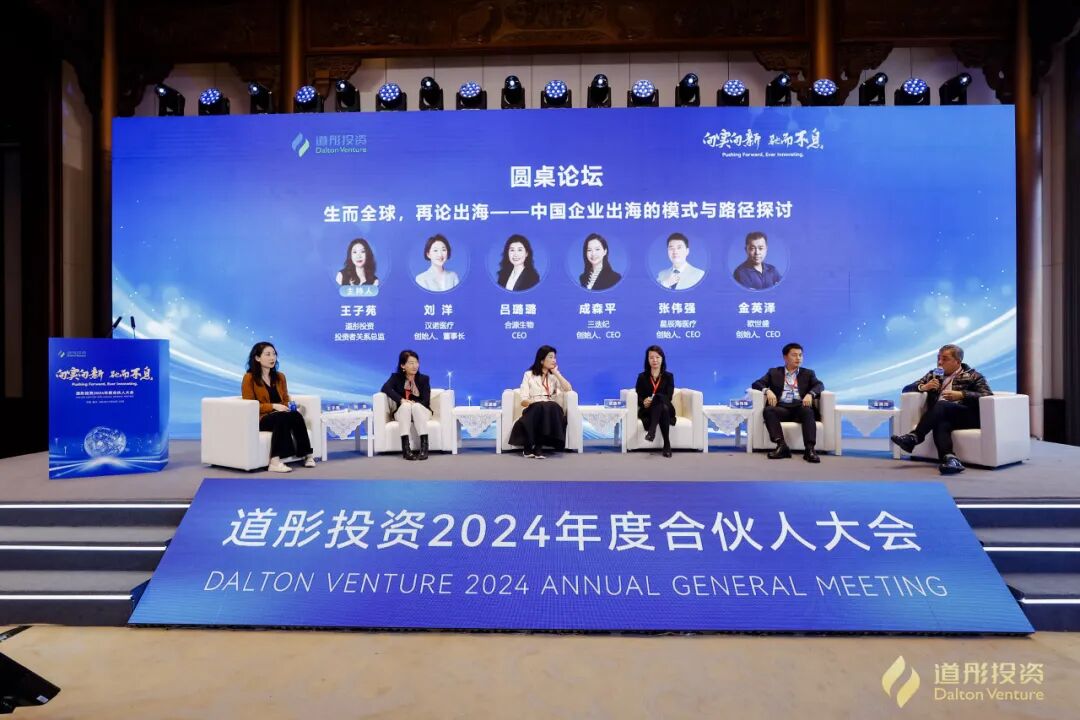
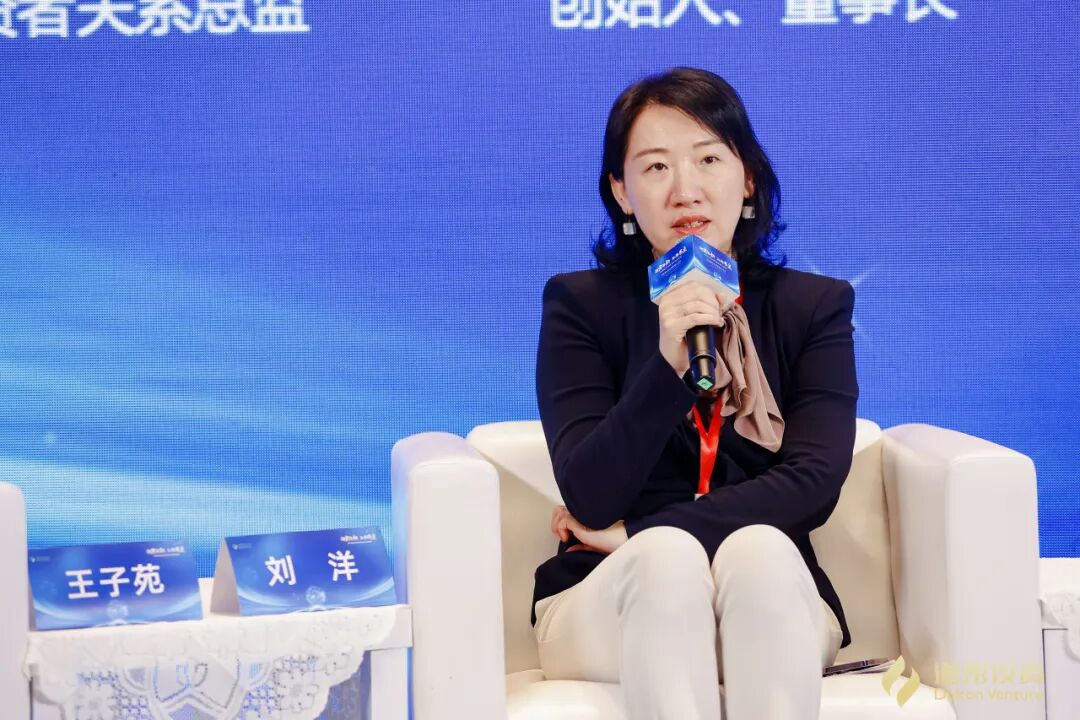
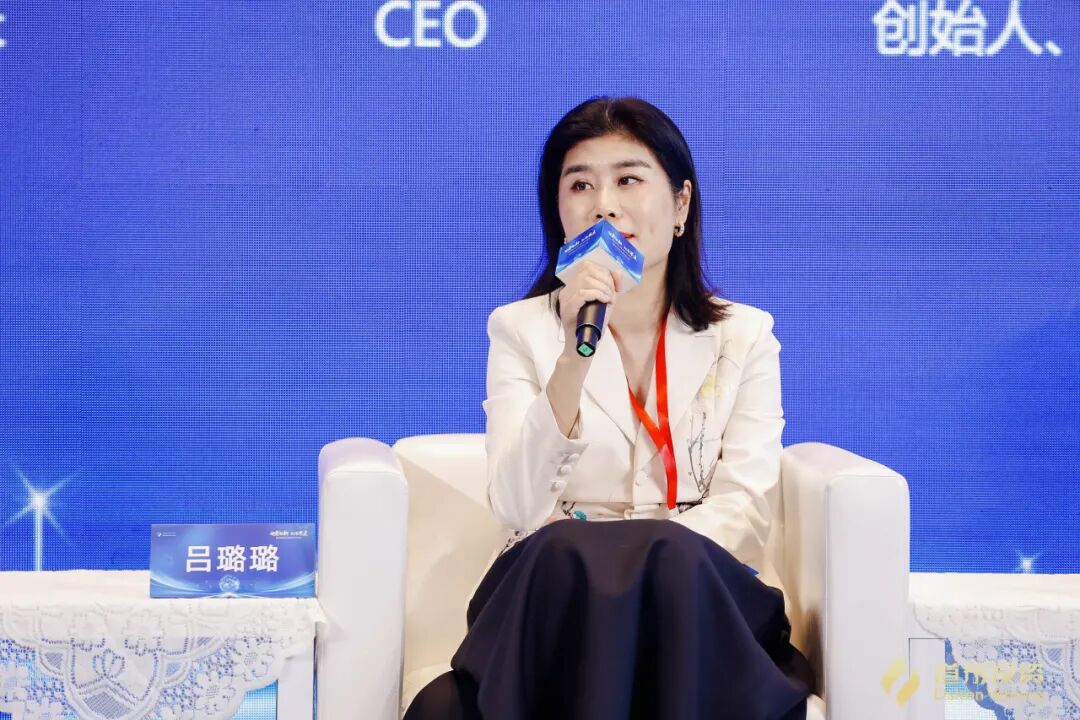
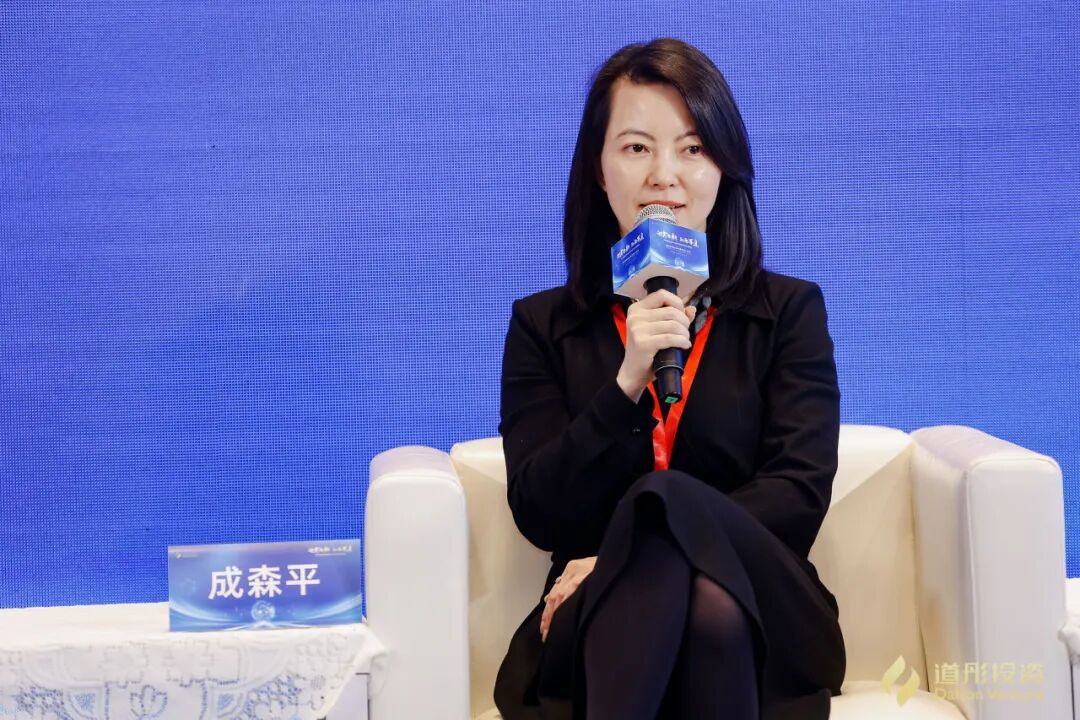
In recent years, overseas licensing deals for innovative drugs have emerged continuously, with an increasing number of Chinese innovative medicines accelerating toward international markets. Meanwhile, Chinese medical device companies have made significant technological advances, with some areas already reaching international advanced levels. Dalton Venture portfolio companies have joined this going-global wave, with some seeing overseas revenue share increase substantially and growth exceeding expectations. In the panel discussion "Born Global, Revisited: Models and Pathways for Chinese Companies Going Global," Dalton Venture was joined by Liu Yang, Founder and Chairman of Hanuo Medical; Lv Lulu, CEO of Heyuan Biotech; Senping Cheng, Founder and CEO of Triastek; Zhang Weiqiang, Founder and CEO of StarSea; and Jin Yingze, Founder and CEO of Oushisheng for an in-depth exploration of the strategy and tactics of international expansion.
Panel Discussion
Born Global, Revisited:
Models and Pathways for Chinese Companies Going Global
13
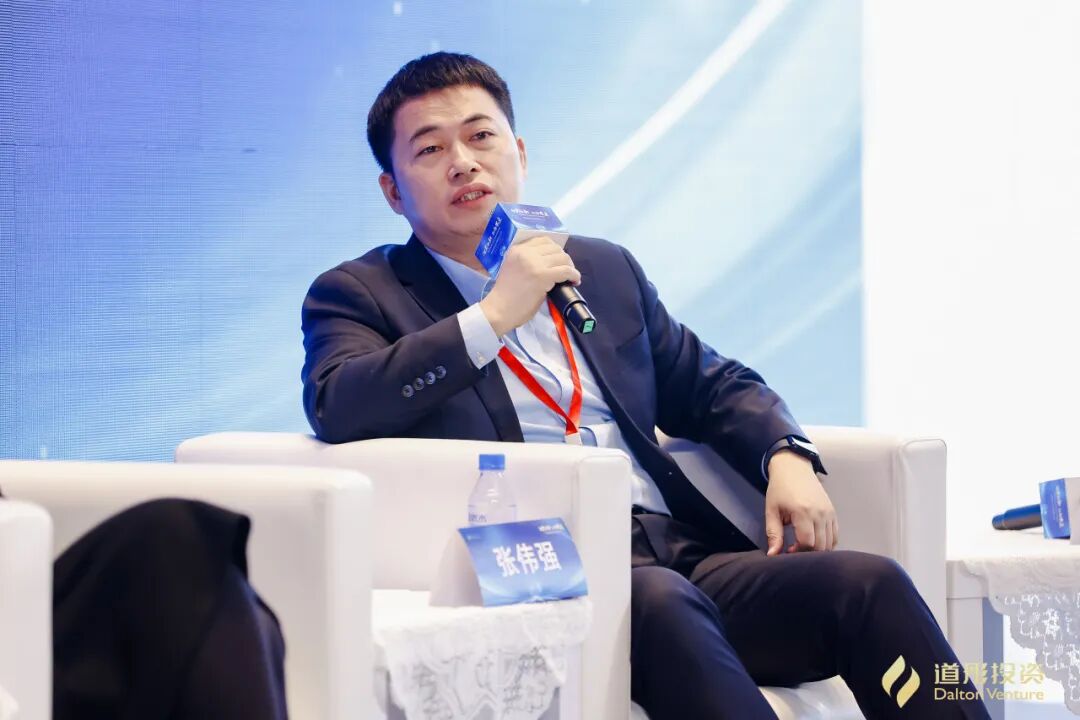
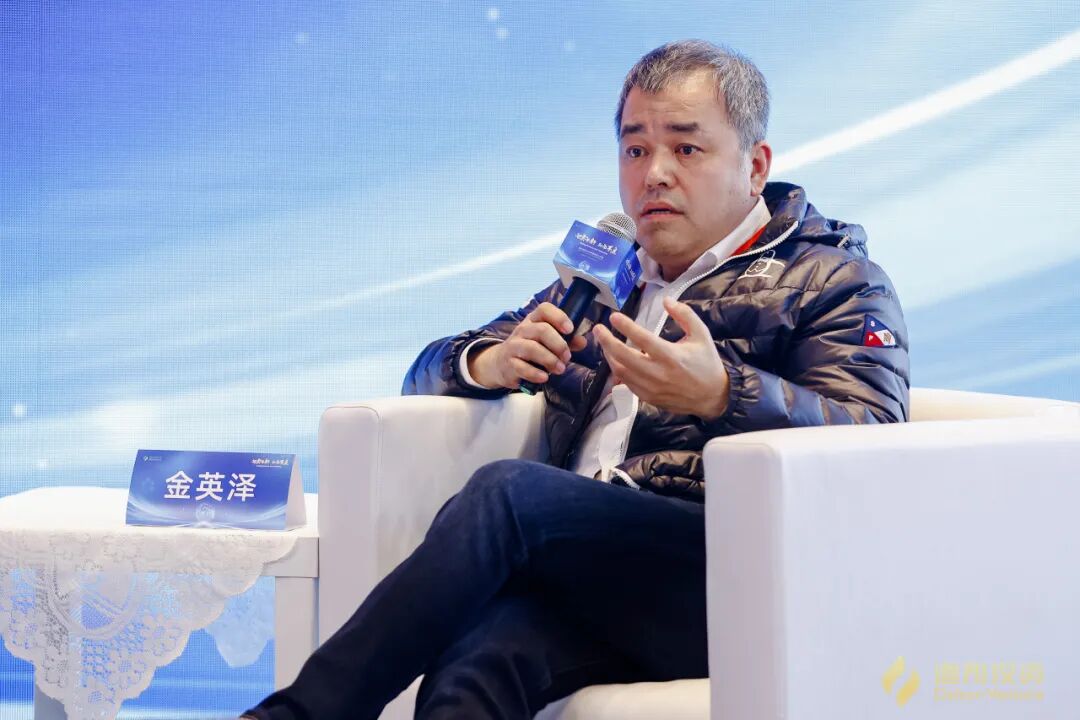
Swipe left for more
Liu Yang Founder and Chairman, Hanuo Medical
Lv Lulu CEO, Heyuan Biotech
Senping Cheng Founder and Chairman, Triastek
Zhang Weiqiang Founder and CEO, StarSea
Jin Yingze Founder and CEO, Oushisheng
(Key Takeaways)
Liu Yang: Developing an overseas strategy isn't just about targeting a new market or a second revenue curve — it's also an upgrade of your entire organization, production management system, and quality system. It's an embrace of challenge. Simply put, going global isn't just a sales strategy; it's a crucial strategy for a company's long-term development and survival.
Lv Lulu: Two key points about going global. First, move fast. Rely on first-mover advantage to quickly launch both domestically and internationally. The domestic market is very important, but domestic alone is far from enough — you must rapidly exploit time differences and stake out territory. Second, go with the flow. Go where demand for your product is, where the technology and talent matched to that technology are needed.
Senping Cheng: The "global" in what we call "for global" has undergone a profound change in recent years: globalization itself has changed. The direction of this change is very clear — it's actually localization. So we emphasize regionalization as the core of our global layout. Regionalized production capacity, combined with regionalized product demand — putting these two together is the direction of our future globalization.
Zhang Weiqiang: For going-global strategy, I suggest startups begin with countries in Southeast Asia and Latin America where regulatory and intellectual property risks are lower, as a testing ground. For strictly regulated markets like Europe and the US, ensure your product is fully prepared, intellectual property analysis is thorough, and you've found suitable partners. Once you've made your destination choice, focus your resources, dedicate yourself to serving customers, improving product quality, and understanding the local market — this can also prepare the ground for bigger moves later.
Jin Yingze: First, position yourself clearly for going global: either you're sufficiently leading, or you're a viable substitute. Develop your strategy and tactics, use the right people, move efficiently, and ensure adequate budget — otherwise you'll be passive. Based on our own overseas experience, my feeling is you need to be fast, precise, and decisive, while also preparing for a protracted war. So you need cash flow to stabilize your global operations.
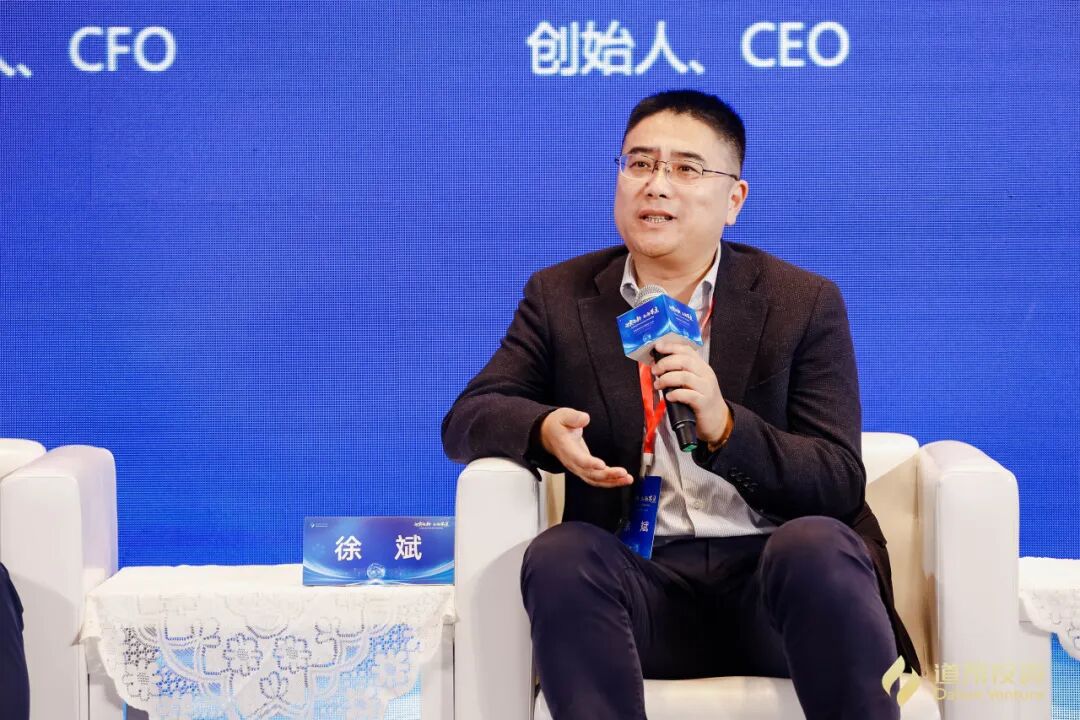
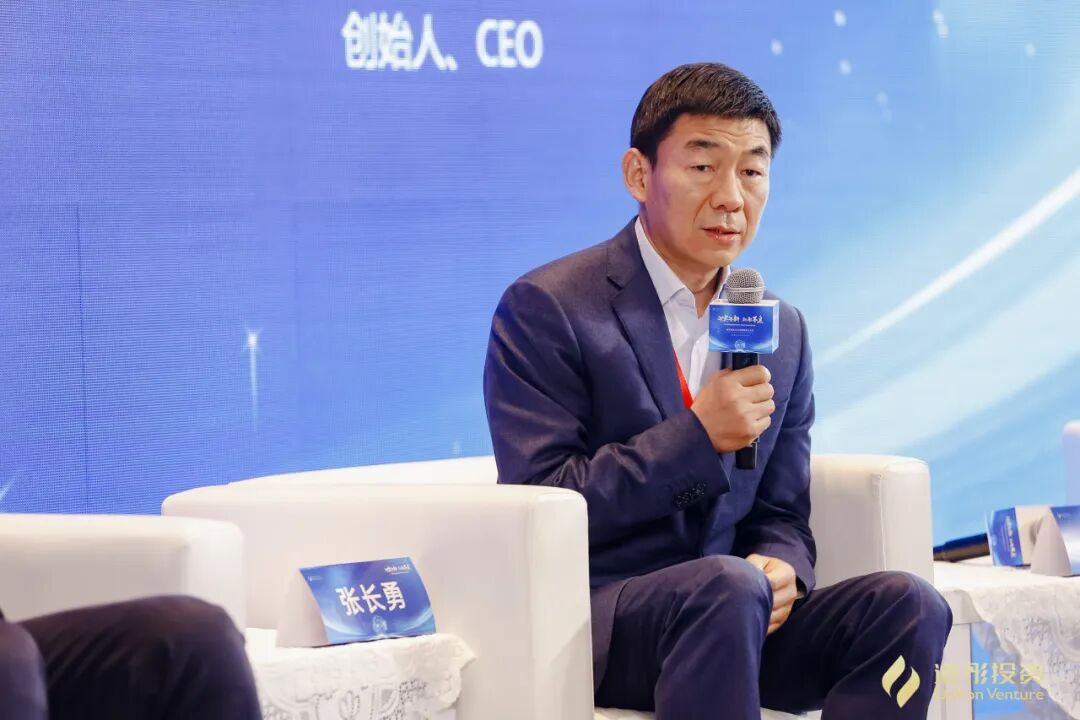
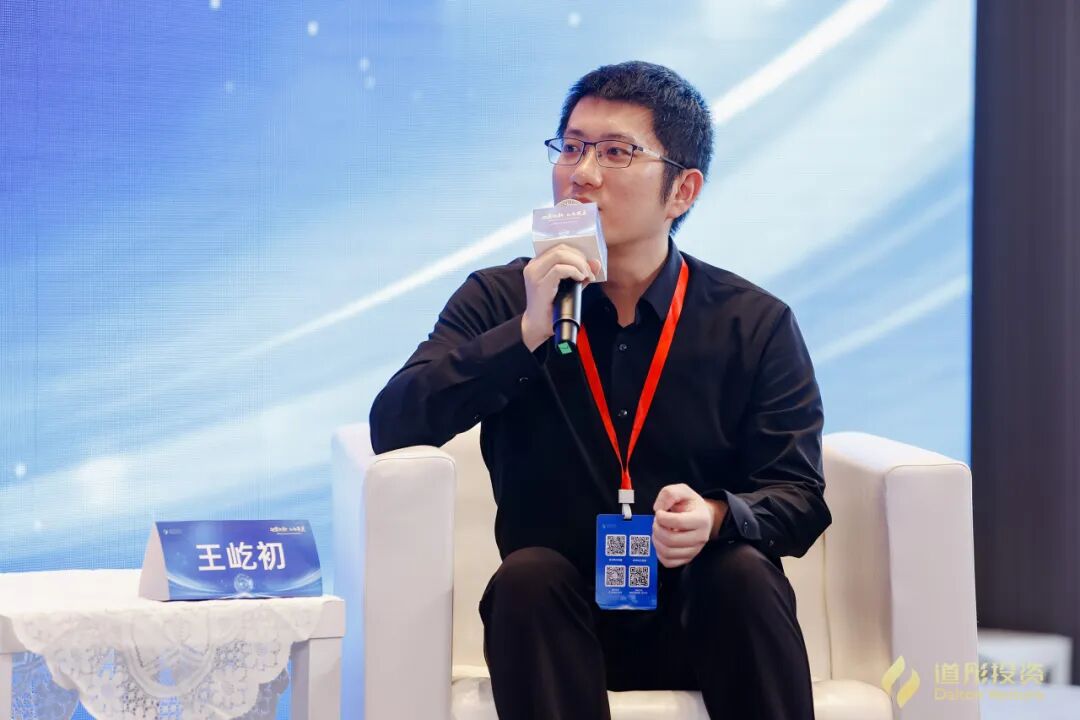
Robotics technology is hailed as "the pearl atop the crown of manufacturing." As a frontier of industrialization, robotics technologies in precision manufacturing, MEMS and sensors, and embodied intelligence are driving automation, convenience, and intelligence across household, industrial, and medical applications. In the panel discussion "From Tools to Intelligence: The Emergence and Prospects of 'Robotics+'," Dalton Venture was joined by Fang Ke, Co-founder and CFO of Astribot; Xu Bin, Founder and CEO of Rui'anxing; Zhang Changyong, CEO of Fuyi Medical; and Wang Yichu, Founder and CEO of Jingqin Zhizao to exchange views and envision the application prospects and investment opportunities of "Robotics+" in medical investment.
Panel Discussion
From Tools to Intelligence: The Emergence and Prospects of "Robotics+"
14
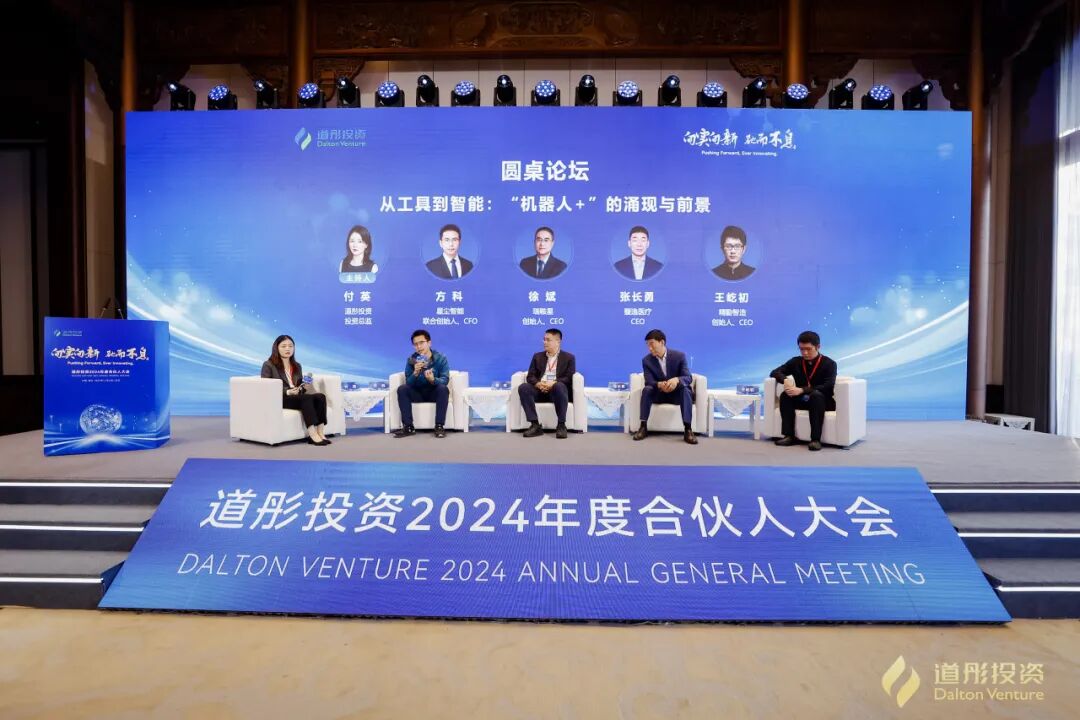
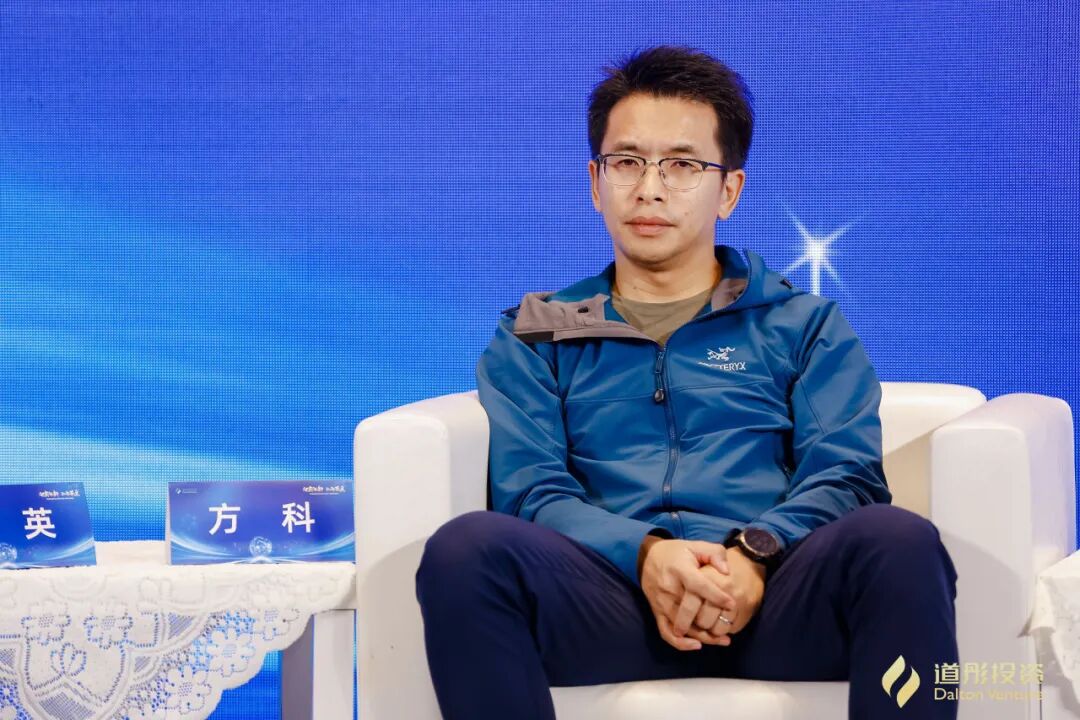
Swipe left for more
Fang Ke Co-founder and CFO, Astribot
Xu Bin Founder and CEO, Rui'anxing
Zhang Changyong CEO, Fuyi Medical
Yichu Wang Founder and CEO, Jingqin Zhizao
(Key Takeaways)
Fang Ke: For Astribot's humanoid robots, we define the use case as general-purpose. When it comes to scenarios, our first consideration is social benefit — objectively speaking, this is something we've been thinking about since we started the company. Humanoid robots should never replace humans; they should be robotic assistants that help people become more effective. Returning to the medical context: in R&D environments, for example, many PhD students might spend 30% of their energy on innovative research and 70% on tedious tasks like pipetting test tubes and reagents. We want to free these people from repetitive, dull work so they can focus more on innovation. This is the foundational thinking behind every scenario we consider.
Xu Bin: Rui'anxing is currently focused on AI-assisted decision-making systems for general anesthesia. Our team comes from a background in AI-driven intelligent equipment for surgical anesthesia. Why did we choose anesthesiology, or clinical anesthesia and surgery? China performs the largest volume of anesthesia procedures globally, accounting for one-third of worldwide surgical volume, with nearly 50% carried out at primary-level hospitals. Despite the National Health Commission's efforts to increase the number of anesthesiologists — a training process that takes five to seven years — there are currently only about 110,000 anesthesiologists nationwide. Compared to Europe and the United States, we're short roughly 300,000. So clinical resources in anesthesia are relatively scarce, and surgical patients' needs cannot be effectively guaranteed. Based on this, we hope to enter this noteworthy market through innovative software and hardware products.
Zhang Changyong: Simply put, Fuyi Medical's product is a microsurgical robot for the head and neck — think of it as a da Vinci application for the head and neck region. The difference is that Fuyi achieves higher precision, improving from the millimeter level to the micrometer level. This makes possible vascular anastomosis, lymphatic anastomosis, and some fine super-microsurgical procedures in neurosurgery. Medical technology and devices must come from clinical practice and be used in clinical practice; application in clinical scenarios is the driving force behind product R&D. We necessarily have to find the clinical scenarios best suited to this technical characteristic. We looked for scenarios at precision ranges beyond human capability, and that's how we found microsurgery.
Yichu Wang: Jingqin has always focused on the market for minimally invasive surgical instruments and consumables. Our core product is a new type of multi-degree-of-freedom laparoscopic surgical instrument. This niche track is a relatively blue ocean domestically, and globally the competitive landscape hasn't fully taken shape either. Jingqin's products rely on our team's original modular, multi-degree-of-freedom flexible transmission technology platform. We hope that within existing laparoscopic operating room setups, we can provide doctors with a directly hand-held instrument that doesn't change existing laparoscopic surgical workflows, doesn't interfere with per-procedure costs, yet gives doctors a robotic-surgery-like experience of fine multi-degree-of-freedom manipulation at the instrument tip.
PART 4
K/E/Y/N/O/T/E
Chinese enterprises are undergoing profound transformation in their overseas expansion models. Companies face an unprecedentedly complex environment, with major challenges at both macro and micro levels. Against this backdrop, how should Chinese enterprises internationalize? Gu Qingyang, Director of the Senior Master of Public Administration and Management Program at the Lee Kuan Yew School of Public Policy, National University of Singapore, shared his observations and reflections on "globalization," "going out," and "overseas strategy" in his keynote speech titled Global Trends and Enterprise Internationalization.
Special Guest Keynote
Global Trends and Enterprise Internationalization
15
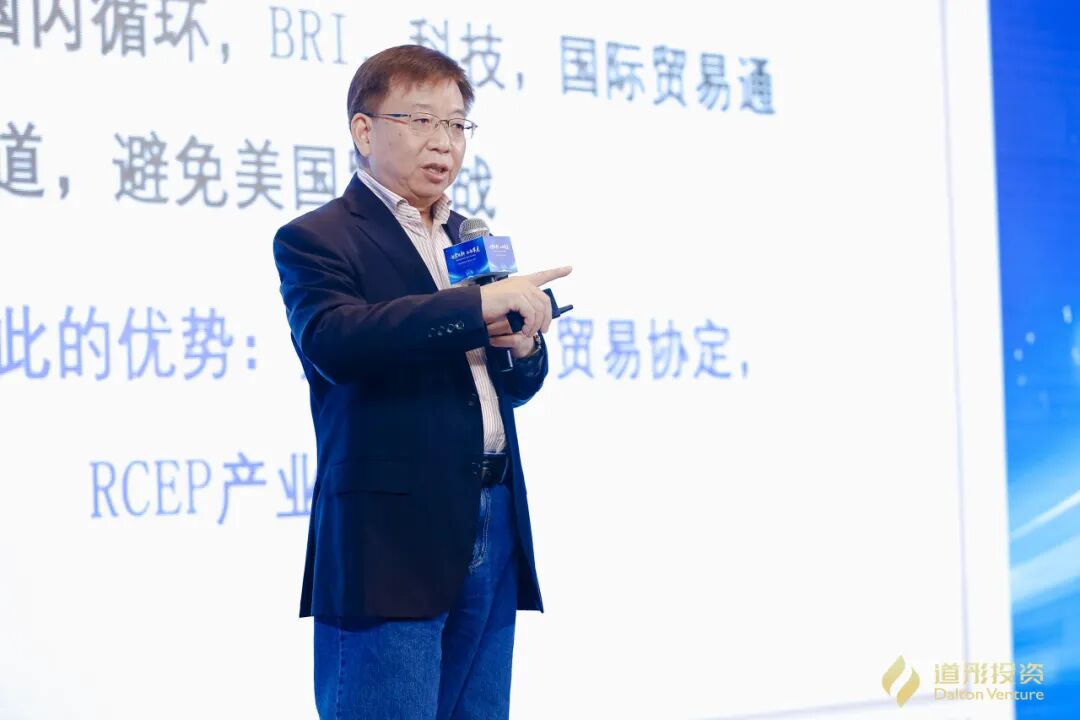
Speaker: Gu Qingyang Lee Kuan Yew School of Public Policy, National University of Singapore
Director, Senior Master of Public Administration and Management Program
(Key Takeaways)
There's been extensive discussion about enterprise overseas expansion. My perspective may be somewhat different: I see "going out" as merely an action. I prefer to call it "enterprise internationalization" — meaning our strategic thinking and corporate positioning should be considered from a global optimization perspective. I've seen many companies whose capital has gone out, whose products have gone out, but whose thinking has not. So I'd rather speak of the "entrepreneurial mindset" going out, not just the action of "going out."
I've often mentioned that enterprises should go out early, invest late. Go out early to understand the world, learn about upstream and downstream industries, and broadly engage with resources. But invest late, with great caution. Corporate strategic thinking should be "China plus one." If you decouple your industry from China, the enterprise becomes passive. The Chinese version of "China+1" emphasizes how to solidify the domestic business foundation, and on that basis actively expand and deploy globally.
Going forward, enterprises need to pay more attention to macro-level global strategy, considering supply chain resilience and security, not just economic efficiency and profit. They must comprehensively reshape strategy, zero out past successes, re-examine overseas markets, achieve full value chain innovation, and provide solutions that competitors cannot — particularly complementary solutions. My understanding is striving for supply chain internationalization.
PART 5
C/L/O/S/I/N/G R/E/M/A/R/K/S
2024 was a year of challenges and opportunities. "We face global economic uncertainty, the urgency of industrial transformation, and the boundless desire for innovation in healthcare." Dalton Venture Partner Lin Zhencheng expressed his firsthand experience of the healthcare industry's volatile development and his steadfast confidence in long-term commitment during his closing remarks.
Partner Closing Remarks
16
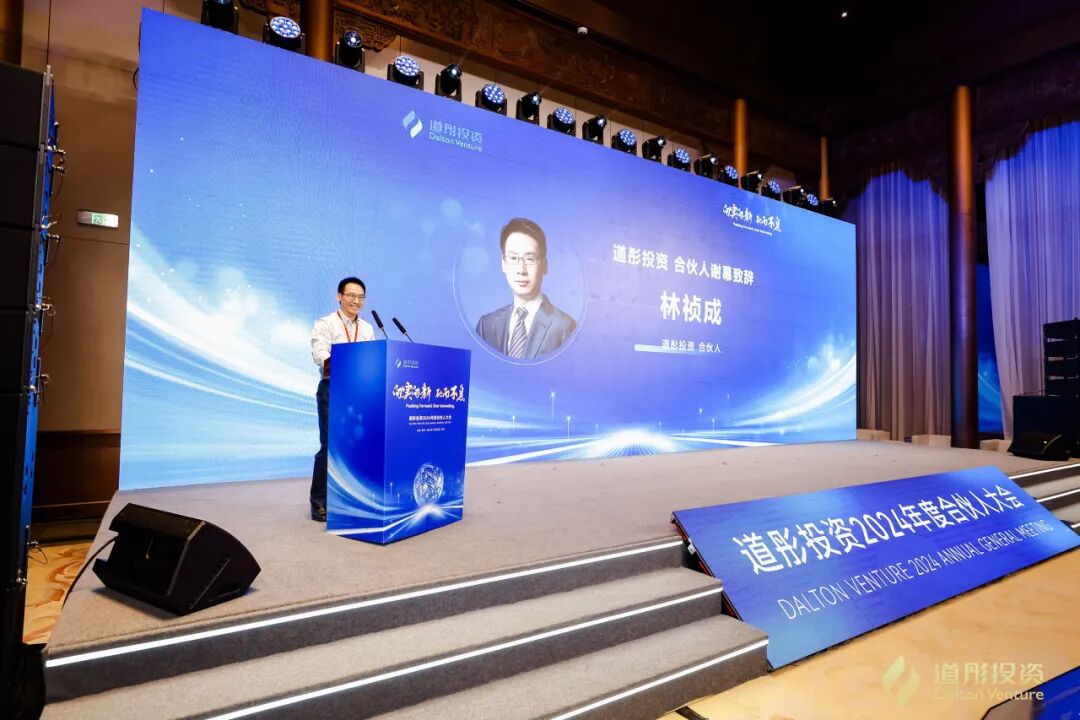
Speaker: Lin Zhencheng Partner, Dalton Venture
(Key Takeaways)
Choosing "Grounded and Innovative, Unceasing in Effort" as the theme for this year's partner conference reflects not only the opportunities of our times, but also the development philosophy that Dalton Venture consistently upholds.
"Grounded" means diving deep into industry, embracing industry. We deeply understand that only by rooting ourselves in the fertile soil of the real economy can we possibly bear the fruits of innovation. "Innovative" means committing to exploration of new technologies, shaping new business formats, and the relentless pursuit of cultivating new quality productive forces. This year, our portfolio companies have achieved remarkable accomplishments in their respective tracks — the best interpretation of how the Dalton family of entrepreneurs continues unceasingly on the path of healthcare innovation.
My sincere thanks to all LPs who trust Dalton Venture, and to our partners and entrepreneurs who chose to walk this path with us. It is your unwavering commitment to healthcare innovation that allows us to harvest wave after wave of results.
Finally, let us look forward to continuing to be grounded and innovative, unceasing in our efforts, and writing our own brilliant chapter on the heat map of healthcare and life sciences.
Grounded in progress,
is the consolidation of foundation, and the cornerstone of development.
Innovative in action,
is the trumpet of transformation, and the call of the future.
On this vast journey,
let us move forward together, unceasing in effort,
with hearts unswerving in courage!
ID: daltonventure
Long press to follow
Recommended Reading