Spring in Full Bloom, Brilliance Across All Things | Dalton Venture's 2024 CEO Summit Successfully Held
The annual Two Sessions have always been a critical barometer for China's economic trajectory and policy direction. This March, when the government elevated "new quality productive forces" to the top of its work agenda, it sparked intense interest and vigorous debate across industries about this buzzword. As one of the most dynamic drivers of technological innovation and industrial transformation—and a strategic emerging industry that lies at the heart of future industrial planning—how should the medical sector translate new quality productive forces into practice? And where will it steer the development and transformation of the life sciences industry?
The life sciences industry is poised for a new wave of transformation.
China's annual Two Sessions have long served as a critical barometer for economic development and policy direction. This March, when the government made "new quality productive forces" its top priority, it sparked intense interest and vigorous discussion across industries. As one of the most dynamic strategic emerging industries in technological innovation and industrial transformation — and a key focus for future industrial development — how should the healthcare sector translate new quality productive forces into reality? And where will they steer the evolution and reinvention of the life sciences industry?
Against this backdrop, the 2024 Dalton Venture CEO Summit convened on April 25–26. As a flagship post-investment event under Dalton Venture's "Tong Academy" brand, the CEO Summit is designed to provide Dalton's portfolio entrepreneurs and ecosystem partners with a comprehensive platform for deep exchange — spanning capital access, policy interpretation, industrial落地, and upstream-downstream collaboration — bringing together diverse innovation resources, sharing cutting-edge advances in technology and industry transformation, and mapping out bold visions and emerging trends for the future. "Touring Cities of Innovation" has become a defining feature of the Dalton Venture CEO Summit. Each year, the summit travels to a different city, using immersive industrial visits to understand regional economic characteristics, trace the development of local healthcare industry clusters, appreciate each city's distinct identity, and absorb its cultural essence.
This year, we arrived in Hefei — the "International Innovation Powerhouse" and a city built on technological creativity. With special thanks to the Hefei Biomedical Industry Chain Task Force and Hefei Life Health Industry Development Co., Ltd. for their generous support, the summit adopted the theme "Spring Harmony, Radiant Scenery, Renewed Vitality in Anhui." Nearly a hundred experts from government agencies, Hefei's Municipal Bureau of Economy and Information Technology, Hefei Investment Promotion Bureau, Hefei Industry Investment Group, academic institutions, financial organizations, and Dalton's portfolio companies gathered to engage in deep dialogue and spirited exchange on topics including "Building a Healthcare Venture Capital Ecosystem," "New Quality Productive Forces in Healthcare," and "Chinese Healthcare Companies Going Global" — injecting powerful momentum into medical technology progress and industry innovation.
PART 1
Innovation Journey
A City of Science, A Force in Smart Manufacturing
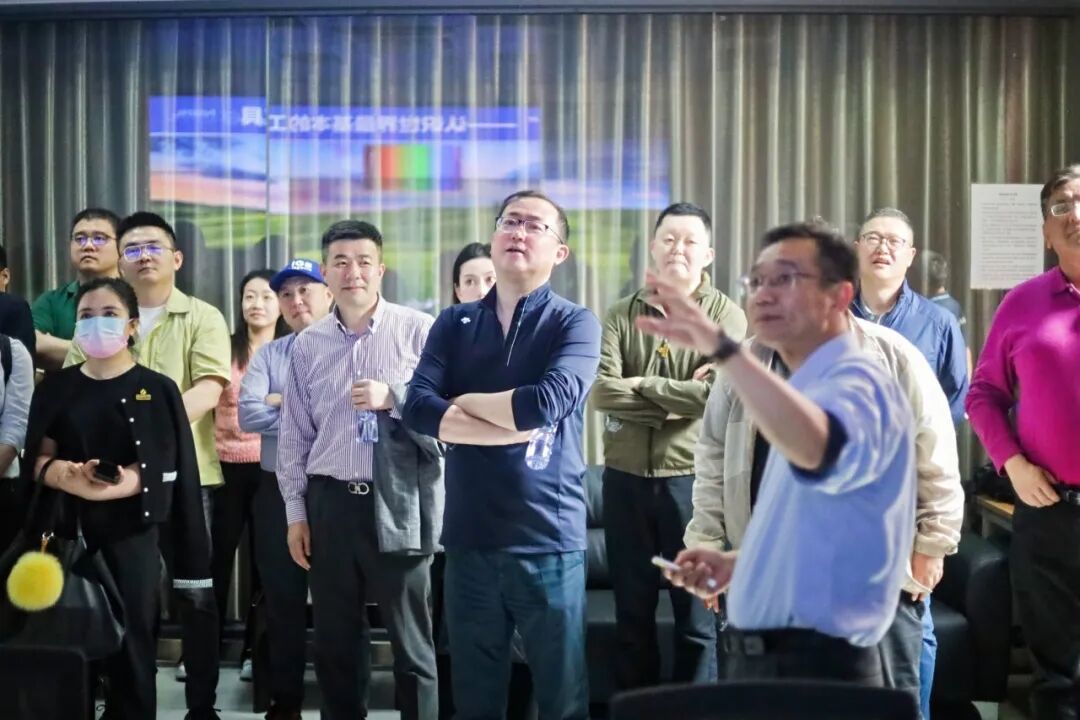
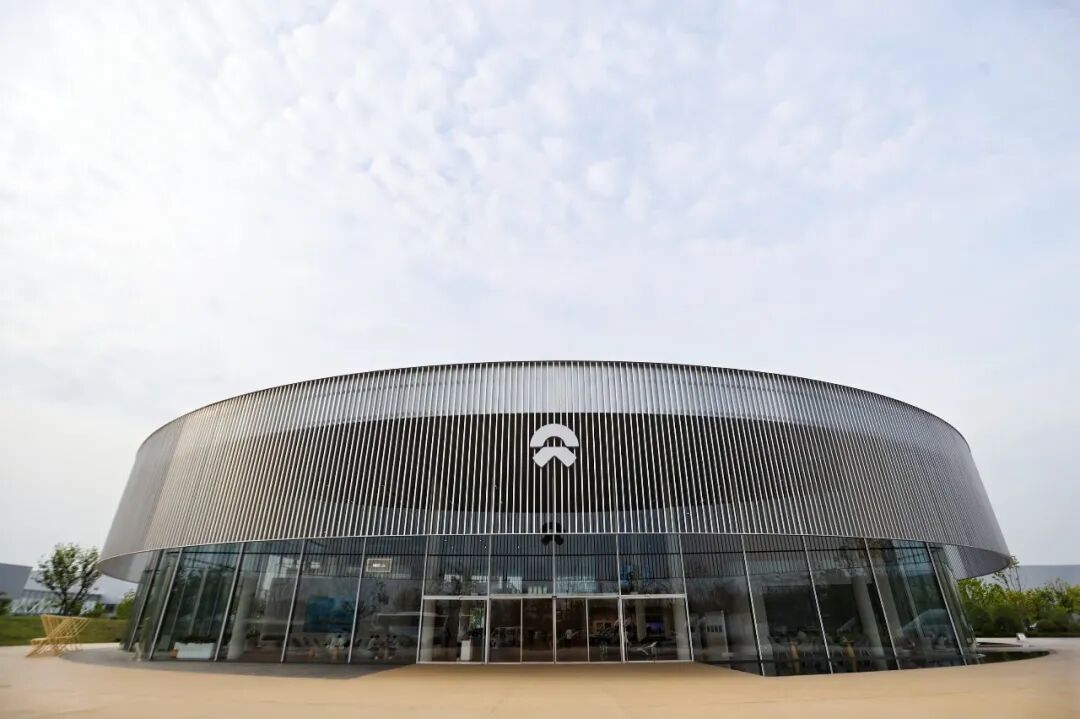
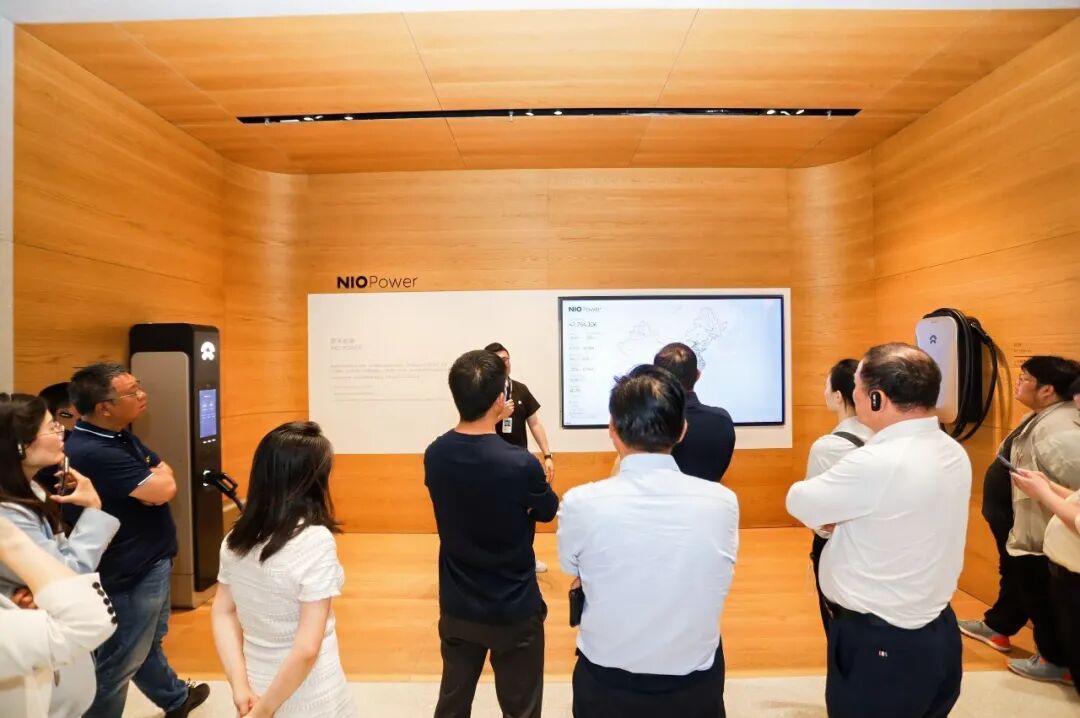
Anhui's commitment to scientific and technological innovation, and to self-reliance, has made it a birthplace of modern Chinese industrial manufacturing. In recent years, the province has pursued a strategy of "science and technology innovation + industry" and "industry leaders + supporting ecosystem," nurturing four trillion-yuan industries including new materials and advanced equipment manufacturing, alongside ten hundred-billion-yuan industries with biomedicine among them. As Anhui's capital, Hefei has forged a glittering identity as a "City of Science and Technology Innovation." On the summit's first day, Dalton Venture led portfolio companies on visits to the University of Science and Technology of China National Synchrotron Radiation Laboratory, the Mega-Science Facilities Cluster, and NIO's advanced manufacturing base — experiencing firsthand the "innovation pulse" of this creative city through these immersive tours.
Visiting the National Synchrotron Radiation Laboratory
01
Swipe left to see more
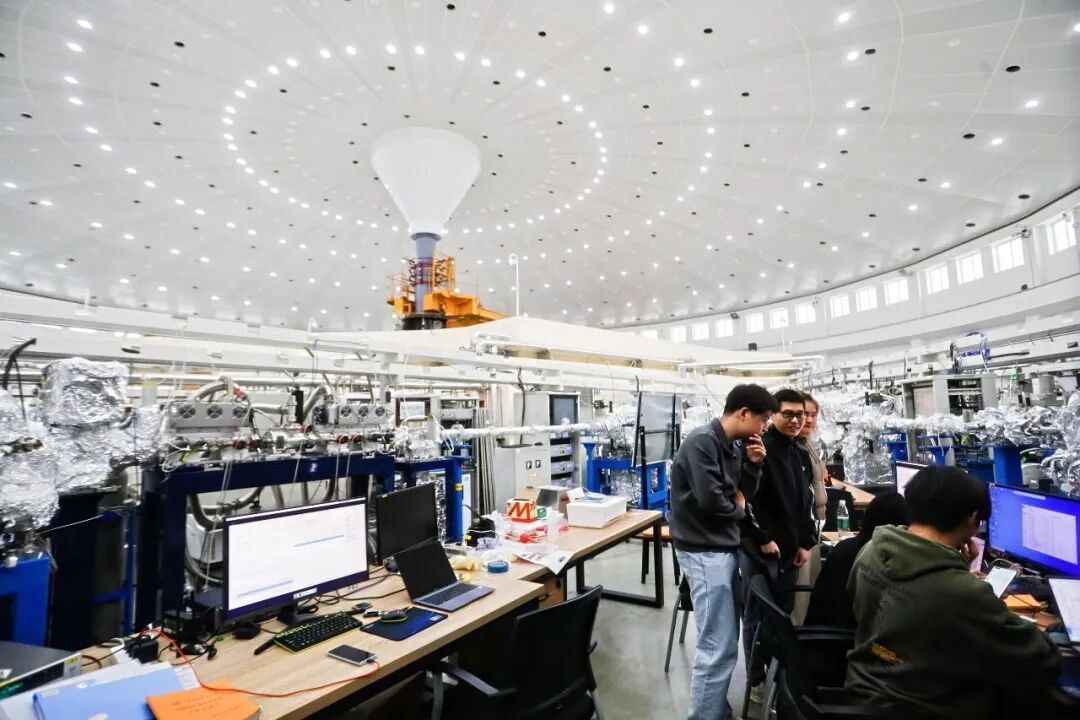
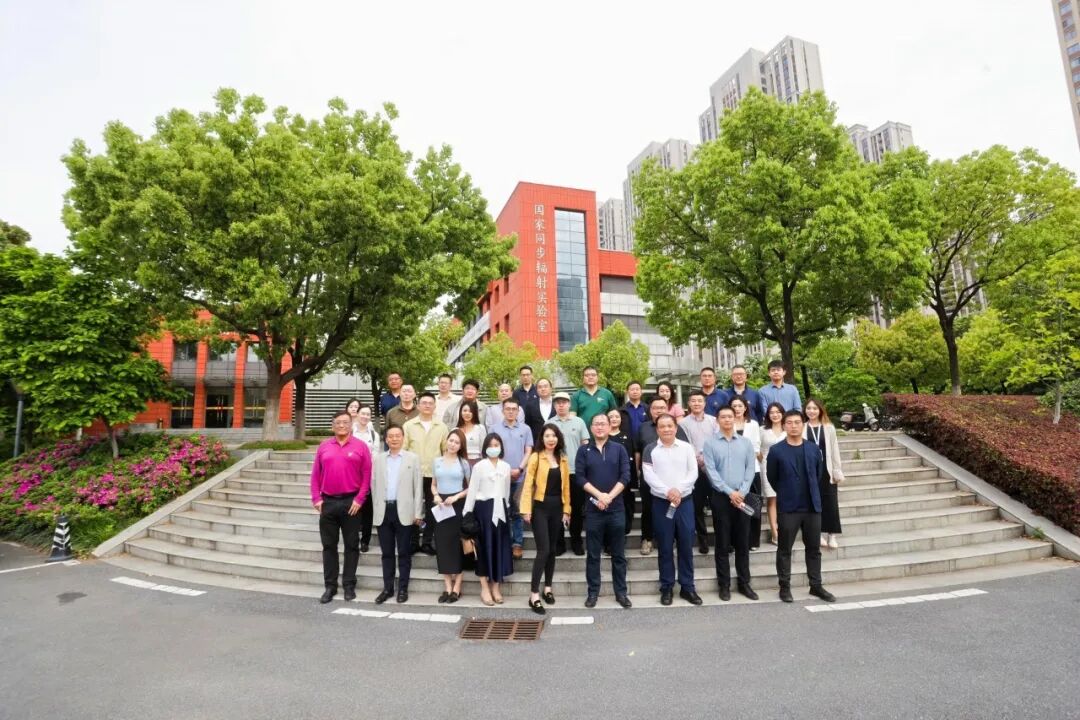
Located on the west campus of USTC, the National Synchrotron Radiation Laboratory is China's first national laboratory. In the late 1980s, China's first dedicated synchrotron radiation source — the Hefei Light Source — was completed here, producing the nation's first "magic light" and illuminating the path for Chinese scientists in their pursuit of light.
The Hefei Light Source has resolved critical scientific problems in advanced functional materials, energy and environment, and life sciences. Addressing major national strategic needs, it has pioneered research in areas including aero-engine combustion, coal chemical energy conversion, advanced thin-film materials, large grating technology, and standard detector calibration and transfer.

Visiting the Mega-Science Facilities Cluster
02
Swipe left to see more
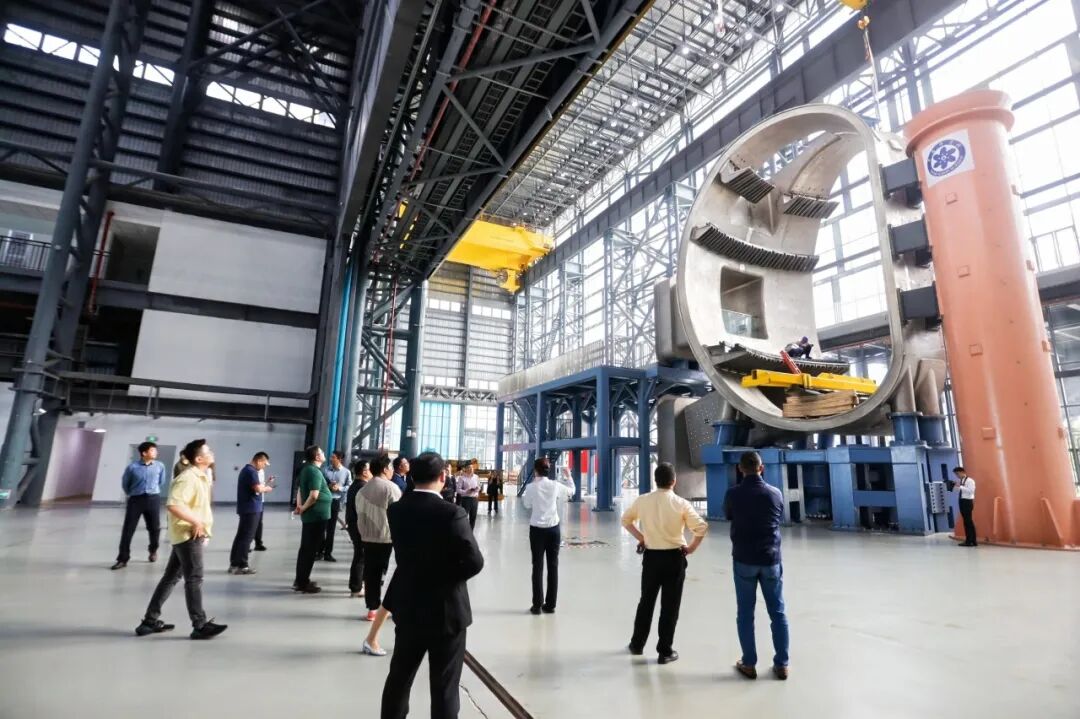
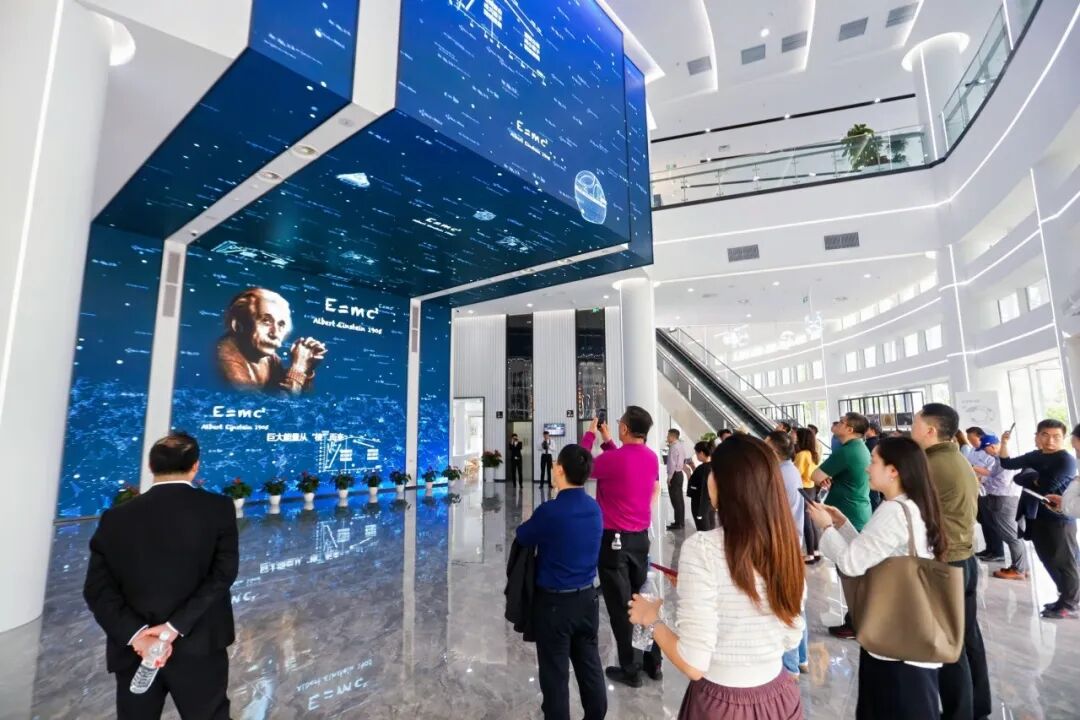
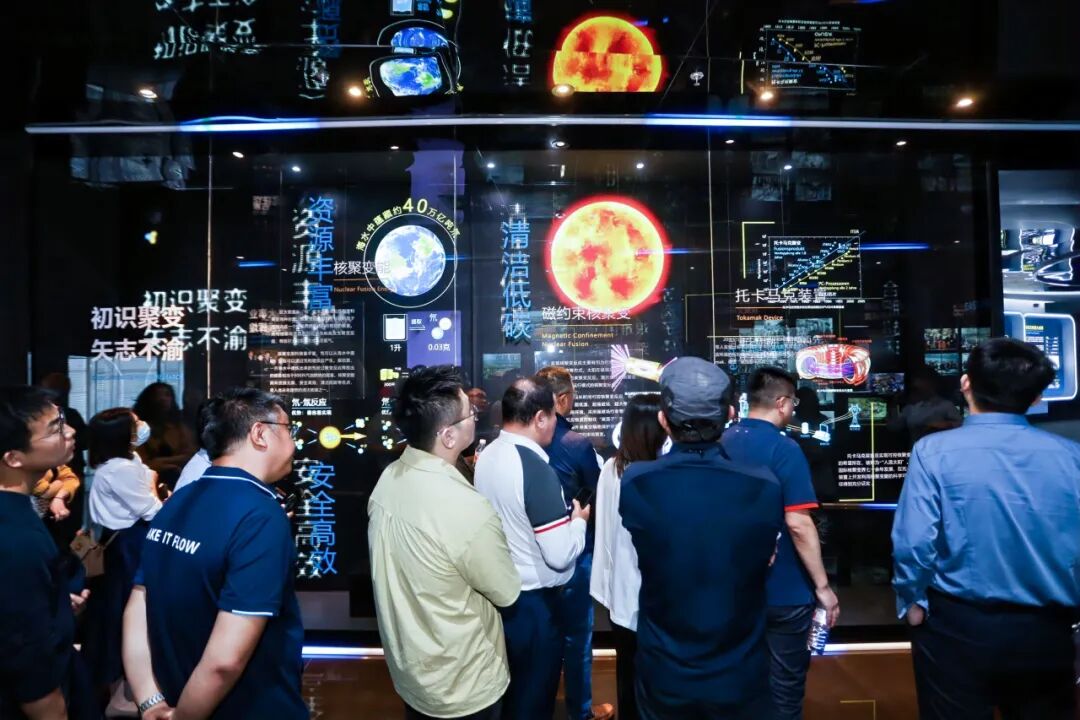
The search for clean energy represents one of the most critical explorations of our era. Among all renewable energy sources, solar power stands paramount — its immense energy derives from internal nuclear fusion reactions. The mega-science facility "Kuafu" (CRAFT) is precisely dedicated to developing the "engine" for future "artificial suns." Over 1,000 researchers from more than 170 domestic and international partner institutions are tackling a series of scientific and engineering challenges, striving to transform the myth of "Kuafu chasing the sun" into reality through the power of technology.
Hefei Future Mega-Science City has already established a tiered development structure of 12 mega-science facilities — operational, under construction, planned, and in the pipeline — ranking third nationally, and is gradually becoming a strategic national scientific force in global technological competition and collaboration.
Visiting NIO's Advanced Manufacturing Base
03
Swipe left to see more
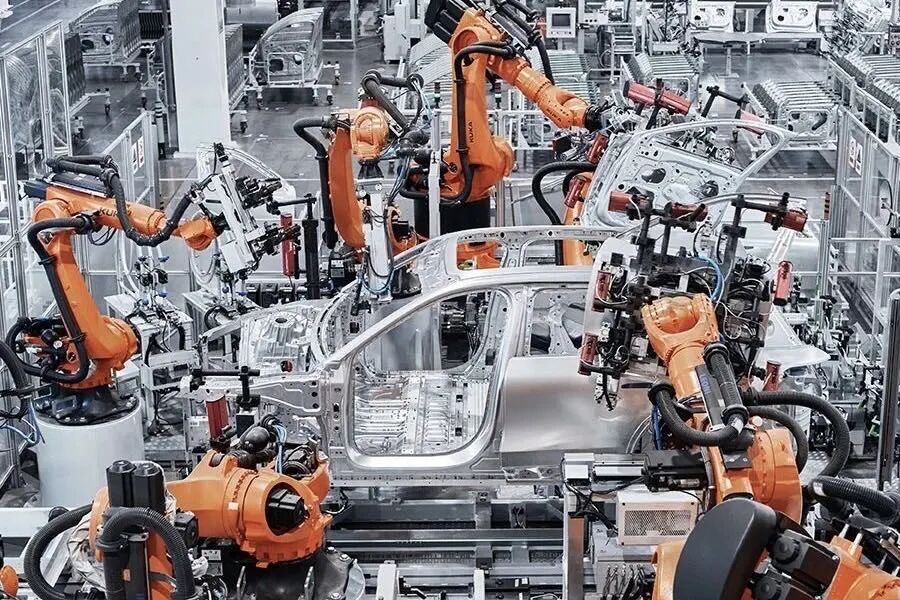
NIO's advanced manufacturing base stands as a globally leading, fully digitalized smart factory. It employs world-class technologies including the "Tiangong" intelligent manufacturing management system, the "Magic Cube" vehicle storage and retrieval platform, and the "Enclave" automated assembly island — breaking through the traditional conflict between mass production and personalized customization to achieve highly efficient, flexible manufacturing.
This intelligent, automated production model has not only dramatically improved production efficiency, manufacturing precision, and flexibility, but has also enabled a qualitative leap in product quality and innovation capacity. Digital intelligence holds profound significance for driving enterprise transformation, upgrading, and competitiveness enhancement.
PART 2
Guest Remarks
Open Collaboration, Moving Forward Together
"Industry is the foundation of economic vitality, and innovation is the engine of industrial development." Dalton Venture founding managing partner Sun Qi shared his perspective on Anhui's innovative strength and his vision for collaborative partnership and developing new quality productive forces in his opening address.
Partner Address
04
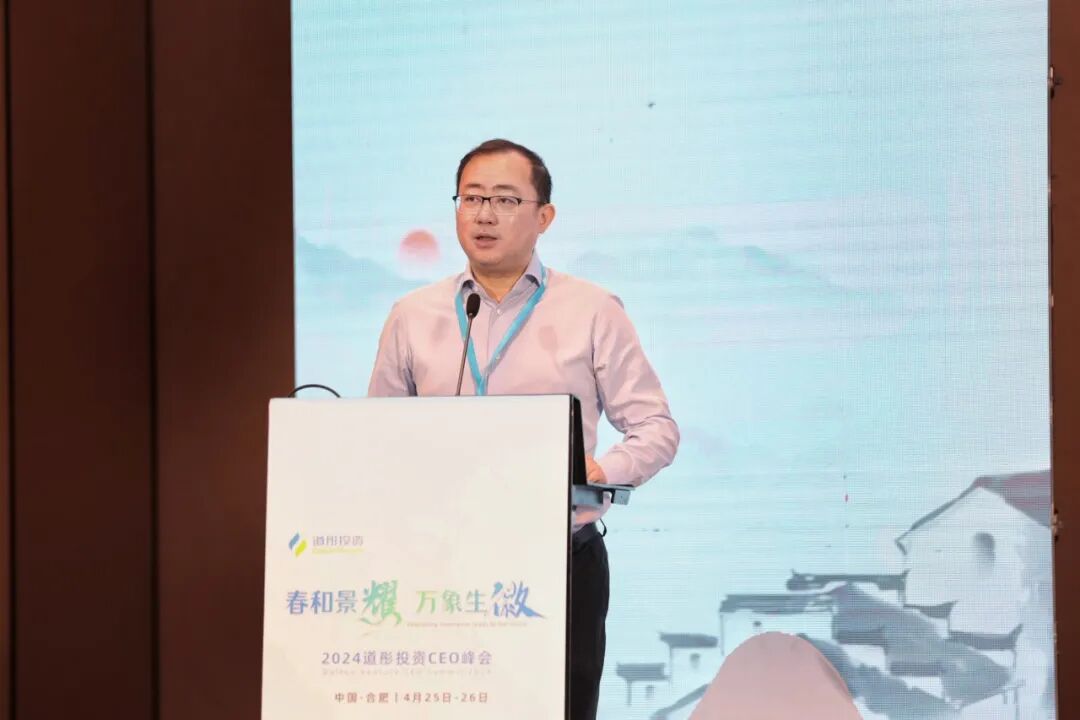
Speaker: Sun Qi, Founding Managing Partner, Dalton Venture
(Scroll to read key insights)
The Yangtze River Delta region ranks among China's most economically dynamic areas, occupying a crucial strategic position in both the nation's modernization drive and its comprehensive opening-up格局. At the end of 2019, the Central Committee of the Communist Party and the State Council issued the Yangtze River Delta Integrated Development Plan, incorporating all of Anhui into the region. The 2020 symposium on integrated Yangtze River Delta development set the strategic tone and catalyzed industrial upgrading, accelerating Anhui's push to establish itself as an innovation source and emerging industry hub.
This year's summit theme, "Spring Harmony, Radiant Vistas, the Emblem of All Things Flourishing," carries our blessings and vision for this vibrant, dynamic land. Anhui is home to China's first national laboratory and the first batch of comprehensive national science centers. Its total number of national key laboratories has reached seven, and its major scientific facilities rank among the nation's best. Technological innovation has become the greatest driver of Anhui's high-quality development. Following the new energy sector, Anhui is now mobilizing the entire province to build a biopharmaceutical hub. The next five to ten years will be a historic period for Anhui and Hefei to vigorously develop the biopharmaceutical industry and achieve breakthroughs in medical devices, pharmaceuticals, industrial applications, and supply chain systems.
As a new wave of global technological and industrial revolution accelerates, the industry-wide practice of new quality productive forces is unfolding with tremendous momentum. The core of new quality productive forces lies in using technological innovation to drive industrial innovation — particularly through disruptive and frontier technologies to spawn new industries, new models, and new momentum. This holds true for the healthcare industry as well: disruptive achievements and revolutionary advances in healthcare typically stem from breakthrough innovations based on new scientific principles, new combinations, and new applications. We hope that through opportunities like today, we can gather collective wisdom and discuss paths to collaboration, harvesting new opportunities for development on this hope-filled land of Anhui, unlocking the boundless potential for healthcare venture capital ecosystems to take root, and working hand-in-hand with ecosystem partners to help innovative startups forge ahead amid capital turbulence — jointly advancing the innovative development of life sciences, biopharmaceuticals, and related industries.
Che Xun, Deputy District Mayor of Shushan District, Hefei, Anhui Province, attended the summit and delivered a speech introducing Shushan's regional development strategy and its advantages in talent, supporting infrastructure, and development environment.
District Leadership Address
05
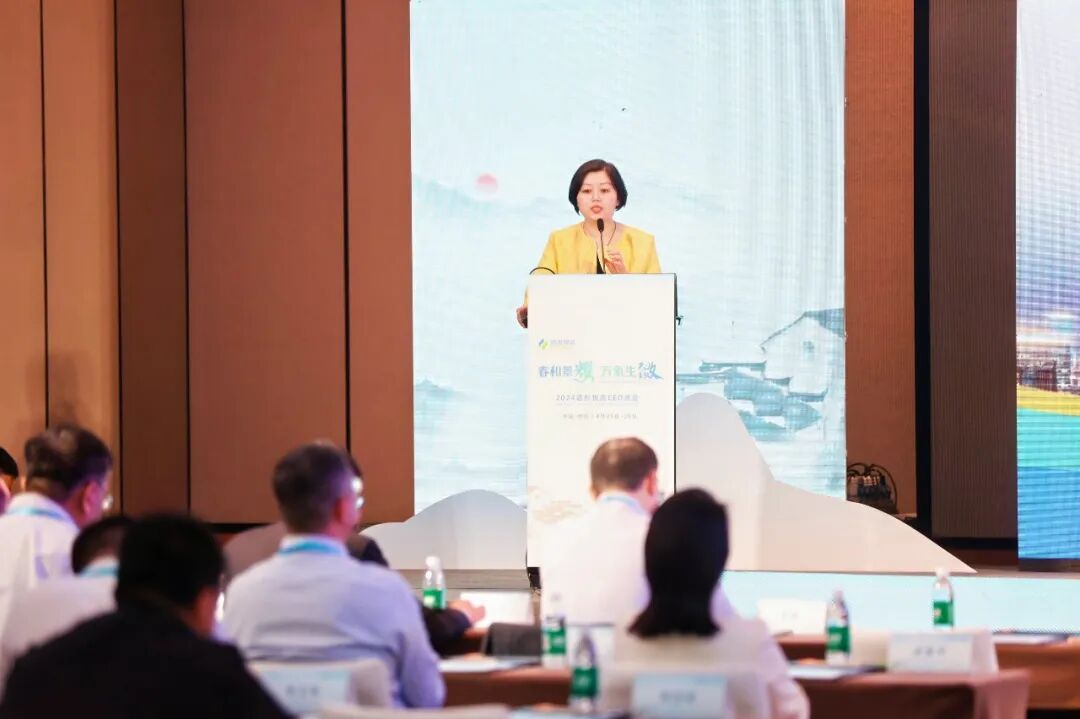
Speaker: Che Xun, Deputy District Mayor of Shushan District, Hefei
(Key Highlights)
As Hefei's political and cultural center, Shushan District is vigorously advancing "innovation across all domains," leveraging its abundant technological resources and extensive application scenarios to make technological innovation the "dominant engine" and "shining calling card" of Shushan's development. At the same time, Shushan insists on the integrated advancement of technological and industrial innovation, using technological innovation as the driving force to develop new quality productive forces in alignment with provincial and municipal future industry directions.
As time moves forward, Shushan rises upward. We welcome innovative startups to develop here and join us in writing a new chapter of Shushan's economic development.
Wang Mengzhong, Second-Level Inspector of Anhui Provincial Department of Science and Technology, delivered a speech on behalf of Director Luo Ping.
Anhui Provincial Department of Science and Technology Address
06
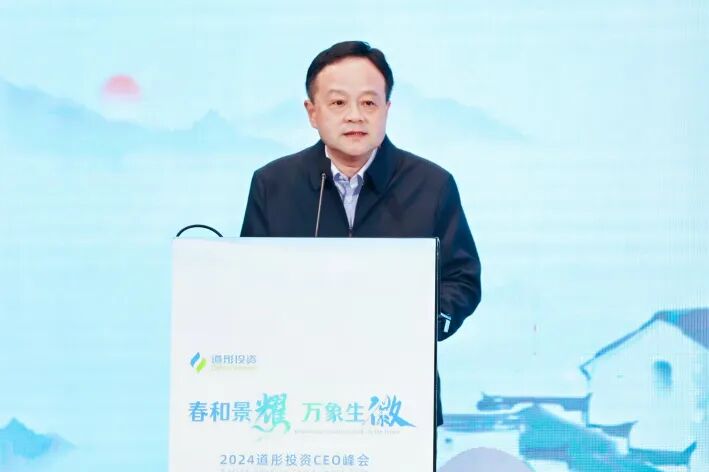
Speaker: Wang Mengzhong, Second-Level Inspector, Anhui Provincial Department of Science and Technology
(Key Highlights)
The healthcare industry is one that depends heavily on technological innovation. In China's national innovation landscape, the Anhui Provincial Department of Science and Technology will bravely undertake the mission of being in the first echelon, vigorously promoting technological innovation to lead modern industrial system development, cultivating future industries, nurturing new quality productive forces, and advancing the integration of technology and industry. With market demand as our guide, enterprises as our main body, and capital as our bond, we will accelerate the construction of an open, collaborative, and efficient healthcare industry innovation ecosystem.
We sincerely invite Dalton Venture to lead outstanding enterprises and ecosystem partners into Hefei, to connect and facilitate, so that together we can discover value, realize value, and create value — building a more dynamic and efficient innovation and capital market environment within the province. We aim to establish normalized connection mechanisms with industry-leading enterprises, major enterprises, high-tech enterprises, and technology-oriented SMEs, achieving precise alignment and win-win cooperation across industrial chains, value chains, and capital chains.
PART 3
K/E/Y/N/O/T/E/S
Hardcore Technology, Original Innovation
As China's first large-scale medical equipment company to receive FDA Breakthrough Device Designation, DAYI Medical gained further international recognition in 2023 for its technological innovation and global partnerships. As an innovative industry group focused on oncology diagnosis and treatment, DAYI demonstrated the boundless possibilities that innovation and persistence can bring. Liu Yichen, Executive President and Vice Chairman of DAYI Group, delivered a keynote on site titled "Independent Innovation: A National Strategic Asset."
Portfolio Company Keynote
Independent Innovation: A National Strategic Asset
07
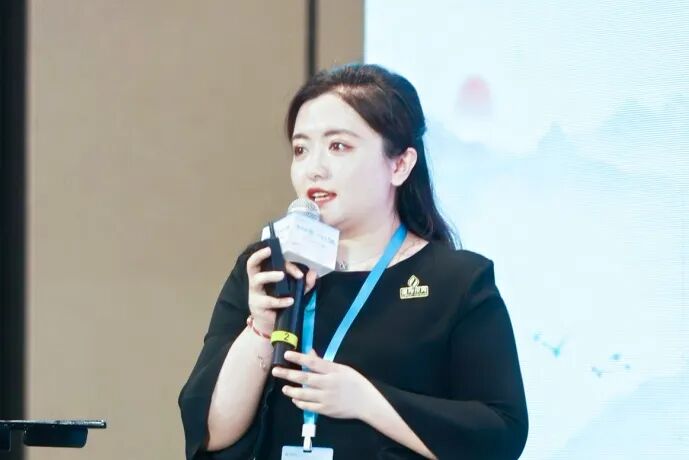
Speaker: Liu Yichen, Executive President and Vice Chairman, DAYI Group
(Key Highlights)
DAYI is committed to building a world-leading innovative oncology diagnosis and treatment service brand. The company's development has roughly gone through three stages:
Stage One: Leading the "Non-Invasive Surgery" Era with the Gold Standard in Radiosurgery. During this stage, we established new standards in radiosurgery through gamma knife technology. Over the past 13 years, DAYI's gamma knife has achieved number one market share in China and number one globally in the radiosurgery sub-segment.
Stage Two: Pioneering the "Patient-Centered" Era of Personalized Radiotherapy. Gamma knife is a very niche category. We understand that great enterprises don't merely aim for small contributions, so we set our second goal as "more than a small but real world number one." Through our patient-centered value proposition, we continued to contribute to social responsibility. In this stage, DAYI leveraged its gamma knife advantages to develop the Tai Chi platform — combining gamma knife and linear accelerator into one — redefining radiotherapy and building a world-class radiotherapy brand. This product category has completed the world's first registration and received FDA certification.
Stage Three: Building a New Era of More Accessible, More Effective, More Intelligent, and More Transparent Cancer Treatment. We will create a cloud-based integrated rectification service platform, empowering thousands of oncology diagnosis and treatment centers.
As society enters an aging demographic phase, cardiovascular disease — the top threat to public health — remains one of Dalton Venture's key focus areas. In China, penetration in cardiac interventional imaging lags far behind international levels, with the market long dominated by imported giants. IceCrystal Intelligent has emerged in the domestic market with its industry-first next-generation acoustic energy conversion system. Zhang Jihong, Founder and CEO of IceCrystal Intelligent, delivered a keynote on site titled "Building China's Leading Intelligent Cardiac Interventional Ultrasound Imaging Platform."
Portfolio Company Keynote
Building China's Leading Intelligent Cardiac Interventional Ultrasound Imaging Platform
08
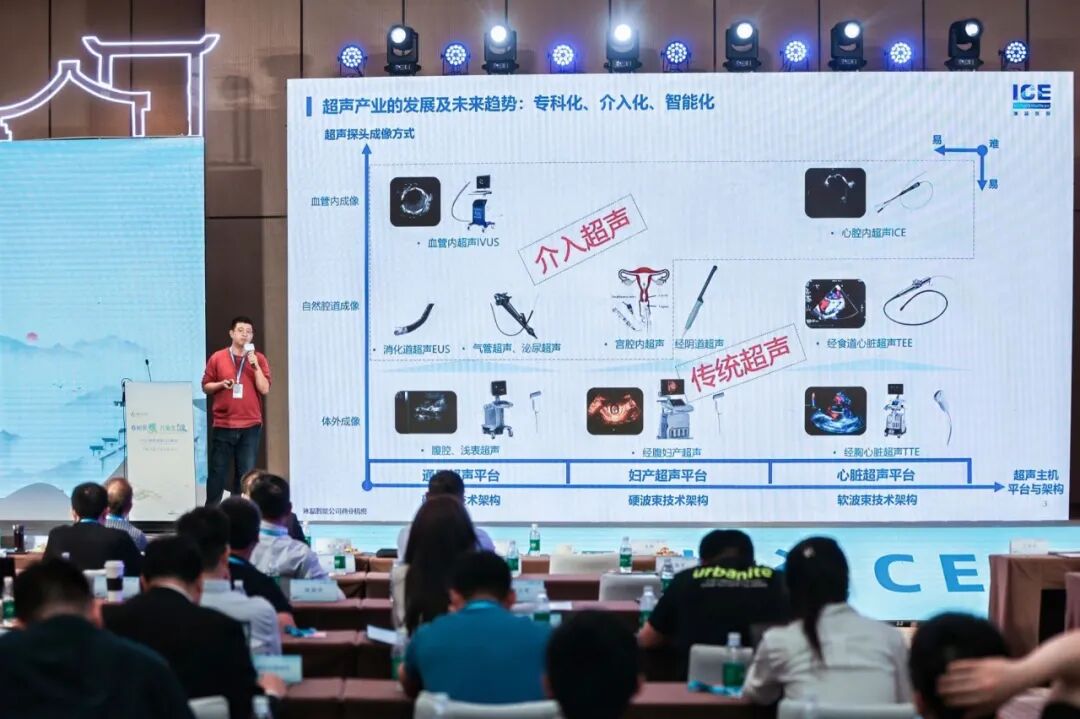
Speaker: Zhang Jihong, Founder and CEO, IceCrystal Intelligent
(Key Highlights)
Heart disease is highly prevalent in China, ranking among the top three causes of death. IceCrystal focuses on structural heart disease and arrhythmia — conditions affecting tens of millions of patients, yet with remarkably low treatment rates. Combined, these see fewer than 500,000 interventional procedures annually. What's behind this stark contrast? Insufficient medical capacity in China. A major barrier to sufficient medical capacity is the extremely difficult learning curve for these procedures.
The medical surgical process is highly non-standardized. From the imaging industry perspective, external-to-internal imaging machines have limitations in interventional treatment. In cardiac intervention, for example, you can see some anatomical structures and medical devices, but you cannot see the heart itself. The cardiac interventional ultrasound that IceCrystal is developing addresses precisely this problem. We miniaturize the ultrasound probe so it can be inserted directly into the heart via the femoral vein, enabling internal-to-external visualization of the entire heart.
Meanwhile, our commercialization team maintains close communication with top industry experts, and much of our product feedback comes from them. For example, we have specifically designed an ultrasound interventional imaging system for cardiac interventional surgical treatment, incorporating artificial intelligence to enable intelligent assistance during cardiac interventional procedures, allowing grassroots physicians to quickly learn and operate — further reducing the learning difficulty for physicians and surgical risk.
As one of the major special projects in Anhui Province's 14th Five-Year Science and Technology Innovation Plan, integrated circuits have achieved clustered development in Hefei, building a complete integrated circuit industry chain. Based on the long-term logic of "technology plus security," Dalton Venture invested in SENSILICON, a pioneer in China's precision signal chain chip segment. Zhang Yongqian, Founder and CEO of SENSILICON, delivered a keynote on site titled "Applications of Precision Signal Chain Chips in New Energy Vehicles, Healthcare, and Industry 4.0."
Portfolio Company Keynote
Applications of Precision Signal Chain Chips in New Energy Vehicles, Healthcare,
and Industry 4.0
09
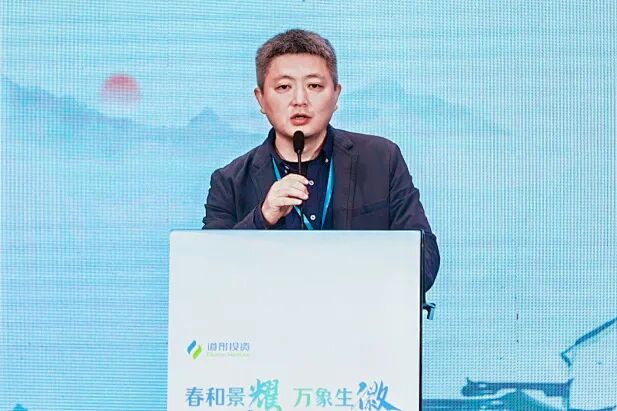
Speaker: Yongqian Zhang, Founder and CEO of SENSILICON
(Key Takeaways)
SENSILICON is a chip company. In terms of industry division, we're upstream of the entire medical and device sector. We specialize in precision signal chain chips, with downstream coverage extending beyond healthcare into new energy — including new energy vehicles and energy storage equipment — as well as Industry 4.0. Our positioning is as the leader in China's precision signal chain chip market. Though we're a relatively young company at just over three years old, we've made some critical advances in the past two years:
First, as the first company in China and the second globally, we launched a 32-bit high-precision analog front-end. Previously, this analog front-end was only available from one American company, Texas Instruments. Our chip has already achieved successful mass production with PetroChina and will generate substantial revenue for us this year.
Second, we established a joint laboratory with Hefei University of Technology. In 2023, a year focused on moving from technology to productization, we successively launched high-precision analog front-ends for industrial automation, precision instrumentation, and medical devices. During the same period, we also began rolling out core battery management acquisition chips for new energy vehicles — chips that had previously been monopolized by foreign suppliers.
Additionally, we've established an R&D center in Hefei. 2024-2025 marks our transition from technology to business落地. We'll be conducting deeper exploration and application across several major domestic downstream scenarios: new energy vehicles, medical devices, energy exploration, and Industry 4.0 automation.
After the market entered an adjustment phase, Dalton Venture raised its investment standards, focusing more on "hexagonal warrior" enterprises — companies with long-term R&D innovation capabilities, clear product commercialization paths, global channel expansion, and scalable revenue potential. This year, Dalton Venture invested in Taiyi Health, a domestic full-service supply chain provider for professional health products. Li Weijun, Founder and CEO of Taiyi Health, delivered a keynote on site titled "Digital Intelligence-Driven Full-Service Solutions for the Health Industry."
Family Company Keynote
Digital Intelligence-Driven Full-Service Solutions for the Health Industry
10
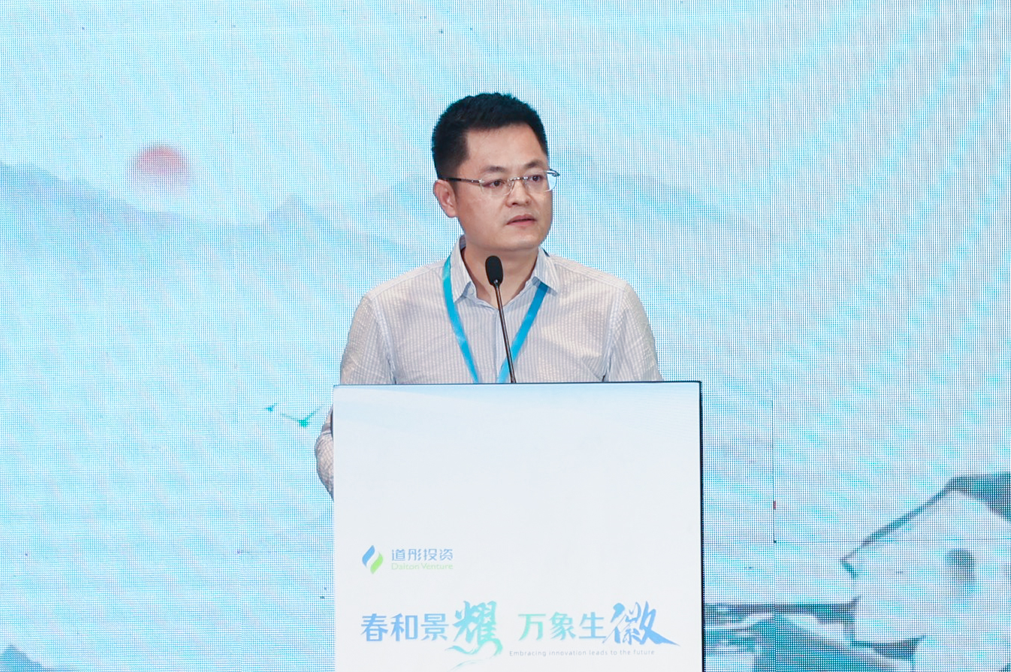
Speaker: Weijun Li, Founder and CEO of Taiyi Health
(Key Takeaways)
I want to share some updated information about the health products industry today. In fact, China has the strictest health supplement regulations in the world. Unlike the United States, Europe, Australia, and other countries where health supplement regulations follow a filing system, the vast majority of health supplements in China still require registration. The entire application cycle for health supplements now basically matches that of pharmaceutical applications — about five to seven years — and requires a series of rigorous validations. Although the capital investment is far from comparable to pharmaceuticals, the overall process remains extremely rigorous. So China's health supplement industry is undergoing some changes. Particularly in recent years, from institutional reforms to the rectification of marketing channels, the entire industry has become increasingly standardized — and standardization will inevitably drive the industry's development.
China's share of the global health supplement market, which totals roughly over 1.2 trillion RMB, has grown to nearly one-third. However, compared to the overall U.S. market, per capita spending is only about one-third of America's, so there's still significant domestic market potential.
From the perspective of health supplement logic, the focus should be on C-end consumers. This isn't purely a product and technology play — the key is whether you can provide a complete solution that genuinely solves consumers' cost-effectiveness concerns, or even functionally addresses their needs. So we approach health supplement solution services from a C-end perspective and with C-end solutions.
Over the next five to ten years, AI represents one of the most systematically developmental and innovative opportunities in the healthcare industry. Dalton Venture has previously made deep AI investments, with portfolio companies including Landing Med, Brain Doctor, DeepWise, and Rui'anxing all achieving solid commercial progress. Now, as the "hundred-model war" competition gradually evolves, general-purpose large language models have made tremendous strides in business, research, and application. However, the healthcare industry demands professionalism and rigor, and the application of vertical multi-modal AI large models in this sector remains to be explored and developed. Based on this, Professor Zaiqing Nie, Tsinghua University Guoqiang Professor and Chief Research Scientist at the Institute for AI Industry Research, delivered a keynote on site titled "Innovative Applications and Challenges of Multi-Modal AI Large Models in Biomedicine."
Special Guest Keynote
Innovative Applications and Challenges of Multi-Modal AI Large Models in Biomedicine
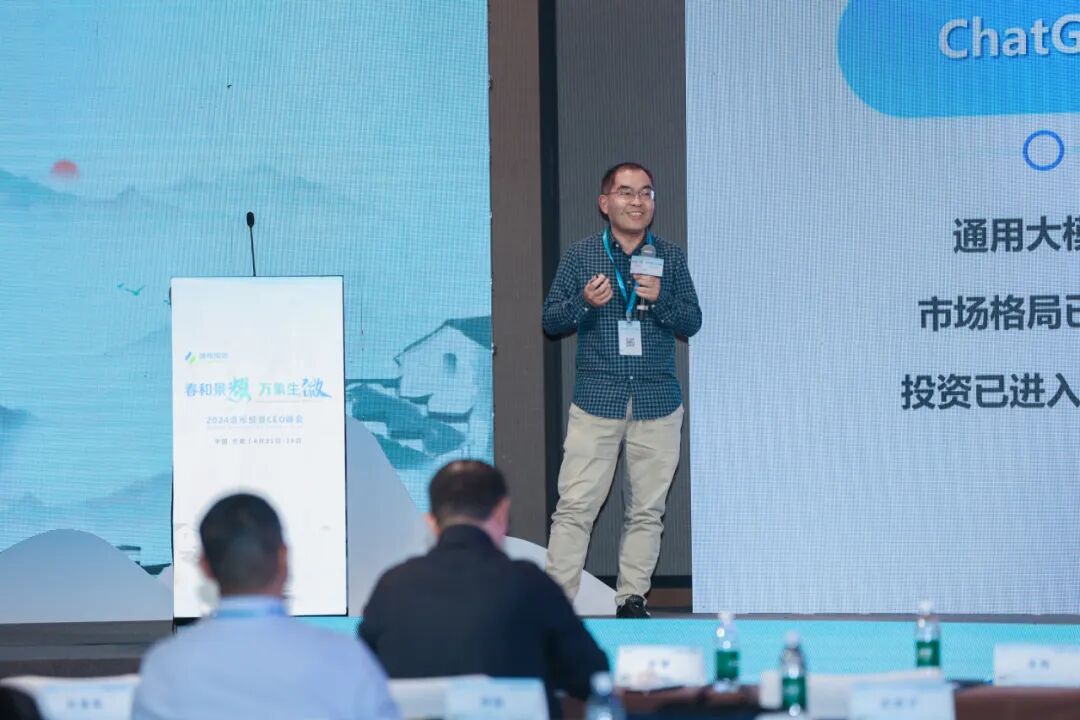
Speaker: Zaiqing Nie, Tsinghua University Guoqiang Professor, Chief Research Scientist at the Institute for AI Industry Research
(Key Takeaways)
At the time, we were debating whether to incubate a general-purpose large model or an industry-specific one. We felt that general-purpose large models are already quite common — many people are working on them. In the future, essentially every industry will likely need its own large model; some industries will require dedicated companies to build them, others won't. We believe the biomedicine industry is one that needs its own dedicated large model, and one that could generate tremendous value.
The main reason is that biomedicine has unique biomedical data. For example, take an amino acid sequence — this sequence is essentially the encoding of human proteins. This encoding determines protein structure, which in turn determines protein function. In other words, any existing amino acid sequence has grammar; it follows our rules.
We hope that through a large model, we can learn these patterns and automatically discover them based on sequences. Before large models emerged, biomedicine conducted extensive experiments, and these experiments were documented in writing — numerous papers and knowledge bases recorded this knowledge and these patterns. If we can use a multi-modal large model to learn both the knowledge humans have already accumulated and the knowledge embedded within biological sequences themselves, it could greatly assist pharmaceutical development and various R&D processes.
Roundtable Forum
Building Hefei's Healthcare Industry and VC Ecosystem
Interpreting hot topics, sharing opportunities
In 2024, the biomedicine industry was designated as one of Hefei's "strategic emerging industry clusters" for prioritized development, forming a unique approach of "industry fund + technological innovation + public services + clinical application." By promoting the construction of the nation's first scenario demonstration hospital and creating demonstration zones for concentrated application of high-end pharmaceutical and medical device products, Hefei has tackled thorny issues in medical-engineering integration and promotion, accelerating the formation of a robust healthcare industry ecosystem. In the "Building Hefei's Healthcare Industry and VC Ecosystem" roundtable, guests engaged in in-depth discussions around topics including "What kind of soil does the life and health industry need to gather and develop in a city?" and "What government policy support do enterprises need?"
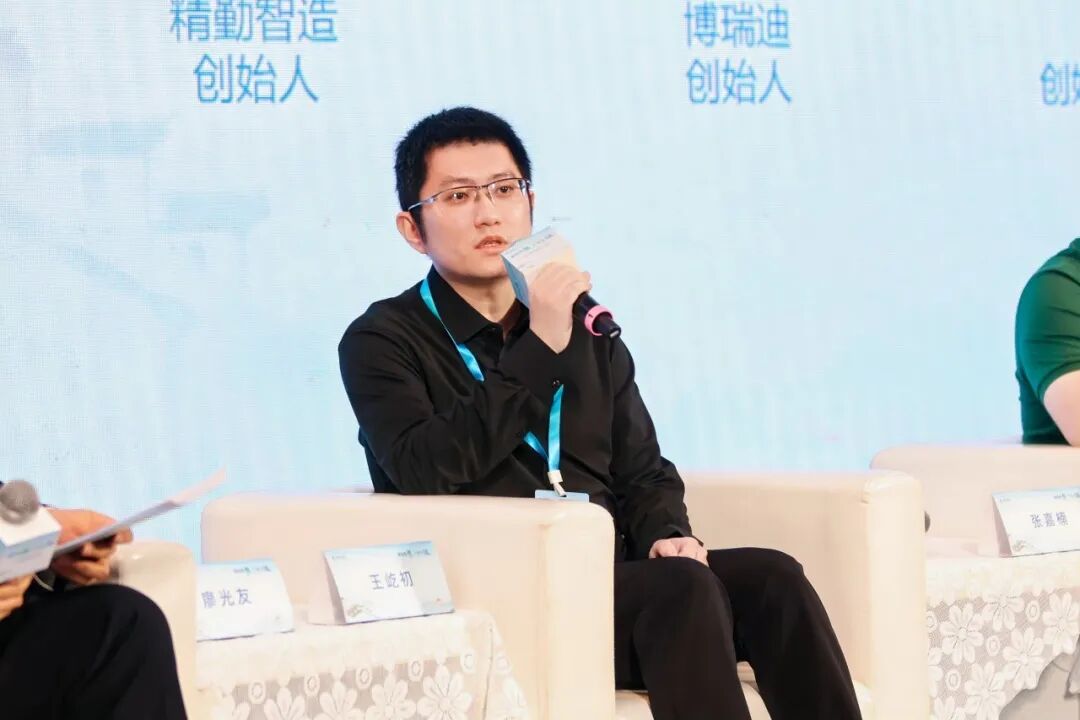
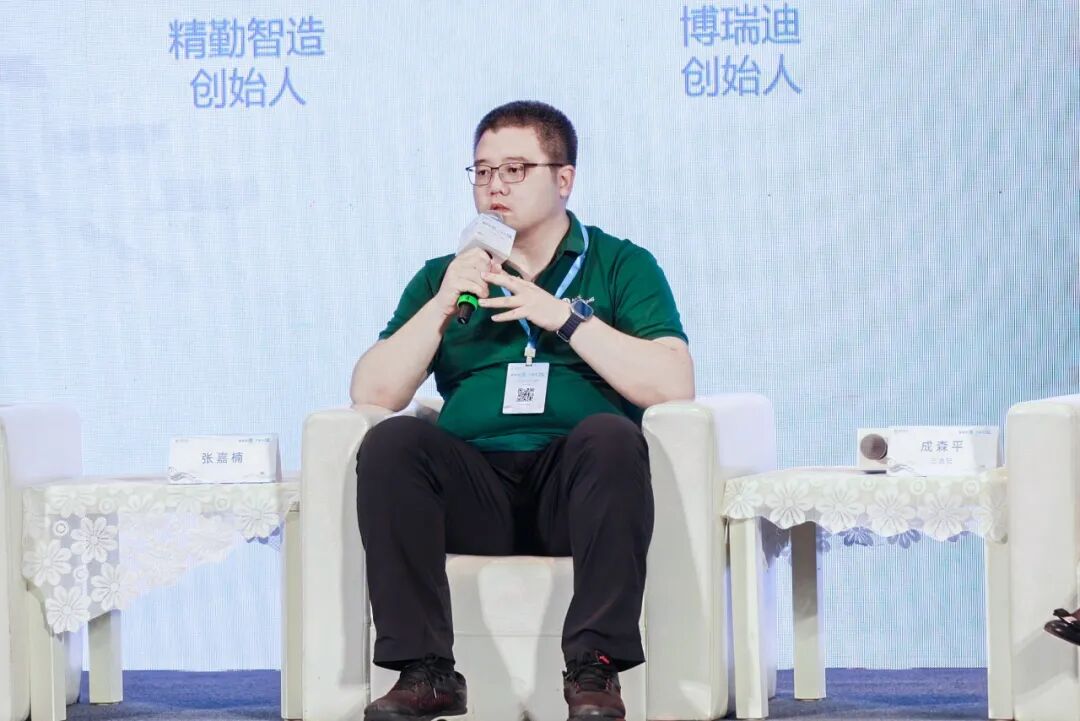
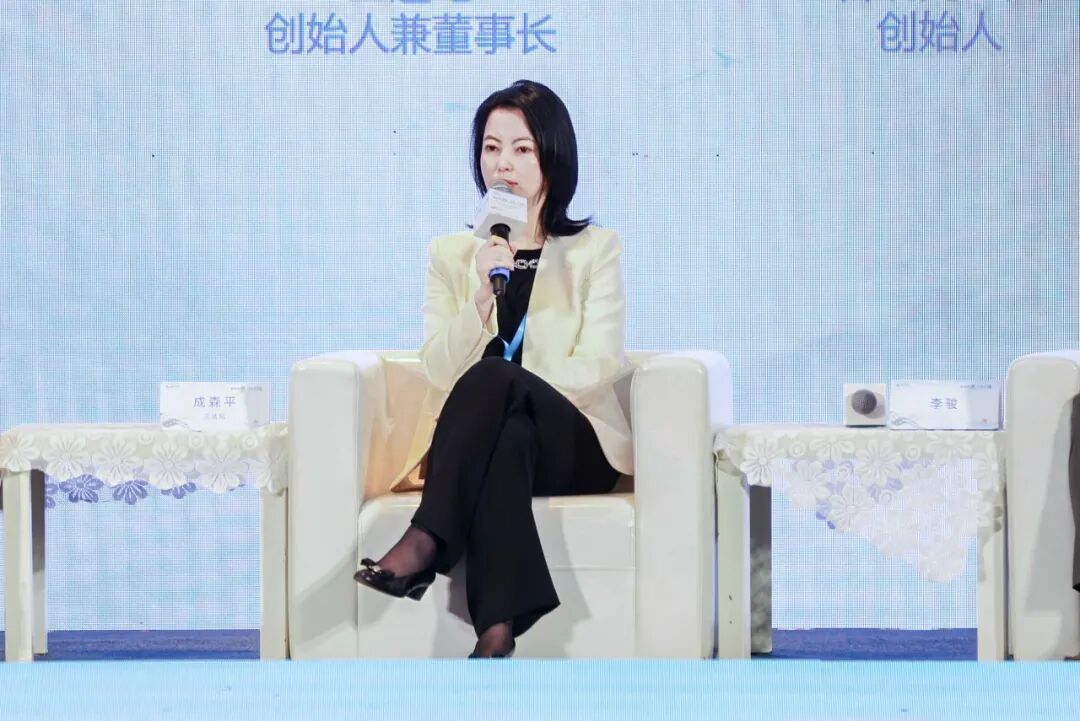
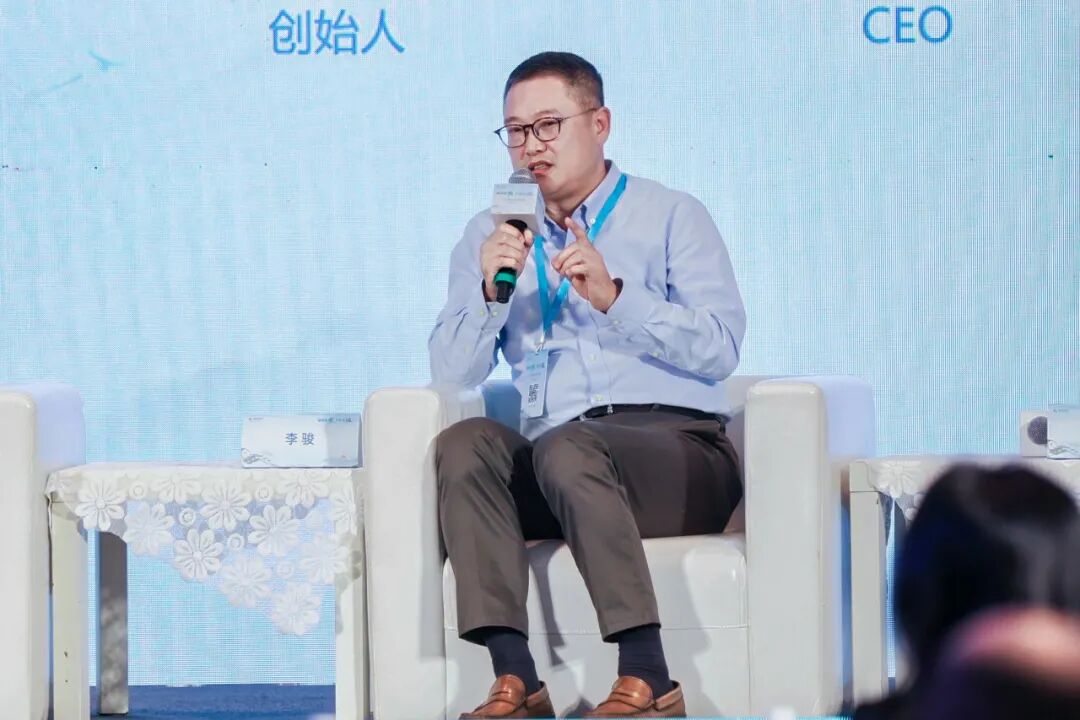
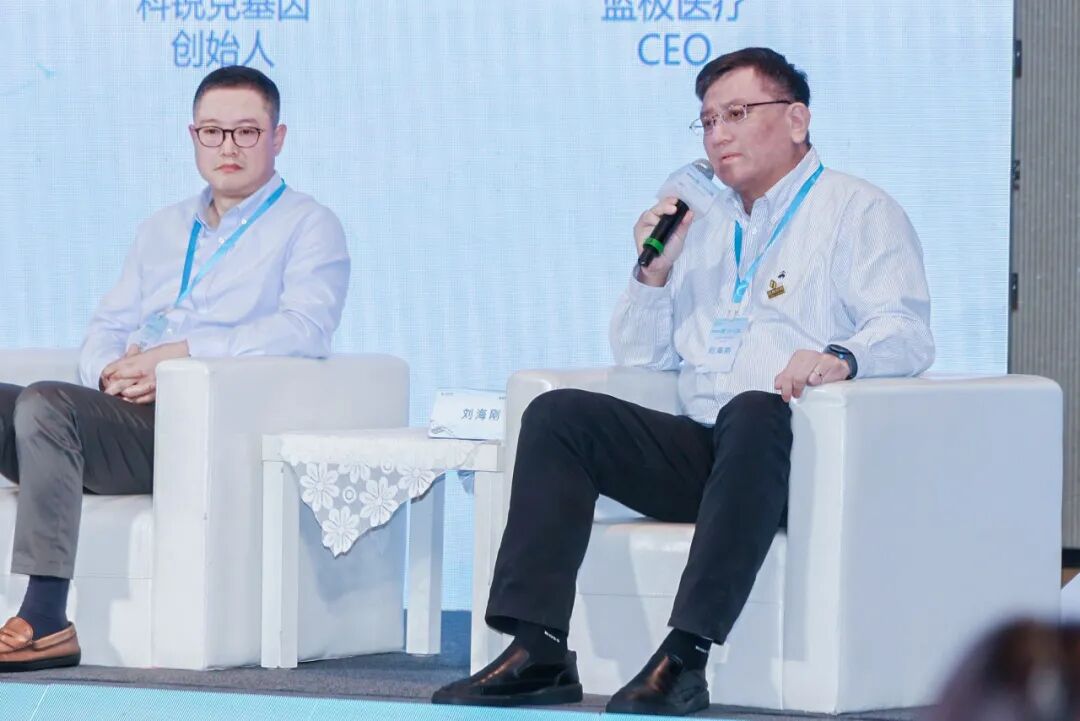
Swipe left to see more
Moderator: Guangyou Liao, General Manager of Hefei Life and Health Industry Development Co., Ltd.
Guests: Yichu Wang, Founder of Jingqin Intelligent Manufacturing
Jianan Zhang, Founder of Bioruidi
Senping Cheng, Founder and CEO of Triastek
Jun Li, Founder of Keruike Gene
Haigang Liu, CEO of Blue Laser Medical
(Key Takeaways)
Yichu Wang: Our team founded Jingqin Intelligent Manufacturing in 2021. The company is dedicated to empowering lead surgeons in laparoscopic procedures through proprietary technology, offering lightweight, portable, and streamlined surgical instrument solutions with robotic-like capabilities. I believe that for the healthcare industry to take root and grow in any region, it must align closely with the specific direction set by local government guidance. The healthcare industry has long cycles, and the growth of medical companies isn't always purely market-driven or commercial. In this process, companies like ours genuinely need governments to adopt a very long-term, persistent attitude — we all need a bit of patience.
Jianan Zhang: Our company was founded in 2017. Bioruidi focuses on biotech development and application in plant and animal breeding. For the breeding industry, or for a company to reach our current scale, one critical resource is talent. Biotech is a rapidly iterating industry; talent is the source of all innovation. A young, vibrant city — a city that can attract talent, a city with strong university foundations — these are elements that technology-focused companies pay very close attention to.
Senping Cheng: Triastek is one of only two companies globally, and the only one in China, doing pharmaceutical 3D printing. When it comes to the soil for entrepreneurship, I believe all companies share similar needs: money, people, and time. Money means having relatively abundant fundraising channels. People means an environment that can attract and retain talent over the long term — something innovative companies desperately need. Time: any innovative technology moving to industrialization, especially if it's global innovation that needs to go worldwide, really requires waiting through a fairly long cycle. Additionally, given the current macro environment is full of uncertainty, if a government can provide startups with a sense of security in a smaller, more stable environment — policies that are implementable, deliverable, and sustainable — that's also quite attractive to startups.
Jun Li: Keruike is an ophthalmic gene therapy company. We're dedicated to curing difficult-to-treat, recurrent retinal diseases through gene therapy methods. The moderator asked "what environment does entrepreneurship need?" From what I know of Hefei, the policies offered are among the best in the country. Some address corporate survival and development, some address founders' concerns, and others address employees' living conditions and settlement. You have to understand, many of the new arrivals, the fresh blood, they want to live better lives. When costs come down, the sense of gain becomes stronger, and talent is more willing to stay. Correspondingly, when the talent ecosystem improves, our companies develop better too.
Haigang Liu: Our company was founded in 2016, focusing on opto-mechatronic computing high-end medical devices. As a company, we need to consciously embrace government resources based on our actual circumstances — first, securing their investment, and second, obtaining policy support. Although the overall atmosphere is for government departments to help enterprises innovate, companies also need to take initiative. One more thing I'd like to share: we're still in the midst of the medical innovation wave. Whether it's import substitution, original innovation, medical-engineering integration, or going global with China-first innovations — all of these present excellent opportunities. I hope to work with all the founders here to bring our medical innovation to the world.
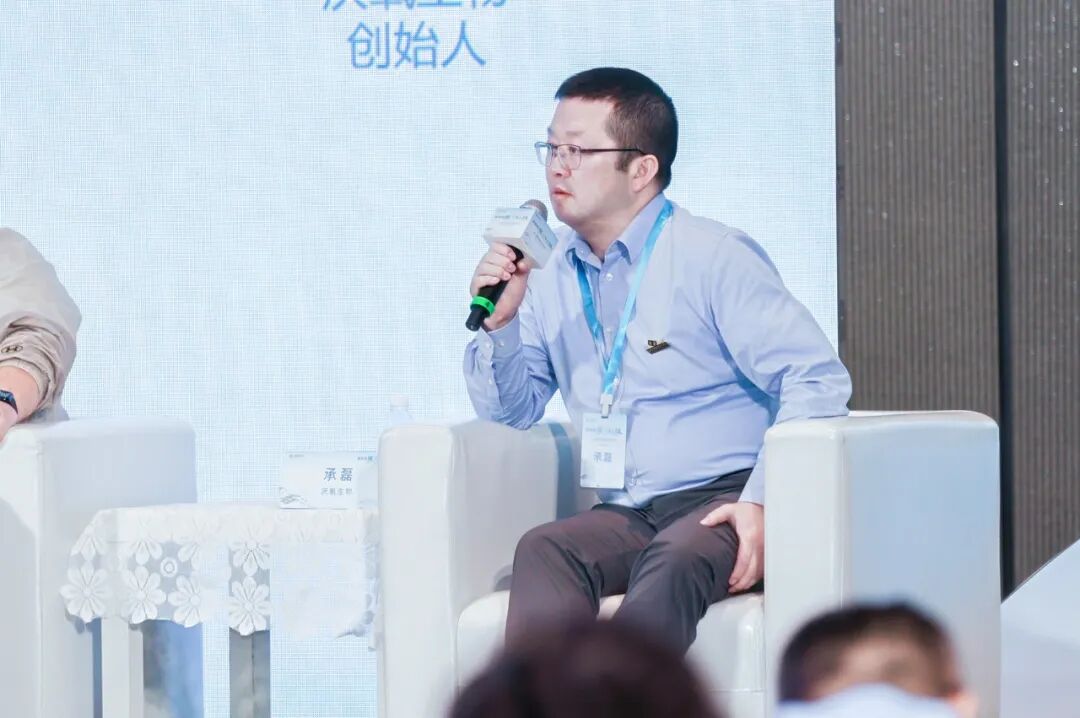
As the main front for developing new quality productive forces, the biomedical industry is both a crucial component of national strategic emerging industries and a key area for future industrial planning. With rapid advances in technological innovation and industrial chain upgrading, new quality productive forces in healthcare are leading the industry forward, redefining its development landscape and future direction. In the Medical New Quality Productive Forces roundtable, Dalton Venture and portfolio companies discussed topics including "how to use new technologies to promote industrial upgrading and iteration" and "what are the key factors driving industry development."
Roundtable Forum
Medical New Quality Productive Forces
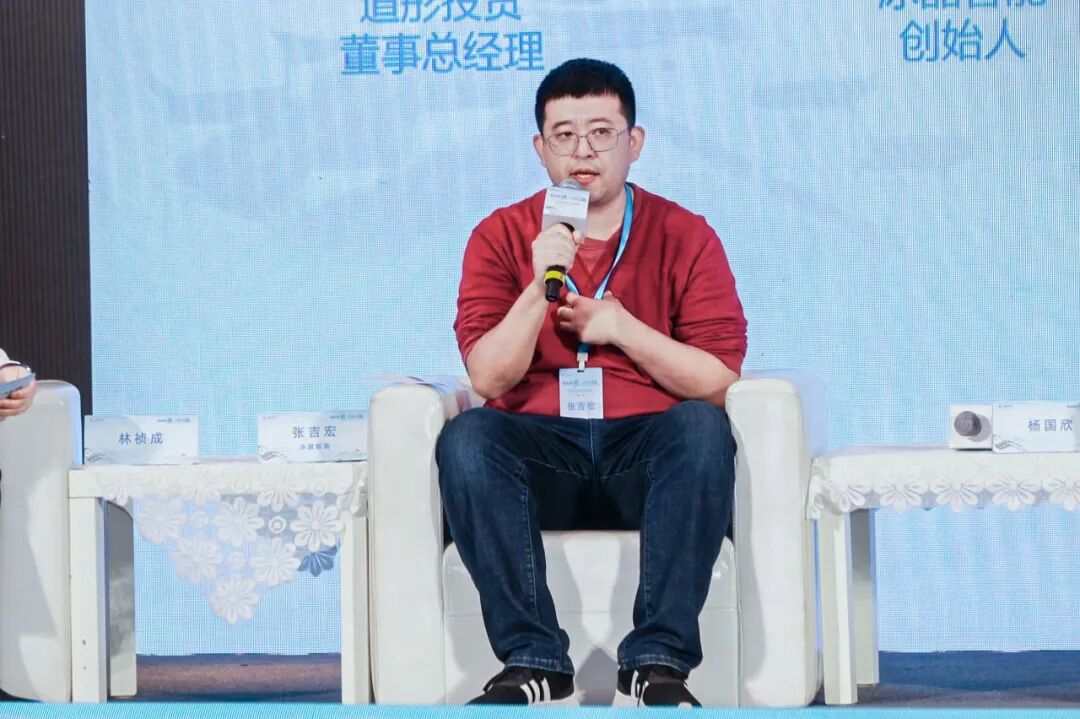
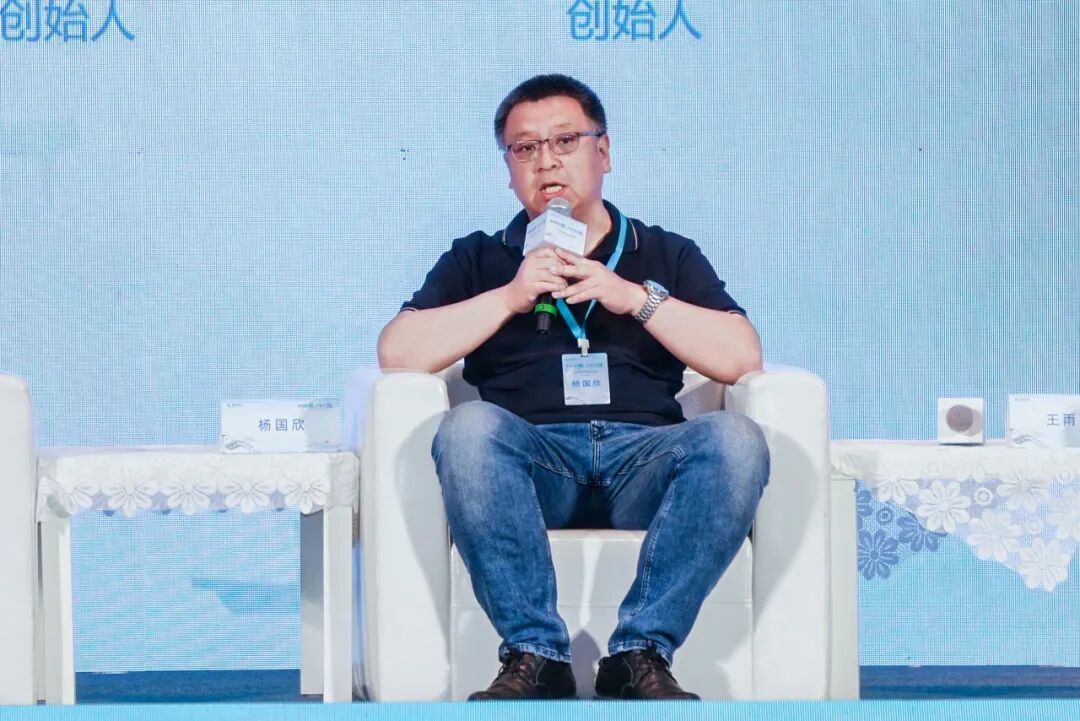
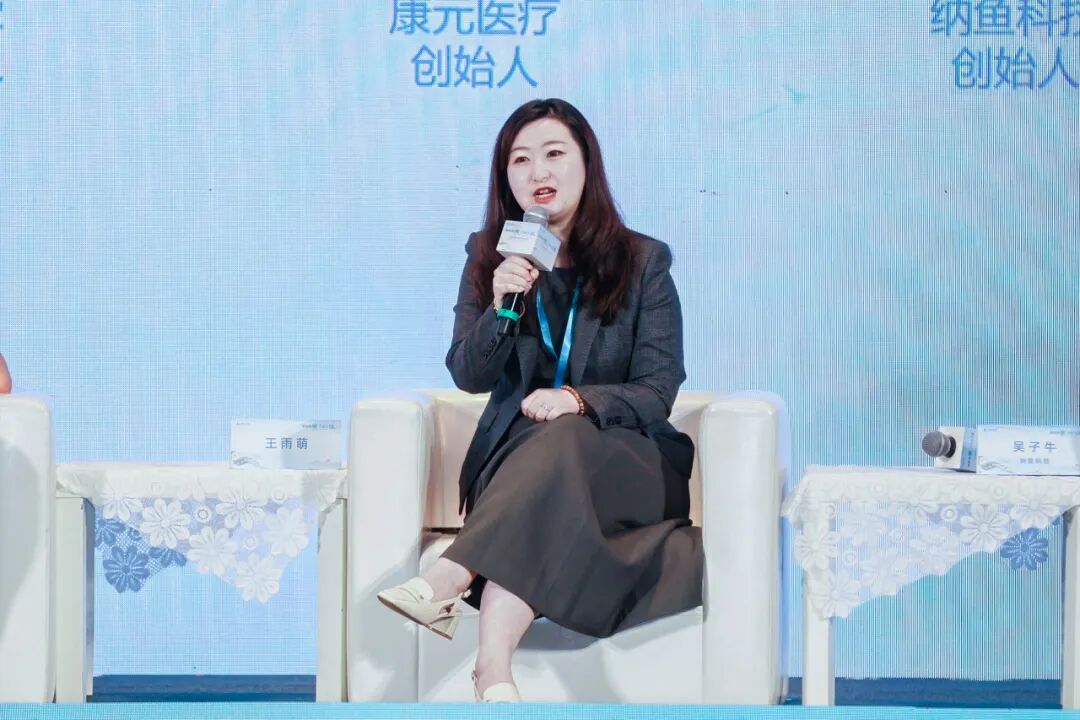
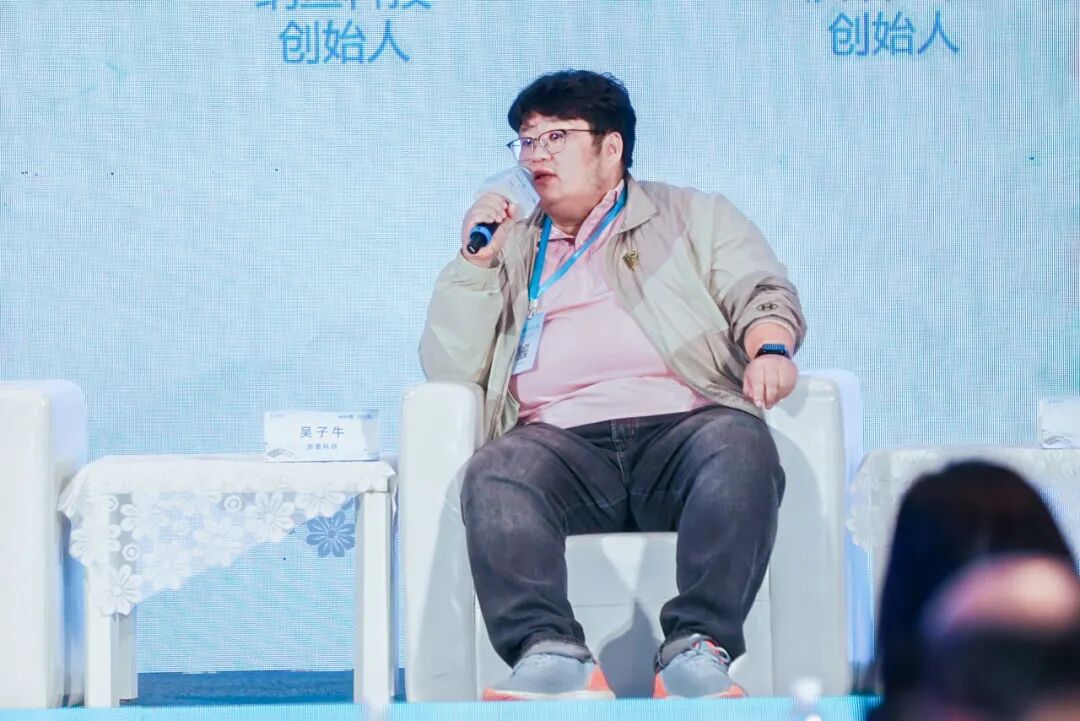
Swipe left to see more
Moderator: Zhencheng Lin, Managing Director of Dalton Venture
Guests: Jihong Zhang, Founder of Bingjing Intelligent
Guoxin Yang, Founder of Oushisheng
Yumeng Wang, Founder of Kangyuan Medical
Ziniu Wu, Founder of Nayu Technology
Lei Cheng, Founder of Yan'an Biotech
(Key Takeaways)
Jihong Zhang: Bingjing Intelligent works on cardiac interventional ultrasound. Previously, this field was monopolized by giants. The concept of new quality productive forces is particularly valuable in that it allows for recombination of key elements within an industry — and that's exactly what we're doing. For upstream raw materials, what was previously scattered across the raw materials industry, we're now turning into key components. Additionally, for the main ultrasound imaging unit, thanks to overall computing power development, we're using algorithms that weren't common in healthcare before. We hope to use AI to empower and improve clinical doctors' efficiency and effectiveness, lowering their learning curve.
Guoxin Yang: Oushisheng provides complete flow chemistry solutions. Since our founding in 2015, we've basically grown at 70-80% annually. In 2017, we came across flow chemistry by chance. Compared with traditional batch production, continuous flow chemistry offers multiple advantages, achieving comprehensive improvements in safety, efficiency, cost, and sustainability across the entire R&D and production system. Safer, smarter, greener — overall, this better aligns with the main theme of new quality productive forces development.
Yumeng Wang: Our company makes specific adsorption materials. We're currently producing China's first precision-specific blood adsorption material and AAV affinity chromatography media for gene therapy drugs — both China-first products that break import monopolies. New quality productive forces, going back to the term itself, starts with "new." We're a new technology, and from what we can see, many new technologies are actually products of interdisciplinary fields. But ultimately it must land on productive forces — having new technology alone isn't enough; it needs to be productized. We also need products that comply with national regulations and meet doctors' actual needs. This means solving numerous cross-disciplinary problems.
Ziniu Wu: Nayu specializes in high-end microscopes, mainly super-resolution microscopes. Our core technical team comes from leading groups both domestically and globally, and our products have very broad application scenarios in scientific research, clinical settings, pharmaceuticals, and even industrial fields. Speaking of new quality productive forces, our type of high-end optical scientific instrument is definitely technology-driven. For example, our objective lenses have requirements far exceeding traditional microscopes; for imaging speed, lasers need highly synchronized, nanometer-level synchronization. Our entire technology and product advancement is completely driven by high technology — every component has its technological content. Therefore, our product R&D and technology application are concrete manifestations of new quality productive forces.
Lei Cheng: Yan'an is an innovative drug company. Unlike traditional chemical and biological drugs, we use anaerobic microorganisms as active pharmaceutical ingredients. Our company has established the nation's largest and most comprehensive human microbiome resource bank. On this foundation, we've obtained biopharmaceutical licenses in both the reproductive tract and intestinal fields. Currently, one candidate has entered Phase II clinical trials, and another has entered clinical trials. The relationship between microorganisms and human health has been very hot in the health microecology field over the past decade — not just related to disease, but closely tied to our overall health. So we're now also conducting industrial layout in the health microecology field based on our strong strain bank resources, powerful strain discovery capabilities, and industrial development capabilities.
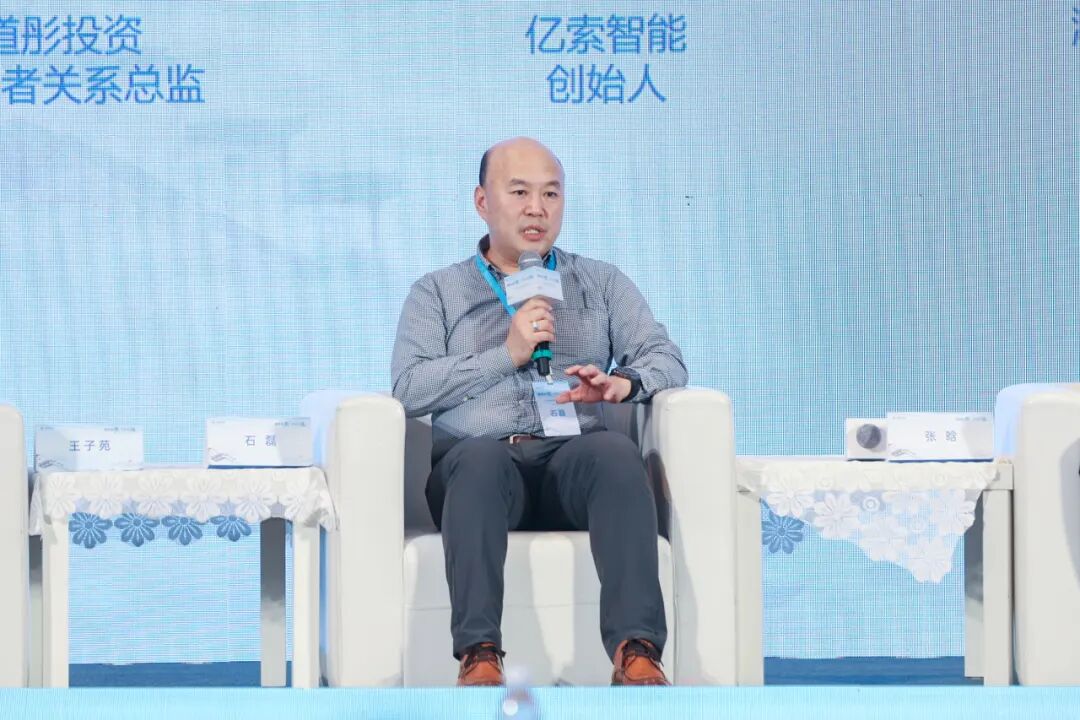
As domestic healthcare companies gradually achieve import substitution and medical technology innovation breaks through, Chinese enterprises have reached the right time to expand overseas. "Going global" has become the breakthrough point for many domestic medical innovation companies to open a second growth curve, and internationalization has become an inevitable strategic choice. Dalton Venture also evaluates global expansion capability as one of the key criteria for investment decisions. In the Great Potential: Medical Global Expansion roundtable, Dalton Venture and portfolio companies conducted in-depth exchanges on topics including "how to view the current globalization trend," "how to formulate medical companies' global expansion strategy," and "how to choose the right global expansion model."
Roundtable Forum
Great Potential: Medical Global Expansion
Swipe left to see more
Moderator: Wang Ziyuan, Director of Investor Relations at Dalton Venture
Guests:
- Shi Lei, Founder of Yisuo Intelligent
- Zhang Han, Founder of Hanchen Guangyi
- Wei Dongbing, Founder of Zhongboruikang
- Wang Qian, General Manager of Forerun Medical
(Highlights)
Shi Lei: Yisuo Intelligent develops inhaled drug delivery systems. Inhalation is a rather specialized field — or from a pharmaceutical formulation perspective, it's the only area where China still lags significantly behind international leaders. Other formulations like oral and injectable drugs are already very advanced domestically, on par with global standards. For inhalation products, the international market is crucial. The global formulation market already exceeds $60 billion, and from the device perspective alone, it's a blue ocean market of over 60 billion RMB. The domestic market is relatively underdeveloped, so the importance of international markets to our business goes without saying.
Zhang Han: Hanchen Guangyi focuses on high-throughput genetic screening equipment. Our products aren't just for healthcare — the bigger market is in agricultural research. From our founding in 2016 through 2019, we were primarily in R&D, with decent commercial traction domestically. We began our international expansion in 2021. Given how niche our market is, globalization is an inevitable trend — it can expand the market by 8-10x. The evolution of medical device exports also reflects the transfer of China's human capital, and going forward, medical device exports will inevitably transition from simple, low-end products to innovative, high-quality offerings.
For our company, our current exports are mainly for agricultural applications. Our first step was into South America, led by Brazil and Argentina — all high-yield countries. But in our global promotion, we also worry about risks from international relations. Recently, many peers going global have been exploring Russia and Southeast Asia. So I think there's no universal answer in the globalization journey — where to start requires constant adjustment based on evolving international dynamics and product characteristics.
Wei Dongbing: Zhongboruikang develops GMP-grade cell manufacturing equipment. 2023 was our first year going global, and we secured orders in Southeast Asia and Eastern Europe, initially realizing our globalization strategy. This year, we've continued into North America, South America, Western Europe, and Central Asia, launching series of partnerships with local collaborators.
Whether for finished drugs or hospital-based automated drug preparation equipment, for cell therapies, Chinese drug R&D companies aren't far behind their international counterparts. This has also driven the R&D and application scenarios for cell therapy tools, where we're basically at parity internationally. So we're starting from the same line, and our target market is both domestic and international.
One more point worth mentioning: the global rules for cell and gene therapies aren't set in stone. Whoever goes out first helps define the rules. Some countries classify them as drugs, some as medical devices, some as new hospital technologies. You only find out which market fits best by going out there. Meanwhile, China has many advantages — supply chain advantages, manufacturing advantages. Distant markets where the US and Europe aren't the primary suppliers are ones we can quickly capture. This is one reason I believe we have advantages in going global.
Wang Qian: Forerun Medical is a platform-type medical device company covering five disease areas with large market potential. Our primary focus is sports medicine using low-temperature plasma, followed by radiofrequency ablation for liver tumors, thyroid, and lung nodules. The surge in medical companies going global is, to some extent, inevitable — as our products iterate and quality continuously improves, they've reached a stage where they're globally competitive. So going global is the natural next step.
There's also another driver: domestic competition is extremely intense. In a typical device disease area, there might be at least 10 competitors, sometimes as many as 50. This excessive internal competition makes companies start thinking that they can't just develop domestically — they need global strategies and layouts to find more profitable growth engines.
PART 5
Closing Remarks
Staying true to our original aspiration, writing a new chapter
"From the very beginning, our Dalton Venture website carried this line: 'One day we will all become patients — so let's do something about it.' Simple words, but profoundly meaningful." Dalton Venture founding partner Michael Mao mentioned the firm's founding mission and unwavering commitment to advancing medical technology innovation in his closing remarks.
Partner's Closing Remarks
Guest: Michael Mao, Founding Partner of Dalton Venture
(Highlights)
Medical innovation cannot thrive without collaborative efforts across industry, academia, government, policy, and capital markets. Each annual CEO Summit is both a feast of ideas and an opportunity for partnership.
Every technological innovation carries reverence for life and hope for the future. It's this sense of responsibility and mission that drives us to keep moving forward and pursuing excellence. Today, through this CEO Summit platform, I want to once again thank every fellow traveler working hard for medical innovation. It's your fearless pioneering spirit that contributes powerful momentum to the advancement of healthcare.
The medical technology and life sciences industry is currently facing unprecedented development opportunities. The road ahead is long, and there may be bumps along the way, but we very much look forward to continuing to work hand in hand with all our partners to write the next newer, more beautiful chapter for healthcare together.
PART 6
Final Words
Fearless against the wind and waves, forging ahead
The past year has not been easy. The venture capital market has endured the dual baptism of capital turbulence and industry ups and downs. But one thing is certain: Dalton Venture and the entrepreneurs of the Dalton family are brave and fearless.
Through the long winter night, we are willing to be pathfinders, holding up torches to light the way for fellow travelers. Since last year's CEO Summit, we are delighted to welcome another batch of new members to the Dalton Family: BioChuang, Bingjing Intelligent, Boruidi, Hanchen Guangyi, Jingqin Zhizao, Rui'anxing, Juhuan Technology, Kangyuan Medical, Jichen Bio, Zhongboruikang, Taiyi Health, Oushisheng...
Here's what they said about the CEO Summit experience:
"This was my first time attending this kind of post-investment event, and I benefited tremendously. I could deeply feel the vibrancy of exchange between companies. Through the platform the summit created, our business development thinking gained unexpected inspiration. For example, after talking with Jichen's CEO Hou, I realized we could consider using flow chemistry gas-liquid micro-mixing technology to solve process issues in certain scenarios. I also discussed with Juhuan's CEO Tan the feasibility of using flow chemistry for polymer synthesis, and we'll continue pushing related cooperation forward after the event."
Yang Guoxin, Founder of Oushisheng
"For startups, you need to both keep your head down focusing on technological breakthroughs and look up to pay attention to market demand and industry trends. The 'Tong Xue Hui' is an excellent window — it naturally gathers experts and scholars with rich industry experience across every medical sub-sector. This is an outstanding learning opportunity for startups' development direction, trend judgment, and market analysis. At this year's summit, I met Zhongboruikang's CEO Wei, who is also part of the Dalton family, and she has rich industry insight and business experience in our research area. This really struck me: founders must have an open mindset. Every exchange has something worth learning and digging into."
Wang Yumeng, Founder of Kangyuan Medical
"Listening to Taiyi Health's keynote presentation on site, the elements involved — brand marketing, channel promotion, etc. — had quite a bit in common with our own brand operations and business development. After the event, Taiyi and I had in-depth, candid discussions around resource cooperation, complementary strengths, and business globalization for hearing aids in the silver economy赛道. This was quite interesting — though our specific tracks differ, our end users heavily overlap, so there's room for synergistic collaboration. Through cooperation, we can amplify our combined potential."
Chen Fei, Founder of Zhiting Hearing Aids
Through mountains and rivers, we press ever forward;
The road is long and high, yet every mile brings new vistas.
May everyone find something of value on our platform,
Growing with resilience,
Until our next rendezvous of innovation,
When we meet again, laden with harvest!
ID: daltonventure
Long press to follow
Recommended Reading