A Decade of Dalton, Igniting a New Chapter of Intelligence | Dalton Venture's 2025 Annual Partners Meeting and 10th Anniversary Forum Concludes Successfully

Together, Toward the Brilliance and Distant Horizons of the Next Decade
On October 23–24, 2025, Dalton Venture successfully held its 2025 Annual Partner Meeting and 10th Anniversary Forum. The event, themed "A Decade of Brilliance, Intelligence Opens a New Chapter," gathered over 200 guests including government representatives, fund investors, entrepreneurs, research institute experts, and partners. Two themed summits — the Bio-Derived All Things · Bio-manufacturing Industry Value Partners Conference on October 23 and the Dalton 10th Anniversary Forum on October 24 — featured diverse formats including industry discussions, keynote speeches, roundtable forums, exhibition exchanges, late-night deep dives, and an anniversary gala. Industry leaders joined to review Dalton Venture's ten-year journey and look ahead to future opportunities in healthcare and life sciences.
During the conference, Shanghai's first bio-manufacturing industry fund was officially launched. Co-initiated by Dalton Venture and OPM Biosciences, the fund adopts a "dual-engine" model combining an industry anchor enterprise with a specialized investment institution, focusing on breakthrough technologies and industrial ecosystem development in bio-manufacturing.
At the same time, the "Bio-manufacturing Industry Value Partners" joint council was formally established. Inaugural members include seven institutions: East China University of Science and Technology, Jiangnan University, Dalton Venture, OPM Biosciences, Meihua Bio, Novo Holdings, and the Shanghai Innovation Center for Synthetic Biology. The council aims to deepen collaboration around resource and platform sharing, technology transfer, and commercialization, bridging the "last mile" between laboratory achievements and production-line applications to help Shanghai build a globally influential bio-manufacturing innovation source and industrial hub.
PART 1
Guest Speeches
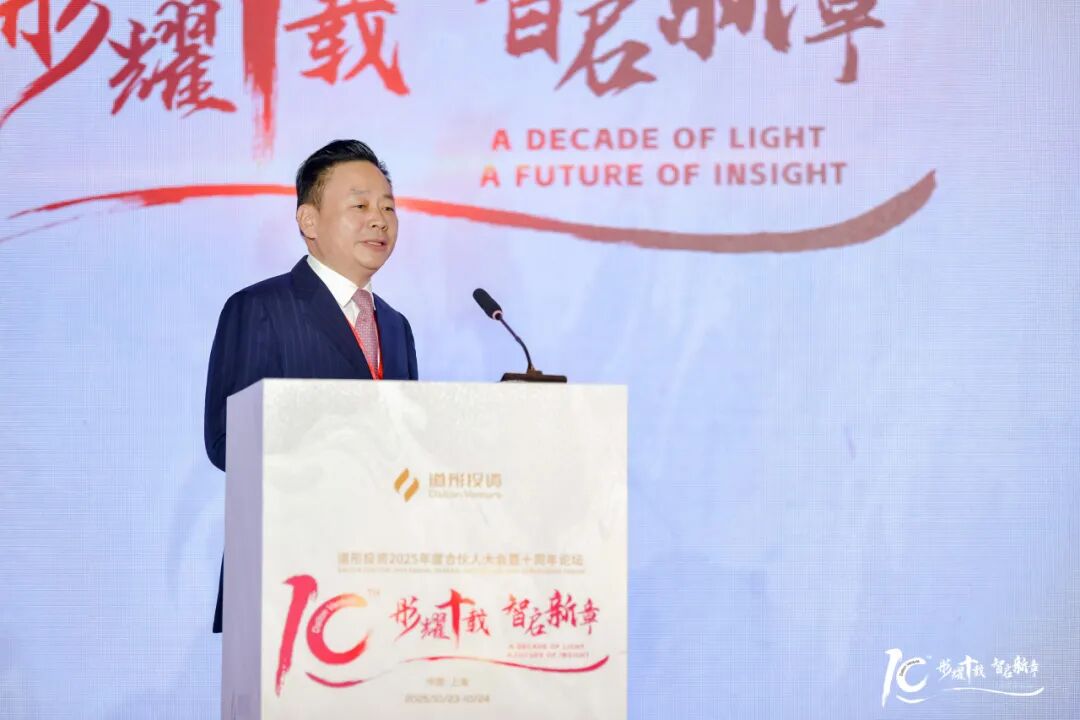
In his opening remarks, Dalton Venture Founding Managing Partner Qi Sun reflected on and shared the firm's ten-year entrepreneurial journey: "On July 29, 2015, Dalton received its first fund's business license. Ten years later, the walls covered with portfolio companies and the resolute faces here today confirm our original aspiration: 'One day, we will all be patients. Let's do something about it.'" He emphasized that over the next decade, Dalton will continue to deepen its focus on life sciences, becoming an "essential and foundational allocation" for LPs.
Partner's Opening Address
01
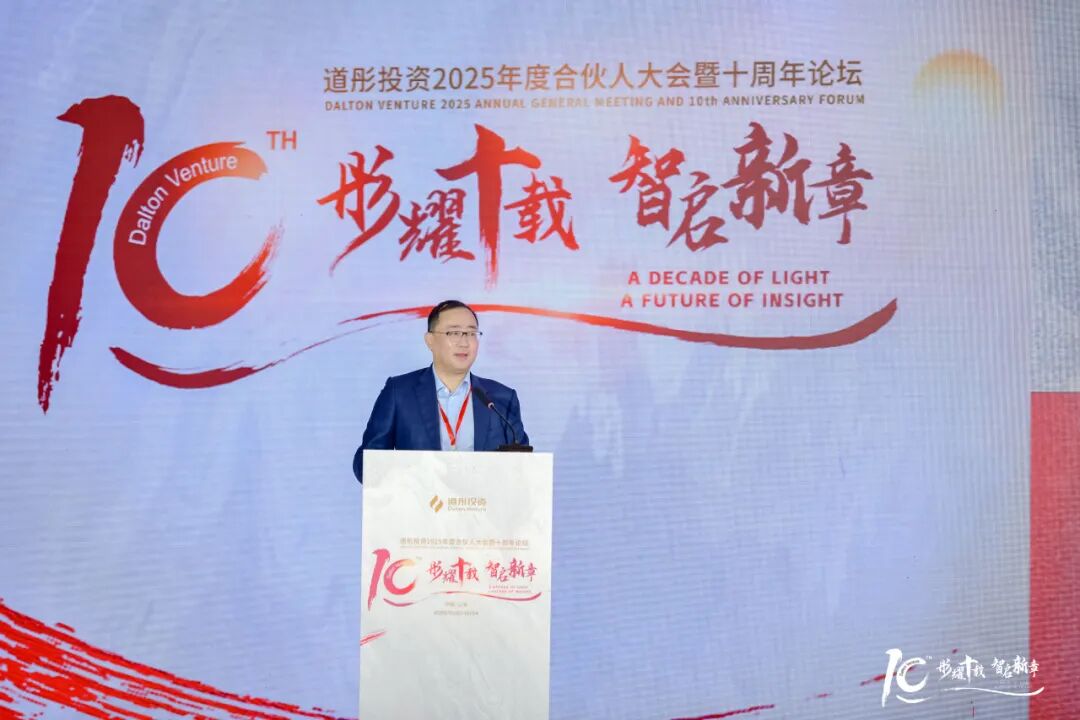
Speaker: Qi Sun, Founding Managing Partner, Dalton Venture
(Key Insights)
Standing at Dalton's ten-year mark, I'm filled with emotion. A decade ago, Ning Huang and I set out with the belief that "one day, we will all be patients — let's do something about it." When we received our first fund license in 2015, we never imagined we'd travel this far with so many partners on the healthcare investment path.
2015 was an extraordinary year for China's biopharma industry — it marked the birth of innovative drugs, with policy, technology, and capital together pushing the industry from generics toward global innovation. It was also the year when a wave of specialized healthcare GPs emerged, and Dalton was fortunate to be among them. Through the industry's ups and downs, with Chinese enterprises' short average lifespans and over 7,000 private equity firms exiting the market, Dalton endured thanks to a team that withstood pressure and delivered results, LPs who entrusted us with trust more valuable than capital, and the Dalton family whose strong performance lifted us up.
We've always remembered that every project must create value for our LPs, and we've gradually evolved from reliance on individual capabilities into an institution with mature systems. Now, as the industry recovers from its trough, Dalton will continue to deepen its focus on life and health over the next decade. The first ten years solved our survival problem; the next ten will consolidate our advantages in focused areas to become a trusted long-term partner that you want in your core allocation.

Cao Hongming, Level-2 Inspector and Director of the Biomedicine Division at Shanghai Municipal Science and Technology Commission, noted in his remarks that the Fourth Plenary Session explicitly set the goal of technological self-reliance and strength, with Shanghai's biomedicine industry scale expected to surpass one trillion RMB in 2025. As a co-builder of the innovation ecosystem, Dalton has injected new strength into the industry. The high-quality development of Shanghai's biomedicine industry depends on precise policy guidance and cross-domain collaboration. Guests shared perspectives on industry trends and policy support directions, providing important reference for the sector's development.
Government Leader's Address
02
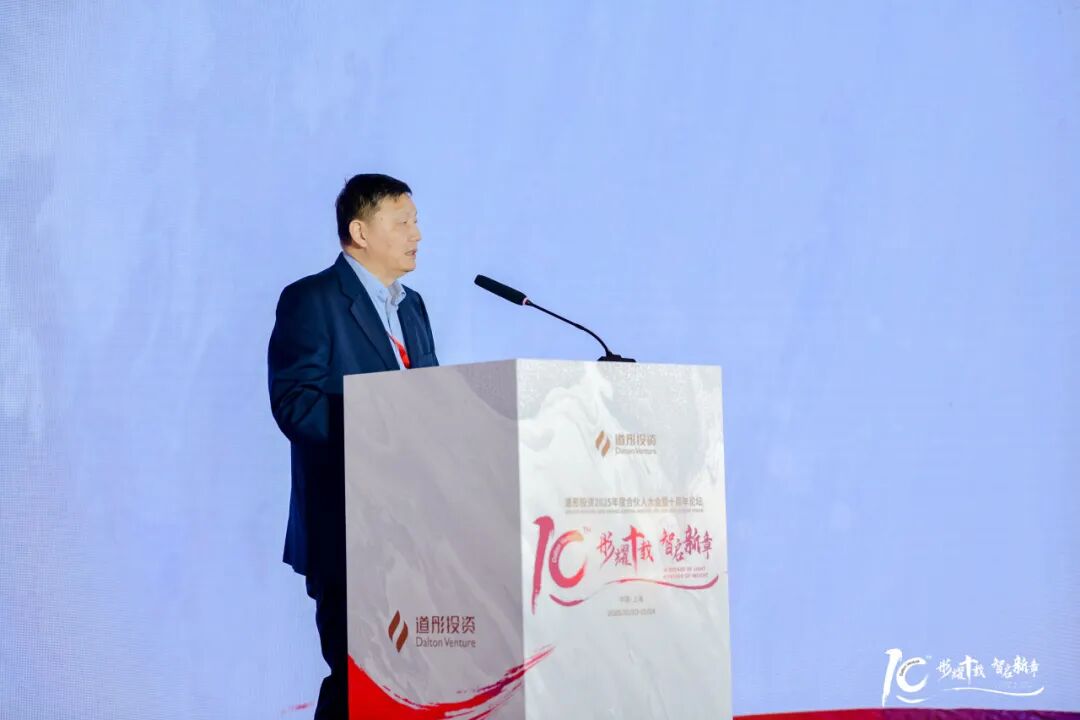
Speaker: Hongming Cao, Level-2 Inspector, Shanghai Municipal Science and Technology Commission; Director, Biomedicine Division
(Key Insights)
On October 23, the Fourth Plenary Session of the 20th CPC Central Committee successfully concluded. The "15th Five-Year Plan" outline adopted at the meeting explicitly set "significant improvement in technological self-reliance and strength" as a goal, mentioning "technology" ten times and "innovation" eight times throughout. This signals a clear orientation toward seizing opportunities in the new round of technological revolution and industrial transformation, breaking through core technologies, and capturing commanding heights in science and technology — both a national strategic direction and the core guideline for investment layout in the biomedicine field.
From the perspective of Shanghai's biomedicine industry development practice, after years of policy system construction and ecosystem cultivation, the industry has achieved high-quality growth: in 2024, the scale reached 984.7 billion RMB, with manufacturing exceeding 200 billion RMB, and approvals for 7 Class I new drugs and 15 Class III innovative devices. In the first half of 2025, the scale surpassed 500 billion RMB, with full-year expectations to cross the trillion threshold. We've also built a matrix including a 22.5 billion RMB pharmaceutical母基金 and a 10 billion RMB M&A fund, strengthening "three-chain" coordination.
As an important force in the biomedicine field, Dalton Venture has over ten years deeply cultivated tracks including high-end medical equipment and cell and gene therapy, driving the industrialization of multiple innovative achievements. This year, it has further laid out the new bio-manufacturing field and launched a specialized industry fund, becoming a key participant in ecosystem co-building. We look forward to more institutions following Dalton's example, using capital as a bond and technology as a driver, to help Shanghai build a globally influential biomedicine innovation highland and industrial cluster, jointly opening a new chapter in "15th Five-Year Plan" industry development.
As an important regional partner of Dalton Venture, Anhui High-tech Industry Investment Co., Ltd. has deep synergies with the firm — Dalton's fourth main fund is registered in Anhui, last year's CEO summit was held in Hefei, and numerous portfolio companies have taken root in the province. Cao Fei, Deputy Secretary of the Party Committee and General Manager of Anhui High-tech Industry Investment Co., Ltd., attended and delivered remarks. His sharing carried both the accumulated history of bilateral cooperation and future expectations for regional industrial synergy.
LP Representative's Address
03
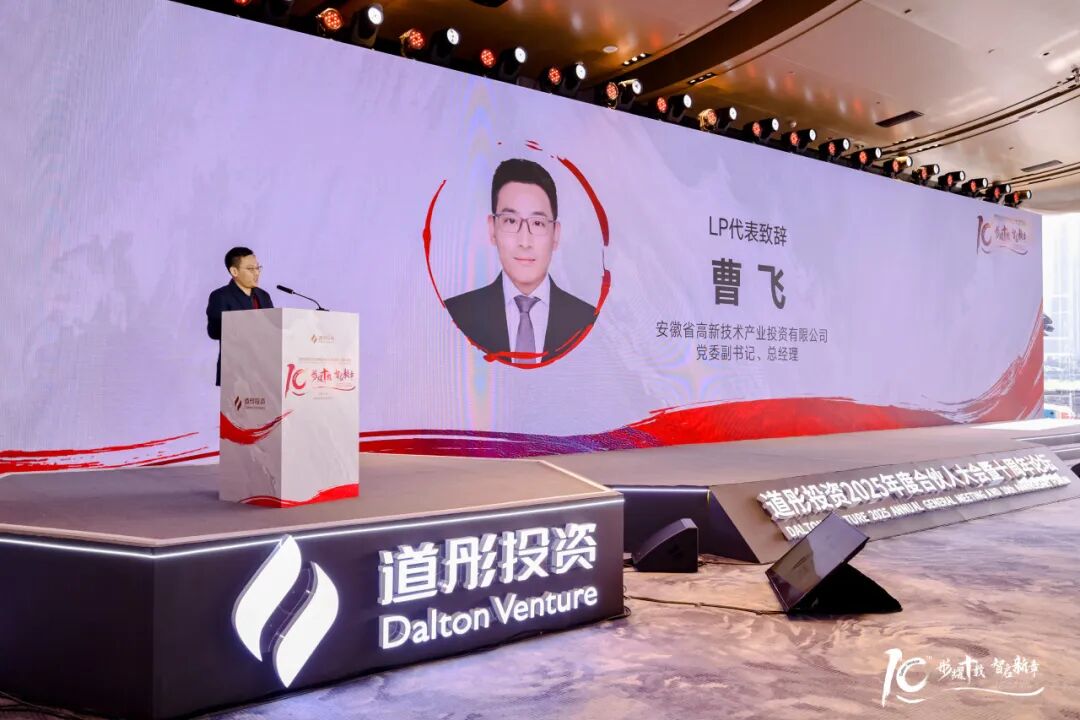
Speaker: Fei Cao, Deputy Secretary of the Party Committee and General Manager, Anhui High-tech Industry Investment Co., Ltd.
(Key Insights)
As an LP of Dalton Venture, I am honored to witness this important milestone of its tenth anniversary. Over the past decade, Dalton has deeply cultivated the life and health track, building a vibrant innovation ecosystem through professional accumulation and industrial insight, with quiet deployment in frontier technologies and integration of core resources. Its "patient capital" philosophy aligns closely with Anhui's strategic direction of nurturing the life and health industry.
Currently, as life and health deeply integrates with information technology, fields including AI drug discovery, gene medicine, and synthetic biology are entering windows of opportunity. The Fourth Plenary Session of the 20th CPC Central Committee has also explicitly called for deep synergy between technological and industrial innovation. Anhui High-tech Investment is willing to deepen cooperation with Dalton, exploring new models of Yangtze River Delta integrated capital cooperation as practitioners of patient capital and observers of frontier trends.
As a steadfast companion, we will continue to trust and support Dalton, joining hands with ecosystem partners on Anhui's investment hotbed to jointly paint a new picture of life and health and bio-manufacturing industry development, and embark on the next decade's new journey together.
PART 2
Keynote Presentations
When the sci-fi scenes of The Matrix and Avatar enter reality, a disruptive technology is reshaping the future landscape of healthcare — brain-computer interfaces. In March 2025, the National Healthcare Security Administration issued the Guidelines for Pricing Neurological Medical Services (Trial), which prospectively established standalone items for brain-computer interface new technologies. In August, seven ministries jointly released the Implementation Opinions on Promoting Innovation and Development of the Brain-Computer Interface Industry, with continuous policy support. Zheng Hairong, Academician of the Chinese Academy of Sciences, Member of the CPC Standing Committee and Vice President of Nanjing University, and Chair of the Academic Committee of Shenzhen Institute of Advanced Technology, Chinese Academy of Sciences, as an authoritative representative in both medical imaging and brain-computer interfaces, has always pursued a core logic of "technological breakthrough — clinical translation" throughout his research career. At the conference, Academician Zheng delivered a keynote presentation on Brain-Computer Interfaces and Biological Intelligence, providing in-depth analysis of the technology's evolution and industrial future.
Invited Guest Keynote
Brain-Computer Interfaces and Biological Intelligence
04
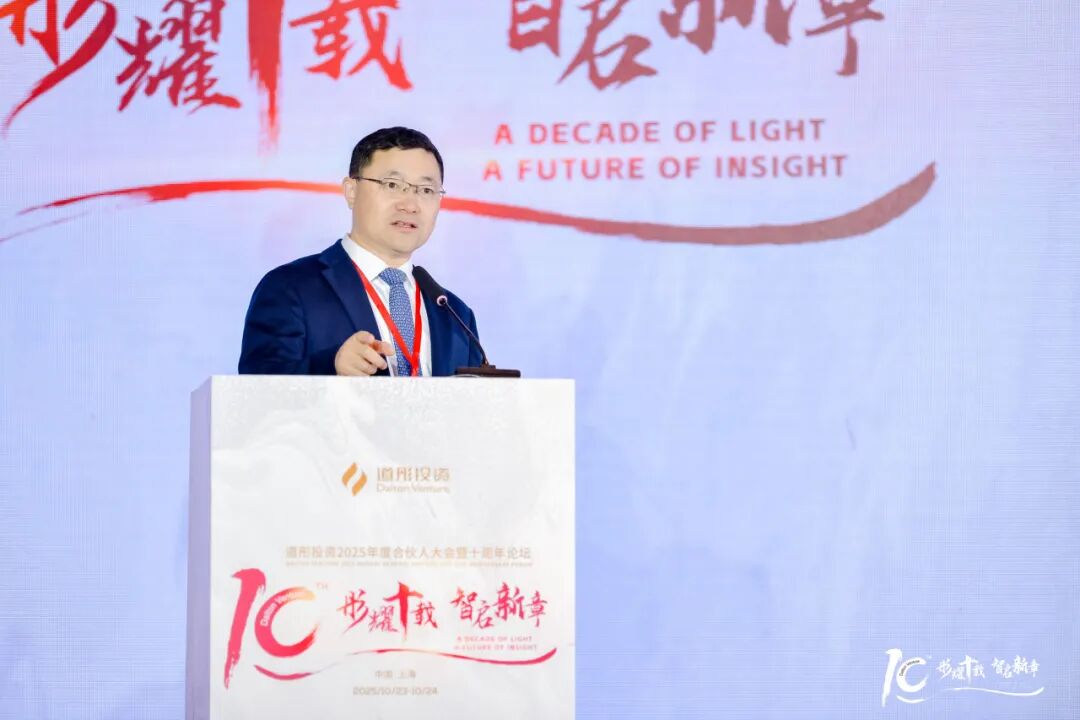
Speaker: Hairong Zheng, Academician, Chinese Academy of Sciences; Member of the CPC Standing Committee and Vice President, Nanjing University; Chair of the Academic Committee, Shenzhen Institute of Advanced Technology, Chinese Academy of Sciences
(Key Insights)
Looking across the history of industrial transformation, the essence of every era's iteration is the "reconstruction of core productive forces." In the current new era of artificial intelligence, the synergy of computing power, data, and models has given rise to emergent intelligence, but the true breakthrough lies in tapping "biological intelligence" — the complex network of 86 billion neurons in the human brain, the most powerful intelligence system known to date. The brain-computer interface is the critical hub connecting silicon-based computing power with carbon-based intelligence, with strategic significance no less than that of integrated circuits for the information age.
From a healthcare industry perspective, we've historically focused on "visible, treatable" diseases like cancer and cardiovascular conditions, while neurological and psychiatric disorders have remained unsolved puzzles due to the complexity of brain function. Brain-computer interfaces, through a closed loop of "reading neural signals — parsing functional logic — writing intervention commands," can not only bring new treatment options to Parkinson's and blindness patients, but also provide AI with foundational support from "biological intelligence" — future breakthroughs in autonomous driving safety and precision operation of medical robots will all rely on brain-computer interfaces to achieve "human-machine collaborative intelligence."
From "waste accumulation" to "resource regeneration," the textile and plastics recycling industry is awaiting a technological revolution. As the world's largest consumer of textiles and plastics, China has nearly 400 million tons of waste textiles in stock, with over 20 million tons added annually. The high proportion of petroleum-based raw materials and large PET consumption not only intensifies environmental pressure but also poses challenges to energy security. Yuan Tian Biology, a Dalton Venture portfolio company, breaks through traditional recycling bottlenecks with bio-enzymatic technology, securing the world's first GRS bio-based recycling certification, with a 5,000-ton production line set to commence operations. Shengping You, Chairman, Founder, and CEO of Yuan Tian Biology, delivered a keynote speech titled Bio-Enzymatic Regeneration Technology Leading a New Paradigm in Circular Economy, providing a detailed analysis of how this technology is ushering the textile circular economy into the 3.0 era.
Family Company Keynote Speech
Bio-Enzymatic Regeneration Technology Leading a New Paradigm in Circular Economy
05
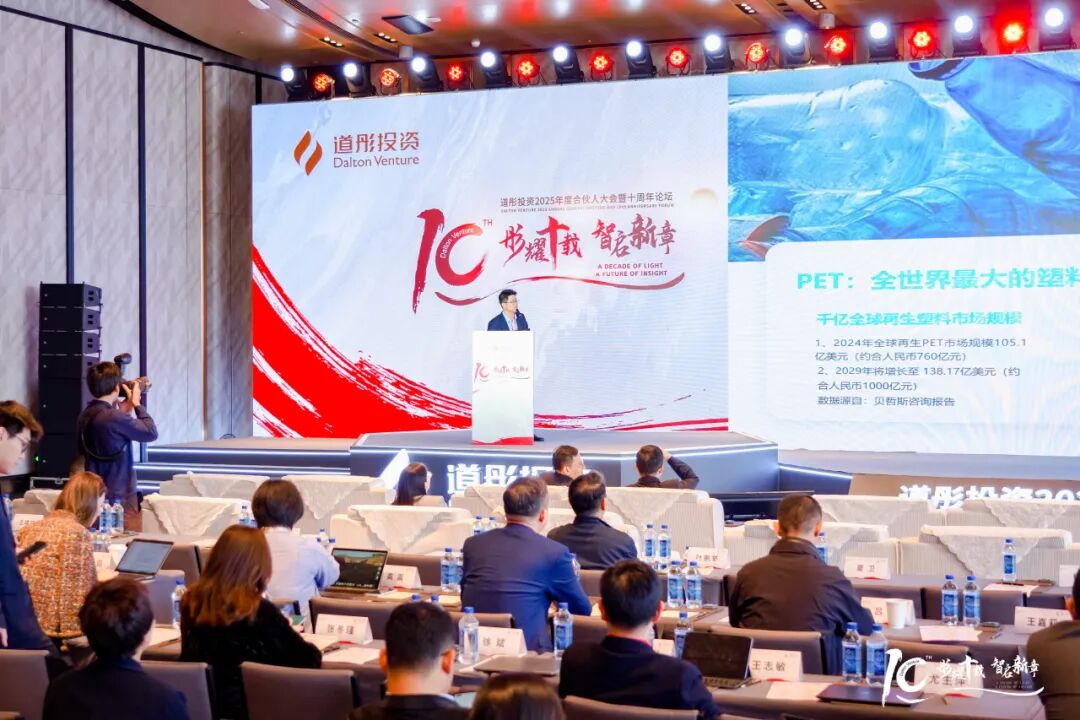
Speaker: Shengping You, Chairman, Founder, and CEO of Yuan Tian Biology
(Key Insights)
Global PET consumption exceeds 120 million tons annually, of which 24 million tons of blended textile waste cannot be efficiently processed by physical or chemical methods, long facing "downcycling" or even disposal pollution. This causes both resource waste and environmental pressure, making it a critical challenge for the global circular economy.
Drawing on over 30 years of enzyme engineering expertise from Tianjin University's research group, Yuan Tian Biology uses AI to enable rational enzyme design and screening. Through structural iteration and energy-driven optimization, we've increased PET-degrading enzyme activity by 2,000-fold, compressing the natural 300-year degradation cycle to industrial-grade 8-hour processing. This achieves precise extraction and high-quality regeneration of PET from blended waste.
Our bio-enzymatic method employs an all-aqueous system at ambient temperature and pressure, reducing costs by over 30% compared to traditional technologies while cutting carbon emissions by 60%. More importantly, regenerated PET achieves virgin-grade purity with bisphenol A detection below 1 TBM, fully meeting stringent European and American food-grade and textile-grade standards. This truly closes the loop from "waste blended textiles — high-value monomers — regenerated products."
As population aging meets the technological revolution, elderly care services are undergoing a critical transformation from "human labor dependence" to "intelligent empowerment." Traditional elder care models currently face shortages of caregiving resources and insufficient service efficiency. Intelligent solutions that can simultaneously handle daily care, health monitoring, and emotional companionship have become the core direction for industry breakthroughs. Rushen Robotics, another Dalton Venture portfolio company, uses humanoid robot technology as its entry point to provide more efficient and precise new possibilities for wellness scenarios. Yunlei Shi, Founder of Rushen Robotics, delivered a keynote speech on-site titled The Path to Robot Equity: From Medical Robots to Wellness Robots.
Family Company Keynote Speech
The Path to Robot Equity: From Medical Robots to Wellness Robots
06
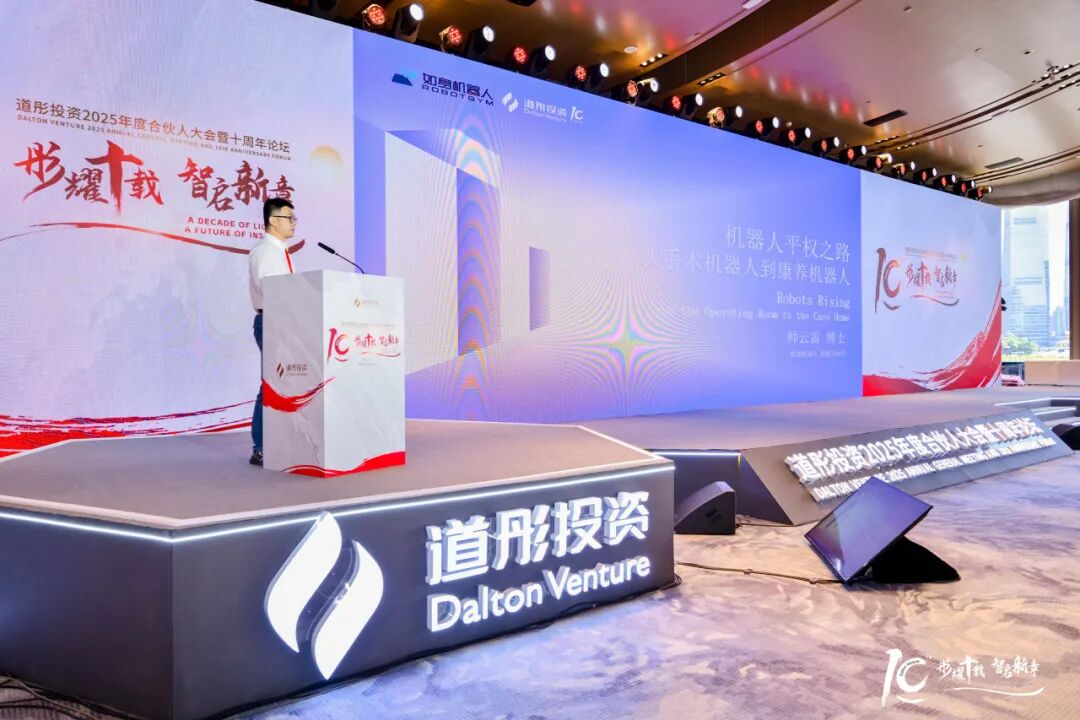
Speaker: Yunlei Shi, Founder of Rushen Robotics
(Key Insights)
The core value of the robotics industry lies in moving technology from professional settings to everyday life, achieving "inclusive empowerment." In the early days of minimally invasive surgical robotics, we targeted the need for domestic alternatives to high-end medical equipment. Our surgical robot broke da Vinci's monopoly, becoming its strongest competitor in 30 years. With sales exceeding 100 units, our remote surgery technology has exported China's quality medical services to the Middle East and Europe. Our force feedback performance even leads da Vinci's next-generation product, significantly lowering the threshold for Class IV surgeries — improving physician operating efficiency while reducing patient trauma.
After founding Rushen Robotics, we entered the rehabilitation field, focusing on "generalization and intelligence" breakthroughs. Our rehabilitation robot achieves full-body compatibility, replicating therapist techniques with ±0.5 miu precision. Through an APP-based "user co-creation" model, we've extended rehabilitation services to home settings, currently deployed in large Southeast Asian clinics, and can collaboratively optimize rehabilitation protocols with users, filling an industry gap.
Going forward, we will continue advancing "robot equity," with the goal of bringing intelligent robots into every household, using technology to build a more caring service ecosystem for healthcare and elder care industries.
Ophthalmology is one of Dalton Venture's key focus areas. From its own incubated leading ophthalmology medical services project to ten quality projects spanning medical devices and biopharmaceuticals, Dalton is the healthcare investor with the deepest ophthalmology layout. Over the past year, Dalton has continued expanding in ophthalmology, with Xiwei Medical being one notable addition — an innovative medical device company focused on novel bio-modified materials in ophthalmology and regeneration. Its main pipeline includes artificial bionic corneas and implantable contact lenses. Chaoxian He, Founder of Xiwei Biology, shared his thoughts on technological innovation and industry breakthroughs in this field at the conference, with a keynote titled A Synthetic Collagen Biomimetic Biomaterial Platform.
Family Company Keynote Speech
A Synthetic Collagen Biomimetic Biomaterial Platform
07
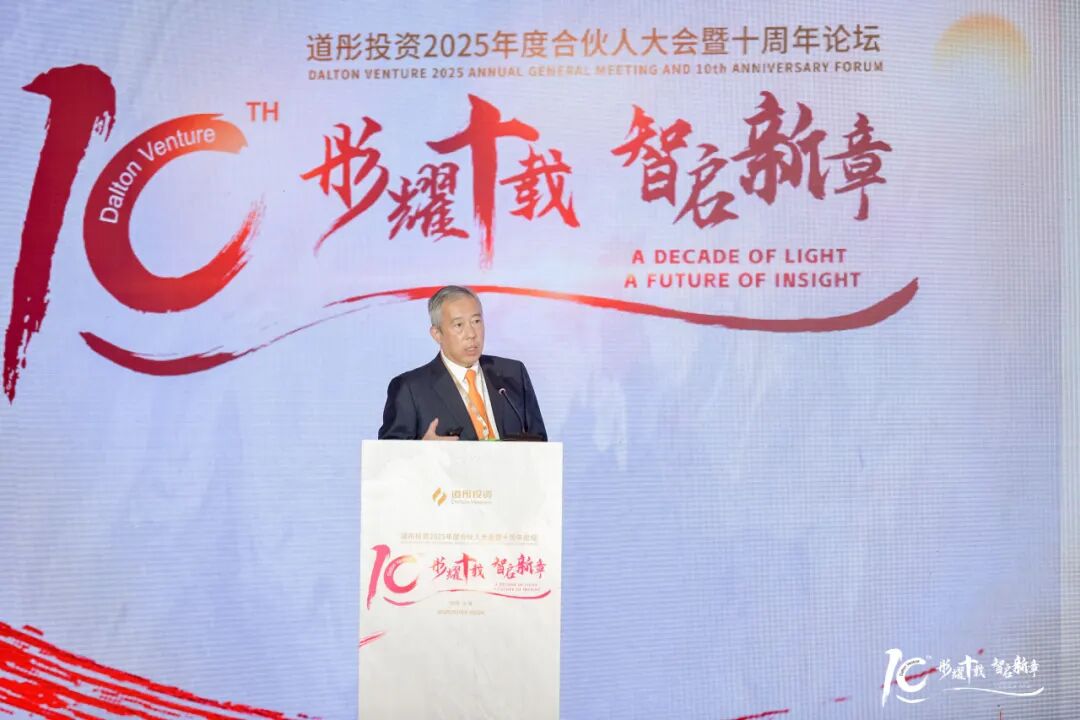
Speaker: Chaoxian He, Founder of Xiwei Biology
(Key Insights)
Currently, among 14 million corneal blindness patients worldwide, China accounts for 4 million. However, limited by donor shortages, annual transplant surgeries number fewer than 10,000 cases, leaving 99% of patients facing blindness.
Xiwei Biology's core mission is "building a biomaterial platform connecting silicon-based and carbon-based life," focusing on breakthroughs in synthetic collagen biomimetic technology. Our core material is chemically synthesized peptides — free from animal-derived virus risks, with controllable purity, and capable of self-assembly through triple-helix structures. It can polymerize with bioactive substances and macromolecular materials, combining regenerative repair and drug-loading sustained release properties. This addresses both the safety and functionality pain points of traditional materials while opening possibilities for extension from ophthalmology to sports medicine, medical aesthetics, and other fields.
Additionally, we've simultaneously laid out collagen-containing ICL products and corneal endothelial sheets in ophthalmology. The former differs from traditional polymer materials with superior biocompatibility, potentially capturing incremental markets in refractive surgery. The latter can rapidly repair corneal endothelial damage, filling a global treatment gap. Going forward, we'll use ophthalmology as our starting point to continuously advance the application of synthetic collagen materials across multiple medical scenarios, providing solutions for biomaterial innovation and unmet medical needs.
Chronic pain, as an independent disease, afflicts over 300 million people nationwide with a trend toward younger demographics. The domestic market will exceed 500 billion yuan by 2025, yet traditional treatment methods struggle to meet clinical needs, leaving massive gaps. How can innovation address this challenge? Yun Zhao, Founder and CEO of Xinyun Medical, provided a detailed analysis at the conference of AI's new possibilities for pain diagnosis and treatment, with a keynote titled AI Brings New Hope to Chronic Pain Patients.
Family Company Keynote Speech
AI Brings New Hope to Chronic Pain Patients
08
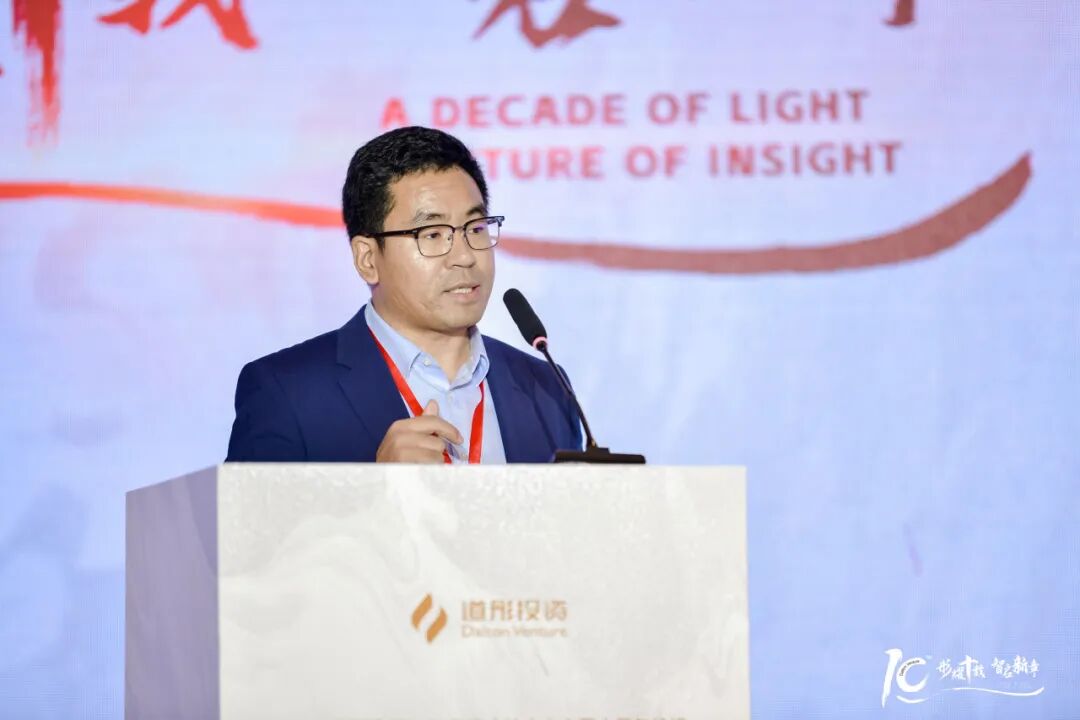
Speaker: Yun Zhao, Founder and CEO of Xinyun Medical
(Key Insights)
Chronic pain, as a health challenge affecting over 300 million Chinese people, has evolved from a "disease signal" to an independent disease. Yet traditional diagnosis and treatment have long been constrained by subjective scoring (1-10 pain scales) and disconnected in-hospital and out-of-hospital management, making precision and long-cycle intervention difficult. This is both where patients suffer and an important breakthrough point for medical innovation. Xinyun Medical's core mission is "using technology to make pain quantifiable and care warm," building an AI-driven chronic pain diagnosis and treatment system through an industry-university-research-medical-application model, aiming to reconstruct the service paradigm in this field.
We convert subjective pain into objective data through facial expression recognition and spinal cord electrical stimulation signals. Based on patient behavior and neural feedback, we dynamically generate personalized protocols, adjusting over 10 million times daily, paired with solid-state batteries and remote management to achieve millisecond-level parameter optimization — truly delivering "companion-style management."
This closed-loop system raises permanent implant conversion rates from 10% to 30%-50%, with plans to integrate VR and digital therapeutics going forward. The chronic pain market currently stands at $30–40 billion, and we're driving the shift in diagnosis and treatment from "experience-driven" to "data-driven" — helping build out the chronic disease healthcare service system to benefit more patients.
Beyond ophthalmology, biomaterials, and critical care, minimally invasive surgery represents another major investment focus for Dalton Venture in the medtech space. Over the past year, Dalton partnered with LEPU Medical to co-invest in Anjiechang, a company dedicated to the independent R&D and production of electrosurgical energy systems and integrated diagnostic and therapeutic instrument solutions — offering comprehensive solutions for early cancer detection and treatment. Anjiechang founder Zhen Su presented on-site on the theme "Integrated Surgical Diagnosis and Treatment Energy Solutions."
Family Company Keynote
Integrated Surgical Diagnosis and Treatment Energy Solutions
09
Speaker: Zhen Su, Founder of Anjiechang
(Key Takeaways)
The energy surgery field has long been dominated by American companies, with 90% of the domestic market relying on imports. Since its founding in 2018, Anjiechang has made it its mission to "break foreign monopolies and advance domestic energy surgery technology to international parity." Leveraging its national high-tech enterprise and Sichuan province "specialized, refined, distinctive, innovative" enterprise credentials, the company has built a collaborative industry-university-research-application innovation system in partnership with Academician Chen Xiaoping's workstation and a master craftsman's studio — focusing on breakthroughs around the core needs of "internal medicine surgicalization, surgery precisionization."
We've achieved key technological breakthroughs over seven years: cryotherapy device sales have surpassed German manufacturer ERBE, our 120-micron water jet can precisely perform liver transplants and other procedures, and our large-vessel sealing technology has reached international standards. By integrating cold, hot, water, gas, and electricity into an integrated solution, we've accumulated 114 patents and 5 Class III device registrations, earning authoritative industry recognition.
Currently, we've partnered with multiple companies to develop domestically produced robotic surgical energy equipment, filling a domestic gap and striving to become a leading domestic energy surgery enterprise. Going forward, we'll continue to be guided by clinical needs, driving China's electrosurgery from "following" to "running alongside" and ultimately "leading" through technological iteration — contributing to the high-quality development of domestic medical devices.
PART 3
R / O / U / N / D / T / A / B / L / E
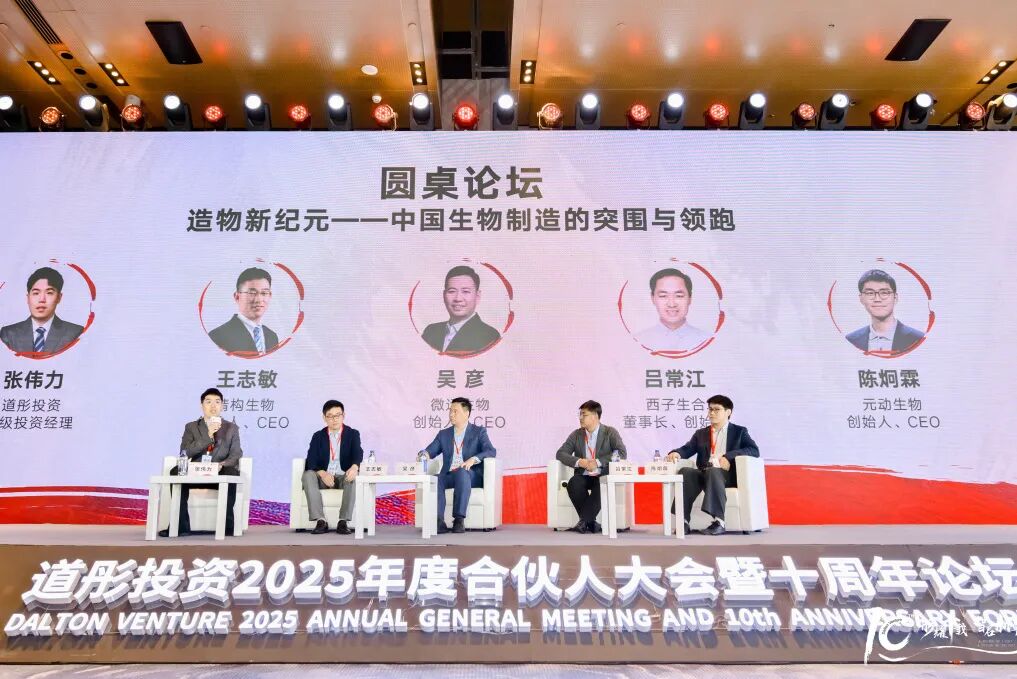
As a disruptive track driving industrial upgrading, biomanufacturing is becoming a focal point for capital and industry. Dalton Venture has been particularly active in this space this year, with broad coverage — from bulk materials (like YuanTian) to nutraceutical ingredients, skincare ingredients, and biopharmaceuticals — precisely touching multiple core segments of biomanufacturing and demonstrating deep insight into industry trends. Zhimin Wang, Founder and CEO of Jinggou Bio; Yan Wu, Founder and CEO of Weiyuan Bio; Changjiang Lyu, Chairman and Founder of Xizi Shenghe; and Jionglin Chen, Founder and CEO of Yuandong Bio shared their perspectives on industry breakout paths, technology commercialization, and future leadership strategies in the roundtable "The New Era of Creation — China's Biomanufacturing Breakthrough and Leadership."
Roundtable
The New Era of Creation —
China's Biomanufacturing Breakthrough and Leadership
10
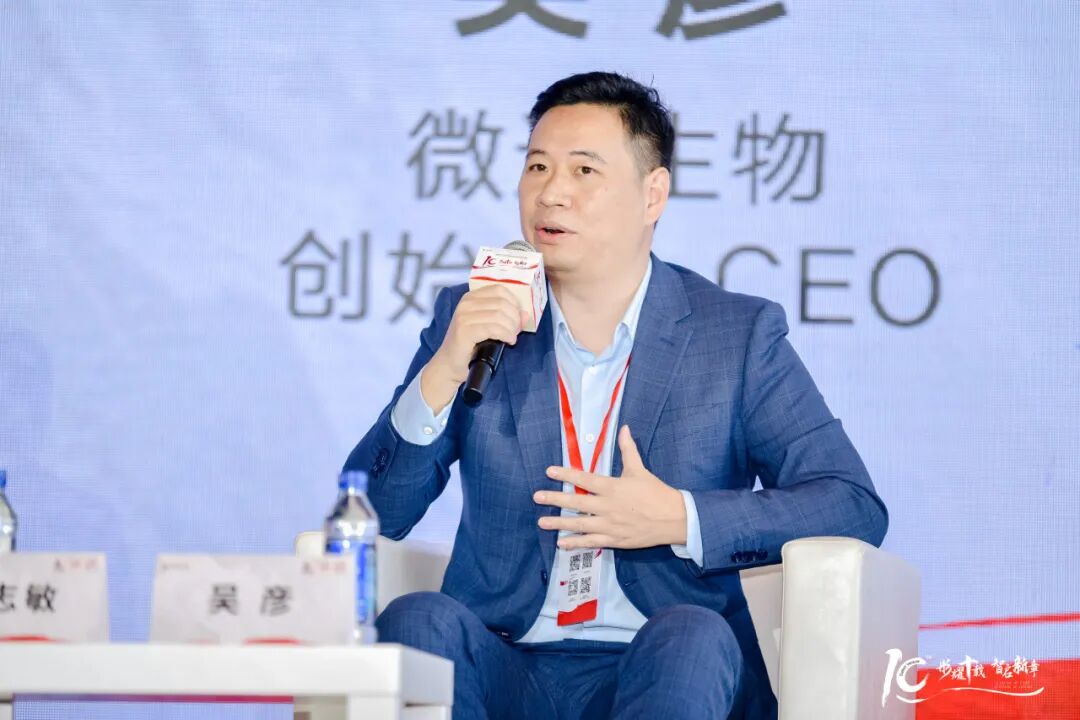
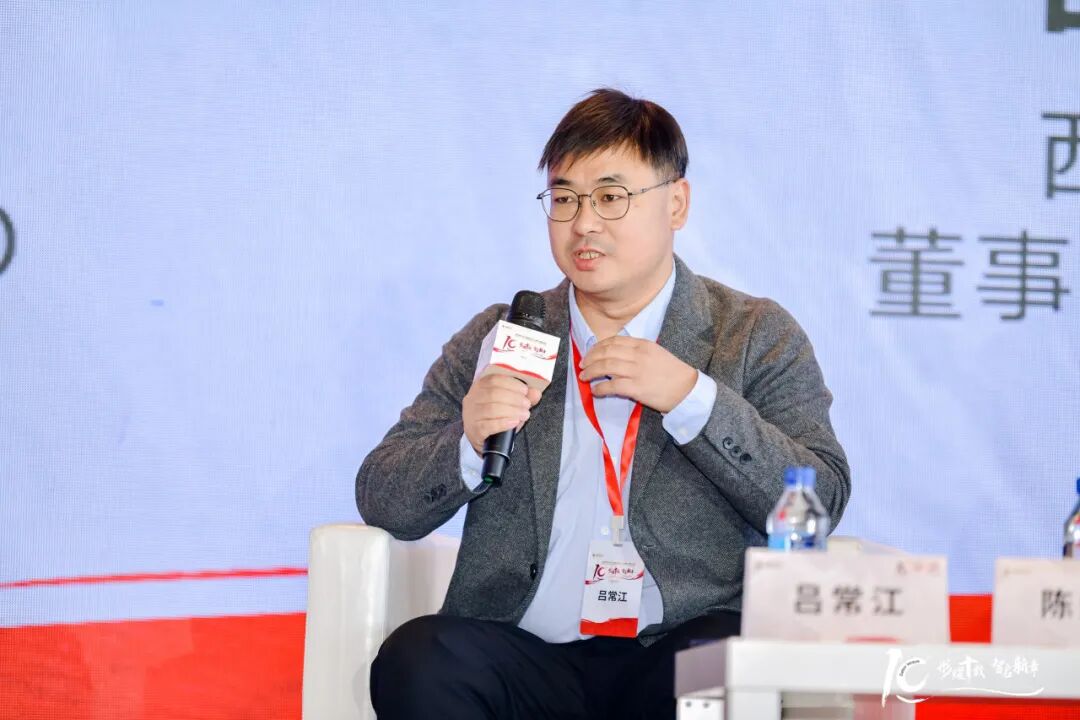
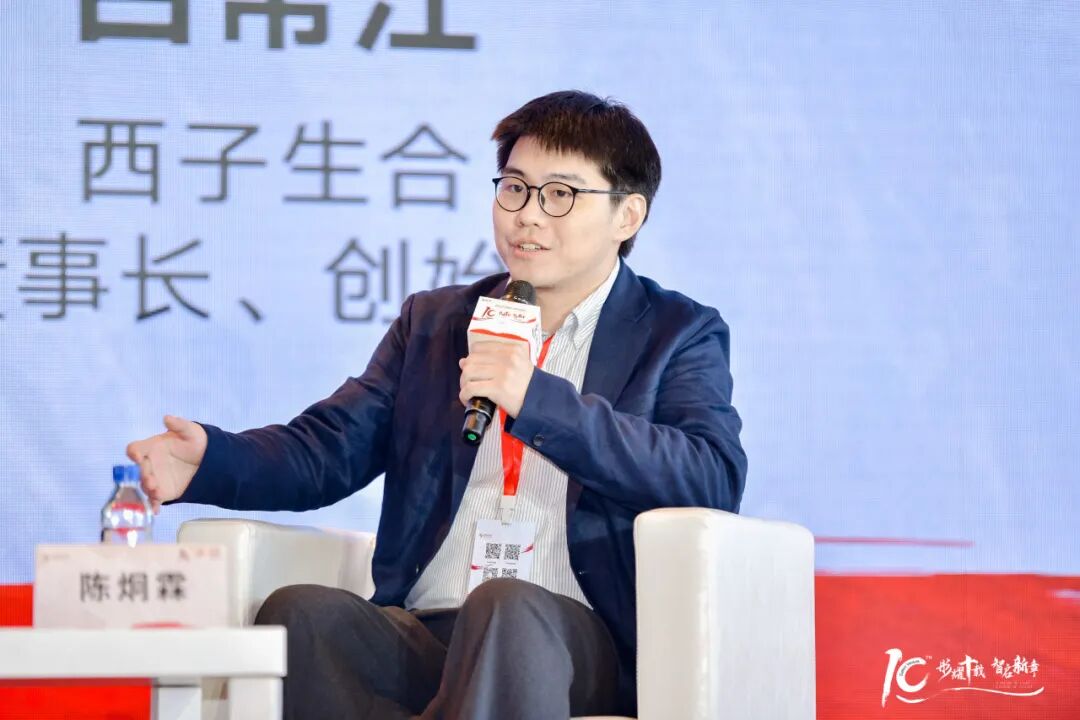
Swipe left for more
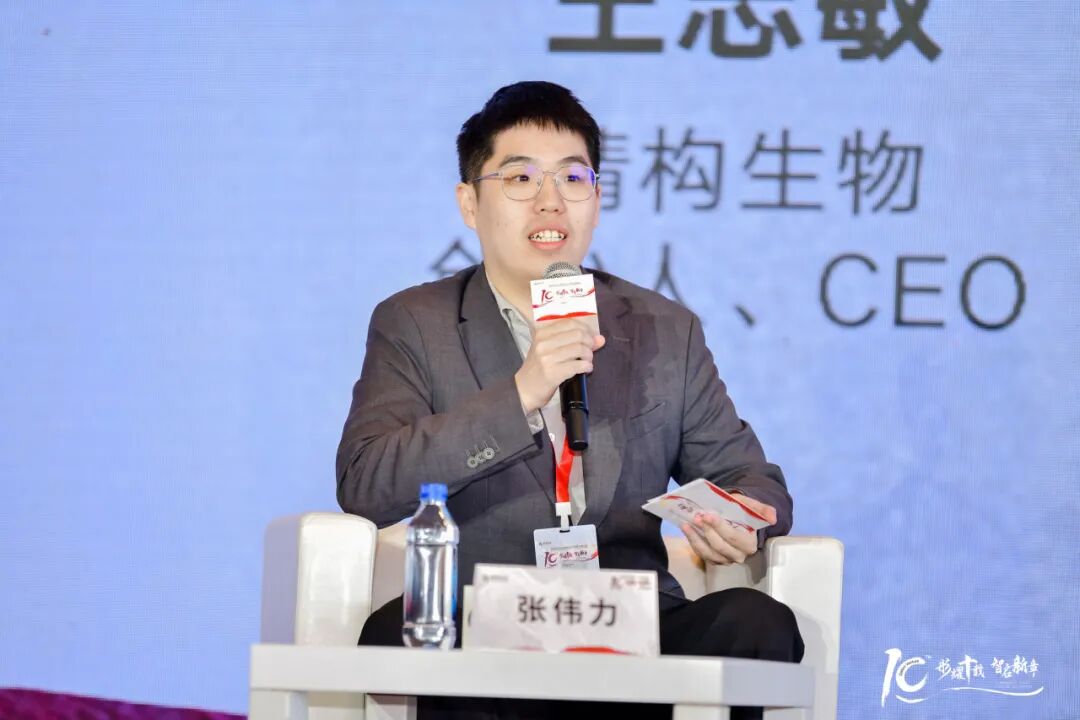
Weili Zhang, Senior Investment Manager at Dalton Venture (Moderator)
Zhimin Wang, Founder and CEO of Jinggou Bio
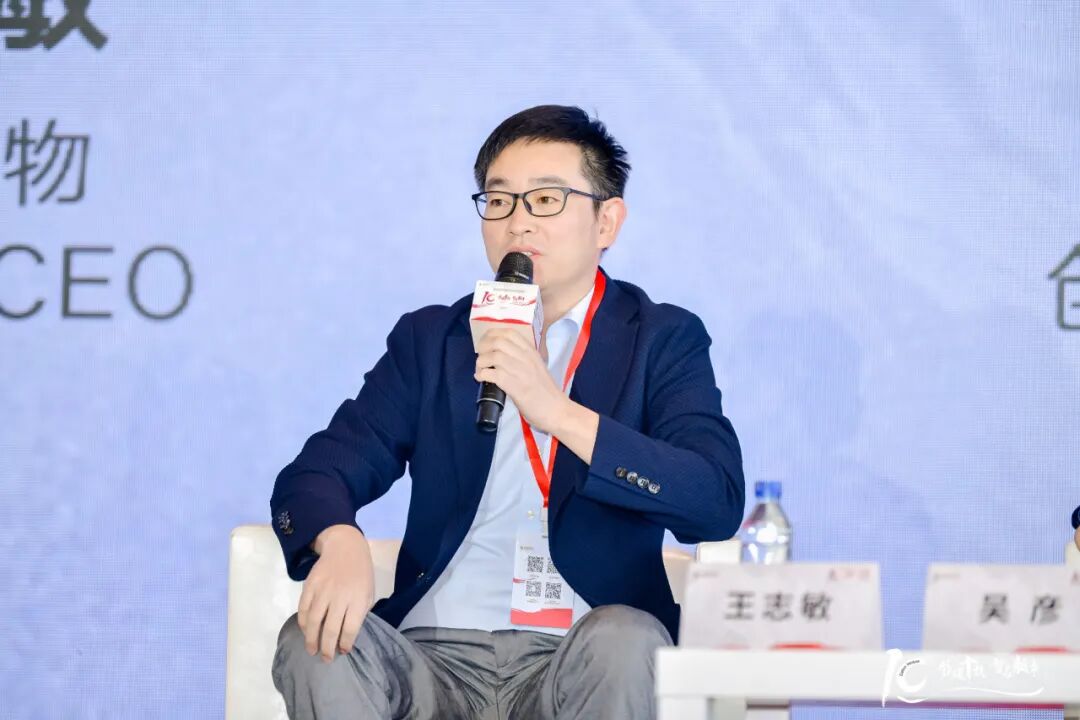
Yan Wu, Founder and CEO of Weiyuan Bio
Changjiang Lyu, Chairman and Founder of Xizi Shenghe
Jionglin Chen, Founder and CEO of Yuandong Bio
(Key Takeaways)
Zhimin Wang: Jinggou Bio operates on an AI + synthetic biology technology platform, focusing on functional ingredients for animal nutrition, human nutrition, and new materials. The biggest difference between the current biomanufacturing wave and previous ones is the shift "from concept to industrialization" — earlier discussions centered on technical models, but now both entrepreneurs and investors focus more on commercial closed loops. The entrepreneurial demographic has also shifted from primarily university scholars to industry-experienced practitioners who better understand pain points in execution. The company has completed two funding rounds, with a sharp focus on technology translation efficiency.
Yan Wu: Weiyuan Bio was founded in 2023 and has completed four funding rounds in just over two years, with 8 products entering industrialization preparation and expected to reach hundred-million-level sales scale soon. Comparing the two waves of biomanufacturing, I believe we're now closer to "the real pre-explosion phase of the industry": the first wave leaned toward basic molecular exploration and remained largely conceptual, while the current wave emphasizes "engineering capability" — whether in chassis cell modification, enzyme application deployment, or niche scenario enablement, it's all penetrating into concrete industries.
Changjiang Lyu: Xizi Shenghe was established in March this year and has already industrialized products including collagen and citicoline. Our entrepreneurial model is quite pragmatic — before formally founding the company, we used secondhand equipment to work through the industrialization process, secured orders and several million in revenue, and only then officially launched operations. It's a "market-pulls-R&D" approach. Our current production capacity is based in Shandong; we hope the Yangtze River Delta can develop integrated parks suitable for synthetic biology startups to address site and cost issues. We also look forward to lowered barriers for oral and medical device product approvals, reducing the waste of "export-then-reimport."
Jionglin Chen: Yuandong Bio specializes in producing cellulose using bacteria, breaking from traditional plant extraction pathways. We're currently one of the few teams globally to have advanced to industrial-scale production. What's hardest for AI to replace in biomanufacturing is the "0-to-1 imagination and breakthrough" — when designing entirely new fermentation processes, abstract conceptualization of processes and equipment innovation are beyond AI's capabilities. And in fermentation scale-up, microenvironment parameter collection and data filtering lack clear standards for AI, making it impossible to preemptively warn of production risks. Biomanufacturing today is more like "the internet in the 1990s" — we need to solidify the underlying tools before talking about scaled explosion.
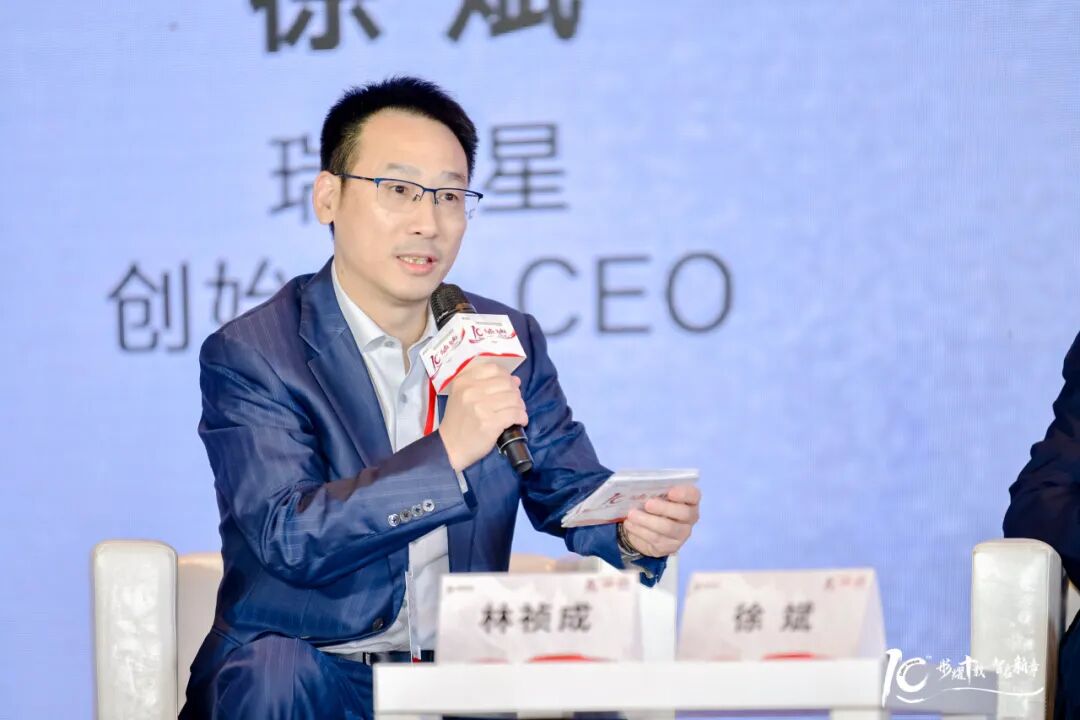
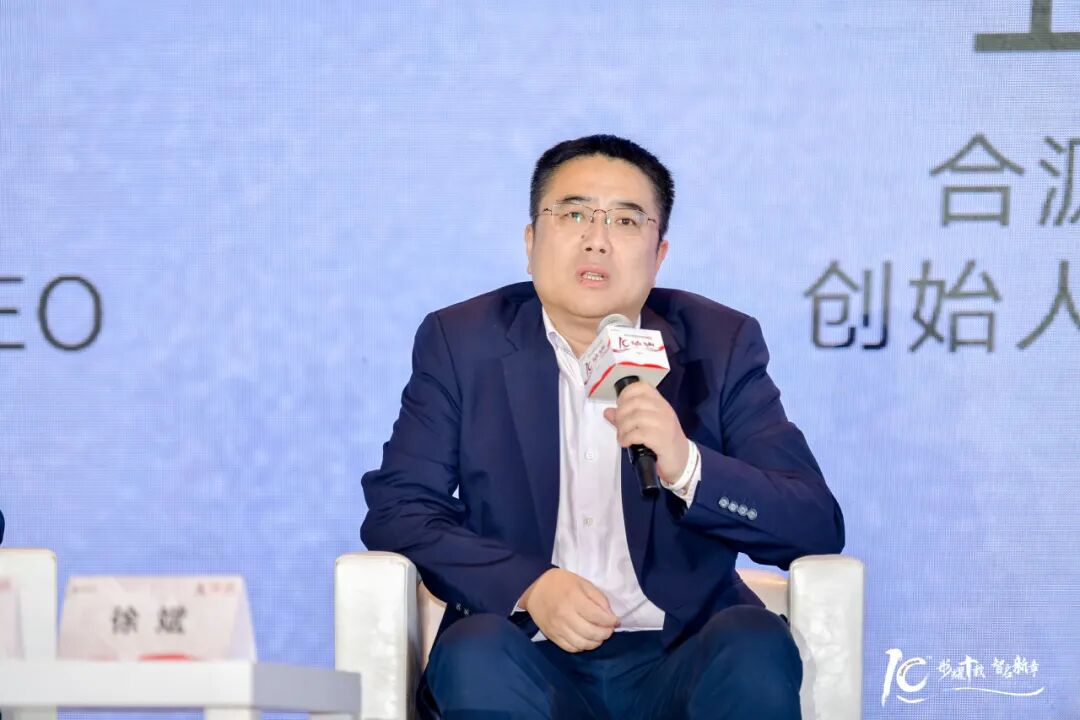
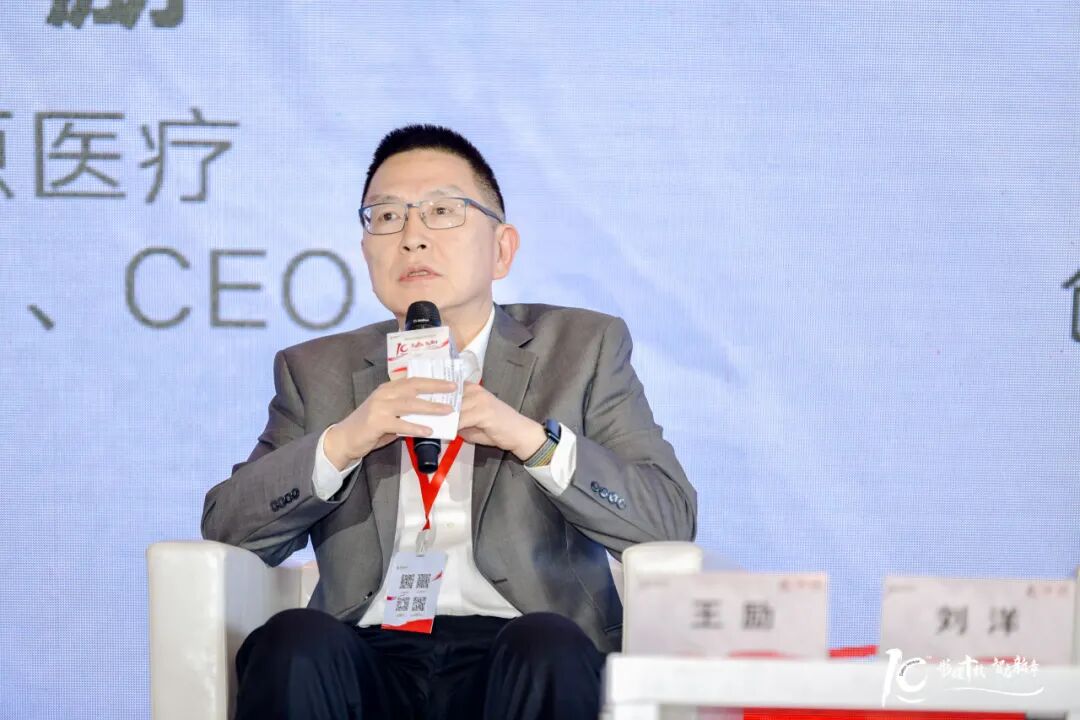
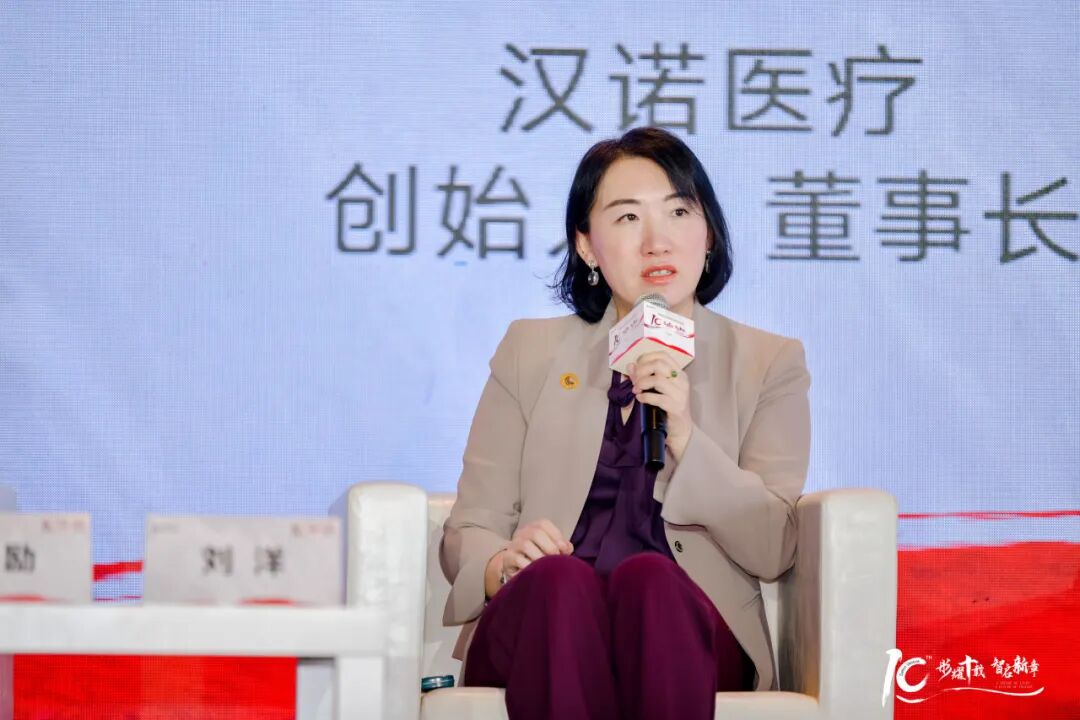
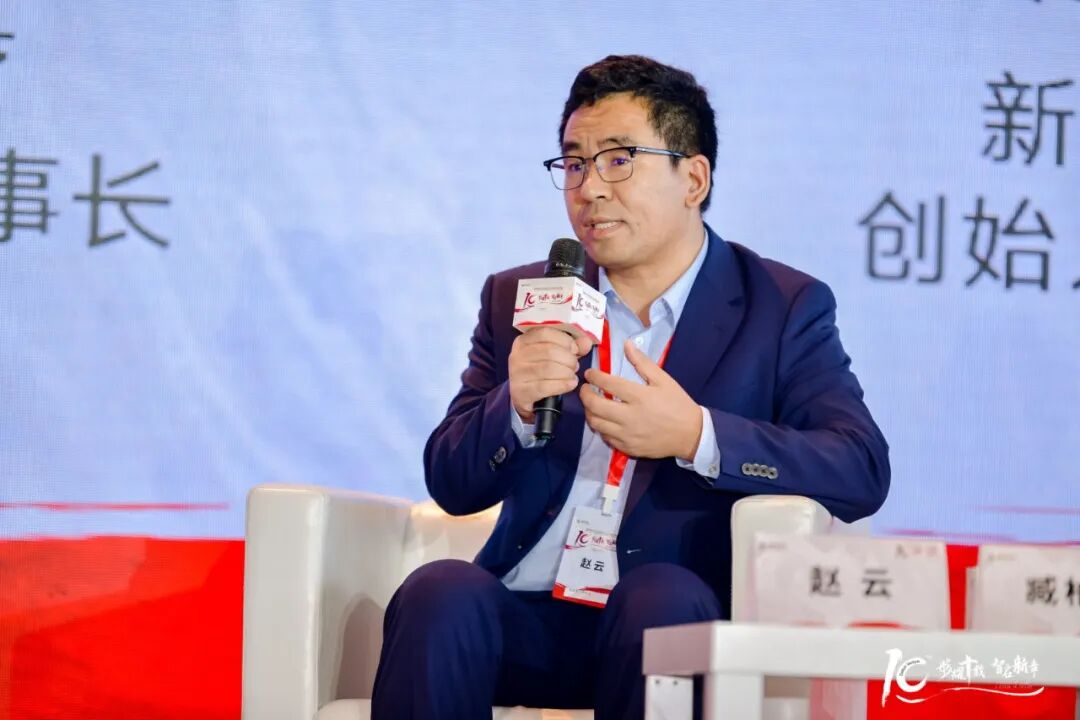
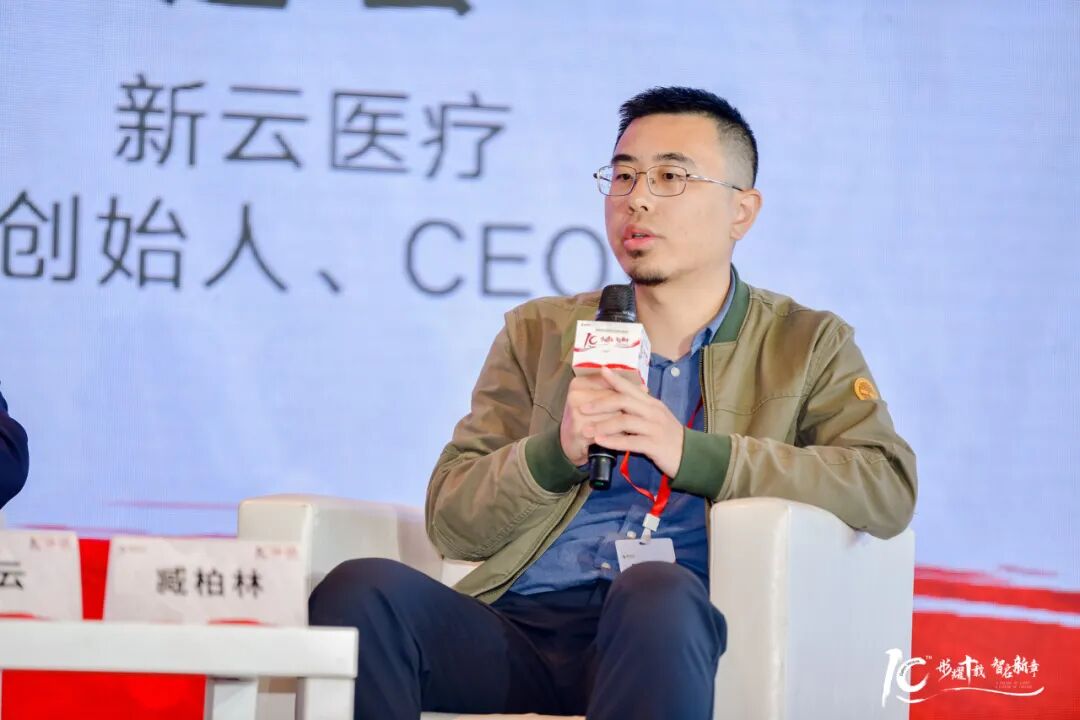
As the healthcare industry advances toward higher quality, the life defense line of critical care, the intraoperative safety guarantee of anesthesia, and the quality-of-life guardianship of pain management together constitute the core "life protection" links in clinical diagnosis and treatment — directly affecting patient prognosis and the elevation of healthcare service levels. Medtech innovation is the key engine driving breakthroughs in this domain. Dalton was also among the earlier healthcare investors to propose deep deployment in critical care and pain management departments. Multiple high-quality portfolio companies have not only achieved domestic-first technological breakthroughs but also used innovative device solutions to solve practical clinical pain points such as low efficiency and safety gaps needing improvement, tangibly supporting the upgrade of diagnosis and treatment. Bin Xu, Founder and CEO of Ruianxing; Li Wang, Founder and CEO of Heyuan Medical; Yang Liu, Founder and Chairman of Hanuo Medical; Yun Zhao, Founder and CEO of Xinyun Medical; and Bolin Zang, CTO of Kangyuan Medical jointly engaged in deep discussion around "Frontiers of Life Protection — How Innovative Technology Supports and Reshapes the Anesthesia, Critical Care, and Pain Management Experience," sharing practical experience in technological breakthroughs and clinical deployment in this field.
Roundtable
Frontiers of Life Protection —
How Innovative Technology Supports and Reshapes the Anesthesia, Critical Care, and Pain Management Experience
11
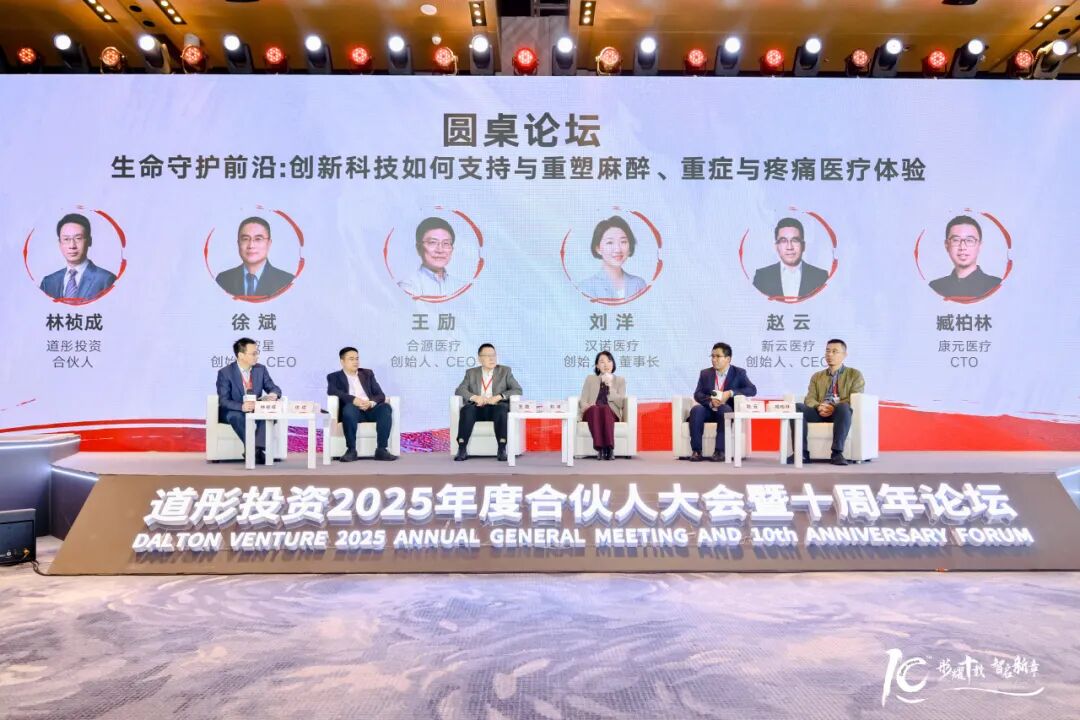
Swipe left for more
Lincheng Lin, Partner at Dalton Venture (Moderator)
Bin Xu, Founder and CEO of RuiAnXing
Li Wang, Founder and CEO of Heyuan Medical
Yang Liu, Founder and Chairman of Hanuo Medical
Yun Zhao, Founder and CEO of NewCloud Medical
Bailin Zang, CTO of Kangyuan Medical
(Key Takeaways)
Bin Xu: RuiAnXing focuses on perioperative vital signs monitoring and clinical decision support. Drawing on expertise from anesthesiology specialists alongside technology from the Chinese Academy of Sciences' Institute of Automation and Institute of Neuroscience, we have developed an AI-driven general anesthesia intelligent assistance system. China performs over 70 million surgeries annually, yet has fewer than 100,000 anesthesiologists, with 30-day postoperative mortality remaining stubbornly high. Our system addresses this through preoperative assessment, intraoperative precision control, and postoperative early warning — reducing complication risk, easing the workload of anesthesiologists, and enabling primary hospitals to perform elective surgeries.
Li Wang: Having worked in heart failure treatment for many years, I've observed that China has 15 million heart failure patients, with over 3 million new cases each year. Treatment presents significant pain points: patients must take 7-10 medications, yet those aged 65-70 struggle with adherence. Existing implantable devices are mostly "single-function" — either monitoring-only or therapy-only, requiring multiple surgeries. The core goals of heart failure treatment are reducing mortality and hospitalization rates while improving quality of life. The current trend should be synergistic advancement of devices and drugs: devices can compensate for poor medication adherence while helping physicians fine-tune drug regimens, achieving 1+1>2 therapeutic outcomes.
Yang Liu: Hanuo Medical developed China's first fully domestic ECMO system, obtaining domestic Class III certification in 2023 and EU CE marking in 2025, with products now in 33 countries. Traditional ECMO technology suffers from "high-flow designs that don't match clinical demands for precision." We have conquered core technologies including biocompatible anticoagulant coatings and introduced a modular design: supporting three major scenarios — ICU bedside, transport, and emergency care — with one device serving two patients simultaneously. This reduces hospital procurement costs while expanding applications to pre-hospital emergency care and organ transplantation, pushing extracorporeal life support from cardiac surgery into multiple clinical domains.
Yun Zhao: NewCloud Medical specializes in innovative devices for chronic pain. Facing over 300 million chronic pain patients in China, fewer than 50,000 pain specialists, and high prices for advanced neuromodulation devices (Medtronic products cost 400,000 RMB), we are developing two core pipelines: China's first passive decompression minimally invasive interventional product, and a handheld robot with sensing and AI algorithms for closed-loop neuromodulation. The closed-loop system can collect spinal signals in real time and adaptively adjust treatment, improving efficacy rates from 50% to 70%-80%, with remote management capabilities that reduce patients' travel costs. This fills the gap in mid-range pain devices.
Bailin Zang: Kangyuan Medical focuses on critical care blood purification. Leveraging technology from Dalian University of Technology, we have developed precision blood adsorption products for sepsis — using nanobody technology to address the limitation of traditional resin materials that "adsorb imprecisely, removing beneficial substances along with harmful ones." Our products can specifically clear harmful inflammatory factors. Currently undergoing GCP clinical trials at 10 centers nationwide with significant results, we will expand into renal failure and autoimmune diseases. Our "subtractive therapy" approach fills the global technological gap in precision blood purification for sepsis.
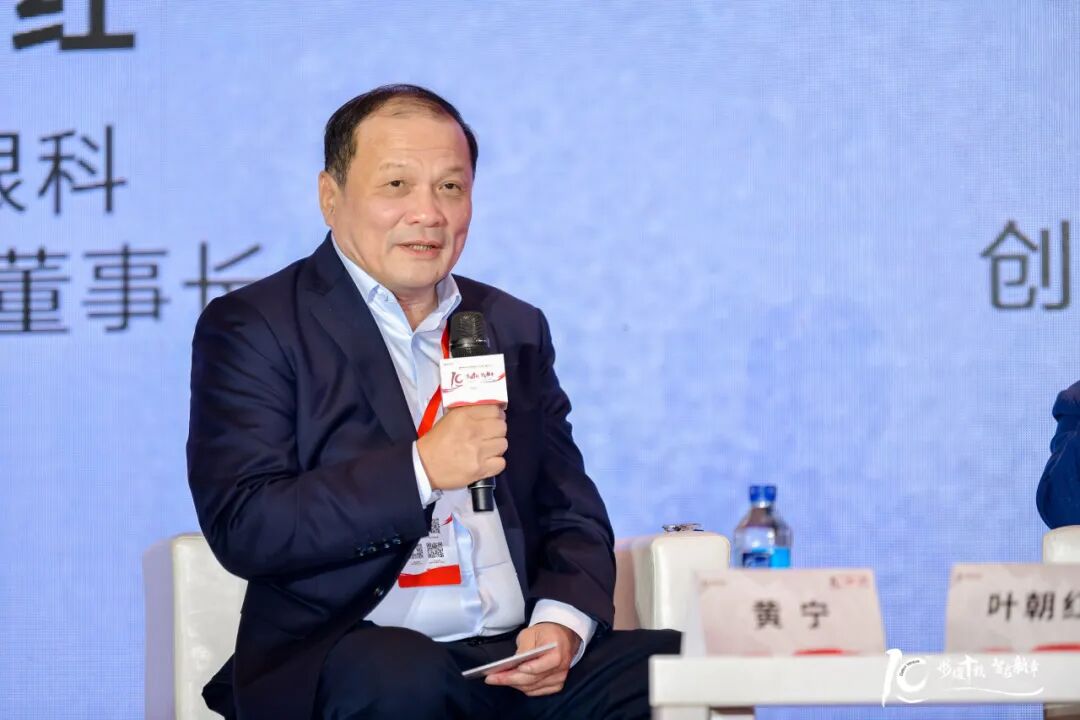
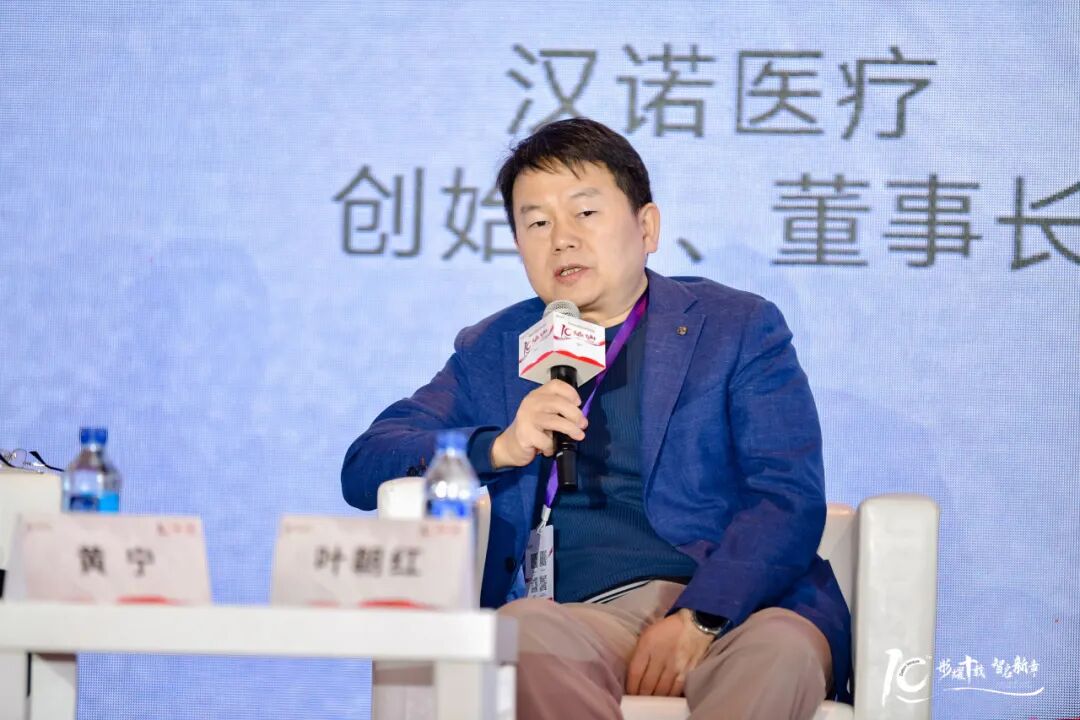
Since planting its first seed in the life sciences track in 2015, Dalton Venture has accompanied numerous projects through 3,600 days and nights over the past decade. Many have grown into industry leaders and are now expanding into international markets. The conference specially invited founder representatives from Dalton-incubated projects, top-performing investments, and successful exits to "come home." Chaohong Ye, Chairman of Beitong Ophthalmology; Yang Liu, Founder and Chairman of Hanuo Medical; Senping Cheng, Founder and CEO of Triastek; Lulu Lü, CEO of Heyuan Biotech; and Min Huang, Founder of Noah Medical shared their collaboration stories with Dalton and engaged in an in-depth discussion around Dalton Partners: Shared Vision, Mutual Success, Moving Forward Together — a roundtable rich with the warmth of fellow travelers.
Roundtable
Dalton Partners: Shared Vision, Mutual Success, Moving Forward Together
12

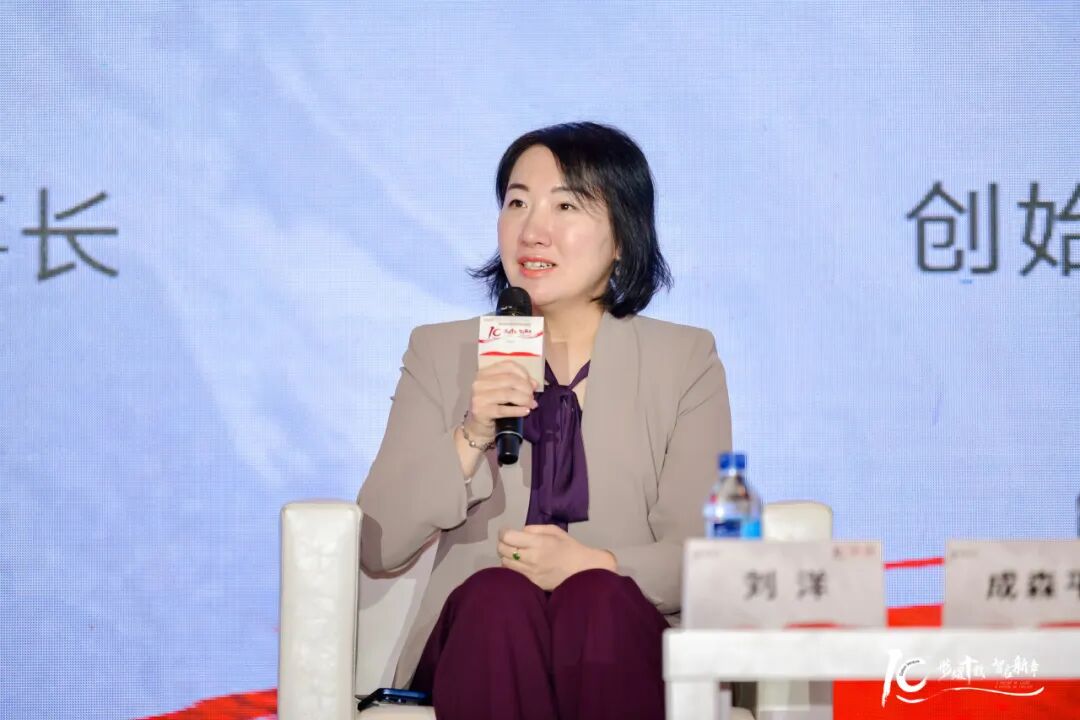

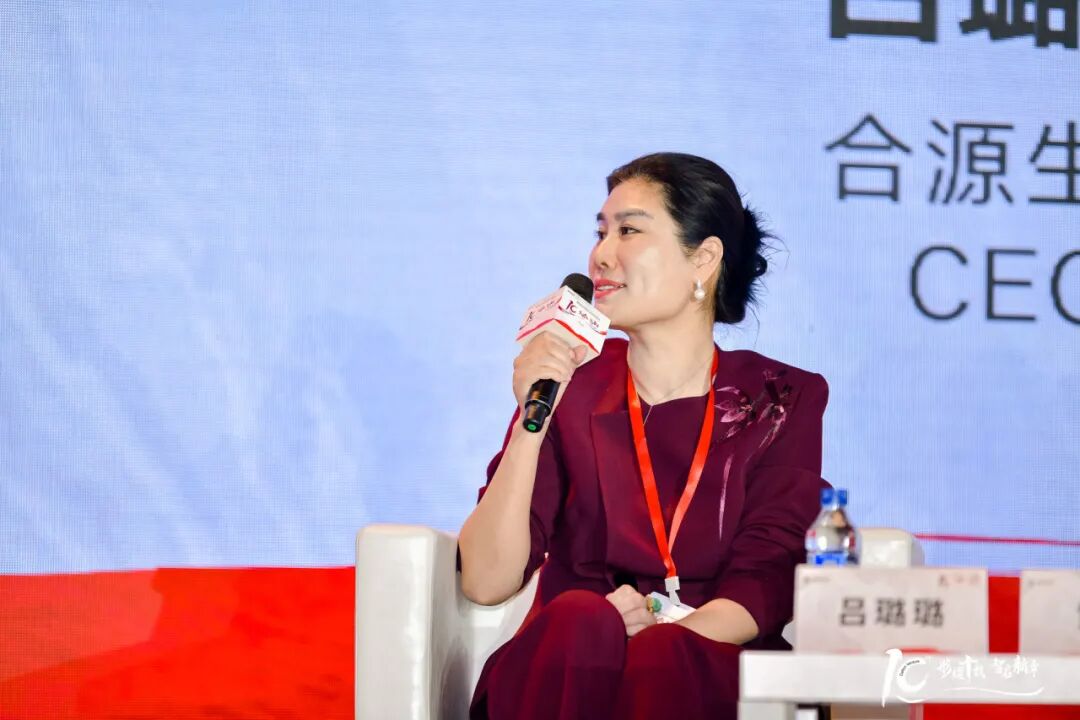
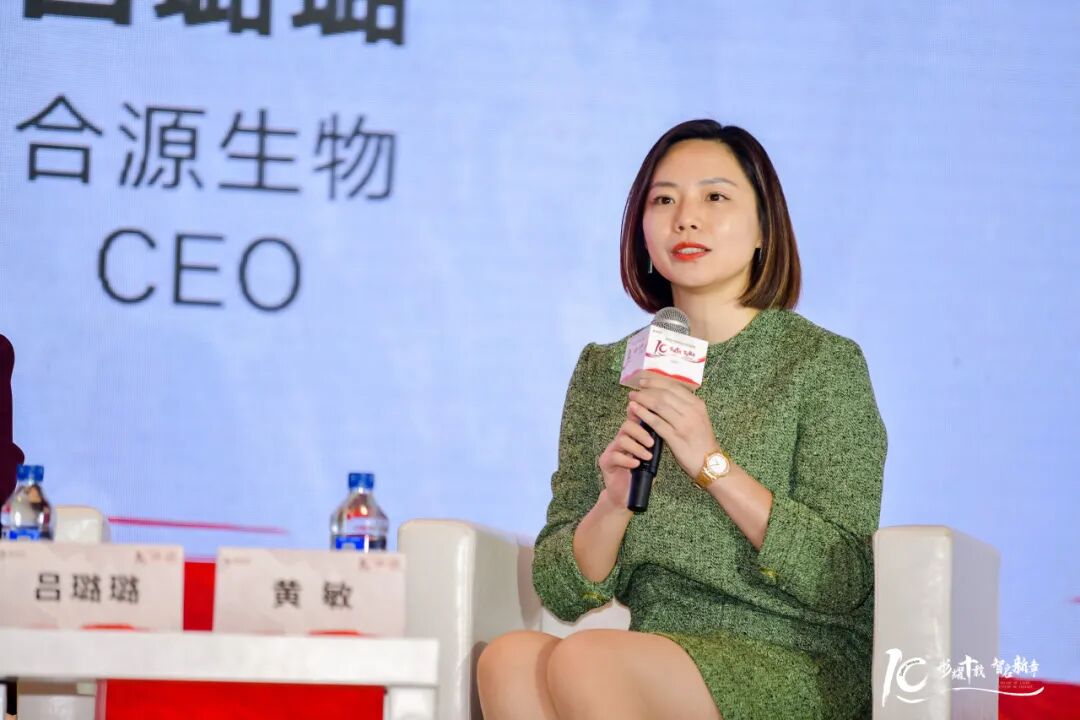
Swipe left for more
Ning Huang, Founding Partner at Dalton Venture (Moderator)
Chaohong Ye, Chairman of Beitong Ophthalmology
Yang Liu, Founder and Chairman of Hanuo Medical
Senping Cheng, Founder and CEO of Triastek
Lulu Lü, CEO of Heyuan Biotech
Min Huang, Founder of Noah Medical
(Key Takeaways)
Ning Huang: Every time I meet the founders on stage, it feels like catching up with family. When we talk work, I find myself asking "Have you been overworking lately?" When problems arise, my first response is always "Let's figure this out together." Dalton Venture has never been a cold, distant capital provider over these ten years. We're more like a hinge, tightly connecting founders' drive with our resources: standing by companies through capital winters, getting more excited than founders when milestones are hit, even quietly making industry connections for them. We've always believed that success in healthcare needs to come "a little slower, a little steadier." So we're willing to spend ten or twenty years accompanying every founder with original vision — doing the warm work solidly, and carrying forward the bond of moving forward together.
Chaohong Ye: Beitong started as a small project, and now we've established ourselves in adolescent myopia prevention and control in Shanghai — every step has had Dalton's warmth behind it. I remember when I first started out, Mr. Sun and Mr. Huang and I would chat about direction at teahouses. They never said "expand fast." Instead, they urged me to "first do Shanghai services thoroughly, so parents can trust you." During critical fundraising periods, they proactively connected me with strategic resources, and when they saw I was stressed, they'd always say "Don't rush, we'll wait with you." Now that medical services are gradually recovering, I want to take this support, first hold down our Shanghai "base," then step by step expand across East China. Whether it's Beitong or other ophthalmology projects in the future, I want to keep walking this path with Dalton.
Liu Yang: Dalton was the first investor that truly "understood what we were doing." At the time, many funds thought the ECMO market was too small. Only Mr. Huang came to our company on his first visit — back when we had barely 20 people — shook the team's hands, and said, "What you're building is a life-saving device. The country needs this, and we need to make it happen together." Their post-investment support felt like family: Mr. Lin was always reminding us to "keep a close eye on clinical data, don't get sloppy," and Mr. Sun would even help us research overseas registration details during his business trips. The fact that Hanno's ECMO now sells in so many countries overseas is inseparable from Dalton's support — "not just investing money, but investing their hearts." When I think about our future goal of becoming the global #1 in extracorporeal life support, the first people I want to share that with are still my partners at Dalton.
Senping Cheng: Triastek's ten-year journey has had Dalton walking alongside us for five of those years. When we first started working on 3D-printed pharmaceutical technology, many people thought it was "too new, too risky." But Mr. Sun took us to industry conferences in Hong Kong and helped us explain to experts how "this technology can help patients take fewer pills, and take better ones." When we went down wrong paths, they never said "we told you so" — instead, they helped us debrief and figure out "how to do better next time." From simply finding the technology interesting, to now turning it into compliant medicines that actually help pharmaceutical companies, Dalton has witnessed every small step of our growth. In the next ten years, I want to bring this technology to even more applications, and if I get to collaborate with Dalton on ophthalmic drug-device projects, that would be something truly wonderful.
Lulu Lü: In 2018, I went to Mr. Sun with nothing but a PowerPoint, talking about "building China's own CAR-T." I never expected we'd close the deal in just one month. Dalton never asked "when will you be profitable" — instead, they always asked "when will patients be able to use this drug." When we got our first clinical trial approval in 2019, the whole company was laughing and crying at the same time. Mr. Sun posted about it on WeChat immediately and called me to say, "Lulu, you did it!" During the capital winter of 2022, they connected us with investors like SDIC Capital, and when they saw I was stressed, they said, "Don't be afraid, we'll carry this together." Now that Heyuan's CAR-T can help leukemia patients, and with our sights set on helping more solid tumor and autoimmune patients in the future, this achievement holds so much warmth from Dalton.
Min Huang: I trained in medicine, so deep down I believe "healthcare must stay true to its original mission." That's why in the early days of my startup, I wouldn't take capital from anyone else — until I met Dalton. At our first meeting, Mr. Huang Ning didn't talk KPIs. Instead, he asked, "What kind of service do you want to bring to patients?" In that moment, I knew I'd "found the right people." When Dalton invested in us, Noah's annual revenue was only 30 million RMB. They accompanied us as we opened clinics in more cities, helped us sort out our operations, and would even brainstorm with us about "how to get patients to wait ten minutes less." Later, when Noah was acquired by New World, the first thing I did was become an LP in Dalton's fund — not to make money, but because I wanted to walk alongside this team that "understands healthcare and has warmth," and help more founders like me realize their dreams.
PART 4
K/E/Y/N/O/T/E
As a renowned financial writer who has continuously chronicled China's commercial evolution through works like Great Failures and Turbulent Thirty Years, offering deep interpretations of economic cycles, Mr. Wu Xiaobo's perspectives have always been a bellwether for the industry. Earlier this year, he publicly predicted that China will see four 100-trillion-RMB-level industries emerge over the next decade. Two of these tracks — the silver economy and embodied intelligence robotics — happen to align closely with Dalton's key investment focus. Among the 14 embodied intelligence companies Wu visited in the first half of this year, Dalton portfolio company Astribot was one of them. As the conference drew to a close, Wu Xiaobo delivered a keynote address on the industrial foundations of the next decade.
Special Guest Keynote
The Industrial Foundations of the Next Decade
Guest: Wu Xiaobo, Renowned Financial Writer
(Highlights)
First, congratulations to Dalton on its tenth anniversary. I've been running my own fund for nearly a decade as well, and I deeply understand how China's investment and entrepreneurship markets have cycled through spring, summer, autumn, and winter — the summer of 2015, the late autumn after 2018, the deep freeze after 2022. Now, like Mr. Sun, I see "spring knocking at the door." Even if there's a late cold snap, we're already at the starting point of a new cycle.
We're currently at the intersection of three overlapping cycles: In the new economic development cycle, the 15th Five-Year Plan runs parallel with industry cycles, and the life sciences field that Dalton focuses on will certainly enter its harvest period in the next 5-10 years. The new geopolitical cycle may be murky, but China has private enterprises, venture capital, and institutions like Dalton — this is what distinguishes us from the Soviet Union. In the new technological transformation cycle, AI is reshaping every industry. Dalton's investment in Astribot puts it in direct competition with the United States in embodied intelligence. China's supply chain accounts for 94% of the global total, and Shenzhen alone carries 60% of that supply chain share. This kind of advantage gives us the confidence to meet challenges head-on.
Some worry that China will fall into the "Koo trap," but we're different from Japan — our population is ten times larger, our domestic market has more room to maneuver, and we're undergoing the most aggressive industrial intelligentization transformation in the world. Of the 189 Lighthouse Factories globally, 79 are in China. Industry 5.0 applications in machine vision and large models are already being deployed at companies like Hisense and Oppein. Over the next 10 years, the silver economy and embodied intelligence will become markets exceeding 10 trillion RMB, and Dalton's portfolio happens to be positioned right at these opportunities.
There's no need for pessimism about the consumer market either. Post-80s and post-90s generations will remain the backbone of domestic demand for the next 10 years. Their pursuit of quality living, combined with AI-driven product innovation, will continue to activate the market. Moreover, most of China's high-net-worth individuals are choosing to stay, and core cities retain their economic vitality. If the Yangtze River Delta were an independent economy, it would already rank fourth globally.
Finally, I want to say that the ultimate destination of wealth creation is national destiny. The United States is the locomotive of technology; China is the largest market for technology application. Institutions like Dalton are using long-termism to connect these two strengths. We may continue to move sideways at the bottom for a while, but as long as we focus on the right tracks like Dalton does, and push ourselves to give one more effort even when we've reached our limit, we will transcend cycles. I believe Dalton's next decade will be even more remarkable, and I look forward to witnessing a better future together, with the help of life sciences.
PART 5
C/L/O/S/I/N/G
The healthcare industry has never lacked the drive to move forward. Every technological breakthrough, every company's journey from startup to maturity, builds energy for the industry's "next spring." Dalton's partnership with all its collaborators — from weathering storms together over the past decade to exploring the future shoulder to shoulder — has always been right on time. Dalton founding partner Ning Huang expressed his gratitude for this decade-long commitment, his appreciation for partners, and his eager expectations for the next decade in his closing remarks.
Partner's Closing Remarks
Guest: Ning Huang, Founding Partner of Dalton Venture
(Highlights)
I extend my sincere gratitude to Mr. Wu Xiaobo. His wonderful speech not only added substantial brilliance to Dalton's tenth anniversary celebration, but also helped us deepen our understanding of macro trends and industry directions, providing valuable intellectual resources for our future development.
Looking back over ten years, time has passed in a flash, yet it has engraved many precious memories. We've witnessed our portfolio companies move from laboratories to the industrial front lines, and accompanied entrepreneurs as they evolved from startup teams to pillars of their industries. Every technological breakthrough, every growth milestone, fills us with conviction and satisfaction — this is the core value of our commitment to investment and long-termism. And our deepest realization over this decade resonates profoundly with Mr. Wu Xiaobo's philosophy of "belief": we have always believed in the driving force of innovation, the settling power of time, and the binding strength of partnership.
The entrepreneurial path has never been smooth, but it is precisely because of its hardships that it has meaning. No matter how industry trends may shift in the future, Dalton will always aspire to be "a companion rooted in industry that illuminates original aspirations," using professional capital to safeguard every milestone for entrepreneurs and help industrial value continue to unfold.
Finally, my most sincere thanks to all our partners — our LPs, entrepreneurs, industry collaborators, and experts, and especially every Dalton colleague for their perseverance and dedication. It is because of your trust and companionship that Dalton's decade-long journey has carried both warmth, direction, and social value. May we still hold our passionate devotion in the next decade, and together create, witness, and achieve more industrial breakthroughs and value for our times. Thank you all for being with us every step of the way. Thank you!
PART 6
B/O/N/U/S
Pujiang Night Dialogue
Featured Exhibition Area
Banquet of Light
Ten years of Dalton's radiance —
a medal of steadfast pursuit, an echo of original aspiration.
Igniting a new chapter with intelligence —
a trumpet of innovation, a prelude to the future.
In the vast landscape of healthcare innovation and value creation,
let us chase the light side by side,
never ceasing our steps,
together journeying toward the brilliance and distance of the next decade!
ID: daltonventure
Long press to follow
R E C O M M E N D E D R E A D I N G