China's Homegrown AI Robots Are Seriously Advanced... Playing Piano, Brewing Tea, Practicing Wing Chun, Even Petting Cats | Inside Dalton Venture Portfolio Company Astribot

Born for you, born for intelligence.

Preface
Recently, Dalton Venture portfolio company Astribot officially unveiled its next-generation AI robot, the Astribot S1. The S1 first made waves in April this year with a technical demo featuring dozens of high-difficulty skills — ironing and folding clothes, sorting and tidying, wok-tossing, vacuuming, and competitive cup stacking — that immediately sparked discussion at home and abroad. Less than four months later, the Astribot S1 has launched in its complete form, demonstrating excellent motion system responsiveness and complex spatial reasoning across various tedious, long-sequence tasks. At the same time, the Astribot S1 has smoothly replicated even more expert skills. Below, let's step into the Astribot S1's SHOWTIME.
This article is republished with permission from QbitAI. For reprint requests, please contact the original source. Mingmin, reporting from Afei Temple, QbitAI | Official Account QbitAI
What does it take to get the CEO of Figure — the hottest AI robot company overseas — to pay attention immediately?
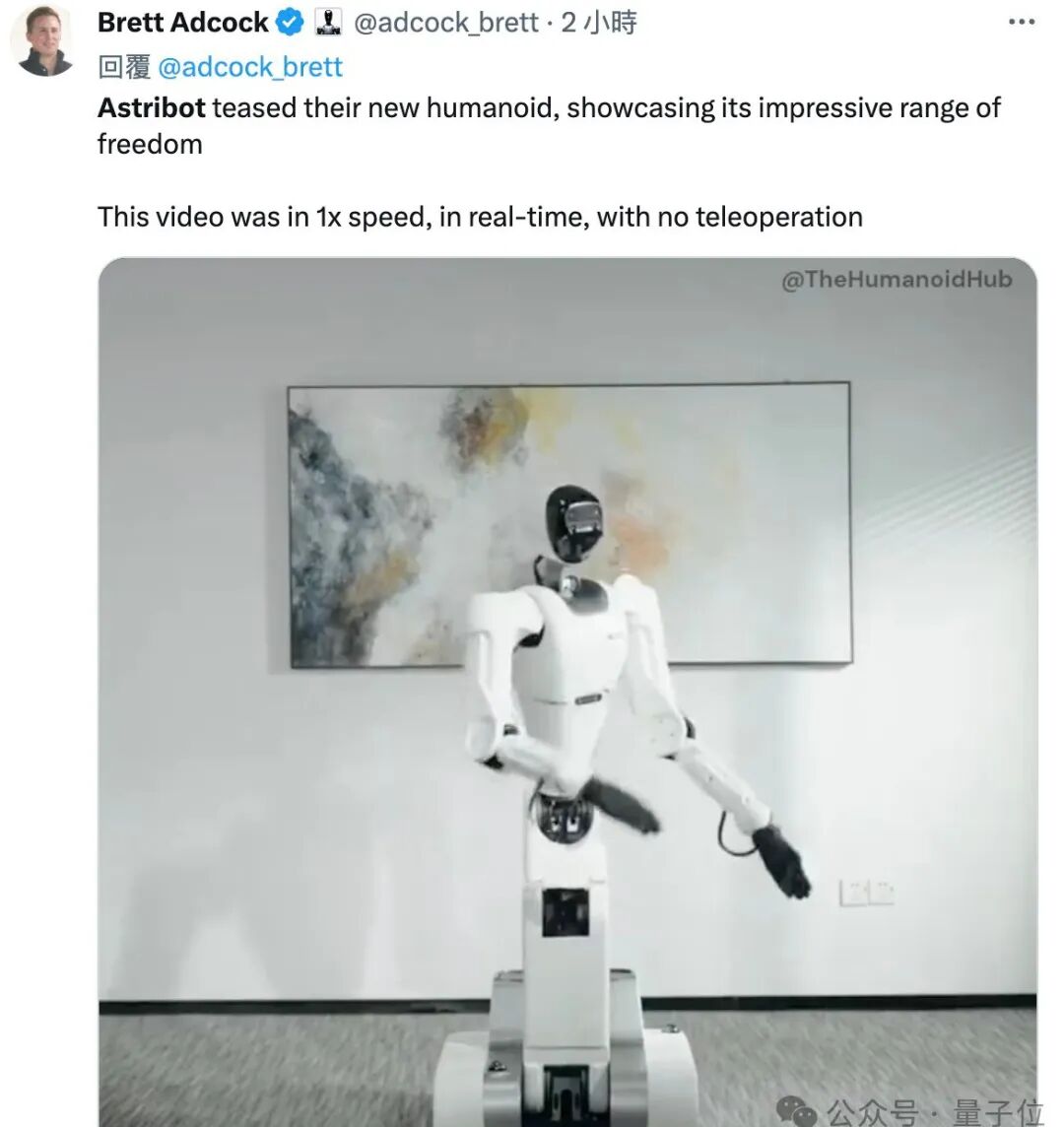
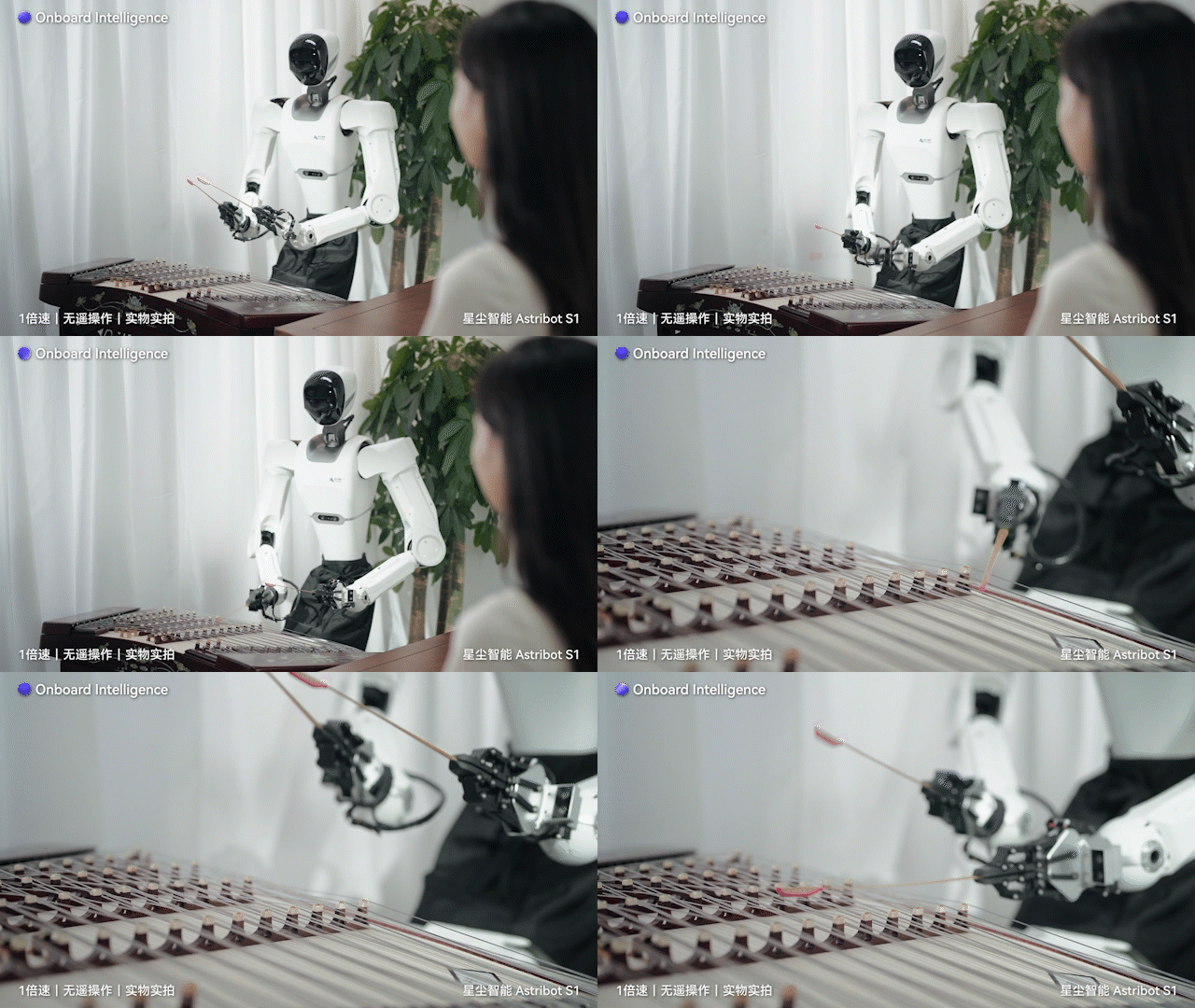
A Chinese humanoid robot showing off its muscles, with its latest skills being playing the yangqin, brewing gongfu tea... and wok-tossing?! Holding the bamboo mallets, it strikes each string with precision and delicacy, producing beautiful music.
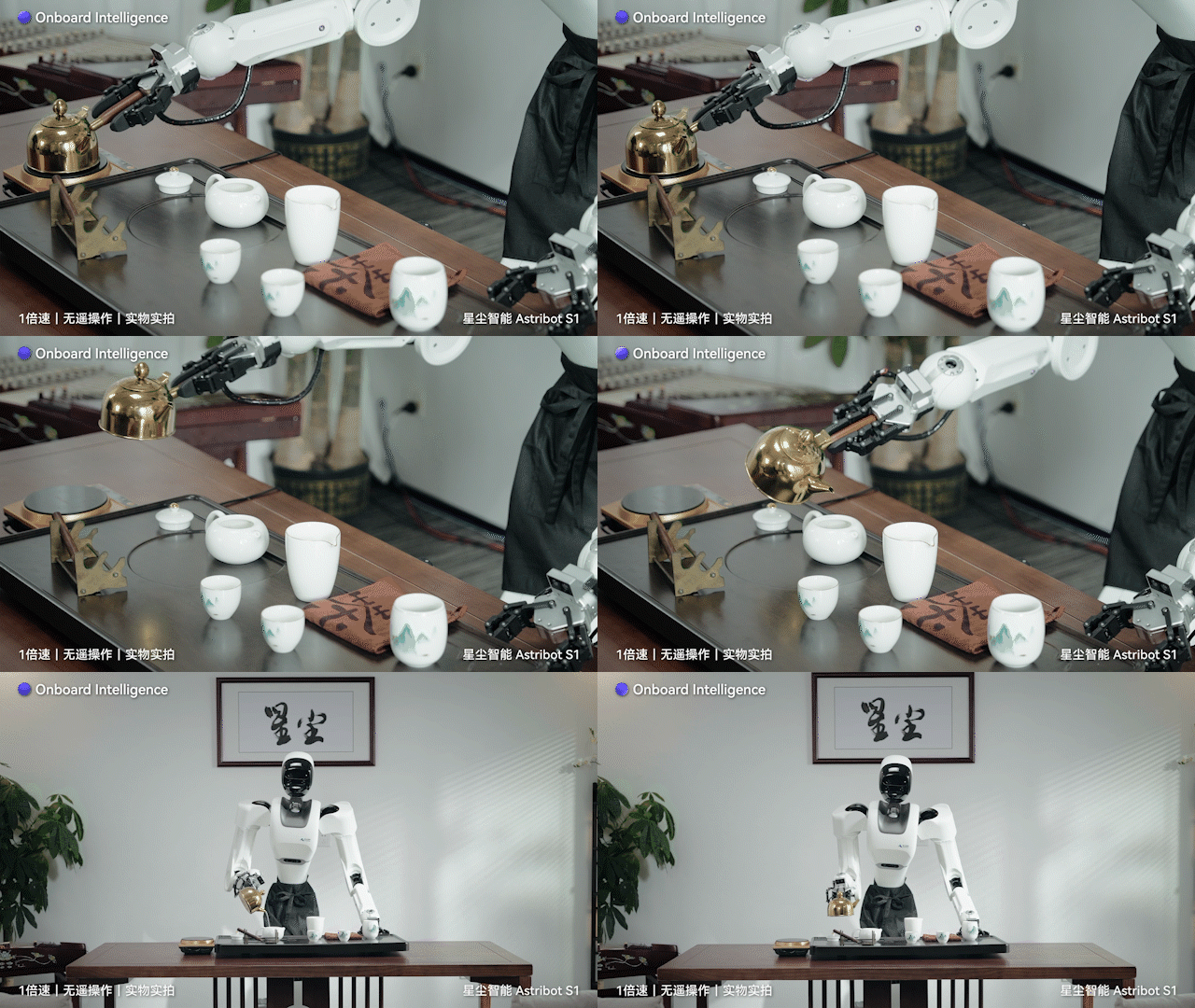
It skillfully brews a pot of gongfu tea, effortlessly handling more than a dozen steps and multiple cups and pots.
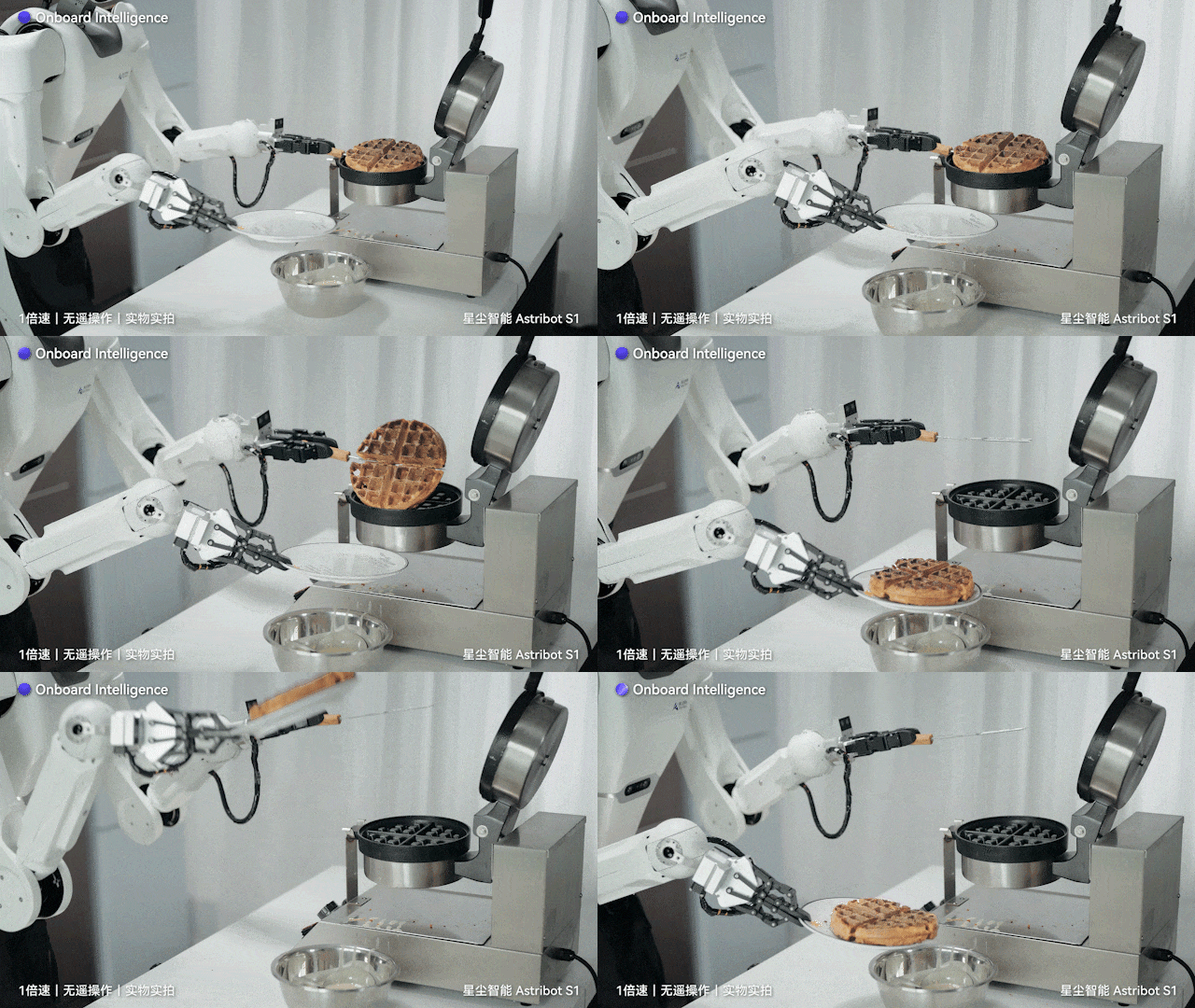
It whips up a fragrant waffle, complete with a signature wok-toss finale.
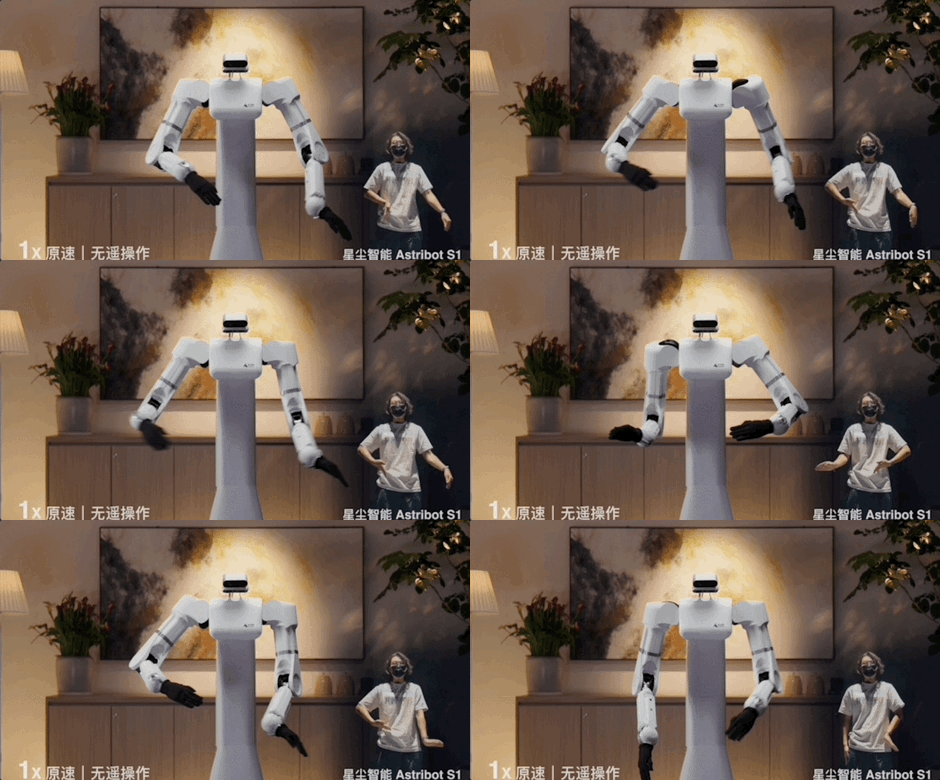
In its "leisure time," it can even take you through some Wing Chun practice — isn't this basically a robotic Ip Man?
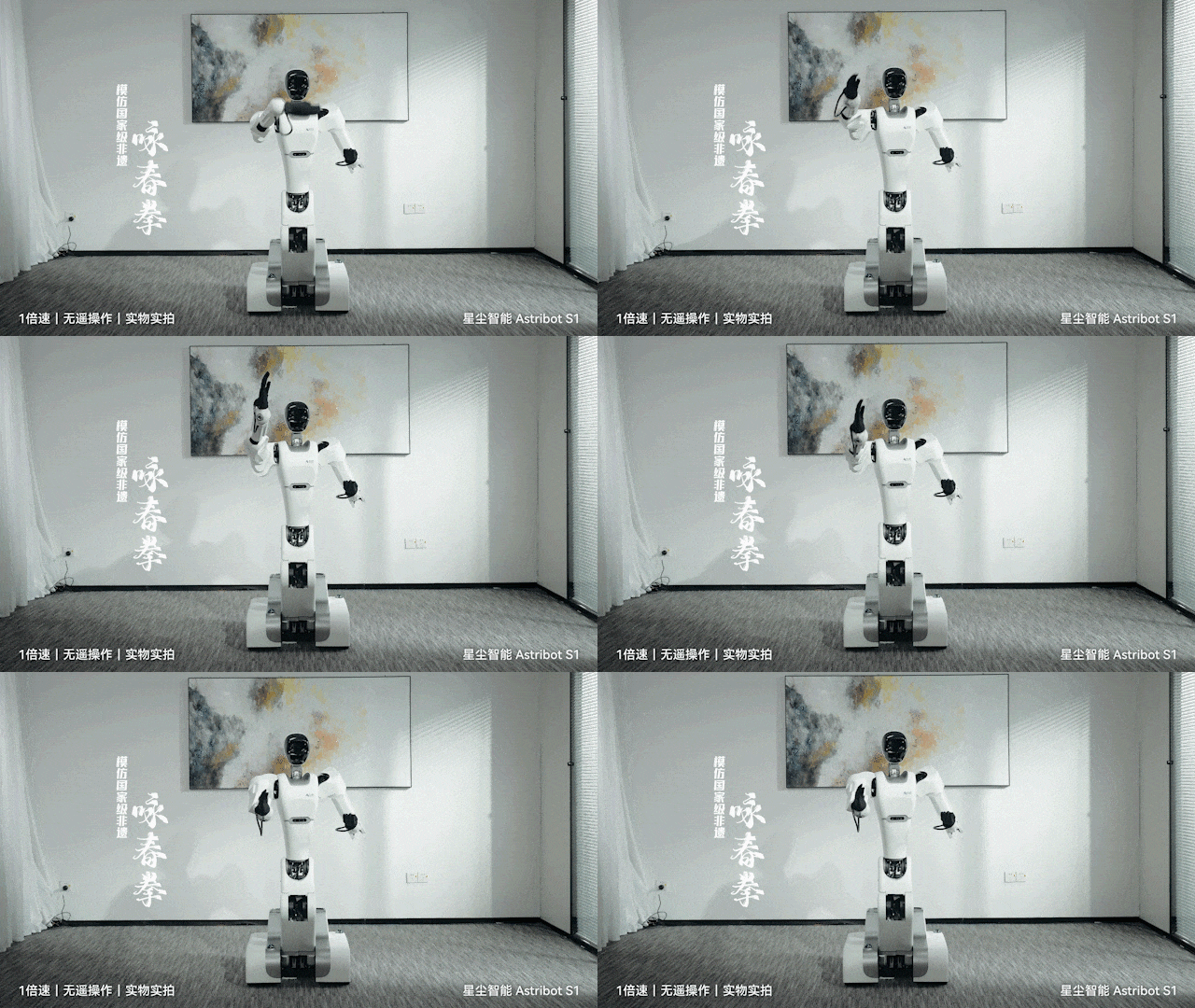
Note: all of the above actions are performed autonomously by the robot, shown at original speed.
Not only are its hands super steady, but every movement flows smoothly and seamlessly, like it's had a bite of a Dove chocolate bar.
Even for something as tedious and long-sequence as brewing gongfu tea, its brain plans everything clearly, keeping a firm grip on more than a dozen distinct steps, different materials like ceramic, metal, wood, and tea leaves, and variously shaped bowls, cups, pots, and vessels.
This requires the robot to learn, plan, and execute like a human, with strong generalization capabilities and general intelligence.
This is the Chinese humanoid robot Astribot S1, officially unveiled today.
Developed by startup Astribot, it's not just talk — from August 21 to 25, it will make a direct appearance at the World Robot Conference in Beijing, on public display.
In April this year, the S1 made its debut with a technical demo featuring dozens of high-difficulty, genuinely useful skills for robots — ironing and folding clothes, sorting and tidying, wok-tossing, vacuuming, and competitive cup stacking — sparking considerable discussion at home and abroad right from the start.

American netizens exclaimed: China's AGI-level robot is shocking the entire! Industry!

Less than four months later, the Astribot S1 launches in its complete form. What has it prepared for you this time?
Household Chores, Tool Use, Martial Arts — A Decathlon of Skills
A large portion of the Astribot S1's skills center on what everyone cares about most: doing housework. Its tagline goes:
Go travel worry-free (go have fun), I'll keep the home warm and cozy. Relax at home (leave it to me), I'll help you enjoy life to the fullest.
First, making waffles. Warm.
The S1 steadily grips a ladle to scoop out batter and pour it into the waffle iron.
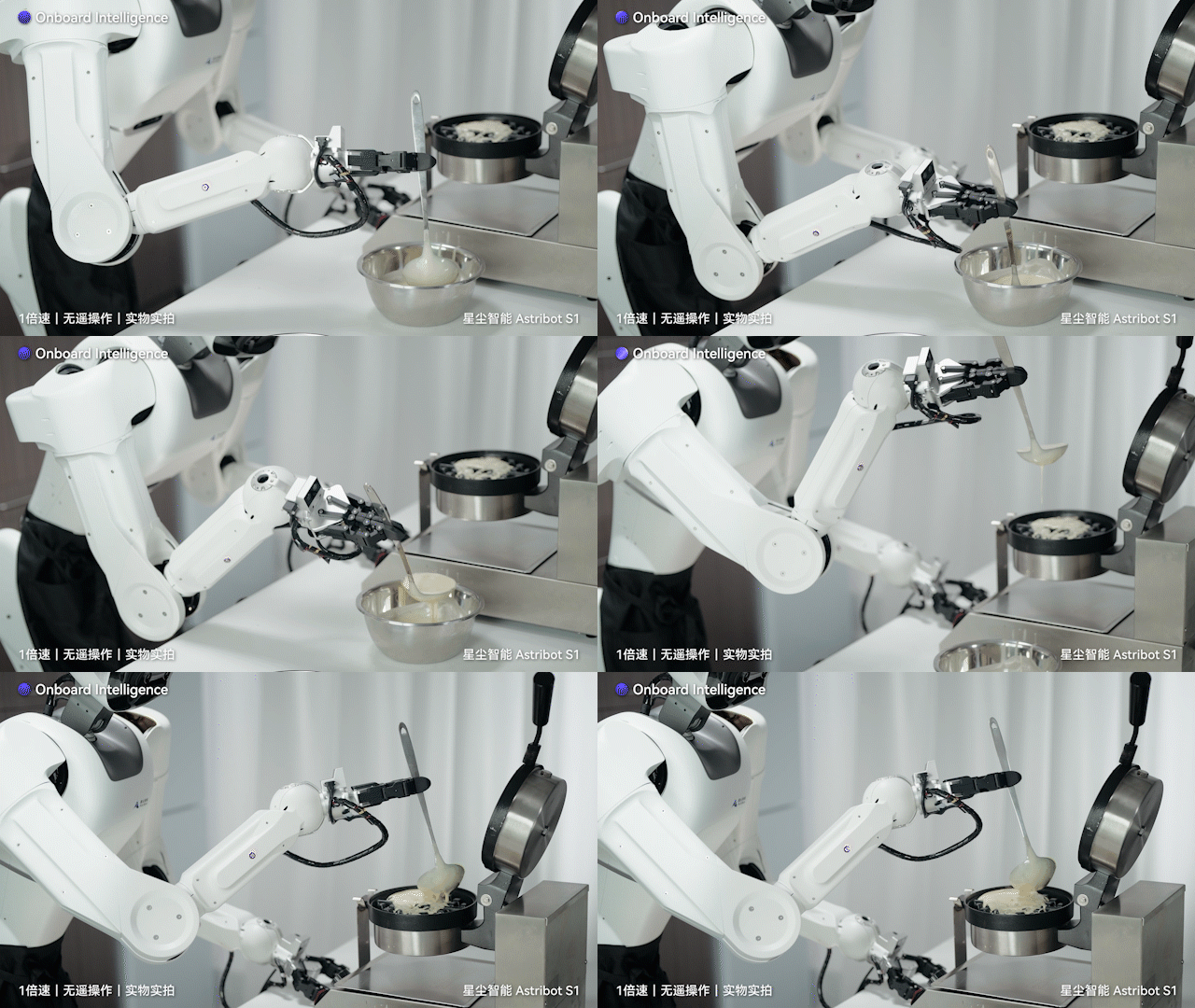
After recognizing that the batter covers the pan bottom, it grabs the handle to close the lid.
Throughout this process, the robot's waist joint is crucial. Grabbing the open handle requires a reaching motion. If the robot's waist can't coordinate with its upper arms, it's difficult to complete this large forward extension.
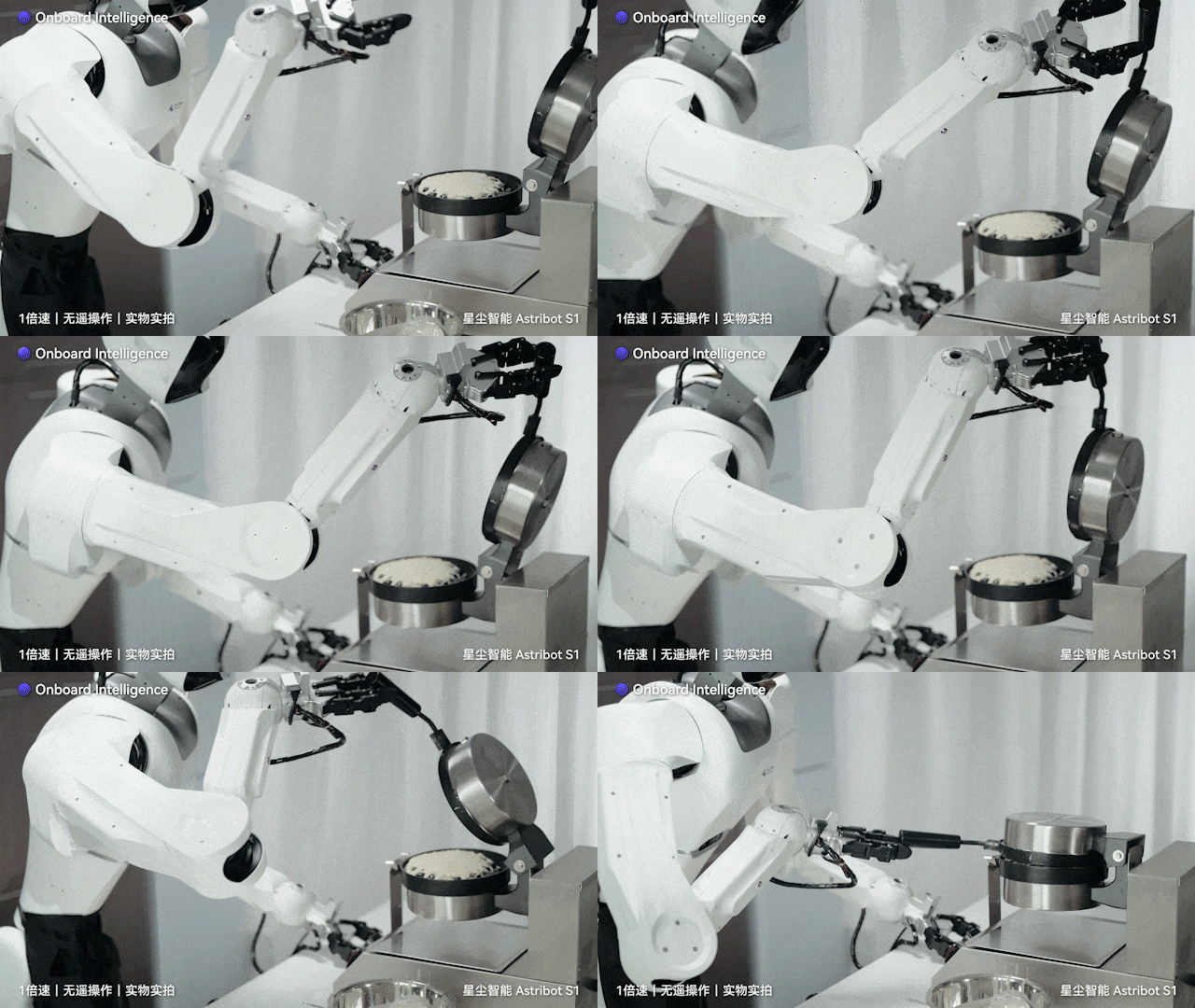
Then it "twists" the knob to heat the batter.
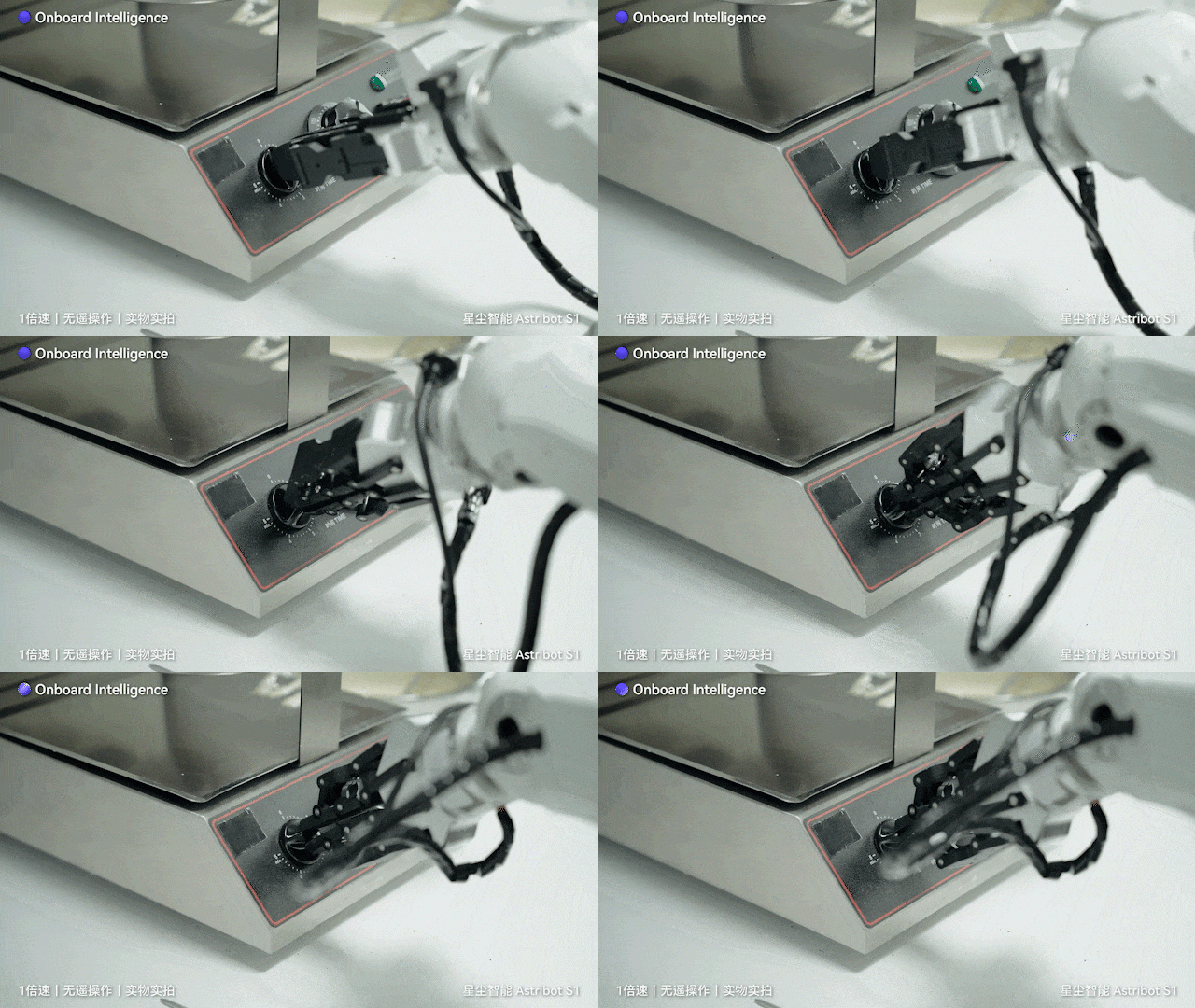
It "grabs" a fork to retrieve the waffle, not forgetting to show off a wrist-flipping toss.
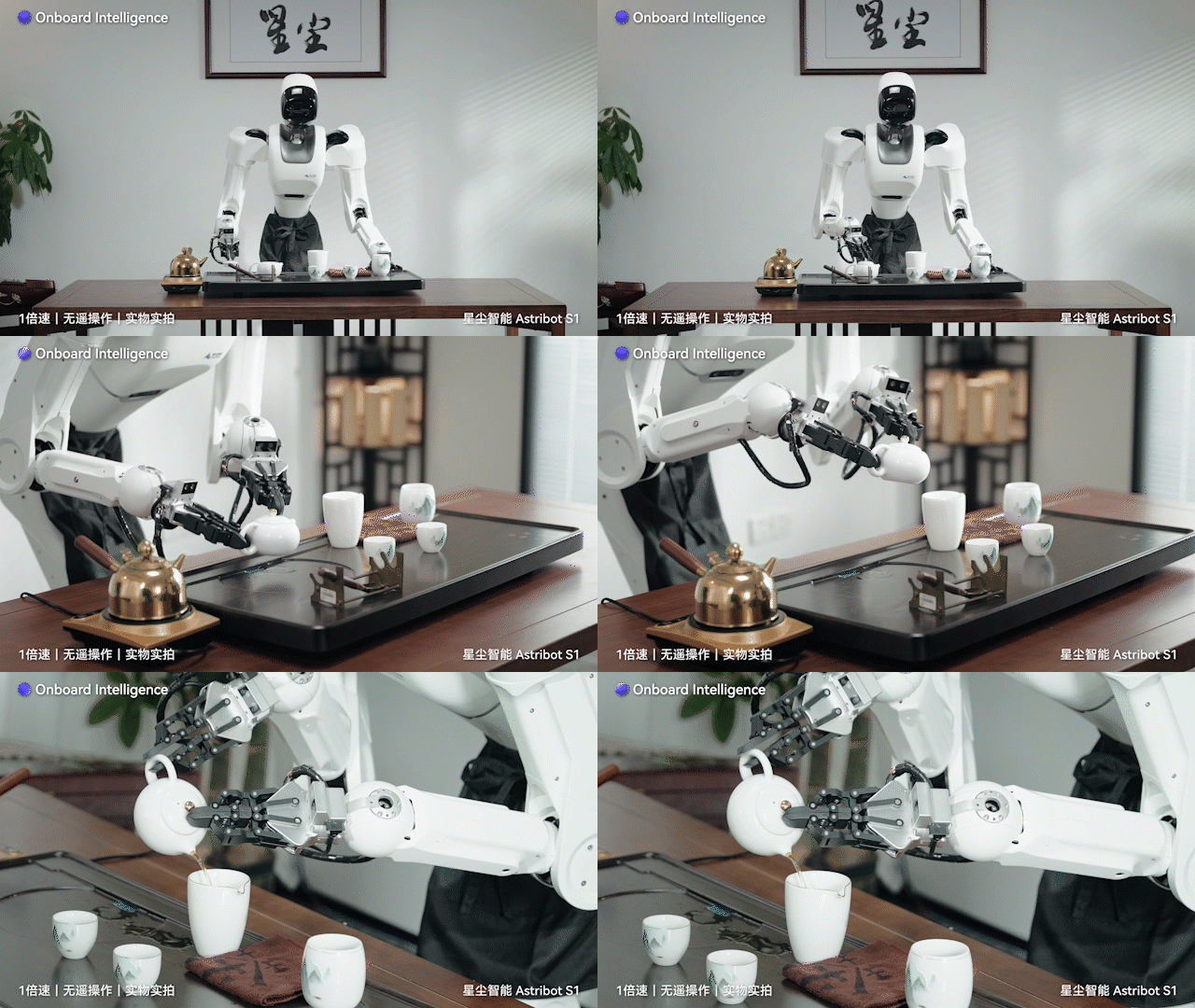
Next up: the long, long, long, long, long process of brewing gongfu tea. Warm.
This doesn't just test the robot's fine manipulation, but also its intelligent planning when environment, task, and item complexity all intersect.
Tea brewing generally involves multiple stages — rinsing the tea, steeping, pouring, serving — with each stage requiring multiple different tools.
It needs to determine which tools to use at each stage, and also grip a series of completely different objects.
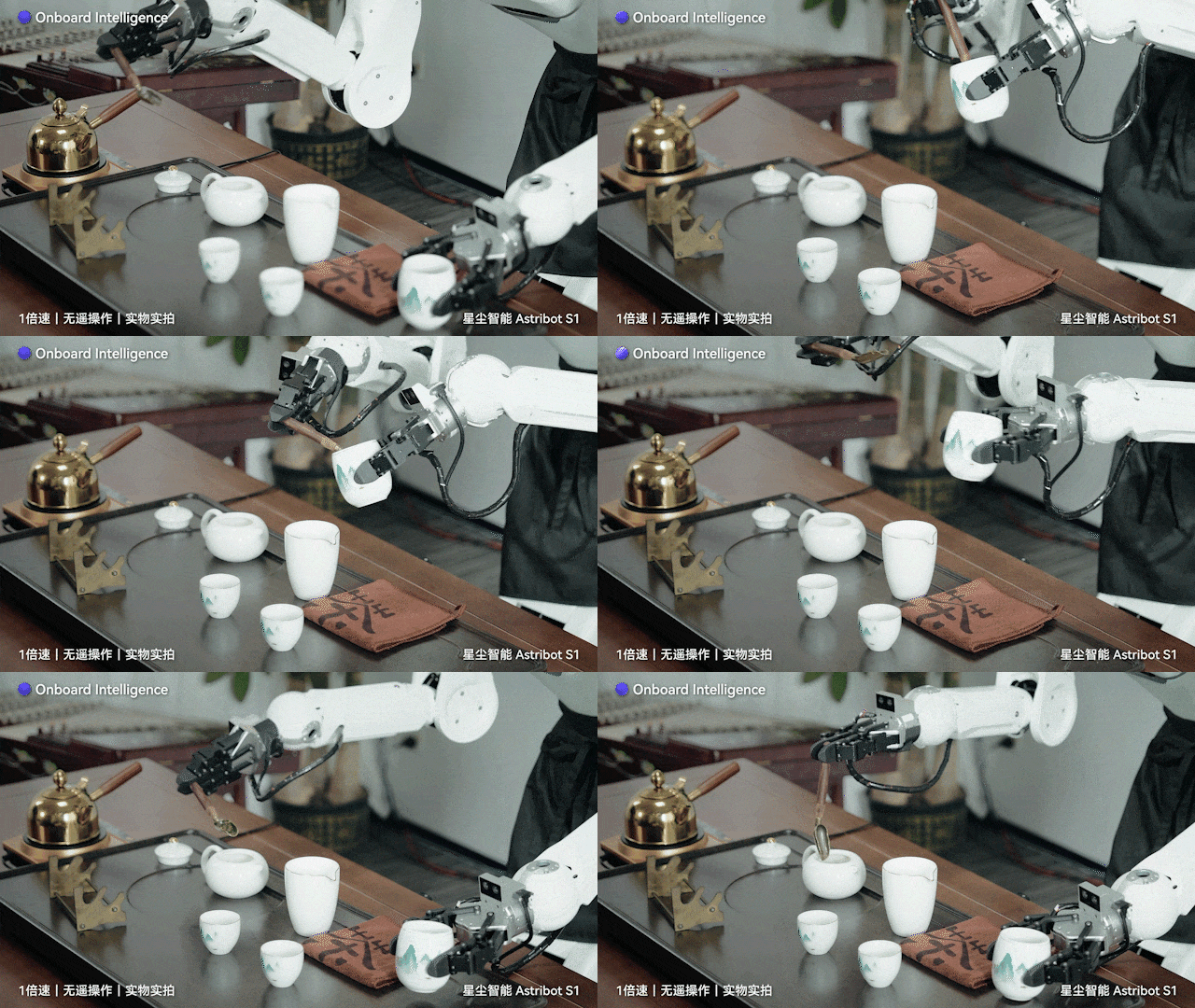
It needs to adjust force control in real time. For example, when scooping tea leaves from a ceramic cup, ceramic is smooth and fragile, so it can't grip too hard; but the very next action is picking up a metal kettle to pour water, so the robot adjusts force control in real time to ensure it can lift the kettle and pour.
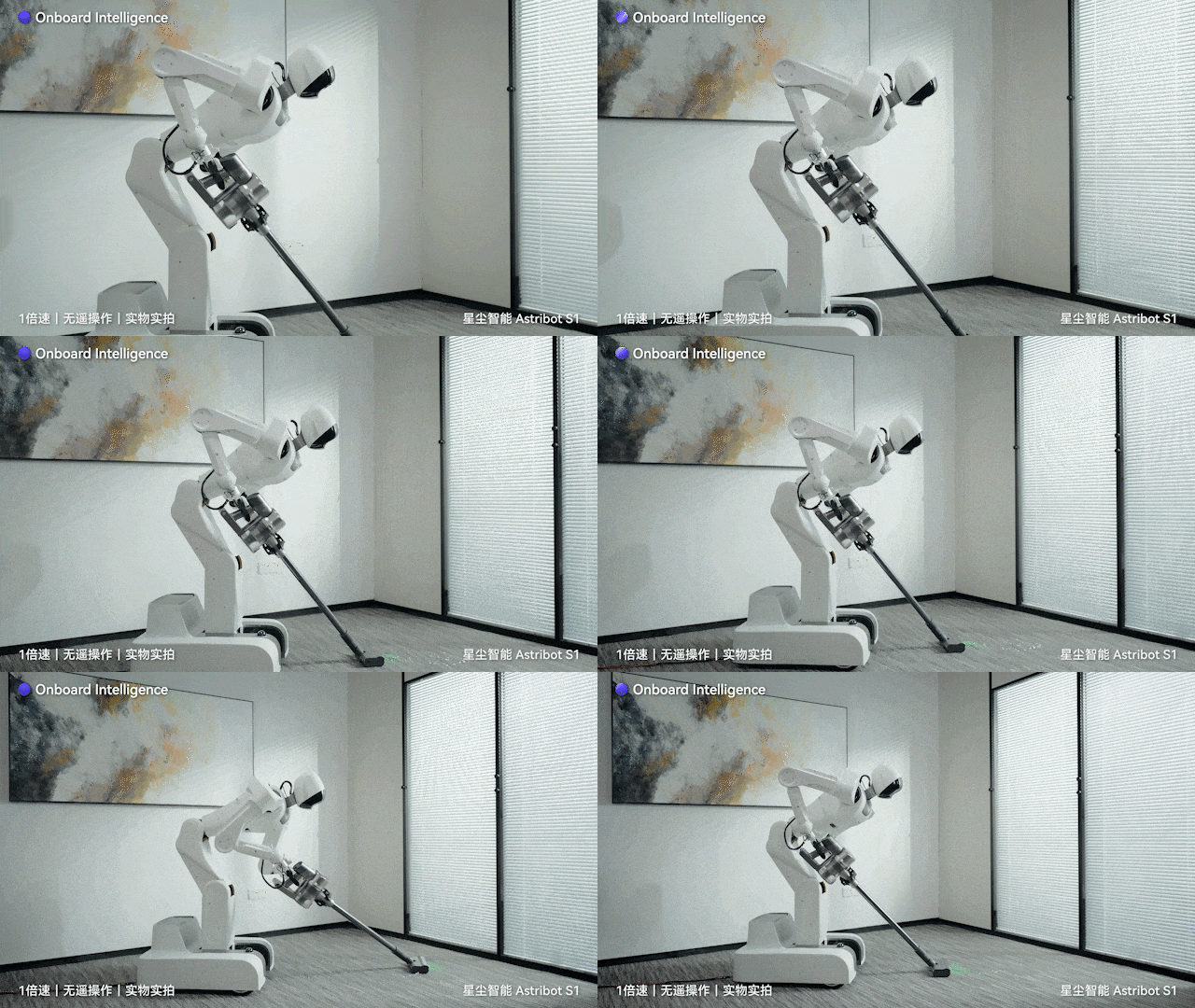
Beyond this, the Astribot S1 can also use a vacuum cleaner. How does it know that arching its back and driving power from the thighs reduces lower back strain... probably hits the gym regularly.
Feeding the cat — extra warm.
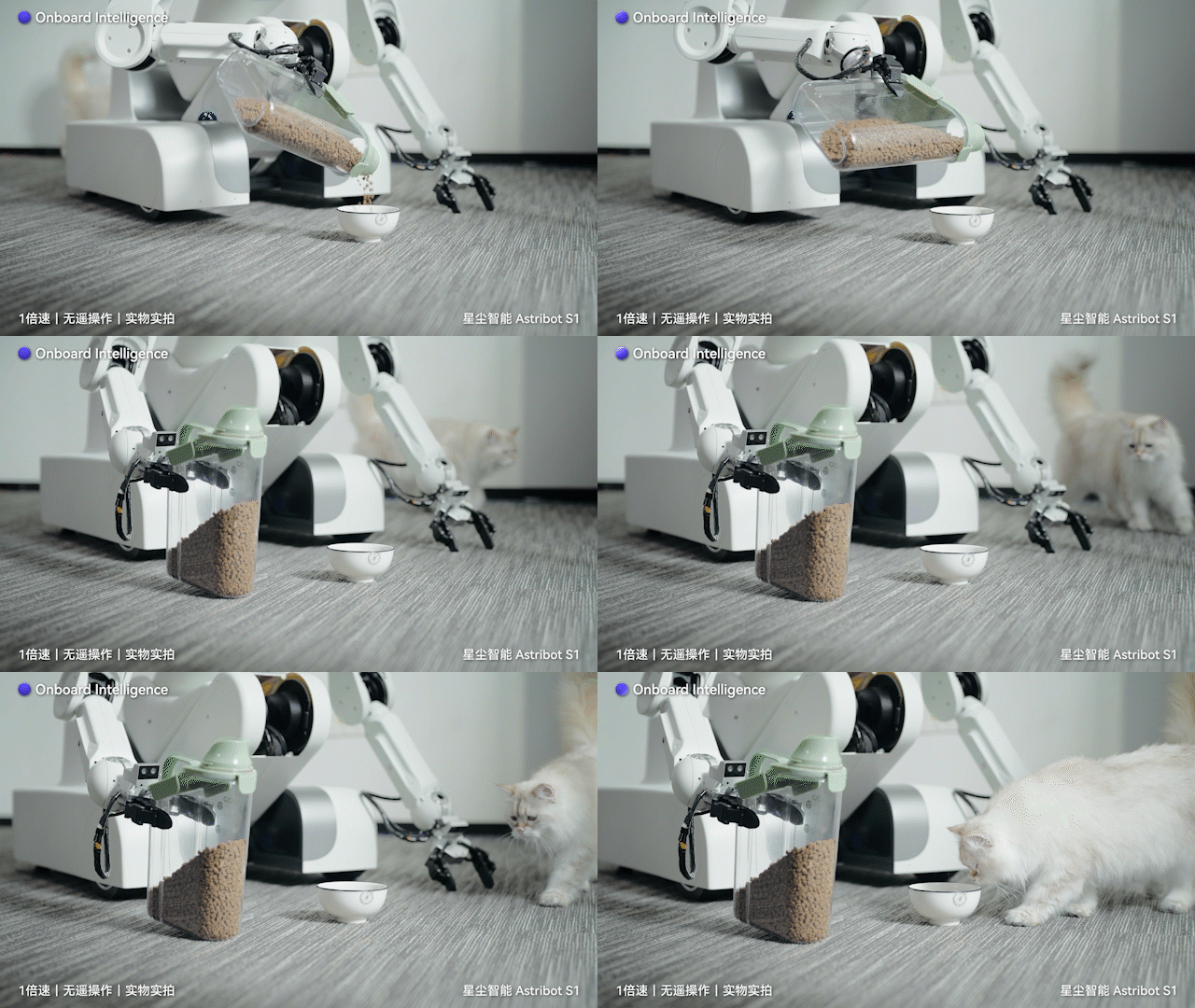
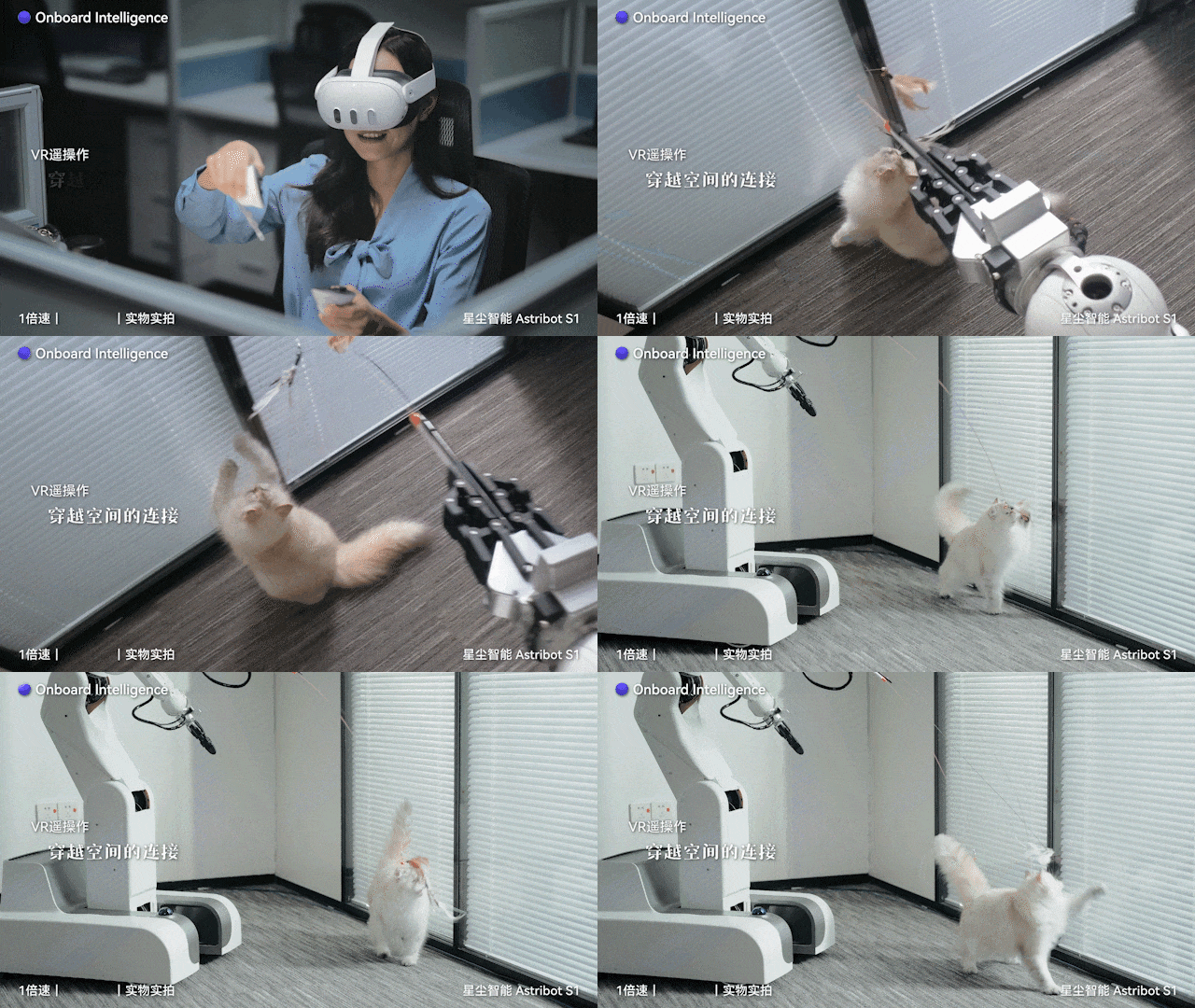
And even remote cat play.
The owner just needs to put on an XR headset, and they can accompany their feline master from their office desk — getting paid to cat-sit!
The Astribot S1 remotely captures human hand motion trajectories in real time through the device, then calculates how its own dual arms should coordinate to ensure effective interaction with the cat at home, without messing up the room or getting accidentally scratched.
This requires the robot's motion system to respond quickly and handle complex spatial relationships.
At the same time, the Astribot S1 has smoothly replicated even more expert skills.
Such as playing the yangqin.
Because both the strings and bamboo mallets are elastic, the demands on precise force control are extremely high — the robot must provide immediate accurate force feedback with each strike and adjust striking angle in real time. Too light and it won't reach the strings; too much force and there's unwanted noise; too slow and the rhythm falls apart. S1: I'm working so hard here...
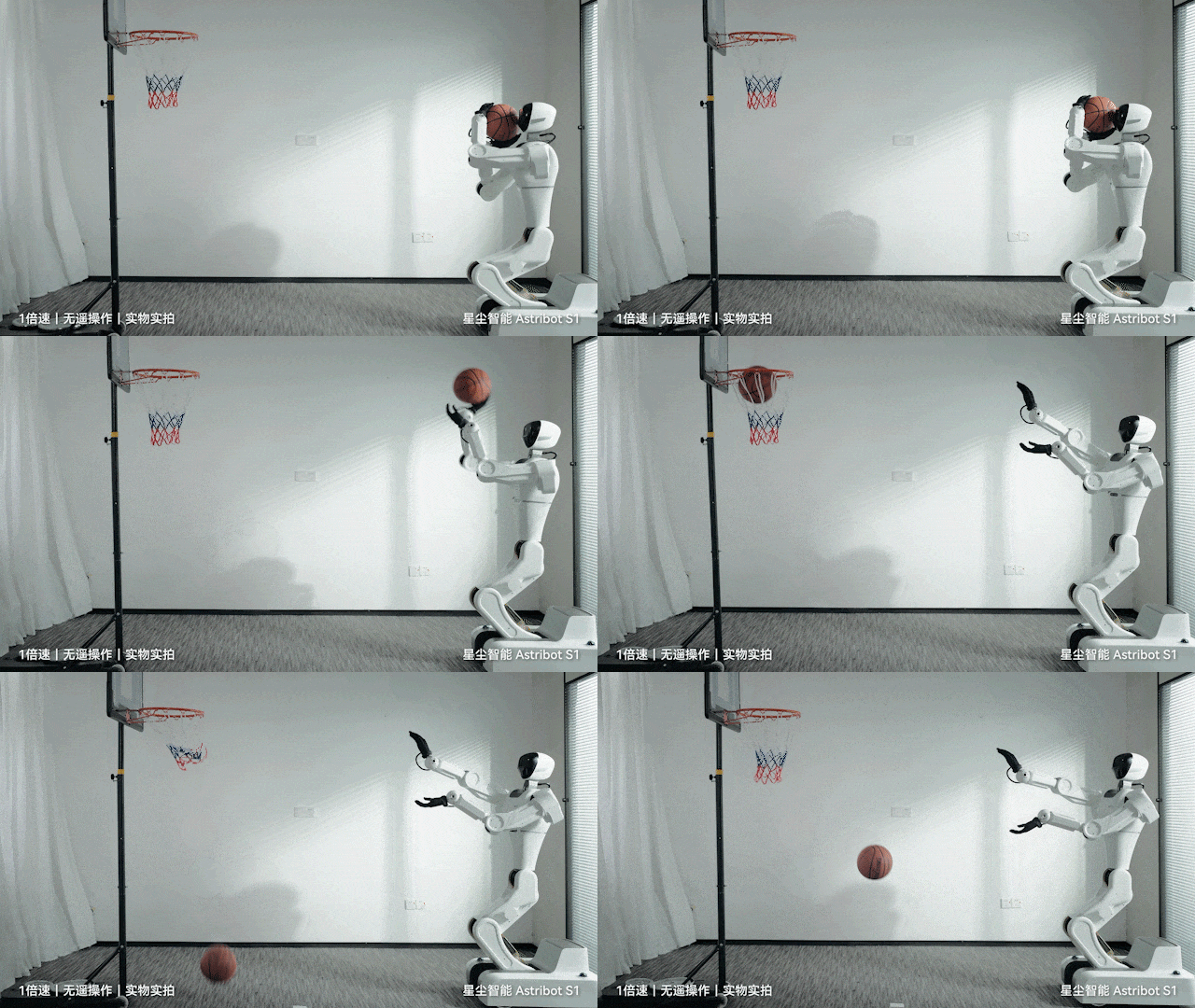
And after paper airplanes last time, now it's basketball.
This action requires full-body posture coordination from the robot — starting with a bent posture holding the ball and raised elbow, then adjusting the wrist as the waist gradually straightens, and finally releasing the basketball with simultaneous waist and hand power.
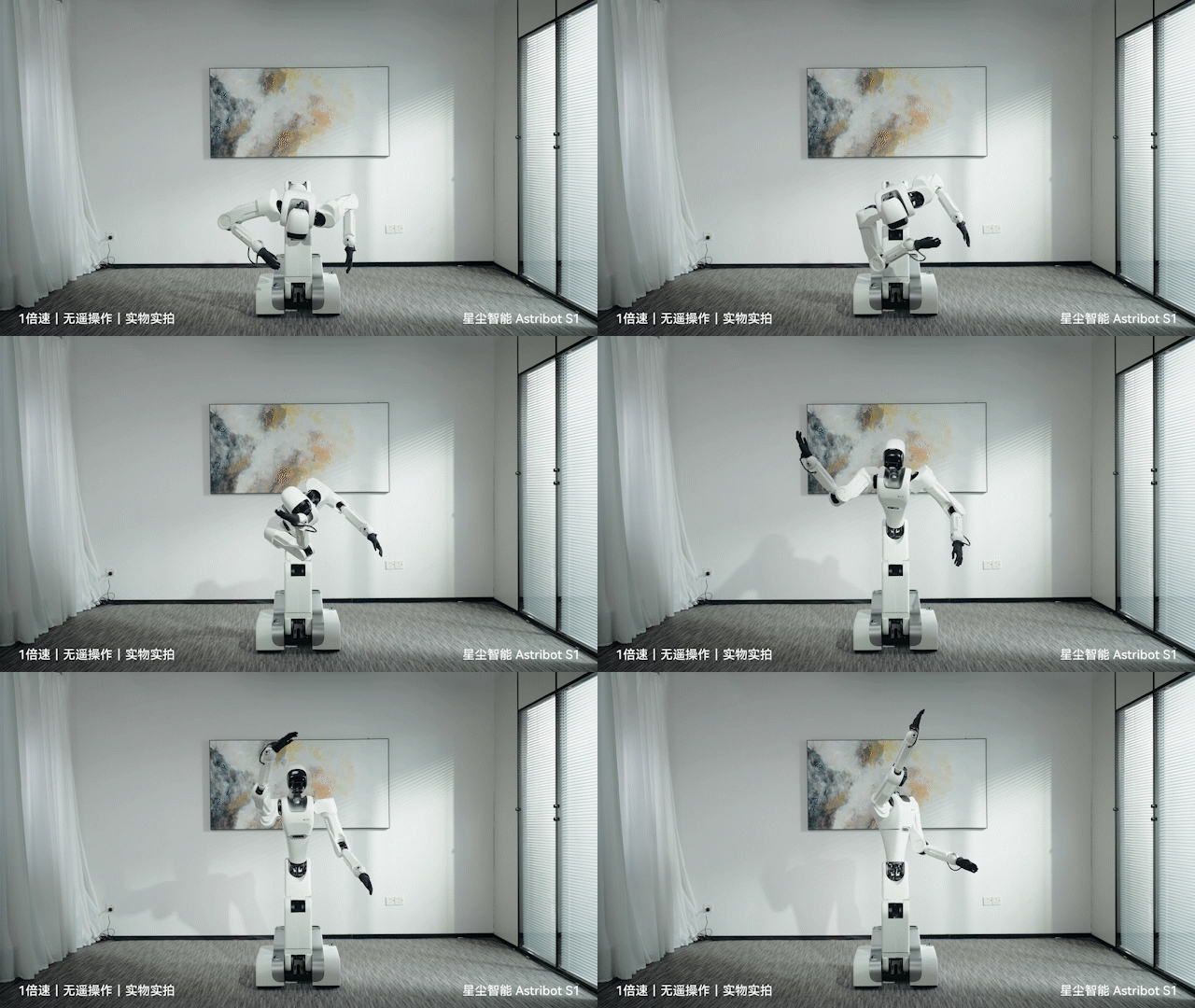
There's also the trailer footage where it dances the "Seaweed Dance" while doing an extreme backbend — degrees of freedom off the charts.
Compared to its first technical demo three months ago, the Astribot S1 has been on a tear.
Not only has its movement and operation range expanded, but environments and tasks have grown more complex, with higher degrees of refinement.
How does the Astribot S1 achieve these high-difficulty, long-sequence, generalizable tasks?
High-Value Upper Body + Practical Lower Body
First, in terms of form factor, the Astribot S1 adopts a humanoid upper body + wheeled base approach.
Upper limb manipulation is gradually becoming the focus of embodied intelligence. In nature, creatures that can use their hands to work are basically highly intelligent mammals, and humans perform most operations with their upper limbs and hands. Therefore, intelligent decision-making and manipulation with the upper body has become the core technical barrier for solving real needs and achieving practical落地 applications. When the S1 first debuted in April, it positioned itself as having the "strongest manipulation" among robots of its class.
For the lower body representing mobility, Astribot chose the "practical" wheeled approach — high stability, low energy consumption, simple control. More importantly, humans spend most of their time in planar environments like homes, offices, factories, and shopping centers, so wheels already cover a large portion of application scenarios.
The head, hands, and torso all use modular design, allowing flexible assembly or disassembly according to different needs.
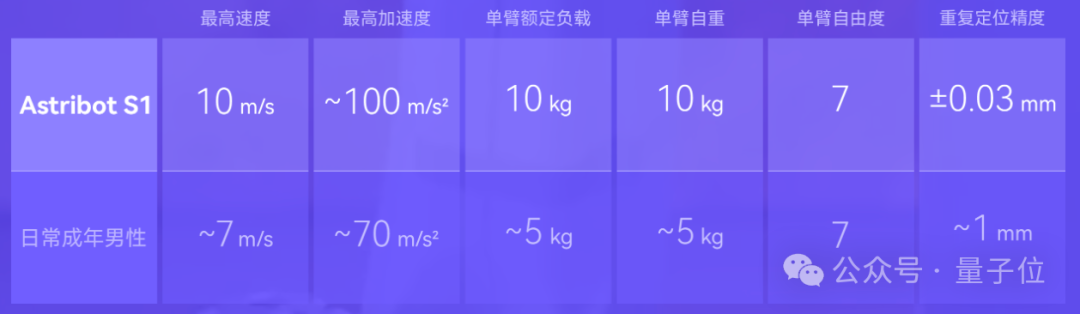
The S1's physical specifications are extremely human-like, with 7 degrees of freedom per arm — the same as humans. The hand has 2 mechanical fingers capable of completing most tasks, with a dexterous hand also in development.
Its motion and single-arm load capacity both exceed that of an average human male, with positioning accuracy reaching 0.03mm.
Multi-Dimensional Data Collection at Scale — Breaking Through the Embodied Intelligence Bottleneck
If a robot's intelligence depends on AI, then AI depends on three key elements: data, algorithms, and compute.
GPT's era-defining breakthrough was inseparable from tens of billions of training data points, easily obtainable on the internet. For training robots, directly usable data is essentially zero. Therefore, whether a company can obtain high-quality and sufficiently affordable data has become the bottleneck constraining robot development today, and an important means of differentiating competition between companies.
Astribot has unique advantages in embodied intelligence data acquisition.
On one hand, the S1 can rapidly learn from massive amounts of real-world video data and human motion capture data. Additionally, the S1 can efficiently collect multi-dimensional, high-quality data closest to the real world — from visual, auditory, and tactile to force feedback — from a first-person perspective.
Combining these high-quality data sources, Astribot can conduct more efficient large-scale training, while reducing the cost of high-quality data collection for robots, lowering data volume requirements and new task training difficulty, and greatly improving generalization.
When continuously interacting with the real world, the S1 can continuously generate new "learning materials", enabling continuous learning and evolution toward general artificial intelligence. This is also the key to why the S1 can learn, think, and execute so human-like.
On the AI algorithm front, loading large models gives the S1 perception, cognition, and real-time decision-making capabilities in complex environments, as well as intelligent understanding and multi-modal interactive execution capabilities, achieving generalizable operation at the object, task, and environment levels.
This means the S1 has a "most powerful brain," capable of more quickly adapting to new environments and new things, "drawing inferences about other cases from one instance," and "mastering one thing and understanding all related things."
Rigid-Flexible Coupled Transmission — Strongest Manipulation, Still Safe
A robot's versatility depends heavily on its body — that is, its hardware or physical form.
The S1's "strongest manipulation" comes from its unique rigid-flexible coupled transmission mechanism design. By embedding sensors into the transmission process, the S1 can monitor force transmission in real time. When peeling a cucumber, for example, it doesn't rely on trajectory estimation but, like a human, precisely senses the force of the peeler pressing against the cucumber, then precisely controls force output. This special transmission structure significantly improves manipulation precision.
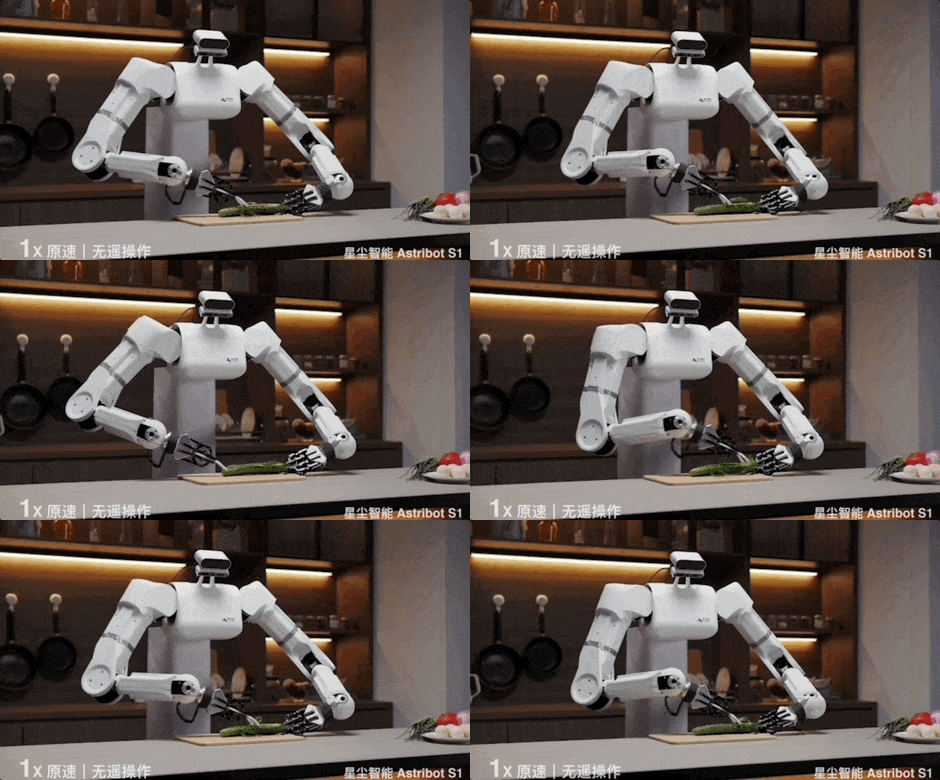
Notably, through rigid-flexible coupled hardware design and innovative force planning algorithms, the S1 achieves extremely high safety. Through rigid-flexible coupled hardware design and innovative force planning algorithms, it can precisely control force during interaction, not harming people, objects, or itself during motion. Safe enough, and落地 becomes possible.
Thanks to this carefully crafted and complete technical solution, every Astribot S1 launch gives people a sense of "stunning the audience."
The embodied intelligence field is currently in a period of "a hundred flowers blooming." Not only are newcomers emerging everywhere, but each company's robot form factors and technical approaches vary widely.
How did the Astribot S1's technical approach take shape?
From the Hands of Tencent Robotics Lab's First Employee
To answer this, we need to look at the team behind the Astribot S1.
Astribot, founded in December 2022; its name derives from the Latin ancient proverb "Ad astra per aspera," meaning "through hardships to the stars," representing the company's long-term plan and firm commitment to popularizing AI robot technology.
Founder and CEO Jie Lai has 16 years of robotics R&D experience, a "veteran" in the AI and robotics fields. He joined Baidu in 2014, later serving as head of the "Xiaodu Robot" team.
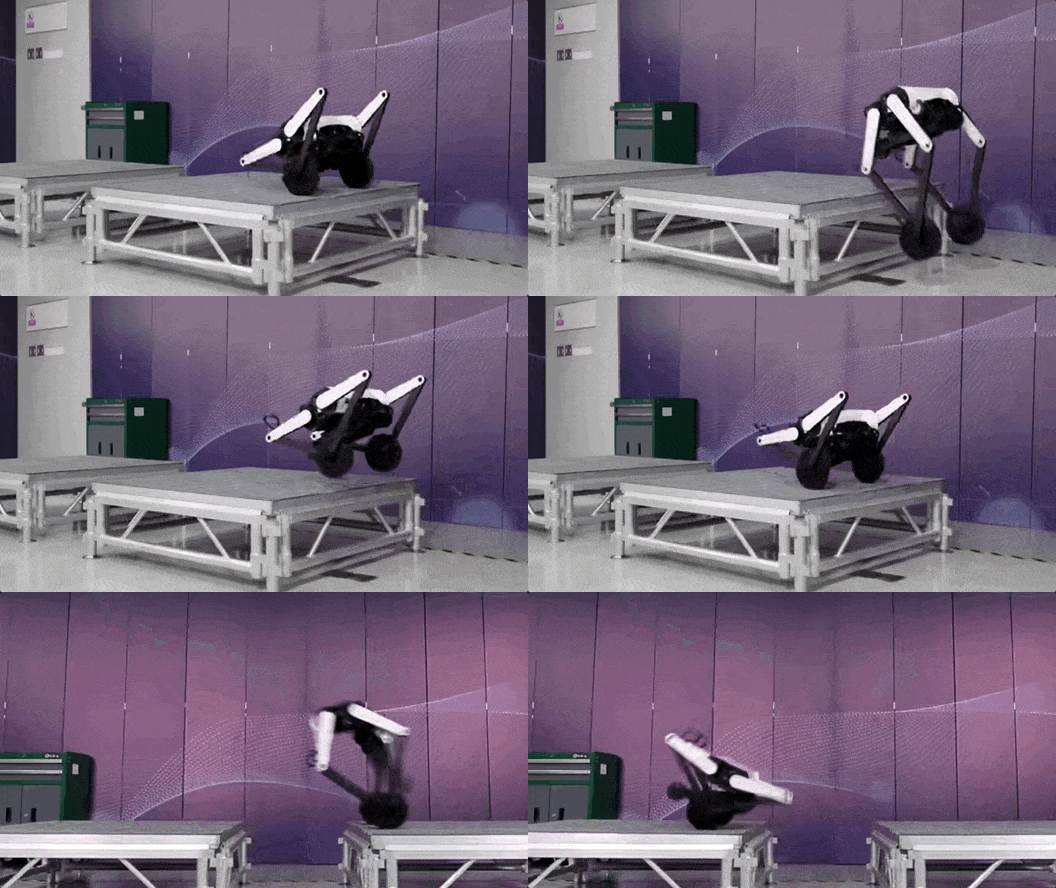
In 2018, Dr. Zhengyou Zhang, a world-renowned expert in computer vision and robotics and also Tencent's highest-level distinguished scientist, was then establishing Tencent's RoboticsX robotics lab. Jie Lai joined as employee number one, and subsequently led development of the wheel-legged robot Ollie.
Astribot's other founder, Yuan Dai, received her bachelor's degree from UIUC and her PhD from UCLA, focusing on robot perception. She has published more than 30 papers in top journals including Nature Communications and Science Advances, and holds over 70 robotics patents. Like Jie Lai, she also joined the newly founded RoboticsX in 2018.
Also thanks to their experience at Tencent's RoboticsX robotics lab, Astribot places great emphasis on "software-hardware integration" with Design for AI, and has built a team structure similar to RoboticsX — half the team focuses on robot hardware, while the other half emphasizes using AI algorithms for perception and motion control — to explore strong coupling between AI and robotics.
The team largely comes from companies like Tencent, Google, Huawei, and DJI, as well as top domestic and international universities and AI research institutes.
Letting Billions of People Have AI Robot Assistants
From day one, Astribot's vision has been letting billions of people have AI robot assistants.
Such robot assistants must be able to learn, think, and work like humans, interact with people smoothly and intelligently, use human tools and equipment, and help people complete tedious, difficult, or dangerous tasks — only then can they continuously expand application scenario boundaries and lead the "AI + robotics" technology revolution.
The company quickly completed a tens of millions of dollars Pre-A funding round, led by Matrix Partners China, with industry capital including Dalton Venture and Qinghui Investment following on, and existing investor Yunqi Capital making an additional investment.
From April's technical demo to August's complete product launch, Astribot also announced commercialization within 2024. And through self-developed key components, the S1 has clear cost advantages and price competitiveness.
In short, in every aspect, Astribot is moving fast.
And perhaps the fastest of all is the robot itself. Back in April, founder and CEO Jie Lai threw down the gauntlet:
Everyone is welcome to make requests of the S1!
This way its capabilities can grow from 55%, 85% to 99.99%, infinitely approaching human level.
The Wing Chun demonstration shown earlier — that might have come from a netizen's request in April, and now it's been realized.
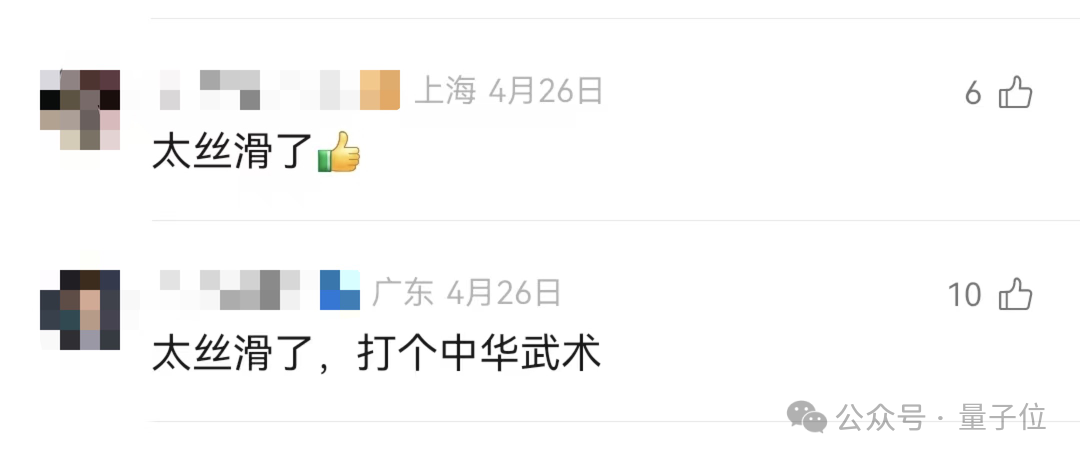
So — what would you like the S1 to do for you?


ID: daltonventure
Long press to follow
Recommended Reading