Spring Tide Surges, A Thousand Sails Compete — Dalton Venture Annual CEO Summit | Tong Learning Society

Gather friends, gather energy, gather spirit

As spring arrives — a season of renewal and vitality — China's economy is surging with fresh momentum. In outlining the new administration's policy goals and priorities, Premier Li Qiang emphasized: "We must concentrate our efforts on driving high-quality development, particularly by boosting technological innovation capabilities and building a modern industrial system. The times call upon entrepreneurs to write a new chapter in the history of entrepreneurship."
As a critical pillar of China's high-quality economic development, medical hard tech aligned with domestic substitution and innovation will continue to enjoy policy support for the foreseeable future — the next 10 to 20 years. In an ever-shifting market, how should entrepreneurs focused on the healthcare sector navigate challenges, better seize the pulse of the era, and achieve growth in this grand moment?
With these questions in mind, and united by the shared goal of high-quality development, Dalton Venture is launching a series of themed events that will tour across different cities. Together with Dalton Family companies, investors, and partners, we will visit China's core economic hubs. Along the journey, we aim to experience each city's unique character and cultural style, understand the industrial ecosystems they nurture, and explore how urban strategy and industrial clusters reinforce each other. Through discussions on enterprise development, medical innovation, domestic substitution, global expansion for healthcare companies, and industrial upgrading, we embark on a journey of intellectual exchange.
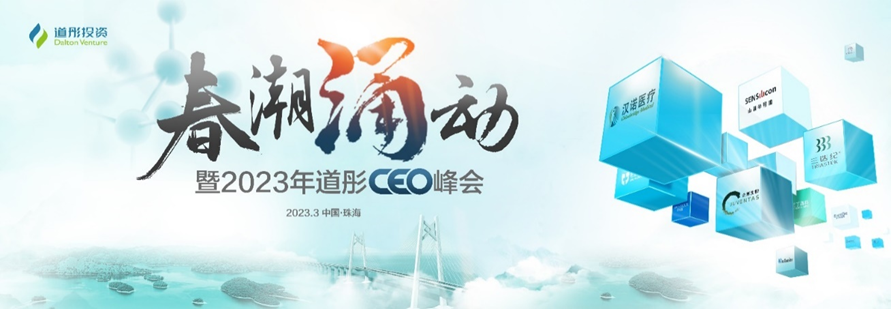
The inaugural stop of Dalton Venture's series, the "Tongxuehui Annual CEO Summit," was successfully held on Dong'ao Island in Zhuhai. We are grateful to the Dalton Family entrepreneurs who participated despite their busy schedules, and to Gree Electric Appliances, Inc. of Zhuhai for their meticulous support. With the theme "Spring Tide Rising," the summit featured brainstorming sessions and lively exchanges on topics including "Global Healthcare Industry Characteristics and China's Integration Opportunities" and "How Companies Can Sustain Innovation-Driven Development," injecting fresh energy and opportunities into innovation and growth across the medical sector.
PART 01 Mapping the "Industry First" Blueprint
On the first day of the summit, Dalton Family companies visited Zhuhai to tour Gree Group's 5.0 Industrial New Space projects in Xiangzhou District and the High-Tech Zone, exploring industrial opportunities in the Greater Bay Area and jointly mapping the "Industry First" blueprint.
Zhuhai is one of China's special economic zones. In 2022, the city's GDP exceeded 400 billion yuan, with growth ranking fourth in Guangdong Province. Zhuhai has set its sights on "high-quality development," with a clear "Industry First" development strategy. The city is home to numerous industrial parks, including Gree Group's Xingu (Chip Valley), Shugu (Digital Valley), and Gechuang No. 1 in the High-Tech Zone, as well as the Sanxi Sci-Tech Innovation Town in Xiangzhou District — all exemplary parks serving the industrial transformation and upgrading of medical devices, biomedicine, and related sectors.
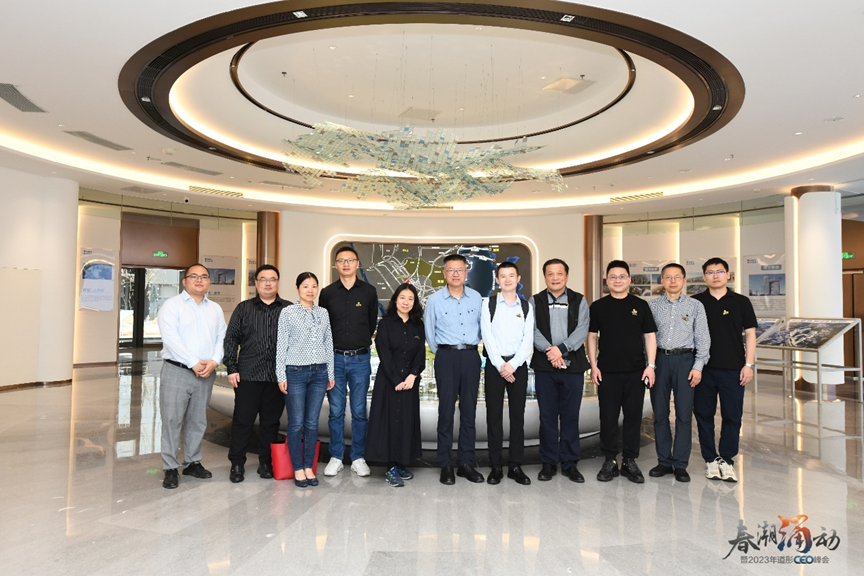
Sanxi Sci-Tech Innovation Town, Xiangzhou District
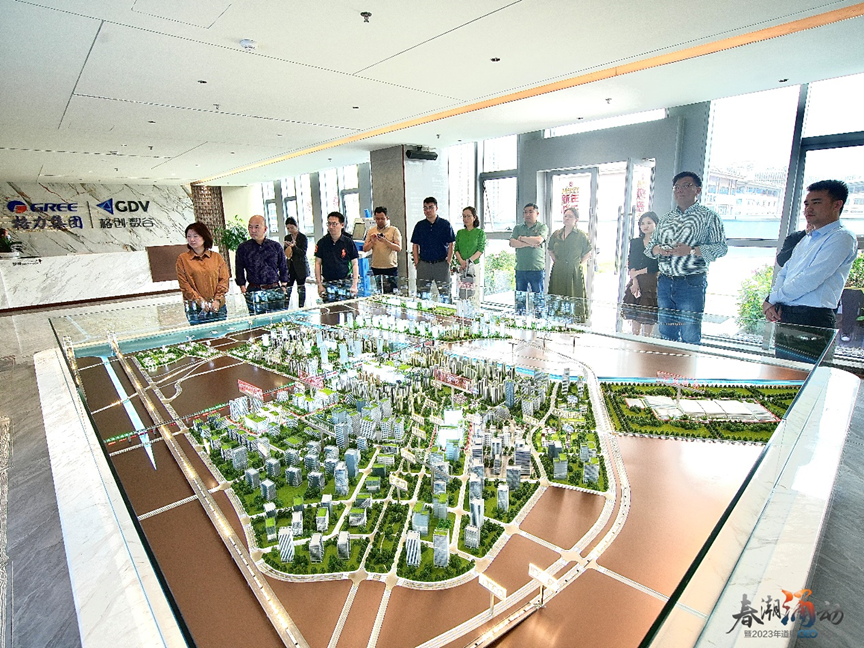
Gechuang Digital Valley, High-Tech Zone
PART 02 Opening Remarks at the Closed-Door Session
Mr. Chen En, Assistant to the President of Zhuhai Gree Group Co., Ltd. and Chairman of Zhuhai Gree Financial Investment Management Co., Ltd., attended the summit and delivered remarks:
In recent years, Zhuhai has prominently placed "Industry First" at the top of its overall work priorities, anchoring itself to the primary task of high-quality development and accelerating toward the goal of becoming a "trillion-yuan industrial powerhouse." Dalton Venture focuses on investments in medical innovation technology, with multiple Family companies achieving domestic-first scientific and technological breakthroughs — a vision that resonates deeply with Zhuhai's industrial transformation and upgrading objectives. Just as this event's theme "Spring Tide Rising in the Greater Bay Area" suggests, Gree Group will work hand-in-hand with Dalton Venture in even closer collaboration, helping enterprises understand development opportunities in the Bay Area and particularly in Zhuhai, experiencing the region's charm at the summit, sparking intellectual fireworks through exchange, jointly discussing the future of industry, and striving to achieve win-win outcomes for all parties.
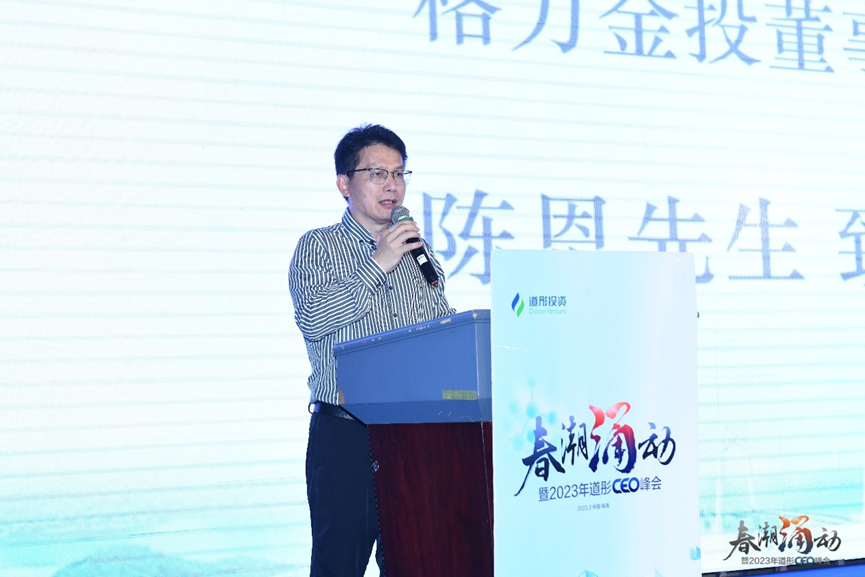
Chen En, Assistant to the President of Zhuhai Gree Group Co., Ltd. and Chairman of Zhuhai Gree Financial Investment Management Co., Ltd.
Dalton Venture Founding Managing Partner Sun Qi, in his opening remarks, outlined a development rhythm for Dalton Family companies from short-, medium-, and long-term perspectives:
In the near term, as 2023 began with governments across China going all-out on economic growth, companies should seize opportunities from the capital market recovery. At the same time, in their own business development, they should align R&D directions and product pipelines with tracks that fit national strategic development goals, staying close to the needs of national industrial transformation and upgrading.
From a medium-term perspective, actively explore new pathways and methods for medical enterprises to integrate into the world. "Bring in, go out" — to better prepare for potential future technology blockades. "In global for China" offers a new framework for high-quality development in medical enterprises. The topics of overseas expansion and how to rapidly introduce medical innovation technology and graft it onto China's vast domestic market will be explored in depth by Dalton Family companies in the upcoming roundtable discussions.
Looking further ahead, the United States and China are pursuing fundamentally different innovation paths. The U.S. tends toward singularity-style technological breakthroughs — think ChatGPT, Web3.0. China, meanwhile, is moving more toward industrial upgrading suited to our national conditions. Medical enterprises should allocate a substantial portion of their R&D pipelines to deploying, introducing, and developing such technologies. The recent surge of attention and discussion around ChatGPT has signaled the arrival of the strong AI era. As an investment firm focused on the healthcare track, with consecutive investments in medical AI companies, Dalton Venture finds our mission especially meaningful at this juncture. We look forward to working together with all of you, dedicated to life and health, and to witnessing the arrival of a singularity in human development.
PART 03 Family Company Keynote Presentations
"Innovation! The Elegance Etched in Every Entrepreneur's Bones — From Inhalation Drug Delivery Devices to Advanced Precision Drug Delivery Systems"
Speaker: Shi Lei, Founder of Yisu Intelligent
Editor's note: Yisu Intelligent has deep expertise in the inhalation formulation field, leading the localization of inhalation drug delivery systems. Mr. Shi has over 12 years of experience in respiratory drug delivery systems and product formulation devices.
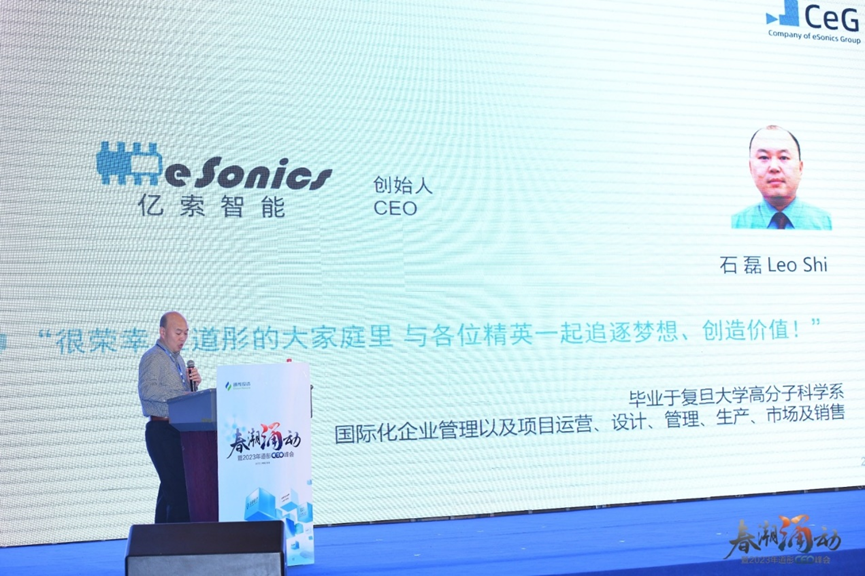
Shi Lei, Founder of Yisu Intelligent
Inhalation formulation technology carries high barriers, with domestic substitution rates still below 10%. Moreover, inhalation formulations are drug-device combinations with extremely high barriers to generic competition, alongside significant R&D, regulatory, and manufacturing hurdles.
Without innovation, how can we break through the competitive advantages and patent barriers that internationally dominant companies have accumulated over decades or even centuries? Thus, iterative仿制类创新 also holds significant importance. Innovation in the inhalation formulation field mainly manifests in new formulations (recipes), new drug delivery systems (devices), formulation manufacturing, and new molecular entities.
Correspondingly, as a pioneer in domestic substitution for inhalation drug delivery devices, Yisu Intelligent's innovation is demonstrated through precision part molding and processing capabilities, complex drug delivery device process innovation, inhalation drug formulation compatibility, and precision drug delivery system development.
"The Path to Domestic Substitution for Ophthalmic Surgical Equipment"
Speaker: Zhang Chi, Founder of Xiran Medical
Editor's note: High-end ophthalmic surgical equipment is an indispensable partner for ophthalmic surgeons, leading innovation and transformation in eye surgery and serving as the most core clinical application technology and research foundation platform.
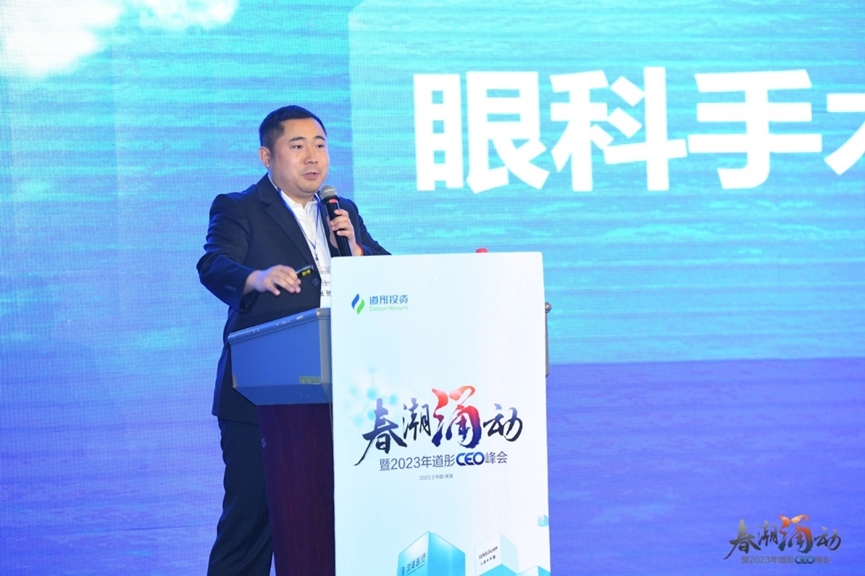
Zhang Chi, Founder of Xiran Medical
In 2021, the ophthalmic medical equipment and consumables market reached 7.6 billion yuan, accounting for 47% of the entire ophthalmic medical device market — one of the largest segments in China's ophthalmic medical device market. In the Chinese market, Alcon and Bausch + Lomb hold over 95% market share in the phacoemulsification and vitrectomy segments. The current market structure is shaped primarily by precision manufacturing, patented technology, and brand effects.
China can draw on overseas experience in the domestic substitution of high-end ophthalmic surgical equipment. The success of Alcon, Bausch + Lomb, and Zeiss in China rests on their precision manufacturing infrastructure and accumulated patents. Domestic products have rapidly closed the gap in these two areas; we recognize that building brand effects is the more critical challenge.
Brand effects are built through systematic clinical skills training and professional consultative selling. In sales promotion and after-sales service, cultivating specialized talent as application specialists or medical science liaisons builds effective communication bridges between physicians and the company. This accelerates market penetration and brand loyalty, establishing genuine product moats.
"Chips Are an Indispensable Core Component of the Medical Industry"
Speaker: Zhang Yongqian, Founder of SENSILICON
Editor's note: Chips are an indispensable core component of the medical industry, currently mainly dependent on imports. SENSILICON is a pioneer in China's precision signal chain chip track, with medical chip R&D as an important direction.
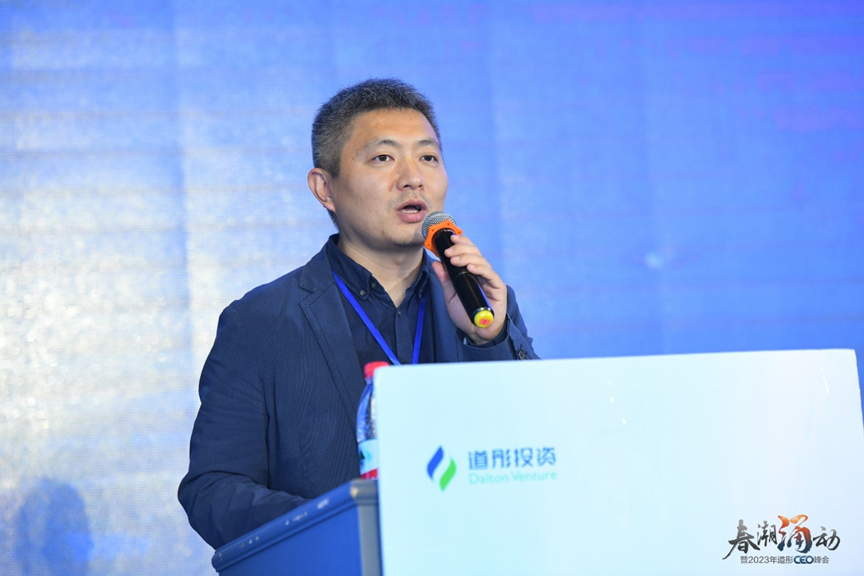
Zhang Yongqian, Founder of SENSILICON
In 1958, Texas Instruments (TI) engineer Jack Kilby invented the integrated circuit. In 2000, Jack Kilby was awarded the Nobel Prize in Physics for this invention that transformed human society. As the world's largest analog chip company, TI reported revenue of $20.03 billion in 2022, with a gross margin of 68.7%. Mr. Zhang joined TI immediately after graduation and worked there for over a decade.
He went on to found SENSILICON in 2020. SENSILICON is a pioneer in China's precision signal chain chip sector, focusing primarily on Industry 4.0 (precision measurement, industrial automation, medical devices) and new energy (electric vehicles, energy storage) markets. The company's core team averages over 20 years of experience, with both talent quantity and density ranking among the highest domestically.
Since its founding, SENSILICON has grown rapidly. When Dalton Venture invested, the company was still in its early stages. Today, SENSILICON has mass-produced China's first AFE with the highest measurement precision (32-bit), used in geophysical exploration and benchmarked against TI's globally exclusive product. It has also successfully developed an industrial AFE at internationally advanced levels, featuring a built-in high-precision reference source (6ppm/°C). These are core technologies for Industry 4.0 AFEs and new energy applications.
"The precision signal chain sector has limitless possibilities. We hope to continue cultivating this space, contributing to our ability to better perceive and transform nature, and to help people live healthier lives."
"Building a Big Heart": A Journey in Reflection
Speaker: Jun Li, Founder of Keruike (KRIK)
Editor's note: Before founding KRIK, Li had already built one successful company. Setting out again, he shares stories and reflections from his entrepreneurial journey. Notably, both of Li's ventures have deep ties to Dalton Venture.
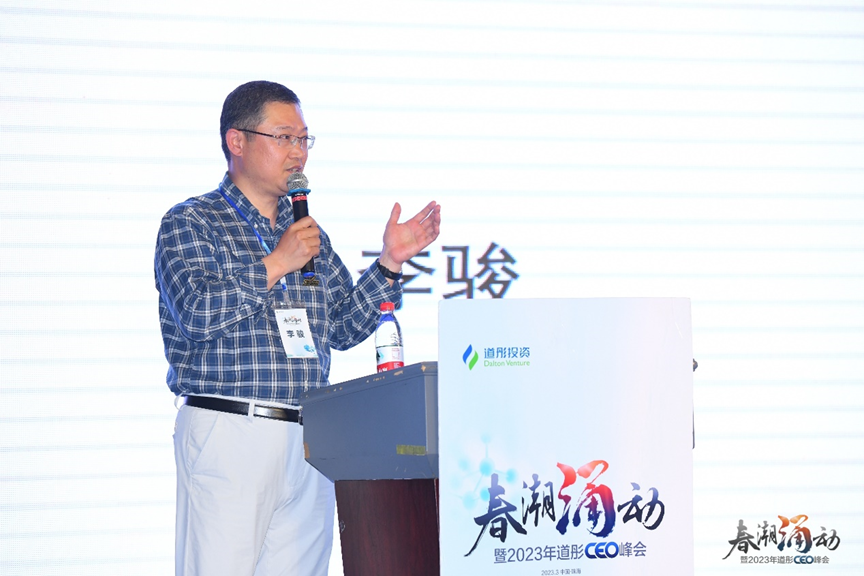
"The Corner" — Not a Dead End
At the start of his first venture in 2012, Li was the company's legal representative and general manager, yet he wasn't truly the "top leader" in the first year. How did he come to terms with this, and how did he navigate and resolve the situation? On the surface, it was a matter of face and interests; at a deeper level, it was about whether the company's corporate governance structure was sound. His takeaway: communicate on the same wavelength (listen, think, find common ground, guide patiently, reach consensus); do what you say; put others first, yourself second; have no selfish motives, and live up to trust.
In spring 2014, the NIPT (non-invasive prenatal testing) industry was temporarily shut down by national regulators, yet his team completed contract and production transfers within two months. Why take the risk of "walking in the dark"? His insight and gain: the law of the jungle, speed is paramount; a corner is not a dead end.
Risk — The Tall Ones Bear It
Those who don't see the whole picture cannot plan for it. Those with authority must take responsibility. Those who don't plan for eternity cannot plan for the moment; those who don't plan for the whole cannot plan for a part.
Of course, through this process, an entrepreneur needs a partner who can weather the storms with them! And a good body too — so-called psychological resilience is built on physical health as its most important foundation.
"Surprises" Always Exist
Wanting a life without surprises is unrealistic. Having been through multiple darkest hours, fear no turbulence! When enterprises face and resolve unexpected problems (excluding technical issues), they must rely on systems and culture.
A New Choice for Human Health: Microbial Therapy
Speaker: Pingfan Li, COO of Anaerobic Bio
Editor's note: In recent years, human microbial live biotherapeutic research has become one of the most cutting-edge and hottest fields in the pharmaceutical industry. Several multinational pharmaceutical companies have made strategic moves to develop microbial live biotherapeutics. Drawing on years of product development experience in intestinal and vaginal microbiota, Anaerobic Bio is at the forefront domestically.
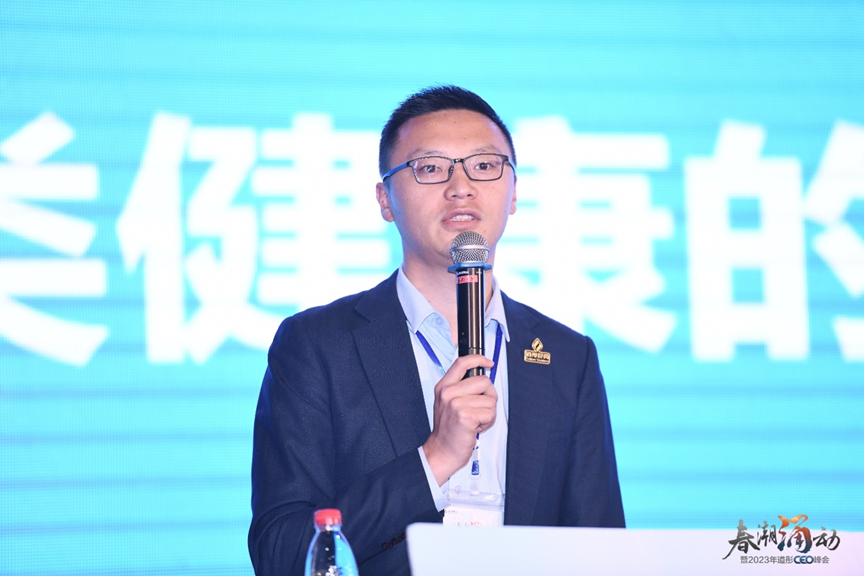
"Microorganisms are the most abundant and diverse biological resources on Earth. Among them, anaerobic microorganisms total >0.7×10^30, accounting for 70% of all microorganisms. Anaerobic microbial resources remain a virgin land waiting to be developed. The human body contains 10–100 trillion microorganisms, ten times the number of human cells, with millions of genes — 150 times the number of human genes. The microbiome has close and extensive effects on human health and disease occurrence.
Microorganisms can directly or indirectly regulate major human systems through metabolites, surface antigens, and other mechanisms, playing crucial roles in disease development. Thus, microecological drugs have very broad indications, with enormous druggable target potential, promising the development of novel therapeutics. For example, direct or indirect crosstalk between gut microbiota and the brain can be achieved through endocrine, immune, and nervous systems.
Anaerobic Bio was founded in 2019. In 2020, its vaginal microbiota formulation received Class I new drug clinical approval. In 2021, it completed Phase I clinical trials. In 2022, it enrolled patients for Phase II trials. In 2023, its intestinal microbiota formulation entered GLP safety assessment. Through years of development, Anaerobic Bio has gradually built "from bacteria to drug" development capabilities, and obtained qualifications including National High-Tech Enterprise status.
Currently, Anaerobic Bio will continue focusing on one library and two tracks, advancing live biotherapeutic R&D and commercialization. In the future, it will focus on personalized diagnosis and treatment, becoming a microbial therapy company. In longer-term planning, beyond therapeutics, Anaerobic Bio will further leverage microbial technology for prevention and intervention in the health domain.
PART 04 Family Enterprise Roundtable

Going Out, Bringing In — Global Healthcare Industry Characteristics and China's Integration Opportunities
Overseas markets represent a blue ocean full of opportunities for Chinese healthcare companies. How can Chinese healthcare enterprises bring in advanced foreign technologies and go out by leveraging their own strengths?
The roundtable invited Jian Wang, founder of Landing Medical; Senping Cheng, founder of Triastek; Yang Liu, founder of Hanol; and Weiqiang Zhang, founder of StarSea, together with Zhencheng Lin, Managing Director of Dalton Venture, to share their experiences and perspectives on "overseas expansion strategy and introducing innovative technologies."
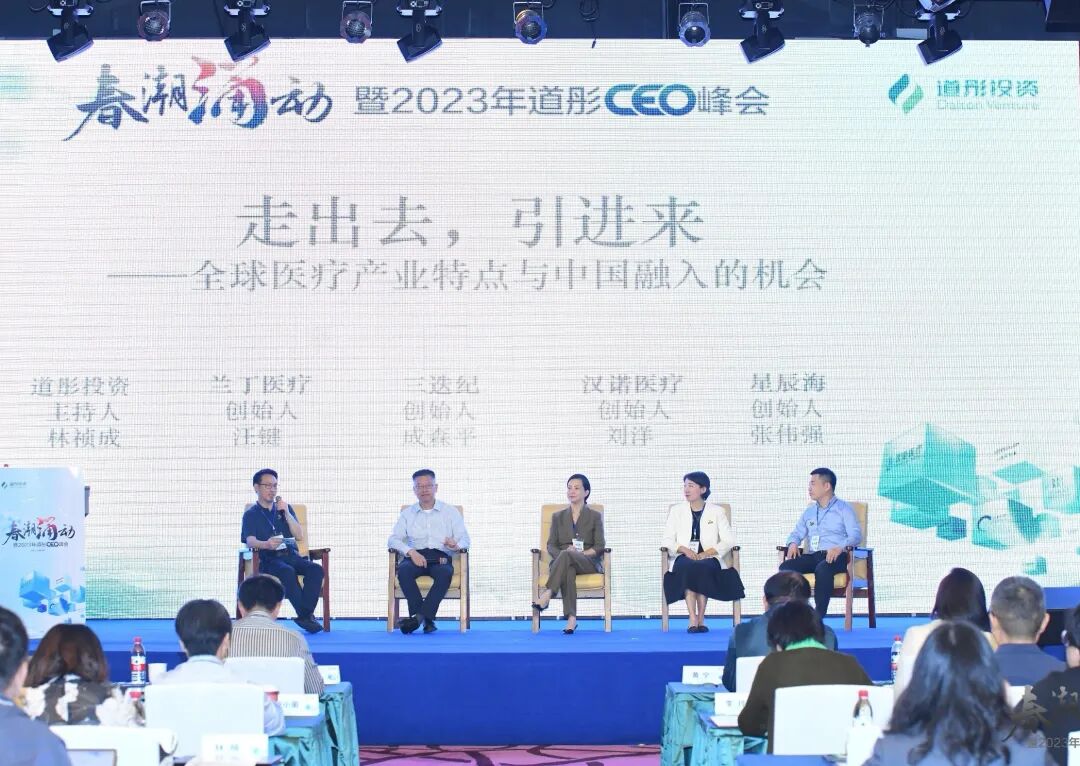
Moderator: Zhencheng Lin, Managing Director of Dalton Venture
- Please share your company's current status in integrating into international markets, as well as challenges and lessons learned along the way.
- In the process of going overseas, what considerations do you have for global regional layout?
- In global expansion, what are your considerations from strategic layout to product market access and sales channels?
Jian Wang, Founder of Landing Medical: Landing's overseas strategy began in 2015, initially establishing a U.S. company focused on product sales, and more recently entering Malaysia, Indonesia, and other countries. Landing was selected for the National Development and Reform Commission's Belt and Road Initiative project, with its first pathology laboratory already operational in Pakistan. We recently participated in pathology association conferences in the U.S. and Canada, where Landing's equipment attracted considerable attention.
International market feedback today differs greatly from a few years ago. This difference stems from the fact that in pathology screening, domestic products have reached international quality standards while maintaining price advantages. However, we must also recognize that overseas medical device sales are relatively more market-oriented and flexible. In pathology, beyond developed markets like Europe and America, South America also has significant growth potential. Landing will accelerate adaptation to different overseas market characteristics for regional expansion.
Senping Cheng, Founder of Triastek: Triastek was founded with a global vision — you could say we were born in the ocean. Our globalization approach follows a systematic mindset, matching comprehensively with global markets rather than pursuing single-technology or single-product globalization.
Technology-first is essentially IP-first. We aim to make Triastek's innovations form insurably high barriers, continuously building patent pools and laying out patents.
From a product perspective, we develop products for the global market. Triastek approaches global markets from product inception, starting from global market demand and different countries' clinical practices.
The third focus is regulation. Emerging technologies need to pass market access in different markets, with different regulatory countries having different focus areas. This places high demands on Triastek's communication with regulators in different jurisdictions.
Fourth: organization. A company born in China must complete the conflict and fusion of its organizational practices and work habits with different national cultures in its globalization journey. Even among America, Europe, and Japan, differences are substantial. For example, Germany emphasizes continuous follow-up verification of technology, attention to detail, and even high requirements for corporate confidentiality; American companies are relatively open, with higher pursuit of innovation, leading to continuous IP exploration.
Finally, geopolitical risk. The biggest challenge for the U.S. market is IP. In summary, Triastek pursues the world's most innovative technology — globalization is imperative.
Yang Liu, Founder of Hanol: When we talk about going overseas and internationalization, it's because from a global perspective, there are differences between domestic and international markets — both explicit and implicit. Explicit differences are in value chains; implicit differences are in underlying thinking. In Hanol's founding process, combining explicit and implicit differences to bridge them is what truly creates value.
Against the backdrop of strong support for domestic independent technology R&D, and with clinical demand for ECMO (extracorporeal membrane oxygenation) equipment continuously penetrating to grassroots medical institutions, Hanol positioned itself for internationalization from the very beginning. This differentiation became Hanol's competitive advantage.
Hanol's global layout stems from recognition of differentiation, awareness of integrating global resources, and planning globalization from underlying thinking. Relying on top global resources, platform building is Hanol's core competitiveness in globalization. Hanol's team building is also international in nature, emphasizing complementary strengths between Chinese and European teams, integrating team collaboration at finer granularity to assist Hanol's global market layout.
Weiqiang Zhang, Founder of StarSea: Internationalization is a difficult but correct path for entrepreneurs. Companies should prepare deeper internationalization strategies early, including product brand building, IP layout, and R&D coordination.
Our internationalization experience started from marketing, with deep understanding of product applications' local characteristics, preparing for subsequent market and product iteration from the marketing entry point. I suggest companies conduct in-depth research before considering overseas expansion, directing resources toward markets with the highest input-output ratio.

In the New Capital Market Environment, How Can Enterprises Maintain Innovative Development?
The roundtable discussion featured Shuguo Chen, founder of Xuanyu Medical; Fuli Yu, founder and CEO of Jinfeng Biotech; Silun Wang, founder of Brain Doctor; and Haoqi Tan, general manager of Bochuang Biotech, alongside Yan Zhang, investment director at Dalton Venture. Together, they shared distinctive perspectives drawn from their own experiences on how companies can sustain innovative development amid the new capital market environment.
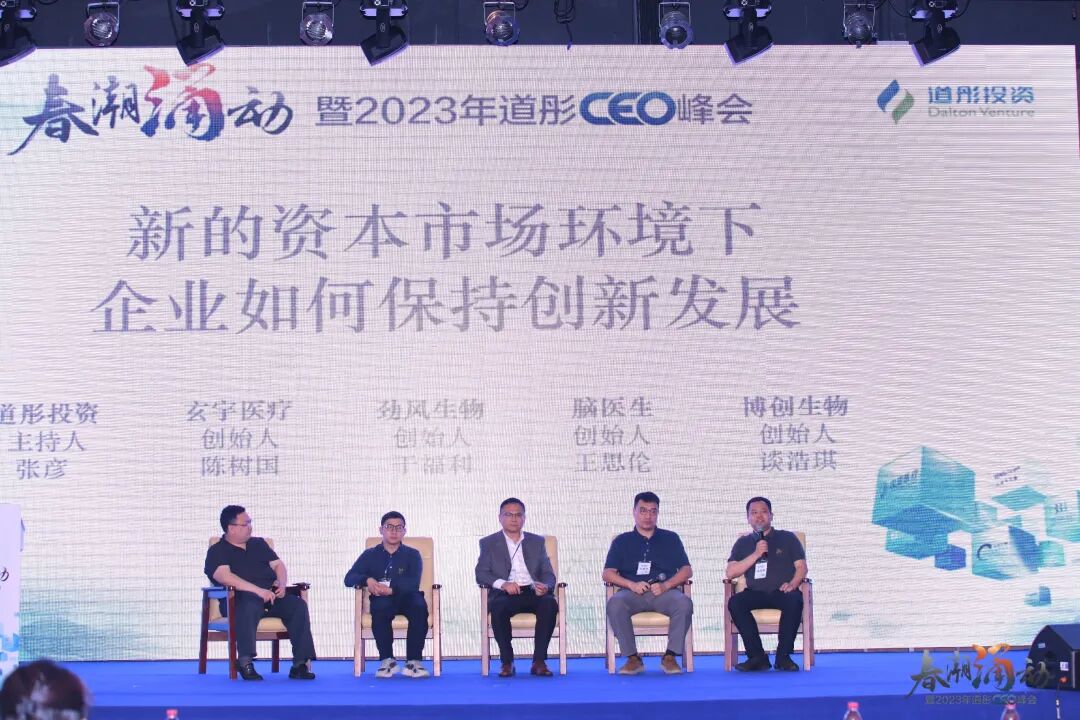
Moderator: Yan Zhang, Investment Director at Dalton Venture
- What counts as Chinese-style innovation? Do "me too" and "me better" qualify?
- Has the capital winter bottomed out?
- Given these conditions, how do we maintain continuous innovation?
Shuguo Chen, Founder of Xuanyu Medical: Xuanyu Medical develops interventional devices for cardiac electrophysiology and peripheral vascular conditions. Having spent years in the device industry, I see our work as technological innovation — applying new approaches to solve clinical needs that previously went unaddressed.
When we evaluate innovation, we ask whether the product meets genuine clinical needs, solves real pain points for physicians, and addresses a substantial market opportunity. We then weigh what it will cost, how long it will take, and what risks the company must bear.
Much innovation encounters rough patches along the way. The key is aligning the risks of innovation with what your company can actually absorb. When our scale, team, technology, and investor backing match that risk capacity, we move decisively.
Speed is everything. Once you commit, execute without hesitation. Move faster before it becomes a trend — that's how you earn capital market validation.
Fuli Yu, Founder and CEO of Jinfeng Biotech: Jinfeng Biotech develops TIL cell therapies for solid tumors. My experience spans China and abroad. Cell therapies, particularly gene therapies, share a defining characteristic: CMC process development, much of it personalized. How do you ensure quality control? How do you reduce costs? China has made significant progress here in recent years — driving down cell therapy costs to improve accessibility. That itself constitutes innovation.
Two keywords have dominated capital markets lately: the SVB collapse and Federal Reserve rate hikes. We need to stay attuned to signals like these, including the recent TikTok congressional hearings. At its core, entrepreneurship means building products or services that fulfill unmet needs. So we embrace capital actively while striving to generate our own cash flow. Whether near-term or long-term, profitability and self-sustaining viability remain the ultimate goals.
Silun Wang, Founder of Brain Doctor: Brain Doctor initially focused on early Alzheimer's screening — genuinely innovative, but an arduous journey. The market taught me hard lessons: without effective Alzheimer's treatments available, Chinese consumers simply don't invest in this space. Our second product targets stroke. It required minimal market education — everyone recognizes the urgent need. We just had to execute better.
I've spent years reflecting. Pursuing the most cutting-edge technology in China demands extreme caution, particularly around market fit and demand alignment. Brain science has surged in popularity these past two years, but the real challenge lies in commercialization — translating research into actual products. We've accumulated relevant experience through this process.
On innovation: it must align with your overarching strategic direction. Team selection, especially for leaders, requires rigor and discernment. Talent develops gradually; their thinking must match the company's strategic vision. Crucially, they need medical backgrounds. Someone proficient in algorithms but lacking clinical exposure won't thrive as a leader here. Our products ultimately reach clinicians and end users, so leaders must deeply understand their core needs.
Haoqi Tan, General Manager of Bochuang Biotech: Bochuang carries dual meaning: "Bo" for universal compassion, "Chuang" for innovation-driven growth. As Mr. Shi from Yisuo Intelligent noted, innovation is the gentle instinct embedded in every researcher. Coming from academia, I've always treated it as my driving force. Our team works in biomaterials, and we founded Bochuang Biotech around our internationally pioneering EDP (electrochemical deposition of biological macromolecules) platform, developing innovative products including advanced artificial corneas and bone membranes. Innovation, in my view, requires two assessments: first, whether market demand exists; second, whether practical implementation and commercialization potential are viable.
Academic translation currently faces several gaps: First, people — researchers typically resist leaving their university posts entirely, essentially keeping an escape route. Second, experience — they lack the managerial seasoning of professional executives. Third, mindset — academia pursues technical supremacy, the best publications, while commercialization demands product thinking. Academic research ignores cost, manpower, efficiency, and timelines. Fourth, researchers carry inherent pride; many pursue translation for prestige rather than financial returns.
PART 05 Beach Gathering Dinner
A beachside dinner brought relaxed warmth to the CEO Summit, creating space for exchange and interaction, deepening cooperation and trust, and shared vision for the future. Entrepreneurs of both substance and style enjoyed a rare moment of ease and reflection, accompanied by BBQ, saxophone, guitar, and ocean breeze.


Founders from the Dalton Venture family took turns performing As Wished, May We All Be Blessed with Longevity, Jacky Cheung's version of Listen to the Sea, and Leslie Cheung's version of At Least I Still Have You. Dalton's investment team also contributed, performing a guitar-accompanied The Moon Represents My Heart — "We can't see the moon tonight, so we'll create it ourselves." The music resonated and soared against the seaside air, gathering friends, energy, and spirit!
Sea and sky merged, boundless and vast, yet the lights of homes along the shore remained our steadfast anchor and strength. After three years of harsh winters, spring arrived as promised. The swift warming of capital markets surged forth like the tide itself, restoring confidence. May our path of medical innovation unfold as wished — until we gather again!