Inside Dalton Venture's Family of Companies | Boosting Long-Term Survival Rates with a Single Injection: How This Innovative Drug Developer Is Taking on Leukemia

CAR-T cell therapy is seen as a new hope in humanity's fight against cancer.

CAR-T cell therapy is seen as a new hope in humanity's fight against cancer.
By Tan Liping, reporter at China Entrepreneur
Edited by Mina
Lü Lulu still remembers the day she received her first clinical trial approval — November 29, 2019. That day, nearly everyone at the company cried from excitement, and she cried along with them. It was the first time Heze Biotech's self-developed product had received official recognition. Before this, Heze was constantly dismissed as a "PPT company." Beyond the team she had personally recruited, industry experts and the investment community simply didn't believe that this startup of merely a few hundred people could possibly develop China's own original CAR-T cell therapy drug. After all, in August 2017, the world's first CAR-T cell therapy had only just been approved in the United States. To date, the US FDA has approved only six CAR-T products, all from deep-pocketed companies: Novartis, Gilead/Kite, Bristol Myers Squibb, and Legend & Johnson & Johnson. Domestically, only two CAR-T cell injections had been approved in 2021, both incorporating international technology.
The "1.2 million RMB miracle cancer shot" — many have heard of it. With its "one-shot cure" and "cancer cells cleared in two months" miraculous efficacy, combined with its staggering treatment cost, it has drawn widespread attention from all sectors of society in recent years. This "miracle cancer shot" refers to CAR-T cell therapy. As an emerging treatment modality, CAR-T cell therapy is regarded as a new hope for humanity in the battle against cancer. China has a large base of cancer patients — in 2019 alone, newly diagnosed cancer cases exceeded 4 million. Yet with so few available CAR-T products and costs running into the millions, it remains hopelessly out of reach for most.
In 2018, while still working at a large multinational pharmaceutical company, Lü Lulu saw vast potential in this field and resolutely decided to join the innovative drug development arena. That June, she co-founded Heze Biotech and became its CEO. At the time, she set herself a goal: to develop CAR-T drugs that "ordinary people can afford and access" — long before, when she was still a hematologist watching patients endure painful chemotherapy and count down their remaining days, she had developed a deeper understanding of drugmaking: only medicines that can actually cure ordinary people are what truly matter.
Over the company's five years of existence, Heze Biotech has steadily approached this goal. In December 2022, Heze Biotech's new drug application (NDA) for inaticabtagene autoleucel injection (CNCT19), for treating adult relapsed or refractory B-cell acute lymphoblastic leukemia (r/r B-ALL), was accepted by the National Medical Products Administration and granted priority review, with approval expected within the year.
This would also be China's first CAR-T product targeting leukemia patients. The seed has already broken through the soil — how did this startup venture into uncharted territory and carve out new ground? And what commercialization plans lie ahead?

Venturing Into Uncharted Territory
Perhaps we should first explain what CAR-T cell therapy is. Compared to traditional cancer treatments like radiotherapy and chemotherapy — "kill one thousand enemies, harm eight hundred of your own," destroying large numbers of healthy cells alongside cancer cells — CAR-T therapy genetically modifies the body's "immune guardian" T cells, enabling them to precisely kill cancer cells within the body.
The general procedure is as follows: first, T cells are collected from the patient's blood; then, in a manufacturing facility, these T cells are "equipped" with "radar" that can precisely identify tumor cells — chimeric antigen receptors (CAR) — transforming them into CAR-T cells, which are then massively expanded; finally, the CAR-T cells are infused back into the patient, initiating large-scale precision killing of tumor cells.
Lü Lulu explained to China Entrepreneur: "The advantage of this therapy is that it's based on modifying living human cells, so the effects are better; and it's highly modifiable — for instance, you can install two different 'radar' systems at once; because these are living cells, they can persist in the body and provide ongoing immunity."
Currently, globally approved CAR-T cell therapy products are concentrated in the hematological tumor space, including leukemia, lymphoma, and multiple myeloma. Heze Biotech's first target was adult relapsed or refractory B-cell acute lymphoblastic leukemia (r/r B-ALL).
Source: Interviewee
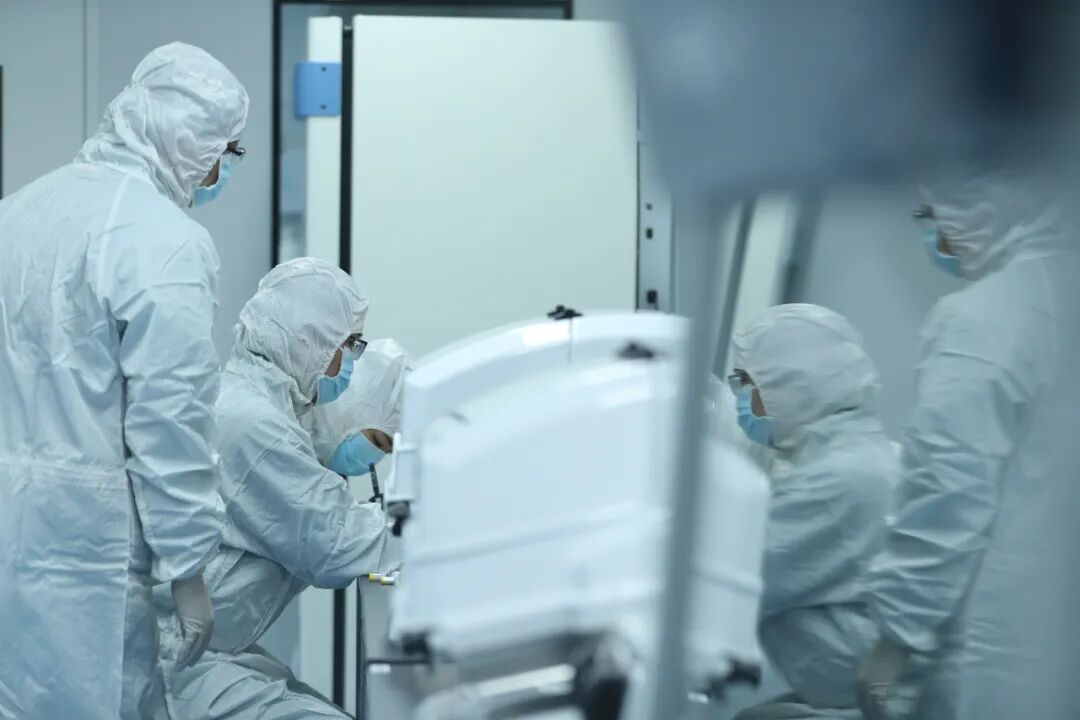
Lü Lulu had spent 11 years as a hematologist, treating leukemia patients day in and day out — so she understood all too well the brutal reality these patients faced.
Currently, the main domestically available treatments for adult r/r B-ALL include chemotherapy, hematopoietic stem cell transplantation, and more recently approved bispecific antibodies (BiTE) and antibody-drug conjugates (ADC).
"No matter which treatment approach is used, many patients don't survive half a year," Lü Lulu explained. "Eighty percent of patients first undergo chemotherapy, but only about 20% actually respond effectively — that is, only 2 out of 10 people. And even for those who do respond to chemotherapy, the median survival is only three to four months. Bispecific antibody drugs improved treatment response rates to over 40% and extended median survival to 7.7 months, but this drug requires 24-hour infusion and costs around 200,000 RMB per month. As for bone marrow transplantation, not to mention that most patients can't even survive long enough to reach this stage, this therapy still faces HLA matching difficulties, and even successful transplant recipients face risks of graft-versus-host disease and high relapse rates."
Heze Biotech's self-developed inaticabtagene autoleucel injection, after approximately two weeks of manufacturing, can achieve an 80% response rate. "Over 60% of patients remain in sustained remission at three months, and for these patients, an estimated 80% are still in sustained remission at 12 months, that is, at one year," Lü Lulu stated. "Among the earliest patients enrolled in clinical studies, we have already seen long-term survivors exceeding five years."
Heze Biotech's self-developed manufacturing process also gives inaticabtagene autoleucel injection a high production success rate, a major advantage compared to currently marketed similar products. To date, the product has achieved a 100% manufacturing success rate in acute lymphoblastic leukemia patients. Lü Lulu noted: "In CAR-T therapy, a manufacturing failure is almost equivalent to the loss of a living life. Leukemia patients don't have that much time to wait. 'Strictly guarding the bottom line of life, with everything centered on ensuring product quality' is our requirement for every single production and quality control staff member."
Beyond the NDA being formally accepted by the Center for Drug Evaluation of the National Medical Products Administration and granted "priority review," in March this year, inaticabtagene autoleucel injection's clinical trial application also received US FDA clearance, with potential for successful overseas expansion.
Notably, inaticabtagene autoleucel injection will be China's first and the world's second CAR-T product for treating adult acute lymphoblastic leukemia.
Why Heze
When Heze received approval to conduct clinical trials in 2019, the world's first related adult ALL indication product, Tecartus, had not yet been approved. Facing a blank market, how did a four-year-old startup manage to crack this hard nut?
Lü Lulu's answer: multiple factors.
For instance, deep collaboration with the national-level institution Chinese Academy of Medical Sciences Blood Disease Hospital gave the company the opportunity to leapfrog from "standing on the shoulders of giants"; support from multiple sources — national funding, private capital, and industry funds — provided a strong backbone, allowing the company to charge forward without worries; selfless assistance from numerous scientists and clinical experts in the industry helped clear away layers of fog for the company's product strategy and future development; and the national drug regulatory authorities' full support in establishing internal standards for "uncharted territory" and in innovation was a crucial element enabling Heze to dance at the forefront.
She also often wonders: facing cell and gene therapy as a new technology, how did Heze Biotech break through among large pharmaceutical companies and scientist groups closer to the laboratory? Perhaps because the founding team's understanding of drugmaking and science was relatively complete.
Before founding Heze Biotech, besides her 11 years as a doctor, she had worked at multinational pharmaceutical companies including Novartis, Roche, AstraZeneca, and Merck & Co., participating in the R&D, strategic planning, and commercialization of products like Gleevec, Herceptin, Tagrisso, and Keytruda. This gave her understanding of both patients' true needs and the entire drugmaking process.
By comparison, while large pharmaceutical companies had many engineers, they weren't involved in new technologies like cell and gene therapy. Scientists focused on this area were more often doing research at academic institutions, publishing many high-quality papers; some scientists chose to start companies, but their thinking may have remained at creating a "larger laboratory," lacking full-process layout for manufacturing processes and quality control systems.
When Heze Biotech assembled its team in 2018, it established core teams covering the drug development pathway — manufacturing processes, quality control systems, and medical affairs — which was "quite luxurious" for that time. Team members included R&D talent, pharmaceutical talent, and people well-versed in capital markets.
"The challenge with original drugs is that you have to develop everything yourself. But because of this, your destiny is in your own hands — efficacy, safety, manufacturing processes, costs, they're all controllable," Lü Lulu said. CAR-T therapy competes on original technology patents passing muster; process stability ensuring product manufacturing success; product efficacy and safety; and cost competitiveness.
Lü Lulu believes team and technology are Heze Biotech's competitive moats. To some extent, technology is also determined by the team.
When the team was first formed in 2018, she personally recruited each of the initial 40-plus employees. Now, with a team of over 300, 70% of core technical backbone personnel have been cultivated internally. After more than five years of磨合, their "professionalism, execution, and resilience are all very strong" — resilience is also a dimension Lü Lulu values highly. "Difficulties happen every day; facing various challenges is the norm, especially when you're doing original R&D."
In 2020, Heze Biotech faced its biggest crisis ever — the risk of a broken capital chain. The sudden pandemic forced raw material production to halt, yet patients were still waiting in hospital beds; the entire industry's investment rhythm was disrupted, and the company's flagship product inaticabtagene autoleucel injection had not yet entered Phase II clinical trials, meaning it could never prove its capabilities to investors; for this, Lü Lulu even participated in a "supply chain battle" — once, for a single cell bag, she lectured and made appearances for an entire afternoon, ultimately obtaining three bags, which were used for three patients.
That entire year, Lü Lulu worried about funding every day. Internal staff had long grown accustomed to the company's state of "splitting every penny in half." At the time, some investors suggested adjusting the company's strategy, but Lü Lulu firmly rejected external temptations. "They say the victor is king. Early on you compete on technology; in the end, it's actually psychological resilience."
As the company continued to develop and grow, a shortage of management talent also became a thorny problem for Heze. In 2020, Lü Lulu began searching extensively for management and advisors with market-oriented, industrialized, and international experience. After roughly a year of outreach, in 2021, she persuaded Wang Yongzeng, a global quality audit expert in "cell and gene therapy" who had been abroad for 20 years, to return to China with his wife to join Heze Biotech.
Even more moving is the story of current Chief Medical Officer Chen Changting, who had worked at the FDA for 13 years with years of drug approval experience. During the 2021 Spring Festival, a 30-minute overseas call from Lü Lulu moved her; in just one day, she decided to join Heze. "At the time, her German husband thought she was crazy, but her response was: 'I've reviewed drugs at the FDA for over a decade; it's rare to see a Chinese company this close to commercialization,'" Lü Lulu recounted.
Of course, Lü Lulu believes that what has sustained Heze through it all is also her own "never-give-up" spirit.
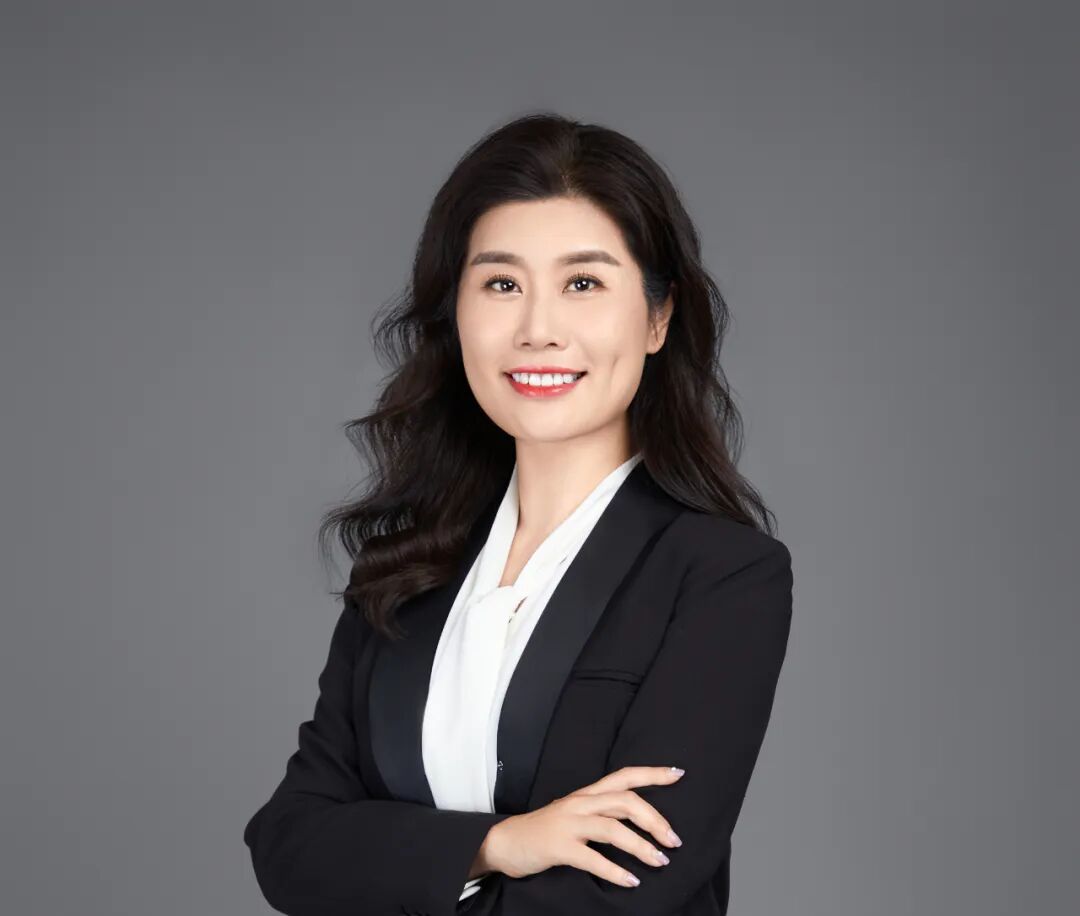
Looking back at the past five years, Lü Lulu finds it hard to say which year was more difficult, because every step was "walking on thin ice." Her catchphrase is "this week is critical."
Source: Interviewee
For Lü Lulu, every week is "this week." In 2018, she built the team and found investors from scratch; in 2019, facing a blank market with no industry data standards, she "begged and pleaded" to take her team to communicate with industry experts, struggling with the inability to prove herself to the industry, regulators, and investors; in 2020, just as she had received clinical approval and was ready to go all out, the pandemic hit, with supply chains and funding on the brink; by 2021, it was time for the real battle — entering Phase II clinical trials where drug efficacy would be truly validated, with over ten clinical centers running simultaneously for Heze Biotech, testing comprehensive capabilities.
All of this was survived. What lies ahead for Heze Biotech is the challenge of product commercialization.
Making Good Medicines Ordinary People Can Afford
Many call 2021 the "first year of CAR-T therapy commercialization in China."
That June, the National Medical Products Administration approved China's first CAR-T therapy — Fosun Kite's axicabtagene ciloleucel injection; in September of the same year, JW Therapeutics' relmacabtagene autoleucel injection was formally approved.
Currently, treatment numbers for both products remain in the hundreds. In March this year, Fosun Kite CEO Huang Hai stated at a conference that axicabtagene ciloleucel injection has now treated over 400 patients. JW Therapeutics' annual report shows that relmacabtagene autoleucel injection had 165 prescriptions written in 2022, completing 141 patient infusions, with 171 patients treated since launch.
Due to the complex manufacturing process, low production capacity, and high costs of cell therapy, the application of CAR-T therapeutic drugs has been limited. Additionally, beyond Legend Biotech's original ciltacabtagene autoleucel being approved in the United States, no domestically developed original product has been approved in China.
However, Lü Lulu notes that in 2022, the industry already saw four self-developed CAR-T products' NDAs accepted, and in the second half of this year, a wave of product approvals may soon arrive. At this point, what will be tested is each company's commercialization capabilities. "Everyone believes personalized cell therapy commercializes well in terms of efficacy, but how do you solve commercialization barriers? How do you release production capacity? How do you quickly make it accessible to ordinary people?" Lü Lulu believes these are all matters to consider going forward.
Regarding the company's future development, Lü Lulu has formulated the "Heze Trilogy": first solve hematological tumors, then solid tumors, then enter regenerative medicine. Making products more affordable through technological improvements, thereby allowing more patients to benefit, is also a sound research strategy — for example, "dual-radar" therapy and "off-the-shelf CAR-T" approaches.
Lü Lulu has already mapped out Heze's next five years, divided into two phases: achieving inaticabtagene autoleucel injection product launch, then achieving company IPO; through subsequent pipeline momentum and global expansion, pushing products outward while bringing global patients to China.
She recalls when they received US Orphan Drug Designation in 2022 — at the time, many people discussed how a Chinese startup could actually obtain US designation; a year later, the company received FDA clinical trial approval, and most skeptics turned to affirmation, giving team members tremendous confidence. She thought, since they've already carved out a path in China, they can walk it again in the United States. Roads, after all, are built step by step through victories, step by step through overcoming obstacles.
She believes the small goal set in 2018 will ultimately be realized.
Source: China Entrepreneur

ID: daltonventure
Long press to follow
Recommended Reading