Dalton Venture's Sun Qi: Dig Deep Into Your Own Track, and Wait for Your Own Market | Dalton Insights
Over the past year, TongDao's main focus areas have been three: brain-computer interfaces, bio-manufacturing, and new materials.

Background
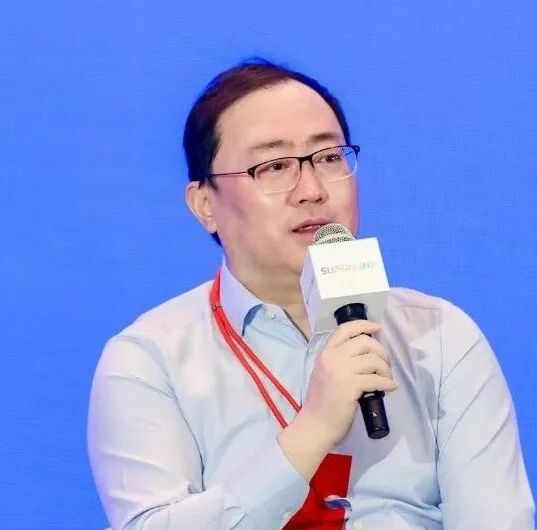
In the height of June, along the shores of Taihu Lake. The "2026 PEDaily SuperLink Conference," hosted by Zero2IPO Holdings (01945.HK) and PEDaily, took place on June 10-11. This event covered the full investment chain — fundraising, investing, portfolio management, and exits — with the ambition of becoming a super-hub for China's venture capital ecosystem. Sun Qi, Founding Managing Partner of Dalton Venture, was invited to a roundtable discussion on "How to Create Investment Performance That LPs Recognize," where he shared some of Dalton's reflections from the past year.
Dalton Insights
On Brain-Computer Interfaces: "We may currently be the healthcare GP with the most BCI projects in our portfolio."
On Investment Pace: "Of course we wanted to move faster, but we didn't expect to be pushed along this quickly by the financing rhythm of projects."
On Investment Opportunities: "Identifying non-consensus opportunities is getting harder. This year we're seeing a 'one-nine effect' — a small number of sectors, maybe 10%, are absorbing the vast majority of capital."
On Market Heat: "Stay calm, maintain valuation discipline, don't chase highs, don't do anything too outrageous."
On Fundraising: "Don't chase money indiscriminately. It takes time for a team to understand a region's industrial ecosystem and policies — find capital that matches."
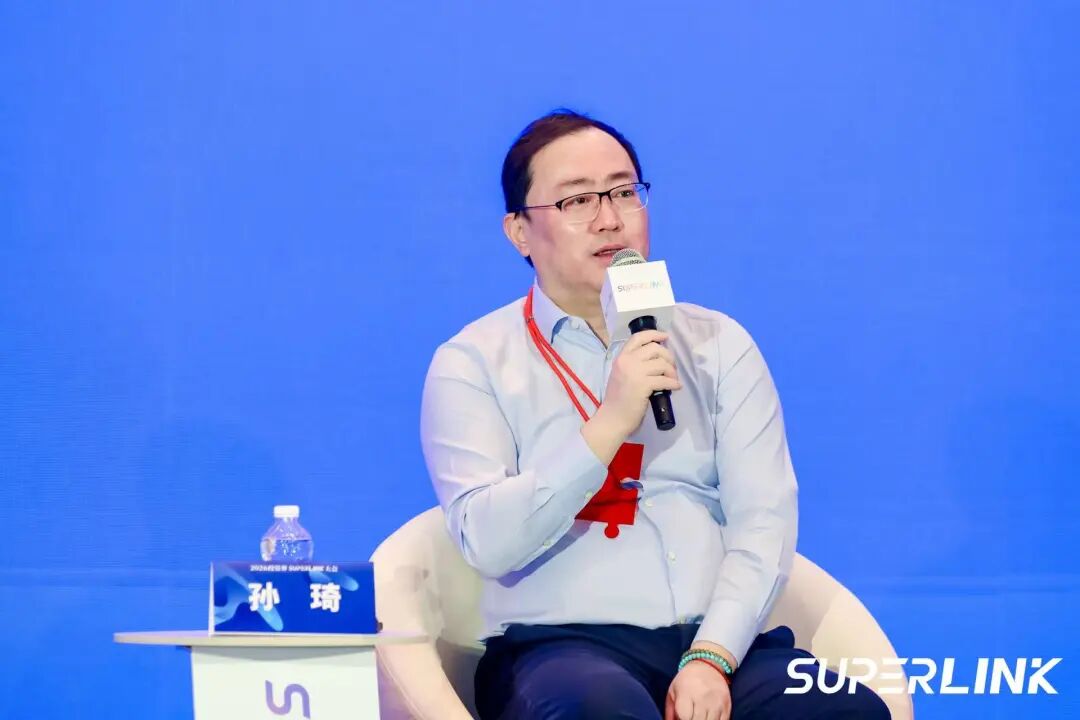
Excerpts from the day's discussion:
Primary Focus Areas Over the Past Year
Brain-Computer Interfaces + Bio-manufacturing + New Materials
Sun Qi: Over the past year, we've focused on three main directions. First, brain-computer interfaces — we may currently be the healthcare GP with the most BCI projects in our portfolio. We started building positions a year ago, and this space is now exceptionally hot. Second, bio-manufacturing. Last year we launched a bio-manufacturing fund and have already invested in several projects. It's the first bio-manufacturing fund in Shanghai and one of only four nationwide. Bio-manufacturing has been included among the six future industries in this year's "15th Five-Year Plan" released at the Two Sessions. Third, new materials — we've begun moderate positioning this year. Amid the anxiety that AI has created, we need to ask: what can't AI disrupt? Energy and materials in the physical world are fundamental elements. Materials are also one of the six future industries in Shanghai's 15th Five-Year Plan.
Find Your Niche and Dig Deep
Eventually Your Market Will Come
Sun Qi: On investment pace, it's clearly accelerated this year. From January through May, Dalton invested in 15 projects (not counting follow-ons), with 3 more this month. That's 18 in the first half, averaging 3 per month — the fastest investment period in our company's history. Of course we wanted to move faster, but we didn't expect to be pushed along this quickly by the financing rhythm of projects. For example, one of our BCI projects hadn't even completed closing before its next convertible note round raised 150 million yuan, with valuation tripling in two months — so we had to move fast.
This has been the most profound realization of the year: opportunity lies here, and so does risk. The biggest opportunity this year is the sustained rise in heat across hard tech, with emerging industries and future industries both unfolding. But identifying non-consensus opportunities is getting harder. This year we're seeing a "one-nine effect" — a small number of sectors, maybe 10%, are absorbing the vast majority of capital. If we hadn't positioned ahead of time, the pressure on our DPI and IRR would be immense today.
Conversely, the risk lies here too. Common sense tells us that storm-like enthusiasm usually doesn't last. Investors can't let themselves be led by the nose. Many projects now demand "bare runs" — no ratchets, no buybacks, take it or leave it. This is especially true in hard tech, where some very strong projects refuse to cooperate with due diligence. This is becoming common. Talking with peers, everyone has varying degrees of anxiety and FOMO, feeling compelled to invest yet also conflicted. Our approach is to stay calm, hold onto our original intentions and rationality, maintain valuation discipline, don't chase highs, don't do anything too outrageous. At the same time, you still have to invest when you should, because you never know where the top is.
There's FOMO within the team too. I told them: First, read and listen to less PR — much of it is inflated, and it'll mess with your head. Second, focus on your own赛道, don't shoot in all directions. Last week I attended the Shanghai SDIC Pioneer Fund conference. In President Wen's presentation, one slide mentioned "shifting from broad-spectrum investing to thematic deep cultivation." I came back and specifically told the team: Find your own赛道, dig deep, build deep expertise. Investing is the monetization of cognition. Keep studying and investing in one赛道, and eventually your market will come.
Find Partners with High Alignment
With Your Resources, Capabilities, Investment Philosophy, and Fund Mandate
Sun Qi: Our industry is tough — like a hamster on a wheel, investing then fundraising, fundraising then investing, round and round. The LP circle is actually quite small. Top-tier large LPs, even with personnel changes, may move from one institution to another. For example, President Wen was previously at Guotai Junan, which was our LP; after moving to SDIC, the Shanghai SDIC Pioneer Fund also invested in Dalton. The prerequisite, of course, is doing well and meeting top-tier LP standards. The higher the reinvestment rate from LPs in each fundraising round, the less pressure the GP faces.
Last time I heard President Yang Bin of Shanghai Science and Technology Innovation Group mention that data from the FOF committee at year-end showed state capital now accounts for over 90%. Any GP fundraising inevitably has to address the demands of local state capital and local governments. On this, my view is: at first close you'll certainly have some local state capital, and at that stage you need to find partners with high alignment with your resources, capabilities, investment philosophy, and fund mandate. For example, bio-manufacturing involves fermentation, which requires cooling. The north is naturally suited for cooling; in the south you need air conditioning. Once bio-manufacturing reaches pilot and production scale, it's less suitable for the south — regions north of the Yangtze River Delta are more appropriate. It has to fit the investment direction and project logic; choice matters. Moreover, don't casually leave your home base chasing capital — it takes time for a team to understand a region's industrial ecosystem and policies; you can't just open up new territories. We've warmly received many government LPs who came knocking, but ultimately declined. If regions are too dispersed, it affects subsequent financial investors and national team follow-on interest.
Second, seek the greatest common denominator. Investing in early-stage projects while satisfying all parties is genuinely difficult, exhausting, and hurts allocation efficiency. I envy my secondary market peers. I once spoke with a secondary market veteran who's also our LP — with tens of billions in fund size, they only need to invest in a few dozen targets. Their various funds have highly concentrated, overlapping positions, so allocation efficiency is very high.
Third, at first close focus on local government capital and industrial capital; at final close, focus on insurance capital and national teams. You must produce solid performance in the earlier stages to attract insurance capital and national teams. Additionally, positioning in future industries — looking back over the past two to three years, the logic has become increasingly valid. If you dig deep into industries with distinctive characteristics, in today's market logic, the more you invest in line with Party guidance, the more money you make. Thus, the objectives of these two LP types can be effectively and harmoniously aligned — nothing could be better. To sum it up in one sentence: anxious yet happy!


ID: daltonventure
Long press to follow
Recommended Reading